# Cadabam's Child Development Centre — Full Content
> Complete knowledge base for LLM consumption. For the index/summary version, see /llms.txt
---
# About Cadabam's CDC
## About Cadabam's Child Development Centre
At Cadabam's Child Development Centre, we believe your child deserves more than therapy. They deserve understanding, encouragement, and care that grows with them.
Whether it's learning to speak, building focus, managing emotions, or navigating social situations, we're here to help children thrive through expert-led, play-based support.
---
## Who We Are
Our child development centre brings together some of India's leading specialists in child and adolescent care — developmental paediatricians, child psychologists, speech and language therapists, occupational therapists, physiotherapists, behavioral therapists, and special educators — all under one roof, across three centers in Bangalore.
Founded in 1992, Cadabam's has over 30 years of clinical experience in pediatric therapy and developmental care. What began as a single centre has grown into a comprehensive ecosystem of care that has supported over 200,000 children, families, and individuals through our programs.
## What We Do
We provide evidence-based therapies for speech delays, behavioural challenges, sensory issues, learning difficulties, and a wide range of neurodevelopmental conditions including autism, ADHD, cerebral palsy, intellectual disability, and conduct disorder. Each therapy plan is personalised — designed in partnership with parents to meet your child's unique strengths, needs, and pace of growth.
But we don't stop at milestones. We focus on confidence, connection, and long-term emotional wellbeing.
Because for us, early intervention isn't just about catching up — it's about helping every child feel seen, supported, and ready for the world.
## Our Approach
### Multidisciplinary Care
Children with developmental conditions rarely need just one type of therapy. That's why every child at Cadabam's CDC is supported by a coordinated team of specialists who collaborate daily — sharing observations, aligning goals, and adjusting plans together. Your child doesn't just get a therapist; they get a team.
### Evidence-Based Practice
Every therapy we deliver is grounded in current scientific research. Our team uses internationally validated assessment tools (WISC-V, ADOS-2, Conners-3, Vineland-3) for accurate diagnosis and evidence-based intervention methods (ABA, CBT, Lidcombe Program, Orton-Gillingham, NDT) for effective treatment.
### Family-Centred Philosophy
Parents are the most important people in a child's life — and the most powerful agents of change. That's why parent coaching and family support are woven into every program at Cadabam's CDC. We don't just treat your child in our clinic; we equip you with the knowledge and strategies to support their development every day.
### Play-Based Therapy
Children learn best through play. Our therapy sessions are designed to feel like engaging, purposeful play — not clinical exercises. From sensory rooms to obstacle courses, art activities to social games, every therapy environment at Cadabam's CDC is built to keep children motivated, comfortable, and eager to participate.
---
## Our Team
Our multidisciplinary team of 50+ specialists includes:
- **Paediatric Neurologists** — neurological evaluation, epilepsy management, medication oversight
- **Clinical & Rehabilitation Psychologists** — comprehensive assessments, CBT, behavioral therapy
- **Speech-Language Pathologists** — articulation, language delay, fluency, social communication, AAC
- **Occupational Therapists** — sensory integration, fine motor skills, handwriting, daily living
- **Pediatric Physiotherapists** — gross motor development, balance, coordination, mobility
- **Behavioral Therapists** — ABA therapy, parent management training, social skills groups
- **Special Educators** — IEP development, remedial instruction, school advocacy
[Meet our team](/our-team)
---
## Our Centers
We operate three fully equipped child development centers across Bangalore:
### [JP Nagar](/centers/bangalore-jp-nagar)
Our flagship center in South Bangalore with full therapy suites, sensory integration rooms, and assessment facilities.
### [Kanakapura Road](/centers/bangalore-kanakapura-road)
Serving families in the Kanakapura Road corridor with comprehensive child development services.
### [Kalyan Nagar](/centers/bangalore-kalyan-nagar)
Our North Bangalore center bringing expert pediatric care to families in Kalyan Nagar and surrounding areas.
---
## By the Numbers
- **30+ years** of clinical experience since 1992
- **200,000+** children, families, and individuals supported
- **50+** specialists across multiple disciplines
- **3 centers** across Bangalore
- **120+** therapy and rehabilitation modules
- **98.7%** of families report positive improvements
---
## Our Mission
To provide every child with access to world-class developmental care — combining clinical excellence with warmth, understanding, and respect for each child's unique journey. We envision a future where every child with a developmental condition receives the early, integrated support they need to thrive.
---
## Frequently Asked Questions
### How is Cadabam's CDC different from other therapy centres?
Most therapy centres offer individual therapies in isolation — you go to one place for speech therapy, another for OT, another for psychological assessment. At Cadabam's CDC, all specialists work under one roof and collaborate daily on your child's care. This integrated approach produces faster, more consistent progress because everyone is working toward the same goals.
### Do I need a referral to come to Cadabam's CDC?
No. You can book a consultation directly by calling [+91 95355 85588](tel:+919535585588) or through our [contact page](/contact). You don't need a referral from a pediatrician, though we welcome reports from other professionals who have evaluated your child.
### What age children do you work with?
We work with children from birth through adolescence (0-18 years). Our early intervention programs support infants and toddlers, while our therapy and special education services extend through the teenage years. We also provide parent counseling and family support for caregivers at every stage.
### Do you offer online consultations?
Yes. We offer online consultations and therapy sessions for families who cannot visit our Bangalore centers regularly. Online sessions are conducted via secure video call and are effective for many types of assessment, therapy, and parent coaching.
---
[Book a Consultation](https://www.cadabamscdc.com/contact) | Call: [+91 95355 85588](tel:+919535585588)
*Cadabam's Child Development Centre — JP Nagar | Kanakapura Road | Kalyan Nagar, Bangalore*
---
# Conditions We Treat
## ADHD vs Intellectual Disability in Children
## ADHD vs Intellectual Disability: Understanding the Differences
ADHD and intellectual disability both affect how a child learns and behaves, but they are fundamentally different conditions with different causes, different trajectories, and different treatment needs. ADHD is primarily a disorder of attention and executive function — the child's underlying cognitive ability is intact, but their brain struggles to regulate focus, impulse control, and organisation. Intellectual disability, on the other hand, involves below-average cognitive functioning across all domains, affecting the child's ability to learn, reason, and manage everyday life tasks at an age-appropriate level. Some children live with both conditions simultaneously, which makes careful assessment all the more important.
Dr. Vikas Krishnananda and the team at Cadabam's CDC regularly work with families navigating exactly this kind of diagnostic question. If you are unsure whether your child's struggles reflect attention difficulties, cognitive differences, or a combination of both, we are here to help you find clarity. [Contact us](/contact) to schedule a developmental evaluation.
[Book a Consultation](https://www.cadabamscdc.com/contact)
---
## What Is ADHD?
[ADHD](/conditions/adhd) is one of the most common neurodevelopmental conditions in childhood, characterised by persistent patterns of inattention, hyperactivity, and impulsivity that interfere with daily functioning. A child with ADHD may struggle to stay focused on schoolwork, lose belongings frequently, fidget through quiet activities, or act impulsively. These difficulties reflect differences in how the brain manages executive functions like planning, working memory, and self-regulation — not defiance or laziness.
Importantly, children with ADHD generally have average or above-average intelligence. Their difficulties lie in deploying their abilities consistently rather than in lacking them. If you suspect your child may have ADHD, our [ADHD assessment](/assessments/adhd-self-assessment-test) can be a helpful starting point.
---
## What Is Intellectual Disability?
[Intellectual disability](/conditions/intellectual-disability) is defined by significant limitations in both intellectual functioning and adaptive behaviour that originate before the age of eighteen. Intellectual functioning refers to general mental capacity — the ability to learn, reason, solve problems, and think abstractly — and is typically measured through standardised IQ testing, with a score of approximately 70-75 or below indicating a limitation. Adaptive behaviour encompasses the practical and social skills needed for everyday life, including communication, self-care, social interaction, and independent living.
A child with intellectual disability may be slower to reach developmental milestones such as sitting, walking, and talking, and as they grow, the gap between their abilities and those of same-age peers tends to become more noticeable. The condition ranges from mild to profound, and the level of support a child needs varies accordingly. An [IQ assessment](/assessments/iq-assessment-intellectual-disability) combined with adaptive behaviour evaluation forms the foundation of an accurate diagnosis.
---
## Key Differences Between ADHD and Intellectual Disability
The most fundamental difference lies in cognitive ability. A child with ADHD has the intellectual capacity to learn grade-level material but struggles to sustain the attention and organisation needed to do so consistently. A child with intellectual disability faces a genuine limitation in cognitive processing that affects learning across all subjects and settings, regardless of how attentive or motivated they are.
Attention patterns also differ. In ADHD, attention is inconsistent — the child may hyperfocus on a preferred activity but cannot sustain focus on unengaging tasks. In intellectual disability, a child may appear inattentive because the material exceeds their cognitive capacity rather than because their attention system is dysregulated. When tasks are matched to their ability level, children with intellectual disability can often focus appropriately.
Social skills are affected differently as well. Children with ADHD often understand social rules but violate them impulsively — interrupting conversations or saying things without thinking. Children with intellectual disability may struggle to understand the social rules themselves. The onset also differs: ADHD symptoms are typically most noticeable when formal schooling begins, while intellectual disability is usually apparent earlier from delays in reaching developmental milestones.
---
## Can a Child Have Both ADHD and Intellectual Disability?
Yes, and this co-occurrence is more common than many parents realise. ADHD occurs at higher rates among children with intellectual disability than in the general population. When both are present, attentional difficulties compound learning challenges, and it can be difficult to determine how much of a child's struggle is attributable to each condition without careful assessment.
The key is to assess whether attention difficulties are disproportionate to what would be expected given the child's cognitive level. Our [pediatric neurologists](/our-team/pediatric-neurologists-bangalore) at Cadabam's CDC are experienced in teasing apart these overlapping presentations to ensure every contributing factor is identified and addressed.
---
## How Are They Diagnosed?
The diagnostic process for each condition follows different but complementary pathways. ADHD diagnosis relies primarily on behavioural observation and history-taking, with clinicians gathering information from parents, teachers, and direct observation across multiple settings. Standardised rating scales such as the Conners-3 or Vanderbilt scales help quantify symptom severity, and the clinician must establish that attention difficulties are inconsistent with the child's developmental level.
Intellectual disability diagnosis centres on two formal measurements: standardised IQ testing and adaptive behaviour assessment. Both must show significant limitations for the diagnosis to be made. When both conditions are suspected, an integrated evaluation that examines cognitive ability, executive function, attention, and adaptive skills simultaneously provides the clearest picture.
---
## Treatment Approaches
Treatment for ADHD and intellectual disability differs in focus, though there is meaningful overlap in the broader goal of helping the child function as independently and successfully as possible. For ADHD, evidence-based approaches include behavioural therapy to build organisational skills and self-regulation, [occupational therapy](/therapies/occupational-therapy) to support sensory and motor needs that affect attention, and parent training to create home environments that minimise distractions and reinforce positive behaviours. In some cases, medication may be considered as part of the treatment plan, always in consultation with a paediatric specialist.
For intellectual disability, the focus shifts toward building functional skills through [special education](/therapies/special-education) programmes tailored to the child's cognitive level, speech and language therapy to strengthen communication, and life-skills training to foster as much independence as possible. The pace of instruction is adapted, concepts are broken into smaller steps, and repetition and reinforcement are built into every session. When a child has both ADHD and intellectual disability, the treatment plan must address both dimensions — managing attention and impulsivity while also providing the adapted instruction and skill-building that cognitive limitations require.
---
## Frequently Asked Questions
### Can ADHD be mistaken for intellectual disability?
Yes, this can happen, particularly in young children whose ADHD symptoms are severe enough to significantly impact learning and adaptive functioning. A child who cannot focus long enough to absorb instruction may appear to have a cognitive limitation when the true barrier is attentional. Comprehensive testing that measures both IQ and attention separately is essential for an accurate diagnosis.
### Does ADHD affect IQ scores?
ADHD does not lower a child's actual intellectual ability, but it can affect performance on IQ tests if the child is unable to sustain attention throughout the assessment. Experienced examiners account for this by using breaks, adjusting the testing environment, and interpreting scores in the context of observed attention difficulties.
### Is intellectual disability permanent?
Intellectual disability is a lifelong condition, though the level of support a person needs can change over time with appropriate intervention. Children who receive early and consistent therapy, special education, and family support often develop skills that allow them to function more independently than initial assessments might suggest.
### At what age can ADHD and intellectual disability be diagnosed?
ADHD is most commonly diagnosed between the ages of six and twelve, though signs can be present earlier. Intellectual disability can sometimes be identified in infancy or toddlerhood when significant developmental delays are observed, though formal IQ testing is typically more reliable from around age five onward.
### What should I do if I am unsure whether my child has ADHD or intellectual disability?
The most helpful step is to seek a comprehensive developmental evaluation from a multidisciplinary team that can assess cognitive ability, attention, adaptive functioning, and behaviour simultaneously. This integrated approach avoids the risk of misdiagnosis and ensures your child receives the specific support they need.
---
## Why Choose Cadabam's CDC?
Cadabam's CDC is home to a multidisciplinary team of paediatric neurologists, child psychologists, special educators, and therapists who collaborate to provide accurate diagnoses and effective, individualised treatment plans. We understand that the distinction between ADHD and intellectual disability is not always straightforward, and our assessment process is designed to capture the full picture of your child's strengths and challenges. From the first consultation through ongoing therapy and support, our commitment is to your child's progress and your family's peace of mind. [Contact us](/contact) to schedule an evaluation and take the first step toward understanding your child's needs.
---
*Medically reviewed by Dr. Vikas Krishnananda, Neurologist, Cadabam's CDC. Last reviewed April 2026.*
## ADHD vs Social Communication Disorder
## ADHD vs Social Communication Disorder: Key Differences
ADHD and social communication disorder (SCD) can look similar because both cause children to struggle in conversations and miss social cues, but the underlying reasons are fundamentally different. In ADHD, social difficulties stem from inattention and impulsivity — the child may interrupt because they can't wait, or miss social cues because they weren't paying attention. In SCD, the child is paying attention but genuinely struggles to interpret tone of voice, body language, sarcasm, and conversational context. The distinction matters because treatment approaches are different.
Learn more about [our pediatric neurologists](/our-team/pediatric-neurologists-bangalore) who specialise in this area.
[Book a Consultation](https://www.cadabamscdc.com/contact)
---
## What Is ADHD?
### Core Symptoms and Everyday Impact
The [meaning of ADHD](/conditions/adhd) is rooted in a persistent pattern of inattention and/or hyperactivity-impulsivity that interferes with functioning or development.
- **Inattention:** Misses details, loses school supplies, day-dreams in class.
- **Hyperactivity:** Fidgets, climbs, or talks excessively—even when inappropriate.
- **Impulsivity:** Blurts answers, interrupts, or takes unsafe risks without thinking.
These [ADHD symptoms](/conditions/adhd) appear across settings (home, school, playground) and usually start before age 12, defining the experience of [ADHD in children](/conditions/adhd).
* * *
## What Is Social Communication Disorder (SCD)?
### Core Symptoms and Everyday Impact
- **Pragmatics:** Difficulty using greetings, taking turns, or staying on topic.
- **Non-verbal cues:** Struggles to read facial expressions, gestures, or tone of voice.
- **Social rules:** Finds it hard to adjust language for different people or settings.
Unlike [ADHD](/conditions/adhd), attention span is intact; the challenge lies in _how_ language is used socially. Symptoms become noticeable once language demands increase—around preschool or early primary years.
* * *
## Key Differences at a Glance
| Feature | ADHD | SCD |
| --- | --- | --- |
| Main struggle | [Attention & impulse control](/conditions/adhd) | Social use of language |
| Eye contact | Often okay | May avoid or misuse |
| Conversation flow | Interrupts due to impulsivity | Misses cues, stays off-topic |
| Play style | [Hyperactive, rule-breaking](/conditions/adhd) | Unclear how to join peers |
| Response to structure | Improves with routines | Still confused by social rules |
* * *
## Symptoms That Overlap—and How to Tell Them Apart
### Attention vs. Social Awareness
- **ADHD:** Child tries to listen but drifts off; can repeat what was said if prompted. This highlights classic [inattention symptoms](/conditions/adhd).
- **SCD:** Child hears the words but misses the _intent_; may give unrelated replies.
### Impulsivity vs. Pragmatic Errors
- **ADHD:** Blurts an answer because waiting is hard.
- **SCD:** Answers accurately but at the wrong time or with odd phrasing.
* * *
## Early Signs Parents Often Miss
### ADHD Red Flags (Ages 3–6)
For [ADHD in kids](/conditions/adhd), early signs include:
- Cannot sit through a short picture book.
- Runs into streets without looking.
- Seems “driven by a motor” during quiet activities, a key [symptom in children](/conditions/adhd).
### SCD Red Flags (Ages 3–6)
- Uses words but rarely greets family members.
- Tells stories out of order, leaving listeners confused.
- Reacts oddly to jokes or sarcasm.
* * *
## How Professionals Diagnose Each Condition
An accurate [ADHD diagnosis](/conditions/adhd) is crucial for effective support.
### Step-by-Step Evaluation at Cadabams CDC
1. **Intake Interview:** Parents describe behaviour at home and school.
2. **Standardised Scales:** Conners-3 for ADHD; CCC-2 for SCD traits.
3. **Observational Play:** Clinicians watch peer interaction in a natural room.
4. **Language Testi
---
## Frequently Asked Questions
### Can a child have both ADHD and social communication disorder?
Yes, ADHD and SCD can co-occur, and this combination is more common than either condition alone. When both are present, the social difficulties are more severe because the child faces both attention-based and comprehension-based barriers to social interaction. A comprehensive assessment at Cadabam's CDC can tease apart which social difficulties stem from ADHD and which from SCD, allowing for targeted intervention.
---
*Medically reviewed by Dr. Vikas Krishnananda, Pediatric Neurologist, Cadabam's CDC. Last reviewed February 2026.*
## ADHD in Children: Signs, Types & Treatment
## ADHD in Children
ADHD (Attention-Deficit/Hyperactivity Disorder) is a neurodevelopmental condition affecting approximately 5-7% of children worldwide, characterized by persistent patterns of inattention, hyperactivity, and/or impulsivity that are more severe and frequent than typical for the child's age. ADHD has three presentations: predominantly inattentive (difficulty sustaining focus, easily distracted), predominantly hyperactive-impulsive (excessive fidgeting, talking, acting without thinking), and combined presentation (both). ADHD is not caused by poor parenting or too much screen time — it results from differences in brain development, particularly in the prefrontal cortex which controls executive functions like attention, planning, and impulse control. If you're also wondering about autism, see our guide on [how ADHD differs from autism in children](/conditions/autism-vs-adhd).
[Book a Consultation](https://www.cadabamscdc.com/contact) | [Find a Center Near You](https://www.cadabamscdc.com/centers)
Meet [our pediatric neurologists](/our-team/pediatric-neurologists-bangalore) who specialise in this area.
---
## What Is ADHD in Children?
ADHD is a brain-based condition that affects how children pay attention, control impulses, and manage energy levels. It is **not** the result of bad parenting or too much screen time. Modern research views ADHD as a neuro-difference — brain imaging shows slightly smaller prefrontal cortex volume and altered dopamine pathways. In short: different wiring, not broken wiring. Genetics, brain development, and environmental factors all contribute.
Key facts parents often find helpful:
- Symptoms usually appear before age 12 and persist for at least six months across multiple settings (typically home AND school).
- Boys and girls can both have ADHD, but signs often look different — see [signs of ADHD in girls](/insights/signs-of-adhd-in-girls), which are commonly missed.
- [Early support](/therapies/early-intervention) reduces later challenges with learning and self-esteem.
## Types of ADHD
ADHD presents in three patterns. Identifying which pattern fits your child helps tailor support.
### Inattentive Presentation (Formerly ADD)
- Easily distracted; misses details or instructions
- Appears day-dreamy or "in their own world"
- No significant hyperactivity — often missed because the child is quiet
### Hyperactive-Impulsive Presentation
- Constant motion; talks excessively
- Difficulty waiting turns
- Interrupts or blurts out answers before questions are finished
### Combined Presentation
The most common pattern — both inattentive and hyperactive-impulsive symptoms together, for six months or more, in at least two settings.
## Why Early Assessment Matters
Identifying ADHD early unlocks your child's potential and protects their emotional well-being. Timely intervention improves both academic outcomes and peer relationships.
### Benefits of Early Diagnosis and Intervention
- **Tailored learning strategies** that fit your child's strengths
- **Reduced family stress** thanks to clear, step-by-step guidance
- **Lower risk of secondary issues** such as anxiety or low self-esteem
- **Complementary therapies** like [yoga therapy for ADHD management](/therapies/yoga-for-adhd) and [occupational therapy for ADHD](/therapies/occupational-therapy-for-adhd) that improve focus and self-regulation
- **Cognitive behavioural therapy** — [CBT for ADHD in children](/therapies/cbt-for-adhd) helps build executive function and self-regulation skills
## Common ADHD Symptoms in Children by Age Group
### Preschoolers (3–5 years)
If you're noticing these patterns early, our guide on [signs of ADHD in a 3-year-old](/insights/signs-of-adhd-in-a-3-year-old) covers what to watch for and when to seek assessment.
- Runs or climbs in situations where it is unsafe
- Finds it hard to take turns in group play
- Appears to be "driven by a motor" more than peers
### Primary School (6–11 years)
- Frequently loses school supplies or forgets homework
- Blurts out answers before questions are finished
- Struggles to follow multi-step instructions
### Tweens and Teens (12–17 years)
- Poor time management with projects and exams
- Risk-taking behaviour without considering consequences
- Social difficulties due to interrupting or zoning out
## Inattentive vs Hyperactive-Impulsive ADHD Symptoms
Understanding the type of ADHD helps tailor support.
| Inattentive Presentation | Hyperactive-Impulsive Presentation |
| --- | --- |
| Day-dreaming, easily distracted | Fidgeting, tapping hands or feet |
| Difficulty organising tasks | Excessive talking |
| Often seems not to listen | Trouble waiting in queues or games |
Many children have a **combined presentation** — a mix of both columns.
## How ADHD Is Diagnosed
There is no single test for ADHD. Diagnosis at Cadabam's CDC involves a multi-source assessment over two to three sessions: parent and teacher behavioural rating scales (Conners-3, CBCL), direct clinical observation, cognitive testing of attention and executive function, and screening for co-occurring conditions like anxiety, learning disabilities, and sensory processing differences. The full picture matters — children who score high on rating scales but show no functional impairment may not meet diagnostic criteria, while children whose symptoms look subtle but are quietly disabling sometimes do.
---
## Why Choose Our ADHD Treatment Programs
### Multidisciplinary Team Approach
Our clinicians — psychiatrists, psychologists, special educators, occupational therapists, and counsellors — meet every week to review each case. One shared file means no mixed messages and faster progress.
### Evidence-Based Interventions
We use only methods backed by global research: FDA-approved medications, [CBT and behavioural therapy](/therapies/behavioural-therapy), social-skills groups, and parent management training. Outcomes are tracked with rating scales so you can see improvement in real numbers.
### Child and Adult Specialised Tracks
- **Pediatric Pathway:** [Play-based assessments](/assessments/iq-assessment-adhd), school collaboration, fun social-skills camps
- **Adult Pathway:** Workplace coaching, time-management apps, discreet medication reviews
---
## Comprehensive ADHD Assessment
Our [comprehensive ADHD assessment](/assessments/iq-assessment-adhd) is the foundation of every treatment plan.
### Clinical Interviews
Parents, teachers, and (when possible) the child share histories in separate 60-minute sessions. We look beyond symptoms to family routines, [sleep patterns](/conditions/sleep-disorders), and the emotional context the child is operating in.
---
## References
- [NIMH — Attention-Deficit/Hyperactivity Disorder](https://www.nimh.nih.gov/health/topics/attention-deficit-hyperactivity-disorder-adhd)
- [CDC — What is ADHD?](https://www.cdc.gov/adhd/)
- [Indian Academy of Pediatrics — ADHD Clinical Practice Guidelines](https://iapindia.org/)
## School and Education Support
Many parents are uncertain about [school support and accommodations for ADHD](/insights/school-support-for-child-with-adhd) in Indian schools — our playbook covers RPWD Act rights, CBSE and ICSE accommodations, and working with teachers.
## Frequently Asked Questions
### What's the difference between ADHD and normal childhood energy?
All children are energetic and occasionally inattentive. ADHD is distinguished by the persistence (symptoms present for 6+ months), pervasiveness (appearing in multiple settings — home AND school), and severity (significantly interfering with academic, social, or daily functioning) of the behaviors. A child who is hyper at a birthday party is normal. A child who cannot sit through any meal, any class, or any conversation — and has been this way consistently — may have ADHD.
### At what age can ADHD be diagnosed?
ADHD can be reliably diagnosed from age 4 onwards, though the predominantly inattentive presentation is often not caught until ages 7-9 when academic demands increase. At Cadabam's CDC, our assessment includes parent and teacher behavioral rating scales (Conners, CBCL), clinical observation, cognitive testing for attention and executive function, and screening for co-occurring conditions like anxiety, learning disabilities, and sensory processing issues.
### Does my child need medication for ADHD?
Not necessarily. For children under 6, behavioral therapy and parent training are recommended as the first-line treatment. For children 6 and older, clinical guidelines recommend a combination of behavioral strategies and medication, though the decision is made case-by-case with your developmental pediatrician. At Cadabam's CDC, we always start with a comprehensive assessment and develop a treatment plan that may include behavioral therapy, occupational therapy, parent coaching, and educational accommodations — with medication as one option, not the default.
### Will my child outgrow ADHD?
Approximately 30-50% of children diagnosed with ADHD continue to meet diagnostic criteria into adulthood, though symptoms often shift. Hyperactivity tends to decrease with age, while inattention and executive function challenges may persist. However, children who receive effective intervention develop coping strategies and skills that significantly reduce the impact of ADHD on their daily lives, regardless of whether the underlying condition fully resolves.
---
## When to Seek Help
If you're concerned about your child's development, don't wait. Early identification and intervention lead to significantly better outcomes. At Cadabam's Child Development Centre, our multidisciplinary team provides comprehensive assessments and individualized therapy plans. With 30+ years of clinical experience and three centers across Bangalore, we're here to support your child's developmental journey.
[Book Your Child's Assessment](https://www.cadabamscdc.com/contact) | Call us at [+91 95355 85588](tel:+919535585588)
---
*Medically reviewed by Dr. Vikas Krishnananda, Pediatric Neurologist, Cadabam's CDC. Last reviewed June 2026.*
## Anxiety in Children: Signs, Types & Therapy
## Anxiety Disorders in Children
Anxiety is the most common mental health condition in children, affecting approximately 1 in 8 children and often going unrecognized because anxious children tend to be quiet and compliant rather than disruptive. At Cadabam's CDC, our clinical psychologists and behavioral therapists specialize in identifying and treating childhood anxiety using Cognitive Behavioral Therapy (CBT) — the gold-standard, evidence-based treatment that helps 60-80% of anxious children achieve significant improvement. Anxiety in children is highly treatable, especially when caught early.
[Book a Consultation](https://www.cadabamscdc.com/contact) | [Find a Center Near You](https://www.cadabamscdc.com/centers)
Meet [our pediatric neurologists](/our-team/pediatric-neurologists-bangalore) who specialise in this area.
---
## What Does Anxiety Look Like in Children?
### Why Childhood Anxiety Is Often Missed
Anxiety in children rarely looks like anxiety in adults. Children don't say "I feel anxious." Instead, they show it through physical complaints (stomachaches before school, headaches, nausea), behavioral avoidance (refusing to go to birthday parties, clinging to parents, crying at drop-off), irritability and meltdowns that look like behavioral problems, difficulty sleeping, excessive reassurance-seeking ("Are you sure it's safe?"), and perfectionism or refusal to attempt tasks they might fail at.
Many anxious children are misidentified as "shy," "sensitive," or "well-behaved" — or their anxiety is mistaken for defiance, ADHD, or behavioral issues. A child who refuses to do homework may not be lazy — they may be paralyzed by fear of making mistakes.
### Types of Anxiety Disorders in Children
**Separation anxiety disorder** is excessive fear of being away from parents or caregivers, beyond what's developmentally expected. Common in ages 4-8 but can persist.
**Generalized anxiety disorder (GAD)** involves persistent, excessive worry about multiple things — school performance, health, family safety, friendships, world events. These children are the "chronic worriers."
**Social anxiety disorder** is intense fear of social situations, being watched, or being judged. Children may refuse to speak in class, avoid eye contact, or have meltdowns before social events.
**Specific phobias** are intense fears of particular things — dogs, storms, the dark, injections, vomiting — that are out of proportion to the actual danger.
**Selective mutism** is a child's consistent inability to speak in specific social settings (typically school) despite speaking normally at home. This is an anxiety disorder, not defiance or shyness.
## Why Do Children Develop Anxiety?
### The Combination of Biology and Environment
Anxiety disorders result from a combination of genetic predisposition (anxious children often have anxious parents), temperament (behaviorally inhibited children who are more sensitive to novelty and uncertainty), and environmental factors (stressful life events, overprotective parenting styles, traumatic experiences). Having one anxiety disorder increases the risk of developing additional anxiety disorders or depression over time — which is why early treatment is so important.
Children with neurodevelopmental conditions are at significantly elevated risk for anxiety. Up to 40% of children with autism, 30% of children with ADHD, and 25% of children with learning disabilities also meet criteria for an anxiety disorder. At Cadabam's CDC, our multidisciplinary team identifies and treats anxiety alongside the primary developmental condition.
## How Is Childhood Anxiety Treated?
### Cognitive Behavioral Therapy (CBT) — The Gold Standard
CBT is the most researched and effective treatment for childhood anxiety, with 60-80% of children showing significant improvement. CBT works by teaching children to identify anxious thoughts ("everyone will laugh at me"), evaluate whether those thoughts are realistic, and replace them with more balanced thinking. Children also learn relaxation techniques and gradually face feared situations through a structured process called exposure therapy.
At Cadabam's CDC, our therapists use age-appropriate CBT adapted for children — using games, stories, art, and role-play rather than abstract discussion. For younger children (ages 4-7), we use parent-focused CBT where parents learn to coach their child through anxious moments.
### Parent Training Is Essential
How parents respond to a child's anxiety powerfully shapes whether anxiety improves or worsens. Well-meaning parental accommodation (allowing avoidance, providing excessive reassurance, doing things for the child) reduces anxiety in the short term but maintains and strengthens it long-term. Our therapists train parents in SPACE (Supportive Parenting for Anxious Childhood Emotions) — an evidence-based approach that reduces parental accommodation gradually while maintaining a warm, supportive relationship.
### When Is Medication Needed?
Most childhood anxiety responds well to CBT alone. Medication (typically SSRIs) is considered when anxiety is severe and significantly impairing daily functioning, when CBT alone hasn't produced sufficient improvement after 12-16 sessions, or when the child is too anxious to engage meaningfully in therapy. Medication decisions are always made collaboratively with parents and, at Cadabam's CDC, involve our paediatric neurologist Dr. Vikas Krishnananda.
---
## References
- [NIMH — Anxiety Disorders](https://www.nimh.nih.gov/health/topics/anxiety-disorders)
- [AACAP — Anxiety Resource Center](https://www.aacap.org/)
## Frequently Asked Questions
### Is it normal anxiety or an anxiety disorder?
All children experience some anxiety — it's a normal part of development. Separation anxiety in toddlers, fear of the dark in preschoolers, and social self-consciousness in teenagers are all developmentally typical. Anxiety becomes a disorder when it's significantly out of proportion to the situation, persists beyond the expected developmental stage, interferes with daily functioning (school attendance, friendships, family activities), and causes significant distress to the child. If anxiety is stopping your child from doing things other children their age do comfortably, professional assessment is warranted.
### Can anxiety cause physical symptoms in children?
Yes — and this is one of the most common ways childhood anxiety presents. Stomachaches, headaches, nausea, muscle tension, rapid heartbeat, difficulty breathing, and fatigue are all common physical manifestations of anxiety in children. Many anxious children end up at the pediatrician's office with recurrent physical complaints that have no medical explanation. If your child frequently complains of stomach pain or headaches, especially before school or social events, anxiety should be considered.
### My child has ADHD and anxiety — which do you treat first?
This is common — about 30% of children with ADHD also have an anxiety disorder. At Cadabam's CDC, we treat both simultaneously with an integrated approach. CBT addresses the anxiety while behavioral strategies and environmental modifications support the ADHD. If the child is on ADHD medication, we monitor whether it's increasing or decreasing anxiety and adjust the treatment plan accordingly.
### How long does treatment take?
Most children with mild to moderate anxiety show meaningful improvement within 12-16 weekly CBT sessions (3-4 months). Children with severe anxiety, multiple anxiety disorders, or co-occurring conditions may need 6-12 months of therapy. The skills learned in CBT are lifelong — children who complete treatment have tools they can use independently whenever anxiety resurfaces.
---
## Why Choose Cadabam's CDC for Childhood Anxiety?
Anxiety in children is frequently intertwined with neurodevelopmental conditions — and Cadabam's CDC is uniquely positioned to address both. Our clinical psychologists specialize in CBT for children, while our multidisciplinary team can assess and treat co-occurring ADHD, autism, learning disabilities, or speech and language issues. With three Bangalore centers and a warm, child-friendly environment, we make therapy accessible and comfortable for anxious children and their families.
[Book Your Child's Assessment](https://www.cadabamscdc.com/contact) | Call: [+91 95355 85588](tel:+919535585588)
---
*Medically reviewed by Dr. Vikas Krishnananda, Pediatric Neurologist, Cadabam's CDC. Last reviewed March 2026.*
*Last Reviewed: March 2026 by Cadabam's CDC Clinical Team*
## Autism vs ADHD in Children
# Autism vs ADHD in Children: Key Differences Every Parent Should Know
Many parents struggle to distinguish between ADHD and autism in children, as both conditions present differently across individuals. ADHD primarily affects attention, impulse control, and activity levels, whilst autism primarily affects social communication, sensory processing, and behavioural flexibility. What makes this distinction even more complex is that both are neurodevelopmental conditions and can co-occur in the same child.
Understanding these differences is crucial for ensuring your child receives appropriate support and intervention. If you're concerned about your child's development, [contact our team at Cadabam's CDC](/contact) for a comprehensive evaluation and expert guidance.
## What Is ADHD in Children?
Attention-Deficit/Hyperactivity Disorder (ADHD) is a neurodevelopmental condition characterised by persistent patterns of inattention, hyperactivity, and impulsivity that interfere with functioning or development. In India, prevalence estimates suggest that ADHD affects approximately 5-7% of school-aged children, though many cases remain undiagnosed.
ADHD presents in three main forms: the inattentive presentation, where children struggle with focus and organisation; the hyperactive-impulsive presentation, where children display restlessness and act without thinking; and the combined presentation, which includes features of both. Each presentation can significantly impact a child's academic performance, social relationships, and self-esteem if left unaddressed.
## What Is Autism Spectrum Disorder (ASD)?
Autism Spectrum Disorder is a neurodevelopmental condition defined by persistent differences in social communication and restricted, repetitive patterns of behaviour and interests. The term "spectrum" reflects the wide variation in how autism presents—some children are nonverbal whilst others are highly articulate; some have intellectual disability whilst others are intellectually advanced.
Core features of autism include marked difficulties in social communication (such as understanding others' perspectives or using eye contact), restricted interests or activities, and distinct sensory sensitivities to sight, sound, touch, or taste. Many autistic children thrive when their environments are structured to match their sensory and social needs, and they often develop profound expertise in their areas of interest.
## ADHD vs Autism at a Glance
The table below summarises the key differences. Every child is unique, and a professional assessment is the only reliable way to tell ADHD, autism, or both apart.
| Area | ADHD | Autism (ASD) |
|---|---|---|
| **Core challenge** | Attention, impulse control, activity level | Social communication, sensory processing, behavioural flexibility |
| **Social style** | *Wants* to connect but interrupts / misses cues | May not naturally grasp unwritten social rules; may prefer solitude |
| **Focus** | Inconsistent across tasks; hyperfocus on high-interest items | Intense focus on special interests; difficulty shifting attention |
| **Speech & language** | Usually on track; may talk excessively | Can range from nonverbal to highly articulate; pragmatic language differences |
| **Sensory** | May seek/avoid some input | Sensory differences are more pervasive and central |
| **Routines** | Less reliant on routine | Often distressed by changes to routine |
| **Can they co-occur?** | ✅ Yes — 30–50% of autistic children also meet ADHD criteria | ✅ Yes |
## Key Differences Between ADHD and Autism
### Social Communication Differences
Children with ADHD typically *want* to connect socially but struggle with impulse control, which can lead to interrupting, dominating conversations, or missing social cues. Autistic children often experience fundamental differences in how they process and use social communication—they may not naturally understand unwritten social rules, prefer solitude, or interact in ways that seem unconventional to peers.
### Attention and Focus Patterns
ADHD affects attention inconsistently across tasks; a child with ADHD may hyperfocus on video games but struggle to complete homework or listen during lessons. Autistic children often demonstrate intense focus on topics or activities that interest them, but experience significant difficulty shifting attention away from these interests or adapting to new tasks, even if asked directly.
### Behavioural Patterns
Children with ADHD typically display restlessness, fidgeting, and a constant need for stimulation or movement to feel regulated. Autistic children often engage in repetitive behaviours (such as spinning objects, lining up toys, or repeating phrases) and become distressed by unexpected changes to routines or environments, even minor ones.
### Sensory Responses
Both ADHD and autism can involve sensory sensitivity, but these present differently. Autistic sensory processing differences are more pervasive and central to their experience—many autistic children organise their entire environment to manage sensory input. Children with ADHD may also seek or avoid certain sensory experiences, but this is generally less defining than their attention and impulse control challenges.
## Why Are ADHD and Autism Often Confused?
Overlap between autism and ADHD creates genuine diagnostic challenges. Both conditions can involve social difficulties, emotional dysregulation, and attention challenges that appear similar on the surface. A child with ADHD may seem withdrawn because they're unable to sustain attention in group settings; a child with autism may seem inattentive because they're absorbed in their own interests.
Research shows that misdiagnosis rates remain significant, particularly in girls and children from minority backgrounds who may present differently from typical presentations seen in diagnostic manuals. The overlapping nature of ADHD and autism symptoms means that careful, comprehensive assessment by experienced professionals is essential to reach an accurate diagnosis.
## Can a Child Have Both ADHD and Autism?
Yes, a child can have both ADHD and autism—this is known as dual diagnosis or comorbidity. The DSM-5 (Diagnostic and Statistical Manual of Mental Disorders, Fifth Edition), published in 2013, explicitly allows for simultaneous diagnosis of both conditions, whereas earlier diagnostic criteria did not.
Research indicates that between 30-50% of autistic children also meet diagnostic criteria for ADHD. This high rate of comorbidity underscores the importance of comprehensive screening; if one condition is suspected, your child should be evaluated for both. Identifying both conditions allows for more targeted, holistic support that addresses each child's specific needs.
## How Are ADHD and Autism Diagnosed?
Accurate diagnosis requires a thorough developmental history, including information about your child's development from infancy onwards, detailed behavioural observation across multiple settings (home, school, with peers), and standardised assessments administered by trained professionals. A multidisciplinary team approach—involving paediatricians, psychologists, speech and language therapists, and occupational therapists—produces the most comprehensive picture.
At Cadabam's CDC, we employ evidence-based diagnostic protocols that assess your child holistically. Our team gathers information from parents, teachers, and the child themselves, uses standardised rating scales and diagnostic tools, and observes your child's behaviour in structured and natural settings. This thorough approach ensures we don't miss dual diagnosis or other coexisting conditions.
## Treatment and Support at Cadabam's CDC
Treatment approaches for ADHD and autism differ significantly, which is why accurate diagnosis matters. For autism, we recommend [behavioural therapy](/therapies/behavioural-therapy), which helps children develop social and adaptive skills, alongside occupational therapy to address sensory sensitivities and daily living skills, and speech therapy to support communication development.
For ADHD, treatment typically combines behavioural interventions with structured coaching for attention and impulse control. When both conditions are present, our team designs integrated interventions that address the unique combination of needs. We work closely with families to create consistent strategies across home and school settings, empowering parents to support their child's development effectively.
## Frequently Asked Questions
### Can ADHD be mistaken for autism?
Yes, ADHD can absolutely be mistaken for autism, especially in young children whose symptoms may overlap. A child who appears inattentive might actually have ADHD rather than autism, or vice versa. Professional assessment is essential to distinguish between them.
### At what age can you tell the difference between ADHD and autism?
Developmental signs of both conditions often become visible between ages two and three, though distinguishing between them becomes clearer as children develop more complex social and communication skills. Formal, reliable diagnosis is typically possible from age four to six onwards, when differences in attention, impulse control, and social interaction patterns are more pronounced.
### If one condition is suspected, does my child need testing for both?
Yes, if you suspect either ADHD or autism, your child should be screened for both due to the high rate of comorbidity. A comprehensive evaluation assesses for both simultaneously, ensuring that if your child has both conditions, both are identified and addressed in treatment planning.
## Why Choose Cadabam's CDC?
At Cadabam's CDC, we combine clinical expertise with genuine understanding of the Indian family context. Our team of developmental specialists, clinical psychologists, and allied professionals brings decades of experience in assessing and supporting neurodivergent children. We recognise that every child is unique and that families need support, not just diagnosis.
We're committed to providing warm, accessible guidance that respects both the clinical reality of your child's needs and your lived experience as a parent. Whether your child is navigating ADHD, autism, or both, we're here to partner with you every step of the journey.
[Get in touch with Cadabam's CDC today to discuss your child's needs](/contact). Our team is ready to listen, assess, and support your family with evidence-based interventions tailored to your child's strengths and challenges.
---
## Related Resources
- [Learn more about ADHD](/conditions/adhd)
- [Learn more about Autism Spectrum Disorder](/conditions/autism)
- [Take the free Autism Screening Quiz](/screening/autism)
- [Take the free ADHD Screening Quiz](/screening/adhd)
- [Take the ADHD vs High IQ Quiz](/screening/adhd-high-iq)
- [Take our ADHD Self-Assessment Test](/assessments/adhd-self-assessment-test)
- [Take our Autism Assessment Test](/assessments/autism-test)
- [Explore Behavioural Therapy Options](/therapies/behavioural-therapy)
## Autism vs Conduct Disorder: Key Differences
## Autism vs Conduct Disorder: Understanding the Difference
Autism and conduct disorder can both present with aggressive behavior, social difficulties, and rule-breaking, but the motivation behind the behaviors is fundamentally different. In autism, challenging behaviors typically stem from sensory overload, communication frustration, difficulty with transitions, or rigid thinking patterns — the child is not being intentionally defiant. In conduct disorder, behaviors like aggression, deceit, and rule-violation are more deliberate, often involving a lack of remorse and intentional disregard for others' rights. This distinction is critical because autism-related behaviors require environmental adaptation and skill-building, while conduct disorder requires behavioral interventions targeting empathy and consequential thinking.
Learn more about [our pediatric neurologists](/our-team/pediatric-neurologists-bangalore) who specialise in this area.
[Book a Consultation](https://www.cadabamscdc.com/contact)
---
## 1\. Quick Answers: Autism vs Conduct Disorder Snapshot
### Definition & Core Features of Autism Spectrum Disorder
- **Autism** is a neurodevelopmental condition present from early childhood.
- Core features:
- Persistent challenges in **social communication** (limited eye contact, difficulty reading emotions).
- Restricted or **repetitive behaviours** (lining up toys, strict routines).
- Sensory differences (sound, texture, light sensitivity).
### Definition & Core Features of Conduct Disorder
- **Conduct Disorder** is a behavioural disorder marked by ongoing **violation of rules and rights** of others.
- Core features:
- **Aggression** to people or animals.
- **Deceitfulness** or theft.
- **Serious violations** of rules (truancy, running away).
- Lack of empathy or remorse.
### How Often Do They Overlap?
- Studies show **10–30 %** of children with autism also meet criteria for conduct problems.
- Shared features such as irritability or social missteps can blur the lines, making **accurate diagnosis** essential.
## 2\. Symptom Comparison Chart: How to Tell Them Apart
| Feature | Autism | Conduct Disorder |
| --- | --- | --- |
| **Social Communication** | Difficulty initiating conversation; may not share interests | Can be superficially charming, manipulative |
| **Repetitive Behaviours** | Hand-flapping, strict routines | Rule-breaking, not repetitive rituals |
| **Age of Onset** | Before age 3 (usually noticed at 18–24 months) | After age 6, often peaks in late childhood/early teens |
| **Emotional Response** | May appear aloof or anxious | Shows defiance, anger, or indifference |
| **Intent of Behaviour** | Unintentional social errors | Deliberate intent to harm or violate rules |
| Red flags parents notice first: | | |
- **Autism**: Limited babbling by 12 months, no two-word phrases by 24 months.
- **Conduct Disorder**: Frequent tantrums that escalate into aggression after age 6.
## 3\. Causes & Risk Factors: Why Do They Develop?
### Genetic & Neurobiological Contributors to Autism
- **Genetic**: More than 100 genes linked to ASD; higher concordance in identical twins.
- **Brain structure**: Atypical connectivity in social and sensory regions.
### Environmental & Psychosocial Triggers of Conduct Disorder
- **Family conflict**, harsh discipline, or neglect.
- **Peer rejection**, low school engagement.
- **Neurochemical**: Lower resting heart rate linked to fearlessness.
### Shared & Distinct Risk Pathways
- **Shared**: Prenatal stress, maternal infections.
- **Distinct**:
- Autism: Genetic load is primary driver.
- Conduct Disorder: Environment shapes risk once genetic vulnerability exists.
## 4\. Misdiagnosis Alert: When Autism Looks Like Conduct Disorder
### Common Misdiagnosis Scenarios
- A child with autism who **melts down** in class may be labelled “oppositional.”
- Repetitive questioning by an autistic teen can be misread as **defiance**.
### Diagnostic Tools Used at Cadabams CDC
- **ADOS-2** (Autism Diagnostic Observation Schedule).
- **DISC** (Diagnostic Interview Schedule for Children) for conduct symptoms.
- **Multi-disciplinary team** assessment: psychologist, psychiatrist, speech & behavioural therapists.
### Impact of Misdiagnosis on Treatment Outcomes
- **Delays effective therapy** (e.g., missing early ABA for autism).
- **Increases family stress** and school suspensions.
- **Comorbidity**: Treating only CD misses sensory supports the autistic child needs.
## 5\. Evidence-
---
## Frequently Asked Questions
### Can an autistic child also have conduct disorder?
It is possible but rare and requires very careful differential diagnosis. Many behaviors that appear 'oppositional' in autistic children are actually meltdowns from sensory overload or responses to unexpected changes in routine — not intentional defiance. A skilled clinician at Cadabam's CDC will differentiate autism-driven behaviors from true conduct disorder before making a dual diagnosis.
---
*Medically reviewed by Dr. Vikas Krishnananda, Pediatric Neurologist, Cadabam's CDC. Last reviewed February 2026.*
## Autism vs Intellectual Disability in Kids
## Autism vs Intellectual Disability: How They Differ in Children
Autism spectrum disorder and intellectual disability are two of the most commonly discussed neurodevelopmental conditions in childhood, and they frequently co-occur — yet they are fundamentally different in what they affect and how they present. Autism is primarily a condition of social communication and behavioural patterns, characterised by difficulties in social interaction, differences in communication, and the presence of restricted or repetitive interests and behaviours. Intellectual disability involves below-average cognitive functioning that limits a child's ability to learn, reason, and problem-solve across all domains, combined with deficits in adaptive behaviour that affect everyday life skills. Research suggests that approximately thirty to forty percent of children on the autism spectrum also have an intellectual disability, which means clinicians and families must be especially careful about distinguishing between the two and recognising when both are present.
Archana Sagar and the team at Cadabam's CDC work closely with families to untangle these overlapping presentations and build a clear understanding of each child's unique profile. If you have questions about your child's development, [contact us](/contact) to speak with a specialist who can help you navigate the path forward.
[Book a Consultation](https://www.cadabamscdc.com/contact)
---
## What Is Autism Spectrum Disorder?
[Autism spectrum disorder](/conditions/autism) is a lifelong neurodevelopmental condition defined by two core areas: social communication differences and restricted or repetitive patterns of behaviour. A child with autism may have difficulty reading facial expressions, understanding conversational rules, or sharing imaginative play. They may develop intense interests in specific topics, prefer rigid routines, and experience sensory sensitivities.
The spectrum nature of autism means presentation varies widely. Some children have strong verbal skills and above-average intelligence but struggle with social nuance. Others have significant speech delays alongside their social differences. If you are wondering whether your child may be on the spectrum, our [autism assessment](/assessments/autism-test) can be a useful starting point.
---
## What Is Intellectual Disability?
[Intellectual disability](/conditions/intellectual-disability) is characterised by significant limitations in both intellectual functioning and adaptive behaviour, with onset during the developmental period. IQ testing typically shows a score of approximately 70-75 or below, but the diagnosis is never based on IQ alone — adaptive behaviour in areas like communication, self-care, and daily living must also be significantly affected.
Children with intellectual disability are often slower to reach milestones such as walking, talking, and self-feeding, and the gap with same-age peers tends to grow over time. The condition ranges from mild to profound, and an [IQ assessment](/assessments/iq-assessment-autism) combined with adaptive behaviour evaluation provides the foundation for accurate diagnosis and intervention planning.
---
## Key Differences Between Autism and Intellectual Disability
Communication is one of the clearest areas of distinction. A child with autism may have a normal or even advanced vocabulary but use language in unusual ways — speaking in a flat tone, echoing phrases, or struggling to maintain the natural back-and-forth of conversation. The difficulty is qualitative: not a lack of words but a struggle with the social use of language. A child with intellectual disability typically shows global delays in language proportionate to their overall cognitive ability, reflecting a general cognitive limitation rather than a specific social communication difference.
Repetitive behaviours and restricted interests are a core feature of autism — hand-flapping, insistence on sameness, intense narrow interests, and sensory seeking or avoidance. While children with intellectual disability may engage in some repetitive behaviours at more severe levels, these are not a defining feature of the condition and tend to be simpler and less elaborate than the circumscribed interests seen in autism.
Social motivation also differs meaningfully. Many children with autism want to connect with others but lack the intuitive understanding of how to do so. Children with intellectual disability are often socially motivated and respond warmly to engagement, though their social skills may be immature relative to their age because of cognitive limitations.
Adaptive functioning is affected in both conditions but for different reasons. In intellectual disability, limitations are directly tied to cognitive capacity. In autism, adaptive behaviour may be surprisingly uneven — a child with a normal IQ may solve complex puzzles but struggle to dress independently because of sensory sensitivities or rigid routines. This "spiky" skill profile is more characteristic of autism, while intellectual disability tends to produce a more uniformly delayed pattern.
---
## Can a Child Have Both Autism and Intellectual Disability?
Yes, and this dual diagnosis is quite common — approximately thirty to forty percent of children with autism also meet criteria for intellectual disability. When both are present, the child will show social communication differences and behavioural patterns characteristic of autism alongside the broader cognitive and adaptive limitations of intellectual disability.
Accurate identification requires an integrated assessment that does not assume one condition rules out the other. Our [child psychologists](/our-team/child-psychologists-bangalore) at Cadabam's CDC are experienced in parsing apart the contributions of each condition, ensuring the intervention plan addresses the full scope of the child's needs.
---
## How Are They Diagnosed?
Autism diagnosis relies on structured observation and clinical assessment. The gold-standard tool is the Autism Diagnostic Observation Schedule, Second Edition (ADOS-2), which places the child in semi-structured social situations to observe communication, interaction, and play. This is complemented by a detailed developmental history from parents and input from teachers and caregivers.
Intellectual disability diagnosis centres on standardised IQ testing and adaptive behaviour assessment, both of which must show significant limitations. When clinicians suspect both conditions may be present, the assessment combines the observational methods used for autism with the cognitive and adaptive measures used for intellectual disability, ensuring neither diagnosis is missed.
---
## Treatment and Support
Treatment overlaps in many areas but differs in emphasis. For autism, evidence-based interventions include [Applied Behaviour Analysis (ABA)](/therapies/aba-therapy) to build social and communication skills, [speech therapy](/therapies/speech-therapy) for functional communication and social language, and [occupational therapy](/therapies/occupational-therapy) to address sensory processing and fine motor needs. The focus is on social communication competence and behavioural flexibility.
For intellectual disability, the emphasis shifts toward functional academic and life skills at a pace matched to cognitive capacity. [Special education](/therapies/special-education) programmes provide adapted curricula, and life-skills training supports greater independence. When both conditions are present, the most effective approach is an individualised, multidisciplinary plan that weaves together strategies from both domains. At Cadabam's CDC, our therapists collaborate to address social communication, cognitive learning, adaptive skills, and behavioural needs within a single coherent framework.
---
## Frequently Asked Questions
### Can a child with autism have a normal IQ?
Yes, many children with autism have average or above-average intelligence. Approximately sixty to seventy percent of individuals on the autism spectrum do not have an intellectual disability. These children may perform well academically in areas of strength while still struggling significantly with social interaction, communication, and behavioural flexibility.
### Does intellectual disability always involve speech delays?
Speech delays are common in intellectual disability, but they are not universal. Children with mild intellectual disability may develop functional speech that allows them to communicate effectively in everyday situations, though their language may be simpler and less abstract than that of same-age peers. The severity of speech and language difficulties generally correlates with the overall severity of the intellectual disability.
### How can I tell if my child has autism, intellectual disability, or both?
The most reliable way to determine this is through a comprehensive developmental evaluation by a multidisciplinary team. Key indicators include whether the child's difficulties are concentrated in social communication and behaviour (suggesting autism), spread across all cognitive and adaptive domains (suggesting intellectual disability), or a combination of both. A thorough assessment at Cadabam's CDC will measure cognitive ability, social communication, adaptive behaviour, and behavioural patterns to provide a clear diagnostic picture.
### At what age should I seek an evaluation?
If you have concerns about your child's development at any age, it is worth seeking professional guidance. Autism can sometimes be reliably identified as early as eighteen months, while intellectual disability may become apparent when early developmental milestones are significantly delayed. The earlier a child receives an accurate diagnosis, the sooner appropriate interventions can begin, and early intervention consistently produces the best long-term outcomes.
### What kind of school is best for a child with both autism and intellectual disability?
The ideal educational setting depends on the child's specific profile of strengths and challenges. Some children thrive in inclusive mainstream classrooms with appropriate support, while others benefit from specialised settings that provide smaller class sizes, adapted curricula, and staff trained in both autism and intellectual disability. Our team at Cadabam's CDC can help guide school placement decisions based on your child's individual assessment results.
---
## Why Choose Cadabam's CDC?
Cadabam's CDC brings together child psychologists, rehabilitation psychologists, special educators, speech therapists, and occupational therapists in a collaborative model designed to see your child as a whole person rather than a collection of symptoms. We understand that the line between autism and intellectual disability is not always clear, and that many children present with features of both. Our assessment process is designed to provide the diagnostic clarity families need, and our therapy programmes are built to address the specific combination of strengths and challenges each child brings. From first evaluation through ongoing intervention and school transition support, we walk alongside your family every step of the way. [Contact us](/contact) to schedule an assessment and begin building a plan tailored to your child.
---
*Medically reviewed by Mrs. Archana Sagar, Rehabilitation Psychologist, Cadabam's CDC. Last reviewed April 2026.*
## Autism in Children: Signs & Expert Therapy
## Autism in Children
Autism Spectrum Disorder (ASD) is a neurodevelopmental condition that affects how children communicate, interact socially, and process sensory information. It is called a 'spectrum' because it presents differently in every child — some children may be non-verbal with significant support needs, while others speak fluently but struggle with social nuances and flexible thinking. Autism is typically diagnosed between ages 2-4, though signs can be noticed as early as 12-18 months. Early intervention — ideally before age 3 — leads to the best long-term outcomes for communication, social skills, and independence.
[Book a Consultation](https://www.cadabamscdc.com/contact) | [Take Our Autism Screening Test](/assessments/autism-test) | [Find a Center Near You](https://www.cadabamscdc.com/centers)
Meet [our pediatric neurologists](/our-team/pediatric-neurologists-bangalore) who specialise in this area.
---
## What Is Autism? Meaning & Core Facts
### Autism Spectrum Disorder Explained Simply
Autism spectrum disorder (ASD) is a [neurodevelopmental condition](/conditions/adhd) that affects how a child communicates, interacts, and learns. The word _spectrum_ highlights that every child is unique—some need daily help, others live independently. Clinicians describe this using three support levels — [understand what autism levels mean](/insights/autism-levels-in-children) for your child.
### Autism Is Not an Illness—It’s a Different Way of Thinking
- Autism is **not** caused by bad parenting, vaccines, or poor diet.
- It reflects differences in brain wiring that shape strengths (attention to detail, honesty) and challenges (sensory overload, social nuance).
- Accepting this **autism-meaning** replaces fear with understanding.
### How Autism Is Different for Every Child
- **Language:** Non-verbal, single words, or advanced vocabulary, which can sometimes be confused with [speech and language impairments](/conditions/adhd).
- **Play:** Solitary, parallel, or imaginative. [Play therapy](/therapies/play-therapy-for-intellectual-disability) can help build social skills.
- **Interests:** Narrow topics or broad curiosity
- **Sensory needs:** Seeking or avoiding sounds, textures, lights — explore [sensory play ideas for autistic children](/insights/sensory-activities-for-autism) and our [sensory diet for autism](/insights/sensory-diet-for-autism) guide for practical support. These same sensitivities often disrupt rest — see our guide to [sleep problems in autistic children](/insights/sleep-problems-in-autistic-children).
* * *
## Early Signs & Symptoms of Autism in Children
### Social Communication Red Flags to Watch For
**By 12 months**
- No response to name
- Limited shared smiles or back-and-forth babble
**By 24 months**
- Few or no two-word phrases
- Lack of pointing to show interest, a key feature that can differentiate it from a [social communication disorder](/conditions/adhd-vs-social-communication-disorder).
### Restricted or Repetitive Behaviors You May Notice
- Hand-flapping, rocking, spinning objects
- Extreme distress at small changes (new cup color, route t
---
## 1\. Quick Snapshot: What Are Autism Spectrum Symptoms?
### Key Takeaways in 30 Seconds
- **Social Communication Delays**: Limited eye contact, late or absent speech, difficulty in back-and-forth conversation.
- **Repetitive Behaviors & Restricted Interests**: Lining up toys, intense fascination with specific topics, hand-flapping.
- **Sensory Differences**: Over- or under-reaction to sounds, textures, lights, or movement.
### When to Act
If you notice two or more red flags by 18 months—or any sudden loss of previously mastered skills—book an autism screening. Early intervention before age four typically leads to the best long-term outcomes.
* * *
## 2\. Autism Signs in Young Children (Ages 1–4)
### Social Communication Red Flags
- **12–18 Months**
- No big smiles or joyful expressions by 6 months.
- No sharing of sounds or facial expressions by 9 months.
- No babbling, pointing, or gestures by 12 months.
- **18–24 Months**
- Not responding to their name.
- Limited eye contact when making requests.
- Loss of words or social skills at any time.
### Repetitive Behaviors & Restricted Interests
- Hand-flapping, spinning, or rocking when excited.
- Extreme distress at small changes in routine.
- Lining up toys in precise order rather than playing imaginatively.
### Sensory Seeking vs. Sensory Avoiding
| Sensory Seeking | Sensory Avoiding |
| --- | --- |
| Constantly crashing into furniture. | Covers ears at everyday sounds. |
| Licks or mouths non-food objects. | Refuses “messy” textures like finger paint. |
| Seeks spinning, swinging for long periods. | Startled by background noise in supermarkets. |
* * *
## 3\. Autism Symptoms in Older Children (Ages 5–12)
### School-Age Social Challenges
- Struggles to make or keep friends.
- Talks “at” people rather than having a two-way conversation.
- Difficulty understanding jokes, sarcasm, or facial cues.
### Academic & Executive-Function Difficulties
- Reads early but can’t summarize what they re
---
## Why Choose Cadabam’s CDC for Autism Treatment
### Play-Based Approaches
[Play therapy for autism](/therapies/play-therapy-for-autism) uses guided, child-led play to build communication, social, and emotional skills in a natural, low-pressure setting.
### Evidence-based ABA, Speech & Occupational Therapy
- **Applied Behaviour Analysis (ABA):** Structured, data-driven, proven to reduce challenging behaviours and teach new skills. Parents can extend progress between sessions by [supporting your child's ABA therapy at home](/insights/aba-therapy-activities-at-home).
- **Speech & Language Therapy:** Targets non-verbal and verbal children, improving articulation, comprehension, and social communication. For minimally verbal children, explore [speech therapy options for non-speaking autism](/therapies/speech-therapy-for-nonverbal-autism).
- **Occupational Therapy:** Focuses on sensory integration, fine-motor skills, and self-care routines.
- **Music Therapy:** [Music therapy for autism](/therapies/music-therapy-for-autism) supports communication, emotional regulation, and social skills through structured musical activities.
### Multidisciplinary Team of RCI-Registered Therapists
Our **autism treatment programs** are delivered by:
- Board-Certified Behaviour Analysts (BCBAs)
- Speech-Language Pathologists (SLPs)
- Occupational Therapists (OTs)
- Special educators trained in autism spectrum disorder treatment
All clinicians are registered with the Rehabilitation Council of India (RCI), ensuring ethical, high-quality care.
### Child-Safe, Sensory-Friendly Campus
- Soft lighting, muted colours, noise-reducing panels
- Dedicated sensory gym with swings, trampolines, tactile walls
- CCTV-monitored indoor and outdoor play zones
- Hygienic cafeterias and quiet corners for breaks
* * *
## Comprehensive Autism Treatment Programs
### Early Intervention (0-6 years)
Early signs of autism respond best to targeted support before age six. Our program includes:
- One-on-one ABA sessions (2–3 hours/day)
- Joint parent-child sessions to strengthen bonding
- Milestone-based assessments every 8 weeks
### School-Readiness Program (3-7 years)
Prepares children for mainstream or special-needs schools through:
- Pre-academic skills (sitting tolerance, turn-taking, following instructions)
- Classroom simulations with reduced teacher–child ratios
- Collaboration with school admissions teams for smooth transitions
### Social Skills & Communication Groups
Small peer groups (3–5 children) practise:
- Turn-taking in conversations
- Reading non-verbal cues
- Cooperative play and conflict resolution
Structured [social skills training for autism](/therapies/social-skills-training-for-autism) builds these abilities through guided peer practice.
### Toilet Training Support
Families often ask about [toilet training strategies for autistic children](/insights/toilet-training-autistic-child) — our step-by-step guide covers sensory-aware and ABA-informed approaches.
### Parent Training & Home Coaching
We provide weekly coaching sessions where parents learn [practical parenting tips for autism](/insights/parenting-tips-for-child-with-autism) that create consistency between therapy and home, dramatically improving progress.
---
## Overview of Autism Spectrum Disorder in Children
Autism Spectrum Disorder (ASD) is a developmental disability that affects a child’s communication, social interaction, and understanding of the environment. It is termed a ‘spectrum’ because these symptoms differ in terms of their nature and intensity. ASD children usually have difficulties in responding to social signals, learning to speak or developing language, and displaying stereotyped behaviour. Studies show that early action and ASD treatment for children, like therapy, help the child with autism spectrum disorder improve much better.
## How to Recognise ASD Symptoms in Your Child
Recognising the early signs of child autism spectrum disorder can help build a better care plan that assists in reaching developmental milestones and improves conditions significantly.
### Early Signs of Autism Spectrum Disorder
- Infants with ASD may avoid looking at people’s faces.
- Significant delays in babbling, first words, or forming sentences
- Not turning when called or showing no interest in their name
- Preferring solitary activities or playing with toys in unusual ways
- Showing strong reactions to sounds, lights, textures, or tastes
- Making repeated motions, such waving their hands or rocking
- Avoid cuddling, showing little interest in other children, or having trouble sharing
### Social Interaction Difficulties
Since kids diagnosed with child autism spectrum disorder have a hard time interpreting social signals, they o
---
## Autism Signs by Age: What to Look For
Understanding how autism presents at each developmental stage helps parents recognise signs early — even when they are subtle. Some children show clear signs by 18 months; others are not identified until school age or later.
### Ages 2–3: Toddler Warning Signs
By age two, most children are combining words, pointing to objects they want, and engaging in simple pretend play. Toddlers with autism may show fewer than 50 words, limited pointing or showing, reduced eye contact, and preference for solitary play. They may become intensely distressed by changes in routine, fixate on spinning wheels or lining up objects, and show unusual responses to sensory input (covering ears, avoiding certain textures). If you notice these patterns, our [autism screening test](/assessments/autism-test) can help determine whether a professional evaluation is needed. Understanding [speech delay vs autism differences](/insights/speech-delay-vs-autism) is particularly important at this age — as is asking [could my late talker have autism?](/insights/late-talker-vs-autism)
### Ages 4–5: Pre-School and Kindergarten
At this age, social play becomes more complex and differences become more visible. Children with autism may struggle with imaginative play, have difficulty joining group activities, and prefer to play alone or alongside rather than with peers. They may speak fluently but have trouble with conversational turn-taking, understanding others' feelings, or adjusting their behaviour to social context. Some children develop [fine motor skill activities for autism](/insights/fine-motor-activities-for-autism) challenges that affect drawing, cutting, and self-care tasks. For a closer look at this stage, see [autism signs in 5-year-olds starting school](/insights/signs-of-autism-in-a-5-year-old).
### Ages 6–8: Early Primary School
School exposes new demands: group projects, unstructured break times, and increasingly complex social hierarchies. Children with autism may struggle to maintain friendships, take things literally, and become anxious about unexpected changes to the school day. Academic performance may be uneven — advanced in areas of interest, resistant to others. [How to handle autism meltdowns](/insights/how-to-handle-autism-meltdowns-in-children) becomes critical knowledge for parents at this stage, as school-related stress can trigger significant emotional responses.
### Ages 9–12: Late Primary and Transition
Pre-adolescence brings heightened social awareness. Children may recognise they are different from peers but lack strategies to connect. Bullying risk increases, and some children develop anxiety or school avoidance — our guide to [anxiety in children with autism](/insights/anxiety-in-children-with-autism) covers how to recognise and manage it. Girls at this stage are particularly at risk of being overlooked — see the section below on how autism presents differently by gender.
## Autism Signs in Boys vs Girls
Autism has historically been described based on research predominantly conducted with boys. As a result, many girls with autism are diagnosed years later — or not at all.
### How Autism Typically Presents in Boys
Boys with autism more commonly display externally visible traits: obvious repetitive behaviours (hand-flapping, spinning), overt social withdrawal, direct or blunt communication, intense "non-typical" interests (train schedules, specific number systems), and visible frustration when routines are disrupted. These presentations align with traditional diagnostic criteria and are therefore more readily identified.
### How Autism Often Presents in Girls
Girls with autism are more likely to camouflage their difficulties by copying peers' social behaviour, maintaining one or two close friendships, and developing intense but socially acceptable interests (animals, art, fiction). They tend to internalise distress rather than displaying outward meltdowns, which means their struggles may manifest as anxiety, perfectionism, selective mutism, or eating difficulties rather than "classic" autism traits. The effort of masking all day frequently leads to exhaustion and emotional collapse at home.
### Why Early Identification Matters for Both
Whether your child is a boy or a girl, early identification unlocks access to targeted support. Many families find that understanding [Autism vs ADHD — understanding the differences](/conditions/autism-vs-adhd) is also valuable, as ADHD frequently co-occurs with autism and can complicate the diagnostic picture.
## What to Do If You Notice Signs of Autism
If you recognise any of the signs described above, taking action early gives your child the best possible outcomes. Here is a clear path forward:
1. **Trust your instincts** — parents are often the first to notice developmental differences, even when others reassure them that the child will "catch up"
2. **Take our screening** — our [autism screening test](/assessments/autism-test) takes 5–10 minutes and helps you decide whether a professional evaluation is warranted
3. **Book a comprehensive assessment** — at Cadabam's CDC, our [pediatric neurologists](/our-team/pediatric-neurologists-bangalore) and multidisciplinary team conduct gold-standard evaluations using ADOS-2 and ADI-R
4. **Start support early** — even before a formal diagnosis, strategies like [diet and nutrition tips for autistic children](/insights/diet-for-autistic-child), [feeding therapy and mealtime support](/therapies/feeding-therapy-for-autism), and sensory-friendly routines can make a meaningful difference
5. **Connect with our team** — [Book Your Child's Assessment](https://www.cadabamscdc.com/contact) or call [+91 95355 85588](tel:+919535585588)
Early intervention — ideally before age 4 — is associated with the greatest gains in communication, social skills, and independence. But it is never too late to benefit from appropriate support.
---
## References
- [NIMH — Autism Spectrum Disorder](https://www.nimh.nih.gov/health/topics/autism-spectrum-disorders-asd)
- [WHO — Autism Fact Sheet](https://www.who.int/news-room/fact-sheets/detail/autism-spectrum-disorders)
- [CDC — Autism Spectrum Disorder](https://www.cdc.gov/autism/)
## Frequently Asked Questions
### What are the earliest signs of autism in toddlers?
The earliest signs of autism, noticeable between 12-18 months, include limited or no eye contact, not responding to their name, delayed babbling or pointing, not following a parent's gaze or pointing gesture, and reduced social smiling. By age 2, more definitive signs include fewer than 50 words, no two-word phrases, limited pretend play, repetitive movements, and strong distress with changes in routine. If you notice three or more of these signs, a developmental screening is recommended.
### How is autism diagnosed in children?
Autism is diagnosed through a comprehensive developmental evaluation — not a single test. At Cadabam's CDC, our process includes a parent interview about developmental history, direct observation using the ADOS-2 (Autism Diagnostic Observation Schedule), cognitive and language assessments, and input from our multidisciplinary team. The full evaluation typically takes 2-3 sessions over 1-2 weeks. We diagnose children as young as 18-24 months.
### What therapies help children with autism?
The most effective, evidence-based therapies for autism include Applied Behaviour Analysis (ABA) for building communication and reducing challenging behaviors, speech-language therapy for verbal and non-verbal communication, occupational therapy for sensory processing and daily living skills, and social skills training. At Cadabam's CDC, we create an individualized therapy plan that typically combines 2-3 of these approaches based on your child's specific profile.
### Can autistic children live normal lives?
Many autistic individuals lead fulfilling, independent lives. Outcomes depend significantly on the level of support provided in early childhood, the individual's cognitive and language abilities, and the quality of educational and therapeutic interventions. With appropriate support, most autistic children make meaningful progress in communication, social skills, and daily independence. The goal of therapy at Cadabam's CDC is not to 'cure' autism but to build skills that help each child thrive on their own terms.
### Is autism caused by bad parenting?
No. Autism is a neurodevelopmental condition with strong genetic and neurological underpinnings — it is not caused by parenting style, diet, vaccines, or any action a parent took or didn't take. Research shows that autism involves differences in brain structure and connectivity that develop before birth. Understanding this helps parents focus energy on support and intervention rather than guilt.
### Can a 2-year-old show signs of autism?
Yes. Reliable signs of autism can be observed as early as 12–18 months, and by age 2 many indicators become clearer. Key signs at age 2 include limited eye contact, fewer than 50 words, no two-word phrases, reduced pointing or showing objects, limited pretend play, intense reactions to sensory input, and repetitive movements like hand-flapping or spinning. The American Academy of Pediatrics recommends universal autism screening at 18 and 24 months. If you have concerns about your 2-year-old, our [autism screening test](/assessments/autism-test) can help guide next steps.
### What are subtle signs of autism in toddlers?
Subtle signs that parents and paediatricians sometimes overlook include: not following a parent's pointing gesture (joint attention), limited variety in play (repeatedly using the same toy in the same way), unusual visual fixation on lights or spinning objects, walking on tiptoes consistently, lining up objects with precision, and delayed response to their name — even when hearing is normal. These signs may not seem alarming individually, but together they form a pattern worth investigating. Understanding [speech delay vs autism differences](/insights/speech-delay-vs-autism) can also help clarify whether language delays are part of a broader developmental pattern.
### How is autism diagnosed in children?
Autism is diagnosed through a comprehensive developmental evaluation — not a single test or blood draw. At Cadabam's CDC, our process includes a parent interview covering developmental history, direct observation using the ADOS-2 (Autism Diagnostic Observation Schedule), cognitive and language assessments, sensory profile evaluation, and input from our multidisciplinary team including [pediatric neurologists](/our-team/pediatric-neurologists-bangalore). The full evaluation typically takes 2–3 sessions over 1–2 weeks. We can assess children as young as 18 months.
---
## When to Seek Help
If you're concerned about your child's development, don't wait. Early identification and intervention lead to significantly better outcomes. At Cadabam's Child Development Centre, our multidisciplinary team provides comprehensive assessments and individualized therapy plans. With 30+ years of clinical experience and three centers across Bangalore, we're here to support your child's developmental journey.
[Book Your Child's Assessment](https://www.cadabamscdc.com/contact) | Call us at [+91 95355 85588](tel:+919535585588)
---
*Medically reviewed by Dr. Vikas Krishnananda, Pediatric Neurologist, Cadabam's CDC. Last reviewed April 2026.*
## Behavioral Issues in Children: Causes & Help
## Behavioral Issues in Children
Behavioral issues in children encompass a wide range of challenges including frequent tantrums beyond the typical age, aggression, defiance, lying, difficulty following rules, emotional outbursts, and withdrawal. While some behavioral challenges are a normal part of development, persistent or severe behavioral issues can signal an underlying condition such as ADHD, autism, anxiety, sensory processing disorder, or conduct disorder. At Cadabam's CDC, our approach begins with understanding WHY the behavior is occurring — not just stopping it. Behavioral challenges are often communication: the child is expressing an unmet need, an overwhelming emotion, or a skill deficit they haven't yet developed.
[Book a Consultation](https://www.cadabamscdc.com/contact) | [Find a Center Near You](https://www.cadabamscdc.com/centers)
Meet [our behavioral therapists](/our-team/behavioral-therapists-bangalore) who specialise in this area.
---
## **Navigating Your Child's Behaviour with a Trusted Partner**
Seeking to understand the **meaning of behavioural issues** is the first, most crucial step a parent can take. It’s a step away from confusion and frustration, and a step towards clarity, solutions, and a more peaceful family life. At Cadabam’s Child Development Center, we understand that behind every question like, "Is this normal?" or "Why is my child acting this way?" is a parent who deeply loves their child and wants the very best for them. We don't just see behaviours; we see the child behind them and the family that supports them.
Our role extends far beyond being a treatment facility. We are your partners in understanding. We provide the expertise, the environment, and the tools to help you navigate your child's developmental journey with confidence.
### **A Multidisciplinary Team for a Holistic Definition**
A child’s behaviour is a complex form of communication. To truly understand its meaning, a single perspective is not enough. That is why our approach is built on collaboration. Our team of child psychologists, developmental paediatricians, occupational therapists, speech-language pathologists, and special educators work together. By pooling their expertise, they create a 360-degree view of your child, ensuring that the definition of the issue is accurate, comprehensive, and considers every aspect of their development. You can learn more about the professionals for behavioural issues who will support your journey.
### **State-of-the-Art Infrastructure for Clearer Answers**
Sometimes, a child's behaviour at home or school doesn't tell the whole story. Our state-of-the-art center is designed to be a safe, supportive, and controlled environment where we can gain deeper insights. In our sensory rooms, we can observe how a child responds to different sensory inputs, which often explains behaviour that is otherwise hard to understand.
---
## **A Partner in Your Child's Developmental Journey**
Choosing the right support system when you notice **behavioural issues in children** can feel overwhelming. At Cadabam's Child Development Center, we are more than a therapy facility; we are your dedicated partners. We understand that behind every challenge is a child seeking to be understood, and a family searching for answers. Our approach is built on a foundation of collaboration, expertise, and unwavering compassion.
### **Our Integrated, Multidisciplinary Approach**
True progress comes from seeing the whole picture. Our unique strength lies in our collaborative team of child and adolescent psychiatrists, rehabilitation psychologists, speech-language pathologists, occupational therapists, and special educators, all working in synergy under one roof. This integrated model of pediatric therapy ensures that your child receives a comprehensive diagnosis and a truly holistic treatment plan that addresses the root cause of the behaviour, not just the symptoms. Learn more about our professionals for behavioural issues.
### **State-of-the-Art Infrastructure for Neurodiversity**
We have meticulously designed our center to be a safe, stimulating, and affirming space for children. Our facilities include advanced sensory integration rooms to help with sensory processing challenges, dedicated play therapy areas where children can express themselves freely, and structured learning spaces designed for neurodiverse minds. This child-friendly environment is crucial for making therapy effective and enjoyable. Explore how our therapeutic approaches for behavioural issues utilize these spaces.
### **Bridging the Gap: From Therapy to Home**
Our commitment extends beyond our center's walls. We believe that lasting change happens when families are empowered. A c
---
## A Partner in Your Child’s Developmental Journey
### Why Choose Cadabam’s for Your Child’s Behavioural Health?
Choosing a partner to support your child's well-being is one of the most important decisions a parent can make. At Cadabam’s Child Development Center, we don’t just see a set of behaviours; we see a unique child with individual needs, strengths, and potential. Our approach is built on a foundation of collaboration, expertise, and genuine care, making us a trusted partner for thousands of families.
### Holistic, Child-Centric Approach
We believe that behaviour is a form of communication. Our primary goal is to understand the root cause of the **behavioural issues**, not just manage the outward symptoms. We look at the whole child within the context of their family, school, and social environments. This 360-degree view allows us to create treatment plans that are not only effective but also sustainable, addressing the core issues and promoting lasting positive change. For more information on what these behaviours mean, visit our page on **behavioural issues meaning**.
### Expert Multidisciplinary Team Under One Roof
Navigating different specialists can be overwhelming. Cadabam’s simplifies this journey by housing an expert multidisciplinary team under one roof. Our Child Psychologists, **behavioural therapist for behavioural issues**, **occupational therapist for behavioural issues**, **speech therapist for behavioural issues**, and **special educators for behavioural issues** collaborate seamlessly. This integrated approach ensures every aspect of your child's development is supported.
---
## **Why Cadabam's is a Leading Behavioural Issues Treatment Centre in India**
Choosing the right partner for your child's developmental journey is a critical decision. Cadabam's stands apart as a premier **behavioural issues treatment centre** because our approach is built on a foundation of integrated expertise, a child-centric environment, and a deep-commitment to partnering with parents.
### **A Multidisciplinary Team Under One Roof**
A child’s behaviour is never the result of a single factor. That's why our treatment philosophy is rooted in collaboration. Our team consists of child psychologists, developmental paediatricians, occupational therapists, special educators, and speech-language pathologists who work together under one roof. This integrated model ensures that every aspect of your child's development is considered. Instead of receiving fragmented advice from different specialists, your child benefits from a single, cohesive treatment plan where every therapist is aligned on the same goals, leading to more effective and faster outcomes.
### **State-of-the-Art Infrastructure Designed for Children**
The environment is a crucial part of the therapeutic process. Our [**behavioural issues clinic**](/assessments) is not a sterile, intimidating space; it's a state-of-the-art facility designed to be safe, stimulating, and welcoming for children. With dedicated [sensory integration](/therapies/occupational-therapy) rooms to help with regulation, children can feel calm and ready to engage.
For parents, our session on [helping children communicate without crying or shouting](/programs/parent-education-webinar-helping-children-communicate) covers practical ways to respond calmly to challenging behaviour at home.
---
## References
- [AACAP — Behavior Problems Resource](https://www.aacap.org/)
- [AAP — Managing Behavioral Issues](https://www.aap.org/)
## Frequently Asked Questions
### When should I be concerned about my child's behavior?
Seek professional evaluation when behavioral challenges are persistent (lasting 6+ months), present across multiple settings (home AND school), significantly impair the child's functioning (friendships, learning, family life), are escalating in intensity or frequency, or include behaviors that are dangerous to the child or others. Individual tantrums or defiant episodes are normal. A consistent pattern that disrupts daily life warrants a comprehensive behavioral assessment.
### Can behavioral issues be caused by something medical?
Yes. Sleep disorders, iron deficiency, thyroid problems, hearing loss, chronic pain, and food sensitivities can all manifest as behavioral changes in children. Undiagnosed ADHD, anxiety, and autism are frequently misidentified as 'just behavioral issues.' If your child is autistic, our guide on [managing meltdowns in autistic children](/insights/how-to-handle-autism-meltdowns-in-children) can help distinguish sensory overload from behavioural defiance. At Cadabam's CDC, our assessment always screens for medical, developmental, and environmental contributors to behavior rather than treating the behavior in isolation.
---
## When to Seek Help
If you're concerned about your child's development, don't wait. Early identification and intervention lead to significantly better outcomes. At Cadabam's Child Development Centre, our multidisciplinary team provides comprehensive assessments and individualized therapy plans. With 30+ years of clinical experience and three centers across Bangalore, we're here to support your child's developmental journey.
[Book Your Child's Assessment](https://www.cadabamscdc.com/contact) | Call us at [+91 95355 85588](tel:+919535585588)
---
*Medically reviewed by Dr. Vikas Krishnananda, Pediatric Neurologist, Cadabam's CDC. Last reviewed February 2026.*
*Last Reviewed: March 2026 by Cadabam's CDC Clinical Team*
## Cerebral Palsy vs Autism in Children
# Cerebral Palsy vs Autism in Children: Key Differences Every Parent Should Know
Cerebral palsy (CP) is a group of motor disorders caused by a non-progressive injury or atypical development in the brain before, during, or shortly after birth. Its primary impact is on movement, muscle tone, posture, and physical coordination. Autism Spectrum Disorder (ASD), by contrast, is a neurodevelopmental condition defined by differences in social communication, social interaction, and restricted or repetitive patterns of behaviour.
While both conditions can affect early childhood development, they originate from distinct brain mechanisms and require different support strategies. Parents sometimes confuse **cerebral palsy vs autism** when a child exhibits a combination of motor delays and speech delays. If you are noticing developmental delays or movement differences in your child, [schedule a comprehensive evaluation at Cadabam's CDC](/contact).
---
## What Is Cerebral Palsy?
Cerebral palsy is a neurological condition that primarily affects a child's ability to move, balance, and maintain posture. It is the most common physical disability in childhood. The underlying brain damage that causes [cerebral palsy in children](/conditions/cerebral-palsy) is non-progressive, meaning the initial lesion in the brain does not worsen over time, though physical symptoms can evolve as the child grows.
CP in children is categorized into four main subtypes based on the nature of the movement difficulty:
* **Spastic Cerebral Palsy:** The most common form, characterized by stiff, tight muscles and hypertonia (increased muscle tone).
* **Dyskinetic Cerebral Palsy:** Characterized by involuntary, uncontrollable movements, such as slow writhing (athetosis) or rapid jerking (chorea).
* **Ataxic Cerebral Palsy:** Affects balance, depth perception, and fine motor coordination, leading to unsteady walking and shaky hand movements.
* **Mixed Cerebral Palsy:** Occurs when a child shows symptoms of more than one subtype, most commonly spastic and dyskinetic features combined.
Typical causes of CP include premature birth, hypoxic-ischemic encephalopathy (oxygen deprivation during birth), prenatal brain malformations, maternal infections during pregnancy, or severe neonatal jaundice. While cerebral palsy symptoms primarily manifest in the motor control system, some children with CP may also experience secondary conditions like vision impairment, seizures, or speech difficulties.
---
## What Is Autism Spectrum Disorder?
[Autism spectrum disorder](/conditions/autism) is a neurodevelopmental condition characterized by qualitative differences in social communication, sensory processing, and behavioral flexibility. Unlike CP, motor dysfunction is not a core diagnostic requirement for ASD, although subtle motor coordination differences often co-occur.
Core autism signs in young children typically include:
* Differences in non-verbal communication, such as reduced eye contact, limited use of gestures, or uncommon body language.
* Challenges with reciprocal social interaction, joint attention, and understanding social cues or peer relationships.
* Restricted, repetitive patterns of behavior, interests, or activities, including repetitive motor movements (stimming like hand-flapping or spinning).
* High sensitivity (hyper-reactivity) or low sensitivity (hypo-reactivity) to sensory inputs such as sounds, textures, lights, or pain.
ASD in children is a spectrum condition, meaning its expression varies widely across individuals. Some autistic children speak fluently and excel academically with minimal support, while others are non-speaking and require substantial daily lifelong assistance.
---
## Key Differences Between Cerebral Palsy and Autism
Understanding the distinction between **autism vs cerebral palsy** helps parents and clinicians choose the right diagnostic pathways and therapies.
| Feature | Cerebral Palsy (CP) | Autism Spectrum Disorder (ASD) |
| :--- | :--- | :--- |
| **Primary Domain Affected** | Motor function, muscle tone, posture, and physical balance. | Social communication, social interaction, and flexibility of behavior. |
| **Underlying Mechanism** | Non-progressive structural injury or malformation in brain motor regions. | Differences in neural connectivity and synaptic development across brain networks. |
| **Speech and Language** | Physical motor difficulties with speech production (dysarthria); language comprehension is often unaffected. | Differences in social language use (pragmatics), echolalia, or non-verbal communication patterns. |
| **Social Engagement** | Typical social motivation, eye contact, and joint attention (unless limited by severe physical/vision barriers). | Unique social communication styles, qualitative differences in eye contact, and joint attention preferences. |
| **Movement Characteristics** | Muscle stiffness (spasticity), tremors, unsteadiness (ataxia), or involuntary muscle spasms. | Repetitive motor mannerisms (stimming), motor planning delays (dyspraxia), or repetitive pacing. |
| **Diagnostic Path** | Neurological exam, motor assessments, and neuroimaging (brain MRI). | Behavioral observation (e.g., ADOS-2), developmental history, and clinical rating scales. |
### Underlying Cause
CP is caused by a specific physical damage or anomaly in the developing brain's motor cortex, basal ganglia, or cerebellum occurring before or around birth. ASD has a complex, multifactorial etiology involving genetic predisposition and neurodevelopmental brain wiring differences, without a single visible structural brain lesion on routine imaging.
### Core Symptom Domain
The core domain of CP is neuromuscular. It directly impairs how brain signals reach muscles to execute coordinated movement. ASD is primarily a cognitive, social, and communicative difference. An autistic child's motor pathways are structurally intact, even if they experience sensory integration issues or motor planning differences.
### Onset and Trajectory
CP is present from early infancy, though mild forms may only become obvious when a child fails to sit or walk independently. The brain injury itself is static, but physical manifestations require continuous management as the child grows. ASD symptoms typically emerge during early childhood (12–24 months) as social expectations increase, though traits remain present throughout life.
### Speech and Language
A child with CP may struggle to speak clearly because CP affects the physical muscles of the mouth, tongue, and chest (a condition called dysarthria). However, their understanding of spoken language and desire to communicate socially are usually typical. In contrast, an autistic child may have clear physical control of their speech muscles but experience differences in understanding the social rhythm of conversation, using eye contact while speaking, or interpreting subtle social cues.
###
## Cerebral Palsy vs DCD: Key Differences
## Cerebral Palsy vs Developmental Coordination Disorder (DCD): What's the Difference?
Cerebral palsy (CP) and developmental coordination disorder (DCD) both cause motor difficulties in children, but they have fundamentally different origins and presentations. Cerebral palsy results from brain damage that occurs before, during, or shortly after birth, causing permanent motor impairment that affects muscle tone, posture, and movement patterns. DCD, by contrast, has no identifiable brain lesion — it is a neurodevelopmental condition where the brain struggles to plan and coordinate movements despite normal muscle tone and no structural abnormality. A child with CP often has abnormal reflexes and muscle stiffness, while a child with DCD appears "clumsy" with normal muscle tone but poor motor planning.
[Book a Developmental Assessment](https://www.cadabamscdc.com/contact) | [Learn About CP](/conditions/cerebral-palsy) | [Learn About DCD](/conditions/developmental-coordination-disorder)
---
## The Importance of a Precise Differential Diagnosis
Observing your child struggle with movement and coordination can be distressing, and the uncertainty of a diagnosis only adds to the anxiety. While the symptoms of CP and DCD can appear similar on the surface, their underlying causes and, consequently, their treatment paths are vastly different. An incorrect or delayed diagnosis can lead to ineffective therapies, missed opportunities for [early intervention](/therapies/early-intervention), and growing frustration for both the child and the family.
Achieving a precise `differential diagnosis of Cerebral Palsy` and DCD is the most critical first step toward helping your child reach their full potential. It ensures that the therapy plan is not just generic but is specifically tailored to address the root cause of their challenges.
## Why Trust Cadabam’s for Your Child’s Assessment
At Cadabam’s CDC, we understand that a [diagnosis](/conditions/cerebral-palsy) is not just a label—it's the key to a targeted plan for a brighter future. We combine decades of experience with a compassionate, family-centered approach to provide the clarity you deserve.
### A True Multidisciplinary Diagnostic Team
Distinguishing between these two conditions is a complex task that no single professional can reliably do alone. Our strength lies in our collaborative, multidisciplinary team. [Paediatric neurologists](/our-team/pediatric-neurologists-bangalore), [developmental paediatricians](/conditions/cerebral-palsy), [physiotherapists](/our-team/pediatric-physiotherapists-bangalore), and [occupational therapists](/our-team/occupational-therapists-bangalore) work together, combining their expertise to conduct a thorough and holistic evaluation of your child.
### State-of-the-Art Diagnostic Infrastructure
We leverage advanced, standardised [assessment](/assessments/iq-assessment-cerebral-palsy) tools to measure motor skills, coordination, and developmental progress against established benchmarks. When a neurological cause like [Cerebral Palsy](/conditions/cerebral-palsy) is suspected, we coordinate with leading facilities to facilitate neuroimaging (like an MRI) to confirm or rule out a brain injury, ensuring a diagnosis built on concrete evidence.
### From Diagnosis to Therapy-to-Home Transition
Our support doesn’t end with the diagnosis. We build a seamless bridge from an accurate [assessment](/assessments) to a customised [therapy](/conditions/cerebral-palsy) program. Our goal is to equip your child with skills that translate into real-world progress at home, in school, and on the playground.
## At a Glance: Difference between Cerebral Palsy and DCD
For a quick overview, this table highlights the fundamental distinctions between the two conditions.
| Feature | Cerebral Palsy (CP) | Developmental Coordination Disorder (DCD) |
| --- | --- | --- |
| **Origin** | Caused by a non-progressive brain injury or abnormal brain development. | [Neurodevelopmental](/conditions/cerebral-palsy) in origin; no specific brain lesion is identified. |
| **Key Impact** | Primarily affects muscle tone, posture, and voluntary movement patterns. | Primarily affects motor planning, sequencing, and fine/gross motor coordination. |
| **Muscle Tone** | Often presents with abnormal tone: spasticity (stiff muscles) or hypotonia (floppy muscles). | Muscle tone is typically within the normal range. |
| **Reflexes** | Primitive reflexes (e.g., Moro reflex) may persist beyond infancy; abnormal reflexes are common. | Reflexes ar
---
## Frequently Asked Questions
### Can a child have both cerebral palsy and DCD?
In clinical practice, DCD is typically not diagnosed alongside cerebral palsy because the motor difficulties in CP are attributed to the known brain damage. However, some children with very mild CP may present with coordination difficulties that look similar to DCD. A comprehensive developmental assessment at Cadabam's CDC can clarify whether the motor challenges stem from CP, DCD, or another condition entirely.
### My child is clumsy and has poor handwriting — is it CP or DCD?
If your child has normal muscle tone (not stiff or floppy), met early motor milestones like sitting and walking on time (or only slightly late), but struggles with coordination tasks like handwriting, catching balls, or tying shoelaces, DCD is more likely than CP. Cerebral palsy typically presents with abnormal muscle tone, delayed gross motor milestones, and sometimes associated conditions like seizures or vision problems. A developmental pediatrician or pediatric neurologist can make the definitive diagnosis.
### How is the treatment different for CP versus DCD?
CP treatment focuses on managing muscle tone (through physiotherapy, sometimes medication or surgery), improving mobility, and adapting the environment. DCD treatment focuses on task-specific motor learning through occupational therapy — teaching the brain to plan and execute movements through repeated, structured practice. At Cadabam's CDC, both conditions receive multidisciplinary care, but the therapeutic approach and goals differ significantly.
---
*Medically reviewed by Dr. Snehil, Pediatric Physiotherapist, Cadabam's CDC. Last reviewed February 2026.*
## Cerebral Palsy in Children: Types & Therapy
## Cerebral Palsy in Children
Cerebral palsy (CP) is a group of permanent movement disorders caused by damage to the developing brain, most often occurring before or during birth. It affects muscle tone, posture, coordination, and movement, with severity ranging from mild clumsiness to significant physical disability requiring assistive devices. CP is the most common motor disability in childhood, affecting approximately 2-3 per 1,000 live births. While cerebral palsy itself is non-progressive (the brain damage doesn't worsen), its effects on the body can change over time as the child grows. Early, intensive, multidisciplinary therapy — particularly in the first 3-5 years — can significantly improve motor function, communication, and independence. Parents can also explore [activities for children with cerebral palsy at home](/insights/activities-for-children-with-cerebral-palsy) to supplement professional therapy.
[Book a Consultation](https://www.cadabamscdc.com/contact) | [Find a Center Near You](https://www.cadabamscdc.com/centers)
Meet [our pediatric physiotherapists](/our-team/pediatric-physiotherapists-bangalore) who specialise in this area.
---
## Introduction: Deciphering "Cerebral Palsy Meaning"
**What is cerebral palsy definition?** Cerebral Palsy (CP) refers to a group of neurological disorders affecting movement, muscle tone, and posture, originating from damage to the developing brain, most often before birth. At Cadabam’s Child Development Centre, with over 30 years of experience, we offer evidence-based care to help families navigate the complexities of CP.
The term "Cerebral Palsy" can often bring a wave of questions and uncertainties for parents and caregivers. Truly **understanding cerebral palsy** goes far beyond a simple dictionary entry; it involves comprehending its diverse manifestations, its impact on a child's development, and the pathways available for support and intervention. The **Cerebral Palsy meaning** is not a single, static definition but a spectrum of conditions requiring a nuanced and individualised approach.
## Why Cadabam’s: Your Partner in Understanding and Addressing Cerebral Palsy
Navigating the initial phase after a potential Cerebral Palsy indication or diagnosis can be overwhelming. Parents and caregivers are often faced with a flood of information, medical terms, and emotional challenges. At Cadabam’s Child Development Centre, we position ourselves as more than just a therapy provider; we aim to be your steadfast partner in truly grasping the **Cerebral Palsy meaning** and understanding its specific implications for your child and family. Our approach is built on a foundation of empathy, expertise, and a commitment to holistic care.
We understand that "Cerebral Palsy" is not a monolithic term. Its impact varies significantly from one child to another. Therefore, our first step is to help you understand what this diagnosis means in the unique context of your child's life. This understanding forms the bedrock upon which effective intervention strategies are built. We focus on translating complex medical information into clear, practical guidance for your family.
---
## Understanding Cerebral Palsy in Children: A Starting Point
**What is Cerebral Palsy in children? Cerebral Palsy (CP) in children is a group of neurological disorders affecting movement, muscle tone, and posture, appearing in infancy or early childhood. It's caused by damage to the developing brain, impacting a child's ability to control their muscles.**
## Cadabam’s Comprehensive & Compassionate Care for Cerebral Palsy in Children
Choosing the right support system is paramount when your child is diagnosed with **Cerebral Palsy in kids**. Cadabam’s Child Development Centre stands out for its integrated, compassionate, and expert-led approach, designed to nurture every child's growth.
### Multidisciplinary Expertise Under One Roof
Our strength lies in our dedicated multidisciplinary team. paediatric neurologists, developmental paediatricians, physiotherapists, occupational therapists, speech-language pathologists, special educators, and child psychologists collaborate closely. This synergy ensures that every aspect of your child's **Cerebral Palsy in children** is addressed through a cohesive, integrated treatment plan, tailored to their needs.
---
## **The Cadabam’s Difference: Expertise in Early and Accurate Diagnosis**
Receiving a potential **diagnosis of Cerebral Palsy** can be overwhelming. The right partner can provide clarity, direction, and hope. At Cadabam’s, our diagnostic process is built on a foundation of multidisciplinary expertise, advanced infrastructure, and a deep commitment to family-centered care.
### **A Multidisciplinary Team for a 360-Degree View**
A single symptom is not enough for a diagnosis. Our unique approach brings together **paediatric neurologists**, developmental paediatricians, **occupational therapists**, **speech-language pathologists**, and **physiotherapists** to create a complete developmental picture of your child. This prevents misdiagnosis and ensures a holistic understanding of your child's strengths and challenges.
### **State-of-the-Art Infrastructure for Precise Evaluation**
We utilise dedicated, child-friendly spaces and advanced assessment tools designed for observing a child's behaviour, motor skills, and sensory responses in a controlled, comfortable environment. Our use of internationally recognised, standardised [**developmental screening tools**](/assessments/iq-assessment-cerebral-palsy) ensures our evaluations are objective, thorough, and precise.
### **From Assessment to Action: A Seamless Therapy-to-Home Transition**
Our goal isn't just to identify symptoms but to create a clear, actionable plan for progress. A precise diagnosis at Cadabam's is the first step toward an effective, integrated [**therapy program**](https:)
---
## **What is a Cerebral Palsy Treatment Center?**
A Cerebral Palsy treatment center is a specialised facility dedicated to improving a child's quality of life through integrated therapies. At Cadabam’s Child Development Center, we bring over 30 years of experience in providing evidence-based, compassionate care to help children with Cerebral Palsy reach their fullest potential.
## **A Holistic Treatment for Cerebral Palsy: Our Integrated Approach**
Effective **Cerebral Palsy treatment** is not a single therapy or a quick fix; it is a coordinated, multi-pronged effort tailored to the unique needs of each child. This is the cornerstone of our philosophy. We provide a **holistic treatment for Cerebral Palsy** by focusing on the whole child—their physical abilities, communication skills, emotional well-being, and social integration. Our integrated model ensures that every aspect of your child’s development is nurtured by a team that works in unison.
### **A Truly Multidisciplinary Team Under One Roof**
One of the greatest challenges for parents can be coordinating care between multiple specialists in different locations. At Cadabam’s, our _integrated care_ model eliminates this stress. Our paediatric neurologists, physiotherapists, occupational therapists, speech-language pathologists, and child psychologists collaborate daily on your child's single, unified treatment plan. This _collaborative model_ means faster communication, better-aligned goals, and a more effective therapeutic journey for your child.
### **Stat
---
## References
- [CDC — Cerebral Palsy](https://www.cdc.gov/cerebral-palsy/)
- [WHO — Disability and Rehabilitation](https://www.who.int/health-topics/disability)
- [NIMH — Cerebral Palsy Information](https://www.ninds.nih.gov/health-information/disorders/cerebral-palsy)
## Frequently Asked Questions
### What are the first signs of cerebral palsy in a baby?
Early signs of cerebral palsy in infants (0-12 months) include stiff or floppy muscle tone, difficulty holding the head up by 3-4 months, not rolling over by 6 months, reaching with only one hand while the other stays fisted, persistent toe-walking or crossing of legs (scissoring), and delayed motor milestones. By 12-18 months, not sitting independently, not crawling, or not bearing weight on legs are significant red flags. If you notice any of these, request a developmental assessment promptly.
### Is cerebral palsy genetic or caused by birth complications?
Most cerebral palsy results from brain injury before or during birth — causes include lack of oxygen (birth asphyxia), premature birth, infections during pregnancy, or brain malformations. Genetic factors contribute to a minority of cases (approximately 14%). In many cases, the exact cause cannot be identified. Importantly, CP is not caused by anything the mother did or didn't do during pregnancy.
### What therapy helps children with cerebral palsy the most?
Physiotherapy is the cornerstone of CP treatment, focusing on strengthening muscles, improving balance, and maximizing mobility. Occupational therapy builds fine motor skills and daily living independence. Speech therapy addresses communication and feeding difficulties. At Cadabam's CDC, our CP program combines all three disciplines under one roof, with therapists meeting weekly to coordinate goals. We also guide families on [activities for children with cerebral palsy at home](/insights/activities-for-children-with-cerebral-palsy) that extend therapy benefits throughout the week. Early intervention (starting before age 2) and intensive therapy (3-5 sessions per week) produce the strongest outcomes.
### Can a child with cerebral palsy walk?
This depends on the type and severity of CP. Approximately 50-60% of children with cerebral palsy can walk independently, 10-15% walk with assistive devices, and the remainder use wheelchairs. Gross Motor Function Classification System (GMFCS) levels I-III generally indicate walking ability. With intensive physiotherapy starting early, many children exceed initial mobility predictions. At Cadabam's CDC, our physiotherapists set mobility goals based on your child's specific motor profile.
---
## When to Seek Help
If you're concerned about your child's development, don't wait. Early identification and intervention lead to significantly better outcomes. At Cadabam's Child Development Centre, our multidisciplinary team provides comprehensive assessments and individualized therapy plans. With 30+ years of clinical experience and three centers across Bangalore, we're here to support your child's developmental journey.
[Book Your Child's Assessment](https://www.cadabamscdc.com/contact) | Call us at [+91 95355 85588](tel:+919535585588)
---
*Medically reviewed by Dr. Snehil, Pediatric Physiotherapist, Cadabam's CDC. Last reviewed January 2026.*
*Last Reviewed: March 2026 by Cadabam's CDC Clinical Team*
## Conduct Disorder in Kids: Signs & Therapy
## Conduct Disorder in Children
Conduct disorder (CD) is a serious behavioral condition in which children and adolescents show a persistent pattern of behavior that violates the rights of others and age-appropriate social norms. It goes beyond normal childhood misbehavior — conduct disorder involves aggression toward people or animals, destruction of property, deceitfulness or theft, and serious rule violations. CD affects approximately 2-10% of children, is more common in boys, and often emerges in late childhood or early adolescence. Without intervention, conduct disorder can progress to antisocial personality disorder in adulthood. However, with early, comprehensive behavioral therapy — especially when combined with parent management training — outcomes improve significantly.
[Book a Consultation](https://www.cadabamscdc.com/contact) | [Find a Center Near You](https://www.cadabamscdc.com/centers)
Meet [our behavioral therapists](/our-team/behavioral-therapists-bangalore) who specialise in this area.
---
## What Is Conduct Disorder?
### Definition in Simple Terms
Conduct Disorder is a **mental health condition** in children and teens marked by a repetitive pattern of violating the rights of others or major age-appropriate societal norms or rules. These behaviors go beyond typical mischief—they are **severe, frequent, and cause real harm** at home, school, or in the community.
### How It Differs from Other Behavior Disorders
- **Oppositional Defiant Disorder (ODD):** ODD involves argumentativeness and defiance, but not serious aggression or property destruction.
- **ADHD:** While impulsivity overlaps, ADHD lacks the intentional rule-breaking and lack of empathy seen in Conduct Disorder.
- **Adjustment Disorder:** Symptoms appear after a single stressor and fade quickly; Conduct Disorder behaviors last **12 months or longer**.
### Who Is Affected & How Common It Is
- **Prevalence:** 2–10% of children worldwide, with higher rates in boys before puberty.
- **Age of Onset:** Can start as early as **5–6 years** (childhood-onset) or during teen years (adolescent-onset).
- **Family Impact:** Siblings may feel frightened; parents often report high stress and social isolation.
* * *
## Early Signs & Symptoms to Watch For
### Aggression Toward People or Animals
- Bullying, threatening, or initiating fights.
- Using weapons (sticks, stones, knives).
- Deliberately harming pets or wildlife.
### Destruction of Property
- Fire-setting with intent to damage.
- Smashing windows, defacing school property.
- Destroying siblings’ or parents’ belongings.
### Deceitfulness or Theft
- Breaking into homes, cars, or lockers.
- Lying to “con” others for favors or goods.
- Shoplifting or forgery.
### Serious Violations of Rules
- Staying out past curfew despite clear limits (before age 13).
- Repeated truancy beginning in primary school.
- Running away from home overnight (twice or more).
* * *
## Root Causes & Risk Factors
### Biological & Genetic Influences
- **Genetics:
---
## What Is Conduct Disorder in Children?
**Conduct Disorder** is a serious mental health condition marked by a persistent pattern of aggressive, deceitful, or rule-breaking behaviour that violates the rights of others and age-appropriate norms.
### Core Symptoms Parents Notice
- **Angry outbursts** that escalate quickly
- **Bullying** classmates or siblings
- **Lying** or stealing without remorse
- **Cruelty to animals** or younger children
- **Skipping school** or running away from home
- **Substance use** in pre-teens
### How Conduct Disorder Differs from Normal Misbehaviour
| Normal Misbehaviour | Conduct Disorder |
| --- | --- |
| Occasional temper tantrums | Repeated, severe aggression |
| White lies or fibs | Chronic deceit and manipulation |
| Testing boundaries | Serious rule violations (theft, vandalism) |
* * *
## Early Warning Signs & Symptoms
Spotting **oppositional defiant disorder**-like traits that intensify into **Conduct Disorder in children** can prompt faster intervention.
### Aggression Toward People or Animals
- Physical fights at school or home
- Use of weapons (sticks, rocks) to intimidate
- Deliberate harm to pets or wildlife
### Destruction of Property
- Breaking furniture, windows, or electronics
- Setting fires or vandalising public spaces
### Deceitfulness or Theft
- Shoplifting, breaking into cars or homes
- Lying to avoid consequences or gain favour
### Serious Rule Violations
- Repeated truancy before age 13
- Running away overnight at least twice
- Substance experimentation or dealing
* * *
## Root Causes & Risk Factors
Understanding **causes of conduct disorder** helps reduce blame and guides treatment.
### Biological & Genetic Influences
- Family history of **ADHD**, mood disorders, or **antisocial personality** traits
- Differences in brain areas controlling impulse and emotion
### Environmental Triggers
- Harsh or inconsistent parenting
- Exposure to community violence
- Peer groups that reward rule-breaking
---
## Quick Overview
### What Is Conduct Disorder?
Conduct Disorder (CD) is a persistent pattern of behavior in which a child violates the basic rights of others or major age-appropriate societal norms. It goes beyond typical mischief; it is marked by aggression, deceit, and serious rule-breaking that lasts at least 12 months.
### How Common Is It?
- **Global prevalence:** 2–10 % of school-aged children
- **Gender split:** More common in boys (6–16 %) than girls (2–9 %)
- **Age of onset:** Often appears between 7–15 years, but signs can emerge in preschool years.
* * *
## Core Symptoms of Conduct Disorder in Children
### Aggression Toward People and Animals
- Bullying, threatening, or intimidating peers
- Physical fights or using weapons (sticks, stones, knives)
- Cruelty to pets or wildlife
### Destruction of Property
- Deliberate fire-setting or vandalism
- Breaking windows, furniture, or school property
### Deceitfulness or Theft
- Lying to obtain goods or favors
- Shoplifting or breaking into homes/cars
### Serious Violations of Rules
- Staying out past curfew (before age 13)
- Repeated truancy from school
- Running away from home overnight
* * *
## Early Warning Signs Parents Should Watch For
### Behavioral Red Flags by Age Group
| Age Range | Typical vs. Concerning Behaviors |
| --- | --- |
| **3–5 yrs** | Frequent tantrums vs. harming pets intentionally |
| **6–9 yrs** | Occasional lying vs. chronic deceit, stealing |
| **10–12 yrs** | Skipping homework vs. truancy, gang involvement |
| **13–15 yrs** | Mood swings vs. weapon use, property destruction |
### When Typical Misbehavior Becomes a Concern
- **Frequency:** Behaviors occur weekly or more.
- **Intensity:** Actions risk serious harm or legal trouble.
- **Duration:** Lasts 12+ months with no improvement despite discipline.
* * *
## What Causes Conduct Disorder in Children?
### Biological Factors
- **Genetics:** Family history of CD, ADHD, or substance use increases risk.
- **Neurobio
---
## What is Conduct Disorder?
### Definition and Key Characteristics
Conduct Disorder is a persistent pattern of behavior in which a child or teen repeatedly violates the basic rights of others or age-appropriate societal norms. Key signs include:
- Aggression toward people or animals
- Destruction of property
- Deceitfulness or theft
- Serious rule violations (e.g., truancy, running away)
### Difference from Oppositional Defiant Disorder
While **Oppositional Defiant Disorder (ODD)** is marked by defiance and argumentativeness, Conduct Disorder involves more severe behaviors such as physical harm and legal violations. Think of ODD as “talking back”; Conduct Disorder as “acting out dangerously.”
### Prevalence in Children and Adolescents
- Affects 2–10% of school-aged children globally
- Boys are diagnosed more often than girls, though girls may display more covert behaviors
* * *
## Recognizing Symptoms of Conduct Disorder
### Aggressive Behavior Patterns
- Bullying, threatening, or intimidating peers
- Physical fights or weapon use
### Deceitful and Destructive Behaviors
- Lying to obtain goods or favors
- Deliberate fire-setting or vandalism
### Serious Violations of Rules
- Staying out at night despite curfews (before age 13)
- Skipping school frequently
### Early Warning Signs in Younger Children
- Frequent tantrums that escalate to hitting
- Cruelty to pets or siblings
- Lack of remorse after misbehavior
* * *
## Causes and Risk Factors
### Biological and Genetic Influences
- Family history of antisocial behavior or ADHD
- Neurotransmitter imbalances affecting impulse control
### Environmental Triggers
- Exposure to violence at home or in the community
- Inconsistent discipline or harsh parenting styles
### Psychosocial Contributors
- Peer rejection or association with delinquent friends
- Academic failure leading to low self-esteem
### Co-occurring Mental Health Conditions
- ADHD, anxiety, or depression often appear alongside conduct
---
## References
- [AACAP — Conduct Disorder Resource Center](https://www.aacap.org/)
- [NIMH — Conduct Disorder](https://www.nimh.nih.gov/)
- [WHO — ICD-11 Conduct-Dissocial Disorder](https://icd.who.int/)
## Frequently Asked Questions
### How is conduct disorder different from normal defiance?
All children test boundaries and defy authority at times — this is developmentally normal. Conduct disorder is distinguished by the severity (causing significant harm or distress), persistence (lasting 6+ months), and pattern (multiple categories of problematic behavior) of the behaviors. A child who argues about bedtime is normal. A child who is physically cruel to animals, sets fires, steals from others, and shows no remorse represents a clinical concern that warrants professional assessment.
### Is conduct disorder caused by bad parenting?
No single factor causes conduct disorder. Risk factors include genetic predisposition, temperamental traits, exposure to violence or trauma, inconsistent discipline, peer influence, and co-occurring conditions like ADHD. While parenting practices play a role, they are one factor among many. Importantly, parent management training (PMT) is one of the most effective treatments — not because parents 'caused' the disorder, but because parents are the most powerful agents of behavioral change in a child's life.
### What treatment works best for conduct disorder?
The most evidence-based treatments for conduct disorder are parent management training (PMT), which teaches parents effective behavior management strategies, and cognitive-behavioral therapy (CBT) for the child, which addresses distorted thinking patterns and builds problem-solving skills. At Cadabam's CDC, we combine both approaches with family therapy and, when needed, coordination with the child's school. Medication is not a first-line treatment for CD but may be used for co-occurring ADHD or severe aggression.
---
## When to Seek Help
If you're concerned about your child's development, don't wait. Early identification and intervention lead to significantly better outcomes. At Cadabam's Child Development Centre, our multidisciplinary team provides comprehensive assessments and individualized therapy plans. With 30+ years of clinical experience and three centers across Bangalore, we're here to support your child's developmental journey.
[Book Your Child's Assessment](https://www.cadabamscdc.com/contact) | Call us at [+91 95355 85588](tel:+919535585588)
---
*Medically reviewed by Dr. Vikas Krishnananda, Pediatric Neurologist, Cadabam's CDC. Last reviewed January 2026.*
*Last Reviewed: March 2026 by Cadabam's CDC Clinical Team*
## DCD vs Sensory Processing Disorder
## DCD vs Sensory Processing Disorder: How to Tell the Difference
Developmental coordination disorder (DCD) and sensory processing disorder (SPD) both cause children to appear clumsy and struggle with daily tasks, but the root cause differs. DCD is primarily a motor planning problem — the brain struggles to plan, sequence, and execute coordinated movements. SPD is primarily a sensory interpretation problem — the brain over-responds, under-responds, or misinterprets sensory input from the body and environment. Approximately 50% of children with DCD also have sensory processing difficulties, making differential diagnosis important for effective therapy.
Learn more about [our pediatric physiotherapists](/our-team/pediatric-physiotherapists-bangalore) who specialise in this area.
[Book a Consultation](https://www.cadabamscdc.com/contact)
---
## Introduction: Navigating the Complexities of DCD and SPD
Developmental Coordination Disorder (DCD) primarily affects motor skills, making coordinated movements difficult, while Sensory Processing Disorder (SPD) involves challenges in interpreting and responding to sensory information. Understanding the **distinguishing features of DCD vs SPD**, along with their potential **DCD and SPD overlap**, is crucial for accurate diagnosis and effective support, a specialty at Cadabam's Child Development Center. Parents and caregivers often find themselves puzzled by symptoms that can seem similar on the surface, such as clumsiness, [difficulties with daily tasks](/conditions/developmental-coordination-disorder), or avoidance of certain activities. This page aims to clarify the nuances of **developmental coordination disorder vs Sensory Processing Disorder**.
[Developmental Coordination Disorder (DCD)](/conditions/developmental-coordination-disorder), often recognized by its impact on motor planning and execution, can make everyday tasks like tying shoelaces, writing, or participating in sports incredibly challenging for a child. These difficulties are not due to [intellectual disability](/conditions/intellectual-disability) or other known neurological conditions but stem from an impairment in the ability to learn and perform coordinated movements.
Sensory Processing Disorder (SPD), on the other hand, centers on how the brain registers, interprets, and responds to sensory input from the environment and the body. Children with SPD might be over-sensitive to sounds, lights, or touch, under-responsive to sensory stimuli, or even crave intense sensory experiences. This can significantly affect their behavior, emotional regulation, and ability to engage in daily activities.
## Why Choose Cadabam’s Child Development Center for DCD & SPD Clarification?
### Expertise in Distinguishing Developmental Coordination Disorder from Sensory Processing Disorder
Choosing the right center for understanding and addressing your child's developmental challenges is paramount. When it comes to the intricate comparison of **developmental coordination disorder vs Sensory Processing Disorder**, Cadabam’s Child Development Center stands out due to our specialized expertise and holistic approach. Our multidisciplinary team, comprising developmental pediatricians, occupational therapists, physiotherapists, and child psychologists, is highly skilled in conducting subtle **differential diagnosis DCD and SPD**. We understand that surface-level symptoms can be misleading, and a comprehensive [assessment](/assessments) is essential to pinpoint the underlying nature of your child's difficulties.
At Cadabam’s, we go beyond just labeling symptoms. We are committed to a holistic assessment that considers every facet of your child's development. Our state-of-the-art infrastructure, including sensory gyms and specialized motor skill assessment tools, supports thorough and accurate evaluations. This allows us to effectively identify not only the **distinguishing features of DCD vs SPD** but also areas of **DCD and SPD overlap**. Our team of [professionals](/conditions/developmental-coordination-disorder) has extensive experience in assessing and supporting children with both conditions.
---
## Frequently Asked Questions
### My child is clumsy and hates certain textures — is it DCD or SPD?
It could be either, both, or something else entirely. The key distinguishing question is: does your child struggle mainly with coordinating movements (DCD), or with tolerating sensory experiences (SPD)? If your child trips and bumps into things but handles textures fine, DCD is more likely. If textures, sounds, and movement cause distress but coordination is adequate, SPD is more likely. Many children have both. A comprehensive OT evaluation at Cadabam's CDC can differentiate.
---
*Medically reviewed by Dr. Snehil, Pediatric Physiotherapist, Cadabam's CDC. Last reviewed February 2026.*
## DCD in Children: Signs & OT Support
## DCD (Developmental Coordination Disorder) in Children
Developmental Coordination Disorder (DCD), sometimes called dyspraxia, is a neurodevelopmental condition where children have significant difficulty learning and performing coordinated motor skills despite normal intelligence and no identifiable neurological damage. It affects approximately 5-6% of school-age children and is more common in boys. Children with DCD appear 'clumsy' — they struggle with tasks like handwriting, tying shoelaces, catching balls, riding a bicycle, and using cutlery. These difficulties are not due to laziness or lack of practice; the child's brain struggles to plan, organize, and execute movement sequences efficiently. DCD significantly impacts academic performance, self-esteem, and social participation, but responds well to targeted occupational therapy.
[Book a Consultation](https://www.cadabamscdc.com/contact) | [Find a Center Near You](https://www.cadabamscdc.com/centers)
Meet [our pediatric physiotherapists](/our-team/pediatric-physiotherapists-bangalore) who specialise in this area.
---
## Quick Definition: What Is Developmental Coordination Disorder?
**Developmental Coordination Disorder (DCD)** is a chronic motor-skill condition where a child’s coordination is markedly below age expectations, and the difficulty is **not** caused by another medical or neurological condition. In short, the brain and body are not coordinating smoothly.
Key points:
- Present from early childhood.
- Interferes with daily activities like dressing, writing, or riding a bike.
- Persists into adulthood if untreated.
### DCD vs Dyspraxia: Are They the Same?
Parents often ask, “Is DCD the same as dyspraxia?”
- **Dyspraxia** is the older, broader term used in the UK and Australia.
- **DCD** is the clinical label now used worldwide (DSM-5 and ICD-11).
Cadabams CDC uses “DCD” to align with global diagnostic standards.
### How Common Is DCD in Children?
- **5–6 %** of school-aged children worldwide meet criteria for DCD.
- Boys are slightly more affected than girls.
- Most cases are identified between ages 5 and 8, when school demands increase.
* * *
## Recognising the Signs & Symptoms
Early recognition leads to earlier support. Look for these red flags that go beyond “clumsiness.”
### Early Motor Milestone Delays
- Late sitting, crawling, or walking (after 18 months).
- Difficulty stacking blocks or using a spoon at 18–24 months.
- Persistent drooling or messy eating past age 3.
### Daily Living Difficulties
- Trouble tying shoes, fastening buttons, or using zippers.
- Frequently spills drinks or drops objects.
- Avoids playground equipment or bike riding.
### School & Social Impact
- Messy, slow handwriting; avoids drawing or colouring.
- Poor organisation—losing supplies, forgetting homework.
- Teasing from peers; lower self-esteem and anxiety.
* * *
## Root Causes & Risk Factors
Experts agree DCD is **neurodevelopmental**, not due to laziness or poor parenting.
### Neurological & Genetic Links
- **Brain imaging** shows differences in motor-planning regions of the brain, particularly the cerebellum and parietal lobe.
---
## What Is Developmental Coordination Disorder (DCD/Dyspraxia)?
### Definition & Key Facts
- **DCD** is a neurodevelopmental condition that affects the planning and execution of coordinated movements.
- Affects **5–6% of school-aged children**, boys and girls equally.
- Symptoms persist for at least **four months** and interfere with daily life.
- Intelligence is **not impaired**, but motor challenges can impact learning and confidence.
### Dyspraxia vs. Other Motor Disorders
| Feature | DCD/Dyspraxia | Cerebral Palsy | Muscular Dystrophy |
| --- | --- | --- | --- |
| **Muscle tone** | Normal | Altered | Weak |
| **Progression** | Stable | May change over time | Progressive |
| **Cause** | Neurodevelopmental | Brain damage | Genetic muscle disease |
* * *
## Early Signs & Symptoms in Children
### Motor Skill Red Flags
- **Toddler years**: Late sitting, crawling, walking; frequent falls.
- **Preschool**: Difficulty stacking blocks, using crayons, jumping with both feet.
- **School age**: Messy handwriting, trouble cutting with scissors, inability to tie shoelaces.
### Academic & Social Impact
- **Slow writing** leads to unfinished tests.
- **PE class avoidance** affects friendships and self-esteem.
- **Fatigue** from extra effort to complete simple tasks.
### When to Seek Help
Trust your instincts. If your child is **behind peers in two or more motor areas**, book an evaluation at Cadabams CDC before secondary issues like anxiety set in.
* * *
## Causes & Risk Factors
### Genetic & Prenatal Influences
- **Family history** of DCD or ADHD increases risk.
- **Premature birth**, low birth weight, prenatal alcohol exposure add vulnerability.
### Brain Development Factors
Subtle differences in **parietal lobe** and **cerebellum** wiring affect motor planning and timing.
### Co-occurring Conditions
- **50%** have ADHD.
- **30%** have speech or language delays.
- **20%** have sensory processing difficulties.
* * *
## Diagnostic Process at Cadabams CDC
---
## A Partner in Your Child's Progress: The Cadabam’s Difference
Choosing a partner for your child's developmental journey is a significant decision. At Cadabam’s, we don’t just offer therapy; we offer a comprehensive ecosystem of support designed around your child and family. Our approach is built on collaboration, expertise, and a deep understanding of neurodiversity.
### A Multidisciplinary Team Under One Roof
Your child’s progress is nurtured by a cohesive team of specialists working in synergy. Our pediatric occupational therapists, physiotherapists, child psychologists, speech-language pathologists, and special educators collaborate daily on your child's care plan. This integrated approach ensures that every aspect of your child's development—motor, emotional, social, and academic—is addressed holistically.
### State-of-the-Art Infrastructure
We have built a world-class environment where children feel safe to explore and challenged to grow. Our facilities include dedicated sensory gyms, advanced pediatric therapy rooms, and safe, engaging spaces designed specifically to support motor skill development. This state-of-the-art infrastructure is a cornerstone of our pediatric therapy programs, allowing us to implement the most effective, evidence-based interventions.
### Seamless Therapy-to-Home Transition
True progress happens when therapeutic strategies become part of everyday life. We provide parents with practical tools, home exercises, and coaching so that motor skill development continues beyond the therapy room.
---
## Why Choose Cadabam’s for Developmental Coordination Disorder (DCD) Treatment?
### Choosing Cadabam's: Specialized Care for Your Child's DCD Journey
Choosing the right support system is crucial when your child is diagnosed with Developmental Coordination Disorder (DCD). At Cadabam’s Child Development Center, we offer more than just therapy; we provide a compassionate, comprehensive, and **effective developmental coordination disorder treatment** environment. Here’s why families trust us:
- **Unique Approach to DCD Treatment**: Our approach to **Developmental Coordination Disorder Treatment** is holistic, focusing not just on isolated motor skill development but on enhancing functional independence in daily activities, school, and play.
- **Multidisciplinary Team of DCD Specialists**: Your child will benefit from the collective expertise of our dedicated team, including pediatric occupational therapists, physiotherapists, child psychologists, and special educators, all experienced in DCD.
- **State-of-the-Art Infrastructure**: Our center boasts modern infrastructure and specialized sensory integration facilities, meticulously designed to support pediatric therapy and make learning engaging for children with DCD.
- **Seamless Therapy-to-Home Transition**: We believe in empowering parents. Our DCD treatment process includes robust [support for transitioning therapeutic strategies to the home environment, ensuring consistent progress across all settings.
---
## References
- [WHO — ICD-11 Developmental Coordination Disorder](https://icd.who.int/)
- [CanChild — DCD Resources](https://www.canchild.ca/)
## Frequently Asked Questions
### How do I know if my child is just clumsy or has DCD?
Most young children are somewhat clumsy as they develop motor skills. DCD is suspected when the motor difficulties are significantly below what's expected for the child's age, persist over time rather than improving, and interfere with daily life and academic performance. Specific signs include: avoiding playground activities, extremely messy handwriting despite effort, difficulty with self-care tasks peers have mastered, and significant frustration or avoidance around physical activities. A formal occupational therapy assessment can confirm or rule out DCD.
### Does DCD go away as children grow up?
DCD is a lifelong condition — children do not simply 'outgrow' it. However, with targeted occupational therapy and practice, children develop strategies and skills to manage their motor challenges effectively. Many adults with DCD report that while they remain less physically coordinated than peers, they've found ways to compensate and have built successful lives. Early intervention produces the best outcomes for building foundational motor skills.
### What therapy helps DCD the most?
Occupational therapy is the primary intervention for DCD, focusing on task-specific training (practicing the exact skills the child needs), sensory-motor approaches, and cognitive strategies for motor planning. At Cadabam's CDC, our OTs use a combination of CO-OP (Cognitive Orientation to daily Occupational Performance) and motor learning approaches, supplemented by physiotherapy for gross motor skills and psychology support for the self-esteem challenges that commonly accompany DCD.
---
## When to Seek Help
If you're concerned about your child's development, don't wait. Early identification and intervention lead to significantly better outcomes. At Cadabam's Child Development Centre, our multidisciplinary team provides comprehensive assessments and individualized therapy plans. With 30+ years of clinical experience and three centers across Bangalore, we're here to support your child's developmental journey.
[Book Your Child's Assessment](https://www.cadabamscdc.com/contact) | Call us at [+91 95355 85588](tel:+919535585588)
---
*Medically reviewed by Dr. Snehil, Pediatric Physiotherapist, Cadabam's CDC. Last reviewed January 2026.*
*Last Reviewed: March 2026 by Cadabam's CDC Clinical Team*
## Global Developmental Delay in Children
## Global Developmental Delay (GDD) in Children
Global Developmental Delay (GDD) is diagnosed when a child under 5 years shows significant delays in two or more developmental domains — motor skills (sitting, walking), speech and language, cognitive abilities, social-emotional development, or daily living skills. GDD affects approximately 1-3% of children and is one of the most common reasons for referral to early intervention services. At Cadabam's CDC, our developmental pediatricians and multidisciplinary therapy team specialize in early identification, comprehensive assessment, and intensive early intervention for children with GDD — because the earlier therapy begins, the greater the potential for catching up.
[Book a Consultation](https://www.cadabamscdc.com/contact) | [Find a Center Near You](https://www.cadabamscdc.com/centers)
Meet [our special educators](/our-team/special-educators-bangalore) who specialise in this area.
---
## What Is Global Developmental Delay?
### Understanding the Diagnosis
GDD is not a specific disease — it's a descriptive diagnosis used for young children (under 5) who are significantly behind their peers across multiple areas of development. "Significant" typically means performing at a level 25% or more below their chronological age, or 1.5-2 standard deviations below the mean on standardized developmental assessments.
The term "global" distinguishes it from isolated delays (such as speech delay alone or motor delay alone) — in GDD, the child is delayed across the board. After age 5, if delays persist, the diagnosis is typically reclassified as intellectual disability, autism, or another specific neurodevelopmental condition based on the child's profile.
### How GDD Differs from Intellectual Disability
GDD and intellectual disability share the feature of below-average cognitive and adaptive functioning, but GDD is used specifically for children under 5 whose developmental trajectory is still unfolding. Many children diagnosed with GDD at age 2-3 go on to receive a diagnosis of intellectual disability, autism, or a specific genetic condition as they get older and their profile becomes clearer. However, some children with GDD — especially those who receive early intensive intervention — make significant gains and may no longer meet criteria for any developmental disability by school age.
## What Causes Global Developmental Delay?
### Identified Causes
In approximately 60-70% of GDD cases, a specific cause can be identified through medical investigation. Common causes include genetic conditions (Down syndrome, Fragile X syndrome, chromosomal abnormalities), prenatal factors (maternal infections, alcohol or drug exposure, placental problems), birth complications (prematurity, birth asphyxia, low birth weight), postnatal factors (meningitis, traumatic brain injury, severe malnutrition), and metabolic disorders (hypothyroidism, inborn errors of metabolism).
### When No Cause Is Found
In 30-40% of cases, comprehensive investigation does not identify a specific cause. This can be frustrating for families, but the absence of a known cause does not affect the treatment approach — early intervention is equally effective regardless of whether the underlying cause is identified. At Cadabam's CDC, we focus on what the child needs therapeutically rather than waiting for a definitive diagnosis.
## Early Signs Parents Should Watch For
### Milestone Delays by Age
**By 6 months:** Not reaching for objects, not rolling over, limited babbling, not smiling socially, very stiff or very floppy body tone.
**By 12 months:** Not sitting independently, no babbling or gesture use (pointing, waving), not responding to name consistently, not transferring objects between hands.
**By 18 months:** Not walking, no words, not following simple instructions ("give me the ball"), limited interest in other children, not using at least 3-5 words.
**By 24 months:** Fewer than 50 words, no 2-word combinations ("want milk"), not imitating actions or words, limited pretend play, difficulty with simple self-care tasks (drinking from cup, using spoon).
**By 36 months:** Speech mostly unintelligible to strangers, not playing with other children, difficulty with basic self-care, not following 2-step instructions, frequent falls or coordination difficulties.
### When to Seek Assessment
If your child is not meeting milestones in two or more areas, don't wait for the next pediatric checkup. Early developmental assessment at Cadabam's CDC can identify delays and initiate intervention during the period of greatest brain plasticity — the first 3 years of life. The general principle: when in doubt, get an assessment. Early evaluation never hurts, but delayed evaluation often does.
## How Is GDD Assessed at Cadabam's CDC?
### Comprehensive Developmental Assessment
Our assessment process for suspected GDD includes a detailed developmental history (pregnancy, birth, milestone achievement, family history), standardized developmental testing using tools like the Bayley Scales of Infant Development, cognitive assessment appropriate for the child's age, speech and language evaluation, motor assessment by our physiotherapist, sensory and adaptive behavior assessment by our OT, and medical investigation coordinated by our paediatric neurologist to identify underlying causes.
The entire process typically takes 3-5 sessions over 1-2 weeks, resulting in a comprehensive report that identifies the child's specific areas of strength and need and directly informs the therapy plan.
## How Is GDD Treated?
### Early Intervention Is Everything
The most critical factor in outcomes for children with GDD is the timing and intensity of early intervention. Research consistently shows that children who begin therapy before age 3 make significantly greater gains than those who start later. The brain's neuroplasticity — its ability to form new neural connections — is at its peak during the first three years of life, making this the optimal window for intervention.
### Multidisciplinary Therapy at Cadabam's CDC
At Cadabam's CDC, GDD treatment involves a coordinated team approach. Speech therapy addresses communication and language delays. Occupational therapy builds fine motor skills, sensory processing, and daily living independence. Physiotherapy targets gross motor delays — sitting, standing, walking, balance, coordination. Special education provides cognitive stimulation and early learning support. Parent coaching teaches families strategies to promote development throughout daily routines — the most important component, because parents interact with their child for hours every day while therapists see them for hours per week.
A typical early intervention program for GDD involves 3-5 therapy sessions per week across multiple disciplines, with a parent coaching session weekly. The program is reviewed and adjusted every 6-8 weeks based on the child's progress.
---
## References
- [AAP — Early Intervention](https://www.aap.org/)
- [WHO — Child Development](https://www.who.int/health-topics/child-health)
## Frequently Asked Questions
### Will my child catch up?
The answer depends on the underlying cause and severity of delay, and importantly, on when intervention begins. Children with mild GDD who receive early intensive intervention have the best prognosis — many achieve age-appropriate functioning by school entry. Children with moderate to severe GDD or identified genetic conditions may not fully "catch up" but can make significant, meaningful progress that dramatically improves their quality of life and independence. At Cadabam's CDC, we set realistic, measurable goals and celebrate every gain.
### Is GDD the same as autism?
No. GDD and autism are different conditions, though they can co-occur. GDD involves delays across all developmental domains roughly equally, while autism is characterized by specific patterns of social communication difficulty and restricted/repetitive behaviors. However, some children initially diagnosed with GDD at age 2 are later diagnosed with autism as their social communication profile becomes clearer. Our comprehensive assessment at Cadabam's CDC differentiates between these conditions and identifies co-occurring conditions.
### My child was premature — is developmental delay expected?
Premature babies are at higher risk for developmental delays, and their milestone expectations should be adjusted using "corrected age" (age from due date, not birth date) for the first 2 years. If your premature child is delayed even after correcting for prematurity, developmental assessment and early intervention are strongly recommended. At Cadabam's CDC, we have specific expertise in supporting premature infants through developmental monitoring and early therapy.
### How many hours of therapy does my child need?
For children under 3 with GDD, research supports intensive early intervention — ideally 15-25 hours per week of structured developmental stimulation, including formal therapy sessions and parent-implemented strategies during daily routines. At Cadabam's CDC, a typical program includes 3-5 clinic-based sessions per week plus daily home activities guided by our parent coaching program. The specific intensity is tailored to each child's severity, age, and family circumstances.
---
## Why Choose Cadabam's CDC for Global Developmental Delay?
GDD requires the expertise of multiple specialists working in coordination — and that's exactly what Cadabam's CDC provides. Our developmental assessment identifies the full scope of your child's needs across all domains, and our multidisciplinary team delivers integrated therapy where each specialist's goals reinforce the others. With over 30 years of experience, three Bangalore centers, and a strong parent coaching program, we help families maximize their child's developmental potential during the most critical early years.
[Book a Developmental Assessment](https://www.cadabamscdc.com/contact) | Call: [+91 95355 85588](tel:+919535585588)
---
*Medically reviewed by Rama Sridharan, Special Educator, Cadabam's CDC. Last reviewed March 2026.*
*Last Reviewed: March 2026 by Cadabam's CDC Clinical Team*
## Intellectual Disability vs Autism
# Intellectual Disability vs Autism in Children: Key Differences Every Parent Should Know
When navigating early developmental delays, parents often encounter two commonly discussed neurodevelopmental conditions: intellectual disability and autism spectrum disorder. While both conditions can affect how a child learns, communicates, and interacts with the world, they are distinct clinical entities. Understanding **intellectual disability vs autism** is crucial for obtaining an accurate diagnosis, establishing the right early interventions, and supporting your child’s unique developmental journey.
Intellectual disability (ID) is characterized by limitations in general intellectual functioning (IQ score below 70) and daily adaptive behaviors across conceptual, social, and practical domains. In contrast, autism spectrum disorder (ASD) is defined by qualitative differences in social communication and the presence of restricted, repetitive behaviors or sensory sensitivities, regardless of cognitive level.
An autistic child may have an above-average, average, or below-average IQ. Research indicates that approximately 30% to 40% of autistic children also meet the criteria for an intellectual disability. Because these conditions frequently overlap, seeking a comprehensive professional evaluation is essential. If you have concerns about your child's growth or learning patterns, [contact Cadabam's CDC to consult our developmental team](/contact).
---
## What Is Intellectual Disability in Children?
[Intellectual disability in children](/conditions/intellectual-disability) refers to a neurodevelopmental condition originating during the developmental period—typically before age 18. It involves significant limitations in both intellectual functioning and adaptive behavior.
According to diagnostic guidelines such as the DSM-5, an ID in children involves two main criteria:
1. **Intellectual Functioning Deficits:** Difficulties with reasoning, problem-solving, abstract thinking, judgment, academic learning, and experiential learning, typically confirmed by standardized IQ assessments (IQ score below 70–75).
2. **Adaptive Functioning Deficits:** Challenges in meeting age-appropriate developmental and socio-cultural standards for personal independence and social responsibility. This includes conceptual skills (language, literacy, time, money), social skills (interpersonal skills, social judgment), and practical skills (personal care, task management, safety).
Intellectual disability symptoms are categorized into four severity levels—mild, moderate, severe, and profound. Children with mild ID often develop independent daily living skills with support, whereas children with severe or profound ID require long-term structured assistance.
---
## What Is Autism Spectrum Disorder (ASD)?
[Autism spectrum disorder](/conditions/autism) is a neurodevelopmental condition defined primarily by variations in brain development that affect how a person perceives and socializes with others. ASD is described as a "spectrum" because autism signs and characteristics vary widely from child to child.
Core characteristics of ASD in children fall into two main clinical domains:
1. **Social Communication and Interaction:** Differences in non-verbal communication (eye contact, gestures, facial expressions), challenges in developing or maintaining friendships, and differences in social-emotional reciprocity (back-and-forth conversation or sharing enjoyment).
2. **Restricted, Repetitive Patterns of Behavior:** Repetitive body movements (hand-flapping, rocking), adherence to rigid routines, hyper-focused or intense interests, and sensory hyper- or hypo-reactivity (sensitivity to sounds, textures, or lights).
Autism is diagnosed independent of cognitive capability. An autistic child may display exceptional academic capabilities alongside significant social-communication challenges, or they may present with co-occurring cognitive delays.
---
## Key Differences Between Intellectual Disability and Autism
Although intellectual disability and autism can present with similar outward behaviors during early childhood, their diagnostic criteria and clinical profiles differ fundamentally.
### Summary Comparison Table
| Feature | Intellectual Disability (ID) | Autism Spectrum Disorder (ASD) |
| :--- | :--- | :--- |
| **Primary Basis** | Below-average cognitive IQ (below 70) and adaptive limitations. | Social-communication differences and repetitive behaviors. |
| **Cognitive Profile** | Uniformly lowered across reasoning, processing, and memory. | Variable; can range from gifted to co-occurring cognitive impairment. |
| **Social Communication** | Social interest matches mental/developmental age. | Qualitative differences in eye contact, joint attention, and reciprocity. |
| **Language Pattern** | Delayed milestones, but standard developmental trajectory. | Atypical features (echolalia, scripting, monotone prosody, pronoun reversal). |
| **Behavioral Patterns** | Repetitive actions tied to low mental age; no rigid sameness. | Intense insistence on sameness, sensory processing differences, special interests. |
| **Adaptive Profile** | Evenly delayed across conceptual, practical, and social domains. | "Spiky" profile; high skills in specific areas alongside social adaptive gaps. |
### Cognitive Functioning
In intellectual disability, cognitive limitation is global. A child’s ability to process information, solve problems, and retain abstract concepts develops at a globally slower pace across all cognitive domains.
In autism, cognitive functioning is extremely diverse. Cognitive testing reveals a wide spectrum; some autistic children demonstrate superior visual-spatial or mathematical abilities alongside severe communication gaps. Evaluating cognitive strengths requires specialized tools, such as an [IQ assessment tailored for autism](/assessments/iq-assessment-autism) or an [IQ assessment for intellectual disability](/assessments/iq-assessment-intellectual-disability).
### Social Communication
Children with an intellectual disability generally display social
## Intellectual vs Learning Disability in Kids
## Intellectual Disability vs Learning Disabilities: Key Differences
Intellectual disability (ID) and learning disabilities (LD) are distinct conditions that are frequently confused. Intellectual disability involves below-average cognitive functioning (IQ below 70-75) across all domains, combined with limitations in adaptive behavior — affecting everyday life skills, social skills, and self-care. Learning disabilities, by contrast, affect specific academic skills (reading, writing, or math) while overall intelligence is average or above. A child with dyslexia may struggle significantly with reading but excel in math and have strong life skills. A child with intellectual disability faces broader challenges across all areas of learning and daily functioning.
Learn more about [our special educators](/our-team/special-educators-bangalore) who specialise in this area.
[Book a Consultation](https://www.cadabamscdc.com/contact)
---
##The Cadabam’s Difference in Neurodevelopmental Assessment
Choosing where to seek a diagnosis for your child is a significant decision. At Cadabam’s, we understand the nuances of developmental challenges. Our entire approach is built on providing clarity, compassion, and a clear path forward for your family.
### **Clarity in Diagnosis**
We place the highest importance on accurately differentiating between complex conditions like intellectual and learning disabilities. A misdiagnosis can lead to ineffective interventions and years of frustration for both the child and their family. Our meticulous process ensures your child’s support plan is precisely targeted to their unique needs.
### **Multidisciplinary Team Approach**
Your child’s evaluation is never conducted in a silo. Our team of child psychologists, developmental pediatricians, special educators, and occupational and speech therapists collaborates to build a complete, 360-degree picture of your child's cognitive and functional profile. This integrated approach is especially crucial for identifying **co-occurring intellectual and learning disabilities**, ensuring no challenge is overlooked.
### **State-of-the-Art Infrastructure**
We utilize globally recognized, standardized assessment tools within a warm, child-friendly environment. Our center is designed to make children feel safe and comfortable, which is essential for gathering the most accurate information about their abilities.
### **Therapy-to-Home Transition**
A diagnosis is just the beginning of the journey. We are committed to empowering parents with the knowledge, tools, and strategies to support their child’s growth at home and advocate for them at school. We foster an understanding of your child's `neurodiversity` and ensure the progress made at our center translates into real-world success.
* * *
## **Understanding the Fundamental Difference Between Intellectual Disability and Learning Disability**
To truly grasp the distinction, it’s important to look at the core definitions and how they manifest differently in a child's life. This detailed breakdown clarifies the primary areas affected by each condition.
### **What is an Intellectual Disability (ID)?**
An intellectual disability, once referred to as mental retardation, is a condition that originates before the age of 18. It is defined by significant limitations in two key areas:
1. **Intellectual Functioning:** This refers to a person's general mental capacity, including learning, reasoning, planning, and problem-solving. It is typically measured by a standardized Intelligence Quotient (IQ) test, with a score of approximately 70-75 or below indicating a limitation.
Learn more about [IQ assessment for intellectual disability](/assessments/iq-assessment-intellectual-disability).
2. **Adaptive Functioning:** This involves the practical skills needed to live, work, and play in the community. Deficits must be present in one or more of three domains:
- **Conceptual Skills:** Language, reading, writing, math, memory, and reasoning.
- **Social Skills:** Interpersonal skills, social responsibility, empathy, and social judgment.
- **Practical Skills:** Personal care, job responsibilities, money management, and daily living tasks.
In essence, an intellectual disability impacts a person's ability to learn and function across most are
---
## Frequently Asked Questions
### My child struggles in school — how do I know if it's an LD or intellectual disability?
The key difference is whether the difficulties are specific or global. If your child struggles specifically with reading but is strong in math, conversations, and daily life tasks, a learning disability is more likely. If difficulties span across all academic subjects AND daily living skills (dressing, managing money, social judgment), intellectual disability should be evaluated. A psychoeducational assessment at Cadabam's CDC measures both IQ and specific academic skills to make this distinction.
---
*Medically reviewed by Rama Sridharan, Special Educator, Cadabam's CDC. Last reviewed February 2026.*
## Intellectual Disability vs SPD
## Intellectual Disability vs Sensory Processing Disorder
Intellectual disability and sensory processing disorder are separate conditions that frequently co-occur but require different interventions. Intellectual disability affects cognitive functioning and adaptive behavior — how a child learns, reasons, and manages daily tasks. Sensory processing disorder affects how the brain interprets sensory input — touch, sound, movement, and visual information. A child can have normal intelligence but severe sensory processing difficulties, or intellectual disability without significant sensory issues. When both are present, the sensory difficulties can make the intellectual disability appear more severe than it actually is, because the child's brain is so overwhelmed by sensory input that it cannot effectively learn or function.
[Book a Consultation](https://www.cadabamscdc.com/contact)
---
## What is the difference between Intellectual Disability and Sensory Processing Disorder?
[Intellectual Disability (ID)](/conditions/intellectual-disability) primarily involves significant limitations in both intellectual functioning (such as reasoning, learning, and problem-solving) and adaptive behavior (everyday social and practical skills). In contrast, Sensory Processing Disorder (SPD) is a neurological condition where the brain struggles to accurately receive, interpret, and respond to information coming from the senses. While their symptoms can overlap, their core nature, diagnosis, and treatment are distinct.
## The Cadabam’s Advantage: Precision in Developmental Diagnosis
Receiving a clear and accurate diagnosis is the bedrock of effective therapy. When you are trying to understand sensory processing disorder vs intellectual disability, the stakes are high. A misdiagnosis can lead to ineffective interventions and frustration for both you and your child. This is why Cadabam’s commitment to diagnostic precision is unwavering.
### A Multidisciplinary Team Approach to Differentiation
A single professional, working in isolation, may only see one piece of the puzzle. Differentiating these conditions requires a team of experts looking at your child from every angle. Our diagnostic process is not siloed; it's a collaborative dialogue between:
- **[Child Psychologists](/our-team/child-psychologists-bangalore):** Who assess cognitive functions and emotional well-being.
- **[Occupational Therapists](/our-team/occupational-therapists-bangalore):** Who are specialists in sensory processing and daily living skills.
- **[Speech-Language Pathologists](/our-team/speech-therapists-bangalore):** Who evaluate communication abilities.
- **[Special Educators](/our-team/special-educators-bangalore):** Who understand learning patterns and academic potential.
- **[Developmental Pediatricians](/conditions/intellectual-disability):** Who provide medical oversight and rule out other contributing factors.
This 360-degree view ensures that we see the whole child, leading to a diagnosis that is both accurate and holistic.
### State-of-the-Art Assessment Infrastructure
A precise diagnosis requires precise tools. Our center is equipped with dedicated assessment rooms, standardized and globally recognized assessment instruments, and comfortable observation spaces. This controlled environment allows us to:
- Accurately evaluate cognitive abilities without environmental distractions.
- Observe a child’s natural reactions to various sensory stimuli.
- Assess fine and gross motor skills in a structured setting.
This infrastructure eliminates guesswork and provides the objective data our team needs to make an informed decision through a rigorous [assessment for intellectual disability](/assessments).
### Beyond Diagnosis: Bridging Therapy to Home Life
Our goal extends far beyond simply giving you a diagnostic label. We believe a diagno
---
## Frequently Asked Questions
### Can treating sensory issues improve my child's learning if they have intellectual disability?
Yes, often significantly. When sensory processing difficulties are addressed through occupational therapy and sensory integration techniques, many children with intellectual disability show improved attention, reduced behavioral challenges, and better engagement in learning activities. The sensory system is the foundation for all higher learning — when it's dysregulated, cognitive abilities cannot be fully expressed.
---
*Medically reviewed by Dr. Sangeetha (OT), Occupational Therapist, Cadabam's CDC. Last reviewed February 2026.*
## Intellectual Disability in Children
## Intellectual Disability in Children
Intellectual disability (ID) is a neurodevelopmental condition characterized by significant limitations in both intellectual functioning (reasoning, learning, problem-solving) and adaptive behavior (everyday social, conceptual, and practical skills). It originates before age 18 and affects approximately 1-3% of the population. Diagnosis requires an IQ score below 70-75 AND significant adaptive behavior limitations — both criteria must be met. Intellectual disability is classified by support needs: intermittent (mild), limited (moderate), extensive (severe), and pervasive (profound). With appropriate early intervention, therapy, and educational support, most children with intellectual disability make meaningful progress in daily independence, communication, and social participation.
[Book a Consultation](https://www.cadabamscdc.com/contact) | [Find a Center Near You](https://www.cadabamscdc.com/centers)
Meet [our child psychologists](/our-team/child-psychologists-bangalore) who specialise in this area.
---
## **A Simple Explanation of Intellectual Disability for Parents and Caregivers**
Hearing the term "Intellectual Disability" can be daunting. Let's break down what it truly means in a straightforward way. It's less about what your child _can't_ do and more about understanding how they learn and develop, so we can provide the right support for them to thrive.
### **It's About the Pace of Learning, Not the Inability to Learn**
Think of it this way: everyone learns new skills at their own pace. Some people pick up a new language quickly, while others need more time and practice. A child with an intellectual disability learns and develops more slowly than their peers. They can absolutely learn new skills, achieve milestones, and lead fulfilling lives—they just require more time, repetition, and a tailored approach to get there.
### **More Than Just an IQ Score**
While a component of diagnosis involves assessing intellectual functioning (often through an [IQ test](/assessments/iq-assessment-intellectual-disability)), this is only one piece of the puzzle. An intellectual disability also involves challenges with **adaptive behaviors**—the essential skills needed for daily life. These skills are often what matter most in a child's day-to-day happiness and independence, and they are a key area where strong `parent-child bonding` and targeted therapies can make a world of difference. These skills fall into three main areas:
- **Conceptual Skills:** Understanding concepts like time and money, and academic skills like reading.
- **Social Skills:** Making and keeping friends, understanding social rules, and communicating effectively.
- **Practical Skills:** Personal care like dressing and eating, managing chores, and staying safe.
### **Every Child's Journey is Unique**
The meaning of intel
---
## A Lifelong Partner in Your Child's Journey
Choosing the right support center for your child is one of the most important decisions you will make. At Cadabam’s, we move beyond traditional therapy to build a complete, supportive ecosystem around your child and your family. We are not just a service provider; we are your dedicated partner in navigating the challenges and celebrating the successes of your child's development.
### Truly Multidisciplinary Team Under One Roof
Fragmented care can be confusing and ineffective. Our unique strength lies in our integrated, multidisciplinary team. Your child’s [child psychiatrist, clinical psychologist, speech-language pathologist, occupational therapist, and special educator don't just work in the same building—they work together. They collaborate on a single, unified treatment plan, ensuring every aspect of your child’s care is perfectly aligned and focused on achieving shared goals.
### State-of-the-Art, Child-Friendly Infrastructure
We believe the environment is part of the therapy. Our centers are designed to be safe, stimulating, and welcoming spaces where children feel comfortable to explore and learn. From our vibrant [sensory integration](/therapies/occupational-therapy) rooms and purpose-built [play therapy](/therapies/play-therapy-for-intellectual-disability) areas to our dedicated learning spaces for one-on-one education, our infrastructure is built to support the unique needs of pediatric therapy for intellectual disability.
---
## **A Partner in Your Child's Developmental Journey**
Choosing where to seek answers for your child’s development is a significant decision. At Cadabam’s, we understand the trust you place in us. Our approach is built on a foundation of comprehensive expertise, deep compassion, and a focus on your child's unique potential.
### _**Beyond Labels: A Focus on Potential**_
Our primary goal is not just to identify **[intellectual disability symptoms in children**, but to understand your child as a whole. A diagnosis is not a label; it's a key that unlocks the right kind of support. We see beyond the challenges to discover each child's unique strengths, building a personalized plan that nurtures their abilities and helps them achieve their full potential. We believe in and champion the principles of **neurodiversity**, recognizing that every brain works differently.
### _**Multidisciplinary Diagnostic Team**_
A single professional can only see one part of the picture. True clarity comes from collaboration. Cadabam’s diagnostic team includes child psychologists, rehabilitation psychologists, special educators, pediatricians, and speech and occupational therapists. This multidisciplinary approach ensures a comprehensive, accurate assessment that considers every facet of your child’s development, preventing misdiagnosis and creating a truly holistic support strategy. Explore the expertise of our team, including **child psychologists**, **rehabilitation psychologists**, **special educators**, **speech therapists**, and **[occupational therapists](/therapies/occupational-therapy)**.
---
## **A Partner in Your Child’s Developmental Journey**
Choosing a treatment center for your child is one of the most important decisions you will make. At Cadabam's, we don't just provide services; we build a partnership with you and your child. We believe that the most successful outcomes happen when the family, therapists, and educators work together as a unified team, dedicated to celebrating every milestone, big or small.
### **A Truly Multidisciplinary & Holistic Treatment Environment**
Our approach is integrated at every level. A child’s progress in [speech therapy](/therapies/speech-therapy) is communicated to their occupational therapist, who then incorporates those communication gains into their sessions. This is the essence of **holistic therapy for intellectual disability**. We address the whole child—their cognitive skills, physical abilities, emotional well-being, and sensory needs—within a single, cohesive plan. This prevents fragmented care and accelerates meaningful development.
### **State-of-the-Art Infrastructure Designed for Children**
Our center is not a sterile clinic; it is a vibrant, safe, and stimulating environment purpose-built for children's therapy and learning. Our facilities include:
- **[Sensory Integration Rooms](/therapies/occupational-therapy):** Equipped with swings, ball pits, and tactile surfaces to help children regulate their sensory systems.
- **Dedicated Therapy Spaces:** Private, quiet rooms for one-on-one speech, occupational, and psychological therapy.
- **Safe Play & Socialization Areas:** Designed to encourage positive peer interaction in a
---
## References
- [AAIDD — Definition of Intellectual Disability](https://www.aaidd.org/)
- [WHO — Intellectual Disability](https://www.who.int/health-topics/disability)
- [NIMH — Intellectual Disability](https://www.nimh.nih.gov/)
## Frequently Asked Questions
### How early can intellectual disability be detected?
Some causes of intellectual disability (such as Down syndrome or other genetic conditions) can be identified at birth or prenatally. For other cases, delays in developmental milestones — sitting, walking, first words — typically become noticeable between 12-24 months. A reliable cognitive assessment can be performed from age 4-5. At Cadabam's CDC, we encourage assessment whenever parents or pediatricians notice persistent delays across multiple developmental domains, regardless of age.
### Is intellectual disability the same as autism?
No. Intellectual disability and autism are distinct conditions, though they can co-occur (approximately 33% of autistic individuals also have intellectual disability). Autism primarily affects social communication and involves restricted/repetitive behaviors, while intellectual disability involves broader limitations in cognitive functioning and adaptive skills. A child can have average intelligence with autism, or intellectual disability without autism. Accurate differential diagnosis at Cadabam's CDC ensures each condition receives the appropriate intervention.
### What educational options exist for children with intellectual disability?
Options range from full inclusion in mainstream classrooms with support (for mild ID) to specialized schools and vocational programs (for moderate to severe ID). At Cadabam's CDC, our special educators help families navigate educational options, advocate for appropriate accommodations, and create Individualized Education Plans (IEPs). We also offer pre-vocational training for older adolescents focused on building practical life skills and work readiness.
---
## When to Seek Help
If you're concerned about your child's development, don't wait. Early identification and intervention lead to significantly better outcomes. At Cadabam's Child Development Centre, our multidisciplinary team provides comprehensive assessments and individualized therapy plans. With 30+ years of clinical experience and three centers across Bangalore, we're here to support your child's developmental journey.
[Book Your Child's Assessment](https://www.cadabamscdc.com/contact) | Call us at [+91 95355 85588](tel:+919535585588)
---
*Medically reviewed by Dr. Sangeetha (OT), Occupational Therapist, Cadabam's CDC. Last reviewed January 2026.*
*Last Reviewed: March 2026 by Cadabam's CDC Clinical Team*
## Learning Disabilities in Kids: Types & Help
## Learning Disabilities in Children
Learning disabilities are neurodevelopmental conditions that affect specific academic skills — reading (dyslexia), writing (dysgraphia), or mathematics (dyscalculia) — in children who have average or above-average intelligence. The key distinction is that learning disabilities are not caused by low IQ, poor teaching, lack of effort, or environmental disadvantage. They result from differences in how the brain processes written language, numbers, or visual-spatial information. Learning disabilities affect approximately 5-15% of school-age children and are lifelong conditions — but with early identification and the right support strategies, children with learning disabilities can achieve academic success and build on their considerable strengths.
[Book a Consultation](https://www.cadabamscdc.com/contact) | [Find a Center Near You](https://www.cadabamscdc.com/centers)
Meet [our special educators](/our-team/special-educators-bangalore) who specialise in this area.
---
## Why Cadabam’s is a Trusted Partner in Your Child's Developmental Journey
Choosing a partner to guide you and your child through the complexities of a learning disability is a significant decision. It requires trust, expertise, and a shared commitment to your child’s well-being. At Cadabam’s Child Development Center (CDC), we have built our legacy on being that trusted partner for thousands of families. We go beyond just explaining the **`learning disabilities meaning`**; we provide a complete ecosystem of care designed for tangible progress.
### A Multidisciplinary Team of Experts Under One Roof
A learning disability rarely exists in isolation. It can affect motor skills, speech, social understanding, and emotional health. This is why a fragmented approach to therapy often fails. At Cadabam’s, our strength lies in our integrated, multidisciplinary team. Your child’s care plan is developed collaboratively by our **professionals for learning disabilities**:
- **Child Psychologists & Psychiatrists:** To conduct accurate assessments and address co-occurring emotional or behavioural challenges like anxiety or ADHD, you can consult with a **child psychiatrist for learning disabilities**.
- **Special Educators:** To design Individualized Education Programs (IEPs) that teach to your child's unique learning style, with the help of **special educators for learning disabilities**.
- **Occupational Therapists:** To build the crucial fine motor, sensory processing, and daily living skills necessary for academic success with an **occupational therapist for learning disabilities**.
- **Speech-Language Pathologists:** A **speech therapist
---
## A Parent’s Guide to Understanding Learning Disabilities in Children
Navigating the world of [learning disabilities can feel overwhelming for any parent. The first step towards empowering your child is understanding the nature of their challenges. This guide provides foundational knowledge, establishing a clear path from concern to confidence. At Cadabam's, we believe an informed parent is a child's greatest advocate.
### What Causes Learning Disabilities in Children?
One of the first questions parents ask concerns the **causes of learning disabilities in children**. It's important to know that these conditions are not caused by poor parenting, environmental factors like diet, or a child's lack of motivation. The primary causes are rooted in neurobiology and genetics:
- **Genetic Factors:** Learning disabilities often run in families. If a parent has a learning disability, there is a higher chance their child might have one as well.
- **Neurological Differences:** These are neurodevelopmental issues that stem from subtle differences in brain structure and function. They affect how the brain handles and processes information, leading to a developmental delay in specific academic or cognitive skills.
- **Prenatal and Postnatal Risks:** Complications during pregnancy, birth (e.g., lack of oxygen), or early infancy (e.g., serious illness, head injury) can sometimes contribute to the development of a learning disability.
### Early Signs of Learning Disabilities in Children to Watch For
Identifying challenges early can make a profound difference in a child's developmental trajectory. While every child develops at their own pace, certain patterns may indicate an underlying issue. Here are some common signs of learning disabilities in children.
---
## A Partner in Your Child’s Developmental Journey
When you suspect your child might have a learning disability, the path forward can seem uncertain. Choosing the right partner to guide you is paramount. Cadabam’s CDC isn’t just a facility; we are a dedicated team of experts committed to understanding your child as a whole person.
### A Legacy of Compassionate Care
For over three decades, Cadabam’s has been a pioneer in mental health and developmental wellness. Our Child Development Centre is built on this foundation of trust and expertise, with a specific focus on child development and embracing the concept of **neurodiversity**. We understand that every child's brain is wired differently, and we celebrate these differences while providing the tools to navigate the challenges.
### Multidisciplinary Diagnostic Approach
Identifying the symptoms of a learning disability is complex. A single test or a teacher's observation is often not enough. That is why we employ a multidisciplinary approach. Our team of clinical psychologists, rehabilitation psychologists, special educators, speech-language pathologists, and occupational therapists collaborate to create a 360-degree view of your child. This prevents misinterpretations and ensures an accurate diagnosis that considers all aspects of your child’s development.
### State-of-the-Art Infrastructure for Accurate Assessment
A child who is anxious or uncomfortable cannot provide a true reflection of their abilities. Our centre is
---
## **What is Learning Disabilities Treatment?**
Learning disabilities treatment is not about finding a "cure." It is a strategic, multi-faceted approach designed to provide individuals with the tools, skills, and strategies they need to navigate academic and life challenges successfully. The core of effective treatment is understanding that every brain learns differently. Therefore, treatment focuses on building specific skills, leveraging individual strengths, and providing tailored support systems. At Cadabam’s, with over 30 years of pioneering experience in compassionate care for neurodiversity, our treatment plans are built on this foundation of empowerment and personalized intervention.
## **A Partnership in Your Child’s Success: The Cadabam’s Advantage**
Choosing the right center is the most critical step in creating an effective `learning disabilities treatment plan`. At Cadabam’s, we go beyond standard interventions to offer a holistic and supportive ecosystem. We believe in being a true partner to you and your child, every step of the way.
### **A Truly Multidisciplinary Team Under One Roof**
A learning disability is complex and can impact more than just reading or writing. It can affect organization, social skills, and confidence. That’s why our approach is collaborative by design. Our team of child psychologists, special educators, occupational therapists, and speech-language pathologists works together to support every area of your child's development.
---
## References
- [NIMH — Learning Disabilities](https://www.nimh.nih.gov/health/topics/specific-learning-disorder)
- [National Center for Learning Disabilities](https://www.ncld.org/)
- [WHO — ICD-11 Developmental Learning Disorder](https://icd.who.int/)
## Frequently Asked Questions
### What's the difference between a learning disability and being a slow learner?
A learning disability involves a specific gap between a child's intelligence and their performance in one academic area. A child with dyslexia may have an IQ of 120 but read at a level two years below their grade — the gap between ability and performance is the hallmark. A 'slow learner' shows consistently below-average performance across all subjects without the specific skill gap. This distinction matters because the intervention approach is entirely different.
### Can learning disabilities be cured?
Learning disabilities are lifelong neurological differences — they cannot be 'cured,' but they can be effectively managed. With appropriate intervention (specialized instruction, assistive technology, classroom accommodations), most children with learning disabilities learn to compensate and succeed academically. Many adults with learning disabilities report that their different way of thinking becomes a strength in creative, entrepreneurial, or hands-on careers.
### When should I get my child tested for a learning disability?
Consider an evaluation if your child consistently struggles with reading, writing, or math despite adequate instruction and effort, especially from age 6-7 onwards when these skills are formally taught. Specific red flags include persistent letter/number reversals beyond age 7, significant difficulty sounding out words, extreme frustration with homework, or a widening gap between verbal ability and written work. At Cadabam's CDC, our psychoeducational assessment takes 3-4 sessions and provides a definitive diagnosis plus a detailed intervention plan.
---
## When to Seek Help
If you're concerned about your child's development, don't wait. Early identification and intervention lead to significantly better outcomes. At Cadabam's Child Development Centre, our multidisciplinary team provides comprehensive assessments and individualized therapy plans. With 30+ years of clinical experience and three centers across Bangalore, we're here to support your child's developmental journey.
[Book Your Child's Assessment](https://www.cadabamscdc.com/contact) | Call us at [+91 95355 85588](tel:+919535585588)
---
*Medically reviewed by Rama Sridharan, Special Educator, Cadabam's CDC. Last reviewed February 2026.*
*Last Reviewed: March 2026 by Cadabam's CDC Clinical Team*
## Lifestyle Disorders in Children
## Lifestyle Disorders in Children: Prevention & Management
Lifestyle disorders in children — including childhood obesity, type 2 diabetes, hypertension, and mental health conditions linked to sedentary behavior and poor nutrition — are increasing rapidly in India and globally. These conditions are largely preventable through early intervention addressing diet, physical activity, screen time, sleep hygiene, and stress management. At Cadabam's CDC, our multidisciplinary team helps families identify risk factors early and build sustainable healthy habits that protect both physical and developmental health.
[Book a Consultation](https://www.cadabamscdc.com/contact)
Meet [our child psychologists](/our-team/child-psychologists-bangalore) who specialise in this area.
---
## Understanding Lifestyle Disorders in Children
Lifestyle disorders are those health conditions caused by unhealthy lifestyles, such as an unhealthy diet, lack of physical activity, or excessive screen time. Although these problems were long believed to be adult issues, they are now alarmingly rising even among children.
In India, researchers have estimated around 14.4 million children are obese, ranking second highest in the world. Hypertension and type 2 diabetes also have an upward curve. According to WHO, over 250 million children are at risk of not meeting their development potential in 2017, and lifestyle disorders can significantly contribute to this.
More children across the globe are now suspected to suffer from lifestyle-related health issues, pointing to the urgent need for this change.
## Impact of Lifestyle Disorders on Developmental Milestones
Lifestyle disorders can even impede the progress in both physical and cognitive development among children. Physically, it slows growth, reduces stamina, and predisposes one to serious chronic illnesses. Cognitively, children may suffer from difficulties in concentration and memory, among other abilities, due to the adverse effects of poor nutrition, sedentary behaviour, or stress.
### Common Types of Lifestyle Diseases in Children in India
The lifestyle-related disorders in children nowadays seem to be increasingly widespread, caused by various factors. Research evidence shows that the number of children struggling with these disorders is increasing and can have a significantly detrimental effect on their health. The most significant lifestyle-related disorders include:
### Childhood Obesity
Childhood obesity is one of the leading lifestyle disorders in India and across the globe. It is caused by excess calorific intake along with genetic factors and a sedentary lifestyle. In obese children, potential threats include joint problems, diabetes, and social discrimination.
### Type 2 Diabetes
Traditionally, it is an adult condition, but Type 2 diabetes is increasingly being diagnosed in children, particularly obese children. Poor eating habits and an inactive lifestyle both significantly contribute to this disease, which then provides lifelong health challenges and impairs their daily life.
### Hypertension and Cardiovascular Risks
High blood pressure was once a rare condition in children but increasingly is seen to be associated with unhealthy lifestyles. It can predispose children to cardiovascular diseases such as atherosclerosis, coronary artery disease (CAD), left ventricular hypertrophy (LVH), heart failure, and stroke in later life, so there is an urgent need for early intervention.
### Eating Disorders
Other severe conditions now identified in children include anorexia nervosa and binge eating, which are usually a result of problems with body image, pressure, and anxiety. They might heighten the effect of other existing conditions, contributing to various issues for a child's general well-being.
## Causes of Lifestyle Disorders in Children
Not every child has the same contributing factor for their disorders, and a combination of different factors can cause it. Some of the most common causes of lifestyle disorders in children include:
### Dietary Factors
Unhealthy eating practices, including eating a lot of fast food, sweet beverages, and junk foods, are associated with poor nutritional balance, leading to weight gain. Unhealthy nutrition has also led to several other health concerns in children.
## References
- [WHO — Child Obesity](https://www.who.int/health-topics/obesity)
- [AAP — Screen Time Guidelines](https://www.aap.org/)
## Frequently Asked Questions
### What are the most common lifestyle diseases in children?
The most prevalent lifestyle diseases in children include childhood obesity, type 2 diabetes, hypertension, eating disorders such as anorexia nervosa and binge eating, and mental health conditions linked to sedentary behaviour and excessive screen time. In India alone, an estimated 14.4 million children are obese, making it the second-highest country globally. At Cadabam's CDC, our multidisciplinary team addresses both the physical and developmental consequences of these conditions through early, integrated intervention.
### How much screen time is safe for children?
The World Health Organization recommends no screen time for children under 2, no more than one hour per day for children aged 2 to 5, and consistent limits for older children that still allow at least 60 minutes of daily physical activity. Prolonged screen exposure has been linked to developmental delays, attention difficulties, sleep disruption, and increased rates of obesity. Setting device-free mealtimes and a digital curfew 60 minutes before bed are two practical steps parents can implement immediately.
### Can lifestyle disorders in children be reversed?
Many childhood lifestyle disorders are largely preventable and, when caught early, can be reversed through sustained changes in diet, physical activity, sleep hygiene, and stress management. For example, paediatric type 2 diabetes has been shown to enter remission in some children who achieve a healthy weight through structured lifestyle modification programmes. Early intervention is key because habits formed in childhood tend to persist into adulthood, making timely professional guidance critical.
### How does childhood obesity affect a child's development?
Childhood obesity impairs both physical and cognitive development by reducing stamina, increasing joint stress, and raising the risk of chronic conditions like cardiovascular disease and type 2 diabetes. Cognitively, poor nutrition and sedentary habits are associated with difficulties in concentration, memory, and academic performance. Socially, obese children face higher rates of bullying and low self-esteem, which can contribute to anxiety and depression.
### What role does sleep play in preventing lifestyle disorders?
Adequate sleep is a critical but often overlooked factor in preventing childhood lifestyle disorders. Children aged 6 to 12 need 9 to 12 hours of sleep per night, and insufficient sleep is directly linked to increased appetite hormones, weight gain, weakened immune function, and impaired emotional regulation. Establishing a consistent bedtime routine, limiting screen exposure before sleep, and ensuring a cool, dark sleeping environment can significantly reduce a child's risk of developing obesity and related metabolic conditions.
---
*Medically reviewed by Archana Sagar, Rehabilitation Psychologist, Cadabam's CDC. Last reviewed March 2026.*
## Neurodevelopmental Disabilities in Children
## Neurodevelopmental Disabilities in Children
Neurodevelopmental disabilities are a group of conditions that originate in the developmental period (before age 18) and affect the brain's growth and functioning, impacting cognition, communication, behavior, and/or motor skills. The major neurodevelopmental disabilities include autism spectrum disorder, ADHD, cerebral palsy, intellectual disability, learning disabilities, developmental coordination disorder, and communication disorders. These conditions often co-occur — a child may have both ADHD and a learning disability, or autism and intellectual disability. At Cadabam's CDC, our multidisciplinary approach is designed specifically for this complexity, with a team of 50+ specialists who assess and treat all neurodevelopmental conditions under one roof.
[Book a Consultation](https://www.cadabamscdc.com/contact) | [Find a Center Near You](https://www.cadabamscdc.com/centers)
Meet [our pediatric neurologists](/our-team/pediatric-neurologists-bangalore) who specialise in this area.
---
## What Are Neurodevelopmental Disabilities?
Neurodevelopmental conditions refer to the medical conditions that affect the development of an individual's brain. The conditions delay cognitive, motor, social, and emotional skills in a child. There are three sub- categorisations which include autism, ADHD, and developmental coordination disorder-all uniquely challenging. The children, in most cases, require multiple unique approaches to help them realise their potential. The earliest identification and intervention help such children acquire basic skills, grow within their environment, and lead meaningful lives despite disabilities.
### How Common Are Neurodevelopmental Disorders in Children?
According to statistics, [neurodevelopmental](https://pmc.ncbi.nlm.nih.gov/articles/PMC8973738/) disorders affect nearly 15-20% of children in this world. These include conditions such as autism, ADHD, and learning disabilities- depending on genetic, environmental and socio-economic factors. The key to improving the outcomes is early detection and equable access to care, as they are critical in building crucial skills and lower exposure to challenges which hinder these children from living their daily lives.
### Common Neurodevelopmental Issues in Children
Children with neurodevelopmental disorders face numerous hardships, of which include problems with coordination as well as in speech, learning, and other forms of social interaction. Neurodevelopmental disorders may include autism,
---
## References
- [WHO — Neurodevelopmental Disorders](https://www.who.int/health-topics/mental-health)
- [NIMH — Neurodevelopmental Disorders](https://www.nimh.nih.gov/)
## Frequently Asked Questions
### Can a child have more than one neurodevelopmental condition?
Yes, co-occurring conditions are actually the norm rather than the exception. Approximately 70% of children with ADHD have at least one co-occurring condition. About 50% of children with cerebral palsy have intellectual disability. Learning disabilities frequently co-occur with ADHD and developmental coordination disorder. This is why Cadabam's CDC conducts comprehensive assessments that screen across all neurodevelopmental domains rather than testing for only one condition at a time.
### What is early intervention and why does it matter?
Early intervention refers to specialized therapy and support services provided during the first 3-5 years of life, when the brain is most adaptable (neuroplastic). Research consistently shows that children who receive therapy before age 3 make significantly greater gains than those who start later, because young brains can form new neural connections more readily. At Cadabam's CDC, our early intervention programs combine developmental pediatrics, speech therapy, OT, and parent coaching in an intensive, coordinated program.
---
## When to Seek Help
If you're concerned about your child's development, don't wait. Early identification and intervention lead to significantly better outcomes. At Cadabam's Child Development Centre, our multidisciplinary team provides comprehensive assessments and individualized therapy plans. With 30+ years of clinical experience and three centers across Bangalore, we're here to support your child's developmental journey.
[Book Your Child's Assessment](https://www.cadabamscdc.com/contact) | Call us at [+91 95355 85588](tel:+919535585588)
---
*Medically reviewed by Dr. Vikas Krishnananda, Pediatric Neurologist, Cadabam's CDC. Last reviewed January 2026.*
*Last Reviewed: March 2026 by Cadabam's CDC Clinical Team*
## Sensory Processing Disorder in Children
## Sensory Processing Disorder in Children
Sensory Processing Disorder (SPD) is a condition where the brain has difficulty receiving, organizing, and responding to sensory information from the body and environment. Children with SPD may be over-sensitive (hypersensitive) to stimuli — distressed by loud sounds, certain textures, bright lights, or unexpected touch. Others may be under-sensitive (hyposensitive) — seeking intense sensory input by crashing into things, spinning, mouthing objects, or appearing unaware of pain. Many children show a mixed pattern. SPD affects approximately 5-16% of children and frequently co-occurs with autism, ADHD, and anxiety. While SPD is not yet a standalone diagnosis in the DSM-5, it is a well-recognized clinical condition treated primarily through occupational therapy with sensory integration techniques.
Learn more about [our occupational therapists](/our-team/occupational-therapists-bangalore) who specialise in this area.
[Book a Consultation](https://www.cadabamscdc.com/contact) | [Find a Center Near You](https://www.cadabamscdc.com/centers)
---
## Introduction
The **sensory processing disorder meaning** describes a neurological condition where the brain struggles to receive, process, and respond appropriately to sensory inputs from the environment, including touch, sound, sight, smell, taste, and movement. This processing disorder can result in children being overly sensitive (hypersensitive) or under-responsive to stimuli that others process typically, leading to challenges in daily functioning, emotional regulation, and social interactions.
Approximately **5-16% of children** experience sensory processing differences, highlighting how common these sensory issues in children can be. For parents, recognizing the **sensory processing disorder meaning** early is vital, as it allows for supportive interventions that promote better adaptation and development. This disorder, often called disorder SPD or disorder SPD, is not a standalone diagnosis in all medical systems but is widely acknowledged in child development contexts, particularly when linked to conditions like autism or ADHD.
At Cadabam’s Child Development Center, we approach sensory processing disorder with empathy, focusing on practical strategies to help children thrive. Understanding this processing disorder empowers parents to advocate for their child's needs, fostering environments where sensory sensitivities are managed effectively. Early support can significantly reduce sensory overload and enhance participation in school, play, and family life, making the journey less overwhelming for everyone involved.
## Signs & Symptoms Parents Notice
Parents often first notice sensory processing disorder when their child reacts unusually to everyday sensory experiences such as sounds, textures, or movement.
---
## Understanding Sensory Processing Disorder (SPD) in Children
Sensory Processing Disorder (SPD) refers to a situation where a child’s brain fails to process such input or respond appropriately to information received through the senses. This often results in children being overwhelmed or unable to appropriately react to input sensations, such as noise, touch, or light.
While this condition is not officially recognised as a standalone disorder in the Diagnostic and Statistical Manual of Mental Disorders (DSM-5), it is widely associated with other disorders, such as developmental disorders. SPD usually needs early intervention when symptoms appear.
## Home Practice Between Therapy Sessions
Structured [OT activities for home practice](/insights/occupational-therapy-activities-at-home) can complement clinical sensory integration sessions and accelerate progress.
## How SPD Affects Children
Most children with SPD have several disabilities in their daily lives. These may present differently according to the type and even level of severity. Here are some of the most common ways through which SPD affects children.
**Sensory Overload and Sensitivity:** The majority of children with SPD are oversensitive to the environment surrounding them. They respond to loud noises, bright lights, or any specific texture and get easily irritated by such sources of discomfort and anxiety in daily life occurrences.
**Disorders Related to Motor Skills:** The children's motor skills are also significantly affected by SPD. They have difficulties performing fine and gross motor activities, such as holding a pencil, cutting with scissors, or riding a bike, among others.
**Challenges in Social Interaction:** Because such children are sensitive to sensory stimuli, it becomes very challenging for them to play along with their peers. Such children become withdrawn from social activities or find it hard to make friends.
**Effects on Schoolwork:** They also have difficulties paying attention and following directions due to sensory overload in school. All these may hinder learning and performance of academic functions, hence affecting their ultimate schooling performance.
**Emotional and Behavioural Outbursts:** Children with SPD may have frequent meltdowns, tantrums, or emotional outbursts triggered by sensory overload. These reactions are not intentional misbehaviour but a response to a nervous system that feels overwhelmed.
---
## Introduction
Sensory processing disorder (SPD) is a condition where the brain struggles to receive, organize, and respond to sensory input from the environment, leading to **sensory processing disorder symptoms in children** that can disrupt daily life. Common manifestations include overreactions to noise, light, or touch, or conversely, a constant craving for more intense sensory experiences. These **spd symptoms children** often appear in early childhood, affecting play, learning, and social interactions.
Parents may observe their child melting down over clothing tags, avoiding playground swings, or crashing into furniture excessively. These **sensory issues kids** are not mere picky behaviors but signs of underlying sensory processing challenges. **Sensory sensitivities children** can lead to frustration for both child and family, impacting routines like mealtimes, dressing, or school transitions.
At Cadabam’s Child Development Center, we serve as a supportive resource, offering expert guidance to parents navigating these challenges. Our team understands the emotional toll of watching a child struggle with **sensory challenges daily life** and provides compassionate, evidence-based interventions. [Early recognition of **sensory processing disorder symptoms**](/therapies/early-intervention) allows for timely support, helping children build coping skills and thrive\[5\]. Whether it's **tactile sensitivity**, **vestibular processing** issues, or **proprioceptive issues**, our programs address the full spectrum of needs.
## Signs & Symptoms Parents Notice
Parents are often the first to notice sensory processing challenges, as they observe their child’s daily reactions to the environment.
---
## Introduction
Sensory processing disorder treatment at Cadabam’s Child Development Center offers a supportive, family-centered service designed to help children navigate **sensory processing disorder** challenges with confidence. Our expert team understands the daily struggles parents face when their child reacts unusually to sounds, lights, textures, or movement, and we provide comprehensive **processing disorder spd** solutions tailored to each child's unique needs.
Approximately 5-16% of children experience SPD-like symptoms, making early recognition crucial for effective intervention. Our center emphasizes a holistic approach to **sensory processing disorder treatment**, integrating therapies like [occupational therapy](/therapies/occupational-therapy) and [sensory integration](/therapies/occupational-therapy) to foster better sensory regulation.
Parents can expect a welcoming environment where family input guides every step, ensuring therapies align with home and school routines.
If you're noticing persistent **sensory symptoms in children**, such as meltdowns in noisy places or avoidance of certain foods, it's time to take action. Schedule an evaluation today to explore **spd treatment options** and begin your child's path to improved daily functioning. Our family-centered care not only addresses immediate sensory challenges but also equips parents with tools for long-term success in managing **sensory processing** difficulties.
## Signs & Symptoms Parents Notice
Parents are often the first to spot **sensory symptoms in children** that signal **sensory processing disorder**.
---
## References
- [STAR Institute for Sensory Processing](https://sensoryhealth.org/)
- [American Academy of Pediatrics — Sensory Integration](https://www.aap.org/)
## Frequently Asked Questions
### Is sensory processing disorder the same as autism?
No. SPD and autism are separate conditions, though they frequently co-occur — approximately 75-90% of autistic children have sensory processing difficulties. However, many children with SPD are not autistic. The key difference is that autism involves social communication challenges and restricted/repetitive behaviors in addition to sensory issues, while SPD involves sensory processing difficulties without necessarily affecting social communication. A thorough developmental assessment can differentiate between the two.
### What does a sensory diet involve?
A 'sensory diet' is a personalized plan of daily sensory activities designed by an occupational therapist to help your child regulate their sensory system throughout the day. For a detailed overview, see our [sensory diet for autistic children](/insights/sensory-diet-for-autism) guide, and explore practical [sensory activities for autistic children](/insights/sensory-activities-for-autism) you can try at home. It might include heavy work activities (pushing, pulling, carrying) before school, a vibrating cushion on the chair during class, chewy snacks for oral input, movement breaks every 30 minutes, and deep pressure activities before bed. Like a nutritional diet, it's customized to your child's specific sensory needs and adjusted as they grow.
---
## When to Seek Help
If you're concerned about your child's development, don't wait. Early identification and intervention lead to significantly better outcomes. At Cadabam's Child Development Centre, our multidisciplinary team provides comprehensive assessments and individualized therapy plans. With 30+ years of clinical experience and three centers across Bangalore, we're here to support your child's developmental journey.
[Book Your Child's Assessment](https://www.cadabamscdc.com/contact) | Call us at [+91 95355 85588](tel:+919535585588)
---
*Medically reviewed by Dr. Sangeetha (OT), Occupational Therapist, Cadabam's CDC. Last reviewed January 2026.*
*Last Reviewed: March 2026 by Cadabam's CDC Clinical Team*
## Sleep Disorders vs ODD in Children
## Sleep Disorders vs ODD in Children: Could Poor Sleep Be the Cause?
Sleep disorders and oppositional defiant disorder (ODD) in children share striking behavioral similarities — irritability, emotional outbursts, defiance, and difficulty following rules. Research shows that chronically sleep-deprived children are significantly more likely to be misdiagnosed with ODD because sleep deprivation impairs the prefrontal cortex, the brain region responsible for impulse control, emotional regulation, and compliance. Before pursuing a behavioral diagnosis, it is essential to rule out or treat underlying sleep problems, as resolving the sleep issue often dramatically improves the 'oppositional' behaviors.
[Book a Consultation](https://www.cadabamscdc.com/contact)
Meet [our pediatric neurologists](/our-team/pediatric-neurologists-bangalore) who specialise in this area.
---
## The Cadabam’s Advantage in Differential Diagnosis
When a child’s future well-being is at stake, a surface-level assessment is not enough. The risk of mislabelling a chronically exhausted child with a behavioural disorder is significant, leading to ineffective treatments and immense family frustration. At Cadabam’s, we have built our reputation on a foundation of diagnostic precision.
### A Multidisciplinary Team Approach
Untangling complex issues like the overlap between ODD and sleep issues is never a job for a single specialist. A true differential diagnosis requires multiple expert perspectives. Our collaborative team at Cadabam’s includes:
- **Child Psychiatrists:** To medically assess symptoms and rule out or identify co-occurring conditions.
- **Rehabilitation & Child Psychologists:** To conduct in-depth behavioural and cognitive assessments.
- **Behavioural Therapists:** To analyse behavioural patterns and design intervention strategies.
- **Occupational Therapists:** To identify sensory processing issues that can profoundly impact sleep quality.
- **Family Therapists:** To understand and improve the family dynamics surrounding the child’s behaviour.
This team works in unison, sharing insights to assemble a complete, 360-degree view of your child.
### State-of-the-Art Assessment Infrastructure
We utilize a comprehensive suite of diagnostic tools that go far beyond a simple behavioural checklist. Our assessments are designed to uncover the "why" behind the "what," exploring underlying cognitive, emotional, and physiological factors, including potential sleep-related problems that often go unnoticed.
### From Accurate Diagnosis to Integrated Treatment
An accurate diagnosis is the crucial first step, not the final destination. Once we have identified the true source of your child's challenges, our multidisciplinary team collaborates to create a single, integrated, and personalized therapy plan. This ensures a seamless transition from assessment to effective treatment, empowering your family with the right tools for success.
## Identifying the Overlapping Symptoms of ODD and Sleep Disorders
The most confusing aspect for parents is how a single behaviour, like a temper tantrum, can stem from two completely different sources. A child’s brain and body are intricately connected, and when one system is under stress, it impacts everything else. Let's unpack the most common **overlapping symptoms of ODD and sleep disorders**.
### Constant Irritability and Mood Swings
A child who is perpetually cranky, quick to anger, and emotionally volatile is a hallmark of this diagnostic challenge.
- **The ODD Perspective:** In Oppositional Defiant Disorder, this is a core diagnostic criterion. The child displays a persistent pattern of angry or irritable mood, often losing their temper and being easily annoyed by others. This is seen as a primary feature of their behavioural state.
- **The Sleep Disorder Perspective:** Chronic sleep deprivation severely compromises the brain's ability to regulate emotions. The amygdala, the brain's emotional switchboard, becomes hyperactive, while the prefrontal cortex, responsible for impulse control, is under-functioning. The result is a child with a very short fuse, whose frustration tolerance is virtually non-existent. Their mood swings aren't a choice; they are a physiological response to exhaustion.
### Defiance and Non-Compliance
The refusal to follow rules or listen to adults is often the most
---
## Frequently Asked Questions
### Can fixing my child's sleep really reduce their defiant behavior?
In many cases, yes. Studies show that children whose sleep disorders are treated show significant reductions in oppositional behaviors — sometimes eliminating the behaviors entirely. Sleep deprivation impairs the same brain functions (executive control, emotional regulation) that ODD disrupts. At Cadabam's CDC, our assessment always includes a sleep screening when behavioral concerns are the presenting issue.
---
*Medically reviewed by Dr. Snehil, Pediatric Physiotherapist, Cadabam's CDC. Last reviewed February 2026.*
## Sleep Disorders in Children: Types & Help
## Sleep Disorders in Children
Sleep disorders in children are more common than many parents realize — affecting approximately 25-50% of children at some point during development. Pediatric sleep problems include behavioral insomnia (difficulty falling or staying asleep), obstructive sleep apnea, parasomnias (sleepwalking, night terrors), restless leg syndrome, and circadian rhythm disorders. Poor sleep in children doesn't just cause tiredness — it significantly impairs attention, emotional regulation, behavior, learning, and physical growth. Many children diagnosed with ADHD or behavioral issues actually have an undiagnosed sleep disorder as the primary cause. At Cadabam's CDC, sleep assessment is now a standard part of every developmental evaluation.
[Book a Consultation](https://www.cadabamscdc.com/contact) | [Find a Center Near You](https://www.cadabamscdc.com/centers)
Meet [our pediatric neurologists](/our-team/pediatric-neurologists-bangalore) who specialise in this area.
---
## **What Are Sleep Disorders? A Clear Explanation for Parents**
A sleep disorder is a condition that consistently disrupts a child's normal sleep patterns, affecting sleep quality, timing, or duration. This disruption is more than just an occasional bad night; it is a persistent problem that can impact their mood, behaviour, learning, and overall development. At Cadabam’s Child Development Center, with over 30 years of expertise, we use evidence-based approaches to diagnose and treat these challenges, restoring healthy sleep for your child and peace of mind for your family. Understanding **what are sleep disorders** is the first critical step toward finding the right support.
## **A Holistic & Compassionate Approach to Pediatric Sleep**
Why choose Cadabam’s for your child’s sleep challenges? Because we see the whole child, not just the sleep problem. Our approach goes far beyond generic sleep hygiene tips, delving into the root causes of sleep disorders with a compassionate, multidisciplinary team.
### **Beyond Sleep Hygiene: A Multidisciplinary Team**
While consistent bedtime routines are important, true progress often requires a deeper investigation. Our strength lies in our collaborative team of experts who work together to understand the full picture. Our team includes:
- **Child Psychologists:** To address behavioural components, anxiety, and the parent-child dynamics around sleep.
- **Occupational Therapists:** To assess and treat sensory processing issues that can make it difficult for a child to calm their body and mind for sleep.
- **Pediatric Neurologists (Consulting):** To rule out or manage underlying neurological conditions that may manifes
---
## A Holistic & Multidisciplinary Approach to Child Sleep Disorder Treatment
Choosing the right support for your child's sleep is a critical decision. At Cadabam's, we believe that treating sleep problems requires looking at the whole child, not just the symptom of sleeplessness. Our unique approach sets us apart and provides families with the comprehensive care they deserve.
### Beyond Just Sleep: A Comprehensive View of Your Child
We recognize that **sleep disorders in children** are often intertwined with other developmental, behavioural, or psychological challenges. A child who struggles to sleep may be dealing with underlying anxiety, sensory processing difficulties, or even [undiagnosed ADHD](/conditions/adhd). Our holistic care model ensures we don't just put a bandage on the sleep issue; we investigate and address the root cause, viewing your child through a compassionate, neurodiversity-affirming lens.
### Our Integrated Team of Experts
One of the greatest challenges parents face is fragmented care—getting different advice from different specialists. At Cadabam’s, our team of child psychologists, developmental pediatricians, occupational therapists, and family counselors collaborate on a single, unified treatment plan for your child. This means every expert is on the same page, working together to support your child's journey to restful sleep.
Learn More About Our Team of Specialists
### State-of-the-Art Infrastructure for Assessment and Therapy
Our centres across Bangalore are equipped with dedicated sensory integration rooms, full therapy suites, private assessment rooms, and child-friendly waiting areas designed to make every visit comfortable for your child and family.
---
## **What are the first signs of a sleep disorder in a child?**
The first signs of a sleep disorder in a child often manifest as both nighttime and daytime issues. Key symptoms to watch for include persistent difficulty falling or staying asleep, loud and regular snoring, observed pauses in breathing during sleep, and unusual behaviors like sleepwalking or night terrors. During the day, parents may notice excessive sleepiness, irritability, hyperactivity, or trouble concentrating at school, which are significant behavioral flags.
* * *
## **A Holistic Approach to Pediatric Sleep Health: Why Choose Cadabam’s?**
When your child isn’t sleeping, you want more than just advice—you want answers and a clear plan. Cadabam’s offers a unique, integrated approach that looks at the whole child, not just the symptom.
### **Beyond Symptoms: A Multidisciplinary Team**
Sleep problems in children are rarely isolated. They can be intertwined with anxiety, sensory processing challenges, ADHD, or other neurodevelopmental conditions. That’s why our approach is collaborative. Our team of child psychologists, pediatric neurologists, occupational therapists, and special educators work together to create a complete picture of your child’s health. We investigate whether a sleep issue is the primary problem or a symptom of something else, ensuring the treatment plan is accurate and effective.
### **Child-First Infrastructure & Assessment**
A clinical environment can be intimidating for a child. Our centre is designed to be a safe, welcoming, and child-friendly space. This non-intimidating atmosphere allows your child to feel comfortable and be themselves, which is crucial for our experts to make accurate observations about their natural behaviors and challenges during our comprehensive assessments.
### **Empowering Families: From Therapy-to-Home Transition**
Our ultimate goal is to create lasting change that extends beyond our centre’s walls. We don’t just treat your child; we empow
---
## A Holistic & Integrated Approach to Your Child's Sleep
When your child isn’t sleeping, no one in the family is. At Cadabam’s, we understand the profound impact that sleep disruption can have on a child's development and family harmony. That’s why our approach to **paediatric sleep disorder treatment** is built on a foundation of deep understanding, comprehensive assessment, and collaborative care. We don't just offer temporary fixes; we build lasting solutions.
### Beyond "Sleep Training": Understanding the Root Cause
Generic sleep advice often fails because it doesn't address the unique "why" behind a child's sleep challenges. Our philosophy goes deeper. We meticulously investigate the root causes, which can be multifaceted and interconnected. Is bedtime resistance a behavioural challenge, or is it driven by underlying separation anxiety? Are frequent night wakings a habit, or are they caused by a sensory processing disorder that prevents the child’s nervous system from settling down? We explore all possibilities, including co-occurring neurodevelopmental conditions like ADHD and Autism Spectrum Disorder (ASD) — see our guide to [autism and sleep difficulties](/insights/sleep-problems-in-autistic-children) — to ensure our **sleep disorders treatment** plan is precise and effective.
### The Power of a Multidisciplinary Team
A child's sleep is not an isolated issue; it's connected to their emotional state, sensory profile, physical health, and daily routines. A single professional can only see one piece of the puzzle. Cadabam’s brings together a full team of experts who collaborate on your child's care. Our child psychologists, occupational therapists, developmental pediatricians, and special educators work in synergy, sharing insights to create a unified and robust **sleep disorders treatment program**. This integrated approach ensures that every aspect of your child’s well-being is considered and supported.
### World-Class Infrastructure for Comfort and Care
We believe the environment of care is as important as the care itself. Our center is designed t
---
## References
- [National Sleep Foundation](https://www.sleepfoundation.org/)
- [AAP — Healthy Sleep Habits](https://www.aap.org/)
- [NIMH — Sleep Disorders](https://www.nimh.nih.gov/)
## Frequently Asked Questions
### How much sleep does my child actually need?
Sleep needs vary by age: infants (4-12 months) need 12-16 hours, toddlers (1-2 years) need 11-14 hours, preschoolers (3-5 years) need 10-13 hours, school-age children (6-12 years) need 9-12 hours, and teenagers (13-18 years) need 8-10 hours. These include daytime naps where appropriate. If your child consistently sleeps less than these ranges AND shows daytime symptoms (irritability, inattention, behavioral issues), a sleep evaluation is warranted.
### My child won't fall asleep without me lying next to them — is this a sleep disorder?
This is called sleep-onset association disorder — a type of behavioral insomnia where the child has learned to associate falling asleep with a specific condition (parent present, specific location, TV on). It is the most common pediatric sleep problem and is very treatable through behavioral sleep therapy. At Cadabam's CDC, our child psychologists use graduated extinction and positive reinforcement techniques to help children learn independent sleep skills, typically seeing significant improvement within 2-4 weeks.
### Can sleep problems cause ADHD-like symptoms?
Yes, and this is one of the most important findings in pediatric medicine in recent years. Chronically sleep-deprived children often present with hyperactivity, impulsivity, inattention, emotional dysregulation, and poor concentration — symptoms that closely mirror ADHD. Studies estimate that up to 25-30% of children referred for ADHD evaluation have a primary sleep disorder driving the symptoms. This is why Cadabam's CDC screens for sleep problems in every ADHD assessment.
---
## When to Seek Help
If you're concerned about your child's development, don't wait. Early identification and intervention lead to significantly better outcomes. At Cadabam's Child Development Centre, our multidisciplinary team provides comprehensive assessments and individualized therapy plans. With 30+ years of clinical experience and three centers across Bangalore, we're here to support your child's developmental journey.
[Book Your Child's Assessment](https://www.cadabamscdc.com/contact) | Call us at [+91 95355 85588](tel:+919535585588)
---
*Medically reviewed by Dr. Snehil, Pediatric Physiotherapist, Cadabam's CDC. Last reviewed January 2026.*
*Last Reviewed: March 2026 by Cadabam's CDC Clinical Team*
## Speech & Language Delays in Children
## Speech & Language Impairments in Children
Speech and language impairments are communication disorders that affect how a child produces speech sounds (articulation, fluency, voice) or understands and uses language (vocabulary, grammar, social communication). They affect approximately 5-10% of children and are among the most common developmental concerns parents bring to Cadabam's CDC. Speech impairments involve difficulty with the physical production of sounds — unclear pronunciation, stuttering, or voice quality issues. Language impairments involve difficulty understanding words (receptive language) or expressing ideas (expressive language). A child can have one or both, and early intervention before age 5 produces significantly better outcomes.
[Book a Consultation](https://www.cadabamscdc.com/contact) | [Find a Center Near You](https://www.cadabamscdc.com/centers)
Meet [our speech therapists](/our-team/speech-therapists-bangalore) who specialise in this area.
---
## What Are Speech and Language Impairments?
**Speech and language impairments** are communication disorders that affect how a child speaks, understands, or uses words in everyday life. While the two terms are often used together, they describe different challenges.
### Speech vs Language — Key Differences
| Speech Disorders | Language Disorders |
| --- | --- |
| Difficulty with **articulation** (how sounds are made) | Trouble with **understanding** what others say (receptive) |
| Stuttering or **fluency** issues | Difficulty **expressing** ideas or needs (expressive) |
| Voice quality problems (hoarseness, pitch) | Poor **grammar**, limited **vocabulary**, or **social use** of language |
### How Impairments Affect Learning & Daily Life
- **Academic delays**: Reading, writing, and math all rely on strong language skills.
- **Social isolation**: Children may avoid play or group work.
- **Frustration & behaviour issues**: Unmet communication needs can lead to tantrums or withdrawal.
- **Lower self-esteem**: Students compare themselves to peers and feel “different.”
* * *
## Common Signs & Symptoms in Children
Early recognition is the first step toward effective intervention. Below are age-specific red flags.
### Speech Impairment Red Flags by Age
**12–24 months**
- Uses fewer than **10 words** by 18 months
- Unclear speech to strangers beyond age 2
**2–4 years**
- Drops or substitutes sounds (e.g., “tat” for “cat”)
- Speech is less than **50% intelligible** to strangers at age 3
**4–6 years**
- Still stuttering after 6 months
- Cannot pronounce most **consonants** correctly
### Language Impairment Warning Signs in Students
- **Receptive**: Does not follow two-step directions, confuses prepositions (in/on/under)
- **Expressive**: Sentences are shorter than peers, leaves out key words
- **Pragmatic**: Interrupts, stands too close, or misreads facial cues
* * *
## Root Causes of Speech & Language Impairments
Understanding the “why” helps you focus on solu
---
## Overview of Speech & Language Impairments in Children
### What Are Speech and Language Disorders?
- **Speech disorders** affect how sounds are formed (articulation, fluency, voice).
- **Language disorders** affect understanding or using words, sentences, and conversations (receptive or expressive).
### How Common Are Childhood Speech Impairments?
- 1 in 12 children in India shows signs of a communication disorder.
- Early therapy can reduce long-term academic and social difficulties by up to 70%.
### Impact on Learning & Social Skills
- Trouble following classroom instructions.
- Difficulty making friends or joining group play.
- Lower self-esteem as children realize they “speak differently.”
* * *
## Types of Speech & Language Disorders We Treat
### Speech Sound Disorders (Articulation & Phonology)
- Substituting “wabbit” for “rabbit.”
- Leaving off final consonants (“ca” for “cat”).
### Language Disorders (Expressive & Receptive)
- **Expressive:** Limited vocabulary, short sentences.
- **Receptive:** Difficulty following directions or answering questions.
### Fluency Disorders (Stuttering & Cluttering)
- Repetitions (“I-I-I want milk”).
- Rapid, jumbled speech that’s hard to understand.
### Voice & Resonance Disorders
- Hoarse, breathy, or nasal voice quality.
- May be linked to cleft palate or vocal nodules.
### Social Communication Disorders
- Trouble taking turns in conversation.
- Difficulty understanding jokes or sarcasm.
* * *
## Signs & Early Indicators Parents Should Watch
### Red Flags by Age
| Age | Speech Red Flags | Language Red Flags |
| --- | --- | --- |
| 12 m | No babbling or gestures | Doesn’t respond to name |
| 18 m | Fewer than 10 words | Doesn’t point to objects |
| 2 y | Less than 50 words | Can’t follow two-step directions |
| 3 y | Unfamiliar people understand < 50% of speech | Struggles to ask questions |
### Speech vs. Language Red Flags—Know the Difference
- **Speech:** Child knows what to say but can’t pronoun
---
## Understanding Speech and Language Impairments
### What are Speech and Language Impairments?
Speech and language impairments encompass a range of difficulties that affect how individuals communicate. These issues can occur in articulation (pronunciation), fluency (the flow of speech), voice quality, and the understanding or use of language.
### Types of Speech and Language Disorders
There are several types of speech and language disorders, including:
- **Articulation Disorders**: Difficulty pronouncing sounds correctly.
- **Fluency Disorders**: Issues with the flow of speech, such as stuttering.
- **Voice Disorders**: Problems with the pitch, volume, or quality of voice.
- **Language Disorders**: Challenges in understanding or using spoken or written language.
## Symptoms and Causes of Speech and Language Disorders
### Common Symptoms to Recognize
Parents should look out for the following symptoms that may indicate a speech or language impairment:
- Limited vocabulary for their age
- Difficulty forming sentences
- Trouble following directions
- Frequent mispronunciation of words
- Unusual voice quality or pitch
### Potential Causes of Speech and Language Impairments
Several factors can contribute to speech and language impairments, including:
- Genetic predisposition
- Hearing loss
- Neurological disorders
- Developmental delays
- Environmental factors such as lack of communication stimulation
## Diagnosis and Assessment
### How are Speech and Language Disorders Diagnosed?
Diagnosis typically involves a comprehensive evaluation by a speech-language pathologist. This process may include:
- Parent interviews to gather developmental history.
- Observational assessments of the child’s communication skills.
- Standardized tests to evaluate speech and language abilities.
### Screening and Comprehensive Assessment
Early screening is crucial for identifying potential speech and language issues. Comprehensive assessments can provide insights into specific speech, language and communication needs, so therapy can be tailored to your child.
Parents can start at home too: try our free [speech delay screening quiz](/screening/speech-delay), or see our parent session on [supporting communication at home](/programs/parent-education-webinar-supporting-communication).
---
## References
- [ASHA — Speech-Language Disorders](https://www.asha.org/)
- [NIMH — Communication Disorders](https://www.nimh.nih.gov/)
- [WHO — ICD-11 Speech Sound Disorder](https://icd.who.int/)
## Frequently Asked Questions
### My 2-year-old isn't talking yet — should I be worried?
By age 2, most children use at least 50 words and are starting to combine two words ('more milk,' 'daddy go'). If your child has fewer than 50 words, isn't combining words, doesn't follow simple instructions, or doesn't point to request things, a speech-language evaluation is recommended. While some children are 'late talkers' who catch up on their own, approximately 20-30% have an underlying language impairment that benefits from early therapy. It's always better to evaluate early and rule it out than to wait.
### What causes speech delay in children?
Speech and language delays can result from hearing loss (even mild or intermittent), oral-motor difficulties, developmental conditions (autism, ADHD), genetic syndromes, environmental factors (limited language exposure), or unknown causes. If you're unsure whether your child's speech delay might indicate autism, our guide on [is it speech delay or autism?](/insights/speech-delay-vs-autism) explains the key differences. In many cases, the speech delay is the primary concern with no other developmental issues. At Cadabam's CDC, our assessment always includes a hearing screening alongside speech-language evaluation to identify the underlying cause.
### How long does speech therapy take to show results?
Most children show noticeable improvement within 3-6 months of consistent speech therapy (1-2 sessions per week). Articulation errors (mispronouncing sounds) often resolve faster than language delays. The speed of progress depends on the severity of the impairment, the child's age at the start of therapy, consistency of home practice, and whether co-occurring conditions are present. Our therapists provide specific home activities to reinforce skills between sessions — see our guide on [exercises parents can do at home for speech development](/insights/speech-therapy-exercises-at-home-for-kids) for practical ideas.
---
## When to Seek Help
If you're concerned about your child's development, don't wait. Early identification and intervention lead to significantly better outcomes. At Cadabam's Child Development Centre, our multidisciplinary team provides comprehensive assessments and individualized therapy plans. With 30+ years of clinical experience and three centers across Bangalore, we're here to support your child's developmental journey.
[Book Your Child's Assessment](https://www.cadabamscdc.com/contact) | Call us at [+91 95355 85588](tel:+919535585588)
---
*Medically reviewed by Blessy Yohannan, Speech-Language Therapist, Cadabam's CDC. Last reviewed January 2026.*
*Last Reviewed: March 2026 by Cadabam's CDC Clinical Team*
## Stuttering in Kids: Signs, Causes & Therapy
## Stuttering & Fluency Disorders in Children
Stuttering is a speech fluency disorder in which the flow of speech is interrupted by involuntary repetitions ("b-b-ball"), prolongations ("ssssnake"), or blocks (silent pauses where no sound comes out despite effort). It affects approximately 5-8% of young children, with onset typically between ages 2-5 during the period of rapid language development. At Cadabam's CDC, our speech-language pathologists (SLPs) use evidence-based fluency therapy approaches to help children speak more smoothly and confidently — with early intervention producing the strongest outcomes.
[Book a Consultation](https://www.cadabamscdc.com/contact) | [Find a Center Near You](https://www.cadabamscdc.com/centers)
Meet [our speech therapists](/our-team/speech-therapists-bangalore) who specialise in this area.
---
## What Is Stuttering?
### How Stuttering Differs from Normal Disfluency
Almost all children go through a phase of normal disfluency between ages 2-5 as their language skills develop faster than their motor speech abilities. Normal disfluency looks like whole-word repetitions ("I want I want a cookie") and occasional hesitations. Stuttering is different — it involves part-word repetitions ("b-b-b-ball"), sound prolongations ("mmmmmommy"), physical tension in the face or neck during speech, and visible frustration or avoidance of speaking situations.
The critical distinction is effort and awareness. Normal disfluency is effortless and the child is unaware of it. Stuttering involves muscular tension, struggle, and often growing self-consciousness about speaking.
### Types of Fluency Disorders
**Developmental stuttering** is the most common type, emerging in early childhood during the rapid language development period. About 75-80% of children who begin stuttering will recover naturally within 1-2 years, but 20-25% will develop persistent stuttering that requires therapy.
**Neurogenic stuttering** results from brain injury or neurological conditions and is less common in children. **Psychogenic stuttering** is extremely rare and related to emotional trauma.
At Cadabam's CDC, our SLPs conduct thorough evaluations to determine the type and severity of stuttering and whether the child is likely to recover naturally or needs intervention.
## What Causes Stuttering in Children?
### Is Stuttering Caused by Anxiety or Nervousness?
No. Stuttering is a neurological speech motor control condition, not an emotional or psychological disorder. Research using brain imaging has shown that people who stutter have differences in the neural pathways that coordinate speech planning and execution. While stress and anxiety can make stuttering worse in the moment, they do not cause stuttering. Telling a child to "relax" or "slow down" is not effective and can actually increase their anxiety about speaking.
### Risk Factors for Persistent Stuttering
Several factors help predict whether a child's stuttering will persist or resolve naturally. Children with a family history of stuttering (genetic component), boys (4:1 male-to-female ratio for persistent stuttering), children who have been stuttering for more than 12 months, children who started stuttering after age 3.5, and children with co-occurring speech or language difficulties are at higher risk for persistent stuttering and benefit most from early intervention.
## Signs Parents Should Watch For
### Early Warning Signs (Ages 2-5)
Part-word repetitions (repeating the first sound or syllable 3+ times), visible tension in the lips, jaw, or neck during speech, pitch rise during repetitions (the sound gets higher with each repetition), silent blocks where the child appears stuck and unable to produce sound, and secondary behaviors like eye blinking, head nodding, or foot tapping during speech attempts are all signs that warrant professional evaluation.
### Signs of Growing Awareness (Ages 5+)
Older children may begin avoiding words they expect to stutter on, substituting easier words, avoiding speaking situations (not raising hand in class, withdrawing from conversations), expressing frustration ("I can't say it"), or developing negative attitudes toward speaking. These avoidance behaviors can become more disabling than the stuttering itself if left unaddressed.
## How Is Stuttering Treated at Cadabam's CDC?
### Evidence-Based Fluency Therapy
Our SLPs use the Lidcombe Program for preschool-age children (ages 2-6) — a parent-delivered, behaviorally-based treatment with the strongest research evidence for early stuttering. Parents learn to provide specific verbal contingencies during natural conversation that promote fluent speech.
For school-age children and adolescents, we use a combination of fluency shaping techniques (smooth speech, easy onset, light contact), stuttering modification approaches (reducing the tension and struggle associated with stuttering), and cognitive-behavioral strategies to address the anxiety and avoidance that often develop around speaking.
### What Parents Can Do at Home
Create a relaxed communication environment — slow your own speaking rate (model, don't instruct), maintain natural eye contact when your child stutters, give them time to finish without interrupting or completing their words, and avoid well-meaning but unhelpful advice like "take a deep breath" or "think about what you want to say." These reactions signal that something is wrong with how they speak and increase self-consciousness.
---
## References
- [ASHA — Stuttering](https://www.asha.org/public/speech/disorders/stuttering/)
- [National Stuttering Association](https://westutter.org/)
## Frequently Asked Questions
### Will my child grow out of stuttering?
About 75-80% of children who begin stuttering between ages 2-4 will recover naturally within 12-24 months. However, there's no reliable way to predict which children will recover and which won't. Early assessment by an SLP at Cadabam's CDC is important because it helps identify risk factors for persistence and ensures that children who need therapy receive it during the optimal window. Waiting to "see if they grow out of it" can mean missing the most effective treatment period.
### At what age should I seek help for stuttering?
If your child has been stuttering for more than 6 months, or if they show signs of awareness or frustration about their speech, seek evaluation regardless of age. For children under 5, the Lidcombe Program is most effective when started early. For children with risk factors for persistent stuttering (family history, male, co-occurring speech issues), don't wait — request an evaluation as soon as you notice stuttering patterns.
### Can stuttering be cured completely?
Many preschool children achieve completely fluent speech with early intervention. For older children and adolescents with established stuttering, therapy typically achieves significantly improved fluency and — just as importantly — eliminates the avoidance, anxiety, and self-limitation that often accompany stuttering. The goal shifts from "perfect fluency" to "effective, confident communication."
### Does stuttering affect my child's intelligence?
Absolutely not. Stuttering has no relationship to intelligence, and children who stutter are just as capable academically and socially as their peers. However, untreated stuttering can affect a child's willingness to participate in class, their social confidence, and their academic engagement — which is why early intervention matters.
---
## Why Choose Cadabam's CDC for Stuttering Therapy?
Our speech-language pathologists have specific training in fluency disorders and use evidence-based programs including the Lidcombe Program for young children. With three centers across Bangalore and a multidisciplinary team that can address co-occurring conditions like ADHD or anxiety, Cadabam's CDC provides comprehensive fluency care tailored to each child's age, severity, and communication goals.
[Book Your Child's Fluency Assessment](https://www.cadabamscdc.com/contact) | Call: [+91 95355 85588](tel:+919535585588)
---
*Medically reviewed by Blessy Yohannan, Speech-Language Therapist, Cadabam's CDC. Last reviewed March 2026.*
*Last Reviewed: March 2026 by Cadabam's CDC Clinical Team*
---
# Therapies
## ABA Therapy for Children
## ABA Therapy for Children
Applied Behaviour Analysis (ABA) is the most extensively researched and evidence-based behavioral intervention for children with autism and other developmental conditions. ABA works by breaking complex skills into small, teachable steps, using positive reinforcement to build desired behaviors, and systematically reducing challenging behaviors by understanding their function. At Cadabam's CDC, our ABA programs are supervised by Board Certified Behavior Analysts (BCBAs) and delivered by trained therapists in both center-based and home-based settings. We use modern, play-based ABA approaches — including Natural Environment Teaching (NET) and Pivotal Response Training (PRT) — that look like guided play rather than the rigid table-based drills of older ABA models.
[Book a Consultation](https://www.cadabamscdc.com/contact) | [Find a Center Near You](https://www.cadabamscdc.com/centers)
Meet [our behavioral therapists](/our-team/behavioral-therapists-bangalore) who specialise in this area.
---
## How This Therapy Helps Across Different Conditions
While ABA is most closely associated with autism, its principles apply across conditions. For autism, ABA builds communication, social skills, self-care, and reduces repetitive or self-injurious behaviors. For ADHD, ABA techniques teach self-monitoring, task completion, and impulse control. For intellectual disability, ABA builds adaptive living skills systematically. For conduct disorder, ABA addresses aggressive behavior through functional behavior assessment and replacement behavior training.
### ABA Therapy for Autism
## Overview of Applied Behaviour Analysis at Cadabams CDC
### What is ABA Therapy?
**Applied Behaviour Analysis** is a science that studies how behaviour works, how learning takes place, and how behaviours can be changed for the better. At Cadabams CDC, we translate this science into practical strategies that fit your child’s age, interests, and goals. Every action—from making eye contact to completing homework—is broken into small, teachable steps and reinforced until the skill is mastered.
### Core Characteristics of Evidence-Based ABA
- **Data-driven decisions:** Every session is tracked with precise data to measure progress and guide adjustments.
### ABA Therapy for ADHD
## What is Applied Behaviour Analysis (ABA)?
### Definition and Core Characteristics
Applied Behaviour Analysis is the systematic use of behavioural principles to bring about meaningful and positive change. In simple terms, we **observe what a [child](/conditions/adhd) does, understand why they do it, and then teach better alternatives**.
Core characteristics you will hear about:
- **Evidence-based** – thousands of studies back every technique we use.
- **Data-driven** – we track progress daily to be sure the plan is working.
- **Individualised** – no two children receive the same plan.
### ABA Therapy for Cerebral Palsy
## What is Applied Behaviour Analysis (ABA) for Cerebral Palsy?
**Applied Behaviour Analysis (ABA) for Cerebral Palsy** is a [therapeutic approach](/conditions/cerebral-palsy) that applies the science of learning and motivation to improve socially significant behaviours. While CP is a motor disorder, children may experience co-occurring [behavioural challenges](/conditions/behavioural-issues), often stemming from [communication difficulties, frustration, pain, or sensory issues.
### ABA Therapy for Speech & Language Impairments
## 1\. What Is ABA for Speech & Language Impairments?
### Core Principles of Applied Behaviour Analysis
Applied Behaviour Analysis is a science that improves socially significant behaviours by systematically applying learning principles. In the context of communication, ABA breaks complex skills into small, teachable units and reinforces each success. Core principles include:
- **Positive reinforcement** to encourage desired speech and language behaviours
- **Data-driven decisions** that guide every adjustment to therapy
- **Individualisation** so each child’s unique strengths and needs are at the centre of every plan.
### ABA Therapy for Learning Disabilities
## What is Applied Behaviour Analysis (ABA)?
Applied Behaviour Analysis (ABA) is a highly respected, evidence-based therapy that systematically applies principles of learning and motivation to teach meaningful skills and reduce [challenging behaviors](/conditions/behavioural-issues). It is not a one-size-fits-all method; rather, it is a highly structured and personalized approach that focuses on improving specific behaviours, such as [social skills, communication, and academic readiness.
### ABA Therapy for Intellectual Disability
## A Truly Multidisciplinary Team of Experts
Effective therapy is not delivered in a silo. A child's development is interconnected, and so our care must be as well. The power of Cadabam's lies in our integrated, multidisciplinary team. Our Board Certified Behavior Analysts (BCBAs) are the architects of your child's ABA plan, but they work in constant collaboration with:
- **[Speech and Language Therapists](/conditions/intellectual-disability):** Ensuring that communication goals within an ABA framework are supported by expert knowledge of oral-motor development, language acquisition, and communication device use.
---
## Common ABA Applications for Daily Living
One of the most frequent areas parents ask about is [ABA-informed toilet training](/insights/toilet-training-autistic-child) — structured scheduled sits, reinforcement, and fading of prompts. Parents who want to do more between sessions can follow [ABA activities you can try at home](/insights/aba-therapy-activities-at-home).
## Complementary Approaches
Alongside ABA, we often recommend [complementary play therapy approaches](/therapies/play-therapy-for-autism) for children who respond well to relationship-based, child-led interventions. For minimally verbal children, [combining ABA and speech therapy for nonverbal children](/therapies/speech-therapy-for-nonverbal-autism) can accelerate communication gains.
## Frequently Asked Questions
### How many hours of ABA therapy does my child need?
Research shows that intensive ABA (25-40 hours per week) produces the strongest outcomes for young children with autism, particularly those under age 5. However, not all children need or benefit from full-time ABA. At Cadabam's CDC, we assess each child's needs and may recommend focused ABA (10-15 hours/week) for children with milder presentations, school-age children, or those receiving other complementary therapies. The right intensity depends on your child's specific goals, age, and response to therapy.
### Is ABA therapy harmful or too rigid?
Modern ABA at Cadabam's CDC bears little resemblance to the rigid, compliance-focused ABA of decades past. Our approach is play-based, child-led, and neurodiversity-affirming — we focus on building functional skills and reducing genuinely harmful behaviors (self-injury, elopement), not on suppressing harmless autistic traits like stimming. We respect each child's individuality while helping them develop the communication and life skills they need. Parent involvement and consent are central to every treatment decision.
### At what age should ABA therapy start?
The strongest evidence supports starting ABA between ages 18 months and 4 years, when brain plasticity is highest and foundational communication and social skills are developing most rapidly. However, ABA is effective at any age — school-age children benefit from ABA for academic and social skills, and teenagers can use ABA principles for vocational training and independence skills. At Cadabam's CDC, we adapt the approach, intensity, and goals to each child's developmental stage.
---
## Why Choose Cadabam's CDC?
Cadabam's Child Development Centre has over 30 years of experience delivering evidence-based pediatric therapy. Our multidisciplinary team of 50+ specialists ensures that therapy is never delivered in isolation — your child's therapist collaborates daily with psychologists, special educators, and other specialists to create a truly integrated treatment experience. With three centers across Bangalore and online consultation options, expert care is always within reach.
[Book Your Child's Assessment](https://www.cadabamscdc.com/contact) | Call us at [+91 95355 85588](tel:+919535585588)
---
*Medically reviewed by Anuja P Varghese, Behavioral Therapist, Cadabam's CDC. Last reviewed January 2026.*
*Last Reviewed: March 2026 by Cadabam's CDC Clinical Team*
## ADHD Adult Treatment & Therapy
# Adhd Adult Treatment
Adult ADHD treatment involves a multidisciplinary approach combining Cognitive Behavioral Therapy (CBT), executive function coaching, lifestyle strategies, and coordinated medical care to manage persistent focus and organizational challenges. In India, research suggests that approximately 2% to 4% of adults live with Attention Deficit Hyperactivity Disorder, though many remain undiagnosed until adulthood. Seeking structured clinical support allows adults to enhance daily productivity, improve emotional regulation, and maintain fulfilling personal and professional relationships.
---
## What is adhd adult treatment?
Adult ADHD treatment is a tailored therapeutic framework designed to address the unique behavioral, emotional, and cognitive demands faced by adults living with Attention Deficit Hyperactivity Disorder. While childhood ADHD often presents with overt physical hyperactivity, adult ADHD more frequently manifests as chronic internal restlessness, time blindness, disorganization, and executive dysfunction. Clinical studies indicate that roughly 60% of children diagnosed with ADHD continue to meet clinical criteria into their adult years.
In a clinical setting, effective adult ADHD treatment goes beyond symptom suppression to teach long-term adaptive mechanisms. Therapists work directly with individuals over structured programs—typically spanning 12 to 20 weekly sessions—to rebuild cognitive habits, establish reliable environmental structures, and foster stress resilience. Standard evidence-based interventions in Indian clinical practices, such as those guided by NIMHANS protocols, prioritize personalized skill building that integrates into daily work and home routines.
| Treatment Modality | Primary Focus | Typical Duration | Key Benefits |
| :--- | :--- | :--- | :--- |
| **Cognitive Behavioral Therapy (CBT)** | Restructuring negative thought patterns & emotional dysregulation | 12 to 20 structured weekly sessions | Reduces self-doubt, improves task initiation, enhances stress tolerance |
| **Executive Function Coaching** | Building time management, planning, and organization systems | Ongoing 3 to 6-month skill blocks | Improves workplace efficiency, financial tracking, and daily productivity |
| **Behavioral & Lifestyle Therapy** | Sleep hygiene, routine establishment, environmental design | Continuous self-management routines | Reduces sensory overwhelm and stabilizes daily energy levels |
| **Medical Coordination** | Clinical evaluation and pharmacological management when required | Periodic clinical reviews | Balances core neurotransmitter activity to support therapeutic progress |
---
## Signs and Symptoms
Adult ADHD often presents differently than pediatric forms, with symptoms weaving subtly into professional workloads, financial management, and family dynamics. Many parents first recognize their own ADHD patterns while navigating neurodevelopmental assessments for their children.
Key signs and symptoms in adults include:
* **Executive Dysfunction and Disorganization:** Difficulty prioritizing tasks, chronic procrastination, misplacing essential items, and struggling to complete multi-step projects at work or home.
* **Time Blindness:** Consistently underestimating the time required for activities, leading to frequent tardiness, missed deadlines, and severe last-minute stress.
* **Impulsivity and Emotional Dysregulation:** Experiencing sudden emotional outbursts, low frustration tolerance, hasty financial spending, or frequently interrupting others during conversations.
* **Restlessness and Hyperfocus:** Feeling an uncomfortable internal drive to stay constantly busy, paired with periods of intense hyperfocus on high-interest activities at the expense of necessary daily chores.
---
## When to Seek Help
It is essential to consult a qualified clinical psychologist or psychiatrist when core symptoms consistently interfere with your quality of life. If persistent disorganization, emotional volatility, or focus issues lead to chronic career stagnation, burnout, strained interpersonal relationships, or heightened anxiety lasting longer than six months, a formal evaluation is recommended.
> **When to See a Specialist:** You should schedule a professional neurodevelopmental assessment if daily cognitive friction impedes your ability to maintain steady employment, fulfill family responsibilities, or manage personal health and finances. Early evaluation prevents long-term self-esteem deterioration and chronic psychological stress.
---
## How Cadabam's CDC Can Help
At Cadabam's CDC in Bangalore, we provide comprehensive, empathetic, and evidence-based assessment and therapeutic interventions for individuals navigating ADHD. Drawing from over thirty years of neurodevelopmental care experience, our clinical team designs individualized treatment pathways tailored to your specific lifestyle demands and goals.
Our clinical framework integrates evidence-based Cognitive Behavioral Therapy, executive functioning skill development, stress management protocols, and family or partner counseling. We collaborate closely with you to establish practical routines, overcome chronic task initiation hurdles, and create long-term psychological resilience in a supportive, judgment-free clinical environment.
To learn more about our specialized diagnostic evaluations and therapeutic programs, reach out to our team directly through our [contact page](/contact).
---
## Frequently Asked Questions
### Can ADHD be diagnosed for the first time in adulthood?
Yes, many adults receive their initial ADHD diagnosis later in life. Symptoms often become noticeable when life demands increase, such as starting a demanding job, managing a household, or raising children.
### How long does adult ADHD therapy take to show results?
Most individuals begin noticing practical improvements in task management and emotional regulation within 8 to 12 structured therapy sessions. However, mastering executive function strategies is an ongoing process that develops over several months.
### Is medication mandatory for adult ADHD treatment?
Medication is not mandatory for every individual. While pharmacological management can significantly reduce core symptoms for many, non-pharmacological therapies like Cognitive Behavioral Therapy (CBT) and executive skill coaching are highly effective standalone or complementary treatments.
### How does adult ADHD therapy differ from childhood ADHD therapy?
Childhood ADHD therapy focuses heavily on parent training, school accommodations, and physical hyperactivity management. Adult ADHD treatment centers on workplace navigation, self-directed time management, complex financial planning, and romantic or partner communication strategies.
---
*Medical Disclaimer: The information provided on this page is for educational and informational purposes only and does not constitute formal medical advice, diagnosis, or treatment. Always consult a qualified healthcare professional or clinical psychologist for personalized medical evaluation and therapeutic guidance.*
## ADHD Behavior Therapy for Children
# ADHD Behavior Therapy
ADHD behavior therapy is a structured, evidence-based psychological intervention designed to help children manage symptoms of Attention-Deficit/Hyperactivity Disorder (ADHD), including inattention, impulsivity, and hyperactivity. Rather than focusing solely on symptom reduction, this therapy teaches children functional coping strategies, self-regulation, and positive social interactions. At Cadabam's Child Development Center in Bangalore, our specialized therapists work directly with children and their families to build lasting behavioral changes across home, school, and social settings.
---
## What is ADHD Behavior Therapy?
ADHD behavior therapy is a goal-oriented treatment framework that modifies environmental triggers and consequences to encourage desirable behaviors while reducing disruptive ones. It relies on the principles of Applied Behavior Analysis (ABA), Cognitive Behavioral Therapy (CBT), and Parent Management Training (PMT). Clinical guidelines from the Indian Academy of Pediatrics (IAP) and global health organizations recommend behavioral therapy as the primary first-line intervention for young children diagnosed with or showing signs of ADHD.
The primary objective is to teach children how to monitor and control their own behavior. Therapists create structured reward systems, token economies, and visual schedules that provide immediate, clear feedback. Over time, these interventions help rewire executive function pathways, improving planning, time management, and emotional control.
Parental involvement is a core component of successful behavioral intervention. Parents learn how to deliver consistent praise, set predictable boundaries, and manage daily transitions without escalating conflicts. Studies indicate that 70% to 80% of children with ADHD display significant improvements in home and classroom behavior when behavioral strategies are consistently applied across environments for at least 12 to 16 weeks.
| Aspect | Traditional Discipline | ADHD Behavior Therapy |
| :--- | :--- | :--- |
| **Primary Focus** | Punishing unwanted behavior after it occurs | Reinforcing positive behaviors before breakdown happens |
| **Structure** | Reactive and variable | Proactive, predictable, and visual |
| **Parental Role** | Authority figure enforcing rules | Co-therapist implementing structured behavioral systems |
| **Goal** | Immediate compliance | Long-term self-regulation and executive function skill building |
| **Feedback Mechanism**| Verbal reprimands or loss of privileges | Immediate positive reinforcement and token reward systems |
---
## Signs and Symptoms
Children experiencing ADHD often display specific behavioral patterns that signal a need for therapeutic support. While occasional restlessness is a normal part of childhood development, persistent behaviors that disrupt daily routines or school performance warrant clinical attention. Behavior therapy is typically recommended for children aged 4 to 12 who exhibit persistent challenges across multiple settings.
Key behavioral indicators that benefit from targeted behavior therapy include:
* **Difficulty Sustaining Attention:** Struggling to complete multi-step tasks, schoolwork, or household chores without frequent redirection.
* **Impulsive Reactions:** Interrupting conversations, grabbing toys, or responding aggressively when frustrated or forced to wait.
* **Hyperactive Movements:** Constant fidgeting, inability to remain seated during meals or class, and excessive physical restlessness.
* **Emotional Dysregulation:** Frequent, intense temper outbursts or meltdowns triggered by minor changes in routine or perceived failure.
* **Executive Dysfunction:** Misplacing essential items daily, poor time management, and chronic disorganization of school supplies and personal space.
* **Social Difficulties:** Struggling to make or maintain friendships, take turns during play, or read non-verbal social cues from peers.
Recognizing these behavioral signs early allows clinical teams to design targeted interventions before academic performance or self-esteem are significantly affected.
---
## When to Seek Help
Knowing when to transition from home-managed routines to professional clinical evaluation is crucial for a child's developmental trajectory. If behavioral challenges persist for more than six months and cause ongoing distress within the family or school environment, a comprehensive developmental assessment is recommended.
You should consult a pediatric specialist or child psychologist if you observe any of the following red flags:
* **Academic Decline:** The child is falling behind in school due to an inability to focus, complete classwork, or follow classroom rules.
* **Severe Household Strain:** Daily routines like morning preparation, mealtimes, and bedtime lead to chronic conflict and emotional exhaustion for the family.
* **Safety Concerns:** The child exhibits dangerous impulsivity, such as running into traffic, jumping from unsafe heights, or engaging in severe aggression.
* **Low Self-Esteem:** Expressing feelings of being "bad," incapable, or disliked by peers and teachers.
* **Teacher Escalations:** Frequent calls or reports from school authorities regarding behavioral disruption or lack of focus.
Leading medical bodies, including the National Institute of Mental Health and Neurosciences (NIMHANS) in India, emphasize early identification. Early behavioral intervention prevents secondary emotional difficulties, such as anxiety and low self-worth, which often develop when ADHD remains unaddressed.
---
## How Cadabam's CDC Can Help
At Cadabam's Child Development Center, we deliver individualized, evidence-based behavioral therapy tailored to your child’s unique neurodevelopmental profile. Our multidisciplinary team—comprising clinical psychologists, pediatric occupational therapists, speech-language pathologists, and behavioral specialists—collaborates to design holistic care plans.
Our intervention process follows a structured, goal-driven pathway:
1. **Comprehensive Behavioral Evaluation:** We perform standardized clinical assessments, observational sessions, and school feedback reviews to pinpoint executive functioning and behavioral gaps.
2. **Customized Behavioral Therapy Plans:** We create tailored programs focusing on emotional regulation, impulse control, task execution, and social communication skills.
3. **Parent Management Training (PMT):** We equip parents with practical techniques to establish home token economies, set effective boundaries, and handle emotional meltdowns constructively.
4. **School & Community Integration:** We collaborate with educators to implement classroom accommodations, such as visual schedules, movement breaks, and preferential seating.
5. **Progress Monitoring:** Therapists review objective performance metrics every 4 to 6 weeks to refine strategies and ensure continuous skill acquisition.
Our facility in Bangalore provides a warm, supportive environment designed to help children build confidence and resilience. We empower your child to unlock their full potential and navigate daily life successfully.
Take the first step toward structured, compassionate support for your child. [Contact Cadabam's CDC today](/contact) to schedule a comprehensive behavioral assessment with our pediatric specialists.
---
## Frequently Asked Questions
### What is the ideal age to start ADHD behavior therapy?
ADHD behavior therapy can begin as early as ages 4 to 5, as recommended by pediatric guidelines. Early behavioral intervention during preschool years helps establish functional routines and self-regulation skills before academic pressures increase in primary school.
### How long does a typical ADHD behavior therapy program take?
A standard behavioral therapy program usually spans 12 to 24 weekly sessions, depending on the child's age, specific needs, and consistency at home. Therapists evaluate progress periodically to adjust interventions and transition skills into daily routines.
### Can behavior therapy replace ADHD medication?
For young children (under age 6), behavior therapy is recommended as the first-line treatment before considering medication. For older children, behavior therapy can be used independently for mild-to-moderate symptoms or combined with medical management prescribed by a pediatric psychiatrist for optimal outcomes.
### What is the role of parents during behavior therapy sessions?
Parents are active partners in the therapy process. You will participate in parent training sessions where therapists teach you how to implement token reward systems, enforce clear limits, manage behavioral outbursts, and maintain consistency at home.
---
## Medical Disclaimer
The information provided on this page is for educational purposes only and should not replace professional medical advice, diagnosis, or clinical treatment. If you suspect your child has ADHD or another developmental condition, consult a qualified healthcare professional or pediatric specialist for a thorough evaluation.
## ADHD Behavioral Therapy
# ADHD Behavioral Therapy
ADHD behavioral therapy is a structured, evidence-based intervention designed to help children with Attention-Deficit/Hyperactivity Disorder (ADHD) build self-regulation, improve focus, and reduce disruptive behaviors. Rather than focusing solely on symptom suppression, this therapy equips children with practical behavioral tools while empowering parents and teachers with consistent management strategies. At Cadabam's CDC in Bangalore, our experienced child psychologists and developmental specialists tailor every behavioral therapy program to align with your child's unique cognitive, emotional, and social needs.
---
## What is ADHD Behavioral Therapy?
ADHD behavioral therapy focuses on modifying environmental triggers, establishing predictable routines, and teaching functional skills to replace challenging behaviors. Children with ADHD often struggle with executive functioning—the brain's command center responsible for planning, working memory, organization, and impulse control. Behavioral therapy directly addresses these executive deficits by breaking tasks into manageable steps and using structured reinforcement systems.
Clinical guidelines from leading global bodies and Indian institutions such as NIMHANS emphasize behavioral therapy as a foundational treatment for ADHD. For young children aged 4 to 6 years, behavioral parent training is recommended as the primary first-line intervention before considering medication. For school-aged children (ages 6 to 17), behavioral therapy combined with educational supports provides a robust framework for long-term academic and social success. Research shows that structured behavioral programs can lead to a 70% to 80% improvement in targeted behaviors over 12 to 24 weeks of consistent implementation.
### Key Components of Behavioral Intervention
Behavioral therapy for ADHD is not a single technique, but a cohesive set of strategies tailored to the child's environment and developmental stage:
* **Parent Training in Behavior Management (PTBM):** Parents learn specific techniques to reinforce positive actions, set clear boundaries, and manage misbehavior calmly.
* **Behavioral Classroom Management:** Collaboration with educators to implement token systems, preferred seating, and structured reward charts within the school environment.
* **Direct Behavioral Therapy for Children:** Older children and teens work directly with therapists to develop organizational systems, emotional regulation tools, and peer interaction skills.
* **Social Skills Training:** Group or individual sessions focused on active listening, sharing, reading social cues, and managing frustration during peer interactions.
### Comparison of ADHD Interventions
| Therapy Aspect | Behavioral Therapy | Pharmacotherapy (Medication) | Combined Approach |
| :--- | :--- | :--- | :--- |
| **Primary Goal** | Teaches life skills, self-regulation, and adaptive habits | Reduces core ADHD symptoms by altering brain chemistry | Addresses underlying neurobiology while teaching functional skills |
| **Parent Involvement** | High; parents actively execute daily behavioral plans | Low to moderate; monitoring dosage and side effects | High; requires active behavioral management alongside medication routines |
| **Recommended Age** | First-line for ages 4–6; effective across all age groups | Typically considered for children 6 years and older | Recommended for moderate to severe cases in school-aged children |
| **Long-Term Impact** | Builds lasting habits that persist after treatment ends | Effective while medication is active in the system | Provides the highest rate of long-term academic and social success |
| **Typical Timeframe** | 12 to 24 weekly sessions with ongoing home practice | Ongoing management adjusted across childhood | Structured sessions (3–6 months) paired with periodic clinical reviews |
---
## Signs and Symptoms
Parents often notice that their child's behaviors go beyond typical childhood high energy or occasional forgetfulness. When behavioral challenges significantly interfere with daily life, school performance, or family relationships, a structured behavioral therapy program can provide relief.
Key indicators that suggest a child will benefit from ADHD behavioral therapy include:
* **Persistent Impulsivity:** Blurting out answers, interrupting conversations, or running into unsafe situations without considering consequences.
* **Difficulty Following Multi-Step Directions:** Forgetting instructions immediately after hearing them or struggling to complete daily tasks like brushing teeth or packing a school bag.
* **Frequent Emotional Meltdowns:** Low tolerance for frustration, leading to intense tantrums, aggression, or rapid mood swings when challenged.
* **Academic and Organizational Struggles:** Disorganization with schoolwork, losing personal belongings daily, and struggling to start or finish homework independently.
* **Peer Relationship Difficulties:** Difficulty sharing, waiting for a turn, or managing anger during playdates, leading to social isolation.
If your child exhibits these behaviors consistently across multiple settings—such as at home, in school, and during social gatherings—a developmental assessment can determine if behavioral therapy is the right step.
---
## When to Seek Help
It is common for children to have energetic days or occasional difficulty concentrating. However, when behavior patterns cause chronic stress within the family, lead to repeated academic setbacks, or harm your child's self-esteem, professional guidance is essential. Seeking help early prevents secondary complications such as anxiety, oppositional behaviors, and low academic confidence.
In Indian pediatric practice, early identification between the ages of 4 and 7 allows therapists to shape behavior patterns while the brain's neuroplasticity is at its peak. You should consider consulting a child development specialist if:
* Teachers consistently report disruptive behavior, chronic inattention, or failure to complete tasks in class.
* Daily routines at home—such as morning preparation, mealtimes, and bedtime—frequently turn into intense power struggles.
* Your child expresses feelings of severe frustration, calling themselves "bad" or "stupid" due to their struggles.
* Safety concerns arise, such as dangerous impulsivity or wandering off in public places.
---
## How Cadabam's CDC Can Help
At Cadabam's CDC in Bangalore, we provide comprehensive, family-centered ADHD behavioral therapy designed to bring stability, confidence, and growth to your child's life. Our multidisciplinary team includes clinical psychologists, occupational therapists, speech-language pathologists, and developmental pediatricians who collaborate to build an individualized intervention plan for your child.
Our therapeutic process begins with a detailed developmental and behavioral evaluation to understand your child's strengths, triggers, and executive functioning profile. We then design a customized program that blends individual behavioral coaching, parent training workshops, and home-based reward systems.
We work directly with families to implement practical strategies that fit into everyday Indian household dynamics and school environments. Our therapists guide parents on setting effective routines, using positive reinforcement effectively, and de-escalating conflicts without stress.
Take the first step toward supporting your child's focus and emotional growth. [Book an assessment with Cadabam's CDC today](/contact) or call our Bangalore center at +91 97414 76476 to speak with our clinical intake team.
---
## Frequently Asked Questions
### At what age should a child start ADHD behavioral therapy?
Behavioral therapy can begin as early as age 4. Clinical guidelines recommend parent-administered behavioral therapy as the first-line treatment for preschool-aged children (ages 4 to 6) before considering pharmacological options. Older children and adolescents also benefit significantly from direct behavioral and cognitive strategies tailored to their age.
### How long does ADHD behavioral therapy take to show results?
Most families notice positive shifts within 6 to 8 weeks of consistent therapy, with formal programs typically running between 12 and 24 weeks. The timeline depends on the consistency with which strategies are applied at home and school, as well as the child's individual baseline challenges.
### Can behavioral therapy replace ADHD medication?
For mild to moderate ADHD, particularly in young children, behavioral therapy can be highly effective as a standalone treatment. For moderate to severe cases in older children, a combination of behavioral therapy and physician-monitored medication often yields the best clinical outcomes. A developmental specialist can help determine the appropriate balance.
### How are parents involved in ADHD behavioral therapy sessions?
Parents are active partners in the therapy process. In parent training sessions, therapists teach caregivers how to set clear expectations, construct visual schedules, implement token economies, and deliver targeted praise. Parents practice these strategies between sessions to ensure consistent behavioral reinforcement at home.
### Is ADHD behavioral therapy effective for emotional regulation?
Yes. Behavioral therapy helps children identify frustration cues, learn calming techniques, and use positive coping strategies instead of reacting impulsively. Over time, children gain improved emotional self-awareness and better tolerance for daily stress.
---
*Medical Disclaimer: The information provided on this page is for educational and informational purposes only and does not constitute medical advice, diagnosis, or treatment. Always seek the advice of a qualified healthcare professional, developmental pediatrician, or clinical psychologist with any questions you may have regarding a medical condition or developmental evaluation.*
## ADHD Symptoms and Treatment
# ADHD Symptoms and Treatment
Attention-Deficit/Hyperactivity Disorder (ADHD) is a neurodevelopmental condition that affects a child's ability to regulate focus, manage impulses, and control energy levels. Recognizing early ADHD symptoms allows families to implement targeted behavioral, educational, and medical interventions that significantly improve a child's confidence and academic performance. At Cadabam's CDC, our multidisciplinary team provides comprehensive diagnostic assessments and individualized treatment strategies designed to help your child thrive.
---
## What is ADHD? Overview and Clinical Basics
ADHD is one of the most common neurodevelopmental conditions diagnosed in childhood, affecting approximately 5% to 8% of school-aged children globally. In India, community-based studies estimate a similar prevalence, ranging between 3% and 11% depending on the age group and diagnostic criteria used. It stems from subtle differences in brain network connectivity and neurotransmitter function—specifically dopamine and norepinephrine—which manage executive functioning, attention pathways, and impulse control.
Children with ADHD do not lack intelligence or willpower; rather, their brains process executive tasks differently. According to the Diagnostic and Statistical Manual of Mental Disorders (DSM-5) and guidelines from the Indian Academy of Pediatrics (IAP), ADHD symptoms must be present before age 12, persist for at least 6 months, and manifest in at least two separate settings, such as at home and in the classroom.
---
## Key Signs and Symptoms of ADHD
ADHD manifests differently depending on the child's age, personality, and underlying presentation. Clinical guidelines categorize symptoms into two main clusters: inattention and hyperactivity-impulsivity.
### Core Symptom Clusters
* **Inattention:** Difficulty sustaining focus during play or academic tasks, frequent careless mistakes, seeming not to listen when spoken to directly, failing to finish schoolwork, disorganization, avoiding tasks requiring sustained mental effort, misplacing daily items (like books, water bottles, or pencils), and being easily distracted or forgetful.
* **Hyperactivity and Impulsivity:** Constant fidgeting, squirming in seats, leaving one's seat in situations where sitting is expected, running or climbing excessively in inappropriate environments, inability to play quietly, talking excessively, blurting out answers before questions are completed, difficulty waiting for a turn, and intruding on others' games or conversations.
### How Symptoms Vary by Age
* **Preschool (Ages 3–5):** Extreme restlessness, persistent inability to sit through a short story, frequent aggressive reactions during play, and difficulty following basic 2-step directions compared to peers.
* **Primary School (Ages 6–12):** Homework battles lasting several hours, disorganized school bags, difficulty making or keeping friends due to impulsive behavior, and frequent feedback from teachers regarding off-task activity.
* **Adolescents (Ages 13+):** Internal feelings of restlessness rather than overt running, severe procrastination, difficulty managing time, poor test preparation despite knowing the material, and emotional dysregulation.
---
## Understanding the Three Presentations of ADHD
ADHD is not a one-size-fits-all diagnosis. Clinicians categorize ADHD into three distinct presentations based on the predominant symptoms observed over a 6-month period.
| ADHD Presentation | Primary Characteristics | Common Misunderstandings |
| :--- | :--- | :--- |
| **Predominantly Inattentive** | Forgetfulness, daydreaming, disorganization, slow task completion. | Often overlooked as "laziness" or "lack of motivation," especially in young girls. |
| **Predominantly Hyperactive-Impulsive** | Constant physical motion, verbal impulsivity, impatience, risk-taking. | Misidentified as willful defiance, bad behavior, or poor discipline. |
| **Combined Presentation** | Significant features of both inattention and hyperactivity-impulsivity. | Most frequently diagnosed presentation due to high visibility in classroom settings. |
---
## Evidence-Based Treatment Options for ADHD
Managing ADHD effectively requires a holistic, multimodal approach. Combining behavioral strategies, academic supports, and, when indicated, medical management yields the best long-term developmental outcomes for children.
### 1. Behavioral Therapy and Parent Training
Behavior therapy aims to reinforce positive behaviors and reduce disruptive actions. Parent Child Interaction Therapy (PCIT) and specialized parent management training equip mothers and fathers with structured strategies, such as visual reward charts, immediate feedback loops, and consistent routines to implement at home.
### 2. Occupational Therapy and Sensory Integration
Many children with ADHD experience sensory processing challenges or motor coordination difficulties. Occupational therapists work on improving self-regulation, sensory modulation, fine motor precision, and spatial awareness, helping children sit comfortably and attend to tasks.
### 3. Speech, Language, and Social Skills Therapy
Children with ADHD may struggle with pragmatic language—the social use of communication. Group-based social skills therapy helps children practice turn-taking, reading non-verbal social cues, managing frustration during play, and building lasting peer friendships.
### 4. Remedial Education and Classroom Accommodations
Specialized educators tailor learning strategies to match the child's cognitive profile. Accommodations such as extra time during examinations, seating near the teacher, breaking large assignments into bite-sized tasks, and using visual schedules (recognized by major educational boards like CBSE and ICSE) ensure academic success.
### 5. Pharmacotherapy
For children with moderate to severe ADHD symptoms, medical management prescribed by a qualified child psychiatrist or developmental pediatrician can be transformative. Medications help regulate neurotransmitter activity, enhancing concentration and impulse control so the child can fully engage in therapeutic and academic learning.
---
## When to Seek Professional Assessment
It is normal for young children to display high energy levels and occasional distractibility. However, when these behaviors significantly interfere with daily functioning, family relationships, or academic progress, a formal evaluation is recommended.
Consider scheduling an assessment if:
* Symptoms have persisted continuously for more than 6 months.
* Behaviors cause persistent challenges across both home and school environments.
* Teachers repeatedly express concern regarding your child's attention, safety, or task completion.
* Your child shows low self-esteem, intense frustration, or school refusal linked to academic or social difficulties.
Comprehensive diagnostic protocols, such as those recommended by premier institutes like NIMHANS and the Indian Academy of Pediatrics, involve clinical interviews, standardized rating scales completed by parents and teachers, direct observation, and cognitive screening to rule out underlying learning disabilities or emotional stressors.
---
## How Cadabam's CDC Can Help
At Cadabam's CDC in Bangalore, we provide a compassionate, child-centered environment for comprehensive ADHD evaluation and management. Our multidisciplinary clinical team includes developmental pediatricians, child psychologists, occupational therapists, speech therapists, and remedial educators who collaborate to craft an individualized care plan for your child.
We focus on empowering both the child and the family through evidence-based therapies, school liaison support, and continuous progress monitoring. Our goal is to help your child unlock their true potential and navigate academic and social life with confidence.
Take the first step toward understanding your child's unique needs. [Contact Cadabam's CDC today](/contact) to schedule a comprehensive neurodevelopmental assessment with our pediatric specialists.
---
## Frequently Asked Questions
### Can ADHD be cured completely?
ADHD is a lifelong neurodevelopmental difference rather than a disease with a single "cure." However, with early identification and evidence-based treatment—including behavioral therapy, skill training, and appropriate medical support—children learn to manage their symptoms effectively and lead successful, fulfilling lives.
### How is ADHD diagnosed in children in India?
Diagnosis in India involves a detailed clinical evaluation conducted by a child psychologist, developmental pediatrician, or child psychiatrist. Clinicians utilize standardized tools such as the Vanderbilt Assessment Scale or Conners Rating Scales, gather multi-informant reports from parents and school teachers, and observe the child directly to establish a diagnosis based on DSM-5 criteria.
### Is medication always necessary for treating ADHD?
No, medication is not always necessary. For mild to moderate ADHD, behavioral therapies, occupational support, social skills training, and classroom accommodations are often the first line of intervention. Medication is usually recommended for moderate to severe cases or when behavioral strategies alone do not yield sufficient improvement.
### At what age can a child be officially diagnosed with ADHD?
While early signs like extreme impulsivity or motor restlessness may be noticed earlier, a formal diagnosis of ADHD is typically made around age 4 to 6. At this age, structured expectations in preschool and primary school make attention and impulse control differences more visible and measurable against peer milestones.
---
### Medical Disclaimer
*The information provided on this page is for educational and informational purposes only and should not be used as a substitute for professional medical advice, diagnosis, or treatment. Always seek the advice of a qualified pediatrician, child psychiatrist, or allied healthcare provider with any questions you may have regarding a medical condition or your child's development.*
## ABA Therapy for Children with Cerebral Palsy
## ABA Therapy for Children with Cerebral Palsy
Applied Behaviour Analysis (ABA) for children with cerebral palsy focuses on building functional skills, reducing challenging behaviors, and increasing independence through systematic, evidence-based behavioral strategies. While ABA is most commonly associated with autism, its principles of breaking complex tasks into teachable steps and using positive reinforcement are highly effective for children with CP who need to learn adaptive skills like self-feeding, communication, and mobility-related behaviors.
[Book a Consultation](https://www.cadabamscdc.com/contact)
---
## What is Applied Behaviour Analysis (ABA) for Cerebral Palsy?
**Applied Behaviour Analysis (ABA) for Cerebral Palsy** is a [therapeutic approach](/conditions/cerebral-palsy) that applies the science of learning and motivation to improve socially significant behaviours. While CP is a motor disorder, children may experience co-occurring [behavioural challenges](/conditions/behavioural-issues), often stemming from [communication difficulties](/conditions/cerebral-palsy), frustration, pain, or sensory issues. ABA [therapy for cerebral palsy](/conditions/cerebral-palsy) systematically identifies the function behind these behaviours and teaches new, more effective ways for your child to communicate, learn, and interact with their world. It is the key that can unlock a child's motivation to engage in other therapies and master essential [life skills](/conditions/cerebral-palsy).
## Why Choose Cadabam’s for Integrated ABA & Cerebral Palsy Care?
Choosing a therapy provider is one of the most important decisions you will make for your child. At Cadabam’s, we offer more than just siloed services; we provide a truly integrated ecosystem of care designed to treat the whole child.
### A Holistic Approach: Beyond Traditional Therapy
Our philosophy is built on the understanding that developmental domains are interconnected. A child's ability to participate in physiotherapy, for instance, is directly linked to their behaviour, motivation, and communication skills. This is where the power of integrating **Applied Behaviour Analysis (ABA) for Cerebral Palsy** into a comprehensive [treatment plan](/conditions/cerebral-palsy) becomes clear.
### True Multidisciplinary Collaboration
At Cadabam's, collaboration isn't a bussword; it's our daily practice. Our Board Certified behaviour Analysts (BCBAs) don't work in isolation. They are integral members of a cohesive team, holding joint sessions and developing unified goals with:
- **[Paediatric Physiotherapists](/our-team/pediatric-physiotherapists-bangalore):** An ABA plan can use positive reinforcement to reward a child for attempting to stand for a few more seconds or for taking an extra step, turning a strenuous exercise into a rewarding game.
- **[Occupational Therapists](/our-team/occupational-therapists-bangalore):** If a child resists using their non-dominant hand, ABA strategies can help shape this behaviour, making it easier to master skills like buttoning a shirt or holding a spoon.
- **[Speech-Language Pathologists](/our-team/speech-therapists-bangalore):** We use reinforcement strategies to encourage a child's attempts at verbalisation or to consistently use their Augmentative and Alternative Communication (AAC) device, bridging the gap between knowing what to say and having the motivation to say it.
### State-of-the-Art Infrastructure for Neurodiversity
Our centre has been meticulously designed to support children with diverse needs. We have specialised therapy rooms that are fully accessible for children with motor challenges, ensuring that the physical environment supports rather than hinders therapeutic progress.
---
## Frequently Asked Questions
### At what age should ABA therapy start for a child with cerebral palsy?
ABA therapy can begin as early as 18 months to 2 years of age, and starting early yields the strongest results because the brain's neuroplasticity is highest during the first five years of life. Early intervention allows therapists to establish positive behavioural patterns, build communication foundations, and reduce frustration-driven behaviours before they become entrenched. Even children who begin ABA later — at school age or beyond — can make meaningful gains in daily living skills, social interaction, and therapy participation.
---
*Medically reviewed by Anuja P Varghese, Behavioral Therapist, Cadabam's CDC. Last reviewed March 2026.*
## Art Therapy for ADHD in Children
## Art Therapy for Children with ADHD
Art therapy helps children with ADHD by providing a non-verbal, sensory-rich outlet for expressing emotions, improving sustained attention through creative engagement, and building self-esteem through tangible accomplishments. Unlike traditional talk therapy, art therapy engages the ADHD brain's preference for hands-on, stimulating activities — children who struggle to sit still for conversation often focus deeply when painting, sculpting, or drawing. At Cadabam's CDC, our trained art therapists integrate creative expression into structured therapeutic goals including emotional regulation, impulse control, and social skills development.
[Book Art Therapy Sessions](https://www.cadabamscdc.com/contact) | [Learn About ADHD](/conditions/adhd)
Meet [our pediatric neurologists](/our-team/pediatric-neurologists-bangalore) who specialise in this area.
---
## What Is Art Therapy for ADHD?
Art therapy blends psychology with the creative process. A trained facilitator invites children to express feelings and thoughts through colour, texture and form instead of words. Key points:
- **Neuroplastic benefits:** Repetitive motions (e.g., scribbling circles) strengthen neural pathways linked to sustained attention.
- **Sensory regulation:** Clay or finger paint provides calming proprioceptive feedback.
- **Self-expression:** [Children with ADHD](/conditions/adhd) often feel “too much.” Art gives those feelings a safe container.
Unlike a regular art class, the goal is not a perfect product but emotional insight, behavioural regulation and [skill building](/conditions/adhd).
## How Art Therapy for ADHD Works in the Brain
### Dopamine Boost Through Colour and Creative Choice
When children choose their own colours and materials, the brain releases dopamine—the neurochemical vital for motivation and sustained attention. A child who typically fidgets through 10 minutes of reading might stay engaged for 25 minutes on an art task because they're in control and experiencing immediate sensory reward. This isn't indulgence; it's neurochemistry at work. Offering genuine choice within art activities (which colours to use, which materials to select) leverages this natural reward system to build focus stamina over time.
---
### Executive Function Practice Through Sequencing and Planning
Art requires planning: selecting materials, deciding on composition, executing steps in order, and adapting when something doesn't match the original vision. For ADHD children, who often struggle with working memory and task initiation, these micro-decisions become low-stakes executive function practice. A child might spend 20 minutes organising colours by shade, arranging brushes by size, or planning a mural layout—all activities that exercise the prefrontal cortex without feeling like “work.” Over weeks, this translates to improved organisation in other domains, from homework setup to self-care routines.
---
### Mindfulness and Present-Moment Focus
Unlike activities with performance pressure, art invites children to simply *be* with their materials and sensations. Focusing on brush texture, colour mixing, or hand movements naturally anchors attention to the present moment. Research on mindfulness indicates that even brief periods of single-tasking (such as a 15-minute drawing session) reduce anxiety and improve emotional regulation. Children with ADHD benefit from this non-judgmental observation—there's no “right” outcome, only the experience itself.
## Core Benefits of Art Therapy for ADHD
- **Improved focus:** 20-minute structured sessions can extend attentive span by 5–7 minutes within six weeks.
- **Reduced hyperactivity:** Kinetic art (e.g., pounding clay) channels extra energy into purposeful movement. These are common [ADHD symptoms](/conditions/adhd).
- **Enhanced self-esteem:** Displaying finished pieces shows children they can complete tasks.
- **Better social skills:** [Group murals](/conditions/adhd) encourage turn-taking and shared decision-making.
- **Emotional vocabulary:** Naming the “storm” they drew helps kids articulate feelings instead of [acting out](/conditions/adhd).
## Simple Art Activities Parents Can Try at Home
### 5-Minute Calm-Down Canvas
Keep postcard-sized paper and oil pastels in every room. When agitation spikes, invite your child to:
1. Pick two calming colours.
2. Fill the card with slow circles while taking deep breaths.
3. Post the mini-masterpiece on the fridge as a celebration.
### Emotion Color Wheel
Draw a circle divided into six wedges. Ask your child to assign colours to feelings (red for anger, blue for sadness). Daily check-ins: “Show me which colour feels biggest today.”
### Build-a-Creature Game
Provide recycled items—bottle caps, yarn, cardboard. Challenge: create a “worry monster” that eats anxious thoughts. This playful narrative externalises worries and sparks imagination.
### Tips for Success
- **Create a corner:** Small table, washable mat, organised supplies.
- **Set a timer:** Start with 10 minutes; praise the process, not the artwork.
- **Stay curious:** Ask open questions like “Tell me about these lines.”
For more ideas, check out our [ADHD parent guide](/conditions/adhd).
## When to Seek Professional Art Therapy Services
Consider professional art therapy when your child shows persistent difficulty managing frustration during creative tasks, experiences emotional outbursts triggered by minor perceived "mistakes," or exhibits sensory avoidance (refusing to touch certain materials, textures, or colours). Red flags also include withdrawal from activities they once enjoyed, inability to express emotions verbally, or heightened anxiety during unstructured time. If you’re noticing [signs of ADHD in children](/conditions/adhd), these patterns may warrant specialist support.
A qualified art therapist can assess whether your child’s responses indicate anxiety, sensory sensitivities, or deeper emotional challenges that warrant specialist support. This is especially important if symptoms interfere with school participation or peer relationships. Early intervention through professional guidance often prevents secondary behavioural difficulties and builds confidence during a critical developmental window.
At Cadabam’s CDC, our [child specialists](/conditions/adhd) integrate art therapy with behavioural plans, tailoring each session to your child’s sensory needs and developmental stage. You can explore our [services for ADHD](/assessments/iq-assessment-adhd)
---
## How Can Parents Use Art to Help Their ADHD Child Open Up?
Art becomes a powerful conversation bridge when you ask the right questions. Rather than directing what your child should create, encourage them to lead—then ask open-ended questions about their choices. What colours did they pick and why? What emotions did those shapes express? Is there a story behind what they've drawn?
These gentle inquiries help children articulate feelings they might struggle to put into words. Listen without judgment and avoid correcting their artistic choices; the process matters far more than the finished piece. Many parents find their child opens up about school worries, friendship challenges, or frustrations during these creative moments—simply because they're relaxed and in control.
Your role is to be curious, not critical. This builds both their confidence and your understanding of their inner world. Pairing art sessions with [occupational therapy for ADHD](/therapies/occupational-therapy-for-adhd) can further support your child's development.
## What Are Good Warm-Up Activities Before an Art Therapy Session?
Starting with brief, structured warm-ups helps your child's brain transition into focused creative work. Begin with a 30-second scribble—simply loose, rapid marks on paper with no rules, helping release initial restlessness. Next, try colour-breathing: pick a colour your child loves, then breathe in while saying its name silently, exhale while imagining it filling their body. Finally, finger-tracing invites them to follow a shape or line with their finger whilst eyes closed, calming the nervous system. You can also explore [sensory activities for children](/insights/sensory-activities-for-autism) for additional calming ideas.
These three activities take only 5–10 minutes but significantly improve attention and reduce fidgeting during the main art session. They work because they engage multiple senses and give the body permission to move before settling.
## What Does Research Say About Art Therapy and ADHD?
Structured creative activities have shown measurable benefits for attention regulation and impulse control in children with ADHD. Research consistently demonstrates that engaging in guided art-making activates the brain's executive function networks, helping children pause before reacting and sustain focus on a single task. Studies also indicate improvements in emotional regulation and reduced anxiety symptoms when art therapy is used alongside other interventions.
Interestingly, search data shows that PubMed Central ranks second globally for queries about art therapy and ADHD—a strong indicator of growing clinical interest. While art therapy is not a substitute for medical treatment, mounting evidence supports it as a valuable complement to conventional approaches. Always consult your child's healthcare provider before starting any new therapeutic practice.
---
## Frequently Asked Questions
### How does art therapy actually help a child with ADHD focus?
Art activities engage multiple sensory channels simultaneously — visual, tactile, and kinesthetic — which satisfies the ADHD brain's need for stimulation without requiring the impulse suppression that desk-based tasks demand. The creative process also triggers dopamine release (the neurotransmitter ADHD brains are low on), creating a natural state of focused engagement that therapists call "flow." Over time, children learn to recognize and recreate this focused state in other settings.
### Is art therapy a replacement for ADHD medication?
No. Art therapy is a complementary intervention that works alongside behavioral therapy, occupational therapy, and medication management (if prescribed). It addresses emotional and social dimensions of ADHD that medication alone doesn't fully cover — particularly self-esteem, emotional expression, and frustration tolerance. Our multidisciplinary team at Cadabam's CDC integrates art therapy into a broader ADHD management plan.
### What age is art therapy most effective for children with ADHD?
Art therapy can benefit children with ADHD from age 4 onwards, though the approach varies by age. For younger children (4-7), therapy is heavily play-based with finger painting, clay, and collage. For school-age children (8-12), structured projects build sustained attention and planning skills. For teens, art becomes a tool for self-expression and identity exploration. At Cadabam's CDC, our therapists adapt the medium and complexity to each child's developmental stage.
### Q: Is art therapy good for kids with ADHD?
**A:** Yes. Art therapy improves focus and attention span by offering structured, rewarding creative engagement. It strengthens emotional regulation by giving children a safe outlet to express feelings without words. Over time, regular art activities also build self-esteem and resilience, as children see tangible evidence of their own creative capability—powerful for children whose ADHD often leaves them feeling "behind" academically or socially.
---
*Medically reviewed by Tirzah Johnson, Occupational Therapist, Cadabam's CDC. Last reviewed April 2026.*
## Art Therapy for Cerebral Palsy
## Art Therapy for Children with Cerebral Palsy
Art therapy for children with cerebral palsy provides a creative, low-pressure environment to develop fine motor control, express emotions that may be difficult to verbalize, and build self-esteem through tangible creative accomplishments. Our art therapists at Cadabam's CDC adapt materials and techniques to each child's motor ability — using adapted brushes, textured materials, and assistive tools — ensuring every child can participate meaningfully regardless of their physical limitations.
Learn more about [our occupational therapists](/our-team/occupational-therapists-bangalore) who specialise in this area.
[Book a Consultation](https://www.cadabamscdc.com/contact)
---
## The Cadabam's Advantage: A Multidisciplinary Approach to Creative Expression for Cerebral Palsy
Choosing the right therapeutic partner is a critical step in your child's developmental journey. At Cadabam’s, we go beyond standard therapy by creating a holistic, supportive ecosystem designed to help your child thrive. Our approach to **creative expression for [cerebral palsy](/conditions/cerebral-palsy)** is built on a foundation of expertise, innovation, and genuine care.
### Individualised Therapy Plans
We recognise that every child with [Cerebral Palsy](/conditions/cerebral-palsy) is unique. Our journey begins with a deep, comprehensive [assessment](/assessments) of your child's specific strengths, challenges, and developmental goals. We move beyond one-size-fits-all solutions to design a personalised art therapy plan that aligns perfectly with their abilities and aspirations, ensuring every session is both meaningful and effective.
### State-of-the-Art, Adaptive Infrastructure
Participation should never be limited by physical barriers. Our centers feature accessible, state-of-the-art art studios equipped with a wide range of adaptive tools. From specialised grips for paintbrushes and crayons to height-adjustable easels and sensory-friendly materials, we ensure that every child can engage in the creative process comfortably, safely, and independently.
### Seamless Therapy-to-Home Transition
Therapeutic progress flourishes when it’s consistently reinforced. Our therapists work closely with parents, empowering you with the knowledge and tools to continue the journey at home. We guide you on simple yet effective **art therapy activities for [children with cerebral palsy](/conditions/cerebral-palsy)** that can be easily integrated into your daily routine, strengthening the skills learned in our center and making development a continuous process.
## How Art Therapy Specifically Helps Children with Cerebral Palsy
While the joy of creating art is a reward in itself, our therapeutic programs are designed to achieve specific developmental goals. The **benefits of art [therapy for cerebral palsy](/conditions/cerebral-palsy)** are multifaceted, addressing physical, emotional, and cognitive needs simultaneously.
### Enhancing Physical and Motor Skills
A primary goal is the improvement of motor function. Our specialised **[fine motor skills art therapy for cerebral palsy](/therapies/occupational-therapy)** uses engaging activities to build crucial physical capabilities.
- **Improved Dexterity:** Holding a paintbrush or molding clay strengthens hand and finger muscles.
- **Hand-Eye Coordination:** Activities like drawing, cutting, and pasting directly enhance the connection between sight and movement.
- **Bilateral Coordination:** Using both hands to stabilise paper or sculpt engages both sides of the brain, a vital skill.
This work directly complements and accelerates progress made in [paediatric occupational therapy](/therapies/occupational-therapy).
### Fostering Emotional Expression and Regulation
Cerebral Palsy can come with complex emotions, including frustration, anxiety, or feelings of being misunderstood. Art provides a powerful, non-verbal outlet for processing these feelings, helping children externalise emotions, build resilience, and develop a stronger sense of self.
---
## Frequently Asked Questions
### Can a child with severe CP do art therapy?
Yes. Art therapy is adapted to every level of motor ability. For children with severe CP, therapists use hand-over-hand techniques, switch-activated tools, eye-gaze directed digital art, and sensory-rich materials like textured paints that respond to minimal movement. The therapeutic value comes from the creative process and emotional expression, not the technical quality of the artwork.
### How does art therapy improve speech in children with cerebral palsy?
Research shows that art therapy can improve speech intelligibility in children with CP, even when language is not the direct focus of the session. The creative process engages cognitive planning, sequencing, and self-expression, which activate the same neural pathways used for verbal communication. Additionally, group art therapy sessions naturally encourage children to describe their artwork, request materials, and respond to peers — all of which build functional language skills alongside fine motor development.
---
*Medically reviewed by Tirzah Johnson, Occupational Therapist, Cadabam's CDC. Last reviewed March 2026.*
## Art Therapy for Sleep Disorders
## Art Therapy for Children with Sleep Disorders
Art therapy helps children with sleep disorders by providing a non-verbal outlet to express the anxieties, fears, and emotions that often underlie sleep difficulties. Many children who can't articulate why they resist bedtime or wake with nightmares can communicate these experiences through drawing, painting, or clay work. At Cadabam's CDC, our art therapists use creative expression to identify sleep-related anxieties, develop personalized calming routines, and create visual sleep aids (like illustrated worry jars or dream catchers) that give children a sense of control over their sleep environment.
[Book a Consultation](https://www.cadabamscdc.com/contact)
---
## **What is Art Therapy for Sleep Disorders?**
**Art Therapy for sleep disorders** is a specialized form of psychotherapy that uses creative processes like drawing, painting, sculpting, and collage to help individuals, particularly [children](/conditions/sleep-disorders), explore and express emotions that they cannot easily verbalize. When applied to sleep challenges, it provides a gentle yet profound way to address the root causes of restlessness, such as anxiety, trauma, or emotional dysregulation. The focus is never on artistic skill but purely on the therapeutic journey of expression and discovery, guided by a trained art therapist.
At Cadabam’s, we have integrated this powerful modality into our multidisciplinary care model for over three decades. We’ve seen firsthand how unexpressed worries can manifest as bedtime resistance, how a scary dream can create a deep-seated fear of falling asleep, and how the internal chaos of anxiety can lead to insomnia. **Art therapy for children's sleep problems** acts as a bridge to their inner world, allowing our [therapists](/conditions/sleep-disorders) to understand and help heal the source of the disruption, paving the way for calm, restorative sleep.
## **A Holistic & Creative Approach to Your Child's Sleep at Cadabam's**
Choosing a therapeutic path for your child is a significant decision. You need a partner who sees the whole child, not just the sleep problem. At Cadabam’s CDC, our approach to **art therapy for sleep disorders** is built on a foundation of integrated expertise, world-class infrastructure, and a deep commitment to family partnership.
### **Truly Multidisciplinary Teamwork**
A child’s well-being is a complex tapestry, and sleep is interwoven with every thread. That's why our **art therapist for sleep issues** is a key player in a larger, collaborative team. They don't work in a silo.
- **Integrated Assessments:** Your child's art therapist will confer with our child psychologists to understand cognitive and emotional patterns. They collaborate with our [occupational therapists](/our-team/occupational-therapists-bangalore) to identify and address [sensory processing issues](/conditions/sleep-disorders) that can make settling down for sleep incredibly difficult. If needed, our [pediatric psychiatrists](/conditions/sleep-disorders) are part of the conversation, ensuring a cohesive and comprehensive [treatment strategy](/conditions/sleep-disorders).
- **Unified Goals:** This teamwork ensures we are treating the root cause—be it separation anxiety, a sensory need, or an underlying mood disorder—rather than just chasing the symptom of poor sleep. Everyone on your child's team is working towards the same goal: peaceful nights and a thriving child.
### **State-of-the-Art, Child-Friendly Infrastructure**
[Therapy](/conditions/sleep-disorders) should feel safe, not sterile. Our dedicated art therapy studios are designed to be sanctuaries of creativity and comfort. We have meticulously crafted these spaces to be:
- **Inviting and Safe:** Filled with natural light, comfortable seating, and organized, accessible materials.
- **Richly Equipped:** Offering a vast array of high-quality art supplies suited to all ages and abilities.
---
## Frequently Asked Questions
### How can drawing help my child sleep better?
Art therapy addresses the emotional root causes of sleep difficulties — anxiety, fear of the dark, processing of daytime stress — that behavioral strategies alone may miss. The creative process activates the parasympathetic nervous system (the body's calm-down response), making it an effective pre-sleep activity. Children also create tangible 'tools' like illustrated calm-down cards they can use independently at bedtime.
### What art activities work best as part of a bedtime routine?
Mandala colouring, guided drawing of "safe places," and creating a visual worry jar are among the most effective pre-sleep art activities for children aged 4 and older. These repetitive, low-stimulation tasks activate the parasympathetic nervous system within 10-15 minutes, lowering heart rate and cortisol levels. For best results, use warm-toned colours and dim lighting, avoid screens or digital art before bed, and keep sessions to 15-20 minutes so the calming effect carries directly into sleep onset.
---
*Medically reviewed by Tirzah Johnson, Occupational Therapist, Cadabam's CDC. Last reviewed March 2026.*
## Attention Deficit Disorder Behavior Therapy
# Attention Deficit Disorder Behavior Therapy
Attention deficit disorder behavior therapy is a structured, evidence-based psychological intervention designed to help children manage impulsivity, improve attention span, and develop constructive behavioral patterns. By reinforcing positive actions and providing concrete strategies for emotional regulation, this therapy empowers children to navigate academic, social, and domestic environments successfully. At Cadabam's CDC in Bangalore, our multidisciplinary team tailors behavioral interventions to meet each child's unique developmental profile.
---
## What is attention deficit disorder behavior therapy?
Attention deficit disorder behavior therapy focuses on modifying environment-driven responses and teaching practical skills to replace disruptive or inattentive habits. Unlike interventions that solely address internal symptom control, behavior therapy restructures daily routines, expectations, and consequences to make positive outcomes predictable and achievable for the child.
Clinical research shows that approximately 5% to 8% of school-aged children exhibit symptoms consistent with Attention Deficit Disorder (ADD) or Attention-Deficit/Hyperactivity Disorder (ADHD). Behavior therapy acts as a cornerstone intervention, particularly for children aged 4 to 12 years, by addressing core executive dysfunction. The approach utilizes the Antecedent-Behavior-Consequence (ABC) framework to identify what triggers specific behaviors and how the environment reinforces them.
Therapy sessions typically involve direct skill-building with the child alongside intensive parent management training. Parents and caregivers learn how to implement structured reward systems, enforce consistent boundaries, and break complex instructions into manageable tasks. This dual approach ensures that strategies learned in clinical settings transfer seamlessly to the home and classroom.
### Key Components of Behavior Therapy
1. **Positive Reinforcement:** Using structured token economies, point systems, or immediate praise to reward targeted positive behaviors like completing homework or sitting through meals.
2. **Environmental Modifications:** Designing quiet, distraction-free study spaces and establishing predictable daily schedules.
3. **Response Cost and Time-Outs:** Applying calm, consistent, non-punitive consequences for unsafe or severe non-compliant behaviors.
4. **Parent Coaching:** Equipping parents with stress-management techniques and consistent disciplinary strategies tailored for neurodivergent children.
| Feature | Attention Deficit Disorder Behavior Therapy | Traditional Discipline |
| :--- | :--- | :--- |
| **Primary Focus** | Teaching skills & reinforcing positive actions | Punishing undesirable behaviors |
| **Consistency** | Highly structured, predictable, and uniform | Variable, often reactive to stress levels |
| **Goal** | Long-term self-regulation and independence | Immediate compliance in the moment |
| **Parent Role** | Active co-therapist implementing frameworks | Enforcer of rules and consequences |
---
## Signs and Symptoms
Children experiencing attention deficit disorder often display behavioral patterns that interfere with their learning, friendships, and daily routines. Recognizing these early indicators allows families to seek targeted support before academic or social frustration escalates.
### Indicators in Academic & Daily Tasks
* **Difficulty Sustaining Attention:** Struggling to remain focused during 30- to 45-minute classroom lectures, reading activities, or structured play.
* **Executive Function Deficits:** Frequently losing school books, stationery, or assignments, and failing to finish multi-step tasks.
* **Task Avoidance:** Showing extreme reluctance to engage in activities that require prolonged mental effort, such as homework or handwriting exercises.
### Behavioral & Emotional Indicators
* **Impulsive Actions:** Interrupting conversations, blurting out answers before questions are completed, or struggling to wait for their turn in group games.
* **Emotional Dysregulation:** Experiencing frequent, intense meltdowns when faced with minor daily transitions or unexpected schedule changes.
* **Restlessness:** Constantly fidgeting with hands or feet, squirming in seats, or feeling driven to move even during quiet settings.
In Indian academic settings, where large class sizes and high academic expectations are common, these symptoms often manifest as incomplete classwork, frequent complaints from teachers, or extreme fatigue and tearfulness after school hours.
---
## When to Seek Help
It is natural for young children to show high energy levels or occasional inattention. However, when these behaviors persist for more than 6 months and significantly impact performance across at least two settings—such as at home and in school—a formal clinical evaluation is recommended.
The Indian Academy of Pediatrics and leading mental health institutions like NIMHANS emphasize early identification. Intervening early prevents secondary challenges such as low self-esteem, chronic academic anxiety, and peer isolation.
### Red Flags That Warrant Immediate Evaluation
* **Severe Academic Lag:** The child falls significantly behind developmental milestones in reading, writing, or problem-solving due to inattention.
* **Safety Concerns:** Impulsive actions lead to dangerous behaviors, such as running onto roads or climbing dangerously without assessing risk.
* **Strained Family Dynamics:** Daily routines like morning preparation, mealtime, and bedtime consistently result in severe conflict and parental burnout.
* **Social Rejection:** The child struggles to form or maintain friendships because of difficulty taking turns or managing frustration.
A comprehensive evaluation by a clinical child psychologist or developmental pediatrician clarifies whether symptoms stem from ADD/ADHD, learning differences, sensory processing needs, or anxiety.
---
## How Cadabam's CDC Can Help
At Cadabam's CDC, we bring over 30 years of clinical expertise in child development and pediatric mental health to support children with attention deficit disorder. Located in Bangalore, our specialized center provides a compassionate, child-centered environment where evidence-based therapies are tailored to each child's individual strengths.
Our comprehensive treatment framework for ADD includes:
* **Multidisciplinary Assessments:** Detailed diagnostic evaluations using standardized tools (such as Vanderbilt and Conners scales) to map out your child's cognitive and behavioral profile.
* **Customized Behavior Therapy Programs:** Individualized 8- to 16-week intervention plans targeting specific goals like focus enhancement, impulse control, and organizational skills.
* **Parent Management Training (PMT):** Hands-on coaching sessions that empower parents with practical strategies to manage behaviors confidently at home.
* **School Liaison Support:** Collaborating with educators to establish individualized accommodations, such as preferential seating and extended assignment timelines.
* **Integrated Care:** Seamless integration with occupational therapy, speech therapy, and remedial education when co-occurring developmental needs exist.
Our goal is not merely symptom management, but empowering your child to build self-confidence, emotional resilience, and lifelong learning capabilities.
To schedule a comprehensive developmental assessment or learn more about our behavior therapy programs, [contact Cadabam's CDC today](/contact).
---
## Frequently Asked Questions
### At what age should a child start behavior therapy for ADD?
Behavior therapy can begin as early as 4 years of age. For children under 6, behavior therapy delivered through parent training is recommended as the first-line treatment before any medical interventions are considered.
### How long does attention deficit disorder behavior therapy take to show results?
Most families begin noticing positive changes within 8 to 12 weeks of consistent therapy and home implementation. Lasting behavioral modification typically requires 6 months to a year of structured reinforcement and periodic progress reviews.
### Is behavior therapy effective without medication for ADD?
Yes, for many children with mild to moderate ADD symptoms, behavior therapy alone produces significant improvements in focus, emotional control, and daily functioning. In severe cases, clinical guidelines recommend combining behavior therapy with medical treatment for optimal results.
---
*Medical Disclaimer: The information provided on this page is for educational and informational purposes only and should not be used as a substitute for professional medical advice, diagnosis, or treatment. Always consult a qualified child therapist, developmental pediatrician, or mental health professional regarding any questions about a medical or developmental condition.*
## Attention Deficit Disorder Behavior Therapy
# Attention Deficit Disorder Behavior Therapy
Attention deficit disorder behavior therapy is an evidence-based clinical intervention designed to help children modify challenging behavioral patterns, build executive functioning skills, and strengthen self-regulation. By structuring positive reinforcement, establishing predictable routines, and teaching practical self-monitoring strategies, this therapy empowers children to succeed academically and socially. At Cadabam's Child Development Center in Bangalore, our specialized pediatric team tailors behavioral therapy protocols to support children and their families through every stage of development.
---
## What is attention deficit disorder behavior therapy?
Attention deficit disorder behavior therapy (often used alongside ADHD behavioral interventions) is a structured, goal-oriented therapeutic approach. Rather than focusing solely on internal thought processes, behavior therapy targets direct actions, environmental triggers, and daily habits. It teaches children how to replace disruptive or impulsive actions with positive, adaptive behaviors through systematic reinforcement and skill-building.
Leading organizations, including the Indian Academy of Pediatrics (IAP) and NIMHANS (National Institute of Mental Health and Neurosciences), recommend behavioral interventions as a foundational treatment for children with attention and hyperactive difficulties. For children under the age of 6, clinical guidelines prioritize behavioral therapy as the primary first-line intervention before considering pharmacological options.
The therapy operates on principles of operant conditioning, structured feedback, and antecedent management. Therapists work directly with the child while simultaneously training parents and caregivers in Parent Management Training (PMT). This dual approach ensures that strategies learned in clinical sessions are consistently applied at home and in school environments.
A typical behavioral therapy program spans 12 to 24 weekly sessions, depending on the child's developmental profile and specific goals. Throughout this timeframe, pediatric behavioral therapists break down complex tasks into manageable steps, establish clear reward systems, and equip caregivers with tools to manage defiance, distractibility, and emotional dysregulation effectively.
### Behavior Therapy vs. Traditional Discipline
Understanding how structured behavior therapy differs from conventional parenting or school disciplinary methods helps parents set realistic expectations for their child's progress.
| Feature | Traditional Discipline | Behavioral Therapy |
| :--- | :--- | :--- |
| **Primary Focus** | Punishing unwanted behavior after it occurs | Reinforcing desirable behaviors proactively |
| **Approach** | Often reactive, inconsistent, or emotionally charged | Structured, predictable, and systematically tracked |
| **Role of Caregivers** | Enforcers of rules | Co-therapists trained in consistent modification strategies |
| **Skill Building** | Assumes the child already knows how to focus or regulate | Explicitly teaches executive functioning and emotional regulation |
| **Goal** | Short-term compliance | Long-term self-monitoring and behavioral adaptation |
---
## Signs and Symptoms
Children experiencing attention deficit disorder or executive dysfunction often display distinct behavioral signals that indicate a need for specialized behavioral support. While occasional distractibility or high energy is common across early childhood, persistent patterns that interfere with daily routines, academic performance, and peer relationships warrant clinical attention.
Behavioral therapy specifically addresses common behavioral and self-regulatory challenges, including:
* **Executive Functioning Deficits:** Frequent disorganization, difficulty starting or completing school assignments, chronic procrastination, and repeatedly losing essential items like books or stationery.
* **Impulsivity and Low Frustration Tolerance:** Interrupting conversations, acting without considering safety consequences, grabbing toys, or experiencing frequent, severe temper outbursts when faced with minor setbacks.
* **Inattention and Task Switching:** Difficulty following multi-step directions given by parents or teachers, drifting off during conversations, and struggling to sustain attention during structured tasks.
* **Hyperactivity and Restlessness:** Constant fidgeting, inability to remain seated in classroom settings, excessive talking, or feeling driven by an internal motor.
* **Social Difficulties:** Trouble reading peer social cues, taking turns during group activities, or maintaining age-appropriate friendships due to impulsive responses.
Addressing these symptoms early prevents the secondary development of low self-esteem, academic failure, and chronic parent-child stress. Behavioral therapy equips children with functional workarounds that foster independence and confidence over time.
---
## When to Seek Help
It is entirely normal for young children to display high energy levels or occasional forgetfulness. However, when behavioral patterns consistently disrupt family life, lead to frequent calls from school teachers, or cause your child significant emotional distress, a comprehensive professional evaluation is recommended.
In India, pediatric health guidelines recommend seeking an evaluation if behavioral challenges persist for more than six months across two or more settings, such as home and school. Early identification allows clinical specialists to rule out or identify co-occurring conditions, including sensory processing differences, specific learning disabilities, or childhood anxiety.
> **When to See a Specialist:** If your child's inattention or impulsivity prevents them from keeping up with grade-level academics, impairs their ability to make friends, or leads to frequent safety hazards at home, consult a developmental pediatrician, child psychologist, or behavioral specialist for a formal assessment.
A clinical evaluation does not merely label a child; it offers a roadmap for individual strengths and areas that require targeted therapeutic building blocks.
---
## How Cadabam's CDC Can Help
At Cadabam's Child Development Center (CDC) in Bangalore, we provide comprehensive, family-centered care tailored to children navigating attention deficit and behavioral difficulties. Our clinical team brings together developmental pediatricians, child psychologists, occupational therapists, and speech therapists to deliver integrated care under one roof.
Our behavioral therapy approach combines evidence-based techniques with culturally sensitive family guidance. We recognize that every family dynamic in India is unique, and our clinical protocols are designed to integrate seamlessly into busy household routines and Indian academic environments.
Our specialized therapeutic services include:
* **Individualized Behavioral Plans:** Developing tailored reward structures, visual schedules, and token economies designed around your child's specific interests and motivators.
* **Parent Management Training (PMT):** Coaching parents on practical techniques to reduce non-compliance, manage meltdowns calmly, and enforce consistent routines at home.
* **Executive Function Coaching:** Teaching school-aged children strategies for time management, task breakdown, note-taking, and organized study habits.
* **School Liaison and Accommodations:** Collaborating with educators to establish individualized classroom strategies, such as preferential seating and movement breaks, aligning with CBSE, ICSE, and international curriculum frameworks.
* **Social Skills Groups:** Facilitating structured peer groups where children practice conversational turn-taking, conflict resolution, and emotional self-regulation in a supportive setting.
Progress is systematically measured using standardized behavioral tracking tools every 6 to 8 weeks, ensuring that interventions adapt dynamically as your child grows and masters new competencies.
To schedule a comprehensive evaluation or learn more about our structured therapy programs, connect with our team today.
[Book an Appointment at Cadabam's CDC Today](/contact)
---
## Frequently Asked Questions
### How long does behavioral therapy take to show results in children with ADD/ADHD?
Initial positive changes, such as reduced power struggles at home or better routine adherence, often begin to appear within 6 to 8 weeks of consistent therapy. However, mastering long-term self-regulation and executive functioning skills typically requires 6 to 12 months of active session attendance and home reinforcement.
### Is behavioral therapy effective without medication?
Yes, behavioral therapy is highly effective as a standalone treatment, particularly for young children (ages 4 to 7) or those with mild to moderate symptoms. For children with severe attention deficit symptoms, clinical research and NIMHANS guidelines suggest that combining behavioral therapy with physician-prescribed medication yields the most comprehensive outcome.
### At what age can a child start attention deficit disorder behavior therapy?
Children as young as 3 or 4 years old can begin parent-child behavioral therapy approaches. Early interventions focus heavily on training parents to structure environments, manage behavioral triggers, and use positive reinforcement effectively before formal academic pressures begin.
### Can behavioral therapy help with school accommodations in Indian schools?
Yes, behavioral therapists can draft specific recommendations for classroom accommodations. These may include preferential seating away from distractions, extra time during examinations, broken-down instructions, and planned movement breaks, which are increasingly supported by major Indian educational boards.
---
*Medical Disclaimer: The information provided on this page is for educational purposes only and should not replace professional medical advice, diagnosis, or treatment. Always seek the advice of a qualified developmental pediatrician
## Autism Occupational Therapy Treatment
# Autism Occupational Therapy Treatment
Autism occupational therapy treatment helps children on the autism spectrum develop the practical skills needed for daily independence, sensory regulation, and social engagement. By targeting sensory processing, fine and gross motor coordination, and self-care routines, occupational therapy enables children to navigate their home, school, and community environments with greater confidence. At Cadabam's CDC in Bangalore, our experienced pediatric occupational therapists create tailored therapy programs designed to meet each child's unique developmental profile.
---
## What is autism occupational therapy treatment?
Autism occupational therapy treatment is a goal-directed intervention that addresses the physical, sensory, cognitive, and social challenges associated with Autism Spectrum Disorder (ASD). Rather than focusing solely on academic learning or speech, occupational therapy (OT) focuses on "occupations"—the meaningful daily activities a child needs to perform, such as eating, dressing, writing, playing, and interacting with peers.
Clinical studies and guidelines from institutions like NIMHANS indicate that between 70% and 90% of autistic children experience sensory processing differences. These differences can cause a child to be hyper-reactive (over-sensitive) or hypo-reactive (under-sensitive) to sound, touch, light, or movement. Pediatric occupational therapists use specialized techniques, including Sensory Integration Therapy (SIT), to help the nervous system organize and respond appropriately to sensory information.
```
+-----------------------------------------------------------------------------------+
| Key Pillars of Pediatric OT for Autism |
+----------------------------------+------------------------------------------------+
| Sensory Integration | Regulates responses to sound, touch, light, |
| | and movement. |
+----------------------------------+------------------------------------------------+
| Fine & Gross Motor Skills | Enhances hand strength, balance, posture, |
| | and handwriting ability. |
+----------------------------------+------------------------------------------------+
| Activities of Daily Living (ADLs)| Builds independence in feeding, grooming, |
| | toilet training, and dressing. |
+----------------------------------+------------------------------------------------+
| Emotional & Behavioral Self- | Teaches coping mechanisms for transitions, |
| Regulation | anxiety, and sensory overload. |
+----------------------------------+------------------------------------------------+
```
Occupational therapy treatment sessions are structured around a child’s specific baseline. Typically, individual therapy sessions run for 45 to 60 minutes, scheduled 2 to 3 times per week over a recommended minimum timeframe of 6 to 12 months for optimal skill consolidation. Early intervention during the peak developmental window of ages 2 to 6 years yields the most significant long-term progress in adaptive functioning.
### Core Focus Areas in Occupational Therapy
Occupational therapists evaluate a child across multiple functional domains:
* **Sensory Processing & Regulation:** Using sensory gyms with swings, weighted blankets, and tactile materials to help children manage sensory overload or stimulation-seeking behaviors.
* **Motor Planning & Execution (Dyspraxia):** Improving bilateral coordination, balance, spatial awareness, and muscle tone so children can jump, catch a ball, or climb stairs safely.
* **Fine Motor Coordination:** Strengthening hand muscles and dexterity required for holding a pencil, using scissors, buttoning a shirt, or picking up small finger foods.
* **Adaptive Daily Living Skills:** Breaking complex self-care tasks—like brushing teeth or wearing shoes—into manageable, step-by-step visual routines.
---
## Comparing OT Approaches in Autism Care
Understanding how different occupational therapy methodologies address specific autism-related challenges helps parents visualize the therapeutic process.
| Therapeutic Approach | Primary Target | Typical Activities Used | Expected Outcomes |
| :--- | :--- | :--- | :--- |
| **Sensory Integration Therapy (SIT)** | Sensory modulation, body awareness, vestibular regulation | Suspended swings, trampolines, tactile bins, deep-pressure brushing | Reduced meltdowns, improved attention span, better emotional regulation |
| **Skill-Based Motor Training** | Fine motor control, pencil grip, hand-eye coordination | Threading beads, using therapy putty, drawing, manipulating fasteners | Improved handwriting, independent eating, enhanced tool use |
| **Environmental Adaptation & ADL Training** | Self-care independence, routine transitions | Visual schedules, adaptive cutlery, step-by-step chore charts | Independent dressing, smoother school transitions, reduced home stress |
---
## Signs and Symptoms
Parents and caregivers are often the first to notice when a child struggles with motor tasks or sensory environments. Knowing the developmental indicators helps families recognize when a formal occupational therapy assessment is necessary.
### Sensory Processing Indicators
* Extreme distress or ear-covering in response to everyday sounds like blenders, vacuum cleaners, or school bells.
* Strong aversion to specific clothing textures, tags, or certain food consistencies, leading to severely restricted diets.
* Constant seeking of deep pressure, intense spinning, crashing into furniture, or persistent toe-walking past age 2.
* Avoidance of playground equipment like swings, slides, or uneven surfaces due to gravitational insecurity.
### Motor and Coordination Indicators
* Difficulty holding a crayon, spoon, or pencil with an age-appropriate grip by ages 3 to 5.
* Frequent clumsiness, tripping, bumping into objects, or poor posture while seated at a desk.
* Struggles with bilateral coordination, such as holding paper with one hand while cutting with scissors with the other.
* Inability to master age-appropriate self-care tasks, such as buttoning shirts, zipping jackets, or tying shoelaces by age 6.
### Behavioral and Social Indicators
* Frequent emotional meltdowns triggered by unexpected changes in daily routine or crowded environments.
* Difficulty staying focused on a single play activity for more than 2 to 3 minutes due to sensory distraction or motor fatigue.
* Reluctance to engage in messy play like finger painting, playdough, or sand activities.
---
## When to Seek Help
If your child exhibits multiple sensory or motor challenges that interfere with their daily happiness, learning, or family life, it is advisable to seek a comprehensive pediatric evaluation. Early detection and intervention play a vital role in helping autistic children adapt to their surroundings and achieve developmental milestones.
You should consult a pediatric specialist or occupational therapist if:
* Sensory sensitivities lead to frequent, severe meltdowns that disrupt daily activities at home or school.
* Your child aged 3 or older shows significant delays in self-feeding, dressing, or toilet training routines.
* School teachers report that your child struggles with seating stability, pencil control, or participating in physical play.
* Your child avoids social play or physical exploration due to fear of movement or texture exposure.
In Indian clinical settings, developmental assessments conducted by multidisciplinary teams—following guidelines from apex bodies like NIMHANS or the Indian Academy of Pediatrics—provide a clear roadmap for starting occupational therapy.
---
## How Cadabam's CDC Can Help
Cadabam's Child Development Center (CDC) in Bangalore offers evidence-based, compassionate autism occupational therapy treatment designed around your child's specific strengths and needs. Our state-of-the-art center features custom-designed sensory integration gyms equipped with specialized therapeutic swings, ball pits, tactile walls, and adaptive equipment.
Our holistic approach combines clinical expertise with family-centered care:
* **Comprehensive Developmental Evaluations:** Thorough baseline assessments using standardized tools to pinpoint sensory profiles and motor milestone delays.
* **Individualized Therapy Plans:** Goal-oriented programs tailored to enhance your child's sensory processing, fine motor skills, and self-care autonomy.
* **Multidisciplinary Collaboration:** Our pediatric occupational therapists work side by side with speech therapists, child psychologists, and developmental pediatricians to ensure integrated care.
* **Parent Empowerment & Home Programs:** We provide hands-on coaching and practical home-based sensory strategies to help parents maintain progress outside the clinic.
Whether your child needs support with handwriting, sensory overload management, or mastering daily routines, our clinical team is dedicated to supporting your family every step of the way.
To schedule an initial occupational therapy assessment for your child, [contact Cadabam's CDC today](/contact) or call our Bangalore center directly at **+91 97414 76476**.
---
## Frequently Asked Questions
### What is the ideal age to start occupational therapy for an autistic child?
Occupational therapy can begin as early as 18 to 24 months if sensory or motor delays are identified. Starting therapy early—between ages 2 and 6—takes advantage of heightened neuroplasticity, leading to stronger long-term functional gains.
### How long does an autism occupational therapy treatment plan take?
The duration of treatment varies depending on the child's individual goals and baseline needs. Most children attend 45-to-60-minute sessions 2 to 3 times weekly for 6 to 12 months before goals are reassessed and updated.
### What is the difference between Occupational Therapy and Speech Therapy for autism?
Occupational therapy focuses on sensory regulation, physical coordination, motor planning, and daily living skills like feeding and dressing. Speech therapy targets verbal and non-verbal communication, language comprehension, and social conversation skills. Many autistic children benefit from receiving both therapies concurrently.
### Can occupational therapy help reduce meltdowns in autistic children?
Yes. Many meltdowns stem from sensory overload or an inability to process environmental stimuli. By building sensory modulation skills through Sensory Integration Therapy, occupational therapists help children regulate their nervous systems, significantly reducing the frequency and intensity of sensory-triggered meltdowns.
---
*Medical Disclaimer: The information provided on this page is for educational purposes only and should not be used as a substitute for professional medical advice, diagnosis, or treatment. Always seek the advice of a qualified pediatric specialist, developmental pediatrician, or occupational therapist regarding any medical or developmental condition.*
## Autism Speech Language Therapy
# Autism Speech Language Therapy
Autism speech language therapy is a specialized clinical intervention designed to improve verbal communication, non-verbal expression, and social interaction in children on the autism spectrum. By addressing unique communication barriers—ranging from speech delays and echolalia to pragmatic language challenges—this therapy helps children express their needs, form meaningful relationships, and gain day-to-day independence. At Cadabam's CDC, our certified speech-language pathologists deliver structured, evidence-based programs tailored to meet every child's individual developmental profile.
## What is autism speech language therapy?
Autism speech language therapy goes beyond correcting pronunciation or sound articulation. It is a comprehensive therapeutic approach focused on building functional communication skills tailored to the unique neurodevelopmental profile of children with Autism Spectrum Disorder (ASD). Research indicates that approximately 25% to 30% of children diagnosed with autism are minimally verbal or non-verbal without early structured intervention.
Speech-language therapy addresses both receptive language (understanding what others say) and expressive language (using words, gestures, or devices to communicate). For children who struggle with spoken words, speech-language pathologists (SLPs) introduce Augmentative and Alternative Communication (AAC) tools, such as the Picture Exchange Communication System (PECS) or digital speech-generating devices. The ultimate goal is to enable the child to communicate autonomously across home, school, and social settings.
Therapy schedules typically involve 2 to 4 sessions per week, with individual sessions lasting 45 to 60 minutes. The critical window for maximum neuroplasticity is between 18 months and 6 years of age, though children and adolescents of all ages benefit significantly from targeted speech and language goals.
### Traditional Speech Therapy vs. Autism Speech Language Therapy
Understanding the distinct differences between standard speech therapy and autism-specific communication intervention helps parents choose the right support path for their child.
| Feature | Traditional Speech Therapy | Autism Speech Language Therapy |
| :--- | :--- | :--- |
| **Primary Focus** | Articulation, voice disorders, stuttering, and structural speech errors. | Functional communication, social pragmatics, non-verbal cues, and expressive/receptive language. |
| **Core Methods** | Phonetic drills, tongue exercises, repetition, and sound modeling. | Play-based therapy, PECS, AAC devices, visual schedules, and social stories. |
| **Social Application** | Focuses on clarity of spoken sounds. | Focuses on turn-taking, eye contact, understanding context, and processing tone. |
| **Sensory Considerations** | Standard clinical setup. | Adapts to sensory needs, movement preferences, and reduced environmental overload. |
| **Parent Role** | Home practice of assigned speech drills. | Active integration of communication strategies into daily domestic routines. |
## Signs and Symptoms
Communication challenges associated with autism spectrum disorder vary widely across different developmental stages. Identifying these early indicators ensures that structured therapy begins during the child's most adaptable growth years.
### Early Childhood (12 to 24 Months)
* Does not respond to their name by 12 months of age.
* Absence of babbling, pointing, or meaningful hand gestures (like waving) by 14 months.
* Loss of previously acquired words or social vocalizations.
* Difficulty establishing or maintaining eye contact during social interactions.
* Lack of shared attention, such as not looking at a toy when a parent points to it.
### Preschool and Early Primary (2 to 5 Years)
* Delayed speech development, such as speaking fewer than 50 words by 24 months.
* Echolalia, which is the immediate or delayed repetition of words, phrases, or TV scripts without context.
* Difficulty combining two or more words to express a clear need or desire.
* Speaking in a flat, robot-like monotone or using an unusual pitch and rhythm.
* Inability to follow simple two-step oral instructions (e.g., "Pick up the ball and put it in the box").
### School-Age Children (6 Years and Older)
* Struggles to start, enter, or maintain a multi-turn conversation with peers or adults.
* Takes language literally and struggles to understand jokes, sarcasm, metaphors, or idiomatic expressions.
* Difficulty understanding body language, facial expressions, and personal space boundaries.
* Displays intense frustration, tantrums, or emotional meltdowns when unable to communicate needs effectively.
## When to Seek Help
Parents who notice persistent communication delays or social interaction difficulties should seek an evaluation promptly rather than taking a "wait-and-see" approach. Early identification allows clinical teams to establish communication pathways before behavioral frustrations worsen.
The Indian Academy of Pediatrics (IAP) recommends routine developmental screenings for all children at 18 and 24 months. Specialized centers in India follow standard assessment guidelines aligned with national institutions like NIMHANS to evaluate language milestones and neurodevelopmental readiness.
If a child shows a complete absence of speech by 18 months, stops using words they once knew, or displays extreme distress during social interactions, consult a developmental pediatrician or speech-language pathologist immediately. A formal evaluation provides a clear diagnostic profile and sets actionable speech goals.
## How Cadabam's CDC Can Help
At Cadabam's CDC, we offer comprehensive assessment and therapy services designed specifically for children with speech delays, language disorders, and autism spectrum disorder. Our team of certified speech-language pathologists, clinical psychologists, and occupational therapists work collaboratively to deliver holistic care under one roof.
We begin with a standardized clinical assessment that evaluates receptive language, expressive language, vocal motor skills, and social pragmatics. Based on these findings, our specialists formulate a personalized therapy plan integrated with sensory and behavioral support strategies.
Recognizing India's multilingual environment, our therapists tailor interventions to balance the child's primary home language (such as Kannada, Hindi, or Tamil) with school-based languages like English. We actively train parents and caregivers to implement visual aids, communicative routines, and target vocabulary in daily life at home.
To learn more about our assessment protocols or schedule a consultation with our clinical team, visit our contact page:
[Request an appointment at Cadabam's CDC](/contact)
## Frequently Asked Questions
### At what age should a child with autism start speech language therapy?
Speech language therapy can begin as early as 18 months when developmental delays or early red flags are identified. Early intervention during early childhood maximizes neuroplasticity, allowing children to build essential communication pathways sooner.
### Can speech therapy help an autistic child who is non-verbal?
Yes, speech therapy provides non-verbal children with alternative modes of functional communication. Speech-language pathologists introduce Augmentative and Alternative Communication (AAC) systems, such as visual PECS cards or digital speech tools, while continuing to encourage spontaneous vocalization.
### How long does it take to see progress in speech language therapy?
Progress timelines vary based on the child's starting profile, consistency of therapy, and home reinforcement. Most families begin noticing improvements in basic communication, reduced frustration, or improved eye contact within 3 to 6 months of continuous intervention.
### How does speech therapy handle multilingual households in India?
Therapists focus first on establishing core language concepts using the language most frequently spoken in the child's primary home environment. Once functional communication is established in the primary language, therapists gradually introduce secondary languages used in school settings.
---
*Medical Disclaimer: The information provided on this page is for educational and informational purposes only and should not be construed as medical diagnosis or direct treatment advice. Always consult a qualified speech-language pathologist, developmental pediatrician, or healthcare provider regarding any questions or concerns about your child's development.*
## Behavior Therapy for ADHD
# Behavior Therapy for ADHD
Behavior therapy for ADHD is a structured, evidence-based psychological intervention designed to replace disruptive behaviors with positive, functional habits. By focusing on practical reinforcement techniques, environmental modifications, and emotional regulation strategies, it helps children manage impulsivity, task resistance, and hyperactive responses. At Cadabam's CDC in Bangalore, our clinical team tailors individual behavioral programs to empower children and support families across daily home and school routines.
---
## What is behavior therapy adhd?
Behavior therapy for ADHD focuses on direct, practical actions rather than abstract introspection. It operates on the core principle that behaviors are learned and can be reshaped using structured consequences, clear rules, and consistent positive reinforcement. In clinical practice, therapists utilize the Antecedent-Behavior-Consequence (ABC) framework to identify what triggers an undesired action and what maintains it.
Guidelines from the Indian Academy of Pediatrics (IAP) and global neurodevelopmental authorities recommend behavior therapy as the primary first-line intervention for young children aged 4 to 6 diagnosed with Attention Deficit Hyperactivity Disorder. For school-aged children (ages 6 to 12) and adolescents, it serves as a cornerstone treatment—often combined with academic accommodations or medical management when necessary.
Unlike general disciplinary methods, behavioral therapy provides structured Parent Training in Behavior Management (PTBM). Parents learn specific behavioral techniques, such as token economies, point systems, and calm-down protocols, to maintain consistency at home.
| Feature | Traditional Discipline | Behavior Therapy for ADHD |
| :--- | :--- | :--- |
| **Primary Goal** | Immediate compliance or stopping a bad behavior | Long-term skill building and self-regulation |
| **Method** | Arbitrary punishments or verbal reprimands | Structured rewards, antecedent control, and natural consequences |
| **Focus Area** | Reactive response to emotional outbursts | Proactive modification of triggers and environments |
| **Parent Role** | Enforcer of standard rules | Co-therapist executing calibrated behavioral plans |
| **Target Outcome** | Short-term behavioral control | Improved executive functioning and emotional control |
---
## Signs and Symptoms
Children with ADHD often exhibit behavioral patterns that interfere with learning, social interaction, and family harmony. Recognizing when these patterns require structured behavioral therapy helps prevent long-term academic and social burnout.
Key indicators that your child could benefit from behavior therapy include:
* **Persistent Task Avoidance:** Taking hours to complete a 15-minute homework assignment due to severe disorganization, distraction, or distress.
* **Frequent Emotional Outbursts:** Experiencing explosive meltdowns when transitioning between activities, losing a game, or being asked to stop screen time.
* **Difficulty Following Multi-Step Instructions:** Inability to execute basic routines, such as getting dressed, brushing teeth, and packing a school bag without constant prompts.
* **Social Difficulties:** Struggles with turn-taking, interrupting conversations, overstepping physical boundaries, or aggressive responses during peer play.
* **Low Frustration Tolerance:** Giving up instantly on challenging tasks or exhibiting defiance when faced with routine academic or household demands.
* **Pervasive Negative Feedback:** Receiving daily notes from teachers regarding off-task behavior, talking out of turn, or restlessness in the classroom.
---
## When to Seek Help
While all children occasionally display impulsivity or selective attention, children with ADHD experience these challenges at an intensity that significantly impairs daily functioning. Early intervention during early childhood (ages 3 to 6) yields high success rates, helping establish self-regulation habits before negative behavior patterns become entrenched.
You should consult a child psychologist or developmental pediatrician if behavioral challenges disrupt your family dynamics, cause severe school distress, or damage your child's self-esteem. Clinical research indicates that early behavior therapy can improve child cooperation by 70% to 80% within 12 to 20 weekly sessions when parents actively participate.
---
## How Cadabam's CDC Can Help
At Cadabam's CDC, we deliver comprehensive, child-centered behavioral therapy programs tailored to the unique cultural and academic environment of children in Bangalore. Our clinical psychologists work alongside occupational therapists, speech pathologists, and special educators to ensure every aspect of your child's development is addressed.
Our behavior therapy framework for ADHD includes:
1. **Comprehensive Behavioral Assessment:** Mapping your child's specific behavioral triggers, executive function deficits, and emotional strengths using standardized scales.
2. **Parent Training in Behavior Management (PTBM):** Equipping parents with practical tools to establish structured home environments, manage defiance, and use positive reinforcement effectively.
3. **Direct Child Skill Building:** Teaching children self-monitoring techniques, impulse control strategies, and basic emotional regulation tools through individual play-based and cognitive-behavioral sessions.
4. **School Consultation & IEP Support:** Partnering with educators to design Individualized Education Plans (IEPs), classroom seating modifications, and teacher-guided reinforcement systems.
If your child is struggling with focus, emotional outbursts, or routine daily tasks, professional guidance can make a profound difference in their confidence and growth.
[Schedule an assessment with our pediatric specialists today](/contact) or call our Bangalore clinic to learn more about our structured ADHD therapy programs.
---
## Frequently Asked Questions
### How long does behavior therapy for ADHD take to show results?
Most families notice initial improvements in specific routine behaviors within 6 to 8 weeks of consistent implementation. However, a standard clinical course typically lasts between 12 and 20 structured sessions. Long-term success relies heavily on parents and caregivers consistently applying the strategies at home and school.
### Is behavior therapy better than medication for ADHD?
Behavior therapy and medication address different aspects of ADHD. For children under the age of 6, guidelines from organizations like NIMHANS and the AAP recommend behavior therapy as the first treatment step. For older children, a combined approach often produces the best outcomes, as medication improves baseline attention while behavior therapy teaches essential life skills.
### Can behavior therapy completely cure ADHD in children?
ADHD is a lifelong neurodevelopmental condition, not something that is "cured." Behavior therapy does not erase neurodiversity; instead, it equips children with vital self-regulation, organizational, and social skills. These learned coping mechanisms allow children to manage their symptoms successfully into adolescence and adulthood.
### At what age should a child start behavior therapy for ADHD?
Behavior therapy can begin as early as age 3 or 4 if a child shows significant hyperactivity, defiance, or delay in emotional regulation. Early childhood intervention helps parents set up effective behavioral management systems before academic demands increase in primary school.
### What is the parent's role in ADHD behavior therapy?
Parents play a central role in behavior therapy. Unlike traditional counseling where the child works privately with a clinician, ADHD behavior therapy relies on parent training. Parents learn how to deliver clear commands, implement reward systems, and respond consistently to challenging behaviors in daily life.
---
### Medical Disclaimer
*The information provided on this page is for educational purposes only and should not be used as a substitute for professional medical advice, diagnosis, or treatment. Always seek the advice of a qualified healthcare provider or child development specialist regarding any medical condition or behavioral concerns.*
## Behavior Therapy and ADHD
# Behavior Therapy And Adhd
Behavior therapy for ADHD is a structured, evidence-based intervention designed to help children develop self-regulation, organizational skills, and positive behavioral patterns. It focuses on modifying environmental triggers and using structured reward systems to replace impulsive or disruptive behaviors with constructive habits. For children aged 4 to 12, behavior therapy serves as a primary non-pharmacological treatment option recommended by both global and Indian pediatric clinical guidelines.
## What is behavior therapy and adhd?
Behavior therapy in the context of Attention Deficit Hyperactivity Disorder (ADHD) is an action-oriented psychological approach that teaches children how to manage their thoughts, emotional responses, and daily actions. Rather than attempting to alter underlying neurodivergence, behavior therapy restructures the child's daily environment at home and school to make positive behavioral choices easier to execute.
In pediatric clinical practice across India, including standards aligned with the Indian Academy of Pediatrics (IAP) and NIMHANS clinical frameworks, behavior therapy is recognized as the foundational intervention for children diagnosed with ADHD. The therapy involves establishing predictable routines, defining clear behavioral boundaries, and utilizing systematic positive reinforcement.
Typically delivered over 8 to 16 structured weekly sessions, this therapy equips children with practical coping mechanisms that enhance classroom performance and family dynamics. Behavior therapy works by breaking down complex skills into manageable steps, allowing children to experience incremental success.
| Feature | Behavior Therapy for ADHD | Medication Management | Traditional Talk Therapy |
| :--- | :--- | :--- | :--- |
| **Primary Focus** | Skill-building & environment modification | Neurochemical symptom regulation | Emotional expression & self-insight |
| **Parent Involvement** | High (Parent training is central) | Low to Moderate (Monitoring side effects) | Low to Moderate |
| **Age Suitability** | Recommended for ages 4+ (first-line before 6 years) | Generally recommended for ages 6+ | Best suited for older adolescents |
| **Target Outcomes** | Reduced impulsivity, improved routines | Rapid attention control | Emotional processing |
## Signs and Symptoms
Children with ADHD present with persistent patterns of inattention, hyperactivity, and impulsivity that interfere with daily functioning and developmental progress. Recognizing these behavioral indicators early allows parents and educators to implement therapeutic support before academic delays or low self-esteem occur.
Common behavioral indicators that suggest a child will benefit from behavior therapy include:
* **Difficulty Following Multi-step Instructions:** The child struggles to execute routine sequences like getting ready for school or completing multi-step chores without continuous supervision.
* **Frequent Impulsive Actions:** The child regularly interrupts conversations, blurts out thoughts inappropriately in class, or acts physically without assessing safety risks.
* **Persistent Restlessness and Hyperactivity:** The child fidgets excessively, leaves their seat during meals or class time, and experiences difficulty engaging in quiet leisure activities.
* **Chronic Disorganization:** The child frequently misplaces school supplies, books, personal belongings, or struggle to organize time and tasks effectively.
* **Low Frustration Tolerance:** The child displays intense emotional responses, sudden tantrums, or difficulty transitioning between activities when faced with minor obstacles.
## When to Seek Help
While high energy and occasional distractibility are typical aspects of childhood development, persistent behavioral challenges require professional evaluation. Seeking timely guidance ensures that children receive targeted support during critical periods of brain development and academic skill acquisition.
Parents and caregivers should consult a child development specialist when:
* Behavioral difficulties persist across two or more settings, such as home, school, or tuition centers, for longer than 6 months.
* Teachers report regular disruptions in class, incomplete academic tasks, or ongoing social difficulties with peers.
* The child expresses feelings of severe frustration, anxiety, or low self-worth related to their performance or peer interactions.
* Family daily routines are severely disrupted by power struggles surrounding homework, bedtime, or morning preparations.
A comprehensive clinical assessment by a developmental specialist helps differentiate ADHD from other conditions, such as sensory processing differences, specific learning disabilities, or emotional anxiety.
## How Cadabam's CDC Can Help
At Cadabam's CDC in Bangalore, our multidisciplinary team of clinical psychologists, pediatric occupational therapists, and behavior analysts delivers comprehensive, family-centered care for children with ADHD. We tailor behavioral therapy protocols to match the unique cultural and academic environment of every child.
Our therapeutic programs integrate direct child skill-building with structured parent training. Parents are equipped with evidence-based strategies, including contingency management, token economy systems, and structured positive reinforcement to ensure consistent progress at home. Through routine progress reviews and collaboration with schools, we help children build independence, emotional regulation, and self-confidence.
To schedule a comprehensive developmental evaluation or learn more about our structured therapy programs, [contact Cadabam's CDC today](/contact).
## Frequently Asked Questions
### How long does behavior therapy take to show results for ADHD?
Initial improvements in specific target behaviors, such as following morning routines or reduced task refusal, are typically visible within 8 to 12 weeks of consistent therapy. Long-term habit formation and self-regulation skills generally develop over 6 to 12 months of sustained clinical and parental reinforcement.
### Is behavior therapy effective for ADHD without medication?
Yes, behavior therapy is highly effective as a standalone intervention, particularly for preschool children aged 4 to 5, where clinical guidelines recommend it as the first-line treatment. For school-aged children with moderate to severe symptoms, combining behavior therapy with physician-guided medical management often provides optimal long-term outcomes.
### What is the parent's role in behavior therapy for ADHD?
Parents play an active role in behavior therapy for ADHD. Therapy sessions include parent training components where caregivers learn how to set clear expectations, establish visual schedules, manage misbehavior calmly, and deliver immediate positive
## Behavior Therapy for ADHD
# Behavior Therapy For Adhd
Behavior therapy for ADHD is a structured, evidence-based intervention designed to help children strengthen self-regulation, reduce disruptive actions, and adopt functional daily habits. Rather than attempting to change how a neurodivergent brain is wired, this therapy shapes the child’s environment and immediate feedback systems to make positive behaviors easier to perform. At Cadabam's CDC in Bangalore, our experienced pediatric clinical team delivers personalized behavioral therapy programs that empower children, parents, and educators to work together effectively.
---
## What is behavior therapy for adhd?
Behavior therapy for Attention-Deficit/Hyperactivity Disorder (ADHD) is a goal-oriented psychological approach that focuses on changing specific behaviors by altering what happens before and after they occur. It operates on the core principle that behaviors followed by positive consequences are more likely to recur, while behaviors followed by neutral or predictable natural consequences tend to decrease.
For children diagnosed with ADHD, executive functioning challenges—such as working memory deficits, poor impulse control, and difficulty regulating attention—make standard verbal instructions hard to follow. Behavior therapy bridges this gap by introducing clear visual cues, structured routines, token reward systems, and consistent behavioral boundaries across home and school environments.
In line with clinical recommendations from leading institutions like NIMHANS and the Indian Academy of Pediatrics (IAP), behavioral therapy is considered the first-line intervention for young children (ages 3 to 5) with ADHD and a fundamental component of comprehensive treatment for school-aged children and adolescents.
### Core Approaches in Behavioral Therapy for ADHD
Behavioral interventions for ADHD generally combine three main components:
1. **Parent Training in Behavior Management (PTBM):** Parents learn specific techniques to structure routines, give clear single-step commands, establish effective reward systems, and respond calmly to challenging behaviors.
2. **Direct Behavioral Child Therapy:** Therapists work directly with the child to teach emotional regulation, social skills, problem-solving strategies, and self-monitoring techniques.
3. **Classroom Behavioral Accommodations:** Therapists collaborate with teachers to implement behavioral plans, seating adjustments, and reward charts within the school setting.
### Behavior Therapy vs. Traditional Psychotherapy
Understanding how behavior therapy differs from conventional counseling helps parents set appropriate expectations:
| Feature | Behavior Therapy for ADHD | Traditional Talk Therapy |
| :--- | :--- | :--- |
| **Primary Focus** | Actionable daily behaviors, routines, and self-regulation | Internal emotions, insight, and self-reflection |
| **Parent Involvement** | High; parents are active co-therapists at home | Low to moderate; sessions are mostly one-on-one |
| **Primary Mechanism** | Environmental modifications and immediate feedback | Verbal dialogue and emotional processing |
| **Age Appropriateness** | Effective for ages 3 through 18 | Best suited for older children and adolescents |
| **Target Outcomes** | Reduced defiance, better task completion, routine consistency | Improved emotional insight and self-awareness |
---
## Signs and Symptoms
Children with ADHD often present with behaviors that cause frustration at home and school. Identifying specific behavioral indicators helps parents recognize when structured behavior therapy is needed to support their child's development.
### Age-Specific Behavioral Patterns
* **Preschoolers (Ages 3 to 5 Years):**
* Extreme physical restlessness, constantly running or climbing in unsafe situations.
* Inability to sit still for even 3 to 5 minutes during group activities or storytime.
* Frequent aggression, severe temper meltdowns, or difficulty sharing toys during playdates.
* Difficulty following basic, two-step directions without constant reminders.
* **School-Aged Children (Ages 6 to 12 Years):**
* Chronic difficulty initiating or finishing schoolwork and home chores.
* Frequent loss of essential items like schoolbooks, stationery, or water bottles.
* Interrupting conversations, blurting out answers in class, or struggling to wait for their turn.
* Disorganization that leads to missed school deadlines and intense family stress during homework hours.
* **Adolescents (Ages 13 to 18 Years):**
* Severe procrastination paired with poor time management skills.
* Impulsive decision-making, difficulty planning multi-step projects, and emotional dysregulation.
* Strained peer interactions due to difficulty reading social cues or managing frustration.
Research indicates that approximately 5% to 8% of school-aged children in India experience functional challenges associated with ADHD. Without behavioral support, these challenges can lead to secondary issues such as low self-esteem, academic underachievement, and heightened anxiety.
---
## How Behavior Therapy Works: Timeframes and Structure
Behavioral therapy for ADHD is not a brief quick-fix; it is a progressive learning process requiring consistency. A standard therapeutic cycle typically spans 12 to 20 weekly sessions lasting 45 to 60 minutes each, with structured progress reviews conducted every 4 to 6 weeks.
```
+-------------------------------------------------------------------+
| Initial Clinical Assessment |
| Comprehensive evaluation of behavioral triggers & environment |
+-------------------------------------------------------------------+
│
▼
+-------------------------------------------------------------------+
| Goal Setting & Baseline Metric Creation |
| Target 2-3 priority behaviors (e.g., morning routine, chores) |
+-------------------------------------------------------------------+
│
▼
+-------------------------------------------------------------------+
| Active Therapy & Parent Training (Weeks 1-12) |
| Weekly 45-60 min sessions: Token systems, self-regulation tools |
+-------------------------------------------------------------------+
│
▼
+-------------------------------------------------------------------+
| Review & Maintenance (Months 3-6) |
| Fading external rewards, solidifying self-monitoring routines |
+-------------------------------------------------------------------+
```
During active therapy, therapists work with families to implement token economies, daily report cards, and predictable home schedules. Clinical studies demonstrate that when behavioral strategies are applied consistently across both home and school settings, up to 75% of children show significant improvements in daily task completion, focus, and compliance.
---
## When to Seek Help
It is normal for young children to display high energy levels or occasional inattention. However, when behavioral patterns consistently disrupt family life, cause academic failure, or impair peer relationships, formal professional support is recommended.
### Indicators for Professional Assessment
Parents should consult a specialist if they observe:
* Behavioral difficulties persisting for more than 6 months across two or more settings (e.g., home, school, tuition classes).
* Frequent school complaints regarding disorganization, task non-compliance, or peer disruptions.
* Daily conflict surrounding routine activities like waking up, getting dressed, mealtime, or completing homework.
* Signs that the child’s self-esteem is slipping, expressed through statements like "I am bad" or "I can't do anything right."
* Safety concerns stemming from severe impulsivity, such as darting into traffic or jumping from high surfaces without assessing risk.
Early intervention helps prevent negative behavioral patterns from hardening into long-term habits, reducing emotional strain on both the child and the family.
---
## How Cadabam's CDC Can Help
At Cadabam's CDC, Bangalore, we provide comprehensive, multidisciplinary care tailored to the unique profile of each child with ADHD. Our clinical team brings together experienced child psychologists, behavioral therapists, occupational therapists, and developmental pediatricians to deliver structured, compassionate interventions.
### Our Integrated Care Model
* **Comprehensive Assessment:** Detailed behavioral evaluations to identify specific triggers, environmental barriers, and individual strengths.
* **Tailored Parent Training:** Hands-on coaching for parents to master behavioral modification techniques, positive reinforcement strategies, and stress-management tools.
* **Direct Skill-Building for Children:** Focused sessions targeting emotional regulation, impulse management, organizational strategies, and executive function skills.
* **School Consultation Support:** Collaboration with educators to establish functional classroom accommodations and daily behavioral progress reports.
If your child is struggling with focus, impulsivity, or behavioral regulation, our clinical team is here to help guide your family toward practical, sustainable solutions.
To schedule a comprehensive behavioral evaluation or learn more about our structured therapy programs, contact Cadabam's CDC today.
[Book an Appointment at Cadabam's CDC](/contact)
---
## Frequently Asked Questions
### Can behavior therapy cure ADHD in children?
Behavior therapy does not cure ADHD, as ADHD is a lifelong neurodevelopmental condition. However, behavior therapy provides children with practical tools, coping mechanisms, and self-regulation techniques that significantly reduce functional challenges and allow them to succeed at home and school.
### How long does behavior therapy for ADHD take to show results?
Initial improvements in specific targeted behaviors often become visible within 4 to 8 weeks of consistent implementation at home. Long-term habit consolidation and noticeable emotional self-regulation typically require 3 to 6 months of ongoing therapeutic guidance and practice.
### Is behavior therapy effective without medication for ADHD?
Yes, behavior therapy is highly effective on its own, particularly for mild to moderate ADHD symptoms and for preschool-aged children. For moderate to severe cases, clinical guidelines often recommend combining behavioral therapy with medical management prescribed by a developmental pediatrician or child psychiatrist.
### What is the parent's role in behavior therapy for ADHD?
Parents play a central role in behavior therapy. Rather than remaining passive observers, parents are trained as co-therapists who implement reward systems, maintain environmental structures, provide consistent feedback, and reinforce positive behaviors daily at home.
---
*Medical Disclaimer: The information provided on this page is for educational purposes only and does not constitute medical advice, diagnosis, or treatment. A formal diagnosis of ADHD and any subsequent treatment plan should always be conducted by a qualified healthcare professional, such as a child psychologist, developmental pediatrician, or pediatric psychiatrist. Always consult a healthcare professional regarding any medical or behavioral concerns.*
## Behavioral Therapy for ADHD
# Behavioral Therapy for ADHD
Behavioral therapy for ADHD is a structured, evidence-based intervention designed to help children replace challenging behaviors with positive, constructive daily habits. As an effective behavioral therapy adhd strategy, it focuses on practical routines, environment modification, and positive reinforcement to equip children aged 4 to 17 with essential executive functioning and self-regulation skills. At Cadabam's CDC in Bangalore, our pediatric specialists work directly with families to implement personalized behavioral strategies that support academic success and emotional well-being.
---
## What is Behavioral Therapy for ADHD?
Behavioral therapy for ADHD (Attention-Deficit/Hyperactivity Disorder) is a therapeutic approach focused on changing specific target behaviors rather than focusing solely on internal emotional processes. It teaches children how to monitor their actions, manage their impulses, and organize their daily responsibilities effectively.
Unlike general counseling, behavioral modification relies on clear expectations, direct feedback, and consistent reward structures. Clinical guidelines in India, including recommendations aligned with NIMHANS and international pediatric protocols, highlight behavioral therapy as the primary non-pharmacological treatment for managing ADHD symptoms in children.
```
[ Target Behavior Identified ]
│
▼
[ Antecedent / Trigger Modification ]
│
▼
[ New Response & Skill Taught ]
│
▼
[ Positive Reinforcement / Token ]
│
▼
[ Sustained Habit & Self-Regulation ]
```
### Core Principles of Behavioral Therapy
* **Positive Reinforcement:** Rewarding desired behaviors (such as completing tasks or listening quietly) immediately to encourage repetition.
* **Structured Routines:** Establishing predictable visual daily schedules to reduce anxiety, distraction, and transition difficulties.
* **Parent-Led Consistency:** Training parents to deliver clear, one-step commands and maintain consistent responses to behavioral challenges at home.
* **Environmental Engineering:** Modifying study spaces and home settings to minimize sensory distractions and promote task persistence.
For young children aged 4 to 6 years, behavioral therapy delivered through parent training is internationally recognized as the recommended first-line treatment. Studies indicate that approximately 70% to 80% of children with ADHD demonstrate measurable improvements in organizational skills and behavior when consistent behavioral protocols are maintained over a 12 to 16-week period.
---
## Key Components of Behavioral Therapy
Effective behavioral interventions for ADHD address the child's functioning across multiple daily environments, including home, school, and social settings.
| Therapy Component | Target Age Range | Core Focus | Primary Outcome |
| :--- | :--- | :--- | :--- |
| **Parent Behavioral Training** | Ages 4 to 12 years | Equipping parents with praise protocols, token systems, and discipline strategies | Reduced caregiver stress and consistent home routines |
| **Child Social Skills Training** | Ages 6 to 15 years | Teaching turn-taking, peer communication, and emotional regulation | Improved peer relationships and reduced peer conflicts |
| **Classroom Accommodations** | Ages 5 to 17 years | Behavior contracts, preferred seating, and chunked academic tasks | Enhanced academic focus and task completion rates |
| **Executive Function Coaching** | Ages 10 to 17 years | Planner usage, time management, and goal-setting systems | Greater independence with schoolwork and daily responsibilities |
---
## Signs and Symptoms That Indicate a Need for Behavioral Therapy
While all young children display occasional restlessness or distractibility, children with ADHD experience persistent patterns that interfere with their daily functioning across two or more settings.
* **Frequent Homework Meltdowns:** Extreme frustration, avoidance, or crying spells when asked to complete academic tasks requiring sustained focus.
* **Difficulty Following Multi-Step Directions:** Forgetting instructions immediately after hearing them, leading to incomplete daily chores or assignments.
* **Impulsive Peer Interactions:** Difficulty taking turns during play, frequent interrupting, or physical overactivity that alienates peers.
* **Disorganization and Frequent Loss of Belongings:** Regularly losing school materials, water bottles, books, or assignment books despite constant reminders.
* **Emotional Dysregulation:** Rapid escalation from minor disappointments to intense anger outbursts or prolonged tantrums.
* **School Communication Regarding Disruption:** Regular notes or feedback from teachers regarding restlessness, calling out, or off-task behavior in class.
---
## Behavioral Therapy vs. Medication for ADHD
Parents often ask how behavioral therapy compares to medical management for ADHD. While medication targets underlying neurochemical imbalances to reduce core symptoms, behavioral therapy teaches practical life skills and behavioral habits that persist long-term.
```
+-----------------------------------+-----------------------------------+
| Behavioral Therapy | Medication Management |
+-----------------------------------+-----------------------------------+
| • Teaches long-term coping skills | • Reduces core physiological |
| and self-regulation strategies. | symptoms of hyperactivity/focus.|
| • High active involvement from | • Managed primarily by pediatric |
| parents and educators. | psychiatrists or neurologists. |
| • Zero physical side effects. | • Requires regular medical |
| • First-line choice for children | monitoring for dosage & effects.|
| under age 6. | • Often combined with behavioral |
| | therapy for ages 6+. |
+-----------------------------------+-----------------------------------+
```
In many cases, clinical guidelines recommend a multimodal approach—combining behavioral therapy with medication—for school-aged children with moderate to severe ADHD to achieve optimal functional outcomes.
---
## When to Seek Professional Help
If your child's inattention, hyperactivity, or impulsivity has persisted for more than 6 months and is causing significant disruption at home or in school, a professional developmental assessment is recommended. Early intervention during early childhood or primary school years prevents negative academic cycles and supports self-esteem.
### When to See a Specialist
Consider scheduling a formal evaluation with a developmental pediatrician, child psychologist, or behavioral therapist if:
1. Behavioral challenges cause daily distress within the family unit.
2. Your child’s teacher reports persistent academic falling-behind due to distraction or impulsivity.
3. Your child expresses feelings of low self-worth, frustration, or being "bad" due to difficulty controlling their behavior.
---
## How Cadabam's CDC Can Help
At Cadabam's CDC in Bangalore, we provide comprehensive, multidisciplinary care tailored to the unique neurodevelopmental profile of every child. Our experienced team of child psychologists, behavioral therapists, occupational therapists, and special educators works collaboratively to build effective behavioral modification programs.
### Our Clinical Approach Includes:
* **Comprehensive Developmental & Diagnostic Assessments:** In-depth evaluations to map your child's cognitive strengths, executive functioning, and behavioral patterns.
* **Customized Parent Training:** One-on-one sessions to help parents implement consistent positive reinforcement and routines at home.
* **Individualized Therapy Sessions:** Direct skill-building with the child focusing on emotional regulation, focus, and social skills.
*
## Behavioral Therapy and ADHD: Cadabam's CDC Guide
# Behavioral Therapy and ADHD
Behavioral therapy for ADHD is an evidence-based intervention designed to help children replace challenging, impulsive behaviors with positive, functional daily routines. By teaching specific strategies for self-regulation, time management, and emotional control, this therapeutic approach strengthens positive actions while systematically reducing inattention and hyperactive outbursts. At Cadabam's CDC, we empower children and their families with structured behavioral tools that foster independence, confidence, and long-term academic success.
## What is Behavioral Therapy and ADHD?
Behavioral therapy and ADHD management focus on modifying observable behaviors and environmental triggers rather than attempting to cure the underlying neurodevelopmental difference. ADHD affects executive functioning, making it difficult for children aged 3 to 17 to organize tasks, follow sequential commands, and regulate impulsive responses. Behavioral therapy establishes structured reward systems, token economies, and consistent environmental boundaries to reinforce positive conduct while gradually extinguishing disruptive behaviors.
In pediatric clinical practice, behavioral therapy operates on the principle that structured environments directly shape child behavior. For young children between ages 3 and 6, major pediatric guidelines—including those from the Indian Academy of Pediatrics (IAP) and global pediatric bodies—recommend behavioral parent training as the primary, first-line intervention before considering pharmacological treatments. For older school-age children and adolescents, cognitive-behavioral techniques are integrated to help them recognize unhelpful thought patterns, navigate frustration, and build independent organizational habits.
Research indicates that 70% to 80% of children with ADHD demonstrate significant functional improvements when behavioral therapy is applied consistently across both home and school settings. Rather than focusing solely on symptom control, behavioral therapy equips the child with practical coping mechanisms that build self-esteem, improve family dynamics, and enhance peer relationships over time.
## Age-Specific Behavioral Therapy Strategies
| Age Group | Focus of Behavioral Therapy | Key Strategies Used |
| :--- | :--- | :--- |
| **Preschool (3–5 years)** | Parent-led behavior management and routine building | Positive reinforcement, visual schedules, immediate feedback |
| **School Age (6–12 years)** | Self-regulation, academic organization, social skills | Token economies, behavioral contracts, structured checklists |
| **Adolescents (13–17 years)** | Executive functioning, stress control, independence | Goal setting, cognitive reframing, self-monitoring systems |
## Key Benefits of Behavioral Therapy for Children with ADHD
* **Enhanced Focus and Attention:** Teaches practical strategies to break complex tasks into manageable steps.
* **Improved Emotional Regulation:** Helps children identify anger or frustration early and apply calming techniques.
* **Strengthened Executive Functioning:** Develops organizational habits, time management skills, and self-monitoring capabilities.
* **Better Family Dynamics:** Provides parents with structured tools to reduce household stress and manage behavioral challenges effectively.
## How Cadabam's CDC Supports Your Child
At Cadabam's CDC, our experienced behavioral therapists create personalized intervention programs tailored to your child's unique developmental profile. We collaborate closely with parents, caregivers, and teachers to implement cohesive behavioral strategies across all daily environments.
If your child struggles with focus, impulsivity, or hyperactive behavior, early support can make a transformative difference.
[Contact Cadabam's CDC today](/contact) to schedule a comprehensive evaluation with our behavioral specialists.
---
## Frequently Asked Questions
### What is behavioral therapy and ADHD management?
Behavioral therapy for ADHD focuses on teaching practical strategies to reduce impulsive actions, improve focus, and develop daily self-regulation skills through structured reinforcement systems.
### How long does behavioral therapy take to show results in children with ADHD?
Most children display noticeable improvements in task completion, self-control, and routine adherence within 8 to 12 weeks of consistent therapeutic guidance and home implementation.
### Can behavioral therapy replace medication for ADHD?
For preschool and young school-aged children, behavioral therapy is recommended as the primary first-line intervention. For older children, it can work effectively alongside medical management as recommended by clinical specialists.
---
*Disclaimer: The information provided on this page is for educational purposes only and should not replace professional medical advice, diagnosis, or treatment. Always seek the advice of a qualified healthcare provider or child development specialist regarding any questions you may have about a medical condition.*
## Behavioral Therapy for ADHD
# Behavioral Therapy For Adhd
Behavioral therapy for ADHD is an evidence-based intervention designed to replace disruptive behaviors with positive, functional habits in children. It equips children, parents, and educators with structured strategies to improve focus, emotional regulation, and daily organization. By rewarding desired behaviors and establishing consistent routines, this therapy helps children thrive across home, school, and social settings.
## What is behavioral therapy for adhd?
Behavioral therapy for ADHD is a structured treatment approach that focuses on modifying environmental triggers and reinforcement patterns to improve a child’s daily functioning. Unlike therapies that examine internal thoughts, behavioral therapy directly targets observable actions such as task completion, following instructions, and impulse control. Clinical guidelines from the Indian Academy of Pediatrics and the National Institute of Mental Health and Neurosciences (NIMHANS) recommend behavioral therapy as the primary non-pharmacological intervention for young children with Attention-Deficit/Hyperactivity Disorder.
The therapy works by creating predictable systems of rewards and consequences. Parents and teachers learn to provide immediate positive reinforcement when a child demonstrates positive behaviors, such as finishing homework or staying seated. Simultaneously, inappropriate behaviors are addressed through calm, consistent boundaries such as token loss or brief quiet times.
```
+------------------------------------+----------------------------------------------------+
| Feature | Behavioral Therapy Approach |
+------------------------------------+----------------------------------------------------+
| Primary Focus | Modifying observable behaviors and environment |
| Parent Involvement | High (Parents serve as co-therapists) |
| Skill Application | Real-world settings (Home, classroom, playground) |
| First-line Choice For | Children aged 4–6 years before medication |
| Key Mechanism | Positive reinforcement, routines, structured cues |
+------------------------------------+----------------------------------------------------+
```
For young children aged 4 to 6 years, international and Indian clinical consensus recommends parent-led behavioral therapy as the first-line treatment. For school-aged children between 6 and 12 years, behavioral interventions are often combined with classroom adjustments and academic support. A typical behavioral therapy program spans 8 to 16 weekly sessions, with parents noticing initial functional improvements within 4 to 8 weeks of consistent practice.
## Signs and Symptoms
Children with ADHD often exhibit behaviors that interfere with their learning, family life, and peer relationships. Recognizing these signs early allows parents to initiate behavioral interventions before secondary challenges, such as low self-esteem or academic frustration, develop.
* **Difficulty Sustaining Attention:** Finding it challenging to focus on play or tasks for more than 5 to 10 minutes, especially during structured activities like homework.
* **Frequent Task Switching:** Leaving activities unfinished to move abruptly to another interest without completing the original task.
* **High Impulsivity:** Interrupting conversations, blurting out answers in class, or acting without considering safety risks.
* **Hyperactive Movements:** Fidgeting constantly, squirming in seats, or running around in situations where sitting quietly is expected.
* **Organizational Struggles:** Frequently losing school supplies, toys, or daily items, and struggling to follow multi-step routines.
* **Emotional Reactivity:** Exhibiting low frustration tolerance, leading to frequent temper outbursts when routines change or expectations are set.
## When to Seek Help
It is normal for young children to show high energy levels and occasional inattention. However, when these behaviors persist for more than 6 months and cause significant distress across multiple environments—such as both home and school—a clinical evaluation is recommended.
> **When to See a Specialist:**
> Consult a developmental pediatrician, child psychologist, or behavioral therapist if your child’s hyperactive or impulsive behaviors lead to safety concerns, academic decline, persistent disciplinary issues at school, or severe family stress.
In India, clinical specialists utilize standardized tools such as the Conners 3 Rating Scales and Vanderbilt Assessment Scales, adapted for Indian socio-cultural contexts, to evaluate your child. Early assessment ensures that the behavioral strategies provided match your child’s specific developmental profile and executive functioning needs.
## How Cadabam's CDC Can Help
At Cadabam's CDC in Bangalore, we provide comprehensive, family-centered behavioral therapy programs tailored for children with ADHD. Our multidisciplinary team of child psychologists, behavioral therapists, and occupational therapists works collaboratively to create individualized intervention plans. We emphasize empowering parents with practical management techniques that seamlessly fit into Indian household routines.
Our behavioral therapy services include:
1. **Parent Training in Behavior Management (PTBM):** Teaching parents how to implement positive reinforcement, clear communication, and structured daily charts.
2. **Individual Child Therapy:** Helping children develop self-monitoring skills, emotional expression techniques, and organization habits.
3. **Social Skills Groups:** Facilitating structured peer interactions to practice turn-taking, active listening, and conflict resolution.
4. **School Coordination:** Providing teachers with practical strategies for classroom accommodations, such as preferential seating and visual schedules.
To schedule a behavioral evaluation or learn more about our structured therapy programs, visit our [contact page](/contact) or reach out to our intake team today.
## Frequently Asked Questions
### How long does behavioral therapy for ADHD take to show results?
Most families begin to notice positive changes in routine compliance and reduction in disruptive behaviors within 4 to 8 weeks of starting therapy. Lasting skill adoption typically requires 8 to 16 sessions, combined with consistent daily practice at home.
### Can behavioral therapy replace medication for ADHD?
For preschool children aged 4 to 6 years, behavioral therapy is the recommended first-line treatment and can often manage symptoms effectively on its own. For older children with moderate to severe ADHD, behavioral therapy is frequently combined with physician-prescribed medication for optimal results.
### What is the parent's role in behavioral therapy for ADHD?
Parents play a central role as active co-therapists in behavioral therapy. Therapists train parents to implement consistent routine structures, visual schedules, and reward systems within the home environment.
### At what age can a child start behavioral therapy for ADHD?
Behavioral interventions can begin as early as age 4, focusing primarily on parent training and environmental structuring. As children grow older, direct skill-building and self-regulation techniques are integrated into their therapy sessions.
---
*Medical Disclaimer: The information provided on this page is for educational purposes only and should not be used as a substitute for professional medical advice, diagnosis, or treatment. Always consult a qualified healthcare provider or developmental specialist regarding any questions you may have about a medical condition or child development concerns.*
## Behavioral Treatment of ADHD
# Behavioral Treatment Of ADHD
Behavioral treatment of ADHD is a structured, evidence-based therapeutic approach designed to help children alter problematic behaviors, build self-regulation skills, and improve daily functioning. Rather than focusing solely on symptom suppression, behavioral therapy equips children with practical tools to manage impulsivity, maintain attention, and navigate social and academic challenges. At Cadabam’s CDC in Bangalore, our pediatric specialists implement tailored behavioral programs that empower both children and parents to achieve long-term success.
---
## What is Behavioral Treatment of ADHD?
Behavioral treatment of ADHD involves systematic interventions that teach children positive behaviors while reducing disruptive or off-task actions. Grounded in principles of learning theory and operant conditioning, this therapy uses positive reinforcement, consistent routines, clear boundaries, and structured consequences to shape behavior over time.
Clinical research shows that ADHD affects approximately 5% to 8% of school-aged children globally. In India, guidelines from NIMHANS and the Indian Academy of Pediatrics (IAP) highlight behavioral therapy as a critical first-line intervention, especially for younger children under the age of 6, before or alongside pharmacological treatments.
### Core Components of Behavioral ADHD Therapy
* **Parent Behavior Management Training (PBMT):** Parents are taught specific techniques to reward positive behaviors, establish predictable home routines, and enforce gentle, consistent consequences for undesirable actions.
* **Child Behavior Therapy:** Psychologists work directly with the child to teach self-monitoring, organizational strategies, emotional regulation, and problem-solving skills.
* **Classroom Behavioral Interventions:** Special educators and therapists collaborate with school teachers to implement daily report cards, preferred seating, and broken-down task instructions.
* **Social Skills Training:** Group or individual sessions focus on teaching conversational turn-taking, sharing, understanding non-verbal cues, and managing peer conflicts smoothly.
### Behavioral Therapy vs. Medication for ADHD
Understanding how behavioral therapy compares with medication helps families make informed decisions tailored to their child's specific developmental stage.
| Feature | Behavioral Treatment of ADHD | Medication Management |
| :--- | :--- | :--- |
| **Primary Goal** | Teaches long-term adaptive skills and self-regulation | Chemically reduces core core inattention and hyperactivity |
| **Skill Acquisition** | Builds lasting habits that persist after therapy ends | Manages symptoms while active in the bloodstream |
| **First-Line for Ages 4–6** | Strongly recommended as the primary initial treatment | Generally reserved for severe cases or older children |
| **Parent Involvement** | High active involvement required from caregivers | Minimal direct parent involvement in delivery |
| **Side Effects** | None | Potential sleep disruption, appetite changes, or irritability |
---
## Signs and Symptoms That Indicate a Need for Behavioral Therapy
Children with Attention Deficit Hyperactivity Disorder exhibit behaviors that interfere with their learning, home life, and peer relationships. Recognizing these signs early allows parents to initiate behavioral support before negative behavioral patterns become entrenched.
### Executive Function and Attention Challenges
* Frequent inability to finish multi-step instructions or complete school assignments on time.
* Persistent disorganization, such as regularly losing school items, books, or personal belongings.
* Difficulty starting tasks that require sustained mental effort, often leading to avoidance.
### Hyperactivity and Impulsivity Indicators
* Inability to stay seated during classroom hours or family meal times.
* Fidgeting, tapping hands or feet, or excessive restlessness during quiet activities.
* Interrupting conversations, blurting out answers before questions are completed, or struggling to wait for their turn.
### Emotional and Social Symptoms
* Low frustration tolerance, leading to sudden emotional meltdowns or aggressive outbursts.
* Difficulty making or keeping friends due to unpredictable or dominant play styles.
* Declining self-esteem resulting from repeated reprimands at school or home.
---
## When to Seek Help
It is natural for young children to display high energy and occasional inattention. However, when these behaviors significantly disrupt a child's academic progress, emotional stability, or family dynamics, a professional evaluation is essential.
### Key Indicators for Seeking a Specialist
Parents should consult a developmental pediatrician or child psychologist if:
* Symptoms have persisted continuously for more than 6 months across multiple environments, such as both home and school.
* The child’s academic performance is dropping significantly behind peer grade levels despite adequate intellectual ability.
* Teachers repeatedly raise concerns regarding classroom disruption, severe inattention, or peer conflicts.
* Parenting stress has become overwhelming due to daily behavioral struggles and continuous discipline battles.
* The child expresses feelings of sadness, anxiety, or worthlessness due to ongoing difficulties.
Early intervention between the ages of 3 and 7 yields the highest developmental gains, as young brains possess high neuroplasticity, making behavioral habit formation faster and more durable.
---
## How Cadabam's CDC Can Help
At Cadabam's CDC in Bangalore, we provide a holistic, multidisciplinary approach to the behavioral treatment of ADHD. We recognize that no two children experience ADHD in the exact same way, which is why our clinical team creates individualized, strength-based therapy plans tailored to your child's specific behavioral profile.
### Our Comprehensive Care Model
* **Multidisciplinary Evaluations:** Comprehensive diagnostic assessments conducted by experienced child psychologists, clinical neuro-psychologists, and developmental specialists.
* **Customized Behavioral Plans:** Goal-oriented therapy sessions focusing on attention training, impulse control, emotional regulation, and organizational habits.
* **Parent Guidance and Support:** Dedicated training modules that equip parents with practical techniques to implement structure and reinforcement seamlessly at home.
* **School Liaison Program:** Guidance for educators to construct Individualized Education Plans (IEPs) and classroom accommodations suitable for the child's learning style.
* **Integrated Therapies:** Coordinated support combining occupational therapy for sensory integration and speech therapy for social communication skills when required.
If you are concerned about your child's behavior, attention, or academic performance, expert support is available. Contact our clinical team today to schedule an initial developmental evaluation.
[Schedule a Consultation at Cadabam's CDC](/contact)
---
## Frequently Asked Questions
### What is the recommended age to start behavioral treatment for ADHD?
Behavioral therapy can begin as early as 3 to 4 years of age. Leading international and Indian pediatric guidelines recommend parent-administered behavioral therapy as the first-line intervention for preschool and young school-aged children before considering medication.
### Can behavioral therapy replace ADHD medication?
For mild to moderate ADHD, behavioral therapy alone may be sufficient to manage symptoms effectively. In moderate to severe cases, a combined approach—using both behavioral therapy and medication—often produces the most comprehensive and lasting clinical outcomes.
### How long does behavioral treatment for ADHD take to show results?
Initial positive changes in daily routines can often be observed within 8 to 12 weeks of consistent therapy. However, mastering long-term self-regulation skills typically requires continuous practice over 6 to 12 months, with ongoing parental reinforcement at home.
### Do parents need to participate in behavioral treatment for ADHD?
Yes, active parent participation is essential. Parent training is a primary pillar of behavioral therapy because consistent reinforcement and structured environment management at home are necessary to sustain the progress made during clinical therapy sessions.
---
### Medical Disclaimer
The information provided on this page is for educational purposes only and should not be used as a substitute for professional medical advice, diagnosis, or treatment. Always consult a qualified healthcare provider or developmental specialist regarding any questions you may have about Attention Deficit Hyperactivity Disorder or child development.
## Behavioral Therapy for Children
## Behavioral Therapy for Children
Behavioral therapy is a broad category of evidence-based interventions that help children change patterns of behavior that are causing problems at home, school, or in social settings. At Cadabam's CDC, our behavioral therapy programs include parent management training (teaching parents effective strategies for managing difficult behavior), individual cognitive-behavioral therapy (CBT) for children who can identify and modify their thought patterns, [social skills training](/therapies/social-skills-training-for-autism), anger management programs, and school-based behavioral consultation. We treat the function of the behavior — understanding WHY a child acts a certain way — rather than simply punishing the behavior itself.
[Book a Consultation](https://www.cadabamscdc.com/contact) | [Find a Center Near You](https://www.cadabamscdc.com/centers)
---
## How This Therapy Helps Across Different Conditions
For ADHD, behavioral therapy focuses on building executive function skills, self-monitoring, and creating structured environments that support attention and compliance. For conduct disorder, parent management training combined with individual CBT is the gold-standard treatment. For anxiety-driven behavioral issues, CBT with gradual exposure is highly effective — see our guide on [managing anxiety in autistic children](/insights/anxiety-in-children-with-autism). For autism-related behavioral challenges, we use functional behavior assessment to understand triggers and teach replacement behaviors. Parents can also learn [behavioural strategies for autism meltdowns](/insights/how-to-handle-autism-meltdowns-in-children) to apply these techniques at home.
### Behavioral Therapy for Autism
## What Is Behavioural Therapy for Autism?
Behavioural therapy uses structured teaching to help children with autism learn new skills and reduce behaviours that get in the way of learning. The most researched model is Applied Behaviour Analysis (ABA).
### Core Principles of Applied Behaviour Analysis (ABA)
- **Positive reinforcement** – rewarding desired behaviour so it happens more often
- **Breaking skills into steps** – teaching one manageable piece at a time
- **Data-driven decisions** – tracking progress daily so we adjust quickly
- **Generalisation** – practising skills in many places
### Behavioral Therapy for ADHD
## How Behavioural Therapy Works in ADHD
### Core Principles Explained in Plain Language
Behavioural therapy focuses on what children _do_ instead of trying to fix what they _are_. In practice, this means:
- **Clear goals** are set (e.g., finish homework before 7 p.m.).
- **Positive reinforcement** rewards the target behaviour.
- **Consistent consequences** reduce disruptive actions without shaming the child.
Over time, these steps re-wire reward pathways in the brain, making self-control feel rewarding rather than forced.
* * *
## Why Parents Are the Real Therapists
### The Evidence
Studies consistently show that parent-led behavioural interventions produce the most durable outcomes. When parents learn to apply consistent strategies at home, progress accelerates significantly.
### Behavioral Therapy for Cerebral Palsy
## **What is Behavioural Therapy for Cerebral Palsy?**
> Behavioural therapy for Cerebral Palsy is a specialised, structured therapeutic approach designed to address the unique behavioural and emotional challenges faced by [children with CP](/conditions/cerebral-palsy). Its primary goal is to improve the quality of life by fostering positive behaviours, enhancing social skills, teaching effective emotional regulation, and providing constructive coping mechanisms for both the child and their family.
> With a legacy of over 30 years in compassionate, evidence-based practices, Cadabam's CDC is uniquely positioned to provide this specialised care.
### Behavioral Therapy for Speech & Language Impairments
## 1\. Overview of Behavioural Therapy for Speech & Language Impairments
### What Is Behavioral Therapy in Speech-Language Treatment?
Behavioral therapy is a structured, reward-based approach that teaches new communication behaviors and reduces unhelpful ones. In speech-language treatment, this means replacing hard-to-understand speech patterns, word-finding blocks, or social avoidance with clear articulation, richer vocabulary, and confident interaction.
**Key features:**
- Uses positive reinforcement to strengthen target sounds, words, or sentences
- Breaks complex skills into small, achievable steps to build confidence and mastery.
### Behavioral Therapy for Learning Disabilities
## A Holistic & Supportive Environment for Your Child's Growth
Choosing the right support system for your child is the most crucial step you can take. At Cadabam’s, we understand that [learning disabilities](/conditions/learning-disabilities) impact more than just homework; they affect a child's confidence, social life, and emotional well-being. Our approach is designed to nurture the whole child, addressing their challenges from every angle in a supportive, integrated environment.
### Integrated Multidisciplinary Team
Your child’s progress is our shared goal. Our integrated team meets regularly to ensure every specialist is aligned.
### Behavioral Therapy for Intellectual Disability
## **The Cadabam’s Advantage: A Holistic and Integrated Approach**
Choosing the right support for your child is a critical decision. At Cadabam's, our **behavioural intervention for intellectual disability** program is more than just therapy; it’s a comprehensive support system for your entire family. We stand apart through our commitment to integrated, personalized care.
### **Unified Multidisciplinary Team**
Our behavioural therapists don’t work in isolation. They collaborate daily with [occupational therapists](/our-team/occupational-therapists-bangalore), helping to create a unified and effective care plan.
---
## Related Therapies
For children with ADHD specifically, [CBT specifically for ADHD](/therapies/cbt-for-adhd) offers targeted cognitive restructuring and executive function skill-building.
## Frequently Asked Questions
### What's the difference between behavioral therapy and ABA?
ABA (Applied Behaviour Analysis) is a specific type of behavioral therapy with its own methodology, primarily used for autism and developmental conditions. 'Behavioral therapy' is a broader term that includes ABA but also encompasses CBT (Cognitive Behavioral Therapy), parent management training, dialectical behavior therapy, and social skills training. Think of ABA as a specialised tool within the larger behavioral therapy toolbox. At Cadabam's CDC, we select the specific approach based on your child's diagnosis and needs.
### Is parent training really necessary, or can you just work with my child?
Parent training is often the most effective component of behavioral therapy — particularly for children under 10. Research consistently shows that parent management training produces larger and more lasting behavior changes than child-only therapy. This isn't because parents are 'doing something wrong.' It's because parents interact with their child for hours every day, while a therapist sees them once a week. Equipping parents with effective strategies multiplies the therapeutic impact by a factor of 10 or more.
### How long before I see behavior changes?
With consistent implementation of strategies, most families see noticeable improvement within 4-8 weeks. Simple target behaviors (morning routine compliance, homework completion) often improve within 2-3 weeks. Complex behaviors (aggression, social skills deficits) take longer — typically 3-6 months of consistent therapy and home practice. Our therapists set specific, measurable goals and review progress every 6 weeks to ensure the plan is working and adjust if needed.
---
## Why Choose Cadabam's CDC?
Cadabam's Child Development Centre has over 30 years of experience delivering evidence-based pediatric therapy. Our multidisciplinary team of 50+ specialists ensures that therapy is never delivered in isolation — your child's therapist collaborates daily with psychologists, special educators, and other specialists to create a truly integrated treatment experience. With three centers across Bangalore and online consultation options, expert care is always within reach.
[Book Your Child's Assessment](https://www.cadabamscdc.com/contact) | Call us at [+91 95355 85588](tel:+919535585588)
---
*Medically reviewed by Anuja P Varghese, Behavioral Therapist, Cadabam's CDC. Last reviewed February 2026.*
*Last Reviewed: March 2026 by Cadabam's CDC Clinical Team*
## Can ADHD in Toddlers Cause Speech Delay?
## Can ADHD In Toddlers Cause Speech Delay?
Yes, ADHD traits in toddlers can significantly contribute to speech and language delays, although ADHD itself is rarely the sole cause of a speech disorder. Toddlers showing early symptoms of Attention-Deficit/Hyperactivity Disorder (ADHD) often struggle with focus, sustained attention, and impulse control, which directly affects their ability to listen, process language, and practice speech. Clinical studies suggest that approximately 30% to 50% of young children with speech and language delays also demonstrate co-occurring neurodevelopmental traits like ADHD or executive functioning difficulties.
While formal ADHD diagnoses are typically deferred until a child reaches 4 to 6 years of age, early traits can emerge during toddlerhood between 18 and 36 months. Understanding how attention difficulties impact speech acquisition allows parents to seek early speech therapy and behavioral support, ensuring better developmental outcomes.
---
## Understanding ADHD and Speech Delay in Toddlers
To understand how ADHD and speech delays interact in toddlers, it helps to examine how young children learn to communicate. Speech acquisition requires a toddler to observe facial expressions, listen continuously to speech sounds, process vocabulary, and practice motor movements with their mouth. When a toddler experiences high levels of hyperactivity or inattention, these foundational steps become challenging to maintain.
ADHD affects executive functioning pathways in the developing brain, which control working memory, self-regulation, and sustained attention. In toddlers aged 18 to 36 months, an inability to focus for more than a few seconds can prevent them from absorbing language cues from parents, caregivers, and their environment. As a result, expressive language skills (speaking words) and receptive language skills (understanding instructions) can fall behind typical peer milestones.
In Indian clinical practice, including guidelines observed at premier institutes like NIMHANS, specialists view language development and behavioral regulation as deeply interconnected. Rather than treating speech delay in isolation, developmental experts evaluate whether underlying attention shortfalls or sensory processing needs are preventing the child from acquiring functional language.
### Speech Delay vs. ADHD-Related Communication Challenges
Understanding the primary differences between an isolated speech delay and speech challenges linked to ADHD traits helps parents recognize what their toddler is experiencing:
| Feature | Isolated Speech Delay | ADHD-Linked Speech Delay |
| --- | --- | --- |
| **Primary Cause** | Articulation issues, oral-motor delays, or isolated language processing limits. | Executive function deficits, inattention, impulsivity, and social engagement limits. |
| **Attention Span** | Typically normal during play, storytime, or visual games. | Extremely short; rapidly shifts across activities within 1–2 minutes. |
| **Receptive Language** | Understands instructions well, even if unable to speak back. | Struggles to follow multi-step or single instructions due to distraction. |
| **Social Interaction** | Uses gestures, eye contact, and pointing effectively to communicate. | May struggle with turn-taking, eye contact, or listening during conversations. |
| **Frustration Levels** | Frustrated mainly when unable to articulate specific words. | Frustrated by task persistence, listening demands, and verbal expression. |
---
## Signs and Symptoms
Recognizing the signs of speech delay alongside early ADHD traits requires monitoring communication, motor control, and emotional regulation across different settings. While all toddlers experience periods of high energy, consistent patterns over 3 to 6 months warrant professional guidance.
### Communication Indicators
- **Limited Vocabulary:** Speaking fewer than 10–15 single words by 18 months, or fewer than 50 words by 24 months.
- **Difficulty Following Directions:** Frequently ignoring spoken instructions unless paired with physical touch or strong visual prompts.
- **Lack of Imitation:** Rare attempt to imitate sounds, words, or facial movements modeled by parents during play.
- **Frequent Gestural Reliance:** Relying entirely on pointing, dragging adults by the hand, or crying instead of attempting vocalizations.
### Behavioral and Attention Indicators
- **Extreme Restlessness:** Inability to sit for 2 to 3 minutes during shared reading, nursery rhymes, or calm tabletop activities.
- **Rapid Activity Switching:** Moving continuously from one toy to another without completing or engaging in meaningful play with any single object.
- **Impulsive Vocalizations:** Making abrupt outbursts, shrieks, or interrupting during interactions without applying functional words.
---
## Take the Next Step with Cadabam's CDC
If you suspect your toddler is experiencing speech delays or demonstrating early attention difficulties, early evaluation and intervention can make a transformative difference in their growth. At Cadabam's Child Development Center in Bangalore, our multidisciplinary team provides compassionate, personalized assessments and specialized therapy plans tailored to your child's unique needs.
To schedule a comprehensive evaluation or speak with our clinical team, please [contact Cadabam's CDC](/contact) today.
---
## Disclaimer
This content is for general information only and is not a substitute for professional medical advice. Always consult a qualified professional for a formal assessment.
## CBT for ADHD in Children
## CBT for ADHD in Children: How Cognitive Behavioural Therapy Helps
CBT for ADHD in children is an evidence-based, skill-building therapy that helps young people manage impulsivity, improve focus, regulate emotions, and reframe unhelpful thoughts about themselves. Research shows strong, consistent outcomes for children aged six and above, especially when parents are involved in the process. At Cadabam's CDC, our clinical psychologists deliver structured Cognitive Behavioural Therapy tailored to each child's age and symptom profile.
If you are weighing therapy options for your child, [contact us](/contact) to speak with a clinician who can help you decide whether CBT is the right fit.
## What Is CBT and Why It Helps Children with ADHD
Cognitive Behavioural Therapy is a short-term, structured talk therapy that targets the links between thoughts, feelings, and behaviour. For ADHD, CBT focuses on three areas: executive function skills (planning, organising, time management), self-regulation (pausing before acting, managing frustration), and negative self-talk (the "I'm lazy" or "I'm stupid" narratives that often follow years of academic struggles).
CBT does not try to cure ADHD. It teaches a child concrete, practisable skills to navigate a neurotype their brain will always have. Learn more about [ADHD in children](/conditions/adhd) and how it presents across ages.
## How CBT Sessions for ADHD Are Structured
A typical CBT course runs 8 to 16 sessions of 45 to 60 minutes each, usually weekly. For younger children aged 6 to 10, sessions are play-based and heavily visual; for 11 to 16 year olds, sessions become more cognitive and conversation-driven. Parents attend portions of most sessions for younger children and check-ins for older ones.
The course moves through three phases.
**Phase 1: Goal-setting and psychoeducation (sessions 1-2).** Child and parent learn what ADHD is, how it shows up at home and school, and what specific goals therapy will target.
**Phase 2: Skill building (sessions 3-10).** The core of the work. Children learn time management tools, task chunking, thought-stopping techniques, and cognitive reframing. Each session introduces one skill and practises it with between-session homework.
**Phase 3: Practice and generalisation (sessions 11-16).** Skills are applied across settings — school, home, social situations — and relapse prevention is built in so gains last after therapy ends.
## Key CBT Techniques Used for ADHD
Three technique families form the backbone of CBT for ADHD.
**Cognitive restructuring** teaches children to identify unhelpful thought patterns and reframe them. A child who thinks "I'll never finish this homework" learns to replace it with "I can do the first three questions and then take a break." Over time this shifts self-image and reduces task avoidance.
**Behavioural activation and contingency management** use reward systems and structured routines to reinforce desired behaviours. Token charts, point systems, and if-then contracts are common tools, always designed with the child's input so they feel motivating rather than controlling.
**Mindfulness-based CBT** uses breathing exercises, body scans, and grounding techniques to build the pause between impulse and action. Even short daily mindfulness practice has been shown to improve attention and emotional regulation in children with ADHD.
## CBT vs Medication for Pediatric ADHD
This is one of the most common questions parents ask, and it deserves a balanced answer. Medication, prescribed and monitored by a child psychiatrist, addresses the underlying neurological symptoms of ADHD — particularly inattention and impulsivity. CBT addresses the behavioural and emotional consequences: study habits, friendships, self-esteem, and coping skills.
For many children, a combination of both produces the best outcomes. For others, CBT and environmental support are enough. Decisions about medication are medical decisions that should always be made in consultation with a qualified child psychiatrist who knows your child — not based on internet guidance.
CBT pairs naturally with other behavioural approaches. Explore our [behavioural therapy](/therapies/behavioural-therapy) offering, and for children with co-occurring conduct concerns, read about [CBT for conduct disorder](/therapies/cognitive-behavioural-therapy-for-conduct-disorder). It is also a leading approach for anxiety — see [CBT for anxiety and autism](/insights/anxiety-in-children-with-autism).
## Results Timeline and What to Expect
A 12-session CBT course typically produces 60 to 70 percent measurable improvement on standardised ADHD outcome measures, provided the child attends consistently and completes between-session practice. Improvements usually become noticeable around session four or five, with the most meaningful gains between sessions eight and twelve.
CBT requires parent buy-in. Children practise skills between sessions, and parents who coach that practice see the strongest results. Without home follow-through, progress slows significantly.
## CBT for ADHD at Cadabam's CDC
Our CBT team includes RCI-registered clinical psychologists with specialist training in paediatric cognitive behavioural work. We see children ages 6 to 16, offer both in-centre and online sessions, and always begin with a comprehensive pre-assessment to confirm diagnosis, rule out co-occurring conditions, and set precise therapy goals.
If you suspect ADHD and want a first-look screener, try our free [ADHD self-assessment](/assessments/adhd-self-assessment-test). To meet the team, visit [our child psychologists](/our-team/child-psychologists-bangalore).
### Frequently Asked Questions
### At what age can children benefit from CBT for ADHD?
Classical CBT works best from age six upward, when children can reflect on their own thoughts and participate in structured tasks. Younger children benefit from parent-training and behavioural interventions that use CBT principles without the full cognitive component. Your clinician will recommend the right fit for your child's age and developmental level.
### How is CBT different from ABA or behavioural therapy?
ABA is a behavioural approach focused on observable actions and typically used for children with autism. Behavioural therapy more broadly shapes behaviour through reinforcement. CBT goes further by targeting the thoughts and feelings that drive behaviour, which is why it is especially useful for school-age children with ADHD who struggle with self-talk and self-esteem.
### Can CBT replace medication for ADHD?
Sometimes, but not always. Many children manage well with CBT and environmental support alone, especially if symptoms are mild to moderate. For more severe presentations, medication prescribed by a child psychiatrist may be needed. This is a medical decision that must be made with your treating clinician, not through general information online.
### How many CBT sessions does my child need?
Most children complete 8 to 16 weekly sessions, depending on symptom severity, co-occurring conditions, and home practice consistency. Booster sessions every few months after the initial course help maintain gains as your child grows and new challenges emerge.
## Why Choose Cadabam's CDC?
At Cadabam's CDC, CBT for ADHD is delivered by RCI-registered clinical psychologists who coordinate closely with paediatricians, occupational therapists, and special educators for a truly integrated care plan. We emphasise parent coaching, measurable goals, and evidence-based techniques personalised to your child. [Contact us](/contact) to book an assessment, or [visit our centers](/centers) in Bangalore to meet the team.
## Children Therapist Near Me
# Children Therapist Near Me
Searching for a "children therapist near me" is an important first step toward supporting your child’s emotional, behavioural, and developmental growth. A child therapist specializes in identifying and addressing challenges unique to young minds, ranging from anxiety and emotional regulation to developmental delays and ADHD. At Cadabam's CDC in Bangalore, our multidisciplinary team provides compassionate, evidence-based paediatric therapy tailored to your child's specific developmental needs.
---
## What is Children Therapist Near Me?
Searching for a qualified children's therapist means finding a dedicated professional trained in child psychology, paediatric occupational therapy, speech therapy, or behavioural therapy. These specialists work with infants, toddlers, children, and adolescents aged 0 to 18 years. Unlike adult therapy, paediatric intervention uses age-appropriate techniques such as play therapy, art therapy, sensory integration, and Cognitive Behavioural Therapy (CBT) to help children communicate and build key life skills.
Children's therapists address a broad spectrum of needs. Depending on your child's specific challenges, intervention may focus on emotional well-being, motor skill development, speech articulation, or social integration. Early therapeutic support ensures that minor developmental or emotional hurdles do not turn into long-term academic or personal obstacles.
In India, leading institutions such as NIMHANS estimate that approximately 10% to 15% of children experience developmental, behavioural, or emotional challenges during their formative years. Accessing specialized care locally allows parents to provide consistent, structured support within the child's familiar routine.
| Therapy Type | Focus Area | Target Age Group | Key Techniques Used |
| :--- | :--- | :--- | :--- |
| **Child Psychologist** | Emotional regulation, anxiety, trauma, mood disorders | 3–18 years | Play therapy, CBT, expressive arts therapy |
| **Behavioural Therapist** | Tantrums, aggression, ADHD, ASD management | 2–18 years | Applied Behaviour Analysis (ABA), positive reinforcement |
| **Occupational Therapist** | Sensory processing, fine/gross motor skills, self-care | 0–18 years | Sensory integration therapy, motor planning activities |
| **Speech Therapist** | Language delays, stammering, articulation issues | 1–18 years | Oral-motor exercises, communication boards, phonetic training |
---
## Signs and Symptoms
Recognizing when your child needs therapeutic support allows for timely intervention. Children often express internal distress or developmental struggles through noticeable changes in behaviour, emotional regulation, physical complaints, or skill regressions.
Key indicators that your child may benefit from seeing a specialized therapist include:
* **Frequent Emotional Outbursts**: Intense, prolonged tantrums lasting longer than 20 to 30 minutes in children aged 3 and above.
* **Persistent Anxiety or Fears**: Excessive worrying, extreme separation anxiety, or phobias that interfere with school attendance or daily family routines.
* **Developmental Regressions**: Sudden loss of previously acquired milestones, such as bedwetting after successful toilet training or a decline in spoken vocabulary.
* **Social Isolation**: Difficulty making or keeping friends, avoiding peer interactions, or showing extreme distress in social settings.
* **Academic and Focus Issues**: Hyperactivity, short attention span, persistent defiance, or an unexplained decline in school performance lasting more than 4 weeks.
* **Sensory and Motor Difficulties**: Extreme sensitivity to sounds, textures, or lights, accompanied by frequent clumsiness or difficulty holding utensils and pencils.
---
## When to Seek Help
While occasional mood shifts and behavioural changes are a normal part of growing up, persistent difficulties require evaluation by a paediatric specialist. Parents should consider a formal assessment if observed symptoms last longer than 4 to 6 weeks, or if the behaviour causes significant disruption at home, school, or in social settings.
Developmental experts emphasize that the ideal window for early intervention is between the ages of 2 and 6 years. During this phase, a child's brain exhibits peak neuroplasticity, making therapeutic strategies significantly more effective and durable.
If you observe safety concerns—such as self-injurious actions, severe aggression toward family members, or total social withdrawal—schedule a professional evaluation immediately. Consulting a multidisciplinary child development centre ensures your child receives an accurate, comprehensive assessment rather than isolated diagnoses.
---
## How Cadabam's CDC Can Help
Cadabam’s Child Development Centre (CDC) is a premier paediatric mental health and rehabilitation clinic in Bangalore. Backed by over 30 years of clinical expertise, our multi-specialty team delivers integrated care under one roof, saving families the stress of visiting separate clinics for different needs.
Our clinical approach brings together child psychologists, occupational therapists, speech-language pathologists, and special educators. We use standardized, culturally adapted diagnostic tools to map out a clear, individualized intervention plan for every child.
We consider parents active partners in the therapeutic journey. Our programs include structured parent training, practical home strategy guides, and formal progress reviews every 8 to 12 weeks to track clinical outcomes.
If you are looking for a reliable, compassionate children therapist near me, expert guidance is close at hand. [Contact Cadabam's CDC today](/contact) to schedule a comprehensive developmental assessment for your child.
---
## Frequently Asked Questions
### At what age can a child start seeing a therapist?
Children can start seeing a developmental or occupational therapist as early as 12 to 18 months if early signs of speech delay,
## CBT for Conduct Disorder in Children
## CBT for Conduct Disorder in Children
Cognitive Behavioural Therapy (CBT) for conduct disorder helps children identify and change the distorted thinking patterns that drive aggressive, deceitful, and rule-breaking behaviors. CBT teaches children to recognize hostile attribution bias (assuming others' intentions are negative), develop perspective-taking skills, and build a repertoire of non-aggressive problem-solving strategies. At Cadabam's CDC, our child psychologists combine individual CBT sessions with parent management training for the most effective outcomes.
[Book a Consultation](https://www.cadabamscdc.com/contact)
Meet [our behavioral therapists](/our-team/behavioral-therapists-bangalore) who specialise in this area.
---
## What is Cognitive Behavioural Therapy for Conduct Disorder?
### Definition and Core Principles
Cognitive Behavioural Therapy for Conduct Disorder is a structured, short-term treatment that focuses on the link between thoughts, feelings and actions. Key principles include:
- **Identifying triggers** that spark angry or defiant behaviour
- **Challenging distorted thoughts** like “Everyone is against me”
- **Practising new skills** such as problem-solving and empathy
- **Reinforcing positive choices** through rewards and feedback
### How CBT Addresses Aggression, Rule Violation and Deceitfulness
CBT breaks the cycle of misbehaviour by:
- Teaching **anger management techniques** to reduce physical or verbal outbursts
- Using **role-play and modelling** to practise following rules at home and school
- Building **honesty skills** through storytelling and trust-building exercises
* * *
## Signs Your Child May Benefit from CBT
### Behavioural Red Flags
Watch for patterns lasting six months or more:
- Frequent fights or bullying
- Deliberate rule-breaking (truancy, vandalism)
- Lying or stealing without remorse
### Emotional and Social Indicators
- Intense irritability or low frustration tolerance
- Blaming others for mistakes
- Difficulty making or keeping friends
If two or more signs appear, **Cognitive Behavioural Therapy for Conduct Disorder** can be an effective next step.
* * *
## How CBT Works for Conduct Disorder
### Step-by-Step Therapy Process
1. **Assessment** – We map your child’s behaviour, triggers and strengths.
2. **Goal setting** – Child and therapist agree on 2–3 clear targets (e.g., “use words instead of fists”).
3. **Skill building** – Weekly sessions teach coping, communication and empathy skills.
4. **Home practice** – Parents receive worksheets and games to reinforce learning.
5. **Review & adjust** – Progress is tracked every four weeks and goals updated.
### Key Techniques: Anger Recognition, Response Inhibition, Affective Empathy
- **Anger recognition**: Thermometer drawings help children rate anger from 1–10.
- **Response inhibition**: “Stop–Think–Act” cards slow impulsive reactions.
- **Affective empathy**: Story-based exercises let children see how actions affect others.
* * *
## Evidence & Success Rates
### Clinical Research Abstracts
A 2023 meta-analysis of 28 studies found that **Cognitive Behavioural Therapy for Conduct Disorder** reduced aggressive behaviour by 60 % compared to wait-list controls. Improvements lasted at least 12 months after treatment ended.
### Real-World Outcomes
At Cadabams CDC, 8 out of 10 families report:
- Fewer school suspensions within three months
- Better sibling relationships by mid-program
- Sustained rule-following six months post-treatment
* * *
## Our CBT Program Structure
### Individual vs Group Sessions
- **Individual sessions** (45 min): Tailored to your child’s pace and needs.
- **Group sessions** (60 min): 4–6 children practise social skills together.
Most children start with individual work and move to groups once basic skills are stable.
### Parent & School Collaboration
- **Parent coaching** every fortnight to align home strategies
- **Teacher toolkits** emailed monthly so classroom rules match therapy goals
- **Joint meetings** each term to review progress and plan next steps
* * *
## Meet Our CBT Specialists
### Qualifications & Experience
Our team includes:
- Licensed clinical psychologists with 8–15 years in child CBT
- Certified behavioural analysts with specialised training in childhood conduct disorders
## Related CBT Programmes
For children whose primary diagnosis is ADHD rather than conduct disorder, we offer [CBT adapted for ADHD](/therapies/cbt-for-adhd) with age-appropriate cognitive and behavioural strategies.
## Frequently Asked Questions
### How long does CBT take to work for conduct disorder?
Most CBT programmes for conduct disorder run 20 to 30 weekly sessions, with families typically noticing reductions in aggressive outbursts and rule-breaking within the first 8 to 12 weeks. A 2023 meta-analysis of 28 studies found that CBT reduced aggressive behaviour by 60 percent compared to wait-list controls, with improvements lasting at least 12 months after treatment ended. At Cadabam's CDC, progress is formally reviewed every four weeks so goals can be adjusted based on measurable behavioural data.
### What age is CBT most effective for conduct disorder?
CBT is most effective for children aged 7 and older, because the therapy relies on cognitive skills like perspective-taking, self-monitoring, and abstract reasoning that develop during middle childhood. For children under 7, parent management training is typically the first-line approach, with CBT elements introduced gradually as cognitive readiness develops. Many programmes, including ours, combine parent training with child-focused CBT to address both the family environment and the child's internal thought patterns simultaneously.
### Can conduct disorder be cured with therapy?
Conduct disorder is a treatable condition, and early, consistent intervention significantly improves long-term outcomes. CBT combined with parent management training and social skills training has been shown to reduce aggressive and rule-breaking behaviours substantially, with 8 out of 10 families at Cadabam's CDC reporting fewer school suspensions within three months and sustained rule-following six months after treatment. The earlier treatment begins, the better the prognosis, as entrenched behavioural patterns become harder to modify in adolescence.
### How is CBT for conduct disorder different from regular discipline?
CBT addresses the distorted thinking patterns that drive conduct-disordered behaviour, whereas discipline focuses on consequences after behaviour has already occurred. A child with conduct disorder often exhibits hostile attribution bias — automatically assuming that others intend harm — and CBT systematically teaches them to reinterpret social cues, generate non-aggressive solutions, and practice empathy through structured role-play and problem-solving exercises. This cognitive restructuring produces lasting behavioural change that punishment alone cannot achieve.
### Do parents need to be involved in their child's CBT for conduct disorder?
Parent involvement is a critical component of effective CBT for conduct disorder, not an optional add-on. Research consistently shows that combining child-focused CBT with parent management training produces stronger and longer-lasting results than either approach alone, particularly for children aged 7 and above. Parents learn to reinforce new skills at home, align household rules with therapy goals, and respond to challenging behaviour using consistent, non-escalating strategies taught during fortnightly parent coaching sessions.
---
*Medically reviewed by Anuja P Varghese, Behavioral Therapist, Cadabam's CDC. Last reviewed March 2026.*
## Dance Therapy for ADHD in Children
## Dance Therapy for Children with ADHD
Dance therapy (also called dance/movement therapy) helps children with ADHD by channeling their natural need for physical movement into structured, therapeutic activities that build body awareness, emotional regulation, and sustained attention. Unlike asking an ADHD child to sit still, dance therapy works with the hyperactivity rather than against it — rhythmic movement activates the cerebellum and basal ganglia, brain regions involved in motor planning and impulse control that are often underactive in ADHD.
[Book a Consultation](https://www.cadabamscdc.com/contact)
Meet [our pediatric physiotherapists](/our-team/pediatric-physiotherapists-bangalore) who specialise in this area.
---
### ⚡ **How Dance-Therapy-for-ADHD Works**
Dance therapy for ADHD is more than just a dance class. Certified [therapists for ADHD](/conditions/adhd) use rhythmic movement, music, and guided play to activate brain networks responsible for:
- **Executive function**
- **Emotional regulation**
- **[Sensory integration](/therapies/occupational-therapy)** (see also [occupational therapy for ADHD](/therapies/occupational-therapy-for-adhd))
#### Key Principles:
- **Mirroring**: Copying the therapist’s movements increases mirror-neuron activity, sharpening focus.
- **Rhythm**: Steady beats help the prefrontal cortex "tune in," reducing impulsivity.
- **Creative expression**: Children act out feelings non-verbally, relieving frustration common in [ADHD](/conditions/adhd).
* * *
### ⚡ **Five Proven Benefits for Children with ADHD**
#### 1\. **Improved Focus and Working Memory**
Structured choreography requires sequencing and timing, training the brain to hold and manipulate information longer. Small-group sessions at Cadabams CDC often include memory games set to dance routines, boosting retention by up to **20%** in pilot studies.
#### 2\. **Better Emotional Regulation**
Movement releases dopamine and serotonin, the same neurotransmitters targeted by stimulant medication. Kids learn "body cues" to identify rising anger or anxiety, then use calming dance sequences to self-soothe.
#### 3\. **Enhanced Social Skills**
Partner and circle dances build cooperation, turn-taking, and eye contact—areas where [children with ADHD](/conditions/adhd) often struggle. Parents report fewer playground conflicts after eight weeks of weekly sessions.
#### 4\. **Boosted Self-Esteem**
Mastering a dance step creates quick wins. Each success is celebrated, reinforcing a positive self-image that carries into academics.
#### 5\. **Healthy Energy Outlet**
Instead of suppressing hyperactivity, this [therapy for ADHD](/conditions/adhd) redirects it. One 45-minute session can equal the sensory input of a 2-mile walk, promoting better sleep and appetite regulation.
* * *
### ⚡ **What to Expect in a Session at Cadabams CDC**
1. **Warm-Up (5 min)**: Gentle stretching with music to set expectations.
2. **Movement Games (15 min)**: Freeze dance, mirroring, or "emotion walks" to develop body awareness.
3. **Core Choreography (15 min)**: Simple steps repeated in patterns to strengthen working memory.
4. **Cool-Down & Reflection (10 min)**: Deep breathing and drawing how the body feels, linking movement to emotion language.
**Parents receive:**
- A short video summary.
- Three 2-minute home-practice clips each week.
* * *
### ⚡ **At-Home Dance-Therapy Tips for Parents**
- **Pick consistent cues**: Use the same song for starting homework; the rhythm becomes a focus anchor.
- **Micro-movement breaks**: Between tasks, play a 60-second "jump-stop-twirl" game to reset attention.
- **Mirror time**: Stand face-to-face, copy each other's silly walks—this builds non-verbal attunement.
- **Celebrate effort**: Praise the process ("I saw you trying to stay in rhythm") rather than perfect execution. This is a key part of our [ADHD parent guide](/conditions/adhd).
* * *
### ⚡ **Safety and Suitability Considerations**
- **Age Range**: Most effective for ages **5–13**. Younger children benefit from playful movement games, while older children engage with structured choreography and partner work.
---
## Frequently Asked Questions
### How does dance therapy differ from just letting my ADHD child dance freely?
Therapeutic dance is structured and goal-directed. A trained dance/movement therapist sets specific objectives — like sustaining a movement sequence for 3 minutes or mirroring a partner's movements — that target the executive function deficits underlying ADHD. Free dance is enjoyable but doesn't systematically build the attention, sequencing, and body regulation skills that therapeutic dance develops.
### Can dance therapy replace ADHD medication?
Dance therapy is used as a complementary intervention, not a replacement for medication prescribed by a physician. Movement releases dopamine and serotonin — the same neurotransmitters targeted by stimulant medications — so some families find they can work with their doctor to adjust dosages when dance therapy is part of a broader treatment plan. At Cadabam's CDC, our therapists collaborate with paediatricians and psychiatrists to ensure dance therapy supports, rather than conflicts with, any existing medical regimen.
### What age is best for starting dance therapy for ADHD?
Dance therapy for ADHD is most effective for children between ages 5 and 13. Younger children in the 5-to-7 range benefit primarily from playful movement games that build body awareness and impulse control, while older children aged 8 to 13 engage more deeply with structured choreography and partner-based activities that strengthen working memory and social skills. Sessions are adapted to the child's developmental level, so there is no single "perfect" starting age within this range.
### How many sessions of dance therapy does a child with ADHD need?
Most families begin to notice improvements in focus, emotional regulation, and social interaction after 8 to 10 weekly sessions of 45 minutes each. A pilot study found measurable gains in motor function and reduced ADHD behavioural symptoms after a minimum of 10 sessions over three months. Long-term benefits are strongest when dance therapy continues for at least one school term, with periodic reassessment to adjust goals.
### Does my child need prior dance experience for dance therapy?
Prior dance training is not required at all. Dance/movement therapy is designed to meet each child exactly where they are, focusing on therapeutic movement patterns rather than technical skill or performance quality. The therapist uses simple, repeatable movements — clapping rhythms, mirroring games, freeze-dance activities — that any child can follow regardless of coordination level or previous exposure to dance.
---
*Medically reviewed by Dr. Snehil, Pediatric Physiotherapist, Cadabam's CDC. Last reviewed March 2026.*
## Delay in Speech Development
# Delay In Speech Development
A delay in speech development occurs when a child does not reach expected spoken communication milestones for their chronological age. While every child develops at their own unique pace, a persistent lag in producing sounds, words, or sentences can signal an underlying neurodevelopmental delay. Early evaluation helps identify root causes promptly, ensuring children receive tailored speech and language support during critical early learning windows.
## What is delay in speech development?
Speech development refers to the physical act of producing spoken sounds, words, and clear articulation. A speech delay specifically means a child is producing fewer spoken sounds or words than expected for their age, even if their understanding of language remains intact. It is distinct from a language delay, which involves difficulty understanding spoken words or organizing thoughts to communicate ideas effectively.
Pediatric studies indicate that speech and language delays affect approximately 5% to 10% of preschool-aged children globally, making it one of the most common reasons for early pediatric consultations. In India, guidance from the Indian Academy of Pediatrics (IAP) emphasizes routine developmental screening to catch communication gaps before school entry. Identifying delays between 18 and 36 months allows clinical teams to utilize maximum neural plasticity for optimal development.
To help parents gauge progress, the table below compares typical speech milestones against potential indicators of speech delay across key childhood stages:
| Age Range | Typical Speech Milestones | Potential Indicators of Speech Delay |
| :--- | :--- | :--- |
| **12 Months** | Uses single words like "mama" or "dada"; imitates simple vocal sounds; responds to name. | No babbling or sound production; lack of communicative gestures like waving or pointing. |
| **18 Months** | Spontaneously uses 10 to 20 meaningful words; imitates words spoken by caregivers. | Relies entirely on grunts or gestures; uses fewer than 6 spoken words; does not copy sounds. |
| **24 Months** | Combines 2 words spontaneously (e.g., "more milk"); speaks 50+ individual words; intelligible to family 50% of time. | Cannot form 2-word combinations; relies mainly on repeating words heard without spontaneous use. |
| **36 Months** | Uses 3 to 4 word sentences; speaks intelligibly to familiar caregivers around 75% of the time. | Speech is mostly unintelligible; struggles to ask for items by name; shows frustration when attempting to talk. |
## Signs and Symptoms
Recognizing signs of a speech delay early gives parents and caregivers the opportunity to seek guidance before communication frustration impacts social interaction or emotional growth. Signs vary based on the child's developmental age, but consistent patterns can highlight a need for professional clinical review.
### Key Indicators in Infants and Toddlers (12 to 24 Months)
During the early toddler years, speech signs often involve limited sound variety or difficulty copying basic oral movements. Parents should monitor whether the child actively attempts to communicate vocal sounds or depends solely on physical actions.
* Lack of babbling or sound play with consonant-vowel combinations by 12 months.
* Inability to imitate simple spoken sounds or words by 18 months.
* Difficulty transitioning from gestures (pointing, pulling) to vocal attempts by 18 to 20 months.
* Spoke fewer than 15 to 20 functional words by 24 months of age.
* Inability to follow simple verbal cues without physical demonstrations.
### Key Indicators in Young Children (24 to 48 Months)
As children grow into preschool age, speech delays become more noticeable in word combination, pronunciation, and clarity. By this stage, speech should be clear enough for familiar adults to comprehend most spoken messages.
* Inability to combine two words meaningfully (e.g., saying "want ball" instead of just pointing) by 24 months.
* Speech clarity remains below 50% for family members at age 2, or below 75% at age 3.
* Consistently dropping ending consonants or substituting sounds beyond age-appropriate limits.
* Difficulty repeating simple 3-word phrases accurately by 36 months.
* Noticeable frustration, withdrawal, or behavioral distress when attempting to communicate verbally.
## When to Seek Help
Parents are encouraged to consult a specialist whenever a child misses developmental milestones or exhibits persistent communication difficulties. Relying on advice to "wait and see" can delay essential therapeutic support during the window when brain pathways for language are most adaptable.
In India, clinical frameworks recommended by institutions like NIMHANS and the Indian Academy of Pediatrics advocate for immediate speech-language screening if a child displays any significant developmental red flags. An evaluation by a certified speech-language pathologist or developmental pediatrician can clarify whether a child's delay stems from speech sound disorders, oral-motor challenges, hearing impairment, or broader developmental conditions such as Autism Spectrum Disorder (ASD).
### Red Flags Requiring Prompt Specialist Consultation
* Loss of any previously acquired speech, words, or social engagement at any age.
* Complete absence of spoken words or vocal response by 18 months.
* Lack of response to environmental sounds, music, or spoken names, which may indicate underlying hearing issues.
* Difficulty swallowing, chewing, or managing oral secretions alongside speech sound difficulties.
* Absence of eye contact or shared enjoyment while attempting to communicate.
## How Cadabam's CDC Can Help
At Cadabam's CDC in Bangalore, our multidisciplinary team provides comprehensive, family-centered care for children experiencing speech development delays. We recognize that communication involves a complex interaction of hearing, motor skills, sensory processing, and social interaction. Our clinical speech-language pathologists work closely with occupational therapists, child psychologists, and developmental pediatricians to deliver holistic intervention plans.
Our therapeutic process begins with a standardized clinical assessment to map your child's exact speech capabilities and developmental strengths. Therapy sessions utilize evidence-based play methods, targeted oral-motor exercises, and direct speech articulation activities designed to keep children engaged while building core communication confidence. We also place strong emphasis on parent coaching, empowering families with daily home strategies to reinforce progress made during therapy.
If you are concerned about your child's speech progress or want to schedule a comprehensive speech assessment, contact our specialized pediatric team today.
To book a consultation with our clinical specialists in Bangalore, visit our [Contact Us](/contact) page.
## Frequently Asked Questions
### What is the difference between a speech delay and a language delay?
A speech delay refers specifically to difficulty producing spoken sounds and words clearly or accurately. A language delay involves difficulty understanding spoken information (receptive language) or organizing thoughts into words and sentences (expressive language). A child can experience a speech delay, a language delay, or a combination of both.
### Can screen time cause a delay in speech development?
Excessive passive screen time in early childhood has been linked to delayed speech acquisition because it reduces real-time, interactive conversations with caregivers. While screen time itself may not directly damage vocal structures, it replaces essential face-to-face vocal interactions, turn-taking play, and language immersion required for natural speech learning.
### Will my child outgrow a speech delay naturally?
While some "late talkers" catch up without formal intervention, many children require targeted therapy to bridge communication gaps. Waiting without assessment risks compounding social and academic struggles. Early screening helps determine whether a child will naturally catch up or benefits from structured speech therapy.
### What happens during a pediatric speech assessment at Cadabam's CDC?
During an assessment, a certified speech-language pathologist evaluates your child's oral-motor structures, sound production, articulation, and expressive vocabulary through structured play and clinical tools. The assessment also reviews receptive language skills, hearing history, and social interaction patterns to form an individualized intervention plan.
---
*Medical Disclaimer: The information provided on this page is for educational and informational purposes only and does not constitute medical advice or formal diagnosis. Every child develops uniquely, and developmental concerns should always be evaluated by a qualified pediatric speech-language pathologist or developmental specialist. To book a professional clinical assessment for your child, please contact Cadabam's Child Development Center.*
## Early Intervention for Children 0-3
## Early Intervention Programs for Children 0-3
Early intervention at Cadabam's CDC refers to specialised therapy and developmental support for infants and toddlers (birth to 3 years) who show signs of developmental delay or who are at risk due to prematurity, birth complications, or genetic conditions. Early intervention leverages the brain's peak neuroplasticity — the ability to form new neural connections — during the first three years of life, when the brain is developing faster than at any other time. Research consistently shows that children who receive therapy before age 3 make significantly greater gains than those who start later, across all areas of development. Our early intervention programs combine developmental pediatrics, speech therapy, occupational therapy, physiotherapy, and parent coaching in an intensive, coordinated package.
[Book a Consultation](https://www.cadabamscdc.com/contact) | [Find a Center Near You](https://www.cadabamscdc.com/centers)
---
## How This Therapy Helps Across Different Conditions
Early intervention is most commonly sought for early signs of autism (limited eye contact, delayed babbling, reduced social engagement), motor delays suggesting cerebral palsy or developmental coordination disorder, speech and language delays, global developmental delay, and genetic conditions diagnosed at birth (Down syndrome, Fragile X). At Cadabam's CDC, we don't require a formal diagnosis to begin early intervention — developmental concerns are sufficient to start the assessment and therapy process.
### Early Intervention Programs for Autism
## 1\. What Is Early Intervention for Autism?
### Definition & Timeline
Early intervention refers to structured, therapeutic services delivered as soon as autism spectrum disorder (ASD) is suspected—often between **12 and 36 months** of age. The sooner we start, the more plasticity a child’s brain retains, making learning faster and more lasting.
### Why the First 3 Years Matter
- **Neuroplasticity peaks**: Neural pathways form rapidly, making skills easier to acquire.
- **Foundation skills**: Joint attention, imitation, and basic communication develop now.
- **Family rhythm**: Habits and routines established now become the scaffolding for lifelong learning.
### Early Intervention Programs for ADHD
## Why Early Intervention for ADHD Matters
### Understanding ADHD in Preschoolers and Toddlers
[ADHD](/conditions/adhd) is not only a school-age condition; signs can appear as early as the [toddler years](/conditions/adhd). In very young children, ADHD looks like:
- Extreme difficulty staying seated during meals or story time
- Frequent climbing or running in unsafe situations
- Impatience waiting for a turn, leading to toy-grabbing or tantrums
- Short attention span for age-appropriate activities, even when the task is enjoyable.
### Early Intervention Programs for Cerebral Palsy
## **What is Early Intervention for Cerebral Palsy?**
> **Early intervention for cerebral palsy is a comprehensive system of therapies and support services designed for infants and young children diagnosed with or at high risk for CP. It leverages brain plasticity in early life to improve motor skills, enhance cognitive development, and minimise long-term challenges. At Cadabam’s, our evidence-based care, backed by 30+ years of experience, focuses on maximising your child's potential from the very beginning.**
The brain of an infant and toddler is incredibly adaptable—a quality known as neuroplasticity. Early intervention capitalises on this window to maximise developmental gains.
### Early Intervention Programs for Speech & Language Impairments
## Overview: Early Intervention for Speech & Language Impairments
### What Is Early Intervention?
Early intervention is a system of coordinated, evidence-based services for infants and young children who show delays in speech, language, or overall communication. It starts with a screening and, when appropriate, moves to therapy that happens where life happens—at home, in our child-friendly clinic, or online.
### Who Qualifies (Birth–6 Years)
- **Birth–3 years:** Delays in babbling, first words, or understanding simple directions.
- **3–6 years:** Limited vocabulary, unclear speech, or trouble forming sentences appropriate for their age.
### Early Intervention Programs for Learning Disabilities
## A Partner in Your Child’s Developmental Journey: Why Cadabam’s CDC?
Choosing a partner to guide your child through their developmental challenges is one of the most important decisions you will ever make. You need more than just a therapy provider; you need a dedicated team that sees the unique potential in your child and partners with your family every step of the way. Cadabam's CDC is not just a facility; it is a community built on a foundation of holistic, family-centric care. We believe that empowering your child starts with empowering you.
### A Truly Multidisciplinary Team Under One Roof
### Early Intervention Programs for Intellectual Disability
## **The Cadabam’s Advantage: A Partnership in Your Child’s Development**
Choosing the right support for your child is one of the most important decisions a parent can make. At Cadabam's, we go beyond standard therapy; we build a partnership with your family, focusing on holistic growth and sustainable progress. Here’s why families trust us with their child's future.
### **A Unified, Multidisciplinary Team of Experts**
Your child’s care is never fragmented. Our team of [child psychologists](/our-team/child-psychologists-bangalore), speech pathologists, occupational therapists, and special educators — all working under one roof toward shared goals for your child.
---
## Frequently Asked Questions
### My baby was premature — when should early intervention start?
Premature babies should be monitored for developmental milestones from birth, using 'adjusted age' (age from due date, not birth date) for the first 2 years. If developmental delays are identified, therapy should begin immediately — there is no 'too early' for early intervention. At Cadabam's CDC, we offer developmental screening for premature infants from 3 months of age onwards and can begin therapy as soon as specific delays are identified.
### What does early intervention actually involve for a 1-year-old?
Early intervention for a 1-year-old is heavily parent-coached and play-based. Sessions involve the therapist working with the parent and child together — teaching the parent specific interaction strategies, play techniques, and environmental modifications that promote development throughout the day. A typical program might include 2-3 therapy sessions per week (speech, OT, and/or PT depending on needs) plus a parent coaching session. The parent becomes the primary 'therapist' who applies strategies during everyday routines like feeding, bathing, and play.
### How do I know if my baby needs early intervention?
Trust your instincts — parents are usually the first to notice something is different. Specific red flags by age: by 6 months (no social smiling, doesn't track objects with eyes, very stiff or very floppy body), by 12 months (no babbling, no gestures like pointing or waving, doesn't respond to name), by 18 months (no words, doesn't follow simple instructions, limited play skills). If you're concerned, don't wait for the next pediatric checkup — request a developmental screening at Cadabam's CDC. Early assessment never hurts, but delayed assessment often does.
---
## Why Choose Cadabam's CDC?
Cadabam's Child Development Centre has over 30 years of experience delivering evidence-based pediatric therapy. Our multidisciplinary team of 50+ specialists ensures that therapy is never delivered in isolation — your child's therapist collaborates daily with psychologists, special educators, and other specialists to create a truly integrated treatment experience. With three centers across Bangalore and online consultation options, expert care is always within reach.
[Book Your Child's Assessment](https://www.cadabamscdc.com/contact) | Call us at [+91 95355 85588](tel:+919535585588)
---
*Medically reviewed by Rama Sridharan, Special Educator, Cadabam's CDC. Last reviewed January 2026.*
*Last Reviewed: March 2026 by Cadabam's CDC Clinical Team*
## Feeding Therapy for Autism
## Feeding Therapy for Autism: Helping Your Child Eat Safely and Confidently
Feeding therapy is a specialised intervention for children who struggle to eat safely, try new foods, or manage mealtimes without distress. At Cadabam's CDC, our occupational therapists and speech-language pathologists work together to help children with autism build a healthier, less stressful relationship with food. Between 50% and 90% of autistic children experience significant feeding difficulties — so if mealtimes are a daily battle in your home, you are far from alone.
[Speak to our feeding therapy team](/contact)
---
## Why Do Children with Autism Have Feeding Difficulties?
Feeding difficulties in autism usually trace back to three root causes. The first is sensory sensitivity — the texture, smell, temperature, or even the appearance of a food can be genuinely overwhelming, so the child narrows their diet to a few "safe" options. The second is oral-motor differences: weak or poorly coordinated jaw, lip, and tongue movements make chewing and swallowing certain textures physically difficult. The third is behavioural and routine rigidity — once a mealtime pattern is established, any change can feel threatening.
These factors often combine, which is why children with autism are roughly five times more likely to have feeding difficulties than typically developing peers. Feeding therapy addresses all three layers rather than treating "fussy eating" as a behaviour problem alone.
## Signs Your Child May Need Feeding Therapy
Some food preferences are normal in early childhood. The following signs, however, suggest a feeding evaluation would help.
Your child eats fewer than around 20 foods in total, and the list is shrinking rather than growing. Mealtimes regularly involve gagging, crying, or distress. Your child accepts only one texture or colour of food, or refuses all mixed dishes such as curries and casseroles. They have dropped foods they previously ate and not replaced them. Or your paediatrician has flagged concerns about weight, growth, or nutritional gaps. Any one of these is worth an assessment — together, they strongly indicate that feeding therapy could help.
## How Feeding Therapy Works at Cadabam's CDC
Therapy begins with a thorough assessment covering oral-motor skills, sensory responses, a full food history, and an observation of a typical family mealtime. From there, our therapists set goals together with parents — realistic, specific targets such as tolerating a new texture on the plate, or chewing a firmer food safely.
Sessions usually run 45 minutes, one to three times a week, and progress is formally reviewed every 10 weeks. The timeline varies from child to child; feeding therapy is gradual by design, because pressure and rushing tend to make food aversion worse. Our [occupational therapy](/therapies/occupational-therapy) and speech therapy teams coordinate closely so that the sensory, oral-motor, and swallowing aspects are all addressed in one plan.
## Techniques Used in Feeding Therapy
Four evidence-informed approaches form the core of feeding therapy, selected and combined according to each child's profile.
**The SOS (Sequential Oral Sensory) approach** introduces foods through a gentle, multi-sensory ladder — looking at a food, then touching, smelling, and finally tasting it — so the child builds tolerance one small step at a time.
**Food chaining** starts from a food the child already accepts and bridges to similar foods, changing one feature at a time — for example, moving from a familiar plain cracker to one with a slightly different shape or flavour.
**Sensory desensitisation** lowers the anxiety attached to particular textures, temperatures, and smells, so the body's alarm response settles.
**Oral-motor training** uses targeted exercises to strengthen and coordinate the jaw, lips, and tongue, making chewing and swallowing safer and more comfortable.
## Supporting Feeding Therapy at Home
Home practice significantly extends the gains made in the clinic. Keep a consistent mealtime structure — the same place, seating, and rough timing each day. Use your child's visual schedule so meals are predictable. Involve your child in safe, low-pressure food preparation, such as washing vegetables or stirring, which builds familiarity without the demand to eat. And manage the sensory environment at the table: comfortable seating, the right utensils, and minimal background distraction all make eating feel safer.
[Book a feeding therapy assessment](/contact)
## Frequently Asked Questions
### How long does feeding therapy take to show results?
With consistent sessions, families typically see the first noticeable changes within four to six weeks. A fuller expansion of the child's diet usually takes six to twelve months. Progress depends on the severity of the feeding difficulty and how consistently strategies are practised at home.
### Can feeding therapy help if my child only eats three or four foods?
Yes. Severely restricted diets are exactly what feeding therapy is designed to address. The goal is gradual, pressure-free expansion, and approaches such as the SOS method have a strong track record with extreme food selectivity.
### Is feeding therapy done by a speech therapist or an occupational therapist?
Often both, working together. Occupational therapists address the sensory and oral-motor components, while speech-language pathologists focus on swallowing safety and oral coordination. Cadabam's CDC coordinates both disciplines within a single integrated plan.
### My child gags or vomits at mealtimes — is that normal in autism?
It is more common than many parents realise, usually reflecting a strong sensory over-response to textures. It is not something to simply wait out. A feeding therapist assessment is recommended to rule out swallowing difficulties and design an appropriate sensory plan — please [contact us](/contact) if this is happening regularly.
## Why Choose Cadabam's CDC?
Cadabam's CDC brings over 30 years of paediatric care and a genuinely multidisciplinary feeding team of occupational therapists and speech-language pathologists. Our clinics are sensory-informed environments designed to keep children calm, and we track outcomes formally every 10 weeks so families can see real progress. With three centres across Bangalore, support is close to home. Learn more about [autism care](/conditions/autism) or [book a consultation](/contact).
[Book Your Child's Assessment](https://www.cadabamscdc.com/contact) | Call: [+91 95355 85588](tel:+919535585588)
## Global Developmental Delay Speech
## Global Developmental Delay Speech
Speech delay is frequently one of the first noticeable indicators of Global Developmental Delay (GDD) in infants and young children. When a child experiences GDD, significant delays occur across two or more key developmental domains, with speech and language understanding often being heavily impacted alongside motor or cognitive skills. Early multi-disciplinary assessment and targeted speech therapy can transform a child's communication trajectory and support overall developmental progress.
---
## What is global developmental delay speech?
Global Developmental Delay (GDD) is a clinical term used when a child under the age of 5 exhibits significant delay in two or more developmental domains. These domains include gross/fine motor skills, cognitive development, social and emotional interaction, activities of daily living, and speech and language communication.
Speech delay associated with GDD is distinct from an isolated speech or language impairment. In an isolated delay, a child might struggle to produce sounds or build sentences while showing age-appropriate cognitive, motor, and social abilities. In contrast, speech delay within GDD occurs alongside broader neurodevelopmental lagging, meaning the child may also struggle with processing information, following instructions, fine motor coordination, or social engagement.
In children with GDD, communication challenges typically involve both **receptive language** (the ability to understand spoken words, gestures, and concepts) and **expressive language** (the ability to produce words, gestures, and sentences). Because language relies on underlying cognitive networks, motor planning, and auditory processing, delays in these supporting systems directly impact speech development.
---
## Signs and Symptoms
Speech and language difficulties in children with Global Developmental Delay evolve as the child grows. Recognizing age-specific indicators helps parents seek intervention during critical early learning windows.
### Infancy and Early Toddlerhood (0 to 18 Months)
- **Limited Vocalizations:** Lack of cooing by 6 months or babbling (like "ba-ba" or "da-da") by 9 to 12 months.
- **Minimal Gestures:** Absence of pointing, waving goodbye, or shaking the head to indicate "no" by 14 months.
- **Reduced Responsiveness:** Limited response to their name or familiar voices, which may mimic hearing difficulties.
- **Difficulty with Imitation:** Struggles to mimic sounds, expressions, or simple actions made by caregivers.
### Toddlerhood (18 to 36 Months)
- **Vocabulary Deficits:** Uses fewer than 10–20 words by 18 to 24 months, with minimal expansion over time.
- **Lack of Word Combinations:** Inability to combine two words spontaneously (such as "more milk" or "go out") by age 2.
- **Difficulty Following Commands:** Inability to follow simple 1-step directions without visual cues (e.g., "Give me the ball").
- **Motor and Speech Co-occurrence:** Slowness in walking or grasping items alongside limited speech production.
### Preschool Years (3 to 5 Years)
- **Unclear Speech:** Speech that is difficult for family members to understand, or entirely incomprehensible to unfamiliar listeners by age 3.
- **Echolalia or Scripting:** Repeating phrases or TV lines verbatim without using them functionally to communicate needs.
- **Frustration and Behavior Challenges:** Tantrums, pulling caregivers' hands, or shutting down due to an inability to express basic wants and feelings.
- **Social Isolation:** Difficulty joining peers in play or understanding the rules of simple turn-taking games.
### Milestones vs. GDD Speech Indicators
| Age Range | Typical Speech & Language Milestones | Potential GDD Speech Delay Indicators |
| --- | --- | --- |
| **6–12 Months** | Babbles consonant sounds, responds to name, uses simple gestures like waving. | Makes few vocal sounds, lacks eye contact, does not respond to vocal cues. |
| **12–24 Months** | Speaks 20–50+ single words, points to objects, mimics simple words. | Speaks no functional words by 18 months, does not point or gesture to communicate. |
| **24–36 Months** | Uses 2–3 word phrases, understands simple directions, asks basic questions. | Speaks in single words only or uses unintelligible jargon, struggles to understand simple requests. |
| **3–5 Years** | Speaks in full sentences, follows 2-3 step commands, engages in simple conversations. | Speaks fewer than 50 clear words, relies heavily on gestures, unable to follow daily routine instructions. |
---
## When to Seek Help
Pediatricians and developmental specialists emphasize that early intervention is critical for children showing signs of developmental delay. According to clinical consensus from the Indian Academy of Pediatrics (IAP) and global developmental frameworks, early screening between 9 and 24 months offers the best opportunity to leverage neuroplasticity.
Parents should consult a specialist if they observe any of the following "red flag" markers:
- **By 12 Months:** No babbling, no gesturing (pointing, reaching), or no reaction to familiar sounds.
- **By 18 Months:** Not using at least 6 to 10 meaningful words, or showing no interest in social interaction.
- **By 24 Months:** Not combining two words independently, or displaying regression in speech or social skills.
- **At Any Age:** Loss of previously acquired words, lack of response to speech despite normal hearing test results, or significant difficulty interacting with family members.
If your child exhibits delays in speech along with delays in sitting, standing, fine motor control, or social play, a comprehensive developmental assessment is strongly recommended rather than waiting for the child to "catch up naturally."
---
## How Cadabam's CDC Can Help
At Cadabam's Child Development Center, Bangalore, we provide holistic, evidence-backed evaluation and therapy programs designed specifically for children facing Global Developmental Delay and speech challenges. Recognizing that speech delay in GDD is interconnected with broader neurodevelopment, our care plans involve an integrated team of clinical experts.
### Multi-Disciplinary Evaluation
Our diagnostic process brings together developmental pediatricians, speech-language pathologists (SLPs), occupational therapists, and child psychologists. We utilize standardized assessment protocols—aligned with Indian developmental norms and clinical frameworks like NIMHANS guidelines—to pinpoint exact developmental strengths and gap areas across all domains.
### Individualized Speech and Language Therapy
Our speech therapy programs focus on building both foundational pre-linguistic skills and expressive communication. Interventions include:
- **Pre-Linguistic Communication:** Enhancing joint attention, eye contact, turn-taking, and vocal imitation through play-based therapy.
- **Expressive & Receptive Language Building:** Expanding vocabulary, improving sentence structure, and using visual supports to aid comprehension.
- **Augmentative and Alternative Communication (AAC):** Introducing picture exchange systems (PECS) or communication devices for non-verbal or minimally verbal children to give them an immediate voice.
- **Oral-Motor Development:** Targeted exercises to strengthen jaw, tongue, and lip muscles where physical low tone impacts speech clarity or feeding.
### Integrated Co-Therapies
Because GDD affects multiple areas, our speech language pathologists collaborate directly with occupational therapists to address sensory processing or motor planning challenges that may be interfering with communication progress. We also work closely with parents, equipping them with home-based communication strategies to ensure consistent practice in natural environments.
To schedule a comprehensive developmental screening or speech assessment for your child, [contact Cadabam's CDC today](/contact).
---
## Take the First Step Towards Supporting Your Child
If you suspect your child is experiencing speech delays or broader developmental concerns, timely guidance can open up new possibilities for their progress. Our experienced multidisciplinary team at Cadabam's CDC is here to listen, assess, and partner with your family every step of the way.
**[Book a Consultation with Cadabam's CDC Experts](/contact)**
---
## Frequently Asked Questions
### Can a child with Global Developmental Delay learn to speak normally?
Many children with GDD make substantial gains in their communication abilities when provided with early, personalized therapy. While the rate and extent of speech recovery depend on the underlying cause and severity of the delay, structured speech therapy, AAC tools, and consistent home practice significantly enhance functional communication.
### What is the difference between an isolated speech delay and GDD speech delay?
An isolated speech delay affects only speech sound production or language development, while the child's cognitive, motor, and social skills develop typically. In GDD, speech delay occurs alongside noticeable delays in at least one other major area, such as motor skills, social interaction, or problem-solving abilities.
### How is speech delay evaluated in a child with GDD?
Evaluation involves a multi-step process led by a Speech-Language Pathologist and a Developmental Pediatrician. It includes clinical observations, standardized developmental questionnaires, hearing assessments to rule out auditory loss, and formal tools to measure receptive vocabulary, expressive words, and oral-motor function.
### At what age should speech therapy start for a child with GDD?
Speech therapy should begin as soon as a developmental delay or communication lag is identified—often as early as 12 to 18 months. Early intervention takes advantage of high brain plasticity during the first five years of life, leading to significantly better developmental outcomes.
### Will speech therapy alone fix my child's developmental delay?
Because GDD affects multiple domains, speech therapy is most effective when combined with other supportive interventions. Depending on your child's specific profile, an optimal plan may include occupational therapy for motor and sensory needs, behavioral support, and developmental therapy alongside speech language therapy.
---
*Disclaimer: This content is for general information only and is not a substitute for professional medical advice. Always consult a qualified professional for a formal assessment.*
## Global Developmental Delay Treatment PDF
## Global Developmental Delay Treatment Pdf
If you are looking for a comprehensive **global developmental delay treatment pdf**, this clinical guide provides essential information on early intervention, structured therapy plans, and home-based developmental support. Global Developmental Delay (GDD) affects approximately 1% to 3% of children under 5 years of age globally, causing significant delays across multiple functional domains. Accessing clear, actionable guidance helps parents and caregivers partner effectively with clinical specialists to build an optimal intervention program for their child.
---
## What is global developmental delay treatment pdf?
A **global developmental delay treatment pdf** serves as an educational resource and structured roadmap for parents, educators, and clinicians navigating a GDD diagnosis. Global Developmental Delay is diagnosed when a child under five years old presents with significant delays in two or more developmental areas: gross or fine motor skills, speech and language, cognition, social-emotional development, and daily living skills.
In clinical practice across India—following frameworks aligned with the Indian Academy of Pediatrics (IAP) and premier neurological institutions like NIMHANS—treatment plans are non-medical, multi-disciplinary, and tailored to the unique developmental profile of each child. A standard treatment guide outlines how individualized therapy plans are designed and integrated into daily routines.
+-------------------------------------------------------------------+
| MULTIDISCIPLINARY GDD TREATMENT PLAN |
+-------------------------------------------------------------------+
|
+-----------------------------+-----------------------------+
| | |
v v v
+-----------------------+ +-----------------------+ +-----------------------+
| Occupational & Motor | | Speech & Communication | | Behavior & Cognition |
| - Sensory Integration| | - Expressive Speech | | - Social Engagement |
| - Fine/Gross Motor | | - Comprehension | | - Adaptive Learning |
+-----------------------+ +-----------------------+ +-----------------------+
### Core Components of a Treatment Plan
An effective treatment plan for global developmental delay combines multiple therapeutic approaches to target specific skill deficits:
- **Occupational Therapy (OT):** Focuses on fine motor coordination, sensory integration, hand-eye coordination, and independence in self-care routines like eating and dressing.
- **Speech and Language Therapy:** Enhances expressive language, receptive comprehension, non-verbal communication, and oral-motor strength.
- **Pediatric Physical Therapy:** Targets gross motor milestones such as sitting, crawling, balance, posture control, and walking skills.
- **Behavioral Therapy & Early Intervention:** Uses positive reinforcement techniques (such as Applied Behavior Analysis principles) to improve social engagement and minimize challenging behaviors.
- **Special Education Support:** Builds pre-academic skills, cognitive reasoning, problem-solving abilities, and attention spans tailored to the child’s learning pace.
---
## Signs and Symptoms
Recognizing the early signs of developmental delay allows families to seek diagnostic assessments as early as possible. Because GDD impacts two or more developmental areas, symptoms appear across physical, cognitive, and communicative domains.
The following table highlights typical developmental expectations compared to potential indicators of global delay across key early childhood stages:
| Developmental Domain | Typical Milestone (Age 12–24 Months) | Potential Indicators of Global Delay | Primary Therapy Modality |
| --- | --- | --- | --- |
| **Gross Motor** | Walks independently, climbs stairs with assistance | Unable to stand or walk without support by 18 months | Pediatric Physical Therapy |
| **Fine Motor** | Pincer grasp developed, uses spoon, stacks blocks | Difficulty grasping objects, poor hand coordination | Occupational Therapy |
| **Speech & Language** | Uses 10–20 words, imitates speech sounds | No spoken words by 18–24 months, lacks pointing | Speech-Language Therapy |
| **Cognitive** | Explores objects, follows simple 1-step directions | Limited curiosity, unable to follow simple commands | Special Education / Cognition Therapy |
| **Social / Emotional** | Shows interest in peers, seeks social engagement | Poor eye contact, extreme distress with routine changes | Behavioral Therapy |
### Additional Key Behavioral Indicators
Parents should also monitor for broader developmental signs, including:
- Persistent stiffness or flaccidity in arms and legs.
- Inability to sit without support by 9 months of age.
- Lack of interest in interactive play or babbling by 12 months.
- Difficulty adjusting to new textures, sounds, or visual environments.
- Delay in achieving bladder or bowel control milestones relative to peers.
---
## When to Seek Help
While children develop at their own pace, consistent delays across multiple milestones warrant a formal evaluation by a pediatric specialist. Waiting for a child to "outgrow" significant delays can result in missed opportunities during critical brain development windows (ages 0 to 5).
### Key Triggers for Professional Assessment
You should schedule a comprehensive evaluation if your child demonstrates any of the following:
1. **Loss of Previously Acquired Skills:** Any regression in speech, motor skills, or social engagement at any age.
2. **Lack of Responsiveness:** Not responding to their name or familiar voices by 12 months.
3. **Significant Motor Delays:** Inability to sit independently by 10 months or walk by 18 months.
4. **Limited Communication:** Fewer than 6 clear words by 24 months of age.
5. **Persistent Sensory Distresses:** Over-reaction or complete lack of reaction to common sounds, lights, or touch.
A clinical assessment typically involves a developmental pediatrician, child psychologist, occupational therapist, and speech therapist. In India, assessments often utilize standardized clinical scales adapted for Indian cultural contexts to ensure accurate measurement.
---
## How Cadabam's CDC Can Help
At Cadabam's Child Development Center in Bangalore, we provide comprehensive, multidisciplinary care for children with global developmental delays and intellectual disabilities. Our early intervention programs bring together experienced pediatric therapists, clinical psychologists, and special educators under one roof.
### Our Approach to GDD Care
- **Comprehensive Assessment:** Complete developmental mapping using clinical tools to identify strengths and areas needing support.
- **Individualized Therapy Programs:** Tailored schedules combining Occupational Therapy, Speech Therapy, Behavioral Support, and Physical Therapy.
- **Parent Empowerment & Guidance:** We provide actionable strategies and practical guides (including home care plans) so therapy continues effectively at home.
- **Progress Tracking:** Regular clinical reviews every 3 to 6 months to adjust therapy goals as your child meets new developmental milestones.
If you are looking for professional developmental screening, diagnostic evaluation, or a structured therapy plan for your child, our multidisciplinary clinical team is here to support your family.
[Schedule an Assessment at Cadabam's CDC](/contact)
---
## Frequently Asked Questions
### What is the difference between Global Developmental Delay and Autism?
Global Developmental Delay (GDD) affects overall cognitive, motor, and speech milestones across two or more domains. Autism Spectrum Disorder (ASD) primarily affects social interaction, communication patterns, and includes repetitive behaviors or restricted interests. While some children may show features of both, they are distinct clinical profiles requiring tailored intervention plans.
### Can Global Developmental Delay be completely overcome?
Many children with GDD make significant developmental gains through early intervention therapies. Depending on the underlying cause, some children may catch up to their peers, while others continue to benefit from ongoing support into their school years. Early therapy helps maximize every child's individual potential.
### At what age can Global Developmental Delay be diagnosed?
GDD is typically diagnosed in children under the age of 5, when milestone gaps across multiple functional domains become observable. For children older than 5, standard intellectual and cognitive assessments are used to provide a more specific diagnostic profile.
### How many hours of therapy does a child with GDD need weekly?
Therapy schedules depend on the severity of the delay and the child's specific requirements. Typically, early intervention plans recommend 3 to 6 sessions per week across various modalities such as speech, occupational, and physical therapy, paired with structured home activities.
---
*Medical Disclaimer: The content provided on this page is for informational and educational purposes only and does not substitute for professional medical advice, diagnosis, or treatment. Always consult a qualified developmental pediatrician, child psychologist, or healthcare provider with any questions regarding your child's developmental health.*
## Hydrotherapy for ADHD in Children
## Hydrotherapy for Children with ADHD
Hydrotherapy (water-based therapy) helps children with ADHD by providing deep proprioceptive input that naturally calms the nervous system, improves body awareness, and enhances sensory regulation. Water resistance slows movement, giving ADHD children more processing time for motor planning, while the hydrostatic pressure provides a whole-body calming effect similar to a weighted blanket. Many children with ADHD who struggle with land-based therapy sessions engage more readily in the water environment.
Learn more about [our pediatric physiotherapists](/our-team/pediatric-physiotherapists-bangalore) who specialise in this area.
[Book a Consultation](https://www.cadabamscdc.com/contact)
---
## Why Choose Hydrotherapy for ADHD?
### How Swimming Supports Focus & Self-Regulation
- **Rhythmic Movement**: Repetitive strokes and kicks create a calming, bilateral pattern that soothes the nervous system.
- **Sensory Input**: Water pressure provides deep proprioceptive feedback, helping kids “feel” their bodies in space and reduce sensory-seeking behaviors. This complements [OT for ADHD children](/therapies/occupational-therapy-for-adhd) in building sensory regulation.
- **Immediate Feedback**: Buoyancy offers instant cause-and-effect learning—when attention drifts, balance shifts—training the brain to stay present.
### Research Snapshot: Swimming-Based ADHD Studies
- A 2021 meta-analysis in the _Journal of Attention Disorders_ found that 8–12 weeks of aquatic exercise improved working memory and reduced parent-rated [hyperactivity](/conditions/adhd) scores by 28%.
- Another study from the University of Irvine showed a 30% rise in on-task behavior after just 20 minutes of structured water play.
- Cadabams CDC incorporates these protocols into every session.
### Who Benefits Most (Ages 4–16)
- Preschoolers with emerging impulse-control issues. internal linking
- School-age [children](/conditions/adhd) struggling with sustained attention.
- [Teens](/conditions/adhd) seeking a non-stigmatizing fitness routine.
* * *
## Evidence-Based Benefits of Aquatic Therapy for ADHD
### Boosts Dopamine & Executive Function
- Moderate-intensity swimming elevates dopamine and norepinephrine—neurotransmitters that power the prefrontal cortex—by up to 200%, mirroring the effect of stimulant medication without side effects.
### Improves Water Safety & Motor Skills
- **Core Stability**: Kicking drills strengthen trunk muscles critical for seated classroom posture.
- **Bilateral Coordination**: Alternating arm strokes foster left-right brain integration.
- **Safety Confidence**: [Kids](/conditions/adhd) learn life-saving skills like floating and treading water.
### Reduces Hyperactivity & Anxiety
- The hydrostatic pressure of water acts like a gentle full-body hug, lowering cortisol levels and producing a post-session calm that can last up to 3 hours, according to parent surveys at Cadabams CDC.
* * *
## Our Hydrotherapy Program Structure
### Initial Aquatic Assessment
- A 30-minute poolside evaluation gauges motor skills, sensory profile, and comfort in water. Results inform a tailored plan. This is part of our standard [assessment for ADHD](/assessments).
### Personalized Swim-Therapy Plan
- Goals may include:
- Increasing sustained attention from 5 to 15 minutes.
- Mastering side-breathing to reduce panic responses.
- Building stamina for 100 m continuous swim.
### Weekly 45-Minute Sessions With Certified Coaches
- Sessions run Monday–Saturday.
- Each coach holds an Adaptive Swim Certification and maintains a 1:3 coach-to-child ratio.
### Progress Tracking & Parent Updates
- Digital dashboards updated weekly.
- Monthly 15-minute caregiver conferences to ensure full [parental support for ADHD](/conditions/adhd).
- Video clips showcasing milestone achievements.
* * *
## What to Expect in a Session
### Warm-Up Water Games for Sensory Integration
- “Marco Polo” with rules to practice impulse control. This is a form of sensory integration therapy for ADHD that builds regulation skills through structured aquatic play.
---
## Frequently Asked Questions
### How is hydrotherapy different from swimming lessons for ADHD?
Hydrotherapy is conducted by trained therapists with specific therapeutic goals — sensory regulation, bilateral coordination, sustained attention to task sequences. Swimming lessons focus on stroke technique and water safety. Hydrotherapy sessions are typically one-on-one, use warm water (33-35°C) for its calming effect, and incorporate structured activities targeting the child's specific ADHD-related challenges.
---
*Medically reviewed by Dr. Snehil, Pediatric Physiotherapist, Cadabam's CDC. Last reviewed February 2026.*
## Movement Therapy for Children
# Movement Therapy for Children: Building Skills Through Guided Movement
Movement therapy for children uses structured, purposeful physical activities to support motor, sensory, emotional, and social development. Unlike general exercise or free play, movement therapy is guided by therapeutic goals — each activity is selected and adapted by a trained therapist to target specific developmental needs. For children with developmental conditions, movement is not merely physical fitness; it is a powerful pathway to improved body awareness, emotional regulation, social confidence, and cognitive function.
If your child has motor delays, coordination difficulties, or struggles with regulation and attention, [contact us today](/contact) to explore how movement therapy at Cadabam's CDC can support their development.
## What Is Movement Therapy for Children?
Movement therapy encompasses several approaches united by the principle that guided physical movement creates neurological, emotional, and social change. These include dance movement therapy, therapeutic movement programmes designed by occupational therapists or physiotherapists, and sensorimotor activities that integrate movement with sensory processing.
What distinguishes movement therapy from general physical activity is the therapeutic intention. A child playing cricket in the park is exercising; a child in movement therapy is engaging in carefully sequenced activities selected to challenge specific motor planning deficits or develop vestibular processing. The therapist observes, adapts, and grades activities in real time.
Movement therapy is appropriate for children from age 2 through adolescence. For toddlers, sessions are heavily play-based. For school-aged children aged 6–12, activities become more structured. For adolescents, group-based formats incorporating peer interaction are often most effective.
## How Movement Therapy Helps Children with Developmental Conditions
Movement therapy offers benefits across multiple developmental domains, making it a versatile intervention for children with a range of conditions.
**Motor planning and coordination** improve as children practise sequenced movements in a supported environment. Research indicates that structured movement programmes can improve gross motor skills by 20–35% over a 12-week period in children with developmental coordination difficulties.
**Body awareness and proprioception** — the sense of where one's body is in space — develop through activities involving weight-bearing, resistance, and deep pressure. Children who bump into furniture or appear clumsy often have proprioceptive processing difficulties that movement therapy directly addresses.
**Emotional regulation** is another key benefit. Studies show that 20–30 minutes of structured movement can reduce anxiety and improve emotional regulation for 2–4 hours afterwards in children aged 5–12. **Social interaction** flourishes in group movement activities, where children learn to coordinate with peers and take turns. **Attention and focus** also improve, as movement primes the brain for sustained cognitive engagement — research shows improved attention scores following physical activity in children with ADHD. For related interventions, explore our [physiotherapy](/therapies/physiotherapy) and [occupational therapy](/therapies/occupational-therapy) services.
## Types of Movement Therapy
Several forms of movement therapy are used with children, each offering distinct benefits.
**Dance movement therapy (DMT)** uses creative movement, music, and rhythm to address emotional, social, and motor goals. It is particularly effective for children who find verbal expression difficult, as movement becomes an alternative language for emotions.
**Yoga-based therapy** incorporates postures, breathing exercises, and mindfulness adapted for children. Research shows yoga programmes improve attention and reduce hyperactivity in children aged 6–14 with ADHD. Learn more about our [yoga therapy for ADHD](/therapies/yoga-for-adhd) programme.
**Obstacle course therapy** involves navigating physical challenges — crawling through tunnels, climbing over bolsters, balancing on beams, and jumping between platforms. This format is excellent for motor planning, sequencing, and building confidence.
**Rhythmic movement training (RMT)** uses rhythmic, repetitive movements based on infant development patterns. These gentle rocking and rolling movements stimulate the vestibular system and support the maturation of primitive reflexes.
**Aquatic therapy and hydrotherapy** use water as a therapeutic medium. Buoyancy reduces joint impact while providing natural resistance that builds strength. Particularly beneficial for children with cerebral palsy or low muscle tone. Explore our [hydrotherapy programme](/therapies/hydrotherapy-for-adhd) for more information.
## Who Benefits from Movement Therapy?
Children with [autism](/conditions/autism) often experience motor planning difficulties and sensory processing differences — approximately 80% demonstrate some degree of motor difficulty, making movement-based intervention a valuable component of autism support.
Children with [ADHD](/conditions/adhd) benefit significantly, as movement therapy channels their need for physical activity into structured, goal-directed tasks while improving attention and self-regulation. For children with cerebral palsy, aquatic and dance-based approaches support muscle strengthening and functional mobility. Developmental coordination disorder (DCD), affecting approximately 5–6% of school-aged children, responds well to structured movement programmes. Children with global developmental delay benefit from the multi-domain approach, which targets motor, sensory, social, and cognitive skills simultaneously.
## What a Movement Therapy Session Looks Like at Cadabam's CDC
At Cadabam's CDC, a movement therapy session typically lasts 30–45 minutes and is scheduled 1–2 times per week. Sessions can be delivered individually for children who need focused, one-on-one support, or in small groups of 3–4 children for those who benefit from peer interaction and shared movement experiences.
Each session follows a consistent structure. The **warm-up phase** (5–10 minutes) involves gentle stretching and rhythmic activities. The **structured activity phase** (15–25 minutes) features activities targeting specific goals — an obstacle course for motor planning, dance sequences for coordination, or yoga postures for regulation. The **cool-down phase** (5–10 minutes) uses slow, calming movements and deep breathing to help the child return to a regulated state.
Therapists adapt every session based on the child's presentation that day. Parent communication at the end of each session ensures that movement strategies can be practised at home — even simple activities such as animal walks before homework or balancing games before bedtime.
## Frequently Asked Questions
### Is movement therapy the same as physiotherapy?
While there is overlap, movement therapy and physiotherapy have different emphases. Physiotherapy typically focuses on physical rehabilitation — strengthening muscles, improving range of motion, and addressing specific physical impairments. Movement therapy takes a broader view, using movement to address motor, sensory, emotional, and social development simultaneously. At Cadabam's CDC, both disciplines are available and may be recommended together based on the child's needs.
### How soon will I see improvements in my child?
Many parents observe changes within the first 4–6 weeks of consistent sessions. Early improvements often include better body awareness, increased willingness to try physical activities, and improved mood following sessions. More significant gains in coordination, motor planning, and social participation typically develop over 3–6 months. The pace of progress varies based on the child's condition, age, and the frequency of sessions.
### Can movement therapy help with behavioural issues?
Yes. Many behavioural difficulties in children with developmental conditions stem from sensory processing needs, poor body awareness, or difficulty with emotional regulation — all of which movement therapy addresses. When a child's sensory and motor needs are met through structured movement, behaviours such as restlessness, aggression, and meltdowns often decrease. Research shows a 30–40% reduction in challenging behaviours in children receiving regular movement-based intervention alongside behavioural therapy.
### Is movement therapy suitable for non-verbal children?
Absolutely. Movement therapy is an ideal intervention for non-verbal children because it does not rely on language. The therapist communicates through demonstration, physical guidance, and the shared rhythm of movement. For many non-verbal children, movement therapy becomes a powerful form of expression and connection that verbal approaches cannot provide.
## Why Choose Cadabam's CDC?
At Cadabam's CDC, movement therapy is delivered by experienced therapists who integrate multiple movement-based approaches within a comprehensive, multidisciplinary framework. With dedicated therapy spaces across our Bangalore centres, access to occupational therapists, physiotherapists, and psychologists, and a commitment to individualised, evidence-based care, we ensure that every child's movement therapy programme is tailored to their unique needs and goals.
[Contact us today](/contact) to schedule an assessment, or visit one of our [centres in Bangalore](/centers) to see our therapy spaces and meet our team.
## Music Therapy for Autism
# Music Therapy for Autism: How It Helps Your Child at Cadabam's CDC
Music has a remarkable ability to reach children in ways that words alone sometimes cannot. For children on the [autism](/conditions/autism) spectrum, structured music therapy can unlock pathways to communication, emotional expression, and social connection that other approaches may not access as readily. At Cadabam's CDC in Bangalore, music therapy is one of several evidence-based [therapies](/therapies) we integrate into individualised care plans. If you would like to learn how it could benefit your child, please [contact our team](/contact).
Meet [our pediatric neurologists](/our-team/pediatric-neurologists-bangalore) who specialise in this area.
## What Is Music Therapy for Autism?
Music therapy is a clinical discipline in which a trained therapist uses musical experiences — singing, playing instruments, listening, and movement — to address specific therapeutic goals. It is not a recreational class or casual sing-along; every element is designed with intention, drawing on psychological and neurological principles.
The reason it works so well for autistic children lies in how the brain processes music. Musical stimuli engage multiple brain regions simultaneously, including those responsible for language, emotion, motor planning, and social cognition. Research in the Journal of Music Therapy and the Cochrane Database has found that music-based interventions improve communication, increase joint attention, reduce anxiety, and support emotional regulation. Because music is inherently structured and predictable — with rhythm, melody, and repetition — it creates a framework many autistic children find calming and motivating.
## How Music Therapy Helps Children with Autism
Communication is where music therapy often makes the most visible difference. Children who are minimally verbal frequently vocalise more freely during musical activities, and the rhythmic structure of songs supports speech patterns and turn-taking. Emotional expression and regulation are naturally supported because songs provide a contained outlet for feelings a child may not yet have words for, while tempo and dynamic shifts help them practise moving between emotional states.
Social interaction improves as children share instruments, take turns, and respond to musical cues. Sensory regulation benefits from carefully chosen sounds and vibrations that modulate a child's sensory system. Motor coordination develops through drumming, clapping, and movement activities requiring bilateral coordination. Focus and sustained attention increase because the motivating nature of music holds engagement longer than many non-musical tasks.
## Types of Music Therapy Used for Autistic Children
Improvisational music therapy is one of the most widely researched approaches. The therapist and child create music together spontaneously, with the therapist following the child's lead to build a musical dialogue. This nurtures communication, joint attention, and a sense of agency, especially for children who are not yet verbal.
Receptive music therapy involves guided listening experiences. The therapist selects specific music to achieve goals such as calming anxiety, supporting sensory modulation, or encouraging imaginative play. Children may listen while resting, moving gently, or engaging in a related activity.
Songwriting and lyric analysis works well for older or more verbal children. Writing a song or discussing lyrics helps them explore emotions, practise narrative skills, and express experiences that are difficult to articulate in conversation.
Group sessions bring small groups together to play instruments, sing, and move as an ensemble. Making music together naturally requires listening, waiting, and cooperating, making it an effective context for social skills development.
## What Does a Music Therapy Session Look Like at Cadabam's CDC?
A typical session lasts thirty to forty-five minutes and follows a predictable structure. It begins with a welcome song that signals the start of the therapeutic space — consistency that helps autistic children feel secure.
The core is tailored to individual goals. A child working on communication might engage in call-and-response singing, while one focused on sensory regulation might explore different instruments and textures of sound. The therapist adjusts pace, volume, and complexity in real time based on the child's responses. Instruments are selected for both musical and sensory qualities: drums for proprioceptive input, chimes for gentle auditory stimulation, maracas for bilateral hand use.
Music therapy at Cadabam's CDC does not exist in isolation. Our therapists collaborate closely with the child's occupational therapist and [speech-language pathologist](/therapies/speech-therapy-for-kids) to align goals. If a child is working on two-word phrases in speech therapy, the music therapist embeds similar language targets into song lyrics.
## Music Therapy at Home: Activities Parents Can Try
Creating calming playlists and playing them during transitions, mealtimes, or before bed helps regulate arousal and signal what comes next. Choose steady-tempo music for calming and upbeat selections for alertness. Rhythm games build turn-taking and motor skills — pots, spoons, or sealed containers with rice work as instruments. Take turns creating and copying short patterns.
Singing familiar songs during routines provides structure that helps children anticipate transitions. Pausing before the last word of a well-known line and waiting for your child to fill it in encourages vocalisation and joint attention. These activities reinforce but do not replace professional sessions — your Cadabam's CDC therapist can guide you on what suits your child best.
## Frequently Asked Questions
### At what age can a child start music therapy?
Music therapy can begin as early as infancy, though it is most commonly introduced for autistic children between two and six. There is no upper age limit, and goals are adjusted to the child's developmental stage.
### Does my child need musical ability to benefit?
No prior experience is required. Music therapy is not about performance; the therapist meets the child wherever they are and uses music as a tool to address developmental goals.
### How long does it take to see results?
Many parents notice changes in engagement and vocalisation within the first few sessions. More significant progress in communication and social skills typically becomes apparent over several months of consistent weekly sessions.
### Can music therapy replace speech therapy?
Music therapy is a powerful complement to [speech therapy for kids](/therapies/speech-therapy-for-kids) but does not replace it. The two target overlapping but distinct goals and work best when integrated within a broader plan.
### Is music therapy evidence-based?
Yes. Multiple systematic reviews and randomised controlled trials support its use for autistic children, with documented improvements in social interaction, communication, and emotional well-being.
## Why Choose Cadabam's CDC?
Cadabam's CDC provides music therapy as part of a comprehensive, multidisciplinary approach to autism care. Our therapists work in close collaboration with speech, occupational, and behavioural therapy teams. With multiple [centers](/centers) across Bangalore, accessing care is convenient. [Contact us today](/contact) to learn how music therapy can become part of your child's journey.
---
*Medically reviewed by Tirzah Johnson, Occupational Therapist, Cadabam's CDC. Last reviewed March 2026.*
## Occupational Therapist Definition
# Occupational Therapist Definition
An occupational therapist (OT) is a qualified allied healthcare professional who evaluates and treats individuals across the lifespan to help them perform essential daily routines. In pediatric healthcare, a pediatric occupational therapist focuses on a child’s primary "occupations"—which include playing, learning, self-care, and social interaction. By building underlying motor capabilities, sensory processing systems, and self-regulation techniques, occupational therapists help children gain functional independence at home, at school, and in their communities.
## What is occupational therapist definition?
To understand the complete occupational therapist definition in a developmental context, it helps to look at how the word "occupation" applies to a growing child. Unlike adult occupations, which center on vocational tasks and independent home management, a child’s daily occupations consist of play routines, academic activities, emotional self-regulation, and self-care tasks such as eating, dressing, bathing, and grooming. A pediatric occupational therapist analyzes how a child’s neurological, physical, visual, and sensory systems interact to perform these everyday activities.
Pediatric occupational therapists address core developmental domains, including fine motor skill development, gross motor coordination, visual-perceptual skills, and sensory integration. Clinical research indicates that sensory processing differences affect approximately 5% to 16% of school-aged children globally, directly influencing attention, behavior, and classroom participation. Through targeted exercises, specialized equipment, and adaptive strategies, occupational therapists help bridge the gap between a child's current functional abilities and expected developmental milestones.
In clinical practice, pediatric occupational therapy sessions typically run for 45 to 60 minutes and incorporate evidence-based techniques tailored to the child's unique needs. In India, pediatric occupational therapy practices align with developmental guidelines established by the Indian Academy of Pediatrics (IAP) and research standards from institutions like NIMHANS. Therapists collaborate with families to support children with conditions such as Autism Spectrum Disorder (ASD), Attention Deficit Hyperactivity Disorder (ADHD), Cerebral Palsy and other developmental conditions.
## Occupational Therapy Autism Treatment
## Occupational Therapy Autism Treatment
Occupational therapy autism treatment is a evidence-based, goal-directed intervention designed to help autistic children build the physical, sensory, cognitive, and social skills necessary for daily life. By adapting activities and environments to fit each child’s unique neurotype, occupational therapy empowers children to participate more fully at home, in school, and within their communities. At Cadabam’s Child Development Center in Bangalore, our pediatric occupational therapists work collaboratively with families to support emotional regulation, self-care, and motor skill development.
## What is occupational therapy autism treatment?
Occupational therapy autism treatment focuses on enabling children on the autism spectrum to engage independently in daily "occupations"—which, for a child, include playing, learning, dressing, eating, and interacting with peers. Clinical research and guidance from institutions like NIMHANS and the Indian Academy of Pediatrics emphasize that sensory and motor challenges often co-occur with autism spectrum conditions, making occupational therapy (OT) a core component of early intervention and long-term support.
Studies show that between 80% and 90% of autistic children experience significant sensory processing differences. These may manifest as hyper-reactivity (over-sensitivity to sounds, textures, or lights) or hypo-reactivity (under-sensitivity, leading to sensory-seeking behaviors like spinning or crashing into objects). Pediatric OT utilizes Ayres Sensory Integration (ASI) techniques, environmental modifications, and task-based training to help children process sensory input effectively and stay regulated.
Occupational therapy also targets fine and gross motor skills. Fine motor interventions help children master writing, using scissors, buttoning shirts, and handling utensils. Gross motor tasks focus on balance, posture, bilateral coordination, and spatial awareness, enabling children to navigate physical environments safely and participate in playground activities.
### Core Focus Areas of Occupational Therapy in Autism Support
To better understand how occupational therapy fits into a comprehensive autism care plan, it helps to see how it compares to and collaborates with other common pediatric developmental therapies:
| Therapy Type | Primary Clinical Focus | Target Skills & Outcomes | Typical Session Structure |
| --- | --- | --- | --- |
| **Occupational Therapy (OT)** | Sensory integration, motor coordination, self-care routines, adaptive independence | Emotion regulation, buttoning, handwriting, handling sensory overload, tool use | 45–60 mins in a sensory gym; play-based task training |
| **Speech-Language Therapy (SLT)** | Receptive/expressive communication, pragmatic social skills, AAC usage | Verbal articulation, non-verbal communication, conversational turn-taking | 45–60 mins using visual supports, games, and vocal exercises |
| **Physical Therapy (PT)** | Gross motor strength, mobility, gait alignment, major muscular control | Running, catching, walking posture, core stability, physical endurance | 45–60 mins focused on functional movement and targeted exercise |
## Signs and Symptoms
Parents and caregivers often notice subtle developmental differences during early childhood routine activities. An evaluation for occupational therapy autism treatment may be beneficial if a child exhibits the following patterns of behavior or skill delays:
- **Sensory Processing Difficulties:** Extreme distress caused by specific clothing textures, loud noises, bright lights, or unexpected touch; or conversely, an intense need to spin, jump, or touch surfaces constantly.
- **Challenges with Self-Care Routines:** Difficulty learning to brush teeth, dress independently, feed using spoons or forks, or toilet train by expected age milestones (typically between ages 2 and 5).
- **Fine Motor Delays:** Trouble maintaining a proper pencil grip, using scissors, holding small objects, or completing age-appropriate puzzles.
- **Gross Motor and Balance Struggles:** Frequent tripping, clumsy movement, difficulty walking on uneven surfaces, or reluctance to use playground equipment like swings and climbing frames.
- **Emotional Dysregulation and Transitions:** Severe meltdowns during routine changes, difficulty calming down after becoming upset, or low endurance during structured activities.
- **Limited Play Skills:** Repetitive play patterns (such as lining up toys instead of functional play), difficulty exploring new toys, or challenges with pretend play.
## When to Seek Help
Early identification and intervention lead to the best long-term developmental outcomes. Paediatricians recommend seeking a professional occupational therapy evaluation whenever developmental delays or sensory sensitivities begin to interfere with a child's daily routines, family interactions, or preschool participation.
The ideal window for early intervention begins between 18 months and 6 years of age, when the child's brain exhibits high neuroplasticity. However, older children and pre-teens on the spectrum also benefit significantly from targeted OT to navigate school demands, social independence, and pubertal self-care shifts.
> **When to See a Specialist:** If your child regularly experiences severe emotional meltdowns due to sensory overload, struggles significantly with feeding or dressing by age 3 to 4, or displays delayed motor coordination that impairs safe play, contact a certified pediatric occupational therapist or developmental pediatrician for a formal assessment.
## How Cadabam's CDC Can Help
Cadabam's Child Development Center in Bangalore offers comprehensive, multidisciplinary care for children on the autism spectrum. Our pediatric occupational therapy department features sensory integration gyms equipped with suspended swings, ball pits, tactile walls, and specialized equipment designed to provide controlled sensory experiences in a safe, play-focused setting.
Our clinical team begins with a detailed standardized assessment to evaluate your child's sensory profile, fine and gross motor abilities, visual-perceptual skills, and daily living capabilities. Based on this profile, we craft an individualized therapy plan. Therapy schedules typically range from 2 to 3 sessions per week over an initial block of 6 to 12 months, supported by home-program training so parents can reinforce skills in everyday family life.
We work closely with speech therapists, child psychologists, and special educators to ensure a unified approach to your child's growth, emotional security, and functional independence.
To learn more about our assessment process or schedule an initial consultation, visit our [Contact Us](/contact) page.
## Frequently Asked Questions
### What is the primary goal of occupational therapy for an autistic child?
The primary goal of occupational therapy is to improve a child's functional independence and quality of life. OT helps autistic children regulate their sensory systems, develop motor skills, master daily tasks like dressing and eating, and participate confidently in home and school environments.
### How long does a child need occupational therapy autism treatment?
Therapy duration varies based on the child's unique needs, developmental goals, and age. Typically, children engage in consistent therapy for 6 to 12 months before goals are formally re-evaluated. Many children benefit from ongoing support or periodic booster blocks as they transition across school grades and growth stages.
### Can occupational therapy help with eating and sensory food aversion?
Yes. Occupational therapists trained in pediatric feeding therapy address the sensory and motor components of eating. They help children gradually tolerate new food textures, smells, and tastes, while building the oral-motor strength and utensil-handling skills required for comfortable meal times.
### What is the difference between ABA and occupational therapy for autism?
Applied Behavior Analysis (ABA) primarily focuses on understanding and shaping specific behaviors, communication, and learning routines through reinforcement. Occupational therapy focuses on underlying sensory processing mechanisms, physiological self-regulation, body awareness, and physical motor execution needed for daily tasks. The two therapies often complement each other.
### How do I know if my child needs sensory integration therapy specifically?
If your child exhibits extreme reactions to sensory stimuli—such as covering their ears at mild sounds, refusing specific clothing textures, constantly seeking intense physical movement, or becoming overwhelmed in crowded spaces—a sensory integration assessment by an occupational therapist is strongly recommended.
---
*Medical Disclaimer: The information provided on this page is for educational and informational purposes only and does not constitute medical advice, diagnosis, or treatment. Always seek the advice of a qualified pediatrician, occupational therapist, or healthcare provider with any questions you may have regarding a medical or developmental condition. Never disregard professional medical advice or delay in seeking it because of something you have read on this website.*
## Occupational Therapy for ADHD Children
# Occupational Therapy for ADHD Children: How It Helps
Occupational therapy for ADHD helps children develop essential skills for daily functioning—including focus, organisation, motor coordination, handwriting, and self-regulation. ADHD can make these everyday tasks challenging, and whilst medication is helpful, it often addresses only part of the picture. Occupational therapy (OT) targets the functional skills and sensory needs that medication alone may not resolve, empowering your child to succeed both at home and in school.
[Book a consultation with our OT specialists](/contact)
## Why Do Children with ADHD Need Occupational Therapy?
ADHD affects multiple areas that occupational therapists specialise in: executive functioning, motor planning, sensory processing, and self-regulation. Children with ADHD often struggle to plan multi-step tasks, organise their materials, and manage their sensory needs—challenges that can be just as limiting as inattention itself. Research shows that 50–60% of children with ADHD experience motor coordination difficulties, which can impact handwriting, sports, and fine motor tasks like buttoning clothes or using cutlery.
These functional difficulties aren't simply behavioural issues; they reflect how the ADHD brain processes sensory information and plans movement. Occupational therapy addresses these underlying challenges directly, helping your child build compensatory strategies and genuine skill improvements. Early intervention with occupational therapy for ADHD can prevent secondary confidence issues and learning gaps that often develop when children fall behind in handwriting, organisation, or self-care skills.
## What Does OT for ADHD Focus On?
### Fine Motor Skills and Handwriting
Handwriting is often a major struggle for children with ADHD, stemming from weak grip strength, poor pencil control, or difficulty translating thoughts onto paper quickly. Occupational therapists assess pencil grip, letter formation, writing speed, and legibility—then design targeted exercises to strengthen the hands and fingers. Interventions might include play-based activities like threading beads, using adaptive pencil grips, or practising letter formation on textured surfaces to build muscle memory and proprioceptive feedback.
### Sensory Processing and Self-Regulation
Many children with ADHD have sensory sensitivities or seek out movement and input to regulate themselves. OT incorporates "sensory diets"—planned bursts of sensory activity throughout the day—to help your child maintain focus and emotional calm. Techniques include fidget tools (stress balls, spinner rings), movement breaks (jumping, pushing against walls), deep pressure activities (weighted vests or blankets), and controlled breathing exercises that activate the parasympathetic nervous system.
### Executive Functioning and Organisation
Executive functioning—planning, organising, and completing multi-step tasks—is a core challenge for many children with ADHD. Occupational therapists introduce visual schedules, task-breakdown strategies, colour-coded systems, and consistent routines that replace the internal organisation your child's brain doesn't automatically provide. These external scaffolds help your child internalise structure and gradually build independence.
### Gross Motor Coordination and Body Awareness
Balance, spatial awareness, and body control underpin confidence in sports, playground activities, and overall physical competence. Occupational therapists incorporate obstacle courses, balance activities, and exercises that challenge proprioceptive and vestibular systems. These activities develop your child's sense of where their body is in space and improve coordination—skills that reduce clumsiness and boost self-esteem.
## OT Activities and Techniques for ADHD
A typical occupational therapy programme for ADHD children includes sensory diets (planned movement and sensory breaks), structured handwriting programmes, obstacle courses and motor skill games, breathing and mindfulness exercises, weighted tools and compression garments, visual schedules and organisational systems, and fidget strategies tailored to your child's sensory profile. Many of these interventions are simple enough for parents to reinforce at home, making consistency possible and multiplying the benefit.
Your therapist will teach you how to set up your home environment—reducing visual clutter, creating a sensory toolkit, establishing routines—so that your child can practise self-regulation strategies throughout the day. This collaborative approach between therapist and parent is what makes occupational therapy for ADHD so effective; the skills your child learns in the therapy room become habits when parents actively support them at home.
## How Is OT Different from Behavioural Therapy for ADHD?
A question many parents ask is how occupational therapy differs from [behavioural therapy](/therapies/behavioural-therapy) for ADHD. The distinction is straightforward: occupational therapy focuses on building functional skills—motor abilities, sensory regulation, and organisational systems—whilst behavioural therapy targets behaviour patterns, emotional responses, and coping strategies. OT answers "How do I help my child *do* the task?" whilst behavioural therapy addresses "How do I help my child *manage* the behaviour?"
In reality, these two approaches complement each other beautifully. A child might benefit from OT to improve handwriting and motor planning, *and* behavioural support to manage frustration when tasks feel difficult. At Cadabam's CDC, we often recommend combining both approaches to create a comprehensive intervention that addresses the full spectrum of your child's needs.
## OT Sessions at Cadabam's CDC
Our occupational therapy programme for [ADHD](/conditions/adhd) children follows a structured, evidence-based approach. We begin with a comprehensive assessment—observing your child's motor skills, sensory responses, attention, and functional abilities in everyday tasks. Based on this assessment, we set individualised goals that matter to your family: perhaps improving handwriting legibility, increasing independence with self-care, or building focus during homework time.
Sessions typically run for 45 minutes, once or twice per week depending on your child's needs and your family's schedule. Our therapists use play-based, engaging activities that don't feel like "therapy" to children—they're activities your child will actually enjoy. Every quarter, we review progress against the goals we've set, adjust strategies as needed, and involve you in the planning. We also provide parent training, so you understand what we're working on and how to extend these skills at home.
## FAQs: Occupational Therapy for ADHD
**Can occupational therapy help my child focus better?**
Yes, absolutely. Whilst OT doesn't directly treat inattention, it improves focus indirectly by addressing sensory regulation, self-regulation strategies, and the physical discomfort or restlessness that interferes with concentration. When your child's sensory needs are met and they have tools to regulate themselves, they *can* focus more easily.
**At what age should my ADHD child start occupational therapy?**
It's never too early. OT can begin when you first notice functional challenges—often around ages 3–4, when preschool demands reveal difficulties with fine motor skills, self-care, or social play. Early intervention prevents secondary issues like learned helplessness or school avoidance. If your child is older, OT still offers tremendous benefit; it's simply that earlier intervention maximises the developmental window.
**How long does occupational therapy take to show results?**
You may notice improvements in self-regulation and sensory strategies within 4–8 weeks, though meaningful changes in handwriting, motor planning, and independence typically take 8–12 weeks of consistent therapy and home practice. Handwriting, in particular, is a skill that develops gradually and may require 3–6 months of structured practice to show significant improvement in legibility and speed.
## Why Choose Cadabam's CDC for Occupational Therapy?
Cadabam's CDC brings a warm, family-centred approach to occupational therapy for ADHD. Our therapists are skilled in working with neurodivergent children and understand that ADHD presents differently in every child. We combine evidence-based techniques with play and creativity, ensuring therapy feels rewarding rather than laborious. We involve parents every step of the way, because we know that real change happens when strategies are consistent across home and therapy settings.
Our occupational therapy programme is part of a broader clinical ecosystem—your child can access psychiatry, [psychological therapy](/therapies/behavioural-therapy), speech-language pathology, and family support under one roof, ensuring that every aspect of their wellbeing is addressed holistically.
If you believe your child could benefit from occupational therapy for ADHD, we'd love to hear from you.
[Get in touch with Cadabam's CDC to discuss your child's needs](/contact)
For more information about our locations and services, visit our [contact page](/contact) or explore our [child development centre](/contact).
## Occupational Therapy for Autism
## Occupational Therapy for Autism: What It Does and What to Expect
Occupational therapy (OT) is one of the most useful interventions for children on the autism spectrum — not because it changes autism, but because it directly addresses the daily-life skills and sensory experiences that make so much else easier. A child whose nervous system can stay regulated will learn language better. A child who can hold a spoon will eat with the family. A child who can sit calmly in a classroom can take in what the teacher is teaching. OT works on the foundations everything else stands on.
This page explains what occupational therapy for autism actually involves, the four main areas an OT works on, what a session looks like, how Cadabam's CDC delivers it, and how it fits alongside other autism therapies.
[Book an OT consultation at Cadabam's CDC](/contact)
## Why Occupational Therapy Helps Autistic Children
Autism affects how a child experiences sensory input, plans and executes movements, and learns the everyday tasks others pick up almost automatically. OT is the therapy that meets all three.
The four main areas an OT will work on:
1. **Sensory integration** — helping a child's nervous system process and respond to sensory input (sound, touch, movement, smell, vision) without becoming overwhelmed or under-aroused.
2. **Fine and gross motor skills** — pencil grip, scissoring, dressing, balance, coordination, posture.
3. **Activities of daily living (ADLs)** — eating, dressing, toileting, brushing teeth, sleeping routines, managing a school bag.
4. **School readiness and participation** — sitting tolerance, attention to task, following routines, transitioning between activities.
A skilled paediatric OT does not work on these separately; they design activities that hit several at once and make sense to the child as play.
## Sensory Integration — The Core of OT for Autism
For many autistic children, the world's sensory input arrives in a way that's either too much or not enough. Lights are too bright. Soft cotton scratches. The hum of the fan that a sibling cannot hear is unbearable. Or — at the other end — there is so little input that the child seeks it constantly through movement, mouthing objects, or pressing into furniture.
[Sensory integration therapy](/therapies/sensory-integration-therapy) is the structured approach OTs use to help a child's nervous system organise sensory input more effectively. It happens in a purpose-built sensory gym with suspended swings, ball pits, trampolines, climbing equipment, and tactile stations. The therapist guides the child through carefully chosen activities that provide the kind and amount of input their nervous system needs.
Over time, this:
- Reduces sensory meltdowns and aversion
- Increases tolerance of everyday sensory experiences (haircuts, clothing tags, dental visits)
- Improves attention by reducing the cost of staying regulated
- Allows the child to participate in everyday family and school activities
## Fine and Gross Motor Skills
Many autistic children have motor differences that are easy to miss until school demands rise. Common targets:
- **Pencil grip and pre-writing skills** — building hand strength, refining the pincer grip, learning to control a pencil
- **Cutting and bilateral hand use** — coordinating two hands to cut along a line
- **Posture and core strength** — sitting upright at a desk for long enough to write
- **Balance and motor planning** — climbing stairs, riding a bike, navigating a playground
- **Hand-eye coordination** — catching, copying from a board
Motor work is rarely done as drills. The OT will set up a climbing-and-cutting obstacle course, a treasure hunt with tweezer transfers, or a posting game with pegs — and the child learns through doing.
## Activities of Daily Living
Independence in self-care is often the most life-changing area an OT addresses for an autistic child.
- **Eating** — feeding therapy techniques, oral-motor work, tolerance of new textures (and our specialised [feeding therapy for autism](/therapies/feeding-therapy-for-autism) programme for children with significant restriction)
- **Dressing** — buttoning, zipping, putting on a shirt independently
- **Toileting** — sensory-aware toilet training, including the patterns that complicate it for many autistic children
- **Bathing and grooming** — making haircuts, nail-cutting, and toothbrushing possible
- **Sleep** — sensory routines that support settling at bedtime
Progress in these areas often makes more difference to family quality of life than any single language gain.
## School Readiness and Participation
For children approaching or already in school, OT prepares the underlying skills the school environment demands:
- Sitting tolerance through a 30-minute lesson
- Maintaining attention while writing
- Coping with a noisy classroom
- Transitioning between subjects and locations
- Managing the routine of a school bag, lunchbox, and water bottle
These are unglamorous but they are everything. A child who cannot manage these basics will struggle no matter how clever they are.
## What a Cadabam's CDC OT Session Looks Like
The first visit is a **comprehensive 60–90 minute assessment**. The OT will observe your child playing, run validated assessments (Sensory Profile, BOT-2, VMI, Sensory Integration and Praxis Tests), and ask you about home routines, school challenges, and what's working. By the end you will have an initial impression and a recommended plan.
A typical follow-on session is 45 minutes in a sensory-integration room. It is play-based but with deliberate structure — the OT alternates between regulating activities, skill-building activities, and a winding-down phase. Parents observe and are coached on home strategies they can use that week.
Frequency depends on goals: most children attend once or twice a week. Progress is formally reviewed every 10–12 weeks, with the plan adjusted as the child develops.
## How OT Fits with Other Autism Therapies
OT does not work in isolation. At Cadabam's CDC, it sits inside a multidisciplinary plan that may also include:
- [Speech therapy](/therapies/speech-therapy-for-autism) and [speech therapy for nonverbal autism](/therapies/speech-therapy-for-nonverbal-autism) — communication
- [ABA therapy](/therapies/aba-therapy) — behaviour and skill building
- [Social skills training for autism](/therapies/social-skills-training-for-autism) — peer interaction
- [Sensory integration therapy](/therapies/sensory-integration-therapy) — the OT specialty
- Special education and parent coaching
A weekly team huddle means the OT goal, the speech goal, and the behavioural goal are reinforcing each other rather than pulling the child in three directions. Learn more about the overall approach to [autism care](/conditions/autism).
[Speak to our autism team](/contact)
## When to Start
Earlier is genuinely better — the neurological plasticity that lets OT have its biggest effect is highest in the preschool years. That said, OT is useful at any age. A 12-year-old who has never had targeted help with handwriting, sensory regulation, or independent self-care will still make meaningful gains from a focused programme.
If your child shows any of the patterns OT typically addresses — sensory over- or under-response, motor coordination differences, struggles with daily self-care, or trouble settling in classroom routines — an assessment is worth booking.
## Frequently Asked Questions
### What does occupational therapy do for autism?
OT works on sensory integration, fine and gross motor skills, daily-living tasks (eating, dressing, toileting), and school participation. The aim is not to change the child's autism — it is to reduce the friction between the child's nervous system and the daily demands of family life and school.
### At what age should a child with autism start OT?
As early as concerns are flagged. The first three years are when neuroplasticity is highest, but OT remains useful at every age. Many of our families start OT at the same time as a developmental assessment, even before any formal autism diagnosis is finalised.
### How is OT different from sensory integration therapy?
Sensory integration is one of the methodologies an OT uses, particularly for autistic children. A full OT programme includes sensory work plus motor skills, ADLs, and school readiness. The two terms are often used loosely, but a comprehensive OT plan goes wider than sensory alone.
### How many OT sessions will my child need?
It depends entirely on the goals. A child with milder sensory or motor concerns may complete the work in 3–6 months. A child with significant motor or self-care needs may benefit from longer-term weekly support over a year or more. Cadabam's CDC formally reviews progress every 10–12 weeks and adjusts the frequency.
### Does insurance cover OT for autism in India?
Some insurance plans cover OT under "rehabilitation services" or specific neurodevelopmental policies; coverage is improving but not yet universal. Cadabam's CDC's front desk can verify what your plan covers and discuss flexible payment options for families without coverage.
## Why Choose Cadabam's CDC?
Our paediatric occupational therapists work in sensory-integration rooms equipped to international standards and coordinate weekly with the speech, ABA, and special education teams so every gain reinforces every other. Three centres across Bangalore make follow-up close to home. Learn more about [autism care](/conditions/autism), [occupational therapy](/therapies/occupational-therapy) generally, or [book a consultation](/contact).
[Book Your Child's Assessment](https://www.cadabamscdc.com/contact) | Call: [+91 95355 85588](tel:+919535585588)
## OT for Intellectual Disability
# Occupational Therapy for Intellectual Disability: Building Independence at Cadabam's CDC
Occupational therapy for intellectual disability focuses on helping children develop the daily living skills, motor abilities, and functional independence they need to participate meaningfully in home, school, and community life. Children with [intellectual disability](/conditions/intellectual-disability) often experience delays across multiple developmental areas, and OT provides structured, individualised support that builds practical competence one skill at a time. With early intervention beginning between ages 2 and 4, children can make significant gains that shape their long-term quality of life.
If your child has been diagnosed with intellectual disability, or you have concerns about their daily living skills and motor development, [contact us today](/contact) to discuss how occupational therapy can help.
## Why Occupational Therapy Is Essential for Children with Intellectual Disability
Children with intellectual disability — defined as significant limitations in both intellectual functioning and adaptive behaviour — face challenges that extend well beyond academics. Approximately 1–3% of the population is affected, and these children frequently struggle with self-care tasks such as feeding, dressing, and toileting that their peers master through incidental learning. Where a typically developing child picks up buttoning a shirt by watching a parent, a child with intellectual disability often needs explicit, repeated instruction with task analysis and physical guidance.
Motor delays are common — research indicates that 40–60% of children with intellectual disability present with fine motor difficulties and 30–50% with gross motor delays. These challenges directly affect functional tasks like writing, utensil use, and playground participation. Many children are also either over-responsive or under-responsive to sensory input, affecting their ability to tolerate classroom environments and manage personal hygiene routines. OT addresses all of these interconnected challenges through a holistic, skills-based approach.
## What OT for Intellectual Disability Focuses On
[Occupational therapy](/therapies/occupational-therapy) for children with intellectual disability targets several core areas, each directly linked to functional participation in daily life.
**Self-care skills** form a primary focus. This includes feeding — progressing from finger foods to using a spoon, managing Indian meal formats such as eating rice and dal — as well as dressing skills like managing buttons and zips. Toileting training, including recognising bodily cues and hand washing, is another essential area where OT provides systematic support.
**Fine motor skills** such as grasp development, hand strength, bilateral coordination, and pre-writing skills are addressed through purposeful play activities. These skills underpin school tasks including cutting, colouring, writing, and manipulating small objects in the classroom.
**Gross motor development** targets balance, coordination, body awareness, and motor planning — skills needed for navigating school environments, climbing stairs, and participating in physical activities with peers. **Sensory regulation** strategies help children tolerate varied sensory environments, while **social skills** training supports turn-taking, sharing, and basic interaction patterns. **Pre-academic skills** such as sorting, matching, sequencing, and following simple instructions bridge the gap between therapy and classroom learning.
## How OT Sessions Are Structured
At Cadabam's CDC, OT sessions are typically 45–60 minutes long and scheduled 2–3 times per week. Sessions are play-based and activity-driven, as children with intellectual disability learn most effectively through hands-on, repetitive practice rather than verbal instruction alone.
A typical session begins with a sensory regulation activity, followed by 20–30 minutes of targeted skill practice — perhaps a feeding skill, a dressing sequence, or a fine motor task — and concludes with a gross motor or social activity. The therapist uses task analysis, chaining (forward or backward), hand-over-hand guidance with systematic fading, and visual supports. Parent coaching is integral to every session, ensuring that skills practised in the clinic are reinforced at home. We work with children aged 2–16, adjusting our approach from early intervention through adolescent independence training.
## OT vs Special Education for Intellectual Disability
Parents often wonder whether their child needs occupational therapy, [special education](/therapies/special-education), or both. The distinction lies in focus. OT addresses functional skills — the practical abilities needed to perform daily activities independently. Special education focuses on academic and cognitive skills — learning to read, write, count, and understand concepts appropriate to the child's level.
In practice, both disciplines are typically needed. A child learning to write benefits from OT for hand strength, pencil grasp, and motor control, while special education teaches letter recognition and spelling. At Cadabam's CDC, our occupational therapists and special educators work as an integrated team, sharing goals and coordinating strategies so that the child receives a unified programme rather than fragmented interventions.
## Measuring Progress in OT
Progress in occupational therapy for intellectual disability is measured through clearly defined, functional goals that are meaningful to the child and family. At Cadabam's CDC, we use a goal-based approach aligned with the child's Individual Education Plan (IEP) where applicable. Goals are specific and measurable — for example, "Aarav will independently put on a t-shirt in under 2 minutes on 4 out of 5 attempts" rather than a vague "improve dressing skills."
Standardised tools such as the Vineland Adaptive Behaviour Scales, Third Edition (Vineland-3) provide comprehensive assessment of adaptive functioning across communication, daily living skills, socialisation, and motor skills, administered at baseline and every 6–12 months. Between formal assessments, progress is monitored through parent-reported functional improvements. Reviews are conducted every 6–8 weeks, during which the therapist and family discuss progress, adjust goals, and modify strategies.
## Frequently Asked Questions
### At what age should occupational therapy start for a child with intellectual disability?
The earlier, the better. Research consistently shows that early intervention — ideally beginning between ages 2 and 4 — leads to significantly better outcomes in adaptive functioning. However, OT is beneficial at any age. Older children and adolescents can make meaningful gains in independence skills, vocational readiness, and community participation even when therapy begins later.
### How long will my child need occupational therapy?
The duration varies considerably depending on the severity of the intellectual disability, the presence of co-occurring conditions, and the child's rate of progress. Many children benefit from ongoing OT for several years, with the frequency and focus shifting as skills are acquired. Some children may transition from weekly sessions to monthly maintenance check-ins as they achieve greater independence.
### Can occupational therapy cure intellectual disability?
Occupational therapy does not cure intellectual disability, as it is a lifelong condition. What OT does is build functional skills that maximise your child's independence and quality of life. Many children exceed initial expectations when they receive consistent, well-targeted therapy combined with a supportive home environment.
### What can I do at home to support my child's OT goals?
Home practice is essential. Your child's OT will provide specific activities and strategies to incorporate into daily routines — such as involving your child in kitchen tasks like rolling chapathi dough for hand strength, or practising buttoning during dressing rather than doing it for them. Consistency and patience are key, as children with intellectual disability often need many more repetitions to consolidate a new skill.
## Why Choose Cadabam's CDC?
At Cadabam's CDC, our occupational therapists bring specialised experience in intellectual disability, combining evidence-based techniques with a deep understanding of Indian family contexts. With over 30 years of institutional experience, a multidisciplinary team, and a commitment to measurable outcomes, we help children build the functional skills that matter most to their daily lives and long-term independence.
[Contact us today](/contact) to schedule an assessment with one of [our occupational therapists](/our-team/occupational-therapists-bangalore), or visit our [centres in Bangalore](/centers) to learn more about our therapy programmes.
## Occupational Therapy Tamil Meaning
# Occupational Therapy Tamil Meaning
In Tamil, Occupational Therapy is translated as **தொழில்சார் சிகிச்சை** (*Thozhilsaar Sikitchai*) or **செயல்பாட்டு சிகிச்சை** (*Seyalbaattu Sikitchai*). For children, the word "occupation" does not mean a job or employment. Instead, it refers to the meaningful daily activities that make up a child’s life—such as playing, drawing, dressing, eating independently, and paying attention in school.
Pediatric occupational therapy focuses on helping children build the essential physical, sensory, cognitive, and motor skills needed for independence. When a child struggles with tasks like holding a pencil, buttoning a shirt, or coping with noisy environments, occupational therapy provides targeted interventions to strengthen these core foundation skills.
---
## What is occupational therapy tamil meaning?
The literal translation of Occupational Therapy in Tamil is **தொழில்சார் சிகிச்சை** (*Thozhilsaar Sikitchai*). However, in the context of child development and pediatric medicine, clinical specialists often describe it as **வாழ்க்கை முறை மற்றும் செயல்பாட்டுத் திறன் சிகிச்சை** (*Vaazhkkai murai matrum seyalbaattu thiran sikitchai*), which means "therapy for daily life activities and functional skills."
A child’s primary "occupations" evolve as they grow. Between the ages of 1 and 3 years, a toddler’s primary occupation is sensory exploration, visual tracking, and basic motor play. Between 3 and 6 years, their occupation expands to self-feeding, shoe-lacing, toilet independence, and foundational handwriting. For school-aged children aged 6 to 12 years, occupation involves classroom attention, complex fine motor work, and social participation.
To help Tamil-speaking families better understand clinical evaluations, here is a linguistic breakdown of key occupational therapy terms:
| English Therapy Term | Tamil Translation | Meaning in Child Development |
| :--- | :--- | :--- |
| **Occupational Therapy** | தொழில்சார் சிகிச்சை (*Thozhilsaar Sikitchai*) | Therapy to improve daily functional independence |
| **Sensory Integration** | உணர்வு ஒருங்கிணைப்பு (*Unarvu Oruṅkiṇaippu*) | How the brain processes sight, sound, touch, and movement |
| **Fine Motor Skills** | நுண் தசைத் திறன்கள் (*Nuṇ Thasai Thiraṅgaḷ*) | Small finger movements used for writing, zipping, and pinching |
| **Gross Motor Skills** | பெரு தசைத் திறன்கள் (*Peru Thasai Thiraṅgaḷ*) | Large muscle movements used for running, jumping, and balance |
| **Activities of Daily Living (ADL)** | அன்றாட வாழ்க்கைச் செயல்பாடுகள் (*Aṉṟāṭa Vāḻkkaich Seyalbāḍugaḷ*) | Self-care routines like eating, brushing, bathing, and dressing |
Pediatric occupational therapists evaluate children using standardized clinical tools tailored to developmental milestones. Interventions are structured into structured 45-to-60-minute therapy sessions, typically recommended 2 to 4 times per week depending on the child's specific clinical needs. Therapy uses play-based tasks, sensory swing protocols, weighted equipment, and customized fine-motor exercises to achieve developmental goals.
---
## Signs and Symptoms
Parents are often the first to notice when a child struggles with age-appropriate physical or sensory tasks. While every child develops at their own pace, consistent delays across specific functional domains indicate that a child may benefit from an occupational therapy assessment.
### Fine Motor and Visual-Motor Delays
* **Handwriting and Grip Issues:** Difficulty holding a crayon or pencil using an age-appropriate tripod grip by age 4 to 5.
* **Bilateral Coordination Challenges:** Struggling to use both hands together, such as holding paper with one hand while cutting with scissors with the other.
* **Scissor and Manipulative Struggles:** Inability to cut along a straight line or drop beads into a string by age 4.
* **Excessive Fatigue During Writing:** Writing slowly, complaining of hand pain after writing 2-3 sentences, or applying too much or too little pressure on paper.
### Sensory Processing Differences
* **Hypersensitivity (Sensory Over-responsiveness):** Extreme distress triggered by loud sounds, bright lights, garment tags, or specific food textures.
* **Hyposensitivity (Sensory Under-responsiveness):** High pain tolerance, constant seeking of deep pressure, spinning, or crashing into furniture.
* **Oral Sensory Seeking:** Frequently chewing on shirt collars, pencils, or non-food items past the age of 3.
### Self-Care and Independence (ADL) Challenges
* **Dressing Difficulties:** Inability to pull up trousers, fasten buttons, zip jackets, or tie shoelaces by age 5 to 6.
* **Feeding Struggles:** Frequent spills during spoon use, extreme pickiness related to food texture, or difficulty swallowing non-pureed foods past age 2.
* **Hygiene Delays:** Resisting tooth brushing, hair washing, nail cutting, or struggling with independent handwashing.
### Gross Motor and Balance Issues
* **Frequent Clumsiness:** Tripping over smooth surfaces, bumping into door frames, or poor spatial awareness.
* **Postural Instability:** Slouching over school desks, leaning on walls while standing, or poor core strength.
---
## When to Seek Help
Knowing when to consult a specialist saves critical time during early childhood development. Early identification ensures that therapeutic support begins during the window of maximum neuroplasticity, typically between 18 months and 6 years of age.
Parents should consider scheduling a professional assessment if their child exhibits any of the following red-flag markers:
* **Age 2:** Not using both hands equally during play, avoiding textures like sand or paint, or unable to feed self with finger foods.
* **Age 3:** Unable to stack 6 blocks, unable to draw a vertical line, or showing severe distress during basic grooming routines like hair washing.
* **Age 4:** Struggling with basic buttoning, unable to draw a simple circle, or displaying extreme impulsivity and clumsiness that leads to frequent falls.
* **Age 5 and above:** Severe difficulty copying letters from a board, persistent pencil-grip abnormalities, extreme emotional meltdowns caused by noisy classroom environments, or inability to dress independently for school.
In India, standardized clinical guidelines recommended by developmental pediatric authorities, such as NIMHANS and the Indian Academy of Pediatrics (IAP), emphasize early multi-disciplinary evaluation. If developmental delays impact school readiness or daily family routines, a comprehensive evaluation by a certified pediatric occupational therapist is recommended.
---
## How Cadabam's CDC Can Help
At Cadabam's Child Development Centre, we offer comprehensive clinical occupational therapy tailored to meet the unique sensory, motor, and functional needs of every child. Our experienced clinical team works closely with Tamil-speaking families to ensure comfortable communication, clear home-program guidance, and evidence-based care.
Our therapy programs integrate specialized equipment, sensory integration rooms, and individual fine-motor work tables to help your child achieve meaningful independence. We collaborate closely with speech therapists, pediatric psychologists, and special educators to deliver holistic care under one roof.
To learn more about our developmental assessments or to schedule a consultation with our clinical team, visit our [Contact Page](/contact) or reach out to our team directly.
---
## Frequently Asked Questions
### What is the exact Tamil translation of Occupational Therapy?
The standard Tamil translation for Occupational Therapy is **தொழில்சார் சிகிச்சை** (*Thozhilsaar Sikitchai*). In a pediatric context, it is also referred to as **செயல்பாட்டுத் திறன் சிகிச்சை** (*Seyalbaattu thiran sikitchai*), focusing on daily living skills and sensory processing.
### Is occupational therapy only for adults or job skills?
No. While the word "occupation" sounds like employment, in medicine it refers to any daily activity a person needs to perform. For a child, their "occupations" are playing, learning, writing, self-feeding, and dressing. Pediatric occupational therapy focuses entirely on these child-centric functional skills.
### What conditions can pediatric occupational therapy support?
Pediatric occupational therapy supports children with Autism Spectrum Disorder (ASD), Attention-Deficit/Hyperactivity Disorder (ADHD), Cerebral Palsy, Developmental Coordination Disorder (Dyspraxia), Sensory Processing Disorder (SPD), fine motor delays, and global developmental delays.
### How long does a typical occupational therapy program take?
Therapy duration varies based on the individual child's clinical needs. Most children attend therapy sessions 2 to 3 times per week for 6 to 18 months. Regular clinical reassessments every 3 to 6 months monitor measurable progress across home and school environments.
### Can parents participate in occupational therapy sessions?
Yes. Family involvement is central to pediatric occupational therapy. Therapists guide parents on home exercise programs (HEPs), sensory diets, and environmental modifications so that skills practiced in the clinic are successfully carried over into home routines.
---
*(Medical Disclaimer: The content provided on this page is for informational and educational purposes only and should not be used as a substitute for professional medical advice, diagnosis, or treatment. Always seek the advice of a qualified pediatric occupational therapist, developmental pediatrician, or medical specialist with any questions you may have regarding a developmental delay or medical
## Occupational Therapy Technician Course
# Occupational Therapy Technician Course
An occupational therapy technician course is a specialized vocational training program that equips paramedical professionals to support licensed occupational therapists in clinical settings. In pediatric care, trained OT technicians play a vital supporting role by preparing sensory equipment, assisting children during prescribed therapeutic exercises, and maintaining a safe environment. Understanding the qualifications and responsibilities behind this role gives parents complete confidence in the multidisciplinary care team supporting their child's developmental journey.
---
## What is occupational therapy technician course?
An occupational therapy technician course (often offered as a Diploma in Occupational Therapy Technology or Certificate in OT Assistance) is a 1- to 2-year paramedical program recognized by state health sciences universities and paramedical boards across India. The curriculum covers foundational medical concepts including human anatomy, physiology, pediatric developmental milestones, sensory equipment safety, and patient handling techniques.
Students in these courses learn how to safely set up therapeutic environments, maintain specialized sensory integration apparatus, assist with mobility devices, and document routine observational data under clinical supervision. In pediatric rehabilitation centers, an OT technician works under the direct guidance of a registered Occupational Therapist (holding a Bachelor of Occupational Therapy - BOT, or Master of Occupational Therapy - MOT).
While the certified therapist evaluates the child, diagnoses developmental delays, and designs the Individualized Therapy Plan (ITP), the technician ensures that session mechanics run smoothly, safely, and efficiently.
| Feature | Licensed Occupational Therapist (BOT/MOT) | Occupational Therapy Technician (Diploma/Cert) |
| :--- | :--- | :--- |
| **Education Level** | 4.5-year Bachelor's or 2-year Master's Degree | 1- to 2-year Diploma or Certificate Course |
| **Clinical Autonomy** | Independent evaluation, diagnosis, and plan design | Works strictly under direct therapist supervision |
| **Primary Role** | Diagnostic assessment, intervention design, family counseling | Equipment setup, physical assistance, session maintenance |
| **Regulatory Body** | AIOTA / State Paramedical Councils | State Paramedical Boards / Vocational Institutes |
---
## Signs and Symptoms
Parents often wonder when a child requires occupational therapy and how the therapy team assists them. Studies indicate that approximately 5% to 15% of school-aged children experience sensory processing difficulties, gross or fine motor delays, or sensory-seeking behaviors that interfere with daily activities.
Trained occupational therapy teams evaluate and support children who demonstrate key developmental difficulties, including:
* **Fine Motor Coordination Delays:** Difficulty holding a pencil with an age-appropriate grip past age 4, struggling with scissors, or failing to button shirts and tie shoelaces independently by age 6.
* **Sensory Processing Sensitivities:** Extreme distress caused by specific clothing textures, loud noises, or bright lights, or conversely, excessive sensation-seeking like crashing into furniture or constant spinning.
* **Gross Motor and Balance Issues:** Frequent tripping, clumsy movement patterns, difficulty hopping or catching a ball, and weak core muscle tone that leads to slumping at a school desk.
* **Self-Care and ADL Challenges:** Persistent difficulty mastering activities of daily living (ADLs) such as self-feeding with utensils, brushing teeth, or following a multi-step morning routine.
* **Visual-Motor Integration Deficits:** Trouble copying shapes from a board, poor hand-eye coordination during play, or difficulty tracking words across a page during early reading.
---
## When to Seek Help
If your child consistently struggles with motor tasks, sensory overload, or daily routines compared to peers in the same age group, seeking a professional pediatric evaluation is essential. Early identification between ages 2 and 6 yields the highest impact, as young brains exhibit maximum neuroplasticity during early childhood development.
Clinical guidelines aligned with premier Indian institutes like NIMHANS emphasize that early intervention prevents secondary frustration, academic difficulties, and low self-esteem in children. You should consult a qualified pediatric occupational therapist if developmental delays persist for more than 3 months or significantly disrupt your child's home and school life.
During an evaluation, a lead Occupational Therapist conducts standardized clinical tests, while trained OT technicians may assist by setting up sensory balance beams, swing apparatus, or fine-motor play stations to observe the child's response in a safe, controlled setting.
---
## How Cadabam's CDC Can Help
At Cadabam's Child Development Center in Bangalore, pediatric care is delivered through a robust, therapist-led model. Every child undergoes a comprehensive diagnostic evaluation by senior pediatric occupational therapists (BOT/MOT) who create tailored intervention strategies targeting motor planning, emotional regulation, and sensory integration.
Our certified therapists are supported by highly trained therapy technicians who ensure that our state-of-the-art sensory gyms, suspension swings, and fine-motor stations are prepared to meet rigorous safety and hygiene standards. This team-based approach ensures your child receives focused, uninterrupted, and safe clinical attention during every 45-minute therapy session.
Whether your child needs support for Autism Spectrum Disorder (ASD), ADHD, developmental coordination disorder, or sensory processing issues, our multidisciplinary team provides compassionate, evidence-based care tailored to your family's needs.
To schedule a pediatric occupational therapy assessment for your child, [get in touch with our clinical team today](/contact).
---
## Frequently Asked Questions
### What is the duration of an occupational therapy technician course in India?
An occupational therapy technician course typically ranges from a 1-year diploma program to a 2-year associate diploma course, depending on the state paramedical board or vocational institute offering the training.
### Can an occupational therapy technician diagnose or evaluate my child?
No. Occupational therapy technicians are non-diagnostic healthcare assistants. Diagnostic evaluations, standardized developmental scoring, and therapy plan creation are strictly performed by qualified Occupational Therapists holding a BOT or MOT degree.
### What is the role of an OT technician during a child's session?
During a session, an OT technician assists the primary therapist by preparing specialized sensory tools, assisting with physical positioning for safety, maintaining equipment hygiene, and helping log routine observational notes.
### How does Cadabam's CDC ensure quality in occupational therapy delivery?
At Cadabam's CDC, all treatment strategies, developmental goals, and home program recommendations are designed and directly delivered by licensed, senior pediatric occupational therapists, with trained technicians providing technical and operational support.
### How long does a child typically need occupational therapy support?
Therapy duration varies based on the child's specific developmental goals. Many children show measurable progress within 3 to 6 months of consistent, weekly therapy sessions combined with structured home practice.
---
*Medical Disclaimer: The information provided on this page is for educational purposes only and should not be used as a substitute for professional medical advice, diagnosis, or treatment. Always seek the advice of a qualified occupational therapist or pediatric specialist regarding any developmental concerns.*
## Occupational Therapy for Children
## Occupational Therapy for Children
Occupational therapy (OT) for children at Cadabam's CDC focuses on developing the skills needed for the essential 'occupations' of childhood — playing, learning, eating, dressing, and socializing. Our pediatric occupational therapists specialise in sensory integration therapy (helping children who are over- or under-sensitive to sensory input), fine motor skill development (handwriting, cutting, buttoning), visual-motor coordination, self-regulation and emotional management, and daily living skills (toileting, feeding, dressing). OT is one of the most versatile pediatric therapies, playing a central role in treatment plans for autism, ADHD, cerebral palsy, DCD, sensory processing disorder, intellectual disability, and learning disabilities.
[Book a Consultation](https://www.cadabamscdc.com/contact) | [Find a Center Near You](https://www.cadabamscdc.com/centers)
Meet [our occupational therapists](/our-team/occupational-therapists-bangalore) who specialise in this area.
---
## How This Therapy Helps Across Different Conditions
For children with autism, OT addresses sensory processing challenges, builds self-care independence, and develops the motor planning skills needed for play and classroom participation. Parents can supplement therapy with [at-home sensory activities for autism](/insights/sensory-activities-for-autism), structured [sensory diet](/insights/sensory-diet-for-autism) routines, and [fine motor activities for autistic children](/insights/fine-motor-activities-for-autism). Where eating or sleep is a daily struggle, [feeding therapy for autism](/therapies/feeding-therapy-for-autism) and [sensory strategies for better sleep in autism](/insights/sleep-problems-in-autistic-children) address those areas specifically. For ADHD, [occupational therapy for ADHD](/therapies/occupational-therapy-for-adhd) targets self-regulation strategies, handwriting, and organizational skills. For cerebral palsy, OT focuses on fine motor function, adaptive equipment training, and daily living independence. For DCD, OT is the primary treatment — building motor planning, coordination, and handwriting skills through task-specific practice.
### Occupational Therapy for Autism
## What We Offer
- Individualized OT plans built on gold-standard assessments
- Sensory gyms, adaptive kitchens (including [dietary support for sensory feeding challenges](/insights/diet-for-autistic-child)), and real-world simulation rooms
- Weekly parent coaching and video-guided home programs, including [home activities to support occupational therapy goals](/insights/activities-for-children-with-cerebral-palsy)
- Parent-friendly guide to [OT activities parents can do at home](/insights/occupational-therapy-activities-at-home) for fine motor, sensory, and daily living skills
- Seamless coordination with speech, ABA, and school IEP teams
- Flexible in-centre, in-school, and tele-therapy options
* * *
## Why Occupational Therapy Is Essential for Autism
### Core Benefits for Daily Functioning
Occupational therapy targets the exact skills autism can make harder:
| Area of Function | OT Strategies | Outcomes Parents Notice |
| --- | --- | --- |
| Morning routine | Visual schedules, backward chaining, sensory-friendly clothing | Child dresses independently with fewer meltdowns |
### Occupational Therapy for ADHD
## 1\. Overview: Occupational Therapy for ADHD at Cadabam’s CDC
### What is Occupational Therapy for ADHD?
Occupational Therapy for ADHD uses structured play, sensory exercises, and real-life activities to build:
- **Attention span** – staying on task without constant reminders
- **Executive function** – planning, organising, and completing multi-step tasks
- **Sensory regulation** – managing fidgeting, impulsivity, and emotional outbursts
Unlike tutoring or medication alone, OT focuses on _how_ a child learns rather than _what_ they learn.
### Who Benefits From Our ADHD Occupational Therapy Programs?
### Occupational Therapy for Cerebral Palsy
## What is Occupational Therapy for Cerebral Palsy?
Occupational Therapy (OT) in the context of [Cerebral Palsy](/conditions/cerebral-palsy) is a specialised, evidence-based therapy focused on maximising a person's independence and participation in meaningful daily activities, which therapists call "occupations." These occupations aren't just about work; they include everything a person does to occupy their time: self-care (dressing, eating), productivity (schoolwork, chores), and leisure (playing, socialising). For individuals with CP, OT provides a clear pathway to greater independence and participation in everyday activities.
### Occupational Therapy for Speech & Language Impairments
## What Is Occupational Therapy for Speech and Language Impairments?
### Definition and Scope
Occupational therapy (OT) focuses on helping children master the everyday "occupations" of childhood — playing, learning, eating, and communicating. For speech and language challenges, OT targets the underlying motor, sensory, and cognitive skills that make communication possible. This includes:
- Oral-motor strength and coordination
- Sensory regulation for focused listening and speaking
- Fine-motor precision needed for gestures, sign language, or Augmentative & Alternative Communication (AAC) devices.
### Occupational Therapy for Learning Disabilities
## What is Occupational Therapy for learning disabilities?
A [learning disability (LD)](/conditions/learning-disabilities) is not a reflection of a child's intelligence. Instead, it signifies that their brain processes information differently. This can create a frustrating gap between their potential and their actual academic performance. **Occupational Therapy for learning disabilities** acts as the bridge across this gap. It doesn’t just re-teach academic subjects; it provides the practical, foundational skills—the "how-to" of learning—that enable a child to succeed in the classroom and beyond.
### Occupational Therapy for Intellectual Disability
## The Cadabam’s Difference: Why Choose Us for Occupational Therapy?
Choosing a therapy provider is a significant decision. At Cadabam's, we go beyond traditional therapy by offering a holistic, family-centered ecosystem of care designed to produce lasting, meaningful results.
### A Multidisciplinary Team for Comprehensive Care
We understand that development is interconnected. An individual's progress in one area often depends on support in another. That's why our Occupational Therapists collaborate closely with an in-house team of **Speech and Language Pathologists**, **Behavioural Therapists**, and **Special Educators** to ensure every aspect of your child's development is addressed.
---
## Frequently Asked Questions
### What's the difference between OT and physiotherapy for children?
Occupational therapy focuses on fine motor skills (hands, fingers), sensory processing, self-care tasks, and cognitive-perceptual skills needed for learning and daily living. Physiotherapy focuses on gross motor skills (walking, running, balance), strength, mobility, and physical endurance. Many children — especially those with cerebral palsy or DCD — benefit from both. At Cadabam's CDC, our OTs and physiotherapists coordinate goals so progress in one area reinforces the other.
### What does a sensory integration session look like?
A sensory integration OT session looks like an elaborate playground — with swings, trampolines, ball pits, textured surfaces, and climbing equipment. But every activity is carefully designed to provide specific sensory input the child's nervous system needs. The therapist guides the child through activities that challenge their sensory system just enough to promote adaptation, while keeping the child engaged and regulated. Sessions typically last 45-60 minutes and follow the child's lead within a structured therapeutic framework.
### My child's handwriting is terrible — can OT help?
Yes, handwriting difficulties are one of the most common reasons children are referred for OT. Poor handwriting can stem from weak hand muscles, poor pencil grip, visual-motor integration challenges, or motor planning difficulties (as in DCD). Our OTs assess the underlying cause and target it specifically — through hand strengthening exercises, grip training, letter formation practice with multi-sensory techniques, and sometimes adapted tools like pencil grips or slant boards.
---
## Why Choose Cadabam's CDC?
Cadabam's Child Development Centre has over 30 years of experience delivering evidence-based pediatric therapy. Our multidisciplinary team of 50+ specialists ensures that therapy is never delivered in isolation — your child's therapist collaborates daily with psychologists, special educators, and other specialists to create a truly integrated treatment experience. With three centers across Bangalore and online consultation options, expert care is always within reach.
[Book Your Child's Assessment](https://www.cadabamscdc.com/contact) | Call us at [+91 95355 85588](tel:+919535585588)
---
*Medically reviewed by Dr. Sangeetha (OT), Occupational Therapist, Cadabam's CDC. Last reviewed February 2026.*
*Last Reviewed: March 2026 by Cadabam's CDC Clinical Team*
## Pharmacological Treatment for ADHD
## Pharmacological Treatment Adhd
Pharmacological treatment for ADHD involves the structured, evidence-based use of prescription medications to manage core symptoms of inattention, hyperactivity, and impulsivity in children. While non-pharmacological therapies like behavioral management and occupational therapy are essential, medication is often recommended when severe symptoms significantly impair a child’s learning, emotional regulation, and social functioning. At Cadabam's Child Development Center, medical interventions are always carefully integrated with behavioral therapies and regular clinical monitoring to ensure maximum safety and efficacy.
---
## What is pharmacological treatment adhd?
Pharmacological treatment for ADHD refers to the administration of specific medications that adjust neurotransmitter levels in the brain—specifically dopamine and norepinephrine. These chemicals play a vital role in regulating focus, executive function, self-control, and arousal levels. When prescribed correctly by a qualified child psychiatrist or developmental pediatrician, medication helps bridge the neurochemical gap, allowing the child to engage more effectively in academic, therapeutic, and family settings.
Clinical guidelines established by the Indian Academy of Pediatrics (IAP) and global organizations recommend considering medication primarily for children aged 6 years and older whose symptoms cause moderate to severe functional impairment. Research indicates that approximately 70% to 80% of children with ADHD show significant improvement in core symptoms when prescribed an appropriate pharmacological regimen.
Medications do not cure ADHD; rather, they act as a supportive tool that manages daily symptoms. This management creates a cognitive window where children can learn essential behavioral strategies, cope with classroom demands, and build self-esteem.
| Medication Category | Common Examples | Primary Mechanism | Typical Onset of Action | Primary Clinical Use |
| --- | --- | --- | --- | --- |
| **Central Nervous System Stimulants** | Methylphenidate | Increases synaptic dopamine and norepinephrine availability | 30 to 60 minutes | First-line choice for immediate symptom reduction in school-aged children |
| **Non-Stimulant Selective Norepinephrine Reuptake Inhibitors** | Atomoxetine | Selectively inhibits presynaptic norepinephrine reuptake | 2 to 4 weeks | Used when stimulants cause adverse side effects or when co-occurring anxiety is present |
| **Alpha-2 Adrenergic Agonists** | Clonidine, Guanfacine | Stimulates alpha-2 receptors to regulate prefrontal cortex function | 1 to 2 weeks | Often used for severe hyperactivity, sleep disturbances, or tic co-morbidities |
---
## Signs and Symptoms
Before considering pharmacological treatment, clinicians conduct a thorough evaluation to identify whether a child's challenges stem from ADHD and require medical management. Medication is rarely the first step for mild symptoms, but it becomes a crucial option when key behavioral indicators disrupt daily development.
### Key Indicators Parents Should Watch For
- **Persistent Academic Struggle:** The child consistently fails to complete tasks or focus on instruction despite receiving individualized learning support and tutoring for over 6 months.
- **Severe Emotional Impulsivity:** Frequent, intense emotional outbursts or meltdowns triggered by minor frustrations that impair peer relationships and family dynamics.
- **Safety Risks:** Frequent physical injury or dangerous behaviors caused by impulsive actions without thought of consequences, such as running into traffic or jumping from high surfaces.
- **Therapeutic Plateau:** The child is unable to participate in or benefit from behavioral therapy, speech therapy, or occupational therapy because their physical restlessness or distractibility is overwhelming.
- **Social Isolation:** Inability to make or retain friends due to severe hyperactive behaviors, constant interruption, or difficulty following play rules.
For medication to be considered, these symptoms must be present for at least 6 months, appear across 2 or more settings (such as home and school), and significantly lag behind the child’s chronological developmental age.
---
## When to Seek Help
Navigating ADHD treatments can feel overwhelming for parents. Knowing when to consult a specialist ensures your child receives timely, safe, and balanced care.
### When to See a Specialist
You should consult a child psychiatrist or developmental pediatrician if:
- Your child's teacher reports severe, ongoing difficulties with focus or behavior that affect learning daily.
- Home-based behavioral routines and discipline strategies have yielded little to no improvement over several months.
- Your child exhibits extreme frustration, anxiety, or low self-esteem related to their inability to stay organized or quiet.
- You suspect your child has ADHD and want a formal, standardized diagnostic assessment following clinical standards aligned with NIMHANS guidelines.
### Crucial Safety Principles for Parents
1. **Never Self-Medicate:** ADHD medications are strictly controlled substances. Never administer unprescribed drugs, alter dosages on your own, or use supplements as a replacement for clinical treatment.
2. **Comprehensive Baseline Check:** Prior to starting any medication, your child must undergo physical evaluations, including height, weight, blood pressure, and cardiac screening.
3. **Regular Titration Follow-ups:** Finding the right dose requires patience. Expect follow-up appointments every 2 to 4 weeks during the initial phase to track symptom reduction and monitor potential side effects like appetite changes or sleep delays.
---
## How Cadabam's CDC Can Help
At Cadabam's Child Development Center in Bangalore, we adopt a holistic, multi-disciplinary approach to managing ADHD. We recognize that while medication can stabilize neurochemistry, true long-term success requires building real-world skills through integrated therapies.
### Our Integrated Care Model
- **Comprehensive Clinical Evaluation:** Our experienced child psychiatrists perform detailed assessments incorporating clinical interviews, standardized rating scales, and diagnostic criteria aligned with international and Indian clinical frameworks.
- **Tailored Pharmacological Management:** When medication is indicated, our medical team prescribes precise, conservative dosages tailored to your child’s unique physiology, followed by regular safety checks and weight/growth monitoring.
- **Combined Behavioral & Occupational Therapy:** We pair medical treatment with evidence-based occupational therapy for sensory integration, behavioral therapy for self-regulation, and executive functioning skill training.
- **Parent Guidance & School Consultation:** We work directly with parents and educators to build consistent behavioral support systems at home and in the classroom.
If you are concerned about your child's focus, activity levels, or academic progress, professional help is available.
[Contact Cadabam's CDC Today](/contact) to schedule a comprehensive ADHD evaluation with our expert pediatric team.
---
## Medical Disclaimer
*The information provided on this page is for educational purposes only and does not constitute medical advice, diagnosis, or treatment recommendations. Prescribing pharmacological treatment for ADHD requires a comprehensive clinical assessment by a qualified medical specialist. Never start, stop, or alter any medication for a child without direct medical supervision.*
---
## Frequently Asked Questions
### Is pharmacological treatment permanent for children with ADHD?
No, medication is not necessarily a permanent requirement. Many children take medication during critical developmental and academic years and may reduce or discontinue use under medical supervision as they develop mature coping mechanisms and executive functioning skills.
### Are ADHD medications safe for young children?
When prescribed and monitored by a qualified child psychiatrist or developmental pediatrician, ADHD medications have a well-established safety profile. Dosage is carefully calculated based on weight, age, and response, with routine checks for heart rate, blood pressure, and growth.
### What are the most common side effects of ADHD medications?
The most frequent side effects of stimulant medications include decreased appetite, mild difficulty falling asleep, and initial stomach upset. Non-stimulants may cause mild drowsiness or fatigue. Most side effects are temporary and can be managed by adjusting the dosage or timing of administration.
### Can medication cure ADHD completely?
No, pharmacological treatments do not cure ADHD. They manage symptoms by balancing brain chemistry while the medication is active. Long-term progress relies on combining medication with behavioral therapies, skill training, and environmental accommodations.
### How long does it take to see results from ADHD medication?
Central nervous system stimulants typically show noticeable effects within 30 to 60 minutes of administration. Non-stimulant options, such as Atomoxetine, build up gradually in the body and usually take 2 to 4 weeks to demonstrate their full therapeutic benefit.
## Physical Therapy Definition Medical
# Physical Therapy Definition Medical
In pediatric medicine, physical therapy refers to an evidence-based clinical discipline focused on evaluating, diagnosing, and treating movement dysfunctions, motor delays, and physical disabilities in children from infancy through adolescence. It aims to preserve, restore, and optimize functional mobility, muscle strength, balance, coordination, and endurance. By leveraging specialized therapeutic exercises and manual techniques, pediatric physical therapy empowers young individuals to navigate their physical environment with maximal independence.
## What is physical therapy definition medical?
The medical definition of physical therapy (also known as physiotherapy) centers on the assessment and rehabilitation of the neuromuscular, musculoskeletal, cardiovascular, and integumentary systems. In pediatric healthcare, physical therapists target the underlying physiological mechanisms that govern motor control and physical growth. Unlike adult therapy, which often focuses on restoring lost function after an injury or illness, pediatric physical therapy works dynamically with a child's natural growth trajectory to help them attain foundational developmental milestones.
Childhood development relies heavily on the acquisition of gross motor skills such as rolling, sitting, crawling, standing, and walking. When neurological conditions (such as cerebral palsy or spina bifida), genetic disorders (like Down syndrome), or developmental coordination disorders interfere with these processes, clinical physical therapy provides targeted intervention. In accordance with early intervention protocols recognized by the Indian Academy of Pediatrics (IAP) and national institutes like NIMHANS, early physical therapy uses neuroplasticity—the brain's ability to adapt and re-wire—to form healthy movement patterns early in life.
Therapists assess specific physical components, including range of motion, joint alignment, muscle tone (hypotonia or hypertonia), postural stability, and cardiopulmonary endurance. Intervention plans are structured around play-based functional exercises, orthotic management, sensory-motor integration, and gait training tailored to the child's developmental age.
### Pediatric Physical Therapy vs. Pediatric Occupational Therapy
While both disciplines work collaboratively within pediatric rehabilitation, their clinical focuses differ:
| Feature | Pediatric Physical Therapy | Pediatric Occupational Therapy |
| :--- | :--- | :--- |
| **Primary Focus** | Gross motor skills, physical strength, gait, balance, and overall mobility. | Fine motor skills, sensory processing, self-care (ADLs), and cognitive-social integration. |
| **Target Functions** | Walking, running, jumping, climbing, standing posture, and joint flexibility. | Handwriting, buttoning shirts, using utensils, emotional regulation, and play activities. |
| **Anatomical Target** | Large muscle groups, joint structures, core stability, and trunk control. | Small muscle groups of the hands/fingers, sensory pathways, and upper body control. |
| **Clinical Goal** | Independent physical movement and efficient locomotion. | Functional independence in daily routines, school tasks, and self-care activities. |
## Signs and Symptoms
Epidemiological studies suggest that approximately 5% to 10% of young children experience developmental motor delays requiring clinical support. Recognizing early indicators allows parents and clinicians to initiate intervention during critical neurodevelopmental windows.
Key signs and developmental symptoms that may warrant a medical physical therapy evaluation include:
* **Infants (0 to 12 Months):**
* Inability to hold the head upright by 4 months of age.
* Not rolling over in either direction by 6 months.
* Inability to sit without support by 9 months.
* Persistent stiffness in legs or arms, or extreme floppiness (poor muscle tone).
* Favoring one side of the body exclusively when turning or reaching.
* **Toddlers (1 to 3 Years):**
* Inability to walk independently by 18 months of age.
* Persistent toe-walking (walking exclusively on tiptoes) past 24 months.
* Frequent falling, tripping, or noticeable lack of balance while walking.
* Difficulty navigating low steps or climbing onto low furniture by 30 months.
* Asymmetrical movement patterns, such as limping or dragging one leg.
* **Older Children (4 Years and Above):**
* Difficulty jumping, hopping, or running smoothly compared to age-matched peers.
* Complaints of joint pain, leg fatigue, or frequent physical exhaustion during normal play.
* Poor core stability, such as slumped sitting posture or inability to sit upright at a desk.
* Difficulty with motor planning, spatial awareness, or coordinating physical movements during sports.
## When to Seek Help
Parents who notice delays in motor milestones or unusual movement patterns should not adopt a "wait and see" approach. The brain undergoes rapid structural adaptation during the first 5 years of life, making early identification crucial for optimal functional outcomes.
You should consult a medical specialist—such as a developmental pediatrician, pediatric neurologist, or qualified pediatric physical therapist—if your child demonstrates any of the following red flags:
* Loss of previously acquired physical milestones at any age.
* Inability to bear weight through the legs by 12 months.
* Persistent asymmetry in posture, muscle mass, or limb movement.
* Excessive stiffness (hypertonia) or marked limpness (hypotonia) that affects movement.
* Persistent foot deformities, inward-turning feet (pigeon-toeing), or severe flat feet causing pain.
In India, comprehensive developmental screenings aligned with national health initiatives recommend prompt clinical assessment whenever motor delays persist for more than 2 to 3 months past the expected developmental window.
## How Cadabam's CDC Can Help
At Cadabam's Child Development Center in Bangalore, we provide specialized, evidence-based pediatric physical therapy tailored to your child's specific developmental needs. Our multidisciplinary team of experienced physical therapists, occupational therapists, developmental pediatricians, and speech therapists collaborates to design holistic intervention plans.
We utilize state-of-the-art diagnostic protocols and neuro-developmental therapy (NDT) techniques to help children build strength, restore balance, improve posture, and master functional mobility. Every program is family-centered, empowering parents with practical home-exercise strategies to reinforce progress outside the clinical setting.
To schedule a comprehensive motor evaluation for your child, contact our clinical care team today.
[Book an Assessment at Cadabam's CDC](/contact)
---
### Medical Disclaimer
*This content is for educational and informational purposes only and does not constitute medical advice, diagnosis, or treatment. Always seek the advice of a qualified pediatrician, physical therapist, or healthcare provider with any questions you may have regarding a medical condition or physical milestone delay.*
---
## Frequently Asked Questions
### What is the primary difference between physical therapy and occupational therapy for children?
Pediatric physical therapy focuses primarily on gross motor development, gait, physical strength, balance, and large-body mobility. Pediatric occupational therapy concentrates on fine motor control, hand-eye coordination, daily self-care tasks (like dressing and eating), and sensory processing integration.
### At what age can a child start pediatric physical therapy?
Pediatric physical therapy can begin as early as the neonatal period (in infancy). Newborns and infants identified with congenital conditions, torticollis, extreme muscle tone abnormalities, or high risk for developmental delay can safely start targeted therapy within the first few weeks or months of life.
### How long does a child typically need physical therapy?
The duration of physical therapy varies based on the underlying condition, the severity of the motor delay, and individual therapeutic goals. Minor developmental delays may resolve within 3 to 6 months of targeted therapy, whereas chronic neurological or genetic conditions may require ongoing or periodic therapy over several years.
### Can physical therapy help children with Autism Spectrum Disorder (ASD)?
Yes. Many children with ASD experience co-occurring motor delays, poor motor planning, balance deficits, low core strength, or toe-walking. Pediatric physical therapy helps improve motor coordination, sensory-motor integration, core stability, and physical confidence in children with Autism.
### How often are pediatric physical therapy sessions conducted?
Session frequency depends on the individual treatment plan established during the initial clinical assessment. Typically, children attend therapy 1 to 3 times per week for 45 to 60 minutes per session, supported by daily home exercises prescribed by the clinical team.
## Pediatric Physiotherapy
## Pediatric Physiotherapy for Children
Pediatric physiotherapy at Cadabam's CDC helps children develop and improve gross motor skills — the large-body movements essential for walking, running, climbing, balance, coordination, and physical play. Our physiotherapists work with children who have motor delays or physical disabilities due to cerebral palsy, developmental coordination disorder, genetic conditions (Down syndrome), neuromuscular disorders, and developmental delays. Using evidence-based approaches including Neuro-Developmental Treatment (NDT), strength training, gait training, and hydrotherapy, our PTs help children achieve their maximum physical potential while making therapy feel like active play.
[Book a Consultation](https://www.cadabamscdc.com/contact) | [Find a Center Near You](https://www.cadabamscdc.com/centers)
Meet [our pediatric physiotherapists](/our-team/pediatric-physiotherapists-bangalore) who specialise in this area.
---
## How This Therapy Helps Across Different Conditions
For cerebral palsy, physiotherapy is the cornerstone intervention — improving muscle tone management, mobility, balance, and preventing secondary complications like contractures. Parents can complement physiotherapy with [motor activities for children with cerebral palsy](/insights/activities-for-children-with-cerebral-palsy) at home. For DCD, PT builds gross motor coordination, core strength, and sport-specific skills. For Down syndrome, PT addresses hypotonia (low muscle tone) and delayed motor milestones. For children with general developmental delays, PT focuses on achieving age-appropriate motor milestones through structured, progressive exercises.
### Pediatric Physiotherapy for Autism
## Understanding Pediatric Physiotherapy for Autism Spectrum Disorder
### What is Pediatric Physiotherapy?
Pediatric physiotherapy is a branch of healthcare that improves a child’s gross- and fine-motor abilities through structured, age-appropriate exercises. For children with autism, therapy is tailored to address sensory sensitivities, motor-planning challenges, and social communication barriers—all within a playful, supportive setting.
### How Physical Therapy Helps Children with Autism
- **Enhances neuromuscular coordination** so children can jump, run, and climb with peers.
- **Reduces sensory sensitivities** through graded movement activities that build tolerance.
### Pediatric Physiotherapy for Cerebral Palsy
We help children with CP achieve greater mobility and independence through evidence-based PT. To maximize progress between sessions, see our guide on [motor activities for children with cerebral palsy](/insights/activities-for-children-with-cerebral-palsy) that families can practise at home.
## A Partner in Your Child’s Journey: The Cadabam’s Advantage
Choosing a therapy partner for your child is one of the most important decisions a parent can make. At Cadabam's, we don't just provide therapy; we build a supportive partnership with your family, grounded in trust, expertise, and a shared vision for your child's future.
### A Legacy of Trust & Expertise
For over 30 years, the Cadabam’s Group has been a beacon of hope and a leader in healthcare. Our Child Development Center inherits this legacy, with a dedicated focus on neurodevelopmental disorders like Cerebral Palsy. This depth of experience means your child benefits from decades of refined clinical insight.
### Pediatric Physiotherapy for Speech & Language Impairments
## What Is Paediatric Physiotherapy for Speech and Language Impairments?
Paediatric physiotherapy for speech and language impairments focuses on strengthening the **muscles and movements** that support talking. These include:
- **Posture and core stability:** A stable trunk frees the mouth and tongue for precise sounds.
- **Facial-muscle tone:** Lips, cheeks, and jaw need balanced strength for clear articulation.
- **Breath control:** Proper diaphragm use fuels longer phrases and louder voice.
- **Sensory-motor integration:** Teaching the brain and muscles to work together smoothly.
By targeting these foundations, physiotherapy can meaningfully improve a child's ability to communicate clearly.
### Pediatric Physiotherapy for Learning Disabilities
## Understanding Paediatric Physiotherapy for Learning Disabilities
The connection between physical development and cognitive function is profound. While [learning disabilities](/conditions/learning-disabilities) are rooted in how the brain processes information, their effects are not confined to the classroom. They can manifest physically, impacting everything from a child's ability to hold a pencil and form letters (fine motor skills) to their capacity to sit still and focus during a lesson (postural control). By addressing these physical hurdles, we empower children to participate more fully in school, play, and daily life.
### Pediatric Physiotherapy for Intellectual Disability
## **What is Paediatric Physiotherapy for Intellectual Disability?**
**Paediatric physiotherapy for intellectual disability** is a specialised therapeutic intervention focused on improving a child's mobility, motor function, balance, and overall physical independence. It goes far beyond simple exercises; it is a holistic, [play-based approach](/therapies/play-therapy-for-intellectual-disability) that helps [children with ID](/conditions/intellectual-disability) learn to move their bodies with greater control, efficiency, and confidence.
---
## Frequently Asked Questions
### When should my child start physiotherapy?
For children with identified conditions like cerebral palsy or Down syndrome, physiotherapy should begin as early as possible — ideally within the first few months of life. For developmental delays without a specific diagnosis, PT is recommended when a child is not meeting motor milestones: not sitting by 9 months, not standing by 12 months, or not walking by 18 months. Early physiotherapy takes advantage of the brain's neuroplasticity to build stronger motor patterns before compensatory habits develop.
### How is pediatric physiotherapy different from adult PT?
Pediatric PT is entirely play-based — our therapists use obstacle courses, ball games, balance challenges, and imaginative play to achieve therapeutic goals. Children don't do 'exercises'; they play games that happen to build the exact muscles and movement patterns they need. Our PTs are also trained in child development, understanding that motor skills emerge in a specific developmental sequence that must be respected. Equipment is child-sized, and sessions include parent coaching so motor activities continue at home.
### Can physiotherapy help my child walk if they have cerebral palsy?
This depends on the type and severity of CP. Physiotherapy significantly improves walking ability for children with GMFCS levels I-III (approximately 60-75% of children with CP). For children at GMFCS levels IV-V, PT focuses on maximizing mobility through assisted devices, improving seated posture and balance, preventing complications, and building upper-body strength. At Cadabam's CDC, our PTs set realistic, individualized mobility goals based on your child's specific motor profile and work progressively toward them.
---
## Why Choose Cadabam's CDC?
Cadabam's Child Development Centre has over 30 years of experience delivering evidence-based pediatric therapy. Our multidisciplinary team of 50+ specialists ensures that therapy is never delivered in isolation — your child's therapist collaborates daily with psychologists, special educators, and other specialists to create a truly integrated treatment experience. With three centers across Bangalore and online consultation options, expert care is always within reach.
[Book Your Child's Assessment](https://www.cadabamscdc.com/contact) | Call us at [+91 95355 85588](tel:+919535585588)
---
*Medically reviewed by Dr. Snehil, Pediatric Physiotherapist, Cadabam's CDC. Last reviewed January 2026.*
*Last Reviewed: March 2026 by Cadabam's CDC Clinical Team*
## Play Therapy for Autism
## Play Therapy for Autism: Evidence-Based Support at Cadabam's CDC
Play therapy for autism is a developmental, relationship-based approach that uses guided, child-led play as a natural communication channel to build social, emotional, and language skills in autistic children. Unlike traditional talk therapy, play therapy meets children where they already are — in the world of toys, movement, and imagination — and turns that world into a therapeutic space. Research has shown consistent gains in joint attention, emotional regulation, and reciprocal communication for autistic children engaged in structured play therapy programmes.
To explore whether play therapy is right for your child, [contact us](/contact) for an assessment, and learn more about [autism](/conditions/autism) to see how it may shape your child's development.
## What Is Play Therapy and Why It Works for Autism
Play is a child's first language. Before words, before writing, children explore, problem-solve, and connect through play. For autistic children, play therapy reduces the performance pressure that often comes with direct instruction, allowing development to unfold in a way that feels safe and intrinsically motivating.
Play therapy builds developmental skills — sharing attention, taking turns, expressing emotion, symbolic thinking — in the same natural context where neurotypical children learn them. When the therapist follows the child's lead, the child stays engaged longer and learns more deeply.
## Types of Play Therapy Used for Autistic Children
Several distinct play therapy models are used with autistic children, often in combination.
**DIR/Floortime**, developed by Dr. Stanley Greenspan, is a parent-led and therapist-guided approach that follows the child's interests to build "circles of communication." Parents literally get down on the floor and join the child's play, then gently expand it to stretch social and emotional skills.
**Child-Centered Play Therapy (CCPT)** is a nondirective approach in which the therapist creates a safe, accepting space and lets the child lead. It is especially helpful for emotional regulation and building a therapeutic relationship.
**Directed Play Therapy** is more structured. The therapist introduces specific activities to target identified skills — turn-taking, imitation, joint attention, or emotional labelling — while keeping the format playful.
**Sensory-Based Play Therapy** integrates sensory input such as swings, tactile bins, and movement into play sessions, which is especially helpful for children with sensory processing differences. Complement sessions at home with ideas from our [sensory activities for autistic children](/insights/sensory-activities-for-autism) guide.
## Skills Built Through Play Therapy for Autism
Play therapy targets five core skill areas that often develop differently in autistic children.
Social communication grows as children learn to initiate, respond, and repair interactions through shared play. Joint attention — the shared focus between child and partner on an object or event — strengthens session by session. Imaginative play expands from functional use of toys to symbolic and pretend scenarios. Emotional regulation develops as children encounter frustration, surprise, and delight within the safe container of play. And turn-taking, the foundation of conversation and friendship, is practised naturally through games and activities.
Progress is measured through observation, parent report, and structured developmental checklists.
## What to Expect in a Play Therapy Session
Sessions typically run 45 minutes, one to two times per week, over a course of six to twenty-four months depending on the child's goals. Parent coaching is woven throughout — either via dedicated parent sessions, live coaching during play, or take-home activities and video review.
The therapy room is set up with a thoughtful mix of sensory materials, pretend-play props, construction toys, and movement equipment. The therapist observes your child's interests in the first few sessions, then gradually introduces challenges at the edge of their current ability. Parents usually observe some sessions live and attend debriefs to continue the work at home.
## Play Therapy vs ABA Therapy
Play therapy and ABA therapy serve different but complementary purposes. Play therapy is relational and developmental — it focuses on the child's internal experience, motivation, and emerging skills. ABA therapy is behavioural and data-driven, breaking skills into small steps and using reinforcement to teach them systematically.
Many autistic children benefit from both approaches. At Cadabam's CDC, we often integrate elements of each based on your child's profile and goals. Read more about our [ABA therapy](/therapies/aba-therapy) offering to see how the two can work side by side.
## Age and Stage Guidelines
Play therapy works across a wide age range, with different targets at each stage.
Early intervention from 2 to 5 years focuses on foundational skills: joint attention, imitation, turn-taking, early language, and parent-child connection. This is also the highest-leverage window for neurodevelopmental progress.
School age 6 to 10 years shifts toward peer interaction, cooperative play, flexibility, and early emotional literacy. Group play therapy often becomes useful at this stage.
Pre-teens 11 to 13 years benefit from more advanced emotional literacy work, perspective-taking, and coping skill development through semi-structured play and expressive activities.
## Play Therapy for Autism at Cadabam's CDC
Our play therapy team includes RCI-registered child psychologists, special educators, and developmental therapists trained in DIR/Floortime and sensory-integration approaches. Our Bangalore centres feature dedicated sensory-friendly playrooms designed for children across the autism spectrum, and every plan includes structured parent coaching.
Meet our [child psychologists](/our-team/child-psychologists-bangalore), and for families with intellectual disability in the mix, learn about [play therapy for intellectual disability](/therapies/play-therapy-for-intellectual-disability).
### Frequently Asked Questions
### At what age should play therapy for autism begin?
As early as diagnosis allows — often from 18 months to 2 years for early warning signs and formally from 2 years once diagnosis is confirmed. The earlier therapy begins, the greater the neurodevelopmental benefit, though play therapy is effective at every age.
### How is play therapy different from regular play at home?
Regular play is important and should continue. Play therapy adds a trained clinician who observes moment-by-moment, scaffolds developmental skills, and deliberately creates opportunities for growth that ordinary play may not. It also gives parents concrete coaching on how to extend therapeutic play at home.
### Can play therapy replace ABA or speech therapy?
It depends on your child's goals. Play therapy is powerful for social-emotional development and early communication, but a child with significant speech delays or complex behavioural needs may also need speech therapy, ABA, or both. A comprehensive assessment will map out the right combination.
### How long does play therapy take to show results?
Most families see initial changes in engagement and connection within 6 to 12 weeks. Meaningful gains in social communication and play skills typically show over 6 to 12 months of consistent weekly sessions. Courses of 12 to 24 months are common for deeper developmental work.
## Why Choose Cadabam's CDC?
Cadabam's CDC offers a fully integrated developmental model — play therapy delivered alongside OT, speech therapy, ABA, and special education when needed, coordinated by a single clinical lead for your family. Our RCI-registered psychologists and sensory-friendly playrooms are designed specifically for autistic children across ages and support needs. [Contact us](/contact) to schedule an assessment, or [visit our centers](/centers) across Bangalore.
## Play Therapy for Intellectual Disability
## Play Therapy for Children with Intellectual Disability
Play therapy for children with intellectual disability uses the natural language of childhood — play — to develop cognitive skills, communication, social interaction, and emotional regulation in a way that matches the child's developmental level rather than their chronological age. At Cadabam's CDC, our trained play therapists use directive and non-directive play techniques to build problem-solving skills, teach cause-and-effect relationships, develop turn-taking and sharing behaviors, and help children express emotions they may lack the verbal ability to communicate.
[Book a Consultation](https://www.cadabamscdc.com/contact)
---
## The Cadabam’s Difference: A Holistic Ecosystem for Your Child’s Development
Choosing a therapy provider for your child is one of the most important decisions you will make. At Cadabam's, we understand the weight of that choice. We have spent decades building not just a center, but a complete [ecosystem of care](/assessments/iq-assessment-intellectual-disability) designed to nurture every facet of a child's growth. Our unique approach ensures that your child receives comprehensive, integrated support that goes beyond the therapy room.
### A Truly Multidisciplinary Team Approach
Your child’s development is complex, and their care should be too. Our play therapists do not work in a silo. They collaborate daily with our in-house team of [child psychologists](/our-team/child-psychologists-bangalore), [occupational therapists](/our-team/occupational-therapists-bangalore), [speech-language pathologists](/our-team/speech-therapists-bangalore), and [special educators](/our-team/special-educators-bangalore). This creates a [unified treatment plan](/conditions/intellectual-disability) where every specialist contributes to a shared set of goals. If a play therapist observes a challenge with fine motor skills, they can immediately consult an occupational therapist. If a communication barrier is identified, our speech therapist provides input. This harmonious approach ensures all aspects of your child's well-being are addressed seamlessly.
### State-of-the-Art, Child-Centric Infrastructure
A child’s environment plays a critical role in their therapeutic journey. Our therapeutic playrooms are meticulously designed to be safe, stimulating, and completely confidential. They are sanctuaries where children feel free to explore and express themselves. We have equipped these spaces with a wide array of specific therapeutic tools, including:
- **Sand trays and miniatures** for non-verbal storytelling.
- **Puppets and dollhouses** to practice social scenarios.
- **A rich variety of art supplies** for emotional expression.
- **Sensory-friendly toys and materials** like textured balls, weighted blankets, and kinetic sand to meet sensory needs.
This purpose-built infrastructure is fundamental to successful **Play Therapy for children with Intellectual Disability**.
### Seamless Therapy-to-Home Transition & Parent Coaching
We believe that therapy’s true power is realized when its benefits extend into a child's everyday life. Our [support for your family](/conditions/intellectual-disability) does not end when a session is over. A core component of our philosophy is [empowering parents](/conditions/intellectual-disability). We provide you with practical strategies, tailored activities, and expert coaching so you can continue the therapeutic progress at home. This not only reinforces the skills your child learns but also strengthens the parent-child bond, turning daily interactions into opportunities for growth.
### Personalized, Evidence-Based Play Interventions
It is a common misconception that play therapy is simply unstructured "free play." At Cadabam's, our approach is the opposite. It is a highly structured, goal-oriented process where every activity, toy selection, and interaction is purposeful and designed to achieve measurable developmental outcomes.
---
## For Autistic Children
Our [play therapy adapted for autism](/therapies/play-therapy-for-autism) uses DIR/Floortime, child-centered, and sensory-based approaches tailored to autism profiles.
## Frequently Asked Questions
### Is play therapy just playing, or is it actual therapy?
Therapeutic play is carefully structured with specific developmental goals. While it looks like play to the child (which is why it works — engagement is high), the therapist is systematically targeting skills like symbolic thinking, sequencing, emotional labeling, and social reciprocity. Each session has measurable objectives, and progress is tracked against developmental milestones.
### At what age should play therapy begin for a child with intellectual disability?
Play therapy can begin as early as age 2 to 3, when children naturally start engaging in symbolic and pretend play. Starting early takes advantage of critical developmental windows for building foundational cognitive, social, and communication skills. At Cadabam's CDC, our play therapists adapt techniques to the child's developmental age rather than chronological age, so a 6-year-old functioning at a 3-year-old level receives activities matched to their actual abilities.
### How long does a typical play therapy session last?
Most play therapy sessions for children with intellectual disability run 30 to 45 minutes, depending on the child's age, attention span, and sensory tolerance. Younger children or those with more significant cognitive delays often start with shorter 20-to-30-minute sessions that gradually lengthen as engagement builds. Sessions typically follow a predictable warm-up, core activity, and cool-down structure that provides the routine and predictability these children need to feel safe.
### Can play therapy help non-verbal children communicate?
Play therapy is one of the most effective interventions for non-verbal children precisely because it removes the pressure to use spoken language. Through sand play, puppets, art, and sensory materials, children express needs, emotions, and preferences that they cannot yet verbalise. Therapists observe these non-verbal communications to identify the child's internal world, and many families report that spontaneous vocalisation increases once the frustration of being unable to communicate is reduced through play-based outlets.
### How do parents reinforce play therapy at home?
Parents can reinforce play therapy gains by dedicating 15 to 20 minutes daily to structured play activities recommended by the therapist, such as turn-taking games, simple cause-and-effect toys, or emotion-matching card exercises. Consistency is essential — repeating the same activities in the same sequence helps children with intellectual disability generalise skills from the therapy room to everyday life. Cadabam's CDC provides parents with tailored home activity guides and regular coaching sessions to build confidence in this co-therapist role.
---
*Medically reviewed by Tirzah Johnson, Occupational Therapist, Cadabam's CDC. Last reviewed March 2026.*
## Psychological Assessment for Children
## Psychological Assessment for Children
Psychological assessment at Cadabam's CDC is a comprehensive evaluation process conducted by our clinical and rehabilitation psychologists to understand a child's cognitive abilities, emotional functioning, behavioral patterns, and developmental profile. Our assessments use internationally standardized tools — including WISC-V (IQ), ADOS-2 (autism), Conners-3 (ADHD), WIAT (academic achievement), and Vineland-3 (adaptive behavior) — combined with clinical observation, parent/teacher interviews, and multidisciplinary input. The result is not just a diagnosis but a detailed roadmap: a clear picture of your child's strengths and challenges that directly informs an individualized therapy plan.
[Book a Consultation](https://www.cadabamscdc.com/contact) | [Find a Center Near You](https://www.cadabamscdc.com/centers)
---
## How This Therapy Helps Across Different Conditions
We conduct condition-specific assessments including comprehensive autism evaluations (ADOS-2 + ADI-R + cognitive testing), ADHD assessments (behavioral rating scales + attention testing + IQ), psychoeducational assessments for learning disabilities (IQ + academic achievement + processing skills), intellectual disability evaluations (IQ + adaptive behavior), and general developmental assessments for children with unclear presentations. Each assessment is tailored to the referral question and the child's age and abilities.
### Psychological Assessment for Autism
## Why Early Psychological Assessment for Autism Matters
### Recognizing early autism spectrum signs in toddlers
Autism spectrum disorder (ASD) can show up in the first 18–24 months. Parents often notice:
- Limited or no eye contact
- Not responding to their name by 12 months
- Few shared smiles or gestures such as waving or pointing
- Repetitive movements like hand-flapping or lining up toys
- Extreme distress over small changes in routine
If any of these resonate, **early psychological assessment for autism** is the fastest route to clarity.
### Benefits of timely diagnosis and intervention can significantly improve long-term outcomes.
### Psychological Assessment for ADHD
## Understanding Psychological Assessment for ADHD
### What is Psychological Testing for ADHD?
A **Psychological Assessment for ADHD** is a structured evaluation that measures attention span, impulse control, executive functioning, and [behavioral patterns](/conditions/adhd). Unlike quick checklists, our assessment blends clinical interviews, standardized rating scales, and neuropsychological tests to paint a complete picture of your [child’s](/conditions/adhd) strengths and needs.
* * *
### Psychological Assessment for Cerebral Palsy
## **What is a Psychological Assessment for Cerebral Palsy?**
A **psychological assessment for Cerebral Palsy** is a specialised evaluation designed to understand a child's cognitive, emotional, social, and behavioural functioning. It goes beyond physical symptoms to create a holistic profile, identifying the unique strengths and challenges that influence their development, learning, and overall quality of life.
At Cadabam's, with over 30 years of pioneering experience in neurodiversity and child development, our assessments are evidence-based and form the cornerstone of a truly personalised treatment plan.
### Psychological Assessment for Speech & Language Impairments
## Why Psychological Assessment Matters for Speech & Language Delays
### Separating Language vs. Intellectual Challenges
A child who cannot follow instructions may appear to have low intelligence, but the issue could be **auditory processing**, **working memory**, or **attention**. Accurate testing tells the difference so you never underestimate your child’s true abilities.
### Identifying Co-Occurring Developmental Conditions
Speech delays often co-occur with other conditions such as:
- **Autism spectrum traits** (social-communication gaps)
- **ADHD** (attention-driven language lapses)
- **Learning disabilities** (reading and writing struggles masking as speech issues)
### Psychological Assessment for Learning Disabilities
## What is a Psychological Assessment for a Learning Disability?
> A psychological assessment for a [learning disability](/conditions/learning-disabilities) is a structured evaluation conducted by a qualified psychologist to identify specific cognitive strengths and weaknesses impacting a child's academic performance. It goes beyond school tests to [diagnose](/conditions/learning-disabilities) conditions like dyslexia or dyscalculia, providing a clear path for support. At Cadabam’s, our evidence-based [assessments form the cornerstone of an effective, individualised support plan.
### Psychological Assessment for Intellectual Disability
## The Cadabam’s Advantage: Compassion, Clarity, and Comprehensive Care
Choosing where to get your child assessed is a significant decision. At Cadabam’s, we believe the process should be as supportive as the treatment that follows. We combine clinical excellence with genuine compassion to provide an experience that empowers your family.
### A Multidisciplinary Perspective
An assessment at Cadabam's is never conducted in a vacuum. Our psychologists collaborate closely with a full team of in-house experts, including [speech therapists](/our-team/speech-therapists-bangalore), paediatric neurologists, and special educators, ensuring the assessment captures every dimension of your child's profile.
---
## Frequently Asked Questions
### How long does a full psychological assessment take?
A comprehensive assessment at Cadabam's CDC typically takes 3-5 sessions spread over 1-2 weeks, with each session lasting 1-2 hours depending on the child's age and stamina. The full process includes an initial parent interview, direct assessment sessions with the child, scoring and report writing by the psychologist, a multidisciplinary team review, and a detailed feedback session with parents. We schedule breaks and use engaging, game-like test activities to keep children comfortable and produce the most accurate results.
### Is a psychological assessment the same as an IQ test?
No. An IQ test is one component of a broader psychological assessment. A comprehensive evaluation at Cadabam's CDC includes cognitive testing (IQ), but also assesses attention and executive function, academic skills, language abilities, social-emotional functioning, adaptive behavior, and behavioral patterns. The IQ score alone doesn't tell us enough — it's the full profile across all these domains that enables accurate diagnosis and effective therapy planning.
### My child gets anxious during tests — will that affect the results?
Our psychologists are experienced in assessing children who are anxious, shy, or uncooperative. We build rapport before beginning any formal testing, use child-friendly materials, take breaks as needed, and adapt the assessment environment to reduce anxiety (quiet room, preferred toys available, parent present when helpful). If a child is having a particularly difficult day, we reschedule rather than push through, because valid results require the child to be reasonably comfortable and engaged.
---
## Why Choose Cadabam's CDC?
Cadabam's Child Development Centre has over 30 years of experience delivering evidence-based pediatric therapy. Our multidisciplinary team of 50+ specialists ensures that therapy is never delivered in isolation — your child's therapist collaborates daily with psychologists, special educators, and other specialists to create a truly integrated treatment experience. With three centers across Bangalore and online consultation options, expert care is always within reach.
[Book Your Child's Assessment](https://www.cadabamscdc.com/contact) | Call us at [+91 95355 85588](tel:+919535585588)
---
*Medically reviewed by Archana Sagar, Rehabilitation Psychologist, Cadabam's CDC. Last reviewed January 2026.*
*Last Reviewed: March 2026 by Cadabam's CDC Clinical Team*
## Sensory Integration Therapy
# Sensory Integration Therapy: How It Helps Children at Cadabam's CDC
Sensory integration therapy is a specialised, evidence-based approach that helps children process and respond to sensory information from their environment and their own bodies. Originally developed by occupational therapist A. Jean Ayres in the 1970s, SI therapy addresses the neurological foundations of sensory processing — the ability to take in, organise, and use sensory input for learning, behaviour, and daily functioning. It is widely used for children with sensory processing disorder, autism, ADHD, and other developmental conditions.
If your child struggles with sensory sensitivities, coordination, or responses to everyday sensory experiences, [contact us today](/contact) to learn how sensory integration therapy at Cadabam's CDC can help.
## What Is Sensory Integration Therapy?
Sensory integration therapy is a clinical intervention delivered by trained occupational therapists in a specially designed environment. Unlike general sensory play, an SI therapist assesses the child's specific sensory processing patterns, identifies which sensory systems are affected, and designs graded challenges that target those systems with therapeutic precision.
The core goal is to improve the brain's ability to process and integrate sensory input so the child can respond more adaptively. This includes reducing overreaction (such as covering ears at everyday sounds or gagging at food textures), increasing response to input the child underregisters, and improving motor planning and coordination. Children with [sensory processing disorder](/conditions/sensory-processing-disorder) often experience the world as either too intense or insufficiently stimulating. Research suggests that 80–90% of children with autism and approximately 40–60% of children with ADHD also experience sensory processing difficulties.
## How Sensory Integration Therapy Works
SI therapy takes place in a sensory gym — a purpose-built space equipped with specialised equipment targeting the vestibular (movement and balance), proprioceptive (body awareness and pressure), and tactile (touch) systems. Equipment typically includes suspended swings, crash pads, climbing walls, tactile bins filled with rice or sand, and therapy balls and scooter boards.
The therapist guides the child through "just-right challenges" — tasks that are neither too easy nor too overwhelming, pushing the child's sensory processing capacity in a controlled way. A session might involve swinging to stimulate the vestibular system while reaching for objects, followed by crashing into cushions for proprioceptive feedback, and then a tactile exploration activity.
To an observer, SI therapy looks like play — and that is by design. Children are most receptive to sensory input when intrinsically motivated. However, every activity is selected based on clinical reasoning, and the therapist continuously adjusts the intensity and type of input in real time. For home strategies, explore our guide to [sensory activities](/insights/sensory-activities-for-autism).
## Conditions That Benefit from Sensory Integration Therapy
SI therapy is most commonly recommended for children with sensory processing disorder, but its benefits extend to several conditions. Children with [autism](/conditions/autism) frequently present with sensory processing differences — the DSM-5 explicitly includes hyper- or hypo-reactivity to sensory input as a diagnostic criterion. SI therapy helps these children tolerate everyday environments and participate more fully in learning and social activities.
Children with [ADHD](/conditions/adhd) often have co-occurring sensory processing difficulties that contribute to restlessness and sensory-seeking behaviour. SI therapy can improve self-regulation and attention by addressing these underlying sensory needs. Developmental coordination disorder (DCD) also responds well to SI-based intervention, as its motor difficulties are closely linked to proprioceptive and vestibular processing. Children with sensory-triggered anxiety may also benefit as part of a broader treatment plan.
## What to Expect in a Session
A sensory integration therapy session at Cadabam's CDC typically lasts 45 minutes and is scheduled 1–2 times per week, depending on the child's needs and goals. Before therapy begins, the occupational therapist conducts a comprehensive sensory assessment using standardised tools such as the Sensory Profile-2 (Dunn, 2014), which evaluates sensory processing patterns across auditory, visual, tactile, vestibular, and proprioceptive domains.
Based on the assessment, the therapist develops an individualised treatment plan with specific goals — for example, "Riya will tolerate messy play for 10 minutes without distress" or "Arjun will maintain seated attention for 15 minutes following a vestibular activity." Sessions follow a flexible structure that responds to the child's state on any given day.
Parent coaching is a core component. The therapist provides a "sensory diet" — a home programme of specific sensory activities to be performed daily between sessions. This carryover is essential, as the benefits of SI therapy are amplified when sensory strategies are integrated into daily routines across home and school settings.
## Is Sensory Integration Therapy Evidence-Based?
Yes. The Ayres Sensory Integration (ASI) model, when delivered with fidelity by trained therapists, is supported by a growing body of research. A landmark randomised controlled trial by Schaaf and colleagues, published in the American Journal of Occupational Therapy in 2014, demonstrated that children with autism who received ASI therapy showed significantly greater improvements in goal attainment and reduced caregiver assistance compared to a control group receiving standard care.
Subsequent reviews have confirmed the strongest evidence for autism and SPD, with moderate evidence for ADHD and DCD. The evidence supports SI therapy delivered according to the Ayres model — with fidelity criteria including a trained therapist, appropriate equipment, and child-directed "just-right challenges" — rather than loosely defined "sensory activities." At Cadabam's CDC, our therapists adhere to ASI fidelity criteria, ensuring every session meets the standards required for effective outcomes.
## Sensory Integration Therapy at Cadabam's CDC
Cadabam's CDC offers sensory integration therapy across all three Bangalore centres, each equipped with a fully outfitted SI gym featuring suspended equipment, climbing structures, crash pads, tactile stations, and proprioceptive tools — all meeting ASI model requirements.
Our occupational therapists hold specialised certifications in Ayres Sensory Integration. Therapy is delivered within a multidisciplinary framework, coordinated alongside speech therapy, behavioural therapy, or special education as needed. We work with children aged 18 months to 16 years. Visit our [occupational therapists page](/our-team/occupational-therapists-bangalore) to learn more.
## Frequently Asked Questions
### How do I know if my child needs sensory integration therapy?
Signs include extreme reactions to sounds, textures, or lights, difficulty with balance or coordination, constant need for movement or deep pressure, avoidance of messy play, and frequent meltdowns in busy environments. A formal sensory assessment by an occupational therapist can determine whether SI therapy is appropriate.
### How long does sensory integration therapy take to show results?
Many parents notice initial changes within 8–12 sessions. More significant improvements in self-regulation, motor planning, and daily functioning typically emerge over 6–12 months of consistent therapy. Progress depends on the severity of difficulties, session frequency, and consistency of home strategies.
### Can sensory integration therapy be done at home?
A full SI session requires specialised equipment and clinical expertise and cannot be replicated at home. However, the "sensory diet" — a tailored programme of activities such as jumping on a trampoline, weighted blanket use, or brushing protocols — is designed specifically for home implementation between sessions.
### Is sensory integration therapy the same as sensory play?
No. Sensory play provides general sensory exposure and is beneficial for all children. SI therapy is a clinical intervention based on neurological principles, delivered by a trained therapist who targets specific sensory processing deficits using specialised equipment and graded challenges.
## Why Choose Cadabam's CDC?
At Cadabam's CDC, sensory integration therapy is delivered with clinical rigour, specialised equipment, and genuine warmth. Our occupational therapists combine ASI certification with years of hands-on experience, and our sensory gyms are among the most comprehensively equipped in Bangalore. With a multidisciplinary team, individualised treatment plans, and a strong emphasis on parent involvement, we ensure that every child receives the support they need to thrive.
[Contact us today](/contact) to schedule a sensory assessment, or visit one of our [centres in Bangalore](/centers) to tour our sensory integration facilities.
## Sickle Cell Disease Treatment
# Sickle Cell Disease Treatment
Sickle cell disease treatment involves a comprehensive medical and developmental approach aimed at managing pain, preventing complications, and supporting a child's overall growth. In pediatric care, effective management combines medical interventions with specialized developmental and cognitive therapies to ensure children reach their full physical and intellectual potential. Early intervention helps mitigate developmental delays caused by chronic fatigue, oxygen deprivation, or frequent hospitalizations.
---
## What is sickle cell disease treatment?
Sickle cell disease (SCD) is an inherited blood disorder characterized by abnormal hemoglobin, which causes red blood cells to become rigid and assume a sickle or crescent shape. These misshapen cells can block small blood vessels, leading to restricted blood flow, severe pain crises, anemia, and organ damage. Treatment for sickle cell disease must address both the primary hematological symptoms and the secondary impacts on a child's neurodevelopment and quality of life.
From a developmental standpoint, treatment extends beyond medication. Up to 20% to 30% of children with sickle cell disease may experience "silent cerebral infarctions"—microscopic strokes that do not cause obvious physical weakness but can affect cognitive processing, memory, executive functioning, and school performance. Consequently, holistic care incorporates occupational therapy, cognitive rehabilitation, speech and language therapy, and psycho-behavioral support alongside routine pediatric medical management.
In accordance with pediatric management protocols recommended across India, including framework guidance aligned with national child health initiatives and institutions like NIMHANS, standard care combines medical stabilization with regular neurodevelopmental screening. The table below illustrates how medical and developmental treatments work together to support a child's overall well-being.
| Care Domain | Primary Focus Areas | Key Interventions & Therapies |
| :--- | :--- | :--- |
| **Medical Management** | Pain relief, infection prevention, anemia control | Hydroxyurea, prophylactic antibiotics, blood transfusions, pain management |
| **Cognitive & Educational Support** | Memory, attention, processing speed, school performance | Cognitive rehabilitation, tailored educational plans, special education assistance |
| **Physical & Occupational Therapy** | Fine/gross motor skills, fatigue management, joint care | Ergonomic support, energy conservation strategies, motor skill enhancement |
| **Psychological Support** | Emotional resilience, coping with chronic illness, anxiety | Cognitive Behavioral Therapy (CBT), family counseling, peer support groups |
---
## Signs and Symptoms
The manifestations of sickle cell disease vary significantly from child to child, often appearing during the first six months of life as fetal hemoglobin decreases. Recognizing both physical and developmental signs enables parents and caregivers to seek timely medical and therapeutic intervention.
### Physical Signs and Symptoms
* **Vaso-occlusive Crises (Pain Crises):** Sudden, severe pain occurring in the chest, abdomen, joints, or bones, lasting anywhere from a few hours to several days.
* **Chronic Fatigue and Paleness:** Persistent tiredness, lethargy, and pale skin or nail beds due to chronic hemolytic anemia.
* **Frequent Infections:** Increased vulnerability to bacterial infections, such as pneumonia or meningitis, due to spleen damage early in childhood.
* **Dactylitis:** Painful swelling of the hands and feet, often seen in infants and toddlers between the ages of 6 months and 2 years.
* **Delayed Growth and Puberty:** Slower physical growth rates and delayed physical maturation compared to age-matched peers.
### Developmental and Cognitive Indicators
* **Learning Difficulties:** Challenges with mathematics, reading comprehension, or retaining new information presented in school.
* **Executive Dysfunction:** Difficulty with planning, organizing daily tasks, following multi-step instructions, or maintaining focus in the classroom.
* **Fine and Gross Motor Delays:** Clumsiness, reduced hand grip strength, or difficulty with writing and coordination caused by joint discomfort or fatigue.
* **Behavioral or Emotional Distress:** Anxiety, mood swings, or withdrawal stemming from frequent school absences and chronic medical stress.
---
## When to Seek Help
Knowing when to consult specialists ensures that medical crises are averted and developmental milestones are safeguarded. Children with sickle cell disease require continuous monitoring by a multidisciplinary team.
### Medical Emergencies (Immediate Hospital Care Required)
* A sudden fever of 101°F (38.3°C) or higher.
* Severe, unmanageable pain that does not respond to home medication.
* Signs of acute chest syndrome, including shortness of breath, chest pain, or rapid breathing.
* Sudden neurological changes, such as facial drooping, weakness in limbs, sudden confusion, or severe headache.
### Developmental and Therapeutic Consultations
Parents should consult a developmental pediatrician or child rehabilitation specialist if they observe any of the following indicators over a period of 3 to 6 months:
* Persistent drop in academic performance or inability to keep up with schoolwork following hospital admissions.
* Noticeable decline in concentration, attention span, or working memory.
* Ongoing difficulty with motor coordination, writing speed, or daily functional tasks due to fatigue.
* Signs of low self-esteem, chronic stress, or anxiety related to living with a chronic condition.
Early developmental evaluations—typically conducted over 60 to 90 minutes using standardized clinical tools—help identify subtle neurocognitive deficits early, allowing therapists to build an individualized support plan.
---
## How Cadabam's CDC Can Help
At Cadabam's Child Development Center, we provide specialized therapeutic care that complements your child's primary hematological treatment. We recognize that managing sickle cell disease requires a warm, multidisciplinary approach focused on protecting a child's cognitive development, self-esteem, and daily functioning.
Our team offers:
* **Neurocognitive Assessments:** Comprehensive evaluations to detect silent cognitive challenges, attention deficits, or processing delays early.
* **Cognitive Rehabilitation:** Structured, engaging exercises designed to strengthen working memory, executive function, and problem-solving abilities.
* **Occupational Therapy:** Customized interventions to improve fine motor control, handwriting stamina, and daily energy conservation strategies to manage chronic fatigue.
* **Psychological Counseling:** Compassionate therapy to help children and adolescents develop healthy coping mechanisms, build emotional resilience, and reduce illness-related anxiety.
* **Parent & School Guidance:** Collaborative support to help schools create accommodations (such as modified homework loads or sensory breaks) for children undergoing treatment.
To learn more about how our therapeutic team can support your child's developmental journey alongside their medical care, visit our [contact page](/contact) to schedule an initial consultation.
---
## Frequently Asked Questions
### How does sickle cell disease affect a child's learning and development?
Sickle cell disease can impact learning due to chronic anemia, recurring pain crises, missed school days, and silent strokes that reduce blood flow to critical brain regions. These factors can lead to challenges with executive functioning, short-term memory, and processing speed. Early therapeutic support helps children adapt and stay on track academically.
### What non-medical therapies benefit children with sickle cell disease?
Occupational therapy, cognitive rehabilitation, physical therapy, and psychological counseling provide substantial benefits. Occupational therapy helps children manage daily fatigue and improve fine motor skills, while cognitive rehabilitation strengthens memory and attention. Psychological therapy helps children cope with chronic stress and painful episodes.
### Can cognitive therapy help if a child experiences a silent stroke?
Yes. Cognitive rehabilitation therapy uses targeted neuro-developmental exercises to help the brain build alternative neural pathways (neuroplasticity). While it does not cure underlying physical damage, structured cognitive training can significantly improve attention, problem-solving, and academic skills over time.
### At what age should developmental screenings begin for a child with SCD?
Developmental screenings should begin in early infancy, ideally around 6 months of age, and continue periodically throughout early childhood and school years. Regular screening allows developmental specialists to catch subtle fine motor, language, or cognitive delays before they affect long-term academic and social functioning.
---
*Medical Disclaimer: The information provided on this page is for educational and informational purposes only and is not a substitute for professional medical advice, diagnosis, or treatment. Always seek the advice of a qualified pediatrician, hematologist, or healthcare provider with any questions you may have regarding a medical condition or treatment plan.*
## Slurring of Speech Meaning
# Slurring Of Speech Meaning
Slurring of speech in children refers to unclear, muffled, or garbled pronunciation caused by weak, slow, or uncoordinated movement of the muscles used for speaking. Clinically referred to as dysarthria when tied to motor-muscle control, slurred speech occurs when the brain, nerves, lips, tongue, vocal cords, and diaphragm do not coordinate effectively. Understanding the slurring of speech meaning helps parents differentiate between typical early childhood babbling and developmental motor-speech delays that require clinical intervention.
---
## What is slurring of speech meaning?
At a physical level, speech production requires precise coordination among over 100 muscles controlling breathing, phonation, and articulation. When a child experiences slurring, the brain's signals to these speech muscles are disrupted, or the muscles themselves are too weak or rigid to execute crisp sound transitions. This results in slow, dragged-out, or run-together words that make the child difficult to understand.
It is essential for parents to distinguish between functional articulation delays and true motor-speech slurring. While an articulation delay involves a child substituting or dropping specific speech sounds (such as saying "wabbit" for "rabbit"), slurred speech affects the overall flow, volume, tone, and clarity of entire sentences. Research indicates that approximately 3% to 5% of preschool-aged children experience motor-speech difficulties that significantly impact daily communication.
```
[ Central Nervous System / Brain ]
│
(Disrupted or Weak Motor Signals)
│
▼
[ Oral-Motor Speech Muscles ]
(Lips, Tongue, Jaw, Vocal Cords, Diaphragm)
│
▼
[ Speech Output: Muffled, Dragged, Unclear Sound ]
```
Speech clarity develops along a predictable developmental timeline in early childhood. By 24 months, a child’s speech should be understandable to familiar caregivers about 50% of the time. By 36 months, intelligibility increases to approximately 75%, and by age 4, a child's speech should be understood by unfamiliar listeners 90% to 100% of the time. When slurred speech persists past these key developmental milestones, a comprehensive assessment by a pediatric speech-language pathologist is strongly recommended.
| Feature | Slurred Speech (Dysarthria) | Speech Apraxia (CAS) | Articulation Delay |
| :--- | :--- | :--- | :--- |
| **Primary Cause** | Muscle weakness, low tone, or poor motor coordination | Disrupted motor planning from brain to mouth muscles | Learned error in sound patterns or placement |
| **Speech Quality** | Muffled, quiet, nasal, or slurred sound production | Inconsistent errors, grope-like mouth movements | Consistent mispronunciation of specific letters (e.g., 'R', 'S') |
| **Muscle Tone** | Often reduced or excessively rigid in tongue/lips | Normal muscle tone and strength | Normal muscle tone and strength |
| **Vocal Pitch/Volume**| May sound monotone, harsh, or overly quiet | Variable pitch, inconsistent rhythm | Normal pitch and volume regulation |
---
## Signs and Symptoms
The signs of slurred speech can vary depending on whether the underlying issue stems from muscle weakness, neurological coordination, or physical fatigue. Parents and caregivers should observe how the child speaks during casual conversation, play, and times of tiredness.
Key symptoms and speech patterns include:
* **Impaired Intelligibility:** Words sound mumbled, run together, or incomplete, making it difficult for teachers and peers to understand the child.
* **Altered Speech Rate:** Speech may be abnormally slow and labored, or excessively fast and rushed with blurred sound boundaries.
* **Irregular Volume Control:** The child may struggle to regulate vocal volume, speaking in a faint whisper or an unintentionally loud voice.
* **Monotone or Nasal Quality:** Speech lacks natural rhythmic inflection, sounding flat, robotic, or excessively hyper-nasal (speaking through the nose).
* **Visible Oral-Motor Fatigue:** The child appears to tire quickly during longer conversations, with speech clarity noticeably deteriorating as muscles fatigue.
* **Associated Drooling or Chewing Difficulty:** Co-occurring weak oral muscle tone may lead to persistent drooling past age 2 or difficulty chewing firm textures.
---
## When to Seek Help
While occasional mispronunciations are normal during early language acquisition, persistent slurring should always be evaluated by a healthcare professional. In India, guidance from the Indian Academy of Pediatrics (IAP) and benchmarks established by premier institutes like NIMHANS emphasize early identification of motor-speech delays to prevent long-term academic and social challenges.
**When to consult a specialist:**
1. **Sudden Onset:** If a child suddenly develops slurred speech overnight or following a fall, head injury, or illness, seek **immediate emergency medical care**, as this can indicate an acute neurological event.
2. **Regression:** The child loses speech clarity or spoken vocabulary that they previously mastered.
3. **Lack of Intelligibility by Age 3:** Family members or daily caregivers struggle to understand more than half of what the child says.
4. **Frustration and Avoidance:** The child becomes visibly frustrated, anxious, or withdraws from social interaction because others cannot understand them.
5. **Eating and Swallowing Difficulties:** Slurred speech is accompanied by coughing during meals, persistent drooling, or weak chewing ability.
---
## How Cadabam's CDC Can Help
At Cadabam’s Child Development Center in Bangalore, we provide comprehensive, multidisciplinary care tailored to every child's unique developmental profile. Our clinical team works collaboratively to identify the root cause of speech slurring and build structured, empathetic therapy programs that foster confidence and functional communication.
Our holistic intervention approach includes:
* **Comprehensive Clinical Evaluation:** Speech-language pathologists registered with the Rehabilitation Council of India (RCI) conduct detailed oral-motor exams, acoustic analysis, and language evaluations.
* **Targeted Speech-Language Therapy:** Individualized sessions focused on improving tongue placement, breath support, articulation precision, and speech pacing.
* **Oral-Motor Therapy:** Specialized exercises designed to strengthen jaw, lip, and tongue muscles to improve structural control for clearer speech and swallowing.
* **Occupational Therapy Integration:** Addressing underlying postural stability, sensory processing, and overall body muscle tone that support functional speech production.
* **Parent Empowerment & Home Programs:** Practical strategies, home exercises, and guidance so families can reinforce therapeutic techniques during daily routines.
If you are concerned about your child's speech clarity or developmental progress, early intervention offers the best outcome for sustainable improvement.
To schedule a professional evaluation with our pediatric specialists, visit our [Contact Page](/contact) or reach out directly to our Bangalore center today.
---
## Frequently Asked Questions
### Can slurring of speech in children resolve on its own?
Developmental mispronunciations often resolve as children grow, but true slurring caused by muscle weakness or neurological incoordination rarely resolves without structured therapy. Early clinical evaluation ensures your child receives targeted oral-motor support at the right developmental stage.
### Is slurring of speech the same as stuttering?
No. Slurring (dysarthria) involves distorted, muffled, or unclear sound execution due to motor control issues. Stuttering is a fluency disorder characterized by repetitions (ba-ba-ball), prolongations (ssss-sun), or silent blocks where speech flow is interrupted.
### At what age can a child start speech therapy for slurred speech?
Children as young as 18 to 24 months can begin early intervention focusing on oral-motor strength, babbling patterns, and pre-linguistic communication skills. Structured articulation and motor-speech therapy typically begins around 2.5 to 3 years of age.
### How long does it take to see improvements in slurred speech?
Progress depends on the underlying cause, severity, and consistency of therapy. Many children demonstrate noticeable improvements in muscle control and clarity within 3 to 6 months of weekly therapy paired with daily home exercise routines.
---
*Disclaimer: The information provided on this page is for educational purposes only and should not be used as a substitute for professional medical advice, diagnosis, or treatment. Always consult a qualified healthcare provider or speech-language pathologist regarding any questions about a medical condition or speech delay.*
## Social Skills Training for Autism
## Social Skills Training for Autism: Helping Children Connect, Communicate, and Belong
Social skills training is a structured therapy approach designed to help children with autism understand social rules, initiate and maintain friendships, and navigate everyday interactions — from classroom conversations to playground play. At Cadabam's CDC, it is delivered by a multidisciplinary team and tailored to each child's age, autism level, and goals.
[Speak to our social skills team](/contact)
---
## Why Do Children with Autism Struggle with Social Skills?
Social communication difficulty is a defining feature of autism, recognised in the DSM-5 — so this is not a matter of a child "not trying." Children with autism often find it genuinely hard to read non-verbal cues such as facial expressions and tone of voice. Turn-taking in conversation can be unclear, and knowing how to start or end an interaction is frequently a struggle.
Social settings also bring sensory demands — noise, crowds, movement — that make connection harder. Many autistic children interpret language literally, so jokes, hints, and sarcasm pass them by. Understanding these roots helps families respond with support rather than frustration.
## What Social Skills Training Teaches
Social skills training builds a practical set of abilities, chosen according to the child's developmental stage. These include initiating greetings, maintaining a comfortable level of eye contact, understanding personal space, and reading facial expressions. Children also learn to manage disagreements, join group play, take conversational turns, and — where developmentally appropriate — interpret jokes and figurative language. The aim is not to make a child "act neurotypical," but to give them tools to connect on their own terms and feel less isolated.
## How Social Skills Training Works at Cadabam's CDC
Therapy begins with a social skills assessment that maps the child's current strengths and challenges. From there, the therapist designs a programme delivered through individual or group sessions, depending on the child's needs.
Sessions use well-established methods: role-play of real social scenarios, social stories that explain situations and expected responses, and video modelling, where the child watches and then practises a target skill. A typical session follows a clear shape — a structured activity, the therapist modelling the skill, the child practising it, and a short parent debrief. Progress is reviewed at regular intervals. Group-based social skills interventions are a well-validated approach for autism, and our [behavioural therapy](/therapies/behavioural-therapy) and speech therapy teams collaborate on each plan.
## Individual vs. Group Social Skills Sessions
Both formats have a place. Individual sessions suit children with higher anxiety, or those in the early stages of building foundational skills, because they offer a calm, low-pressure setting. Group sessions — usually three to six children matched by age and ability — provide real-time practice with peers, which is where social skills are genuinely tested and refined.
Cadabam's CDC offers both, and many children move from individual to group sessions as their confidence grows. Group settings are often the most effective environment for generalising skills, because a skill practised with real peers transfers far more readily to school and the playground.
## Practising Social Skills at Home
Home practice extends the work done in the clinic. Practise greetings daily in a relaxed way. Read a social story together before a new event such as a birthday party or school trip, so the child knows what to expect. Watch television scenes together and talk about what the characters are feeling and why. And create low-pressure peer play opportunities — one friend at a time, for a short, structured visit — so social practice feels safe rather than overwhelming.
[Book a social skills assessment](/contact)
## Frequently Asked Questions
### At what age should social skills training begin for a child with autism?
It can begin as early as two to three years through play-based early intervention. More formal, structured training is usually most effective from around age four or five. Earlier is generally better, and Cadabam's CDC offers early intervention programmes that build social foundations from the start.
### How many sessions of social skills training does a child typically need?
It depends on the child's starting point and goals. Many children benefit from three to six months of weekly sessions alongside ongoing practice at home. Progress is reviewed and goals are updated at each review cycle, so the programme evolves with the child.
### Can social skills training help a child with Level 2 or Level 3 autism?
Yes. Training is adapted to the child's autism level. Children with higher support needs focus on foundational social responses, while those with lower support needs work on nuanced conversation and peer relationships. Cadabam's CDC tailors every programme to the child's level and co-occurring needs.
### My child has social skills support at school — do they still need clinic-based training?
School-based support is valuable but is usually limited in frequency and depth. Clinic-based training allows an intensive, structured, evidence-based programme with proper progress tracking. The two work best together when the clinic and school teams coordinate.
## Why Choose Cadabam's CDC?
Our experienced multidisciplinary team — speech-language pathologists, behaviour therapists, occupational therapists, and psychologists — delivers structured and play-based programmes for different ages, including group programmes with careful peer matching. Parents are involved at every stage, and three centres across Bangalore keep support accessible. Learn more about [autism care](/conditions/autism) or [book a consultation](/contact).
[Book Your Child's Assessment](https://www.cadabamscdc.com/contact) | Call: [+91 95355 85588](tel:+919535585588)
## Special Education for Children
## Special Education for Children
Special education at Cadabam's CDC provides individualized academic support for children who learn differently due to learning disabilities, intellectual disability, autism, ADHD, or other developmental conditions. Our special educators go beyond tutoring — they assess each child's learning profile, develop Individualized Education Plans (IEPs), deliver evidence-based remedial instruction (Orton-Gillingham for dyslexia, multi-sensory math for dyscalculia), teach metacognitive strategies ('learning how to learn'), and coordinate with schools to ensure appropriate accommodations. The goal is not just academic catch-up but building the foundational cognitive and learning skills that enable long-term academic independence.
[Book a Consultation](https://www.cadabamscdc.com/contact) | [Find a Center Near You](https://www.cadabamscdc.com/centers)
Meet [our special educators](/our-team/special-educators-bangalore) who specialise in this area.
---
## How This Therapy Helps Across Different Conditions
For learning disabilities, special education is the primary intervention — delivering targeted instruction in the specific skill area (reading, writing, math) where the child struggles. For intellectual disability, special educators adapt curriculum content to the child's cognitive level and focus heavily on functional academics and life skills. For autism, special education addresses the learning challenges caused by differences in attention, communication, and executive function. For ADHD, special educators teach organizational skills, study strategies, and self-monitoring techniques.
### Special Education for Autism
## Why Choose Our Special Education Programs for Autism?
Parents across India trust Cadabams CDC because we combine **evidence-based curriculum** with genuine care.
- **IDEA-aligned curriculum**: Each lesson follows global best practices and the Indian Rights of Persons with Disabilities Act.
- **Multidisciplinary team**: Special educators, speech-language pathologists, occupational therapists, and behavior coaches collaborate daily.
- **High teacher-to-student ratios**: Small groups (1:3 or lower) allow personalized attention, rapid feedback, and consistent progress tracking.
* * *
## Individualized Education Plans (IEPs) for Autism
### Special Education for ADHD
## Why Children with ADHD Need Tailored Learning Plans
ADHD is not a lack of intelligence; it is a difference in how the brain regulates [attention, impulse and activity](/conditions/adhd). Standard classrooms often amplify these differences. [Children](/conditions/adhd) can feel “behind” even when they are capable, leading to low self-esteem and avoidance. Tailored learning plans:
- Reduce distractions and cognitive overload
- Break complex tasks into bite-sized, achievable goals
- Use positive reinforcement to replace negative behavioural patterns with constructive habits
### Special Education for Cerebral Palsy
## **What are Special Education Programs for Cerebral Palsy?**
Special Education Programs for Cerebral Palsy are customised learning frameworks designed to address the unique academic, physical, social, and communication needs of [students with CP](/conditions/cerebral-palsy). These programs go beyond a standard curriculum, providing adaptive tools, specialised instruction, and [therapeutic support](/conditions/cerebral-palsy) to help children achieve their full potential. At Cadabam’s Child Development Center, we leverage adaptive technology, multisensory instruction, and individualised support to help every child with CP thrive academically.
### Special Education for Speech & Language Impairments
## Overview
### What Are Special Education Speech & Language Programs?
These targeted programs combine classroom instruction with on-site speech therapy, focusing on articulation, expressive language, receptive language, and social-pragmatic skills. They go beyond pull-out therapy sessions to weave language goals into every lesson, story, and game.
### Signs Your Child May Benefit
- Limited vocabulary for their age
- Difficulty following multi-step directions
- Unclear speech that strangers can’t understand
- Frustration when trying to tell stories or ask questions
- Trouble making friends
### Special Education for Learning Disabilities
## The Cadabam’s Advantage: More Than Just a Program, It's a Partnership
Choosing the right support system for your child is one of the most important decisions you will make. At Cadabam's, we partner with you to create a nurturing ecosystem where your [child](/conditions/learning-disabilities) can flourish.
### A Truly Multidisciplinary Team Under One Roof
Our strength lies in collaboration. Your child's care plan is not developed in a silo. Our dedicated team of [`Special Educators` work alongside speech therapists, occupational therapists, and psychologists to address your child's needs holistically.
### Special Education for Intellectual Disability
## **A Holistic and Individualized Approach to Learning: Why Choose Cadabam’s?**
Choosing the right support for your child is one of the most important decisions a family can make. At Cadabam's Child Development Center, we don’t just teach; we build a comprehensive and compassionate support system around your child and your family. Our approach is designed to nurture growth, build confidence, and create tangible, real-world progress.
### **Truly Multidisciplinary Team Collaboration**
A child's development is not siloed, and neither is our approach. Our special educators work hand-in-hand with speech therapists, occupational therapists, and behavioural specialists to ensure cohesive, comprehensive support.
---
## Frequently Asked Questions
### What's the difference between special education and tutoring?
Tutoring re-teaches academic content (explaining a math chapter again). Special education strengthens the underlying cognitive skills needed for learning itself — working memory, phonological processing, visual-spatial reasoning, executive function. A tutor helps with this week's homework. A special educator rewires how your child's brain approaches learning, producing improvements that transfer across all subjects and persist long-term. At Cadabam's CDC, our special educators are trained in evidence-based learning methodologies, not just subject matter.
### Will my child need to go to a special school?
Most children receiving special education support at Cadabam's CDC attend mainstream schools with accommodations and supplementary support. We help families advocate for appropriate classroom accommodations (extra time on tests, preferential seating, modified assignments) and develop IEPs that schools can implement. Special school placement is considered only when a child's needs significantly exceed what mainstream schools can accommodate, even with support — and we help families navigate this decision thoughtfully.
### How do I get my child an IEP?
At Cadabam's CDC, the IEP process starts with a comprehensive psychoeducational assessment that identifies your child's specific learning strengths and challenges. Based on the results, our special educators draft an IEP with measurable goals, recommended accommodations, and a therapy schedule. We then coordinate with your child's school to ensure the plan is implemented. We also train parents on their rights under India's Rights of Persons with Disabilities Act (RPwD 2016) to advocate effectively for their child's educational needs.
---
## Why Choose Cadabam's CDC?
Cadabam's Child Development Centre has over 30 years of experience delivering evidence-based pediatric therapy. Our multidisciplinary team of 50+ specialists ensures that therapy is never delivered in isolation — your child's therapist collaborates daily with psychologists, special educators, and other specialists to create a truly integrated treatment experience. With three centers across Bangalore and online consultation options, expert care is always within reach.
[Book Your Child's Assessment](https://www.cadabamscdc.com/contact) | Call us at [+91 95355 85588](tel:+919535585588)
---
*Medically reviewed by Rama Sridharan, Special Educator, Cadabam's CDC. Last reviewed January 2026.*
*Last Reviewed: March 2026 by Cadabam's CDC Clinical Team*
## Speech Delay Developmental Disability
## Speech Delay Developmental Disability
Speech delay in children can sometimes be an isolated milestone lag or an early indicator of a broader developmental disability, such as intellectual disability, autism spectrum disorder, or global developmental delay. Understanding whether a delay in speaking is simple or linked to comprehensive developmental challenges helps parents seek timely early intervention. At Cadabam's CDC in Bangalore, our multidisciplinary team evaluates speech patterns alongside cognitive, motor, and social milestones to build targeted therapy plans.
---
## What is speech delay developmental disability?
A speech delay occurs when a child does not develop spoken language milestones at the expected age, such as babbling by 12 months or using simple two-word phrases by age 2. While an isolated speech delay affects only communication skills, a speech delay associated with a developmental disability involves concurrent lags across cognitive, motor, social, or adaptive functioning domains.
Pediatric studies indicate that speech and language delays affect approximately 5% to 8% of preschool children. In many of these cases, the speech difficulty is secondary to an underlying neurodevelopmental condition. Conditions like intellectual disability, autism spectrum disorder (ASD), cerebral palsy, or genetic syndromes (such as Down syndrome) frequently present with speech delays as one of their earliest noticeable signs.
Understanding the underlying cause requires distinguishing between isolated speech delays and broader developmental conditions. The table below outlines key distinctions between an isolated speech lag and a speech delay linked to a developmental disability:
| Feature | Isolated Speech Delay | Speech Delay in Developmental Disability |
| --- | --- | --- |
| **Receptive Language** | Usually normal; understands instructions well | Often delayed; struggles to understand age-appropriate language |
| **Non-Verbal Communication** | Strong use of gestures, pointing, and eye contact | Limited use of gestures, pointing, or eye contact to communicate |
| **Social Interaction** | Plays interactively and seeks social engagement | May struggle with joint attention, turn-taking, or peer play |
| **Motor Skills** | Gross and fine motor milestones are met on time | Concurrent delays in sitting, walking, or fine motor tasks |
| **Adaptive Skills** | Age-appropriate self-care (feeding, dressing) | Needs significantly more assistance with daily living activities |
When speech delays occur alongside difficulties in problem-solving, social connection, or physical coordination, a comprehensive evaluation is necessary to determine if a broader developmental disability is present.
---
## Signs and Symptoms
Identifying early signs of a speech delay linked to a developmental disability enables families to access support during the critical early childhood window. Development occurs in stages, and observing milestones across communication, cognitive, and social domains provides a clearer picture of a child's growth.
### 12 to 18 Months
- Does not babble using varied consonants (such as "ba-ba" or "da-da").
- Does not respond to their name or familiar voices consistently.
- Lacks non-verbal gestures, such as waving goodbye, shaking the head, or pointing to objects of interest.
- Shows limited interest in interacting with caregivers or playing social games like peek-a-boo.
### 18 to 24 Months
- Uses fewer than 15 to 20 functional words consistently.
- Struggles to imitate words, sounds, or physical actions.
- Does not point to show items to others or to communicate needs.
- Exhibits difficulty following simple, single-step verbal requests (e.g., "give me the ball").
### 2 to 3 Years
- Does not spontaneously combine two or more words (e.g., "more milk" or "go park").
- Has difficulty understanding simple questions or multi-step directions.
- Exhibits speech that is unclear to immediate family members more than half the time.
- Shows little interest in playing alongside or communicating with peers.
### 3 to 5 Years
- Struggles to speak in full, grammatically basic sentences.
- Exhibits difficulty understanding abstract concepts, such as colors, numbers, or spatial directions.
- Displays persistent challenges with motor coordination, such as holding a crayon or climbing stairs.
- Struggles with self-care tasks, such as basic self-feeding or independent toilet training, compared to peers.
---
## When to Seek Help
While children develop at individual paces, adopting a "wait and see" approach when speech delays persist can result in missing key developmental windows. Brain plasticity is highest during the first five years of life, making early identification critical for optimal communication and cognitive outcomes.
Guidelines aligned with the Indian Academy of Pediatrics (IAP) and national institutes like NIMHANS emphasize the importance of developmental screening during routine well-child visits at 9, 18, and 24 to 30 months. Immediate professional consultation is recommended if a child displays any of the following warning signs:
- **Loss of Skills:** Any regression or loss of previously acquired speech, words, or social engagement at any age.
- **Lack of Response:** Persistent lack of response to sounds, spoken language, or their own name by 12 months.
- **Absence of Vocalization:** Minimal to no speech output or attempt to communicate non-verbally by 18 to 24 months.
- **Difficulty Understanding:** Inability to follow simple verbal routines or instructions without visual prompts by 2 years of age.
If you observe these signs, consulting a pediatric specialist or a specialized child development center ensures a thorough assessment and early support plan.
---
## How Cadabam's CDC Can Help
At Cadabam's CDC in Bangalore, we provide comprehensive diagnostic assessments and individualized therapy programs for children presenting with speech delays and developmental disabilities. Our multidisciplinary team—including developmental pediatricians, speech-language pathologists, occupational therapists, and clinical child psychologists—collaborates to evaluate all areas of your child's development.
Our clinical framework includes:
1. **Comprehensive Assessment:** Evaluating speech, language, cognitive ability, motor skills, and adaptive behavior using standardized clinical assessment tools.
2. **Individualized Speech Therapy:** Designing individualized language plans focused on functional communication, vocabulary expansion, articulation, and augmentative and alternative communication (AAC) when appropriate.
3. **Integrated Multi-Disciplinary Care:** Combining speech therapy with occupational therapy, sensory integration, and special education to address broader developmental needs.
4. **Parent Guidance & Home Programs:** Empowering parents with evidence-based strategies to stimulate language, cognitive growth, and social interaction within daily family routines.
Early diagnostic clarity enables tailored support that helps every child reach their full potential.
To schedule a comprehensive developmental evaluation for your child, contact our expert clinical team today.
[Book an Appointment at Cadabam's CDC](/contact)
---
## Frequently Asked Questions
### Is a speech delay always a sign of a developmental disability?
No, a speech delay is not always a sign of a developmental disability. Many children experience an isolated speech or language delay while their cognitive, motor, and social development proceed normally. However, when speech delays co-occur with lags in problem-solving, motor skills, or social engagement, it may indicate a broader developmental condition that requires clinical evaluation.
### What causes speech delay in children with developmental disabilities?
In children with developmental disabilities, speech delays are typically rooted in underlying neurological differences that affect how the brain processes, understands, or produces language. Factors can include genetic conditions (such as Down syndrome), neurodevelopmental disorders (such as Autism Spectrum Disorder or Intellectual Disability), hearing impairment, or structural difficulties affecting speech mechanics.
### At what age should a child with a speech delay be evaluated?
A child can and should be evaluated as soon as a developmental delay is suspected, even as early as 12 to 18 months. Early screening allows specialists to identify whether the delay is isolated or part of a developmental disability, enabling families to begin targeted intervention during periods of peak brain development.
### Can speech therapy help if the speech delay is due to an intellectual disability?
Yes, speech therapy is highly effective for children with speech delays associated with an intellectual disability. Therapy focuses on building functional communication skills, expanding receptive understanding, improving clarity, and, when beneficial, implementing augmentative and alternative communication (AAC) tools like picture communication systems to enhance independence.
### How does Cadabam's CDC evaluate speech delay and developmental disabilities in Bangalore?
At Cadabam's CDC, evaluation begins with a comprehensive multidisciplinary assessment. Our developmental pediatricians, speech-language therapists, and child psychologists conduct clinical observations, standardized developmental testing, hearing screenings, and parental interviews to assess speech, cognitive abilities, motor skills, and social-emotional development.
---
*Disclaimer: The information provided on this page is for educational purposes only and should not replace professional medical advice, diagnosis, or treatment. Always consult a qualified healthcare provider or developmental specialist regarding your child's health and development.*
## Speech Home Therapy for Children
# Speech Home Therapy
Speech home therapy involves evidence-based speech and language techniques implemented by parents and caregivers within a child's natural daily environment. Designed under the guidance of certified Speech-Language Pathologists (SLPs), these home routines help children with autism, developmental delays, or speech clarity challenges build functional communication skills. By integrating therapeutic activities into everyday moments like mealtime and play, families can significantly enhance their child's language progress.
## What is speech home therapy?
Speech home therapy is a structured approach where parents practice targeted communication exercises with their child at home, following a personalized treatment plan designed by a certified Speech-Language Pathologist. Rather than replacing clinical therapy, home-based interventions extend therapeutic learning into real-world settings, making skill acquisition faster, more consistent, and more natural for the child.
In India, where children frequently grow up in vibrant, multilingual households, speech home therapy provides a comfortable space for children to practice language skills in their native tongues. Clinical research indicates that approximately 5% to 8% of preschool children experience speech or language delays, and up to 70% of a child's overall language growth occurs through everyday interactions with primary caregivers. When parents receive professional coaching, they learn how to turn daily routines—such as bathing, sharing meals, or reading storybooks—into rich communication opportunities.
For neurodivergent children, including those on the autism spectrum, home-based speech activities help reduce the anxiety and sensory overload often associated with unfamiliar clinical environments. Therapists equip parents with specific strategies, such as modeling simple sentences, utilizing Augmentative and Alternative Communication (AAC) picture boards, encouraging turn-taking, and reinforcing positive communication attempts. Over a period of 6 to 12 months, consistent home therapy can produce noticeable improvements in vocabulary, speech articulation, and social expression.
| Feature | Home-Based Speech Activities | Professional In-Clinic Therapy |
| :--- | :--- | :--- |
| **Primary Facilitator** | Parent or Primary Caregiver | Certified Speech-Language Pathologist (SLP) |
| **Environment** | Natural Home Setting | Specialized Pediatric Clinic |
| **Core Focus** | Daily Routines & Real-World Generalization | Formal Assessments & Targeted Clinical Skill Building |
| **Session Frequency** | Daily Practice (15–30 minutes) | 1–3 Sessions Per Week (45–60 minutes) |
| **Key Advantage** | High Comfort & Immediate Practical Use | Specialized Clinical Equipment & Expert Guidance |
## Signs and Symptoms
Recognizing speech and language delays early is essential for timely intervention. Children develop communication skills at their own pace, but missing key developmental milestones often signals the need for structured home support and professional clinical evaluation.
### Early Speech Indicators (12 to 24 Months)
* **Limited Gestures:** Lack of babbling, pointing, or waving goodbye by 12 months of age.
* **Unresponsiveness:** Inability to respond to their own name or simple spoken commands by 15 months.
* **Low Vocabulary:** Using fewer than 10 to 15 functional words by the age of 18 months.
* **Imitation Struggles:** Difficulty imitating everyday sounds, vocalizations, or simple words modeled by parents.
### Preschool Communication Indicators (2 to 4 Years)
* **Restricted Word Use:** Using fewer than 50 distinct words by 24 months of age.
* **Lack of Phrases:** Difficulty combining two words into simple functional phrases (such as "want milk" or "go park") by 30 months.
* **Unclear Articulation:** Speech that remains unclear or largely unintelligible to family members past 3 years of age.
* **Comprehension Difficulty:** Struggling to follow basic two-step directions or answer simple questions like "Where is your shoe?"
### Social and Behavioral Signs
* **Eye Contact & Engagement:** Limited eye contact during conversations or minimal interest in interacting with peers and family.
* **Echolalia:** Repetitive repetition of phrases or television dialogues without functional communication intent.
* **Frustration:** Frequent tantrums, distress, or social withdrawal stemming from an inability to make basic needs understood.
* **Non-Verbal Reliance:** Exclusive reliance on pointing, grunting, or pulling adult hands to communicate beyond 2 years of age.
## When to Seek Help
While home-based speech activities provide valuable reinforcement, parents must regularly assess whether unguided home practice is sufficient. The Indian Academy of Pediatrics (IAP) recommends routine developmental screenings at 9, 18, and 24 to 30 months to detect speech and language delays as early as possible.
If a child experiences a sudden regression in communication skills—such as losing words, babbling, or social engagement they previously demonstrated—immediate professional clinical evaluation is required. Relying solely on DIY home exercises without professional oversight can delay essential support during critical developmental windows.
Seeking a professional assessment from major research institutions like NIMHANS or specialized centers like Cadabam's CDC ensures an accurate diagnosis and a customized speech home therapy program tailored to your child's specific developmental needs.
## Frequently Asked Questions
### Can speech home therapy replace clinical therapy sessions?
Speech home therapy is designed to complement in-clinic therapy rather than replace it completely. Guided home practice accelerates progress by reinforcing clinical goals within natural everyday routines.
### How much time should parents spend on home speech exercises daily?
Short, consistent sessions of 15 to 30 minutes embedded into daily routines like mealtime, bathing, or play are generally more effective than long, formal training blocks.
## Get Professional Guidance for Speech Home Therapy
If you have concerns about your child's speech and language development, getting expert guidance is the key to effective home intervention.
[Contact Cadabam's CDC](/contact) today to schedule a comprehensive evaluation with our Speech-Language Pathologists and receive a customized home therapy plan.
***
**Disclaimer:** This article is for informational purposes only and should not replace professional medical advice, diagnosis, or treatment. Always consult a certified Speech-Language Pathologist or qualified healthcare provider regarding your child's developmental needs.
## Autism Speech Therapy: Methods & Sessions
## Speech Therapy for Autism: What It Does and What to Expect
Speech therapy is one of the core interventions for children on the autism spectrum, and it looks very different from one child to the next — because the range of communication needs in autism is itself wide. One child is non-speaking and may benefit from picture exchange or an AAC device. Another speaks fluently in long monologues but cannot read social cues. The same therapy heading covers both, with completely different methods.
This page explains what speech therapy for autism actually involves, the main methodologies used, how a Cadabam's CDC speech-language pathologist (SLP) decides which to use, what a session looks like, and how it fits alongside other autism therapies.
[Book a speech assessment at Cadabam's CDC](/contact)
## Why Speech Therapy Matters for Autistic Children
Communication challenges are a core feature of autism. They are not the same as "not knowing the words." Most autistic children with speech delay also have differences in:
- **Joint attention** — sharing attention with another person on the same thing
- **Social use of language (pragmatics)** — knowing how to start a conversation, take turns, read tone
- **Receptive language** — understanding what others say
- **Expressive language** — putting thoughts into words
- **Oral-motor skills** — coordinating the mouth muscles to produce clear sounds
- **Functional communication** — being able to say what they need, want, or feel
Speech therapy addresses these as one connected system rather than fixing pronunciation in isolation. The goal is **functional communication** in any form — spoken words, signs, pictures, or a device — that lets the child be understood and stay connected.
## The Range of Communication Needs in Autism
Autistic children fall along a wide spectrum of communication ability. A first speech assessment usually places a child in roughly one of these patterns:
- **Non-speaking or minimally verbal** — no functional spoken words. Around 25–30% of autistic children. Therapy focuses on building any reliable communication channel (gestures, pictures, signs, AAC) and verbal vocalisations where they emerge.
- **Late-onset and emerging speech** — first words coming much later than peers, often single-word level past age 3. Therapy builds vocabulary, two- and three-word combinations, and functional requests.
- **Verbal but with pragmatic differences** — speaks in sentences but cannot read social cues, struggles with conversation, monologues on special interests. Therapy works on social communication, perspective-taking, and conversational skills.
- **Hyperverbal with comprehension differences** — large vocabulary but takes language literally, misses sarcasm and jokes. Therapy targets pragmatics and comprehension of figurative language.
For non-speaking children specifically, we have a dedicated page on [speech therapy for nonverbal autism](/therapies/speech-therapy-for-nonverbal-autism) that goes deeper into PECS and AAC.
## Core Speech Therapy Methods for Autism
A Cadabam's CDC SLP draws from several evidence-based methodologies, blending them based on the child's profile.
### PECS (Picture Exchange Communication System)
A structured, phased programme where the child learns to communicate by handing pictures to a partner — starting with single-picture requests for highly motivating items and progressing to sentence-strip exchanges. PECS is one of the most well-supported approaches for non-speaking and minimally verbal autistic children, with strong evidence behind it. Parents can support PECS at home with printed picture cards.
### AAC (Augmentative and Alternative Communication)
AAC is the umbrella term for any non-speech communication tool — picture boards, speech-generating devices, tablet apps such as Proloquo2Go, eye-gaze systems for children with motor difficulties. Research consistently shows that AAC does **not** reduce motivation to speak; if anything it supports speech development by giving the child a way to communicate while spoken words come on line. We assess motor, cognitive, and visual skills to recommend the right system.
### Verbal Behaviour Therapy (VBT)
A branch of ABA that targets communication specifically — manding (requesting), tacting (labelling), echoing, and intraverbal exchanges. Particularly useful for children who need very structured, reinforced building of the earliest verbal skills.
### Naturalistic Approaches
Methods like **Pivotal Response Treatment (PRT)** and **DIR/Floortime** embed communication learning in child-led play — the therapist follows the child's interests and uses them to draw out language. These approaches generalise particularly well to home and school because they look and feel like everyday interaction.
### Social Communication Intervention
For verbal autistic children with pragmatic challenges, the work shifts to **video modelling, social stories, role play,** and structured peer practice. Often delivered in small group format alongside individual sessions for maximum peer practice.
### Oral-Motor and Articulation Work
Where speech sounds are hard to produce because of motor coordination differences, **PROMPT** and similar oral-motor approaches build the muscle control needed for clearer speech. This sits inside a broader plan rather than being the whole plan.
## How the Right Method Is Chosen
At a Cadabam's CDC assessment, the SLP looks at:
- The child's current verbal output (none, single words, sentences)
- Receptive language (what the child understands)
- Joint attention and social engagement
- Motor and oral-motor skills
- Sensory profile
- Family preferences and goals
- Realistic time and home-practice capacity
From that picture, we propose a primary methodology and supplementary techniques. Plans are reviewed every 10–12 weeks because what fits a child at age 3 may be different at 5.
## What a Speech Therapy Session Looks Like
The first appointment is a **comprehensive 60-minute assessment**. The SLP plays with your child using carefully chosen materials, runs standardised tests appropriate to age (CELF, PLS, GFTA, REEL, ADOS-2 modules where relevant for assessment), and asks you about milestones, hearing history, family languages, and the current concerns.
A typical follow-on session is 45 minutes, one to three times a week depending on the child's profile. Sessions blend play, structured drills, and home-practice review. Parents observe and are coached for the final five to ten minutes so the strategies travel back to everyday life — that consistency between clinic and home is where the biggest gains happen.
Progress is formally reviewed every 10–12 weeks. Goals are concrete and measurable: "uses 10 single picture exchanges per session," "produces three-word requests for preferred items," "takes three conversational turns in a peer game."
## How Speech Therapy Fits Inside an Autism Plan
Speech therapy works best as part of a coordinated programme, not in isolation. At Cadabam's CDC the typical autism plan also includes:
- [Occupational therapy for autism](/therapies/occupational-therapy-for-autism) — sensory integration, motor skills, daily living
- [ABA therapy](/therapies/aba-therapy) — behaviour and structured skill building
- [Social skills training for autism](/therapies/social-skills-training-for-autism) — peer interaction
- Special education and parent coaching
A weekly team huddle keeps the goals reinforcing each other. A child whose OT is regulating their sensory system can do better speech work; a child whose speech vocabulary is growing can express needs that previously came out as challenging behaviour. The whole programme is more than the sum of its parts. Learn more about overall [autism care](/conditions/autism) and the underlying [speech therapy](/therapies/speech-therapy) discipline.
[Speak to our autism team](/contact)
## When to Start
Earlier is genuinely better — the neuroplasticity that supports early language development is highest before age 5. That said, useful gains are possible at any age, including for teenagers and minimally verbal children who have never had access to structured AAC support.
If your child shows reduced response to their name, limited pointing or gesturing, late babbling, very limited vocabulary for their age, or strong communication frustration, a speech assessment is the right next step regardless of whether you have an autism diagnosis.
## Frequently Asked Questions
### Does speech therapy help children with autism?
Yes — strongly, when well matched to the child's profile. For non-speaking children, structured systems like PECS and AAC build functional communication. For verbal children with social communication challenges, pragmatic and social-skills approaches help. The methods differ; the value is consistent.
### At what age should a child with autism start speech therapy?
As early as concerns are raised. Many of our families start speech therapy before a formal autism diagnosis is finalised — there is no reason to wait. The fastest-learning window for language sits between ages 2 and 5.
### Will using AAC stop my child from speaking?
No. Decades of research consistently show AAC does not reduce motivation to speak — and often supports it, by giving the child a successful communication experience while spoken words develop. Cadabam's CDC introduces AAC with this principle and tracks both AAC use and emerging speech.
### How is speech therapy for autism different from speech therapy for a speech delay?
A general speech delay can usually be addressed through articulation work, vocabulary building, and parent-coaching approaches like Hanen. Speech therapy for autism addresses the broader social communication system — pragmatics, joint attention, gesture use, and functional communication — which a child with a simple delay typically has intact. The methods differ accordingly.
### How many speech therapy sessions does my child need?
It depends on starting point and goals. Many children benefit from once- or twice-weekly sessions over six months to two years, with plans reviewed every 10–12 weeks. Some children with significant needs continue longer; others reach functional goals and transition to maintenance.
## Why Choose Cadabam's CDC?
Our speech-language pathologists are RCI-registered, work in dedicated therapy rooms, and coordinate weekly with the OT, ABA, and special education teams so a child's communication work and behavioural work pull in the same direction. Three Bangalore centres and online sessions make follow-up flexible. Learn more about [speech therapy](/therapies/speech-therapy), [autism care](/conditions/autism), or [book a consultation](/contact).
[Book Your Child's Assessment](https://www.cadabamscdc.com/contact) | Call: [+91 95355 85588](tel:+919535585588)
## Speech Therapy for Autistic Children
# Speech Therapy For Autistic
Speech therapy for autistic children is a specialized clinical intervention designed to enhance functional communication, verbal language, non-verbal cues, and social pragmatic skills. Approximately 25% to 30% of autistic children are minimally verbal or experience significant speech delays, making structured language support crucial for overall development. At Cadabam's CDC, our licensed speech-language pathologists deliver individualized evidence-based interventions that help children express their needs, understand others, and navigate social environments effectively.
---
## What is speech therapy for autistic?
Speech therapy for autistic children goes beyond teaching basic word pronunciation. It focuses on the comprehensive development of communication, addressing receptive language (understanding speech), expressive language (using words or gestures), and pragmatics (the social rules of conversation). Because communication challenges in autism spectrum disorder (ASD) vary widely, speech-language pathologists (SLPs) tailor therapy to each child's specific neurological profile.
For non-verbal or minimally verbal children, therapy often introduces Augmentative and Alternative Communication (AAC) systems. These systems include Picture Exchange Communication Systems (PECS), visual schedule boards, and speech-generating digital devices. Speech therapy also accommodates Gestalt Language Processing (GLP), a natural language development pathway common in autistic children where language is absorbed in whole scripts or phrases before being broken down into individual words.
The table below highlights how speech therapy is modified specifically for autistic learners compared to traditional articulation therapy:
| Feature / Area | Traditional Speech Therapy | Autism-Focused Speech Therapy |
| :--- | :--- | :--- |
| **Primary Focus** | Articulation, voice clarity, and fluency | Functional communication, pragmatics, and language processing |
| **Communication Modality** | Spoken language and verbal repetition | Multimodal: Verbal speech, gestures, AAC, PECS, and visual scripts |
| **Learning Style** | Direct drill-based practice and phonetics | Play-based, naturalistic, and sensory-supported interactions |
| **Social Communication** | Pronunciation in conversational contexts | Turn-taking, joint attention, topic maintenance, and perspective-taking |
| **Parent Involvement** | Home practice sheets and phonetic drills | Co-regulation strategies, daily routine integration, and AAC modeling |
---
## Signs and Symptoms
Autistic children experience communication differences that manifest early in childhood. Identifying these signs allows parents to seek targeted intervention during the critical window of early brain development.
Common communication indicators in autistic children include:
* **Delayed Verbal Milestones:** Absence of single words by 15-18 months or lack of spontaneous two-word phrases by 24 months.
* **Echolalia:** Repeating words, phrases, or dialogue from videos or adults immediately or after a delay, often used as a mechanism to process language or express comfort.
* **Challenges with Joint Attention:** Difficulty following another person’s point, sharing interest in an object, or maintaining eye-engagement during interactions.
* **Differences in Tone and Prosody:** Speaking in a flat, robotic tone, or using an unusually high-pitched, sing-song cadence that does not match the emotional context.
* **Literal Language Comprehension:** Difficulty understanding idioms, sarcasm, jokes, or abstract concepts, taking spoken instructions strictly at face value.
* **Limited Non-Verbal Communication:** Infrequent use of gestures such as pointing, waving, or shaking the head to express wants and needs.
---
## When to Seek Help
Parents should consult a professional as soon as they observe deviations from standard developmental milestones. Early speech therapy intervention significantly enhances language acquisition, cognitive growth, and social ease.
The Indian Academy of Pediatrics (IAP) and clinical pathways aligned with NIMHANS guidelines emphasize immediate evaluation if a child demonstrates any of the following developmental red flags:
* **By 12 Months:** No response to their name, no babbling, and no usage of communicative gestures like waving bye-bye or pointing.
* **By 18 Months:** Spoken vocabulary is under 6 to 10 functional words, or the child shows no imitation of sounds and actions.
* **By 24 Months:** Inability to produce spontaneous two-word meaningful phrases (excluding repeated scripts).
* **At Any Age:** Any sudden or gradual loss of previously acquired speech, words, or social engagement skills.
If your child exhibits any of these signs, a comprehensive speech and language evaluation can clarify their unique strengths and pinpoint areas requiring support.
---
## How Cadabam's CDC Can Help
At Cadabam's CDC in Bangalore, we offer holistic speech-language therapy tailored to the neurodivergent learning profiles of autistic children. Our clinical team works collaboratively with developmental pediatricians, occupational therapists, and child psychologists to ensure every child receives comprehensive care.
Our evidence-informed approach incorporates naturalistic play-based sessions, structured sensory integration, AAC device training, and parent coaching programs. We conduct detailed assessments to map out personalized goals—whether that means expanding vocabulary, building functional phrase speech, or implementing visual communication boards for non-verbal children. Typical clinical programs involve 45-minute sessions conducted 2 to 3 times per week, reviewed every 3 to 6 months to measure functional developmental gains.
To schedule a speech evaluation for your child, reach out to our team directly. [Contact Cadabam's CDC Today](/contact).
---
## Frequently Asked Questions
### At what age should an autistic child start speech therapy?
Speech therapy can begin as early as 18 to 24 months if developmental delays are identified. Early intervention during these initial developmental years takes advantage of high neuroplasticity, helping children build baseline communication foundations before formal schooling begins.
### Can speech therapy help non-verbal autistic children?
Yes, speech therapy is highly effective for non-verbal children. SLPs utilize Augmentative and Alternative Communication (AAC), picture communication cards (PECS), and sign-based cues to help non-verbal children express their choices, reduce frustration, and develop functional daily communication.
### How long does an autistic child need speech therapy?
The duration of speech therapy varies based on the child's individual needs, goals, and response to intervention. Some children benefit from targeted support for 6 to 12 months, while others participate in ongoing therapy over several years to master complex social pragmatic skills and academic communication.
### What is Gestalt Language Processing in autism speech therapy?
Gestalt Language Processing is a style of language acquisition where children learn speech in whole chunks or scripts (gestalts) rather than single words. Speech therapy helps Gestalt processors break down these learned scripts into individual words and recombine them into original, flexible sentences.
### How do parents participate in speech therapy sessions?
Parents play a critical role through home-program coaching and daily generalization strategies. SLPs guide parents on how to model language, use visual supports, and create natural communication opportunities during daily home routines like mealtimes, play, and bedtime.
---
*Disclaimer: The information provided on this page is for educational purposes only and should not replace professional medical advice, diagnosis, or treatment. Always consult a qualified speech-language pathologist, developmental pediatrician, or healthcare professional regarding any neurodevelopmental concerns.*
## Speech Therapy for Children Near Me
## Speech Therapy For Children Near Me
> **Medical Disclaimer:** This content is for general information only and is not a substitute for professional medical advice. Always consult a qualified professional for a formal assessment.
Finding specialized speech therapy for children near you is a crucial step in supporting your child’s communication, speech clarity, and language development. Paediatric speech therapy helps children overcome challenges such as speech delays, stuttering, sound articulation difficulties, and social communication disorders through structured, play-based interventions. At Cadabam’s Child Development Center in Bangalore, our team of experienced Speech-Language Pathologists (SLPs) provides comprehensive assessments and individualized therapy programs designed to help children communicate with confidence.
## What is speech therapy for children near me?
Speech therapy for children is a clinical discipline dedicated to evaluating, diagnosing, and treating speech, language, voice, and swallowing disorders in young learners. Approximately 5% to 10% of preschool children experience a speech or language delay, making early identification vital for academic and social success. Speech-Language Pathologists (SLPs) work with children ranging from toddlers as young as 18 months up to adolescents aged 18 years.
In a multilingual environment like India, children often grow up hearing two or three languages, such as English, Kannada, Hindi, or Tamil. It is a common misconception that exposure to multiple languages causes permanent speech delays. While bilingual children may acquire vocabulary across languages differently, a true speech or language disorder will manifest across all languages spoken at home. Therapy focuses on strengthening foundational communication abilities while respecting the family’s home languages.
Intervention typically involves a structured timeline designed for long-term skill acquisition. Early intervention programs usually run over 3 to 12 months, with 45-minute sessions conducted 1 to 3 times per week, depending on the severity of the developmental delay. Speech therapy addresses articulation (pronouncing sounds clearly), expressive language (putting thoughts into sentences), receptive language (understanding spoken directions), and fluency (reducing stammering or cluttering).
## Signs and Symptoms
Recognizing the early warning signs of a speech or language delay allows parents to seek professional care before communication gaps affect a child’s self-esteem or school performance. Signs vary significantly depending on the child's developmental age range.
Below is a developmental breakdown of speech and language milestones compared to warning signs that warrant a professional evaluation:
| Age Range | Expected Developmental Milestones | Red Flag Indicators for Speech Therapy |
| --- | --- | --- |
| **12–18 Months** | Uses 1–5 single words; babbles with varied intonation; points to objects to request | No spoken words by 18 months; does not respond to name; limited gestures or eye contact. |
---
## Take the First Step with Cadabam's CDC
If you have concerns about your child's speech, language, or overall communication skills, our experienced paediatric speech-language pathologists are here to help. Early assessment and intervention can make a meaningful difference in your child's developmental journey.
[Book an Assessment or Contact Our Specialists](/contact)
## Speech Therapy for Children in Bangalore
## Speech Therapy for Children in Bangalore
Speech therapy for children at Cadabam's CDC addresses the full spectrum of communication challenges — articulation disorders, language delays, fluency problems (stuttering), voice disorders, social communication difficulties, and feeding/swallowing issues. Our speech-language pathologists create individualized therapy plans using play-based, evidence-based techniques tailored to your child's age, diagnosis, and communication goals. We offer both in-person therapy at our three Bangalore centers and online sessions. Between sessions, parents can reinforce progress with [speech therapy exercises to practice at home](/insights/speech-therapy-exercises-at-home-for-kids).
[Book a Consultation](https://www.cadabamscdc.com/contact)
Meet [our speech therapists](/our-team/speech-therapists-bangalore) who specialise in this area.
---
## Understanding Speech Therapy for Kids
Speech therapy is a specialised treatment designed to address children's verbal communication problems. It includes assessment and intervention for speech and language problems, such as problems with articulation, fluency, and voice. Through personalised physical games and activities, speech therapists help children improve their verbal and non-verbal communication skills and promote clearer speech, higher expertise, and strong interaction in everyday settings. When combined with complementary approaches like [music therapy to support communication](/therapies/music-therapy-for-autism), outcomes can be even more robust.
## Signs Your Child Might Need Speech Therapy
Early identification of speech and language difficulties can significantly benefit a child’s communication skills. If you notice your child struggling with articulation, understanding directions, or forming sentences, online speech therapy for kids can provide the necessary support. Seeking children's speech therapy near me at the right time ensures they develop strong verbal and social interaction skills.
### Delayed Speech Milestones
If your child is not meeting speech milestones such as babbling, saying first phrases, or putting words together in sentences on time, they can indicate that the child needs speech therapy for proper improvement.
### Difficulty Pronouncing Sounds
Children often mispronounce sounds or words when they're learning to speak. However, if this difficulty persists beyond the age where they should be able to produce certain sounds correctly (for example, not being able to pronounce "r" or "l" sounds by age 7), it could indicate a need for speech therapy.
### Limited Vocabulary
If your child's vocabulary is significantly smaller than that of their peers, or if they show little interest in adding new words, this could be a sign of a language delay.
### Difficulty Following Directions
Difficulty understanding or following easy guidelines may signify issues with receptive language skills, which can be treated with offline or online speech therapy.
### Frustration with Communication
If your child gets easily frustrated when trying to communicate, it might be because they're struggling to express themselves. This can lead to behavioural issues and should be taken as a sign that they might need help.
### Social Interaction Challenges
Difficulty interacting with peers, not engaging in play that involves talking, or not showing interest in communication can indicate speech and language issues, and speech therapy for autism may be beneficial.
## Selecting the Right Speech Therapist for Your Child
Choosing a speech therapist involves evaluating their qualifications, experience, and techniques to ensure they meet your child’s desires and foster powerful conversation capabilities.
### 1\. Identify Your Child’s Needs
Determine your child's specific speech and language challenges, such as articulation, fluency, or social communication issues. This helps in finding a therapist specialising in those areas.
### 2\. Research Therapists' Qualifications
Investigate the credentials and certifications of potential therapists. Ensure they have the necessary education, licensing, and professional qualifications to provide high-quality speech therapy for kids.
### 3\. Consider Experience and Specialisation
Look for therapists with experience treating children with speech difficulties and who have specific expertise in your child’s particular speech or language disorder. This can significantly impact therapy's success.
### 4\. Evaluate Their Approach and Techniques
Examine the methods and techniques the therapist uses. Play-based, child-centred approaches tend to produce the best outcomes for young children, keeping them engaged and motivated throughout sessions.
## Frequently Asked Questions
### At what age should a child start speech therapy?
Children can begin speech therapy as early as 12 to 18 months if red flags are present, and the American Speech-Language-Hearing Association recommends evaluation as soon as concerns arise. Early intervention before age 5 consistently produces stronger outcomes because the brain's language networks are most plastic during this window. At Cadabam's CDC, our speech-language pathologists assess children from 18 months onward and tailor play-based sessions to each developmental stage.
### How long does speech therapy take to show results?
Most children show measurable improvement within 3 to 6 months of consistent weekly sessions, though the timeline depends on the type and severity of the speech disorder. Articulation errors like substituting "w" for "r" often resolve faster than complex language delays or childhood apraxia of speech, which may require 12 months or more of therapy. Regular home practice of therapist-assigned activities can accelerate progress by 30 to 50 percent.
### What is the difference between a speech delay and a speech disorder?
A speech delay means a child is following the typical developmental sequence but at a slower pace, while a speech disorder involves atypical patterns of sound production, fluency, or voice quality that will not resolve without intervention. For example, a 3-year-old who uses only 50 words instead of the expected 200 has a delay, whereas a child who consistently drops final consonants past age 4 may have a phonological disorder. A certified speech-language pathologist can distinguish between the two through standardised assessment.
### Can speech therapy be done online for kids?
Online speech therapy, also called telepractice, is effective for many childhood speech and language conditions including articulation disorders, fluency issues, and expressive language delays. Research shows that telepractice outcomes are comparable to in-person therapy for children aged 4 and above who can attend to a screen with a caregiver present. Cadabam's CDC offers both in-person sessions at our Bangalore centers and online sessions for families who need flexible scheduling.
### How can parents support speech therapy at home?
Parents play a critical role by practicing therapist-recommended activities for 10 to 15 minutes daily, such as targeted sound drills, vocabulary games, or reading aloud with emphasis on specific phonemes. Modeling correct pronunciation without directly correcting the child, expanding on their sentences, and creating opportunities for conversation during everyday routines like meals and bath time all reinforce therapy gains. Studies show that children whose parents actively participate in home practice achieve lasting results significantly faster.
---
*Medically reviewed by Blessy Yohannan, Speech-Language Therapist, Cadabam's CDC. Last reviewed March 2026.*
## Speech Therapy for Nonverbal Autism
## Speech Therapy for Nonverbal Autism: Techniques, Tools, and What to Expect
Around 25–30% of children on the autism spectrum have very limited or no functional verbal speech — often described as nonverbal autism. Speech therapy for these children does not simply mean "learning to talk." It means developing any reliable way to communicate: sounds, gestures, pictures, or technology. At Cadabam's CDC, our speech-language pathologists work with families to find the right communication system for each child.
[Speak to our speech therapy team](/contact)
---
## What Is Nonverbal Autism?
Nonverbal autism describes a child who is on the autism spectrum and has minimal or no spoken language for everyday, functional communication. It is important to be clear about what this does *not* mean: being nonverbal does not indicate that a child is intellectually disabled or unable to learn.
Many non-speaking children understand far more than they can express, and research has shown that meaningful speech can develop even after age four with intensive, well-matched therapy. A non-speaking child is a communicating child whose channel of communication has not yet been found.
## Goals of Speech Therapy for Nonverbal Children
Therapy for nonverbal autism is communication-first, not speech-first. The speech-language pathologist works on intentional communication — reaching, pointing, and using eye contact with purpose — and on symbol-based communication through picture systems and assistive technology. Where possible, the therapist builds verbal approximations, and throughout, strengthens receptive language so the child understands more of what is said to them. The guiding principle is simple: every child can communicate, and therapy's job is to find the right channel.
## Core Speech Therapy Techniques for Nonverbal Autism
### Picture Exchange Communication System (PECS)
PECS is a structured, phased programme in which a child learns to hand a picture to a communication partner to request an item or activity. It progresses from Phase 1, a simple physical exchange of one picture, through to later phases involving sentence structure and commenting on the world. PECS is used worldwide for nonverbal autism, and parents can support it at home with printed picture cards.
### Augmentative and Alternative Communication (AAC)
AAC is the broad family of non-speech communication tools — speech-generating devices, tablet-based apps, and low-tech picture boards. Research consistently shows that AAC does not reduce a child's motivation to speak; if anything, it often supports speech development by giving the child a successful experience of communicating. The speech-language pathologist assesses which AAC system fits the child's motor and cognitive profile, and tablet-based AAC is increasingly affordable and available in India.
### Verbal Behaviour Therapy
Verbal behaviour therapy is an extension of ABA that specifically targets communication — requesting, labelling, and responding. For nonverbal children, it begins with non-speech vocalisations and gradually builds towards words. Our [ABA therapy](/therapies/aba-therapy) and speech therapy teams co-treat when this approach is appropriate.
### Naturalistic Communication Approaches
Approaches such as Pivotal Response Treatment and DIR/Floortime use play and child-led activities to draw out communication in natural settings. They are less structured than discrete-trial methods, with the child's own interests driving the interaction. Cadabam's CDC uses a blended approach, combining structured and naturalistic methods to suit each child.
## What to Expect from Sessions at Cadabam's CDC
The first visit is a comprehensive communication assessment, covering verbal output, receptive understanding, social communication, and any motor skills affecting speech. The assessment determines which technique will be the primary focus. Nonverbal children typically attend two to three sessions a week, each lasting around 45 minutes. Parents observe sessions and are coached on how to reinforce communication at home, and progress is formally reviewed every three months.
[Book a speech therapy assessment](/contact)
## Frequently Asked Questions
### Can a nonverbal autistic child learn to talk?
Some do. Research shows that meaningful speech development is possible even after age four with intensive therapy. Others develop partial speech or rely on AAC over the longer term. The goal of therapy is functional communication — a reliable way to be understood — rather than spoken words specifically.
### What is the best age to start speech therapy for nonverbal autism?
As early as possible. Early intervention, before age five, produces the strongest outcomes. That said, speech therapy is effective at any age, so families should not wait or feel it is "too late" to begin.
### Does AAC prevent my child from learning to speak?
No. Research consistently shows that AAC does not reduce motivation for verbal speech. In many cases it provides a communication bridge that lowers frustration while verbal skills develop in parallel.
### What is the difference between PECS and AAC?
PECS is a specific, structured programme for developing communication through picture exchange. AAC is the broader category of non-speech communication tools, which includes PECS along with speech-generating devices, tablet apps, and sign language. A speech-language pathologist will recommend which is appropriate for your child.
## Why Choose Cadabam's CDC?
Our speech and language therapy team has specific experience with nonverbal autism — comprehensive assessment, PECS training, AAC introduction, and parent coaching are all part of our programme. With over 30 years of clinical experience and three centres across Bangalore, we help non-speaking children find their voice, in whatever form it takes. Learn more about [speech therapy](/therapies/speech-therapy) or [book a consultation](/contact).
[Book Your Child's Assessment](https://www.cadabamscdc.com/contact) | Call: [+91 95355 85588](tel:+919535585588)
## Speech Therapy for Children
## Speech Therapy for Children
Speech therapy at Cadabam's CDC addresses the full spectrum of communication challenges in children — articulation disorders (unclear speech sounds), language delays (limited vocabulary or sentence structure), fluency disorders (stuttering), voice disorders, social communication difficulties (pragmatic language), and feeding/swallowing issues. Our speech-language pathologists (SLPs) create individualized therapy plans using play-based, evidence-based techniques tailored to each child's age, diagnosis, and communication goals. Speech therapy is our most-requested service, with demonstrated effectiveness across all neurodevelopmental conditions including autism, ADHD, cerebral palsy, intellectual disability, and learning disabilities.
[Book a Consultation](https://www.cadabamscdc.com/contact) | [Find a Center Near You](https://www.cadabamscdc.com/centers)
Meet [our speech therapists](/our-team/speech-therapists-bangalore) who specialise in this area.
---
## Understanding Speech Therapy for Kids
Speech therapy is a specialised treatment designed to address children's verbal communication problems. It includes assessment and intervention for speech and language problems, such as problems with articulation, fluency, and voice. Through personalised physical games and activities, speech therapists help children improve their verbal and non-verbal communication skills and promote clearer speech, higher expertise, and strong interaction in everyday settings.
## Signs Your Child Might Need Speech Therapy
Early identification of speech and language difficulties can significantly benefit a child’s communication skills. If you notice your child struggling with articulation, understanding directions, or forming sentences, online speech therapy for kids can provide the necessary support. Seeking children's speech therapy near me at the right time ensures they develop strong verbal and social interaction skills.
### Delayed Speech Milestones
If your child is not meeting speech milestones such as babbling, saying first phrases, or putting words together in sentences on time, they can indicate that the child needs speech therapy for proper improvement.
### Difficulty Pronouncing Sounds
Children often mispronounce sounds or words when they're learning to speak. However, if this difficulty persists beyond the age where they should be able to produce certain sounds correctly (for example, not being able to pronounce "r" or "l" sounds by age 7), it could indicate a need for speech therapy.
### Limited Vocabulary
If your child's vocabulary is significantly smaller than that of their peers, or if they show little interest in adding new words, this could be a sign of a language delay.
### Difficulty Following Directions
Difficulty understanding or following easy guidelines may signify issues with receptive language skills, which can be treated with offline or online speech therapy.
### Frustration with Communication
If your child gets easily frustrated when trying to communicate — crying, throwing things, or withdrawing — it may be because they cannot express their needs verbally. This frustration is a strong indicator that speech therapy could help. Understanding [speech delay or autism — how to tell](/insights/speech-delay-vs-autism) can help clarify whether delayed speech is part of a broader developmental pattern. Parents can also explore [at-home speech exercises for kids](/insights/speech-therapy-exercises-at-home-for-kids) to reinforce progress between sessions.
---
## How This Therapy Helps Across Different Conditions
Speech therapy is a core intervention across virtually every neurodevelopmental condition. For children with autism, SLPs focus on building functional communication — from first words to conversational skills — and may introduce AAC (Augmentative and Alternative Communication) devices for non-verbal children; see our dedicated guide to [speech therapy for nonverbal autistic children](/therapies/speech-therapy-for-nonverbal-autism). For children with ADHD, therapy targets pragmatic language skills like turn-taking, staying on topic, and reading social cues. For cerebral palsy, SLPs address oral-motor difficulties affecting speech clarity and feeding safety. For learning disabilities, therapy strengthens the phonological awareness skills that underpin reading.
### Speech Therapy for Autism
## Why Speech Therapy Is Essential for Children with Autism
Communication differences are a core feature of autism spectrum disorder (ASD). Missing or delayed speech can lead to frustration, social isolation, and learning delays. Early, consistent speech-language therapy unlocks potential and sets the stage for lifelong success. SLPs also address mealtime challenges through [feeding therapy for children with autism](/therapies/feeding-therapy-for-autism).
### How Speech-Language Therapy Improves Communication in Autism
- **Strengthens neural pathways** for language processing
- **Teaches functional vocabulary** that matches daily needs
- **Shapes sounds and words** into clear, understandable speech
- **Builds listening and comprehension** skills through structured play
For peer interaction goals, this pairs well with [social communication and skills training](/therapies/social-skills-training-for-autism).
### Speech Therapy for ADHD
## What Is Speech Therapy for ADHD?
[Speech therapy for ADHD](/conditions/adhd) is a specialized intervention that strengthens the **communication skills** most affected by [attention-deficit/hyperactivity disorder](/conditions/adhd). [Children with ADHD](/conditions/adhd) often experience:
- Rapid, unclear speech or articulation errors
- Difficulty taking turns in conversation
- Trouble holding spoken directions in mind
- Reduced awareness of tone and body language
Our therapists at Cadabam's CDC tailor each session to the child's specific ADHD-related communication profile.
### Speech Therapy for Cerebral Palsy
## Introduction
### Featured Snippet Section
- **Target Question:** _What is Speech Therapy for Cerebral palsy?_
- **Content:** Speech therapy for Cerebral Palsy (CP) is a specialised intervention designed to improve communication skills, including speech clarity, language development, and feeding abilities affected by CP. Cadabam’s Child Development Center, with 30+ years of experience, offers evidence-based speech therapy tailored to each child's unique needs.
Cerebral Palsy (CP) is a group of neurological disorders that affect movement, muscle tone, and posture, appearing in infancy or early childhood. Speech therapy for CP targets the oral-motor control challenges that make speaking, chewing, and swallowing difficult.
### Speech Therapy for Speech & Language Impairments
## What Are Speech and Language Impairments?
### Speech Impairments vs. Language Impairments
- **Speech** is the _physical act_ of producing sounds.
- **Language** is the _system_ of understanding and using words to share meaning.
| Speech Issues | Language Issues |
| --- | --- |
| Stuttering | Limited vocabulary |
| Articulation errors | Trouble following directions |
| Voice hoarseness | Difficulty forming sentences |
Both can occur together or separately, and both respond well to early, evidence-based **speech therapy for children**.
* * *
## Common Signs Your Child May Benefit from Speech Therapy
### Speech Therapy for Learning Disabilities
## **Introduction**
At Cadabam’s Child Development Center, with over 30 years of expertise in mental and developmental health, we utilize evidence-based, personalized approaches to help your child build confidence and connect meaningfully with the world around them. Our goal is not to change who your child is, but to give them the tools they need to express themselves, understand others, and thrive in social and [academic environments](/conditions/learning-disabilities).
* * *
## **Why Choose Cadabam’s for Your Child’s Speech Therapy?**
### Speech Therapy for Intellectual Disability
## A Holistic & Personalized Approach to Improving Communication in [Intellectual Disability](/conditions/intellectual-disability)
At Cadabam's Child Development Center, we see beyond a diagnosis to understand the individual child. Our philosophy is rooted in nurturing potential through a collaborative, multidisciplinary framework that places your child and family at the very center of their care plan. We believe that lasting progress in communication is achieved when [therapy is integrated into daily routines and supported by a team of specialists working together toward shared goals.
---
## Frequently Asked Questions
### At what age should speech therapy start?
Speech therapy can begin as early as 12-18 months for children showing delayed babbling or limited gestures. For most speech and language concerns, starting therapy before age 3 produces significantly better outcomes due to heightened brain plasticity during this period. However, therapy is beneficial at any age — older children and teenagers also make meaningful progress, particularly with articulation, fluency, and social communication skills.
### How often does my child need speech therapy sessions?
Most children benefit from 1-2 sessions per week, each lasting 30-45 minutes. Children with more significant delays (autism with limited verbal ability, severe articulation disorders) may need 3-5 sessions per week initially. At Cadabam's CDC, we also provide specific home practice activities for parents to reinforce skills between sessions — this consistency is what accelerates progress.
### What happens in a typical speech therapy session?
Sessions at Cadabam's CDC are play-based and child-led. A typical 45-minute session includes a warm-up activity, targeted skill practice (e.g., practicing specific sounds, building sentences, or role-playing social scenarios), and a generalisation activity where the child uses new skills in a more natural context. Our SLPs use games, stories, songs, and interactive technology to keep children engaged. Parents observe the last 5 minutes and receive a summary of what to practice at home.
### Will my child need speech therapy forever?
No. Most children achieve their speech therapy goals within 6-18 months of consistent therapy, depending on the severity and type of difficulty. Articulation errors typically resolve fastest (3-6 months), while language delays and social communication challenges may require longer intervention. Our SLPs set measurable goals and review progress every 6-8 weeks, adjusting the plan and eventually transitioning to a maintenance and monitoring schedule.
---
## Why Choose Cadabam's CDC?
Cadabam's Child Development Centre has over 30 years of experience delivering evidence-based pediatric therapy. Our multidisciplinary team of 50+ specialists ensures that therapy is never delivered in isolation — your child's therapist collaborates daily with psychologists, special educators, and other specialists to create a truly integrated treatment experience. With three centers across Bangalore and online consultation options, expert care is always within reach.
[Book Your Child's Assessment](https://www.cadabamscdc.com/contact) | Call us at [+91 95355 85588](tel:+919535585588)
---
*Medically reviewed by Blessy Yohannan, Speech-Language Therapist, Cadabam's CDC. Last reviewed February 2026.*
*Last Reviewed: March 2026 by Cadabam's CDC Clinical Team*
## Treatment for ADHD Flower Mound
## Treatment For Adhd Flower Mound
> **Medical Disclaimer:** This content is for general information only and is not a substitute for professional medical advice. Always consult a qualified professional for a formal assessment.
Finding the right treatment for ADHD involves a multi-modal approach combining behavioral therapy, executive function training, parent coaching, and tailored educational support. Attention-Deficit/Hyperactivity Disorder affects roughly 5% to 7% of school-aged children globally, requiring structured, evidence-based interventions to improve attention, impulse control, and emotional regulation. At Cadabam's CDC, we deliver compassionate, individualized care plans designed to help every child thrive in home, school, and social settings.
## What is treatment for adhd flower mound?
Treatment for ADHD encompasses a structured combination of clinical interventions, psychological therapies, and environmental adaptations aimed at managing symptoms of inattention, hyperactivity, and impulsivity. Effective treatment is not a one-size-fits-all solution; rather, it requires a comprehensive assessment followed by an individualized care program tailored to the child’s unique developmental profile.
In clinical practice, evidence-based management of ADHD typically integrates behavioral therapy, occupational therapy targeting sensory processing and executive dysfunction, speech and language therapy for social communication, and parent management training (PMT). Guidelines from global bodies like the American Academy of Pediatrics (AAP) and national centers like NIMHANS (National Institute of Mental Health and Neurosciences) emphasize that multi-modal therapy produces the most sustainable long-term outcomes for children aged 4 to 18 years.
| Treatment Modality | Core Focus | Target Age Group | Typical Duration / Frequency |
| --- | --- | --- | --- |
| **Behavioral Therapy** | Reinforcing positive behaviors, routines, and task completion | 4 to 18 years | 12–24 weekly sessions |
| **Occupational Therapy** | Sensory integration, motor coordination, and self-regulation | 3 to 14 years | 1–2 sessions per week for 6+ months |
| **Parent Training (PMT)** | Equipping parents with structured discipline and feedback strategies | Parents of children 4–12 years | 8–12 weekly sessions |
| **Cognitive Behavioral Therapy (CBT)** | Emotional regulation, coping strategies, and organization | 10 to 18 years | 12–20 weekly sessions |
## Signs and Symptoms
ADHD manifests differently across age groups and individual profiles. Symptoms are broadly categorized into inattention, hyperactivity, and impulsivity, and must persist for at least 6 months across two or more settings (such as home and school) before a clinical diagnosis is confirmed.
### Inattention Indicators
Children experiencing inattention often struggle with sustained mental effort, organization, and focus during daily tasks.
- Fails to give close attention to details or makes careless mistakes in schoolwork and daily routines.
- Has difficulty sustaining attention during tasks or play activities for more than 5 to 10 minutes at a time.
- Frequently loses necessary items like textbooks, pencils, assignments, or personal belongings.
- Appears not to listen when spoken to directly, often drifting off or becoming easily distracted by external stimuli.
### Hyperactivity and Impulsivity Indicators
Hyperactive and impulsive behaviors reflect underlying difficulties in motor inhibition and emotional self-regulation.
- Fidgets constantly with hands or feet, squirms in seat, or leaves seat when remaining seated is expected.
- Runs or climbs excessively in situations where it is inappropriate or dangerous.
- Blurts out answers before questions have been completed or frequently interrupts conversations.
- Struggles to wait for their turn during group games, activities, or structured classroom routines.
## When to Seek Help
It is natural for young children to display high energy levels or occasional distractibility during key growth phases. However, when these behaviors significantly impair a child's academic performance, peer interactions, or family dynamics, a professional evaluation is recommended.
You should consider consulting a child developmental specialist if:
- Symptoms persist consistently for longer than 6 months across multiple environments like home and school.
- Behavioral difficulties lead to frequent disciplinary action at school or severe daily conflict at home.
- The child exhibits low self-esteem, chronic frustration, or emotional meltdowns due to academic or social challenges.
- Co-occurring conditions like learning disabilities, anxiety, or sensory processing differences are suspected.
Early identification—ideally between the ages of 4 and 7
---
### Take the Next Step for Your Child's Development
If you are concerned about your child's focus, behavior, or developmental milestones, early professional guidance can make a significant difference. Contact our multidisciplinary team today to schedule a comprehensive evaluation and personalized treatment plan.
[Book an Appointment at Cadabam's CDC](/contact)
## Treatments For Autism Disorder
# Treatments For Autism Disorder
Evidence-based treatments for autism disorder focus on supporting a child’s communication, sensory processing, behavioral adaptation, and daily living skills. While autism spectrum disorder (ASD) is a lifelong neurodevelopmental condition rather than a medical illness with a "cure," structured therapeutic interventions significantly enhance developmental outcomes and personal independence. Early identification paired with personalized developmental therapies enables children with autism to build meaningful skills across home, school, and community settings.
---
## What is Treatments for Autism Disorder?
Treatments for autism disorder represent a combination of evidence-based medical, behavioral, educational, and developmental interventions designed to address the core challenges of autism spectrum disorder. Because autism presents as a spectrum, no single intervention works for every child. Instead, multidisciplinary teams create individualized habilitative programs based on a comprehensive developmental assessment.
The primary objective of therapeutic intervention is to reduce functional barriers, improve social-communication abilities, enhance sensory processing, and foster independence. Major clinical guidelines, including those from the Indian Academy of Pediatrics (IAP) and national institutes like NIMHANS, emphasize early intervention starting between 18 and 36 months of age to capitalize on heightened neuroplasticity during early childhood.
Research indicates that children receiving structured, early developmental therapy (ranging from 15 to 25 hours per week) show measurable progress, with up to 75% demonstrating noticeable improvements in functional language, cognitive performance, and daily adaptive behaviors within 12 to 24 months of consistent intervention.
### Core Interventions for Autism Spectrum Disorder
Modern autism management integrates multiple clinical disciplines to support every aspect of a child's growth:
| Therapy Type | Primary Focus Area | Key Developmental Benefits | Typical Frequency |
| :--- | :--- | :--- | :--- |
| **Applied Behavior Analysis (ABA)** | Positive behavior reinforcement & skill building | Reduces challenging behaviors, improves task completion, and aids functional skill acquisition. | 10–25 hours/week |
| **Speech & Language Therapy** | Receptive/expressive communication & AAC | Enhances verbal expression, social communication, and non-verbal speech alternative tools. | 2–4 sessions/week |
| **Occupational & Sensory Therapy** | Sensory integration, motor coordination & self-care | Improves fine motor skills, body awareness, balance, and self-regulation during sensory overload. | 2–3 sessions/week |
| **Social Skills Training** | Peer interaction & emotional literacy | Teaches turn-taking, understanding social cues, conversation maintenance, and empathy. | 1–2 sessions/week |
| **Special Education** | Individualized Academic Adaptations (IEP) | Tailors academic instruction to learning styles, supports focus, and builds cognitive skills. | Daily school support |
---
## Signs and Symptoms
Parents and caregivers are often the first to observe developmental differences. While signs of autism spectrum disorder can emerge as early as 12 to 18 months, many children receive formal evaluations between 2 and 4 years of age when social and communication demands increase.
### Social and Communication Indicators
* **Limited Eye Contact:** Difficulty maintaining eye contact during social interactions or shared activities.
* **Delayed Speech Development:** Absence of single words by 16 months or lack of two-word spontaneous phrases by 24 months.
* **Unresponsiveness to Name:** Not responding or turning when their name is called by 12 months, despite normal hearing.
* **Challenges with Gestures:** Infrequent use of pointing to show interest, waving goodbye, or reaching out to be held.
* **Difficulty with Shared Attention:** Less tendency to share enjoyment, show objects of interest, or follow another person's pointer gesture.
### Behavioral and Sensory Indicators
* **Repetitive Movements:** Engaging in repetitive motor habits such as hand-flapping, body rocking, spinning, or finger-flicking.
* **Inflexible Routines:** Severe distress or tantrums triggered by minor changes in daily transitions, mealtime routines, or routes taken.
* **Sensory Sensitivity:** Hyper-reactivity (extreme distress from loud sounds, specific food textures, or bright lights) or hypo-reactivity (high pain tolerance, seeking intense movement).
* **Fixated Interests:** Intense, highly focused interest in specific objects, topics, or parts of toys (such as spinning wheels for extended periods).
---
## When to Seek Help
If you notice your child missing key developmental milestones or exhibiting signs of developmental regression—such as losing previously acquired words or social skills—it is essential to consult a developmental specialist immediately.
### Screening and Evaluation Red Flags
Parents should seek a professional assessment if their child exhibits any of the following developmental red flags:
* No warm, joyful expressions or smiling by 6 months.
* No back-and-forth sharing of sounds, smiles, or facial expressions by 9 months.
* No babbling or communicative gestures (pointing, reaching, waving) by 12 months.
* Loss of any speech, babbling, or social skills at any age.
* Persistent preference for solo play and minimal engagement with caregivers or peers by 24 months.
In India, standardized clinical tools such as the INCLEN Diagnostic Tool for ASD (INDT-ASD), CARS-2 (Childhood Autism Rating Scale), and ADOS-2 are utilized by developmental pediatricians and clinical psychologists to provide accurate assessments. Early identification allows families to initiate therapy during the most critical developmental window.
---
## How Cadabam's CDC Can Help
At Cadabam’s Child Development Centre in Bangalore, we provide comprehensive, multidisciplinary care tailored to each child's individual developmental needs. Our clinical team consists of experienced developmental pediatricians, child psychologists, occupational therapists, speech-language pathologists, and behavioral specialists working together under one roof.
We begin with an in-depth developmental assessment to identify your child's strengths, communication style, and sensory needs. Based on this assessment, we craft a personalized therapy plan that incorporates Applied Behavior Analysis (ABA), speech therapy, sensory integration therapy, and specialized educational support. We also emphasize parent training, equipping families with actionable strategies to maintain progress at home.
To learn more about our developmental assessments and personalized therapy programs, [contact Cadabam's CDC today](/contact).
---
## Frequently Asked Questions
### What is the most effective treatment for autism spectrum disorder?
There is no single "best" treatment for autism because every child has a unique developmental profile. Evidence shows that a combination of Applied Behavior Analysis (ABA), Speech and Language Therapy, and Occupational Therapy yields the most significant improvements in functional skills, communication, and self-regulation.
### Can medication cure autism spectrum disorder in children?
No, medication does not cure autism spectrum disorder, as autism is a neurodevelopmental difference rather than a disease. However, developmental pediatricians or child psychiatrists may prescribe medications to manage specific co-occurring symptoms, such as severe anxiety, hyperactive behaviors, sleep disruptions, or aggressive outbursts, when therapies alone require additional support.
### At what age should a child start therapy for autism?
Therapy should ideally begin as soon as developmental delays or signs of autism are identified, often between 18 and 36 months of age. Early intervention takes advantage of high neuroplasticity during early childhood, leading to better long-term developmental outcomes.
### How many hours of therapy per week does a child with autism need?
Therapy frequency depends on the child's individual needs and age. Comprehensive early intervention programs often recommend between 15 to 25 hours per week of combined therapies (speech, OT, behavioral therapy, and special education), while focused programs may involve 5 to 10 hours per week.
---
*Medical Disclaimer: The information provided on this page is for educational and informational purposes only and does not constitute medical advice, diagnosis, or treatment. Always seek the advice of a qualified healthcare provider or developmental specialist with any questions regarding a medical condition or developmental concern.*
## Vision Therapy for Cerebral Palsy in Kids
## Vision Therapy for Children with Cerebral Palsy
Vision therapy for children with cerebral palsy addresses the visual processing difficulties that affect up to 75% of children with CP. These challenges go beyond visual acuity (sharpness) — they include problems with eye movement control, visual tracking, depth perception, and visual-motor integration that directly impact reading, mobility, and daily tasks. At Cadabam's CDC, our vision therapy program works alongside physiotherapy and occupational therapy to improve functional vision in real-world settings.
[Book a Consultation](https://www.cadabamscdc.com/contact)
---
## **What is Vision Therapy for Cerebral Palsy?**
Vision therapy for [cerebral palsy](/conditions/cerebral-palsy) is a personalised, non-surgical program designed to improve the brain's ability to control and process visual information. It isn't about strengthening the eye muscles alone but retraining the entire visual system—eyes, brain, and body—to work together more efficiently. With over 30 years of experience, Cadabam's Child Development Center delivers evidence-based **vision therapy for cerebral palsy** to address the unique [visual challenges associated with CP](/conditions/cerebral-palsy), fostering greater independence and quality of life for your child.
## **Cadabam's Integrated Approach: More Than Just Eye Exercises**
Choosing a therapy provider is one of the most important decisions a parent can make. At Cadabam's, we understand that your child is more than a diagnosis. Our approach to **vision therapy for cerebral palsy** is built on a foundation of integrated, multidisciplinary care that addresses the whole child, not just their eyes.
### **A True Multidisciplinary Team**
Vision does not exist in a vacuum. For a [child with cerebral palsy](/conditions/cerebral-palsy), visual skills are intrinsically linked to movement, learning, and daily function. This is why our specialised `Vision Therapist for Cerebral Palsy` collaborates daily with our [entire team](/conditions/cerebral-palsy):
- **[Occupational Therapists](/our-team/occupational-therapists-bangalore):** When vision therapy improves hand-eye coordination, our OTs help your child apply that new skill to tasks like buttoning a shirt, using a fork, or writing their name.
- **[Physiotherapists](/our-team/pediatric-physiotherapists-bangalore):** Improved depth perception and spatial awareness, key `benefits of vision therapy for CP`, translate directly into greater confidence and safety during movement. Our physiotherapists leverage these gains to help your child navigate stairs, walk without bumping into furniture, and participate more fully in physical play.
- **[Special Educators](/our-team/special-educators-bangalore):** Many learning challenges are rooted in visual processing difficulties. Our educators work with our vision therapists to ensure that visual skills gained in therapy are integrated into reading, writing, and classroom activities.
This seamless collaboration means your child’s progress is amplified across all areas of their development.
### **State-of-the-Art Infrastructure for Sensory Integration**
A child’s environment can either support or hinder their therapeutic progress. Our centers are designed from the ground up to be safe, stimulating, and therapeutically effective. We utilise a wide range of specialised equipment in our sensory gyms and dedicated therapy rooms, including:
- Therapeutic lenses, prisms, and filters to alter visual input and retrain the brain.
- Brock strings and other tools to improve eye teaming and convergence.
- Balance boards, swings, and obstacle courses to integrate vision with the vestibular and proprioceptive systems.
- Interactive light boards and computer-based programs to make vision therapy exercises for cerebral palsy engaging and fun.
---
## Frequently Asked Questions
### Do most children with cerebral palsy have vision problems?
Yes. Studies show that 50-75% of children with cerebral palsy have some form of visual impairment, ranging from refractive errors to cortical visual impairment (CVI). Many of these issues are underdiagnosed because standard eye charts only test acuity, not the visual processing skills most affected by CP.
### What is the difference between a regular eye exam and a neuro-optometric evaluation for CP?
A standard eye exam primarily tests visual acuity — whether your child can see letters or shapes clearly at a set distance. A neuro-optometric evaluation goes significantly further, assessing eye teaming, tracking, convergence, depth perception, visual-motor integration, and how the brain processes visual information. For children with CP, this comprehensive assessment is critical because a child may score 20/20 on an eye chart yet still struggle with reading, balance, or hand-eye coordination due to cortical visual impairment or oculomotor dysfunction that only a neuro-optometric exam can detect.
---
*Medically reviewed by Dr. Sangeetha (OT), Occupational Therapist, Cadabam's CDC. Last reviewed March 2026.*
## Yoga for ADHD Children
# Yoga for ADHD: How It Supports Focus and Calm in Children
For a child with [ADHD](/conditions/adhd), the world often moves at a pace that makes slowing down feel almost impossible. Racing thoughts, restless bodies, and difficulty filtering distractions are daily realities that affect learning, relationships, and self-esteem. Yoga offers something uniquely valuable: a practice that gently trains the brain and body to find stillness, build awareness, and develop the self-regulation skills that ADHD makes so challenging. At Cadabam's CDC in Bangalore, therapeutic yoga is woven into our multidisciplinary ADHD care. [Contact our team](/contact) to learn more.
Meet [our pediatric neurologists](/our-team/pediatric-neurologists-bangalore) who specialise in this area.
## Can Yoga Help Children with ADHD?
The short answer is yes, and a growing body of research supports it. Studies in the Journal of Attention Disorders and Complementary Therapies in Medicine have found that regular yoga practice leads to meaningful improvements in attention, hyperactivity, and executive function in children with ADHD. While not a standalone treatment, yoga is an effective complement to behavioural therapy, parent training, and medication where appropriate.
Yoga works because it directly targets the self-regulation difficulties at the heart of many ADHD symptoms. Proprioceptive input from holding and transitioning between poses calms the nervous system. Breath-body connection through pranayama and synchronised movement activates the parasympathetic response. Mindful awareness trains the child to notice their internal state without reacting impulsively.
For a child whose nervous system tends to run in high gear, a well-structured yoga practice provides organising input the brain craves. Over time, children internalise these strategies and begin using them independently — taking a deep breath before reacting in class or using a grounding pose when feeling overwhelmed.
## How Yoga Helps Children with ADHD
Focus and attention improve because yoga requires holding poses, following sequences, and coordinating breath with movement — sustained, directed attention that feels achievable rather than frustrating. Impulse control develops through pausing, holding a pose, and waiting for instructions rather than rushing ahead, mirroring the inhibitory control ADHD children find difficult.
Hyperactivity reduction is one of the most noticeable benefits parents report. The physical component gives the body vigorous input while calming elements teach the nervous system to downshift. Body awareness grows as children learn to notice how muscles feel in a stretch and how breathing changes with effort, building interoceptive skills that support self-regulation throughout the day.
Emotional regulation strengthens because yoga provides a structured space where children experience frustration, success, and calm in quick succession, practising the emotional flexibility that ADHD often undermines.
## Best Yoga Poses for Children with ADHD
Child's Pose (Balasana) is deeply calming, providing proprioceptive input through compression of the torso against the thighs. It is an excellent reset pose that naturally encourages slow, deep breathing.
Tree Pose (Vrksasana) challenges balance and demands focused attention to maintain stability. Standing on one foot and concentrating on a single point is a powerful exercise in sustained attention, and holding it builds confidence.
Downward Dog (Adho Mukha Svanasana) provides inversion that increases blood flow to the brain and deep proprioceptive input through the arms and shoulders, engaging an active child while calming the nervous system.
Cat-Cow (Marjaryasana-Bitilasana) links breath to movement in a rhythmic pattern that is inherently organising for the nervous system, making it an ideal warm-up or transition activity.
Happy Baby (Ananda Balasana) is a playful pose that stretches the hips and provides a gentle rocking motion many children find soothing, bringing lightness and fun to the practice.
Savasana (Corpse Pose) is the final resting posture and arguably the most therapeutic for ADHD. Lying completely still practises the very skill ADHD makes hardest. Guided imagery during Savasana deepens the relaxation response.
## What Does Therapeutic Yoga for ADHD Look Like at Cadabam's CDC?
Sessions typically last fifteen to twenty minutes and follow a predictable sequence — centering, active poses, calming poses, breathing practice, and a short Savasana. The predictable structure reduces anxiety and resistance. The therapist incorporates the child's interests to maintain motivation; a child who loves animals might practise animal-themed poses with sound effects and storytelling.
Yoga at Cadabam's CDC is integrated with occupational therapy and other [therapies](/therapies). Our occupational therapists and the yoga facilitator coordinate so that sensory diet strategies, self-regulation goals, and motor targets addressed in OT are reinforced through the yoga practice. When relevant, this connects with [yoga for speech and language support](/therapies/yoga-for-speech-and-language-impairments) as well, ensuring your child's care plan works as a unified whole.
## How Often Should a Child with ADHD Do Yoga?
For meaningful benefits, three to four sessions per week of fifteen to twenty minutes each is a good target. Consistency matters more than duration — a short daily practice yields better results than one long weekly session. Many families build a brief routine into the morning before school or evening before bed, using it as a predictable anchor. Your Cadabam's CDC therapist can help identify the best time and poses for your child.
## Frequently Asked Questions
### Is yoga safe for children with ADHD?
Yes. Yoga is a low-impact, gentle practice safe for children of all ages and fitness levels. A trained therapist adapts poses to your child's abilities and never pushes beyond what is comfortable.
### Can yoga replace medication for ADHD?
Yoga is not a replacement for medication when it has been recommended by a physician. It is a complementary approach that enhances the benefits of other treatments and provides self-regulation tools children can use independently.
### At what age can my child start yoga for ADHD?
Children as young as three or four can engage in simple, playful yoga activities. The practice is adapted to developmental stage, with more structured sessions as the child grows.
### How soon will I see results?
Many parents notice improvements in settling at bedtime or managing transitions within the first few weeks. More consistent changes in focus and emotional regulation typically emerge after two to three months of regular practice.
### Does my child need to be flexible to do yoga?
Not at all. Yoga builds body awareness and self-regulation, not perfect poses. Every posture can be modified, and progress is measured in attention and calm rather than flexibility.
## Why Choose Cadabam's CDC?
Cadabam's CDC offers therapeutic yoga as part of a comprehensive ADHD care programme. Our occupational therapists, psychologists, and child development specialists work together to ensure every element of your child's plan is coordinated. With multiple [centers](/centers) across Bangalore, finding a convenient location is easy. [Contact us today](/contact) to discover how yoga can support your child.
---
*Medically reviewed by Dr. Snehil, Pediatric Physiotherapist, Cadabam's CDC. Last reviewed March 2026.*
## Yoga for Speech & Language Delays
## Yoga for Children with Speech & Language Impairments
Yoga therapy for children with speech and language impairments supports communication development by improving breath control (essential for voice production), enhancing body awareness, reducing anxiety that inhibits verbal communication, and building the oral-motor coordination needed for clear articulation. Similar breathwork and self-regulation benefits have been demonstrated with [yoga for ADHD](/therapies/yoga-for-adhd). At Cadabam's CDC, our yoga therapists design sessions that incorporate breathing exercises, chanting, facial yoga, and mindfulness techniques specifically targeting the physical foundations of speech.
[Book a Consultation](https://www.cadabamscdc.com/contact)
Meet [our speech therapists](/our-team/speech-therapists-bangalore) who specialise in this area.
---
## What Is Yoga for Speech & Language Impairments?
Yoga for speech and language impairments is a structured therapy approach that blends traditional speech exercises with yoga postures, breathwork, and mindfulness to strengthen the muscles and neural pathways used in communication. Unlike a generic kids’ yoga class, every movement and breath drill is chosen to target specific speech goals.
### How Yoga Enhances Oral-Motor Planning
- **Mirror-neuron activation:** Watching and imitating poses lights up the same brain areas used for speech imitation.
- **Multi-sensory feedback:** Feeling the tongue and lips in new positions helps the brain map clearer articulation.
- **Repetition without boredom:** Flowing through Sun Salutes disguises the high-repetition drills that apraxia therapy demands.
### Role of Breathwork (Pranayama) in Speech Production
- **Extended exhale games:** Extend the length of utterance.
- **Hissing “snake breath:”** Teaches voice-onset control for children who start every word too abruptly.
- **Ocean-sound breath:** Reduces vocal fry and increases clarity in soft-spoken kids.
### Mind-Body Connection in Language Learning
When a child is calm, the prefrontal cortex—the language center—stays online. Simple mindfulness cues like “notice how your tongue feels against your teeth” anchor attention to the articulators, turning abstract phonemes into felt experiences.
* * *
## Benefits of Yoga-Based Speech Therapy
Parents often notice changes after just three to four sessions. Here’s what we track:
### Improved Articulation & Phonemic Awareness
- Tongue-strengthening poses such as Lion Face reduce frontal lisping.
- Rhyming chants paired with poses boost phonemic blending.
### Stronger Breath Support & Voice Control
- Diaphragmatic breathing increases sentence length by 20–30 % within eight weeks.
- “Buzzing bee” hums lengthen vocal fold closure, raising voice volume safely.
### Reduced Anxiety That Blocks Communication
- Child-friendly mindfulness scripts lower cortisol, cutting fight-or-flight responses that freeze speech.
- Grounding poses (Mountain, Tree) give an immediate sense of control in overwhelming social settings.
### Better Social Pragmatics Through Group Yoga Games
- Partner poses encourage turn-taking and eye contact.
- Story-based flows teach sequencing and narrative skills critical for conversational reciprocity.
* * *
## Who Can Benefit? (Age & Disorder Checklist)
| Age | Typical Challenges | How Yoga Helps |
| --- | --- | --- |
| **Toddlers 2–4 yrs** | First words delayed, limited babbling | Animal poses expand oral motor repertoire; parent-child yoga doubles as language stimulation |
| **Preschoolers 4–6 yrs** | Apraxia, phonological disorders | Action songs with poses give rhythmic cueing for syllable timing |
| **School-age 6–12 yrs** | Fluency blocks, social communication gaps | Group partner poses build peer rapport; breathwork directly reduces stuttering tension |
Beyond speech and language, yoga's benefits extend to other developmental conditions. [Yoga for ADHD](/therapies/yoga-for-adhd) uses similar breathing and grounding techniques to improve self-regulation and attention in children with ADHD.
* * *
## Our Yoga Speech Therapy Program Structure
### Initial Assessment: Speech–Motor–Sensory Profile
We start with a 45-minute evaluation that looks at:
- Articulator strength and range of motion
- Respiratory pattern at rest and during speech
- Sensory processing triggers that shut communication down
### Custom Yoga Pose Sequences & Breathing Drills
Each child receives a laminated “pose prescription” featuring:
- 5–7 poses selected for their target sounds (“Cobra” for /k/ and /g/)
- Breath counts matched to the child's speech goals and respiratory capacity
## Frequently Asked Questions
### How does yoga help children with speech delays?
Yoga supports speech development by strengthening the oral-motor muscles used for articulation, improving breath control essential for sustained speech, and calming the nervous system so the language centers of the brain can function optimally. Specific poses like Lion Face target tongue and jaw muscles, while pranayama breathing exercises extend exhalation length, directly increasing the number of words a child can produce per breath. At Cadabam's CDC, our yoga therapists design each session around the child's individual speech goals, making every posture and breathing drill purposeful.
### At what age can children start yoga for speech therapy?
Children as young as 2 can begin parent-child yoga sessions that incorporate animal sounds, simple imitation games, and basic breathing activities to expand their oral-motor repertoire. Preschoolers aged 4 to 6 benefit from action songs paired with poses that provide rhythmic cueing for syllable timing, while school-age children aged 6 to 12 engage with group partner poses and structured breathwork that directly reduces stuttering tension. The approach is adapted to each developmental stage rather than following a rigid age cutoff.
### Can yoga replace traditional speech therapy for children?
Yoga therapy is most effective when used as a complement to traditional speech-language therapy, not as a standalone replacement. Combining yoga's breathwork, oral-motor exercises, and calming techniques with a speech-language pathologist's targeted articulation and language intervention creates a more comprehensive treatment plan. Children who receive both modalities often show faster gains because yoga addresses the physical and emotional foundations — breath support, anxiety reduction, body awareness — that underpin successful speech production.
### How quickly do children see improvements from yoga-based speech therapy?
Parents often notice initial changes in breath control, attention span, and willingness to vocalise within 3 to 4 sessions. Measurable improvements in articulation clarity and sentence length typically emerge within 8 weeks of consistent weekly practice, with diaphragmatic breathing alone increasing sentence length by 20 to 30 percent in that timeframe. Long-term gains in fluency, social communication, and confidence build progressively over 3 to 6 months of regular sessions combined with daily home practice.
### What specific yoga poses are used for speech and language development?
Poses are selected based on the speech sounds and motor patterns being targeted. Lion Face (Simhasana) strengthens the tongue for clearer articulation, Cobra (Bhujangasana) activates the back of the throat for /k/ and /g/ sounds, and Bee Breath (Bhramari Pranayama) lengthens vocal fold closure to increase voice volume safely. Sun Salutation sequences disguise the high-repetition drills that apraxia therapy requires, while partner poses build the turn-taking and eye contact skills needed for conversational reciprocity.
---
*Medically reviewed by Blessy Yohannan, Speech-Language Therapist, Cadabam's CDC. Last reviewed March 2026.*
---
# Assessments
## ADHD Screening Test for Children
## ADHD Screening Test for Children
**Start the screening now** — answer questions about your child's behaviour over the past 6 months. You will receive immediate guidance on whether a professional ADHD evaluation is recommended. The test takes approximately 10 minutes.
This parent-friendly screening questionnaire helps identify signs of Attention-Deficit/Hyperactivity Disorder (ADHD) in children aged 4–17. Based on validated screening instruments, it evaluates patterns of inattention, hyperactivity, and impulsivity across home and school settings. For a comprehensive overview of the condition, see our guide to [understanding ADHD in children](/conditions/adhd).
**Important:** This is a screening tool, not a diagnostic test. A positive screen does not mean your child has ADHD — it means a comprehensive professional evaluation is warranted. Only a qualified clinical psychologist or developmental pediatrician can diagnose ADHD through detailed assessment including standardized testing, behavioral observation, and clinical interviews.
[Book a Professional ADHD Assessment](https://www.cadabamscdc.com/contact) | Call: [+91 95355 85588](tel:+919535585588)
Meet [our child psychologists](/our-team/child-psychologists-bangalore) who specialise in this area.
---
## How This Screening Works
Answer each question based on your child's behavior over the past 6 months. Consider whether each behavior is significantly more frequent or intense than what you observe in other children the same age. Rate each item as "Never/Rarely," "Sometimes," or "Often/Very Often." If your child is under 6, you may also want to review our guide on [early signs of ADHD in toddlers](/insights/signs-of-adhd-in-a-3-year-old) for age-appropriate indicators.
### Inattention Signs
Does your child often fail to pay close attention to details or make careless mistakes in schoolwork? Do they have difficulty sustaining attention during tasks or play activities? Do they seem not to listen when spoken to directly? Do they fail to follow through on instructions or finish homework and chores? Do they have difficulty organizing tasks, materials, and belongings? Do they avoid or strongly dislike tasks requiring sustained mental effort (homework, reading)? Do they frequently lose things needed for activities (school supplies, toys, assignments)? Are they easily distracted by unrelated sights, sounds, or thoughts? Are they forgetful in daily activities and routines?
### Hyperactivity-Impulsivity Signs
Does your child fidget with hands/feet or squirm when seated? Do they leave their seat in situations where sitting is expected (classroom, dinner table)? Do they run or climb in situations where it's inappropriate? Are they unable to play or engage in activities quietly? Do they seem "driven by a motor" — always on the go? Do they talk excessively? Do they blurt out answers before questions are completed? Do they have difficulty waiting their turn? Do they interrupt or intrude on others' conversations or activities?
### Interpreting Results
If you answered "Often/Very Often" to 6 or more items in either the Inattention section OR the Hyperactivity-Impulsivity section, and these behaviors have been present for at least 6 months and cause problems in two or more settings (home, school, social), a professional ADHD assessment is recommended. If you answered "Often/Very Often" to items in both sections, your child may have Combined Presentation ADHD — the most common type.
## What Does This Screening Measure?
This ADHD screening evaluates three core symptom domains defined by the DSM-5:
- **Inattention** — difficulty sustaining focus, poor organisation, forgetfulness, distractibility, and avoidance of tasks requiring sustained mental effort
- **Hyperactivity** — excessive fidgeting, inability to stay seated, constant movement, difficulty playing quietly, and talking excessively
- **Impulsivity** — blurting out answers, difficulty waiting turns, interrupting others, and acting without considering consequences
The screening helps identify which presentation your child may have: Predominantly Inattentive (often missed, especially in girls), Predominantly Hyperactive-Impulsive, or Combined Presentation (the most common type). Girls with ADHD are frequently overlooked because they tend to show inattentive rather than hyperactive symptoms — learn more about [signs of ADHD in girls — why it's often missed](/insights/signs-of-adhd-in-girls).
## Age Ranges: When Is ADHD Screening Valid?
This screening is designed for children aged **4–17 years**. ADHD symptoms present differently across developmental stages:
- **Ages 4–5:** Hyperactivity and impulsivity are most visible — difficulty sitting for stories, constant movement, trouble waiting. Inattention is harder to assess because sustained focus expectations are lower at this age. See our guide on [early signs of ADHD in toddlers](/insights/signs-of-adhd-in-a-3-year-old) for pre-screening indicators.
- **Ages 6–9:** School demands make inattention more apparent — careless mistakes, incomplete homework, difficulty following multi-step instructions. Hyperactivity may begin to reduce but impulsivity often persists.
- **Ages 10–13:** Executive function challenges become prominent — poor time management, disorganisation, difficulty planning ahead. Some children develop compensatory strategies that mask symptoms, particularly girls.
- **Ages 14–17:** Hyperactivity often transforms into internal restlessness. Academic demands increase and may overwhelm coping strategies. Co-occurring anxiety or depression frequently emerges.
If your child is younger than 4, speak with your paediatrician about developmental concerns. Some parents also find it helpful to understand [is it ADHD or autism?](/conditions/autism-vs-adhd) as symptoms can overlap significantly.
---
## What Happens After Screening?
If this screening suggests ADHD, the next step is a comprehensive professional assessment at Cadabam's CDC. Our ADHD evaluation includes a detailed developmental history interview with parents, standardized ADHD rating scales completed by parents AND teachers (Conners-3), cognitive testing (WISC-V) to rule out other causes, attention and executive function testing, screening for co-occurring conditions (anxiety, learning disabilities), and a comprehensive report with diagnosis and treatment recommendations. Treatment plans may include [occupational therapy for ADHD](/therapies/occupational-therapy-for-adhd), behavioural strategies, and medication management as appropriate.
---
## School Accommodations
A formal ADHD diagnosis documents [what school support an ADHD diagnosis enables](/insights/school-support-for-child-with-adhd) under the Rights of Persons with Disabilities (RPWD) Act in India.
## After a Positive Screen
Evidence-based therapies like [CBT for ADHD](/therapies/cbt-for-adhd) can help your child build focus, self-regulation, and emotional coping skills once a formal diagnosis is made.
## Frequently Asked Questions
### Can ADHD be diagnosed from a screening test alone?
No. Screening tools identify children who may have ADHD and need further evaluation, but diagnosis requires a comprehensive professional assessment. ADHD symptoms overlap significantly with anxiety, sleep disorders, learning disabilities, and other conditions. Only a thorough clinical evaluation can differentiate these and provide an accurate diagnosis.
### At what age can ADHD be screened?
ADHD can be reliably screened from age 4 onwards. Some signs may be apparent earlier, but the diagnostic criteria require symptoms to be present across multiple settings, which is difficult to assess before a child enters structured environments like preschool. At Cadabam's CDC, we can assess children from age 4 through adolescence.
### My child has some ADHD signs but seems fine at school — should I still get assessed?
Yes. Some children — particularly girls and those with primarily inattentive ADHD — compensate effectively at school but struggle significantly at home, or vice versa. They may appear fine on the surface but are working much harder than their peers to maintain performance. A professional assessment can identify these "hidden" presentations. Learn more about [ADHD signs specific to girls](/insights/signs-of-adhd-in-girls).
### Can a parent diagnose ADHD with a self-assessment?
No. A self-assessment or screening tool identifies patterns that may indicate ADHD, but it cannot provide a diagnosis. ADHD diagnosis requires a comprehensive clinical evaluation by a qualified professional — typically a clinical psychologist, developmental paediatrician, or child psychiatrist. The assessment must demonstrate that symptoms are present across multiple settings (home and school), cause functional impairment, and are not better explained by other conditions.
### What is the difference between ADHD screening and diagnosis?
Screening is a brief process (5–10 minutes) that flags potential ADHD traits and helps parents decide whether professional evaluation is warranted. Diagnosis is a comprehensive clinical process (2–4 hours across 1–2 sessions) that includes standardised rating scales, cognitive testing, behavioural observation, clinical interviews, and differential diagnosis to rule out other conditions. Screening says "this is worth investigating"; diagnosis says "this is — or is not — ADHD."
### How long does a full ADHD assessment take?
At Cadabam's CDC, a comprehensive ADHD assessment typically requires 2–3 sessions totalling 3–4 hours, spread over 1–2 weeks. This includes parent interviews, teacher questionnaire collection, cognitive testing (WISC-V), attention and executive function assessment, and co-morbidity screening. Results and a detailed report are typically provided within 7 days of the final session.
### What professionals diagnose ADHD in children?
ADHD is diagnosed by clinical psychologists, developmental paediatricians, child psychiatrists, and pediatric neurologists. At Cadabam's CDC, our multidisciplinary team includes all of these specialists, ensuring a comprehensive evaluation that considers ADHD alongside potential co-occurring conditions such as anxiety, learning disabilities, and autism.
### What age can ADHD be reliably screened?
ADHD can be reliably screened from age 4 onwards, when children enter structured environments that make symptom patterns more visible. Some indicators may be apparent earlier — see our guide on [early signs of ADHD in toddlers](/insights/signs-of-adhd-in-a-3-year-old) — but formal screening and diagnosis before age 4 is less reliable because behaviours like inattention and high activity levels overlap significantly with typical toddler development.
---
[Book a Professional ADHD Assessment](https://www.cadabamscdc.com/contact) | Call: [+91 95355 85588](tel:+919535585588)
---
*Medically reviewed by Archana Sagar, Rehabilitation Psychologist, Cadabam's CDC. Last reviewed April 2026.*
## Autism Screening Test for Children
## Autism Test for Children: Online Screening & What to Expect
**Take our free screening now** — answer a short set of parent-friendly questions about your child's behaviour and development. You will receive an immediate indication of whether a professional autism evaluation is recommended. The screening takes approximately 5–10 minutes and is suitable for children aged 18 months to 16 years.
Wondering if your child might be on the autism spectrum? Our autism screening checklist covers the key signs across different ages. Note: an online checklist cannot diagnose autism — it helps you decide whether to seek a professional evaluation. For a comprehensive overview of the condition, see our guide to [understanding autism in children](/conditions/autism). At Cadabam's CDC, our developmental pediatricians and child psychologists conduct comprehensive autism assessments using gold-standard tools (ADOS-2, ADI-R) alongside clinical observation.
[Book a Consultation](https://www.cadabamscdc.com/contact)
Meet [our pediatric neurologists](/our-team/pediatric-neurologists-bangalore) who specialise in this area.
---
## Why Take an Autism Test?
### Early Signs That Prompt Screening
Parents often notice subtle clues before a formal diagnosis:
- **Toddlers** who avoid eye contact, miss speech milestones, or line up toys repetitively.
- **Teens** who struggle with friendships, sarcasm, or sudden academic dips.
- **Adults** who “mask” social exhaustion or feel different their entire lives.
If any of these resonate, an **autism test** can help.
### Benefits of Early Diagnosis
- **Access to therapy** when the brain is most adaptable.
- **School accommodations** that reduce stress and boost performance.
- **Family guidance** so caregivers feel confident, not confused.
### Difference Between Screening and Full Assessment
- **Screening** (5–10 minutes online) flags potential traits.
- **Assessment** (90 minutes in clinic) confirms diagnosis using gold-standard tools like ADOS-2 and ADI-R.
* * *
## Who Should Take Our Autism Test?
### Parents Noticing Developmental Delays in Toddlers
Early **autism testing for toddlers** (as young as 18 months) can redirect developmental trajectories.
### Teens Struggling Socially or Academically
Sudden isolation or falling grades may indicate undiagnosed **autism in teenagers**.
### Adults Suspecting Lifelong Spectrum Traits
It’s never too late. Our **autism assessment for adults** often brings relief after decades of questions.
* * *
## Types of Autism Tests We Offer
### Online Screening Questionnaire (5–10 min)
- Free and anonymous.
- Instant risk indicator emailed to you.
- Tailored for **autism test for kids**, teens, or adults.
### In-Clinic Comprehensive Assessment (90 min)
- One-on-one with licensed specialists.
- Combines interviews, observations, and standardized tasks.
- Results within three working days.
### ADOS-2 & ADI-R Gold-Standard Tools
- **ADOS-2** evaluates communication, play, and social interaction.
- **ADI-R** gathers developmental history from parents or partners.
- Worldwide benchmark for **autism diagnostic criteria**.
* * *
## Step-by-Step Process to Get Tested
**Step 1: Book Your Slot**
Reserve online or call our 24/7 helpline—weekday or **weekend autism testing** slots available.
**Step 2: Complete Pre-Visit Forms**
Short digital forms help us tailor the assessment to your child’s or your unique needs.
**Step 3: Attend the Assessment Session**
Arrive at our child-friendly centre in Bangalore; sensory rooms keep anxiety low.
**Step 4: Receive Detailed Report & Next-Step Plan**
Leave with a clear diagnosis, therapy recommendations, and school-support letters if needed.
* * *
## What to Expect During Your Visit
### Assessment Room Set-Up to Reduce Anxiety
- Soft lighting, noise-cancel headphones, and fidget toys.
- Separate quiet zones for parents and siblings.
### What Questions We Ask
- Play patterns and sensory preferences (for kids).
- Friendship history and daily routines (for adults).
### How Long Results Take
Most families receive their **autism diagnosis report** within 72 hours.
### Supportive Environment for Kids
Certified child-life specialists guide play-based assessments, ensuring smiles replace stress.
## What Does the Screening Measure?
Our autism screening evaluates three core domains based on established clinical criteria:
- **Social communication and interaction** — eye contact, response to name, joint attention (pointing and showing), conversational reciprocity, and understanding of social cues
- **Restricted and repetitive behaviours** — repetitive movements, insistence on sameness, intense or unusual interests, and sensory sensitivities
- **Developmental milestones** — language development, play patterns, and adaptive skills appropriate to your child’s age
The screening draws from validated instruments including the Modified Checklist for Autism in Toddlers (M-CHAT-R/F) for younger children and broader developmental screening tools for older children. Results indicate whether your child’s developmental profile warrants professional evaluation — not whether they have autism. Only a comprehensive clinical assessment can confirm or rule out a diagnosis.
If you are unsure whether your child’s language delays might indicate autism, our guide on [is it speech delay or autism?](/insights/speech-delay-vs-autism) can help clarify the key differences. [Not sure if your child is a late talker or autistic?](/insights/late-talker-vs-autism) — this comparison breaks down exactly what to look for.
## Age Ranges: Which Children Can Be Screened?
This screening is designed for children from **18 months to 16 years**. However, the signs evaluated differ by age:
- **18 months – 3 years:** Focuses on early developmental milestones — babbling, pointing, eye contact, response to name, pretend play, and sensory responses
- **4–7 years:** Evaluates social play, peer interaction, language use in conversation, rigidity, and sensory behaviours in structured settings — see [autism signs at age 5 — when to assess](/insights/signs-of-autism-in-a-5-year-old)
- **8–12 years:** Assesses friendship patterns, understanding of social nuance, academic unevenness, emotional regulation, and anxiety
- **13–16 years:** Covers social masking, identity and self-awareness, mental health co-occurrence, and executive function challenges
For very young children (under 18 months), speak directly with your paediatrician about developmental concerns. The earlier autism is identified, the more effective early intervention can be.
## What Happens After the Screening?
### If the Screening Suggests Further Evaluation
A positive screening result means your child’s developmental profile shows patterns consistent with autism spectrum traits. The next step is a **comprehensive professional assessment** at Cadabam’s CDC, which includes:
1. **Parent interview** — detailed developmental and behavioural history
2. **ADOS-2 assessment** — gold-standard observational evaluation of communication, play, and social interaction
3. **Cognitive and language testing** — to understand your child’s full profile
4. **Multidisciplinary team review** — our psychologists, speech therapists, and developmental specialists review all findings together
5. **Detailed report and next-step plan** — diagnosis (if applicable), therapy recommendations, and school support letters
The full assessment typically spans 2–3 sessions over 7–10 days. Many families also benefit from understanding [autism vs ADHD differences](/conditions/autism-vs-adhd), as these conditions frequently co-occur and can complicate the diagnostic picture. It also helps to [learn about autism severity levels](/insights/autism-levels-in-children), which the assessment will determine.
### If the Screening Does Not Flag Concerns
A negative screening does not guarantee your child is not autistic — particularly for girls and older children who may mask their difficulties effectively. Girls can sometimes pass autism screenings and still be autistic due to social camouflage. If your concerns persist, trust your instincts and book a professional evaluation. You may also find it helpful to explore [ADHD signs specific to girls](/insights/signs-of-adhd-in-girls), as ADHD is another commonly missed condition in girls.
## Frequently Asked Questions
### How accurate is an online autism screening?
Online autism screenings are designed to identify children who may benefit from professional evaluation — they are not diagnostic tools. Validated instruments like the M-CHAT-R/F have a sensitivity of approximately 85%, meaning they correctly identify most children with autism. However, false positives occur (especially in children with speech delays or anxiety), and false negatives are possible in children who mask well. The screening is a first step, not a final answer.
### At what age should a child be screened for autism?
The American Academy of Pediatrics recommends universal autism screening at 18 months and 24 months, regardless of whether parents have concerns. Additional screening should occur at any age if developmental concerns arise. Our screening tool is validated for children aged 18 months to 16 years. Earlier screening leads to earlier intervention, which is associated with better long-term outcomes.
### What happens after a positive autism screening?
A positive screening means a professional evaluation is recommended. At Cadabam’s CDC, this involves a comprehensive assessment using gold-standard tools (ADOS-2, ADI-R) conducted by our multidisciplinary team. The evaluation typically takes 2–3 sessions, and families receive a detailed report with diagnosis, therapy recommendations, and school support guidance within 7 days.
### Can girls pass autism screenings and still be autistic?
Yes. Girls with autism often develop sophisticated social camouflaging strategies — copying peers’ behaviour, maintaining surface-level friendships, and internalising distress rather than displaying it externally. These masking behaviours can result in screening scores that fall below clinical thresholds, even when the child is struggling significantly. If you have concerns about your daughter, seek a specialist evaluation that considers the female presentation of autism.
### How long does a formal autism assessment take?
A comprehensive autism assessment at Cadabam’s CDC typically requires 2–3 sessions spread over 7–10 days. Each session lasts 60–90 minutes. This phased approach allows our team to gather information from multiple sources (parents, teachers, direct observation), reduces child fatigue, and produces the most accurate results. Most families receive their detailed report within 7 days of the final session.
---
*Medically reviewed by Archana Sagar, Clinical Psychologist, Cadabam’s CDC. Last reviewed April 2026.*
## Cerebral Palsy Screening Checklist
## Cerebral Palsy Screening Checklist for Parents
This parent-friendly screening checklist helps you identify early signs of cerebral palsy in your child based on motor milestone delays, muscle tone observations, and movement patterns. This is not a diagnostic tool — it helps you determine whether to seek a professional evaluation. At Cadabam's CDC, our pediatric neurologists and physiotherapists conduct comprehensive CP assessments including neuroimaging and standardized motor evaluations.
[Book a Consultation](https://www.cadabamscdc.com/contact)
Meet [our pediatric physiotherapists](/our-team/pediatric-physiotherapists-bangalore) who specialise in this area.
---
## Take our Cerebral Palsy Self Assessment test for child
Carefully observe your child and answer the following questions based on their age. Note any consistent patterns.
_**Disclaimer:**_ _This quiz is an informational screening tool, not a diagnostic instrument. The results cannot and should not be used to self-diagnose Cerebral Palsy. A comprehensive evaluation by a qualified medical professional is essential for an accurate diagnosis._
### Developmental Milestones Checklist
| Age Group | Observation | Yes/No |
| --- | --- | --- |
| **Younger than 6 Months** | Does your baby feel stiff (hypertonia)? | No |
| | Does your baby feel floppy, like a rag doll (hypotonia)? | Yes |
| | When you pick them up, do their legs get stiff or cross/scissor? | No |
| | When held, does their head lag or fall back? | Yes |
| **Older than 6 Months** | Do they have difficulty bringing their hands together? | Yes |
| | Do they have trouble bringing their hands to their mouth? | No |
| | Do they reach out with only one hand while keeping the other in a fist? | Yes |
| | Are they unable to roll over in either direction? | No |
| **Older than 10 Months** | Do they crawl in a lopsided way (pushing off with one side of the body)? | Yes |
| | Do they scoot on their buttocks or hop on their knees instead of crawling on all fours? | No |
| **Older than 12 Months** | Are they unable to stand, even with support? | Yes |
| | Are they unable to crawl? | No |
| **Older than 24 Months** | Are they unable to walk? | Yes |
| | Are they unable to push a wheeled toy? | Yes |
| | Do they walk on their toes? | N/A |
If you answered "Yes" to several of these questions, it is recommended to discuss your concerns with a specialist.
## How accurate is our Cerebral Palsy test for Children?
This self-assessment is designed to highlight potential developmental red flags based on common indicators of Cerebral Palsy. While it is a helpful starting point, its accuracy is limited. It serves as a preliminary screening guide, not a diagnostic test. Only a qualified paediatrician or neurologist can provide an accurate diagnosis.
## Next Steps for Parents After a Positive Self-Assessment Result
If this checklist has raised concerns, the most important next step is to seek a professional opinion. Document your specific observations from this list and schedule an appointment with your child's paediatrician. They can perform an initial evaluation and refer you to a specialist for further testing.
## Self-Checks Are Just a Start: Why Expert Guidance Helps Your Child Thrive
While a self-assessment can empower you with information, expert guidance is irreplaceable. A definitive diagnosis from a child development specialist is crucial to understanding the specific nature of your child’s condition. Professionals can identify the type and severity of CP, rule out other conditions, and most importantly, create a tailored early intervention plan. This plan, which may include physical, occupational, and speech therapy, is the key to maximizing your child’s physical abilities, independence, and overall quality of life. Early and targeted support gives your child the best opportunity to thrive.
## Book a Professional Cerebral Palsy Evaluation After Self-Assessment with Cadabam's CDC
Taking the first step is a sign of great care. Let our experts provide the clarity and guidance your family needs.
## Frequently Asked Questions
### How can I assess my child for Cerebral Palsy?
Observe your child's motor milestones, muscle tone, and coordination against typical development. If you notice delayed milestones (not rolling by 6 months, not sitting by 9 months, not walking by 18 months), unusual muscle stiffness or floppiness, asymmetric movement, or persistent toe-walking, book a developmental assessment. Our [pediatric physiotherapists](/our-team/pediatric-physiotherapists-bangalore) use standardized tools including GMFCS classification and MACS assessment to evaluate CP across severity levels.
### Can a self-assessment test diagnose cerebral palsy?
No. A self-assessment test can identify red flags that warrant professional evaluation, but it cannot diagnose cerebral palsy. A formal diagnosis requires a neurological examination, developmental history review, imaging (MRI), and clinical evaluation by a paediatric neurologist or developmental paediatrician.
### At what age should a child be assessed for cerebral palsy?
Signs of cerebral palsy can appear as early as 3-6 months. If you notice unusual muscle tone, delayed motor milestones, or difficulty with movement and coordination, consult a paediatric specialist for an assessment. Early intervention significantly improves outcomes.
---
*Medically reviewed by Archana Sagar, Rehabilitation Psychologist, Cadabam's CDC. Last reviewed February 2026.*
## Educational Assessment for Cerebral Palsy
## Educational Assessment for Children with Cerebral Palsy
Educational assessment for children with cerebral palsy requires specialized expertise because standard academic tests often underestimate a child's true abilities when physical limitations affect their responses. At Cadabam's CDC, our special educators and psychologists use adapted assessment methods that separate what a child knows from what their body can physically express — ensuring that IEPs and school placements are based on the child's actual cognitive and learning abilities, not their motor limitations.
[Book an Assessment](https://www.cadabamscdc.com/contact) | Call: [+91 95355 85588](tel:+919535585588)
Meet [our pediatric physiotherapists](/our-team/pediatric-physiotherapists-bangalore) who specialise in this area.
---
## Why Standard Testing Doesn't Work for CP
Many standard educational assessments require the child to write, draw, point, or manipulate objects within time limits. A child with cerebral palsy may have the knowledge and cognitive ability to answer correctly but be unable to physically demonstrate it within the expected format or timeframe. This leads to scores that underestimate the child's actual learning level — and potentially, to inappropriate educational placements or unnecessarily simplified curriculum.
## How We Assess Differently
At Cadabam's CDC, our educational assessments for children with CP include adapted response methods (eye-gaze technology, switch access, verbal responses, AAC devices), extended time without penalty, separation of motor demands from cognitive demands in scoring, assessment of both current academic level AND learning potential, environmental and assistive technology recommendations, and collaboration with the child's OT and physiotherapist to determine optimal positioning and physical support during testing.
## What the Assessment Covers
Our educational assessment evaluates pre-academic and academic skills (reading, math, writing at adapted levels), cognitive processing abilities (memory, attention, reasoning — using motor-free tasks), receptive language and comprehension (what the child understands, regardless of expressive ability), adaptive learning strategies the child already uses, assistive technology needs and opportunities, and school environment modifications needed for optimal learning.
---
## Frequently Asked Questions
### Can children with severe CP still learn academically?
Yes. Physical severity does not determine cognitive ability. Children with GMFCS Level V (most severe physical disability) can have normal or even above-average intelligence. The challenge is finding the right assessment methods and communication tools to reveal and develop their academic potential. Our assessments at Cadabam's CDC are designed specifically to look past physical limitations and identify true learning capacity.
### What accommodations might my child need at school?
Common accommodations for children with CP include alternative response formats (verbal, technology-assisted), extended time on tests and assignments, modified physical environment (accessible desk, positioning equipment), note-taking support or recorded lessons, adapted PE activities, and assistive technology for writing (speech-to-text, adapted keyboards). Our assessment report includes specific, actionable recommendations tailored to your child's profile.
---
[Book an Educational Assessment](https://www.cadabamscdc.com/contact) | Call: [+91 95355 85588](tel:+919535585588)
---
*Medically reviewed by Rama Sridharan, Special Educator, Cadabam's CDC. Last reviewed March 2026.*
*Last Reviewed: March 2026 by Cadabam's CDC Clinical Team*
## IQ Assessment for ADHD in Children
## IQ Assessment for Children with ADHD
An IQ assessment for a child with ADHD evaluates cognitive abilities across four key domains: verbal comprehension, perceptual reasoning, working memory, and processing speed. This assessment is particularly important for children with ADHD because it reveals the specific cognitive profile behind their challenges — ADHD typically affects working memory and processing speed scores even when overall intelligence is average or above. At Cadabam's CDC, our clinical psychologists use standardized tools like the WISC-V to create a detailed cognitive map that directly informs therapy planning.
[Book an IQ Assessment](https://www.cadabamscdc.com/contact) | [Learn About ADHD](/conditions/adhd)
Meet [our child psychologists](/our-team/child-psychologists-bangalore) who specialise in this area.
---
## Are IQ Tests Accurate for Children with ADHD?
[ADHD in children](/conditions/adhd) symptoms—particularly inattention, impulsivity, and working memory difficulties—can artificially depress IQ scores by 5–10 points if testing isn't conducted carefully. The good news is that ADHD-sensitive accommodations significantly improve accuracy: extended time, structured breaks, and low-distraction environments allow children to demonstrate their true cognitive abilities.
On the WISC-V (Wechsler Intelligence Scale for Children), ADHD most severely impacts processing speed and working memory subtests, whilst verbal comprehension and perceptual reasoning remain relatively unaffected. This pattern is clinically useful and helps psychologists distinguish ADHD-related performance fluctuations from genuine cognitive weaknesses.
When administered with appropriate accommodations and expert interpretation, IQ assessments are highly reliable for children with ADHD. At Cadabam's CDC, our psychologists factor ADHD into every aspect of testing—from environmental setup to score interpretation—ensuring accurate cognitive profiles that guide real intervention.
## Can a Child Have ADHD and a High IQ?
Absolutely—and this combination is more common than many parents realise. Children with both high IQ and ADHD are often called "twice-exceptional" (2e), and they frequently go undiagnosed during childhood because their intellectual strengths mask executive function struggles.
A gifted child might compensate brilliantly in structured environments (keeping grades high despite poor organisation) but collapse when demands escalate, creating what looks like underachievement rather than neurodevelopmental difference. IQ assessment is critical for identifying twice-exceptional children because it reveals the gap between cognitive potential and actual functioning. Where traditional assessments might show "average" performance, IQ testing exposes the hidden discrepancy.
Research suggests 2–5% of children may be twice-exceptional with ADHD and high IQ. For these children, recognising both the gift and the challenge unlocks appropriate support—neither dumbing down academics nor ignoring executive function needs. Our specialists at Cadabam's CDC are trained to spot these profiles and tailor interventions accordingly.
* * *
## Why IQ Assessment for ADHD Matters
### Uncovering True Cognitive Potential vs. ADHD Symptoms
Attention difficulties can hide high ability. A child who rushes through a worksheet might still grasp college-level concepts. Standard classroom tests often measure speed, not depth of thinking. An ADHD-sensitive IQ test separates:
- **Gaps in working memory** (an [ADHD](/conditions/adhd) hallmark)
- **Raw problem-solving talent** (untapped when focus is shaky)
- **Processing speed dips** (often medication- or anxiety-related)
By pinpointing these layers, parents stop guessing and start supporting the right skills.
### Supporting Twice-Exceptional (2e) Identification
“Twice-exceptional” (2e) learners are both gifted and challenged by ADHD. Early **iq-assessment-for-adhd** flags:
- **Exceptional verbal reasoning** paired with weak executive functions
- **High fluid intelligence** masked by impulsivity
- **Creative thinking** that stalls under timed conditions
Recognizing 2e status unlocks specialized school placements, enrichment programs, and [therapeutic goals](/conditions/adhd) that nurture strengths while scaffolding weaknesses.
* * *
## How IQ is Measured Accurately in ADHD Persons
### Static vs Dynamic Intelligence Testing
- **Static tests** (e.g., WISC-V Full Scale IQ) give a snapshot of current performance.
- **Dynamic tests** add brief teaching moments _during_ the task to see how quickly a child learns new strategies—crucial when [ADHD](/conditions/adhd) impairs initial focus.
Cadabams CDC blends both approaches to avoid underestimating ability.
### ADHD-Sensitive Test Batteries (WISC-V, WAIS-IV)
We choose sub-tests least affected by inattention and most predictive of real-world success:
| Sub-test | Why It Matters for ADHD |
| --- | --- |
| WISC-V Verbal Comprehension | Less speed-dependent, highlights vocabulary strength |
| WISC-V Fluid Reasoning | Catches novel problem-solving despite distractibility |
| WAIS-IV Working Memory | Directly tracks [executive function gaps](/conditions/adhd) |
### Accommodations: Timing, Environment, Breaks
Small changes yield big accuracy gains:
- **Extended time** to reduce clock pressure
- **Low-distraction room** with noise-blocking headphones
- **Movement breaks** every 20-30 minutes
- **Fidget tools** approved by the examiner in advance
* * *
## Our Evidence-Based Assessment Process
### Step 1: Intake & Developmental History
Parents complete a secure online form covering pregnancy, early milestones, school reports, and past evaluations. This shapes which tests and accommodations we select.
### Step 2: Multi-Source Rating Scales (Conners, BRIEF-2)
We gather teacher and parent views on [attention, hyperactivity, and executive skills](/conditions/adhd)
---
## What Should Parents Do After Receiving IQ Assessment Results?
Understanding your child's IQ report is the first step; using it is the second. The detailed score report breaks down cognitive strengths and weaknesses—share this with your child's school to support accommodations requests, whether through a formal Individual Education Plan equivalent or a learning disability certification and accommodations letter.
IQ results directly inform ADHD treatment at Cadabam's CDC. If scores reveal working memory weaknesses, we might prioritise [occupational therapy for ADHD](/therapies/occupational-therapy-for-adhd) and executive function coaching alongside medication management. If processing speed is affected, we adjust classroom expectations and assessment timings.
Reassessment typically occurs every 2–3 years as your child develops and treatment effects become clearer. Keep your IQ report accessible; it's a valuable reference for teachers, therapists, and future assessments. [Book an IQ assessment](/contact) to get started.
---
## Frequently Asked Questions
### Does an IQ test diagnose ADHD?
No. An IQ assessment does not diagnose ADHD on its own. ADHD is diagnosed through behavioral observation, parent/teacher rating scales, and clinical interviews. However, an IQ assessment provides critical complementary information — it shows how ADHD affects your child's cognitive processing, helping clinicians distinguish between ADHD-related attention difficulties and learning disabilities that may co-occur.
### What IQ test is used for children with ADHD?
At Cadabam's CDC, we primarily use the Wechsler Intelligence Scale for Children (WISC-V), which is the gold-standard cognitive assessment for children aged 6-16. For younger children (ages 2-7), we use the WPPSI-IV. Both tests provide detailed sub-scores across verbal, visual-spatial, working memory, and processing speed domains.
### How long does the IQ assessment take?
A comprehensive IQ assessment at Cadabam's CDC typically takes 2-3 hours spread across 1-2 sessions, depending on the child's age and attention span. We schedule breaks and use engaging, game-like activities to keep children comfortable and produce the most accurate results.
### Will knowing my child's IQ change their ADHD treatment?
Yes, significantly. An IQ assessment reveals which cognitive strengths your child can leverage and which areas need targeted support. For example, a child with strong verbal comprehension but low processing speed benefits from different classroom accommodations than a child with the opposite profile. This information directly shapes the therapy plan our team creates.
### Are IQ tests accurate if my child has ADHD?
Yes—IQ scores can be depressed by 5–10 points due to ADHD symptoms, but ADHD-sensitive accommodations (extended time, breaks, low-distraction settings) restore accuracy. The WISC-V is the gold standard for ADHD assessment, with accommodations built into best-practice administration. Properly tested results are reliable and clinically useful.
### Can a child have both ADHD and a high IQ?
Yes, absolutely. Twice-exceptional (2e) children have both high IQ and ADHD, though ADHD often goes undetected because intellectual strengths compensate. IQ testing reveals the gap between cognitive potential and executive function, which is essential for identifying and supporting gifted children with ADHD.
### What is the 30% rule mentioned in ADHD assessments?
Russell Barkley's "30% rule" states that executive function in people with ADHD lags roughly 30% behind their age level (Barkley, 2015). A 10-year-old with ADHD may self-regulate like a 7-year-old, regardless of IQ. This is why IQ assessment is crucial—it separates cognitive ability from executive function delays, ensuring treatment targets the right areas.
---
*Medically reviewed by Archana Sagar, Rehabilitation Psychologist, Cadabam's CDC. Last reviewed April 2026.*
## IQ Assessment for Autism in Children
## IQ Assessment for Children with Autism
An IQ assessment for a child with autism measures cognitive abilities while accounting for the unique communication and behavioral profile of autism spectrum disorder. Standard IQ tests can underestimate the intelligence of autistic children because they rely heavily on verbal instructions and timed responses — areas where autistic children often face barriers unrelated to their actual cognitive ability. At Cadabam's CDC, our clinical psychologists use autism-adapted assessment protocols including the WISC-V, Leiter-3 (non-verbal), and ADOS-2 to build an accurate cognitive profile that separates autism-related challenges from true cognitive ability.
[Book an Assessment](https://www.cadabamscdc.com/contact) | [Learn About Autism](/conditions/autism)
Meet [our child psychologists](/our-team/child-psychologists-bangalore) who specialise in this area.
---
## Do Standard IQ Tests Work for Autistic Children?
Standard verbal IQ tests may underestimate the true cognitive ability of autistic children due to language processing differences, sensory sensitivities during testing, and heightened test anxiety. Many autistic children score considerably lower on language-based subtests than on non-verbal reasoning tasks, creating an unfair overall assessment.
Non-verbal measures such as the Leiter International Performance Scale–Third Edition (Leiter-3) and Test of Nonverbal Intelligence–Fourth Edition (TONI-4) are preferred alternatives. These instruments minimise reliance on verbal instructions and spoken responses, allowing autistic children to demonstrate their true cognitive strengths without language barriers. Children with language processing differences may also benefit from [speech therapy for autism](/therapies/speech-therapy-for-kids) alongside assessment.
At Cadabam's CDC, we select assessment tools carefully based on each child's communication style, sensory profile, and individual needs to ensure accurate measurement.
## What Is the Average IQ of a Child with Autism?
A common misconception suggests that all autistic children have low IQ; research indicates this is not the case. IQ is distributed widely across the autistic population: approximately 44% of autistic children score in the average to above-average range (IQ above 85), whilst roughly 25% are in the intellectual disability range (IQ below 70). For children in this range, an [IQ assessment for intellectual disability](/assessments/iq-assessment-intellectual-disability) may provide additional diagnostic clarity.
The remaining portion falls in the low-average to average bands, reflecting considerable variability. An [autism diagnosis and assessment](/conditions/autism) tells us about social communication differences and sensory preferences—not intelligence. Many profoundly clever children are autistic, and IQ assessment helps identify their specific cognitive strengths and support needs accurately.
* * *
## Why IQ Assessment Matters in Autism
### Mapping Cognitive Strengths & Challenges
Every child with autism has a distinct learning profile. A structured **IQ assessment for autism** reveals:
- Verbal and non-verbal reasoning levels
- Processing speed and memory patterns
- Areas of exceptional ability or significant difficulty
### Guiding Personalized Early Intervention Plans
Accurate scores help therapists and educators:
- Choose the right communication strategies
- Adjust teaching pace and style
- Select assistive technology if needed
### Tracking Developmental Progress Over Time
Repeating the same battery every 12–18 months lets you:
- Celebrate real gains in language or problem-solving
- Tweak goals when progress stalls
- Document outcomes for school or funding applications
* * *
## Specialized IQ Tests Used for Autism
### Non-Verbal IQ Measures (e.g., Leiter-3, TONI-4)
Best for minimally verbal children, these tests rely on patterns, pictures, and manipulatives—not spoken answers.
- Leiter-3: colour-based matching tasks, no language required
- TONI-4: abstract figure reasoning without time pressure
### Verbal Scales That Accommodate Language Delays
When speech is emerging, we select subtests that:
- Allow extra response time
- Accept gestures or AAC devices
- Skip items that rely on complex grammar
### Adaptive Behavior Tools Complementing IQ Data
Tools like the Vineland-3 measure daily living skills, socialisation, and communication—essential for a 360-degree view.
* * *
## Step-by-Step Assessment Process
### Step 1: Intake & Questionnaire Review
Parents complete developmental history and sensory profile forms online, saving clinic time for the child.
### Step 2: Child-Friendly Cognitive Testing Session
- Duration: 60–90 minutes with built-in breaks
- Setting: Quiet room, dim lighting, favourite snacks allowed
- Parent choice: watch via one-way mirror or wait in lounge
### Step 3: Multidisciplinary Team Analysis
Psychologists, speech therapists, and special educators meet to cross-check observations, ensuring nothing is missed.
### Step 4: Feedback Meeting & Written Report
Within 7 days, parents receive:
- A plain-English summary of results
- Visual graphs comparing verbal vs. non-verbal scores
- Specific therapy and school-placement recommendations
* * *
## What the Results Tell Us
### Cognitive Profile Breakdown (Verbal, Non-Verbal, Processing)
A simple traffic-light chart shows:
- Green: areas at or above age level
- Amber: mild delays needing support
- Red: significant gaps requiring targeted intervention
### Implications for School Placement & Therapy Goals
High non-verbal IQ + low verbal score = consider classrooms with visual aids and aided language stimulation.
Low processing speed = extra time on tests and shorter homework chunks.
### Setting Realistic Milestones Through Early Intervention
Instead of vague hopes, goals become:
- “Expand single words to 2-word phrases in 3 months”
- “Complete a 4-step visual schedule independently by term end”
* * *
## Common Myths About Autism & Intelligence
### Myth: All Autistic Children Have Intellectual Disability
Fact: Roughly 40% of autistic children score in the average or above-average range on **IQ assessment for autism**.
### Myth: High IQ Means No Support Needed
Fact: Even gifted autistic children may struggle with executive function, sensory overload, or social nuance.
### Myth: IQ Scores Never Change With Intervention
Fact: Studies show gains of 5–15 points after two years of intensive, evidence-based early intervention.
* * *
## Early Signs You May Need an Assessment
- **Language delays beyond age 2** – fewer than 50 words or no 2-word phrases
- **Difficulty with problem-solving or joint attention** – not following pointing or showing objects
- **Regression of previously acquired skills** – lost words, gestures, or social smiles
If any of these sound familiar, schedule an **IQ assessment for autism** promptly; ea
---
## How to Prepare Your Child for an IQ Assessment
Preparing your child for an IQ assessment reduces anxiety and helps them perform at their best. Start by explaining the visit in simple, concrete terms: "We'll do some activities and games to show how your brain works." Avoid framing it as a test with pass-or-fail outcomes.
Consider scheduling the assessment during your child's best time of day when alertness and focus are strongest—usually morning for many children. Bring familiar comfort items if the clinic permits (a preferred toy, weighted item, or sensory object). Brief the assessor about your child's communication style, sensory sensitivities, and any behaviour patterns they should expect.
Remember that IQ assessment is a collaborative process designed to understand your child's cognitive profile, not to judge or label them.
---
## Frequently Asked Questions
### Can an autistic child have a normal or high IQ?
Yes. Autism and intellectual ability are independent — approximately 33% of autistic individuals have average or above-average IQ scores. Many autistic children show significant strengths in visual-spatial reasoning and pattern recognition while scoring lower on verbal comprehension or processing speed. An autism-specific IQ assessment reveals these "spiky profiles" that standard tests miss.
### How is an autism IQ test different from a regular IQ test?
An autism-adapted assessment uses non-verbal testing options (like the Leiter-3), provides visual instructions alongside verbal ones, allows extra processing time, minimizes social demands during testing, and uses autism-friendly testing environments with reduced sensory stimulation. At Cadabam's CDC, our psychologists are trained to distinguish between autism-related communication barriers and genuine cognitive limitations.
### At what age should my autistic child get an IQ assessment?
A reliable cognitive assessment can be performed from age 4-5 onwards for most children with autism. However, for children with limited verbal ability, non-verbal assessments like the Leiter-3 can provide meaningful results even earlier. We recommend an initial assessment before school entry (age 5-6) to inform educational placement decisions, with a follow-up at age 8-10 as cognitive profiles can shift with therapy.
### Does my autistic child's IQ score determine their future?
No. An IQ score is one data point, not a destiny. It helps us understand how your child processes information so we can design the most effective therapy and educational plan. Many autistic individuals with measured IQ scores in the "below average" range on standard tests demonstrate strong practical, creative, and specialized abilities that contribute to meaningful, independent lives.
### How do I test the IQ of an autistic child?
The assessment process typically begins with an intake questionnaire about your child's developmental and medical history. A trained clinician then administers child-friendly cognitive testing using instruments selected for autistic learners—usually non-verbal or multi-modal tools. Results are interpreted by a multidisciplinary team, including psychologists and developmental specialists, to provide comprehensive understanding.
### What IQ test is used to diagnose autism?
IQ tests do not diagnose autism—this is an important distinction. Diagnostic instruments for [autism](/conditions/autism) include the Autism Diagnostic Observation Schedule–Second Edition (ADOS-2) and the Autism Diagnostic Interview–Revised (ADI-R). IQ tests such as the Wechsler Intelligence Scale for Children–Fifth Edition (WISC-V), Leiter-3, or TONI-4 measure cognitive ability separately and are used to understand intellectual strengths and support needs.
### Do IQ tests work in autistic children?
Yes, IQ tests work effectively in autistic children when appropriate instruments are selected. Standard verbal-heavy tests may underestimate ability due to language processing differences. Non-verbal or alternative measures provide more accurate assessment of true cognitive capacity and are recommended as first-line instruments.
---
*Medically reviewed by Archana Sagar, Rehabilitation Psychologist, Cadabam's CDC. Last reviewed April 2026.*
## IQ Assessment for Cerebral Palsy in Children
## IQ Assessment for Children with Cerebral Palsy
An IQ assessment for a child with cerebral palsy requires specialized testing protocols that separate motor limitations from cognitive ability. Standard IQ tests penalize children with CP because many subtests require fine motor skills, timed responses, or verbal fluency — all of which CP can impair independently of intelligence. At Cadabam's CDC, our psychologists use motor-free assessment tools (Leiter-3, TONI-4) alongside adapted WISC-V subtests to measure your child's true cognitive potential.
[Book a Consultation](https://www.cadabamscdc.com/contact)
Meet [our pediatric physiotherapists](/our-team/pediatric-physiotherapists-bangalore) who specialise in this area.
---
## Understanding Your Child's Potential: What is an IQ Assessment for Cerebral Palsy?
Understanding your child's cognitive profile is one of the most powerful tools you can have. [Cerebral Palsy](/conditions/cerebral-palsy) is a condition affecting movement and muscle tone, but its impact on cognitive function varies widely. A common misconception is that physical disability equates to intellectual disability. This is often not the case. Many [children with CP](/conditions/cerebral-palsy) possess average or even superior intelligence that is masked by their physical limitations. A formal **IQ assessment for Cerebral Palsy** is the key to looking beyond the physical symptoms to understand how your child learns, processes information, and perceives the world. This assessment is a foundational component of a holistic `cerebral palsy psychoeducational evaluation`, providing invaluable insights that empower parents, guide [therapists](/conditions/cerebral-palsy), and shape effective [educational strategies](/therapies/special-education).
* * *
## The Cadabam’s Difference: A Compassionate & Accurate Approach to Cognitive Testing
Choosing where to have your child assessed is a significant decision. At Cadabam's Child Development Center, our approach is built on a foundation of empathy, expertise, and a commitment to seeing the whole child. We don't just administer tests; we create a supportive environment where your child can truly demonstrate their abilities. Our goal is to provide you with a clear, accurate, and actionable understanding of your child's unique mind.
### Beyond the Score: A Holistic View of Your Child
An IQ score is just one piece of the pussle. We believe in a holistic approach where the results of the `cognitive testing for cerebral palsy` are integrated with a deep understanding of your child's physical abilities, emotional well-being, social skills, and daily challenges. Our final report goes far beyond a single number. It provides a rich, narrative description of your child's cognitive strengths, their specific areas of difficulty, and their individual learning style. Most importantly, it offers practical, real-world recommendations for you, their teachers, and their therapy team.
### Specialised Tools for Diverse Needs, Including Non-Verbal Children
We recognise that standard intelligence tests are inaccessible and unfair for many children with CP. Our clinical psychologists are highly trained in using a wide range of specialised assessment tools designed for diverse needs. This is particularly crucial when we perform an [`IQ test for a non-verbal child with cerebral palsy`](/conditions/cerebral-palsy). We utilise instruments that minimise or eliminate the need for verbal responses or fine motor control, relying instead on methods like picture pointing, eye-gase tracking, or answering yes/no questions with gestures. This ensures that we are measuring cognitive ability, not physical limitations.
### A Multidisciplinary Team for Comprehensive Interpretation
At Cadabam's, assessment results are never reviewed in a vacuum. Your child's evaluation is managed by a multidisciplinary
## Frequently Asked Questions
### What IQ tests are best suited for children with cerebral palsy?
Motor-free assessments such as the Leiter-3, TONI-4, and Raven's Coloured Progressive Matrices are best suited because they eliminate the need for fine motor responses or timed tasks that penalize children with CP. A systematic review of 48 assessments found that only nine provided validated psychometric data for children with CP, and those relying on motor-free methods consistently produced more accurate cognitive profiles. At Cadabam's CDC, our psychologists select from these validated tools based on your child's specific motor and communication abilities.
### Can a child with cerebral palsy have a normal or above-average IQ?
Yes, many children with cerebral palsy have average or above-average intelligence that is masked by their physical limitations. Research from a Norwegian national cohort of over 1,500 children with CP found a mean IQ of 82.3 among those assessed, with scores ranging up to 129 and only 22% meeting criteria for intellectual disability. Standard tests that rely on motor speed and fine motor control significantly underestimate IQ in this population, which is why motor-free assessment tools are essential for revealing a child's true cognitive potential.
---
*Medically reviewed by Archana Sagar, Rehabilitation Psychologist, Cadabam's CDC. Last reviewed March 2026.*
## IQ Assessment for DCD in Children
## IQ Assessment for Developmental Coordination Disorder (DCD)
IQ assessment for children with DCD serves a critical diagnostic and planning purpose. DCD is defined as motor coordination difficulties that are NOT explained by intellectual disability — meaning a child must have at least average intelligence for a DCD diagnosis. IQ testing confirms this criterion and also reveals the cognitive profile that guides therapy. At Cadabam's CDC, our psychologists use the WISC-V (Wechsler Intelligence Scale for Children) adapted for children whose motor difficulties may affect their test performance.
[Book an Assessment](https://www.cadabamscdc.com/contact) | Call: [+91 95355 85588](tel:+919535585588)
Meet [our pediatric physiotherapists](/our-team/pediatric-physiotherapists-bangalore) who specialise in this area.
---
## Why IQ Testing Matters for DCD
### Diagnostic Requirement
The DSM-5 diagnostic criteria for DCD specifically require that motor difficulties are not better explained by intellectual disability. Without IQ testing, this cannot be confirmed. A child with below-average IQ and motor difficulties may have intellectual disability with motor delays rather than DCD — and the intervention approach differs significantly.
### Revealing the IQ-Motor Gap
Children with DCD typically show a characteristic pattern on IQ testing: average or above-average verbal and reasoning abilities but significantly lower scores on processing speed and visual-spatial tasks. This "IQ-motor gap" confirms that the child's motor difficulties are specific to motor planning, not a general cognitive limitation. Understanding this profile helps parents and teachers recognize that the child is not "lazy" or "not trying" — their brain processes motor information differently.
### Guiding Therapy Focus
The IQ profile reveals which cognitive strengths can be leveraged in OT and physiotherapy. A child with strong verbal reasoning but weak visual-spatial skills benefits from verbal instructions and strategies rather than visual demonstrations. A child with strong working memory can handle multi-step motor sequences that would overwhelm a child with limited working memory.
---
## Frequently Asked Questions
### Will my child's motor difficulties affect their IQ score?
They can. Many IQ subtests require fine motor skills (Block Design, Coding) which may underestimate a DCD child's true cognitive ability. Our psychologists at Cadabam's CDC are experienced in interpreting IQ results for children with motor difficulties — we focus on verbal and reasoning scores that are unaffected by motor demands, and we note when low scores are likely due to motor rather than cognitive limitations.
### What IQ score is needed for a DCD diagnosis?
There's no specific cutoff, but the child's overall cognitive ability should be within the normal range (typically IQ 70 or above). The key is that motor skills are significantly below what would be expected given the child's intellectual ability. Our psychologists evaluate this discrepancy pattern rather than relying on a single number.
---
[Book an Assessment](https://www.cadabamscdc.com/contact) | Call: [+91 95355 85588](tel:+919535585588)
---
*Medically reviewed by Archana Sagar, Rehabilitation Psychologist, Cadabam's CDC. Last reviewed March 2026.*
*Last Reviewed: March 2026 by Cadabam's CDC Clinical Team*
## IQ Assessment for Intellectual Disability
## IQ Assessment for Intellectual Disability in Children
An IQ assessment is one of two essential components in diagnosing intellectual disability (ID) in children — the other being an adaptive behavior assessment. A diagnosis of intellectual disability requires an IQ score approximately two standard deviations below the mean (generally below 70-75) combined with significant limitations in adaptive functioning across conceptual, social, and practical domains. At Cadabam's CDC, our clinical psychologists administer standardized tests like the WISC-V (ages 6-16) or WPPSI-IV (ages 2-7) alongside adaptive behavior scales like the Vineland-3 to provide a comprehensive picture of your child's abilities and support needs.
[Book an Assessment](https://www.cadabamscdc.com/contact) | [Learn About Intellectual Disability](/conditions/intellectual-disability)
---
## **A Holistic and Compassionate Approach to Assessment**
Choosing where to get an **IQ assessment for intellectual disability** for your child is a significant decision. At Cadabam's CDC, we have built our process around a philosophy of compassionate, comprehensive, and collaborative care. We don't just assess; we understand, interpret, and guide.
### **Beyond the Score: A Multidisciplinary Perspective**
An IQ score exists within the rich context of a child's entire world. Our assessments are never interpreted in a vacuum. Your child's evaluation is reviewed by our multidisciplinary team, including:
- **Clinical Psychologists**
- [**Developmental Pediatricians**](/conditions/intellectual-disability)
- [**Special Educators**](/our-team/special-educators-bangalore)
- [**Occupational Therapists**](/our-team/occupational-therapists-bangalore)
- **Speech-Language Pathologists**
This collaborative approach ensures we gain a holistic understanding of your child, respecting the principles of **neurodiversity** and seeing them as a whole person, not just a test result.
### **State-of-the-Art, Child-Friendly Assessment Environments**
We know that a child’s comfort level directly impacts the accuracy of any evaluation. Our centers are designed to be calm, engaging, and welcoming spaces. This child-friendly environment helps minimize anxiety and allows our psychologists to build the rapport needed to achieve the most reliable and valid results from the [**intellectual disability test**](/conditions/intellectual-disability).
### **Seamless Transition from Assessment to Intervention**
One of our greatest strengths is the bridge we build from diagnosis to action. The team that conducts the assessment works hand-in-hand with our therapy and special education departments. This ensures a seamless **therapy-to-home transition**, where the insights from the [**assessment for intellectual disability**](/assessments) are immediately translated into a powerful and effective Individualized Education Program (IEP) and therapy plan.
## What Are the 4 Levels of Intellectual Disability?
Intellectual disability is classified into four distinct severity levels, each reflecting different support needs and adaptive functioning capabilities. Understanding these levels helps parents and educators identify appropriate interventions and expectations.
**Mild Intellectual Disability (IQ 50–70)** accounts for the majority of cases. Children at this level typically develop self-care skills, can attend mainstream schools with support, and often achieve partial independence in adulthood, though they may need guidance with complex tasks. [Speech therapy for children](/therapies/speech-therapy) may complement educational support at this level.
**Moderate Intellectual Disability (IQ 35–49)** requires more consistent support. These children develop basic communication skills, learn self-care routines with training, and benefit from specialised education programmes. Most require ongoing supervision and structured environments.
**Severe Intellectual Disability (IQ 20–34)** involves significant limitations in communication and daily living skills. Children need substantial support across all areas of functioning and often benefit from intensive, structured programmes.
**Profound Intellectual Disability (IQ below 20)** represents the most significant challenges. Communication is severely limited, and individuals require constant care and support for all aspects of daily life.
## What Warning Signs Suggest a Child May Have an Intellectual Disability?
Early identification of intellectual disability allows families to access timely support and interventions. Parents should be alert to several developmental and behavioural indicators that warrant professional [developmental delay assessment](/assessments).
Developmental milestones offer crucial clues: delayed speech (not speaking in words by age two), slower acquisition of self-care skills (toileting, feeding, dressing beyond expected ages), and difficulty retaining information or learning new routines. Children may struggle to understand social conventions and behavioural expectations that peers grasp naturally, leading to difficulty navigating friendships or classroom interactions.
Additional warning signs include persistent difficulty solving problems, limited curiosity or initiative, and challenges with adaptive tasks appropriate to their age. Behavioural patterns may also emerge—such as repetitive behaviours, difficulty adjusting to changes, or trouble managing frustration.
Early professional assessment via IQ testing and adaptive behaviour scales provides clarity and opens pathways to tailored support.
## Which IQ Tests Are Used to Diagnose Intellectual Disability in Children?
Diagnosing intellectual disability requires a comprehensive, multi-dimensional approach. No single IQ test provides the complete picture; assessment combines standardised IQ measures with adaptive behaviour evaluation.
**WISC-V (Wechsler Intelligence Scale for Children, Fifth Edition)** is the gold standard for ages 6–16, measuring verbal comprehension, perceptual reasoning, working memory, and processing speed. **Stanford-Binet 5** suits children aged 2–85+ and offers broad cognitive assessment. For younger children (birth to 42 months), **Bayley Scales of Infant and Toddler Development** track early developmental progress.
**Vineland Adaptive Behavior Scales** complement IQ testing by assessing real-world functioning across communication, daily living, socialisation, and motor skills—essential for diagnosis, as intellectual disability involves deficits in both intellectual ability *and* adaptive functioning. You may also find our [IQ assessment for autism](/assessments/iq-assessment-autism) page helpful if autism is also being considered.
At Cadabam's CDC, our multidisciplinary team ensures comprehensive evaluation tailored to each child's developmental stage.
> In India, intellectual disability assessment aligns with guidelines from NIMHANS (National Institute of Mental Health and Neuroscience) and the **Rights of Persons with Disabilities (RPWD) Act, 2016**, which defines disability categories and guides certification processes. Obtaining a formal disability certificate can unlock access to educational accommodations, vocational support, and government schemes. Cadabam's CDC assessments comply with these standards and support families through the certification pathway.
## **Key Indicators for Seeking an Intellectual Disability Evaluation**
Parents and caregivers are often the first to notice that a child may be struggling. While every child develops at their own pace, certain persistent challenges may indicate that a formal evaluation is warranted.
### **Significant Developmental Delays**
Are you noticing that your child is consistently behind their peers in reaching key cognitive milestones? This can include significant delays in understanding concepts, reasoning through problems, or learning academic subjects like reading and math. If these delays persist, an assessment can provide valuable insight.
- **Explore More:** Understanding [**Intellectual Disability in Children**](/conditions/intellectual-disability)
### **Challenges with Adaptive Functioning**
[**Intellectual Disability**](/conditions/intellectual-disability) isn't just about IQ; it also involves significant limitations in adaptive behavior. These are the skills needed for daily life. Challenges may appear in:
- **Conceptual Skills:** Difficulty with money, time, and language.
- **Social Skills:** Issues with interpersonal skills, social responsibility, and following social rules.
- **Practical Skills:** Struggles with personal care (dressing, bathing), and occupational skills.
### **Speech and Language Difficulties**
Persistent trouble with both understanding language (receptive) and expressing thoughts and needs (expressive) can be a strong indicator. An **IQ assessment for intellectual disability** can help determine if these language issues are linked to a broader cognitive challenge.
- **Lea
---
## Frequently Asked Questions
### What IQ score indicates intellectual disability?
An IQ score approximately 2 standard deviations below the population mean—typically IQ 65–75 or lower—is considered significantly below average. However, an IQ score alone does not constitute a diagnosis of intellectual disability. According to the DSM-5 (Diagnostic and Statistical Manual of Mental Disorders), intellectual disability requires *both*:
1. **Significant limitations in intellectual functioning** (IQ score of approximately 70 or below)
2. **Concurrent deficits in adaptive behaviour** across multiple domains (communication, self-care, social functioning, safety, leisure activities)
Both criteria must be met, and onset must occur during the developmental period (before age 18). This dual assessment approach ensures accurate diagnosis and appropriate support planning.
### Can my child's IQ score improve with therapy?
IQ scores measure a relatively stable trait, but early intervention can help children with intellectual disability develop stronger cognitive and adaptive skills, which may lead to modest IQ gains of 10-15 points in some cases — especially when intervention begins before age 5. More importantly, therapy significantly improves adaptive functioning (daily living skills, communication, social skills), which has a greater impact on quality of life than the IQ number itself.
### How is the assessment conducted with a child who has limited communication?
At Cadabam's CDC, our psychologists are experienced in assessing children with limited verbal ability. We use non-verbal cognitive assessments (Leiter-3, performance-based subtests), observational methods, and parent/caregiver interviews to build an accurate profile. The assessment environment is adapted to your child's sensory and communication needs, with breaks and preferred activities built in.
### How long does the intellectual disability assessment take?
A comprehensive assessment at Cadabam's CDC typically spans three to five sessions across one to two weeks, with each session lasting 60 to 120 minutes. The phased structure protects your child from fatigue and lets the team observe across different days and tasks. IQ testing is one component — adaptive behaviour interviews (Vineland-3), developmental history, and direct observation all contribute to the final picture.
### At what age can my child be tested for intellectual disability?
Formal cognitive assessment tools are available from around 24 months, but a meaningful diagnosis of intellectual disability is usually possible from about three to five years onwards, once the developmental gap is consistent and adaptive behaviour can be reliably observed. Earlier developmental screening is valuable at any age — it tells us whether to wait, intervene, or assess in depth. Do not delay coming in because your child seems "too young"; an early conversation is always useful.
### What happens after the assessment results are shared?
Beyond the diagnosis, every family at Cadabam's CDC leaves with a written report, a multidisciplinary therapy plan, and a schedule. Where appropriate, the plan includes early intervention or special education, speech and occupational therapy, behavioural therapy, and parent training. Our team also coordinates with your child's school — a recommendations letter, accommodations under the RPwD Act 2016, and meeting attendance when needed.
---
*Medically reviewed by Archana Sagar, Rehabilitation Psychologist, Cadabam's CDC. Last reviewed April 2026.*
## IQ Assessment for Learning Disabilities
## IQ Assessment for Learning Disabilities
IQ assessment is a central component of diagnosing learning disabilities in children. A learning disability is defined as a significant gap between a child's intellectual ability (measured by IQ) and their academic achievement in specific areas (reading, writing, or math). At Cadabam's CDC, our psychologists use the WISC-V alongside academic achievement testing (WIAT) to identify this discrepancy pattern and determine the specific type and severity of learning disability.
[Book an Assessment](https://www.cadabamscdc.com/contact) | Call: [+91 95355 85588](tel:+919535585588)
Meet [our child psychologists](/our-team/child-psychologists-bangalore) who specialise in this area.
---
## Why IQ Testing Is Essential for LD Diagnosis
### The Discrepancy Model
The traditional approach to diagnosing learning disabilities compares a child's IQ (cognitive potential) with their academic achievement (actual performance). A child with an IQ of 110 (above average) who reads at a level expected for IQ 80 has a significant discrepancy — their brain has the capacity to read at a higher level, but a neurological processing difference prevents them from reaching that potential. IQ testing establishes the "expected" baseline against which academic achievement is compared.
### Cognitive Profile Analysis
Beyond the overall IQ score, the WISC-V reveals specific cognitive strengths and weaknesses that explain WHY the child struggles with a particular academic skill. Children with dyslexia often show weak phonological processing and processing speed despite strong verbal reasoning. Children with dyscalculia may show weak visual-spatial and working memory skills. Children with dysgraphia often show weak processing speed and fine motor integration. These cognitive profiles directly inform the remedial approach our special educators use.
### Ruling Out Intellectual Disability
If a child struggles academically because of generally below-average cognitive ability (IQ below 70), they have intellectual disability rather than a learning disability. The intervention is fundamentally different — adapted curriculum vs. remedial instruction targeting specific processing deficits. IQ testing makes this critical distinction.
---
## Frequently Asked Questions
### My child is obviously smart but failing — do they still need IQ testing?
Yes. Parental observation of intelligence is valuable but not sufficient for diagnosis. IQ testing provides the standardized, objective measure needed to formally establish the IQ-achievement discrepancy. It also reveals the specific cognitive profile (which processing skills are strong vs. weak) that determines which remedial approach will be most effective. Without this information, intervention is guesswork.
### Can a child have a high IQ and a learning disability?
Absolutely. Some of the brightest children have learning disabilities — this is sometimes called "twice exceptional." A child with an IQ of 130 who reads at grade level may appear "fine" but is actually performing far below their cognitive potential. These children are often the hardest to identify because they compensate with intelligence, masking the disability until demands increase in middle school.
### How is IQ testing different from school testing?
School tests measure what a child has learned (achievement). IQ testing measures how a child's brain processes information — their cognitive potential for learning. A child can fail school tests because of a learning disability (processing difference), poor instruction, language barriers, or many other reasons. Only IQ testing combined with achievement testing can determine which factor is at play.
---
[Book a Psychoeducational Assessment](https://www.cadabamscdc.com/contact) | Call: [+91 95355 85588](tel:+919535585588)
---
*Medically reviewed by Archana Sagar, Rehabilitation Psychologist, Cadabam's CDC. Last reviewed March 2026.*
*Last Reviewed: March 2026 by Cadabam's CDC Clinical Team*
## Learning Disability Screening Test for Kids
## Learning Disability Screening Test for Children
This parent and teacher screening questionnaire helps identify signs of learning disabilities in children aged 5-16 — including dyslexia (reading difficulties), dyscalculia (math difficulties), and dysgraphia (writing difficulties). Learning disabilities affect approximately 5-15% of school-age children and are frequently undiagnosed, with children being mislabeled as "lazy," "not trying," or "not smart enough" when they actually have a neurological difference in how their brain processes information.
**Important:** This is a screening tool, not a diagnosis. A positive screen means a comprehensive psychoeducational assessment is recommended. At Cadabam's CDC, our special educators and psychologists use standardized tools to identify the specific type and severity of learning disability and create an individualized remedial plan.
[Book a Learning Disability Assessment](https://www.cadabamscdc.com/contact) | Call: [+91 95355 85588](tel:+919535585588)
Meet [our child psychologists](/our-team/child-psychologists-bangalore) who specialise in this area.
---
## Reading Skills (Dyslexia Screening)
Does your child struggle to sound out unfamiliar words? Do they read significantly below grade level despite adequate instruction? Do they confuse similar-looking letters (b/d, p/q) beyond age 7? Do they lose their place frequently while reading? Do they avoid reading aloud or become frustrated when asked to read? Is their reading comprehension much worse than their listening comprehension? Do they have difficulty remembering the sequence of letters in words (spelling)?
## Math Skills (Dyscalculia Screening)
Does your child struggle with basic number facts (addition, subtraction, multiplication) that peers have mastered? Do they have difficulty understanding place value or the concept of larger/smaller numbers? Do they struggle to tell time on an analog clock? Do they have trouble counting money or making change? Do they struggle with word problems even when they can do the calculation? Do they use finger counting long after peers have stopped?
## Writing Skills (Dysgraphia Screening)
Is your child's handwriting significantly messier than peers'? Do they write extremely slowly, falling behind on written assignments? Do they have difficulty organizing written ideas despite being able to express them verbally? Do they avoid writing tasks or become frustrated with written work? Is there a large gap between their verbal ability and written output?
## General Learning Patterns
Does your child work much harder than peers for the same (or worse) academic results? Do they have strong abilities in some areas but surprising weaknesses in others? Is there a significant gap between their intelligence and their academic performance? Do they struggle despite receiving extra help, tutoring, or repetition?
### Interpreting Results
If you answered "yes" to 4 or more items in any single section, OR to the general learning pattern questions, a psychoeducational assessment is recommended. Learning disabilities often co-occur — a child may have both dyslexia and dysgraphia, or dyslexia and dyscalculia.
---
## Frequently Asked Questions
### How is a learning disability different from being a slow learner?
A learning disability is characterized by a significant gap between a child's intelligence and their academic performance in specific areas. Children with LDs are typically average or above-average intelligence — their brain simply processes certain types of information (reading, math, or writing) differently. A "slow learner" has below-average cognitive ability across all areas. This distinction is critical because the intervention approaches are completely different.
### Can learning disabilities be cured?
Learning disabilities are lifelong neurological differences — they cannot be "cured." However, with evidence-based remedial instruction (like Orton-Gillingham for dyslexia), children learn strategies to work effectively with their brain's wiring. Most children with LDs who receive appropriate support achieve academic success and go on to fulfilling careers. Early intervention produces the best outcomes.
### My child is bright but failing — could it be a learning disability?
This is the classic profile. A bright child who struggles academically despite effort and adequate instruction is a strong candidate for LD assessment. The frustration of knowing you're smart but not being able to show it on paper is one of the most common experiences reported by children with learning disabilities.
---
[Book a Psychoeducational Assessment](https://www.cadabamscdc.com/contact) | Call: [+91 95355 85588](tel:+919535585588)
---
*Medically reviewed by Archana Sagar, Rehabilitation Psychologist, Cadabam's CDC. Last reviewed March 2026.*
*Screening tool developed by Cadabam's CDC Clinical Team | Last Reviewed: March 2026*
## Psychological Assessment: Conduct Disorder
## Psychological Assessment for Conduct Disorder
A psychological assessment for conduct disorder in children involves a comprehensive evaluation of behavioral patterns, emotional functioning, cognitive abilities, and environmental factors. At Cadabam's CDC, our clinical psychologists use structured interviews (K-SADS), behavioral rating scales (CBCL, Conners), cognitive testing, and direct observation to distinguish conduct disorder from other conditions with similar presentations — including ADHD, autism, trauma responses, and mood disorders.
[Book a Consultation](https://www.cadabamscdc.com/contact)
Meet [our child psychologists](/our-team/child-psychologists-bangalore) who specialise in this area.
---
## How Is Conduct Disorder Diagnosed Using DSM-5 Criteria?
Diagnosing [conduct disorder in children](/conditions/conduct-disorder) requires a thorough evaluation against the DSM-5 criteria established by the American Psychiatric Association. Rather than looking at isolated incidents, clinicians assess patterns of behaviour across four main symptom categories. This systematic approach ensures that every child receives an accurate, evidence-based diagnosis rather than misdiagnosis from brief observations.
The four symptom categories include aggression towards people or animals (such as physical bullying, cruelty, or intimidation), destruction of property (deliberately damaging others' belongings or fire-setting), deceitfulness or theft (lying, shoplifting, or conning others), and serious rule violations (running away, truancy, or defiance beyond age-appropriate testing of boundaries). A child must display at least three symptoms within the past 12 months, with at least one symptom present in the past six months, to meet diagnostic criteria.
This 12-month duration threshold is critical—it distinguishes persistent patterns from temporary behavioural fluctuations. At Cadabam's Centre for Child Development, our psychologists use structured interviews, rating scales, and teacher reports to systematically map symptoms against DSM-5 guidelines. This multi-informant approach captures behaviour across home, school, and community settings, providing a complete clinical picture before intervention begins.
---
## What is a Psychological Assessment for Conduct Disorder?
### Definition and Purpose of Assessment
A psychological assessment for conduct disorder is a structured, evidence-based evaluation that measures patterns of aggression, deceitfulness, and serious rule violations. Its purpose is to:
- Confirm or rule out a diagnosis
- Identify strengths and protective factors
- Guide effective, individualized treatment
### Who Should Get Evaluated
- **Children (ages 6–12):** Repeated fights, bullying, or cruelty to animals
- **Youth & Adolescents (ages 13–18):** Truancy, theft, or substance use alongside behavioral issues
### Key Components of Comprehensive Evaluation
- Clinical interviews with child and parents
- Standardized behavior rating scales
- Teacher and school input
- Cognitive and neuropsychological testing
* * *
## Signs & Symptoms Indicating Need for Assessment
### Behavioural Red Flags in Children (Ages 6–12)
- Frequent temper tantrums that escalate quickly
- Lying or “conning” others to avoid responsibility
- Deliberate destruction of property or fire-setting
- Lack of remorse after hurting peers or animals
### Adolescent Warning Signs (Ages 13–18)
- Chronic truancy or running away from home
- Breaking into cars or homes
- Substance use combined with aggressive acts
- Gang involvement or carrying weapons
### When to Seek Immediate Professional Help
Seek a **psychological assessment for conduct disorder** right away if your child:
- Threatens serious harm to others
- Has legal trouble or school expulsion pending
- Shows sudden, severe mood swings or self-harm
* * *
## Our Assessment Process
### Initial Intake & Clinical Interview
A senior child psychologist meets parents first to gather developmental history, family dynamics, and specific behavioral incidents.
### Standardized Testing Tools We Use
- **Conduct Disorder Rating Scale**
- **Child Behavior Checklist (CBCL)**
- **Delinquent Activities Scale (DAS)**
- Cognitive and neuropsychological tests if attention or learning issues are suspected
### Multi-Informant Data Collection
We collect surveys from:
- Parents about home behavior
- Teachers about classroom conduct
- Adolescents themselves via confidential questionnaires
### Differential Diagnosis & Comorbidity Screening
We screen for ADHD, anxiety, depression, and learning disorders to ensure accurate diagnosis and tailored treatment.
* * *
## Evidence-Based Assessment Tools
### Conduct Disorder Rating Scale
A 30-item parent- and teacher-report that measures severity of oppositional and antisocial behaviors.
### Delinquent Activities Scale (DAS)
Self-report for teens, capturing frequency of theft, vandalism, and substance use.
### Child Behavior Checklist (CBCL)
Gold-standard checklist covering 118 problem items plus social and academic competence scores.
### Neuropsychological Testing Components
Tasks measuring executive function, impulse control, and working memory help explain “why” behaviors occur.
* * *
## What to Expect During Your Visit
### Duration of Assessment
Most families complete the process in **2–3 sessions** over 7–10 days.
### Parent & Child Preparation Guidelines
- Bring school report cards and any prior evaluations
- Ensure your child is well-rested; avoid caffeine on test day
- Reassure your child this is a “helping” appointment, not a punishment
### What Results Will Include
- Clear diagnostic statement (e.g., mild, moderate, or severe conduct disorder)
- Strengths and protective factors identified
- Specific therapy and intervention recommendations
- School accommodation suggestions
* * *
## What Happens After a Conduct Disorder Assessment?
Once assessment is complete, parents meet with our clinical team to review findings and discuss results in accessible, jargon-free language. We explain what the assessment revealed, how it connects to the child's history, and what comes next. This clarity helps families understand that conduct disorder is treatable and that early intervention yields better outcomes.
Treatment typically involves a combination of approaches. [Behavioural therapy](/therapies/behavioural-therapy) teaches the child new coping strategies and problem-solving skills whilst family therapy addresses household dynamics, parenting techniques, and communication patterns that may be maintaining problematic behaviour. If the child has co-morbid conditions—such as ADHD, anxiety, or depression—medication may be considered alongside therapy.
At Cadabam's CDC, our psychologists work with families to create a personalised treatment plan tailored to the child's age, symptom severity, and home environment. We establish clear goals, define intervention timelines, and schedule regular follow-up sessions (typically every two to four weeks) to monitor progress and adjust strategies as needed. Most families begin seeing behavioural improvements within 8–12 weeks of consistent engagement with therapy.
## How Can Parents Prepare for a Conduct Disorder Assessment?
Preparation can reduce anxiety and maximise the assessment's value. Before your appointment, gather relevant documents: recent school reports, behavioural incident logs from teachers, medical records, and developmental history. These provide our [child psychologists](/our-team/child-psychologists-bangalore) with objective context beyond what parents and child can describe in session.
Explain the assessment to your child in age-appropriate terms—frame it as a conversation to understand their feelings and behaviour, not as a test they can "fail." For younger children, use simple language like, "A doctor wants to talk with you about how you're feeling and what makes you happy or upset." Expect the full assessment to span 2–3 sessions conducted over 7–10 days, allowing time for comprehensive evaluation without overwhelming the child.
* * *
## Frequently Asked Questions
### What assessment is used for conduct disorder?
Conduct disorder assessment at Cadabam's CDC employs a multi-method approach. Clinicians conduct structured clinical interviews (using tools like the K-SADS) and administer standardised rating scales such as the Child Behaviour Checklist (CBCL) and Conners Rating Scale completed by parents and teachers. Adolescents may complete self-report tools like the Diagnostic Assessment Scale (DAS). Cognitive and neuropsychological testing are also performed when attention difficulties, learning delays, or intellectual factors are suspected to be contributing to behavioural symptoms.
### Is conduct disorder a psychological disorder?
Yes. The DSM-5-TR (2022) classifies conduct disorder under "Disruptive, Impulse-Control, and Conduct Disorders," confirming its status as a diagnosable mental health condition. It is not simply a behaviour problem or parenting failure—it is a clinical disorder requiring assessment and treatment by a trained clinical psychologist or psychiatrist. A comprehensive psychological evaluation addresses both behavioural patterns and underlying emotional factors, such as anxiety, trauma, or mood disturbance, that may be contributing to the conduct symptoms.
### What are the DSM-5 criteria for conduct disorder?
The DSM-5-TR specifies four symptom categories: aggression to people or animals, destruction of property, deceitfulness or theft, and serious rule violations. At least three criteria must be present within the past 12 months, with a minimum of one symptom in the past six months. Symptom onset, severity, and whether callous-unemotional traits ("limited prosocial emotions" specifier) are present all inform diagnosis. Clinicians must rule out other conditions (such as ADHD or bipolar disorder) that may mimic or co-occur with conduct symptoms. The APA DSM-5-TR (2022) provides the definitive diagnostic standard globally adopted in healthcare settings.
### What are the four types of conduct disorder?
The DSM-5 defines two onset subtypes and one specifier: childhood-onset type (symptoms appear before age 10), adolescent-onset type (symptoms appear at or after age 10), and unspecified-onset type (insufficient information about timing). Additionally, the "limited prosocial emotions" specifier identifies children with callous-unemotional traits—reduced empathy, guilt, or concern for consequences. Childhood-onset conduct disorder typically carries greater risk and warrants more urgent intervention. The adolescent-onset type may respond more favourably to therapy. Understanding the subtype and specifier helps our team tailor assessment intensity and treatment recommendations.
### How is conduct disorder diagnosed in children?
Diagnosis relies on a multi-method process: a detailed clinical interview exploring the child's developmental history, behavioural patterns, and symptom timeline; standardised rating scales (CBCL, Conners, K-SADS) completed by parents and teachers; self-report from the child (especially if adolescent); cognitive and neuropsychological testing to rule out learning or attention disorders; and observation of the child during assessment. All information is then mapped against DSM-5 diagnostic criteria to confirm or rule out conduct disorder and identify any co-morbid conditions.
### At what age can conduct disorder be assessed?
Conduct disorder can be formally assessed from age five onwards. The Child Depression Rating Scale (CDRS) and other assessment tools are validated from this age. Childhood-onset conduct disorder is diagnosed before age 10; adolescent-onset occurs at age 10 or later. Early assessment (ages 5–8) is particularly important because early intervention during the childhood-onset period leads to better long-term outcomes. Waiting until adolescence often means missed opportunities for behaviour modification and family support.
### How long does a conduct disorder assessment take?
At Cadabam's CDC, a comprehensive conduct disorder assessment typically requires 2–3 sessions spread over 7–10 days. The first session includes a detailed parent interview and child evaluation. A second session may involve additional testing, teacher consultation, or cognitive assessment. The third session allows for synthesis of findings and initial feedback. This phased approach reduces child fatigue, allows time for teacher questionnaires to be completed, and provides our clinicians with sufficient data to formulate an accurate, detailed diagnosis and treatment plan.
[Book an assessment](/contact) to take the first step toward understanding and supporting your child.
---
*Medically reviewed by Archana Sagar, Rehabilitation Psychologist, Cadabam's CDC. Last reviewed April 2026.*
---
# Programmes
## Awareness Workshops & Teacher Training
# Awareness Workshops & Teacher Training
The first step in early support is **early identification** — recognising the signs that a child is finding it hard to settle before they fall behind.
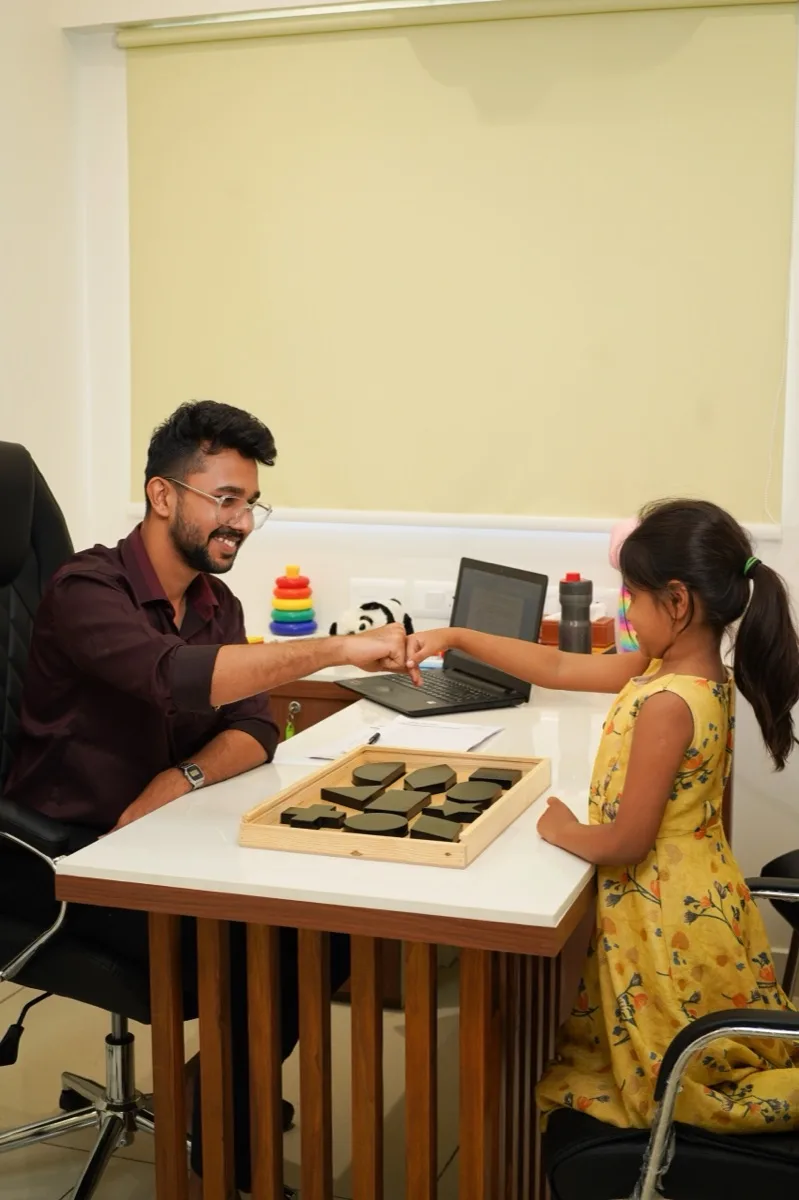
## Why early identification matters
Teachers are often the first to notice when a child is struggling. They see it in the classroom every day — a child who can't sit through a story, who refuses activities, who finds transitions overwhelming, or who struggles to share and take turns. With the right awareness, these observations become the first step toward real support.
Our awareness sessions and teacher training give educators the confidence to:
- **Recognise** the early signs a child may need support
- **Understand** the difference between typical development and a child who is struggling
- **Know what to do** — and how to raise concerns with parents constructively
- **Support** children in the classroom while they get specialist help
## What we offer
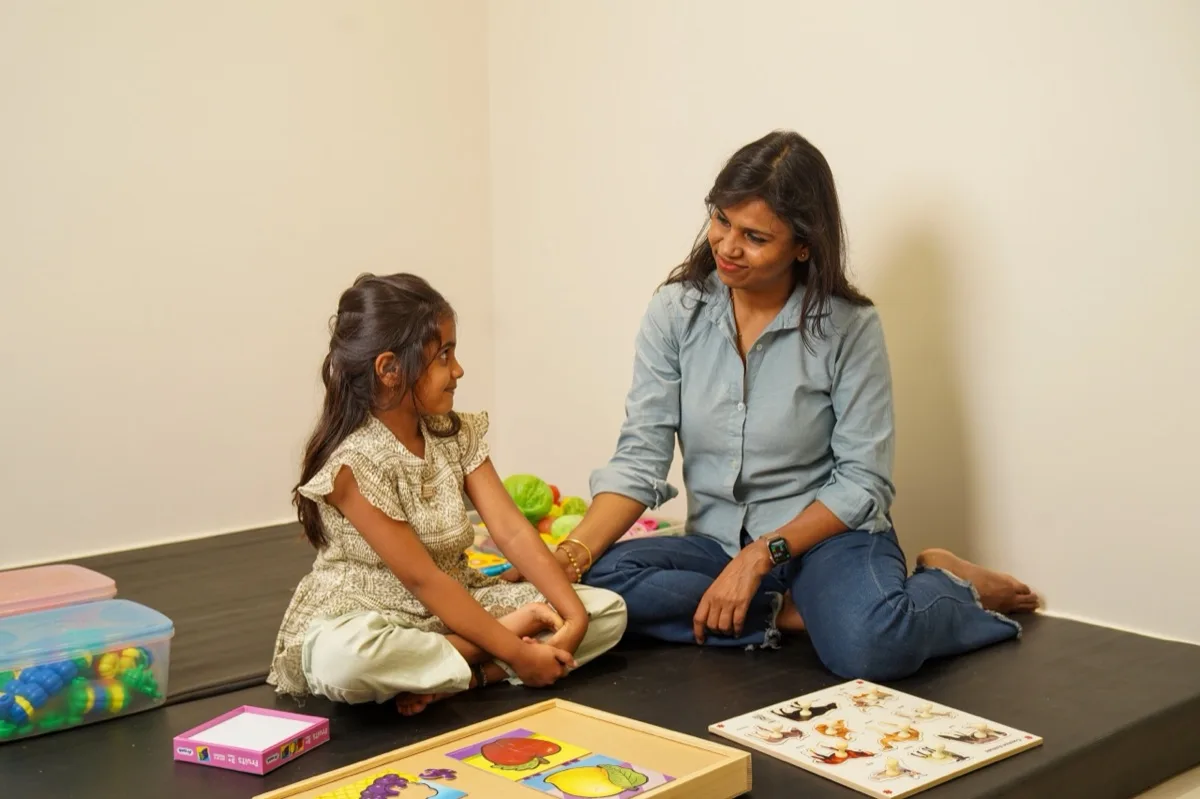
### Awareness sessions for parents & teachers
Sessions that build understanding of child development, common early signs, and how to support a child who is finding school difficult.
### Teacher training for early identification
Hands-on training for educators on recognising the signs that a child may need help — from speech and language to behaviour, attention, and sensory differences — and practical classroom strategies.
### Partnership & referral
Schools that identify children who need support can refer them to Cadabam's CDC for assessment and intervention — whether that's the full School Readiness Programme or individual therapy.
## Frequently Asked Questions
### Who are these workshops for?
Awareness sessions are for parents and teachers; teacher-training programmes are for educators and school teams. Both support early identification.
### Are the workshops charged?
We can discuss this on a case-by-case basis. When a workshop genuinely helps build a partnership with a school, we may offer it as a complimentary session to start the conversation.
### Do teachers have to diagnose children?
No. Teachers never diagnose — that's a clinician's job. The goal of training is to help educators recognise the signs and know how to respond and refer, so the right professionals get involved early.
### Can we get a session at our school?
Yes. Either a Cadabam's CDC professional can come to your school, or we can host the conversation — we'll work out what suits you.
## Get in touch
If your school would like an **awareness session or teacher-training workshop**, [contact Cadabam's CDC](/contact) to arrange it.
## Download the brochure
## Related resources
- [School Readiness & Early Intervention Programme](/programs/school-readiness)
- [GrowSmart developmental screening](/programs/growsmart-screening)
## GrowSmart School Developmental Screening
# GrowSmart Developmental Screening
A fast, credible way for schools to spot which children may need extra support — before small struggles become bigger ones.

## What is GrowSmart?
**GrowSmart** is Cadabam's CDC's developmental screening programme. It sits on top of the curriculum a school already runs — it is not a curriculum and not a replacement for one. It adds an early-screening layer that helps a school understand each child's development across key areas, so the right support can begin early.
## How it works
GrowSmart is designed to be **low-lift for schools**:
1. **Create a custom room** for your school.
2. **Send the screening** to parents — it takes about **30 minutes** to complete.
3. **Our professionals review** every response and produce a screening report.
4. **Programmes are designed** based on the results for children who need support.
A school can **screen all of its students within about a week** — or focus only on individual children the teachers have flagged.
## What GrowSmart screens
The screening looks across developmental domains, including:
- Language & communication
- Social skills
- Behaviour
- Sensory processing
- Adaptive / self-help skills
- Cognitive / school-readiness
- Motor skills
## Why schools choose GrowSmart
- **Clinician-reviewed** — every report is reviewed and approved by a qualified professional before it reaches a parent
- **A screening aid, not a diagnosis** — it flags where a child may need early support without labelling them
- **A credible early-intervention story** — schools can tell parents "we screen, we understand, we support"
- **A clear referral path** — for children who need specialist help, the school has a trusted partner
## The goal is early understanding
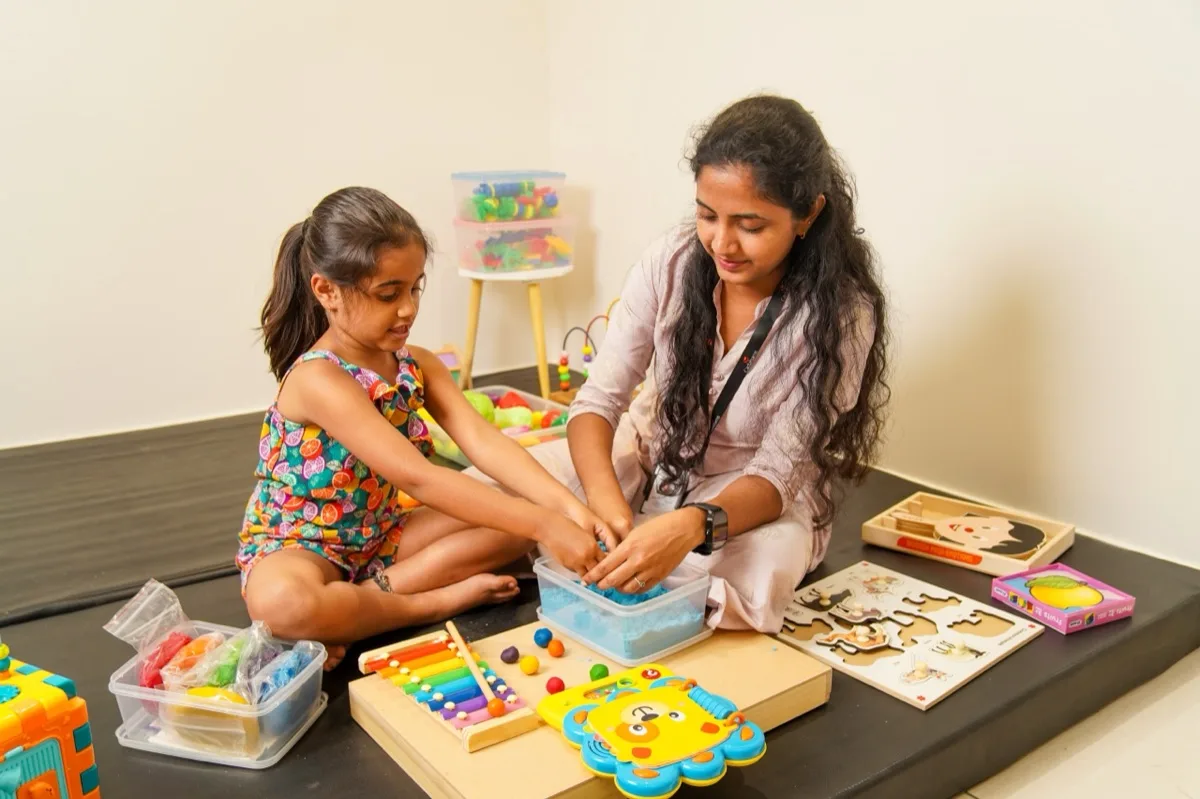
The goal is not labelling children. It's giving teachers and parents a clearer picture, early — so children who need it get support before they fall behind or become disengaged.
## Frequently Asked Questions
### Is GrowSmart a diagnosis?
No. GrowSmart is a screening aid. Every report is reviewed by a qualified clinician, but it is not a diagnostic tool and does not diagnose children.
### How long does screening take?
The parent screening takes about 30 minutes. A school can screen all of its students within roughly a week.
### Does GrowSmart replace our curriculum?
No. GrowSmart sits on top of the curriculum a school already runs. It is not a curriculum and not a replacement for one.
### What happens after screening?
Children whose results show they may need support can move into designed programmes — including our School Readiness & Early Intervention Programme.
### Does the school need to change its teachers or routine?
No. GrowSmart runs on a phone and needs no new teacher training or curriculum change — it's designed to be low-lift.
## Get in touch
If you'd like to bring **GrowSmart** to your school, [contact Cadabam's CDC](/contact) — we'll set up a custom screening room and walk you through it.
## Download the brochure
## Related resources
- [School Readiness & Early Intervention Programme](/programs/school-readiness)
- [Awareness workshops & teacher training](/programs/awareness-workshops)
## School Readiness & Early Intervention
# School Readiness & Early Intervention Programme
“Building strong foundations for classroom success.”
Every child develops at their own pace — but for some children in the preschool and early-years years (ages 2–6), settling into a classroom is genuinely hard. They may not be able to sit through a conversation, refuse to go to school, struggle with separation, or find social settings overwhelming. They may have a speech delay, sensory-integration differences, difficulty taking turns, or challenging behaviour. For these children, school feels overwhelming — not because they aren't capable, but because they need the right support at the right time.
Our **School Readiness & Early Intervention Programme** is a collaborative programme that helps children build the skills they need to settle and succeed in school — and get them back into the same classroom, with confidence.
## What is school readiness?
School readiness is **beyond academics**. It's the whole set of skills a child needs to participate and thrive in a classroom. Our programme focuses on:
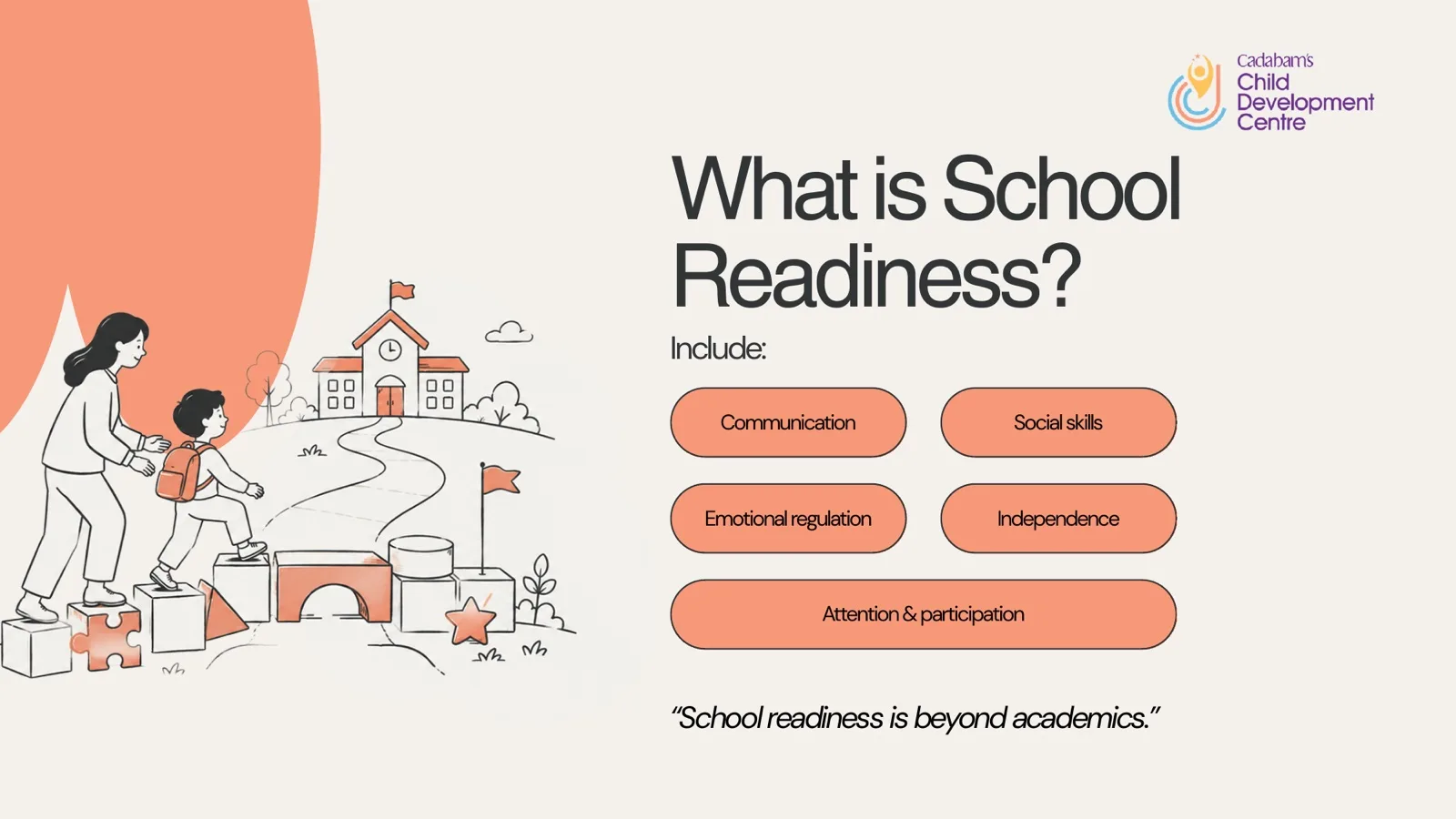
- **Communication** — being able to express needs, understand others, and build language
- **Social skills** — sharing, taking turns, playing with others, and reading social cues
- **Emotional regulation** — staying calm, managing frustration, and coping with separation
- **Attention & participation** — being able to sit, listen, and engage in activities
- **Independence** — confidence with daily routines and self-help skills
When these foundations are strong, academic learning can follow naturally.
## Why early support matters
The research is clear: early, structured support leads to the best outcomes. When a child is helped early, they experience:
- **Better classroom participation**
- **Reduced behavioural concerns** — including aggression, biting, and refusing to take turns
- **Improved emotional wellbeing** — staying calm rather than anxious or agitated
- **Stronger learning foundations** — attention, focus, and the confidence to try
The goal is not to label children. The goal is early understanding and the right support, so no child is left struggling on their own.
## Our collaborative approach
We work as a team — and the child is at the centre. When everyone works together, outcomes are far better.
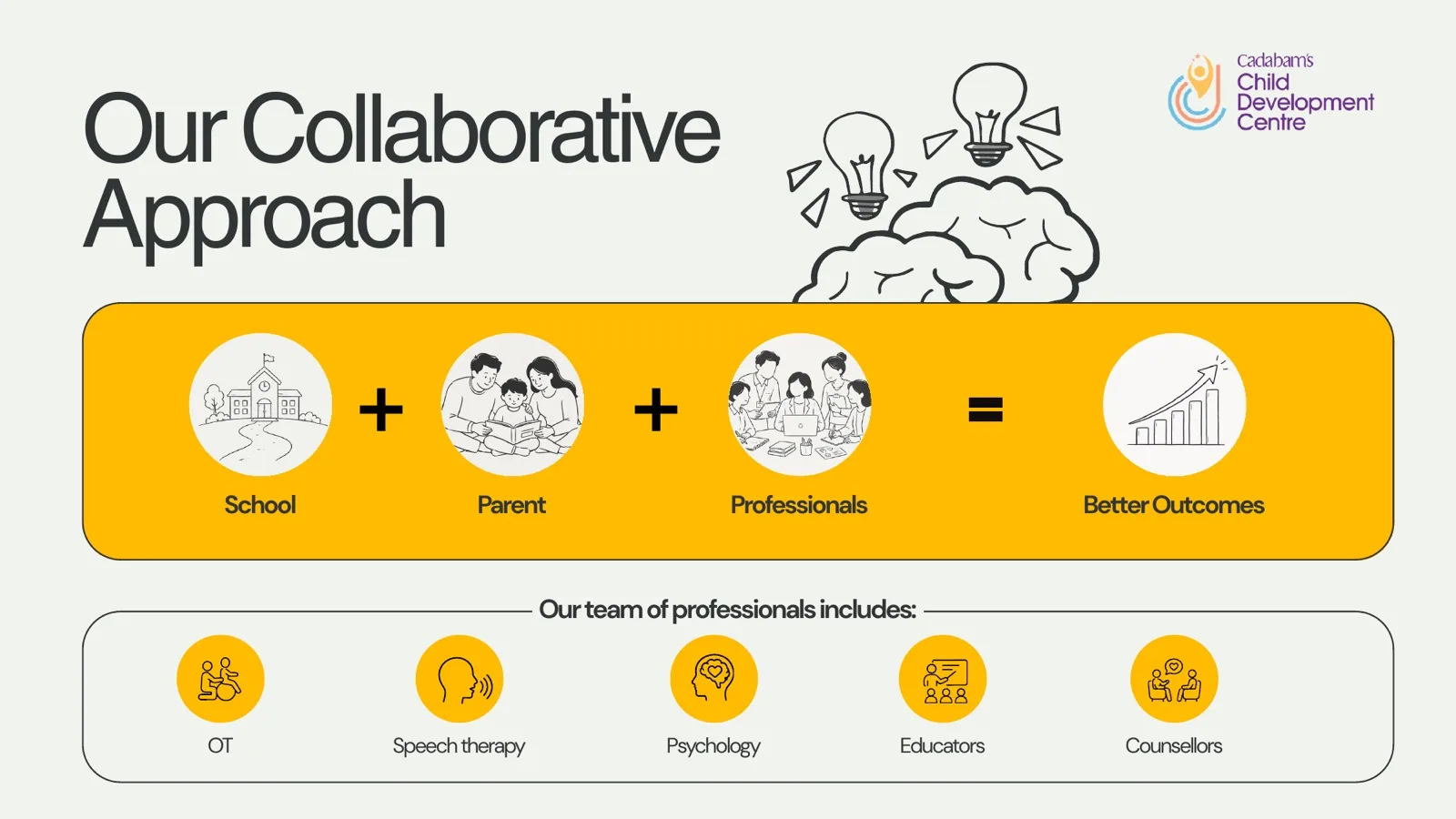
**School + Parents + Professionals = Better outcomes**
Our team draws on the full range of Cadabam's CDC expertise, based on what each child needs:
- Occupational therapy (OT)
- Speech therapy
- Psychology
- Special educators
- Counsellors
## How the programme works: a 3-step model
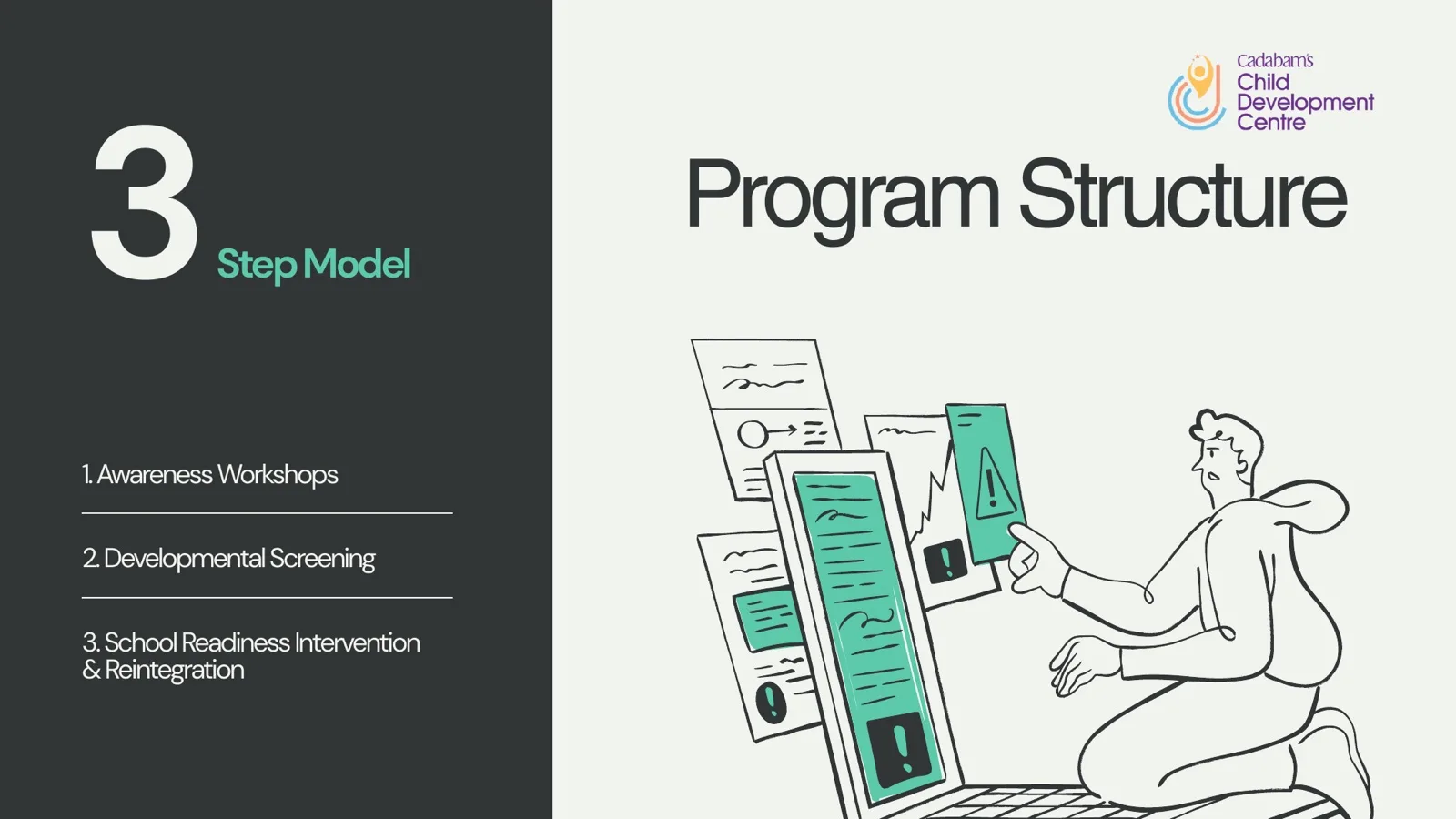
### Step 1 — Awareness workshops & teacher training
We begin by building awareness and early-identification skills. We run **awareness sessions for parents and teachers** to help them recognise the early signs that a child may be struggling to settle. We can also run **teacher-training sessions** so educators feel confident identifying children who need support and knowing how to help.
### Step 2 — Developmental screening
Using our **GrowSmart developmental screening**, we can screen a whole class quickly — or focus on individual children a school has flagged. A school can create a custom screening room, send the screening to parents (it takes about 30 minutes), and our professionals review the results and produce a screening report. That report guides the next step.
### Step 3 — School readiness intervention & reintegration
For children who need support, we design a **school-readiness intervention**. The child may come to Cadabam's CDC for anywhere from **one to three hours** a day, where our team works on communication, regulation, attention, social skills, and independence. As they build these skills, we **gradually reintegrate them into the same school** — first half-day, then full-day, until they're settled back in the classroom.
## Benefits for schools & parents

Partnering with Cadabam's CDC helps schools and families:
- **Better classroom participation** from children who were struggling
- **Genuine teacher support** — educators aren't left to manage it alone
- **An inclusive-education reputation** — a credible story to tell parents
- **Higher parent satisfaction** — smoother reintegration, less stress at home
- **A clear referral path** — for children who need more specialist support
## Where we work
We're starting with schools near our **JP Nagar centre** and expanding to **Kanakapura Road** — with two centres nearby, families can choose the one that's most convenient. If you're a preschool or Montessori in the area, we'd love to talk.
## Who is this for?
This programme is for **preschool, nursery, and Montessori-aged children (2–6 years)** who:
- Can't sit through a conversation or activity
- Refuse to go to school or show school anxiety
- Struggle with separation anxiety
- Have a speech delay or language difficulty
- Find social settings, turn-taking, or sharing difficult
- Show aggressive or biting behaviour
- Have sensory-integration differences
## Frequently Asked Questions
### What is school readiness?
School readiness is the set of skills a child needs to participate and thrive in a classroom — communication, social skills, emotional regulation, attention, and independence. It's about more than academics.
### At what age is this programme for?
Our School Readiness & Early Intervention Programme is designed for children aged approximately 2 to 6 years — the preschool, nursery, and Montessori years.
### Is this a diagnosis?
No. This is a support and intervention programme. Our developmental screening is a screening aid reviewed by qualified clinicians — it is not a diagnosis and does not label children. If a child needs it, we recommend a formal assessment.
### How long does a child stay in the programme?
It depends on the child. Children typically attend for anything from one to three hours a day. Some children start with part-time support and gradually reintegrate to school; children who need more intensive support may spend a few weeks with us before gradually transferring back to school.
### Which schools can partner with Cadabam's CDC?
We work with preschools, nurseries and Montessori schools — partnering with the school team, the parents, and our professionals. We're currently focused on schools near our JP Nagar and Kanakapura Road centres in Bangalore.
### Can you train our teachers?
Yes. We can run teacher-training and awareness sessions to support early identification and give educators practical strategies for helping children settle in the classroom.
### What if a school doesn't take the full programme?
That's fine. We can tailor how we work together — from awareness workshops and developmental screening, to a referral partnership where the school refers children to Cadabam's CDC when they need specialist support.
## Get in touch
If you're a **preschool, Montessori, or school** interested in the School Readiness & Early Intervention Programme — or a **parent** who'd like to learn more — [contact Cadabam's CDC](/contact). We'd be happy to discuss how we can support your children and your school.
## Download the brochure
## Related resources
- [GrowSmart developmental screening programme](/programs/growsmart-screening)
- [Awareness workshops & teacher training](/programs/awareness-workshops)
- [Speech therapy at Cadabam's CDC](/therapies/speech-therapy)
- [Occupational therapy at Cadabam's CDC](/therapies/occupational-therapy)
- [Child psychologists in Bangalore](/our-team/child-psychologists-bangalore)
---
# Our Team
## Ms. Aagya Shahi
## Ms. Aagya Shahi — Speech Therapist
Aagya Shahi is a Speech Therapist at Cadabam's Child Development Center, holding a Master's degree from the Naseema Institute of Speech and Hearing, Bangalore. Her clinical experience spans pediatric, hospital, and school-based settings, with particular expertise in childhood language disorders, autism spectrum interventions, and dysphagia (swallowing) management.
She is a lifetime member of the Indian Speech and Hearing Association (ISHA) and is fluent in Hindi, English, and Nepali, enabling her to support families across diverse linguistic backgrounds.
[Book an Appointment with Ms. Aagya Shahi](https://consult.cadabams.com/consult/booking/102082?mode=online)
---
## Experience & Specialisation
With 1.5 years of clinical experience across pediatric, hospital, and school-based settings, Aagya works with children under 7, children in the 7 to 12 age group, and adult and older adult clients. In pediatric care, she supports children with autism spectrum disorder, ADHD, learning disabilities, and childhood language disorders; with adults and older adults, she manages communication and swallowing needs, including those associated with Alzheimer's and dementia.
Her postgraduate dissertation explored the impact of screen time on pragmatic language development in children aged 4–6 years, reflecting her interest in the intersection of digital media and early communication development — an increasingly common concern for the families she works with.
## Certifications & Professional Development
Aagya holds certifications in Autism Care, Childhood Language Disorders, Dysphagia Management, and Applied Behaviour Analysis (ABA). She is currently pursuing certification in Gestalt Language Processing to further specialise in social communication and naturalistic language intervention approaches.
## Therapeutic Approach
Aagya uses evidence-based assessment and intervention tailored to each individual's developmental profile and communication needs. Her training across autism care, ABA, and naturalistic language intervention allows her to blend structured teaching with play-based, child-led methods, and she works closely with families so that communication strategies carry over into everyday routines at home and school. She consults in Hindi, English, and Nepali.
## Where She Practises
Aagya is available at [Cadabam's CDC JP Nagar](/centers/bangalore-jp-nagar) and [Cadabam's CDC Kanakapura Road](/centers/bangalore-kanakapura-road) (Doddakallasandra) in South Bangalore.
## Conditions Treated
Aagya works with children experiencing communication challenges associated with autism spectrum disorder, ADHD, learning disabilities, and childhood language disorders, as well as swallowing difficulties (dysphagia). She also supports adults and older adults with communication and swallowing needs, including those linked to Alzheimer's and dementia.
## Frequently Asked Questions
### What does a speech therapist do for a child with a language disorder?
A speech therapist assesses how a child understands and uses language, then designs an individualized intervention plan to close specific gaps — building vocabulary, sentence structure, comprehension, and social communication. Aagya's particular expertise is in childhood language disorders, and she uses evidence-based, engaging methods matched to each child's developmental level.
### How does Aagya support children with autism?
Aagya is certified in Autism Care and Applied Behaviour Analysis, and is pursuing certification in Gestalt Language Processing — a naturalistic approach for children who learn language in chunks or scripts rather than single words. This combination lets her tailor intervention to how each child actually processes language, building functional communication and social interaction skills in a way that respects the child's natural learning style.
### Can she help with feeding and swallowing difficulties?
Yes. Aagya is certified in Dysphagia Management and assesses and treats swallowing difficulties across age groups — from feeding challenges in young children to swallowing problems in adults and older adults, including those associated with Alzheimer's and dementia. Therapy focuses on safe, comfortable eating and drinking while preserving nutrition and quality of life.
### Does Aagya work with adults and older adults too?
Yes. While based at a child development centre, Aagya's clinical experience spans hospital settings as well, and she manages adult and geriatric communication and swallowing needs — including cognitive-communication difficulties linked to Alzheimer's and dementia — alongside her pediatric caseload.
### Which languages does Aagya consult in?
Aagya is fluent in Hindi, English, and Nepali, enabling her to support families across diverse linguistic backgrounds — including Nepali-speaking families who often find it difficult to access therapy services in their home language.
---
[Book a Consultation](https://consult.cadabams.com/consult/booking/102082?mode=online) | Call: [+91 95355 85588](tel:+919535585588)
*Profile last updated: August 2026*
## Ms. Angela Ann George
## Ms. Angela Ann George — Special Educator
Angela Ann George is a Special Educator with over 3 years of experience across mainstream and special-needs settings in India and the UAE, working with children aged 2 to 13 on individualized assessments, behavioral support, and cognitive and social skill development. She holds a PG Diploma in Special Education, an M.Sc. in Human Development, and a BA in Psychology, Sociology & English.
[Book an Appointment with Ms. Angela Ann George](https://consult.cadabams.com/consult/booking/105367?mode=online)
---
## Experience & Specialisation
Since June 2023, Angela has worked with a child with mild AuDHD on cognitive and social skills, supported grade 2–5 classrooms with concept and behavioral needs, and used activity-based learning with children with moderate to severe special needs at Rainbow Center. This mix of one-on-one, classroom, and centre-based experience across India and the UAE gives her a broad, practical understanding of how to adapt teaching and behavioral strategies to each child's individual profile.
## Certifications & Professional Development
Angela holds a Registered Behavior Technician (RBT) certification from the BACB and is a QABA-certified ABA Technician, alongside a Transitional Special Education Teacher License (UAE). Her additional training spans a Diploma in Art Therapy, Animal Assisted Therapy, Creative Movement Therapy, and Jolly Phonics, along with clinical screening and cognitive assessment certifications — Vision & Hearing Screening (WHO), the Montreal Cognitive Assessment (MoCA), Mini-ACE Cognitive Examination, Mini-OCS (Oxford Cognitive Screening), and the Brief Cognitive Assessment Tool (BCAT).
## Therapeutic Approach
Angela combines individualized assessment with structured, activity-based learning to build cognitive, social, and behavioral skills at each child's pace. Her ABA and RBT training informs a consistent, evidence-based approach to behavioral support, while her creative-therapy background — art, movement, and animal-assisted approaches — adds engaging, child-led ways to build skills alongside more structured teaching. She consults in English and Hindi.
## Where She Practises
Angela is based at [Cadabam's CDC JP Nagar](/centers/bangalore-jp-nagar) in South Bangalore.
## Conditions Treated
Angela works with children with autism, ADHD, and AuDHD (combined autism and ADHD presentations), developmental delays, and behavioral challenges, as well as children with moderate to severe special needs requiring individualized, activity-based instruction.
## Frequently Asked Questions
### What does a Special Educator do?
A Special Educator assesses a child's individual learning, cognitive, and behavioral profile, then designs targeted strategies and activities to build skills at the child's own pace. Angela's work spans individualized assessments, behavioral support, and cognitive and social skill development for children with a range of developmental needs.
### Which age groups does Angela work with?
Angela works with children aged 2 to 13, across mainstream classroom settings (supporting grade 2–5 concept and behavioral needs) and one-on-one or small-group settings for children with moderate to severe special needs.
### Does Angela work with children with autism and ADHD?
Yes. Angela has direct experience supporting a child with mild AuDHD (a combined autism and ADHD presentation) on cognitive and social skills, and her RBT and QABA ABA Technician certifications underpin a structured, behavior-focused approach for children with autism and ADHD more broadly.
### What kind of activities does Angela use in sessions?
Angela uses activity-based learning tailored to each child's profile, drawing on her training in art therapy, animal-assisted therapy, creative movement therapy, and Jolly Phonics alongside structured, ABA-informed behavioral strategies — matching the method to what best engages each child.
### How do I book a session with Ms. Angela Ann George?
You can book an appointment by calling +91 95355 85588 or booking a consultation online. Angela is based at Cadabam's CDC JP Nagar, where she conducts an individualized assessment before building a tailored plan for cognitive, social, and behavioral skill development.
---
[Book a Consultation](https://consult.cadabams.com/consult/booking/105367?mode=online) | Call: [+91 95355 85588](tel:+919535585588)
*Profile last updated: September 2026*
## Anuja P Varghese
## Anuja P Varghese — Behavioral Therapist / ABA Therapist
Anuja P Varghese is a Behavioural Therapist at Cadabam's Child Development Centre with an MSc in Counselling Psychology and over three years of experience working with children and families. She has conducted one-on-one therapy sessions, group interventions, and parent counselling, primarily supporting children with autism and ADHD.
[Book an Appointment with Anuja P Varghese](https://consult.cadabams.com/consult/booking/83090?mode=online)
---
## Experience & Specialisation
Anuja's work focuses on applying structured behavioural strategies, including ABA-based techniques, to improve communication, social skills, and adaptive functioning. She collaborates closely with the multidisciplinary team at Cadabam's CDC and actively engages parents in the therapeutic process to ensure consistent progress across home and school environments.
## Therapeutic Approach
Fluent in Malayalam, English, Hindi, and Tamil, Anuja brings a compassionate, child-centred approach, creating safe and supportive spaces that encourage growth, resilience, and meaningful developmental outcomes.
## Clinical Focus
Anuja has particular expertise in supporting children during the critical early years of an autism or ADHD diagnosis, helping families understand their child's behaviour patterns and build practical strategies for daily routines. She uses visual supports, token economies, and social stories tailored to each child's developmental level, and regularly conducts parent training workshops to extend the impact of therapy sessions into the home and school environment.
## Conditions Treated
Anuja works with children and teens experiencing autism spectrum disorder, ADHD, and related behavioral challenges.
## Frequently Asked Questions
### What does a behavioral therapist do for a child with autism or ADHD?
A behavioral therapist uses structured, evidence-based techniques such as ABA-based strategies, visual supports, and social stories to help children develop communication, social skills, and adaptive functioning. Anuja designs individualized intervention plans based on each child's developmental level and specific behavioral patterns, then works closely with families to apply these strategies consistently across home and school settings.
### How are therapy goals set for my child?
Therapy goals are set through a detailed assessment of your child's current skills, behavioral patterns, and developmental needs, combined with input from parents about their priorities. At Cadabam's CDC, Anuja collaborates with the multidisciplinary team — including speech therapists, occupational therapists, and psychologists — to ensure goals address the whole child rather than isolated behaviors.
### What should I expect during a behavioral therapy session?
Sessions typically last 45 to 60 minutes and involve structured one-on-one activities tailored to your child's goals, such as practicing social interactions through play, using token economies to reinforce positive behaviors, or working through social stories. Activities are designed to feel engaging for the child while systematically building skills like turn-taking, following instructions, and emotional regulation.
### How can parents support therapy progress at home?
Parents play a critical role by consistently applying the behavioral strategies discussed during sessions — such as reinforcement schedules, visual supports, and structured routines — throughout daily life. Anuja conducts parent training workshops and provides specific techniques so that the skills learned in therapy carry over to mealtimes, transitions, homework, and social situations at home and school.
### How is my child's progress measured over time?
Progress is tracked through regular data collection on target behaviors, periodic reassessments of developmental milestones, and parent and teacher feedback. Anuja reviews this data with the team at Cadabam's CDC to adjust therapy goals and strategies, typically on a quarterly basis, ensuring that intervention stays aligned with your child's evolving needs.
---
[Book a Consultation](https://consult.cadabams.com/consult/booking/83090?mode=online) | Call: [+91 95355 85588](tel:+919535585588)
*Profile last updated: March 2026*
## Archana Sagar
## Mrs Archana Sagar — Rehabilitation Psychologist
Mrs Archana Sagar is an RCI-certified Rehabilitation Psychologist at Cadabam's Child Development Centre with over 4 years of experience in pediatric mental health. She holds an MPhil in Rehabilitation Psychology from the National Institute for the Empowerment of Persons with Visual Disabilities (NIEPVD) and an MA in Clinical Psychology. Her clinical work focuses on the early detection, assessment, and intervention of neurodevelopmental disorders, with a particular emphasis on improving children's emotional and behavioural well-being.
[Book an Appointment with Mrs Archana Sagar](https://consult.cadabams.com/consult/booking/23312?mode=online)
---
## Experience & Specialisation
Archana has extensive experience providing psychological support to children and families, including work as a freelance counsellor offering online counselling during the COVID-19 pandemic. Her clinical expertise spans assessment and intervention for Intellectual Disability, Autism Spectrum Disorder, Learning Disabilities, and ADHD, with a strong focus on the emotional and behavioural issues that frequently accompany these conditions.
Her approach to rehabilitation psychology emphasizes early detection — identifying developmental concerns as early as possible so that intervention can begin during the period of greatest neuroplasticity. This proactive approach helps manage and mitigate associated behavioural and emotional challenges before they become entrenched.
## What Sets Archana Apart
Archana is known for her compassionate, personalised approach to therapy. She takes time to understand each child's unique profile, family dynamics, and school environment before designing an intervention plan. Families consistently report that she creates a safe, supportive space where children feel comfortable engaging in the therapeutic process.
Her multilingual capability (Hindi and English) allows her to connect with families from diverse linguistic backgrounds across Bangalore.
## Conditions Treated
Archana works with children experiencing a wide range of neurodevelopmental and emotional challenges, including Autism Spectrum Disorder, ADHD, Intellectual Disability, Learning Disabilities, anxiety, depression, and stress-related difficulties. She supports children across all age groups — from early childhood through adolescence.
---
### Frequently Asked Questions
### What is a Rehabilitation Psychologist?
A Rehabilitation Psychologist specialises in helping individuals with disabilities or chronic conditions achieve maximum independence and well-being. In a pediatric context, this involves assessing developmental conditions, designing intervention programs, supporting emotional health, and working with families to create an environment that promotes the child's growth and adaptation.
### At what age should I bring my child to see Archana?
Archana works with children from early childhood through adolescence. For developmental concerns such as delayed speech, limited social interaction, or behavioral difficulties, earlier assessment is always better. If your child is showing signs that concern you, a consultation can help determine whether intervention is needed.
### How do I book an appointment?
You can [book directly online](https://consult.cadabams.com/consult/booking/23312?mode=online) or call Cadabam's CDC at [+91 95355 85588](tel:+919535585588).
---
*Profile last updated: March 2026*
## Blessy Yohannan
## Blessy Yohannan — Speech Therapist
Blessy Yohannan is a Speech-Language Pathologist at Cadabam's Child Development Centre with 5 years of experience in pediatric speech and language therapy — making her the most experienced SLP on the CDC team. She works with children experiencing a wide range of communication challenges, from articulation and language delays to fluency disorders and social communication difficulties associated with autism and other neurodevelopmental conditions.
[Book an Appointment with Blessy Yohannan](https://consult.cadabams.com/consult/booking/44835?mode=online)
---
## Experience & Specialisation
With 5 years of clinical experience in pediatric speech therapy, Blessy brings depth and expertise to complex communication cases at Cadabam's CDC. She conducts comprehensive speech and language assessments, designs individualized therapy plans, and works closely with the multidisciplinary team to ensure that communication goals are integrated across all aspects of the child's care.
Her experience spans the full range of pediatric speech-language pathology — articulation therapy, language intervention for both expressive and receptive delays, fluency therapy for children who stutter, social communication intervention for pragmatic language challenges, and supporting communication development in children with autism, ADHD, and intellectual disability.
## Therapeutic Approach
Blessy uses evidence-based, play-based therapy methods that keep children engaged and motivated during sessions. She places strong emphasis on parent coaching — equipping families with specific communication strategies and home practice activities that reinforce therapy goals throughout daily routines. This collaborative approach ensures that progress in therapy sessions transfers to real-world communication at home, school, and in social settings.
## Conditions Treated
Blessy works with children experiencing speech sound disorders, expressive and receptive language delays, fluency disorders (stuttering), social communication difficulties, and communication challenges associated with autism, ADHD, cerebral palsy, and other neurodevelopmental conditions.
## Frequently Asked Questions
### What does a speech therapist do for a child with articulation or fluency difficulties?
A speech therapist assesses exactly which sounds or speech patterns a child struggles with, then uses targeted exercises to teach correct production through modelling, repetition, and play-based practice. For articulation issues, Blessy works on individual sounds in isolation before progressing to words, sentences, and conversation; for fluency challenges like stuttering, she uses strategies to help the child manage speech flow and build confidence.
### How is my child's speech and language assessed before therapy begins?
Blessy conducts a comprehensive evaluation that includes standardized tests, informal observation of your child's communication during play, and a detailed parent interview about developmental history and daily communication patterns. This assessment identifies specific strengths and areas of need across articulation, receptive language, expressive language, fluency, and social communication, forming the basis for an individualized therapy plan.
### What happens during a typical speech therapy session?
Sessions are play-based and last approximately 30 to 45 minutes, incorporating games, picture cards, storytelling, and interactive activities designed to target your child's specific goals. Blessy keeps sessions engaging and age-appropriate while systematically practising target sounds, building vocabulary and sentence structure, or working on conversational turn-taking and social communication skills.
### How can I help my child's speech development at home?
Blessy provides specific home practice activities after each session — such as target word lists, reading exercises, or communication games — that take just 10 to 15 minutes daily and reinforce therapy goals during natural routines. Parent coaching is central to her approach at Cadabam's CDC because the consistent practice families provide between sessions is what accelerates a child's communication progress.
### How long does speech therapy typically take and how is progress tracked?
The duration depends on the nature and severity of the communication challenge — some children see significant improvement in a few months, while others benefit from longer-term support. Progress is measured through periodic reassessments, tracking of specific targets like sound accuracy or sentence complexity, and parent and teacher observations, with therapy goals adjusted regularly to match the child's development.
---
[Book a Consultation](https://consult.cadabams.com/consult/booking/44835?mode=online) | Call: [+91 95355 85588](tel:+919535585588)
*Profile last updated: August 2026*
## Brinda Sridhar
## Brinda Sridhar — Behavioral Therapist
Brinda Sridhar is a Behavioural Therapist at Cadabam's Child Development Centre with a Master's in Clinical Psychology and a Bachelor's in English, Journalism, and Psychology. She brings over 650 hours of supervised clinical experience across hospitals, rehabilitation centres, and schools, and is skilled in psychometric assessments (WISC, WAIS, MMPI-2, BDI) and therapeutic approaches including CBT, behaviour modification, and psychoeducation.
[Book an Appointment with Brinda Sridhar](https://consult.cadabams.com/consult/booking/65385?mode=online)
---
## Experience & Specialisation
Brinda combines strong academic training with hands-on clinical expertise. She is a published researcher in the International Journal of Health Sciences and Research (2024), reflecting her commitment to evidence-based practice. Her clinical training spans hospitals, rehabilitation centres, and school settings — giving her a well-rounded understanding of how behavioral challenges present across different environments.
As a Behavioural Therapist at Cadabam's CDC, she works with children under 12 years, delivering empathetic, evidence-based care. Her expertise in psychometric assessments allows her to contribute to the diagnostic process, while her therapeutic skills in CBT and behaviour modification help children develop healthier behavioral patterns.
## Therapeutic Approach
Brinda is passionate about mental health and child development, bringing a keen focus on supporting young minds. Her approach blends structured behavioral interventions with warm, empathetic communication — creating a safe space where children feel understood while learning new skills. She is committed to contributing meaningfully to each child's progress while continuing to grow in the field of child psychology.
Fluent in English, Kannada, and Telugu, Brinda connects comfortably with families from diverse linguistic backgrounds across Bangalore.
## Conditions Treated
Brinda works with children experiencing behavioral challenges, ADHD-related behavioral difficulties, emotional regulation issues, and conduct-related concerns. She focuses on children under 12 years of age.
## Frequently Asked Questions
### What is the role of CBT in treating behavioral issues in children?
Cognitive Behavioral Therapy helps children identify the connection between their thoughts, feelings, and behaviors, then teaches them to replace unhelpful thinking patterns with healthier alternatives. Brinda uses CBT alongside behavior modification techniques to help children under 12 develop emotional regulation, impulse control, and problem-solving skills in a structured yet supportive therapeutic setting.
### What are psychometric assessments and why does my child need one?
Psychometric assessments are standardized tests — such as WISC, WAIS, MMPI-2, and BDI — that measure cognitive abilities, emotional functioning, and behavioral patterns to build an objective picture of your child's strengths and challenges. Brinda uses these tools at Cadabam's CDC to contribute to accurate diagnosis, identify co-occurring conditions, and design therapy plans grounded in measurable data rather than observation alone.
### What should I expect during my child's behavioral therapy sessions?
Sessions typically involve a combination of structured activities, role-playing, and guided conversations tailored to your child's age and goals — such as practising calming strategies for emotional outbursts or working through social scenarios. Brinda creates a safe, empathetic environment where children feel understood while learning concrete skills like identifying triggers, using coping techniques, and choosing alternative behaviors.
### How are parents involved in behavior modification therapy?
Parents are essential partners because children spend most of their time at home and school, where consistent responses to behavior determine long-term outcomes. Brinda provides parents with specific strategies — such as structured reinforcement schedules, clear expectations, and consistent consequences — and coaches them on applying these techniques so that progress made in sessions transfers to everyday life.
### How do you track whether behavior therapy is working?
Progress is measured through ongoing behavioral data collection, periodic psychometric reassessments, and structured feedback from parents and teachers about changes in the child's behavior at home and school. Brinda reviews this information regularly with the clinical team to adjust goals and strategies, ensuring the intervention remains effective and responsive to the child's development.
---
[Book a Consultation](https://consult.cadabams.com/consult/booking/65385?mode=online) | Call: [+91 95355 85588](tel:+919535585588)
*Profile last updated: March 2026*
## Ms. Kalyani Patrikar
## Ms. Kalyani Patrikar — Speech Therapist
Kalyani Patrikar is a Speech Therapist dedicated to compassionate, evidence-based care that helps people communicate, swallow, and participate in daily life with greater confidence. She holds an MSc in Speech-Language Pathology from Kasturba Medical College, Mangalore (MAHE, Manipal) and a BASLP from AIIMS Raipur.
She assesses and manages a broad range of needs across the lifespan — adult language and cognitive-communication difficulties linked to Parkinson's, Alzheimer's, and dementia; childhood language disorders including Autism Spectrum Disorder (ASD), ADHD, and spoken language delay; and speech and swallowing disorders across all ages. Working closely with families and multidisciplinary teams, her approach stays focused on functional independence, dignity, and steady, achievable progress.
[Book an Appointment with Ms. Kalyani Patrikar](https://consult.cadabams.com/consult/booking/100951?mode=online)
---
## Experience & Specialisation
With 2 years of clinical experience, Kalyani works across the full lifespan — from young children under 7 and children in the 7 to 12 age group to adults and older adults. Her specialisations span speech and language disorders, swallowing and dysphagia management, and cognitive-communication difficulties. In paediatric care, she supports children with Autism Spectrum Disorder, ADHD, and spoken language delay; with adults and geriatric clients, she manages communication and swallowing needs linked to Parkinson's, Alzheimer's, and dementia.
## Therapeutic Approach
Kalyani's care is compassionate and evidence-based, with goals built around what matters most to each person and their family — communicating with confidence, eating and swallowing safely, and participating in daily life. She works closely with families and multidisciplinary teams, keeping therapy focused on functional independence, dignity, and steady, achievable progress. She consults in English, Hindi, and Marathi, with basic working proficiency in Kannada.
## Where She Practises
Kalyani is available across Cadabam's centres in Bangalore, with her primary base at Cadabam's Hospital, Whitefield. She also sees clients at Cadabam's Hospital, JP Nagar, and across the Cadabam's Rehab campuses (Amitha, Adrutha, Ananya, Anvita, and Dementia Care).
## Conditions Treated
Kalyani assesses and manages speech and language disorders, swallowing difficulties (dysphagia), and cognitive-communication disorders across all ages — including childhood language disorders linked to Autism Spectrum Disorder, ADHD, and spoken language delay, and adult and geriatric communication difficulties associated with Parkinson's, Alzheimer's, and dementia.
## Frequently Asked Questions
### What does a Speech Therapist do?
A Speech Therapist assesses and treats difficulties with communication — speech clarity, spoken and understood language, voice, and social communication — as well as swallowing and feeding difficulties (dysphagia). Kalyani works across all three areas, helping children build their first words and conversation skills, and helping adults and older adults regain or maintain safe swallowing and clear communication.
### Which age groups does Kalyani work with?
Kalyani works across the lifespan — young children under 7, children aged 7 to 12, adults, and older adults. For children, this often means support with language delay, autism-related communication, and ADHD; for adults and seniors, it includes cognitive-communication and swallowing needs linked to conditions such as Parkinson's, Alzheimer's, and dementia.
### Can speech therapy help with swallowing problems?
Yes. Swallowing therapy (dysphagia management) is a core part of speech-language pathology. Kalyani assesses how safely and comfortably a person is eating and drinking, then builds a plan that may include swallowing exercises, texture modifications, and safe-swallow strategies — always with the goal of preserving nutrition, safety, and the dignity of eating with family.
### How are families involved in the therapy process?
Families are central to Kalyani's approach. She shares practical strategies for home, keeps caregivers informed at every step, and coordinates with the wider multidisciplinary team so that progress carries over into everyday routines. She consults in English, Hindi, and Marathi, with basic working proficiency in Kannada.
### How do I book a session with Ms. Kalyani Patrikar?
You can book an appointment by calling +91 95355 85588 or booking a consultation online. During the first visit, Kalyani conducts a detailed assessment of speech, language, cognitive-communication, or swallowing needs, then shares an initial impression and an individualised therapy plan with specific goals and home strategies.
---
[Book a Consultation](https://consult.cadabams.com/consult/booking/100951?mode=online) | Call: [+91 95355 85588](tel:+919535585588)
*Profile last updated: August 2026*
## Dr. Keerti Kilas Chaurasia
## Dr. Keerti Kilas Chaurasia — Consultant Developmental Paediatrician
Dr. Keerti Kilas Chaurasia is a Consultant Developmental Paediatrician at Cadabam's Child Development Centre, Doddakallasandra (Kanakapura Road). She holds an MBBS and an MD in Paediatrics, along with a Post Graduate Diploma in Development Neurology from CDC Kerala, and brings 7 years of experience delivering comprehensive paediatric and developmental care.
[Book an Appointment with Dr. Keerti Kilas Chaurasia](https://consult.cadabams.com/consult/booking/102085?mode=online)
---
## Experience & Specialisation
Dr. Keerti's expertise spans the evaluation and management of autism spectrum disorder, ADHD, and developmental delays, alongside a strong focus on preventive child health. As the developmental paediatrician on the CDC team, she conducts developmental assessments and screenings, leads the early identification of speech and language delays, and guides the medical side of each child's care plan.
Her specialisations include:
- Autism Spectrum Disorders
- ADHD
- Intellectual Disabilities
- Learning Difficulties
- Speech Disorders
- Developmental Assessments
- Behavioural Assessments
- High Risk Newborns
Her practice also covers the foundations of healthy development — newborn care, preventive paediatric care and vaccination, nutritional counselling and paediatric nutrition, and breastfeeding and lactation support — so families can address both developmental concerns and everyday child health under one roof.
## Clinical Approach
Dr. Keerti is passionate about the early identification of developmental and speech-language concerns, and about empowering parents through education and personalised, evidence-based care. She takes time to help families understand what an assessment means, what the next steps are, and how everyday routines at home can support their child's development.
Working closely with families and the multidisciplinary team at Cadabam's CDC — speech therapists, occupational therapists, behavioural therapists, and special educators — she develops individualised care plans that support each child's growth and development. She is fluent in English, Kannada, Hindi, Gujarati, and Malayalam, enabling her to connect with families across a wide range of linguistic backgrounds.
## Conditions Treated
Dr. Keerti evaluates and manages autism spectrum disorder, ADHD, developmental delays, and speech and language delays. She also provides developmental assessment and screening, preventive paediatric care and vaccination, newborn care, nutritional counselling, and breastfeeding/lactation support.
## Frequently Asked Questions
### What does a developmental paediatrician do?
A developmental paediatrician is a medical doctor who specialises in how children grow, learn, and develop. Dr. Keerti evaluates children for conditions like autism, ADHD, and developmental delays, provides a medical diagnosis where appropriate, and guides the overall care plan — coordinating with therapists so that every intervention is grounded in an accurate understanding of the child's development.
### When should I bring my child to a developmental paediatrician?
Consider a consultation if your child is not meeting developmental milestones — such as delayed speech, limited eye contact, or difficulties with attention and social interaction — or if a teacher, therapist, or paediatrician has raised concerns. Early identification matters: the earlier a developmental concern is understood, the earlier effective intervention can begin.
### What happens during a developmental assessment with Dr. Keerti?
Dr. Keerti takes a detailed developmental and medical history, observes and interacts with your child, and uses structured screening and assessment tools appropriate to your child's age. She then explains the findings clearly, answers your questions, and outlines a personalised plan — which may include therapy recommendations, further evaluation, or simply guidance and monitoring.
### Does Dr. Keerti also provide routine paediatric care?
Yes. Alongside developmental care, Dr. Keerti provides preventive paediatric care and vaccination, newborn care, nutritional counselling, and breastfeeding/lactation support — so families receive comprehensive child health care in one place.
### How does Dr. Keerti work with the therapy team at Cadabam's CDC?
Dr. Keerti works within Cadabam's CDC's multidisciplinary model. Her developmental evaluations inform the goals of speech therapy, occupational therapy, behavioural therapy, and special education, and she reviews progress with the team so that each child's care plan evolves as the child develops.
---
[Book a Consultation](https://consult.cadabams.com/consult/booking/102085?mode=online) | Call: [+91 95355 85588](tel:+919535585588)
*Profile last updated: August 2026*
## Ms. Lirisha Seema Dsouza
## Ms. Lirisha Seema Dsouza — Speech Therapist
Ms. Lirisha Seema Dsouza is a Speech-Language Pathologist at Cadabam's Child Development Centre with 3 years of experience in pediatric speech and language therapy. She holds an M.Sc in Speech-Language Pathology and a Bachelor's in Audiology and Speech-Language Pathology (BASLP). She works with children experiencing a range of communication challenges — from articulation and language delays to fluency disorders and social communication difficulties.
[Book an Appointment with Lirisha Dsouza](https://consult.cadabams.com/consult/booking/44848?mode=online)
---
## Experience & Specialisation
With 3 years of hands-on clinical experience in pediatric speech therapy, Lirisha brings both depth of knowledge and practical skill to her work at Cadabam's CDC. She conducts comprehensive speech and language assessments and designs individualized therapy plans that target each child's specific communication needs.
Her experience spans the full range of pediatric speech-language pathology, including articulation therapy (helping children produce speech sounds correctly), language intervention (building vocabulary, sentence structure, and comprehension), fluency therapy (supporting children who stutter), and social communication intervention (teaching pragmatic language skills for conversation and social interaction).
## Therapeutic Approach
Lirisha uses evidence-based, play-based therapy methods that keep children engaged and motivated during sessions. She works closely with parents, providing home practice activities and communication strategies that reinforce therapy goals throughout the child's daily routines. This collaborative approach ensures that progress made in therapy sessions transfers to real-world communication.
## Conditions Treated
Lirisha works with children experiencing speech sound disorders, expressive and receptive language delays, fluency disorders (stuttering), voice disorders, social communication difficulties, and communication challenges associated with autism, ADHD, and other neurodevelopmental conditions.
## Frequently Asked Questions
### What is the difference between a speech delay and a language delay?
A speech delay refers to difficulty producing sounds correctly or fluently, while a language delay involves trouble understanding words (receptive language) or putting words together to communicate ideas (expressive language). Lirisha assesses both areas during her evaluation so that therapy targets the specific type of communication challenge your child is experiencing.
### How does speech therapy help a child with social communication difficulties?
Social communication therapy focuses on the pragmatic skills children need for conversation and interaction — such as taking turns, reading facial expressions, staying on topic, and adjusting language for different listeners. Lirisha uses structured play activities and real-life scenarios to practise these skills, which is particularly important for children with autism or other neurodevelopmental conditions.
### What does a typical speech therapy session look like for a young child?
Sessions last approximately 30 to 45 minutes and are designed around play-based, age-appropriate activities — such as games, picture matching, storytelling, and interactive toys — that target your child's specific speech or language goals. Lirisha structures each session to keep children engaged while systematically practising target sounds, building vocabulary, or working on fluency strategies.
### What can parents do between sessions to support progress?
Lirisha provides home practice activities after each session — such as specific word lists, reading techniques, or communication games — that can be woven into daily routines like mealtimes, bath time, and play. At Cadabam's CDC, parent involvement is considered central to speech therapy because the daily practice families provide at home is what drives lasting communication gains.
### How do you measure whether my child is making progress in speech therapy?
Progress is tracked through regular data collection on specific targets — such as the percentage of sounds produced correctly, the length and complexity of sentences used, or the frequency of fluent speech. Lirisha conducts periodic reassessments and shares updates with parents, adjusting therapy goals as the child advances to ensure continued, measurable improvement.
---
[Book a Consultation](https://consult.cadabams.com/consult/booking/44848?mode=online) | Call: [+91 95355 85588](tel:+919535585588)
*Profile last updated: September 2026*
## Namitha Nizar T
## Namitha Nizar T — Occupational Therapist
Every child develops at their own pace — and Namitha Nizar T is here to make that journey a little smoother. As an Occupational Therapist at Cadabam's Child Development Centre, Kalyan Nagar, she works closely with children and their families to build the everyday skills that help kids participate, grow, and feel capable in the world around them. Namitha holds a Bachelor of Occupational Therapy and brings a warm, child-centred approach to every session.
Fluent in English, Hindi, Malayalam, and Kannada, she ensures that families always feel heard, informed, and involved every step of the way.
[Book an Appointment with Namitha Nizar T](https://consult.cadabams.com/consult/booking/98649?mode=online)
---
## Experience & Specialisation
Namitha works with children across a range of developmental and neurological conditions — including ADHD, Autism Spectrum Disorder, Learning Disabilities, Cerebral Palsy, Down Syndrome, and Conduct Disorders. She supports both young children under 7 and those in the 7 to 12 age group, tailoring her interventions to each child's developmental stage. Her focus is on the practical, everyday abilities — fine motor skills, self-regulation, attention, and daily living tasks — that help children participate more fully at home, in school, and in play.
## Therapeutic Approach
Namitha's work goes beyond clinical goals. She takes the time to understand each child as an individual — their strengths, their challenges, and what makes them light up — and builds therapy around that. She partners closely with parents and caregivers too, because she knows that real progress happens both inside and outside the therapy room. Fluent in English, Hindi, Malayalam, and Kannada, she ensures that families always feel heard, informed, and involved every step of the way.
## Clinical Focus
Namitha brings particular attention to the early developmental years, when timely support makes the greatest difference. She designs playful, purposeful activities that build the sensory, motor, and self-regulation foundations children need for learning and independence, and she works alongside the speech therapy, psychology, and special education teams at Cadabam's CDC so that each child's OT goals fit within a coordinated, whole-child plan.
## Conditions Treated
Namitha works with children experiencing ADHD, Autism Spectrum Disorder, learning disabilities, cerebral palsy, Down syndrome, and conduct disorders, supporting both the child and their family through the therapeutic journey.
## Frequently Asked Questions
### What does a paediatric occupational therapist do?
A paediatric occupational therapist helps children build the everyday skills they need to participate fully in life — from fine motor tasks like writing, buttoning, and using utensils to sensory processing, attention, and self-regulation. Namitha assesses where a child is having difficulty, identifies the underlying skills that need strengthening, and designs playful, purposeful activities that help the child grow more capable and independent at home, in school, and in play.
### At what age can occupational therapy help my child?
Occupational therapy can benefit children at almost any age, and early support often produces the strongest results. Namitha works with both young children under 7 and those in the 7 to 12 age group, adapting her approach to each child's developmental stage. If you notice your child struggling with age-appropriate self-care, handwriting, coordination, attention, or managing sensory input, an OT assessment can identify what support would help.
### Which conditions does Namitha work with?
Namitha supports children across a range of developmental and neurological conditions, including ADHD, Autism Spectrum Disorder, learning disabilities, cerebral palsy, Down syndrome, and conduct disorders. She tailors therapy to each child's individual profile rather than applying a one-size-fits-all programme, focusing on the functional skills that matter most to the child and their family.
### How are parents involved in the therapy process?
Parents are active partners in Namitha's approach. She believes real progress happens both inside and outside the therapy room, so she shares specific strategies, home activities, and routines that families can weave into daily life. By keeping parents and caregivers informed and involved at every step — in whichever of English, Hindi, Malayalam, or Kannada a family is most comfortable — she helps the skills built in therapy carry over into home and school.
### How do I book a session with Namitha at Cadabam's CDC Kalyan Nagar?
You can book an appointment by calling +91 95355 85588 or booking a consultation online. During the first visit, Namitha conducts an assessment of your child's motor, sensory, and daily living skills, then shares an initial impression and an individualised therapy plan with specific goals and home strategies.
---
[Book a Consultation](https://consult.cadabams.com/consult/booking/98649?mode=online) | Call: [+91 95355 85588](tel:+919535585588)
*Profile last updated: July 2026*
## Ms. Neha Sebastian
## Ms. Neha Sebastian — Behavioural Therapist
Ms. Neha Sebastian is a Behavioural Therapist at Cadabam's CDC Kalyan Nagar. She holds a Master's in Psychology from Mangalore University and a Bachelor's in Psychology from Calicut University. She has supervised clinical training in psychological assessment, case history taking, mental status examination and therapy. She trained at the Government Mental Health Centre, Thiruvananthapuram; Chethana Centre for Neuropsychiatric Rehabilitation, Kozhikode; and Dr. Thunga's Manaswini Hospital Rehabilitation Centre, Arkula.
[Book an Appointment with Ms. Neha Sebastian](https://consult.cadabams.com/consult/booking/93077?mode=online)
---
## Experience & Specialisation
Neha has experience with developmental and intelligence assessments such as the Binet-Kamat Test (BKT), the Malin's Intelligence Scale for Indian Children (MISIC), the Seguin Form Board and Raven's Coloured Progressive Matrices (CPM). Her assessment work also extends to WAIS, the Mysore Personality Questionnaire (MPQ) and other personality tests, alongside core clinical skills in mental status examination, case history taking and report writing.
On the intervention side, she uses behavioural enhancement, social skills training and group therapy, as well as Motivational Enhancement Therapy (MET) and psychoeducation for families. At Cadabam's CDC Kalyan Nagar she works as part of a multidisciplinary team, coordinating with speech therapists, occupational therapists, special educators and psychologists so that behavioural goals are reinforced across every part of a child's plan.
## Therapeutic Approach
Neha offers patient-centred behavioural support to children and their families. Her work begins with a careful assessment — history, observation and standardised testing — so that any plan is built on a clear picture of the child's developmental level and what their behaviour is communicating. From there she builds skills through behavioural enhancement and structured social skills practice, using group sessions where peer interaction is the goal. Parents are brought in through psychoeducation so that strategies used in the centre carry over into daily routines at home. She consults in English and Malayalam.
## Where She Practises
Neha is based at [Cadabam's CDC Kalyan Nagar](/centers/bangalore-kalyan-nagar) in North Bangalore.
## Certifications
- Psychology of Stress, Health and Well-being — NPTEL (IIT Guwahati), 2023
## Conditions Treated
Neha works with children experiencing behavioural challenges associated with autism spectrum disorder and ADHD, along with intellectual disability, developmental delays, social skills gaps, and emotional and behavioural concerns that benefit from structured assessment and early intervention.
## Frequently Asked Questions
### What assessments does Neha use with children?
Neha is trained in developmental and intelligence assessments including the Binet-Kamat Test (BKT), Malin's Intelligence Scale for Indian Children (MISIC), the Seguin Form Board and Raven's Coloured Progressive Matrices (CPM). These help establish a child's developmental and cognitive profile, which then guides goal-setting. She also conducts case history taking and mental status examination, and prepares detailed assessment reports for families and referring clinicians.
### What is behavioural enhancement therapy?
Behavioural enhancement focuses on building up the behaviours a child needs — attention, compliance with routines, communication, self-help and play skills — rather than only reducing difficult ones. Neha uses structured reinforcement and graded practice so that new skills are learned in small, achievable steps and then generalised to everyday settings.
### Does Neha run group therapy sessions?
Yes. Group sessions give children a structured, supported setting to practise turn-taking, peer communication and conflict resolution — skills that are difficult to build in one-on-one work alone. Neha recommends the right mix of individual and group sessions based on each child's assessment and goals.
### Which languages does Neha consult in?
Neha consults in English and Malayalam, which allows her to work comfortably with Malayalam-speaking families in Bangalore.
### How are parents involved in the therapy plan?
Psychoeducation is a core part of Neha's approach. She explains what the assessment findings mean, what is driving the child's behaviour, and which strategies parents can use at home — so that progress made in sessions is reinforced through daily routines rather than staying confined to the centre.
---
[Book a Consultation](https://consult.cadabams.com/consult/booking/93077?mode=online) | Call: [+91 95355 85588](tel:+919535585588)
*Profile last updated: September 2026*
## Nidhi H S
## Nidhi H S — Speech Therapist
Nidhi H S is a Speech Therapist at Cadabam's Child Development Center, JP Nagar, holding a Master of Science (M.Sc.) in Speech Language Pathology. With 2 years of clinical experience, she works closely with children experiencing speech, language, and communication difficulties, using evidence-based assessment and therapy approaches tailored to each child's developmental needs.
[Book an Appointment with Nidhi H S](https://consult.cadabams.com/consult/booking/101495?mode=online)
---
## Experience & Specialisation
With 2 years of clinical experience in pediatric speech-language pathology, Nidhi conducts comprehensive speech and language assessments, designs individualized therapy plans, and delivers targeted intervention for children with a range of communication difficulties. Her areas of focus include speech and language delays, articulation and phonological disorders, and communication support for children with autism spectrum disorder and related developmental conditions.
Working within Cadabam's CDC's multidisciplinary team, Nidhi coordinates with occupational therapists, psychologists, and special educators so that communication goals are reinforced across every part of a child's care — an approach that is particularly important for children whose communication challenges interact with sensory, behavioral, and learning needs.
## Therapeutic Approach
Nidhi is committed to family-centered care, partnering with parents and caregivers to build practical strategies that support each child's communication growth at the center and at home. Her sessions are play-based and tailored to each child's developmental level, keeping children engaged while systematically working towards their individual communication goals. She is fluent in Kannada, Hindi, and English, allowing her to connect comfortably with families across diverse linguistic backgrounds.
## Where She Practises
Nidhi is based at [Cadabam's CDC JP Nagar](/centers/bangalore-jp-nagar) in South Bangalore.
## Conditions Treated
Nidhi works with children experiencing speech and language delays, articulation and phonological disorders, and communication challenges associated with autism spectrum disorder and related neurodevelopmental conditions.
## Frequently Asked Questions
### What does a speech therapist do for a child with delayed speech?
A speech therapist first assesses exactly where a child's communication is relative to developmental expectations — across understanding, expression, speech clarity, and social communication. Nidhi then designs an individualized, play-based therapy plan that targets the specific gaps, using evidence-based techniques to build vocabulary, sentence structure, and clear speech step by step.
### How are articulation and phonological disorders treated?
For articulation difficulties, Nidhi works on individual speech sounds — first in isolation, then in words, sentences, and conversation — using modelling, repetition, and engaging practice activities. For phonological disorders, where a child uses simplified sound patterns, therapy targets the underlying pattern so improvements generalise across many words at once rather than one sound at a time.
### How does speech therapy support a child with autism?
Communication support for children with autism goes beyond speech sounds — it includes building functional communication, joint attention, vocabulary, and social interaction skills. Nidhi tailors intervention to each child's developmental profile and coordinates with the wider multidisciplinary team at Cadabam's CDC so that communication goals are reinforced across occupational therapy, behavioral support, and special education sessions.
### What role do parents play in therapy?
Family-centered care is central to Nidhi's approach. She partners with parents and caregivers to build practical, everyday strategies — communication games, modelling techniques, and home practice activities woven into daily routines — so that progress made at the center continues at home. The consistent practice families provide between sessions is what accelerates a child's communication growth.
### Which languages does Nidhi consult in?
Nidhi is fluent in Kannada, Hindi, and English, allowing her to work comfortably with families across diverse linguistic backgrounds and to support children growing up in bilingual and multilingual homes.
---
[Book a Consultation](https://consult.cadabams.com/consult/booking/101495?mode=online) | Call: [+91 95355 85588](tel:+919535585588)
*Profile last updated: August 2026*
## Rama Sridharan
## Rama Sridharan — Special Educator
Rama Sridharan is a Special Educator at Cadabam's Child Development Centre with over 30 years of experience in supporting children with learning disabilities and developmental needs across school and clinical settings. She holds a Master's in Special and Inclusive Education from the University of Northampton, along with a Diploma in Special Education from KPAMRC, Bengaluru, and a BA in English from Delhi University.
[Book a Consultation with Rama Sridharan](https://consult.cadabams.com/consult/booking/68796?mode=online)
---
## Experience & Specialisation
Rama's work focuses on identifying and supporting children with ADHD and learning disabilities through structured interventions, individualised education plans (IEPs), and resource room programmes. She has played a key role in setting up and managing resource centres, training educators, and guiding shadow teachers to ensure consistent support for children. Her career spans both mainstream schools and clinical environments, giving her a uniquely broad perspective on how to support children across different settings.
## Therapeutic Approach
Rama adopts a practical, child-centred approach that emphasises early identification, skill development, and collaboration with schools and families to enable meaningful academic and functional progress. She works closely with the multidisciplinary team at Cadabam's CDC to create integrated support plans that address each child's specific learning profile.
## Conditions Treated
Rama works with children experiencing ADHD, learning disabilities (dyslexia, dyscalculia, dysgraphia), and related academic challenges. She supports children aged 7-12 as well as those under 7 through early identification and intervention programmes.
## Frequently Asked Questions
### What does a special educator do differently from a school teacher?
A special educator designs individualized learning strategies specifically tailored to a child's unique learning profile — addressing conditions like dyslexia, dyscalculia, or ADHD that require approaches beyond standard classroom instruction. Rama creates individualized education plans (IEPs), sets up resource room programmes, and uses specialized teaching methods to help children build academic skills at their own pace.
### How is my child assessed for a learning disability?
Assessment involves a combination of standardized educational testing, observation of the child's learning patterns, and detailed input from parents and teachers about academic performance and daily functioning. At Cadabam's CDC, Rama works with the multidisciplinary team to identify specific learning profiles — distinguishing, for example, between dyslexia, dyscalculia, and attention-related learning difficulties — so that intervention targets the root cause.
### What is an Individualized Education Plan (IEP) and how is it developed?
An IEP is a written document that outlines specific, measurable learning goals for your child along with the strategies, accommodations, and support services needed to achieve them. Rama develops IEPs based on comprehensive assessment data and collaborates with parents, teachers, and therapists to ensure goals are realistic, progress is tracked regularly, and the plan is adjusted as the child develops.
### How can parents support their child's learning at home?
Parents can reinforce skills by maintaining consistent routines, using the specific strategies recommended by the special educator — such as breaking tasks into smaller steps, using multisensory learning materials, or providing extra time for reading and writing practice. Rama provides families with structured home activities and coaches them on how to create a supportive learning environment that builds the child's confidence alongside academic skills.
### How long does a child typically need special education support?
The duration varies significantly depending on the nature and severity of the learning disability — some children make rapid progress and transition to independent learning within a year, while others benefit from ongoing support across multiple academic years. Rama conducts regular progress reviews and adjusts the IEP accordingly, with the long-term goal of building enough independent learning skills that the child can succeed in mainstream classroom settings.
---
[Book a Consultation](https://consult.cadabams.com/consult/booking/68796?mode=online) | Call: +91 95355 85588
*Profile last updated: March 2026*
## Rashmi R
## Rashmi R — Speech Therapist
Rashmi R is a Speech-Language Pathologist at Cadabam's Child Development Centre with 4 years of experience in pediatric speech and language therapy. She works with children experiencing speech and language challenges, providing individualized assessment and evidence-based therapy to build communication skills and confidence.
[Book an Appointment with Rashmi R](https://consult.cadabams.com/consult/booking/60625?mode=online)
---
## Experience & Specialisation
With 4 years of clinical experience, Rashmi brings focused expertise in pediatric speech-language pathology to Cadabam's CDC. She conducts speech and language assessments, designs individualized therapy plans, and delivers targeted intervention for children with a range of communication difficulties — from articulation errors and language delays to social communication challenges.
Working within Cadabam's CDC's multidisciplinary team, Rashmi coordinates with occupational therapists, psychologists, and special educators to ensure that communication goals are reinforced across all therapy activities. This integrated approach is particularly important for children with autism or ADHD, where communication challenges interact with sensory, behavioral, and learning needs.
## Therapeutic Approach
Rashmi uses play-based, child-centred therapy methods that make sessions engaging and motivating for young children. She works closely with parents, providing specific home practice activities and communication strategies that extend therapy progress into everyday routines — mealtimes, play, bath time, and daily interactions. Parent involvement is central to her approach because the hours of practice families provide at home are what accelerate progress between sessions.
## Conditions Treated
Rashmi works with children experiencing speech sound disorders, expressive and receptive language delays, fluency disorders, and communication challenges associated with neurodevelopmental conditions including autism, ADHD, and learning disabilities.
## Frequently Asked Questions
### What does a speech and language assessment involve?
A speech and language assessment includes standardized testing, observation of your child's communication during play and interaction, and a detailed parent interview covering developmental history and current communication patterns. Rashmi uses this information to identify specific areas of need — whether in articulation, receptive or expressive language, fluency, or social communication — and to design a targeted therapy plan.
### How does speech therapy work when my child also has autism or ADHD?
Communication challenges in children with autism or ADHD often overlap with sensory, behavioral, and attention difficulties, requiring a coordinated approach. At Cadabam's CDC, Rashmi works within the multidisciplinary team — coordinating with occupational therapists, psychologists, and special educators — to ensure speech and language goals are reinforced across all therapy activities rather than treated in isolation.
### What role do parents play in speech therapy progress?
Parents are the most important factor in accelerating speech therapy outcomes because they spend far more time with the child than any therapist can during weekly sessions. Rashmi provides specific home practice activities tied to daily routines — such as communication games during mealtimes, targeted reading exercises, and vocabulary-building during play and bath time — so that therapy progress extends into every part of the child's day.
### What should I expect during my child's speech therapy sessions?
Sessions are play-based and typically last 30 to 45 minutes, using age-appropriate games, picture cards, storytelling, and interactive activities chosen to target your child's specific communication goals. Rashmi keeps sessions engaging and child-centred while systematically working on sound production, sentence building, comprehension, or conversational skills depending on the therapy plan.
### How will I know if speech therapy is helping my child?
Progress is measured through regular tracking of specific targets — such as the accuracy of sound production, growth in vocabulary and sentence complexity, or improvements in conversational turn-taking. Rashmi shares periodic progress updates with parents and adjusts therapy goals as milestones are reached, ensuring that the intervention remains aligned with your child's developing communication abilities.
---
[Book a Consultation](https://consult.cadabams.com/consult/booking/60625?mode=online) | Call: [+91 95355 85588](tel:+919535585588)
*Profile last updated: March 2026*
## Ms. Samveda P Nagavi
## Ms. Samveda P Nagavi — Behavioral Therapist
Samveda P Nagavi is a Behavioural Therapist at Cadabam's Child Development Center, holding a Master of Science in Clinical Psychology from S-VYASA University, Bangalore. With experience across child development, special education, and psychiatric care settings, she brings a strong clinical foundation to helping children build positive behaviours and communication skills.
[Book an Appointment with Ms. Samveda P Nagavi](https://consult.cadabams.com/consult/booking/101500?mode=online)
---
## Experience & Specialisation
As a Behavioural Therapist, Samveda designs and delivers structured, evidence-based interventions using behaviour modification and positive reinforcement techniques, individualized goal-setting, and one-on-one and group therapy sessions. She has hands-on experience supporting children with ADHD, Autism Spectrum Disorder (ASD), speech and language difficulties, anxiety, and behavioural challenges, drawing on a range of developmental and behavioural assessment tools.
Her work also includes early intervention for children with developmental and behavioural concerns, and building social skills and communication alongside behavioural goals. Within Cadabam's CDC's multidisciplinary team, she coordinates with speech therapists, occupational therapists, and special educators so that behavioural strategies are reinforced across every part of a child's therapy plan.
## Therapeutic Approach
Samveda takes a structured yet child-centred approach — using positive reinforcement and individualized behaviour and learning intervention plans to teach children functional skills rather than simply suppressing difficult behaviour. Committed to family-centered care, she works closely with parents through counseling and psychoeducation, offering home-based strategies to reinforce each child's progress beyond the center. She is fluent in Kannada, Hindi, and English.
## Where She Practises
Samveda is based at [Cadabam's CDC Kanakapura Road](/centers/bangalore-kanakapura-road) (Doddakallasandra) in South Bangalore.
## Conditions Treated
Samveda works with children experiencing behavioural challenges associated with ADHD and autism spectrum disorder, as well as anxiety, speech and language difficulties, social skills gaps, and broader developmental and behavioural concerns that benefit from early intervention.
## Frequently Asked Questions
### What does a behavioural therapist do for a child with ADHD or autism?
A behavioural therapist assesses why challenging behaviours occur, then designs an individualized intervention plan that teaches the child functional alternatives — using behaviour modification and positive reinforcement techniques. For children with ADHD, Samveda targets impulse control, task completion, and following routines; for children with autism, the focus is on functional communication, social interaction, and adaptive skills.
### What are behaviour modification and positive reinforcement techniques?
Behaviour modification systematically changes the triggers and consequences around a behaviour so that positive behaviours become more rewarding than challenging ones. Positive reinforcement — praising, rewarding, and celebrating the behaviours you want to see more of — is the engine of this approach. Samveda builds these techniques into individualized plans with clear, measurable goals that are reviewed and adjusted as the child progresses.
### Does Samveda offer one-on-one or group sessions?
Both. One-on-one sessions allow intensive, individualized work on specific behavioural and learning goals, while group sessions give children a structured, supported setting to practise social skills, turn-taking, and peer communication. Samveda recommends the right mix based on each child's assessment and goals.
### How are parents involved in behavioural therapy?
Parent counseling and psychoeducation are central to Samveda's family-centered approach. She helps parents understand what drives their child's behaviour, trains them in the same reinforcement strategies used at the center, and provides practical home-based strategies — so that progress made in sessions carries over into daily routines at home and school.
### When should we consider early intervention for behavioural concerns?
If a young child shows persistent tantrums or meltdowns beyond the developmentally expected age, significant difficulty with attention or following instructions, limited social interaction, or delays in communication, an early assessment is worthwhile. Early intervention works because young brains are most responsive to change — and Samveda's assessment will clarify what the behaviour is communicating before any plan is written.
---
[Book a Consultation](https://consult.cadabams.com/consult/booking/101500?mode=online) | Call: [+91 95355 85588](tel:+919535585588)
*Profile last updated: August 2026*
## Dr. Sangeetha (OT)
## Dr. Sangeetha (OT) — Paediatric & Neuro Occupational Therapist
Dr. Sangeetha (OT) is a compassionate Occupational Therapist at Cadabam's Child Development Centre with experience in both paediatric care and adult neurorehabilitation. With a Bachelor's in Occupational Therapy, she designs evidence-based interventions tailored to each child's individual needs, working with children who have ADHD, Autism, learning disabilities, and a range of developmental challenges.
[Book an Appointment with Dr. Sangeetha (OT)](https://consult.cadabams.com/consult/booking/53755?mode=online)
---
## Experience & Specialisation
Sangeetha brings a versatile clinical background spanning paediatric occupational therapy and adult neurorehabilitation. This dual expertise gives her a uniquely comprehensive understanding of how neurological conditions affect function and development across the lifespan, which informs her approach to pediatric therapy.
Her clinical expertise spans parental guidance, group therapy, community-based interventions, and home-based care — ensuring that therapy doesn't stay confined to the clinic but integrates into every aspect of the child's daily life. She focuses on practical, functional outcomes — helping children achieve independence in the activities that matter most to them and their families.
## Therapeutic Approach
Sangeetha blends clinical skill with creativity, making therapy meaningful, engaging, and results-driven. She is known for her empathetic communication style and collaborative approach — building trust with families while guiding them with clarity about their child's progress and next steps.
Her strong foundation in evidence-based practice means that every therapeutic activity is purposeful and grounded in current occupational therapy research. She continuously adapts her approach based on each child's response, ensuring therapy remains effective and motivating.
Fluent in English and Tamil, Sangeetha is committed to helping each child achieve lasting progress, independence, and confident participation in daily life.
## Conditions Treated
Sangeetha works with children experiencing ADHD, Autism Spectrum Disorder, learning disabilities, developmental delays, and sensory processing challenges. She supports both children and their families through the therapeutic journey.
---
### Frequently Asked Questions
### What is the difference between paediatric and neuro occupational therapy?
Paediatric OT focuses on helping children develop the skills needed for daily life, school, and play. Neuro OT addresses challenges caused by neurological conditions affecting the brain and nervous system. At Cadabam's CDC, Sangeetha combines both approaches — understanding the neurological basis of a child's difficulties while focusing on practical, functional skill building.
### Does Sangeetha work with parents too?
Yes. Parental guidance is a core part of Sangeetha's approach. She provides parents with specific strategies, home activities, and environmental modifications that extend therapeutic progress into everyday routines. Parents are active partners in the therapy process.
### How long does a child typically need occupational therapy?
Most children attend occupational therapy for 6 to 12 months, with sessions typically scheduled once or twice per week for 45-60 minutes each. The exact duration depends on the child's diagnosis, severity of challenges, and how consistently strategies are reinforced at home. Sangeetha reassesses progress every 8-10 weeks and adjusts goals accordingly, with many children showing measurable functional gains — such as improved handwriting or independent dressing — within the first 3 months.
---
*Profile last updated: March 2026*
## Shalu Tiwari
## Ms. Shalu Tiwari — Rehabilitation Psychologist
Ms. Shalu Tiwari is a Rehabilitation Psychologist at Cadabam's Child Development Centre with over six years of experience across psychiatric hospital, rehabilitation and corporate wellness settings. She holds a Ph.D. in Psychology from OPJS University, an M.Phil. in Psychology from Mahatma Gandhi Kashi Vidyapith, and an M.A. and B.A. (Hons.) in Clinical Psychology and Psychology from Banaras Hindu University. Her doctoral research examined the psychological effects of parent-child relationships, which directly informs her work with families at Cadabam's CDC.
[Book an Appointment with Ms. Shalu Tiwari](https://consult.cadabams.com/consult/booking/107268?mode=online)
---
## Experience & Specialisation
Shalu spent close to four years as a psychologist in the child, adolescent and adult department of the DEVA Institute of Healthcare & Research, Varanasi, where she carried out psychological evaluation and diagnostic monitoring using standardised rating scales such as the CBCL, Y-BOCS, HAM-A, HAM-D, YMRS, PANSS and BPRS. She delivered child and adolescent counselling, structured parent training, behaviour modification for developmental and disruptive conditions, and long-term supportive therapy, and mentored junior trainees on clinical history-taking and diagnostic formulation.
She then worked as a Residential Clinical Psychologist at the DEVA Foundation's Anvita Rehabilitation Center, conducting intake assessments, mental status examinations (including Hindi MSE), psychometric testing and differential diagnosis for inpatients and outpatients. There she ran Cognitive Behavioural Therapy, supportive psychotherapy, family and couple systems therapy, structured group interventions and psychoeducational family support groups, and designed the clinical training curriculum for psychology interns. She also worked alongside psychiatric teams integrating neurotherapeutics such as rTMS and tDCS into care plans.
Most recently, as a Wellness Coach with Avyukt Health Care Solutions, she has provided individual counselling, psychological first aid and resilience training for teams at large technology companies, and designed psychoeducational workshops on emotional regulation, burnout and work-life balance.
## Therapeutic Approach
Shalu's work begins with a thorough clinical interview and structured assessment so that every plan rests on a clear diagnostic picture rather than assumptions. She draws on Cognitive Behavioural Therapy (CBT), Motivational Enhancement Therapy (MET), behaviour modification and supportive psychotherapy, adapting the approach to the child's age and developmental level. Parents are an active part of the process: she offers structured parent training and family counselling so that strategies from the session carry over into daily routines at home and school. At Cadabam's CDC she works as part of a multidisciplinary team, coordinating with developmental paediatricians, speech therapists, occupational therapists and special educators. She consults in Hindi and English.
## Professional Memberships
- Counsellors Council of India (CCI) — Registration No. CRN7279869
- Indian Counselling Association (ICA)
- Bharatiya Counselling Psychology Association (BCPA)
- American Psychological Association (APA)
- World Mental Health Association
- Australia and New Zealand Mental Health Association
## Conditions Treated
Shalu works with children and adolescents experiencing ADHD, autism spectrum disorder, behavioural and conduct difficulties, anxiety, low mood and depression, and stress-related concerns. She also supports parents through parent-child relationship difficulties and family counselling, and offers career and vocational guidance for adolescents.
## Frequently Asked Questions
### What kinds of assessments does Shalu conduct?
Shalu conducts detailed clinical interviews, mental status examinations and standardised psychometric assessments to establish a clear picture of a child's emotional, behavioural and cognitive functioning. She is experienced with rating scales such as the Child Behavior Checklist (CBCL) and anxiety and depression scales, and prepares structured reports that guide goal-setting for therapy and inform referring clinicians.
### Does Shalu work with parents as well as children?
Yes. Parent training and family counselling are central to her approach. Her doctoral research focused on how parent-child relationships shape a child's psychological wellbeing, and she uses structured parent sessions to help families understand what is driving a child's behaviour and how to respond consistently at home.
### What therapies does Shalu use?
Shalu primarily uses Cognitive Behavioural Therapy (CBT), behaviour modification and supportive psychotherapy with children and adolescents, alongside Motivational Enhancement Therapy (MET) where motivation for change is a barrier. She also runs psychoeducational sessions and group interventions when peer support is helpful.
### Which languages does Shalu consult in?
Shalu consults in Hindi and English, and is experienced in conducting mental status examinations in Hindi, which helps families who are more comfortable discussing sensitive concerns in Hindi.
### How do I book an appointment?
You can [book directly online](https://consult.cadabams.com/consult/booking/107268?mode=online) or call Cadabam's CDC at [+91 95355 85588](tel:+919535585588).
---
[Book a Consultation](https://consult.cadabams.com/consult/booking/107268?mode=online) | Call: [+91 95355 85588](tel:+919535585588)
*Profile last updated: September 2026*
## Dr. Snehil
## Dr. Snehil — Pediatric Physiotherapist
Dr. Snehil is a dedicated Paediatric Physiotherapist at Cadabam's Child Development Centre with over 4 years of experience in child-centred care. She holds a Master's in Paediatric Physiotherapy (MPT) and a Bachelor's in Physiotherapy (BPT), with hands-on clinical expertise in NICU, PICU, and neurodevelopmental rehabilitation. She delivers evidence-based, engaging physiotherapy tailored for children with conditions including Autism, ADHD, cerebral palsy, and developmental delays.
[Book an Appointment with Dr. Snehil](https://consult.cadabams.com/consult/booking/63307?mode=online)
---
## Experience & Specialisation
Dr. Snehil's clinical training and experience span some of the most critical paediatric care environments — including neonatal intensive care (NICU), paediatric intensive care (PICU), and neurodevelopmental rehabilitation units. This breadth of experience means she is comfortable working with children across the full spectrum of physical and developmental challenges, from premature infants to school-age children with complex motor difficulties.
She is trained in Neurodevelopmental Treatment (NDT) and Sensory Integration (SI) approaches, which she integrates into her physiotherapy practice. Her expertise in these evidence-based methods allows her to address not just motor skills in isolation but the neurological foundations of movement and coordination.
## Therapeutic Approach
Dr. Snehil's approach blends clinical skill with creativity, using game-based strategies to sustain motivation and progress. Children in her care don't feel like they're doing exercises — they feel like they're playing games that happen to build strength, balance, coordination, and motor planning.
She believes in a holistic, team-based model of care that values both emotional connection and therapeutic outcomes. Her calm, communicative style builds strong rapport with both children and their families, ensuring everyone understands the treatment goals and how to support progress at home.
Fluent in Hindi and Kannada, Dr. Snehil is committed to expanding families' knowledge about their child's physical development and delivering compassionate, effective care that supports every child's journey toward better health and confidence.
## Conditions Treated
Dr. Snehil works with children experiencing motor delays, cerebral palsy, autism-related motor challenges, ADHD, developmental coordination disorder, and general developmental delays. She also supports premature infants and children recovering from neurological illness or injury.
---
### Frequently Asked Questions
### What age children does Dr. Snehil treat?
Dr. Snehil works with children from infancy (including premature babies) through school age. Her NICU and PICU training means she is experienced with the very youngest patients, while her NDT and SI training equips her for older children with complex motor needs.
### How is pediatric physiotherapy different from adult physiotherapy?
Pediatric PT is entirely play-based and follows child development principles. Dr. Snehil uses obstacle courses, ball games, balance challenges, and imaginative play to achieve therapeutic goals. Equipment is child-sized, sessions follow the child's lead, and parent coaching is a core component.
### How often should my child attend physiotherapy sessions?
Most children benefit from 1-3 physiotherapy sessions per week, each lasting 30-45 minutes depending on age and endurance. Dr. Snehil determines the ideal frequency based on the child's specific condition, severity of motor delays, and therapy goals. She also provides a home exercise programme so parents can reinforce gains between sessions, which research shows can double the rate of motor skill improvement compared to clinic-only intervention.
---
*Profile last updated: March 2026*
## Sudati Krishna
## Sudati Krishna — Behavioral Therapist
Sudati Krishna is a Behavioural Therapist at Cadabam's Child Development Centre, working with children who experience behavioral challenges associated with autism, ADHD, conduct disorder, and other neurodevelopmental conditions. She delivers evidence-based behavioral interventions designed to help children develop healthier behavioral patterns, improve emotional regulation, and build social skills.
[Book an Appointment with Sudati Krishna](https://consult.cadabams.com/consult/booking/65384?mode=online)
---
## Experience & Specialisation
As a behavioral therapist at Cadabam's CDC, Sudati works within the multidisciplinary team to implement structured behavioral programs for children. Her work includes conducting functional behavior assessments to understand why challenging behaviors occur, designing replacement behavior strategies, implementing ABA-based skill-building programs, and supporting parents with behavior management techniques for home and school settings.
She works closely with the clinical psychologist and other team members to ensure that behavioral interventions are coordinated with the child's broader therapy plan — including speech therapy, occupational therapy, and special education goals.
## Therapeutic Approach
Sudati takes a child-centred, compassionate approach to behavioral therapy. She understands that challenging behavior is always communication — a child expressing a need they don't yet have the skills to express appropriately. Her interventions focus on teaching functional replacement skills while creating an environment that supports positive behavior, rather than simply suppressing difficult behavior.
## Conditions Treated
Sudati works with children experiencing behavioral challenges related to autism spectrum disorder, ADHD, conduct disorder, oppositional behavior, emotional dysregulation, and social skills difficulties.
## Frequently Asked Questions
### What does a behavioral therapist do for a child with conduct disorder or oppositional behavior?
A behavioral therapist conducts a functional behavior assessment to understand why challenging behaviors occur — identifying the triggers, unmet needs, and environmental factors driving the behavior — then designs replacement behavior strategies that teach the child functional alternatives. Sudati focuses on building skills like emotional regulation, appropriate communication, and problem-solving rather than simply suppressing difficult behavior.
### How does behavioral therapy differ for autism versus ADHD versus conduct disorder?
Each condition involves different behavioral patterns and underlying needs, so the intervention approach is tailored accordingly — ABA-based skill-building for autism focuses on communication and social interaction, ADHD interventions target impulse control and sustained attention, and conduct disorder work addresses emotional regulation and appropriate social behavior. At Cadabam's CDC, Sudati coordinates with the broader clinical team to ensure behavioral strategies account for any co-occurring conditions your child may have.
### What should I expect during my child's behavioral therapy sessions?
Sessions involve structured one-on-one activities where Sudati works directly with your child on specific behavioral goals — such as practising calming techniques, role-playing social scenarios, or using reinforcement systems to build positive behavior patterns. Activities are designed to be engaging and age-appropriate while systematically teaching the child new ways to express needs, handle frustration, and interact with peers and adults.
### How can parents manage challenging behaviors at home between sessions?
Sudati provides parents with specific behavior management techniques — including structured reinforcement strategies, consistent response plans for challenging behaviors, and environmental adjustments — to apply at home and school. Consistent application of these strategies between sessions is critical because erratic or inconsistent responses to challenging behavior can actually increase its frequency, while predictable, structured responses help the child internalise new behavioral patterns.
### How is progress measured in behavioral therapy?
Progress is tracked through systematic data collection on the frequency, intensity, and duration of target behaviors, combined with regular parent and teacher feedback about behavioral changes across settings. Sudati reviews this data with the multidisciplinary team at Cadabam's CDC to adjust intervention strategies and set new goals, ensuring the therapy plan evolves as the child develops stronger self-regulation and social skills.
---
[Book a Consultation](https://consult.cadabams.com/consult/booking/65384?mode=online) | Call: [+91 95355 85588](tel:+919535585588)
*Profile last updated: March 2026*
## Tahera Arsiwala
## Tahera Arsiwala — Occupational Therapist
Tahera Mustafa Arsiwala is a senior Occupational Therapist at Cadabam's Child Development Centre with over ten years of experience in paediatric rehabilitation, specialising in working with children with autism, ADHD, learning disabilities, and sensory processing challenges. She holds a Bachelor's degree in Occupational Therapy from Seth G.S. Medical College and K.E.M. Hospital, Mumbai, and has completed advanced Sensory Integration training (CE1 and CE3) from the University of Southern California.
[Book an Appointment with Tahera Arsiwala](https://consult.cadabams.com/consult/booking/87418?mode=online)
---
## Experience and Specialisation
Tahera's decade of experience spans clinical and multidisciplinary settings, delivering both in-person and teletherapy services. Her expertise includes comprehensive developmental assessments, sensory integration therapy, and designing individualised and group intervention programmes that focus on improving communication, social interaction, behaviour regulation, and functional independence. At Cadabam's CDC, she is one of the most experienced members of [our occupational therapy team](/our-team/occupational-therapists-bangalore), bringing advanced sensory integration training that is particularly valuable for children with complex sensory profiles.
## Clinical Approach
Tahera follows a compassionate, evidence-based, and family-centred approach to support each child's overall development and long-term progress. She works closely with families, offering parent training and guidance to ensure continuity of care beyond therapy sessions. Her sensory integration certification from USC means she can design precise sensory diets and graded sensory challenges that address each child's unique regulatory needs.
## Conditions Treated
Tahera works with children experiencing autism spectrum disorder, ADHD, learning disabilities, sensory processing disorder, developmental coordination challenges, and daily living skill delays. Her sensory integration expertise is particularly beneficial for children who are over- or under-responsive to sensory input.
---
## Frequently Asked Questions
### What is sensory integration therapy and how does it help?
Sensory integration therapy helps children process and respond to sensory information (touch, movement, sound, sight) more effectively. Sessions take place in a specially equipped sensory gym using swings, climbing equipment, tactile materials, and proprioceptive activities. Children gradually learn to regulate their responses, which improves focus, behaviour, and daily functioning.
### What makes Tahera's sensory integration training different?
Tahera completed CE1 and CE3 certification through the University of Southern California, which is the gold-standard Sensory Integration training programme developed by the field's founder, A. Jean Ayres. This training equips her to conduct formal SI assessments and design precise, individualised sensory intervention plans.
### How does Tahera work with parents between sessions?
Parent coaching is a core part of Tahera's approach. She provides families with practical sensory strategies, home activity recommendations, and environmental modifications that extend therapy benefits throughout the week. Parents receive regular updates on progress and learn to recognise and respond to their child's sensory needs.
### At what age should my child start occupational therapy?
Children can begin OT as early as 12 to 18 months if developmental concerns are identified. Early intervention during the first three to five years takes advantage of brain plasticity to build stronger foundations for motor, sensory, and adaptive skills.
### Does Tahera provide online occupational therapy?
Yes, Cadabam's CDC offers teletherapy options for families who cannot attend in-person sessions. Online OT is effective for parent coaching, home programme guidance, visual-motor activities, and follow-up consultations.
---
[Book a Consultation](https://consult.cadabams.com/consult/booking/87418?mode=online) | Call: [+91 95355 85588](tel:+919535585588)
*Available at: Cadabam's CDC, Bangalore*
## Tirzah Johnson
## Tirzah Johnson — Occupational Therapist
Tirzah Johnson is an Occupational Therapist at Cadabam's Child Development Centre with a Bachelor of Occupational Therapy and clinical training across neurology, paediatrics, and critical care settings. She has completed internships at St. John's Medical College Hospital, NIMHANS, and Bangalore Baptist Hospital.
[Book an Appointment with Tirzah Johnson](https://consult.cadabams.com/consult/booking/83092?mode=online)
---
## Experience & Specialisation
Tirzah's clinical training spans ICU-based rehabilitation, splinting, sensory integration, and functional recovery. She conducts structured assessments such as MoCA, COPM, FIM, and BADL, and delivers individualised interventions to improve activities of daily living and independence. She has supported children with developmental conditions including ADHD, autism, and learning disabilities.
## Therapeutic Approach
Known for her calm, communicative style and strong rapport with families, Tirzah adopts a collaborative, evidence-based approach focused on functional progress and holistic care. Fluent in Malayalam, English, and Hindi, she is driven by a goal to deliver compassionate, effective care that supports every child's journey toward better health and confidence.
## Clinical Focus
Tirzah brings particular skill in addressing sensory modulation challenges — helping children who are over- or under-responsive to sensory input develop the self-regulation strategies they need to participate fully in classroom and family life. Her training at NIMHANS gives her a strong foundation in neurodevelopmental conditions, and she works closely with the speech therapy and psychology teams at Cadabam's CDC to ensure each child's OT goals align with their broader developmental plan.
## Conditions Treated
Tirzah works with children experiencing autism, ADHD, learning disabilities, sensory processing challenges, and fine motor difficulties.
## Frequently Asked Questions
### What does an occupational therapist trained in sensory integration do?
An OT with sensory integration training assesses how a child processes sensory input — such as touch, sound, movement, and visual stimuli — and designs therapy to help children who are over- or under-responsive develop the self-regulation strategies they need for daily life. Tirzah uses her NIMHANS training in neurodevelopmental conditions to identify specific sensory modulation challenges and create targeted interventions that help children participate fully in classroom, home, and social settings.
### How is a pediatric OT evaluation conducted?
Tirzah uses structured assessments including MoCA, COPM, FIM, and BADL evaluations alongside clinical observation of how your child handles everyday tasks like dressing, writing, and managing sensory-rich environments. This comprehensive evaluation at Cadabam's CDC identifies the child's specific strengths and challenges across sensory processing, fine motor skills, and daily living independence, forming the basis for an individualized therapy plan.
### What happens during an occupational therapy session focused on sensory needs?
Sessions involve carefully selected activities — such as swinging, jumping, handling different textures, obstacle courses, and fine motor tasks with clay or building materials — that may look like play but are specifically designed to build sensory tolerance and self-regulation. Tirzah adjusts the sensory demands of each activity to match the child's current threshold, gradually expanding their ability to process and respond appropriately to sensory input in everyday situations.
### How can parents help a child with sensory processing challenges at home?
Tirzah provides families with specific sensory strategies to integrate into daily routines — such as a sensory diet of calming or alerting activities before school, tactile play during free time, or movement breaks during homework. Understanding your child's unique sensory profile allows you to anticipate difficult situations, adapt the home environment, and use proactive strategies that reduce meltdowns and support focus and participation.
### How long does it take to see improvement from occupational therapy?
Most families begin noticing functional changes — such as improved tolerance of previously avoided textures, better handwriting, or fewer sensory-related meltdowns — within the first two to three months of consistent weekly sessions. Tirzah tracks progress through periodic reassessments and coordinates with the speech therapy and psychology teams at Cadabam's CDC to ensure OT goals remain aligned with the child's broader developmental plan, adjusting the approach as the child's needs evolve.
---
[Book a Consultation](https://consult.cadabams.com/consult/booking/83092?mode=online) | Call: [+91 95355 85588](tel:+919535585588)
*Profile last updated: March 2026*
---
# Specialty Hubs
## Behavioral Therapists for Kids in Bangalore
## Best Behavioral Therapists for Children in Bangalore
Cadabam's CDC provides comprehensive behavioral therapy services across three Bangalore centers, delivered by trained therapists and supervised by our clinical psychologist. Our behavioral therapy programs include Applied Behaviour Analysis (ABA) for autism, Cognitive Behavioral Therapy (CBT) for anxiety and emotional issues, parent management training for conduct and behavioral challenges, and social skills group programs. Every program uses evidence-based approaches tailored to the child's specific diagnosis, age, and goals.
[Book a Behavioral Therapy Consultation](https://www.cadabamscdc.com/contact) | Call: [+91 95355 85588](tel:+919535585588)
---
## What Our Behavioral Therapists Treat
Our behavioral therapy programs address challenging behaviors in children with autism (aggression, self-injury, elopement, non-compliance), ADHD-related behavioral difficulties (impulsivity, difficulty following rules, task avoidance), conduct disorder and oppositional behavior (defiance, rule-breaking, aggression toward others), anxiety-driven behaviors (avoidance, school refusal, separation difficulties, meltdowns), social skills deficits (difficulty making friends, reading social cues, managing conflict), and emotional regulation challenges (frequent meltdowns, difficulty managing frustration, mood instability).
## Our Approach to Behavioral Therapy
### Functional Behavior Assessment (FBA) First
Before implementing any behavioral program, we conduct a Functional Behavior Assessment to understand WHY the child is behaving a certain way. Behavior always serves a function — communication, escape, attention, or sensory needs. Once we understand the function, we can teach the child appropriate replacement behaviors that serve the same need.
### ABA for Autism
Our ABA programs use modern, play-based approaches — Natural Environment Teaching (NET) and Pivotal Response Training (PRT) — that look like guided play rather than rigid table-based drills. We focus on building functional communication, social skills, and independence while reducing genuinely harmful behaviors. Our approach is neurodiversity-affirming — we respect each child's individuality.
### CBT for Anxiety and Emotions
For children with anxiety, OCD, or emotional regulation difficulties, our therapists use age-adapted Cognitive Behavioral Therapy. Children learn to identify thought patterns, challenge unhelpful thinking, develop coping strategies, and gradually face feared situations through structured exposure therapy.
### Parent Management Training
Research consistently shows that parent training is the most powerful component of behavioral therapy for children under 10. We train parents in evidence-based strategies — positive reinforcement, clear expectations, consistent consequences, and de-escalation techniques — that multiply the impact of clinic sessions by applying them throughout the child's daily life.
---
## Meet Our Behavioural Therapy Team
**Anuja P Varghese, MSc Counselling Psychology** — 3 years as a behavioural therapist and Certified ABA Therapist. Supports children with autism and ADHD across communication, social skills, and adaptive behaviour goals. Multilingual (Malayalam, English, Hindi, Tamil).
**Brinda Sridhar, MSc Clinical Psychology** — Behavioural therapist with a clinical psychology background. Works with children with behavioural concerns, ADHD, autism, and conduct disorder, using a combination of CBT-informed strategies and structured behaviour modification.
**Sudati Krishna, MSc Clinical Psychology, BSc Psychology** — Behavioural therapist supporting children with autism, ADHD, conduct disorder, and broader behavioural challenges. Conversational in English, Kannada, Telugu, and Hindi.
**Samveda P Nagavi, MSc Clinical Psychology** — Behavioural therapist with an M.Sc. in Clinical Psychology from S-VYASA University, Bangalore, and experience across child development, special education, and psychiatric care settings. Uses behaviour modification and positive reinforcement techniques through individualized intervention plans, one-on-one and group sessions, and parent counseling and psychoeducation. Based at our Kanakapura Road (Doddakallasandra) centre; consults in Kannada, Hindi, and English.
**Ms. Neha Sebastian, M.Sc. Psychology, B.Sc. Psychology** — Behavioural therapist with a Master's in Psychology from Mangalore University and supervised clinical training across psychiatric and neuropsychiatric rehabilitation settings. Trained in developmental and intelligence assessments (BKT, MISIC, Seguin Form Board, CPM) and uses behavioural enhancement, social skills training, group therapy and parent psychoeducation. Based at our Kalyan Nagar centre; consults in English and Malayalam.
All behavioural therapy at Cadabam's CDC is supervised by our clinical psychology team so that goals, methods, and progress reviews stay clinically rigorous.
## When Should You See a Behavioural Therapist?
Behavioural therapy is most useful when a child's behaviour is consistently making everyday life harder than it should be — for them, for you, or for school. Common reasons families come to us:
- Aggression, self-injury, or elopement (running away) that creates safety concerns
- Persistent defiance, tantrums, or melt-downs beyond the developmentally expected age
- A child with autism who needs structured support to build communication, play, or self-help skills
- A child with ADHD whose impulsivity is disrupting learning and friendships
- Anxiety that shows up as school refusal, avoidance, or constant reassurance-seeking
- Social skill gaps — difficulty making friends, reading social cues, or managing conflict
If you find yourself walking on eggshells, or if school is calling regularly about behaviour, an assessment is worth the time. A functional behaviour assessment will tell us what the behaviour is communicating before any plan is written.
## What to Expect in Your First Behavioural Therapy Session
The first appointment is an assessment, not a therapy session. The therapist spends roughly an hour with you and your child — gathering history, observing the child's behaviour in a structured task, and asking detailed questions about when behaviours occur, what tends to come before them, and how the family currently responds.
From there, a functional behaviour assessment (FBA) identifies the function each behaviour serves — communication, escape, attention, or sensory needs. Only then is a therapy plan written, with measurable goals, the appropriate intensity (from one weekly session to intensive ABA), and a parent-coaching schedule so progress generalises to home.
[Book a Behavioural Therapy Assessment](/contact) | Call: [+91 95355 85588](tel:+919535585588)
---
## Frequently Asked Questions
### What's the difference between ABA and CBT?
ABA is a specific behavioral approach primarily used for autism — it breaks complex skills into small teachable steps and uses positive reinforcement to build desired behaviors. CBT works with older children who can identify and modify thought patterns — it's used for anxiety, depression, and behavioral issues. At Cadabam's CDC, we select the approach based on the child's diagnosis, age, and cognitive level.
### Is ABA therapy harmful?
Modern ABA at Cadabam's CDC is fundamentally different from the rigid compliance-based ABA of decades past. Our approach is play-based, child-led, and neurodiversity-affirming. We focus on building functional skills and reducing genuinely harmful behaviors — not suppressing harmless autistic traits. Parent involvement and consent are central to every treatment decision.
### How many hours of behavioral therapy does my child need?
This varies significantly. Intensive ABA for young children with autism may involve 15-25 hours per week. CBT for anxiety typically involves 1 session per week for 12-16 weeks. Parent management training is usually 8-12 weekly sessions. Your therapist will recommend the appropriate intensity based on your child's specific needs.
---
[Book a Behavioral Therapy Assessment](https://www.cadabamscdc.com/contact) | Call: [+91 95355 85588](tel:+919535585588)
*Available at: JP Nagar | Kanakapura Road | Kalyan Nagar, Bangalore*
## Child Psychologists in Bangalore
## Best Child Psychologists in Bangalore
Cadabam's CDC employs qualified clinical and rehabilitation psychologists who specialize in the assessment and treatment of neurodevelopmental, emotional, and behavioral conditions in children. Our psychologists conduct comprehensive developmental evaluations using internationally standardized tools, deliver evidence-based therapies including CBT and behavioral intervention, and provide parent counseling to support the whole family.
[Book a Psychology Consultation](https://www.cadabamscdc.com/contact) | Call: [+91 95355 85588](tel:+919535585588)
---
## What Our Psychologists Do
### Comprehensive Assessments
Our psychologists conduct IQ assessments (WISC-V), autism evaluations (ADOS-2, ADI-R), ADHD assessments (Conners-3, attention testing), psychoeducational assessments for learning disabilities (academic achievement + processing skills), adaptive behavior assessments (Vineland-3), and emotional/behavioral assessments. Each assessment results in a detailed report with diagnosis, recommendations, and an individualized therapy plan.
### Therapeutic Interventions
Our psychologists deliver Cognitive Behavioral Therapy (CBT) for anxiety, behavioral issues, and emotional regulation, behavioral modification programs for conduct challenges and ADHD, parent management training for families dealing with difficult behavior, social skills training in individual and group settings, and crisis intervention and emotional support for children and families navigating developmental diagnoses.
## Why Choose Cadabam's CDC for Child Psychology in Bangalore?
### Assessment Expertise
Accurate diagnosis is the foundation of effective treatment. Our psychologists use the same standardized tools used in leading international institutions — WISC-V, ADOS-2, Conners-3, WIAT, Vineland-3 — ensuring your child's assessment is comprehensive, valid, and directly actionable.
### Multidisciplinary Context
When a psychologist at a standalone clinic diagnoses ADHD, the family leaves with a report and a referral. At Cadabam's CDC, the psychologist shares findings with the OT, speech therapist, and special educator in the same building — and therapy begins immediately as a coordinated team effort.
### Parent Support
We recognize that a developmental diagnosis affects the entire family. Our psychologists provide parent counseling, help families understand the diagnosis and what it means for their child's future, and equip parents with evidence-based strategies for supporting their child at home and advocating effectively at school.
---
## Meet Our Child Psychology Team
**Archana Sagar, MPhil Rehabilitation Psychology, MA Clinical Psychology** — 6 years as an RCI-certified Rehabilitation Psychologist. Conducts the full range of diagnostic assessments at Cadabam's CDC: IQ (WISC-V, WPPSI-IV), autism (ADOS-2, ADI-R, CARS-2), ADHD (Conners-3), academic achievement (WIAT), and adaptive behaviour (Vineland-3). Specialist clinical interests include autism, ADHD, intellectual disability, learning disabilities, anxiety, and low mood across children and adolescents.
**Ms. Shalu Tiwari, Ph.D. Psychology, M.Phil. Psychology, M.A. Clinical Psychology** — Rehabilitation Psychologist with over 6 years of experience across child, adolescent and adult psychiatric care, rehabilitation and corporate wellness settings. Conducts clinical interviews, mental status examinations and standardised assessments (CBCL, Y-BOCS, HAM-A, HAM-D) and delivers CBT, behaviour modification, supportive psychotherapy and structured parent training. Her doctoral research focused on parent-child relationships; consults in Hindi and English.
Therapy delivery in our paediatric psychology programme is shared with our behavioural therapy team — **Anuja P Varghese (MSc Counselling Psychology, Certified ABA), Brinda Sridhar (MSc Clinical Psychology),** and **Sudati Krishna (MSc Clinical Psychology)** — all of whom hold clinical-psychology training and work under psychology supervision. This is how we deliver high session volume without losing the clinical rigour parents come to us for.
## When Should You See a Child Psychologist?
A psychology consultation is the right starting point when a clear diagnosis would unlock the next step — at school, with the family, or with therapy. Common reasons families book a first appointment:
- You suspect autism, ADHD, a learning disability, or intellectual disability, and want an objective assessment before deciding on therapy
- A school has flagged concerns and is asking for a formal report
- Your child has been carrying anxiety, sadness, or anger that is affecting school, friendships, or family life
- After a recent diagnosis, you need someone to translate "what does this mean for my child's future?" into practical next steps
- You are weighing different therapy options and need an independent clinical opinion on which fits your child best
- You want a baseline cognitive profile before a major school transition or board exam preparation
The earlier accurate diagnosis happens, the earlier the right support can begin — and the better the outcome.
## What to Expect in Your First Psychology Assessment
A full developmental assessment at Cadabam's CDC typically spans three to five sessions across one to two weeks, with each session 60 to 120 minutes long. The phased structure protects your child from fatigue and gives us multiple observation points.
Session one is a parent interview — developmental history, concerns, school reports. Sessions two and three are direct assessment with your child using standardised instruments (ADOS-2, WISC-V, Conners-3, Vineland-3 depending on the referral question). The team then convenes for a multidisciplinary review, and the final feedback session shares the diagnosis, the detailed written report, and the recommended next steps — including therapy, school accommodations, and family support.
[Book a Psychology Assessment](/contact) | Call: [+91 95355 85588](tel:+919535585588)
---
## Frequently Asked Questions
### What's the difference between a child psychologist and a child psychiatrist?
A child psychologist focuses on assessment (testing), therapy (CBT, behavioral therapy, counseling), and parent support. A child psychiatrist is a medical doctor who can prescribe medication. At Cadabam's CDC, our psychologist and paediatric neurologist work together — the psychologist handles assessment and therapy while Dr. Vikas Krishnananda provides medical/neurological consultation and medication management when needed.
### How long does a full psychological assessment take?
A comprehensive assessment at Cadabam's CDC typically takes 3-5 sessions over 1-2 weeks, with each session lasting 1-2 hours. The full process includes parent interview, direct assessment, scoring, team review, and a detailed feedback session with parents.
### At what age should I bring my child for a psychological assessment?
If you have developmental concerns, there is no "too young" for assessment. Developmental screening can begin as early as 6 months, and formal assessment tools are available from 18 months onwards. Early assessment leads to earlier intervention, which produces better outcomes.
---
[Book a Psychological Assessment](https://www.cadabamscdc.com/contact) | Call: [+91 95355 85588](tel:+919535585588)
*Available at: JP Nagar | Kanakapura Road | Kalyan Nagar, Bangalore*
## Occupational Therapists for Kids, Bangalore
## Best Occupational Therapists for Children in Bangalore
Cadabam's CDC has the largest pediatric OT team among child development centres in Bangalore, with three experienced occupational therapists across our JP Nagar, Kanakapura Road, and Kalyan Nagar locations. Our OTs specialize in sensory integration therapy, fine motor skill development, handwriting intervention, daily living skills, and school readiness — helping children build the foundational skills they need for independence and academic success.
[Book an OT Consultation](https://www.cadabamscdc.com/contact) | Call: [+91 95355 85588](tel:+919535585588)
---
## What Our Occupational Therapists Treat
Our OT team works with children experiencing sensory processing challenges (over-sensitivity or under-sensitivity to touch, sound, movement, or visual input), fine motor difficulties (weak grip, difficulty with buttons, zippers, scissors, and utensils), handwriting problems (illegible writing, slow speed, difficulty forming letters), daily living skill delays (dressing, feeding, toileting, grooming), visual-motor integration challenges (difficulty copying from board, poor spatial awareness), self-regulation difficulties (trouble managing emotions, transitioning between activities), and school readiness gaps (attention, sitting tolerance, task completion).
## Why Choose Cadabam's CDC for OT in Bangalore?
### Fully Equipped Sensory Integration Rooms
Each of our three Bangalore centers has a dedicated sensory integration room with suspended equipment (swings, hammocks), climbing structures, trampolines, ball pits, tactile exploration stations, and proprioceptive input equipment. This is essential for effective sensory integration therapy — and something many clinics in Bangalore lack.
### Team-Based Approach
Your child's OT coordinates goals with their speech therapist, physiotherapist, and psychologist. When a child with autism is working on handwriting in OT, their speech therapist is reinforcing the same vocabulary, and their psychologist is addressing the anxiety that may be limiting their willingness to try. This coordination accelerates progress.
### Three Locations Across Bangalore
- [Cadabam's CDC JP Nagar](/centers/bangalore-jp-nagar) — South Bangalore
- [Cadabam's CDC Kanakapura Road](/centers/bangalore-kanakapura-road) — South Bangalore
- [Cadabam's CDC Kalyan Nagar](/centers/bangalore-kalyan-nagar) — North Bangalore
---
## Meet Our Occupational Therapy Team
**Tahera Arsiwala, B.O.Th, USC CE1/CE3** — 10 years in paediatric occupational therapy. Trained in USC/WPS Sensory Integration (CE1 and CE3 certifications), with deep expertise in sensory processing disorder, autism, ADHD, and learning disabilities. Graduate of Seth G.S. Medical College and K.E.M. Hospital, Mumbai.
**Dr. Santanu Tripathy, BOT** — 5 years as a paediatric occupational therapist. Specialises in autism, ADHD, sensory processing disorder, fine motor difficulties, and learning disabilities, with a strong focus on functional handwriting and school-readiness skills.
**Dr. Sangeetha (OT), BOT** — 2 years in paediatric OT. Works with children with ADHD, autism, and learning disabilities, with a particular focus on sensory regulation and structured play-based therapy.
**Tirzah Johnson, BOT** — 1 year in paediatric OT. Supports children with autism, ADHD, and learning disabilities through individualised sensory integration and motor skill programmes.
**Namitha Nizar T, BOT** — paediatric occupational therapist at our Kalyan Nagar centre. Works with children experiencing ADHD, autism, learning disabilities, cerebral palsy, and Down syndrome, bringing a warm, child-centred approach that closely involves parents and caregivers. Fluent in English, Hindi, Malayalam, and Kannada.
## When Should You See an Occupational Therapist?
Parents often wonder when fine motor or sensory differences warrant a professional opinion. Consider an OT consultation if your child:
- Avoids or seeks unusual amounts of sensory input — covering ears at everyday sounds, refusing certain textures, constantly seeking deep pressure or movement
- Struggles with age-appropriate self-care tasks — buttoning, zipping, using utensils, brushing teeth past five or six years
- Has handwriting that is illegible, painful, or significantly slower than peers
- Tires very quickly when sitting upright at a desk or while writing
- Has difficulty with skills that involve hand-eye coordination — catching a ball, scissoring, copying from a board
- Becomes overwhelmed or shuts down in busy environments such as shopping centres or birthday parties
- Has trouble settling for sleep, with transitions between activities, or self-regulating big emotions
These signs can appear in isolation or together. An OT assessment identifies which underlying skills need strengthening and creates a targeted plan. Early support produces stronger results than waiting for a child to "grow out of it".
## What to Expect in Your First OT Session
Your first visit to Cadabam's CDC begins with a 60-minute assessment. The therapist sits with you and your child in a sensory gym, observes your child's natural play, and uses validated tools (Sensory Profile, BOT-2, VMI) to map their motor and sensory profile. You will be asked about your child's daily routines, what is working at home and school, and where the friction points are.
By the end of the assessment, your OT shares an initial impression and outlines an evidence-based therapy plan with specific goals, recommended session frequency, and home strategies you can start that week. A written report follows within a few days. Sessions then run weekly or twice weekly for 45 minutes each, in our sensory integration rooms, with regular reviews so you can see measurable progress.
[Book an OT Assessment at Cadabam's CDC](/contact) | Call: [+91 95355 85588](tel:+919535585588)
---
## Frequently Asked Questions
### What's the difference between OT and physiotherapy for children?
Occupational therapy focuses on fine motor skills (hands, fingers), sensory processing, self-care tasks, and cognitive-perceptual skills for learning and daily living. Physiotherapy focuses on gross motor skills (walking, running, balance), strength, and mobility. Many children benefit from both — at Cadabam's CDC, our OTs and PTs coordinate their goals so progress in one area reinforces the other.
### My child has messy handwriting — can OT help?
Yes. Handwriting is one of the most common reasons for OT referral. Poor handwriting can stem from weak hand muscles, incorrect pencil grip, visual-motor integration challenges, or motor planning difficulties. Our OTs assess the underlying cause and target it specifically through hand strengthening, grip training, letter formation practice, and sometimes adapted tools.
### How long does OT treatment usually take?
Most children show noticeable improvement within 3-6 months of consistent weekly therapy. The total duration depends on the severity and complexity of the child's challenges. Our OTs set measurable goals and review progress every 6-8 weeks, adjusting the therapy plan as the child progresses.
---
[Book an OT Assessment](https://www.cadabamscdc.com/contact) | Call: [+91 95355 85588](tel:+919535585588)
*Available at: JP Nagar | Kanakapura Road | Kalyan Nagar, Bangalore*
## Pediatric Neurologists in Bangalore
## Pediatric Neurologist in Bangalore
Dr. Vikas Krishnananda is the paediatric neurologist at Cadabam's Child Development Centre, providing neurological evaluation, diagnosis, and medical management for children with neurological and neurodevelopmental conditions. As the senior medical specialist on the CDC team, he plays a critical role in complex diagnostic cases, medication management, and coordinating care for children whose conditions have neurological underpinnings.
[Book a Neurology Consultation](https://www.cadabamscdc.com/contact) | Call: [+91 95355 85588](tel:+919535585588)
---
## When to See a Pediatric Neurologist
A paediatric neurologist evaluation at Cadabam's CDC is recommended when a child shows developmental regression (losing skills they previously had), seizures or unusual involuntary movements, persistent severe headaches, significant motor delays not explained by other conditions, developmental plateau (progress has stalled despite therapy), suspected genetic or metabolic neurological conditions, or when a standard developmental assessment suggests an underlying neurological cause.
Many parents are referred to a paediatric neurologist by their child's therapist or pediatrician when therapy progress is slower than expected, suggesting a neurological factor that needs medical investigation.
## What Our Neurologist Does
### Diagnostic Evaluation
Dr. Vikas conducts comprehensive neurological examinations, orders and interprets diagnostic investigations (EEG for seizure activity, MRI for brain structure, genetic testing for suspected genetic conditions), differentiates between conditions with overlapping symptoms, and provides definitive neurological diagnoses that guide the entire therapy plan.
### Medical Management
For conditions requiring medication — epilepsy, severe ADHD where behavioral strategies alone are insufficient, or spasticity management in cerebral palsy — Dr. Vikas takes a conservative, evidence-based approach, recommending pharmacological intervention only when clear evidence supports its benefit.
### Team Coordination
Unlike a standalone neurologist, Dr. Vikas works within Cadabam's CDC's multidisciplinary team. His neurological insights inform therapy goals — for example, understanding a child's seizure patterns helps the OT and SLP plan sessions around the child's most alert periods, and knowing the neurological basis of a child's motor difficulties helps the physiotherapist target the right movement patterns.
---
## Frequently Asked Questions
### Does my child need to see a neurologist?
Not every child at Cadabam's CDC needs a neurologist. Children with straightforward developmental delays, speech delays, or behavioral issues typically benefit from therapy alone. A neurologist is needed when there are seizures, developmental regression, suspected genetic conditions, or when therapy is not producing expected progress — suggesting an underlying neurological factor.
### Will my child need medication?
Not necessarily. Dr. Vikas takes a conservative approach — medication is recommended only when there is clear evidence it will benefit the child. For epilepsy, medication is typically essential. For ADHD, medication is considered when behavioral strategies alone are insufficient. All decisions are made collaboratively with parents, with thorough discussion of benefits, risks, and alternatives.
### What tests might my child need?
Depending on the clinical presentation, Dr. Vikas may recommend an EEG (electroencephalogram) to check for seizure activity, an MRI to examine brain structure, blood tests for metabolic or genetic conditions, or genetic testing (microarray, exome sequencing) for suspected genetic syndromes. He explains the purpose and process of each test clearly before recommending it.
---
[Book a Neurology Consultation](https://www.cadabamscdc.com/contact) | Call: [+91 95355 85588](tel:+919535585588)
*Available at: JP Nagar | Kanakapura Road | Kalyan Nagar, Bangalore*
## Pediatric Physiotherapists in Bangalore
## Best Pediatric Physiotherapists in Bangalore
Cadabam's CDC provides expert pediatric physiotherapy across three Bangalore centers, specializing in gross motor development, balance and coordination training, mobility support, and neurodevelopmental rehabilitation. Our physiotherapists use evidence-based approaches including Neurodevelopmental Treatment (NDT), sensory integration techniques, and play-based motor training to help children achieve their maximum physical potential.
[Book a Physiotherapy Consultation](https://www.cadabamscdc.com/contact) | Call: [+91 95355 85588](tel:+919535585588)
---
## What Our Physiotherapists Treat
Our pediatric physiotherapy team works with children experiencing delayed motor milestones (not sitting, standing, or walking by expected ages), cerebral palsy (tone management, mobility, balance, preventing contractures), developmental coordination disorder (gross motor clumsiness, poor balance, difficulty with sports), hypotonia (low muscle tone common in Down syndrome and other genetic conditions), post-surgical rehabilitation, gait abnormalities (toe-walking, in-toeing, limping), and general physical deconditioning in children with chronic conditions.
## Why Choose Cadabam's CDC for Physiotherapy in Bangalore?
### Child-Centred, Play-Based Approach
Pediatric physiotherapy at Cadabam's CDC doesn't look like adult physio. Our PT uses obstacle courses, ball games, climbing activities, and imaginative play scenarios that build the exact muscles and movement patterns each child needs — while the child experiences it as fun, not exercise.
### Early Intervention Expertise
Dr. Snehil's NICU and PICU training means she is experienced with the youngest and most complex patients — from premature infants requiring developmental monitoring to children with cerebral palsy needing long-term motor rehabilitation. Early physiotherapy takes advantage of brain neuroplasticity to build stronger motor patterns.
### Coordinated with OT and Speech
Motor development doesn't happen in isolation. A child's ability to sit with good posture affects their ability to use their hands for fine motor tasks (OT) and to control their breath for speech (SLP). Our PT coordinates with the full multidisciplinary team for integrated progress.
---
## Frequently Asked Questions
### When should my child start physiotherapy?
For children with identified conditions like cerebral palsy or Down syndrome, physiotherapy should begin as early as possible — ideally within the first few months of life. For developmental delays, PT is recommended when a child is not sitting by 9 months, not standing by 12 months, or not walking by 18 months.
### Can physiotherapy help my child with cerebral palsy walk?
This depends on the type and severity of CP. Physiotherapy significantly improves walking ability for children with GMFCS levels I-III. For children at levels IV-V, PT focuses on maximizing mobility through assisted devices, improving seated posture, and building upper-body strength.
### How is pediatric physiotherapy different from adult PT?
It's entirely play-based. Children don't do "exercises" — they play games designed to build specific muscles and movement patterns. Equipment is child-sized, sessions follow the child's lead, and parent coaching is a core component so activities continue at home.
---
[Book a Physiotherapy Assessment](https://www.cadabamscdc.com/contact) | Call: [+91 95355 85588](tel:+919535585588)
*Available at: JP Nagar | Kanakapura Road | Kalyan Nagar, Bangalore*
## Special Educators for Children in Bangalore
## Best Special Educators for Children in Bangalore
Cadabam's CDC provides specialized educational support for children who learn differently — whether due to learning disabilities, intellectual disability, autism, ADHD, or other developmental conditions. Our special educators go far beyond tutoring — they assess each child's unique learning profile, develop Individualized Education Plans (IEPs), deliver evidence-based remedial instruction, and coordinate with schools to ensure appropriate accommodations and support.
[Book a Special Education Consultation](https://www.cadabamscdc.com/contact) | Call: [+91 95355 85588](tel:+919535585588)
---
## What Our Special Educators Do
### Assessment and IEP Development
Our special educators begin with a detailed learning profile assessment — identifying how each child processes information, where their strengths lie, and exactly which academic skills need targeted support. Based on this assessment, they develop an Individualized Education Plan (IEP) with measurable goals, recommended accommodations, and a therapy schedule. We then coordinate with the child's school to ensure the plan is implemented.
### Evidence-Based Remedial Instruction
For learning disabilities, our special educators use Orton-Gillingham methodology for dyslexia (a structured, multi-sensory approach to reading), multi-sensory math instruction for dyscalculia, handwriting intervention programs for dysgraphia, and metacognitive strategies ("learning how to learn") that transfer across all subjects. These aren't tutoring approaches — they target the underlying cognitive skills that enable learning itself.
### School Coordination and Advocacy
Many parents struggle to get their child's school to provide appropriate accommodations. Our special educators help by writing detailed recommendation letters for schools, training parents on their rights under India's Rights of Persons with Disabilities Act (RPwD 2016), attending school meetings with families when needed, and providing teachers with practical classroom strategies tailored to the child's needs.
## Conditions Supported
Our special education services support children with dyslexia and reading difficulties, dyscalculia and math challenges, dysgraphia and writing difficulties, ADHD-related academic struggles (disorganization, task avoidance, working memory), autism-related learning challenges (attention differences, executive function, communication barriers in classroom), intellectual disability (adapted curriculum, functional academics, life skills), and general academic underperformance linked to developmental conditions.
---
## Shadow Teacher and School Support
Our special educators also provide [school-shadow support for ADHD](/insights/school-support-for-child-with-adhd) and collaborate with classroom teachers on accommodations.
## Meet Our Special Education Team
**Rama Sridharan, Masters in Special and Inclusive Education (University of Northampton)** — 30+ years in special education. Diploma in Special Education from KPAMRC. Specialises in ADHD and learning disabilities, with extensive experience writing IEPs, training school staff, and advocating for accommodations under the RPwD Act 2016.
**[Ms. Angela Ann George](/our-team/angela-ann-george), PG Diploma in Special Education, M.Sc. Human Development** — 3+ years of experience across mainstream and special-needs settings in India and the UAE, based at Cadabam's CDC JP Nagar. RBT (BACB) and QABA-certified ABA Technician, specialising in individualized assessments, behavioral support, and cognitive and social skill development for children aged 2–13.
Our special educators are not generalist tutors — every team member uses evidence-based methodologies (Orton-Gillingham for dyslexia, multi-sensory maths for dyscalculia, structured handwriting programmes for dysgraphia) and coordinates with the rest of the multidisciplinary team.
## When Should You See a Special Educator?
A consultation is worthwhile when academic effort is no longer matching outcome — when a bright child is struggling more than they "should be". Specific signs:
- Reading is slow, laboured, or full of letter reversals well past Year 1
- Spelling stays inconsistent despite practice; the same word is wrong every time
- Maths feels stuck on simple operations long after peers have moved on
- Handwriting is illegible, painful, or much slower than the rest of the class
- Reports are full of "needs to focus more" or "not applying herself"
- A diagnosis is already in place (ADHD, autism, intellectual disability) and the school is not adapting work appropriately
Early intervention is most impactful in Years 1–3, when foundational reading and maths skills are being laid down — but well-targeted remedial work helps at any age, including teens preparing for board exams.
## What to Expect in Your First Special Education Session
The first appointment is a learning-profile assessment of around 90 minutes. Your special educator spends time both observing your child working on academic tasks and running screening tools that probe reading decoding, fluency, comprehension, spelling, written expression, maths fluency, and working memory.
Based on the profile, the educator writes an Individualised Education Plan (IEP) with concrete goals, recommended classroom accommodations, and a remedial therapy schedule. We then liaise with the child's school — a recommendations letter, classroom strategies for the teacher, and meeting attendance when needed.
[Book a Special Education Assessment](/contact) | Call: [+91 95355 85588](tel:+919535585588)
## Frequently Asked Questions
### What's the difference between special education and tutoring?
Tutoring re-teaches content — explaining this week's math chapter again. Special education strengthens the underlying cognitive skills needed for learning — working memory, phonological processing, visual-spatial reasoning, executive function. A tutor helps with today's homework. A special educator changes how your child's brain approaches learning, producing improvements that persist across all subjects.
### Will my child need to go to a special school?
Most children receiving special education support at Cadabam's CDC attend mainstream schools with accommodations. We help families advocate for appropriate classroom accommodations and develop IEPs that schools can implement. Special school placement is considered only when a child's needs significantly exceed what mainstream schools can offer.
### At what age should special education start?
As soon as learning difficulties are identified. For children with known developmental conditions, pre-academic skill building can begin as early as 3-4 years. For learning disabilities specifically, intervention is most effective when started in early primary school (ages 5-7) when foundational reading and math skills are being established.
---
[Book a Special Education Assessment](https://www.cadabamscdc.com/contact) | Call: [+91 95355 85588](tel:+919535585588)
*Available at: JP Nagar | Kanakapura Road | Kalyan Nagar, Bangalore*
## Speech Therapists for Children in Bangalore
## Best Speech Therapists for Children in Bangalore
Cadabam's Child Development Centre has a team of experienced Speech-Language Pathologists (SLPs) across three Bangalore locations — JP Nagar, Kanakapura Road, and Kalyan Nagar. Our speech therapists specialize in the full range of pediatric communication challenges, from first-word delays in toddlers to social communication difficulties in teenagers. Every SLP at Cadabam's CDC holds recognized qualifications, is RCI-registered, and works within our multidisciplinary team to deliver coordinated, evidence-based care.
[Book a Speech Therapy Consultation](https://www.cadabamscdc.com/contact) | Call: [+91 95355 85588](tel:+919535585588)
---
## What Our Speech Therapists Treat
Cadabam's CDC speech therapists work with children experiencing articulation disorders (unclear speech sounds, difficulty being understood), expressive and receptive language delays (limited vocabulary, difficulty forming sentences, trouble understanding instructions), fluency disorders including stuttering (repetitions, prolongations, blocks), social communication difficulties (pragmatic language challenges common in autism and ADHD), voice disorders, feeding and swallowing difficulties in young children, and Augmentative and Alternative Communication (AAC) for non-verbal or minimally verbal children.
## Why Choose Cadabam's CDC for Speech Therapy in Bangalore?
### Multidisciplinary Advantage
At many clinics, speech therapists work in isolation. At Cadabam's CDC, your child's SLP collaborates daily with occupational therapists, psychologists, and special educators. This matters because communication challenges rarely exist in isolation — a child with speech delay often has sensory processing needs, fine motor challenges, or behavioral components that affect their communication progress. Our integrated approach addresses the whole child.
### Evidence-Based Methods
Our SLPs use validated assessment tools (CELF, PLS, GFTA) for accurate diagnosis and evidence-based therapy approaches including the Hanen Program for early language, PROMPT for motor speech disorders, the Lidcombe Program for stuttering, and structured social communication intervention for pragmatic language difficulties.
### Three Convenient Locations
- [Cadabam's CDC JP Nagar](/centers/bangalore-jp-nagar) — South Bangalore
- [Cadabam's CDC Kanakapura Road](/centers/bangalore-kanakapura-road) — South Bangalore
- [Cadabam's CDC Kalyan Nagar](/centers/bangalore-kalyan-nagar) — North Bangalore
---
## Meet Our Speech-Language Pathology Team
**Blessy Yohannan, BASLP** — 5 years in paediatric speech and language therapy. Specialises in speech delays, language disorders, articulation, fluency, and autism-related communication. Multilingual (English, Hindi, Malayalam, Tamil) — important for the bilingual families we routinely support.
**Rashmi R, Speech-Language Pathologist** — 4 years working with paediatric speech delays, language disorders, articulation, and fluency challenges.
**Lirisha Seema Dsouza, M.Sc SLP** — Speech-Language Pathologist with an M.Sc in Speech-Language Pathology and a BASLP, and 3 years of clinical experience. Paediatric SLP supporting children with speech delays, language disorders, articulation, fluency, and social communication difficulties.
**Kalyani Patrikar, MSc SLP** — Speech Therapist with an MSc in Speech-Language Pathology from KMC Mangalore (MAHE, Manipal) and a BASLP from AIIMS Raipur. Works across the lifespan — childhood language disorders including autism, ADHD, and spoken language delay, plus swallowing (dysphagia) and cognitive-communication difficulties. Consults in English, Hindi, and Marathi, with basic working proficiency in Kannada.
**Nidhi H S, M.Sc. SLP** — Speech Therapist at our JP Nagar centre with 2 years of clinical experience. Works with children with speech and language delays, articulation and phonological disorders, and communication challenges linked to autism spectrum disorder and related developmental conditions. Family-centered in her approach, she consults fluently in Kannada, Hindi, and English.
**Ms. Aagya Shahi, Speech Therapist** — Master's degree from the Naseema Institute of Speech and Hearing, Bangalore, with clinical experience across pediatric, hospital, and school-based settings. Certified in Autism Care, Childhood Language Disorders, Dysphagia Management, and ABA, and pursuing certification in Gestalt Language Processing. Available at our JP Nagar and Kanakapura Road (Doddakallasandra) centres, consulting in Hindi, English, and Nepali.
All our SLPs are RCI-registered and use validated assessment tools (CELF, PLS, GFTA) so diagnosis and therapy plans are evidence-based, not guesswork.
## When Should You See a Speech Therapist?
It can be hard to know when a "late talker" needs an assessment versus more time. The clear indicators are:
- **Under 18 months** — no babbling, no first word, or no response to name
- **By 24 months** — fewer than 50 words, or not yet combining two words
- **By 3 years** — difficult to understand even for family members, or limited two-way conversation
- **By 5 years** — persistent articulation errors that affect schoolwork or friendships
- **At any age** — sudden loss of words or skills, stuttering that is increasing rather than easing, or trouble understanding spoken instructions in class
You do not need a paediatrician's referral to book a speech assessment at Cadabam's CDC. Earlier is better — but it is never too late for therapy to make a meaningful difference.
## What to Expect in Your First Speech Therapy Session
The first appointment is an assessment of about 60 minutes. Your SLP will play with your child using carefully chosen materials, ask you about milestones, hearing history, family languages, and current concerns, and run age-appropriate standardised tests. For very young children, much of the assessment looks like play because that is exactly how toddlers' communication is best observed.
You will leave with a verbal summary of findings, an outline of the recommended therapy plan (frequency, methods such as PROMPT, Hanen, or the Lidcombe Programme), and three or four practical strategies you can start using at home that week. A written report and goals document follow within a few days.
[Book a Speech Therapy Assessment](/contact) | Call: [+91 95355 85588](tel:+919535585588)
---
## Frequently Asked Questions
### How do I know if my child needs a speech therapist?
If your child is not babbling by 12 months, has no words by 18 months, is not combining 2 words by 24 months, is difficult to understand by age 3, or is struggling with social communication at any age — a speech therapy evaluation is recommended. You don't need a doctor's referral to book an assessment at Cadabam's CDC.
### How often should my child attend speech therapy?
Most children benefit from 1-2 sessions per week, each lasting 30-45 minutes. Children with more significant delays may need 3-5 sessions weekly initially. Your SLP will recommend the appropriate frequency based on your child's assessment.
### What is the cost of speech therapy in Bangalore?
Session fees vary based on the type and duration of therapy. Contact Cadabam's CDC at [+91 95355 85588](tel:+919535585588) for current pricing. We also offer package options for families committing to regular therapy schedules.
### Do you offer online speech therapy?
Yes. Cadabam's CDC offers online speech therapy sessions for families who cannot visit our Bangalore centers regularly. Online sessions are conducted via secure video call and are effective for many types of speech and language intervention, particularly for older children working on language, social communication, and fluency.
---
[Book a Speech Therapy Assessment](https://www.cadabamscdc.com/contact) | Call: [+91 95355 85588](tel:+919535585588)
*Available at: JP Nagar | Kanakapura Road | Kalyan Nagar, Bangalore*
---
# Centers
## Cadabam's Child Development Centre JP Nagar, Bangalore
## Cadabam's Child Development Centre JP Nagar, Bangalore
Cadabam's Child Development Centre in JP Nagar, Bangalore provides comprehensive pediatric therapy and developmental assessments under one roof. Our JP Nagar center is staffed by a multidisciplinary team including developmental pediatricians, child psychologists, speech therapists, occupational therapists, ABA therapists, and special educators. We offer services for children with autism, ADHD, cerebral palsy, speech delays, learning disabilities, and other developmental conditions.
**Address:** Door no 21, 16th Cross Rd, MG Layout, 6th Phase, J. P. Nagar, Bengaluru, Karnataka 560078
**Phone:** [+91 95355 85588](tel:+919535585588)
[Book an Appointment](https://www.cadabamscdc.com/contact) | [Get Directions](#map)
---
## Our Services
We offer specialised interventions for a wide range of conditions, ensuring that every child receives the right support based on their unique needs.
### Conditions We Treat
- Autism Spectrum Disorder (ASD) – Structured therapy for social, communication, and behavioural challenges.
- Attention Deficit/Hyperactivity Disorder (ADHD) – Programmes to enhance focus, impulse control, and academic performance.
- Developmental Delays – Early intervention strategies to support cognitive and motor development.
- Cerebral Palsy – Physiotherapy and assistive techniques to improve mobility and independence.
- Down Syndrome – Individualised educational and therapeutic support for holistic growth.
- Genetic Disorders – Specialised interventions to address learning and developmental concerns.
- Learning Disabilities – Support for reading, writing, comprehension, and mathematical difficulties.
- Sensory Processing Disorder – Sensory Integration Therapy to enhance responses to stimuli.
- Behavioural Disorders – Personalised therapy to help children manage emotions and behaviour.
- Communication and Language Disorders – Assessments and therapy for speech, articulation, and language development.
- Neurodevelopmental Disorders – Holistic treatment approaches for various neurological challenges.
## Personalised Interventions for Child Development
At Cadabam’s Child Development Centre, we use evidence-based techniques to create customised intervention plans.
### Our Therapy Services Include
- Applied Behaviour Analysis (ABA) – Proven strategies to enhance communication, learning, and social skills.
- Speech & Language Therapy – Improving fluency, articulation, and communication abilities.
- Occupational Therapy – Strengthening motor skills, coordination, and independence in daily activities.
- Sensory Integration Therapy – Helping children regulate their responses to sensory input.
- Special Education & Remedial Learning – Individualised academic plans for children with learning difficulties.
- Cognitive Behavioural Therapy (CBT) – Supporting emotional well-being and resilience.
- Parental Counselling & Training – Equipping families with strategies to support their child’s development.
## Discover Our Child-Friendly Environment
Our centre in JP Nagar, like the rest of our locations, features contemporary design therapy rooms, interactive play areas, sensory friendly spaces, and much more to facilitate a welcoming atmosphere for families with children.
### View Our Image Gallery
Get a glimpse of our child-friendly spaces and therapy zones.


---
## Frequently Asked Questions
### What conditions do you treat at the Jp Nagar center?
Our Jp Nagar center treats a wide range of developmental conditions including autism spectrum disorder, ADHD, cerebral palsy, speech and language delays, learning disabilities, intellectual disability, developmental coordination disorder, conduct disorder, and sensory processing challenges. Each child receives a comprehensive assessment before we design an individualized therapy plan.
### Do I need a referral to visit Cadabam's CDC?
No referral is needed. You can directly book an initial consultation by calling us or filling out the online booking form. During the first visit, our team will conduct a preliminary assessment and discuss the best path forward for your child.
### What should I bring to my child's first appointment?
Bring any previous medical reports, therapy records, school report cards, and developmental assessments your child has had. Also bring your child's immunization records and a list of your primary concerns. Arriving 15 minutes early helps us complete intake paperwork before the appointment.
---
{/* JSON-LD Schema */}
{/*
*/}
## Cadabam's Child Development Centre Kalyan Nagar, Bangalore
## Cadabam's Child Development Centre Kalyan Nagar, Bangalore
Cadabam's Child Development Centre in Kalyan Nagar, Bangalore is our North/East Bangalore center providing comprehensive developmental therapy and assessments. Our Kalyan Nagar team includes developmental pediatricians, pediatric neurologists, child psychologists, speech therapists, occupational therapists, and special educators who collaborate to create individualized treatment plans for each child.
**Address:** 820, 1st Cross Rd, HRBR Layout 1st Block, HRBR Layout, Kalyan Nagar, Bengaluru, Karnataka 560043
**Phone:** [+91 95355 85588](tel:+919535585588)
[Book an Appointment](https://www.cadabamscdc.com/contact) | [Get Directions](#map)
---
## Comprehensive Child Development Centre in Kalyan Nagar
Cadabam’s Child Development Centre (CDC) in Kalyan Nagar is dedicated to nurturing every child's unique potential in a safe and stimulating environment.
Our team comprises leading professionals, including developmental paediatricians, paediatric neurologists, child psychologists, speech therapists, occupational therapists, and special educators.
With a holistic approach, we address cognition, communication, motor, social, and emotional well-being.
Our centre in Kalyan Nagar stands out with its early diagnosis, personalised interventions, online consultations, and 24/7 assistance, ensuring comprehensive developmental support under one roof.
## Our Services
At Cadabam’s CDC in Kalyan Nagar, we offer a wide range of services to support children with developmental challenges.
### Conditions Treated
- **Autism Spectrum Disorder (** [**ASD**](/insights/understanding-high-functioning-autism) **):** Expert-led interventions for communication, social, and behavioural challenges.
- **Attention-Deficit/Hyperactivity Disorder (** [**ADHD**](/conditions/adhd) **):** Structured programs to enhance focus, impulse control, and academic performance.
- **Developmental Delays:** Early intervention strategies to support cognitive and motor development.
- **Cerebral Palsy:** Specialised therapies to improve motor function, mobility, and independence.
- **Down Syndrome:** Individualised educational and therapeutic interventions for developmental progress.
- **Genetic Disorders:** Multidisciplinary interventions for children with genetic conditions affecting growth and learning.
- [**Learning Disabilities**](/conditions/learning-disabilities) **:** Assistance with reading, writing, numeracy, and comprehension difficulties.
- **Sensory Processing Disorder:** Sensory integration therapy to help regulate responses to stimuli.
- **Childhood Behavioural Disorders:** Individualised therapy to manage emotional and behavioural concerns.
- **Communication and Speech Disorders:** Assessments and interventions for articulation, phonological, and language disorders.
- **Neurodevelopmental Disorders:** Holistic approaches to support children with varied neurological conditions.
## Personalised Interventions for Child Development in Kalyan Nagar
Our centre provides evidence-based therapies tailored to each child’s developmental needs.
### Treatments Provided
- Applied Behaviour Analysis (ABA): Effective strategies to improve communication and social skills.
- Speech and Language Therapy: Enhancing language, articulation, and fluency.
- Occupational Therapy: Improving fine and gross motor skills, coordination, and daily life activities.
- Sensory Integration Therapy: Helping children process and respond to sensory stimuli effectively.
- Special Education and Remedial Training: Individualised learning plans for children with academic difficulties.
---
## Frequently Asked Questions
### What conditions do you treat at the Kalyan Nagar center?
Our Kalyan Nagar center treats a wide range of developmental conditions including autism spectrum disorder, ADHD, cerebral palsy, speech and language delays, learning disabilities, intellectual disability, developmental coordination disorder, conduct disorder, and sensory processing challenges. Each child receives a comprehensive assessment before we design an individualized therapy plan.
### Do I need a referral to visit Cadabam's CDC?
No referral is needed. You can directly book an initial consultation by calling us or filling out the online booking form. During the first visit, our team will conduct a preliminary assessment and discuss the best path forward for your child.
### What should I bring to my child's first appointment?
Bring any previous medical reports, therapy records, school report cards, and developmental assessments your child has had. Also bring your child's immunization records and a list of your primary concerns. Arriving 15 minutes early helps us complete intake paperwork before the appointment.
---
{/* JSON-LD Schema */}
{/*
*/}
## Child Development Centre, Kanakapura Road
## Child Development Centre, Kanakapura Road | Cadabam's CDC
Cadabam's Child Development Centre on Kanakapura Road, Bangalore offers full-spectrum pediatric therapy and developmental assessments. Located in South Bangalore, our center provides speech therapy, occupational therapy, ABA therapy, physiotherapy, psychological assessments, and special education services for children with autism, ADHD, cerebral palsy, learning disabilities, and other neurodevelopmental conditions.
**Address:** 3rd Floor, Sadhvin Heights, 747/787, Kanakapura Main Rd, Doddakallasandra Village, Uttarahalli Hobli, Bengaluru, Karnataka 560062
**Phone:** [+91 95355 85588](tel:+919535585588)
[Book an Appointment](https://www.cadabamscdc.com/contact) | [Get Directions](#map)
---
## Our Services in Kanakapura Road
At Cadabam’s Child Development Centre, we offer a wide range of evidence-based services tailored to children’s development:
### Conditions Treated:
- Autism Spectrum Disorder (ASD): Expert-led interventions for communication, social and behavioural challenges.
- Attention Deficit/Hyperactivity Disorder (ADHD): Structured programmes to improve concentration, impulse control and academic performance.
- Developmental delays: Early intervention strategies to promote cognitive and motor development.
- Cerebral palsy: Specialised therapies to improve motor function, mobility and independence.
- Down syndrome: Individualised educational and therapeutic interventions to promote development.
- Genetic disorders: Multidisciplinary interventions for children with genetic disorders that affect growth and learning.
- Learning Disabilities: Support for reading, writing, maths and comprehension difficulties.
- Sensory Processing Disorder: Sensory Integration Therapy to regulate responses to stimuli.
- Behavioural disorders in childhood: Individual therapy to overcome emotional and behavioural problems.
- Communication and language disorders: Assessments and interventions for articulation, phonological and language disorders.
- Neurodevelopmental disorders: Holistic approaches to supporting children with various neurological disorders.
## Tour of the Centre in Kanakapura
Experience a virtual tour of Cadabam’s Child Development Centre on Kanakpura Road and discover our state-of-the-art facilities, therapy rooms and interactive play areas. Watch our videos showcasing our child-friendly spaces and expert-led intervention programmes.


## Frequently Asked Questions
### What conditions do you treat at the Kanakapura Road center?
Our Kanakapura Road center treats a wide range of developmental conditions including autism spectrum disorder, ADHD, cerebral palsy, speech and language delays, learning disabilities, intellectual disability, developmental coordination disorder, conduct disorder, and sensory processing challenges. Each child receives a comprehensive assessment before we design an individualized therapy plan.
### Do I need a referral to visit Cadabam's CDC?
No referral is needed. You can directly book an initial consultation by calling us or filling out the online booking form. During the first visit, our team will conduct a preliminary assessment and discuss the best path forward for your child.
### What should I bring to my child's first appointment?
Bring any previous medical reports, therapy records, school report cards, and developmental assessments your child has had. Also bring your child's immunization records and a list of your primary concerns. Arriving 15 minutes early helps us complete intake paperwork before the appointment.
---
{/* JSON-LD Schema */}
{/*
*/}
---
# Locations
## Child Development Centre Near Me, Bangalore
## Child Development Centre Near Me in Bangalore
If you're searching for a child development centre near you in Bangalore, Cadabam's Child Development Centre is here to help. We run three fully equipped centres across the city — in JP Nagar, Kanakapura Road and Kalyan Nagar — offering paediatric developmental assessment, speech therapy, occupational therapy, ABA, physiotherapy, behavioural therapy, special education and early intervention under one roof. Online consultations are also available for families across India.
### Find the Centre Closest to You
- **[JP Nagar Centre](/centers/bangalore-jp-nagar)** — South Bangalore. Door no 21, 16th Cross Rd, MG Layout, 6th Phase, J. P. Nagar, Bengaluru 560078
- **[Kanakapura Road Centre](/centers/bangalore-kanakapura-road)** — the Kanakapura Road corridor, covering areas like Banashankari, Udaya Nagar and beyond
- **[Kalyan Nagar Centre](/centers/bangalore-kalyan-nagar)** — North/East Bangalore. 820, 1st Cross Rd, HRBR Layout 1st Block, Kalyan Nagar, Bengaluru 560043
All centres operate **Monday to Saturday, 9:00 AM – 7:00 PM**, with evening and weekend appointments available.
### What Services Are Available Near Me?
Every Cadabam's CDC centre offers the full range of child development services, including:
- Developmental and psychological assessment
- Speech therapy
- Occupational therapy
- ABA (applied behaviour analysis)
- Physiotherapy
- Behavioural therapy
- Special education
- Early intervention
- Parent guidance and coaching
### How to Find the Right Fit
Every child is different, and finding the right centre and service starts with understanding your child's needs. The best first step is a conversation with our intake team, who'll help match your child to the right specialist, centre and programme.
[Book an Appointment](https://www.cadabamscdc.com/contact) | Call: [+91 95355 85588](tel:+919****5588)
---
## Frequently Asked Questions
### Which Cadabam's CDC centre is nearest to me?
We have centres in JP Nagar (South), Kanakapura Road (West/South-West corridor) and Kalyan Nagar (North/ East Bangalore). Call us and we'll help you find the closest one — or choose an online consultation from anywhere.
### Do all centres offer the same services?
Yes. All three centres offer the full range of child development services — assessment, speech therapy, OT, ABA, physiotherapy, behavioural therapy, special education and early intervention.
### Can I start with an online consultation?
Yes. We offer teleconsultation for initial assessments, follow-up therapy sessions and parent coaching, available to families across India.
### What should I bring to the first appointment?
Our intake team will guide you beforehand. Typically, any previous reports or assessments, and information about your concerns, are helpful for the first visit.
---
[Our Centres](/centers) | See also: [Child Psychologist in Bangalore](/locations/child-psychologist-bangalore) · [Speech Therapy in Bangalore](/locations/speech-therapy-bangalore) · [Occupational Therapy in Bangalore](/locations/occupational-therapy-bangalore)
## Child Psychologist in Bangalore
## Child Psychologist in Bangalore
Children develop at their own pace — and sometimes parents need a trained professional to help understand how their child is doing, and what support they need. Cadabam's Child Development Centre connects Bangalore families with experienced child psychologists who specialise in the assessment and support of children's emotional, behavioural and cognitive development.
### What Our Child Psychologists Do
Our child psychologists support families across Bangalore with:
- **Developmental and psychological assessment** — structured evaluation of your child's cognitive, emotional and social development
- **IQ and cognitive testing** — using standardised tools such as the WISC-V to understand your child's intellectual profile
- **Learning-disability evaluation** — identifying dyslexia, dysgraphia and dyscalculia to guide the right educational support
- **ADHD and autism assessment** — structured evaluation to guide diagnosis and intervention planning
- **Child counselling** — individual support for anxiety, low mood, behaviour difficulties and emotional regulation
- **Parent guidance** — helping you understand your child's needs and support them at home
### Why Early Assessment Matters
Many developmental and learning challenges respond best to early, targeted support. A thorough psychological assessment provides a clear picture of your child's strengths and challenges, so we can build a personalised plan — and parents can stop guessing and start helping.
### How to Get Started
If you're looking for a child psychologist in Bangalore, the first step is a developmental assessment. We'll understand your concerns, review your child's history, and recommend the right evaluation or support.
[Book an Assessment](https://www.cadabamscdc.com/contact) | Call: [+91 95355 85588](tel:+919****5588)
---
## Frequently Asked Questions
### When should I see a child psychologist for my child?
Consider an assessment if you have concerns about your child's development, learning, behaviour, attention, emotions or social skills — especially if these are affecting everyday life or school.
### How long does a child psychological assessment take?
A full assessment typically involves a clinical interview with parents, structured testing with the child, and a detailed report and feedback session. The exact format depends on your child's needs.
### Are child psychological assessments available online?
Yes. Initial consultations and some assessment components can be conducted online, and we also offer in-person assessments at our Bangalore centres.
### Where in Bangalore are child psychologists available at Cadabam's CDC?
Our child psychologists are available at our JP Nagar, Kanakapura Road and Kalyan Nagar centres. We also provide online consultations for families across Bangalore and India.
---
[Our Centres](/centers) | [Child Psychological Assessment](/therapies/psychological-assessment)
## Developmental Pediatrician, Kanakapura Road
## Developmental Pediatrician in Kanakapura Road, Bangalore
Families along the Kanakapura Road corridor and surrounding South-West Bangalore trust Cadabam's Child Development Centre for expert child development care. Our Kanakapura Road centre brings together developmental pediatricians and a multidisciplinary team — speech therapists, occupational therapists, ABA therapists, physiotherapists and special educators — so children get the assessment and intervention they need under one roof, close to home.
### What We Support on Kanakapura Road
- **Developmental assessment** — understanding how your child is developing across motor, language, cognitive, social and emotional areas
- **Autism, ADHD and intellectual-disability support** — assessment, diagnosis and intervention planning
- **Early intervention** — the earlier support starts, the better; our team helps babies and young children get the right start
- **Speech, occupational and ABA therapy** — individualised, play-based therapy for a wide range of needs
- **Parent guidance and re-reviews** — helping families understand and support progress over time
### Our Kanakapura Road Centre
Serving families from Kanakapura Road, Banashankari, Udaya Nagar, Girinagar, and the wider South and South-West Bangalore areas. We also offer online consultations for families who prefer virtual care.
To find the nearest centre or book your first appointment:
[Book an Appointment](https://www.cadabamscdc.com/contact) | Call: [+91 95355 85588](tel:+919****5588)
---
## Frequently Asked Questions
### What does a developmental pediatrician do?
A developmental pediatrician specialises in how children develop — evaluating and managing conditions such as developmental delay, autism, ADHD and intellectual disability, and coordinating the therapies your child may need.
### Is the Kanakapura Road centre right for my child?
If you have concerns about your child's development, learning, behaviour or communication, a developmental assessment at our Kanakapura Road centre is a good first step. Our team will guide you either way.
### Do I need a referral?
No referral is needed. Contact us directly and our intake team will help determine the right assessment or service for your child.
### Can I have an online consultation instead?
Yes. We provide online developmental consultations and follow-up sessions for families across Bangalore and India.
---
[Our Kanakapura Road Centre](/centers/bangalore-kanakapura-road) · [More on Early Intervention](/therapies/early-intervention)
## Occupational Therapy for Kids in Bangalore
## Occupational Therapy in Bangalore for Children
Occupational therapy helps children build the skills they need for everyday life — playing, learning, self-care and participating at home and school. If your child struggles with sensory processing, motor skills, coordination or daily routines, occupational therapy can make a meaningful difference. Cadabam's Child Development Centre provides skilled, play-based occupational therapy for children across Bangalore.
### What We Address
Our occupational therapists support children with:
- **Sensory processing difficulties** — over- or under-reacting to sounds, textures, movement or touch
- **Fine-motor skills** — handwriting, using utensils, buttoning and other small-muscle tasks
- **Gross-motor and coordination skills** — balance, planning and coordinated movement
- **Daily-living skills** — dressing, feeding and self-care routines
- **Attention and regulation** — supporting calm, focused engagement in daily activities
- **Developmental coordination difficulties** — motor planning and coordination challenges
Occupational therapy benefits children with a wide range of conditions, including autism, ADHD, cerebral palsy, intellectual disability and developmental coordination disorder.
### What Occupational Therapy Looks Like
Sessions are individualised, play-based and engaging. Our centres include sensory integration rooms and dedicated OT spaces, so children are supported in an environment designed for their needs. We also give parents practical strategies to reinforce skills at home.
### Getting Started
If you're looking for a child occupational therapist in Bangalore, start with an occupational therapy assessment to understand your child's needs and priorities.
[Book an Appointment](https://www.cadabamscdc.com/contact) | Call: [+91 95355 85588](tel:+919****5588)
---
## Frequently Asked Questions
### How do I know if my child needs occupational therapy?
Consider an OT assessment if you notice difficulties with sensory processing, motor skills, coordination, handwriting, or everyday tasks like dressing and feeding — especially if these affect your child's confidence or participation.
### What age is occupational therapy suitable for?
Occupational therapists at Cadabam's CDC support children of all ages, from toddlers through to teenagers, with developmentally appropriate goals.
### Is occupational therapy available at all centres?
Yes. Occupational therapy is available at our JP Nagar, Kanakapura Road and Kalyan Nagar centres, and online consultations are available for families across Bangalore.
### Do you help with school and handwriting support?
Yes. Our occupational therapists support handwriting, fine-motor skills and classroom participation, and can work with families and schools to put helpful strategies in place.
---
[Our Centres](/centers) | [More on Occupational Therapy](/therapies/occupational-therapy)
## Speech Therapy for Children in Bangalore
## Speech Therapy in Bangalore for Children
Speech and language are central to how children connect, learn and express themselves. If your child is having difficulty with speech sounds, vocabulary, understanding language, fluency or social communication, speech therapy can help. At Cadabam's Child Development Centre, our speech-language pathologists provide individualised, play-based speech therapy for children across Bangalore.
### What We Address
Our speech therapists support children with:
- **Articulation and speech-sound disorders** — unclear or mispronounced speech sounds
- **Language delay** — limited vocabulary, short sentences or difficulty understanding language
- **Fluency disorders** — stuttering or stammering
- **Social communication difficulties** — understanding and using language in social situations
- **Voice disorders** — unusual pitch, volume or voice quality
- **Feeding and swallowing difficulties**
Speech therapy at Cadabam's CDC is effective across a wide range of neurodevelopmental conditions, including autism, ADHD, cerebral palsy, intellectual disability and learning disabilities.
### What Speech Therapy Looks Like
Each child receives an individualised plan based on a thorough assessment. Sessions are play-based and child-friendly, so children stay engaged and motivated. We also work closely with parents, providing strategies to support speech and language at home.
### Getting Started
If you're looking for a child speech therapist in Bangalore, begin with a speech and language assessment to understand your child's needs and the best pathway forward.
[Book an Appointment](https://www.cadabamscdc.com/contact) | Call: [+91 95355 85588](tel:+919****5588)
---
## Frequently Asked Questions
### At what age should a child start speech therapy?
Speech therapy can help at any age. If you have concerns about your child's speech sounds, vocabulary, understanding or fluency — the earlier you seek an assessment, the sooner targeted support can begin.
### How often does a child need speech therapy?
Frequency depends on the child's needs, goals and diagnosis. Some children benefit from weekly sessions; others from more intensive blocks. Your therapist will recommend a plan based on the assessment.
### Is speech therapy available online?
Yes. We offer online speech therapy for families across Bangalore and India, alongside in-person sessions at our centres.
### Where in Bangalore can my child get speech therapy?
Speech therapy is available at our JP Nagar, Kanakapura Road and Kalyan Nagar centres, and online for families anywhere.
---
[Our Centres](/centers) | [More on Speech Therapy](/therapies/speech-therapy)
## Speech Therapy in JP Nagar, Bangalore
## Speech Therapy in JP Nagar, Bangalore
If your family lives in JP Nagar or the surrounding South Bangalore areas and you're looking for child speech therapy, our JP Nagar centre offers experienced, individualised speech-language therapy close to home. Our speech-language pathologists support children with speech-sound difficulties, language delay, fluency, and social communication — using play-based, evidence-informed techniques tailored to each child.
### What We Support in JP Nagar
- **Articulation and speech-sound disorders** — unclear or difficult-to-understand speech
- **Language delay** — building vocabulary, sentence skills and understanding
- **Fluency disorders** — stuttering and stammering support
- **Social communication** — understanding and using language in social settings
- **Voice and feeding** — unusual voice quality, and feeding/swallowing support
Speech therapy at our JP Nagar centre helps children with autism, ADHD, cerebral palsy, intellectual disability and learning disabilities, as well as children without a formal diagnosis who need extra communication support.
### Our JP Nagar Centre
**Cadabam's CDC — JP Nagar**
Door no 21, 16th Cross Rd, MG Layout, 6th Phase, J. P. Nagar, Bengaluru 560078
**Phone:** [+91 95355 85588](tel:+919****5588)
The centre is easily accessible for families across Jayanagar, Banashankari, Basavanagudi, Arekere and the wider South Bangalore area. We also offer online speech therapy if you prefer not to travel.
### Getting Started
Start with a speech and language assessment to understand your child's needs and get a personalised therapy plan.
[Book an Appointment](https://www.cadabamscdc.com/contact) | Call: [+91 95355 85588](tel:+919****5588)
---
## Frequently Asked Questions
### Where exactly is the JP Nagar speech therapy centre?
It's at Door no 21, 16th Cross Rd, MG Layout, 6th Phase, J. P. Nagar, Bengaluru 560078 — close to the main JP Nagar 6th Phase area.
### Which areas does the JP Nagar centre serve?
The JP Nagar centre serves families across South Bangalore — including Jayanagar, Basavanagudi, Banashankari, Arekere and the wider JP Nagar locality.
### Is speech therapy available online for JP Nagar families?
Yes. Online speech therapy is available for families who prefer virtual sessions or are outside Bangalore.
### Do I need a referral for speech therapy?
No referral is needed. You can book a speech and language assessment directly through our contact page or by phone.
---
[More on Speech Therapy](/therapies/speech-therapy) · [Our JP Nagar Centre](/centers/bangalore-jp-nagar)
---
# Indian Language Pages
## ऑटिज्म के लक्षण 3 साल की उम्र में
## 3 साल के बच्चे में ऑटिज्म के लक्षण
हर बच्चा अपनी गति से विकसित होता है, लेकिन कुछ देरी ऑटिज्म स्पेक्ट्रम विकार (ASD) के संकेत हो सकते हैं। अगर आप अपने 3 साल के बच्चे के विकास को लेकर चिंतित हैं, तो शुरुआती संकेतों को पहचानना और समय पर मूल्यांकन कराना बहुत मददगार हो सकता है।
### 3 साल के बच्चे में देखने योग्य ऑटिज्म के लक्षण
- **भाषा और बातचीत में देरी** — 3 साल की उम्र तक बच्चे आमतौर पर छोटे वाक्य बनाते हैं। देरी से बात करना, सीमित शब्दावली, या बोली को न समझ पाना एक संकेत हो सकता है
- **आँख से संपर्क (eye contact) की कमी** — बात करते समय या खेलते समय आँख मिलाने से बचना
- **नाम का उत्तर न देना** — अपने नाम पर बार-बार नाम पुकारने पर भी प्रतिक्रिया न करना
- **दोहराए जाने वाले व्यवहार** — हाथ हिलाना, लाइन में सामान रखना, या एक ही गतिविधि को बार-बार करना
- **खेल में कमी** — दूसरे बच्चों के साथ मिलकर (खासकर काल्पनिक/pretend) खेलने में रुचि न लेना
- **सामाजिक भावनाओं की कमी** — दूसरों की भावनाओं को समझने या जवाब देने में कठिनाई
यह ध्यान रखना ज़रूरी है कि **ये लक्षण अन्य कारणों से भी हो सकते हैं**, और सिर्फ़ एक या दो संकेत का मतलब यह नहीं कि बच्चे को ऑटिज्म है। हर बच्चा अलग होता है, और सही मूल्यांकन ही निश्चित उत्तर दे सकता है।
### कब मूल्यांकन कराना चाहिए
अगर आपको ऊपर दिए कई लक्षण दिख रहे हैं, या आपके बच्चे का विकास साथियों से स्पष्ट रूप से पीछे है, तो किसी विकास विशेषज्ञ (developmental specialist) से मूल्यांकन कराना उचित है। **जितनी जल्दी मदद शुरू हो, उतना बेहतर परिणाम मिलता है** — शुरुआती हस्तक्षेप (early intervention) बहुत प्रभावी होता है। मूल्यांकन का मतलब निदान नहीं है; यह समझने का एक रास्ता है कि आपका बच्चा कैसे सीखता और बढ़ता है।
### बैंगलोर में मदद कैसे पाएं
कडाबम चाइल्ड डेवलपमेंट सेंटर (Cadabam's CDC) बैंगलोर में बच्चों के विकास संबंधी मूल्यांकन, ऑटिज्म मूल्यांकन, स्पीच थेरेपी, ऑक्यूपेशनल थेरेपी और शुरुआती हस्तक्षेप सेवाएं प्रदान करता है। ऑनलाइन परामर्श भी उपलब्ध है।
[अपॉइंटमेंट बुक करें](https://www.cadabamscdc.com/contact) | कॉल: [+91 95355 85588](tel:+919****5588)
> **अंग्रेज़ी में पढ़ें:** [Signs of Autism in a 3-Year-Old](/insights/signs-of-autism-in-a-3-year-old)
---
## अक्सर पूछे जाने वाले प्रश्न (FAQ)
### 3 साल के बच्चे में ऑटिज्म का सबसे आम लक्षण क्या है?
भाषा/बातचीत में देरी और आँख से संपर्क की कमी सबसे आम शुरुआती संकेतों में से हैं। हालांकि, लक्षण हर बच्चे में अलग होते हैं।
### 3 साल की उम्र में ऑटिज्म का पता चल सकता है?
हाँ। 3 साल की उम्र तक, एक अनुभवी विकास विशेषज्ञ अक्सर ऑटिज्म के शुरुआती संकेतों को पहचान सकता है, और उचित मूल्यांकन के बाद मार्गदर्शन दे सकता है।
### अगर मुझे लक्षण दिखें तो मुझे सबसे पहले क्या करना चाहिए?
किसी विकास विशेषज्ञ या बाल रोग विशेषज्ञ से बात करें और मूल्यांकन कराएं। परीक्षण करने से पहले प्रतीक्षा करने की आवश्यकता नहीं है।
### क्या ऑटिज्म का मूल्यांकन ऑनलाइन संभव है?
हाँ। Cadabam's CDC प्रारंभिक परामर्श और कुछ मूल्यांकन ऑनलाइन प्रदान करता है; बैंगलोर में व्यक्तिगत (in-person) मूल्यांकन भी उपलब्ध है।
---
[हमारे केंद्र](/centers) | [और ऑटिज्म के बारे में जानें](/conditions/autism)
## ಮಾತಿನ ಓಘ (ಗುಮ್ಮು) ಮಕ್ಕಳಲ್ಲಿ
## ಮಕ್ಕಳಲ್ಲಿ ಮಾತಿನ ಓಘ (ಗುಮ್ಮು): ಲಕ್ಷಣಗಳು ಮತ್ತು ಚಿಕಿತ್ಸೆ
ಮಾತಿನ ಓಘ (fluency disorder / stuttering) ಎಂದರೆ ಮಾತಿನ ಹರಿವಿನಲ್ಲಿ ತೊಂದರೆ — ಮಗು ಪದಗಳನ್ನು ಪುನರಾವರ್ತಿಸುವುದು, ಧ್ವನಿಗಳನ್ನು ಎಳೆಯುವುದು, ಅಥವಾ ಮಾತನಾಡಲು ತೊಂದರೆ ಪಡುವುದು. ಇದು ಮಕ್ಕಳಲ್ಲಿ ಸಾಮಾನ್ಯವಾಗಿ ಕಂಡುಬರುವ ಭಾಷಣ ಸಮಸ್ಯೆಯಾಗಿದ್ದು, ಸರಿಯಾದ ಚಿಕಿತ್ಸೆಯಿಂದ ಸುಧಾರಿಸಬಹುದು.
### ಮಾತಿನ ಓಘದ ಸಾಮಾನ್ಯ ಲಕ್ಷಣಗಳು
- **ಪುನರಾವರ್ತನೆ** — "ನ-ನ-ನಾನು" ಎಂಬಂತೆ ಶಬ್ದಗಳು ಅಥವಾ ಪದಗಳನ್ನು ಪುನರಾವರ್ತಿಸುವುದು
- **ಎಳೆಯುವಿಕೆ** — ಧ್ವನಿಗಳನ್ನು ದೀರ್ಘವಾಗಿ ಎಳೆಯುವುದು (ಉದಾ: "ಆ... ಆ... ಆನೆ")
- **ನಿರ್ಬಂಧ** — ಮಾತನಾಡಲು ಪ್ರಯತ್ನಿಸುವಾಗ ತಡೆ, ಅಥವಾ ಮಗು ಮಾತನಾಡುವುದನ್ನು ತಪ್ಪಿಸುವುದು
- **ಸಂಕೋಚ** — ಮಾತನಾಡುವ ಬಗ್ಗೆ ಆತಂಕ, ಕೆಲವು ಪರಿಸ್ಥಿತಿಗಳಲ್ಲಿ ಮಾತನಾಡಲು ಹಿಂಜರಿಕೆ
- **ಶಾರೀರಿಕ ಒತ್ತಡ** — ಮಾತನಾಡುವಾಗ ಮುಖದ ಸ್ನಾಯುಗಳಲ್ಲಿ ಬಿಗಿತ
ಎಲ್ಲಾ ಮಕ್ಕಳಲ್ಲಿ ಸ್ವಲ್ಪ ಮಟ್ಟದ ತೊದಲುವಿಕೆ (ವಿಶೇಷವಾಗಿ 2–5 ವರ್ಷ ವಯಸ್ಸಿನಲ್ಲಿ) ಸಾಮಾನ್ಯವಾಗಿರಬಹುದು, ಆದರೆ ಅದು ಮುಂದುವರಿದರೆ ಅಥವಾ ಮಗುವಿನ ಆತ್ಮವಿಶ್ವಾಸ ಅಥವಾ ಶಾಲೆಯ ಚಟುವಟಿಕೆಗಳ ಮೇಲೆ ಪರಿಣಾಮ ಬೀರಿದರೆ, ಮೌಲ್ಯಮಾಪನ ಮಾಡಿಸುವುದು ಒಳ್ಳೆಯದು.
### ಮಾತಿನ ಓಘಕ್ಕೆ ಚಿಕಿತ್ಸೆ
ಸ್ಪೀಚ್-ಲ್ಯಾಂಗ್ವೇಜ್ ಥೆರಪಿಸ್ಟ್ (SLP) ಮಗುವಿಗೆ ಸೂಕ್ತವಾದ ಚಿಕಿತ್ಸಾ ಯೋಜನೆಯನ್ನು ರೂಪಿಸುತ್ತಾರೆ. ಚಿಕಿತ್ಸೆಯು ಆಟ-ಆಧಾರಿತ ಮತ್ತು ಆತ್ಮವಿಶ್ವಾಸವನ್ನು ಹೆಚ್ಚಿಸುವ ರೀತಿಯಲ್ಲಿ ನಡೆಯುತ್ತದೆ. ಪೋಷಕರಿಗೆ ಮನೆಯಲ್ಲಿ ಮಗುವಿಗೆ ಸಹಾಯ ಮಾಡಲು ತಂತ್ರಗಳನ್ನು ಕಲಿಸಲಾಗುತ್ತದೆ.
### ಬೆಂಗಳೂರಿನಲ್ಲಿ ಮಾತಿನ ಓಘಕ್ಕೆ ಸಹಾಯ ಹೇಗೆ ಪಡೆಯುವುದು
ಕಡಾಬಮ್ ಚೈಲ್ಡ್ ಡೆವಲಪ್ಮೆಂಟ್ ಸೆಂಟರ್ (Cadabam's CDC) ಬೆಂಗಳೂರಿನಲ್ಲಿ ಮಕ್ಕಳಿಗೆ ಸ್ಪೀಚ್ ಥೆರಪಿ, ಭಾಷಾ ಮೌಲ್ಯಮಾಪನ ಮತ್ತು ಚಿಕಿತ್ಸೆ ಒದಗಿಸುತ್ತದೆ. ಆನ್ಲೈನ್ ಸಮಾಲೋಚನೆ ಕೂಡ ಲಭ್ಯವಿದೆ.
[ಅಪಾಯಿಂಟ್ಮೆಂಟ್ ಬುಕ್ ಮಾಡಿ](https://www.cadabamscdc.com/contact) | ಕರೆ: [+91 95355 85588](tel:+919****5588)
> **ಇಂಗ್ಲಿಷ್ನಲ್ಲಿ ಓದಿ:** [Speech and Language Impairments in Children](/conditions/speech-and-language-impairments)
---
## ಪದೇ ಪದೇ ಕೇಳಲಾಗುವ ಪ್ರಶ್ನೆಗಳು (FAQ)
### ಮಕ್ಕಳಲ್ಲಿ ಮಾತಿನ ಓಘ ಸಾಮಾನ್ಯವೇ?
ಅನೇಕ ಮಕ್ಕಳು ವಿಶೇಷವಾಗಿ 2–5 ವರ್ಷ ವಯಸ್ಸಿನಲ್ಲಿ ಸ್ವಲ್ಪ ತೊದಲುವಿಕೆಯನ್ನು ಅನುಭವಿಸುತ್ತಾರೆ. ಅದು ಮುಂದುವರಿದರೆ ಅಥವಾ ಸಂವಹನದ ಮೇಲೆ ಪರಿಣಾಮ ಬೀರಿದರೆ ಮೌಲ್ಯಮಾಪನ ಮಾಡಿಸುವುದು ಒಳ್ಳೆಯದು.
### ಮಾತಿನ ಓಘ ತನ್ನಿಂದ ತಾನೇ ಸರಿಯಬಹುದೇ?
ಕೆಲವು ಮಕ್ಕಳಲ್ಲಿ ಸೌಮ್ಯ ತೊದಲುವಿಕೆ ಸುಧಾರಿಸಬಹುದು. ಆದರೆ ಅದು ಮುಂದುವರಿದರೆ, ಆರಂಭಿಕ ಚಿಕಿತ್ಸೆ ಅತ್ಯಂತ ಪರಿಣಾಮಕಾರಿ.
### ಯಾವ ವಯಸ್ಸಿನಲ್ಲಿ ಸ್ಪೀಚ್ ಥೆರಪಿ ಪ್ರಾರಂಭಿಸಬೇಕು?
ಯಾವುದೇ ವಯಸ್ಸಿನಲ್ಲಿ ಪ್ರಾರಂಭಿಸಬಹುದು. ಭಾಷಣ ಅಥವಾ ಭಾಷೆಯ ಬಗ್ಗೆ ಕಳವಳವಿದ್ದರೆ, ಬೇಗ ಮೌಲ್ಯಮಾಪನ ಮಾಡಿಸುವುದು ಉತ್ತಮ.
### ಬೆಂಗಳೂರಿನಲ್ಲಿ ಯಾವುದೇ ವಯಸ್ಸಿನ ಮಕ್ಕಳಿಗೆ ಚಿಕಿತ್ಸೆ ಲಭ್ಯವಿದೆಯೇ?
ಹೌದು. Cadabam's CDC ಬೆಂಗಳೂರಿನಲ್ಲಿ ಎಲ್ಲಾ ವಯಸ್ಸಿನ ಮಕ್ಕಳಿಗೆ ಸ್ಪೀಚ್ ಥೆರಪಿ ಮತ್ತು ಆನ್ಲೈನ್ ಸಮಾಲೋಚನೆ ನೀಡುತ್ತದೆ.
---
[ನಮ್ಮ ಕೇಂದ್ರಗಳು](/centers) | [ಸ್ಪೀಚ್ ಥೆರಪಿ ಬಗ್ಗೆ](/therapies/speech-therapy)
---
# Insights & Articles
## ABA Therapy Activities at Home for Parents
## ABA Therapy Activities at Home for Autism: A Parent's Starter Guide
This guide is not a replacement for professional ABA therapy — it is a way to reinforce the skills your child is already learning between clinic sessions. Parental involvement is one of the most consistent predictors of progress in Applied Behaviour Analysis. Children with autism retain new skills far better when those skills are practised across several environments rather than in the clinic alone. Twenty to thirty minutes of focused activity each day, woven into routines you already have, makes a meaningful difference over time.
[Speak to our ABA team about a home programme](/contact)
---
## What Is ABA Therapy and Why Does Home Practice Matter?
Applied Behaviour Analysis breaks complex skills — asking for a drink, taking turns, washing hands — into small, teachable steps, and uses positive reinforcement to make each step more likely to happen again. In a structured programme, a Board Certified Behaviour Analyst sets the goals and a therapist delivers the sessions. Parents extend that work into everyday life.
Home practice does not require special equipment. Everyday objects — cups, blocks, picture cards, bath toys — are enough. What matters is consistency and using the same approach your therapist uses, so your child experiences one coherent method rather than several competing ones. If your child is already enrolled in [ABA therapy](/therapies/aba-therapy), think of these activities as the daily companion to their clinical sessions.
## ABA Activities for Communication Skills
Communication is often the first priority in an ABA programme. These activities build the foundation.
### Verbal Imitation Practice
Sit facing your child and model a simple sound or word — "ba", "up", "more". Reward any attempt to copy it, even an approximation. Keep rounds short and playful, and pair the sound with something your child enjoys.
### Requesting and Manding
Teach your child to request what they want rather than reaching or crying for it. Hold a preferred item slightly out of reach and prompt the request — a word, a point, or a picture card. Hand the item over immediately when they ask, so the request is reinforced straight away.
### Object Labelling
Match real objects to pictures or printed words during play. Name the object clearly, then ask your child to find or point to it. If your child is nonverbal, use picture exchange cards instead of expecting a spoken label — the skill is the same, only the response mode changes.
## ABA Activities for Social Skills
Social skills develop through short, frequent practice. Aim for five to ten minutes per activity and praise effort rather than perfection.
### Turn-Taking Practice
Roll a ball back and forth, or simplify a board game to two players and a few steps. Narrate the turns — "my turn… your turn" — so the language and the action are paired.
### Greeting and Farewell Rituals
Model "hello" and "goodbye" with the person's name at natural moments — arrivals, departures, video calls. Consistency turns greetings into a predictable, low-pressure routine.
### Joint Attention Activities
Peek-a-boo variants, bubble play, and pointing to interesting things in a picture book all build joint attention — the shared focus that underpins later conversation. Follow your child's gaze and comment on what they are looking at.
## ABA Activities for Daily Living Skills
Self-care skills are taught in ABA through task chains — breaking one routine into a sequence of small steps.
### Visual Schedules at Home
A simple strip of photos or drawn icons showing the steps of a routine helps your child anticipate what comes next. Visual schedules are ABA-consistent and transfer directly to school and clinic.
### Task Chains for Self-Care
Break hand-washing, dressing, or tooth-brushing into clear steps — for example, hand-washing as eight steps with a poster on the bathroom wall. Teach one step at a time, prompting the rest, until your child completes the chain independently.
### Positive Reinforcement for Daily Routines
Reward completion of a routine with brief, genuine praise or a preferred activity. The reinforcer should be consistent with what your therapist uses so the message stays clear.
## ABA Activities for Sensory and Emotional Regulation
Sensory play — sand, water, or rice bins — works well inside an ABA framework when it is earned after a communication or social task. This pairs a motivating activity with the skill you are building. Brief emotion-recognition games using face cards or emojis help your child connect feelings to words. At Cadabam's CDC, our occupational therapy and ABA teams co-design these sensory breaks, and parents can replicate the same structure at home.
## How to Make Home Practice Consistent
A few principles keep home practice sustainable. Pick a fixed time each day — the same slot builds a habit faster than a flexible one. Use the same reinforcer your therapist uses, and check before introducing new rewards. You do not need to collect formal data at home, but a quick note of what worked and what did not helps your therapist adjust the plan. Above all, if your child refuses or becomes distressed, stop and return later. ABA should never feel punishing — engagement is the goal.
[Book a consultation with Cadabam's CDC](/contact)
## Frequently Asked Questions
### Do I need ABA training to do these activities?
No formal training is required for the activities in this guide. They use the same principles your therapist will have explained to you. That said, always check with your child's therapist before adding new activities, so home practice stays aligned with the clinical programme.
### Can ABA home activities replace professional ABA therapy?
No. These activities reinforce and extend clinic-based ABA — they do not replace it. A professional programme requires a licensed behaviour analyst to design and supervise it. Contact Cadabam's CDC for a formal [ABA assessment](/therapies/aba-therapy) if your child is not yet in therapy.
### My child is nonverbal — can these activities work?
Yes, with modification. Replace verbal requests with picture exchange cards, an AAC app, or gestures. Your ABA therapist will recommend which communication system to use, and the activities here adapt easily to it.
### How do I know if the activities are working?
Look for consistency. If your child completes a skill more reliably over two to three weeks, the practice is helping. Note any concerns and discuss them at your next therapy appointment so the plan can be adjusted.
## Why Choose Cadabam's CDC?
Our ABA programme pairs clinic sessions with structured parent coaching, so families know exactly what to do at home and why. With over 30 years of clinical experience and a multidisciplinary team across three Bangalore centres, Cadabam's CDC supports both the child and the family through every stage of the autism journey. Learn more about our [ABA therapy programme](/therapies/aba-therapy) or [book a consultation](/contact).
[Book Your Child's Assessment](https://www.cadabamscdc.com/contact) | Call: [+91 95355 85588](tel:+919535585588)
## Activities for Children with Cerebral Palsy
# Activities for Children with Cerebral Palsy: A Parent's Guide
The activities you do with your child at home play a vital role in reinforcing progress made during therapy. For children with [cerebral palsy](/conditions/cerebral-palsy), consistent, purposeful activity helps build strength, improve coordination, support communication, and create moments of joy. Because CP affects each child differently, the best activities depend on your child's motor abilities, sensory preferences, and developmental goals. Our clinical team at Cadabam's CDC can help you tailor activities to your child's needs — please reach out through our [contact page](/contact).
## Why Activities Matter for Children with Cerebral Palsy
The young brain is remarkably adaptable, and this neuroplasticity is one of the most powerful allies in your child's development. Every time your child practises a movement or explores a new texture, their brain forms and strengthens neural pathways supporting that skill. [Physiotherapy](/therapies/physiotherapy) and [occupational therapy](/therapies/occupational-therapy) sessions provide expert-guided input, but they happen only a few times a week. The hours at home represent an enormous opportunity to reinforce what your child is learning in the clinic.
Learn more about [our pediatric physiotherapists](/our-team/pediatric-physiotherapists-bangalore) who specialise in this area.
Consistency is key. A child who practises reaching for objects during a ten-minute daily play session builds strength more effectively than one doing a single intensive session once a week. The best home activities feel like play — when a child is having fun, they try harder, persist longer, and come back tomorrow.
Activities also build confidence, encourage communication, foster interaction with siblings and parents, and give your child a sense of achievement. A child who successfully stacks three blocks is learning that their efforts produce results, and that belief is foundational to everything else.
## Motor and Physical Activities for Cerebral Palsy
Gross motor activities focus on large muscle groups and whole-body movement. Rolling a ball back and forth while sitting encourages trunk control, bilateral coordination, and social turn-taking. Setting up a simple obstacle course with cushions to step over turns repetitive exercise into adventure. Throwing and catching soft balls from a seated or supported position builds upper-body strength and hand-eye coordination. Crawling through a play tunnel develops reciprocal limb movement, shoulder stability, and spatial awareness.
Fine motor activities target the small muscles essential for feeding, dressing, and drawing. Play dough is wonderfully versatile — squeezing, rolling, and poking it strengthens hand muscles, and embedding small objects to find adds a treasure-hunt element. Building with large blocks encourages grasp-release patterns and problem-solving. Water play with cups, sponges, and squeeze bottles develops grip strength in a sensory-rich environment most children love.
Finger painting offers creative expression alongside fine motor input, and mixing in different textures — sand, shaving cream — adds a sensory dimension. Work closely with your child's [occupational therapist](/therapies/occupational-therapy) and [physiotherapist](/therapies/physiotherapy) to ensure activities are pitched at the right challenge level: hard enough to drive development, easy enough to allow success.
## Sensory and Play Activities
Sensory bins are simple and adaptable. Fill a shallow container with dried rice, lentils, water beads, or shredded paper and hide small toys inside. Reaching, scooping, and searching build fine motor skills while providing rich tactile input. If your child is sensitive to certain textures, start with comfortable materials and gradually introduce new ones.
Music and movement activities combine auditory stimulation with physical engagement. Singing action songs that involve clapping, waving, or tapping encourages coordinated movement within a rhythmic framework. Gentle swinging in a hammock or therapy swing provides vestibular input that supports balance and body awareness, and many children find the motion calming.
Bubbles are deceptively powerful. Tracking a bubble builds eye-tracking skills. Reaching to pop one encourages arm extension and coordination. Blowing bubbles develops oral motor control supporting feeding and speech. Messy play — foam, wet sand, finger paint — offers sensory exploration that builds texture tolerance and promotes creative engagement. All these activities can be adapted to your child's positioning needs, whether seated in a supportive chair, on their tummy, or standing with support.
## Communication and Cognitive Activities
Reading together is one of the most effective ways to support language development. Choose books with bright pictures, simple text, and repetitive phrases that invite pointing, vocalising, or filling in a familiar word. Shared reading builds receptive language and attention even in children who are not yet speaking. [Speech therapy for kids](/therapies/speech-therapy-for-kids) at Cadabam's CDC often includes book-based activities, and your therapist can recommend titles that align with current goals.
Offering choices throughout the day is a simple but powerful communication exercise. Holding up two snack options and waiting for your child to indicate a preference — through pointing, eye gaze, or a communication device — practises expressive communication in a motivating context. Cause-and-effect toys that produce sound or light when pressed teach your child that actions have results, a foundational concept for intentional communication.
Sorting, counting, and matching games support cognitive development alongside fine motor skills. Sorting coloured pom-poms into matching cups involves picking up small objects, releasing them, and categorising by colour — motor, cognitive, and visual-perceptual work in one playful task. [Art therapy for cerebral palsy](/therapies/art-therapy-for-cerebral-palsy) at Cadabam's CDC extends these benefits in a structured clinical setting.
## Adapting Activities to Your Child's Ability Level
Every activity in this guide can be adapted. Break multi-step tasks into smaller components and celebrate each one. Use adaptive equipment such as built-up handles on paintbrushes, non-slip mats, or switch-activated toys that require only a light press. Allow more time than you think is necessary — rushing undermines both therapeutic benefit and enjoyment. Celebrate attempts rather than only outcomes. A child who reaches toward a block but does not grasp it has still practised reaching, and that effort deserves recognition.
## Frequently Asked Questions
### How often should my child do activities at home?
Short daily sessions of ten to fifteen minutes are more effective than longer sessions done infrequently. Consistency builds neural pathways, and brief sessions prevent fatigue. Your therapist can help you integrate activities into your daily routine.
### What if my child resists an activity?
Resistance often means the task is too challenging or unfamiliar. Try simplifying it, pairing it with a preferred activity, or letting the child watch you first. If resistance continues, discuss alternatives with your therapist.
### Can siblings participate?
Absolutely. Including siblings makes activities more social and fun, normalises the experience, and strengthens family bonds. Siblings can be wonderful motivators and models.
### Do I need special equipment?
Most activities use everyday household items. Your therapist may suggest specific adaptive tools for certain goals, but cushions, containers, spoons, and fabric scraps can all become therapeutic tools with a little creativity.
### When should I update the activity plan?
Review your plan with your child's therapist every four to six weeks or when you notice a change in abilities. As your child progresses, activities should be adjusted to maintain the right level of challenge.
## Why Choose Cadabam's CDC?
Cadabam's CDC provides comprehensive, multidisciplinary support for children with [cerebral palsy](/conditions/cerebral-palsy), combining physiotherapy, occupational therapy, speech therapy, and family guidance under one roof. Our team works closely with parents to ensure every home activity is purposeful and aligned with therapy goals. [Contact us today](/contact) to learn how we can support your child's development.
---
*Medically reviewed by Dr. Snehil, Pediatric Physiotherapist, Cadabam's CDC. Last reviewed March 2026.*
## ADHD Activity Sheets
# ADHD Activity Sheets
ADHD activity sheets are specially designed visual and interactive tools created to support children with Attention-Deficit/Hyperactivity Disorder (ADHD) in building focus, executive function, and self-regulation. Unlike conventional worksheets, these tools break complex tasks into micro-steps, incorporate visual cues, and reduce cognitive overload. When paired with professional therapy, structured activity sheets help children aged 4 to 12 apply developmental goals to daily routines at home and in school.
---
## What are ADHD Activity Sheets?
ADHD activity sheets are targeted developmental tools crafted to accommodate the neurodivergent brain's unique processing style. Children with ADHD often experience challenges with working memory, impulse control, and task initiation—the core components of executive functioning. Standard school worksheets with dense text and multiple instructions can quickly overwhelm a child, resulting in task avoidance or emotional meltdowns.
Studies indicate that approximately 5% to 8% of school-aged children in India experience ADHD symptoms. Up to 70% of these children encounter significant frustration during unstructured homework routines. Structured activity sheets address these difficulties by replacing long text blocks with visual schedules, color-coded task trackers, emotion thermometers, and short interval challenges.
These sheets work by engaging the brain's reward system through frequent, small victories. By providing predictable structures and clear start-and-finish points, they allow children to build focus incrementally without feeling overstimulated.
| Feature | Standard Worksheets | ADHD-Adapted Activity Sheets |
| :--- | :--- | :--- |
| **Visual Design** | High text density, limited margins | Low text density, wide spacing, visual icons |
| **Instructions** | Multi-step written directions | Single-step prompts with physical checkboxes |
| **Time Structure** | Open-ended completion expectations | Chunked tasks (5 to 15-minute intervals) |
| **Primary Goal** | Academic testing or rote repetition | Skill scaffolding, focus building, routine tracking |
| **Cognitive Load** | High working memory demand | Low working memory demand, visual aids provided |
---
## Types of ADHD Activity Sheets and Their Benefits
Structured activity sheets cater to different cognitive and emotional needs. Combining these formats creates a comprehensive home support strategy for young learners.
### 1. Visual Routine & Daily Planners
Visual planners help children map out morning, after-school, and bedtime routines using pictures or concise checklists. By converting abstract time concepts into concrete visual steps, these sheets reduce morning anxiety and decrease reliance on constant parental prompting.
### 2. Task-Chunking & Executive Function Sheets
Task-chunking worksheets break complex assignments—such as cleaning a bedroom or completing a science project—into three to four distinct steps. Each step features an estimated completion time (e.g., 10 minutes) and a tick-box, helping children overcome initial task paralysis.
### 3. Emotional Regulation & Impulse Control Sheets
Tools like "Feelings Check-Ins" and "Stop-Think-Act" worksheets assist children in recognizing emotional triggers before impulse control breaks down. Children can point to scales or color zones to express frustration levels, allowing parents to step in with co-regulation techniques early.
### 4. Motor & Focus Warm-Up Sheets
Visual mazes, dot-to-dot activities, and pattern completion sheets serve as excellent pre-homework warm-ups. Spending 5 minutes on a structured visual-motor sheet helps transition the nervous system from a high-energy state into an attentive, seated posture.
---
## Signs and Symptoms
Parents often wonder when home-based support tools like activity sheets should be introduced. Key behavioral indicators that a child is struggling with executive function and could benefit from visual scaffolding include:
* **Task Avoidance and Delay:** Taking more than 20 to 30 minutes just to initiate simple homework tasks.
* **Frequent Distractibility:** Losing track of multi-step instructions halfway through execution.
* **Emotional Disproportion:** Throwing severe tantrums or experiencing intense frustration over basic daily routines like dressing or packing school bags.
* **Disorganization:** Consistently misplacing school books, stationery, or personal belongings despite repeated reminders.
* **Difficulty with Transitions:** Experiencing distress when moving from leisure activities (such as screen time) to structured tasks.
When these behaviors occur regularly across home and school environments, structured visual activity sheets provide clear expectations that lower anxiety and improve cooperation.
---
## When to Seek Help
While activity sheets are valuable home tools, they are designed to support—not replace—formal clinical interventions. If a child continues to demonstrate severe attention difficulties, hyperactivity, or emotional dysregulation after 4 to 6 weeks of consistent home support, a professional evaluation is recommended.
In India, clinical frameworks aligned with NIMHANS guidelines and Indian Academy of Pediatrics (IAP) developmental protocols recommend a multi-disciplinary assessment when ADHD symptoms significantly impair academic progress or social relationships. Early identification allows pediatricians, clinical psychologists, and occupational therapists to create an individualized care plan tailored to the child's strengths.
---
## How Cadabam's CDC Can Help
At Cadabam's CDC in Bangalore, we provide comprehensive, multidisciplinary care for children with ADHD and related developmental challenges. Our clinical team works closely with families to turn daily struggles into manageable, structured growth.
Our specialized programs include:
* **Comprehensive Developmental & ADHD Assessments:** Standardized evaluations to understand your child's cognitive profile, attention span, and sensory processing needs.
* **Occupational Therapy:** Structured therapy sessions designed to improve sensory integration, fine motor skills, and sustained focus.
* **Behavioral Therapy & Executive Function Training:** Customized therapeutic programs that help children learn self-regulation, time management, and emotional awareness.
* **Parent Guidance & Home Plan Coaching:** Hands-on training for parents on implementing customized activity sheets, token economies, and environmental modifications at home.
To learn more about how our clinical team can support your child's development, visit our [Contact Page](/contact) to schedule a consultation.
---
## Frequently Asked Questions
### Are ADHD activity sheets a substitute for occupational or behavioral therapy?
No, activity sheets are home and classroom support tools meant to reinforce clinical goals. They work best alongside formal interventions such as occupational therapy, behavioral therapy, or special education strategies recommended by a developmental specialist.
### At what age can children start using ADHD activity sheets?
Children as young as 4 years old can start with simple visual daily planners and picture-based emotion sheets. As children reach ages 7 to 12, worksheets can gradually transition to include written task-chunking schedules and self-monitoring checklists.
### How long should a child spend on an activity sheet each day?
Activity sheets should keep cognitive demands short and achievable. For younger children (ages 4–6), individual tasks should take 5 to 10 minutes. For older children (ages 7–12), focus blocks should ideally be capped at 15 to 20 minutes before a brief break.
---
*Medical Disclaimer: The information provided on this page is for educational purposes only and should not be used as a substitute for professional medical advice, diagnosis, or treatment. Always seek the advice of a qualified healthcare provider or developmental pediatrician regarding any clinical condition or child development concerns.*
## ADHD and Autism Symptoms in Kids
## Adhd And Autism Symptoms In Kids
ADHD and autism spectrum disorder (ASD) are two distinct neurodevelopmental conditions that frequently co-occur in children. While ADHD primarily impacts executive function, attention, and self-regulation, autism affects social communication, sensory processing, and behavioral flexibility. Identifying ADHD and autism symptoms in kids early enables families to access tailored therapies and supportive developmental interventions.
## What is adhd and autism symptoms in kids?
Understanding ADHD and autism symptoms in kids requires looking at how these two neurodevelopmental conditions affect brain development, social interaction, and daily routines. Attention-Deficit/Hyperactivity Disorder (ADHD) is characterized by persistent patterns of inattention, hyperactivity, and impulsivity that interfere with daily functioning. Autism Spectrum Disorder (ASD) is a developmental condition characterized by challenges in social communication, along with restricted interests or repetitive behaviors.
Historically, clinical diagnostic manuals did not permit a dual diagnosis of ADHD and autism. However, updated clinical guidelines (including the DSM-5) formally recognize that a child can have both conditions simultaneously, a combination often referred to informally as "AuDHD." Research indicates that approximately 30% to 50% of autistic children exhibit significant ADHD symptoms, while roughly 20% to 30% of children diagnosed with ADHD meet the clinical criteria for autism.
In India, awareness surrounding co-occurring neurodevelopmental traits has grown substantially. Leading clinical bodies and institutions, such as NIMHANS in Bangalore, emphasize the importance of differential screening. Because both conditions influence focus, social behavior, and emotional expression, recognizing where symptoms overlap and where they diverge is crucial for an accurate clinical profile.
Symptoms generally become noticeable between the ages of 2 and 7 years. In early childhood, traits may appear as heightened motor activity or speech delays. As children enter school environments between ages 5 and 8, structured academic and social demands often make executive functioning and social interaction challenges more visible to parents and teachers.
## Signs and Symptoms
While ADHD and autism are distinct conditions, their traits can look similar on the surface. For instance, a child who does not respond when their name is called might be experiencing sensory overload and hyperfocus (commonly seen in autism) or intense distraction and poor sustained attention (commonly seen in ADHD).
To help distinguish between the two conditions and identify when both are present, clinicians evaluate specific behavioral clusters across multiple settings over a period of at least 6 months.
### Core Symptoms of ADHD in Children
- **Inattention:** Difficulty sustaining focus on tasks, frequent careless mistakes in schoolwork, losing essential items like books or toys, and appearing not to listen when spoken to directly.
- **Hyperactivity:** Excessive fidgeting, inability to remain seated in class, running or climbing inappropriately, and talking excessively.
- **Impulsivity:** Difficulty waiting for their turn, interrupting conversations or games, and acting without considering physical safety or consequences.
### Core Symptoms of Autism in Children
- **Social Communication Differences:** Challenges with back-and-forth conversation, reduced eye contact, difficulty reading non-verbal cues, and struggling to form age-appropriate peer relationships.
- **Restricted and Repetitive Behaviors:** Rigid adherence to specific routines, intense fixation on specific subjects or objects, hand-flapping, lining up toys, or distress over minor changes.
- **Sensory Processing Variations:** Over- or under-reactivity to sensory input, such as distress from loud sounds, avoidance of specific clothing textures, or seeking intense visual or tactile feedback.
### Overlapping Traits in Co-Occurring ADHD and Autism
When a child experiences both ADHD and autism, traits can combine in complex ways. These overlapping symptoms often include:
- **Executive Dysfunction:** Severe difficulties with planning, organizing tasks, managing time, and transitioning from one activity to another.
- **Emotional Dysregulation:** Intense emotional outbursts or meltdowns when overwhelmed, frustrated, or faced with unexpected changes.
- **Motor Skill Differences:** Coordination difficulties, clumsy movements, or challenges with fine motor tasks like handwriting.
### Comparison Table: ADHD vs. Autism vs. Co-Occurring Traits
| Feature / Trait | ADHD | Autism Spectrum Disorder (ASD) | Co-Occurring (ADHD + Autism) |
| --- | --- | --- | --- |
| **Primary Focus Challenge** | Short attention span driven by distraction or boredom. | Distraction caused by internal hyperfocus or sensory overload. | Fluctuates between extreme hyperfocus on preferred interests and total distraction. |
| **Social Interactions** | May interrupt or miss social cues due to impulsivity and quick pacing. | Struggles to understand social nuances, body language, or unwritten rules. | Desires social interaction but struggles with both social timing and interpreting social cues. |
| **Response to Routine** | Often struggles with routine; craves novelty and changing stimulation. | Requires predictable routines; experiences severe distress with sudden change. | Craves routine for safety, but struggles to follow routines due to executive dysfunction. |
| **Sensory Sensitivity** | May seek movement and physical stimulation to regulate energy. | High sensitivity or hypo-sensitivity to noise, textures, lights, or tastes. | Exhibits both intense sensory sensitivities and constant physical movement or fidgeting. |
| **Repetitive Behaviors** | Fidgeting, tapping, or moving constantly due to physical restlessness. | Repetitive motor movements (stimming) or insistence on identical object placement. | Engages in stimming behaviors alongside continuous hyperactive physical movement. |
## When to Seek Help
It is common for young children to display periods of high energy, distractibility, or strong preferences for routine. However, when these behaviors persist for more than 6 months and significantly impact a child's learning, social development, or family life across multiple environments (such as home and school), a formal clinical assessment is recommended.
### Signs That Warrant Clinical Evaluation
- **Academic Challenges:** Persistent difficulty following classroom instructions, completing tasks, or settling into structured learning by ages 5 to 7.
- **Social Isolation:** Difficulty making or keeping friends, consistent withdrawal from group activities, or frequent conflicts during play.
- **Severe Meltdowns:** Frequent, intense emotional outbursts that seem disproportionate to the trigger and take a long time to resolve.
- **Safety Concerns:** Impulsive behaviors that put the child or others in physical danger, such as running into traffic or climbing unsafe structures.
- **Regression or Stagnation:** Loss of previously acquired speech or social skills, or lack of expected developmental progress over several months.
If you observe these developmental patterns, consulting a developmental pediatrician, child psychiatrist, or clinical psychologist is an essential first step. Early formal identification helps establish a clear understanding of your child's neurodivergent profile, opening pathways for supportive, strengths-based intervention strategies.
## How Cadabam's CDC Can Help
At Cadabam's Child Development Center (CDC) in Bangalore, we provide comprehensive diagnostic evaluations and holistic support tailored to each child's unique developmental journey. Our multidisciplinary team works collaboratively to untangle complex symptoms, distinguish between ADHD and autism traits, and build effective management plans.
Our clinical services include:
- **Comprehensive Neurodevelopmental Assessments:** Standardized diagnostic evaluations conducted by experienced child psychologists and developmental specialists.
- **Occupational and Sensory Integration Therapy:** Customized sessions designed to improve fine motor skills, body awareness, and sensory regulation.
- **Speech and Language Therapy:** Targeted support for social communication, expressive language, and practical conversation skills.
- **Behavioral Support and Executive Function Coaching:** Structured guidance to help children build attention span, organizational habits, and emotional regulation tools.
- **Parent Guidance and Training:** Empowering families with practical strategies to support their child's development at home and in school settings.
If you have questions about your child's focus, social development, or behavior, our clinical team is here to support you every step of the way.
To schedule a developmental consultation with our specialists in Bangalore, [contact Cadabam's CDC today](/contact).
---
## Take the Next Step for Your Child's Growth
Navigating neurodevelopmental traits can feel complex, but you don't have to do it alone. Early formal evaluation and personalized therapy can unlock your child's full potential.
**Ready to get started?** [Contact Cadabam's CDC today](/contact) to book an assessment with our pediatric specialists in Bangalore.
---
## Frequently Asked Questions
### Can a child be diagnosed with both ADHD and autism at the same time?
Yes, a child can receive a dual diagnosis of both ADHD and Autism Spectrum Disorder. Clinical guidelines explicitly recognize that these two conditions frequently co-occur. A comprehensive evaluation by a multidisciplinary clinical team can identify traits of both conditions and build an integrated support plan.
### At what age can ADHD and autism symptoms be reliably identified?
Autism traits can often be detected in early childhood, sometimes as early as 18 to 24 months, through observations of social communication and play patterns. ADHD traits are typically identified slightly later, between ages 4 and 7, as structured environments like pre-school and elementary school demand sustained attention and impulse control.
### How do specialists tell the difference between ADHD and autism?
Specialists use standardized diagnostic tools, detailed developmental histories, behavioral observations, and reports from parents and teachers. They examine the underlying motivation behind behaviors—for example, whether social difficulties stem from social comprehension challenges (autism) or impulsivity and rapid attention shifts (ADHD).
### Will my child outgrow ADHD or autism symptoms?
ADHD and autism are lifelong neurodevelopmental profiles rather than temporary conditions. However, with early identification, appropriate therapies, executive functioning support, and sensory strategies, children develop effective coping mechanisms, build on their strengths, and thrive into adulthood.
---
> **Medical Disclaimer:** This content is for general information only and is not a substitute for professional medical advice. Always consult a qualified professional for a formal assessment.
## ADHD and Autism in Children
# Adhd And Autism
Attention Deficit Hyperactivity Disorder (ADHD) and Autism Spectrum Disorder (ASD) are distinct neurodevelopmental conditions that frequently co-occur in children. While ADHD primarily affects executive function, impulse control, and sustained attention, autism primarily impacts social communication, sensory processing, and behavioral flexibility. Research indicates that approximately 50% to 70% of autistic individuals also meet the clinical criteria for ADHD, making dual identification crucial for effective support.
---
## What is adhd and autism?
ADHD and autism are neurodevelopmental conditions that influence how a child’s brain processes information, regulates emotions, and interacts with the surrounding environment. ADHD is characterized by persistent patterns of inattention, hyperactivity, and impulsivity that interfere with daily functioning. In contrast, Autism Spectrum Disorder is characterized by challenges in social interaction, nonverbal communication, sensory integration, and repetitive behaviors or restricted interests.
Historically, major diagnostic manuals like the DSM-IV prevented clinicians from diagnosing both conditions in the same child. Following updated clinical guidelines in 2013 (DSM-5), medical professionals formally recognized that a child can have both ADHD and autism simultaneously, a combination often referred to in modern clinical practice as dual diagnosis or "AuDHD." In Indian pediatric practice, aligned with guidelines from organizations like NIMHANS, clinicians evaluate children for both conditions to ensure comprehensive care plans.
Understanding the distinction and overlap between these conditions requires looking at how core behaviors manifest across different settings:
| Trait / Behavior | ADHD Presentation | Autism Presentation | Dual Diagnosis (ADHD + Autism) |
| :--- | :--- | :--- | :--- |
| **Attention & Focus** | Easily distracted, struggles to sustain focus unless intensely interested. | Intense hyperfocus on specific special interests; difficulty shifting attention. | Shifts between extreme distraction and deep hyperfixation on preferred interests. |
| **Social Communication** | May interrupt or speak excessively due to poor impulse control. | Struggles with social cues, turn-taking, and nonverbal signals (eye contact, tone). | Social interactions interrupted by impulsivity alongside difficulty reading social cues. |
| **Routine & Change** | Disorganized, struggles to follow routines, seeks novelty. | Strong need for sameness, rigid routines, distress over unexpected changes. | Craves novelty due to ADHD but experiences distress when routines break due to autism. |
| **Physical Movement** | Restless, fidgety, motor hyperactivity without specific symbolic intent. | Repetitive movements (stimming) used for sensory self-regulation. | Displays both motor restlessness and repetitive sensory stimming behaviors. |
| **Sensory Processing** | May seek high-stimulation sensory environments. | Sensory over-responsiveness or under-responsiveness to sound, texture, or light. | Complex sensory profile with both sensory seeking and intense sensory overload triggers. |
---
## Signs and Symptoms
Identifying signs of co-occurring ADHD and autism can be complex because traits of one condition often modify or mask traits of the other. Children with dual diagnosis often present with unique behavioral patterns that differ from children who experience only one condition. Recognizing these combined markers early helps parents seek tailored developmental interventions.
Children with both ADHD and autism frequently demonstrate specific combinations of behaviors in academic, social, and home environments. Common observable signs include:
* **Complex Attention Patterns:** Struggling with schoolwork due to severe inattention while spending hours intensely absorbed in a single special interest topic.
* **Social Challenges Compound by Impulsivity:** Experiencing difficulty forming peer friendships due to both misinterpreting social context (autistic trait) and intruding or interrupting during play (ADHD trait).
* **Sensory and Restlessness Overlap:** Engaging in physical movement like jumping or running (ADHD motor restlessness) alongside hand-flapping or rocking (autistic sensory self-regulation).
* **Executive Dysfunction with Rigidity:** Extreme difficulty starting multi-step tasks like getting ready for school, paired with emotional meltdowns if the order of tasks is unexpectedly altered.
* **Emotional Regulation Difficulties:** Rapid frustration, intense emotional outbursts, or frequent sensory meltdowns triggered by unexpected transitions or overwhelming environments.
Symptoms usually become noticeable between the ages of 2 and 4 years, though dual diagnosis is often confirmed between 4 and 7 years as formal schooling increases social and structural demands.
---
## When to Seek Help
If you observe that your child consistently struggles with social interaction, emotional control, sensory sensitivity, or maintaining focus compared to peers of the same age, a professional multidisciplinary evaluation is recommended. Early identification before the age of 6 significantly improves long-term educational and social outcomes.
**When to See a Specialist:**
You should consult a developmental pediatrician, child psychologist, or child psychiatrist if your child displays:
1. Persistent delays in speech or nonverbal communication alongside extreme physical restlessness.
2. Frequent emotional meltdowns triggered by sensory environments (such as crowded markets or loud classrooms) or broken routines.
3. Inability to follow simple instructions at home or school due to rapid distraction combined with rigid behavioral habits.
4. Significant difficulty making or keeping friends despite a strong desire to interact.
In India, standardized clinical frameworks incorporating tools like the Indian Scale for Assessment of Autism (ISAA), CARS-2, and Conners-3 evaluation scales are used to differentiate and diagnose co-occurring ADHD and autism accurately.
---
## How Cadabam's CDC Can Help
At Cadabam's Child Development Center in Bangalore, we provide empathetic, evidence-based, multidisciplinary care tailored to every child's unique neurodivergent profile. Recognizing that no two children with ADHD and autism present identically, our clinical specialists collaborate to design personalized intervention plans.
Our comprehensive support model includes:
* **Multidisciplinary Assessments:** Comprehensive diagnostic evaluations conducted by developmental pediatricians, clinical psychologists, speech therapists, and occupational therapists over 2 to 4 structured sessions.
* **Occupational & Sensory Integration Therapy:** Customized sessions in equipped sensory rooms to help children manage sensory sensitivities, improve balance, and channel physical energy effectively.
* **Speech and Language Therapy:** Targeted support to enhance functional communication, pragmatic social skills, and conversational turn-taking.
* **Behavioral & Cognitive Support:** Play-based behavioral interventions, Social Skills Training (SST), and age-appropriate executive function coaching.
* **Parent Management Training:** Practical guidance for parents to implement structured routines, manage home behavior, and support emotional regulation.
If you have questions about your child's developmental milestones or wish to schedule an initial clinical evaluation, [contact Cadabam's CDC today](/contact).
---
## Frequently Asked Questions
### Can a child be diagnosed with both ADHD and autism?
Yes. Clinical guidelines officially recognize that ADHD and autism can co-occur in the same child. Studies show that between 50% and 70% of autistic children also meet the diagnostic criteria for ADHD.
### How do doctors distinguish between ADHD and autism?
Clinicians use detailed developmental histories, direct behavioral observations, parent interviews, and standardized clinical scales (such as ADOS-2, CARS, and Conners rating scales). They look at the primary underlying reasons behind behaviors, such as whether social difficulty stems from poor impulse control or from misinterpreting social cues.
### What is the ideal age for evaluating dual diagnosis in India?
Early warning signs can be identified as early as 18 to 24 months. However, a comprehensive dual evaluation for both ADHD and autism is most frequently conducted between ages 4 and 7, when structured classroom demands make executive function and social communication challenges clearer.
### Does medication for ADHD treat autism symptoms?
No. Medications prescribed for ADHD specifically target core ADHD symptoms like hyperactive motor movement, impulsivity, and inattention. While managing ADHD traits can help a child focus better during autism therapies, medication does not cure or eliminate core autistic traits like social communication differences or sensory sensitivities.
### What therapies are most effective for dual diagnosis?
An integrated therapy plan combining Occupational Therapy (for sensory processing and motor regulation), Speech Therapy (for social communication), and Behavioral Therapy or Cognitive Behavioral Therapy (for executive functioning and emotional regulation) yields the best outcomes for children with dual diagnosis.
---
*Medical Disclaimer: The information provided on this page is for educational purposes only and does not constitute formal medical advice, diagnosis, or treatment. Always consult a qualified healthcare professional, developmental pediatrician, or child psychologist regarding any medical condition or developmental evaluation for your child.*
## ADHD and IQ in Kids: What the Numbers Mean
## ADHD and IQ in Children: What the Numbers Really Mean
The short answer to "what is the average IQ for a child with ADHD?" is **the same as for any child — around 100, in the normal range.** Children with ADHD are not, on average, less intelligent than their peers. What changes is the *shape* of the cognitive profile — and the way that shape interacts with a standard IQ test, school work, and homework.
This is where a lot of parents get stuck. A bright child comes home with a school report saying she "is not applying herself," gets an IQ score that looks merely average, and the disconnect is bewildering. Understanding what an IQ assessment actually shows in ADHD — and what it does not show — turns that confusion into a usable plan.
[Book an ADHD assessment at Cadabam's CDC](/contact)
## So Is the IQ of Children with ADHD Lower?
Across population studies the average IQ for children with ADHD sits within the normal range, typically reported around 95 to 100. There is a small downward shift — usually a few points lower than the general population average of 100 — but it is well within statistical normal variation. ADHD is not classed as an intellectual difficulty.
What the small average shift hides is a much more interesting pattern. When you look at the four index scores that make up a modern IQ test (verbal comprehension, visual-spatial reasoning, working memory, processing speed), children with ADHD often show **uneven scores** — strong on the reasoning indices, lower on the processing-speed and working-memory indices. The "full-scale IQ" number averages those out and can mask both real strengths and real weaknesses.
## Why ADHD Test Scores Can Be Misleading
A standard IQ test is a series of short, focused tasks delivered one after another. It rewards the things ADHD makes hard: sustained attention, working memory, fast and accurate processing under time pressure, and willingness to keep going on tasks the child finds boring.
So a bright child with ADHD can:
- Lose points on **timed** subtests because their pace drops when interest drops
- Lose points on **digit-span and working-memory** subtests because the child loses the sequence rather than not knowing the answer
- Score perfectly on **abstract reasoning** subtests where the puzzle itself holds attention
The result is a full-scale IQ that under-represents the child's actual ability. A score of 105 on a child whose reasoning sub-scores are at 125 is not telling you "average intelligence" — it is telling you "above-average reasoning, slowed by attention."
## The Typical ADHD Profile on the WISC-V
The WISC-V (Wechsler Intelligence Scale for Children, fifth edition) is the most widely used cognitive test in India and the test we use at Cadabam's CDC. It produces five index scores. The classic ADHD profile looks like this:
- **Verbal Comprehension Index (VCI):** typically strong — language reasoning is intact
- **Visual-Spatial Index (VSI):** typically strong — non-verbal reasoning is intact
- **Fluid Reasoning Index (FRI):** typically strong — abstract problem-solving is intact
- **Working Memory Index (WMI):** often the weakest — holding information in mind while doing something else is hard
- **Processing Speed Index (PSI):** often the second-weakest — sustained pace on simple, repetitive tasks is hard
The gap between the top and bottom indices is itself diagnostic. A 25- to 30-point spread between reasoning and processing speed is a strong signal that a focus and working-memory difficulty — not lower intelligence — is dragging on the child's school output.
## Twice-Exceptional: High IQ Plus ADHD
A meaningful subgroup of children with ADHD are **"twice-exceptional"**: they have both ADHD and clearly above-average cognitive ability. These children are often the hardest to spot. They can compensate so effectively in primary school that no one suspects ADHD — until the workload increases in middle school, executive demands rise, and the gap between potential and output becomes obvious.
Two patterns are common:
1. **The gifted child who underperforms.** Bright kids who "should" be top of the class but are bringing home Cs. Teachers describe them as "not focused" or "lazy." Their reasoning IQ may be in the 130s while their processing speed sits around 90.
2. **The masking child.** Often girls, often in primary school. They internalise the ADHD instead of acting it out — daydreaming, perfectionism, exhaustion at the end of the day, anxiety about anything new. Their IQ score looks fine. Their school report does not flag attention. But the cost of holding themselves together all day is enormous.
Both patterns get missed without an assessment that goes beyond a single full-scale IQ number.
## What an IQ Assessment Actually Tells You About ADHD
A well-conducted cognitive assessment in a child with suspected or diagnosed ADHD does four useful things:
**1. Establishes the child's reasoning baseline.** This is the ceiling we are aiming for in therapy and school adjustments. If a child has a reasoning score of 120, school work that ends up at 90 is a target for intervention — there is real headroom.
**2. Quantifies the working-memory and processing-speed gap.** This is what we share with schools so accommodations are tied to real numbers — extra time, reduced copying, instructions broken into steps. "He has ADHD" is vague; "Working Memory Index 82, Processing Speed Index 86, Verbal Comprehension 121" is specific enough to act on.
**3. Rules in or out a co-occurring learning disability.** ADHD frequently co-occurs with dyslexia, dyscalculia, or dysgraphia. The cognitive assessment is paired with academic testing (WIAT) and reading-decoding tests; together they show whether the school struggle is "ADHD only," "learning disability only," or both.
**4. Catches twice-exceptional kids.** Without an assessment, a smart child whose work merely looks "average" stays merely average. An assessment that reveals 95th-percentile reasoning is the lever that gets them appropriate enrichment alongside ADHD support.
## How Cadabam's CDC Assesses Cognitive Profile in ADHD
At Cadabam's CDC, an ADHD cognitive assessment is conducted by a [clinical or rehabilitation psychologist](/our-team/child-psychologists-bangalore) and spans more than just a single test session. A typical pathway looks like:
- **Parent interview** — developmental history, school reports, areas of concern
- **Cognitive testing** — WISC-V for ages 6–16, WPPSI-IV for younger children
- **Attention testing** — Conners-3 rating scales for parents and teachers, plus structured attention tasks
- **Academic achievement** — WIAT if a learning disability is suspected
- **Multidisciplinary review** — the psychologist meets with the [behavioural therapy team](/our-team/behavioral-therapists-bangalore) and special education team to translate the profile into a plan
- **Feedback session** — a written report and a face-to-face conversation about what the profile means for therapy, school accommodations, and home support
The point of the assessment is never the number alone. The number is the starting line.
## India-Specific Notes
A few things worth flagging for Indian families:
- **Schools rarely use the IQ profile in any depth.** Reports from CBSE and ICSE schools tend to focus on conduct and effort. A formal cognitive profile, well-written, is often the first time a school sees their student described in terms of underlying ability — and many schools adjust their stance once they do.
- **Accommodations under the RPwD Act 2016.** A formal ADHD diagnosis and cognitive profile open the door to extra time and concessions in board exams. Apply early; the paperwork takes months.
- **Test-language matching.** For bilingual children, the verbal index needs to be interpreted carefully — we always note the child's dominant language and weigh the scores accordingly.
If you are weighing whether to invest in a cognitive assessment for your child, the answer is almost always yes when ADHD is in the picture and school is a source of friction. The cost of *not* having the profile, in lost academic years and self-esteem, is far higher than the cost of the assessment itself.
[Book an ADHD cognitive assessment](/contact) | Call: [+91 95355 85588](tel:+919535585588)
## Frequently Asked Questions
### What is the average IQ for a child with ADHD?
Around 100 — the same as the general population, with a small downward shift of a few points in some studies. ADHD is not associated with lower intelligence as a group. What changes is the cognitive profile shape, especially working memory and processing speed, which often score lower than reasoning ability on a standard test.
### Does ADHD lower IQ?
ADHD does not lower a child's underlying intelligence, but it can lower the *measured* IQ on a standard test — because IQ tests depend on sustained attention and processing speed, both of which ADHD affects. The reasoning subtests usually remain at the child's true level; the speed-dependent subtests can drop. A well-trained psychologist can usually see the gap and explain what the child's actual ability looks like.
### Can a child with a high IQ still have ADHD?
Yes — this is the "twice-exceptional" pattern. Bright children with ADHD often compensate well in early school years and are diagnosed late, sometimes only in their teens, when workload outstrips their compensation strategies. Their IQ score may look unremarkable as a single number, but the sub-scores show a clear gap between strong reasoning and weaker working memory or processing speed.
### Which IQ test is used for ADHD assessment in India?
At Cadabam's CDC and most leading paediatric psychology services in India, the WISC-V (Wechsler Intelligence Scale for Children, fifth edition) is the standard test for children aged 6 to 16. For children aged two to seven, the WPPSI-IV is used. Both are paired with parent and teacher rating scales (Conners-3) and direct attention tasks to build a complete picture.
### What should I do with my child's IQ report?
Use it as a working document, not a number to file away. Share the working-memory and processing-speed scores with the school to support accommodations. Share the full report with your child's [behavioural therapist](/our-team/behavioral-therapists-bangalore) and special educator so therapy and remedial sessions target the right skills. Re-test in two to three years if school demands change significantly.
---
*Reviewed by the Cadabam's CDC clinical psychology team. Last reviewed May 2026.*
## ADHD and Self Harm Reddit Insights
## Adhd And Self Harm Reddit
Searching online forums like Reddit for discussions on ADHD and self-harm reflects a growing desire among parents and young people to find shared experiences and emotional validation. Studies indicate that children and adolescents with ADHD face up to 3 to 4 times higher risk of non-suicidal self-injury (NSSI) compared to neurotypical peers due to underlying emotional dysregulation and impulsivity. While online communities offer peer comfort, managing self-harm requires structured clinical assessment, personalized therapeutic intervention, and immediate safety planning.
## What is adhd and self harm reddit?
The search query "adhd and self harm reddit" refers to online discussions on community forums like Reddit where individuals, parents, and caregivers share personal stories regarding the intersection of Attention Deficit Hyperactivity Disorder (ADHD) and self-injurious behaviors. Parents often visit these digital spaces to understand whether their child's self-harming tendencies—such as skin picking, head banging, cutting, or severe scratching—are linked to their ADHD diagnosis.
Clinical research shows that up to 70% of children and teens diagnosed with ADHD struggle with significant emotional dysregulation. When intense frustration, rejection, or sensory overload strikes, a neurodivergent brain may find it exceptionally difficult to process these feelings slowly. Combined with core ADHD impulsivity, emotional distress can rapidly turn into physical self-harm as an unhealthy coping mechanism to release overwhelming tension.
While Reddit discussions can help parents realize their family is not alone, online advice varies wildly in quality and safety. Clinical evaluation by pediatric specialists is essential to separate sensory-seeking behaviors from self-injury and to treat the root cognitive and emotional causes safely.
### Community Forum Insights vs. Clinical Assessment
| Perspective / Dimension | Reddit & Peer Forum Discussions | Clinical Evaluation at Cadabam's CDC |
| --- | --- | --- |
| **Primary Focus** | Shared personal experiences, informal coping tricks, and peer validation. | Standardized psychological testing, root-cause diagnosis, and medical risk evaluation. |
| **Safety Guidance** | Unregulated advice that may lack crisis safety protocols. | Structured crisis safety plans, family training, and clinical oversight. |
| **Treatment Approach** | Anecdotal self-help strategies and personal medication reviews. | Evidence-based interventions like DBT, CBT, and occupational sensory therapy. |
| **Care Team Involvement** | None (anonymous peer users). | Multidisciplinary team of pediatric psychiatrists, clinical psychologists, and therapists. |
## Signs and Symptoms
Self-harming behaviors in children and adolescents with ADHD often emerge between the ages of 10 and 17, when academic pressure and social complexity increase dramatically. Recognizing these warning signs early allows parents to seek timely professional help before patterns become deeply entrenched.
### Physical Indicators
- Unexplained cuts, scratches, burns, or bruises, particularly on the arms, thighs, or torso.
- Frequent wearing of long sleeves or long pants in warm weather to conceal injuries.
- Severe skin picking, hair pulling (trichotillomania), or persistent scab picking that leads to bleeding or scarring.
- Repeated physical accidents that seem deliberate or occur immediately following an emotional outburst.
### Behavioral & Environmental Signs
- Possessing sharp objects, razors, or hidden tools in bedroom drawers or school bags.
- Spending prolonged periods locked in the bathroom or bedroom after experiencing a disappointment or conflict.
- Sudden withdrawal from family activities, friendships, or hobbies your child previously enjoyed.
- A sharp drop in academic performance or refusal to attend school.
### Emotional & Verbal Warning Signs
- Statements reflecting severe self-criticism, such as "I can't do anything right" or "Everyone would be better off without me."
- Extreme mood swings that escalate from calm to intense anger or despair within minutes.
- Signs of Rejection Sensitive Dysphoria (RSD), where minor criticism triggers intense emotional collapse.
- Expressing feelings of emptiness, numbness, or being completely overwhelmed by sensory inputs.
## When to Seek Help
> **If your child is in immediate danger,** call **112** (India's emergency number). For urgent mental-health support, call **Tele-MANAS on 14416** (free, 24/7, in multiple Indian languages).
If you notice any signs of self-harm in your child or teenager with ADHD, immediate professional guidance is essential. Self-harm is an indicator of profound emotional distress and must never be dismissed as simple "attention-seeking behavior."
You should consult a specialist immediately if:
- Your child discloses thoughts of self-harm or suicidal ideation.
- You find physical evidence of deliberate self-injury or hidden instruments.
- Emotional meltdowns regularly end in physical aggression toward themselves or objects.
- Your child's self-harming behaviors are escalating in frequency or severity.
In India, child and adolescent mental health frameworks established by premier institutes like NIMHANS emphasize early multidisciplinary evaluation. A comprehensive assessment determines whether the behavior stems from ADHD-related impulsivity, co-occurring anxiety, depression, or sensory processing challenges.
## How Cadabam's CDC Can Help
At Cadabam's CDC, we provide evidence-based, compassionate care for children and adolescents navigating ADHD and emotional dysregulation. Our multidisciplinary care team designs individual treatment plans including Dialectical Behavior Therapy (DBT), Cognitive Behavioral Therapy (CBT), occupational therapy, and parental counseling to build healthy emotional regulation skills.
To schedule a confidential assessment with our specialist team, visit our [/contact](/contact) page today.
---
**Medical Disclaimer:** This content is for informational and educational purposes only and does not substitute for professional medical advice, diagnosis, or treatment. Always seek the advice of a qualified healthcare provider with any questions regarding a medical condition.
## ADHD and Telling the Time
## ADHD and Telling the Time
Children with Attention Deficit Hyperactivity Disorder (ADHD) often face significant challenges when learning to tell time, read analog clocks, and manage time intervals. This ongoing difficulty stems from executive function impairments and a cognitive phenomenon known as "time blindness." With targeted occupational therapy, visual aids, and multi-sensory learning approaches, children can build functional time-awareness skills.
## What is ADHD and Telling the Time?
Telling the time requires a complex combination of cognitive skills, including working memory, spatial processing, sequential thinking, and mathematical reasoning. For a neurotypical child, learning to read an analog clock typically occurs between ages 6 and 8. However, children with ADHD process temporal information differently due to delays in executive function networks within the brain.
Time processing in ADHD involves two distinct challenges: learning the mechanical skill of clock-reading and developing an internal sense of passing time. Clinical studies suggest that up to 75% of children diagnosed with ADHD demonstrate measurable impairments in temporal perception. This is not a matter of laziness or lack of effort, but rather a neurodevelopmental difference in how time is perceived and organized.
In the brain, the basal ganglia and prefrontal cortex regulate our internal clock and working memory. In children with ADHD, reduced dopamine signaling in these areas disrupts the ability to track time dynamically. When a child looks at an analog clock, their brain must hold the hour hand position, calculate the minute hand multiples of five, and integrate both pieces of information simultaneously—a process that heavily taxes impaired working memory.
### ADHD vs. Neurotypical Time Skill Milestones
| Feature / Skill | Neurotypical Children (Ages 6–9) | Children with ADHD (Ages 6–9+) |
| --- | --- | --- |
| **Analog Clock Reading** | Grasps hour and minute hands by age 7–8 with standard instruction. | Struggles to differentiate hands; gets overwhelmed by 5-minute increments. |
| **Sense of Time Duration** | Accurately estimates short intervals like 5, 15, or 30 minutes. | Experiences severe "time blindness"; 15 minutes feels like 2 minutes or hours. |
| **Routine Transitions** | Prepares smoothly when given a 10-minute advance warning. | Struggles with transitions despite warnings due to poor internal countdown tracking. |
| **Sequential Planning** | Follows 3-step morning routines independently by age 8. | Frequently misses steps, loses track of time, or gets distracted mid-routine. |
## Signs and Symptoms
Parents and educators often notice specific pattern disruptions when a child with ADHD attempts to read clocks or manage time. Recognizing these signs early allows for timely intervention before academic frustration builds up.
- **Difficulty Differentiating Clock Hands:** The child repeatedly confuses the short hour hand with the long minute hand, or fails to understand how both hands move together.
- **Struggles with Counting by Fives:** While the child may count by 5s verbally, translating those numbers to clock face ticks creates significant cognitive overload.
- **Severe "Time Blindness":** The child has little to no internal sense of how long 10 minutes lasts versus 1 hour, often falling into deep hyperfocus or total disengagement.
- **Chronic Lateness or Rushing:** Mornings before school become chaotic because the child cannot pace their activities (e.g., brushing teeth, wearing shoes, packing bags).
- **Anxiety Around Timed Tasks:** Written school exams (such as CBSE or ICSE board-format tests) induce significant distress because the child cannot gauge remaining time.
- **Resistance to Wearable Watches:** The child may refuse to wear traditional watches because interpreting the dial requires too much conscious effort.
## When to Seek Help
If your child is aged 8 or older and continues to experience significant distress, persistent confusion with analog clocks, or severe daily routine breakdowns due to time management, a professional developmental evaluation is recommended. Early intervention helps prevent academic delays and reduces routine-related family stress.
In India, clinical frameworks aligned with NIMHANS guidelines emphasize evaluating temporal processing alongside general executive function. A comprehensive assessment by a pediatric occupational therapist or clinical psychologist can determine whether your child's time-telling difficulties stem from ADHD, dyscalculia, or visual-spatial processing issues.
Specialists evaluate working memory, visual-motor integration, and temporal processing capabilities to tailor a personalized intervention plan. Seeking help early ensures your child receives appropriate accommodations both at home and in school environments.
## How Cadabam's CDC Can Help
At Cadabam's Child Development Centre in Bangalore, we offer specialized assessment and therapeutic intervention for children with ADHD experiencing executive function and temporal processing challenges. Our multidisciplinary team works collaboratively to build practical time-management skills tailored to your child's unique cognitive profile.
Our treatment strategies include:
- **Occupational Therapy:** Utilizing multi-sensory tools (such as color-coded visual timers, interactive clock models, and spatial awareness exercises) to make abstract time concrete.
- **Cognitive Behavioral Strategies:** Training children in self-monitoring techniques, visual schedule tracking, and pacing strategies for daily routines and schoolwork.
- **Remedial Education & Executive Function Coaching:** Teaching custom mathematical breakdowns and step-by-step clock reading methods adapted for children with working memory deficits.
- **Parent Guidance & Home Routines:** Empowering parents with structured home strategies, visual countdown tools, and environmental modifications to eliminate morning rush chaos.
To help your child build confidence in managing time and daily routines, reach out to our specialist team today.
[Contact Cadabam's Child Development Centre](/contact)
## Frequently Asked Questions
### Why is reading an analog clock so hard for a child with ADHD?
Reading an analog clock requires strong working memory, spatial processing, and temporal integration. Children with ADHD struggle to hold the hour hand position in mind while simultaneously calculating minutes in multiples of five, leading to cognitive overload.
### Is time blindness an official symptom of ADHD?
While "time blindness" is not listed as a distinct diagnostic label in the DSM-5, it is a widely recognized clinical feature of ADHD resulting from executive function deficits in the prefrontal cortex.
### At what age should a child with ADHD be able to tell time?
Neurotypical children usually master telling time between ages 6 and 8. Children with ADHD may take until ages 9 to 11 or require specialized visual strategies and therapeutic support to master both analog and digital clock reading.
### How can I help my child manage morning routines better at home?
Use physical visual countdown timers (like Time Timer) rather than digital numbers, post visual step-by-step picture schedules near their study desk or bedroom, and break routines into small, single-step prompts.
---
*Medical Disclaimer: The information provided on this page is for educational purposes only and should not replace professional medical advice, diagnosis, or treatment. Always consult a qualified healthcare provider or developmental specialist regarding any medical or neurodevelopmental concern.*
## ADHD Brain Funny: Quirks & Logic
## ADHD Brain Funny: Understanding Quirky Logic, Energy, and Creativity
Searching for "ADHD brain funny" often stems from witnessing the hilarious, wonderfully eccentric, and unexpected ways a child with ADHD thinks and acts. Children with Attention-Deficit/Hyperactivity Disorder (ADHD) experience the world through a uniquely wired nervous system driven by dopamine seeking and spontaneous creativity. While these quirky tangents and sudden bursts of enthusiasm bring immense joy, they also reflect real underlying neurodevelopmental differences in executive functioning.
Understanding the unique logic of your child's brain helps transform daily frustration into empathy, allowing you to support their development effectively.
---
## What is adhd brain funny?
When parents refer to an "ADHD brain funny" moment, they are usually describing the unique cognitive processing patterns that make children with ADHD act, speak, and solve problems in surprising ways. It is not a formal medical diagnosis, but rather a common phrase used by caregivers to describe the humorous, creative, and non-linear thinking habits characteristic of ADHD.
Behind these endearing quirks lies neurobiology. Research estimates that ADHD affects approximately 5% to 8% of school-aged children globally and across India. The ADHD brain regulates neurotransmitters—specifically dopamine and norepinephrine—differently than a neurotypical brain. Because dopamine governs reward, motivation, and attention, a child with ADHD naturally gravitates toward novel, exciting, or humorous stimuli to stimulate their under-aroused executive network.
┌────────────────────────────────────────────────────────┐
│ ADHD Neurochemical Balance │
└───────────────────────────┬────────────────────────────┘
│
┌────────────────────┴────────────────────┐
▼ ▼
Lower Baseline Dopamine Altered Dopamine Pathways
(Seeks high-interest stimuli, (Leads to rapid topic jumps,
novelty, hyperfocus, humor) spontaneous creativity, tangents)
This neurochemical difference manifests in several distinct cognitive traits:
- **Non-Linear Thinking:** A child’s mind might jump from a math problem to outer space, then to dinosaurs within ten seconds because of rapid internal associative links.
- **Brutal, Unfiltered Honesty:** Deficits in impulse control mean children often say aloud what others only think, resulting in unintentional comedic timing.
- **Hyperfocus vs. Inattention:** A child might forget where their shoes are while standing right next to them, yet recall 500 detailed facts about their favorite video game.
- **Object Impermanence & Disorganization:** Placing everyday items in bizarre spots, such as putting a paintbrush in the refrigerator or a shoe under a couch cushion.
### Comparing Brain Processing Patterns
| Feature | Neurotypical Brain | ADHD Brain ("Quirky/Funny" Logic) |
| --- | --- | --- |
| **Thought Process** | Step-by-step, linear sequential thinking | Web-like, non-linear, rapid associative leaps |
| **Focus Mechanism** | Regulated based on priority and routine | Interest-driven (hyperfocus on fun, underfocus on routine) |
| **Impulse Filter** | Pauses before speaking or acting | Immediate expression, candid statements, comedic timing |
| **Memory Patterns** | Consistent retrieval of daily routines | Exceptional recall for high-interest topics, quick loss of mundane tasks |
---
## Signs and Symptoms
Parents usually begin recognizing these unique brain patterns between the ages of 4 and 12, when structured environments like school highlight differences in focus and self-regulation.
Here are the key indicators and quirky behaviors parents frequently notice in children with an ADHD brain:
1. **"Pinball" Conversations:** Changing conversational topics rapidly based on subtle associations that only make sense to the child.
2. **Unintentional Comedy:** Delivering blunt, highly accurate observations about social situations without realizing why others find it amusing.
3. **Creative Problem Solving:** Finding extremely complex, unconventional ways to complete simple tasks just to make them interesting.
4. **Physical Expressiveness:** Spontaneous dancing, dramatic facial expressions, or energetic gestures while explaining routine events.
5. **Misplacing Items in Absurd Places:** Consistently leaving school supplies, toys, or socks in unimaginable locations due to sudden shifts in attention.
6. **Time Blindness:** Believing that 2 hours of playtime was "only 5 minutes," or that 2 minutes of cleaning up takes "an entire lifetime."
While these behaviors can be entertaining, up to 80% of children with ADHD experience significant executive dysfunction. When these quirks cause academic struggles, daily disorganization, or social difficulties, professional support is recommended.
---
## When to Seek Help
It is essential to distinguish between lighthearted personality traits and neurodevelopmental challenges that impair a child's quality of life. What seems like a "funny ADHD quirk" at home can sometimes turn into frustration, peer isolation, or academic failure at school.
You should consider seeking a clinical evaluation if your child exhibits any of the following:
- **Academic Distress:** Consistent difficulty completing homework, following classroom instructions, or staying seated, despite high intelligence.
- **Social Difficulties:** Trouble making or keeping friends due to impulsivity, interrupting, or misreading social cues during play.
- **Severe Emotional Dysregulation:** Frequent, intense meltdowns when transitioning between activities or when faced with minor frustrations.
- **Low Self-Esteem:** The child begins calling themselves "stupid," "bad," or "weird" because they notice they process things differently from peers.
- **Safety Concerns:** Impulsive actions without forethought, such as running into streets or climbing dangerous structures.
In India, clinical frameworks aligned with NIMHANS (National Institute of Mental Health and Neuro-Sciences) and Indian Academy of Pediatrics (IAP) guidelines recommend early screening to provide children with appropriate environmental accommodations and therapeutic strategies.
---
## How Cadabam's CDC Can Help
At Cadabam's Child Development Center in Bangalore, we understand that an ADHD brain is not broken—it is simply wired differently. Our multidisciplinary clinical team works with children and families to harness their natural creativity while building practical executive functioning skills.
Our comprehensive ADHD support programs include:
- **Neurodevelopmental & Psychological Assessments:** Comprehensive evaluations using standardized tools to accurately map your child's cognitive profile.
- **Behavioral Therapy:** Helping children build self-monitoring skills, emotional regulation strategies, and positive social habits.
- **Occupational Therapy (OT):** Improving sensory processing, motor planning, and spatial organization to help children manage daily routines.
- **Executive Functioning Training:** Teaching practical systems for time management, organization, and task completion.
- **Parent Management Training (PMT):** Equipping parents with evidence-based strategies to manage daily challenges empathetically and constructively.
If you are noticing quirks or challenges in your child's behavior and want professional guidance, our experienced developmental team is here to support you.
[Contact Cadabam's CDC today to schedule a professional evaluation](/contact).
---
## Frequently Asked Questions
### Why do children with ADHD say funny, unfiltered things?
Children with ADHD have reduced impulse inhibition due to differences in the prefrontal cortex. This means their internal filter is less active, causing them to speak their immediate, candid thoughts aloud before evaluating the social context.
### Is humor used as a coping mechanism by kids with ADHD?
Yes. Many children with ADHD realize they process information differently or make frequent mistakes in structured settings. Using humor or leaning into being the "class clown" can become a protective mechanism to gain positive peer attention and deflect from academic struggles.
### Can a child with ADHD hyperfocus on fun tasks but completely ignore routine work?
Absolutely. The ADHD brain is regulated by dopamine availability rather than task importance. When an activity is exciting, novel, or fun, the brain releases dopamine, allowing the child to hyperfocus for hours. Conversely, routine or boring tasks lack dopamine stimulation, making it physically difficult for the child to initiate focus.
### When should funny ADHD behaviors be evaluated by a specialist?
Evaluation is recommended when these behaviors interfere with your child’s daily functioning, academic performance, emotional well-being, or social relationships. If unexpected behaviors stem from distress, severe disorganization, or inability to follow basic routines, professional assessment is beneficial.
---
### Medical Disclaimer
*The information provided on this page is for educational and informational purposes only and should not be used as a substitute for professional medical advice, diagnosis, or treatment.*
## ADHD Classroom Accommodations
# ADHD Classroom Accommodations: What to Ask for and How to Get Them
A child with Attention-Deficit/Hyperactivity Disorder (ADHD) sitting in a traditional classroom without support is like a child with myopia trying to read the blackboard from the back row. They possess the intelligence and capability to learn, but environmental barriers prevent them from showing what they know.
Effective **ADHD classroom accommodations** do not lower academic standards or make school "easier." Instead, they remove unnecessary obstacles, allowing children to focus, manage executive function challenges, and thrive academically.
> **Need School Support for Your Child?**
> Cadabam’s CDC provides cdc adhd classroom accommodations official guidance, multi-disciplinary evaluations, and school-ready reports to support your child’s accommodation requests.
> [Book an Assessment with Our Specialists Today](/contact)
---
## Setting Up the Classroom Environment
The physical layout of a room heavily impacts a child’s ability to sustain focus. Implementing targeted changes to the classroom environment can significantly reduce visual and auditory distractions.
* **Strategic ADHD Seating in the Classroom:** Place the child near the teacher’s desk and away from windows, open doors, noisy air conditioners, or high-traffic areas. This keeps the primary source of instruction in their direct line of sight.
* **Peer Support Systems:** Seat the child next to a calm, focused peer model who can quietly model task initiation and organization without causing distraction.
* **Minimising Desk Clutter:** Keep only essential learning materials on the desk during instruction. Secondary books, pencil pouches, and loose papers should be kept inside bags or cubbies to reduce visual clutter.
* **Reduced Visual Stimuli:** Teachers can aim to simplify wall displays near the child's direct view to lower cognitive fatigue over the course of the school day.
---
## Building Organisation Skills
Children with ADHD frequently struggle with executive functioning—the brain's command center responsible for planning, working memory, and time management. Simple organizational supports bridge this gap:
1. **Visual Schedules:** Place a visual daily timetable on the child’s desk so they can anticipate subject changes and reduce transition anxiety.
2. **Colour-Coded Materials:** Assign specific colors to notebooks, folders, and textbooks by subject (for example, blue for Mathematics, green for Science).
3. **Homework Checklists:** Provide a printed end-of-day checklist taped to the inside of their notebook to ensure all required textbooks and assignments enter the school bag before leaving.
4. **Transition Warnings:** Give clear verbal and visual cues 5 and 2 minutes before shifting from one activity to another.
5. **Visual Timers:** Use visual countdown timers or sand timers so the child can internalize the passage of time during independent work periods.
---
## Giving Instructions Clearly
How teachers communicate instructions directly influences whether a student with ADHD can follow through. Multi-step verbal directions often overwhelm working memory.
* **One Instruction at a Time:** Break multi-step tasks into single, sequential steps. Give the first step, and wait for completion before delivering the second.
* **Direct Proximity and Eye Contact:** Ensure physical proximity and eye contact before giving important directions to capture the child’s full focus.
* **Dual-Channel Delivery:** Pair spoken directions with written prompts on the board. Visual reminders anchor the child's focus if their attention drifts mid-task.
* **Check for Understanding:** Instead of asking *"Do you understand?"*, ask the child to repeat the instruction back in their own words to verify comprehension.
---
## Completing Assignments and Tests
Testing environments and lengthy assignments often trigger anxiety and fatigue in students with ADHD. Modifying assignment delivery allows children to demonstrate their actual knowledge.
| Common Classroom Challenge | Traditional Response | Recommended Accommodation |
| :--- | :--- | :--- |
| Slow writing speed / Motor fatigue | Deduction of marks for incomplete work | Extended time (1.25x to 1.5x) or allowed typed responses |
| Overwhelm from large worksheets | Mandating full completion at once | Chunking worksheets into smaller 3-item segments |
| Restlessness during long exams | Forcing child to sit still | Scheduled 2-minute movement/brain breaks |
| Frequent loss of place in text | Verbal reprimands for losing focus | Allowing line readers, highlighters, or visual guides |
Providing **extended time for ADHD** during examinations ensures that processing speed limits do not mask an accurate assessment of the child's academic understanding.
---
## Managing Behaviour Positively
Behavioral management strategies grounded in positive reinforcement yield far better outcomes than punishment-focused approaches for children with ADHD.
* **Catch Them Being Good:** Proactively praise and reward desired behaviors (such as raising a hand or starting a task quickly) to reinforce positive patterns.
* **Private Signal Systems:** Establish a non-verbal cue—such as a quiet tap on the desk or a sticky note—between the teacher and child to redirect off-task behavior without public embarrassment.
* **Structured Movement Breaks:** Give the child purposeful movement roles, such as collecting papers or taking a note to the school office. *Movement breaks should never be withheld as a disciplinary measure.*
* **Token Economies:** Implement short-term reward charts for specific, achievable target behaviors during the school day.
---
## How to Ask Your Child's School for Accommodations
Navigating school support in India requires a collaborative approach. While formal legal frameworks like US 504 Plans or IEPs differ in the Indian education context, most mainstream boards (including CBSE, ICSE, and IB) and progressive private schools provide formal accommodations when backed by clinical documentation.
1. **Obtain a Formal Clinical Evaluation:** Secure a comprehensive diagnostic assessment from a recognised child development team. Cadabam’s CDC provides school-ready reports that clearly detail your child's cognitive profile and specific recommended accommodations.
2. **Schedule a Joint Meeting:** Request a formal meeting with the class teacher, special educator, and school counsellor to review the clinical recommendations.
3. **Put Accommodations in Writing:** Ensure agreed-upon supports are recorded in writing and shared across all subject teachers, rather than relying on informal verbal agreements.
4. **Review Progress Quarterly:** Schedule termly check-ins to modify accommodations as your child develops stronger self-regulation and executive function skills.
---
## Frequently Asked Questions
### Do ADHD classroom accommodations make things too easy for my child?
No. Accommodations level the playing field; they do not lower academic standards. Giving extended time or strategic seating to a student with ADHD is conceptually identical to providing reading glasses to a student with visual impairment. It allows the child to demonstrate their true intellectual potential without executive function barriers standing in the way.
### What if the school refuses to provide ADHD accommodations?
Start by scheduling a constructive meeting backed by a detailed clinical evaluation report from a multidisciplinary team. Mainstream schools in India are increasingly receptive when presented with objective recommendations from developmental pediatricians or clinical psychologists. Frame accommodations as simple, low-cost tools that help the teacher manage classroom flow effectively.
### How do I know which specific accommodations my child needs?
Every child's ADHD profile is unique. A formal diagnostic assessment evaluates working memory, processing speed, impulse control, and sensory sensitivities to determine tailored recommendations. You can start by filling out an [ADHD self-assessment screening tool](/assessments/adhd-self-assessment-test) to better understand your child's profile before seeking formal evaluation.
### Should accommodations be used for board exams too?
Yes. Indian educational boards like CBSE and ICSE offer formal exam provisions—including extra time, scribes, or separate examination rooms—for students with documented neurodevelopmental conditions. Obtaining early accommodations in the classroom builds the documentation trail required for these formal board exam provisions.
---
## Why Choose Cadabam's CDC?
At Cadabam’s Child Development Centre, Bangalore, we believe every child deserves an educational environment where they can succeed.
* **Comprehensive Evaluations:** Our team of clinical psychologists, developmental pediatricians, and occupational therapists deliver detailed diagnostic assessments.
* **School Liaison Support:** We craft clear, actionable accommodation letters tailored to the specific expectations of Indian school systems.
* **Integrated Interventions:** We offer evidence-based therapies including [behavioural therapy](/therapies/behavioural-therapy), cognitive training, and parent management training to support progress both at home and at school.
## ADHD Classroom Strategies for Children
## ADHD Classroom Strategies for Children: A Guide for Teachers and Parents
A bright child with ADHD can thrive in an Indian classroom or struggle in it — and the difference is rarely the child. It is the *structure around the child*: the seating, the way instructions are given, the freedom to move, the routine of the day, and whether the school formally adapts work or expects the child to perform exactly as peers do. The strategies below are what we recommend most often to teachers and parents at Cadabam's CDC. None of them are exotic; most are small adjustments that pay back many times over in attention, behaviour, and learning.
This guide is for both teachers and parents. Parents will use it to advocate at school. Teachers will use it as a quick menu of adjustments that work.
[Speak to our team](/contact)
## Setting Up the Classroom Environment
The right physical setup reduces the load on a child's attention system before any teaching has begun.
- **Seating near the teacher, away from the window and door.** Children with ADHD are pulled by any moving stimulus. Front-row seating cuts the distractions and lets the teacher make eye contact regularly to bring focus back.
- **Pair with a focused, calm peer**, not another high-energy child. A steady neighbour provides a quiet model.
- **Reduce visual clutter on the front board.** A board crammed with charts and posters is harder to read.
- **Keep the desk clear** of anything not needed for the current task — phones, snacks, extra books in the bag.
- **Allow a quiet fidget** (smooth stone, putty, stress ball) if it stays in the lap and does not disturb others. The fidget channels restless movement without engaging visual attention.
## Adapting How Instructions Are Given
ADHD makes long, complex instructions hard to hold in working memory.
- **Break long instructions into small steps.** "Take out your maths book, open to page 47, copy questions 1 to 5, then bring it to me" → say one step at a time, wait for it, then the next.
- **Check for understanding by name.** "Aarav, what page are we on?" — not a general "any questions?"
- **Pair verbal instructions with visual ones.** Write the page number on the board. Use icons on the timetable.
- **Use the child's name first** before delivering an instruction so attention is captured before content is delivered.
- **Slow down between sentences** and give one beat of silence after each.
## Managing Attention and Engagement
Sustained attention is the very thing ADHD makes hardest. Build the lesson around that reality rather than fighting it.
- **Short bursts of teaching, then a quick activity.** A 30-minute teacher monologue is a long time for anyone, let alone a child with ADHD. Five-minute teach, five-minute activity, repeat.
- **Multi-sensory instruction.** Use objects, drawings, gestures, songs. Information that comes through more than one channel is held longer.
- **Movement breaks.** A two-minute "stand up, stretch, count to twenty" break every 15–20 minutes resets the attention system. A child with ADHD who has moved recently can focus on what comes next.
- **Active participation** — call on the child to come up to the board, hand out materials, lead a small task. Standing up and being part of the lesson is more attention-friendly than sitting still listening.
## Managing Behaviour Without Shaming
Children with ADHD are scolded more often than peers — often for behaviours they genuinely cannot control. Public scolding is corrosive over the school year.
- **Use private, calm correction** wherever possible. A quiet word at the desk works better than a public reprimand.
- **Catch the child being good.** Specific praise — "you settled to that task quickly today" — works far better than catching them out doing poorly.
- **Avoid punishing forgetfulness and slowness** that are core ADHD features. Punishing what the child cannot help breaks trust and adds shame without changing behaviour.
- **Set clear consequences** for genuine behaviour choices (talking out of turn, hitting), and apply them consistently. Predictable consequences calm a child with ADHD; unpredictable ones distress them.
- **Recognise emotional flooding.** When a child with ADHD melts down, they are usually past the point where consequences register. A short break in a calm corner — *not* sent out as punishment, but offered as a regulation tool — is the most effective response.
## Structuring the School Day
Predictability is a friend to ADHD. The day works better when the structure is clear.
- **A visual daily timetable** on the wall, ticked off as the day moves. Children with ADHD lose their sense of time; an external map helps.
- **Transitions warned in advance.** "In three minutes we are going to put away maths and start English" — not a sudden bell.
- **A movement break before sustained work.** Ten jumping jacks before reading is not silly; it is regulation.
- **Plan the hardest subject for the morning** if the child concentrates best then; adjust to the child's actual rhythm.
## What Parents Can Do at Home
Classroom strategies are most powerful when home reinforces them.
- **A visual morning routine** on the fridge — same sequence each day, ticked off as it happens.
- **Homework in short bursts** — 15 minutes of work, two minutes of break, repeat. A whole-evening homework slog usually produces 30 minutes of actual work and a lot of frustration.
- **Backpack-pack the night before** with the next day's timetable visible. Reduces morning panic and forgotten books.
- **Sleep, movement, and screens** — the unglamorous but real foundation. Most ADHD children function visibly better after a week of consistent sleep before 10pm and 30 minutes of vigorous physical activity each day.
- **Communicate with the school regularly.** A weekly five-minute message exchange about what worked and what did not is more effective than termly meetings.
## Accommodations in Indian Schools
Under the **Rights of Persons with Disabilities (RPwD) Act 2016**, a formally diagnosed child with ADHD is entitled to reasonable accommodations from CBSE, ICSE, IB, and state board schools. Apply early — the paperwork typically takes 3–6 months and is best in place well before board exams. Common accommodations:
- **Extra time** in exams (usually 25%)
- **A separate, low-stimulus room** for exams
- **A scribe** where written output is significantly limited
- **Permission to use a laptop or device** for written work
- **Excusal from public reading aloud** if it causes distress
- **Excusal from spelling marks** in non-language subjects
The diagnosis report from a developmental paediatrician, child psychologist, or clinical psychologist forms the basis of the application. Cadabam's CDC writes assessment reports in the format schools need.
## Working with the School: The IEP Conversation
In India, formal Individualised Education Plans (IEPs) are not yet standard at most mainstream schools — but they are increasingly available, and IB and progressive private schools often run them. Even without a formal IEP, a written **Accommodations and Strategies Plan** signed by the school, the parent, and the clinician sets a shared expectation. It typically covers:
- The diagnosis and brief explanation
- Strengths to build on
- Three to five specific classroom strategies the teacher will use
- Accommodations (extra time, seating, etc.)
- A review schedule (typically every term)
Our [special educators](/our-team/special-educators-bangalore) write these and attend school meetings with families when helpful.
[Book an ADHD assessment for school documentation](/contact)
## Frequently Asked Questions
### What classroom strategies work best for ADHD?
Front-row seating away from windows, instructions broken into single steps with visual cues, short teaching bursts with movement breaks, private (not public) correction, specific praise for what is going right, and a clear visual timetable. None of these alone "fixes" ADHD — together they reduce the daily friction.
### What accommodations are children with ADHD entitled to in Indian schools?
Under the RPwD Act 2016, a formal ADHD diagnosis opens access to extra time in exams (usually 25%), separate seating, a scribe if needed, and reasonable adjustments to teaching delivery. CBSE, ICSE, IB, and state boards all process these applications — but apply 3–6 months ahead of any board exam.
### Should ADHD children have a fidget toy in class?
A small, quiet fidget that stays in the lap can genuinely help — channelling restless movement so the child can attend to the lesson. Avoid noisy or distracting toys. Some teachers worry it will distract others; in practice the opposite usually happens.
### How do teachers tell off an ADHD child without shaming them?
Privately, calmly, and after specific praise for what is going right. Public reprimands for ADHD-driven behaviours are corrosive over time. Many of these behaviours are core to the condition; punishing them without changing the structure rarely improves behaviour and damages the child's relationship with school.
### Can a school refuse to give ADHD accommodations?
A school covered by the RPwD Act 2016 cannot reasonably refuse documented accommodations. If a school is reluctant, the most effective approach is a written request from the parent accompanied by the assessment report, citing the Act. Most schools cooperate once the legal position is clear. Our team writes assessment reports in the format schools need and supports families through the process.
## Why Choose Cadabam's CDC?
Our [behavioural therapy](/our-team/behavioral-therapists-bangalore) and [special education](/our-team/special-educators-bangalore) teams routinely advise schools, write accommodation reports, and attend school meetings with families. The aim is a workable plan the school will actually run, not a report that sits in a drawer. Learn more about [ADHD care](/conditions/adhd) or [book a consultation](/contact).
[Book Your Child's Assessment](https://www.cadabamscdc.com/contact) | Call: [+91 95355 85588](tel:+919535585588)
## ADHD Furniture for Kids
## ADHD Furniture for Kids
ADHD furniture for kids includes specialized seating, adjustable desks, and sensory study tools designed to accommodate a child's natural need for movement and sensory feedback. By allowing controlled micro-movements, these dynamic pieces help children convert disruptive physical restlessness into subtle motion that actually aids cognitive focus. Incorporating adaptive furniture into home and school environments helps children aged 4 to 14 reduce physical fatigue and sustain attention during academic tasks.
---
## What is adhd furniture for kids?
ADHD furniture for kids refers to ergonomically designed study and classroom equipment tailored to support children diagnosed with Attention-Deficit/Hyperactivity Disorder (ADHD) or sensory processing differences. Traditional classroom and home furniture often enforces rigid upright posture, which requires significant conscious effort for a child with hyperactive or sensory-seeking traits. Specialized ADHD furniture works *with* the child’s neurological needs rather than against them, offering active seating and flexible positioning options.
In India, observational studies indicate that approximately 5% to 8% of school-aged children show symptoms consistent with ADHD. For these children, remaining completely still in a standard wooden chair for a 45-minute study period can drain the mental energy required for reading, writing, and problem-solving. Dynamic furniture provides continuous sensory stimulation—specifically targeting the vestibular (balance) and proprioceptive (body position) systems—which helps maintain the brain's alertness levels.
### Key Types of ADHD Furniture
Different types of furniture address distinct physical and sensory needs during homework or classroom activities:
- **Active or Flexible Seating:** Items such as wobble stools, balance ball chairs, and wiggle cushions allow subtle 360-degree tilt and movement. This enables children to move without leaving their workspace or distracting others.
- **Height-Adjustable Standing Desks:** Desks that allow children to alternate between sitting and standing give hyperactive children an outlet for physical energy while keeping their work at eye level.
- **Foot Fidget Attachments:** Fidget bands or foot rollers attached to chair legs provide resistance for legs to bounce or push against, supplying soothing proprioceptive feedback.
- **Sensory-Friendly Desk Dividers:** Portable acoustic or visual shields that reduce environmental distractions, creating a structured micro-environment for focused reading and writing.
### Traditional vs. ADHD-Adapted Furniture
| Feature | Traditional Study Furniture | ADHD-Adapted Furniture |
| --- | --- | --- |
| **Movement Allowance** | Fixed, static posture enforced | Controlled, dynamic motion permitted |
| **Sensory Feedback** | Minimal sensory input | Delivers vestibular and proprioceptive input |
| **Focus Duration** | May increase physical fatigue in 10–15 mins | Helps sustain focus for 20–30+ minute blocks |
| **Postural Support** | One-size-fits-all rigid seating | Ergonomically adjustable to child's height |
| **Primary Goal** | Uniformity and sitting still | Cognitive engagement and comfort |
---
## Signs and Symptoms
Parents often ask how to tell if traditional study furniture is hindering their child's learning. Children with ADHD frequently exhibit physical cues showing that their environment lacks adequate sensory or dynamic support. Observing how a child behaves during a standard 20-minute study session can reveal whether adaptive furniture could be beneficial.
Key behavioral indicators include:
- **Excessive Chair Tipping:** Frequently leaning back on two chair legs or rocking dangerously to seek movement.
- **Frequent Position Changes:** Shifting posture every 2 to 3 minutes, sitting on legs, kneeling on the seat, or slumping heavily over the desk.
- **Constant Lower-Body Fidgeting:** Kicking desk legs, tapping feet continuously, or wrapping legs tightly around chair bases to seek physical feedback.
- **Task Abandonment:** Standing up repeatedly or leaving the study area within 5 to 10 minutes of starting homework.
- **Increased Slumping or Fatigue:** Resting the head on the desk or showing poor trunk stability due to low muscle tone, which often co-occurs with developmental differences.
---
## When to Seek Help
While specialized furniture provides valuable environmental accommodation, it is important to remember that physical tools are one component of a broader support structure. If a child continues to experience severe difficulties with attention, emotional regulation, or academic performance despite environmental modifications, a comprehensive clinical evaluation is recommended.
You should consult a developmental pediatrician or pediatric occupational therapist if:
- Restlessness and inattention affect the child's functioning across multiple settings (home, school, and social environments).
- Homework sessions regularly lead to severe emotional meltdowns, distress, or extreme anxiety.
- The child displays significant fine motor, gross motor, or postural control challenges that interfere with basic writing tasks.
- Sensory-seeking behaviors interfere with physical safety or peer interactions.
In India, clinical frameworks recommended by institutions like NIMHANS emphasize early, multidisciplinary assessment. A occupational therapy evaluation can evaluate a child's specific sensory profile and recommend tailored home strategies alongside formal clinical interventions.
---
## How Cadabam's CDC Can Help
At Cadabam's CDC in Bangalore, our team of developmental specialists, pediatric occupational therapists, and child psychologists provides holistic care for children with ADHD and related sensory challenges. We focus on identifying the underlying root causes of attention and motor difficulties, helping families implement practical solutions at home and school.
Our pediatric occupational therapy program includes:
1. **Comprehensive Sensory Profiling:** Standardized assessments to map your child's exact sensory needs, identifying whether they are sensory-seeking, sensory-avoiding, or require specific motor support.
2. **Ergonomic & Environmental Guidance:** Personalized advice on setting up sensory-friendly study spaces, selecting suitable adaptive furniture, and structuring daily routines.
3. **Sensory Integration Therapy:** Evidence-based clinic sessions designed to improve postural control, core strength, vestibular processing, and self-regulation skills.
4. **School & Parent Collaboration:** Actionable strategies for caregivers and educators to ensure consistent environmental accommodations across all learning spaces.
To learn more about our assessment services or schedule a consultation with an occupational therapist, reach out through our [contact page](/contact) or call our Bangalore clinic directly.
---
## Frequently Asked Questions
### Does ADHD furniture cure restlessness in children?
No, ADHD furniture does not cure ADHD or eliminate restlessness entirely. Instead, it provides a safe, constructive outlet for natural movement, allowing children to direct their physical energy into micro-movements while keeping their mind engaged on academic tasks.
### What is the best type of chair for a child with ADHD?
The best chair depends on the child's specific sensory profile. Children who seek movement often benefit from wobble stools or balance ball chairs, while children with low muscle tone or posture fatigue benefit from adjustable chairs with footrests and resistance bands.
### Can ADHD furniture be used in standard Indian classrooms?
Yes, many lightweight adaptive tools—such as wiggle cushions, resistance leg bands, and portable desk dividers—can easily be integrated into standard classroom settings without causing disruptions or requiring major infrastructural changes.
### At what age can a child start using active seating?
Children can begin using active seating as early as 3 to 4 years old, provided the furniture is properly sized and age-appropriate. Early introduction helps preschoolers sit comfortably during tabletop play, drawing, and pre-writing activities.
---
*Medical Disclaimer: The information provided on this page is for educational and informational purposes only and does not constitute medical or clinical advice. Furniture and environmental modifications should complement, not replace, professional medical evaluation, occupational therapy, or behavioral intervention. Always consult a qualified healthcare professional or developmental specialist for individualized clinical advice.*
## ADHD Symptoms in Boys: Key Signs
## ADHD in Kids: Symptoms in Boys
> **Medical Disclaimer:** This content is for general information only and is not a substitute for professional medical advice. Always consult a qualified professional for a formal assessment.
Boys with Attention Deficit Hyperactivity Disorder (ADHD) often display noticeable externalizing behaviors, such as continuous physical restlessness, difficulty sitting still, impulsivity, and frequent classroom disruptions. These symptoms typically become apparent between the ages of 4 and 7 when structured routines begin in school settings. Recognizing these behavioral patterns early allows parents and educators to provide targeted developmental and behavioral support.
---
## What is adhd in kids symptoms boys?
Understanding adhd in kids symptoms boys involves looking at how neurodevelopmental differences manifest in early childhood and school years. ADHD is a brain-based condition characterized by ongoing patterns of inattention, hyperactivity, and impulsivity that interfere with daily functioning and development. Globally and in India, boys are diagnosed with ADHD approximately 2 to 3 times more frequently than girls, largely because boys tend to express symptoms through visible, active behaviors that draw immediate adult attention.
In Indian home and classroom environments, high energy levels in young boys are often initially dismissed as simple "mischief" or excess playfulness. However, when hyperactive or impulsive behaviors persist across multiple settings for longer than 6 months, an underlying neurodevelopmental cause may be present. Clinical consensus from institutions like NIMHANS and the Indian Academy of Pediatrics emphasizes that ADHD is not a result of poor parenting or discipline, but rather a delay in executive function skills such as self-regulation, working memory, and impulse control.
While hyperactive traits are most commonly associated with boys, ADHD manifests across three distinct presentations:
- **Predominantly Hyperactive-Impulsive Presentation:** Characterized by excessive motor activity, restlessness, and impulsive actions.
- **Predominantly Inattentive Presentation:** Characterized by disorganization, forgetfulness, and difficulty maintaining focus on tasks.
- **Combined Presentation:** Involving significant symptoms of both inattention and hyperactivity-impulsivity.
---
## Signs and Symptoms
The symptoms of ADHD in boys vary depending on developmental age, environment, and individual temperament. While every child is unique, boys with ADHD often show clear behavioral indicators across different environments, including home, school, and social gatherings.
### Common Hyperactive and Impulsive Signs
- **Constant Physical Motion:** Squirming in seats, running or climbing inappropriately, or feeling driven by an internal "motor."
- **Difficulty Staying Seated:** Leaving the desk during class, mealtime, or family events where remaining seated is expected.
- **Verbal Impulsivity:** Interrupting conversations, blurting out answers before questions are completed, or speaking loudly without social awareness.
- **Impatient Behavior:** Finding it extremely difficult to wait their turn during games, lines, or group activities.
- **Risk-Taking Tendencies:** Engaging in physically hazardous play without considering safety consequences or personal physical boundaries.
### Common Inattentive Signs
- **Frequent Loss of Belongings:** Regularly losing school materials, water bottles, lunchboxes, homework sheets, or toys.
- **Difficulty Following Multi-Step Instructions:** Struggling to complete multi-step directions given by teachers or parents, often stopping after the first step.
- **Careless Mistakes:** Overlooking details in schoolwork, leading to errors even when the child understands the academic concept.
- **Avoidance of Sustained Mental Effort:** Resisting or disliking tasks that require prolonged concentration, such as long reading passages or writing assignments.
### Comparison: Typical High Energy vs. ADHD Behaviors in Boys
| Feature | Typical High Energy in Boys | ADHD Presentation in Boys |
| --- | --- | --- |
| **Duration of Focus** | Can focus for hours on activities they enjoy (e.g., puzzles, sports, lego). | Struggles to maintain focus even on engaging activities unless hyperfocused. |
| **Response to Rules** | Adjusts behavior when calm guidance or logical boundaries are provided. | Struggles to stop impulsive actions despite understanding the rules and consequences. |
| **Setting Consistency** | Behavior varies significantly based on setting, sleep, and routine. | Symptoms persist consistently across multiple settings (home, school, tuition). |
| **Social Impact** | Form and maintain peer relationships with standard age-appropriate conflicts. | Frequent conflicts with peers due to interrupting, turn-taking issues, or intense emotional reactions. |
| **Academic/Task Completion** | Completes assigned tasks with periodic encouragement or routine prompts. | Consistently fails to finish tasks due to disorganization or extreme distractibility. |
### Age-Wise Presentation in Boys
#### Preschool Years (Ages 3 to 5)
In preschoolers, symptoms center on extreme physical restlessness and unpredictable impulse control. Boys may shift rapidly from one activity to another, struggle to participate in circle time at playschool, and exhibit frequent, intense temper outbursts when forced to sit still.
#### Middle Childhood (Ages 6 to 12)
As formal schooling begins, academic and social demands increase. Inattentive symptoms become more visible alongside hyperactivity. Boys may struggle with time management, lose track of school projects, act out during classroom instruction, and face challenges keeping up with peer dynamics during organized sports or group play.
---
## When to Seek Help
It is entirely natural for young boys to display high energy and occasional distractibility. However, when these behaviors significantly interfere with academic progress, family life, or peer relationships, a professional evaluation is recommended. Seeking early intervention can prevent self-esteem challenges and academic frustration.
You should consider consulting a pediatric specialist or developmental team if:
- Symptoms have been consistently present for **6 months or longer** .
- Restless or impulsive behaviors occur in **two or more settings** (such as at home, in the school classroom, or during tuition).
- Your child frequently receives negative notes or feedback from teachers regarding behavior or incomplete work.
- Your child struggles to form or maintain friendships due to unpredictable impulsivity or aggression.
- The behaviors cause significant daily stress, conflict, or disruption within the family household.
A clinical assessment typically involves standardized rating scales (such as the Vanderbilt or Conners scales), observations across settings, and detailed developmental history gathered from parents and teachers.
---
## How Cadabam's CDC Can Help
At Cadabam's Child Development Center (CDC) in Bangalore, we provide comprehensive, multidisciplinary care tailored to the individual developmental needs of every child. Our experienced clinical team works closely with families to establish accurate developmental profiles and design personalized support strategies.
Our evidence-based interventions for children with ADHD include:
- **Behavioral Therapy:** Teaching self-monitoring strategies, emotion regulation, and positive behavioral modification techniques.
- **Occupational Therapy & Sensory Integration:** Helping boys regulate sensory input, improve motor planning, and channel excessive physical energy constructively.
- **Social Skills Training:** Structured group sessions to build turn-taking, peer cooperation, active listening, and conflict-resolution skills.
- **Parent Management Training (PMT):** Equipping parents with structured routines, clear communication methods, and home reinforcement frameworks.
- **Academic & Remedial Support:** Working alongside schools to establish individualized accommodation plans, seating adjustments, and executive function coaching.
If you are concerned about your child's behavior or attention patterns, professional guidance can help bring clarity and actionable direction.
### Get in Touch with Our Clinical Experts
If you suspect your child is showing signs of ADHD, timely developmental support can help them thrive academically and socially. [Contact Cadabam's CDC today to book a comprehensive assessment](/contact) or speak with our care team at +91 97414 76476.
---
## Frequently Asked Questions
### Why are boys diagnosed with ADHD more often than girls?
Boys are diagnosed with ADHD more frequently largely because they present with externalizing symptoms such as hyperactive running, climbing, and verbal interruptions. Girls often present with internalizing or inattentive symptoms—such as daydreaming or quiet disorganization—which are less disruptive in classrooms and often go unnoticed longer.
### At what age do ADHD symptoms usually appear in boys?
ADHD symptoms often begin between the ages of 3 and 6, but they typically become most noticeable between ages 6 and 8 when boys enter formal primary school environments with structured rules and academic expectations.
### Can a boy have ADHD without being hyperactive?
Yes. A boy can have the Predominantly Inattentive Presentation of ADHD. These children may not appear physically restless or hyperactive, but they struggle significantly with focus, staying organized, following complex instructions, and completing tasks on time.
## ADHD in Kids: Symptoms in Girls
> **Medical Disclaimer:** This content is for general information only and is not a substitute for professional medical advice. Always consult a qualified professional for a formal assessment.
## Adhd In Kids Symptoms Girls
Attention Deficit Hyperactivity Disorder (ADHD) in girls often presents differently than in boys, frequently showing up as internal restlessness, chronic daydreaming, and emotional overwhelm rather than overt physical hyperactivity. Because young girls often develop compensatory coping mechanisms—known as masking—their symptoms are frequently overlooked until academic and social demands increase between ages 8 and 12. Identifying these subtle presentation patterns early allows parents and caregivers to seek timely clinical evaluation and tailored supportive interventions.
---
## What is adhd in kids symptoms girls?
When evaluating **ADHD in kids, symptoms in girls** are frequently misidentified or attributed to personality traits like shyness, chatter, or anxiety. ADHD is a neurodevelopmental condition that impacts executive functioning, self-regulation, attention control, and impulse management. While boys are more commonly diagnosed with hyperactive or impulsive behavior patterns early in childhood, girls are far more likely to present with the Predominantly Inattentive type of ADHD.
Clinical research indicates that young girls are diagnosed with ADHD at less than half the rate of boys during early primary school years. This disparity exists largely because a girl with inattentive ADHD rarely disrupts a classroom. Instead of running around or interrupting the teacher, she may sit quietly at her desk, gazing out the window, lost in deep daydreams while her mind wanders far from the lesson plan.
In the Indian educational context, strong social expectations regarding discipline, compliance, and academic diligence often lead girls to work twice as hard to hide their struggles. A young girl may spend hours attempting to complete a single homework worksheet that should take 20 minutes, driving herself to high anxiety to avoid making mistakes. Over time, this constant effort leads to exhaustion, low self-esteem, and severe distress as academic workloads compound in higher grade levels.
| Symptom Dimension | ADHD Presentation in Boys | ADHD Presentation in Girls |
| --- | --- | --- |
| **Primary Profile** | Hyperactive / Impulsive / Combined | Predominantly Inattentive / Masked |
| **Classroom Behavior** | Fidgeting, leaving seat, vocal disruptions | Daydreaming, quiet disorganization, taking longer to finish work |
| **Social Interactions** | Physical impulsivity, interrupting games | Hyper-verbal chatter, difficulty catching multi-step social cues |
| **Emotional Impact** | Frustration, externalized anger | Internalized anxiety, self-blame, perfectionism |
| **Average Diagnosis Age** | 6 to 8 years | 9 to 12 years (or during secondary school transitions) |
---
## Signs and Symptoms
The signs of ADHD in girls often blend into daily routines, making them subtle and complex to spot without a trained developmental perspective. Parents and educators should watch for patterns across emotional, academic, and daily living environments that persist for longer than 6 months across multiple settings.
### 1. Inattention and Mental Fatigue
- **Frequent Daydreaming:** Appearing physically present in class or at home, but unable to recall instructions or explanations given moments earlier.
- **Difficulty Following Multi-Step Directions:** Forgetting the second or third step of simple routines, such as packing a school bag or getting ready for bed.
- **Task Incompletion:** Starting projects, art activities, or school assignments with high enthusiasm but struggling to finish them due to lost focus.
### 2. Masking and Compensatory Perfectionism
- **Excessive Time spent on Homework:** Working continuously for hours on simple daily worksheets due to continuous re-reading or re-writing to prevent minor errors.
- **Over-Organization Strategy:** Creating elaborate systems to keep track of belongings, yet still regularly losing water bottles, notebooks, or sweater layers.
- **Pleasing Behaviors:** Over-exerting effort to be the "model student" at school, followed by complete emotional collapse upon returning home.
### 3. Hyper-Verbal and Social Impulsivity
- **Excessive Talking:** Speaking very rapidly, interrupting others during conversations, or changing subjects abruptly without realizing it.
- **Interrupting Others' Conversations:** Struggling to wait for turn-taking in peer groups, which can lead to friction with classmates.
- **Rejection Sensitivity:** Feeling deeply hurt or devastated by mild constructive feedback, interpreted as complete failure or rejection.
### 4. Emotional Dysregulation and Executive Dysfunction
- **Sudden Emotional Outbursts:** Experiencing severe crying spells or intense frustration over small changes in routine or minor academic obstacles.
- **Messy Personal Spaces:** Struggling with organized storage; bedrooms, school bags, and study desks remain chronically cluttered despite adult assistance.
- **Time Blindness:** Consistently underestimating how long tasks take, leading to chronic rushing, delayed school prep, or missed deadlines.
---
## When to Seek Help
If your daughter exhibits persistent patterns of inattention, emotional exhaustion, or academic struggles across home and school environments for over 6 months, an objective clinical evaluation is recommended. Guidelines from leading institutions such as NIMHANS emphasize that neurodevelopmental assessments should evaluate functional impairment across daily life rather than relying solely on classroom disruption markers.
Consider scheduling a developmental or psychological assessment if you observe:
- A significant drop in academic performance despite noticeable time and effort spent studying.
- Persistent anxiety, social withdrawal, or low self-worth tied to school performance.
- Frequent daily meltdowns occurring immediately after school, reflecting suppressed fatigue.
- Direct feedback from teachers noting that your child seems unmotivated, easily distracted, or frequently lost in thought during instruction.
---
## How Cadabam's CDC Can Help
At Cadabam's Child Development Center in Bangalore, our multidisciplinary team provides compassionate, evidence-based developmental evaluations tailored specifically to subtle ADHD presentations in children. We understand how masking and perfectionism can obscure core ADHD symptoms in young girls, leading to unnecessary delays in support.
Our clinical specialists—including pediatric psychologists, occupational therapists, speech-language therapists, and neurodevelopmental experts—use multi-informant assessments, behavioral observations, and clinical psychometric testing to build an accurate profile of your child's strengths and challenges.
Following diagnosis, Cadabam's CDC offers holistic, individualized interventions including:
- **Executive Functioning Coaching:** Strategies to manage time, organization, and task initiation.
- **Cognitive Behavioral Strategies:** Support for managing emotional dysregulation, anxiety, and self-esteem.
- **Parent Management Training (PMT):** Guidance for parents on structuring home routines and encouraging positive behaviors effectively.
- **School Consultation Services:** Collaboration with educators to provide effective classroom accommodations.
Take the first step toward understanding and empowering your daughter's unique learning profile. [Contact Cadabam's CDC today to schedule an assessment](/contact).
---
## Frequently Asked Questions
### Why is ADHD often missed or diagnosed late in girls?
Girls are more likely to exhibit inattentive symptoms rather than hyperactive behaviors. Because they rarely disrupt classroom instruction and often mask their struggles through high effort or perfectionism, their difficulties are frequently misdiagnosed as anxiety or quietness until academic workloads increase significantly.
### At what age do ADHD symptoms usually show up in girls?
While underlying neurodevelopmental differences exist from early childhood, symptoms in girls often become functionally apparent between ages 8 and 12 (Classes 3 to 7). During this transition, executive function requirements increase, making compensatory masking strategies harder to maintain.
### Can a girl with ADHD perform well academically in school?
Yes. Many girls with ADHD are bright and capable, using intellectual strengths and intense effort to achieve good grades.
---
## Get in Touch with Our Specialists
If you have concerns about your child's attention, emotional regulation, or academic progress, timely guidance can make a profound difference.
[Schedule a formal assessment or consultation with Cadabam's CDC](/contact)
## ADHD in Teens: Signs, Challenges & Support
## ADHD in Teenagers: How It Looks and What Helps
ADHD does not disappear at adolescence — it changes shape. The hyperactive child who once raced around the living room becomes the teenager who scrolls for four hours straight, fails to turn in an assignment they finished a week ago, and feels chronically behind despite working hard. The signs look different from age 8 to age 14, the academic stakes rise sharply, and the social and emotional cost of an unaddressed ADHD diagnosis can be significant.
This guide explains how ADHD presents in teenagers, the specific challenges of adolescence in India (board exam pressure, screens, driving age, transition to adulthood), and the support that genuinely makes a difference between 13 and 18.
[Speak to our team](/contact)
## How ADHD Changes from Childhood to Adolescence
In childhood, the most visible feature of ADHD is often hyperactivity — running, climbing, fidgeting, constant motion. By the teenage years, that external hyperactivity often quietens into **internal restlessness** — a feeling of being "wound up" that the teen cannot fully describe. Meanwhile, the **inattention and executive function** difficulties become more obvious because school demands rise.
A teenager with ADHD might:
- Procrastinate on long-term projects until the night before
- Lose belongings — phones, ID cards, calculators — at a rate peers find absurd
- Get lost in their thoughts mid-conversation and not realise they have stopped listening
- Manage tasks they find interesting brilliantly while struggling with anything boring
- Sleep late, wake late, and feel groggy through the morning
- Find emotion regulation harder than peers — quicker to frustration, slower to recover
- Score well on bursts of cramming and badly on sustained work
This is the same condition that was diagnosed in primary school for some — and the *first time it gets identified* for many. Girls and high-IQ children are especially likely to be diagnosed late, having compensated through earlier school years until the demands outstripped their strategies.
## The Specific Challenges of Indian Adolescence
Teenagers with ADHD anywhere in the world face academic and social pressure. In India, three things sharpen that pressure further.
### Board Exams and Coaching
Class 10 and 12 boards, plus the JEE and NEET coaching industry, sit on top of the school day. The expected daily study load — six hours of self-study in a coaching schedule is normal — is exactly the kind of sustained, repetitive, low-interest work that ADHD makes hard. Bright students with ADHD can hit a hard wall at coaching that their primary school report card did not predict.
### Screens
Teen ADHD and unlimited screen access interact badly. Short-form video, gaming, and social media are designed to grab the exact attention system that ADHD already struggles to regulate. A teen who could not focus on a textbook will hyper-focus on a screen — and the more screen time, the harder textbook study feels by contrast. This is not weakness; it is the dopamine system doing exactly what it does.
### Driving and Risk
Indian roads at any age are demanding. Teenagers with ADHD — especially the hyperactive-impulsive presentation — have higher rates of road incidents than peers. Two-wheeler riding deserves particular caution. Many families benefit from delaying licensure by a year and from medication coverage during the early months of driving.
### Self-Advocacy and Transition
The shift from "parents manage everything" to "you manage yourself" tends to be harder for teens with ADHD than peers. They do not lack ability; they lack the executive scaffolding to organise their own life without scaffolds. This is the central work of late teenage support — teaching them how to build the scaffolds themselves.
## Signs a Teenager Should Be Assessed
ADHD in teenagers is under-recognised because the picture overlaps with "moody adolescent," "lazy student," and "screen addict." The combination that should prompt a formal assessment:
- A bright child whose school results have steadily fallen since around Year 8
- A pattern of procrastination, last-minute work, and inability to use long-term planning
- Strong difficulty with attention even in non-academic settings (conversations, films, drives)
- High anxiety or low mood that the teen connects to school pressure
- Family history of ADHD
- Sleep that runs late and is hard to shift
If a primary school diagnosis exists but support stopped, re-assessment is also worthwhile — the support needed at 14 is different from what worked at 8.
[Book a teen ADHD assessment](/contact)
## What Helps from 13 to 18
A few things genuinely change outcomes through the teen years.
### Cognitive Behavioural Therapy (CBT) for ADHD
Older children and teenagers can think about their own thinking, which means [CBT for ADHD](/therapies/cbt-for-adhd) becomes useful in a way it isn't for younger kids. Sessions focus on **executive function skills** (planning, prioritising, time-blocking), **negative self-talk** that years of school criticism has built up, and **emotional regulation** — managing the frustration that ADHD frequently produces.
### Coaching, Not Just Tutoring
Teens with ADHD usually understand the content; they cannot organise their *use* of the content. An ADHD coach (often a behavioural therapist) works on day-to-day study structure, breaking long projects into checkpoints, planning revision, and managing the actual minute-to-minute of a study session.
### Medication, Discussed Honestly
Medication is more often considered in teenagers than in younger children — partly because of higher stakes (boards, coaching) and partly because the science of teenage medication is well established. This is a paediatric neurologist or child psychiatrist conversation, not a self-decision, and not a default. Many teens are managed well without medication; others find it the difference between coping and not. The realistic conversation involves goals, trial period, monitoring, and clear discontinuation criteria.
### School Accommodations Under RPwD Act 2016
A formal ADHD diagnosis opens the door to accommodations — extra time, scribe where needed, separate seating — under the **RPwD Act 2016**. Apply early; the paperwork takes months and is best in place before Class 10 or 12 board season.
### Screen Boundaries (Not Bans)
Outright bans rarely work and damage the parent-teen relationship. Structured boundaries do work: phones out of the bedroom at night, a defined study window with no notifications, a daily screen budget the teen helps set. The aim is not zero screens; it is keeping screens from competing with sleep and study.
### Sleep, Movement, and Diet
The unglamorous trio is the foundation of teenage ADHD management. Sleep before midnight; daily physical activity; a diet light on ultra-processed foods. None of these "cures" ADHD, but all three meaningfully reduce day-to-day symptom burden.
## When the Teenager Doesn't Want Help
A common scenario: parents see the difficulty; the teenager resists assessment, dismisses concerns, or refuses appointments. The framing that helps most teens is **performance, not pathology**. "We want to give you tools so school is less of a fight" works better than "we think something is wrong with you." Where possible, give them a real role in choosing their clinician and in setting the goals of the work. A teenager who feels in charge of their treatment cooperates with it; a teenager who feels controlled by it does not.
## Frequently Asked Questions
### How is ADHD different in teenagers compared to children?
Hyperactivity often quietens into internal restlessness; inattention and executive function difficulties become more obvious as school demands rise. Procrastination, lost belongings, late nights on screens, and an inability to start tasks they intend to do are typical teenage features. The diagnosis is the same condition; the pattern is age-shaped.
### Can ADHD be diagnosed for the first time in teenagers?
Yes — and frequently is. Bright children, girls in particular, can compensate through primary school and only get diagnosed at 13–16 when workload outstrips their compensation. A first-time diagnosis in adolescence is common and treatable.
### Do teenagers with ADHD need medication?
Not always. Behavioural strategies, [CBT for ADHD](/therapies/cbt-for-adhd), coaching, school accommodations, and lifestyle structure are the first-line approach. Medication is one option among several, considered case-by-case with a paediatric neurologist or psychiatrist. Many teens manage well without it.
### What about teens with ADHD and exam pressure?
A diagnosed teen can apply for accommodations under the RPwD Act 2016 — extra time, separate room, scribe where needed. Apply early; the paperwork takes months. CBT and coaching also focus on the specific executive function tasks of revision planning and exam pacing.
### How do I get my teenager to agree to an assessment?
Frame it around what they want — better marks, less stress, less argument with you — rather than a deficit. Offer choices about the clinician and the timing. Walk in together for the first session if possible. A teenager who feels in charge of the process is far more likely to engage with it.
## Why Choose Cadabam's CDC?
Our [child psychology](/our-team/child-psychologists-bangalore) and [behavioural therapy](/our-team/behavioral-therapists-bangalore) teams routinely see teenagers, including first-time diagnoses, and work alongside paediatric neurology where medication conversations are appropriate. Three Bangalore centres and online sessions make it easier to fit in around coaching and school. Learn more about [ADHD care](/conditions/adhd) or [book a consultation](/contact).
[Book Your Child's Assessment](https://www.cadabamscdc.com/contact) | Call: [+91 95355 85588](tel:+919535585588)
## Inattentive ADHD Symptoms in Kids
## Adhd Inattentive Symptoms In Kids
Adhd inattentive symptoms in kids often manifest as quiet daydreaming, frequent forgetfulness, and a constant struggle to stay organized or finish assigned tasks. Because these subtle behaviors lack the obvious physical restlessness of hyperactive ADHD, children with inattentive symptoms are frequently mislabeled as lazy, careless, or unmotivated. Recognizing these quiet challenges early enables families to provide the clinical, emotional, and academic support necessary for a child to build self-esteem and succeed.
## What is adhd inattentive symptoms in kids?
Inattentive ADHD, historically known as Attention Deficit Disorder (ADD), is a neurodevelopmental presentation characterized by persistent difficulty regulating attention, managing working memory, and organizing tasks. Unlike children with hyperactive-impulsive ADHD, kids with predominantly inattentive presentation rarely disrupt classroom environments or act impulsively in social settings. Instead, their difficulties manifest internally, impacting how they absorb, process, and execute daily instructions.
According to clinical diagnostic standards, a child must demonstrate at least six specific symptoms of inattention for a minimum of 6 consecutive months across two or more settings, such as home and school. Clinical insights from Indian institutions like NIMHANS highlight that inattentive ADHD is significantly underdiagnosed in young girls and quiet boys. In typical Indian school environments, where large class sizes place a premium on quiet behavior, these children often go unnoticed until academic performance drops significantly around age 8 to 11.
The underlying mechanism of inattentive symptoms involves executive dysfunction in the brain. Executive functions are the mental skills that help children plan, focus, remember instructions, and juggle multiple tasks simultaneously. When a child experiences executive dysfunction, even simple routines like packing a school bag according to a timetable or following multi-step instructions become overwhelming.
## Signs and Symptoms
The signs of inattentive ADHD are subtle and often emerge clearly when a child transitions into structured academic settings, such as primary school. Parents and teachers may notice a growing disconnect between the child's obvious intelligence and their actual daily output or test performance.
Here are the key indicators parents and caregivers should watch for:
- **Difficulty Sustaining Focus** : Struggling to remain focused during long reading assignments, class lectures, or lengthy household discussions.
- **Appearing Not to Listen** : Looking directly at a speaker while their mind wanders elsewhere, giving the impression that they are ignoring instructions.
- **Failure to Follow Through** : Starting schoolwork, household chores, or creative projects with genuine interest, but losing focus quickly and leaving them incomplete.
- **Executive Function & Organization Challenges** : Struggling to manage daily schedules, keep notebooks neat, track assignment deadlines, or keep personal belongings organized.
- **Avoidance of Mental Effort** : Resisting or postponing tasks that require sustained mental concentration, such as complex homework, reading, or math problem-solving.
## Taking the Next Step
If you recognize these persistent symptoms in your child, a formal multidisciplinary assessment can provide clarity, identify executive function strengths, and offer structured strategies for academic and personal growth.
Get expert guidance and tailored support for your child—[Contact Cadabam's Child Development Center](/contact) today to schedule a consultation with our developmental specialists.
---
*Disclaimer: This content is for general information only and is not a substitute for professional medical advice. Always consult a qualified professional for a formal assessment.*
## ADHD Kya Hota Hai? Signs & Support
## Adhd Kya Hota Hai In Hindi
ADHD (Attention Deficit Hyperactivity Disorder) is a common neurodevelopmental condition that impacts a child's ability to regulate focus, manage impulses, and control physical energy. In Hindi, ADHD ko ek aisi brain-based condition ke roop mein samjha jata hai jisme bachhe ko ek jagah dhyan lagane, shant baithne, aur apna vyavahar (behavior) control karne mein mushkil hoti hai. With timely identification, structured behavioral therapy, and compassionate family support, children with ADHD can build life skills and thrive at home and school.
## What is adhd kya hota hai in hindi?
ADHD stands for Attention Deficit Hyperactivity Disorder. It is not caused by poor parenting, laziness, or willful disobedience, but rather by differences in how brain chemical messengers like dopamine and norepinephrine regulate executive functioning skills. In India, research estimates that ADHD affects approximately 5% to 8% of school-aged children, making it one of the most frequently identified neurodevelopmental conditions during childhood.
When parents search for "ADHD kya hota hai in Hindi," they are often seeking clarity on why their child seems constantly energetic, easily distracted, or overly impulsive compared to peers. Clinical guidelines from organizations like NIMHANS and the Indian Academy of Pediatrics highlight three primary presentations of ADHD:
1. **Predominantly Inattentive Presentation:** Children struggle primarily with maintaining focus, organizing tasks, following multi-step directions, and retaining details.
2. **Predominantly Hyperactive-Impulsive Presentation:** Children experience excessive physical restlessness, constant fidgeting, difficulty remaining seated, and acting without anticipating consequences.
3. **Combined Presentation:** Children display significant symptoms of both inattention and hyperactivity-impulsivity simultaneously.
To help distinguish between normal high energy in childhood and clinical ADHD, consider the following key differences:
| Feature | Typical Childhood Behavior | ADHD Behavior |
| --- | --- | --- |
| **Attention Span** | Distracted by loud noises, but stays focused on tasks they enjoy. | Easily off-track even during favorite activities or basic daily routines. |
| **Physical Energy** | High energy during playtime; can settle down when required. | Constantly "on the go," climbing or running inappropriately, unable to sit quiet. |
| **Impulsivity** | Learns to wait turn with age-appropriate reminders. | Blurts out answers, interrupts frequently, struggles with impulse delay. |
| **Contexts Affected** | Behavior usually varies by setting (e.g., noisy at home, quiet at school). | Symptoms present consistently across 2 or more settings (home, school, social). |
| **Duration** | Temporary phases related to stress, routine changes, or fatigue. | Persistent behavior patterns lasting for at least 6 consecutive months. |
## Signs and Symptoms
The signs of ADHD usually emerge early in childhood, often becoming noticeable between the ages of 4 and 7 when structured routines like schooling begin. For a clinical diagnosis, behaviors must persist for at least 6 months, appear before 12 years of age, and interfere significantly with daily functioning across multiple environments.
### Signs of Inattention
- **Difficulty Sustaining Focus:** Struggling to finish schoolwork, drawings, or chores without constant re-direction.
- **Appearing Not to Listen:** Looking away or seeming absent-minded when directly spoken to by parents or teachers.
- **Frequent Forgetfulness:** Losing essential school supplies, books, water bottles, or daily items repeatedly.
- **Poor Organizational Skills:** Difficulty planning school tasks, managing time, or keeping desk spaces orderly.
- **Avoidance of Mental Effort:** Showing intense reluctance toward tasks that require sustained focus, such as long reading passages or math worksheets.
### Signs of Hyperactivity and Impulsivity
- **Constant Restlessness:** Fidgeting with hands or feet, squirming in chairs, or leaving seats during classroom lessons.
- **Excessive Talking and Noise:** Speaking rapidly, making loud noises during quiet activities, or shouting out answers before questions are completed.
- **Difficulty Waiting Turn:** Struggling to wait in lines, take turns during group play, or delay gratification.
- **Intruding on Others:** Interrupting adult conversations, taking toys without permission, or jumping into games uninvited.
- **Emotional Dysregulation:** Experiencing rapid mood swings or intense emotional meltdowns when frustrated or delayed.
## When to Seek Help
It is natural for young children to show high energy or brief distraction, but persistent patterns that cause academic distress or social isolation require professional evaluation. Seeking support early prevents academic gaps and boosts self-esteem.
You should consult a developmental pediatrician, child psychologist, or pediatric psychiatrist if you notice the following red flags:
- Your child’s teacher reports persistent struggles with attention, completing classwork, or remaining seated.
- Behavioral difficulties lead to frequent conflicts at home, during playdates, or in public settings.
- Academic performance drops significantly due to unmanaged disorganization or incomplete assignments.
- Your child exhibits low self-esteem, expressing feelings of being "bad" or "unable to do anything right."
- Emotional meltdowns occur multiple times a week due to minor frustrations or routine transitions.
A comprehensive clinical assessment involves detailed parent interviews, standardized behavioral rating scales (such as the Vanderbilt or Conners scales), direct observational assessments, and input from classroom educators.
## How Cadabam's CDC Can Help
At Cadabam's Child Development Center in Bangalore, we offer personalized, multidisciplinary care tailored to every child's unique developmental profile. We do not offer quick fixes or promise simple cures; instead, we provide evidence-based strategies that help children build life-long coping skills.
Our comprehensive support approach includes:
- **Comprehensive Developmental Assessments:** Detailed diagnostic evaluations conducted by senior child psychologists and developmental specialists.
- **Behavioral Therapy:** Programs focused on positive reinforcement, emotion regulation, time management, and social skills development.
- **Occupational Therapy & Sensory Integration:** Specialized exercises designed to manage sensory sensitivities, improve impulse control, and enhance fine-motor skills.
- **Remedial Education Support:** Customized academic strategies to help children overcome learning roadblocks connected to inattention.
- **Parent Management Training (PMT):** Practical tools for parents to create structured home environments, clear boundaries, and supportive routines.
If you suspect your child is showing signs of ADHD or need professional developmental guidance, our compassionate team is here to support your family.
### Take the First Step Toward Professional Support
Every child deserves the right guidance to unlock their full potential. If you have concerns about your child's focus, activity levels, or emotional regulation, connect with our developmental specialists today.
[**Book a Professional Assessment at Cadabam's CDC →**](/contact)
## Frequently Asked Questions
### Kya ADHD ko poori tarah se theek kiya ja sakta hai?
ADHD ek neurodevelopmental condition hai jise fully "cure" nahi kiya ja sakta, lekin early therapies, structure, aur positive guidance se bachhe apne behaviors ko manage karna seekh lete hain. Proper support ke saath ADHD waale bachhe academics, sports, aur arts mein bohot achha perform karte hain.
---
> **Medical Disclaimer:** This content is for general information only and is not a substitute for professional medical advice. Always consult a qualified professional for a formal assessment.
## ADHD Meaning Symptoms in Kids
> **Disclaimer:** This content is for general information only and is not a substitute for professional medical advice. Always consult a qualified professional for a formal assessment.
## ADHD Meaning and Symptoms in Kids
Understanding ADHD meaning symptoms in kids is essential for parents, caregivers, and educators seeking early developmental support. Attention-Deficit/Hyperactivity Disorder (ADHD) is a neurodevelopmental condition that affects a child's ability to regulate focus, manage impulses, and control physical activity levels. In children, ADHD symptoms often manifest as persistent inattention, restlessness, or impulsive choices that interfere with daily learning, peer interactions, and home routines. Recognizing these early warning signs allows families to access structured assessments, therapeutic support, and guidance tailored to their child's developmental needs.
---
## What is ADHD and Its Meaning in Kids?
ADHD stands for Attention-Deficit/Hyperactivity Disorder. When evaluating adhd meaning symptoms in kids, it refers to a brain-based developmental variation involving executive dysfunction—specifically impacting working memory, cognitive flexibility, emotional regulation, and self-monitoring. Epidemiological studies from institutions like the National Institute of Mental Health and Neurosciences (NIMHANS) and the Indian Academy of Pediatrics suggest that ADHD affects approximately 5% to 8% of school-aged children across India.
ADHD is not caused by poor parenting, screen time, or a lack of discipline. Instead, neuroimaging and clinical research indicate that children with ADHD process chemical messengers like dopamine and norepinephrine differently in the frontal lobes of the brain. These pathways are responsible for managing self-regulation, attention filtration, and long-term goal planning.
Clinical guidelines classify ADHD into three distinct presentations based on the primary pattern of behaviors observed over a period of at least six months:
1. **Predominantly Inattentive Presentation:** The child struggles with organizing tasks, maintaining focus, following multi-step directions, and retaining details, though physical hyperactivity may not be present.
2. **Predominantly Hyperactive-Impulsive Presentation:** The child displays excessive motor activity, squirming, constant talking, and difficulties waiting for their turn or thinking before acting.
3. **Combined Presentation:** The child demonstrates significant symptoms of both inattention and hyperactivity-impulsivity. This is the most common form diagnosed in young children.
Symptoms typically manifest before age 12, with clinical features frequently noticed between ages 4 and 7 as structured demands increase at home and school.
---
## Signs and Symptoms
The behaviors associated with ADHD extend beyond typical childhood energy or occasional forgetfulness. To meet diagnostic criteria, symptoms must be developmentally inappropriate, persist for at least six months, and cause significant functional difficulty across at least two settings, such as home and classroom environments.
### Symptoms of Inattention
Children experiencing inattentive patterns may present with the following behaviors:
- **Difficulty Sustaining Focus:** Struggling to maintain attention during schoolwork, reading, or extended play activities.
- **Frequent Attention to Distractions:** Easily pulled off task by unrelated sounds, visual movements, or internal thoughts.
- **Apparent Selective Hearing:** Seeming not to listen when directly spoken to, often appearing daydreamy or preoccupied.
- **Challenges with Organization:** Finding it hard to manage school materials, keep personal belongings organized, or plan sequential assignments.
- **Avoidance of Effortful Tasks:** Resisting or procrastinating on activities that require sustained mental concentration, such as homework or handwriting exercises.
- **Frequent Memory and Material Losses:** Regularly losing necessity items like notebooks, pencils, water bottles, or assignment charts.
### Symptoms of Hyperactivity and Impulsivity
Children with hyperactive and impulsive patterns often exhibit the following manifestations:
- **Constant Physical Motion:** Fidgeting with hands or feet, squirming in seats, or feeling driven to move continuously.
- **Inability to Stay Seated:** Rising repeatedly during classroom instructional time, family meals, or quiet social gatherings.
- **Excessive Vocal Expression:** Talking continuously, interrupting conversations, or making noises during quiet settings.
- **Impulsive Actions:** Blurt out answers before questions are finished, cut into peer conversations, or take items without asking.
- **Difficulty Waiting Turn:** Experiencing high distress or frustration when queuing during games or waiting for instructions.
### Differentiating Typical Childhood Behavior from ADHD
It is natural for young children to show high energy, short attention spans, or occasional emotional outbursts. The key difference lies in the frequency, intensity, and impact of these behaviors on daily functioning.
| Behavioral Domain | Typical Age-Appropriate Behavior | Potential ADHD Symptoms |
| --- | --- | --- |
| **Attention Span** | Distractible during non-preferred tasks, but focuses well on engaging games or stories. | Struggles to sustain focus even during preferred or interactive activities for more than a few minutes. |
| **Physical Activity** | High energy during outdoor play, but able to sit quietly when reminded or during storytime. | Restless across multiple environments; constantly moving, fidgeting, or climbing inappropriately. |
| **Impulse Control** | Occasionally interrupts or acts prematurely when excited, but responds to gentle redirection. | Frequently acts without considering safety; interrupts constantly despite consistent reminders. |
| **Emotional Regulation** | Occasional tantrums when tired or frustrated; settles down with comfort and routine. | Intense emotional reactions, low frustration tolerance, and rapid mood shifts over minor schedule changes. |
| **Academic/Home Tasks** | Delays starting chores or homework, but can finish tasks with mild adult support. | Struggles to plan or complete basic routines independently; consistently loses key learning materials. |
---
## When to Seek Help
Every child develops at their own unique pace, but when behavioral patterns create ongoing distress, academic setbacks, or strained family dynamics, an evaluation by a developmental pediatrician, child psychologist, or child psychiatrist is recommended.
### Key Indicators That Call for a Professional Assessment:
- Symptoms have persisted continuously for six months or longer.
- Behaviors occur across multiple settings, such as both at home and in school.
- The child struggles significantly with reading, writing, or completing grade-appropriate learning goals due to focus issues.
- Peer relationships are hindered because of difficulties with sharing, turn-taking, or sudden angry outbursts.
- The child's self-esteem is adversely affected, leading to feelings of frustration, anxiety, or self-criticism.
Seeking an early clinical assessment is essential for understanding your child's distinct neurological profile. Diagnostic evaluations involve standardized clinical observations, teacher feedback scales, parent developmental histories, and psychometric tools to rule out sensory challenges, speech delays, or learning differences that can mimic ADHD.
---
## How Cadabam's CDC Can Help
At Cadabam's Child Development Center, we provide family-centered, multidisciplinary care designed to support children with ADHD and their families. Our team in Bangalore brings together clinical psychologists, occupational therapists, speech-language pathologists, and behavioral therapists to create individualized intervention plans.
Our specialized programs focus on empowering your child with self-regulation skills, executive function strategies, and emotional coping tools, while supporting parents and schools with practical management techniques.
- **Comprehensive Developmental & Diagnostic Assessments:** In-depth clinical evaluations using standardized Indian and international diagnostic criteria.
- **Occupational Therapy & Sensory Integration:** Structured activities to improve motor control, impulse regulation, sensory processing, and spatial awareness.
- **Behavior Therapy & Cognitive Behavioral Interventions:** Teaching children self-monitoring strategies, task-breakdown methods, and positive coping mechanisms.
- **Executive Function Training:** Enhancing time management, organization, planning, and working memory through structured visual schedules and routines.
- **Parent Counseling & Behavioral Training:** Equipping caregivers with strategies to manage home routines, positive reinforcement techniques, and stress management.
- **School Liaison & IEP Consultation:** Partnering with educators to build accommodations, individual education plans (IEPs), and supportive classroom strategies tailored to Indian academic frameworks.
If you have questions about your child's development or wish to schedule a diagnostic evaluation, please [reach out to our clinical team today](/contact).
---
## Frequently Asked Questions
### What is the primary cause of ADHD in children?
ADHD is a neurodevelopmental condition with a strong genetic component. Research indicates that complex interactions between genetic factors, brain structure differences, and neurochemical regulation influence its development. Factors such as premature birth, low birth weight, or prenatal exposure to toxins can also increase susceptibility. It is not caused by parenting style or dietary intake.
### At what age can a child be officially diagnosed with ADHD?
While early signs of hyperactivity or temperamental intensity may appear during toddlerhood, formal diagnosis is typically made around ages 4 to 7. At this stage, children enter structured preschool and school settings, where attention and behaviour demands make symptoms easier to recognise.
## ADHD or High IQ Test: Signs & Evaluation
# ADHD or High IQ Test: Understanding the Evaluation Process
Distinguishing between Attention-Deficit/Hyperactivity Disorder (ADHD) and high intellectual potential (giftedness) can be challenging for parents and educators alike. Both profiles often present with overlapping behaviors, such as intense energy, daydreaming, impatience, and difficulty sitting still during routine tasks. A comprehensive psychological and psychometric assessment—often referred to by parents as an ADHD or high IQ test—is the most reliable way to identify your child's true neurodevelopmental profile and guide effective academic and emotional support.
---
## What is an ADHD or High IQ Test?
An "ADHD or high IQ test" is not a single quick quiz, but rather a structured battery of standardized psychometric evaluations and clinical observations conducted by qualified child psychologists and neurodevelopmental specialists. Because high intelligence and ADHD share several behavioral manifestations, formal assessment evaluates cognitive strengths, executive functioning, and emotional regulation separately.
In clinical practice, intelligence is measured using standardized tools such as the Wechsler Intelligence Scale for Children (WISC-V) or Malin’s Intelligence Scale for Indian Children (MISIC). These assessments evaluate verbal comprehension, visual-spatial processing, fluid reasoning, working memory, and processing speed. A child scoring in the upper 2% to 3% of the cognitive spectrum (typically an IQ score of 130 or higher) is classified as intellectually gifted.
ADHD evaluation, by contrast, relies on standardized behavioral rating scales (such as the Conners 3 or Vanderbilt Assessment Scales), detailed developmental histories, and clinical observation across multiple settings (home and school). ADHD is a neurodevelopmental condition affecting executive function, impulse control, and sustained attention, impacting an estimated 5% to 8% of school-aged children.
### Understanding Twice-Exceptionality (2e)
It is important to note that giftedness and ADHD are not mutually exclusive. Children who possess high intellectual capabilities alongside a neurodevelopmental condition like ADHD are termed "twice-exceptional" (2e). In 2e children, high intelligence can often mask ADHD symptoms in early school years, or ADHD symptoms may prevent the child's high IQ from being recognized on standard school assessments.
| Feature / Trait | High IQ / Giftedness | ADHD (Inattentive / Hyperactive) | Twice-Exceptional (2e) |
| :--- | :--- | :--- | :--- |
| **Attention Span** | Intense focus on topics of interest; bored by repetitive tasks | Difficulty sustaining focus across most tasks, regardless of interest | Selective hyperfocus on passion topics, combined with severe resistance to routine tasks |
| **Executive Function** | Generally strong organization when motivated | Consistent difficulty with planning, time management, and organization | High verbal/reasoning skills coupled with poor organizational and daily management skills |
| **Behavior in Class** | May question rules due to advanced logic or express boredom | May struggle to sit still, interrupt, or blurt out due to impulse control challenges | Displays advanced conceptual understanding but struggles to complete written work on time |
| **Processing Speed** | Typically fast mental processing and rapid task completion | Variable processing speed; often uneven performance on timed tasks | Significant gap between verbal reasoning (high) and processing speed or working memory (lower) |
---
## Signs and Symptoms
Because children do not come with clear labels, observing how your child behaves in different contexts can provide key clues for clinical evaluation. While only a professional evaluation can provide a definitive diagnosis, parents can look for specific patterns:
### Signs Indicative of High IQ (Giftedness)
* **Rapid Learning Curve:** Absorbs complex concepts quickly, often requiring minimal repetition.
* **Intense Curiosity:** Asks deep, probing questions about how things work, philosophy, or natural phenomena.
* **Context-Dependent Inattention:** Appears inattentive or disruptive only when material is unchallenging or repetitive.
* **Advanced Vocabulary:** Uses sophisticated language structures and abstract reasoning beyond typical age expectations.
### Signs Indicative of ADHD
* **Pervasive Executive Dysfunction:** Struggles with planning, initiating, and completing tasks across home, school, and social settings.
* **Impulsivity:** Frequently interrupts conversations, acts without thinking of safety consequences, or has difficulty waiting their turn.
* **Motor Restlessness:** Fidgets constantly, squirms in seats, or runs about excessively even when quiet behavior is expected.
* **Inconsistent Performance:** Demonstrates marked variability in performance day-to-day, even on tasks they enjoy.
### Overlapping Traits That Require Professional Differential Diagnosis
* High levels of physical or mental energy.
* Emotional intensity and low frustration tolerance.
* Resistance to rigid routines or arbitrary authority.
* Daydreaming or appearing "off-task" during instruction.
---
## When to Seek Help
If you notice that your child is struggling academically, socially, or emotionally despite showing clear signs of high intelligence, a professional evaluation is recommended. Seeking timely guidance helps prevent secondary challenges such as low self-esteem, chronic academic frustration, or anxiety.
### Indicators for Professional Evaluation
* **Academic Discrepancy:** Your child demonstrates advanced verbal or problem-solving skills at home but consistently underperforms on written school exams.
* **Behavioral Distress:** Teachers report chronic distractibility, restlessness, or refusal to follow classroom instructions.
* **Social Difficulties:** Your child struggles to make or keep friends, either due to impulse control issues or feeling disconnected from peers of the same age.
* **Emotional Meltdowns:** Frequent outbursts stemming from frustration over schoolwork, sensory overload, or feelings of being misunderstood.
Formal psychometric testing for IQ and ADHD is generally recommended for children aged 5 years and older, as standardized tools yield the most reliable results once a child enters structured schooling. An evaluation typically spans 2 to 4 sessions lasting 45 to 60 minutes each, involving direct testing, parental interviews, and teacher questionnaires.
---
## How Cadabam's CDC Can Help
At Cadabam's Child Development Center in Bangalore, we offer comprehensive, multi-disciplinary evaluations tailored to understand your child's unique cognitive and neurodevelopmental profile. Our clinical psychologists, pediatric neurologists, occupational therapists, and special educators work together to deliver accurate assessments and personalized support plans.
Our evaluation process incorporates standardized international tools adapted for Indian cultural contexts, including Malin’s Intelligence Scale for Indian Children (MISIC), WISC-V, Conners-3 rating scales, and specialized executive function battery assessments. Whether your child is gifted, has ADHD, or is twice-exceptional, our team provides actionable recommendations for parents and schools to nurture their strengths while addressing areas of difficulty.
If you are looking to clarify your child's developmental profile through a professional evaluation, [contact Cadabam's CDC today](/contact) to schedule a consultation with our clinical team.
---
## Frequently Asked Questions
### Can a child have both a high IQ and ADHD?
Yes. A child can be both gifted (high IQ) and have ADHD. This profile is known as "twice-exceptional" (2e). In these cases, high intelligence may mask ADHD symptoms in early childhood, or ADHD-related executive function challenges may prevent the child's true cognitive potential from showing on standard academic tests.
### Can an online ADHD or high IQ test provide a reliable diagnosis?
No. Online quizzes and preliminary screening checklists are intended only as self-reflection tools, not diagnostic instruments. A valid diagnosis requires a clinical evaluation by a licensed psychologist or neurodevelopmental specialist using standardized psychometric tools, parent-teacher rating scales, and structured behavioral observation.
### How early can a child undergo an ADHD or IQ evaluation?
While early signs of hyperactivity or developmental giftedness can be observed in toddlers, formal standardized psychometric testing for IQ and ADHD is most accurate from age 5 onwards. At this stage, children can reliably participate in standardized test batteries such as the WISC-V or MISIC.
---
*Medical Disclaimer: The information provided on this page is for educational and informational purposes only and does not constitute medical advice, diagnosis, or treatment. Always seek the advice of a qualified healthcare professional, child psychologist, or pediatrician with any questions you may have regarding a neurodevelopmental or cognitive condition.*
## ADHD Printables: Visual Tools
# ADHD Printables
ADHD printables are structured visual tools—such as daily schedules, step-by-step task checklists, reward trackers, and emotional regulation charts—designed to support children diagnosed with Attention Deficit Hyperactivity Disorder (ADHD) or executive functioning difficulties. By converting verbal instructions into concrete visual prompts, these downloadable tools help children process daily expectations, reduce transition anxiety, and foster independence.
For children with ADHD, processing verbal multi-step commands can quickly overload working memory. Printable visual aids serve as an external executive function system, giving your child a clear, predictable reference point for daily routines, schoolwork, and emotional self-regulation.
---
## What Are ADHD Printables?
ADHD printables are tangible, printable visual scaffolds designed to bridge the gap between a child’s intention and action. Attention Deficit Hyperactivity Disorder affects approximately 5% to 8% of school-aged children globally. A core feature of ADHD is executive dysfunction, which impacts working memory, task initiation, planning, and impulse control.
Children with ADHD often struggle with "time blindness"—the inability to accurately gauge how much time has passed or how long a task will take. Standard verbal reminders like "go clean your room and get ready for school" require a child to hold four to six steps in their working memory simultaneously. Printable visual tools break these abstract demands into structured, bite-sized visual steps that lower cognitive load.
Research in pediatric occupational therapy indicates that introducing consistent visual routines can improve task completion rates by up to 45% in children aged 4 to 12. These tools transform daily arguments into clear, objective routines.
### Key Types of ADHD Printables
* **Visual Morning and Bedtime Routine Charts:** Step-by-step image-based schedules that guide children through dressing, brushing teeth, packing bags, and unwinding for sleep.
* **Task Chunking Breakdowns:** Worksheets that break complex tasks (like completing homework or tidying a bedroom) into smaller, sequential 10-to-15-minute steps.
* **Token Economy and Reward Trackers:** Visual reinforcement charts where children collect points or stickers for completing specific behavioral goals, reinforcing positive behaviors.
* **Emotion and Self-Regulation Charts:** Visual scales (such as "thermometer" charts) that help children identify their emotional arousal levels and select appropriate calming strategies.
### Comparing Common Types of ADHD Printables
| Printable Type | Primary Executive Function Targeted | Recommended Age Range | Key Clinical Benefit |
| :--- | :--- | :--- | :--- |
| **Visual Routine Chart** | Working Memory & Sequencing | Ages 3–9 | Reduces morning and evening transition resistance. |
| **First-Then Board** | Task Initiation & Delay of Gratification | Ages 3–7 | Clarifies immediate expectations before reward. |
| **Task Chunking Checklist** | Planning & Organization | Ages 8–14 | Overcomes overwhelm by dividing complex homework/chores. |
| **Token Economy Chart** | Sustained Attention & Motivation | Ages 4–12 | Provides frequent visual positive reinforcement. |
| **Feeling & Coping Scale** | Emotional Self-Regulation | Ages 5–14 | Helps non-verbally communicate distress and select coping tools. |
---
## Signs and Symptoms: When Visual Supports Are Needed
While all young children benefit from structure, children experiencing neurodevelopmental challenges exhibit specific behavioral patterns indicating that verbal direction alone is insufficient. Visual printables are particularly helpful when a child displays consistent signs of executive function overload.
Parents and educators should look for the following signs in children aged 4 to 14:
* **Chronic Task Initiation Friction:** The child procrastinates or appears frozen when asked to begin routine activities, such as starting homework or sitting down for meals.
* **Frequent Memory Lapses During Transitions:** The child forgets what they were doing mid-task—for instance, walking to their bedroom to get shoes and getting distracted by a toy along the way.
* **High Anxiety During Schedule Changes:** Expressing intense frustration or meltdown behaviors when switching from a preferred activity (screen time) to a non-preferred activity (bathing).
* **Time Blindness and Misjudgment:** Inability to estimate whether a task will take 5 minutes or an hour, leading to panic right before deadlines.
* **Difficulty Following Multi-Step Directions:** Failure to execute instructions containing more than two steps unless repeatedly prompted.
* **Emotional Dysregulation and Frustration:** Sudden emotional outbursts triggered by feeling overwhelmed by clutter, complex assignments, or unclear daily expectations.
---
## When to Seek Professional Assessment
While ADHD printables and visual home accommodations are highly effective support strategies, they are environmental tools rather than treatment on their own. If your child continues to struggle significantly with focus, impulsivity, emotional outbursts, or academic performance despite consistent visual structure at home, a formal developmental evaluation is essential.
In India, clinical practice guidelines from bodies such as the National Institute of Mental Health and Neurosciences (NIMHANS) emphasize early, multi-modal intervention for ADHD. Environmental visual supports work best when combined with professional therapy tailored to the child's neurodevelopmental profile.
You should consider seeking professional evaluation if:
1. Your child’s hyperactivity or inattention causes severe disruption at school or home across a consistent 6-month period.
2. Visual charts lead to intense emotional distress or anxiety rather than helping.
3. Your child shows co-occurring difficulties with speech, motor coordination, reading, or social peer interaction.
4. Parenting stress levels remain elevated despite home behavioral management strategies.
A comprehensive pediatric assessment evaluates executive functioning, sensory processing, attentional control, and emotional readiness to pinpoint your child's exact strengths and support needs.
---
## How Cadabam's CDC Can Help
At Cadabam’s Child Development Center in Bangalore, we provide comprehensive diagnostic assessments and evidence-based interventions for children with ADHD, autism spectrum conditions, and executive functioning challenges. Visual supports are most powerful when customized to your child's unique cognitive profile.
Our multidisciplinary team—comprising clinical psychologists, pediatric occupational therapists, speech-language pathologists, and behavioral therapists—works collaboratively with families to build tailored intervention plans. We do not just hand out charts; we train parents and children on how to implement visual systems successfully across home and school environments.
Our specialized programs include:
* **Neurodevelopmental & ADHD Evaluations:** Comprehensive clinical testing to identify specific executive function gaps.
* **Pediatric Occupational Therapy:** Building sensory regulation, motor planning, and environmental modification strategies.
* **Behavioral Therapy & Parent Management Training:** Evidence-based training for parents to establish structured token economies and routine systems at home.
* **Social Skills & Executive Function Groups:** Interactive groups helping children develop planning, self-monitoring, and emotional regulation skills.
To schedule a professional assessment or speak with our child development team, visit our [contact page](/contact) or reach out directly to our clinic.
---
## Frequently Asked Questions
### What age is best to start using ADHD printables with a child?
Children as young as 3 years old can benefit from visual printables using simple picture cards or "First-Then" boards. As children grow into early adolescence (ages 8 to 14), printables can transition into written checklists, daily planners, and self-monitoring trackers.
### Do visual routine printables cure ADHD symptoms?
No visual tool or printable cures ADHD. ADHD is a lifelong neurodevelopmental variation. Printables act as an external scaffold that reduces working memory load and anxiety, helping children manage their daily demands more effectively alongside professional therapy.
### What should I do if my child ignores or refuses to use printables?
If a child ignores visual charts, the tool may be too complex, visually cluttered, or introduced without child involvement. Involve your child in choosing colors or themes, keep the steps under 4–5 items, and pair chart completion with immediate positive visual feedback or tokens. If resistance persists, an occupational therapy consultation can identify underlying sensory or cognitive barriers.
### Can ADHD printables be used in Indian school settings?
Yes. Many Indian schools and special educators welcome visual checklists, desk-bound routine cards, and visual timetables. Providing visual supports to your child’s school teacher fosters consistency between home and classroom environments, supporting your child’s overall academic adjustment.
---
### Medical Disclaimer
*The information provided on this page is for educational and informational purposes only and does not constitute medical, diagnostic, or therapeutic advice. ADHD printables and visual aids are supportive tools and not a substitute for formal clinical assessment, diagnosis, or treatment. If you suspect your child has ADHD or another neurodevelopmental condition, consult a qualified pediatrician, child psychologist, or developmental professional.*
## ADHD Remedies Reddit: Fact vs Reality
## ADHD Remedies Reddit
Searching for ADHD remedies on Reddit often leads parents to a wide array of advice, ranging from supplement protocols and strict diets to life hacks and daily routines. While online forums provide a comforting space for shared experiences, peer recommendations are not a replacement for clinical evaluation. At Cadabam's CDC, we empower parents to separate internet trends from evidence-based pediatric care so their children receive safe, effective support.
---
## What is ADHD Remedies Reddit?
The phrase "ADHD remedies Reddit" refers to the growing trend of parents and adults seeking non-medical strategies, dietary advice, and coping mechanisms within Reddit communities like r/ADHD, r/Parenting, and r/ADHDparenting. Common recommendations on these threads include high-dose Omega-3 fatty acids, magnesium supplementation, sugar-free or dye-free diets, dopamine-menu routines, and specialized timers.
From a pediatric clinical standpoint, Attention-Deficit/Hyperactivity Disorder (ADHD) is a complex neurodevelopmental condition affecting approximately 5% to 8% of school-aged children in India. It is characterized by differences in brain development and neural pathways responsible for executive functioning, self-regulation, and attention.
While peer-led forums offer valuable emotional solidarity, unverified advice carries risks such as delayed clinical intervention, nutrient imbalances, or reliance on ineffective treatments. Below is a comparison between popular remedies discussed on Reddit and evidence-based clinical approaches used in pediatric care.
| Category | Popular Reddit Remedies | Evidence-Based Clinical Interventions |
| --- | --- | --- |
| **Diet & Nutrition** | Elimination diets, strict sugar removal, OTC supplements (magnesium, zinc) | Comprehensive nutritional screening; target supplementation only under pediatric oversight |
| **Behavior Management** | DIY reward charts, timer hacks, dopamine-focused activity menus | Behavioral Therapy, Executive Function Coaching, and Parent Management Training (PMT) |
| **Sensory Support** | Unregulated weighted blankets, fidget tools, DIY sensory spaces | Structured Occupational Therapy tailored to individual sensory processing needs |
| **Medical Guidance** | Swapping dosages, trying herbal extracts without prescription | Clinical diagnosis by child psychiatrists/pediatricians; monitored medical therapy if indicated |
---
## Signs and Symptoms
Parents searching online forums are often trying to address specific behavioral challenges in their children aged 4 to 12 years. Recognizing core ADHD symptoms helps distinguish between typical childhood energy and neurodevelopmental needs that require clinical attention.
- **Persistent Inattention:** Difficulty maintaining focus during schoolwork or play, frequently losing essential items, and making careless mistakes in tasks lasting longer than 6 months.
- **Hyperactivity:** Excessive fidgeting, inability to remain seated in classroom settings, or running and climbing inappropriately for the child's age group.
- **Impulsivity:** Interrupting conversations, difficulty waiting for their turn during group activities, and acting without considering physical safety.
- **Executive Dysfunction:** Challenges with organization, time management, following multi-step instructions, and managing emotional reactions to minor frustrations.
If these behaviors occur across multiple environments—such as both at home and in school—they indicate a structured clinical assessment is necessary rather than self-guided internet remedies.
---
## When to Seek Help
While implementing simple home routines found online is harmless, reliance on home remedies without professional guidance can lead to prolonged difficulties. Parents should seek a formal developmental evaluation when home strategies fail to produce sustained progress over a 3- to 6-month period.
In India, guidelines established by premier institutions such as NIMHANS (National Institute of Mental Health and Neurosciences) and the Indian Academy of Pediatrics (IAP) emphasize early identification. Prompt clinical assessment prevents secondary challenges, such as academic falling-behind, low self-esteem, and strain on family dynamics.
---
## How Cadabam's CDC Can Help
At Cadabam's CDC, Bangalore, we provide comprehensive, multidisciplinary care for children showing signs of ADHD. Our clinical team works collaboratively with families to build individualized intervention plans grounded in science and empathy.
Our specialized programs include:
- **Comprehensive Diagnostic Assessments:** standardized evaluations by pediatric psychiatrists, clinical psychologists, and developmental specialists.
- **Behavioral Therapy & CBT:** Structured sessions to enhance self-regulation, focus, and adaptive coping skills.
- **Occupational Therapy:** Customized sensory integration strategies to support motor coordination and physical calm.
- **Parent Management Training (PMT):** Empowering parents with proven techniques to handle daily behaviors constructively at home.
If you are navigating conflicting advice online and want a clear, evidence-based roadmap for your child, our experts are here to help.
[Contact Cadabam's CDC today to schedule an evaluation with our pediatric specialists](/contact).
---
*Medical Disclaimer: The information provided on this page is for educational purposes only and should not be taken as medical advice, diagnosis, or treatment. Always consult a qualified pediatrician, child psychologist, or medical professional regarding any health or developmental concerns.*
---
## Frequently Asked Questions
### Are supplements recommended on Reddit safe for children with ADHD?
Over-the-counter supplements like magnesium or high-dose vitamins should never be administered without consulting a pediatrician. Excessive dosages can cause adverse side effects, interact with other treatments, or fail to address the core neurological causes of ADHD symptoms.
### Can diet changes cure child ADHD as claimed on some online threads?
No diet can cure ADHD. While balanced nutrition supports overall health and brain function, clinical studies show dietary changes alone do not replace comprehensive therapies like behavioral management or executive function training.
### How does clinical treatment differ from online lifestyle advice?
Clinical treatment begins with a standardized diagnostic assessment and provides targeted therapies (such as Behavioral Therapy and Occupational Therapy) designed specifically for your child's developmental profile, whereas online advice relies on unverified personal anecdotes.
### How early can a child be clinically assessed for ADHD at Cadabam's CDC?
Children can be evaluated for developmental concerns, executive dysfunction, and behavioral difficulties as early as 4 years of age using age-appropriate, standardized clinical tools.
## ADHD Self Test for Child: Guide
# ADHD Self Test for Child
An ADHD self-test for a child is an informal screening tool designed to help parents observe and track patterns of inattention, hyperactivity, and impulsivity at home. While an online checklist or home questionnaire cannot provide a definitive medical diagnosis, it offers valuable clarity on whether your child’s behaviors fall within typical development or warrant a professional evaluation. If your child has displayed persistent behavioral challenges across multiple environments for 6 months or longer, structured screening is an ideal first step.
---
## What is adhd self test for child?
An ADHD self-test for a child is a behavioral observational checklist based on established diagnostic criteria, such as the DSM-5 (Diagnostic and Statistical Manual of Mental Disorders). It allows parents, caregivers, and teachers to systematically review daily habits, executive functioning skills, and emotional regulation patterns. Rather than offering a clinical diagnosis, the test measures the frequency and severity of behaviors compared to peers in the same age group.
Globally, Attention-Deficit/Hyperactivity Disorder (ADHD) affects approximately 5% to 8% of school-aged children. Studies in India show similar prevalence rates, with many children experiencing unrecognized challenges in traditional classroom settings. Standardized home screeners often draw from clinical frameworks like the Vanderbilt Assessment Scale or Conners Rating Scales, focusing on children aged 4 to 12 years.
Using a home self-test helps parents translate vague concerns—such as "my child never listens"—into structured observations regarding focus, task completion, motor restlessness, and impulse control. Sharing these documented findings with a pediatric specialist significantly streamlines the formal clinical assessment process.
---
## Signs and Symptoms
ADHD typically presents in three main subtypes: Predominantly Inattentive, Predominantly Hyperactive-Impulsive, or Combined Presentation. Symptoms must be inappropriate for the child's developmental age and must significantly interfere with daily functioning at home and school.
### Key Behavioral Indicators to Monitor
* **Inattention:** Frequently losing school books or stationary, struggling to sustain focus during 10 to 15 minutes of homework, making careless mistakes, and appearing not to listen when spoken to directly.
* **Hyperactivity:** Constant fidgeting, squirming in seats during family meals, running or climbing excessively in inappropriate situations, and talking excessively.
* **Impulsivity:** Blurt out answers before questions are completed, difficulty waiting for their turn during group games, and interrupting conversations frequently.
To help distinguish expected childhood behaviors from potential signs of ADHD, review the comparison table below:
| Behavioral Area | Typical Childhood Behavior | Potential ADHD Indicator |
| :--- | :--- | :--- |
| **Focus & Attention** | Distracted by highly exciting stimuli, but able to focus on favored activities or short tasks. | Easily off-task across almost all activities; struggles to complete routine 2-step instructions. |
| **Physical Activity** | High energy during playtime, but settles down during structured times like storytime or meals. | Driven by a "motor"; unable to sit still even when quiet behavior is expected for 10-20 minutes. |
| **Emotional & Impulse Control** | Occasional tantrums or impatience when tired or frustrated. | Frequent severe emotional outbursts, extreme difficulty waiting turns, and acting without regarding safety. |
| **Organization** | Forgets chores occasionally; needs reminders to organize school bags. | Chronically loses essential items daily; severe difficulty planning basic sequential tasks. |
---
## When to Seek Help
While home screening tools provide valuable baseline information, an informal checklist cannot replace a comprehensive neurodevelopmental evaluation. Parents should consider scheduling a clinical evaluation with a child psychologist, developmental pediatrician, or child psychiatrist if they notice specific diagnostic markers.
In accordance with clinical guidelines practiced by leading Indian institutes such as NIMHANS, a formal diagnostic assessment is recommended when:
1. **Symptom Duration:** Behaviors have persisted consistently for at least 6 consecutive months.
2. **Cross-Setting Impact:** Symptoms are clearly evident in two or more distinct settings, such as at home, during tuition classes, and in the school classroom.
3. **Onset Age:** Several hyperactive or inattentive symptoms were present before the child reached 12 years of age.
4. **Functional Impairment:** The behaviors cause significant academic difficulties, social friction with peers, or stress within the family unit.
Early identification allows for timely multi-modal interventions, including behavioral therapy, parent management training, and educational accommodations, which help children build executive function skills and self-esteem.
---
## How Cadabam's CDC Can Help
At Cadabam’s Child Development Center in Bangalore, we offer specialized neurodevelopmental assessments and holistic support tailored to your child's unique strengths. Our multidisciplinary team—comprising clinical child psychologists, occupational therapists, speech therapists, and pediatric specialists—delivers evidence-based diagnostic evaluations and personalized intervention plans.
We utilize globally recognized assessment instruments along with culturally adapted clinical observations to ensure an accurate understanding of your child's developmental profile. If your home self-test indicates potential signs of ADHD, our clinical team is here to guide your family through diagnostic clarity, behavioral coaching, occupational therapy for sensory integration, and school support strategies.
To learn more about our diagnostic packages or to book an evaluation, visit our [Contact Us page](/contact) or speak directly with our clinical intake coordinator.
---
## Frequently Asked Questions
### Can an online ADHD self-test diagnose my child?
No, an online self-test or home checklist cannot provide a formal medical diagnosis. It functions strictly as a screening tool to identify behavioral patterns that warrant a detailed clinical evaluation by a qualified specialist.
### At what age can a child be formally evaluated for ADHD?
While early signs of hyperactivity or sensory processing differences can be observed in toddlers, formal clinical diagnosis of ADHD is typically performed between the ages of 4 and 7, as structured school routines highlight attention and impulse control differences.
### What steps should I take if the self-test shows high ADHD traits?
If the self-test highlights persistent traits of inattention or hyperactivity, collect feedback from your child's teachers and schedule a consultation with a developmental pediatrician or child psychologist for a comprehensive neurodevelopmental assessment.
---
*Medical Disclaimer: The contents of this article and home screening checklist are intended solely for educational and informational purposes. They do not constitute medical advice, formal diagnosis, or treatment. Always consult a qualified healthcare provider or child development specialist regarding any medical or behavioral condition.*
## ADHD Signs and Symptoms in Kids
## Adhd Signs And Symptoms In Kids
ADHD signs and symptoms in kids typically manifest as persistent patterns of inattention, hyperactivity, and impulsivity that interfere with daily functioning and development. While many children exhibit high energy or occasional distractibility, children with Attention Deficit Hyperactivity Disorder (ADHD) display these behaviors more frequently and intensely than their peers across multiple settings, such as at home and in school. Identifying these early signs allows parents to seek timely professional guidance and supportive interventions.
## What is adhd signs and symptoms in kids?
Attention Deficit Hyperactivity Disorder (ADHD) is one of the most common neurodevelopmental conditions diagnosed in childhood, affecting approximately 3% to 7% of school-aged children globally. In India, clinical studies aligned with observations from premier centers like NIMHANS reflect similar prevalence rates among school-going youth. ADHD is characterized by differences in brain executive functioning, which impacts how a child regulates attention, manages impulses, plans, and organizes daily tasks.
Understanding the signs and symptoms of ADHD involves recognizing that it is not simply a matter of bad behavior or a lack of discipline. Symptoms usually present before 12 years of age, often becoming noticeable between 4 and 7 years old when academic and social demands increase. For a formal clinical diagnosis, these behavioral patterns must persist for at least 6 consecutive months and occur in two or more environments, such as at home, in the classroom, or during social activities.
## Signs and Symptoms
ADHD presents in three primary forms: Predominantly Inattentive, Predominantly Hyperactive-Impulsive, and Combined Type. Each presentation includes distinct behavioral traits that parents, teachers, and caregivers can observe in everyday situations.
### Inattentive Symptoms
Children presenting with inattentive symptoms often struggle to focus on tasks, follow multi-step instructions, or maintain organization:
- Making frequent careless mistakes in schoolwork, written assignments, or routine chores.
- Difficulty sustaining attention during play, reading, or structured group tasks for more than a few minutes.
- Appearing not to listen when spoken to directly, even in the absence of obvious external distractions.
- Struggling to complete multi-step directions, homework, or domestic routines independently.
- Poor organizational skills, frequently misplacing stationery, books, school bags, or personal items.
- Avoidance of tasks requiring sustained mental effort, such as reading lengthy passages or solving complex math problems.
- Becoming easily distracted by subtle background noises, movements, or internal thoughts.
### Hyperactive and Impulsive Symptoms
Hyperactivity and impulsivity relate to physical restlessness and difficulty with behavioral self-regulation:
- Constant fidgeting, squirming in seats, or tapping hands and feet continuously.
- Inability to remain seated in settings where sitting is expected, such as during classroom lectures or family meals.
- Running around, climbing inappropriately, or displaying constant physical motion.
- Difficulty playing quietly or engaging in calm leisure activities.
- Talking excessively or blurting out answers before questions are fully completed.
- Struggling to wait for their turn during board games, group play, or queueing.
- Regularly interrupting conversations, intruding on others' games, or cutting in line.
### Comparison: Typical Childhood Behavior vs. Potential ADHD Signs
To help parents distinguish standard age-appropriate variations from potential markers of ADHD, the table below highlights key behavioral differences:
| Behavioral Aspect | Typical Childhood Behavior | Potential ADHD Signs in Kids |
| --- | --- | --- |
| **Attention Span** | Can focus on tasks of high interest for sustained periods appropriate for their age. | Struggles to maintain focus across most activities, even those they enjoy. |
| **Activity Level** | High energy during play, but can settle down when rested or prompted. | Constantly "on the go," driven like a motor across various environments. |
| **Impulse Control** | Occasional impatience or outbursts, improving steadily as the child matures. | Frequent blurting out, interrupting, and severe difficulty waiting for turns past age expectations. |
| **Organization** | Forgets items occasionally, but responds well to routine visual schedules and verbal cues. | Frequently loses essential daily items and struggles severely with basic organizational routines. |
## Next Steps for Parents
If you suspect your child is showing signs of ADHD, early professional evaluation can open the door to tailored support, therapeutic strategies, and academic accommodations that help your child thrive.
To schedule a comprehensive clinical assessment with our experienced multidisciplinary team, [contact Cadabam's Child Development Center](/contact) today.
---
**Disclaimer:** *This content is for general information only and is not a substitute for professional medical advice. Always consult a qualified professional for a formal assessment.*
## ADHD Symptoms in Boys: Test & Signs
> **Medical Disclaimer:** This content is for general information only and is not a substitute for professional medical advice. Always consult a qualified professional for a formal assessment.
# ADHD Symptoms in Boys: Screening and Behavioral Guide
If you are looking for an adhd symptoms child boy test, you are likely trying to understand whether your child's high energy levels, difficulty focusing, or impulsive behaviors are typical for his age or point toward Attention Deficit Hyperactivity Disorder (ADHD).
Boys are diagnosed with ADHD more frequently than girls, largely because their symptoms often present as overt hyperactivity and disruptive behavior that are easily noticed in home and school environments.
## Primary ADHD Symptoms in Young Boys
ADHD in young boys manifests across three main core areas: hyperactivity, inattention, and impulsivity. Common signs to monitor include:
- **Excessive Physical Restlessness:** Constant fidgeting, squirming in seats, or running and climbing at inappropriate times.
- **Sustained Inattention:** Difficulty maintaining focus during tasks or play, frequently losing school materials, or failing to follow multi-step instructions.
- **Impulsive Reactions:** Blurted-out answers, difficulty waiting for a turn in games, and interrupting conversations frequently.
- **Emotional Frustration:** Exaggerated reactions or difficulty managing emotional responses when tasks require sustained mental effort.
## Understanding Clinical Assessment and Testing
While an informal screening tool or adhd symptoms child boy test checklist can offer helpful initial guidance, an accurate diagnosis requires a comprehensive clinical evaluation by qualified neurodevelopmental professionals.
A formal assessment process typically involves:
1. **Developmental & Behavioral History:** In-depth interviews with parents to review early developmental milestones and current behaviors.
2. **Standardized Rating Scales:** Validated behavioral questionnaires filled out by parents and teachers to evaluate behavior across different environments.
3. **Direct Clinical Observation:** Structural observation of the child by pediatric psychologists.
4. **Differential Diagnosis:** Screening to ensure symptoms are not caused by anxiety, sensory challenges, auditory processing issues, or learning differences.
Early identification helps parents implement effective behavioral support strategies, academic accommodations, and structured guidance tailored to the child's specific developmental needs.
## Frequently Asked Questions
### What age can a child boy test for ADHD?
Although early behavioral signs may appear during preschool years, formal clinical assessments for ADHD are usually conducted from age 4 onwards, as standardized diagnostic criteria become reliably measurable at this age.
### Is high energy in young boys always ADHD?
No. High energy and active exploration are normal aspects of childhood development. ADHD is distinguished when hyperactivity, impulsivity, and inattention are persistent, pervasive across settings (home, school, social), and cause functional impairment in daily routines.
---
### Need Professional Guidance?
If you have concerns about your child's development, focus, or behavior, our team of pediatric specialists is here to help.
[**Contact Cadabam's CDC today**](/contact) to book a comprehensive clinical assessment with our expert child development team in Bangalore.
## ADHD Symptoms in Boys: Signs & Guide
## Adhd Symptoms In Kids Boy
Attention-Deficit/Hyperactivity Disorder (ADHD) in young boys frequently presents as persistent hyperactive, impulsive, and inattentive behaviors across both home and school settings. While high energy and occasional impetuousness are typical features of early childhood development, ADHD involves traits that significantly interfere with learning, daily routines, and social interaction. Recognizing these patterns early empowers parents to seek timely professional evaluation and effective supportive strategies.
---
## What is adhd symptoms in kids boy?
ADHD is a neurodevelopmental condition characterized by challenges with executive functioning, impulse control, and emotional self-regulation. In young boys, ADHD is diagnosed approximately 2 to 3 times more frequently than in girls. This variance is largely because boys are more prone to externalizing behaviors—such as overt physical restlessness, loud impulsivity, and visible difficulty staying seated—which are readily noticed by parents and educators.
According to global epidemiological studies and clinical observations from Indian institutions such as NIMHANS, ADHD affects roughly 5% to 7% of school-aged children. Symptoms typically emerge between the ages of 3 and 7. For a formal diagnostic evaluation, these behavioral patterns must be present for at least 6 months and cause functional impairment in at least two distinct environments, such as at home and in the classroom.
To better understand how ADHD differs from typical childhood playfulness, consider the following comparison:
| Behavioral Trait | Typical High-Energy Boy | Boy with ADHD |
| --- | --- | --- |
| **Attention Span** | Sustains focus on activities of interest or when given gentle guidance. | Struggles to maintain attention even during engaging, highly structured activities. |
| **Impulse Control** | Able to wait his turn with mild encouragement; follows basic safety rules. | Frequently interrupts others, blurts out answers, and acts without considering physical danger. |
| **Physical Activity** | Settles down during quiet tasks like storytime, drawing, or family meals. | In continuous motion ("driven by a motor"), fidgeting incessantly across situations. |
| **Emotional Regulation** | Occasional frustration or tantrums that resolve reasonably quickly. | Frequent, intense emotional dysregulation or low frustration tolerance. |
| **School/Home Impact** | Completes tasks with routine prompts; keeps track of most personal items. | Regularly loses essential school items, leaves assignments unfinished, and struggles to follow daily routines. |
---
## When to Seek Professional Guidance
Every child develops at their own pace, but if hyperactive, impulsive, or inattentive behaviors consistently affect your child's learning, friendships, or family life, a formal developmental evaluation can provide clarity and support. Early assessment helps identify your child's specific needs and guides tailor-made strategies to help him thrive.
If you have concerns about your child's development or behavior, [contact Cadabam's Child Development Center](/contact) to connect with our team of specialists for a comprehensive evaluation and personalized guidance.
---
> **Disclaimer:** This content is for general information only and is not a substitute for professional medical advice. Always consult a qualified professional for a formal assessment.
## ADHD Symptoms in Kids Checklist
## ADHD Symptoms in Kids Checklist
An ADHD symptoms in kids checklist helps parents and caregivers identify potential patterns of inattention, hyperactivity, and impulsivity in young children. While all young children show high energy or distractibility at times, Attention-Deficit/Hyperactivity Disorder (ADHD) involves persistent behaviors that significantly disrupt daily learning, family life, and social interactions. Recognizing these developmental markers early allows families to seek timely professional evaluation and evidence-based support.
## What is an ADHD Symptoms in Kids Checklist?
An ADHD symptoms checklist is a structured observational tool designed to track behaviors associated with Attention-Deficit/Hyperactivity Disorder across different environments. It translates clinical diagnostic criteria into everyday behaviors that parents, teachers, and caregivers can easily observe.
Clinically, ADHD is categorized into three distinct presentations based on the predominant symptoms:
- **Predominantly Inattentive Presentation:** Difficulty organizing tasks, sustaining focus, and following detailed instructions.
- **Predominantly Hyperactive-Impulsive Presentation:** Constant physical movement, excessive talking, and difficulty waiting for turns.
- **Combined Presentation:** Significant symptoms belonging to both inattentive and hyperactive-impulsive categories.
Globally, ADHD affects approximately 5% to 8% of school-age children. In India, clinical studies aligned with Indian Academy of Pediatrics (IAP) guidelines show similar prevalence rates across urban and rural setups. It is important to remember that a checklist is a preliminary screening tool, not a diagnostic test. Diagnostic frameworks used by institutions like NIMHANS require that symptoms persist for at least 6 consecutive months, appear before 12 years of age, and manifest in two or more settings, such as home and school.
## Signs and Symptoms
Children express ADHD symptoms differently depending on their developmental age, temperament, and environment. Using a structured list helps differentiate between typical age-appropriate behavior and underlying neurodevelopmental differences.
### Inattention Checklist
- **Difficulty maintaining focus:** Frequently drifts off during homework, play activities, or conversations.
- **Frequent care-less mistakes:** Struggles with attention to detail in schoolwork or routine daily chores.
- **Appears not to listen:** Seems elsewhere mentally when spoken to directly, even without obvious distractions.
- **Avoidance of mentally taxing tasks:** Resists or procrastinates on activities requiring sustained mental effort, such as reading complex texts or solving multi-step math problems.
- **Poor organizational skills:** Struggles to manage time, keep belongings organized, or complete tasks in a sequential manner.
- **Frequent loss of essential items:** Regularly misplaces school notebooks, stationery, toys, or daily personal items.
### Hyperactivity and Impulsivity Checklist
- **Constant physical restlessness:** Fidgets with hands or feet, squirms in seating, or feels driven to move continuously.
- **Difficulty staying seated:** Leaves seat in situations where remaining seated is expected, such as during classroom instructions or family meals.
- **Inability to engage quietly:** Struggles to play or participate in leisure activities without generating excessive noise.
- **Excessive vocalization:** Talks excessively and often interrupts others while they are speaking.
- **Impulsive reactions:** Blurts out answers before questions are completed, intrudes on games, or struggles to wait in line.
### Differences Between Typical Behavior and ADHD Indicators
| Behavior Area | Typical Childhood Behavior | Potential ADHD Indicator |
| --- | --- | --- |
| **Focus & Attention** | Loses focus during non-preferred tasks, but can sit through a favorite movie or game. | Fails to maintain focus even during engaging or highly rewarding activities. |
| **Physical Energy** | Runs and climbs actively during outdoor play, but calms down when prompted. | Driven constantly like a "motor," struggling to slow down even when exhausted. |
| **Emotional Control** | Has occasional emotional outbursts when tired, hungry, or frustrated. | Experiences frequent, intense emotional reactions that seem out of proportion. |
| **Following Instructions** | May forget a multi-step instruction once or twice, requiring a gentle reminder. | Consistently misses multi-step instructions despite repeated visual and verbal prompts. |
## When to Seek Help
Observing multiple checkmarks on an ADHD list does not automatically mean a child has ADHD. High energy levels, temporary anxiety, sensory processing differences, or sleep disruptions can sometimes mirror ADHD symptoms. However, consulting a professional becomes essential when these behaviors start affecting your child's confidence, academic progress, or peer relationships.
You should consider scheduling an evaluation with a developmental pediatrician, child psychologist, or pediatric neurologist if:
- Symptoms have been consistently present for longer than 6 months.
- The behaviors are present in multiple environments, such as both at home and in tuition or school settings.
- Your child is experiencing significant academic setbacks or chronic frustration with daily routines.
- Teachers consistently report behavioral difficulties or severe struggles with classroom participation.
- Your child exhibits low self-esteem or struggles to form and maintain friendships with peers.
Formal diagnosis in India often involves standardized clinical tools, behavioral rating scales (such as Conners or Vanderbilt scales), developmental history intake, and observational assessments tailored to the child's cultural context.
## How Cadabam's CDC Can Help
At Cadabam's CDC, we offer comprehensive, multidisciplinary assessments to evaluate child development and clarify behavioral concerns. Our team of experienced developmental pediatricians, child psychologists, occupational therapists, and speech therapists works together to understand your child's unique strengths and challenges.
We provide tailored support programs designed to help your child thrive:
- **Comprehensive Diagnostic Evaluations:** In-depth psychoeducational and neurodevelopmental assessments to differentiate ADHD from other developmental conditions.
- **Behavior Therapy:** Evidence-based interventions to improve self-regulation, organizational skills, and emotional management.
- **Occupational Therapy:** Customized sensory integration and fine-motor activities to address underlying restlessness and body awareness.
- **Parent Management Training:** Practical strategies and routines to help families handle daily challenges calmly and effectively.
- **School Guidance & Accommodations:** Partnering with educators to build supportive classroom environments suited to your child's learning needs.
If you have questions about your child's focus, activity levels, or emotional development, our clinical team is here to support you every step of the way.
To schedule an assessment or speak with a child development specialist, [contact Cadabam's CDC today](/contact).
## Frequently Asked Questions
### At what age can an ADHD checklist be accurately used?
While behavioral indicators can be noticed in children as young as 3 or 4 years old, formal clinical diagnosis is typically made between the ages of 5 and 7. At this stage, structured school environments highlight differences in self-regulation and focus compared to same-age peers.
### Is an online ADHD symptoms checklist sufficient for a diagnosis?
No. An online checklist serves only as an initial screening guide to help parents organize their observations. A formal diagnosis requires a thorough clinical assessment by qualified specialists, incorporating developmental history, school feedback, and psychological testing.
### Do girls present ADHD symptoms differently than boys?
Yes. Girls with ADHD are more frequently diagnosed with the Predominantly Inattentive presentation. They may appear quiet, daydreamy, or socially withdrawn rather than overtly hyperactive, which often leads to delayed identification compared to boys.
### How do schools in India accommodate children with ADHD?
Many educational boards in India, including CBSE and ICSE, offer accommodations for students with verified neurodevelopmental conditions. These can include extra exam time, modified assignments, scribe assistance, and seating preferences near the teacher to minimize distractions.
### What therapies are most effective after an ADHD screening?
A combination of behavior therapy, parent management training, occupational therapy, and environmental modifications yields the best outcomes. In some cases, medical management advised by a child psychiatrist or developmental pediatrician may also be recommended.
---
### Medical Disclaimer
*The information provided on this page is for educational and informational purposes only and is not a substitute for professional medical advice, diagnosis, or treatment. Always seek the advice of a qualified healthcare provider or child development specialist with any questions you may have regarding a medical or developmental condition. Never disregard professional medical advice or delay seeking it because of something you have read on this website.*
## ADHD Symptoms in Kids in Tamil
## ADHD Symptoms in Kids in Tamil
Attention Deficit Hyperactivity Disorder (ADHD) is a neurodevelopmental condition characterized by persistent patterns of inattention, hyperactivity, and impulsivity that interfere with a child's daily learning, social interactions, and home life. For parents searching for information on **adhd symptoms in kids in tamil**, recognizing these behaviors early is key to providing appropriate support. Identifying signs across both home and school environments allows families to seek timely developmental assessments and evidence-based interventions.
---
## What is adhd symptoms in kids in tamil?
ADHD is a brain-based neurodevelopmental condition that affects emotional regulation, focus, impulse control, and executive functioning skills. In Tamil-speaking households, behavioral signs are often discussed using familiar terms: inattention is commonly described as *கவனக்குறைவு* (Kavanakkuraivu), while excessive hyperactivity and restlessness are referred to as *அதிக சுறுசுறுப்பு* (Adhigha Surusuruppu) or *அடங்காமை* (Adangaamai).
Clinical studies in India indicate that ADHD affects approximately 5% to 8% of school-aged children. Symptoms typically become noticeable between the ages of 4 and 7, though formal diagnosis often occurs around school entry when academic and social demands increase. For a clinical diagnosis, behavioral patterns must persist for at least 6 consecutive months, occur across two or more settings (such as home, school, or tuition centers), and be disproportionate to the child's developmental age.
Understanding ADHD in a cultural context helps parents differentiate between natural childhood energy and a neurodevelopmental condition that requires structured medical and therapeutic support.
---
## Signs and Symptoms
ADHD presents differently in every child, but clinical criteria categorize symptoms into three main presentations: Predominantly Inattentive, Predominantly Hyperactive-Impulsive, and Combined Presentation.
### 1. Inattentive Symptoms (*கவனக்குறைவு*)
Children with inattentive ADHD often struggle with focus, organisation, and task completion:
- **Difficulty sustaining focus:** Struggles to maintain attention during schoolwork, play, or routine conversations.
- **Frequent care-less mistakes:** Makes repeated errors in schoolwork due to missed details rather than a lack of intelligence.
- **Appears not to listen:** Seems distracted or elsewhere when spoken to directly by parents or teachers.
- **Trouble following instructions:** Fails to finish school projects, chores, or multi-step commands.
- **Poor organizational skills:** Struggles to manage time, keep school bags tidy, or track daily possessions.
- **Avoidance of mentally demanding tasks:** Reluctant to engage in homework or reading that requires sustained effort.
### 2. Hyperactive-Impulsive Symptoms (*அதிக சுறுசுறுப்பு மற்றும் தன்னிச்சையான செயல்*)
Children with hyperactive and impulsive ADHD exhibit high physical movement and difficulty regulating reactions:
- **Constant movement or fidgeting:** Squirms in seating, taps hands or feet, or feels compelled to run and climb inappropriately.
- **Inability to stay seated:** Departs from assigned seating during school classes or family meals.
- **Excessive talking:** Speaks excessively, interrupting conversations or answering questions before they are fully asked.
- **Impatience and difficulty waiting:** Struggles to wait for their turn during group activities or games.
- **Intruding on others:** Interrupts games, conversations, or personal spaces of peers and family members.
### Typical Child Behavior vs. ADHD Symptoms
To help parents identify whether observed behaviors require professional consultation, the following table compares age-typical behaviors with potential ADHD indicators:
| Behavioral Area | Age-Typical Childhood Behavior | Potential ADHD Indicator |
| --- | --- | --- |
| **Attention Span** | Distracted by highly exciting events, but can focus on favorite tasks for 20–30 minutes. | Unable to sustain focus even on tasks they enjoy for more than 5–10 minutes; easily sidetracked. |
| **Physical Activity Level** | Highly energetic during play, but can sit quietly during storytime or meals when prompted. | Constantly in motion, "driven by a motor," unable to sit still even during calm structured activities. |
| **Impulse Control** | Occasionally interrupts adults or grabs toys, but responds to gentle verbal reminders. | Frequently blurt out answers, interrupts continuously, and acts without considering safety risks. |
| **Task Organization** | Requires guidance to tidy toys or organize school items, but improves with routine. | Consistently loses essential items (pencils, books), fails to track homework, and panics over routines. |
| **Emotional Regulation** | Has occasional tantrums when tired or frustrated, settling down after comfort. | Frequent, intense emotional outbursts over minor changes, taking an unusually long time to calm down. |
---
## When to Seek Help
It is common for young children to exhibit high energy or occasional distraction. However, when these behaviors significantly disrupt a child's academic progress, peer relationships, or self-esteem, a professional assessment is recommended.
You should consult a developmental pediatrician, child psychologist, or child psychiatrist if:
- Symptoms have been clearly present for **6 months or longer** .
- The behaviors occur in multiple environments (e.g., home, school, social gatherings).
- Teachers report persistent difficulties with attention, classroom sitting, or peer interactions.
- The child displays frequent emotional meltdowns related to frustration or task avoidance.
- Daily family routines and parent-child interactions are under constant strain due to behavioral management challenges.
Leading medical bodies in India, including the Indian Academy of Pediatrics (IAP) and national institutes like NIMHANS, emphasize early multi-disciplinary evaluation to prevent secondary complications such as learning anxiety, low self-confidence, or conduct difficulties.
---
## How Cadabam's CDC Can Help
Cadabam's Child Development Center (CDC) provides holistic, evidence-based assessment and management plans tailored to each child's unique strengths and developmental needs. Our multi-disciplinary team works closely with Tamil-speaking families to deliver comprehensive support in a culturally sensitive environment.
Our clinical services include:
- **Comprehensive Diagnostic Evaluations:** Standardized developmental, psychological, and behavioral assessments to accurately evaluate ADHD and screen for co-occurring learning differences.
- **Behavior Therapy:** Empowering children with self-regulation strategies, emotional control, and executive function training.
- **Occupational Therapy:** Helping children improve sensory integration, fine motor skills, and physical self-regulation.
- **Parent Management Training (PMT):** Guiding parents with structured techniques to manage behavioral challenges effectively at home.
- **Academic & School Support:** Coordinating with schools to implement individualized accommodations and classroom strategies.
If you are concerned about your child's developmental progress or behavioral patterns, early professional guidance can make a meaningful difference.
Contact our specialist team today to schedule an evaluation. Call us at **+91 97414 76476** or visit our [Contact Page](/contact) to book an appointment.
---
## Frequently Asked Questions
### What is ADHD called in Tamil?
In Tamil, ADHD is often explained using terms like *கவனக்குறைவு மற்றும் அதிக சுறுசுறுப்பு கோளாறு* (Kavanakkuraivu matrum Adhigha Surusuruppu Kolaaru). While these words describe the key features of inattention and hyperactivity, ADHD is a recognized clinical condition that requires standardized professional evaluation rather than simple labeling.
### At what age do ADHD symptoms usually appear in kids?
Signs of ADHD often begin to manifest between the ages of 3 and 6 years, particularly hyperactive behaviors. However, inattentive symptoms are most commonly identified when a child enters formal schooling (around ages 6 to 8), where sustained focus and structured routines are required.
### Can ADHD in children be cured completely?
ADHD is a lifelong neurodevelopmental difference rather than an acute illness, so it is not "cured" in the traditional sense. However, with early identification, behavioral therapy, occupational support, and practical management strategies, children with ADHD learn to manage their symptoms effectively and thrive academically and socially.
### How is ADHD diagnosed in Indian clinical settings?
In India, diagnosis follows standardized clinical criteria (such as DSM-5 or ICD-11 guidelines). Pediatricians and child psychologists gather detailed developmental histories, utilize validated parent/teacher rating scales, conduct clinical observations, and rule out underlying medical or vision/hearing concerns.
---
*Medical Disclaimer: The information provided on this page is for educational and informational purposes only and does not constitute medical advice, formal diagnosis, or treatment planning. Always seek the advice of a qualified developmental pediatrician, child psychiatrist, or qualified mental health professional regarding any questions you may have about your child's developmental or behavioral health.*
## ADHD Symptoms in Kids
# ADHD Symptoms in Kids
> **Medical Disclaimer:** This content is for general information only and is not a substitute for professional medical advice. Always consult a qualified professional for a formal assessment.
ADHD symptoms in kids typically involve persistent patterns of inattention, hyperactivity, and impulsivity that interfere with daily functioning and development. While every child acts energetic or distracted occasionally, children with Attention-Deficit/Hyperactivity Disorder (ADHD) experience these behaviors more frequently and severely than their peers. Recognizing these early signs allows parents to seek timely clinical evaluations and supportive interventions.
## What Are ADHD Symptoms in Kids?
Attention-Deficit/Hyperactivity Disorder (ADHD) is a neurodevelopmental condition affecting roughly 5% to 8% of school-aged children globally and across India. ADHD symptoms in kids are characterized by brain-based differences in executive functioning, emotional regulation, and attentional control. These behaviors are not caused by intentional disobedience, poor parenting, or excessive screen time, though external environments can influence how symptoms manifest.
For a formal diagnosis under guidelines recognized by the Indian Academy of Pediatrics (IAP) and standard international criteria (DSM-5), symptoms must persist for at least 6 months. Additionally, these behaviors must appear before the age of 12 and be present across two or more settings, such as at home and in school. Understanding ADHD requires looking at how these neurological differences impact a child's everyday routines, social relationships, and learning process.
## Signs and Symptoms
ADHD symptoms in kids generally fall into three clinical presentations: Inattentive, Hyperactive-Impulsive, or Combined. Children may exhibit symptoms from one or both categories depending on their unique profile.
### 1. Inattentive Symptoms
Children with predominantly inattentive presentation are often overlooked because their behaviors are quiet and non-disruptive in classroom settings.
* **Difficulty Sustaining Focus:** Trouble maintaining attention during tasks, play activities, or school assignments.
* **Frequent Careless Mistakes:** Making repeated errors in homework due to missing critical details or rushing through instructions.
* **Appearing Not to Listen:** Looking away or seeming absent-minded when spoken to directly by parents or teachers.
* **Poor Organizational Skills:** Difficulty managing multi-step instructions, keeping personal belongings organized, or completing tasks on time.
* **Avoidance of Mental Effort:** Procrastinating or avoiding activities requiring prolonged concentration, such as reading or math worksheets.
* **Misplacing Belongings:** Frequently losing school supplies, toys, water bottles, or books.
### 2. Hyperactive and Impulsive Symptoms
Hyperactive and impulsive signs are usually more noticeable to parents, educators, and peers due to their high-energy, outward nature.
* **Excessive Fidgeting:** Constant squirming, tapping hands or feet, or struggling to sit still in designated seats.
* **Restlessness:** Running, climbing, or moving excessively in situations where remaining seated is expected.
* **Difficulty with Quiet Play:** Struggling to engage in leisure activities calmly or quietly.
* **Constant Movement:** Acting as if "driven by a motor," showing continuous high energy throughout the day.
* **Excessive Talking:** Speaking rapidly, interrupting others, or blurting out answers before questions are fully asked.
* **Impulsive Decisions:** Intruding on games, taking turns out of order, or acting without considering physical safety.
### Age-Appropriate Behavior vs. ADHD Symptoms
Distinguishing between normal developmental energy and clinical ADHD can be challenging for parents. The table below outlines key differences across age groups:
| Developmental Stage | Typical Age-Appropriate Behavior | Potential ADHD Symptoms |
| :--- | :--- | :--- |
| **Preschool (Ages 3–5)** | Easily distracted, energetic, short attention span for non-preferred tasks. | Cannot sit still for 2 minutes, extreme risk-taking, persistent aggressive impulsivity. |
| **Early Primary (Ages 6–8)** | Forgetful occasionally, needs reminders for chores, prefers play over homework. | Unable to follow 2-step instructions, leaves seat constantly, severe academic disruption. |
| **Middle Childhood (Ages 9–12)** | Disorganized desk, occasional moodiness, procrastinates on difficult projects. | Chronic inability to finish assignments, frequent loss of essentials, severe peer conflict. |
## When to Seek Help
It is completely natural for young children to show high energy levels or short attention spans as part of standard emotional and physical growth. However, when behaviors start causing persistent academic struggles, difficulty making friends, or severe stress within the family unit, a comprehensive developmental evaluation is recommended. Major medical institutions in India, such as NIMHANS, emphasize early screening to prevent academic burnout and secondary emotional distress.
**When to consult a pediatric specialist:**
* Symptoms have been consistently present for 6 months or longer.
* Behaviors cause significant challenges in multiple settings, such as home, tuition, and school.
* The child displays frequent emotional meltdowns, low self-esteem, or intense frustration over academic tasks.
* Teachers regularly report concerns regarding attention, safety, or social interactions in the classroom.
## How Cadabam's CDC Can Help
At Cadabam's Child Development Center (CDC) in Bangalore, we offer holistic, multidisciplinary diagnostic assessments and evidence-based interventions tailored to each child's unique needs. Our team includes pediatric psychiatrists, clinical psychologists, occupational therapists, and behavioral specialists working together to support your child's growth.
We provide comprehensive psychoeducational evaluations, executive functioning training, behavioral therapy, social skills groups, and parent management training. Our goal is to equip both children and families with practical strategies to thrive academically and socially.
### Take the First Step Toward Clarity and Support
If you suspect your child may be displaying ADHD symptoms, early guidance can make a transformative difference.
**[Get in Touch with Cadabam's CDC Today](/contact)** to schedule a formal evaluation with our expert multidisciplinary clinical team in Bangalore.
---
## Frequently Asked Questions
### What are the earliest signs of ADHD in young children?
The earliest signs often include extreme restlessness, inability to engage in quiet play for even a few minutes, intense impulsivity that leads to safety concerns, and difficulty following simple, age-appropriate routines. These signs are typically more severe and persistent than normal toddler energy.
### Can a child have ADHD without being hyperactive?
Yes. Children with the Predominantly Inattentive presentation of ADHD do not show overt hyperactivity. They may appear dreamy, daydream frequently, struggle with organization, and have difficulty focusing on tasks without ever being physically hyperactive.
### At what age can ADHD be officially diagnosed in kids?
While symptoms can appear earlier, a formal diagnosis of ADHD is most commonly made between the ages of 4 and 7. At this stage, structured environments like preschool and primary school highlight differences in attention, impulse control, and executive functioning compared to peers.
### How is ADHD diagnosed in India?
In India, ADHD is diagnosed through a comprehensive clinical evaluation conducted by a developmental pediatrician, child psychiatrist, or clinical psychologist. The assessment involves detailed developmental histories, behavioral rating scales filled out by parents and teachers, classroom observations, and clinical interactions with the child to rule out other co-occurring conditions.
## ADHD Symptoms in Male Kids
## Adhd Symptoms In Male Kids
Attention Deficit Hyperactivity Disorder (ADHD) in young boys typically presents with visible hyperactive, impulsive, and energetic behaviors that disrupt daily routines at home and school. While every child is unique, boys are often diagnosed earlier than girls because their symptoms tend to be outward and highly noticeable, such as constant physical restlessness and frequent interruptions. Recognizing these early signs allows parents to seek timely developmental support and structured guidance.
## What is adhd symptoms in male kids?
ADHD is a neurodevelopmental condition characterized by persistent patterns of inattention, hyperactivity, and impulsivity that interfere with daily functioning and growth. In male children, ADHD frequently manifests through hyperactive-impulsive or combined presentation types. Indian epidemiological estimates and global epidemiological data indicate that boys are identified with ADHD approximately two to three times more frequently than girls, largely because their primary symptoms are externalized and disruptive to classroom and home environments.
Neurologically, ADHD involves differences in brain networks responsible for executive functioning, impulse control, working memory, and emotional self-regulation. Young boys with ADHD often experience genuine difficulty delaying gratification, regulating motor activity, and managing frustration. These behavioral challenges are not the result of deliberate misbehavior or poor discipline; rather, they stem from neurobiological differences in how the child processes environmental cues and regulates responses.
Early identification during early childhood—typically between the ages of 4 and 8—is vital for supporting long-term academic and social emotional success. In Indian school settings, where structured sitting, handwriting, and long study hours are emphasized early on, traits like extreme fidgeting, difficulty following instructions, or blurted answers become apparent during early primary school grades.
## Signs and Symptoms
Symptoms of ADHD in male children generally fall into three core categories: hyperactivity, impulsivity, and inattention. To warrant formal developmental evaluation, these behaviors must persist for at least six months, occur across two or more settings (such as home, school, or tuition classes), and be out of step with the child’s expected developmental age.
Hyperactive and impulsive behaviors are usually the earliest recognized indicators in young boys. A male child with ADHD may run, leap, or climb excessively when expected to sit quietly, squirm continuously in his chair, talk incessantly, or find it nearly impossible to engage in quiet leisure activities. Impulsivity often shows up as interrupting family conversations, grabbing toys from peers without asking, or jumping into physical activities without considering safety risks.
Inattentive symptoms in male children can sometimes be masked by high physical energy levels, but they are equally impactful. Boys experiencing inattention frequently lose schoolbooks, stationery, and personal items, switch rapidly from one uncompleted task to another, struggle to organize simple daily tasks, and appear as though they are not listening even when spoken to directly.
| Symptom Category | Key Behaviors in Male Children | Real-World Everyday Example |
| --- | --- | --- |
| **Hyperactivity** | Endless physical motion, excessive talking, inability to remain seated | Fidgeting constantly during meal times or school assemblies; running around indoor spaces repeatedly. |
| **Impulsivity** | Inability to wait turn, interrupting others, rash actions | Blurting out answers before questions are finished; charging into street or play areas without checking safety. |
| **Inattention** | Poor organization, high distractibility, forgetfulness | Misplacing homework journals daily; struggling to complete two-step chores like putting away shoes and washing hands. |
| **Emotional Reactivity** | Low frustration tolerance, quick emotional shifts | Intense tearfulness or explosive anger when faced with small academic setbacks or losing a game. |
Socially, boys with ADHD often want to make friends and participate in group games, but their impulsive play styles can lead to frequent misunderstandings with peers. Parents and teachers in India often describe these children as creative, enthusiastic, and warm-hearted, yet struggling to regulate their energy during structured academic tasks or family gatherings.
## When to Seek Help
Parents should consider a professional developmental assessment if their child’s hyperactive, impulsive, or inattentive behaviors consistently interfere with his learning progress, peer relationships, or family life. If the behaviors cause persistent daily distress, continue for longer than six months, or result in frequent disciplinary notes from school, consulting a pediatric developmental specialist is an important next step.
A clinical evaluation is not intended to label a child, but rather to uncover his distinct cognitive strengths, executive function profile, and areas requiring structured support. Diagnostic guidelines followed in top Indian medical centers, such as NIMHANS and those recommended by the Indian Academy of Pediatrics (IAP), rely on comprehensive developmental histories, clinical observations, and standardized rating scales completed by both parents and educators.
Seeking support between ages 4 and 10 offers optimal opportunities for skill development. Early intervention provides young boys with personalized coping mechanisms, self-monitoring skills, and motor regulation techniques before academic pressures and peer dynamics become more complex.
## How Cadabam's CDC Can Help
At Cadabam's Child Development Center in Bangalore, we offer holistic, evidence-backed evaluation and management programs tailored specifically for children showing signs of ADHD. Our multidisciplinary clinical team includes pediatric psychiatrists, developmental psychologists, occupational therapists, and speech-language pathologists who collaborate to provide personalized, child-centered interventions.
If you are concerned about your child's behavior or developmental progress, early guidance can make all the difference. [Contact Cadabam's CDC](/contact) today to schedule a comprehensive evaluation with our multidisciplinary team.
---
> **Medical Disclaimer:** This content is for general information only and is not a substitute for professional medical advice. Always consult a qualified professional for a formal assessment.
## ADHD Symptoms in Women: Signs & Support
# Adhd Symptoms In Women
ADHD symptoms in women and girls often present differently than in males, frequently manifesting as internalized inattention, chronic overwhelm, and emotional dysregulation rather than physical hyperactivity. Because cultural and social expectations often encourage girls to mask their difficulties, ADHD in females is frequently underdiagnosed or misdiagnosed as anxiety or mood disorders until adolescence or young adulthood. Recognizing these subtle, internalized signs is crucial for securing timely neurodevelopmental evaluations and compassionate support.
---
## What is adhd symptoms in women?
Attention-Deficit/Hyperactivity Disorder (ADHD) in women refers to the unique presentation of this neurodevelopmental condition in females across their lifespan. Historically, diagnostic criteria were developed primarily around male externalizing behaviors, such as impulsivity, physical restlessness, and classroom disruption. As a result, females who exhibit predominantly inattentive traits are often overlooked during early childhood.
In India, clinical observations from major centers like NIMHANS indicate that adolescent girls and young women are frequently referred for evaluation only when academic, domestic, or occupational demands escalate significantly—typically between the ages of 12 and 22. Instead of physical hyperactivity, women with ADHD usually experience internal restlessness, persistent brain fog, executive dysfunction, and severe emotional exhaustion caused by years of masking their daily struggles.
### Male vs. Female Presentation of ADHD
To better understand how ADHD symptoms present in females, it helps to compare traditional diagnostic indicators with the more covert traits commonly observed in girls and women:
| Feature | Traditional / Male-Centric Presentation | Internalized / Female Presentation |
| :--- | :--- | :--- |
| **Primary Symptom Type** | Hyperactive-Impulsive or Combined Type | Predominantly Inattentive Type |
| **Physical Manifestation** | Fidgeting, running around, interrupting others | Mental restlessness, nail-biting, internal anxiety |
| **Social Coping** | Externalizing frustration, overt non-compliance | High-functioning masking, people-pleasing, perfectionism |
| **Emotional Profile** | Impulsive outbursts, low frustration tolerance | Rejection Sensitivity Dysphoria (RSD), internal overwhelm |
| **Common Misdiagnosis** | Oppositional Defiant Disorder (ODD), Conduct issues | Generalized Anxiety Disorder (GAD), Depression, Borderline traits |
---
## Signs and Symptoms
The signs of ADHD in women often shift across different developmental stages, becoming more pronounced during major transitions such as entering secondary school, going to university, or balancing family responsibilities.
### 1. Inattention and Executive Dysfunction
* **Chronic Disorganization:** Difficulty managing time, keeping track of belongings, or keeping up with schedules despite putting in significant effort.
* **Task Paralysis and Procrastination:** Feeling overwhelmed by multi-step tasks, leading to extreme delays followed by high-stress, late-night rushes to finish work.
* **Brain Fog and Working Memory Gaps:** Frequently losing the thread of conversations, forgetting daily chores, or misplacing essential items like keys, phones, or notebooks.
### 2. Internalized Hyperactivity and Mental Fatigue
* **Racing Mind:** Experiencing constant internal chatter, jumping rapidly from one thought to another, and struggling to "turn off" the brain at night, often causing insomnia.
* **Sensory Overload:** Becoming easily overwhelmed in noisy, crowded environments or experiencing heightened sensitivity to light, texture, or temperature.
* **Verbal Impulsivity:** Talking excessively, interrupting others unintentionally due to enthusiasm, or blurting out thoughts without filtering them first.
### 3. Emotional Dysregulation and Rejection Sensitivity
* **Intense Emotional Reactions:** Experiencing rapid mood swings or feeling disproportionately devastated by small setbacks or minor criticisms.
* **Rejection Sensitivity Dysphoria (RSD):** An overwhelming vulnerability to real or perceived rejection, criticism, or failure, often leading to social withdrawal or extreme people-pleasing behaviors.
* **Chronic Burnout:** Experiencing deep physical and emotional exhaustion after prolonged periods of trying to keep up with everyday social and domestic expectations.
---
## When to Seek Help
It is advisable to consult a developmental pediatrician, child psychologist, or psychiatrist if neurodevelopmental struggles begin impacting daily functioning, emotional well-being, or academic progress. Research indicates that up to 50% to 75% of women with ADHD remain undiagnosed through childhood, leaving many to struggle quietly with low self-esteem and chronic anxiety.
### Key Indicators That Warrant a Professional Evaluation:
* **Persistent Academic or Workplace Underachievement:** A consistent gap between intellectual potential and actual day-to-day performance over a period of 6 months or more.
* **Severe Executive Fatigue:** Daily routines like organizing study spaces, maintaining hygiene, or completing assignments require extraordinary emotional energy.
* **Co-Occurring Anxiety or Low Mood:** Chronic anxiety, feelings of inadequacy, or unexplained emotional burnout that does not fully resolve with standard counseling for depression or anxiety alone.
* **Difficulty Managing Transitions:** Heightened distress or loss of routine control during significant life changes, such as moving from primary to secondary school (around ages 11–13) or starting college.
---
## How Cadabam's CDC Can Help
At Cadabam's Child Development Center in Bangalore, we provide empathetic, gender-informed neurodevelopmental assessments and tailored intervention plans for children, adolescent girls, and young adults struggling with ADHD. Our multidisciplinary team works collaboratively to support executive functioning, emotional resilience, and overall confidence.
### Our Comprehensive Care Approach Includes:
1. **Diagnostic & Neuropsychological Evaluations:** Standardized developmental assessments tailored to detect subtle, masked ADHD traits in girls and young women.
2. **Cognitive Behavioral Therapy (CBT) & Executive Function Coaching:** Targeted skill-building programs designed to improve time management, task prioritization, and emotional self-regulation.
3. **Occupational & Sensory Integration Therapy:** Personalized strategies to help manage sensory processing differences, internal restlessness, and daily routine management.
4. **Parent & Family Guidance:** Supportive counseling to help families understand the unique female ADHD profile and build an encouraging home environment.
If you are concerned about your daughter's focus, emotional well-being, or organizational challenges, professional support can make a transformative difference.
[Book an Assessment at Cadabam's CDC](/contact)
---
## Frequently Asked Questions
### Why is ADHD diagnosed later in girls and women than in boys?
Girls are often diagnosed later because they tend to present with inattentive rather than hyperactive traits. Furthermore, social conditioning in India and worldwide frequently encourages girls to compensate through high-functioning masking, perfectionism, or people-pleasing behaviors, which conceals their underlying executive functioning difficulties until demands increase in teenage years or adulthood.
### Can ADHD in women be misdiagnosed as anxiety or depression?
Yes, ADHD in women is frequently misdiagnosed as Generalized Anxiety Disorder, Depression, or stress-related conditions. Because chronic executive dysfunction causes persistent distress and overwhelm, women often seek help for anxiety or low mood without realizing that underlying, untreated ADHD is the root cause.
### What does high-functioning ADHD look like in adolescent girls?
High-functioning ADHD in adolescent girls often manifests as achieving good grades through unsustainable late-night study marathons, extreme perfectionism, chronic disorganization hidden behind neat outward appearances, intense worry about failing, and severe emotional exhaustion once back in the safety of home.
### How is ADHD assessed in girls at Cadabam's CDC?
Assessment at Cadabam's CDC involves a comprehensive evaluation by clinical psychologists and neurodevelopmental specialists. This includes clinical interviews, detailed behavioral histories from parents and teachers, standardized rating scales tailored for female presentations, and observational assessments to differentiate ADHD from primary anxiety or learning differences.
---
*Medical Disclaimer: The information provided on this page is for educational purposes only and should not replace formal clinical assessment, diagnosis, or treatment by a qualified healthcare professional. Always consult a certified clinical psychologist, developmental pediatrician, or psychiatrist regarding any neurodevelopmental concerns.*
## ADHD Symptoms in Young Kids
## ADHD Symptoms in Young Kids
Recognizing early adhd symptoms in young kids involves observing persistent patterns of hyperactivity, impulsivity, and inattention that exceed typical developmental expectations. While toddlers and preschoolers aged 3 to 6 are naturally energetic, young children showing early signs of Attention-Deficit/Hyperactivity Disorder (ADHD) experience significant difficulty managing daily routines, following instructions, and playing calmly. Early developmental screening and structured support can help parents navigate these behaviors effectively during critical early childhood years.
---
## What is adhd symptoms in young kids?
ADHD symptoms in young kids refer to early behavioral indicators of Attention-Deficit/Hyperactivity Disorder observed in toddlers and preschool-aged children, typically between the ages of 3 and 6 years. ADHD is a neurodevelopmental condition characterized by challenges in executive functioning, emotional self-regulation, and impulse control. In very young children, these symptoms manifest primarily as physical restlessness, rapid shifts in activity, extreme impatience, and difficulty adhering to everyday routines.
Differentiating typical early childhood exuberance from ADHD can be challenging for parents and caregivers. Young children naturally possess shorter attention spans and higher energy levels than older kids. However, when a child’s hyperactivity or impulsivity creates severe safety concerns, leads to frequent conflicts in preschool, or disrupts home routines across a continuous period of 6 months or longer, it may indicate an underlying neurodevelopmental difference.
To help parents differentiate between standard developmental behaviors and early warning signs, the comparison table below outlines key functional differences in young children aged 3 to 6 years:
| Behavioral Domain | Typical Preschooler Behavior (Ages 3–6) | Potential ADHD Symptoms in Young Kids |
| --- | --- | --- |
| **Attention Span** | Can focus for 10–15 minutes on a self-chosen story, puzzle, or activity. | Shifts between toys every 1–2 minutes, leaving activities unfinished. |
| **Physical Activity** | Energetic during play, but can settle down for meals or bedtime stories. | Constantly in motion, "driven by a motor," struggles to stay seated for 5 minutes. |
| **Impulsivity & Safety** | May push or snatch occasionally, but responds to verbal warnings from adults. | Runs into traffic, climbs dangerous heights without fear, acts before thinking. |
| **Emotional Regulation** | Has occasional temper tantrums when tired, hungry, or denied a requested item. | Severe, prolonged meltdowns over minor changes in routine; extreme frustration. |
| **Social Interaction** | Learning to share and take turns during structured play dates or nursery activities. | Interrupts constantly, intrudes on peers' play, struggles with turn-taking games. |
---
## Signs and Symptoms
Recognizing adhd symptoms in young kids requires evaluating behaviors across multiple settings, including home, daycare, preschool, and public environments. Pediatric research indicates that while inattentive symptoms become more visible once formal schooling starts, hyperactive and impulsive behaviors dominate the early childhood presentation.
### 1. Hyperactivity and Constant Restlessness
Young children with early signs of ADHD display physical activity levels that far exceed their peers. They may squirm perpetually in their seats, run frantically in situations where staying seated is expected, or climb excessively on furniture. Parents often describe their child as being perpetually "on the go" or unable to engage in quiet leisure activities like coloring or looking through picture books.
### 2. Severe Impulsivity and Safety Risks
Impulsivity in young children can present serious physical risks. A child may dash across a busy road, jump off high structures, or reach for hot surfaces despite repeated warnings. They frequently struggle with vocal inhibition, blurting out answers, interrupting conversations, or grabbing toys directly from other children without waiting for their turn.
### 3. Short Attention Span and Inattention
While toddlers naturally explore their environments, young kids showing ADHD signs struggle to sustain focus even during preferred play activities. They may start a building block set, abandon it after a minute, move to a painting station, and immediately abandon that as well. Following simple two-step directions—such as "put on your shoes and stand near the door"—often proves overwhelming without continuous adult redirection.
### 4. Emotional Dysregulation and Low Frustration Tolerance
Preschoolers with ADHD often experience intense emotional reactions that seem out of proportion to the trigger. Minor setbacks, such as a tower of blocks falling over, can lead to explosive tantrums or physical aggression. Managing transitions between activities—such as leaving the playground or turning off the television—frequently triggers severe resistance and prolonged distress.
---
## When to Seek Help
It is advisable to seek guidance from a child specialist if your child displays several hyperactive, impulsive, or inattentive behaviors continuously for more than 6 months across multiple environments, such as home and preschool. In India, pediatric developmental guidelines aligned with standard clinical practice recommend early screening when behavioral challenges impair a child's safety, social interactions, or educational progress.
You should consider scheduling a professional assessment if you notice the following red flags:
- **Unsafe Behaviors:** The child frequently runs away in public places, climbs dangerous objects, or acts without awareness of everyday physical hazards.
- **Preschool Challenges:** Teachers or nursery caregivers report persistent disruptions, aggression during group activities, or an inability to follow basic circle-time expectations.
- **Strained Peer Relationships:** The child has persistent difficulty making friends or playing cooperatively due to extreme turn-taking struggles or physical impulsivity.
- **High Family Stress:** Daily routines like mealtime, bath time, and bedtime become overwhelming struggles that strain the entire household.
Evaluation by a specialist—such as a developmental pediatrician, clinical psychologist, or pediatric occupational therapist—helps rule out vision, hearing, language delays, or sensory processing differences that can mimic ADHD symptoms.
---
## How Cadabam's CDC Can Help
At Cadabam's CDC in Bangalore, we provide comprehensive, multidisciplinary developmental evaluations tailored for toddlers and young children. Our experienced team of developmental pediatricians, child psychologists, occupational therapists, and speech-language therapists works collaboratively to understand your child's unique developmental profile, strengths, and sensory needs.
We offer evidence-based, child-centered interventions focused on early childhood development:
- **Behavioral Therapy & Parent Training:** Equipping parents with structured management techniques, positive reinforcement systems, and environmental strategies to support executive functioning at home.
- **Pediatric Occupational Therapy:** Utilizing sensory integration techniques to help young children regulate physical energy, improve body awareness, and build motor planning skills.
- **Play-Based Early Intervention:** Helping young children build attention control, emotional regulation, and social communication skills through guided, therapeutic play activities.
If you are concerned about your child's behavior, focus, or activity levels, early support can make a transformative difference in their growth and confidence.
[Contact Cadabam's CDC today to schedule an early childhood developmental assessment](/contact).
---
## Frequently Asked Questions
### At what age can ADHD symptoms in young kids be formally diagnosed?
Most clinical guidelines recommend formal ADHD diagnosis starting around ages 4 to 5, as diagnostic criteria are validated for preschool-aged children. However, developmental specialists can identify high-risk behavioral patterns and sensory needs much earlier, allowing families to start supportive non-pharmacological therapies before formal primary school entry.
### How do I know if my child has ADHD or is just naturally high-energy?
The primary distinguishing factors are intensity, persistence, and functional impairment. High-energy toddlers can usually focus when interested, follow safety rules when reminded, and adapt to quiet environments after physical play. Children with ADHD show persistent hyperactivity and impulsivity across multiple settings for at least 6 months, often accompanied by safety risks and social difficulties.
### What causes ADHD symptoms in young children?
ADHD is a neurodevelopmental condition primarily influenced by genetic and biological factors affecting brain dopamine and norepinephrine regulation. It is not caused by poor parenting, watching television, or dietary sugar. Environmental factors and early neurodevelopmental trajectories can also play a role in how symptoms express themselves.
### What are the main non-medical treatments for young kids with ADHD?
For children under age 6, international and Indian pediatric guidelines recommend parent training in behavior management (PTBM), environmental modification, and occupational therapy as the first-line interventions. These approaches help structure daily routines, improve sensory processing, and teach self-regulation strategies without the immediate need for medication.
---
### Medical Disclaimer
*This article is for informational and educational purposes only and does not constitute formal medical or psychological advice. ADHD symptoms in young children require clinical evaluation by qualified healthcare professionals. If you have concerns about your child's behavior, growth, or development, please consult a developmental pediatrician, clinical psychologist, or licensed health specialist.*
## ADHD Worksheets for Child PDF
# Adhd Worksheets For Child Pdf
ADHD worksheets for child PDF downloads are structured visual tools designed to help children with Attention Deficit Hyperactivity Disorder improve focus, organize tasks, and regulate emotions. These printable resources turn abstract routines into clear, step-by-step visual prompts that accommodate executive dysfunction. While worksheets provide essential home and classroom support, they work best when integrated into a comprehensive developmental approach.
---
## What is adhd worksheets for child pdf?
An ADHD worksheet for a child in downloadable PDF format is a targeted educational or behavioral template crafted specifically for neurodivergent learning needs. Children diagnosed with ADHD frequently experience challenges in executive functioning, which affects working memory, impulse control, time awareness, and task initiation. Standard worksheets often overload these children with dense text and unstructured layouts, leading to frustration and avoidance.
In contrast, specialized ADHD PDF worksheets use visual cues, chunked information, color-coding, and immediate feedback mechanisms. Studies in pediatric neurodevelopment indicate that approximately 5% to 8% of school-aged children globally experience ADHD symptoms that hinder daily routines. Visual structure reduces the cognitive load required to process instructions, allowing the child to direct their mental energy toward task completion.
These printable PDF tools typically cover several functional areas:
* **Daily Routine Trackers:** Morning, evening, and homework schedules broken into 15-to-20-minute visual blocks.
* **Task Breakdown Sheets:** Tools that split complex assignments into small, manageable action steps.
* **Emotion Meters & Calming Wheel Charts:** Self-regulation guides that assist children in identifying frustration levels before severe meltdowns occur.
* **Impulse Control Logs:** Reflection sheets that guide children through cause-and-effect reasoning after a conflict or disruptive episode.
For parents in India navigating structured school systems, these PDF tools offer a practical bridge between classroom expectations and home routines. Using these visual aids consistently creates a predictable environment, reducing domestic power struggles around homework and chores.
---
## Signs and Symptoms
Parents often search for structured PDF worksheets when they notice ongoing struggles with organization, focus, and behavioral regulation at home or school. ADHD manifests across three primary presentations: predominantly inattentive, predominantly hyperactive-impulsive, or combined presentation. Recognizing these functional challenges helps parents choose the right tools and seek timely guidance.
Key indicators that suggest a child would benefit from structured visual support include:
* **Task Initiation Resistance:** The child routinely delays starting homework or simple household chores for over 30 to 45 minutes despite knowing what to do.
* **Working Memory Failures:** Frequent loss of school supplies, failure to remember multi-step verbal instructions, or forgetting assignment deadlines.
* **Time Blindness:** Difficulty gauging how long a activity takes, leading to panic right before leaving for school or bedtime.
* **Emotional Dysregulation:** Severe frustration, tears, or sudden anger when shifting from a high-interest task (like video games) to a low-interest task (like reading).
* **Incomplete Execution:** Starting three or four tasks simultaneously but leaving each unfinished, often moving away as soon as initial novelty fades.
These behavioral patterns usually surface clearly between the ages of 4 and 12, as academic and social expectations increase. If these symptoms consistently interfere with academic progress or family wellbeing across multiple settings, a clinical evaluation is recommended.
---
## Comparing Standard Worksheets vs. ADHD-Adapted PDF Worksheets
Not all printable materials offer equal therapeutic benefit. The table below outlines how standard educational worksheets compare to clinical-grade, ADHD-adapted PDF visual tools.
| Feature / Aspect | Standard Educational Worksheets | ADHD-Adapted Visual PDF Worksheets |
| :--- | :--- | :--- |
| **Visual Design** | Dense text, minimal white space, uniform monochrome print. | High visual contrast, large fonts, structured color-coding, ample white space. |
| **Task Presentation** | Long paragraphs, multi-part questions on a single page. | Chunked micro-tasks, step-by-step checklists with visual checkboxes. |
| **Cognitive Load** | High; requires strong internal executive planning. | Low; provides external executive structure and visual prompts. |
| **Primary Goal** | Testing rote academic knowledge or speed. | Building executive function, self-monitoring, and emotional awareness. |
| **Pacing Guidance** | Unstructured finish times; assumes steady concentration. | Built-in time timers, 15-minute work intervals, visual break cues. |
---
## When to Seek Help
While printable PDF worksheets offer structured home support, they are functional accommodations rather than treatments. Worksheets cannot resolve core neurodevelopmental differences on their own. If your child exhibits severe emotional distress, academic decline, or persistent social difficulties despite consistent home routines, professional evaluation is required.
Parents should consult a specialist if they observe any of the following:
* Home interventions and visual aids yield no noticeable improvement in daily functioning over a period of 4 to 6 weeks.
* The child displays extreme anxiety, severe low self-esteem, or statements of self-worthlessness related to school performance.
* Behavioral disruptions occur daily across two or more settings (e.g., both home and school).
* School teachers report ongoing inability to participate in group learning or maintain safety in class.
In India, guidance from pediatricians and multidisciplinary centers following guidelines aligned with NIMHANS (National Institute of Mental Health and Neurosciences) ensures an accurate diagnosis. A comprehensive assessment differentiates ADHD from related developmental conditions such as learning disabilities, sensory processing differences, or anxiety.
---
## How Cadabam's CDC Can Help
At Cadabam's Child Development Center (CDC) in Bangalore, we provide evidence-based, holistic care for children with ADHD and related executive function challenges. We recognize that every child's brain develops at its own pace, and visual tools must align with a tailored clinical strategy.
Our multidisciplinary approach includes:
1. **Comprehensive Neurodevelopmental Assessment:** Standardized clinical evaluations to map your child's cognitive strengths, attention profile, and executive functioning level.
2. **Occupational Therapy (OT):** Specialized sessions focusing on sensory integration, fine motor planning, visual-spatial processing, and physical regulation.
3. **Behavioral Therapy & Cognitive Behavioral Therapy (CBT):** Age-appropriate skill-building to improve impulse management, emotional regulation, and social interaction.
4. **Parent Management Training (PMT):** Empowering parents with practical home strategies, personalized routines, and visual systems that complement therapy goals.
5. **School Readiness & Liaison:** Collaborating with educators to establish individual support plans and accommodations within classroom settings.
If your child is struggling with focus, organization, or daily routines, professional support can make a transformative difference in their confidence and academic journey.
[Contact Cadabam's Child Development Center Today](/contact) to schedule a comprehensive assessment with our clinical specialists.
---
## Frequently Asked Questions
### Can ADHD worksheets replace professional therapy for my child?
No, printable ADHD worksheets are supplementary support tools and cannot replace evidence-based clinical therapy. They provide visual structure for daily routines and homework at home, but core neurodevelopmental challenges require therapeutic interventions like occupational therapy, behavioral therapy, or clinical medical management.
### What age group benefits most from visual ADHD PDF worksheets?
Visual ADHD worksheets are most effective for children aged 4 to 12 years. Younger children (ages 4–7) benefit primarily from picture-based routine charts and emotion wheels, while older children (ages 8–12) gain the most from visual checklists, task-chunking templates, and study planning sheets.
### How do I introduce ADHD worksheets at home without overwhelming my child?
Introduce one worksheet at a time rather than multiple sheets simultaneously. Focus on a single routine—such as the morning getting-ready schedule or a 15-minute homework block—and involve your child in decorating or filling out the template to create ownership and positive engagement.
---
## Medical Disclaimer
The information provided on this page is for educational and informational purposes only and does not constitute medical diagnosis, clinical advice, or treatment plans. Printable worksheets and home routine strategies are intended as supportive tools and should not replace professional clinical care. Always consult a qualified pediatrician, child psychiatrist, or developmental specialist for medical advice or diagnostic evaluation regarding Attention Deficit Hyperactivity Disorder (ADHD) or other neurodevelopmental conditions.
## Free ADHD Worksheets for Kids
# Adhd Worksheets For Kids Free
Free printable ADHD worksheets for kids are structured educational and cognitive tools designed to support children aged 4 to 12 who experience attention, impulse, and organizational challenges. These worksheets provide visual scaffolds, step-by-step task breakdowns, and emotional tracking frameworks that make abstract behavioral goals concrete. While these printable activities serve as valuable daily home practice tools, they work best when integrated into a broader, clinical treatment strategy guided by pediatric specialists.
---
## What Are ADHD Worksheets for Kids?
ADHD worksheets for kids are specialized visual and written activities engineered to compensate for underlying executive dysfunction. Executive functioning refers to the brain's ability to plan, focus, remember instructions, and juggle multiple tasks successfully. Studies estimate that Attention-Deficit/Hyperactivity Disorder (ADHD) affects approximately 5% to 8% of school-aged children in India, leading to noticeable friction in academic environments like CBSE, ICSE, and state board classrooms.
For a child with ADHD, standard unformatted school assignments can quickly induce cognitive overload within 10 to 15 minutes. Structured ADHD worksheets break complex behavioral expectations into digestible visual cues. For example, rather than asking a 7-year-old child to "get ready for school," a visual routine worksheet breaks the instruction down into discrete, checkable steps: brushing teeth, wearing uniform, packing books, and wearing shoes.
```
+-----------------------------------------------------------------------------------+
| TYPES OF STRUCTURED ADHD WORKSHEETS |
+-----------------------------------------------------------------------------------+
| 1. Visual Daily Schedules --> Reduces transition anxiety & morning delays |
| 2. Emotion Trackers --> Builds emotional literacy & self-awareness |
| 3. Impulse Control Charts --> Promotes "Stop-Think-Act" pause mechanisms |
| 4. Task Breakdown Templates --> Divides long homework into 15-minute chunks |
+-----------------------------------------------------------------------------------+
```
These printable resources are generally categorized into core functional domains:
* **Executive Functioning & Planning Worksheets:** Visual schedules, homework planners, and multi-step task lists designed for ages 6 to 12.
* **Visual Perception Worksheets:** Activities that improve spatial awareness, visual tracking, and discrimination skills essential for reading and writing.
* **Emotional Regulation Trackers:** Thermometer-style mood charts that help children aged 5 to 10 identify emotional escalation before a severe meltdown occurs.
* **Impulse Control Exercises:** "Stop, Think, Act" worksheets that teach children self-monitoring strategies during social and academic interactions.
* **Sensory & Mindfulness Logs:** Daily grounding worksheets that allow children to register sensory overload levels throughout the school day.
While free worksheets are widely accessible, they are developmental aids rather than standalone treatments. They provide structured repetition, but they cannot replace individual neurodevelopmental evaluations or targeted clinical therapies.
---
## At-Home Worksheets vs. Clinical Therapies
Parents often wonder whether printable worksheets are sufficient to manage their child's daily ADHD symptoms. While home tools establish beneficial routines, clinical interventions address the core neurodevelopmental mechanisms behind attention and behavioral control.
| Feature / Metric | At-Home ADHD Worksheets | Clinical Therapy (Occupational & Behavioral) |
| :--- | :--- | :--- |
| **Primary Goal** | Daily routine management and skill practice | Remediation of neural processing and executive deficits |
| **Target Age Range** | 4 to 12 years (requires parental guidance) | 2 to 18 years (customized clinical protocols) |
| **Level of Personalization**| Generic templates requiring parent adaptation | Individualized goals based on standardized diagnostic assessments |
| **Implementation** | Parent-led during home routines (15–20 mins/day)| Therapist-led in specialized clinical environments (45–60 mins/session) |
| **Expected Timeline** | Immediate short-term structure | Sustained behavioral and developmental progress over 3 to 6 months |
---
## Signs and Symptoms
Parents often search for ADHD worksheets when they observe consistent daily struggles with focus, self-regulation, or organization. Recognizing key neurodevelopmental indicators helps parents select the right structured activities and determine when clinical assessment is needed.
### 1. Short Attention Span and Inattention
Children with ADHD frequently struggle to maintain focus on tasks requiring sustained mental effort for longer than 5 to 10 minutes. You may notice your child leaving homework incomplete, jumping rapidly between activities, or missing multi-step verbal instructions at home or school.
### 2. High Impulsivity and Difficulty Waiting
Impulsivity manifests as speaking out of turn, interrupting conversations, or making hasty choices without considering consequences. In classroom settings, children may blurt out answers before questions are finished or struggle to wait in line during group activities.
### 3. Emotional Dysregulation and Low Frustration Tolerance
Children with ADHD experience intense emotional reactions due to underdeveloped self-soothing mechanisms. Small setbacks, such as a minor mistake on a drawing or a sudden change in schedule, can trigger intense meltdowns lasting 20 to 40 minutes.
### 4. Poor Spatial and Work Organization
Disorganization is a classic sign of executive dysfunction. Children frequently lose school supplies, keep messy study tables, miss deadlines, and struggle to estimate how long a given homework assignment will take to finish.
### 5. Motor Restlessness and Fidgeting
Hyperactivity often presents as constant physical movement, squirming in chairs, tapping feet, or an inability to remain seated during meal times or quiet family activities.
---
## When to Seek Help
While free printable worksheets offer a supportive starting point, they are not a substitute for professional clinical care. Parents should track their child's response to home worksheets over a defined period to assess whether professional intervention is required.
If a child shows minimal improvement after 4 to 6 weeks of structured worksheet practice at home, a formal developmental assessment is recommended. Persistent academic delays, such as falling 6 to 12 months behind grade level in reading or mathematics, indicate that underlying learning or attentional difficulties require specialized clinical support.
```
+-----------------------------------------------------------------------------------+
| WHEN TO SEEK SPECIALIST ASSESSMENT |
+-----------------------------------------------------------------------------------+
| [!] Worksheets yield no change after 4 to 6 weeks of daily home use |
| [!] Academic performance drops >6-12 months behind age peers |
| [!] Emotional meltdowns occur daily and last >30 minutes |
| [!] Peer relationships and family dynamics are under severe strain |
+-----------------------------------------------------------------------------------+
```
In India, clinical frameworks established by institutions like NIMHANS emphasize early identification and multi-modal intervention. Diagnostic tools, including the Conners 3 Rating Scales and DSM-5 criteria, allow pediatric specialists to differentiate ADHD from sensory processing disorders, anxiety, or specific learning disabilities. Early professional assessment prevents secondary complications like low self-esteem, chronic school refusal, and persistent anxiety.
---
## How Cadabam's CDC Can Help
At Cadabam's Child Development Center (CDC) in Bangalore, we provide comprehensive, multidisciplinary care for children with ADHD and related neurodevelopmental conditions. Our clinical team brings over 30 years of expertise in child psychology, occupational therapy, speech therapy, and special education.
Our integrated approach to ADHD management includes:
* **Comprehensive Neurodevelopmental Evaluation:** Formal diagnostic testing to assess executive function deficits, sensory profiles, and learning capabilities.
* **Pediatric Occupational Therapy:** Specialized sensory integration therapy to improve attention, motor planning, and body awareness.
* **Cognitive Behavioral Therapy (CBT) & Behavior Management:** Structured programs that teach children impulse control, emotional regulation, and problem-solving skills.
* **Parent Management Training (PMT):** Empowering parents with evidence-based strategies to implement structured home routines and reinforcement systems effectively.
* **Customized Academic Support Plans:** Collaborating with schools to develop Individualized Education Plans (IEPs) tailored to the Indian educational context.
If your child continues to struggle with focus, task completion, or emotional regulation despite using home worksheets, professional evaluation can offer a clearer path forward.
[Contact Cadabam's CDC today to schedule an evaluation with our pediatric specialists.](/contact)
---
## Frequently Asked Questions
### Are free ADHD worksheets enough to manage my child's symptoms?
Free ADHD worksheets are useful supplementary tools for organizing daily routines
## ADHD Worksheets for Teens
# ADHD Worksheets for Teens
ADHD worksheets for teens are structured cognitive and behavioral tools designed to help adolescents aged 13 to 19 manage executive dysfunction, organize academic responsibilities, and build emotional regulation skills. These visual templates break complex routines into clear, multi-step actions tailored to the neurodivergent brain. When integrated into a comprehensive therapeutic plan, worksheets empower teenagers to develop daily independence at home and school.
## What Are ADHD Worksheets for Teens?
ADHD worksheets for teens are specialized cognitive-behavioral tools designed to support adolescents diagnosed with Attention-Deficit/Hyperactivity Disorder (ADHD) or executive functioning difficulties. During the teenage years, academic and social expectations increase significantly, requiring advanced executive functions such as planning, prioritizing, time estimation, and working memory.
Standard planners often fail for teenagers with ADHD because they lack structured visual cues and active prompting mechanisms. Structured worksheets bridge this gap by offering step-by-step visual scaffolding tailored to their cognitive processing style.
## Key Types of ADHD Worksheets for Adolescents
Effective worksheets target specific areas of executive dysfunction and cognitive load:
1. **Task-Chunking Worksheets:** Help teens divide large academic assignments or multi-step chores into smaller, manageable micro-tasks to minimize overwhelming feelings and reduce task paralysis.
2. **Time-Blocking & Daily Planners:** Provide clear visual schedules that teach teens how to map out study periods, breaks, and personal activities, helping overcome time blindness.
3. **Emotional Regulation Trackers:** Guide adolescents in recognizing early triggers for frustration or sensory overload, rating distress levels, and applying coping mechanisms such as grounding exercises.
4. **Self-Monitoring & Reflection Logs:** Allow teens to track daily habits, study routines, and personal goals, reinforcing positive behavioral growth and self-efficacy.
## Clinical Benefits in ADHD Management
When used alongside occupational therapy, behavioral therapy, or clinical interventions, adhd worksheets for teens provide several distinct advantages:
- **Enhanced Task Initiation:** Reduces executive paralysis by clarifying the immediate first step.
- **Reduced Mental Fatigue:** Storing steps visually minimizes reliance on vulnerable short-term working memory.
- **Fostered Independence:** Encourages self-reliance as adolescents transition into high school and young adulthood.
- **Improved Family Dynamics:** Provides objective visual tracking tools that reduce parent-teen friction over homework and daily routines.
## Frequently Asked Questions
### How do ADHD worksheets for teens differ from standard planners?
ADHD worksheets incorporate specialized behavioral prompts, task-chunking visual frameworks, and emotional check-ins, unlike standard planners that only offer blank schedules.
### How often should a teen use these worksheets?
Consistency is key. Daily use for routine planning and task organization yields the best outcomes, though tools should be introduced gradually to avoid overwhelming the adolescent.
---
## Get Expert Support for Your Teen
If you notice ongoing challenges with focus, organization, or emotional regulation, professional guidance can make a significant difference in your child's developmental journey.
To learn more about our comprehensive ADHD assessments and personalized therapy programs, please **[contact Cadabam's CDC](/contact)** to schedule a consultation with our clinical specialists.
---
> **Medical Disclaimer:** This content is for general information only and is not a substitute for professional medical advice. Always consult a qualified professional for a formal assessment.
## Anxiety in Children with Autism
## Anxiety in Children with Autism: Signs, Triggers, and What Helps
Around 40% of children with autism have at least one diagnosable anxiety disorder — making anxiety the most common co-occurring condition parents need to understand and manage. Anxiety in autistic children often looks different from anxiety in neurotypical children, which means it is frequently missed or misattributed to autism itself. At Cadabam's CDC, our clinical team assesses and treats anxiety as a distinct clinical priority, not as background noise to the autism diagnosis.
[Speak to our child psychology team](/contact)
---
## Why Are Children with Autism Prone to Anxiety?
Three mechanisms drive the high rate of anxiety in autism. First, the amygdala — the brain's fear-processing centre — develops and responds differently in autistic children, producing heightened reactions to perceived threat. Second, sensory overload creates a near-constant background of physiological stress; a child managing overwhelming sound, light, or touch all day is already operating close to their limit. Third, difficulty predicting social situations — not reading cues, not knowing what others expect — produces chronic, low-level social anxiety.
There is also the cost of masking. Children who suppress their autistic traits to appear neurotypical at school often expend enormous effort doing so, then release the accumulated anxiety at home as meltdowns or withdrawal. Parents sometimes describe a child who is "fine at school but falls apart the moment they walk through the door" — that pattern is a strong signal of masking-related anxiety.
## How Anxiety Shows Up in Autistic Children
Anxiety rarely announces itself as a child saying "I feel worried." Instead, watch for:
- **Increased repetitive behaviours or stimming** — rocking, hand-flapping, or pacing used as self-regulation.
- **Meltdowns that seem disproportionate** to the apparent trigger.
- **Increased rigidity around routines**, because predictability counters anxiety.
- **Physical complaints** — stomach aches, headaches, or feeling sick, especially before school or social events.
- **Selective mutism** in unfamiliar settings.
Many of these overlap with autism traits, so the key question is whether they are *increasing* in frequency or intensity, particularly in new situations. A rising trend is the signal that anxiety, not autism alone, is at work.
## Common Anxiety Triggers in Autism
The most frequent triggers are changes to routine — an unexpected schedule change, a supply teacher, construction noise on the usual school route — alongside new environments, social demands such as birthday parties or assemblies, and sensory overload from loud canteens, fluorescent lights, or crowded transport. Transitions between everyday activities, not just major life events, are a significant and often underestimated trigger.
Keeping a brief trigger diary — noting what happened just before anxiety escalated — gives your child's therapist concrete information to work with and often reveals patterns parents had not noticed.
## Strategies to Help Your Child Manage Anxiety
Effective support works across three categories.
**Environmental regulation.** Reduce sensory load with noise-cancelling headphones, visual schedules, and predictable transitions signalled by countdowns. Create a "calm corner" at home — a low-stimulation space your child can retreat to — and ask the school to provide one too.
**Communication strategies.** Teach your child to name the emotion ("I feel worried about X"). For children with limited verbal expression, visual emotion cards and a simple worry book give anxiety a shape and an outlet.
**Cognitive-behavioural approaches.** For children with sufficient verbal ability, CBT modified for autism — with visual supports, concrete language, and shorter sessions — is the most evidence-based intervention for anxiety in autism. Our [behavioural therapy team](/therapies/behavioural-therapy) delivers this in an autism-informed way.
## When to Seek Professional Assessment
Anxiety warrants a professional assessment when it is preventing school attendance, consistently disrupting sleep, causing self-injurious behaviour, or escalating despite home strategies. A developmental paediatrician or child psychologist can determine whether the anxiety is a separate diagnosable condition — common forms include specific phobia (around 30% of anxious autistic children), social anxiety (around 17%), and generalised anxiety disorder (around 15%) — and recommend the right intervention.
[Book an assessment with Cadabam's CDC](/contact)
## Frequently Asked Questions
### Can anxiety look like bad behaviour in autistic children?
Yes. Meltdowns, refusal, aggression, and shutdowns are frequently driven by anxiety rather than wilful defiance. Recognising the underlying anxiety reduces frustration for both child and parent, and shifts the response from behaviour management to emotional support — which is far more effective.
### Is medication needed for anxiety in autistic children?
Not always. For mild to moderate anxiety, behavioural and environmental strategies combined with modified CBT are typically the first line of treatment. Medication may be considered for severe anxiety that significantly impairs daily function, and only under a developmental paediatrician's guidance. Cadabam's CDC takes an integrated approach and never treats children medication-first.
### How is anxiety in autism different from anxiety in neurotypical children?
Autistic children's anxiety is often more strongly linked to sensory overload and routine disruption than to social evaluation alone. Standard anxiety questionnaires can underestimate it because they rely on verbal self-report, which many autistic children find difficult. Accurate diagnosis requires an autism-informed clinician who assesses all presentations, not just spoken worry.
### Can CBT help a child who is non-verbal or minimally verbal?
Modified CBT can be adapted for children with limited verbal ability using visual supports, concrete examples, and shorter, structured sessions. For non-verbal children, emotion-identification and sensory regulation strategies are emphasised over cognitive restructuring. Cadabam's CDC tailors the approach to each child's communication profile.
## Why Choose Cadabam's CDC?
Our child psychologists and behaviour therapists are experienced in autism-specific anxiety, which presents differently from anxiety in neurotypical children. We provide integrated assessment that weighs sensory, cognitive, and environmental factors together, deliver CBT modified for autism, and coach families so parents can support their child at home. With three centres across Bangalore, expert care is within reach. Learn more about [autism care](/conditions/autism) or [book a consultation](/contact).
[Book Your Child's Assessment](https://www.cadabamscdc.com/contact) | Call: [+91 95355 85588](tel:+919535585588)
## Anxiety Symptoms in Kids with ADHD
## Anxiety Symptoms In Kids With Adhd
Anxiety frequently co-occurs with Attention Deficit Hyperactivity Disorder (ADHD) in children, with clinical estimates showing that 30% to 50% of kids diagnosed with ADHD also experience a co-existing anxiety disorder. While ADHD primarily impairs attention, impulse control, and executive functioning, anxiety introduces intense worry, fear, and emotional hyperarousal. Recognizing anxiety symptoms in kids with ADHD is crucial because overlapping symptoms can complicate diagnosis and require specialized, dual-focused pediatric support.
---
## What is anxiety symptoms in kids with adhd?
Anxiety symptoms in kids with ADHD refer to the distinct combination of emotional, physical, and behavioral distress that occurs when a child copes with both neurodevelopmental conditions simultaneously. ADHD affects the brain's executive functioning network, making tasks like planning, time management, sitting still, and regulating impulses challenging. When a child constantly struggles to meet daily expectations at school or home, chronic stress often develops into anxiety.
In many children, anxiety manifests as a secondary reaction to the functional difficulties caused by ADHD. For instance, a child who repeatedly forgets homework or misses social cues may develop a severe fear of failure, social rejection, or reprimand. In other cases, anxiety exists as a distinct, co-occurring primary condition alongside ADHD.
In India, where academic demands, structured classroom environments, and competitive examinations create intense daily pressure, children navigating both conditions face unique burdens. The pressure to conform in large classrooms can cause a neurodivergent child's underlying anxiety to escalate rapidly, often mislabeled simply as "bad behavior" or "laziness."
### Distinguishing ADHD, Anxiety, and Combined Presentation
Because ADHD and anxiety share several external behaviors—such as restlessness, difficulty concentrating, and fidgeting—it can be difficult for parents to distinguish between them. The table below outlines key differences across symptom profiles:
| Symptom Domain | ADHD Alone | Anxiety Alone | Combined ADHD & Anxiety |
| --- | --- | --- | --- |
| **Primary Cause of Inattention** | Driven by brain-based executive dysfunction and lack of dopamine stimulation. | Driven by internal worry, intrusive thoughts, and fear of making mistakes. | Driven by both cognitive distractibility and overwhelming internal apprehension. |
| **Physical Restlessness** | Constant energy, squirming, motor driven ("like a motor"). | Muscle tension, pacing, nervous fidgeting tied to specific stressors. | Extreme physical agitation, rapid fatigue, and difficulty settling down at night. |
| **Task Completion** | Starts tasks enthusiastically but abandons them due to boredom or distraction. | Avoids starting tasks due to fear of failure or perfectionist standards. | Paralyzed to begin tasks due to fear, then loses focus quickly if forced to work. |
| **Emotional Response** | Sudden, brief emotional outbursts triggered by frustration or impulse. | Prolonged worry, crying spells, catastrophizing, and excessive reassurance seeking. | Intense, volatile meltdowns combined with persistent fear of consequences. |
---
## Signs and Symptoms
Identifying anxiety symptoms in kids with ADHD requires looking beyond typical hyperactive or inattentive behaviors. Children experiencing both conditions display signs across physical, emotional, and behavioral domains.
### Emotional and Cognitive Symptoms
- **Perfectionism and Fear of Failure:** A child may erase their schoolwork repeatedly or refuse to submit assignments out of intense fear of making an error.
- **Catastrophizing:** Expressing extreme worry over minor setbacks, such as believing one missed answer on a test means they will fail the entire school year.
- **Excessive Reassurance-Seeking:** Constantly asking parents or teachers questions like "Am I doing this right?" or "Are you mad at me?"
- **Intense Dread of School:** High levels of stress centered around classroom participation, tests, or speaking in front of peers.
### Physical Symptoms
- **Frequent Somatic Complaints:** Complaining of stomachaches, nausea, or tension headaches before school or during stressful events without an underlying medical cause.
- **Sleep Disturbances:** Difficulty falling asleep due to racing thoughts, frequent night awakenings, or night terrors.
- **Physical Tension:** Clenched jaws, restlessness that feels uncomfortable rather than energetic, or rapid breathing during routine challenges.
### Behavioral Symptoms
- **Extreme Task Avoidance:** Refusing to sit down for homework, throwing meltdowns when asked to transition between activities, or complete school projects.
- **Social Withdrawal:** Retracting from peer groups, avoiding birthday parties, or remaining silent during group activities due to fear of social judgment.
- **Increased Emotional Volatility:** Switching rapidly from quiet worry to intense angry outbursts when feeling overwhelmed by environment or expectations.
---
## When to Seek Help
It is essential to consult a specialist if anxiety symptoms in kids with ADHD begin to significantly interfere with your child’s daily functioning, academic progress, or emotional well-being. Occasional stress around exams or changes in routine is normal, but persistent anxiety requires professional evaluation.
**Schedule a professional assessment if your child displays any of the following signs:**
- **School Refusal:** Consistently crying, panicking, or complaining of physical illness to avoid attending school for more than two consecutive weeks.
- **Severe Sleep Disruption:** Chronic insomnia or anxiety at bedtime that affects the child's daytime mood, attention, and alertness.
- **Regression in Skills:** Loss of previously acquired self-regulation, academic, or independence skills due to emotional overload.
- **Impact on Self-Esteem:** Frequently making negative self-statements such as "I am stupid," "Everyone hates me," or "I can't do anything right."
- **Escalating Meltdowns:** Emotional outbursts that become dangerous, prolonged, or increasingly difficult to soothe at home.
Leading Indian mental health institutes, including NIMHANS, emphasize that early multidisciplinary evaluation prevents secondary psychological complications like adolescent depression and chronic low self-esteem in neurodivergent children.
---
## How Cadabam's CDC Can Help
At Cadabam's Child Development Center in Bangalore, we provide comprehensive, family-centered clinical care tailored to children navigating co-occurring ADHD and anxiety. Our multidisciplinary team of developmental pediatricians, child psychologists, occupational therapists, and speech-language pathologists works collaboratively to create individualized intervention plans.
### Our Clinical Approach
- **Comprehensive Diagnostic Evaluations:** We conduct gold-standard psychological and neurodevelopmental assessments to separate underlying ADHD traits from secondary or primary anxiety disorders.
- **Cognitive Behavioral Therapy (CBT):** Adapted specifically for children with ADHD, CBT helps kids identify irrational fears, manage anxious self-talk, and learn practical coping mechanisms.
- **Behavioral & Parent Management Training:** We empower parents with structured home strategies to reduce anxiety triggers, manage ADHD behaviors, and foster emotional regulation.
- **Occupational & Sensory Integration Therapy:** For children whose anxiety stems from sensory overload or motor restlessness, our therapists provide tailored sensory diet strategies.
- **Social Skills Training:** Group programs designed to help children build peer confidence, navigate social anxiety, and master communication strategies in safe environments.
If you suspect your child is struggling with combined ADHD and anxiety, early clinical support can transform their emotional resilience and academic confidence.
[Contact Cadabam's CDC today](/contact) to book a consultation with our pediatric specialists.
---
## Get Expert Pediatric Guidance
If your child is experiencing anxiety alongside ADHD, our experienced clinical team is here to support your family with evidence-based assessments and holistic intervention strategies.
👉 **[Get in touch with Cadabam's Child Development Center](/contact)** to schedule a comprehensive evaluation.
---
## Frequently Asked Questions
### How can I tell if my child has ADHD, anxiety, or both?
Disentangling ADHD from anxiety requires a thorough clinical assessment. Generally, ADHD traits are present across all environments from an early age and center around focus, organization, and impulse control. Anxiety traits are often linked to specific fears, performance expectations, or internal worries. When a child has both, you will notice both executive functioning difficulties and persistent fear or emotional distress.
### Can ADHD medication make my child's anxiety worse?
Stimulant medications used to treat ADHD can sometimes increase heart rate or jitteriness, which may feel like anxiety or exacerbate pre-existing anxiety in some children. However, for many kids, treating ADHD symptoms reduces anxiety by making daily tasks more manageable. A qualified child psychiatrist or developmental pediatrician will carefully adjust dosage or select non-stimulant alternatives if anxiety is a primary concern.
### How common is anxiety in children diagnosed with ADHD?
Research shows that approximately 30% to 50% of children with ADHD will experience at least one co-occurring anxiety disorder during childhood or adolescence. The combination is very common due to the ongoing cognitive stress, academic challenges, and social friction children with ADHD often experience.
### What therapies work best for kids with both ADHD and anxiety?
A combination of modified Cognitive Behavioral Therapy (CBT), Occupational Therapy (for sensory regulation), and Parent Management Training yields the best outcomes. CBT helps address anxious thought patterns, while structured behavioral strategies support ADHD-related focus and organizational needs.
### Should I inform my child's school about their ADHD and anxiety?
---
> **Disclaimer:** This content is for general information only and is not a substitute for professional medical advice. Always consult a qualified professional for a formal assessment.
## ASD High Functioning Autism Guide
> **Medical Disclaimer:** This content is for general information only and is not a substitute for professional medical advice. Always consult a qualified professional for a formal assessment.
# ASD High Functioning Autism
ASD high functioning autism is an informal term used to describe individuals on the autism spectrum who possess average or above-average intellectual ability and functional spoken language. While children with this profile handle many daily activities independently, they experience unique challenges with social nuances, sensory processing, and emotional regulation. Early clinical identification and structured developmental support enable these children to navigate academic and social environments successfully.
---
## What is asd high functioning autism?
The term "high functioning autism" is not a formal clinical diagnosis in the Diagnostic and Statistical Manual of Mental Disorders (DSM-5) or the International Classification of Diseases (ICD-11). Clinically, it corresponds to **Autism Spectrum Disorder (ASD) Level 1**, defined as requiring support rather than substantial or very substantial support. Children in this category generally have an Intelligence Quotient (IQ) score of 70 or higher and do not exhibit significant early language delays.
Historically, many children with this presentation were diagnosed with Asperger’s Syndrome. Since 2013, diagnostic criteria have consolidated these presentations under the broader umbrella of Autism Spectrum Disorder. Research indicates that approximately 40% to 50% of individuals diagnosed with ASD fall into the Level 1 or average-to-above-average cognitive range.
Because their cognitive and verbal abilities are intact, these children are frequently diagnosed later in childhood—often between the ages of 6 and 11 years—when complex school and peer interactions increase.
| Feature | ASD Level 1 ("High Functioning" Profile) | ASD Level 2 & Level 3 (Higher Support Needs) |
| :--- | :--- | :--- |
| **Cognitive Profile** | Average to gifted intelligence (IQ ≥ 70) | Below average to average intelligence (IQ < 70 common) |
| **Spoken Language** | Fluent, grammatically correct speech | Minimal speech, non-verbal, or phrase speech |
| **Diagnostic Age** | Often diagnosed between 6–11 years | Typically diagnosed early, between 18–36 months |
| **Primary Challenge** | Social pragmatics, sensory overload, masking | Core language delays, adaptive living skills, safety awareness |
| **Level of Support** | Requires support (Level 1) | Requires substantial or very substantial support (Levels 2/3) |
---
## Signs and Symptoms
The manifestations of Level 1 ASD vary significantly from child to child. While cognitive abilities remain strong, subtle difficulties across social, behavioral, and sensory domains become apparent during peer interactions or routine disruptions.
### Social Interaction and Pragmatic Language
Children with Level 1 ASD often desire social connections but struggle with the unspoken rules of communication.
* **Literal Interpretation:** Difficulty understanding sarcasm, idioms, figures of speech, or metaphors.
* **Monologuing:** Speaking at length about a favorite topic without noticing whether the listener is engaged.
* **Eye Contact and Body Language:** Atypical eye contact, subtle difficulties reading facial expressions, or improper conversational turn-taking.
* **Friendship Maintenance:** Struggling to keep friendships as social dynamics become more nuanced in middle childhood.
### Focused Interests and Routine Rigidity
A defining feature of the autistic profile is deep passion for specific topics and a preference for predictability.
* **Specialized Subjects:** Intense absorption in specialized areas such as astronomy, transit systems, coding, or historical timelines.
* **Inflexibility with Routines:** Heightened anxiety or distress when unexpected changes occur in school schedules or household routines.
* **Repetitive Habits:** Subtle motor mannerisms, such as pacing, finger tapping, or repeating specific phrases when stressed or excited.
### Sensory Processing Patterns
Sensory hyper- or hypo-reactivity is widespread among neurodivergent children and significantly influences behavior.
* **Auditory Overload:** Overwhelming distress caused by sudden loud sounds, such as school bells, crowded canteens, or fireworks.
* **Tactile Sensitivity:** Strong aversion to certain clothing textures, tags, or seams, as well as specific food textures.
* **Seeking Input:** Actively seeking intense sensory experiences, such as spinning, bouncing, or deep pressure.
### Executive Functioning and Emotional Masking
Executive function challenges affect how a child plans, organizes, and regulates their internal state throughout the day.
* **Task Management:** Difficulty initiating, organizing, and completing multi-step school projects despite understanding the material.
* **Social Masking:** Copying neurotypical peers to hide traits, which often leads to severe exhaustion or emotional meltdowns at home after school.
* **Emotional Dysregulation:** Experiencing intense meltdowns or shutdowns when overwhelmed by demands or sensory input.
---
## When to Seek Help
Parents should consider a professional assessment when a child’s social difficulties, emotional outbursts, or anxiety start interfering with school, family life, or peer relationships. In many bright children, traits are masked during early childhood and only become visible around ages 6 to 9, when school environments demand greater independence and social navigation.
In India, standardized clinical evaluations combine international tools like the ADOS-2 (Autism Diagnostic Observation Schedule) and ADI-R (Autism Diagnostic Interview-Revised) with Indian scales such as the Indian Scale for Assessment of Autism (ISAA).
---
## Get Support at Cadabam's CDC
If you suspect your child may be displaying traits of Level 1 ASD or if you are seeking guidance on developmental assessments and social skills support, our experienced multidisciplinary team is here to help.
[Contact Cadabam's CDC today](/contact) to schedule a formal evaluation or speak with a specialist.
## Autism and ADHD Symptoms in Kids
## Autism And Adhd Symptoms In Kids
Autism Spectrum Disorder (ASD) and Attention-Deficit/Hyperactivity Disorder (ADHD) are two distinct neurodevelopmental conditions that frequently co-occur in young children. While both can impact a child’s focus, social interactions, and emotional regulation, they arise from different underlying neurological patterns. Recognizing the specific symptoms of autism and ADHD in kids allows parents to seek timely, tailored clinical support.
---
## What is autism and adhd symptoms in kids?
Autism Spectrum Disorder primarily impacts social communication, sensory processing, and behavioral flexibility. Children on the autism spectrum may process language, facial expressions, and social cues differently than their peers. They often thrive on predictability and may display repetitive movements or deep, highly focused interests in specific topics.
Attention-Deficit/Hyperactivity Disorder, on the other hand, is characterized by persistent patterns of inattention, hyperactivity, and impulsivity. Children with ADHD frequently struggle to sustain focus on routine tasks, organize daily activities, or control physical impulses. While an ADHD child’s brain is constantly seeking stimulation, an autistic child's brain may feel easily overwhelmed by sensory input.
Historically, clinical diagnostic manuals did not allow a simultaneous diagnosis of ASD and ADHD. However, updated medical criteria (DSM-5) recognize that both conditions can exist together, a presentation often referred to informally as "AuDHD." Research indicates that approximately 30% to 50% of autistic children display significant ADHD symptoms, while nearly 20% to 30% of children with ADHD meet the criteria for autism.
In India, leading institutions like NIMHANS and the Indian Academy of Pediatrics (IAP) emphasize early screening when overlapping symptoms appear. Because both conditions affect executive functioning and adaptive skills, identifying whether a child has autism, ADHD, or both is essential for creating an effective developmental intervention plan.
---
## Signs and Symptoms
While autism and ADHD share common behavioral challenges—such as difficulty making friends or trouble following multi-step directions—their root causes differ. Understanding how each condition manifests helps caregivers distinguish between them.
### Key Symptoms of Autism in Children
- **Social Communication Differences:** Reduced eye contact, difficulty initiating or maintaining reciprocal conversations, and challenges interpreting non-verbal cues.
- **Repetitive Behaviors and Routines:** Engaging in repetitive physical movements (stimming, such as hand-flapping) and experiencing distress during minor routine changes.
- **Sensory Sensitivities:** High sensitivity (hyper-reactivity) or low sensitivity (hypo-reactivity) to sounds, textures, lights, or tastes.
- **Specialized Focus:** Intense, enduring interest in specific subjects, toys, or systems, often to the exclusion of other activities.
### Key Symptoms of ADHD in Children
- **Inattention:** Frequently missing details, losing school items, daydreaming, or leaving tasks unfinished due to shifting focus.
- **Hyperactivity:** Constant fidgeting, running or climbing at inappropriate times, and difficulty sitting still during structured activities.
- **Impulsivity:** Interrupting conversations, acting without considering consequences, or struggling to wait for their turn during play.
- **Executive Dysfunction:** Difficulty planning, managing time, organizing schoolwork, or managing immediate emotional reactions.
### Symptoms of Dual Diagnosis (AuDHD)
When a child presents with both autism and ADHD, symptoms can compound or mask one another. A child may crave strict routine due to autism, yet struggle to stick to that routine due to ADHD-driven inattention.
| Feature Domain | Primary Autism Symptoms | Primary ADHD Symptoms | Combined (AuDHD) Presentation |
| --- | --- | --- | --- |
| **Focus & Attention** | Intense "hyperfixation" on topics of interest; hard to redirect | Short attention span; easily distracted by external stimuli | Hyperfixates on interest areas, but lacks focus for daily tasks |
| **Social Interaction** | Difficulty understanding social norms or reading non-verbal cues | Socially eager, but interrupts or intrudes due to impulsivity | Wants to socialise, but struggles with both social cues and turn-taking |
| **Movement & Energy** | Repetitive movements (stimming) to regulate sensory input | Constant physical restlessness, fidgeting, and high energy | Energetic movement combined with rhythmic stimming behaviors |
| **Routines & Order** | Strong need for sameness; high distress during sudden transitions | Disorganized; struggles to build or maintain structured routines | Craves internal order and predictability, but struggles to stay organized |
To meet clinical criteria, these symptoms must typically persist for at least 6 months across multiple environments, such as both home and school settings.
---
## When to Seek Help
It is common for young children to show occasional hyperactive behavior, short attention spans, or social shyness. However, when these behaviors consistently interfere with learning, family life, or peer relationships, a formal evaluation is recommended.
You should consult a developmental pediatrician, child psychologist, or clinical specialist if you observe the following red flags:
- **Age 18–24 Months:** Lack of response to name, minimal pointing or gesturing, limited eye contact, or absence of functional words.
- **Age 3–5 Years:** Extreme difficulty transitioning between activities, severe sensory meltdowns, inability to follow simple two-step instructions, or total avoidance of peer play.
- **Age 6 Years and Above:** Persistent academic struggles due to inattention, inability to sit through classroom instruction, severe difficulty making friends, or frequent disruptive behaviors.
In India, standardized clinical tools such as the Indian Scale for Assessment of Autism (ISAA), M-CHAT, CARS-2, and Vanderbilt ADHD Diagnostic Rating Scales are used alongside comprehensive clinical observation. Seeking help early—ideally between ages 2 and 6—enables timely neurodevelopmental support when brain plasticity is highest.
---
## How Cadabam's CDC Can Help
At Cadabam's Child Development Center in Bangalore, we provide comprehensive, family-centered evaluations for children showing signs of autism, ADHD, or co-occurring developmental needs. Our multidisciplinary team works together to ensure every child receives an accurate diagnostic assessment and a tailored therapy program.
Our integrated approach includes:
- **Comprehensive Diagnostic Assessments:** In-depth developmental evaluation by pediatric psychologists, child psychiatrists, and neurodevelopmental specialists.
- **Occupational & Sensory Integration Therapy:** Targeted intervention to improve motor planning, sensory regulation, and self-care independence.
- **Speech and Language Therapy:** Tailored sessions to enhance functional communication, social pragmatic skills, and expressive language.
- **Behavioral Therapy & Executive Function Training:** Evidence-based approaches to build impulse control, daily organization, and emotional regulation skills.
- **Parent Guidance & School Support:** Empowering families and educators with practical strategies to support the child across home and school environments.
If you are noticing developmental delays or behavioral challenges in your child, early expert guidance can make a meaningful difference.
[Contact Cadabam's CDC today to schedule an evaluation with our pediatric developmental team](/contact).
---
## Frequently Asked Questions
### Can a child be diagnosed with both autism and ADHD at the same time?
Yes, a child can receive a dual diagnosis of Autism Spectrum Disorder (ASD) and Attention-Deficit/Hyperactivity Disorder (ADHD). Clinical diagnostic guidelines (DSM-5) officially recognize that both conditions can occur together, requiring a personalized treatment approach.
### What is the main difference between autism and ADHD in children?
The core difference lies in social communication and focus patterns. Autism primarily affects social communication, sensory processing, and a desire for repetitive routines. ADHD primarily affects executive function, impulse control, physical energy levels, and sustained attention.
### At what age can autism and ADHD symptoms be identified?
Signs of autism can often be identified between 18 and 24 months through developmental screening. ADHD symptoms are typically recognized slightly later, between ages 4 and 7, as structured classroom demands highlight difficulties with focus and impulse control.
### How do specialists in India test for autism and ADHD together?
Specialists use a combination of formal assessment scales (such as ISAA, CARS, or Vanderbilt scales), parental interviews, developmental history reviews, and direct clinical observation across multiple settings to evaluate co-occurring symptoms accurately.
---
*Disclaimer: The information provided on this page is for educational purposes only and should not be used as a substitute for professional medical advice, diagnosis, or treatment. Always consult a qualified child development specialist or healthcare professional regarding any medical or neurodevelopmental concern.*
## Autism and ADHD in Children
# Autism And Adhd
Autism Spectrum Disorder (ASD) and Attention-Deficit/Hyperactivity Disorder (ADHD) are two common neurodevelopmental conditions that frequently co-occur in children. While they represent distinct profiles of neurological development, clinical research indicates that between 50% and 70% of individuals on the autism spectrum also present with significant traits of ADHD. Understanding how autism and ADHD interact—a dual profile often referred to in neurodiversity communities as "AuDHD"—is essential for delivering accurate assessments and effective, personalized therapeutic care.
---
## What is autism and adhd?
Autism Spectrum Disorder and Attention-Deficit/Hyperactivity Disorder are distinct neurodevelopmental conditions that affect how a child processes information, interacts with others, and regulates their behavior. Autism is primarily characterized by differences in social communication, sensory processing, and a strong preference for routine or focused interests. In contrast, ADHD is defined by patterns of inattention, hyperactivity, impulsivity, and executive dysfunction.
Until the release of the Diagnostic and Statistical Manual of Mental Disorders (DSM-5) in 2013, clinical guidelines prevented a child from receiving a dual diagnosis of both ASD and ADHD. Modern developmental pediatrics recognizes that these conditions frequently overlap, creating a unique behavioral and cognitive profile. A child presenting with both conditions experiences the underlying traits of both spectrums simultaneously, which can alter how symptoms manifest in daily life.
In India, awareness surrounding dual neurodivergent profiles has grown significantly within major academic and clinical centers such as NIMHANS and the Indian Academy of Pediatrics (IAP). Comprehensive evaluation tools, including the Indian Scale for Assessment of Autism (ISAA) alongside standardized ADHD rating scales, are increasingly used together to ensure that neither condition is overlooked during clinical evaluation.
| Feature Profile | Autism Spectrum Disorder (ASD) | Attention-Deficit/Hyperactivity Disorder (ADHD) | Co-Occurring Autism and ADHD |
| :--- | :--- | :--- | :--- |
| **Primary Focus** | Deep, specialized focus on specific topics; resistance to shifting attention. | Frequent shifting of attention; difficulty sustaining focus on non-preferred tasks. | Deep hyperfocus on special interests combined with extreme distractibility on routine tasks. |
| **Social Interaction** | Differences in social cues, non-verbal communication, and social reciprocity. | May understand social cues but miss them due to impulsivity or inattention. | Desires social connection but struggles with both social cues and impulse control. |
| **Routine & Change** | Strong need for predictable routines; distress with unscheduled shifts. | Seeks novelty and stimulation; easily bored by strict repetition. | Internal conflict: needs structured routines for comfort but craves novelty for dopamine stimulation. |
| **Motor Activity** | Repetitive motor movements (stimming) often linked to sensory regulation. | Restlessness, fidgeting, and high physical energy driven by hyperactivity. | Both self-regulatory stimming and high-energy fidgeting or motor restlessness. |
---
## Signs and Symptoms
Because autism and ADHD share overlapping features such as executive dysfunction and sensory sensitivity, identifying both conditions requires looking closely at how traits interact across different environments. Symptoms typically become noticeable between the ages of 3 and 6, when social, academic, and self-regulatory demands increase at home and in preschool settings.
### Executive Functioning and Focus Differences
Children with co-occurring autism and ADHD often experience severe challenges with executive functioning, which governs organization, time management, and emotional regulation.
* **Hyperfocus vs. Distractibility:** A child may immerse themselves in a favored interest for hours to the exclusion of everything else, yet struggle to maintain focus for 2 minutes on daily tasks like dressing or completing homework.
* **Task Initiation and Completion:** Difficulty starting non-preferred tasks, frequently jumping between activities without finishing any of them.
* **Working Memory Deficits:** Frequently forgetting multi-step instructions despite possessing strong verbal or cognitive abilities.
### Social and Communication Patterns
The combination of social communication differences from autism and impulsivity from ADHD creates specific social dynamics.
* **Interrupting and Over-sharing:** Intensely speaking about a special interest while missing non-verbal cues that the listener has moved on or lost interest.
* **Difficulty Waiting in Social Turns:** Craving social play but struggling to wait for their turn in group games, leading to frustration or social withdrawal.
* **Emotional Dysregulation:** Experiencing rapid emotional shifts or meltdowns when overstimulated, interrupted, or forced to transition away from an activity.
### Sensory and Motor Dynamics
Both conditions influence how a child processes physical environment inputs and manages motor regulation.
* **Dual Movement Patterns:** Engaging in repetitive self-regulatory movements (hand-flapping, rocking) alongside constant physical restlessness or pacing.
* **Sensory Seeking and Overload:** Actively seeking out intense sensory experiences (jumping, spinning) while simultaneously being vulnerable to sudden sensory overload from loud noises or bright lighting.
* **Inconsistent Need for Novelty and Sameness:** Feeling overwhelmed by unexpected changes in schedule while simultaneously becoming bored and distressed by rigid predictability.
---
## When to Seek Help
If you notice your child consistently struggling with focus, emotional control, social interactions, or routine adaptability across multiple settings—such as home, school, and social gatherings—it is recommended to consult a clinical specialist. Early identification opens access to targeted support strategies that protect your child's emotional well-being and academic confidence.
You should consider scheduling a comprehensive developmental evaluation if your child demonstrates:
* Persistent difficulty following routines despite clear visual or verbal cues.
* Extreme meltdowns triggered by small changes, sensory environments, or transitions between activities.
* Significant challenges forming peer relationships or participating in group learning environments.
* Ongoing frustration with self-care, organization, or academic tasks that fall below age expectations.
A formal evaluation usually involves a multidisciplinary team, including a developmental pediatrician, child psychologist, occupational therapist, and speech therapist. Standardized diagnostic evaluations help map out your child’s precise strengths and support requirements, ensuring accurate differentiation between autism, ADHD, or a co-occurring profile.
---
## How Cadabam's CDC Can Help
At Cadabam's Child Development Center in Bangalore, we provide comprehensive diagnostic assessments and individualized intervention programs tailored specifically for children with co-occurring autism and ADHD. Our multidisciplinary clinical team works collaboratively to design evidence-based care plans that respect each child's unique neurodivergent profile.
Our integrated services include:
* **Comprehensive Diagnostic Evaluations:** In-depth developmental, psychological, and behavioral assessments to accurately identify co-occurring ASD and ADHD traits.
* **Occupational Therapy & Sensory Integration:** Specialized sensory activities to improve motor control, physical regulation, and executive functioning skills.
* **Behavioral & Emotional Regulation Therapy:** Empathetic interventions focused on impulse management, emotional coping strategies, and adaptive daily skills.
* **Speech and Language Therapy:** Targeted communication support addressing social pragmatics, expressive language, and conversational turn-taking.
* **Parent Guidance and School Support:** Equipping families and educators with practical strategies to create structured yet engaging learning environments at home and in the classroom.
To learn more about how our clinical team can support your child's developmental journey, visit our [Contact Page](/contact) or call our Bangalore center to book an initial consultation.
---
## Frequently Asked Questions
### Can a child be diagnosed with both autism and ADHD?
Yes, a child can receive a dual diagnosis of Autism Spectrum Disorder (ASD) and Attention-Deficit/Hyperactivity Disorder (ADHD). Clinical standards updated in the DSM-5 recognize that these conditions frequently co-occur, with studies showing that 50% to 70% of autistic children also present with ADHD symptoms.
### How do doctors tell the difference between autism and ADHD?
Clinicians evaluate the underlying reasons behind a child's behaviors. For example, a child with autism may avoid eye contact due to sensory overload or social differences, whereas a child with ADHD might break eye contact because they are distracted by a noise in the room. Multidisciplinary evaluations involving observations, developmental histories, and standardized rating scales help separate overlapping traits.
### What is AuDHD?
"AuDHD" is an informal term coined by the neurodiversity community to describe individuals who are both autistic and have ADHD. While not an official medical diagnostic code, it is widely used by clinicians and families to describe the unique blend of traits that emerge when both conditions exist together.
### How does support differ for a child with both autism and ADHD?
Support plans for dual-diagnosed children must carefully balance structure and flexibility. Autistic traits typically benefit from predictable routines and clear visual schedules, while ADHD traits require movement breaks, sensory novelty, and dynamic tasks. Integrated therapy combines behavioral strategies, occupational therapy, and environmental modifications tailored to both needs.
### At what age can co-occurring autism and ADHD be evaluated?
Signs of both conditions can begin emerging between ages 2 and 4, though formal dual assessments are most commonly performed between ages 4 and 7. At this age, structured preschool and home demands make differences in attention, impulse control, and social communication more clearly observable.
---
*Medical Disclaimer: The information provided on this page is for educational and informational purposes only and does not constitute formal medical advice, diagnosis, or treatment. Always seek the advice of a qualified developmental pediatrician, child psychologist, or healthcare professional with any questions you may have regarding a neurodevelopmental condition.*
## Autism Classroom Sensory Supports
# Autism Classroom Sensory Supports: Strategies for Parents and Teachers
Many autistic children experience severe sensory overload in the traditional classroom—from buzzing fluorescent lights and school bells to crowded corridors and stiff uniform fabrics—that makes learning nearly impossible. Practical autism classroom sensory supports reduce this overload and help children regulate their neurological arousal, allowing them to focus, participate, and feel safe at school.
Whether you are a parent looking to advocate for your child or an educator seeking practical strategies, implementing simple sensory accommodations can transform a student's educational experience.
> **Need a customized school support plan?** [Cadabam's CDC occupational therapists](/our-team/occupational-therapists-bangalore) can assess your child's sensory profile and recommend tailored classroom accommodations. [Book a clinical consultation today](/contact).
---
## Why the Classroom Is a Sensory Challenge for Autistic Children
A standard school classroom is a complex sensory environment. Clinical research indicates that up to **90% of autistic children experience sensory processing differences**, processing everyday sight, sound, tactile, and movement inputs differently than neurotypical peers.
When an autistic child enters a bustling classroom, several environmental triggers hit simultaneously:
* **Auditory Input:** Continuous background noise, echoing chatter in concrete hallways, sudden intercom announcements, and loud bell signals.
* **Visual Input:** Flickering fluorescent overhead lights, busy wall displays, dynamic physical movement across the room, and bright sunlight through unshaded windows.
* **Tactile Input:** Stiff uniform collars, scratchy tags, hard wooden or plastic chairs, and unexpected physical contact in crowded lines.
* **Olfactory & Vestibular Input:** Strong scents from the school canteen or cleaning chemicals, alongside sitting static for long hours without natural movement.
```
Sensory Overload Spectrum in the Classroom
┌───────────────────────────────────────────────────────┐
│ Sensory Triggers (Lights, Loud Bells, Stiff Uniforms) │
└──────────────────────────┬────────────────────────────┘
│
▼
┌───────────────────────────────────────────────────────┐
│ Neurological Dysregulation (Hyper-arousal / Shutdown) │
└──────────────────────────┬────────────────────────────┘
│
▼
┌───────────────────────────────────────────────────────┐
│ Learning Barrier (Loss of Focus, Anxiety, Meltdowns) │
└──────────────────────────┬────────────────────────────┘
```
When sensory inputs overwhelm a child's nervous system, they enter a state of **hyper-arousal** (anxiety, agitation, flight/fight responses) or **hypo-arousal** (withdrawal, daydreaming, shutdown). In either state, higher-level cognitive functions—such as listening to instructions, writing, and social interaction—are significantly compromised.
---
## Types of Sensory Supports: A Quick Overview
Classroom sensory accommodations do not require complex classroom remodelling. Effective supports fall into four core categories:
1. **Sensory Tools and Equipment:** Individual items that provide targeted sensory input or reduce overwhelming stimuli.
2. **Environmental Modifications:** Changes to the physical setup of the desk, lighting, and classroom layout.
3. **Scheduled Sensory Breaks:** Proactive physical activities built into the school routine to maintain regulation.
4. **Teacher Strategies and Structural Support:** Predictable routines, visual schedules, and clear verbal cues.
---
## Sensory Tools and Equipment for the Classroom
Simple, quiet sensory tools can sit at a student's desk or be kept in a backpack without distracting the rest of the class.
* **Ear Defenders / Noise-Cancelling Headphones:** Essential for auditory sensitivity. Ear defenders reduce background noise during independent work time, assemblies, or cafeteria lunch periods.
* **Weighted Lap Pad:** Provides deep touch pressure (proprioceptive input) while seated. A 1.5–2 kg weighted lap pad promotes grounding and calms an overactive nervous system during reading or listening tasks.
* **Fidget Tools:** Quiet tactile items—such as putty, textured bands, or silent marble mazes—help channel physical restlessness into productive hand movements, aiding attention.
* **Chew-Safe Jewellery:** Silicone chewable pendants or pencil toppers provide safe oral-sensory feedback for children who otherwise chew on shirt sleeves, collars, or pencils.
* **Wobble Cushions & Alternative Seating:** Inflatable wobble cushions or therapy balls allow subtle movement (vestibular input) while sitting, helping children who need motion to stay attentive.
### Summary: Matching Sensory Needs to Classroom Tools
| Sensory Challenge | Underling Need | Recommended Classroom Support |
| :--- | :--- | :--- |
| **Auditory Overload** | Noise reduction | Noise-cancelling headphones, ear defenders |
| **Postural Insecurity / Restlessness** | Proprioceptive input | Weighted lap pad, heavy work tasks |
| **Fidgeting / Inattention** | Tactile / Fine motor regulation | Quiet fidget tools, desk resistance bands |
| **Mouth-Seeking Behavior** | Oral-motor input | Chew-safe silicone necklace or pencil toppers |
| **Seated Motion Seeking** | Vestibular input | Inflatable wobble cushion, dynamic seating |
---
## Classroom Environment Modifications
Modifying the physical learning environment reduces sensory friction without disrupting teaching schedules.
* **Strategic Desk Placement:** Position the child away from visual and auditory distractions, such as open doors, air conditioners, windows, or high-traffic areas. Seating near the front or side corner allows easy view of the board without constant peripheral distraction.
* **Reducing Visual Clutter:** Simplifying wall displays around the main whiteboard helps maintain visual focus. Clear, unpartitioned spaces reduce visual processing fatigue.
* **Lighting Adjustments:** Whenever possible, rely on natural window light or soft desk lamps rather than flickering fluorescent lights. Position the desk so sunlight does not create direct glare on the board or paper.
* **Creating a Quiet "Cool-Down" Space:** Establish a designated quiet corner in the classroom—equipped with soft cushions, a small pop-up tent, or low lighting—where any child can take a short 3-to-5-minute regulation break before returning to their seat.
---
## Scheduled Sensory Breaks and Transition Support
Sensory supports work best when used **proactively**, rather than waiting for sensory overload to culminate in a behavioral meltdown.
### Timetabled Sensory Breaks
Incorporate scheduled sensory activities (often structured as a [sensory diet for autism](/insights/sensory-diet-for-autism)) throughout the school day:
* **"Heavy Work" Activities:** Tasks that contract muscles and compress joints deliver regulating proprioceptive feedback. Examples include pushing heavy stacks of books, moving classroom chairs, or doing wall push-ups.
* **Movement Breaks:** A 3-minute structured break between academic subjects—such as stretching, walking to the water dispenser, or jumping on a small trampoline in the resource room.
### Smooth Transition Strategies
Unpredictable schedule changes often trigger anxiety in autistic children.
* Use **visual timers** (such as Time Timer) to make time tangible.
* Provide a **5-minute and 2-minute verbal or visual warning** before shifting from one subject or activity to another.
* Post a clear, visual schedule on the desk detailing the day’s activities, including any planned schedule variations like assemblies or sports periods.
---
## How Parents Can Collaborate with Teachers
Building an effective sensory-friendly classroom experience requires active partnership between parents, teachers, and pediatric clinical specialists:
* **Share the Sensory Profile:** Share insights from home about specific sensory triggers (such as loud noises or specific clothing textures) and what helps calm your child.
* **Request Professional Evaluations:** Work with pediatric occupational therapists to document formal recommendations for school accommodations.
* **Maintain Open Communication:** Use a daily home-school notebook or digital log to monitor sensory successes and adjust tools as your child grows.
---
## Take the Next Step with Cadabam's CDC
Navigating classroom sensory
## Autism in 3 Year Old: Early Signs
# Autism In 3 Year Old
At 3 years old (36 months), a child typically experiences rapid expansion in language, social play, and emotional expression. Identifying signs of autism in a 3 year old allows parents to seek timely developmental evaluations during a vital window of neural plasticity. With structured early intervention starting at this age, young children can make meaningful strides in communication, emotional regulation, and social engagement.
---
## What is autism in 3 year old?
Autism Spectrum Disorder (ASD) is a neurodevelopmental condition characterized by differences in social communication, social interaction, and patterns of behavior or interests. In a 3-year-old, autism manifests as developmental variations that become more noticeable as peer interactions and language expectations increase. While every child develops at their own pace, consistent delays across multiple developmental domains warrant clinical attention.
At age three, neurotypical children begin asking questions, engaging in simple pretend play, and navigating basic social dynamics with family members and peers. A 3-year-old on the autism spectrum may interact with their environment differently, showing reduced interest in social engagement or relying on repetitive actions to self-regulate. Research indicates that early brain development between ages two and five is exceptionally adaptable, making early detection a key factor in long-term developmental outcomes.
In India, clinical frameworks recommended by the Indian Academy of Pediatrics (IAP) and national centers like NIMHANS emphasize routine developmental screening between 18 and 36 months. Recognizing the unique ways autism presents in a 3-year-old empowers families to move from uncertainty to proactive, structured support.
---
## Signs and Symptoms
The presentation of autism at age three varies widely across the spectrum. Some children show marked speech delays, while others speak fluently but struggle with reciprocal social communication. Observing your child across daily routines, play sessions, and social settings can help clarify whether specific behaviors reflect typical toddler development or potential signs of ASD.
### Communication & Speech Indicators
* **Delayed Speech or Speech Regression:** Not using three- to four-word phrases consistently, or losing language skills that were previously acquired.
* **Echolalia:** Repeating words, phrases, or dialogue from cartoons verbatim without using them functionally to communicate immediate needs.
* **Difficulty Following Instructions:** Struggling to respond to simple two-step commands (e.g., "Pick up your shoes and bring them here") unless guided physically.
* **Unusual Vocal Tone:** Speaking in a robotic, flat, or singing tone, or using non-contextual vocalizations to express frustration or joy.
### Social Interaction & Play Behaviors
* **Limited Eye Contact & Joint Attention:** Infrequently making eye contact during conversations or failing to look where a caregiver points.
* **Preference for Solitary Play:** Consistently ignoring peers in preschool or playground settings, showing little desire to participate in shared activities.
* **Absence of Pretend Play:** Playing with toys in atypical ways, such as lining up cars by color or spinning toy wheels repeatedly, rather than engaging in symbolic play like feeding a doll.
* **Inconsistent Response to Name:** Not turning or responding when their name is called, often appearing as though they have hearing difficulty despite normal hearing test results.
### Behavioral & Sensory Patterns
* **Repetitive Motor Movements:** Hand-flapping, rocking back and forth, finger-flicking near the eyes, or toe-walking when excited or overwhelmed.
* **Rigid Routines:** Expressing intense distress over minor changes in daily schedules, mealtime arrangements, or walking routes.
* **Sensory Sensitivities:** Strong reactions to sensory inputs, such as covering ears tightly in response to everyday household sounds, avoiding certain food textures, or seeking deep physical pressure.
### Developmental Comparison: Typical 36-Month Milestones vs. Signs of Autism
| Developmental Domain | Typical 3-Year-Old Milestones | Potential Autism Indicators in a 3-Year-Old |
| :--- | :--- | :--- |
| **Language** | Uses 3–5 word sentences; asks "why" or "what" questions. | Uses single words or script phrases; struggles to state basic needs verbally. |
| **Social Play** | Engages in parallel play; begins simple cooperative play and sharing. | Plays alongside others without acknowledgment; prefers complete isolation. |
| **Emotional Connection** | Shows empathy when a peer is crying; seeks adult comfort directly. | Appears detached from peer emotions; self-soothes using repetitive physical habits. |
| **Cognitive & Play** | Builds towers, completes simple puzzles, engages in pretend scenarios. | Fixates on specific toy mechanics (e.g., spinning wheels); lines objects up endlessly. |
| **Adaptability** | Transitioning between tasks with mild resistance; adapts with verbal prep. | Experiences severe meltdowns when routines change slightly without warning. |
---
## When to Seek Help
It is recommended to seek a professional developmental evaluation whenever you observe consistent delays or unusual behavioral patterns in your 3-year-old child. Early action does not require waiting for a formal diagnosis; addressing developmental gaps early produces the best long-term results.
### Critical Red Flags at 36 Months
* No functional three-word phrases or persistent loss of any speech or social skill.
* Complete absence of joint attention (not sharing excitement by looking at an object and then at you).
* Inability to follow simple, single-step instructions within daily home routines.
* Severe emotional distress, aggression, or prolonged meltdowns triggered by mild sensory or routine disruptions.
* Lack of interest in interacting with primary caregivers or peers.
If you observe two or more of these red flags, consulting a developmental pediatrician, child psychologist, or pediatric neurologist is the recommended next step. Standardized screening tools like the Modified Checklist for Autism in Toddlers (M-CHAT-R/F) and formal diagnostic tools such as CARS-2 or the Indian Scale for Assessment of Autism (ISAA) are commonly utilized in clinical settings to assess developmental profiles accurately.
---
## How Cadabam's CDC Can Help
At Cadabam's Child Development Center in Bangalore, we provide comprehensive, multidisciplinary care tailored to the unique developmental needs of 3-year-olds. Our clinical team works collaboratively with families to build individual intervention plans that nurture communication, emotional resilience, and daily functional independence.
### Our Multidisciplinary Services
* **Comprehensive Developmental Evaluations:** In-depth formal assessments conducted by experienced child psychologists and developmental specialists using gold-standard diagnostic frameworks.
* **Pediatric Speech & Language Therapy:** Targeted therapy sessions designed to expand vocabulary, foster functional communication, build sentence structure, and introduce AAC (Augmentative and Alternative Communication) systems when necessary.
* **Occupational Therapy & Sensory Integration:** Specialized sensory-rich environments to help children regulate responses to auditory, tactile, and visual inputs while enhancing fine and gross motor skills.
* **Applied Behavior Analysis (ABA) & Early Intervention:** Evidence-based behavioral strategies that reinforce positive functional behaviors, simplify complex tasks, and reduce distress related to routine changes.
* **Parent Coaching & Guidance:** Equipping parents with practical, home-based strategies to reinforce communication and behavioral milestones during everyday family activities.
Early intervention structured around 10 to 20 hours per week of therapy can create transformational shifts in a 3-year-old’s developmental pathway. Contact our specialized pediatric team to schedule a developmental assessment for your child.
To begin an evaluation or learn more about our early intervention programs, visit our [Contact Page](/contact) or call our Bangalore clinical team directly.
---
## Frequently Asked Questions
### Can autism be definitively diagnosed at 3 years old?
Yes, clinical diagnostic evaluations conducted at age three by experienced specialists are considered highly reliable. Standardized tools paired with behavioral observations allow clinicians to differentiate ASD from simple language delays or global developmental delays accurately.
### What is the difference between a speech delay and autism in a 3-year-old?
A child with an isolated speech delay typically tries to communicate non-verbally through gestures, facial expressions, pointing, and eye contact. A 3-year-old with autism, however, usually demonstrates challenges in both verbal speech and non-verbal social communication, alongside repetitive behaviors or sensory sensitivities.
### How many hours of early intervention therapy does a 3-year-old need?
Therapy duration depends on the child's specific developmental profile. Evidence-based programs often recommend anywhere from 10 to 20 hours per week of integrated therapies (combining speech, occupational, and behavioral therapy) to foster optimal neurodevelopmental progress.
---
*Medical Disclaimer: The information provided on this page is for educational purposes only and should not be used as a substitute for professional medical advice
## Autism Levels in Children Explained
# Autism Levels in Children: What Level 1, 2, and 3 Really Mean
> **Medical Disclaimer:** This content is for general information only and is not a substitute for professional medical advice. Always consult a qualified professional for a formal assessment.
When a child receives an Autism Spectrum Disorder (ASD) diagnosis, clinicians assign a "level" from 1 to 3. Since the publication of the Diagnostic and Statistical Manual of Mental Disorders, Fifth Edition (DSM-5), medical systems no longer classify autism into separate conditions like Asperger's syndrome or Pervasive Developmental Disorder-Not Otherwise Specified (PDD-NOS). Instead, autism is recognised as a unified spectrum categorized by the amount of daily support a child requires.
Crucially, an autism level does not define a child's intelligence, potential, worth, or future independence—it simply measures the structured support they need right now to navigate social communication and daily routines. If your child has recently been diagnosed and you want to clarify their developmental path, our team at Cadabam's CDC can help you convert diagnostic findings into a practical therapy plan—[book a consultation](/contact).
---
## What Are the Three Levels of Autism?
The DSM-5 autism severity levels evaluate a child's current functional needs across two distinct core domains:
1. **Social Communication:** Challenges with conversation, non-verbal cues, forming friendships, and emotional reciprocity.
2. **Restricted and Repetitive Behaviours (RRBs):** Rigid routines, sensory sensitivities, repetitive physical movements (stimming), or intensely focused interests.
Because developmental needs differ across these areas, a child may receive a split rating (for instance, Level 1 support needs in social communication alongside Level 2 support needs in repetitive behaviours). However, clinicians frequently summarize this into an overall primary level to help guide therapeutic planning.
| Autism Severity Level | Support Level Needed | Social Communication Characteristics | Repetitive & Restrictive Behaviours |
| :--- | :--- | :--- | :--- |
| **Level 1** | **Requires Support** | Speaks in full sentences but struggles with back-and-forth conversation, social nuances, and making friends. | Inflexibility with routines; difficulty switching between activities; organizational challenges. |
| **Level 2** | **Requires Substantial Support** | Speaks in simple sentences; marked deficits in verbal and non-verbal communication; limited social interactions. | Frequent repetitive behaviours; noticeable distress or difficulty cope with changes in routine. |
| **Level 3** | **Requires Very Substantial Support** | Few spoken words or non-speaking; rarely initiates interaction; severe difficulty expressing basic needs. | Extreme distress when routines change; intense, frequent repetitive actions that interfere with daily function. |
---
## Autism Level 1: What It Looks Like in Children
Formerly referred to under diagnostic labels such as "high-functioning autism" or Asperger’s syndrome, Level 1 autism means a child requires supportive accommodations to navigate daily social and academic demands. Children diagnosed at Level 1 typically possess fluent spoken language and strong intellectual abilities, but they encounter subtle, persistent barriers in social settings.
### Common Signs of Level 1 Autism in Children
* Difficulty maintaining natural back-and-forth conversations or adjusting speech based on social context.
* Challenges reading non-verbal social cues, such as tone of voice, body language, or facial expressions.
* Emotional distress when routines are abruptly altered or when transitioning from one task to another.
* Strong, hyper-focused interest in specific topics (e.g., train schedules, astronomy, or specific toy mechanics).
### Real-World Classroom Example
A Level 1 child in a primary school classroom might excel in math or reading, yet find unstructured environments—such as lunch breaks or playground games—overwhelming. They may attempt to join peers but struggle to understand the unwritten rules of group play, leading to feelings of isolation or anxiety.
> **Indian Paediatric Context:** In India, many Level 1 children are identified only after entering formal schooling (around ages 4 to 6). Because early milestones like walking and speaking basic words may appear on track, mild social nuances or rigidities are often overlooked at home. If you suspect early social communication challenges, review our guide on [signs of autism in a 3-year-old](/insights/signs-of-autism-in-a-3-year-old) for context.
---
## Autism Level 2: What Parents Need to Know
A child categorized with Level 2 autism requires **substantial support** across school, home, and community environments. At this level, social and communication difficulties are more pronounced, even with support systems present.
### Key Characteristics of Level 2 Autism
* **Communication Gaps:** The child may speak in short sentences or phrases, using language primarily to request immediate needs rather than share experiences.
* **Atypical Non-Verbal Cues:** Limited eye contact, reduced facial expressions, or difficulty interpreting emotional expressions in others.
* **Repetitive Behaviours:** Frequent motor mannerisms (such as hand-flapping, rocking, or pacing) and strong distress when daily sequences are interrupted.
* **School & Home Impact:** Struggles to participate in group learning without visual schedules, structured physical boundaries, or direct support from a learning assistant.
### Recommended Therapies
Children with Level 2 support needs thrive when provided with early, structured intervention programs. A comprehensive plan generally combines [ABA therapy](/therapies/aba-therapy) for skill acquisition, speech therapy to expand functional communication, and Occupational Therapy (OT) to manage sensory processing challenges.
---
## Autism Level 3: Understanding Your Child's Needs
Level 3 represents the most intensive point on the spectrum, requiring **very substantial support** throughout the child's life. Roughly 25% to 30% of autistic children meet the criteria for Level 3 support needs.
### Characteristics of Level 3 Autism
* **Communication:** The child may be non-speaking (non-verbal) or use a very limited vocabulary of single words or immediate echolalia (repeating heard phrases).
* **Social Engagement:** Minimal interaction with peers or caregivers, rarely initiating social contact and often appearing to exist in their own world.
* **Repetitive Actions & Sensory Responses:** Intense, prolonged repetitive movements; heightened sensitivity (or lack of reaction) to sounds, textures, or pain; and severe distress during minor environmental changes.
### Communication Tools and Optimism
A Level 3 diagnosis is **not a ceiling** on what your child can accomplish. Non-speaking children can learn to communicate effectively using Augmentative and Alternative Communication (AAC) systems, such as Picture Exchange Communication Systems (PECS), speech-generating devices, or specialized digital tablets.
With consistent, early intensive behavioral and speech intervention, children with Level 3 autism routinely develop fundamental self-care skills, acquire communication methods, and achieve meaningful independence.
---
## Can Autism Level Change Over Time?
**Yes, a child’s assigned autism level can change.**
Autism severity levels describe a child’s current requirement for support—they are not permanent, unalterable classifications. Because brain plasticity is high during early childhood, targeted developmental therapies can significantly lower the level of support a child needs as they grow.
* **Positive Shifts:** It is common for a child initially diagnosed with Level 2 support needs at age 3 to progress to Level 1 support needs by age 7 or 8 after receiving consistent speech therapy, OT, and early intervention.
* **Fluctuations:** Support needs can also change depending on environmental stress, major transitions (such as moving from pre-school to primary school), or co-occurring conditions like anxiety or ADHD.
* **Reassessment:** Developmental paediatricians and clinical psychologists recommend formal reassessments every 12 to 24 months to ensure your child's educational accommodations and therapy goals remain aligned with their evolving capabilities.
---
## What Autism Level Means for School in India
In India, an autism diagnosis—regardless of the level assigned—entails legal protections and rights under the **Rights of Persons with Disabilities (RPWD) Act 2016**.
### Rights and School Accommodations in India
1. **
## Autism Online Test Guide
> **Medical Disclaimer:** This content is for general information only and is not a substitute for professional medical advice. Always consult a qualified professional for a formal assessment.
# Autism Online Test
An autism online test is a preliminary developmental screening tool designed to help parents identify early signs of Autism Spectrum Disorder (ASD) in children. While these digital questionnaires provide quick insights into communication and behavioural patterns, they cannot provide a formal medical diagnosis. Understanding how to interpret these tests empowers parents to take timely, informed steps toward a clinical evaluation.
## What is autism online test?
An autism online test is an accessible digital questionnaire that parents or caregivers complete to check whether a child is meeting typical social, emotional, and communication milestones. Most online screening tools use validated parent-report questionnaires like the Modified Checklist for Autism in Toddlers (M-CHAT-R/F) for children aged 16 to 30 months, or the Autism Spectrum Quotient (AQ) for older children. These tests ask targeted questions about eye contact, joint attention, repetitive movements, and responses to social cues.
It is crucial to understand the fundamental difference between a developmental screening tool and a comprehensive diagnostic assessment. Screening questionnaires evaluate the statistical likelihood of autism based on parent observations, taking only 5 to 10 minutes to complete. In contrast, a comprehensive clinical assessment involves multidisciplinary observations by developmental paediatricians, child psychologists, and speech therapists over multiple sessions using standardized tools like the ADOS-2, ADI-R, or the Indian Scale for Assessment of Autism (ISAA) validated by NIMHANS.
While online questionnaires offer privacy and immediate feedback, they have clear clinical limitations. High scores on an online test indicate that a child should be evaluated by a specialist, but they do not confirm autism. Conversely, a low score does not completely rule out developmental delays, especially in girls or children with subtle social-communication challenges. Therefore, online tests should strictly serve as a starting point for discussions with a healthcare professional, rather than a definitive answer.
| Feature | Autism Online Screening Test | Comprehensive Clinical Evaluation |
| :--- | :--- | :--- |
| **Primary Purpose** | Flags potential risk or developmental delay | Delivers formal diagnosis and profile mapping |
| **Administrator** | Completed by parent or caregiver online | Multidisciplinary team (Psychologist, Paediatrician) |
| **Tools Used** | Standardized screeners (e.g., M-CHAT-R/F) | ADOS-2, ADI-R, ISAA, clinical observation |
| **Time Required** | 5 to 10 minutes | 2 to 4 hours across multiple clinic visits |
| **Outcome** | High/Low risk score indicator | Detailed diagnostic report and therapy plan |
## Signs and Symptoms
Early identification of developmental differences allows parents to seek early intervention during key neurodevelopmental windows. Children with autism display a wide spectrum of behavioural and communication traits that may become noticeable between 12 and 24 months of age. Recognizing these signs early helps families seek timely support.
---
## Take the Next Step for Your Child's Growth
If an online test or day-to-day observations have raised questions about your child's developmental milestones, professional guidance can offer clarity and peace of mind. At Cadabam's Child Development Center, our multidisciplinary team of specialists provides gentle, thorough clinical assessments tailored to your child's unique strengths.
[Contact Cadabam's CDC Today](/contact) to schedule a consultation with our experienced clinical team in Bangalore.
## Autism Signs in 3 Year Old
# Autism Signs In 3 Year Old
> **Medical Disclaimer:** This content is for general information only and is not a substitute for professional medical advice. Always consult a qualified professional for a formal assessment.
At 3 years old, children experience rapid growth in speech, social play, and emotional expression. Recognizing early autism signs in a 3 year old—such as limited eye contact, speech delays, or repetitive behaviors—allows parents to seek timely guidance. Identifying these developmental differences early ensures your child receives the right support during critical stages of brain growth.
## What is autism signs in 3 year old?
By the age of 36 months, most toddlers actively engage with peers, use multi-word sentences, and express a wide range of emotions. Autism spectrum disorder (ASD) is a neurodevelopmental condition that affects how a child communicates, interacts, and processes sensory information. Looking for autism signs in a 3 year old involves observing whether a child is meeting expected social, language, and behavioral milestones or showing distinct red flags.
In India, tools like the Indian Scale for Assessment of Autism (ISAA) and clinical guidelines from NIMHANS emphasize that early identification around age 3 significantly improves long-term developmental outcomes. Research indicates that neurodevelopmental conditions affect approximately 1 to 2 percent of children in India. At 36 months, a child's brain exhibits remarkable neuroplasticity. Clinical studies show that high-quality early intervention therapies introduced before age 4 can yield up to an 80% improvement in functional communication and adaptive daily living skills.
Understanding early signs does not mean diagnosing your child at home. Instead, it offers parents a practical framework to monitor developmental milestones and know when to consult a specialist for a formal assessment.
## Signs and Symptoms
At 3 years of age, developmental differences become more noticeable compared to infancy because social expectations and peer interactions increase. While every autistic child presents a unique combination of strengths and challenges, these indicators generally fall into three primary areas: social communication, repetitive behaviors, and sensory processing differences.
### Social and Communication Differences
* **Limited Joint Attention:** The child may not look at objects you point to, nor do they point to show you something interesting by 36 months.
* **Inconsistent Response to Name:** Not responding when their name is called, often appearing as though they have hearing difficulties despite normal hearing test results.
* **Speech Delays or Atypical Language:** Using fewer than 50 single words, struggling to build 3-word sentences, or repeating words and phrases mechanically (echolalia) without functional intent.
* **Reduced Eye Contact:** Avoiding direct eye contact or engaging in brief, fleeting gazes during basic social interactions.
* **Difficulty with Imaginative Play:** Struggling to engage in pretend play (such as feeding a doll, playing doctor, or driving a toy truck) and preferring to line up objects or focus exclusively on specific parts of toys.
### Behavioral and Sensory Patterns
* **Repetitive Motor Movements:** Hand-flapping, spinning in circles, rocking back and forth, or finger-flicking, especially when excited, overwhelmed, or tired.
* **Insistence on Sameness:** Becoming severely distressed by minor changes
---
## Take the Next Step with Cadabam's CDC
If you notice any of these signs or have concerns about your child's developmental milestones, early guidance can make a world of difference. Our multidisciplinary clinical team in Bangalore is here to support your child with comprehensive evaluations and personalized early intervention programs.
[Contact Cadabam's CDC Today](/contact) to schedule a consultation with our developmental specialists.
## Autism Symptoms in Adults
## Autism Symptoms In Adults
Autism spectrum disorder (ASD) is a lifelong neurodevelopmental condition that manifests differently as an individual moves from childhood into adulthood. While autism is typically diagnosed during early childhood, many adults remain undiagnosed due to subtle presentations, high intellectual ability, or conscious social masking. Identifying autism symptoms in adults provides vital clarity, enabling individuals and families to access tailored support, professional guidance, and practical coping strategies.
---
## What is autism symptoms in adults?
Autism symptoms in adults refer to the persistent patterns of neurodivergent trait presentation in adult life, characterized primarily by differences in social communication, sensory processing, executive functioning, and behavioral flexibility. Autism is not a disease that develops late in life; rather, it is a structural brain difference present from early development. In adults, these characteristics are often shaped by decades of adaptation, conscious effort to fit in, and compensatory mechanisms.
Historically, awareness of developmental conditions in India was lower during the 1980s and 1990s, leading many neurodivergent individuals to grow up without a formal assessment. Consequently, many adults only recognize their symptoms later in life—frequently when a child or relative receives an autism diagnosis, or during major life transitions like starting university or entering the workforce. Research indicates that up to 1 to 2 percent of the global population is on the autism spectrum, with millions of adults living without an official diagnosis.
Understanding how autism manifests in adulthood requires looking beyond childhood indicators. Adults often display refined adaptations that mask underlying difficulties, as outlined in the comparative table below:
| Feature Area | Childhood Manifestation | Adult Manifestation / Adaptations |
| --- | --- | --- |
| **Social Interaction** | Avoids group play, difficulty sharing toys, overt eye contact avoidance. | Prefers one-on-one interactions, relies on rehearsed scripts, struggles with workplace politics. |
| **Sensory Sensitivity** | Covers ears during loud noises, strong food texture refusals. | Avoids crowded markets/malls, wears noise-canceling headphones, experiences unexplained fatigue. |
| **Repetitive Behaviors** | Hand-flapping, spinning objects, lining up toys. | Subtle stimming (leg bouncing, hair twirling), intense focus on specialized hobbies, strict daily schedules. |
| **Emotional Regulation** | Overt meltdowns, crying spells, tantrums in public settings. | Autistic burnout, internal shutdowns, severe exhaustion after social events, sudden emotional overwhelm. |
---
## Signs and Symptoms
Autism symptoms in adults can vary significantly in intensity along the spectrum. While every neurodivergent adult has a unique profile, clinical practice highlights common indicators across key developmental and functional areas.
### 1. Social Communication and Interpersonal Differences
Adults on the autism spectrum often experience human social dynamics as complex and unintuitive. They may find small talk exhausting or unnecessary, preferring deep, direct conversations about specific topics of interest.
- **Difficulty Reading Unspoken Rules:** Trouble interpreting body language, subtle facial expressions, tone of voice, or sarcasm.
- **Direct Communication Style:** A preference for absolute honesty and literal communication, which neurotypical peers may misinterpret as bluntness or insensitivity.
- **Social Exhaustion:** Feeling deeply drained after social interactions, requiring prolonged periods of solitary downtime to recover.
- **Eye Contact Differences:** Consciously forcing eye contact, which requires mental energy, or avoiding eye contact altogether to maintain focus.
### 2. Repetitive Patterns, Routines, and Special Interests
Consistency and predictability provide safety and emotional stability for adults on the spectrum. Disruption to established patterns can cause significant anxiety.
- **Deep, Specialized Interests:** Developing intense, long-term expertise in specific fields, hobbies, history, technology, or creative domains.
- **Need for Predictable Routines:** Experiencing high stress when plans change unexpectedly, such as sudden travel plan shifts or altered work schedules.
- **Subtle Stimming:** Engaging in repetitive physical behaviors—such as tapping fingers, pacing, clicking pens, or rocking gently—to regulate anxiety and sensory input.
### 3. Sensory Processing Differences
Sensory processing sensitivities remain a core component of adult autism, though adults often control their environment better than children can.
- **Hypersensitivity (Over-responsiveness):** Extreme discomfort caused by bright fluorescent lights, loud city traffic, strong spices, perfumes, or specific fabric textures.
- **Hyposensitivity (Under-responsiveness):** High pain tolerance or a diminished reaction to extreme temperatures, sometimes leading to undetected injuries.
- **Sensory Overload:** Reaching a cognitive limit where sensory input becomes physically overwhelming, leading to internal shutdowns or emotional distress.
### 4. Executive Functioning and Masking
Executive dysfunction affects planning, organizing, time management, and emotional regulation. Many adults attempt to hide these challenges through masking—a process of consciously copying neurotypical behaviors.
- **Time Blindness and Organization Issues:** Struggling to estimate time accurately, manage multi-step work tasks, or maintain household organization.
- **Autistic Masking:** Forcing smiles, suppressing stimming, and practicing conversations in advance to fit into social or professional settings.
- **Autistic Burnout:** Physical, mental, and emotional exhaustion resulting from long-term social masking and chronic sensory overload, often leading to temporary loss of daily functional skills.
---
## When to Seek Help
Seeking a clinical evaluation as an adult is a personal choice that can offer profound emotional clarity, access to workplace or academic accommodations, and targeted therapeutic support. You or your family member should consider reaching out to a clinical team if:
- Unexplained difficulties with social interactions or relationships persist across work and personal life.
- Recurrent feelings of intense burnout, anxiety, or depression occur after routine social or professional events.
- Sensory sensitivities significantly restrict daily activities, dining options, or travel.
- You experience persistent executive dysfunction that impairs career progression or independent daily living.
### When to See a Specialist
If challenges with emotional regulation, sensory overload, or social exhaustion impair your mental health or daily functioning, consult a qualified clinical psychologist, psychiatrist, or neurodevelopmental specialist. In India, institutions following guidelines aligned with NIMHANS and international diagnostic criteria (such as DSM-5-TR or ICD-11) can provide structured adult neurodevelopmental assessments.
---
## How Cadabam's CDC Can Help
At Cadabam's CDC, we recognize that neurodiversity awareness extends across the entire lifespan. Our experienced multidisciplinary team offers compassionate, comprehensive diagnostic assessments and support services tailored to young adults, teens, and families navigating neurodevelopmental differences.
Our clinical process incorporates standardized diagnostic tools—including clinical interviews, developmental history reviews, and standardized rating scales—conducted in a supportive, non-judgmental environment. Following assessment, our clinicians provide personalized management plans that may include executive function coaching, occupational therapy for sensory integration, and emotional regulation strategies.
If you suspect that you or an adult family member is displaying autism symptoms, professional evaluation can provide answers and actionable guidance.
To schedule an initial consultation with our clinical team, visit our [contact page](/contact) or reach out directly to Cadabam's CDC.
---
## Frequently Asked Questions
### Can autism be diagnosed for the first time in adulthood?
Yes. Many individuals reach adulthood without a formal diagnosis, particularly those with strong intellectual capabilities or lower support needs. An adult diagnosis involves reviewing childhood developmental history, current behavioral patterns, sensory profiles, and clinical interviews.
### Why are autism symptoms in adult females often missed?
Autistic females frequently present with higher rates of social masking and internalizing behaviors. They may copy neurotypical peers more effectively, develop socially accepted special interests (such as literature or psychology), and internalize distress as anxiety or depression, leading clinicians to overlook underlying neurodivergence during childhood.
### What is autistic masking, and how does it affect adults?
Autistic masking refers to the conscious or unconscious suppression of natural autistic traits to blend into neurotypical environments. While masking can help individuals navigate social situations, prolonged masking requires immense mental energy and frequently leads to severe chronic fatigue known as autistic burnout.
### How is adult autism distinguished from social anxiety disorder?
While both conditions involve social stress, social anxiety stems from a fear of negative evaluation, whereas autism involves core differences in social communication mechanics, sensory processing, and non-verbal cues. An experienced neurodevelopmental clinician can conduct a differential diagnosis to clarify these overlapping presentations.
---
*Medical Disclaimer: The information provided in this article is for educational and informational purposes only and does not constitute medical advice, diagnosis, or treatment. Always seek the advice of a qualified healthcare provider or neurodevelopmental specialist with any questions regarding a medical or psychological condition.*
## Autism Test For Children
# Autism Test For Children
An autism test for children is not a single laboratory blood test or brain scan, but a comprehensive behavioral evaluation conducted by trained pediatric professionals. Standardized screening tools like the M-CHAT and clinical diagnostic frameworks like the Indian Scale for Assessment of Autism (ISAA) help specialists evaluate a child's social communication, language development, and behavioral patterns. Timely assessment allows parents to understand their child's unique developmental profile and access structured early intervention support during critical stages of brain growth.
---
## What is autism test for children?
An autism test for children refers to a structured, multi-step assessment process designed to evaluate whether a child shows traits consistent with Autism Spectrum Disorder (ASD). Because autism is a neurodevelopmental condition, objective biological tests do not exist to confirm a diagnosis. Instead, specialists rely on standardized parent questionnaires, direct clinical observation, and formal developmental testing to assess how a child interacts, communicates, and processes sensory information.
The evaluation process generally occurs in two distinct phases: preliminary developmental screening and comprehensive clinical diagnosis. Developmental screening is a quick, first-line check typically conducted during routine pediatric visits at 18 and 24 months. If screening questionnaires indicate developmental differences, the child is referred for a formal diagnostic evaluation led by a multidisciplinary team of developmental pediatricians, child psychologists, and speech therapists.
In India, clinical practice combines global gold-standard tools with validated national assessment scales to ensure accurate, culturally relevant results. The table below outlines the primary tools used during the screening and diagnostic stages:
| Assessment Stage | Tool / Test Name | Primary Focus | Typical Duration |
| :--- | :--- | :--- | :--- |
| **Early Screening** | M-CHAT-R/F (Modified Checklist for Autism in Toddlers) | Parent questionnaire identifying early social and communication red flags in toddlers aged 16–30 months. | 10–15 minutes |
| **Clinical Observation** | ADOS-2 (Autism Diagnostic Observation Schedule) | Standardized, semi-structured interaction that evaluates communication, play, and social behavior directly. | 40–60 minutes |
| **Comprehensive Diagnosis** | ISAA (Indian Scale for Assessment of Autism) | Government-recognized assessment tool designed for Indian clinical settings, scoring 40 specific behavioral items. | 60–90 minutes |
| **Symptom Severity Rating** | CARS-2 (Childhood Autism Rating Scale) | Clinician-rated scale measuring behavior across 15 domains to determine mild, moderate, or severe traits. | 30–45 minutes |
---
## Signs and Symptoms
Parental observation plays a pivotal role in identifying early signs of autism. Research indicates that nearly 80% of parents notice initial differences in their child's interaction or speech patterns before 24 months of age. Recognizing these early signs helps parents seek timely professional guidance rather than waiting for formal schooling to begin.
Early developmental signs fall primarily into social communication challenges and restricted or repetitive behavioral patterns. Children on the autism spectrum may exhibit these signs with varying intensity across different ages and environments.
* **Social and Communication Differences:**
* Limited or inconsistent eye contact during face-to-face interactions by 6 to 9 months.
* Absence of social smiling, joint attention, or back-and-forth facial expressions by 9 months.
* Lack of babbling, pointing, waving, or showing objects to caregivers by 12 months.
* No single words used meaningfully by 16 months, or no two-word spontaneous phrases by 24 months.
* Difficulty responding to their name when called, despite having intact hearing capabilities.
* Regression or sudden loss of previously acquired speech, babbling, or social skills at any age.
* **Repetitive Behaviors and Sensory Sensitivity:**
* Repetitive motor movements such as hand-flapping, body rocking, or spinning in circles.
* Lining up toys, spinning wheel objects, or focusing intensely on specific parts of a toy rather than functional play.
* Strong insistence on fixed daily routines and extreme distress during minor transitions or schedule changes.
* Over-reactivity or under-reactivity to sensory inputs, such as covering ears at everyday sounds or seeking intense visual stimulation.
---
## When to Seek Help
If you observe delays in speech, limited response to social cues, or persistent repetitive behaviors in your child, consulting a specialist early is the best course of action. You do not need to wait for every symptom to be present before requesting a formal evaluation. Early identification takes advantage of high neuroplasticity during early childhood, establishing strong foundations for communication and independence.
A formal evaluation is recommended if your child misses key developmental milestones or scores in the medium or high-risk category on screening tools like the M-CHAT. Diagnostic evaluations are typically scheduled across 2 to 3 clinical sessions lasting 60 to 90 minutes each. This allows specialists to observe the child in a low-pressure, supportive environment while taking a detailed developmental history from the parents.
In India, standardized assessments like the Indian Scale for Assessment of Autism (ISAA) provide detailed scoring across six operational domains: Social Relationship and Reciprocity, Emotional Responsiveness, Speech-Language and Communication, Behavior Patterns, Sensory Perception, and Cognitive Component. An ISAA score above 70 indicates the presence of autism, helping clinicians categorize support needs into mild, moderate, or severe levels.
---
## How Cadabam's CDC Can Help
At Cadabam's Child Development Center, we provide comprehensive, family-centered evaluation and diagnostic services for children showing signs of developmental delays or autism spectrum conditions. Our clinical team brings together experienced child psychologists, developmental pediatricians, speech-language pathologists, and occupational therapists to deliver accurate, multi-disciplinary assessments tailored to your child's needs.
Following an evaluation, our specialists design individualized, evidence-based intervention plans that integrate Speech Therapy, Occupational Therapy, Sensory Integration, and Behavioral Therapy (ABA principles). We emphasize active parent training and collaborative goal-setting to support your child's progress both in clinical sessions and at home.
To schedule a developmental screening or diagnostic assessment for your child, reach out to our team directly through our [/contact](/contact) page.
---
## Frequently Asked Questions
### At what age can a child be tested for autism?
Formal developmental screening for autism can begin as early as 16 to 18 months using tools like the M-CHAT. Reliable diagnostic assessments are typically conducted between 18 and 24 months, as social and speech milestones become clearer. However, evaluations can be performed at any age through early childhood and school years if developmental concerns arise.
### How long does an autism assessment take in India?
A thorough autism evaluation in India typically takes 2 to 3 clinical sessions spread over a few days or weeks. Each session lasts between 60 to 90 minutes and includes parent interviews, direct behavioral observation using tools like ADOS-2 or ISAA, and multidisciplinary developmental testing to ensure an accurate diagnosis.
### What is the ISAA score used in Indian autism assessments?
The Indian Scale for Assessment of Autism (ISAA) is an assessment tool developed for Indian clinical settings. It evaluates 40 specific behaviors scored from 1 to 5. Total scores categorized under ISAA identify the presence and degree of autism: scores from 70 to 106 indicate mild autism, 107 to 153 indicate moderate autism, and scores above 153 represent severe autism.
---
*Medical Disclaimer: The information provided on this page is for educational and awareness purposes only and should not be used as a substitute for professional medical advice, diagnosis, or treatment. Always consult a qualified developmental pediatrician, child psychologist, or healthcare professional regarding any questions you may have about your child's development or health condition.*
## Autism Worksheets for Kids
# Autism Worksheet
An autism worksheet is a structured visual learning tool designed to support children on the autism spectrum in developing essential communication, emotional, social, and fine motor skills. These worksheets leverage visual processing strengths to break down complex tasks into predictable, predictable steps. When integrated into home routines and clinical programs, structured worksheets enhance comprehension, reduce anxiety, and promote independence.
---
## What is autism worksheet?
An autism worksheet is a specialized educational and therapeutic activity sheet tailored to the neurodivergent learning style of children with Autism Spectrum Disorder (ASD). Unlike conventional academic worksheets that rely heavily on open-ended text or abstract concepts, worksheets designed for autism focus on visual clarity, structured layouts, and predictable patterns. They serve as tangible bridges between clinical therapy sessions and daily learning at home.
Children on the autism spectrum often process visual information more effectively than verbal instructions. Studies in developmental psychology indicate that up to 80% of neurodivergent children demonstrate strong visual-spatial learning preferences. Autism worksheets utilize visual aids—such as Picture Exchange Communication System (PECS) icons, color-coded matching exercises, social scenarios, and step-by-step tracing guides—to make abstract ideas concrete and manageable.
In India, clinical frameworks recommended by institutions like NIMHANS highlight the importance of structured teaching environments, such as the TEACCH (Treatment and Education of Autistic and Related Communication-Handicapped Children) approach. Autism worksheets align directly with these frameworks by providing clear boundaries, explicit instructions, and immediate visual feedback. They help children practice essential life skills, including recognizing emotions, organizing daily routines, improving hand-eye coordination, and expanding functional vocabulary.
---
## Key Categories of Autism Worksheets
Worksheets for children on the spectrum are categorized based on the specific developmental domains they target. Using a combination of these visual tools ensures a balanced approach to home-based skill reinforcement.
| Worksheet Type | Target Age Range | Primary Focus & Clinical Purpose | Typical Activities |
| :--- | :--- | :--- | :--- |
| **Visual Schedule Worksheets** | 2 – 10 years | Transitions, routine building, reducing executive dysfunction anxiety | Daily routine sequencing, task completion checklists, icon matching |
| **Social-Emotional Worksheets** | 3 – 12 years | Emotion recognition, empathy building, self-regulation | Facial expression matching, feeling charts, "what would you do?" visual choices |
| **Fine Motor & Pre-Writing** | 2.5 – 7 years | Hand grip strength, line tracking, motor planning | Tracing patterns, dot-to-dot, mazes, cutting along visual lines |
| **Cognitive & Matching** | 3 – 8 years | Categorization, visual discrimination, pattern recognition | Color/shape sorting, shadow matching, same vs. different identification |
| **Communication & Vocabulary** | 2 – 10 years | Functional language building, expressive and receptive language | Labeling everyday items, sentence strip exercises, visual choice cards |
---
## Signs and Symptoms
Parents and caregivers often seek structured visual worksheets when they notice specific learning, communication, or developmental patterns in their child. Identifying these indicators early helps tailor visual supports to your child’s current developmental stage.
### Behavioral and Learning Indicators
* **Difficulty with Verbal Instructions:** The child struggles to follow multi-step spoken directions but responds quickly when shown pictures or physical demonstrations.
* **High Anxiety During Transitions:** The child becomes distressed, overwhelmed, or experiences meltdowns when moving from one task to another without prior visual notice.
* **Challenges with Fine Motor Control:** The child exhibits difficulty holding crayons, tracing simple lines, or manipulating small objects appropriate for their age (typically noticeable between ages 3 and 6).
* **Difficulty Expressing Needs:** The child faces frustration when attempting to communicate emotions, physical discomfort, or preferences verbally.
* **Preference for Repetitive and Structured Tasks:** The child displays strong engagement with sorting, matching, or categorizing activities, but struggles with unstructured play.
* **Short Attention Span for Abstract Concepts:** The child disengages quickly from standard storybooks or verbal explanations but retains focus when presented with clear visual worksheets.
---
## When to Seek Help
While worksheets are valuable tools for home reinforcement, they are not a substitute for formal clinical assessment and therapeutic intervention. Worksheets are most effective when guided by an individualized treatment plan created by developmental specialists.
You should consult a qualified pediatric specialist or clinical team if you observe any of the following:
* **Milestone Delays:** Your child displays significant delays in speech, motor coordination, or social engagement past the expected developmental windows (e.g., no functional words by 18–24 months).
* **Extreme Distress:** Visual supports and worksheets do not alleviate severe meltdowns, self-injurious behaviors, or intense anxiety related to routine changes.
* **Lack of Progress:** Your child struggles to engage with simple visual tasks despite persistent, gentle encouragement at home.
* **Regression:** Your child loses previously acquired skills in speech, fine motor control, or social interaction at any age.
Early intervention between the ages of 2 and 6 yields the most significant developmental gains. An expert assessment evaluates your child's cognitive, sensory, and motor profile to ensure that activities used at home support overall developmental goals.
---
## How Cadabam's CDC Can Help
At Cadabam’s Child Development Center, we provide comprehensive, evidence-based developmental support tailored to every child's unique neurodivergent profile. With over 30 years of clinical experience in pediatric mental health and neurodevelopmental care, our multidisciplinary team in Bangalore works closely with families to create customized intervention programs.
Our integrated services include:
* **Comprehensive Developmental Assessments:** Diagnostic evaluations using standardized tools adapted for Indian clinical settings to establish a baseline of your child's strengths and needs.
* **Occupational Therapy (OT):** Targeted intervention to improve fine motor control, handwriting strength, motor planning, and sensory integration.
* **Speech and Language Therapy:** Tailored programs incorporating Augmentative and Alternative Communication (AAC) visual systems to enhance expressive and receptive language skills.
* **Applied Behavior Analysis (ABA) & Behavioral Therapy:** Structured behavioral techniques designed to reduce anxiety, enhance social communication, and foster independence.
* **Parent Guidance & Home Plan Design:** Custom-designed visual activity schedules, structured worksheets, and home strategy sessions to ensure continuity of care between clinical sessions and home life.
To learn how our clinical team can create a tailored development plan for your child, contact our specialist team today.
[Book an Assessment at Cadabam's CDC](/contact)
---
## Frequently Asked Questions
### Can worksheets replace formal autism therapy?
No, worksheets cannot replace formal therapy. Worksheets serve as supplementary visual tools to reinforce skills at home. Effective developmental progress requires individualized interventions delivered by certified professionals, such as speech therapists, occupational therapists, and clinical psychologists.
### What age is best to start using autism worksheets?
Visual and pre-writing worksheets can be introduced as early as 2 to 3 years of age, focusing initially on simple shape matching, color sorting, and visual schedules. As the child develops cognitive and fine motor capabilities, more advanced tracing, social story, and emotional identification worksheets can be introduced.
### How do I choose the right autism worksheet for my child?
Select worksheets based on your child's current developmental age rather than their chronological age. Focus on their immediate needs—such as visual schedules for routine anxiety or fine motor tracing for hand strength—and ensure the layout is clean, uncluttered, and accompanied by clear visual illustrations.
---
*Medical Disclaimer: The information provided on this page is for educational and informational purposes only and does not constitute medical or clinical advice. Autism spectrum conditions require individual assessment by qualified healthcare professionals. Always consult a developmental pediatrician, clinical psychologist, or qualified therapist for formal diagnosis and personalized intervention plans.*
## Autism Worksheets for Kindergarten
# Autism Worksheets For Kindergarten
Autism worksheets for kindergarten are structured visual learning tools designed to help autistic children aged 3 to 6 build early literacy, numeracy, fine motor, and social-emotional skills. Rather than relying on abstract instructions, these worksheets utilize high-contrast visual prompts, predictable patterns, and simplified tasks to align with neurodivergent learning styles. When integrated thoughtfully alongside evidence-based therapies like Occupational Therapy and Applied Behavior Analysis (ABA), specialized worksheets help bridge home practice and early classroom learning.
## What is autism worksheets for kindergarten?
Autism worksheets for kindergarten are specialized learning materials adapted specifically for young autistic children who are developing foundational skills. Unlike conventional worksheets that rely heavily on dense text, verbal instructions, or complex multi-step directions, these worksheets prioritize visual schedules, clear imagery, matching exercises, and minimal sensory clutter. They break down early academic concepts—such as shape recognition, color sorting, visual discrimination, and letter tracing—into small, manageable steps.
For young children on the autism spectrum, standard classroom activity sheets can often cause cognitive overload or frustration due to sensory sensitivities or fine motor challenges. Adapted worksheets provide predictable structures that reduce anxiety and foster independent task completion. In India, pediatric occupational therapists and special educators frequently incorporate visual worksheets to prepare children for kindergarten and inclusive school environments across boards like CBSE and ICSE.
These worksheets serve as a supplementary tool to reinforce functional communication, fine motor coordination, and emotional identification skills. When used under the guidance of developmental specialists, printable or physical activity sheets allow parents and educators to track a child's learning progression in a structured, stress-free format.
| Feature | Standard Kindergarten Worksheets | Adapted Autism Kindergarten Worksheets |
| :--- | :--- | :--- |
| **Visual Layout** | Busy graphics, decorative backgrounds | Clean, decluttered, high-contrast visual cues |
| **Instructional Style** | Multi-step written or spoken directions | Single-step prompts, visual icons, or PECS symbols |
| **Focus Areas** | Rote memorization, complex tracing | Matching, sorting, emotional recognition, fine motor control |
| **Motor Demands** | Small writing grids, standard pencil grip | Thicker tracing lines, cut-and-paste, Velcro matching |
| **Primary Goal** | Standardized academic benchmarks | Skill building, self-regulation, reduced cognitive fatigue |
## Signs and Symptoms
While worksheets are educational tools, observing how a child interacts with structured table-top activities can highlight underlying developmental strengths and challenges. Parents and early childhood educators often notice specific behavioral or developmental indicators during task performance between the ages of 3 and 6 years. Recognizing these signs early helps tailor developmental support to the child's specific profile.
Common developmental indicators observed during kindergarten activity tasks include:
- **Difficulty with Fine Motor Tasks:** Struggling to hold a crayon, cut with safety scissors, or trace simple lines despite repeated practice.
- **Sensory Processing Differences:** Distress caused by the texture of paper, glue, or specific writing utensils, or becoming overwhelmed by bright colors on a page.
- **Receptive Language Challenges:** Inability to follow simple two-step instructions like "Color the circle blue and put the crayon down."
- **Visual Perception Strengths or Struggles:** Demonstrating exceptional skill in visual matching and puzzle sorting, or conversely, struggling to differentiate similar shapes and letters.
- **Low Frustration Tolerance:** Quick fatigue, meltdowns, or task avoidance when presented with unstructured or visually cluttered activity sheets.
- **Rigidity in Task Completion:** Insisting on completing worksheets in a rigid order or becoming distressed if a line goes slightly outside the boundary.
## When to Seek Help
While worksheets can support early learning at home, they should not replace formal developmental assessments or individualized therapeutic intervention. If your kindergarten-aged child consistently shows severe frustration during simple learning tasks, avoids visual or tabletop activities entirely, or displays broader developmental delays in speech, motor skills, or social interaction, it is advisable to consult a professional.
In India, multidisciplinary evaluations conducted by developmental pediatricians, clinical psychologists, and occupational therapists—such as those aligned with national guidelines from NIMHANS—can help determine whether your child requires specialized interventions like Occupational Therapy, Speech Therapy, or Applied Behavior Analysis (ABA). Early detection and professional guidance between ages 2 and 6 yield the best long-term outcomes for inclusive schooling and independent skill building.
## How Cadabam's CDC Can Help
At Cadabam's Child Development Center in Bangalore, we offer holistic, evidence-based assessments and therapeutic programs tailored to every child's unique neurodivergent profile. Our multidisciplinary team of developmental pediatricians, occupational therapists, speech-language pathologists, and special educators works together to create customized early intervention plans. Rather than relying solely on generic worksheets, we integrate structured visual learning strategies, sensory integration techniques, and play-based skill building to prepare your child for kindergarten and beyond.
If you are looking for guidance on tailor-made learning strategies or formal developmental evaluations for your child, reach out to our team today.
To book a consultation or learn more about our early intervention services, visit our [Contact Page](/contact) or reach out to our intake team.
---
## Frequently Asked Questions
### Can worksheets replace professional therapy for autistic kindergarteners?
No, worksheets are supplementary educational materials and cannot replace formal interventions such as Occupational Therapy, Speech Therapy, or ABA therapy. They are best used alongside professional guidance to reinforce therapeutic goals at home.
### How can I adapt worksheets for a child with poor fine motor skills?
You can adapt worksheets by using thicker grip crayons, replacing pencil-and-paper tasks with cut-and-paste or Velcro matching activities, and increasing the visual size of tracing paths to accommodate motor planning difficulties.
### At what age should I start using structured worksheets with my autistic child?
Structured visual worksheets can be introduced around age 3 to 4 during the early kindergarten years, provided the tasks are short, visually uncluttered, and tailored to the child's developmental readiness rather than chronological age.
---
*Disclaimer: The information provided on this page is for educational purposes only and should not be used as a substitute for professional medical advice, diagnosis, or treatment. Always seek the advice of a qualified developmental pediatrician, clinical psychologist, or pediatric therapist with any questions you may have regarding a medical or developmental condition.*
## Autistic Test for Kids: Guide
# Autistic Test For Kids
An autistic test for kids is a structured evaluation process used by clinical specialists to evaluate a child's developmental, social, and communication skills. Rather than a single laboratory test or brain scan, testing relies on standardized screening tools, direct clinical observation, and detailed developmental history provided by parents. Identifying developmental differences early allows families to access targeted therapies during the most critical windows of brain plasticity.
## What is autistic test for kids?
An autism test for children is a multi-tiered clinical assessment designed to evaluate whether a child shows behaviors and developmental patterns aligned with Autism Spectrum Disorder (ASD). The process typically begins with a brief developmental screening and, if indicated, proceeds to a comprehensive diagnostic evaluation. Clinicians evaluate key domain areas, including verbal and non-verbal communication, social interaction patterns, eye contact, and repetitive or restricted behaviors.
In clinical practice across India, specialists utilize international gold-standard tools alongside validated Indian instruments. Initial screenings frequently use the Modified Checklist for Autism in Toddlers (M-CHAT-R/F) for children aged 16 to 30 months. Formal diagnostic evaluations integrate tools like the Autism Diagnostic Observation Schedule (ADOS-2) and the Autism Diagnostic Interview-Revised (ADI-R). In Indian medical settings, institutions such as NIMHANS also recognize tools tailored for Indian cultural contexts, such as the Indian Scale for Assessment of Autism (ISAA) and the INCLEN Diagnostic Tool for ASD.
Global studies estimate that autism affects approximately 1 in 68 to 1 in 100 children. While clear developmental signs often emerge between 18 and 24 months, many children receive formal diagnoses later in childhood. Understanding the distinct stages of testing helps parents navigate the evaluation process with clarity and confidence.
| Assessment Stage | Primary Purpose | Common Tools Used | Typical Duration |
| :--- | :--- | :--- | :--- |
| **Developmental Screening** | Identifies children who need further clinical evaluation | M-CHAT-R/F, ASQ-3 | 15 – 30 minutes |
| **Diagnostic Assessment** | Provides a definitive diagnostic status and profile | ADOS-2, ADI-R, CARS-2 | 2 – 4 hours across sessions |
| **Indian Clinical Scales** | Assesses severity and adapts to local socio-cultural contexts | ISAA, INCLEN (NDD-ASD) | 1 – 2 hours |
| **Multidisciplinary Profile** | Evaluates speech, motor, sensory, and cognitive strengths | CARS, PEP-3, OT & Speech evaluations | Comprehensive ongoing sessions |
## Signs and Symptoms
Parents are often the first to notice early variations in their child's developmental trajectory. Approximately 80% to 90% of parents observe early social or communication differences by the time their child reaches 24 months of age. Recognizing these indicators helps families seek timely advice from developmental professionals.
Early social and communication markers often center around joint attention and interactive play. A child may consistently avoid eye contact, fail to respond to their name by 12 months, or show limited interest in pointing to share enjoyment with caregivers. Speech development may be delayed, or a child may acquire words only to lose them suddenly between 15 and 24 months.
Behavioral and sensory patterns also provide crucial insights during clinical testing. Children may display repetitive physical movements, such as hand-flapping, rocking, or spinning in circles for extended periods. They may also show intense fixations on specific object parts, demonstrate rigid adherence to daily routines, or display heightened sensitivity to sensory inputs like loud noises or specific clothing textures.
## When to Seek Help
Knowing when to consult a specialist ensures your child receives support when their developing brain is most adaptable. Health organizations like the Indian Academy of Pediatrics (IAP) recommend routine developmental screenings at 9, 18, and 24 or 30 months, or whenever a parent expresses concern.
You should request a formal developmental evaluation if your child shows any of the following key indicators:
* No babbling, pointing, or meaningful gestures by 12 months of age.
* No single words spoken by 16 months, or no spontaneous two-word phrases by 24 months.
* Any loss of previously acquired speech, babbling, or social skills at any age.
* Persistent lack of eye contact or lack of response to their name when called.
* Extreme distress triggered by minor changes in routines or environment.
When developmental red flags appear, consulting a developmental pediatrician, child psychologist, or pediatric neurologist is the recommended next step. Early identification allows clinical teams to build individualized intervention strategies long before formal schooling begins.
## How Cadabam's CDC Can Help
At Cadabam's CDC in Bangalore, we provide comprehensive, compassionate, and evidence-based assessment pathways tailored to every child's unique strengths and needs. Our multidisciplinary team includes experienced child psychologists, developmental pediatricians, speech-language pathologists, and occupational therapists working together under one roof. We utilize globally recognized diagnostic protocols alongside Indian standardized tools like ISAA to ensure an accurate evaluation.
Following an assessment, our clinical team creates a personalized intervention plan designed to support your child's holistic development. Our center offers integrated therapies, including Speech and Language Therapy, Occupational Therapy, Sensory Integration Therapy, and Social Skills Development. We partner closely with parents, providing ongoing coaching and guidance so that progress continues seamlessly at home.
To learn more about our assessment process or schedule an evaluation with a pediatric specialist, [contact Cadabam's CDC today](/contact).
## Frequently Asked Questions
### At what age can a child be tested for autism?
Formal screening can begin as early as 16 to 18 months using validated tools like the M-CHAT-R/F. Comprehensive diagnostic evaluations are generally considered reliable by 18 to 24 months of age when performed by an experienced multidisciplinary clinical team.
### Can an online test diagnose autism in a child?
No, an online questionnaire or digital quiz cannot provide a formal medical or clinical diagnosis of autism. Online tests serve only as preliminary screening indicators to highlight whether a child should be evaluated by a qualified developmental professional.
### What happens after an autism assessment at Cadabam's CDC?
After completing the assessment, our team provides a detailed diagnostic report outlining your child's cognitive, behavioral, and communication profile. We then conduct a thorough feedback session with parents to discuss the findings and recommend a customized therapy program tailored to your child's specific developmental goals.
---
*Disclaimer: The information provided on this page is for educational and informational purposes only and does not constitute medical advice, formal diagnosis, or treatment. If you suspect your child has developmental delays or Autism Spectrum Disorder, always consult a qualified healthcare professional or developmental specialist for a comprehensive clinical assessment.*
## Behavior Worksheets for Kids
# Behavior Worksheets For Kids
Behavior worksheets for kids are structured, visual tools designed to help children understand, track, and modify their daily actions and emotional responses. By translating abstract expectations into clear, manageable tasks, these printable resources foster self-awareness, emotional regulation, and positive daily habits. When integrated consistently into a child's routine, behavior worksheets serve as an effective bridge between parents, educators, and pediatric therapists to support long-term developmental growth.
---
## What Are Behavior Worksheets for Kids?
Behavior worksheets are specialized educational and therapeutic instruments used to guide a child's social, emotional, and behavioral development. These tools range from daily routine checklists and reward tracking charts to emotion identification logs and problem-solving worksheets. They are most commonly utilized for children between the ages of 3 and 12 years, helping them visualizer goals and take ownership of their personal choices.
In clinical and educational settings, visual and structured tools have been shown to improve task compliance in young children by up to 40% compared to verbal reminders alone. By providing immediate visual feedback, worksheets help reduce cognitive overload, allowing children to process expectations without feeling overwhelmed. They are particularly beneficial during transition periods, such as starting school, adjusting to new household routines, or managing early behavioral difficulties.
Typically, a child uses a specific behavior worksheet for a timeframe of 2 to 4 weeks. This period allows sufficient time to establish a continuous habit before the parent or clinician updates the goal or transitions to a new skill. The structured nature of these activities helps standardise expectations across home, school, and clinical environments.
| Worksheet Type | Target Age Range | Primary Focus Area | Core Developmental Benefit |
| :--- | :--- | :--- | :--- |
| **Routine & Token Charts** | 3 – 6 years | Daily habits & transitions | Enhances predictability and reduces morning or bedtime anxiety. |
| **Emotion Check-In Logs** | 4 – 9 years | Identifying & naming feelings | Builds emotional literacy and self-awareness. |
| **Behavior Reflection Sheets** | 6 – 12 years | Post-incident evaluation | Fosters accountability and alternative problem-solving skills. |
| **Trigger Tracking Worksheets** | 7 – 12 years | Recognizing stress factors | Helps children identify early warning signs of frustration or sensory overload. |
---
## Signs and Symptoms
Parents often begin exploring behavior worksheets when traditional verbal instruction or discipline stops yielding positive results. Recognizing the underlying behavioral signs can help you select the right worksheet model or determine if professional guidance is necessary.
* **Frequent Meltdowns and Emotional Outbursts:** Children struggling with self-regulation may experience prolonged tantrums lasting longer than 15 to 20 minutes when facing minor changes or frustrations.
* **Difficulty Following Multi-Step Routines:** A child may consistently struggle to complete simple daily sequences, such as getting dressed, brushing teeth, and preparing for school, without step-by-step supervision.
* **Impulsivity and Low Frustration Tolerance:** Quick shifts to anger, interrupting others constantly, or difficulty taking turns during play are key signs that a child needs visual reinforcement for impulse control.
* **School and Social Friction:** Reports from teachers regarding persistent off-task behavior, difficulty settling down after recess, or frequent conflict with peers often signal the need for structured behavioral guidance.
* **Resistance to Activity Transitions:** Strong pushback, distress, or refusal when shifting from high-preference tasks (like watching TV or playing games) to non-preferred tasks (like homework or chores).
---
## When to Seek Help
While behavior worksheets are effective tools for reinforcing positive habits, they are not a standalone solution for complex neurodevelopmental or emotional challenges. If a child shows minimal improvement after 4 to 6 weeks of consistent worksheet use, an underlying developmental condition may require professional evaluation.
It is recommended to consult a pediatric specialist if behavioral difficulties are accompanied by severe aggression, self-injurious actions, intense anxiety, or significant speech and social delays. Early evaluation is essential to identify conditions such as Attention-Deficit/Hyperactivity Disorder (ADHD), Autism Spectrum Disorder (ASD), Oppositional Defiant Disorder (ODD), or sensory processing differences.
In India, guidance can be sought from specialized child development centers or premier medical institutes like NIMHANS, where multidisciplinary teams assess root causes. A clinical evaluation provides clarity on whether home-based behavioral strategies need to be combined with structured therapies, such as Occupational Therapy or Applied Behavior Analysis (ABA).
---
## How Cadabam's CDC Can Help
At Cadabam's CDC in Bangalore, we provide comprehensive, family-centered support for children experiencing behavioral, emotional, and developmental challenges. Our clinical team works closely with parents to design personalized behavioral intervention strategies that extend beyond simple worksheets to create lasting, positive outcomes.
Our multidisciplinary approach includes evidence-based interventions tailored to your child's specific developmental profile:
* **Pediatric Behavior Therapy:** Structured sessions focusing on emotional regulation, impulse control, and adaptive coping skills.
* **Occupational Therapy:** Addressing sensory integration challenges that often manifest as behavioral outbursts or difficulty focusing.
* **Parent Child Training:** Empowering parents with practical, evidence-based behavioral management strategies to use effectively at home.
* **Psychometric & Developmental Assessments:** Comprehensive diagnostic evaluations to identify underlying neurodevelopmental conditions accurately.
If you are looking for structured guidance to support your child's emotional and behavioral growth, contact Cadabam's CDC today. Call us at **+91 97414 76476** or visit our [contact page](/contact) to schedule a consultation with our clinical specialists.
---
## Frequently Asked Questions
### What age group benefits most from behavior worksheets?
Behavior worksheets are most effective for children aged 3 to 12 years. Visual token charts work best for toddlers and preschoolers (ages 3–5), while reflection and goal-setting worksheets are more suitable for school-aged children (ages 6–12) who possess basic literacy and self-reflection skills.
### How long should a child use a behavior worksheet before seeing results?
Initial positive changes often appear within 1 to 2 weeks of consistent daily use. However, forming a durable behavioral habit typically requires 4 to 6 weeks of continuous reinforcement, clear rewards, and consistent parental feedback.
### Can behavior worksheets help children with ADHD or Autism?
Yes, behavior worksheets are highly beneficial for neurodivergent children because they provide predictable, visual structures that accommodate executive dysfunction. However, for children with ADHD or Autism, worksheets should be customized by a pediatric therapist as part of a broader, comprehensive therapy plan.
---
*Disclaimer: The information provided on this page is for educational and informational purposes only and is not a substitute for professional medical or psychological advice, diagnosis, or treatment. Always seek the advice of a qualified healthcare provider with any questions you may have regarding a child's medical or behavioral condition.*
## Behavior Worksheets for Kids
# Behavior Worksheets
Behavior worksheets are structured tools designed to help children identify emotional triggers, track daily habits, and replace challenging actions with positive behaviors. Used across therapeutic, school, and home settings, these printable or interactive activities break down complex emotional concepts into visual, age-appropriate steps. When implemented consistently alongside professional guidance, behavior worksheets provide children aged 4 to 12 with a tangible way to build self-regulation, executive functioning, and social skills.
---
## What is behavior worksheets?
Behavior worksheets are visual or written frameworks used by child psychologists, occupational therapists, educators, and parents to support emotional and behavioral development. Rather than relying solely on verbal instructions, which can overwhelm a child during moments of distress, these worksheets provide a clear roadmap for reflection and skill-building. They translate abstract psychological concepts—such as impulse control, anger management, and task initiation—into accessible exercises.
In clinical practice, including cognitive behavioral therapy (CBT) and Applied Behavior Analysis (ABA) frameworks, behavior worksheets serve as structured interventions. They allow children to map out the connections between thoughts, feelings, and actions. Over a 2- to 4-week period of regular use, these tools help internalize positive coping mechanisms, making routines at home and school smoother and more predictable.
### Types of Behavior Worksheets for Children
Different types of behavior worksheets address specific emotional and developmental needs. Selecting the right format depends on your child's cognitive age, expressive language abilities, and individual challenges.
| Worksheet Type | Target Age Group | Primary Goal | Clinical Application |
| :--- | :--- | :--- | :--- |
| **ABC Behavior Charts** | 4 – 10 Years | Identifies Antecedents, Behaviors, and Consequences | Used to uncover what triggers a behavior and what reinforces it. |
| **Emotion Thermometers** | 3 – 8 Years | Visualizes anger or anxiety levels on a color scale | Helps non-verbal or young children communicate distress levels early. |
| **Thought Check Worksheets** | 7 – 12 Years | Challenges negative thought patterns in CBT | Replaces irrational fears or frustration with realistic, positive thoughts. |
| **Daily Behavior Incentive Charts**| 4 – 11 Years | Reinforces target positive behaviors via visual tracking | Establishes structured daily routines and rewards consistency. |
| **Problem-Solving Worksheets** | 6 – 12 Years | Teaches multi-step conflict resolution | Guides kids to brainstorm solutions before acting impulsively. |
---
## Signs and Symptoms
Parents and educators often consider introducing behavior worksheets when a child demonstrates persistent difficulties with emotional regulation, routine adherence, or social interactions. While occasional meltdowns are a normal part of early childhood development, structured behavioral support becomes necessary when challenges begin interfering with daily functioning.
Roughly 15% to 20% of school-aged children experience transient or ongoing behavioral difficulties related to executive dysfunction, sensory overload, or developmental delays. Recognizing early indicators allows parents to intervene before negative patterns become deeply ingrained habits.
Key signs that indicate a child may benefit from visual behavior worksheets include:
* **Frequent Emotional Outbursts:** Experiencing severe meltdowns or tantrums when facing minor disappointments, routine changes, or academic tasks.
* **Difficulty with Task Initiation and Completion:** Struggling to start or finish daily activities such as homework, dressing, or tidying up without continuous adult prompts.
* **Impulsive or Aggressive Actions:** Reacting immediately to frustration by pushing, hitting, throwing objects, or interrupting others repeatedly.
* **Challenges in Identifying Feelings:** Inability to express or recognize internal emotional states, often expressing anxiety or sadness purely through physical acting out.
* **Avoidance of Structured Settings:** Demonstrating school refusal, extreme resistance to homework, or social withdrawal during group activities.
---
## When to Seek Help
While generic behavior worksheets downloaded online can offer light support for mild discipline challenges, they are not a substitute for formal developmental or psychological evaluation. If your child shows consistent distress, or if simple home worksheets fail to yield positive change within 3 to 4 weeks, a comprehensive professional evaluation is recommended.
In India, standardized developmental protocols aligned with premier institutions like NIMHANS emphasize early identification of underlying neurodevelopmental conditions. Behavioral difficulties are frequently secondary manifestations of conditions such as Attention Deficit Hyperactivity Disorder (ADHD), Autism Spectrum Disorder (ASD), Oppositional Defiant Disorder (ODD), or childhood anxiety.
**When to consult a pediatric specialist:**
* Behavioral outbursts pose a safety risk to the child, siblings, or peers.
* The child's behaviors lead to frequent disciplinary actions or threats of removal from school.
* The child displays persistent low self-esteem, self-blame, or extreme emotional withdrawal.
* Home strategies and reward worksheets result in heightened power struggles or anxiety rather than improvement.
---
## How Cadabam's CDC Can Help
At Cadabam's Child Development Center, we recognize that every child's behavioral expressions stem from unique developmental, sensory, and emotional factors. Rather than applying generic printables, our team creates tailored behavioral intervention programs that match your child's exact profile.
Our multidisciplinary clinical team—comprising child psychologists, occupational therapists, speech-language pathologists, and behavioral specialists—conducts thorough evaluations to identify the root cause of challenging behaviors. We integrate personalized behavior worksheets into comprehensive therapies, including Cognitive Behavioral Therapy (CBT), ABA therapy, and parent management training.
We empower families across Bangalore and India with actionable, culturally sensitive strategies that turn home routines into positive developmental experiences.
Take the first step toward understanding and supporting your child's behavioral growth today.
[Contact Cadabam's CDC to Schedule an Assessment](/contact)
---
## Frequently Asked Questions
### What age group benefits most from behavior worksheets?
Behavior worksheets are most effective for children aged 4 to 12 years. Visual, reward-based charts work best for preschoolers aged 4 to 6, while reflective CBT-based worksheets are ideal for children aged 7 to 12 who possess stronger language and reasoning abilities.
### Can behavior worksheets replace therapy for children with ADHD or Autism?
No, behavior worksheets are supplementary tools, not replacements for clinical therapy. Children diagnosed with ADHD, Autism, or other neurodevelopmental conditions require structured evidence-based interventions such as ABA, occupational therapy, or speech therapy, where worksheets serve only as supportive reinforcement.
### How long should we use a behavior worksheet before expecting results?
Consistency is key when using behavioral tools. Parents should maintain a worksheet routine for at least 2 to 4 weeks before evaluating its success. If no noticeable improvement occurs after a month, consult a child psychologist to adjust the strategy or assess for underlying developmental needs.
---
*Medical Disclaimer: The information provided on this page is for educational and informational purposes only and should not be used as a substitute for professional medical advice, diagnosis, or treatment. Always seek the advice of a qualified pediatric specialist or mental health professional with any questions you may have regarding a child's medical or developmental condition.*
## Behavioral Learning Theories
# Behavioral Learning Theories
Behavioral learning theories suggest that all behaviors are acquired through interaction with the environment, conditioning, and reinforcement. In pediatric development and therapeutic practice, these frameworks explain how children learn academic, social, and functional skills while providing structured protocols to address behavioral challenges. Understanding these theories enables parents and specialists to build supportive routines that foster long-term growth and confidence.
---
## What is behavioral learning theories?
Behavioral learning theories focus on observable actions rather than internal mental states. Developed by psychologists such as Ivan Pavlov, B.F. Skinner, and Albert Bandura, these theories propose that learning occurs when environmental stimuli shape a child’s responses over time. In pediatric care, behavioral theories provide the foundation for evidence-based interventions like Applied Behavior Analysis (ABA), Positive Behavior Support (PBS), and targeted occupational therapy strategies.
In clinical settings, approximately 80% of structured pediatric behavior modification programs rely on behavioral principles. These methods are particularly effective for children between the ages of 2 and 14 who experience developmental delays, attention-deficit/hyperactivity disorder (ADHD), autism spectrum conditions, or specific learning disabilities.
```
+-------------------------------------------------------------------------------------------------+
| BEHAVIORAL LEARNING MECHANISMS |
+-----------------------------------+-----------------------------------+-------------------------+
| Classical Conditioning | Operant Conditioning | Social Learning Theory |
| (Association of Stimuli) | (Consequences & Reinforcement) | (Observation & Modeling)|
+-----------------------------------+-----------------------------------+-------------------------+
| • Involuntary/Reflexive Responses | • Voluntary Actions | • Vicarious Learning |
| • Environmental Triggers | • Positive/Negative Reinforcement | • Imitation of Peers |
+-----------------------------------+-----------------------------------+-------------------------+
```
### Key Frameworks in Behavioral Learning
1. **Classical Conditioning**: This model demonstrates how a child associates an environmental trigger with an automatic physical or emotional response. For example, a child who experiences repeated stress during handwriting tasks may develop anxiety at the sight of a notebook.
2. **Operant Conditioning**: Formulated by B.F. Skinner, this framework uses consequences to shape voluntary behavior. Behaviors followed by positive reinforcement (praise, rewards) increase, while those followed by negative consequences or lack of reinforcement decrease.
3. **Social Learning Theory**: Introduced by Albert Bandura, this theory highlights how children learn by observing parents, teachers, and peers. Modeling, imitation, and vicarious reinforcement play critical roles in how children adopt new social behaviors.
| Theory Type | Primary Mechanism | Key Developer | Example in Child Development | Clinical Application |
| :--- | :--- | :--- | :--- | :--- |
| **Classical Conditioning** | Stimulus-response association | Ivan Pavlov | Associating a sensory room with calm feelings | Desensitization for sensory processing challenges |
| **Operant Conditioning** | Reinforcement and consequences | B.F. Skinner | Completing a puzzle to earn extra playtime | Token economies in ABA and occupational therapy |
| **Social Learning Theory** | Observation and imitation | Albert Bandura | Learning to share by watching siblings or peers | Peer-mediated social skills group intervention |
---
## Signs and Symptoms
Behavioral learning principles help identify why children develop specific habits, coping mechanisms, or avoidance patterns. When a child experiences difficulties in processing environmental feedback, they may display learned maladaptive behaviors that impact their learning and social interactions.
Estimates indicate that 10% to 15% of school-aged children in India experience behavioral or learning difficulties that require structured guidance. Identifying these patterns early allows caregivers to implement positive behavior interventions before learned avoidance becomes deeply ingrained.
### Behavioral Indicators Across Age Groups
* **Toddlers (Ages 2–4 years):**
* Persistent tantrums triggered by minor changes in routine.
* Difficulty connecting actions with immediate environmental consequences.
* Regression in self-help skills (such as toilet training) during stressful transitions.
* Reliance on intense sensory feedback to regulate emotional states.
* **Early Childhood (Ages 5–8 years):**
* Task avoidance or disruptive outbursts when presented with challenging academic work.
* Difficulty generalizing learned rules from home to classroom settings.
* Dependence on constant external rewards or prompt-dependency to complete daily tasks.
* Learned helplessness, where the child gives up quickly due to past academic frustration.
* **Pre-Teens (Ages 9–12 years):**
* Heightened anxiety or emotional withdrawal linked to specific social or academic triggers.
* Resistance to authority figures resulting from inconsistent reinforcement schedules.
* Negative self-talk and learned avoidance of social interactions with peers.
* Excessive frustration when routines or predictable outcomes are altered unexpectedly.
---
## When to Seek Help
While occasional behavioral resistance is a normal part of child development, persistent patterns of task refusal, emotional dysregulation, or extreme avoidance warrant professional evaluation. Early intervention prevents learned maladaptive behaviors from impairing a child's academic progress and emotional well-being.
If challenging behaviors persist for more than 4 to 6 weeks across multiple environments (such as home and school), a formal developmental assessment is recommended.
### Red Flag Indicators for Clinical Evaluation
* Behavioral challenges that interfere with daily self-care, sleep, or family routines.
* Severe emotional dysregulation, self-injurious actions, or aggression toward others.
* Academic regression despite adequate instruction and school support.
* Inability to participate in group activities or form meaningful peer friendships.
* Extreme sensory avoidance or distress caused by everyday environmental sounds or textures.
In India, clinical frameworks aligned with the National Institute of Mental Health and Neurosciences (NIMHANS) and the Indian Academy of Pediatrics (IAP) emphasize multi-disciplinary evaluation to differentiate behavioral learning difficulties from underlying neurodevelopmental conditions.
---
## How Cadabam's CDC Can Help
At Cadabam's Child Development Center in Bangalore, our multi-disciplinary team uses evidence-based behavioral strategies to support children with developmental delays, learning disabilities, and behavioral difficulties. We combine behavioral learning principles with child-centered therapies to build communication, independence, and social-emotional skills.
```
+-------------------------------------------------------------------------------------------------+
| CADABAM'S CDC BEHAVIORAL CARE PATHWAY |
+-------------------------------------------------------------------------------------------------+
| [Comprehensive Assessment] -> [Customized Plan] -> [Therapy Integration] -> [Parent Training] |
| • Functional Behavior • Positive Behavior • ABA & Occupational • Home Reinforcement |
| Analysis (FBA) Support Plans Therapy Integration Strategies |
+-------------------------------------------------------------------------------------------------+
```
### Our Interventions Include:
* **Functional Behavior Assessment (FBA):** Identifying the root triggers and maintaining factors behind challenging behaviors.
* **Applied Behavior Analysis (ABA):** Structuring skill acquisition through individualized reinforcement schedules and discrete trial training.
* **Pediatric Occupational Therapy:** Integrating sensory regulation strategies to help children maintain optimal focus and emotional balance.
* **Speech and Language Therapy:** Teaching functional communication skills to replace frustration-driven behaviors.
* **Parent Training Programs:** Equipping families with structured reinforcement tools to ensure consistency between clinic and home environments.
Our individualized intervention plans typically show measurable progress within 8 to 12 weeks of consistent therapy. We emphasize positive, non-punitive methods that respect each child's unique strengths.
To schedule a comprehensive behavioral assessment for your child, contact Cadabam's CDC today.
[Book an Assessment at Cadabam's CDC](/contact)
---
## Frequently Asked Questions
### What is the primary concept behind behavioral learning theories?
The core concept is that behavior is learned through interaction with the environment. Through mechanisms like classical conditioning, operant conditioning, and observation, children form habits, acquire skills, and adjust their actions based on environmental feedback and reinforcement.
### How are behavioral learning theories applied in autism therapy?
In therapies like Applied Behavior Analysis (ABA), behavioral principles break complex tasks into smaller, manageable steps. Therapists use positive reinforcement to build communication, social skills, and self-care abilities while reducing harmful or disruptive behaviors.
### What is the difference between positive and negative reinforcement?
Positive reinforcement adds a motivating stimulus (like praise, stickers, or extra playtime) after a desired behavior occurs. Negative reinforcement removes an unpleasant stimulus (like reducing a noisy background) when the desired behavior is performed. Both methods increase the likelihood that the target behavior will happen again.
### Can behavioral learning theories cure learning disabilities?
Behavioral learning theories do not "cure" neurodevelopmental conditions or learning disabilities. Instead, they provide structured tools and strategies to teach functional coping skills, improve academic focus, and manage challenging behaviors effectively.
### How long does it take to see behavioral improvements in therapy?
Initial improvements in targeted behaviors are often visible within 4 to 8 weeks of consistent, structured therapy. However, long-term skill acquisition and generalization across home and school environments typically require 3 to 6 months of ongoing support and parent involvement.
---
*Medical Disclaimer: The information provided on this page is for educational purposes only and should not replace professional medical advice, diagnosis, or treatment. Always seek the advice of a qualified pediatric specialist or developmental professional regarding any medical or behavioral concerns.*
## Behaviorist Learning Theory
# Behaviorist Learning Theory
Behaviorist learning theory is a foundational psychological framework that posits all behaviors are learned through interaction with the surrounding environment. Rather than focusing on internal thoughts or unobservable mental states, behaviorism concentrates strictly on observable, measurable actions and how external stimuli shape them. At Cadabam's Child Development Center in Bangalore, principles derived from behaviorist theory form the core of structured interventions like Applied Behavior Analysis (ABA), helping children overcome developmental challenges and build vital life skills.
---
## What is behaviorist learning theory?
Behaviorist learning theory originated in the early 20th century through the pioneering work of psychologists such as John B. Watson, Ivan Pavlov, and B.F. Skinner. The core premise is simple: an individual's environment shapes their behavior through mechanisms of conditioning. In pediatric development, this framework explains how children acquire new language, social habits, academic skills, and emotional responses through consistent environmental feedback.
There are two primary mechanisms within behaviorist learning theory:
1. **Classical Conditioning**: Discovered by Ivan Pavlov, this occurs when a neutral stimulus becomes associated with a naturally occurring stimulus to evoke an involuntary response. In children, classical conditioning often explains emotional reactions, such as a child developing anxiety toward a clinic room due to a prior painful immunization experience.
2. **Operant Conditioning**: Developed by B.F. Skinner, this involves learning through consequences—specifically rewards and penalties. Behaviors followed by positive reinforcement (such as verbal praise or a favorite token) are more likely to recur, whereas behaviors followed by non-reinforcement or corrective consequences tend to diminish.
In clinical pediatric settings across India, behavioral interventions derived from operant conditioning are considered gold-standard practices. Research indicates that early behavioral intervention programs initiated between the ages of 2 and 6 years can produce significant developmental gains in up to 80% of children with autism spectrum disorder and developmental delays. These structured techniques break down complex developmental goals into manageable, step-by-step learning modules.
| Feature | Classical Conditioning | Operant Conditioning |
| :--- | :--- | :--- |
| **Pioneer** | Ivan Pavlov | B.F. Skinner |
| **Type of Behavior** | Involuntary, automatic responses | Voluntary actions and behaviors |
| **Mechanism** | Association between two stimuli | Consequences following a behavior |
| **Key Elements** | Conditioned & unconditioned stimuli | Reinforcement and punishment |
| **Pediatric Application** | Addressing phobias, anxiety, and sensory triggers | Teaching self-care, language, and classroom compliance |
---
## Signs and Symptoms
Because behaviorism centers entirely on observable actions, identifying behavioral learning patterns involves tracking how a child responds to specific routines, triggers, and environmental rewards. Parents and educators often notice clear patterns in how children acquire or struggle with new skills.
Key behavioral indicators that suggest a child is relying on or struggling with specific learning patterns include:
* **Dependency on Immediate Reinforcement**: The child completes academic or daily living tasks only when offered immediate tangible rewards or prompt praise.
* **Persistent Frustration During Transitions**: Difficulty switching from a preferred activity to a non-preferred task, often resulting in tantrums, task avoidance, or refusal.
* **Habitual Task Avoidance**: The child frequently engages in disruptive behaviors (e.g., leaving the table, crying, or throwing objects) specifically to escape structured learning demands.
* **Difficulty Generalizing Learned Skills**: The child successfully performs a skill at home with a parent but fails to demonstrate the same behavior in school or community environments.
* **Sensitivity to Environmental Triggers**: Overreaction or behavioral shutdown when exposed to specific sensory inputs or unstructured classroom settings.
Understanding these observable signs allows clinical team members to evaluate the underlying function of a child's behavior. Rather than viewing disruptive actions as intentional misconduct, behaviorist principles recognize them as learned responses that can be systematically re-taught using positive behavioral support strategies.
---
## When to Seek Help
While all children exhibit behavioral changes as they grow, persistent difficulties in learning basic routines or managing behavior may indicate an underlying developmental issue. Informal strategies at home or in school may prove insufficient when complex learning differences or neurodevelopmental conditions are present.
Parents should consider seeking professional evaluation if they notice any of the following warning signs:
* **Sustained Challenging Behaviors**: High levels of aggression, self-injurious actions, or severe tantrums that persist for more than 4 to 6 weeks.
* **Significant Developmental Delays**: A child aged 24 to 36 months who shows limited vocal imitation, lack of eye contact, or extreme difficulty following simple commands.
* **Academic and Social Regression**: Loss of previously acquired self-care, speech, or social communication skills at any age.
* **Classroom Distress**: Frequent reports from teachers regarding an inability to follow routines, sit during structured tasks, or interact constructively with peers.
Early evaluation by pediatric specialists, clinical psychologists, or child development experts ensures that underlying causes—such as Autism Spectrum Disorder (ASD), Attention-Deficit/Hyperactivity Disorder (ADHD), or Learning Disabilities—are correctly identified. Institutes like NIMHANS and the Indian Academy of Pediatrics emphasize early screening to implement timely, individualized behavioral support plans.
---
## How Cadabam's CDC Can Help
At Cadabam's Child Development Center in Bangalore, we integrate time-tested behaviorist learning principles into comprehensive, child-centered therapy programs. Our clinical multidisciplinary team works collaboratively to build custom intervention plans that empower children to achieve functional independence and academic confidence.
Our evidence-based behavioral services include:
* **Functional Behavior Assessments (FBA)**: Diagnostic evaluations conducted by certified therapists to identify the precise triggers and rewards driving challenging behaviors.
* **Applied Behavior Analysis (ABA) Therapy**: Structured individualized sessions focusing on skill acquisition, language development, social interactions, and daily living skills.
* **Parent Child Interaction Training (PCIT) & Guidance**: Empowering parents with practical, positive reinforcement techniques to maintain progress within Indian family and social structures.
* **Integrated Therapy Approaches**: Seamlessly combining behavioral strategies with Occupational Therapy and Speech Therapy to address sensory and communication needs concurrently.
Our clinical interventions focus on positive reinforcement, reducing anxiety, and creating motivating environments where children feel safe to learn and grow.
If you are concerned about your child's behavior, learning progress, or social development, contact our clinical team today to schedule a comprehensive assessment.
[Book an Assessment at Cadabam's CDC](/contact)
---
## Frequently Asked Questions
### What is the main idea of behaviorist learning theory?
The main idea of behaviorist learning theory is that all behaviors are learned through environmental interactions, specifically through classical conditioning (associations) and operant conditioning (reinforcement and consequences). It focuses on measurable, observable actions rather than internal mental processes.
### How is behaviorist theory applied in child therapy?
In pediatric therapy, behaviorist principles are used through approaches like Applied Behavior Analysis (ABA). Therapists break skills down into small steps, reward desired behaviors with positive reinforcement, and modify environmental factors to eliminate challenging actions.
### Is behaviorist learning theory effective for children with autism?
Yes. Behavioral therapy based on behaviorist learning theory, particularly ABA, is backed by decades of research showing high efficacy in improving communication, social interaction, self-care skills, and reducing severe behaviors in neurodivergent children.
### What is the difference between positive and negative reinforcement?
Positive reinforcement adds a desirable stimulus (like verbal praise, a star sticker, or extra playtime) to increase a good behavior. Negative reinforcement removes an unpleasant stimulus (like reducing a noisy background) when the desired behavior occurs, also increasing that behavior. Neither involves punishment.
---
*Medical Disclaimer: The information provided on this page is for educational purposes only and should not be used as a substitute for professional medical advice, diagnosis, or treatment. Always consult a qualified healthcare provider or child development specialist regarding any medical or behavioral condition.*
## Behaviorist Theory of Learning
# Behaviorist Theory Of Learning
The behaviorist theory of learning posits that all behaviors are acquired through interactions with the environment via conditioning. In pediatric development, this framework explains how children learn new skills, communication patterns, and social habits through environmental responses, practice, and reinforcement. At Cadabam's CDC, behavioral principles form the foundation of evidence-based interventions for children with developmental delays, autism spectrum disorder, and learning disabilities.
---
## What is behaviorist theory of learning?
The behaviorist theory of learning is a psychological framework pioneered by researchers such as B.F. Skinner and Ivan Pavlov. It focuses on observable behaviors rather than internal mental processes, suggesting that learning occurs when environmental stimuli produce measurable changes in a child's actions. Through systematic rewards, prompts, and repetition, children learn to associate specific behaviors with positive outcomes or natural consequences.
In pediatric clinical settings, behaviorism helps specialists break complex developmental tasks—such as speech production, hand writing, or emotional regulation—into small, manageable steps. Clinical research shows that structured behavioral interventions, such as Applied Behavior Analysis (ABA), yield noticeable skill improvements in up to 80% of children receiving early intervention between the ages of 2 and 6 years.
Behavioral approaches rely primarily on two main conditioning mechanisms:
* **Classical Conditioning:** Learning through association, where a neutral stimulus becomes linked with a natural response (e.g., associating a classroom bell with transitioning to playtime).
* **Operant Conditioning:** Learning through consequences, where behaviors are strengthened through positive reinforcement or weakened through systematic extinction.
---
## Key Concepts of Behaviorism in Child Learning
Understanding the core components of behaviorism allows parents and educators to support early learning effectively. The table below outlines how classical and operant conditioning differ in developmental applications.
| Feature | Classical Conditioning | Operant Conditioning |
| :--- | :--- | :--- |
| **Primary Mechanism** | Association between two stimuli | Association between behavior and consequence |
| **Nature of Response** | Involuntary or automatic reaction | Voluntary active behavior |
| **Key Proponent** | Ivan Pavlov | B.F. Skinner |
| **Pediatric Application** | Reducing anxiety linked to clinical or school environments | Teaching independent dressing, communication, and self-care skills |
| **Reinforcement Role** | Not applicable (driven by stimulus pairing) | Critical (drives future repetition of desired behavior) |
Behavioral approaches prioritize **positive reinforcement**, which involves immediately rewarding a desired behavior with praise, tokens, or preferred activities. Clinical guidelines established by institutes such as NIMHANS emphasize that positive reinforcement strategies produce longer-lasting behavioral gains compared to corrective or punitive methods.
---
## Signs and Symptoms
While behaviorist techniques help children learn essential skills, persistent behavioral difficulties can signal underlying learning disabilities or developmental conditions. Parents should watch for key indicators that suggest a child is struggling to adapt to standard environmental cues and learning processes:
* **Task Avoidance and Meltdowns:** Frequent distress, crying, or refusal when presented with structured learning tasks lasting more than 5 to 10 minutes.
* **Prompt Dependence:** Inability to initiate or complete familiar daily routines without continuous step-by-step verbal or physical prompts by age 5.
* **Difficulty Generalizing Skills:** A child master a skill (such as counting or tying shoes) in one setting but fails to demonstrate it in school or novel environments.
* **Repetitive Non-Functional Behaviors:** Engaging in persistent stereotyped behaviors that interfere with daily learning opportunities and peer interactions.
* **Frustration with Transitions:** Extreme behavioral resistance when moving between activities, indicating difficulty processing environmental cues.
---
## When to Seek Help
It is essential to distinguish between typical developmental phase adjustments and underlying behavioral or learning challenges. When behavioral difficulties interfere with academic learning, family routines, or peer relationships for more than 3 to 6 months, a professional evaluation is recommended.
Parents should consult a specialist if a child:
* Shows persistent regression in previously acquired speech, social, or self-help skills.
* Exhibits severe behavioral responses that compromise safety at home or school.
* Fails to respond to standard home or classroom management strategies over a 12-week period.
Early screening aligned with Indian pediatric guidelines ensures timely identification of developmental delays, allowing tailored behavioral strategies to be implemented during critical neurodevelopmental windows.
---
## How Cadabam's CDC Can Help
At Cadabam's CDC in Bangalore, our multidisciplinary team translates the principles of behavioral learning into individualized therapeutic programs tailored to every child's unique needs. We combine pediatric psychology, Applied Behavior Analysis (ABA), speech therapy, and occupational therapy to create supportive learning environments where children thrive.
Our structured behavioral plans focus on building functional communication, enhancing academic readiness, and fostering independence. We also conduct comprehensive parent training programs, empowering families to apply behavioral strategies consistently at home.
To schedule a comprehensive developmental assessment or learn more about our behavioral therapy programs, contact our clinical team today.
[Get in touch with Cadabam's CDC Clinical Team](/contact)
---
## Frequently Asked Questions
### What is the core principle of the behaviorist theory of learning?
The core principle is that behavior is learned through environmental interactions, responses, and reinforcement patterns. By modifying environmental antecedents and consequences, children can learn new functional skills and decrease challenging behaviors.
### How is behaviorism applied in therapies like ABA?
Applied Behavior Analysis (ABA) uses operant conditioning to break complex skills into small steps. Desired behaviors are reinforced with immediate rewards, allowing children with autism and developmental delays to learn speech, social interaction, and academic tasks effectively.
### Can behaviorist techniques help children with learning disabilities?
Yes. Behaviorist techniques help children with learning disabilities by structuring tasks into clear sequences, providing immediate feedback, and using token economies to maintain motivation during challenging academic tasks.
### Is behaviorist learning suitable for toddlers?
Behavioral strategies are highly effective for toddlers aged 18 to 36 months. At this stage, naturalistic behavioral teaching uses play-based positive reinforcement to build foundational communication, imitation, and social engagement skills.
---
*Medical Disclaimer: The information provided on this page is for educational purposes only and should not replace professional medical advice, diagnosis, or treatment. Always consult a qualified pediatric specialist or developmental psychologist regarding any medical or behavioral concerns.*
## Behaviour Evaluation for Children
# Behaviour Evaluation Child
A behaviour evaluation for a child is a structured clinical process that assesses a child's emotional, social, and behavioral functioning. It helps parents and multidisciplinary specialists distinguish between typical developmental phases and underlying neurodevelopmental or psychological conditions. By combining standardized rating scales, direct clinical observation, and parental inputs, this assessment provides a personalized roadmap for early intervention and guidance.
---
## What is behaviour evaluation child?
A child behaviour evaluation is a comprehensive diagnostic and descriptive assessment conducted by pediatric mental health professionals, including child psychologists, developmental pediatricians, and pediatric occupational therapists. Studies in Indian pediatric care suggest that approximately 10% to 15% of children experience behavioral or emotional challenges that impact their academic, home, or social lives. In urban Indian clinical settings, such as Cadabam's CDC or institutes like NIMHANS, a formal evaluation helps identify root causes rather than simply addressing surface-level symptoms.
The evaluation process explores how a child regulates emotions, responds to instruction, interacts with peers, and copes with daily stressors. It avoids relying on a single test; instead, it synthesizes insights across multiple environments, including home and school settings. This holistic view ensures that conditions such as Attention-Deficit/Hyperactivity Disorder (ADHD), Autism Spectrum Disorder (ASD), Oppositional Defiant Disorder (ODD), anxiety disorders, or learning difficulties are accurately identified.
### Core Components of a Child Behaviour Evaluation
A standard clinical evaluation typically spans 2 to 4 sessions, lasting between 60 to 90 minutes each, depending on the child's age and complexity of needs.
| Evaluation Component | Focus Area | Common Tools & Methods |
| :--- | :--- | :--- |
| **Clinical Parent Interview** | Developmental history, home routines, family dynamics, specific behavioral concerns. | Structured questionnaires, Vineland Adaptive Behavior Scales (VABS). |
| **Direct Child Observation** | Attention span, impulse control, social communication, frustration tolerance. | Play-based assessment, standardized behavioral task observation. |
| **Teacher & School Reports** | Peer interactions, classroom behavior, task completion, academic performance. | Conners 3, Child Behavior Checklist (CBCL), Vanderbilt Assessment Scales. |
| **Cognitive & Sensory Screening** | Rule out underlying learning gaps or sensory processing difficulties that trigger behavior. | Sensory Profile 2, Developmental Assessment Scales for Indian Infants (DASII/MISIC). |
---
## Signs and Symptoms
Every child experiences occasional emotional outbursts or periods of defiance as part of normal growth. However, when behavioral patterns persist for more than 6 months and cause significant distress at home or school, a formal behaviour evaluation is recommended.
### Preschool Children (Ages 2 to 5 Years)
* **Frequent, Uncontrollable Tantrums:** Outbursts lasting longer than 20 to 30 minutes daily that do not respond to comforting techniques.
* **Extreme Aggression:** Persistent biting, kicking, or hitting peers or caregivers beyond typical toddler experimentation.
* **Severe Separation Anxiety:** Inability to calm down after separation from primary caregivers for extended periods, affecting preschool attendance.
* **Milestone Regression:** Sudden loss of previously acquired speech, toilet training, or social engagement skills.
### School-Age Children (Ages 6 to 12 Years)
* **Chronic Inattention and Hyperactivity:** Difficulty sitting still during classes, frequently losing school materials, or inability to focus for more than 5 minutes on structured tasks.
* **Persistent Defiance:** Regularly refusing to follow house rules or school instructions, leading to frequent disciplinary calls from teachers.
* **Social Isolation:** Inability to form or maintain friendships due to unpredictable emotional reactions or poor social cues interpretation.
* **Academic Decline:** A sudden or unexplained drop in academic performance despite normal intellectual capability.
### Adolescents (Ages 13 to 18 Years)
* **School Refusal & Avoidance:** Chronic absenteeism or persistent refusal to attend school due to social anxiety or low mood.
* **Extreme Mood Swings:** Intense emotional volatility lasting over 2 consecutive weeks, including withdrawal from family activities.
* **Risky or Impulsive Actions:** Engaging in self-harming behaviors, severe property destruction, or substance experimentation.
---
## When to Seek Help
Knowing when to transition from home management to professional clinical evaluation is essential for long-term emotional well-being. Parents should consider seeking a specialist evaluation if a child's behavior disrupts family life, causes ongoing distress to the child, or leads to persistent academic difficulties.
In India, competitive academic pressure and urban lifestyle changes can sometimes mask or amplify underlying behavioral conditions. Seeking early guidance—ideally between the ages of 3 and 7 years—allows for timely neurodevelopmental support, reducing the risk of secondary challenges like low self-esteem or academic anxiety.
### When to Consult a Specialist Immediately
* The child displays self-harming behaviors or expresses explicit thoughts of harming themselves or others.
* Aggression leads to severe injury or safety risks within the household or classroom.
* There is a sudden, drastic shift in personality following a stressful life event or trauma.
* The child experiences prolonged periods of intense fear, panic, or complete social withdrawal lasting over 3 weeks.
---
## How Cadabam's CDC Can Help
Cadabam's Child Development Center (CDC) in Bangalore offers a compassionate, multidisciplinary environment for comprehensive child behaviour evaluations. Our team brings together senior developmental pediatricians, clinical child psychologists, occupational therapists, speech language pathologists, and special educators to deliver holistic care tailored to Indian families.
Our diagnostic pathway begins with a detailed developmental and family history consultation, followed by formal clinical assessments using internationally validated and culturally adapted diagnostic tools. Rather than focusing solely on labels, we emphasize functional behavioral analysis to understand *why* a behavior occurs and how to support positive change.
Following the evaluation, Cadabam's CDC provides parents with a clear, actionable intervention plan. This may include individual child psychotherapy, occupational therapy for sensory regulation, parent management training (PMT), and collaboration with school counselors to implement supportive classroom strategies.
To schedule a formal behaviour evaluation for your child or to speak with our clinical intake team, visit our [Contact Page](/contact) or call our Bangalore helpline directly.
---
## Frequently Asked Questions
### Q: At what age can a child undergo a formal behaviour evaluation?
A child can undergo a preliminary behavioral evaluation as early as 18 to 24 months if severe developmental delays, communication challenges, or extreme sensory responses are present. Standardized behavioral assessments for conditions like ADHD or conduct issues are typically conducted from 3 to 4 years of age onward, when structured peer and environmental demands increase.
### Q: How long does a complete child behaviour evaluation take?
A thorough evaluation usually takes between 2 to 4 clinical visits over a period of 1 to 2 weeks. This timeframe allows specialists to conduct parent interviews, complete direct observations of the child across different times of day, and gather structured feedback forms from school teachers before consolidating the final clinical report.
### Q: Will a behaviour evaluation result in a permanent psychiatric label for my child?
No. The primary goal of a behaviour evaluation is to understand your child's unique strengths, developmental profile, and environmental triggers. While clinical evaluations can identify formal diagnostic criteria (such as ADHD or anxiety), the focus remains on creating functional support plans, therapeutic strategies, and parental guidance rather than defining the child by a permanent label.
### Q: How should parents prepare their child for a behaviour evaluation?
Parents should explain the visit in a warm, low-pressure manner appropriate for the child's age. You can tell your child that they are meeting a friendly developmental specialist who helps children learn, play, and navigate feelings. Avoid framing the assessment as a test, punishment, or medical doctor's appointment involving injections or unpleasant procedures.
---
*Medical Disclaimer: The information provided on this page is for educational and informational purposes only and does not constitute formal medical or psychological diagnosis. If you are concerned about your child's emotional, behavioral, or physical development, please consult a qualified healthcare professional or developmental pediatrician for an individualized assessment.*
## Behaviour Therapy for Children
# Behaviour Therapy For Children
> **Medical Disclaimer:** This content is for general information only and is not a substitute for professional medical advice. Always consult a qualified professional for a formal assessment.
Behaviour therapy for children is a structured, evidence-based psychological approach designed to strengthen adaptive behaviours and reduce challenging actions in young individuals. By identifying environmental triggers, reinforcing positive habits, and teaching practical coping mechanisms, this therapy helps children navigate daily routines with confidence. At Cadabam's CDC, our experienced child psychologists create individualized behavioural management plans tailored to your child's unique developmental stage.
---
## What is behaviour therapy for children?
Behaviour therapy for children focuses on observable actions and emotional responses, teaching kids how their thoughts, feelings, and environments interact. Unlike traditional talk therapies that heavily rely on complex verbal reflection, behavioural interventions use practical exercises, reward systems, and structured routines to encourage positive adjustments. This makes the therapy highly effective for children across various developmental stages, including non-verbal or younger children.
The core mechanics of behaviour therapy rely on the Antecedent-Behavior-Consequence (ABC) model. Therapists work with parents and children to identify what happens before a behaviour (the antecedent), the action itself (the behaviour), and what occurs immediately after (the consequence). By altering antecedents and modifying consequences, therapists help children unlearn disruptive patterns and replace them with healthier coping strategies.
In Indian clinical settings, developmental frameworks supported by institutions like NIMHANS highlight the importance of early behavioral support. Research indicates that behavioural difficulties affect approximately 10% to 15% of school-aged children in India. Clinical studies demonstrate that structured behaviour therapy leads to measurable improvements in adaptive functioning for nearly 70% to 80% of children when implemented consistently over a 12 to 20-week period.
| Therapeutic Technique | Core Focus & Purpose | Target Age Range |
| :--- | :--- | :--- |
| **Positive Reinforcement** | Uses rewards, praise, or token systems to encourage desired behaviours. | Ages 3 to 12 years |
| **Cognitive Behavioural Therapy (CBT)** | Helps children recognize negative thought patterns and manage anxiety or emotional outbursts. | Ages 7 to 17 years |
| **Parent Management Training (PMT)** | Equips parents with consistent techniques to manage behaviors effectively at home. | Parents of children aged 2 to 12 years |
| **Social Skills Training** | Teaches peer interaction, turn-taking, active listening, and conflict resolution in group settings. | Ages 5 to 16 years |
---
## Signs and Symptoms
All children display occasional tantrums, defiance, or emotional meltdowns as part of standard child development. However, when challenging actions become persistent, intense, and interfere with school performance or family routines, professional behavioural support may be needed. Recognizing these signs early allows families to seek appropriate interventions before patterns become deeply ingrained.
### Key Indicators Across Age Groups
* **Early Childhood (Ages 3 to 5):**
* Frequent, prolonged tantrums lasting longer than 20 minutes on a regular basis.
* Severe difficulty transitioning between activities or following simple home instructions.
* Aggressive actions such as biting, hitting, or extreme kicking when frustrated.
* **Middle Childhood (Ages 6 to 12):**
* Persistent refusal to follow classroom rules, complete homework, or respect boundaries.
* Difficulty making or maintaining friendships due to impulsivity or emotional outbursts.
* Low frustration tolerance, leading to frequent tearfulness, severe anger, or destructive habits.
* **Adolescence (Ages 13 to 17):**
* Consistent risk-taking actions, extreme defiance toward authority figures, or school refusal.
* Intense emotional withdrawal, excessive anxiety, or avoidance of social environments.
* Chronic difficulty managing time, organizing personal responsibilities, or regulating distress.
---
## When to Seek Help
Knowing when to transition from home management strategies to professional clinical care is essential for your child's well-being. Parents should consider a comprehensive assessment if challenging behaviours persist for longer than 6 months, show a pattern of worsening over time, or cause significant distress to the child and family unit.
It is particularly important to consult a paediatric specialist or child psychologist when behaviours begin to affect your child's academic progress, self-esteem, or safety. Early identification aligns with Indian paediatric practice guidelines, ensuring children receive targeted interventions during key neurodevelopmental windows.
### Specialist Referral Checklist: Red Flags to Watch For
* **Safety Concerns:** Aggression toward self, siblings, peers, or animals.
* **Academic Impairment:** Chronic disruption in class, suspension warnings, or severe learning avoidance due to behavioral frustration.
* **Social Isolation:** Inability to maintain friendships or total withdrawal from social interaction.
* **Family Strain:** Daily family life overwhelmed by conflict, stress, or perpetual walking on eggshells.
* **Developmental Regressions:** Loss of previously acquired emotional self-regulation, speech, or self-care skills.
---
## How Cadabam's CDC Can Help
At Cadabam's CDC in Bangalore, we provide compassionate, multidisciplinary care designed to empower children and support families. Our team of child psychologists, neurodevelopmental specialists, occupational therapists, and speech therapists work collaboratively to deliver personalized behavioural intervention programs tailored to your child's specific strengths and difficulties.
Our holistic approach combines child-centered therapy sessions with active parent coaching and school coordination. By training parents in evidence-based home management strategies, we ensure that therapeutic progress made in our clinic seamlessly translates into your child's everyday environment, home life, and school routine.
Take the first step toward positive change and emotional clarity for your family. [Contact Cadabam's CDC today](/contact) to schedule a comprehensive behavioural assessment with our expert paediatric team.
### Get in Touch with Our Specialists
If you have concerns about your child's emotional regulation or behaviour, early support can make all the difference.
👉 **[Click here to schedule a consultation at Cadabam's CDC](/contact)**
---
## Frequently Asked Questions
### What age is best to start behaviour therapy for children?
Behaviour therapy can begin as early as 3 years of age, depending on the child's developmental profile and specific challenges. Early intervention between ages 3 and 7 yields excellent results because young brains possess high neuroplasticity, making it easier to establish positive behavioral habits.
### How
## Behavioural Issues in Children
# Behavioural Issues
Behavioural issues in children refer to persistent patterns of disruptive, oppositional, or emotionally unregulated actions that go beyond typical, age-appropriate tantrums. While occasional meltdowns are a normal part of early child development, ongoing behavioral challenges can interfere with a child's learning, family life, and social relationships. Identifying these struggles early allows parents to provide structured support and access professional intervention when necessary.
## What is behavioural issues?
Behavioural issues encompass a spectrum of persistent behaviors that deviate significantly from social and developmental expectations for a child's age group. Studies in Indian paediatric healthcare estimate that approximately 10% to 15% of children aged 2 to 12 experience mild to severe behavioural challenges at some point during their development. These behaviors are generally categorized into externalizing behaviors, such as physical aggression and defiance, and internalizing behaviors, such as extreme anxiety, emotional withdrawal, or severe mood swings.
While toddlers between the ages of 2 and 4 frequently display temper tantrums due to developing language skills, developmental specialists look for specific red flags when evaluating older children. When difficult behaviors persist continuously for more than 6 months and occur across multiple environments—such as both at home and at school—they are no longer considered a passing phase. In many cases, these challenges stem from underlying neurodevelopmental conditions like Attention Deficit Hyperactivity Disorder (ADHD), Oppositional Defiant Disorder (ODD), Autism Spectrum Disorder (ASD), or sensory processing differences.
Understanding the difference between expected childhood testing of boundaries and true behavioural issues is essential for timely guidance and therapy. The comparison table below highlights key distinctions for parents and caregivers:
| Behavioural Area | Typical Childhood Behaviour | Potential Behavioural Issue |
| :--- | :--- | :--- |
| **Duration & Frequency** | Meltdowns last a few minutes and resolve once the child calms down or gets rest. | Tantrums last 30+ minutes, occur multiple times daily, and persist for >6 months. |
| **Response to Boundaries** | Occasional resistance to rules, but complies after clear redirection or consequences. | Consistent, hostile defiance toward authority figures; complete refusal to follow routines. |
| **Social Interaction** | Minor disagreements with peers that are resolved with adult guidance. | Unprovoked physical aggression (biting, hitting), deliberate harm to others, or extreme isolation. |
| **Impact on Routine** | Daily activities like school attendance and meals proceed with minor encouragement. | Severe disruption to daily family routines, school refusal, or frequent disciplinary actions at school. |
## Signs and Symptoms
Recognizing behavioural issues early requires observing patterns over time rather than judging isolated incidents. Symptoms often vary depending on the child's age, emotional maturity, and environmental factors.
**Preschool & Early Childhood (Ages 2 to 5):**
* Frequent, unmanageable tantrums lasting longer than 20–30 minutes on a daily basis.
* Persistent physical aggression toward parents, caregivers, siblings, or playmates (biting, kicking, hitting).
* Extreme difficulty transitioning between tasks or coping with minor changes in routine.
* Inability to settle down or sleep consistently, accompanied by constant restlessness.
**School-Age Children (Ages 6 to 12):**
* Frequent angry outbursts, argumentativeness, and deliberate annoyance of peers or adults.
* Blaming others for personal mistakes or refusing to take responsibility for actions.
* Significant decline in academic performance due to inattention, impulsivity, or refusal to complete tasks.
* Property destruction, lying, stealing, or running away from structured environments.
**Social and Emotional Indicators:**
* Chronic difficulty making or keeping friends due to unpredictable emotional reactions.
* Deep-seated feelings of frustration, low self-esteem, or frequent statements of self-criticism.
* Severe sensory overstimulation leading to explosive behavioral responses in noisy or crowded places.
## When to Seek Help
Parents often wonder whether their child will simply "grow out" of difficult behaviors. Clinical guidance from organizations such as NIMHANS (National Institute of Mental Health and Neurosciences) and the Indian Academy of Pediatrics emphasizes that early screening leads to significantly better long-term developmental outcomes. Seeking a professional evaluation does not mean a child is "bad" or that parenting has failed; rather, it identifies the underlying cognitive, emotional, or sensory root causes.
You should consult a child development specialist or pediatric psychiatrist if your child's behavior exhibits any of the following critical indicators:
* The disruptive behavior has lasted for more than 6 consecutive months without improvement.
* Your child poses a safety risk to themselves, family members, or peers at school.
* School authorities frequently report disciplinary issues, academic regression, or suspensions.
* The family dynamic is under severe stress due to managing constant behavioral crises.
* Your child shows signs of intense distress, persistent sadness, or severe social withdrawal.
## How Cadabam's CDC Can Help
At Cadabam's Child Development Center in Bangalore, we provide a holistic, multi-disciplinary approach to assessing and addressing childhood behavioural issues. Our clinical team works closely with parents to create tailored intervention plans that respect every child's unique strengths and developmental pace.
Our structured care process includes:
1. **Comprehensive Assessment:** Detailed evaluations by developmental pediatricians, child psychologists, and occupational therapists to pinpoint potential ADHD, sensory challenges, or emotional triggers.
2. **Behavioral Therapy & ABA:** Evidence-based strategies designed to reinforce positive behaviors, enhance emotional regulation, and reduce disruptive actions.
3. **Parent Management Training (PMT):** Empowering parents with practical home-based techniques, routine structuring, and positive reinforcement strategies.
4. **Sensory Integration & Occupational Therapy:** Helping children with sensory processing sensitivities learn self-regulation tools for challenging environments.
If you are concerned about your child's developmental trajectory or daily behaviors, taking the first step toward professional support can transform your family's quality of life.
To schedule a comprehensive evaluation with our clinical team, visit our [Contact Page](/contact) or call Cadabam's CDC today.
## Frequently Asked Questions
### Are behavioural issues in children always permanent?
No, behavioural issues are rarely permanent when identified early and addressed with appropriate interventions. Many behavioral challenges are developmental responses to sensory overload, communication barriers, or emotional stress. With structured therapies, consistent parenting strategies, and professional support, children can learn effective emotional regulation and positive coping mechanisms.
### What is the difference between ADHD and general behavioural issues?
ADHD (Attention Deficit Hyperactivity Disorder) is a specific neurodevelopmental condition characterized by persistent patterns of inattention, hyperactivity, and impulsivity that directly affect brain executive function. General behavioural issues may stem from a wider range of causes, including environmental stress, anxiety, Oppositional Defiant Disorder (ODD), or family changes. A formal clinical assessment is required to distinguish ADHD from other behavioral concerns.
### How do child psychologists assess behavioural issues in India?
In India, clinical child psychologists and developmental pediatricians use standardized tools adapted for culturally diverse settings, such as behavioral rating scales (e.g., Connors rating scale, CBCL), direct observation, and parent-teacher clinical interviews. Diagnostic frameworks aligned with NIMHANS guidelines ensure that assessments consider the child's academic environment, home routines, and developmental history comprehensively.
---
*Medical Disclaimer: The information provided on this page is for educational purposes only and should not be used as a substitute for professional medical advice, diagnosis, or treatment. Always seek the advice of a qualified pediatric specialist or mental health professional with any questions regarding your child's health or development.*
## Developmental Pediatrician in Kanakapura
# Best Developmental Pediatrician In Kanakapura Road
Finding the right developmental pediatrician in Kanakapura Road, Bangalore, is a vital step for parents seeking clear guidance on their child’s growth, communication, and behavioral milestones. A developmental pediatrician evaluates how children acquire speech, motor coordination, social interactions, and learning abilities, identifying conditions such as Autism Spectrum Disorder (ASD), Attention Deficit Hyperactivity Disorder (ADHD), and developmental delays. Early identification during the first five years of life allows families to initiate timely, evidence-based interventions that make a lasting difference in a child's developmental trajectory.
---
## What is best developmental pediatrician in kanakapura road?
Searching for the best developmental pediatrician in Kanakapura Road involves finding a medical professional who specializes in assessing and managing complex behavioral, physical, and developmental variations in children. While general pediatricians focus on physical health, vaccinations, and acute illnesses, developmental pediatricians specialize in neurodevelopmental conditions.
In India, clinical estimates suggest that approximately 10% to 12% of children experience some form of developmental delay or behavioral challenge during early childhood. Around 85% of brain development occurs before the age of 5, making early consultation with a specialist critical.
Developmental pediatricians work closely with a multidisciplinary team including clinical psychologists, speech-language pathologists, occupational therapists, and special educators to build an individualized care plan.
### General Pediatrician vs. Developmental Pediatrician
| Feature | General Pediatrician | Developmental Pediatrician |
| :--- | :--- | :--- |
| **Primary Focus** | Physical health, growth charts, vaccinations, acute illnesses | Neurodevelopmental progress, behavior, social communication, learning |
| **Evaluation Scope** | Routine physical examinations | Comprehensive neurodevelopmental and psychological assessments |
| **Common Conditions** | Infections, nutritional deficiencies, general growth | Autism, ADHD, speech delays, cerebral palsy, learning disabilities |
| **Assessment Duration** | 15–20 minutes standard consultation | 60–90 minutes detailed diagnostic evaluation |
| **Therapy Direction** | Medical prescriptions and general health advice | Multidisciplinary therapy planning and developmental tracking |
---
## Signs and Symptoms
Parents are often the first to notice subtle differences in how their child plays, communicates, or reacts to surroundings. Recognizing age-specific signs can help parents determine when to consult a developmental specialist.
### Infancy (0–12 Months)
* Limited or absent eye contact during feeding or interaction by 6 months.
* Lack of response to sound, light, or the caregiver’s voice by 9 months.
* Inability to sit without support by 9 to 10 months.
* Absence of babbling, gesturing, or pointing by 12 months.
### Toddlerhood (12–36 Months)
* No single meaningful words spoken by 16 months.
* No two-word meaningful phrases (spontaneous, not just echolalia) by 24 months.
* Difficulty with motor skills, such as walking independently by 18 months.
* Limited interest in playing with peers or engaging in imaginative play.
* Extreme reactions to sensory inputs like loud noises, textures, or bright lights.
### Early Childhood (3–6 Years)
* Persistent difficulty following simple two-step instructions.
* Unclear speech that family members struggle to understand by age 4.
* Frequent, intense temper tantrums beyond expected developmental phases.
* Challenges with fine motor tasks such as holding a pencil or using safety scissors.
* Regression in any previously acquired language, social, or self-help skill at any age.
---
## When to Seek Help
Knowing when to transition from general monitoring to a specialist assessment helps prevent valuable time from being lost. The Indian Academy of Pediatrics (IAP) recommends routine developmental screening alongside regular pediatric check-ups.
You should consider scheduling an evaluation with a developmental pediatrician if:
1. **Your child misses critical milestones:** Delays exceeding 3 to 6 months beyond standard age windows warrant a structured clinical assessment.
2. **There is a loss of skills:** Any sudden or gradual loss of language, social interaction, or motor abilities at any age requires immediate evaluation.
3. **School or preschool teachers raise concerns:** Educators often spot attention difficulties,
## Best Sports for Kids With ADHD and Autism
## Best Sports For Kids With Adhd And Autism
Physical activity plays a vital role in supporting physical health, sensory regulation, and emotional well-being for neurodivergent children. Finding the best sports for kids with ADHD and autism involves choosing activities that match their unique sensory profiles, attention capacities, and social comfort levels. Individual-focused and structured physical activities—such as swimming, martial arts, and gymnastics—often provide the ideal balance of clear routines, bodily feedback, and stress relief without the overwhelming demands of fast-paced team dynamics.
---
## What is best sports for kids with adhd and autism?
Selecting sports for kids with ADHD and autism requires looking beyond traditional competitive games. Neurodivergent children often process sensory input, motor planning, and social cues differently than their neurotypical peers. The most beneficial sports are structured physical activities that provide consistent sensory feedback, clear repetitive instructions, and opportunities for personal progress.
Many traditional team sports, such as football or cricket, involve complex unwritten rules, unpredictable movements, and high levels of background noise. These environments can trigger sensory overload or frustration, especially for children who struggle with social communication or rapid executive decision-making. In contrast, individual sports with predictable environments allow children to build motor coordination, muscle tone, and self-esteem at their own pace.
Clinical research and clinical observations at pediatric therapy centers indicate that up to 60% of children with ADHD or Autism Spectrum Disorder (ASD) experience co-occurring developmental coordination differences or sensory processing challenges. Sports that emphasize individual achievement within a structured group setting yield the most consistent developmental benefits.
### Recommended Sports for Neurodivergent Children
1. **Swimming** : The hydrostatic pressure of water provides continuous proprioceptive and tactile sensory input, which calms hyperactive nervous systems. Swimming offers individual progress tracking, minimal social pressure, and excellent cardiovascular conditioning for children aged 4 years and older.
2. **Martial Arts (Taekwondo / Karate)** : Martial arts emphasize clear structure, predictable routines, and step-by-step skill progression. The practice builds impulse control, core strength, executive functioning, and respect for personal space in a controlled environment.
3. **Track and Field / Running** : Running activities offer a direct channel for high energy and physical restlessness without requiring complex hand-eye coordination or team strategy. Children learn goal-setting through timed distances.
4. **Gymnastics and Trampolining** : These sports directly target the vestibular system (balance) and proprioceptive system (body awareness). They are ideal for addressing low muscle tone and spatial coordination differences common in children aged 3 to 10 years.
5. **Cycling** : Riding a bicycle promotes bilateral motor coordination, leg strength, and rhythm while offering an outdoor sensory outlet that relieves daily stress and anxiety.
| Sport | Primary Sensory & Motor Benefits | Best Age Range | Primary Suitability |
| --- | --- | --- | --- |
| **Swimming** | Deep pressure input, full-body coordination, sensory calming | 4+ years | ADHD, Autism, Sensory Processing Differences |
| **Martial Arts** | Executive function, core balance, impulse control | 5+ years | ADHD, Autism (High-functioning) |
| **Gymnastics** | Vestibular planning, muscle tone, spatial awareness | 3–10 years | Autism, Motor Dyspraxia |
| **Track & Field** | Aerobic release, straightforward goals, low social demand | 6+ years | ADHD (Hyperactive-Impulsive type) |
| **Cycling** | Bilateral coordination, endurance, core stabilization | 5+ years | ADHD, Autism |
---
## Signs and Symptoms
Observing how a child reacts during physical play provides valuable clues regarding their readiness for specific sports, as well as their underlying developmental needs. Parents should monitor both behavioral reactions and physical coordination indicators when introducing sports activities.
### Indicators That a Sport May Not Be the Right Fit
- **Frequent Sensory Overload** : Covering ears, closing eyes, or having intense meltdowns in noisy, sun-exposed, or chaotic environments like open sports fields or crowded indoor arenas.
- **Difficulty Waiting in Line** : Heightened restlessness, distress, or impulsive outbursts during long idle periods (such as waiting for a turn to bat or kick).
- **Frustration with Unspoken Rules** : Confusion or emotional dysregulation during open-ended team games where strategies change dynamically.
- **Motor Coordination Struggles** : Frequent tripping, difficulty catching a ball, poor balance, or fatigue within 10 to 15 minutes of physical play due to low postural tone.
### Positive Signs of an Ideal Sports Match
- **Enhanced Focus Post-Exercise** : Sustained attention and improved mood for 1 to 2 hours following a 30 to 45-minute structured physical session.
- **Self-Initiated Practice** : Spontaneous repetition of learned movements, such as practicing a martial arts kick or swimming stroke at home.
- **Improved Emotional Regulation** : Reduced anxiety levels and better bedtime sleep quality on days with regular physical activity.
- **Growth in Self-Confidence** : Pride in mastering specific physical milestones, such as earning a belt stripe or swimming across a pool.
---
## When to Seek Help
While sports offer therapeutic value, physical activity alone cannot resolve core neurodevelopmental challenges. If motor skill delays, persistent balance issues, or severe emotional dysregulation prevent a child from participating in basic physical play, professional evaluation is recommended.
In India, clinical practice guidelines aligned with NIMHANS (National Institute of Mental Health and Neurosciences) and the Indian Academy of Pediatrics (IAP) recommend formal developmental and motor assessments when a child displays significant delays in age-appropriate physical milestones.
### When to Consult a Specialist
- **Significant Motor Delays** : The child is unable to catch a large ball, pedal a bicycle, or jump with both feet by age 5 to 6.
- **Persistent Emotional Dysregulation** : Physical activity consistently triggers severe meltdowns, aggression, or intense withdrawal despite quiet surroundings.
- **Co-occurring Dyspraxia or Hypotonia** : The child exhibits unusually loose joints, frequent falls, or extreme fatigue during light physical exertion.
- **Complete Avoidance of Movement** : The child avoids physical play altogether due to fear of falling or severe sensory defensive reactions to touch, movement, or sound.
> **Note for Parents:** Early intervention through occupational therapy and pediatric physiotherapy can address underlying postural strength, sensory processing, and motor planning gaps, making community sports participation successful and enjoyable.
---
## How Cadabam's CDC Can Help
At Cadabam's Child Development Center, our multidisciplinary team provides personalized developmental evaluations, pediatric physiotherapy, and occupational therapy to address sensory processing differences, gross motor delays, and executive functioning challenges. We help neurodivergent children build the core physical skills, emotional resilience, and confidence needed to participate successfully in physical activities and sports.
To learn more about our developmental assessments and therapy programs, please [contact us](/contact) to schedule a consultation with our specialist team.
---
> **Disclaimer:** This content is for general information only and is not a substitute for professional medical advice. Always consult a qualified professional for a formal assessment.
## BFRBs and ADHD in Children
Body-Focused Repetitive Behaviors (BFRBs)—such as hair pulling, skin picking, or severe nail biting—frequently co-occur with Attention-Deficit/Hyperactivity Disorder (ADHD) in children. Children with ADHD often navigate self-regulation challenges, impulsivity, and sensory processing differences that can trigger or intensify these repetitive physical habits. Understanding how BFRBs and ADHD interact helps parents seek timely, compassionate, and evidence-based developmental support.
At Cadabam's Child Development Center in Bangalore, our multidisciplinary team provides personalized behavioral assessments and therapies designed to support neurodivergent children and their families.
---
## What Are BFRBs and ADHD?
Body-Focused Repetitive Behaviors (BFRBs) are a group of chronic, self-grooming behaviors in which a person repeatedly pulls, picks, scrapes, or bites their own hair, skin, or nails, leading to physical damage. Common BFRBs include Trichotillomania (hair-pulling disorder), Excoriation (skin-picking disorder), Onychophagia (severe nail biting), and repetitive cheek or lip biting. These behaviors are not acts of intentional self-harm; rather, they are complex habits driven by neurological urges, sensory needs, or emotional stress.
Attention-Deficit/Hyperactivity Disorder (ADHD) is a neurodevelopmental condition characterized by persistent patterns of inattention, hyperactivity, and impulsivity. Children with ADHD frequently struggle with executive functioning, emotional regulation, and brain-based dopamine processing.
Clinical studies and observational data from pediatric centers indicate that approximately 15% to 25% of children with ADHD experience co-occurring BFRBs. In Indian clinical settings, including specialized assessments conducted at institutes like NIMHANS and Cadabam's CDC, children with ADHD are often observed engaging in BFRBs during times of under-stimulation, academic anxiety, or sensory overload.
---
## The Overlap Between BFRBs and ADHD
While ADHD and BFRBs are distinct clinical diagnoses, they frequently interact due to shared underlying neurological pathways. Children with ADHD often experience motor restlessness and low baseline dopamine levels, leading them to seek physical stimulation to maintain focus or soothe an overstimulated nervous system.
| Aspect | ADHD Primary Presentation | BFRB Primary Presentation | Combined BFRBs and ADHD |
| --- | --- | --- | --- |
| **Core Mechanism** | Executive dysfunction, brain-based impulsivity, and motor restlessness. | Compulsive self-grooming urge tied to tension release or sensory regulation. | Impulsive urges lead to sudden, repetitive body-focused habits to soothe or focus. |
| **Common Triggers** | Boredom, task transition, unstructured time, complex instructions. | Boredom, anxiety, skin irregularities, sensory overstimulation. | Academic downtime, exam stress, screen time, or sedentary classroom tasks. |
| **Behavioral Manifestation** | Fidgeting, squirming, shifting seats, interrupting conversations. | Hair pulling, skin picking, cuticle picking, lip biting causing damage. | Escalated fidgeting that transforms into repetitive physical picking or pulling. |
| **Primary Need** | Dynamic sensory input and cognitive engagement. | Tactile soothing, relief from physical tension, or sensory soothing. | Self-soothing mechanism to handle internal restlessness and focus challenges. |
---
## Key Signs and Symptoms Parents Should Watch For
Identifying the co-occurrence of BFRBs and ADHD requires observing both behavioral patterns and physical markers. Children may perform these actions consciously or automatically while engaged in sedentary tasks such as reading, studying, or watching television.
### Physical Indicators
- **Hair Loss or Thinning:** Noticeable bald patches on the scalp, eyebrows, or eyelashes resulting from repetitive pulling (Trichotillomania).
- **Skin Damage:** Scabs, raw patches, minor infections, or open sores on the arms, face, or cuticles caused by constant picking.
- **Damaged Nails or Fingertips:** Bleeding cuticles, sore fingertips, or worn-down nails from continuous biting or picking.
- **Oral Tissue Irritation:** Soreness or inner cheek lesions caused by habitual biting.
### Behavioral and Emotional Indicators
- **Unconscious Engagement:** The child picks or pulls absentmindedly during homework, exam preparation, or screen viewing.
- **Sensory Seeking Fidgeting:** Standard fidgeting (such as tapping a pencil or tapping feet) escalates into targeting body parts.
- **Emotional Distress and Concealment:** Wearing hats, long sleeves, or band-aids to hide affected areas, accompanied by feelings of shame or frustration.
- **Escalation During Academic Stress:** In the Indian context, academic pressure, structured tuition routines, or exam seasons between ages 6 and 14 often correlate with a noticeable increase in BFRB frequency.
---
## Why BFRBs and ADHD Co-occur in Children
The co-occurrence of BFRBs and ADHD is rooted in neurodevelopmental, sensory, and emotional factors:
1. **Impulsivity and Response Inhibition:** Children with ADHD have difficulty inhibiting sudden physical urges. When a tactile sensation or itch occurs, the child acts immediately without pausing to weigh the long-term physical outcome.
2. **Sensory Processing and Stimulation:** ADHD brains often seek additional sensory input to remain alert. BFRBs provide localized tactile feedback that helps an under-stimulated brain stay awake or focused during quiet tasks.
3. **Stress Relief and Emotional Regulation:** Children with ADHD experience higher rates of emotional dysregulation. Repetitive picking or pulling serves as an immediate, physical self-soothing mechanism when feelings of frustration, anxiety, or overwhelm occur.
4. **Dopamine Seeking:** Both ADHD and compulsive repetitive behaviors are linked to dysregulated pathways in the brain's reward system. Completing the repetitive pulling or picking cycle provides a momentary micro-release of tension.
---
## When to Seek Professional Assessment
Occasional nail biting or habit behaviors are common in childhood. However, a professional developmental evaluation is recommended when these behaviors persist and begin impacting a child's health or emotional well-being.
You should consult a specialist if:
- The behavior leads to physical harm, such as bleeding skin, secondary infections, or clear hair loss.
- The habits have persisted continuously for more than 3 to 6 months.
- Your child shows signs of distress, embarrassment, or social withdrawal due to physical marks or hair patches.
- The behaviors significantly interfere with schoolwork, classroom focus, or daily routines.
- Your child exhibits underlying signs of unmanaged ADHD, such as extreme restlessness, chronic inattention, or severe impulsivity.
Early multidisciplinary assessment prevents long-term physical complications and helps children build healthier self-regulation strategies.
---
## How Cadabam's CDC Can Help
At Cadabam's Child Development Center in Bangalore, we provide empathetic, comprehensive care for children navigating ADHD, BFRBs, and associated neurodevelopmental challenges. Our holistic approach addresses both the cognitive drivers of ADHD and the physical habits associated with BFRBs.
### Comprehensive Developmental & Psychological Evaluation
Our clinical psychologists and pediatric developmental experts perform detailed assessments to differentiate between standalone ADHD, anxiety-driven behaviors, and co-occurring BFRBs.
### Habit Reversal Training (HRT) and Behavioral Therapy
Habit Reversal Training is the evidence-based gold standard for managing BFRBs. We help children develop awareness of their unique physical triggers and guide them to substitute harmful habits with neutral, competing responses (such as squeezing a tactile stress object).
### Sensory Integration Therapy (Occupational Therapy)
Our qualified occupational therapists design sensory diets that fulfill your child's innate tactile and motor needs safely, reducing their subconscious drive to pull or pick.
### Parent Coaching and Family Support
We provide parents with practical, positive reinforcement strategies to manage BFRBs at home without resorting to punishment or shame, creating a supportive environment across home and school settings.
If your child is experiencing challenges related to ADHD and body-focused repetitive behaviors, early guidance can make a meaningful difference.
[Contact Cadabam's Child Development Center Today](/contact) to schedule a clinical consultation with our specialist team.
---
## Medical Disclaimer
This article is for informational and educational purposes only and does not constitute medical advice, formal diagnosis, or treatment recommendations. Every child’s neurodevelopmental profile is unique. If you suspect your child has ADHD, a Body-Focused Repetitive Behavior, or emotional distress, please consult a qualified developmental pediatrician, child psychologist, or clinical specialist for a personalized evaluation.
---
## Frequently Asked Questions
### Are BFRBs in children with ADHD a form of self-harm?
No. BFRBs such as hair pulling or skin picking are not intentional acts of self-harm. They are involuntary or habit-based self-soothing mechanisms linked to impulse control difficulties, sensory regulation needs, or stress relief.
### Can treating ADHD help reduce BFRB behaviors?
In many cases, managing underlying ADHD symptoms through behavioral therapy, sensory accommodations, and structured support reduces restlessness and improves impulse control. This can naturally reduce the urge to engage in body-focused repetitive behaviours.
## Boredom Eating in ADHD: Causes & Support
## Boredom Eating Adhd
> **Medical Disclaimer:** This content is for general information only and is not a substitute for professional medical advice. Always consult a qualified professional for a formal assessment.
Boredom eating in ADHD is a neurobehavioral response where children and adolescents consume food—typically high-sugar, salty, or crunchy snacks—not out of physiological hunger, but to compensate for low dopamine levels and sensory under-stimulation. Children with Attention Deficit Hyperactivity Disorder (ADHD) often experience executive dysfunction and impaired impulse control, making the quick reward of food an appealing mechanism to boost focus or relieve monotony. Addressing this behavior requires understanding the underlying neurochemical drivers rather than relying on strict dietary restrictions or punitive measures.
---
## What is boredom eating adhd?
Boredom eating in ADHD refers to the tendency of neurodivergent individuals to seek out food as a source of stimulation during periods of inactivity, repetitive tasks, or emotional downtime. In a neurotypical child, hunger is primarily regulated by physiological cues such as stomach emptiness and blood glucose levels. In contrast, a child with ADHD may wander to the kitchen repeatedly because their brain is searching for a fast dopamine release to offset feelings of under-arousal.
Clinical research suggests that approximately 30% of children and adolescents diagnosed with ADHD exhibit irregular eating patterns, including emotional eating, nighttime snacking, and impulse-driven foraging. These behaviors often become particularly noticeable between the ages of 6 and 14, a developmental period when academic demands increase and children gain greater independent access to food at home.
The neurobiology of ADHD involves dysregulation in dopamine and norepinephrine pathways, which are critical for executive functioning, reward processing, and self-regulation. When an ADHD brain feels under-stimulated during non-engaging tasks—such as doing homework or waiting during unstructured weekends—it seeks immediate stimulation. Eating, especially foods rich in carbohydrates or fats, provides a rapid surge of dopamine in the brain's reward center, temporarily relieving the discomfort of boredom.
Additionally, food provides rich sensory input. The physical act of chewing, crunching, or swallowing offers tactile and proprioceptive feedback that helps ground an restless nervous system. Consequently, what appears to parents as "gluttony" or "lack of discipline" is often an involuntary regulatory attempt by the child's nervous system to self-soothe and stay alert.
---
## Physical Hunger vs. ADHD Boredom Eating
Understanding whether a child is eating out of genuine physical need or neurodevelopmental boredom is essential for effective support. The table below outlines key differences:
| Feature | Physical Hunger | ADHD Boredom Eating |
| --- | --- | --- |
| **Onset** | Develops gradually over several hours. | Occurs suddenly, often during transitions or boring tasks. |
| **Food Choice** | Open to a variety of foods, including meals and vegetables. | Specific cravings for high-dopamine, crunchy, sweet, or salty foods. |
| **Awareness** | Child stops eating when comfortably full. | Child eats mindlessly, often continuing past satiety until food is gone. |
| **Emotional State** | Neutral or quiet sensation in the stomach. | Accompanied by restlessness, under-stimulation, or task-avoidance. |
| **Post-Eating Sensation** | Relieved energy, satisfied appetite. | Continued restlessness or guilt; immediate search for next activity. |
---
## Signs and Symptoms
Parents and caregivers often observe specific patterns that distinguish ADHD-related boredom eating from standard developmental snacking. Recognizing these signs early helps families implement supportive behavioral strategies.
- **Frequent Kitchen Wandering:** The child repeatedly checks the refrigerator or pantry during unstructured time or while attempting to complete low-interest tasks.
- **Preference for Intense Textures:** A strong preference for foods that require active chewing or crunching, such as chips, namkeen, biscuits, or raw vegetables, which provide elevated sensory input.
- **Mindless Snacking During Screen Time or Homework:** Consuming large quantities of food while watching television, playing video games, or studying, without registering how much has been eaten.
- **Resistance to Mealtime Foods:** Refusing balanced family meals at scheduled times, followed shortly by requests for snack foods when bored.
- **Irritability When Food Access is Restricted:** Experiencing heightened frustration or emotional meltdowns when high-reward snacks are unavailable during boring activities.
- **Nighttime Foraging:** Seeking out snacks late in the evening when executive control is fatigued and daily stimulation drops.
---
## Causes and the Dopamine Connection
To effectively address boredom eating in children with ADHD, it is helpful to examine the biological and environmental factors that drive the behavior.
+-------------------------------------------------------------+
| Under-Stimulated Brain |
| (Low Baseline Dopamine & Executive Control) |
+-------------------------------------------------------------+
|
v
+-------------------------------------------------------------+
| Boredom or Unstructured Time |
| (Homework, Waiting, Low-Interest Tasks) |
+-------------------------------------------------------------+
|
v
+-------------------------------------------------------------+
| Search for Quick Stimulation |
| (Impulsivity + Oral Sensory Craving) |
+-------------------------------------------------------------+
|
v
+-------------------------------------------------------------+
| Boredom Eating Event |
| (Consuming High-Carb/Crunchy/Sweet Foods) |
+-------------------------------------------------------------+
|
v
+-------------------------------------------------------------+
| Temporary Dopamine Spike & Relief |
| (Followed by Cycle Recurrence) |
+-------------------------------------------------------------+
### 1. Neurochemical Stimulation Hunting
The ADHD brain operates with lower baseline levels of dopamine availability. High-calorie or highly palatable foods act as powerful, instantaneous dopamine triggers. Eating acts as a fast-acting reward mechanism when an engaging activity is not available.
### 2. Impulsivity and Delay Discounting
Executive functioning deficits impair a child's ability to delay gratification. While a child without ADHD might pause to consider whether eating dinner in 30 minutes is better than eating a packet of chips now, a child with ADHD often acts on immediate impulses without executive inhibition.
### 3. Oral Sensory Seeking
Many children with ADHD also present with sensory processing differences. Oral input—such as biting, chewing, and sucking—activates the masseter muscles and provides proprioceptive feedback to the brain, which helps calm an overactive or under-aroused nervous system.
### 4. Co-occurring Anxiety or Emotional Dysregulation
Children with ADHD experience higher rates of academic and social stress. When overwhelmed or anxious, eating can serve as an accessible emotional coping mechanism to blunt negative emotions temporarily.
---
## Practical Strategies for Home Management
Managing boredom eating involves modifying the environment and providing non-food alternatives for stimulation and dopamine regulation.
### Provide High-Sensory Non-Food Alternatives
If a child eats to satisfy an oral or tactile sensory search, offer non-edible substitutes:
- Use chewable jewelry or sensory chew toys designed for older children.
- Offer crunchy, low-calorie alternatives like cucumber slices, carrot sticks, or roasted makhana (fox nuts) when oral input is requested.
- Provide stress balls, fidget spinners, or textured grip tools during homework sessions to keep hands engaged.
### Structure Routine and Transition Periods
Unstructured time often triggers boredom eating. Establishing a predictable routine helps reduce transition-related anxiety and aimless wandering:
- Implement visual schedules detailing daily activity blocks, snack times, and movement breaks.
- Use the Pomodoro technique (e.g., 15 minutes of focused effort followed by a 3-minute movement break) to keep dopamine levels steady during study hours.
- Schedule dedicated physical activity after school, such as cycling, swimming, or outdoor play, to boost dopamine naturally before evening downtime.
### Environmental Modifications
Adjusting the home environment can make mindless consumption less effortless:
- Keep high-dopamine, processed snack foods out of direct sight; place them on high shelves or in opaque containers.
- Prepare accessible "snack plates" containing balanced options (sliced fruit, nuts, paneer cubes) and make these the default options.
- Establish clear family boundaries around eating zones, keeping meals and snacks at the dining table rather than in front of screens or study desks.
---
## When to Seek Help
While occasional boredom eating is common among growing children, persistent impulse-driven eating patterns warrant clinical review if they begin to impact health, emotional well-being, or daily functioning.
Parents should consult a healthcare professional if they observe:
- Rapid, unplanned weight gain or shifts in growth percentiles tracked on pediatric growth charts.
- Signs of distress, shame, secret eating, or hiding food wrappers around the bedroom.
- Significant conflict around food that disrupts family mealtime dynamics daily.
- Co-occurring gastrointestinal issues, sleep disturbances, or extreme difficulty concentrating despite home modifications.
- Suspicion that boredom eating is part of broader, unmanaged ADHD symptoms or sensory processing challenges.
Early multidisciplinary evaluation ensures that a child receives appropriate behavioral, sensory, and medical support before negative eating patterns solidify into adolescent eating disorders.
---
## How Cadabam's CDC Can Help
At Cadabam's Child Development Center in Bangalore, we provide comprehensive, family-centered care for children navigating ADHD and associated self-regulation challenges. Our multidisciplinary team works collaboratively to address the root neurodevelopmental causes behind boredom eating.
Our clinical services include:
- **Comprehensive ADHD & Neurodevelopmental Assessments:** Clinical psychologists and developmental specialists evaluate executive function, working memory, and impulse control to tailor personalized intervention plans.
- **Occupational Therapy & Sensory Integration:** Occupational therapists identify oral-motor and proprioceptive seeking behaviors, designing custom sensory diets that replace food seeking with healthy self-regulation tools.
- **Behavioral Therapy & Executive Function Coaching:** Therapists work directly with children to build emotional awareness, delay gratification, and adopt effective coping mechanisms.
- **Parent Guidance & Counseling:** Supporting families with practical home strategies to manage eating routines and sensory needs.
### Take the Next Step for Your Child's Well-being
If you notice signs of persistent boredom eating or self-regulation difficulties in your child, our team of specialists in Bangalore is here to help. [Contact Cadabam's CDC today](/contact) to schedule a comprehensive evaluation and personalized support plan.
## Can ADHD Online Prescribe Adderall?
## Can Adhd Online Prescribe Adderall
No, online consultation platforms cannot legally prescribe Adderall for ADHD in India. Adderall (a combination of amphetamine and dextroamphetamine) is not approved by Indian pharmaceutical regulatory authorities, and National Medical Commission (NMC) telemedicine guidelines strictly restrict online prescribing of controlled psychostimulant medications. Safe and effective ADHD care requires a comprehensive in-person evaluation by a qualified child psychiatrist or developmental pediatrician.
---
## What is can adhd online prescribe adderall?
The phrase "can adhd online prescribe adderall" reflects a growing query among parents and adults seeking quick, accessible digital healthcare options for Attention Deficit Hyperactivity Disorder (ADHD). As tele-health services expand globally, many families wonder whether a formal ADHD diagnosis and medication prescription can be completed entirely through a smartphone or computer.
In India, regulatory frameworks established by the National Medical Commission (NMC) and the Central Drugs Standard Control Organisation (CDSCO) govern telehealth practices. These regulations place strict limits on tele-prescribing Schedule X and controlled psychotropic medications. Because central nervous system stimulants carry potential side effects—including cardiovascular changes, sleep disruptions, and appetite suppression—they cannot be safely initiated through brief, online-only interactions without baseline physical health screening.
Furthermore, Adderall itself is not registered or approved for sale or prescription in India. Indian clinical practice, guided by institutions like NIMHANS and the Indian Academy of Pediatrics (IAP), relies on approved stimulant medications (such as Methylphenidate) and non-stimulant alternatives (such as Atomoxetine), combined with evidence-based behavioral therapies.
| Feature | Online Tele-Health Consultations | In-Person Comprehensive Assessment (Cadabam's CDC) |
| --- | --- | --- |
| **Legality of Controlled Prescriptions** | Restricted under NMC Telemedicine Guidelines | Fully compliant with Indian medical regulations |
| **Diagnostic Depth** | Brief screening questionnaires (15–30 mins) | Multi-session clinical evaluations (2–4 hours total) |
| **Physical Health Baseline** | Limited or unverified self-reports | In-clinic physical exam, blood pressure, and growth tracking |
| **Therapeutic Scope** | Often limited to basic advice | Multidisciplinary team (Psychiatry, OT, Behavioral Therapy, SLT) |
| **Adderall Availability** | Not legally prescribable in India | Focuses on India-approved, evidence-based treatments |
---
## Signs and Symptoms
ADHD is a neurodevelopmental condition affecting approximately 5% to 8% of school-aged children globally. Symptoms typically present before age 12 and must be observed across multiple settings, such as home and school, for at least 6 months before a diagnosis is considered.
### Key Behavioral Indicators in Children and Adolescents
- **Inattention:** Difficulty sustaining focus during classroom instruction or play, making frequent careless errors in schoolwork, failing to follow multi-step instructions, and constantly losing personal items like notebooks or toys.
- **Hyperactivity:** Excessive fidgeting, inability to remain seated when expected, running or climbing inappropriately, and talking excessively during quiet activities.
- **Impulsivity:** Blurt out answers before questions are completed, difficulty waiting for their turn in groups, and frequently interrupting conversations or games.
- **Emotional Dysregulation:** Experiencing intense frustration over minor setbacks, sudden mood shifts, and difficulty managing everyday academic or social stress.
---
## When to Seek Help
If a child consistently demonstrates symptoms of inattention, hyperactivity, or impulsivity that interfere with academic progress, social relationships, or family life for more than 6 months, a professional clinical evaluation is recommended.
Relying on online self-diagnosis tools or attempting to procure unregulated medications online poses severe health risks. A formal diagnosis cannot be made through a quick online checklist. It requires a detailed developmental history, standardized rating scales (such as Vanderbilt or Conners scales) filled out by parents and teachers, and direct observational assessment by qualified pediatric specialists.
---
## How Cadabam's CDC Can Help
At Cadabam's Child Development Center in Bangalore, we provide comprehensive, legally compliant, and compassionate care for children with ADHD and related neurodevelopmental conditions. We emphasize a holistic approach that prioritizes long-term developmental success alongside safe, individualized clinical care.
Our clinical protocol includes:
- **Comprehensive Diagnostic Evaluation:** Multi-session assessments conducted by child psychiatrists, clinical psychologists, and developmental pediatricians.
- **Evidence-Based Interventions:** Customized Behavioral Therapy (CBT/ABA), Occupational Therapy for sensory integration, and Executive Functioning Coaching.
- **Parent Guidance & School Support:** Training parents in positive behavioral strategies and collaborating with educators to implement classroom accommodations.
- **Safe Medication Management:** When clinically indicated, medical treatment uses India-approved formulations under strict medical supervision and ongoing physical monitoring.
To schedule a detailed in-person assessment for your child, contact our specialist team today.
[Book an In-Person Assessment at Cadabam's CDC](/contact)
---
## Frequently Asked Questions
### Is Adderall legal or available in India?
No, Adderall is not approved by the Central Drugs Standard Control Organisation (CDSCO) for prescription or sale in India. Indian clinicians use alternative approved treatments such as Methylphenidate or Atomoxetine when medication is appropriate.
### Can any ADHD medication be prescribed through an online consultation in India?
NMC Telemedicine Practice Guidelines prohibit doctors from prescribing Schedule X psychotropic medications during an initial tele-consultation without prior in-person clinical assessment. First-time stimulant prescriptions require in-clinic evaluation.
### How long does a proper ADHD evaluation take?
A comprehensive pediatric ADHD assessment usually takes between 2 to 4 hours spread over 2 or 3 clinic visits. It involves clinical interviews, standardized behavioral checklists from parents and teachers, direct observation, and cognitive screening.
### What are the main non-pharmacological treatments for pediatric ADHD?
First-line non-pharmacological interventions include Behavioral Modification Therapy, Occupational Therapy for sensory processing, Cognitive Behavioral Therapy (CBT) for older children, and parent management training.
---
## Medical Disclaimer
*This content is for informational and educational purposes only and does not constitute formal medical advice, diagnosis, or prescription. Adderall is a controlled substance not approved for use in India. Never attempt to acquire prescription medications through unverified online sources. Always consult a qualified developmental pediatrician or child psychiatrist for a formal clinical assessment.*
## CBT Bath Insomnia in Children
# CBT Bath Insomnia
CBT bath insomnia management combines Cognitive Behavioural Therapy for Insomnia (CBT-I) principles with biological thermoregulation to help children overcome sleep difficulties. By integrating a warm bath timed 60 to 90 minutes before bedtime alongside structured behavioral techniques, parents can regulate their child's circadian rhythm and reduce bedtime anxiety. Studies indicate that approximately 20% to 30% of children experience significant sleep disruption, making evidence-based routines essential for healthy development.
---
## What is CBT Bath Insomnia?
CBT bath insomnia refers to a structured intervention protocol that pairs the thermoregulatory benefits of a pre-bedtime warm bath with Cognitive Behavioural Therapy techniques designed specifically for paediatric sleep disorders. Insomnia in children rarely exists in isolation; it is frequently driven by cognitive hyperarousal, nighttime fears, irregular sleep schedules, or sensory dysregulation.
The biological component relies on water thermoregulation. Bathing in warm water (38°C to 40°C) approximately 1 to 2 hours before bed increases peripheral blood circulation. When the child steps out of the bath, their body temperature drops rapidly, mimicking the natural physiological signal that precedes sleep onset and triggering endogenous melatonin release.
When this biological trigger is integrated into a CBT framework, it acts as a powerful environmental cue. CBT elements address the psychological barriers to sleep, including cognitive reframing of nighttime worries, stimulus control (associating the bed strictly with sleep), and relaxation training.
### How a CBT Bath Routine Differs from a Standard Bath
| Feature | Standard Bedtime Bath | CBT-Enhanced Bath Protocol |
| :--- | :--- | :--- |
| **Primary Goal** | General hygiene and relaxation | Biological thermoregulation & sleep cueing |
| **Timing** | Variable (often immediately before bed) | Strictly 60 to 90 minutes before targeted sleep time |
| **Water Temperature** | Unmeasured comfortable warm water | Maintained between 38°C and 40°C for 10–15 minutes |
| **Environment** | Bright lighting, play toys, active engagement | Dim lighting, calm sensory environment, low vocal tone |
| **Post-Bath Activity** | Screen time, active play, or reading | Structured CBT wind-down (mindfulness, worry journal) |
| **Target Outcome** | Cleanliness | Reduced sleep latency and decreased nighttime awakenings |
In Indian households, where evening routines can often extend late into the night due to family meal times or academic demands, establishing a fixed CBT bath protocol helps set clear boundaries for the central nervous system to shift from alertness to rest.
---
## Signs and Symptoms
Identifying insomnia in children requires looking beyond simple resistance to bedtime. Sleep disturbances often present as daytime behavioral challenges or chronic difficulty settling down at night. Parents should monitor for symptoms across three distinct categories:
### 1. Sleep Onset and Maintenance Issues
* **Extended Sleep Latency:** Taking longer than 30 minutes to fall asleep after lights-out for children aged 3 to 12.
* **Frequent Nighttime Awakenings:** Waking up 2 or more times per night and requiring parental assistance to fall back asleep.
* **Early Morning Waking:** Waking up 1 to 2 hours before the scheduled wake time without being able to return to sleep.
### 2. Bedtime Behavioral Resistance
* **Stalling Tactics:** Repeated requests for water, extra stories, or bathroom visits after entering the bedroom.
* **Bedtime Anxiety:** Expressing intense fears of the dark, monsters, or being separated from parents.
* **Somatic Complaints:** Reporting stomach aches, headaches, or muscle tension specifically when bedtime approaches.
### 3. Daytime Consequences
* **Emotional Dysregulation:** Increased frequency of temper tantrums, irritability, or sudden mood shifts during the day.
* **Academic and Cognitive Impairment:** Difficulty concentrating, reduced memory retention, or falling academic performance in school.
* **Hyperactivity:** Excessive restless energy during the afternoon, often mistaken for ADHD symptoms, caused by chronic sleep deprivation.
---
## When to Seek Help
While occasional sleep difficulties are common during developmental transitions, persistent insomnia requires professional evaluation. Sleep deprivation affects growth hormone release, immune function, and emotional development in growing children.
### When to See a Specialist
You should consult a paediatric sleep specialist or child psychologist if your child demonstrates any of the following patterns:
* Sleep difficulties persist for more than 4 weeks, occurring at least 3 nights per week.
* The child exhibits severe distress, anxiety, or panic attacks surrounding bedtime.
* Daytime fatigue significantly impairs school performance, social interaction, or daily functioning.
* The child experiences breathing disturbances, loud snoring, or restless limb movements during sleep.
Leading institutions like NIMHANS (National Institute of Mental Health and Neurosciences) emphasize early intervention for paediatric sleep issues to prevent long-term emotional and cognitive complications. A comprehensive clinical assessment helps rule out underlying medical conditions, sensory processing disorders, or developmental concerns.
---
## How Cadabam's CDC Can Help
At Cadabam's Child Development Center, we provide specialized, multi-disciplinary care for children experiencing sleep disturbances and insomnia. Our team of experienced child psychologists, developmental paediatricians, and occupational therapists work collaboratively to design individualized sleep intervention plans.
### Our Clinical Approach Includes:
* **Comprehensive Sleep Assessments:** Detailed evaluations of sleep architecture, bedtime routines, and environmental factors driving insomnia.
* **Paediatric CBT-I Programs:** Structured cognitive and behavioral therapy tailored to your child's developmental age, replacing bedtime anxiety with healthy sleep associations.
* **Sensory Integration Therapy:** For children with sensory sensitivities who find bath time or sensory transitions overwhelming, our occupational therapists help regulate sensory responses.
* **Parent Guidance and Coaching:** Empowering parents with concrete strategies to implement thermoregulatory routines, stimulus control, and effective bedtime boundaries at home.
If your child is struggling with sleep, professional guidance can transform your family's quality of life.
[Book a Clinical Sleep Assessment at Cadabam's CDC](/contact) or call our Bangalore clinic directly at **+91 97414 76476** to speak with our care team.
---
## Frequently Asked Questions
### Why does a warm bath help a child with insomnia?
A warm bath taken 60 to 90 minutes before bedtime artificially raises the body's surface temperature. When the child exits the bath, rapid cooling occurs as moisture evaporates from the skin. This decrease in core body temperature signals the brain to produce melatonin, the natural hormone that induces sleepiness, making it easier for the child to fall asleep.
### Can CBT-I techniques be used for young children under 5 years old?
Yes, but CBT-I for younger children focuses heavily on behavioral components and parent-led environmental management. For children aged 2 to 5, therapy emphasizes sleep hygiene, consistent bath-to-bed routines, stimulus control, and positive reinforcement schedules rather than complex cognitive restructuring.
### How long does it take to see results from a CBT bath insomnia routine?
Most families observe measurable improvements in sleep latency and bedtime resistance within 2 to 4 weeks of consistent implementation. Consistency is critical; skipping the protocol on weekends or altering bath timing can disrupt the child's circadian adaptation.
---
*Medical Disclaimer: The information provided on this page is for educational purposes only and should not replace professional medical advice, diagnosis, or treatment. Always seek the advice of a qualified paediatrician or mental health specialist with any questions regarding a medical condition or sleep disorder.*
## CBT for Conduct Disorder in Children
# CBT for Conduct Disorder
Cognitive Behavioral Therapy (CBT) for conduct disorder is a structured, evidence-based psychotherapeutic intervention designed to help children and adolescents manage aggressive behaviors, regulate intense emotions, and develop prosocial problem-solving skills. Conduct disorder affects approximately 2% to 10% of children and teenagers globally, characterized by repetitive patterns of rule-breaking, defiance, and aggression toward people, animals, or property. Through tailored therapy programs lasting between 12 and 24 weeks, CBT empowers young individuals to identify distorted thinking patterns and replace impulsive reactions with construct habits.
---
## What is CBT for Conduct Disorder?
Conduct disorder is a complex behavioral and emotional condition that typically emerges during childhood or early adolescence, usually before 16 years of age. Children with conduct disorder often experience difficulty feeling empathy, controlling impulsive anger, and respecting social norms or authority figures. Cognitive Behavioral Therapy addresses the underlying cognitive distortions—such as hostile attribution bias, where a child interprets neutral actions from peers as threatening—that frequently trigger aggressive behavior.
In India, clinical frameworks recommended by institutions such as NIMHANS emphasize structured psychological therapies over sole medication management for behavioral conditions. CBT for conduct disorder focuses on teaching practical skills through cognitive restructuring, emotional self-regulation, anger control training, and social decision-making exercises.
When applied systematically, CBT helps children process frustration constructively rather than acting out destructively. The therapy is frequently combined with Parent Management Training (PMT) to ensure that positive behavioral strategies are reinforced consistently across school and home environments.
### Traditional Discipline vs. CBT Approach
| Feature | Traditional Punishment / Discipline | CBT Approach for Conduct Disorder |
| :--- | :--- | :--- |
| **Primary Focus** | Penalizing negative behavior | Teaching healthy cognitive & coping skills |
| **Underlying Mechanism** | Relies on fear or loss of privileges | Identifies and restructures cognitive triggers |
| **Long-Term Outcome** | Temporary compliance, potential resentment | Sustainable emotional regulation & problem-solving |
| **Parental Involvement** | Authoritative enforcement | Collaborative behavioral reinforcement |
| **Skill Building** | Minimal skill training | Active training in empathy, anger control, & communication |
---
## Signs and Symptoms
Conduct disorder goes beyond typical childhood rebellion or occasional misbehavior. It involves a persistent pattern of behavior that severely violates social rules and the rights of others over a period of at least 6 months.
Parents, caregivers, and educators should watch for key behavioral indicators across four main domains:
* **Aggressive Conduct:** Physical bullying, initiating fights, threatening peers, using weapons, or demonstrating physical cruelty toward animals or people.
* **Property Destruction:** Deliberate destruction of public or private property, vandalism, or setting fires with the intent to cause damage.
* **Deceitfulness or Theft:** Persistent lying to obtain goods or avoid obligations, shoplifting, breaking into homes or cars, or stealing personal belongings.
* **Serious Rule Violations:** Frequently staying out late past curfew before age 13, chronic truancy from school, or running away from home overnight.
* **Emotional and Social Difficulties:** Lack of remorse or guilt after harming others, shallow emotional expression, callous disregard for performance at school, and poor impulse control.
Children who display these signs before age 10 are classified as having childhood-onset conduct disorder, which often requires early, specialized clinical intervention to prevent persistent challenges in adulthood.
---
## When to Seek Help
It is essential for parents to seek a professional psychological assessment if disruptive behaviors persist for longer than 6 months or cause severe dysfunction in family life, school performance, and peer relationships. Early intervention significantly improves developmental outcomes and reduces the risk of long-term academic, legal, and social difficulties.
You should consult a pediatric specialist or child psychologist immediately if your child displays any of the following warning signs:
* Behavioral outbursts that pose an immediate risk of injury to the child, family members, or peers.
* Extreme aggression toward animals or intentional destruction of home property.
* Co-occurring struggles such as Attention-Deficit/Hyperactivity Disorder (ADHD), severe anxiety, depression, or learning difficulties.
* Complete breakdown of communication and discipline at home despite consistent parenting strategies.
A comprehensive evaluation by a qualified multidisciplinary team can differentiate conduct disorder from Oppositional Defiant Disorder (ODD), ADHD, or mood disorders, ensuring an accurate diagnosis and an individualized treatment plan.
---
## How Cadabam's CDC Can Help
At Cadabam's Child Development Center in Bangalore, we provide empathetic, evidence-based care tailored to the unique emotional and behavioral needs of every child. Our multidisciplinary clinical team—comprising experienced child psychologists, pediatric psychiatrists, family counselors, and behavioral therapists—delivers comprehensive CBT programs designed to reduce aggression and foster positive developmental growth.
Our approach integrates individual CBT sessions with intensive Parent Management Training, equipping families with clear, practical tools to manage crisis situations and reinforce healthy behaviors at home. We collaborate closely with schools and pediatric care networks to create a supportive, structured environment for your child.
If your child is struggling with persistent behavioral difficulties, professional guidance can make a meaningful difference.
[Contact Cadabam's Child Development Center today](/contact) to schedule a comprehensive assessment with our clinical specialists.
---
## Medical Disclaimer
*This content is for informational and educational purposes only and does not constitute medical advice, diagnosis, or clinical treatment. Conduct disorder and related behavioral conditions require evaluation by a qualified healthcare professional. Always seek the advice of a registered child psychologist, psychiatrist, or pediatrician regarding any medical or psychological condition.*
---
## Frequently Asked Questions
### How long does CBT for conduct disorder take to show results?
A standard CBT program for conduct disorder typically spans 12 to 24 weekly sessions, depending on the severity of the symptoms and co-occurring conditions. Initial improvements in emotional regulation and anger management are often observed within 6 to 8 weeks when therapeutic techniques are consistently practiced at home and school.
### Can CBT completely cure conduct disorder in children?
CBT is not a instant "cure," but it is an effective, evidence-based treatment that helps children manage symptoms, reframe negative thought patterns, and build prosocial coping skills. With early intervention, parental involvement, and consistent therapy, many children experience significant long-term behavioral improvement.
### What is the role of parents during CBT for conduct disorder?
Parents play a critical role in the success of CBT through Parent Management Training (PMT). Therapists teach parents how to establish clear boundaries, use positive reinforcement effectively, de-escalate aggressive episodes, and maintain consistent behavioral expectations at home.
## ADHD Accommodations for Executive Function
# ADHD Classroom Accommodations for Executive Functioning
Children with Attention-Deficit/Hyperactivity Disorder (ADHD) frequently face significant challenges with executive functioning, which directly impacts their ability to plan, organize, focus, and manage time within a structured school setting. Targeted classroom accommodations provide specialized environmental, instructional, and behavioral modifications designed to support these executive skill deficits without lowering academic expectations. Implementing these evidence-based accommodations enables children with ADHD to access the curriculum effectively and achieve academic success alongside their peers.
---
## What Are ADHD Classroom Accommodations for Executive Functioning?
Executive functioning refers to a suite of brain-based cognitive processes—managed primarily by the prefrontal cortex—that allow individuals to regulate their thoughts, actions, and emotions. In school-aged children, these skills are essential for remembering multi-step directions, initiating tasks, organizing school materials, controlling impulses, and managing daily deadlines.
While ADHD is commonly recognized by symptoms of hyperactivity or inattention, research indicates that up to 80% to 90% of children with ADHD experience marked executive dysfunction. Classroom accommodations are tailored strategies that adjust *how* a child learns or demonstrates knowledge, rather than altering *what* they are taught. Exploring CDC ADHD classroom accommodations executive functioning approaches provides parents and educators with structured solutions for academic success.
In India, awareness of neurodiversity in academic environments is expanding rapidly. Frameworks such as the Rights of Persons with Disabilities (RPWD) Act of 2016 and inclusive educational guidelines from boards like CBSE and ICSE advocate for individual learning support. Accommodations target specific executive skill gaps by structuring the environment, providing visual prompts, breaking down complex assignments, and reducing sensory overload.
---
## Signs and Symptoms of Executive Dysfunction in the Classroom
Executive function deficits present differently depending on a child's age, environment, and specific subtype of ADHD. Classroom teachers and parents usually notice these challenges between the ages of 4 and 12, as academic demands for independent organization and self-regulation increase.
Key indicators that a child requires executive functioning accommodations include:
* **Working Memory Deficits:** Frequently forgetting verbal instructions, losing place during multi-step tasks, or struggling to copy notes from the board while listening.
* **Planning and Organizational Struggles:** Maintaining an extremely messy desk or backpack, consistently losing textbooks and assignments, and struggling to break large projects into manageable steps.
* **Difficulty with Task Initiation and Persistence:** Delaying the start of independent classwork, appearing paralyzed when faced with a worksheet, or quickly giving up when a task requires sustained mental effort.
* **Time Management Deficits:** Misjudging how long a task will take, rushing through work to "get it over with," or failing to finish timed tests despite understanding the content.
* **Impulse Control and Emotional Regulation:** Interrupting class discussions, reacting with intense frustration or meltdowns when routines change, and struggling to wait their turn during group activities.
---
## Targeted Accommodations by Executive Functioning Domain
The table below outlines common executive functioning challenges observed in school settings and the corresponding classroom accommodations that mitigate their impact:
| Executive Function Domain | Classroom Manifestation | Recommended Classroom Accommodation |
| :--- | :--- | :--- |
| **Working Memory** | Forgets oral directions; loses track mid-task | Provide written checklists, visual step-by-step schedules, and peer study buddies. |
| **Organization & Planning** | Misplaces homework; messy desk and binder | Use color-coded folders for subjects and conduct end-of-day desk cleanup routines. |
| **Time Management** | Struggles with deadlines; misjudges time needed | Utilize visual timers (e.g., Time Timer), provide time checks, and chunk long projects. |
| **Task Initiation** | Procrastinates; feels overwhelmed by assignments | Use the "5-minute rule" to start tasks and break worksheets into smaller subsets of questions. |
| **Response Inhibition** | Blurts out answers; fidgets excessively | Seat near the teacher, implement non-verbal signals, and allow silent fidget tools. |
---
## When to Seek Help
While many children occasionally struggle with organization or forgetfulness, persistent executive function difficulties require systematic support and expert evaluation. Parents and educators should consider seeking a formal developmental assessment when academic frustration leads to severe school refusal, behavioral distress, or falling significantly behind grade-level milestones.
Prompt clinical evaluation is particularly recommended when:
1. Classroom difficulties persist for more than 6 months across multiple academic settings.
2. The child spends over 2 to 3 hours every evening on basic homework due to extreme task initiation and organizational roadblocks.
3. The child exhibits declining self-esteem, anxiety, or emotional meltdowns tied directly to schoolwork demands.
4. Standard classroom management strategies fail to produce noticeable improvements in daily functioning.
Evaluation tools used by multidisciplinary teams—often aligned with clinical standards established by premier institutions like NIMHANS—help determine whether symptoms stem from ADHD, specific learning disabilities, or co-occurring anxiety.
---
## How Cadabam's CDC Can Help
At Cadabam's CDC in Bangalore, our multidisciplinary team provides comprehensive diagnostic assessments and individualized intervention plans tailored to children with ADHD and executive functioning challenges. We recognize that supporting a neurodivergent child requires close collaboration between clinical professionals, families, and school personnel.
Our clinical services include:
* **Comprehensive Neurodevelopmental Evaluations:** In-depth psychoeducational and executive function testing to pinpoint specific cognitive strengths and deficits.
* **Individualized Accommodation Plans:** Crafting precise, actionable accommodation guidelines (equivalent to IEP or 504 recommendations) that parents can submit to school boards and teachers.
* **Occupational Therapy & Cognitive Training:** Structured sessions targeting working memory, self-monitoring, sensory regulation, and motor planning skills.
* **Behavioral & Parent Management Training:** Guiding parents and educators on strategies to reinforce executive skills at home and in the classroom.
Consistent implementation of these support systems over a period of 6 to 12 weeks frequently yields measurable improvements in task completion, self-confidence, and academic performance.
---
## Take the Next Step with Cadabam's CDC
If your child is experiencing challenges with executive functioning or ADHD in the classroom, timely professional assessment and targeted support can make a lasting difference. Our compassionate team of specialists is here to support your family every step of the way.
**[Contact Cadabam's Child Development Center Today](/contact)**
---
## Frequently Asked Questions
### Do Indian educational boards like CBSE allow accommodations for children with ADHD?
Yes, major educational boards in India, including CBSE, ICSE, and various state boards, offer accommodations for students with diagnosed neurodevelopmental conditions like ADHD. These accommodations can include extra time during examinations, the use of a scribe, permission to use visual aids, and exemptions from certain language requirements depending on the official diagnosis and board regulations.
### What is the difference between classroom accommodations and modifications
## Autism & DCD Motor Skills
# CDC Autism Developmental Coordination Disorder Motor Skills
Autism Spectrum Disorder (ASD) and Developmental Coordination Disorder (DCD, commonly referred to as dyspraxia) frequently co-occur, presenting unique motor skill challenges for growing children. While autism is primarily characterized by social-communication differences and repetitive behaviors, DCD directly impacts physical coordination, balance, and motor planning. At Cadabam's CDC in Bangalore, our multidisciplinary clinical team provides comprehensive developmental evaluations and targeted therapies to help children overcome movement barriers and build daily independence.
---
## What is cdc autism developmental coordination disorder motor skills?
Developmental Coordination Disorder (DCD) is a neurodevelopmental condition that affects a child's ability to plan, execute, and coordinate physical movements. Clinical research indicates that between 50% and 80% of children diagnosed with Autism Spectrum Disorder also demonstrate significant motor coordination deficits consistent with DCD. When autism and DCD co-occur, a child may experience dual challenges in understanding social cues and executing physical tasks smoothly.
Motor skills are generally categorized into gross motor skills (large movement tasks like jumping, running, and maintaining posture) and fine motor skills (small movement tasks like writing, buttoning clothes, and using cutlery). In neurotypical development, these skills mature rapidly between the ages of 2 and 6 years. However, a child with co-occurring ASD and DCD often experiences delays in motor planning, known as praxis, making routine movements require conscious effort and cognitive energy.
In the Indian healthcare context, developmental experts at institutions like NIMHANS and top pediatric clinics emphasize that physical clumsiness in autistic children should not be dismissed as simple carelessness. Recognizing DCD alongside autism ensures that children receive targeted occupational therapy rather than focusing solely on behavioral or social interventions.
| Feature | Autism Spectrum Disorder (ASD) | Developmental Coordination Disorder (DCD) | Co-Occurring ASD & DCD |
| :--- | :--- | :--- | :--- |
| **Primary Core Deficit** | Social communication & restricted patterns | Motor coordination & physical planning | Dual impact on social & physical functioning |
| **Fine Motor Impact** | May show atypical grip or sensory avoidance | Difficulty with precise finger control | Significant struggle with writing, utensils, buttons |
| **Gross Motor Impact** | Atypical gait or toe-walking | Frequent tripping, poor balance, awkward movement | Combined balance issues, low tone, physical fatigue |
| **Motor Planning (Praxis)** | Variable; linked to sensory preferences | Consistently impaired across new physical tasks | Severe difficulty organizing multi-step movements |
---
## Signs and Symptoms
The motor difficulties associated with autism and DCD usually become apparent between 3 and 7 years of age, particularly when a child enters preschool or elementary school settings. Parents and teachers often notice that the child struggles to keep pace with peers during physical play or classroom tasks.
### Fine Motor Skill Indicators
* **Difficulty with Schoolwork:** Struggling to hold a pencil correctly, resulting in uneven handwriting, rapid hand fatigue, or resistance to drawing.
* **Self-Care Challenges:** Difficulty managing buttons, zippers, shoe laces, or holding spoons and forks effectively during mealtimes.
* **Tool Manipulation:** Inability to use scissors safely or cut along straight lines despite repeated practice.
### Gross Motor Skill Indicators
* **Postural Instability:** Slouching frequently at a desk, leaning against furniture, or struggling to sit upright on the floor without support.
* **Balance Deficits:** Frequent tripping over flat surfaces, difficulty riding a tricycle or bicycle, or awkward stair navigation.
* **Coordination Challenges:** Struggles with catching, throwing, or kicking a ball, often missing the object due to timing delays.
### Motor Planning and Spatial Awareness
* **Frequent Accidents:** Bumping into door frames, misjudging distances, or knocking over cups and objects on a table.
* **Difficulty Learning New Physical Steps:** Needing significantly more repetitions (often 3 to 6 months of practice) to learn simple multi-step physical routines like jumping jacks or swimming strokes.
---
## When to Seek Help
If a child shows persistent motor delays that interfere with daily routines, academic progress, or self-esteem, an evaluation by a developmental specialist is essential. Early identification during the early childhood window (ages 2 to 6) allows therapy teams to leverage neural plasticity for optimal functional gains.
**When to see a specialist:** You should consult a pediatric specialist or occupational therapist if your child experiences frequent unprovoked falls, severe frustration during self-care tasks, noticeable regression in physical abilities, or an inability to join in physical play with peers by age 4.
At Cadabam's CDC, our diagnostic process includes standardized clinical assessments such as the Movement Assessment Battery for Children (MABC-2) and observational sensory evaluations to clearly distinguish between sensory processing preferences and true motor planning deficits.
---
## How Cadabam's CDC Can Help
Cadabam's CDC offers a personalized, child-centered approach to addressing motor skill challenges in children with autism and developmental coordination disorder. Our expert occupational therapists, pediatric physiotherapists, and developmental specialists collaborate to create individualized therapy plans that build independence and confidence.
If you have concerns about your child's motor development, balance, or coordination, our expert team is here to help. [Contact Cadabam's CDC](/contact) today to schedule a comprehensive evaluation.
---
*Disclaimer: The information provided on this page is for educational purposes only and should not replace professional medical advice, diagnosis, or treatment. Always consult a qualified healthcare provider for clinical evaluation and personalized guidance.*
## Autism Visual Schedules & Routines
# Cdc Autism Visual Schedules Transitions Routines
Visual schedules are powerful, structured tools that help neurodivergent children understand daily expectations, prepare for changes, and navigate smooth transitions between activities. By translating abstract concepts like time and sequence into concrete images or symbols, visual schedules significantly reduce anxiety and challenging behaviors associated with sudden changes in routine. At Cadabam's CDC, we integrate personalized visual schedules into multi-disciplinary pediatric therapy plans to enhance independence and emotional regulation for children on the autism spectrum.
---
## What is cdc autism visual schedules transitions routines?
Understanding how visual schedules, transitions, and routines interact in autism requires looking at how autistic children process environmental information. Development guidelines from global organizations like the CDC (Centers for Disease Control and Prevention) and Indian institutions like NIMHANS highlight that autistic individuals often experience executive functioning challenges, making it difficult to shift attention rapidly from one task to another.
A visual schedule uses pictures, icons, objects, or written words to outline a sequence of events. When a child knows exactly what task comes next—such as moving from playtime to dinner or leaving home for school—their cognitive load decreases dramatically.
Instead of relying solely on verbal instructions, which can be overwhelming during sensory overload, the child can look at a visual support system. Over 70% of autistic children display marked improvements in task completion and emotional self-regulation within 3 to 6 weeks of consistent visual schedule implementation across home, therapy, and school environments.
---
## Types of Visual Schedules for Autism Transitions
Different children require different visual support formats based on their age, visual processing skills, and developmental stage. The table below outlines common visual schedules used in pediatric clinical practice:
| Visual Schedule Type | Description | Ideal Age / Developmental Level | Key Benefit |
| :--- | :--- | :--- | :--- |
| **Object Schedule** | Uses real physical items (e.g., a spoon for lunch, a shoe for going out). | Early intervention (Ages 2–4) or early developmental stages. | Highly tactile; requires minimal abstract processing. |
| **First-Then Board** | Displays two sequential pictures (e.g., "First clean up, Then watch TV"). | Ages 3–6; effective for immediate motivation and simple transitions. | Teaches cause-and-effect and builds task endurance. |
| **Picture Icon Schedule** | Uses printed icons (PECS or customized photos) arranged top-to-bottom or left-to-right. | Ages 4–10; versatile for school and home routines. | Clear step-by-step roadmap for full daily routines. |
| **Written List Schedule** | Text-based checklist with checkboxes or cross-off lines. | Older children and teenagers with fluent reading skills. | Fosters high independence and self-management. |
---
## Signs and Symptoms: Identifying Transition Difficulties
When an autistic child struggles with daily transitions and lack of predictable routines, distress often manifests through distinct behavioral and physical cues. Recognizing these early signs allows parents and caregivers to intervene supportively before meltdowns occur.
* **Severe Distresses or Meltdowns During Activity Changes:** Intense distress, crying, or sensory overload when forced to stop a preferred activity (such as turning off a device or leaving the playground).
* **Insistence on Sameness:** Rigid adherence to specific routes, rituals, or sequences, where even a minor alteration triggers extreme distress.
* **Procrastination or Task Avoidance:** Excessive stalling, dropping to the floor, or ignoring verbal prompts when expected to shift from one environment to another.
* **Repetitive Behaviors (Stimming):** Increased hand-flapping, pacing, or vocalizations immediately preceding or during unstructured transit periods.
* **Verbal or Physical Aggression:** Outbursts triggered by unpredictable schedule changes or sudden multi-step verbal commands from caregivers.
---
## When to Seek Help
While occasional reluctance during transitions is standard childhood behavior, persistent distress that interferes with learning, family life, or personal care warrants professional evaluation.
You should consult a pediatric specialist or developmental team if:
1. Transition-related meltdowns occur daily and last longer than 20–30 minutes.
2. The child struggles to attend school, therapy, or social gatherings due to anxiety over routine changes.
3. Simple daily tasks like dressing, bathing, or mealtime involve constant struggle or extreme emotional dysregulation.
4. Verbal cues alone fail to prompt the child, and they appear constantly disoriented by daily sequences.
Early intervention through specialized Occupational Therapy (OT) and Applied Behavior Analysis (ABA) can help establish tailored visual strategies, improving your child's adaptive behavior and confidence.
---
## How Cadabam's CDC Can Help
At Cadabam's CDC in Bangalore, our experienced team of developmental pediatricians, occupational therapists, speech therapists, and child psychologists work together to empower neurodivergent children and their families.
We conduct comprehensive assessments to understand your child's unique visual processing style, sensory needs, and routine challenges. From crafting personalized First-Then boards to designing holistic home and school routine charts aligned with Indian schooling contexts, we guide parents through every step of implementation.
Our holistic approach ensures that visual support tools evolve alongside your child's developmental growth, building long-term independence and reducing family stress.
[Take the first step toward easier transitions—contact Cadabam's CDC today](/contact) to schedule a comprehensive assessment with our pediatric specialists.
---
## Frequently Asked Questions
### How long does it take for a child with autism to adapt to a visual schedule?
Most children begin responding positively to visual schedules within 2 to 4 weeks of consistent, everyday use. However, the timeline varies depending on the child's age, cognitive profile, and how consistently caregivers and educators reinforce the visual cues across different settings.
### Can visual schedules be used in Indian school classrooms?
Yes, visual schedules are highly effective in Indian school settings. Therapists at Cadabam's CDC often collaborate with school educators to implement discreet, age-appropriate visual desk strips or task checklists that help children navigate period changes, assembly transitions, and lunch routines smoothly.
### What should I do if my child ignores or rejects the visual schedule?
If a child resists the visual schedule, it may be too complex, visually overwhelming, or introduced during a moment of high distress. Start simple with a 2-item "First-Then" board featuring highly motivating rewards, involve the child in physically moving or checking off the picture icons, and ensure you introduce the board when the child is calm.
---
### Medical Disclaimer
*The information provided on this page is for educational and informational purposes only and is not a substitute for professional medical advice, diagnosis, or treatment. Always seek the advice of a qualified healthcare provider or pediatric specialist regarding any developmental concerns or medical conditions.*
## Autism Visual Supports & Routines
# Visual Supports and Routines for Children with Autism
Visual supports and structured routines use concrete images, symbols, or physical tokens to help autistic children understand expectations, communicate their needs, and navigate daily activities with confidence. At Cadabam's CDC autism visual supports routines children rely on are designed to simplify daily transitions and lower anxiety. Research from international developmental frameworks, including guidelines from the CDC and leading Indian institutes like NIMHANS, indicates that over 80% of autistic children process visual information significantly better than spoken language. Implementing visual daily routines can reduce transition-related meltdowns by 40% to 60% within 3 to 6 weeks of consistent home and school use.
---
## What Are Visual Supports and Routines for Autistic Children?
Visual supports are non-verbal tools—such as picture cards, visual schedules, graphic organizers, and visual timers—that make abstract verbal expectations visible and concrete. Many autistic children experience auditory processing delays, meaning that rapid spoken directions can lead to cognitive overload, frustration, and anxiety. Visual tools give the brain a persistent reference point that stays visible for as long as the child needs to process it.
Structured routines provide a predictable sequence of daily events, reducing uncertainty about what happens next. When paired with visual cues, structured routines help autistic children build executive functioning skills, such as planning, working memory, and task initiation. The Indian Academy of Pediatrics (IAP) highlights that early introduction of visual communication tools between ages 2 and 6 accelerates functional independence in daily living tasks like grooming, eating, and academic readiness.
Visual supports are not a replacement for speech development; rather, they serve as a bridge that fosters both receptive language and expressive communication. By transforming verbal instructions into structured visual sequences, parents and educators create an environment where the child feels safe, understood, and in control.
---
## Signs That a Child Needs Visual Supports and Routines
Every child communicates differently, but specific behavioral patterns indicate that a child is struggling with verbal-only instructions and unpredictable daily schedules. Identifying these signs early enables parents to introduce visual aids before behavioral challenges escalate.
* **Extreme Resistance to Transitions:** Severe distress or prolonged meltdowns when switching from one activity to another, such as stopping playtime to sit down for meals.
* **Difficulty Processing Multi-Step Verbal Directions:** Inability to follow multi-step instructions (e.g., "put on your shoes, get your bag, and stand near the door") without getting distracted or confused after the first step.
* **High Anxiety in Unfamiliar Settings:** Increased pacing, hand-flapping, vocal stimming, or withdrawal when routine environments change or during unexpected visits to new places.
* **Reliance on Constant Verbal Prompting:** Needing repeated verbal reminders from parents or teachers to complete routine daily self-care tasks like brushing teeth or washing hands.
* **Expressive Language Frustration:** Frequent crying, pulling adults by the hand, or physical tantrums caused by difficulty expressing immediate needs or choices.
* **Fixation on Unstructured Time:** Struggling to occupy themselves during unstructured breaks, leading to aimless wandering or heightened dysregulation.
---
## Types of Visual Supports for Daily Routines
Different visual tools serve different cognitive and functional purposes depending on a child's developmental age, motor skills, and communication level. Below is a comparison of common visual support tools used in pediatric therapy and home environments:
| Visual Support Tool | Primary Target Skill | Best Age Range | Best Used For |
| :--- | :--- | :--- | :--- |
| **First-Then Boards** | Motivation & Task Completion | Ages 2 – 5 years | Managing simple transitions (e.g., "First homework, Then playground"). |
| **Visual Daily Schedules** | Time Orientation & Self-Regulation | Ages 3 – 12 years | Mapping out the morning, school, or bedtime routine sequentially. |
| **Visual Timers** | Temporal Awareness & Task Pacing | Ages 3 – 12+ years | Helping children understand how long an activity will last or when a break ends. |
| **Social Stories** | Social Understanding & Coping Skills | Ages 4 – 10 years | Preparing for novel events like doctor visits, school changes, or festivals. |
| **Visual Choice Boards** | Expressive Communication | Ages 2 – 8 years | Empowering non-verbal or minimally verbal children to select snacks or activities. |
---
## When to Seek Help
While home-made visual schedules can resolve mild routine resistance, persistent challenges require guidance from qualified pediatric professionals. Early clinical intervention ensures that visual tools are correctly tailored to your child's specific developmental age and cognitive profile.
You should consult a developmental specialist or pediatric occupational therapist if:
* Behavioral meltdowns surrounding daily transitions persist or intensify despite using home-made visual schedules for 4 to 6 weeks.
* Your child shows significant distress, aggression, or self-injurious behavior during routine disruptions.
* Your child struggles to communicate basic daily needs despite being past the age of 2.5 or 3 years.
* Teachers or school counselors in India report that your child is unable to participate in structured group classroom routines.
A clinical assessment utilizing standardized Indian tools—such as the Indian Scale for Assessment of Autism (ISAA) or CARS-2 alongside speech and occupational therapy evaluations—can identify underlying sensory processing or motor planning needs.
---
## How Cadabam's CDC Can Help
At Cadabam's CDC in Bangalore, our multidisciplinary team of pediatric occupational therapists, speech-language pathologists, and child psychologists works collaboratively to build individualized visual communication systems for children with autism. We understand the specific dynamics of Indian households and school environments, crafting visual supports that seamlessly fit into daily family life.
Our clinical interventions include:
1. **Comprehensive Developmental Assessments:** Identifying your child's visual processing strengths, receptive language levels, and motor abilities.
2.
## Cerebral Palsy Therapy: PT, OT & Speech
# Cdc Cerebral Palsy Therapy Physical Occupational Speech
Cerebral palsy therapy combining physical therapy, occupational therapy, and speech-language therapy provides comprehensive support for children with motor, sensory, and communication challenges. At Cadabam’s Child Development Center (CDC), this integrated pediatric approach helps children build muscle strength, improve fine motor skills, enhance speech clarity, and gain functional independence. Early multi-disciplinary intervention during the key developmental window of 0 to 3 years significantly improves long-term outcomes and quality of life.
---
## What is cdc cerebral palsy therapy physical occupational speech?
Cerebral palsy (CP) is a group of non-progressive neurological disorders caused by brain injury or malformation occurring before, during, or shortly after birth. In India, cerebral palsy affects approximately 2 to 3 out of every 1,000 live births, with spastic cerebral palsy accounting for nearly 80% of all diagnosed cases. Because CP affects muscle tone, movement, balance, feeding, and speech in varying degrees, treatment requires a coordinated, multi-disciplinary approach rather than a single therapy discipline.
Integrated pediatric therapy brings together Physical Therapy (PT), Occupational Therapy (OT), and Speech-Language Therapy (SLT) under one clinical structure. Physical therapy focuses on gross motor development, core stability, gait, and mobility. Occupational therapy targets fine motor control, sensory processing, visual-motor integration, and daily living activities such as dressing and feeding. Speech therapy addresses speech production, receptive and expressive language, augmentative and alternative communication (AAC), and oral-motor feeding or swallowing difficulties (dysphagia), which affect up to 50% of children with CP.
By synchronizing these three core disciplines, pediatric specialists create a unified intervention strategy tailored to the child's Gross Motor Function Classification System (GMFCS) level and individual developmental profile.
### Comprehensive Comparison of CP Therapies
| Feature | Physical Therapy (PT) | Occupational Therapy (OT) | Speech & Language Therapy (SLT) |
| :--- | :--- | :--- | :--- |
| **Primary Focus** | Gross motor skills, mobility, muscle tone, balance | Fine motor skills, independence in daily tasks, sensory integration | Communication, articulation, language comprehension, swallowing/feeding |
| **Target Abilities** | Rolling, sitting, standing, walking, head control | Buttoning, writing, utensil use, self-feeding, hand-eye coordination | Speech clarity, vocal control, sentence formation, safe swallowing |
| **Key Interventions** | Hydrotherapy, gait training, stretching, orthotic integration | Adaptive tool training, hand splinting, sensory diet, task simulation | Oral-motor exercises, AAC device training, swallowing therapy |
| **Typical Session Duration** | 45–60 minutes | 45–60 minutes | 45–60 minutes |
| **Recommended Frequency** | 2–4 times per week | 2–3 times per week | 2–3 times per week |
---
## Signs and Symptoms
The manifestations of cerebral palsy vary widely depending on the location and extent of the brain lesion. Symptoms frequently evolve as a child grows, making ongoing developmental monitoring critical during early childhood.
### Infancy (0 to 12 Months)
* **Abnormal Muscle Tone:** Extreme stiffness (hypertonia) or marked floppiness (hypotonia) when held.
* **Persistent Primitive Reflexes:** Retention of early reflexes (such as the Moro or asymmetric tonic neck reflex) past 6 months of age.
* **Motor Delays:** Inability to hold head up by 4 months, inability to sit unsupported by 8 months, or rolling over using only one side of the body.
* **Feeding Difficulties:** Frequent choking, poor latch, or excessive drooling due to weak oral-motor control.
### Toddlerhood and Early Childhood (12 to 36 Months)
* **Asymmetrical Movement:** Favoring one hand or side of the body exclusively before 18 months of age.
* **Gait Anomalies:** Toe walking, scissoring (legs crossing while walking), or a wide-based, unsteady gait.
* **Fine Motor Deficits:** Difficulty grasping small items, holding a spoon, or bringing hands together at the midline.
* **Speech and Language Delays:** Absence of single words by 18 months, lack of two-word phrases by 24 months, or difficulty mimicking sounds.
### Preschool and School Age (3 Years and Older)
* **Functional Mobility Limits:** Frequent falls, difficulty climbing stairs, or reduced endurance during physical play.
* **Self-Care Barriers:** Inability to dress, button shirts, wash hands, or use eating utensils independently.
* **Communication Difficulties:** Dysarthria (slurred or imprecise speech), stuttering, or reliance on non-verbal gestures to convey complex needs.
* **Sensory Hypersensitivity:** Exaggerated reactions to sound, texture, or movement transitions in everyday environments.
---
## When to Seek Help
Parents and caregivers should seek professional evaluation whenever a child misses critical developmental milestones or shows persistent motor asymmetry. Early evaluation is especially vital if there were pre-birth or birth risk factors, such as premature birth (before 37 weeks), low birth weight (under 1.5 kg), neonatal jaundice, or oxygen deprivation at birth.
The Indian Academy of Pediatrics (IAP) and clinical frameworks from institutions like NIMHANS emphasize early screening within the first 12 to 18 months. Because the developing brain exhibits maximum neuroplasticity before age 3, initiating targeted therapy during this window yields optimal long-term functional improvement.
> **When to See a Specialist:**
> If your child shows head lag past 4 months, cannot sit unassisted by 9 months, does not use words by 18 months, or exhibits unusual muscle stiffness, consult a developmental pediatrician, pediatric neurologist, or rehabilitation team promptly.
---
## How Cadabam's CDC Can Help
At Cadabam’s Child Development Center (CDC) in Bangalore, our multi-disciplinary team delivers tailored intervention programs designed around your child's unique capabilities and goals. We combine physical, occupational, and speech therapy within a single coordinated facility to ensure seamless developmental progress.
Our clinical protocol begins with a comprehensive developmental assessment utilizing internationally validated scoring systems alongside clinical guidelines recognized by top Indian medical institutions. Following assessment, our team formulates a goal-oriented treatment plan, delivering 45-to-60-minute therapy sessions typically scheduled 2 to 4 times per week.
* **Physical Therapy:** Focuses on strengthening core musculature, preventing joint contractures through specialized stretching, improving balance, and integrating orthotic supports (such as AFOs).
* **Occupational Therapy:** Enhances upper-extremity function, refines hand-eye coordination, provides sensory integration therapy, and introduces adaptive devices to foster daily self-reliance.
* **Speech and Feeding Therapy:** Strengthens oral-motor muscles, improves speech articulation, introduces visual communication frameworks or digital AAC tools, and conducts safe feeding therapy for dysphagia.
* **Parent Training & Home Programs:** Empowers parents with structured daily exercise protocols and practical home management strategies to maintain progress outside the clinical setting.
To schedule a developmental screening or consult our pediatric rehabilitation team, [contact Cadabam's CDC today](/contact).
---
## Frequently Asked Questions
### What is the primary difference between physical therapy and occupational therapy for a child with cerebral palsy?
Physical therapy primarily focuses on gross motor skills, large muscle groups, overall body alignment, balance, and mobility (such as sitting, standing, and walking). Occupational therapy concentrates on fine motor control, upper-limb function, hand-eye coordination, sensory processing, and practical daily living tasks like self-feeding, dressing, and writing.
### Can speech therapy help if my child with cerebral palsy cannot speak verbally?
Yes, speech-language therapy supports non-verbal children through Augmentative and Alternative Communication (AAC) systems. These tools range from picture exchange communication boards to electronic speech-generating devices. Additionally, speech therapists address oral-motor weakness to improve chewing, swallowing safety, and drooling control.
### At what age should a child with cerebral palsy start physical, occupational, and speech therapy?
Therapy should begin as early as possible—ideally as soon as developmental delays or motor risks are identified, often between 3 and 12 months of age. Early intervention takes full advantage of the brain's heightened neuroplasticity in early childhood, helping establish healthier motor and communication pathways.
### How long does a child with cerebral palsy need therapy?
Therapy duration varies based on the severity of the condition, individual developmental goals, and functional progress. Most children benefit from active therapy programs throughout early childhood (ages 0–6), followed by periodic therapy blocks, maintenance programs, and ongoing home-based management as they grow.
---
## Take the First Step Towards Independent Growth
Every child with cerebral palsy possesses unique potential that can be unlocked with the right multi-disciplinary support. If you have concerns about your child's motor development, feeding, or communication skills, early professional guidance can make all the difference.
[Contact Cadabam's CDC today](/contact) to book a comprehensive developmental evaluation with our specialist team in Bangalore.
---
> **Disclaimer:** This content is for general information only and is not a substitute for professional medical advice. Always consult a qualified professional for a formal assessment.
## Cadabam's CDC: Developmental Coordination Disorder Dyspraxia
# Cdc Developmental Coordination Disorder Dyspraxia
Developmental Coordination Disorder (DCD), often referred to as dyspraxia, is a neurodevelopmental condition that affects physical coordination, movement planning, and fine or gross motor skills in children. At Cadabam's CDC, we provide multidisciplinary developmental assessments and evidence-based occupational therapy to help children overcome movement challenges and build daily independence. Early identification allows children to navigate school, play, and self-care routines with confidence.
---
## What is cdc developmental coordination disorder dyspraxia?
Developmental Coordination Disorder (DCD), widely known as dyspraxia, affects approximately 5% to 6% of school-aged children globally and across India. It is a lifelong neurodevelopmental condition that alters how the brain plans, processes, and executes physical movements. Children with dyspraxia experience persistent difficulties in performing age-appropriate motor tasks despite having intact muscular function and normal intellectual abilities.
The underlying cause of DCD involves a disruption in the brain's ability to transmit messages effectively to muscles for coordinated motor actions. Motor planning requires three main steps: ideation (thinking of the action), motor planning (organizing the physical steps), and execution (performing the movement). In children with dyspraxia, this signal chain is delayed or disrupted, causing physical tasks to take significantly more effort and time.
In Indian classrooms and home environments, dyspraxia can often be misattributed to laziness, carelessness, or poor academic interest. However, DCD is a clinical condition recognized under major international classification systems such as the DSM-5 and ICD-11. Without structured therapeutic intervention, these motor difficulties can persist into adolescence and adulthood, impacting physical independence and emotional well-being.
| Feature | Typical Motor Delay | Developmental Coordination Disorder (Dyspraxia) |
| :--- | :--- | :--- |
| **Pace of Catch-up** | Child catches up with peers after extra practice or time. | Motor coordination remains delayed despite repeated practice. |
| **Brain Processing** | Standard motor planning with temporary lag. | Disruption in motor planning, execution, and feedback loops. |
| **Impact on Daily Tasks** | Minimal or temporary impact on self-care and play. | Significant, long-term impact on handwriting, tying shoes, and play. |
| **Co-occurrence** | Rarely linked to executive function challenges. | Frequently co-occurs with ADHD, dysgraphia, or sensory processing needs. |
---
## Signs and Symptoms
The signs of dyspraxia vary according to a child's age, developmental stage, and physical environment. Parents and educators may notice motor difficulties emerging during early childhood milestones, becoming more pronounced when the child enters structured school routines.
### Preschool Years (Ages 3 to 5)
* Frequent bumping into objects, tripping, or falling over flat surfaces.
* Difficulty learning to jump, hop, run, or pedal a tricycle.
* Struggling with fine motor tasks such as holding crayons, using safety scissors, or stacking blocks.
* Persistence with messy eating, difficulty holding cutlery, or trouble holding a cup steadily.
* Delay in learning self-care skills like buttoning clothes, pulling up zippers, or putting on shoes.
### Primary School Years (Ages 6 to 12)
* Significant difficulty with handwriting (dysgraphia), leading to slow, painful, or illegible writing.
* Poor spatial awareness, such as standing too close to others or misjudging distances.
* Avoidance of physical education (PE) classes, team sports, or playground activities.
* Trouble executing multi-step physical activities, such as catching a ball while running.
* Difficulty organizing school bags, maintaining neat desk spaces, or managing personal belongings.
---
## When to Seek Help
It is important to seek professional guidance whenever a child's movement coordination significantly hinders their daily self-care, learning, or social participation. Waiting for a child to simply "grow out of" motor delays can delay access to supportive therapies that build motor pathways during key developmental windows.
A clinical evaluation should be scheduled if motor difficulties persist for at least six months and cannot be explained by general intellectual disability or neurological conditions like cerebral palsy. In India, clinical standards aligned with the Indian Academy of Pediatrics (IAP) and national institutes such as NIMHANS emphasize early screening to prevent academic burnout and emotional distress in young children.
If your child exhibits severe frustration, low self-esteem, or school refusal secondary to handwriting or physical difficulties, consult a specialist immediately. A developmental pediatrician, pediatric neurologist, or qualified pediatric occupational therapist can conduct a comprehensive assessment using standardized clinical tools.
---
## How Cadabam's CDC Can Help
If you are searching for a trusted pediatric cdc near me, Cadabam's CDC offers specialized support for children with Developmental Coordination Disorder and related motor learning challenges in Bangalore. Our clinical team works collaboratively to design individualized therapy programs that address each child's specific motor planning, sensory, and functional needs.
* **Pediatric Occupational Therapy:** Structured activities targeting fine motor coordination, hand-eye integration, handwriting mechanics, and core body strength.
* **Sensory Integration Therapy:** Helps children process physical feedback accurately, improving balance, spatial awareness, and body posture.
* **Cognitive Orientation to daily Occupational Performance (CO-OP):** An evidence-based, problem-solving approach that teaches children strategies to master specific motor tasks.
* **Physiotherapy & Gross Motor Training:** Focused exercise routines to strengthen muscle tone, postural stability, and body coordination.
* **Parent & Educator Guidance:** Equipping families and Indian school educators with practical accommodations, such as extra time for writing or modified classroom seating.
If you are concerned about your child's physical coordination or motor progress, reach out to our team today for a complete clinical assessment.
[Contact Cadabam's CDC today](/contact) to schedule a consultation with our child development specialists.
---
## Frequently Asked Questions
### Is dyspraxia the same as Developmental Coordination Disorder (DCD)?
Yes, Developmental Coordination Disorder (DCD) is the official medical term used in diagnostic manuals such as the DSM-5. "Dyspraxia" is the widely used term by educators, parents, and therapists to describe the same underlying condition affecting motor planning and execution.
### Can a child outgrow Developmental Coordination Disorder?
Children do not outgrow Developmental Coordination Disorder, as it is a neurodevelopmental difference. However, with early, targeted occupational therapy and adaptive strategies, children learn effective ways to master motor skills and lead fully independent, successful lives.
### How is Developmental Coordination Disorder diagnosed in India?
In India, DCD is diagnosed through comprehensive clinical evaluations conducted by developmental pediatricians, pediatric neurologists, or senior occupational therapists. Assessment tools evaluate motor proficiency, cognitive capability, medical history, and school reports to rule out underlying medical conditions.
---
*Disclaimer: The information provided on this page is for educational purposes only and should not be used as a substitute for professional medical advice, diagnosis, or treatment. Always seek the advice of a qualified healthcare provider or developmental specialist regarding any medical or developmental condition.*
## Intellectual Disability Diagnosis
> **Medical Disclaimer:** This content is for general information only and is not a substitute for professional medical advice. Always consult a qualified professional for a formal assessment.
# Intellectual Disability: Adaptive Functioning & IQ
An intellectual disability diagnosis relies on a dual evaluation of intellectual functioning (IQ) and adaptive functioning (everyday life skills). At Cadabam's CDC intellectual disability diagnosis adaptive functioning IQ assessments help clinicians design personalized intervention plans. According to global diagnostic criteria adopted by NIMHANS and the Indian Academy of Pediatrics, a diagnosis requires significant limitations in both areas, with onset during the developmental period.
## Understanding Intellectual Functioning (IQ)
Intellectual functioning refers to general mental capacity, including learning, reasoning, problem-solving, abstract thinking, and judgment.
* **How It Is Assessed:** Standardized, culturally validated psychological assessments are used to measure IQ. In India, commonly used instruments include the Malin’s Intelligence Scale for Indian Children (MISIC), Binet-Kamat Test (BKT), or the Developmental Screening Test (DST).
* **Diagnostic Threshold:** Typically, an IQ score below 70 to 75 (approximately two standard deviations below the population average) indicates a limitation in intellectual capacity.
## Understanding Adaptive Functioning
IQ alone does not determine how well a child can navigate daily life. Adaptive functioning evaluates how effectively a child copes with common life demands and meets the standards of personal independence expected for their age and cultural group.
Adaptive functioning spans three main domains:
1. **Conceptual Domain:** Skills in language, reading, writing, math, reasoning, memory, and knowledge retention.
2. **Social Domain:** Awareness of others' feelings, empathy, interpersonal communication skills, friendship skills, and social judgment.
3. **Practical Domain:** Self-care, personal hygiene, personal safety, travel, home or school responsibilities, and managing daily schedules.
Tools like the Vineland Adaptive Behavior Scales (VABS) or the Vineland Social Maturity Scale (VSMS) are often utilized to assess adaptive behavior in children.
## Why Both Evaluations Matter
A comprehensive evaluation ensures that a child receives support tailored to their real-world capabilities rather than just a test score. A child with a lower IQ score who demonstrates strong adaptive daily living skills may require very different support strategies compared to a child with high support needs in personal safety and communication.
Diagnoses are structured to identify specific strengths and areas needing development, paving the way for targeted interventions like special education, occupational therapy, and speech therapy.
---
### Need Professional Guidance?
If you have questions about your child's developmental milestones or wish to schedule a formal developmental evaluation, our team of clinical psychologists, pediatric specialists, and therapists is here to help.
[**Contact Cadabam's Child Development Center**](/contact) today to speak with our clinical team and request an appointment.
## IQ 70 & Adaptive Functioning
# Cdc Intellectual Disability Iq 70 Adaptive Functioning
According to developmental criteria recognized by global public health organizations such as the Centers for Disease Control and Prevention (CDC) and the American Psychiatric Association (DSM-5), an IQ score of approximately 70 serves as a general diagnostic benchmark for intellectual disability. However, an IQ score alone does not dictate a diagnosis or determine a child's full potential. A diagnosis of intellectual disability requires concurrent deficits in adaptive functioning—the practical skills required to navigate everyday life independently.
Understanding the balance between cognitive testing and adaptive behavior allows parents and clinical teams to construct meaningful support plans. With early identification and structured intervention, children with mild intellectual delays can build vital life skills, achieve academic growth, and lead fulfilling lives.
---
## What is cdc intellectual disability iq 70 adaptive functioning?
An intellectual disability is a neurodevelopmental condition characterized by limitations both in intellectual functioning and in adaptive behavior. Intellectual functioning refers to general mental capacity, including learning, reasoning, problem-solving, and abstract thinking. Standardized intelligence quotient (IQ) tests measure these abilities, where an average score is 100. A score of 70 falls approximately two standard deviations below the population average, marking the threshold where cognitive challenges generally require clinical evaluation.
Adaptive functioning, on the other hand, describes how well a child copes with common everyday tasks compared to peers of the same age and cultural background. CDC frameworks and diagnostic manuals emphasize that adaptive functioning—not IQ score alone—determines the level of support a child requires. Adaptive skills fall into three core domains:
* **Conceptual Domain:** Includes skills in language, reading, writing, mathematics, reasoning, memory, and spatial orientation.
* **Social Domain:** Encompasses interpersonal communication, social judgment, empathy, awareness of others' thoughts and feelings, and the ability to make and maintain friendships.
* **Practical Domain:** Involves self-care tasks such as eating, dressing, personal hygiene, age-appropriate money management, safety awareness, and executing school or household routines.
In clinical practice across India, specialists at institutes like NIMHANS and specialized child development centers utilize standardized tools to measure both cognitive ability and adaptive behavior. Assessment instruments such as the Binet-Kamat Test (BKT), Malin’s Intelligence Scale for Indian Children (MISIC), and the Vineland Social Maturity Scale (VSMS) help evaluate a child within their specific socio-cultural environment.
### Comparing Intellectual Functioning and Adaptive Functioning
| Assessment Dimension | Intellectual Functioning (IQ) | Adaptive Functioning |
| :--- | :--- | :--- |
| **Primary Focus** | Academic and cognitive reasoning capacities | Practical, real-world daily living skills |
| **Measurement Method** | Standardized IQ tests (e.g., BKT, MISIC) | Parent interviews, observational scales (e.g., VSMS) |
| **Score Threshold** | Typically 70–75 or below | Deficits in at least one daily life domain |
| **Impact on Diagnosis** | Establishes cognitive benchmark | Determines the severity level and required support |
| **Malleability** | Tends to remain relatively stable over time | Highly responsive to targeted therapy and training |
---
## Signs and Symptoms
The manifestations of intellectual disability and adaptive functioning challenges vary depending on the child’s age, developmental stage, and environment. Approximately 1% to 3% of children globally experience varying degrees of intellectual disability, with mild intellectual disability (often associated with IQ scores between 50 and 70) accounting for nearly 85% of these cases.
Parents and educators may observe distinct indicators across different age ranges:
### Early Childhood (Ages 2 to 5)
* **Motor Delays:** Sitting up, crawling, or walking significantly later than age-matched peers.
* **Speech and Language Delays:** Difficulty forming multi-word sentences by age 3 or understanding simple two-step instructions.
* **Self-Help Deficits:** Struggles with basic self-care tasks, such as spoon-feeding, dressing assistance, or toilet training.
### School-Age Children (Ages 6 to 12)
* **Academic Progression:** Difficulty grasping basic reading, writing, and arithmetic concepts despite consistent instruction.
* **Social Reasoning:** Challenges understanding social cues, play rules, or age-appropriate boundary expectations.
* **Executive Functioning:** Disorganization, difficulty following multi-step daily routines, or limited problem-solving abilities.
### Adolescence (Ages 13 and Above)
* **Practical Autonomy:** Difficulty managing personal hygiene without prompts, understanding time concepts, or navigating basic safety rules.
* **Complex Communication:** Challenges understanding abstract language, sarcasm, or complex conditional directions.
---
## When to Seek Help
If you observe that your child is consistently missing developmental milestones or struggling to perform daily activities independently compared to peers, seeking a formal clinical assessment is a crucial first step. Early recognition opens the window for maximum neuroplasticity, allowing structured interventions to yield significant improvements.
You should consult a developmental specialist if your child exhibits:
* A persistent delay of 6 months or more in speech, motor skills, or adaptive behaviors.
* Significant difficulty adapting to school routines or learning essential academic skills by age 6.
* Ongoing struggles with basic self-care tasks that peers manage independently.
* Frequent frustration or behavioral issues stemming from difficulty communicating needs.
A comprehensive evaluation typically involves a multidisciplinary team including developmental pediatricians, clinical psychologists, speech-language pathologists, and occupational therapists.
---
## How Cadabam's CDC Can Help
At Cadabam's Child Development Center, we provide comprehensive diagnostic evaluations and personalized intervention plans for children experiencing intellectual and adaptive delays. Our multidisciplinary team in Bangalore conducts thorough cognitive and adaptive assessments tailored to the Indian cultural context.
We focus on building functional independence through evidence-based approaches:
* **Psychological Assessment:** Standardized cognitive testing paired with adaptive behavioral mapping.
* **Occupational Therapy:** Training fine motor skills, sensory processing, and daily living activities (feeding, dressing, hygiene).
* **Speech and Language Therapy:** Enhancing expressive and receptive language abilities to facilitate clear communication.
* **Special Education:** Custom Individualized Education Plans (IEPs) designed to support academic and functional goals.
* **Parent Guidance:** Practical strategies to reinforce adaptive routines at home.
To schedule an assessment or consult with our specialist team, visit our [Contact Page](/contact) or reach out directly to Cadabam's CDC.
---
## Frequently Asked Questions
### Can a child with an IQ of 70 live an independent life?
Yes, many individuals with an IQ score around 70 lead fulfilling, largely independent lives. Because adaptive functioning determines real-world success, early interventions focusing on practical daily skills, vocational training, and social awareness enable children to develop high levels of functional independence as adults.
### What is the difference between IQ score and adaptive functioning?
An IQ score measures cognitive abilities such as abstract reasoning, memory, and problem-solving under standardized test conditions. Adaptive functioning measures how effectively a person manages daily responsibilities, including personal hygiene, social interaction, safety awareness, and routine home tasks.
### How is adaptive functioning evaluated in India?
In India, adaptive functioning is routinely assessed using validated behavioral rating scales and standardized interviews, such as the Vineland Social Maturity Scale (VSMS) or adaptive checklists approved by Indian medical boards. These tools measure social maturity, daily living skills, and communication relative to local socio-cultural norms.
---
*(Medical Disclaimer: The information provided on this page is for educational purposes only and does not constitute medical advice or a formal diagnosis. Always seek the advice of a qualified healthcare professional or developmental specialist regarding any medical or developmental condition.)*
## Intellectual Disability: IQ Below 70
# CDC Intellectual Disability: IQ Below 70 & Adaptive Functioning
According to international diagnostic standards such as the DSM-5 and guidelines addressing cdc intellectual disability iq below 70 adaptive functioning, an intellectual disability is diagnosed when a child experiences significant limitations in both intellectual functioning (typically defined as an IQ score below 70) and adaptive functioning. Adaptive functioning refers to the practical skills necessary to navigate daily life independently, including communication, social interaction, and personal care.
While an IQ score provides a measure of learning and problem-solving capacities, a child's adaptive functioning determines the specific level of daily support they require. With timely evaluation, structured early intervention, and individualised therapeutic support, children with intellectual disabilities can make meaningful developmental progress and lead fulfilling lives.
---
## What is Intellectual Disability (IQ Below 70 & Adaptive Functioning)?
Intellectual disability (ID) is a neurodevelopmental condition that begins during the developmental period, typically before 18 years of age. Diagnostically, it is defined by two main components: an intellectual functioning score (IQ) that falls approximately two standard deviations below the population average (an IQ of 70 or below, accounting for a margin of measurement error), and concurrent deficits in adaptive behavior across multiple environments such as home, school, and community.
Intellectual functioning involves mental abilities such as reasoning, problem-solving, planning, abstract thinking, judgment, and academic learning. Adaptive functioning, on the other hand, measures how effectively a child copes with common life demands and meets the standards of personal independence expected for their age and cultural group.
Clinically, adaptive functioning is divided into three core domains:
* **Conceptual Domain:** Skills in language, reading, writing, math, reasoning, memory, and knowledge retention.
* **Social Domain:** Empathy, interpersonal communication skills, friendship abilities, social judgment, and the awareness of others' thoughts and feelings.
* **Practical Domain:** Self-management across settings, including personal care, hygiene, safety, task organization, recreational activities, and school or work responsibilities.
### Categorisation by Severity
Intellectual disability is categorised into four levels of severity based primarily on the level of adaptive support required:
| Severity Level | Typical IQ Range | Conceptual Skills Profile | Social & Practical Skills Profile |
| :--- | :--- | :--- | :--- |
| **Mild** | 50–69 | Difficulties learning academic skills (reading, math); abstract thinking is limited. | Capable of self-care; benefits from guidance in complex social or financial decisions. |
| **Moderate** | 35–49 | Academic skill development is markedly slow; typically reaches an early elementary level. | Communicates effectively; manages basic personal care with ongoing coaching and structure. |
| **Severe** | 20–34 | Limited understanding of written language or numbers; relies heavily on direct instruction. | Speaks in simple phrases or uses non-verbal communication; requires support for daily self-care. |
| **Profound** | Below 20 | Motor and sensory impairments often limit cognitive expression; motor-based communication. | Dependent on full-time continuous care for all aspects of daily health and basic routines. |
In Indian clinical practice, standardized intelligence tests such as the Binet-Kamat Test of Intelligence (BKT) or Malin's Intelligence Scale for Indian Children (MISIC) are frequently used alongside the Vineland Social Maturity Scale (VSMS) to assess adaptive behavior in accordance with guidelines from institutes like NIMHANS.
---
## Signs and Symptoms
The manifestations of intellectual disability vary based on the child's age, underlying etiology, and severity level. Early indicators often present as delays in reaching standard developmental milestones.
### Early Childhood (Ages 0 to 3 Years)
* Significant delays in sitting up, crawling, standing, or walking past expected age ranges (e.g., walking delayed past 18 months).
* Delayed speech development, such as not babbling by 12 months or using single words by 18-24 months.
* Difficulty learning simple interactive games like peek-a-boo or waving bye-bye.
* Persistent difficulty in mastering basic self-feeding or holding objects.
### Preschool and Early School Age (Ages 4 to 8 Years)
* Challenges with spoken language, such as difficulty forming multi-word sentences or understanding simple multi-step instructions.
* Trouble understanding basic social rules, leading to difficulties playing cooperatively with peers.
* Slower acquisition of early academic concepts such as shapes, colors, letters, and numbers.
* Struggles with self-care routines, including dressing, toilet training, and washing hands independently.
### Late Childhood and Adolescence (Ages 9+ Years)
* Persistent difficulty with complex problem-solving, logical reasoning, and abstract academic work.
* Limited safety awareness, making it difficult to judge risky situations without supervision.
* Challenges in managing emotional reactions, coping with routine changes, or navigating social expectations.
* Ongoing reliance on adult prompts to complete daily personal care and household tasks.
---
## When to Seek Help
If you notice that your child consistently lags behind peers in multiple developmental milestones, academic progress, or daily practical skills, an expert assessment is recommended. Early identification allows for timely intervention during critical windows of neurodevelopment.
### When to Consult a Specialist
* Your child shows a noticeable delay in speech, motor skills, or cognitive problem-solving relative to age-matched peers.
* Your child has trouble remembering simple routines or applying learned skills across different settings.
* Teachers express consistent concerns regarding learning pace, comprehension, or emotional regulation in the classroom.
* Your child struggles significantly with age-appropriate independence, such as feeding, dressing, or basic personal safety.
A comprehensive evaluation involves a multidisciplinary clinical team, including a developmental pediatrician, clinical psychologist, occupational therapist, and speech-language pathologist. Formal assessment protocols evaluate both cognitive potential and adaptive behaviors to construct an accurate baseline and guide therapy planning.
---
## How Cadabam's CDC Can Help
At Cadabam's Child Development Center (CDC) in Bangalore, we provide empathetic, evidence-backed evaluation and therapy programs designed to support children with intellectual disabilities and their families. Our multidisciplinary team works collaboratively to build custom intervention programs focused on maximizing independence and quality of life.
Our specialized services include:
* **Comprehensive Psychometric & Adaptive Evaluations:** Standardized assessments (including BKT, MISIC, and VSMS) to map your child's cognitive profile and adaptive strengths.
* **Occupational Therapy:** Training to improve fine motor control, hand-eye coordination, sensory integration, and self-care routines.
* **Speech and Language Therapy:** Targeted support for functional communication, vocabulary expansion, and social conversation skills.
* **Special Education:** Tailored learning strategies and individualized educational plans (IEPs) designed around your child's learning pace.
* **Behavioral Therapy:** Strategies to encourage positive social interactions, practical coping mechanisms, and emotional regulation.
* **Parent Guidance & Training:** Equipping families with practical strategies to support skill reinforcement at home and within community environments.
To learn more about our developmental assessments and personalized intervention plans, contact our clinical team today.
[Book an Appointment at Cadabam's CDC](/contact)
---
## Take the Next Step Towards Developmental Support
Early intervention can significantly enhance your child's learning, functional communication, and daily independence. If you suspect developmental delays or need a comprehensive professional evaluation, our specialists at Cadabam's CDC are here to guide your family.
[Get in Touch with Cadabam's CDC Specialists Today](/contact)
---
## Frequently Asked Questions
### Can a child's adaptive functioning improve over time?
Yes. With timely early intervention, individualized special education, speech therapy, and occupational therapy, children can develop practical skills that significantly improve their adaptive functioning and overall independence.
---
> **Medical Disclaimer:** This content is for general information only and is not a substitute for professional medical advice. Always consult a qualified professional for a formal assessment.
## CDD Medical Abbreviation Explained
# Cdd Medical Abbreviation
In pediatric medicine and child development, the **CDD medical abbreviation** most commonly stands for **Childhood Disintegrative Disorder**. It refers to a rare condition where a child develops typically for the first 2 to 4 years of life and then experiences a severe loss of previously acquired speech, social, motor, and toilet-training skills. Understanding medical abbreviations like CDD helps parents decipher clinical records, communicate effectively with specialists, and access timely intervention.
---
## What is cdd medical abbreviation?
When written in a child’s developmental evaluation or medical chart, **CDD** primarily represents **Childhood Disintegrative Disorder**, also historically known as Heller’s syndrome. In older diagnostic frameworks such as the DSM-IV, CDD was categorized as a distinct Pervasive Developmental Disorder (PDD). In current clinical manuals like the DSM-5, it is subsumed under the broader umbrella of Autism Spectrum Disorder (ASD), though pediatric neurologists and developmental pediatricians frequently use the term CDD to describe this specific pattern of late-onset skill regression.
While Childhood Disintegrative Disorder is the primary meaning in pediatric neurodevelopment, the abbreviation CDD can occasionally refer to other medical or administrative contexts, such as Child Development Division or Congenital Disability Disorder. However, when evaluating developmental delays or sudden skill loss in early childhood, clinicians exclusively refer to Childhood Disintegrative Disorder.
Epidemiological studies indicate that Childhood Disintegrative Disorder is exceptionally rare, occurring in approximately 1.7 to 2 out of 100,000 children. It is significantly more common in boys than in girls, with a male-to-female ratio of roughly 4:1. The hallmark of the condition is an initial period of completely normal growth, communication, and social bonding up to at least age 2, followed by a dramatic developmental regression before age 10.
| Feature | Childhood Disintegrative Disorder (CDD) | Early-Onset Autism (ASD) | Global Developmental Delay (GDD) |
| :--- | :--- | :--- | :--- |
| **Typical Onset** | Age 2 to 4 years (after normal early development) | Infancy to 18–24 months | Present from early infancy |
| **Developmental Pattern** | Marked skill regression after normal growth | Early delays or gradual emergence of traits | Slow attainment of milestones across all domains |
| **Skill Loss** | Severe loss of language, motor, and bladder control | Variable speech or social regression in ~30% cases | Skills generally gained slowly, not abruptly lost |
| **Prevalence** | Very rare (~1–2 per 100,000 children) | ~1 in 36 children | ~1 to 3% of young children |
---
## Signs and Symptoms
The defining feature of CDD is a sudden or gradual decline in areas of functioning that the child had already mastered. This regression typically occurs over a period of weeks or months, following at least two years of typical verbal and non-verbal communication, social play, and adaptive behavior.
Parents and caregivers often observe changes across multiple functional domains:
* **Loss of Language Skills:** Children may lose the ability to speak in sentences, revert to single words, or stop talking entirely. Receptive language—the ability to understand spoken instructions—also declines significantly.
* **Social Withdrawal and Communication Decline:** The child may stop making eye contact, lose interest in playing with peers or family members, and show a marked inability to initiate or sustain interactions.
* **Loss of Motor Skills:** Fine and gross motor abilities may deteriorate. Children who were once running, climbing, drawing, or eating independently may display clumsiness, loss of coordination, or difficulty walking.
* **Bowel and Bladder Incontinence:** A child who was fully toilet-trained may lose bowel and bladder control, experiencing frequent accidents during the day and night.
* **Behavioral and Emotional Changes:** Rapid skill loss is often accompanied by emotional distress, severe anxiety, unexplained tantrums, or the sudden onset of repetitive behaviors (such as hand-flapping or rocking).
Because developmental regression can also stem from underlying neurological conditions, metabolic disorders, or seizure activity, immediate comprehensive medical evaluation is necessary whenever a child loses learned abilities.
---
## When to Seek Help
Any loss of previously acquired skills—whether in speech, movement, self-care, or social interaction—is considered a pediatric medical emergency that requires prompt specialist assessment. Parents should not take a "wait and see" approach if a child shows signs of regression after age two.
If you notice your child losing speech, toilet control, or social engagement, consult a multidisciplinary team immediately. In India, leading developmental centers and tertiary care institutions, such as NIMHANS or specialized pediatric centers, recommend a comprehensive diagnostic protocol. This evaluation usually includes a pediatric neurology assessment, electroencephalogram (EEG) to rule out subclinical seizures, metabolic screening, MRI scans, and developmental testing by child psychologists.
Early identification allows multidisciplinary teams to design tailored therapeutic programs that preserve functional abilities, support alternative communication strategies, and assist families in managing behavioral changes.
---
## How Cadabam's CDC Can Help
At Cadabam’s Child Development Centre in Bangalore, we provide comprehensive, family-centered care for children facing complex neurodevelopmental conditions and developmental regression. Our multidisciplinary team of developmental pediatricians, child psychologists, occupational therapists, speech-language pathologists, and behavioral specialists works collaboratively to deliver evidence-based interventions.
Our clinical services for children evaluated for CDD and related developmental spectrum disorders include:
* **Comprehensive Developmental Assessments:** Diagnostic evaluations utilizing standardized clinical tools to map current cognitive, communication, and motor functioning.
* **Speech and Language Therapy:** Customized communication strategies, including Augmentative and Alternative Communication (AAC) systems, to re-establish effective expression.
* **Occupational and Sensory Integration Therapy:** Interventions focused on sensory processing, fine motor skills, and maintaining independence in daily living activities.
* **Behavioral Support & ABA:** Applied Behavior Analysis techniques aimed at reducing anxiety, managing repetitive behaviors, and encouraging positive social engagement.
* **Parent Guidance and Counseling:** Continuous support and training for parents to navigate emotional challenges and implement effective home-based management strategies.
If your child's medical report mentions CDD or if you have concerns about developmental regression, early intervention makes a vital difference. [Contact Cadabam's CDC today](/contact) to schedule a comprehensive assessment with our clinical experts.
---
## Frequently Asked Questions
### Q: Is Childhood Disintegrative Disorder the same as autism?
Childhood Disintegrative Disorder is currently classified under the umbrella of Autism Spectrum Disorder (ASD) in the DSM-5. However, CDD differs from classic autism because the child experiences a distinct period of completely normal development for at least two years before undergoing severe regression in multiple skill areas.
### Q: Can a child regain lost skills after CDD regression?
While skill loss in CDD can be severe and long-lasting, intensive multidisciplinary therapy—including speech, occupational, and behavioral therapies—can help children regain partial abilities, develop alternative communication channels, and improve their overall quality of life.
### Q: How is CDD diagnosed by specialists in India?
In India, developmental pediatricians and child psychiatrists follow international diagnostic criteria alongside clinical guidelines from bodies like the Indian Academy of Pediatrics (IAP). Diagnosis involves a thorough developmental history, formal behavioral assessments, and neurodiagnostic tests (such as EEGs and brain MRIs) to rule out progressive metabolic or neurodegenerative disorders.
---
*Medical Disclaimer: The information provided on this page is for educational purposes only and does not constitute medical advice, diagnosis, or treatment. Always seek the advice of a qualified healthcare professional, developmental pediatrician, or child psychologist regarding any medical or developmental condition.*
## Cerebral Palsy and IQ in Children
## Cerebral Palsy and IQ in Children: What Parents Actually Need to Know
The honest, evidence-based answer to "do people with cerebral palsy have normal IQ?" is **yes — many do.** Approximately half of children with cerebral palsy (CP) have intelligence in the typical range, and a meaningful portion test in the above-average range. Cerebral palsy is a motor disorder caused by injury to the developing brain — it does not, in itself, mean the child cannot think clearly. Mixing up motor difficulty with intellectual difficulty is one of the most damaging misconceptions in Indian schools, and one we work to correct daily at Cadabam's CDC.
This guide explains what the research actually shows, why a child with CP can be brilliant *and* be assumed to be cognitively impaired, what testing looks like when speech and hand movement are limited, and what to do as a parent.
[Speak to our paediatric team](/contact)
## Does Cerebral Palsy Affect Intelligence?
Cerebral palsy is caused by damage to motor control areas of the developing brain — most commonly before, during, or shortly after birth. Whether intelligence is also affected depends on **what else was injured.** Two children with similar motor profiles can have very different cognitive outcomes because their underlying brain injuries are different.
Large international studies suggest a rough distribution: around **40–50%** of children with CP have IQ in the typical range (85–115 or above), **30–40%** have mild to moderate intellectual disability, and around **20–25%** have severe intellectual disability. The wide spread is the point. There is no single "CP IQ." Each child is their own profile.
## Why Standard IQ Tests Can Underestimate Children with CP
This is the part schools miss most often. Most IQ tests were designed for children who can speak fluently, use a pencil, and manipulate small blocks within a time limit. A child with CP may struggle with all three for purely motor reasons — and lose points that have nothing to do with thinking.
Three specific traps:
- **Speed-dependent subtests.** Coding, symbol search, and other timed tasks reward fast hand movement. A child with hemiplegia or athetoid CP can know the answer immediately and still score in the impaired range because they cannot draw it quickly.
- **Speech-dependent subtests.** Vocabulary and similarities require clear spoken responses. Dysarthria can hide a perfectly intact vocabulary.
- **Bilateral fine-motor subtests.** Block design and puzzle subtests need two coordinated hands. A child who reasons spatially but cannot physically arrange the blocks scores low on spatial reasoning that they actually have.
When these subtests get averaged into the full-scale IQ number, a bright child looks merely average — or worse, "below average." Their teachers then treat them accordingly, and the gap between potential and instruction widens year on year.
## The Right Way to Assess Cognition in a Child with CP
A good cognitive assessment for a child with CP starts by asking: *what are we actually trying to measure?* The aim is the child's reasoning and understanding, not the child's hand or speech speed. Skilled paediatric psychologists adapt the assessment to remove the motor confound.
Practical adaptations include:
- **Non-verbal reasoning tests** like the Leiter-3, which assess intelligence using pointing or eye-gaze rather than verbal answers.
- **Receptive vocabulary tests** like the PPVT, where the child points to a picture instead of saying a word.
- **Untimed administration** for children whose motor speed is the limiting factor.
- **AAC and eye-gaze access** for non-speaking children, so the answer they actually have can be reported.
At Cadabam's CDC, our [psychology team](/our-team/child-psychologists-bangalore) chooses the right test combination based on the child's motor and communication profile. The goal is a profile parents and schools can act on — not a single number that hides the child's real ability.
## What Actually Affects Cognitive Outcomes in CP
If CP itself does not directly damage thinking, what does? The research points to a few factors:
- **Type and extent of the original brain injury.** Children with periventricular leukomalacia (a common cause of spastic diplegic CP) often have intact higher cognition because the injury spares the cortex. Children with broader cortical injury can have more cognitive impact.
- **Co-occurring epilepsy.** Active seizure disorder, especially if poorly controlled, is associated with lower cognitive scores. Good seizure management protects cognition.
- **Visual and hearing impairment.** Both reduce the input the brain has to learn from. They are also commonly missed in children with CP.
- **Access to early intervention.** Children who receive [early intervention](/therapies/early-intervention) — paediatric physiotherapy, OT, speech therapy, and structured play from infancy — show better cognitive trajectories than children who do not, independent of CP severity.
The first factor is set by the time the child is born. The next three are largely modifiable. That is where families can make the biggest difference.
## The School Conversation
In Indian schools, the most common harmful pattern is this: a child with CP has unclear speech and slow handwriting, so a teacher assumes intelligence is also "slow" and lowers expectations. The child then receives instruction below their actual ability, falls behind on content they could have mastered, and the assumption becomes self-fulfilling.
A formal cognitive profile — with the score AND the explanation of which scores under-represent the child — is the single most powerful tool to break this pattern. Take the report to the school. Ask for:
- The same curriculum content as peers, with delivery adapted (audio, scribe, additional time).
- Accommodations under the **Rights of Persons with Disabilities (RPwD) Act 2016**: extra time, scribe, computer for written work, and seating that suits postural needs.
- Regular review meetings so the school adjusts as the child grows.
[Book a cognitive assessment for your child](/contact)
## Frequently Asked Questions
### Do children with cerebral palsy have normal IQ?
Roughly half of children with cerebral palsy have IQ in the typical range, and many score above average. CP is a motor disorder, not an intellectual one. The cognitive picture depends on what other parts of the developing brain were affected, and an assessment that adapts for motor and speech difficulty gives the most accurate measure.
### Can CP affect intelligence?
It can, but only when the original brain injury extends beyond motor areas. Co-occurring epilepsy, severe vision or hearing impairment, and limited access to early intervention also influence cognitive outcomes. Around 30–40% of children with CP have mild to moderate intellectual disability; the rest do not.
### How do you test the IQ of a non-verbal child with CP?
Non-verbal cognitive assessments (Leiter-3, parts of the WISC-V administered through pointing or eye gaze), receptive vocabulary tests (PPVT), and AAC-supported responses all let a child with no speech show their reasoning. Cadabam's CDC routinely tailors assessments this way.
### Does therapy improve IQ in cerebral palsy?
Therapy does not typically change IQ scores by large amounts, but it can substantially change *measured* IQ when poor motor or communication access was hiding real ability. Therapy also strongly improves adaptive functioning — daily living, communication, and school participation — which matters more for quality of life than the IQ number itself.
### Should I tell my child's school their CP cognitive profile?
Yes — privately, with the written report, and in writing. The profile gives teachers a baseline to plan against and is the basis for RPwD Act accommodations. Without it, schools default to assumptions, almost always to the child's disadvantage.
## Why Choose Cadabam's CDC?
Our paediatric assessment team has specific experience with cerebral palsy — adapting tests so motor difficulty does not get scored as cognitive difficulty, writing reports that schools can act on, and coordinating with our [paediatric physiotherapists](/our-team/pediatric-physiotherapists-bangalore) and occupational therapists so the cognitive picture and the motor picture are read together. Three centres across Bangalore keep support close to home. Learn more about [cerebral palsy care](/conditions/cerebral-palsy) or [book a consultation](/contact).
[Book Your Child's Assessment](https://www.cadabamscdc.com/contact) | Call: [+91 95355 85588](tel:+919535585588)
## Cerebral Palsy Eye Gaze Technology
# Cerebral Palsy Eye Gaze Technology: How It Helps Children Communicate
For children with cerebral palsy who cannot speak or use their hands reliably, cerebral palsy eye gaze technology offers a transformative path toward independent communication. By using specialized tracking cameras, this assistive technology translates where a child looks into actions on a digital screen. This allows children with severe motor impairments to express their thoughts, make choices, and interact with the world around them using only their eye movements.
> **Take the First Step:** [Book a communication assessment at Cadabam's CDC](/contact) to explore tailored Augmentative and Alternative Communication (AAC) options for your child.
---
## What Is Eye Gaze Technology?
Eye gaze technology—also known as eye-tracking technology—is an advanced access method used within Augmentative and Alternative Communication (AAC) systems. An infrared camera mounted beneath a screen projects invisible light onto the child's eyes. The system tracks the reflection off the pupil and cornea to calculate exactly where the child is looking on the screen.
When a child fixates their gaze on a specific icon, word, or picture for a set duration (known as "dwell time"), the device registers that focus as a click or selection. This allows children to navigate communication software, trigger spoken phrases, play educational games, or control digital environments without needing physical movement in their arms or hands.
It is important to note that eye gaze technology is not a vision treatment or a corrective exercise. While traditional [vision therapy for cerebral palsy](/therapies/vision-therapy-for-cerebral-palsy) focuses on improving visual-motor integration and tracking skills, eye gaze technology acts as a functional communication tool designed to bypass severe physical limitations.
---
## Which Children with Cerebral Palsy Can Benefit?
Eye gaze systems are particularly effective for children whose cognitive ability and desire to communicate exceed their physical ability to move or speak. A thorough clinical assessment helps determine if this technology is suitable for your child's needs.
```
+-----------------------------------------------------------------------+
| CANDIDATE PROFILE EVALUATION |
+------------------------------------+----------------------------------+
| Ideal Candidates | Requires Clinical Adaptation |
+------------------------------------+----------------------------------+
| - Dyskinetic or spastic CP | - Severe Cortical Visual |
| - Intact visual tracking skills | Impairment (CVI) |
| - Limited hand/arm function | - Uncontrolled nystagmus |
| - Age 2.5 to 3 years and above | - Severe involuntary head movements|
+------------------------------------+----------------------------------+
```
Children who benefit most frequently include:
* **Children with Dyskinetic Cerebral Palsy:** Involuntary muscle movements often make physical pointing or typing impossible, but ocular motor control remains stable enough to operate eye-tracking sensors.
* **Children with Severe Spastic Quadriplegia:** High muscle tone in all four limbs may prevent manual sign language or physical switch access, making eye gaze the most efficient communication pathway.
* **Young Learners:** Children as young as 2.5 to 3 years old can begin trialling early eye gaze software through cause-and-effect visual games to develop intentional communication.
A comprehensive multi-disciplinary evaluation—involving speech-language pathologists and occupational therapists—is essential to rule out barriers like severe cortical visual impairment (CVI) or uncorrected refractive errors before introducing an eye gaze device. Parents can also fill out a [cerebral palsy self-assessment screening](/assessments/cerebral-palsy-self-assessment-test-children) to help prepare for their initial clinical consultation.
---
## What Can Children Do with Eye Gaze Technology?
Eye gaze technology opens doors to daily communication, education, and play that would otherwise be difficult to access. By converting eye movements into digital commands, children can accomplish several key functional goals:
1. **Basic Needs and Choice-Making:** Beginners start with simple screens containing two to four large icons. A child can look at an icon representing "water," "up," or "stop" to immediately communicate physical needs to caregivers.
2. **Expressive Language Development:** Advanced AAC software offers vocabulary boards with hundreds of core words, phrases, and predictive text features. Children can compose full sentences that the device speaks aloud using synthetic speech.
3. **Educational Access and Computer Use:** Eye gaze allows children to turn pages in digital storybooks, participate in classroom activities, complete quizzes, and use web browsers independently.
4. **Social Interaction and Environmental Control:** Children can engage in turn-taking games, express personal feelings, and control smart accessories like lights or televisions.
For example, a 4-year-old child with severe dyskinetic cerebral palsy who cannot speak or point can gaze at a "snack" icon on a tablet screen. The device announces, *"I want an apple, please,"* granting the child direct control over their daily choices.
---
## Research: Does Eye Gaze Technology Work?
Clinical studies validate eye gaze technology as a reliable access method for individuals with complex communication needs. Systematic reviews published in pediatric neurology literature highlight several positive outcomes for children with cerebral palsy:
* **Increased Communication Frequency:** Children using eye gaze technology initiate interactions more frequently with parents, teachers, and peers compared to passive observation.
* **Reduced Expressive Frustration:** Providing a reliable access method significantly decreases behavioral frustration caused by the inability to express physical discomfort or basic preferences.
* **Cognitive Skill Development:** Early introduction of eye gaze AAC allows children to demonstrate cognitive capabilities that were previously hidden due to motor restrictions.
While research emphasizes that eye gaze requires consistent practice and positioning support, systematic reviews (such as those indexed in PubMed PMC9790344) confirm that long-term outcomes are highly favorable when the intervention is guided by trained speech-language pathologists.
---
## How to Access Eye Gaze Technology in Bangalore
Accessing eye gaze technology requires a structured clinical approach to ensure the equipment matches your child's visual and posture requirements. In Indian pediatric care centers, the process typically follows four distinct steps:
```
Step 1: Clinical Evaluation (Speech Therapist + OT)
└── Assess functional vision, posture, and communication goals.
Step 2: Access Trial & Device Calibration
└── Practice with eye-tracking software to test accuracy and stamina.
Step 3: Device Selection & Customization
└── Select hardware and install personalized AAC vocabulary software.
Step 4: Multi-Setting Training & Implementation
└── Train child, family, and educators for home and school integration.
```
1. **Comprehensive AAC Assessment:** Begin with an evaluation at a pediatric developmental facility such as Cadabam's CDC or major tertiary referral centers like NIMHANS. Therapists evaluate speech capabilities, seating posture, and visual tracking abilities.
2. **Positioning and Calibration Trial:** An occupational therapist ensures the child has proper head and trunk support, which is critical for accurate camera calibration. The child then completes a trial session using specialized eye-tracking software.
3. **Hardware Selection:** Based on the child's accuracy and tiring threshold, the team helps families select either dedicated high-end communication devices or tablet-based setups with external tracker mounts.
4. **Therapeutic Training:** Speech therapists create customized vocabulary screens tailored to the child's daily routine, while training parents and educators to support usage across home and school environments.
---
## Frequently Asked Questions
### How much does eye gaze technology cost in India?
Costs vary depending on the setup. Entry-level eye-tracking cameras paired with standard tablets and speech software range from approximately ₹25,000 to ₹50,000. Dedicated, medical-grade eye gaze speech generation devices with integrated durability features and long-range sensors can cost upwards of ₹2,00,000. Professional assessment is recommended before purchasing to ensure compatibility.
### What is the youngest age a child can start using eye gaze?
Eye gaze trials can begin around 2.5 to 3 years of age. At this stage, therapists focus on simple cause-and-effect games—such as popping a bubble on screen by gazing at it—to establish purposeful interaction and build visual endurance.
---
## Unlock Your Child's Potential
Finding the right communication tool can transform your child's quality of life. At Cadabam's Child Development Center, our multi-disciplinary team of speech therapists and occupational therapists provides personalized evaluations and trials to help your child find their voice through eye gaze and AAC technology.
**[Contact Cadabam's CDC to Schedule a Communication Assessment](/contact)**
---
> **Medical Disclaimer:** This content is for general information only and is not a substitute for professional medical advice. Always consult a qualified professional for a formal assessment.
## Cerebral Palsy Symptoms
## Cerebral Palsy Symptoms
Recognizing early cerebral palsy symptoms helps parents seek timely pediatric evaluation and early intervention support. Cerebral palsy primarily affects posture, movement, and muscle tone due to brain development changes occurring before, during, or shortly after birth. Identifying developmental delays between 0 and 24 months allows families to access specialized therapies that optimize long-term physical and functional independence.
## What is cerebral palsy symptoms?
Cerebral palsy symptoms refer to the physical, motor, and developmental signs resulting from non-progressive brain disruption during early development. While the underlying brain injury does not worsen over time, visible cerebral palsy symptoms can change as a child grows and attempts more complex physical tasks. Globally, cerebral palsy affects approximately 2 to 3 per 1,000 live births, with comparable rates observed across pediatric health centers in India.
Symptoms range from subtle motor clumsiness to significant impairments in movement, speech, and self-care. Early identification depends on observing how an infant reaches physical milestones, maintains head control, uses both sides of the body, and regulates muscle tone. Screening by pediatric neurologists and developmental pediatricians helps families begin supportive therapies tailored to their child's unique developmental profile.
## Signs and Symptoms
Cerebral palsy symptoms vary depending on the specific type of condition and the child's developmental age. Spastic cerebral palsy accounts for 75% to 80% of cases, characterized by stiff muscles and hyperactive reflexes, while dyskinetic and ataxic forms affect movement fluidity and balance. Monitoring motor milestone achievements across the first two years of life provides critical guidance for early clinical identification.
### Early Signs by Age Group
- **Infants under 6 months:** Stiff or floppy body tone, persistent head lag when lifted from a lying position, overextending the back and neck when held, or legs crossing/scissoring when held upright.
- **Infants 6 to 12 months:** Difficulty rolling over independently, inability to bring hands together at the body's midline, trouble bringing hands to the mouth, or reaching out with only one hand while keeping the other tightly fisted.
- **Children 12 to 24 months:** Inability to crawl or crawling in a lopsided manner (dragging one side of the body), inability to stand with support, or delays in independent walking past 18 months.
### Motor Symptoms by Cerebral Palsy Type
Understanding how symptoms manifest across different classifications aids in recognizing specific movement patterns early.
| CP Type | Primary Symptoms | Common Visible Signs |
| --- | --- | --- |
| **Spastic CP (75–80%)** | High muscle tone, muscle stiffness, exaggerated reflexes | Toe walking, scissoring legs, rigid limbs during dressing or diaper changes |
| **Dyskinetic CP (10–15%)** | Fluctuating muscle tone, involuntary movements | Uncontrolled writhing, rapid posture changes, difficulty swallowing or excessive drooling |
| **Ataxic CP (5%)** | Impaired balance, poor spatial perception | Unsteady or wide-based gait, hand tremors when reaching for objects, coordination challenges |
| **Mixed CP** | Combination of spastic and dyskinetic features | Variable limb stiffness paired with involuntary writhing movements |
## Seek Timely Developmental Assessment
If you notice any of these signs or have concerns about your child's motor development, early evaluation can make a vital difference in their long-term outcome. Our multidisciplinary pediatric team is here to support you through every step of evaluation and individualized therapy planning.
[Contact Cadabam's Child Development Center](/contact) today to schedule a consultation with our developmental specialists.
---
> **Medical Disclaimer:** This content is for general information only and is not a substitute for professional medical advice. Always consult a qualified professional for a formal assessment.
## Cerebral Palsy Visual Impairment
# Cerebral Palsy Visual Impairment
Cerebral palsy visual impairment refers to visual deficits caused by damage to either the visual structures of the eye or the visual processing pathways in the brain of a child with cerebral palsy. Clinical studies show that between 50% and 70% of children with cerebral palsy experience some form of visual difficulty, ranging from squints and refractive errors to brain-based conditions like Cortical Visual Impairment (CVI). Timely identification and structured pediatric intervention can significantly improve a child's spatial awareness, visual-motor coordination, and functional independence.
---
## What is cerebral palsy visual impairment?
Cerebral palsy (CP) is primarily recognized as a motor disorder resulting from non-progressive damage to the developing brain before, during, or shortly after birth. Because the visual centers and motor control pathways in the brain develop in close proximity, brain injuries that cause cerebral palsy frequently affect the visual system as well. Cerebral palsy visual impairment encompasses two broad categories of visual dysfunction: ocular visual impairment and cerebral or cortical visual impairment (CVI).
Ocular visual impairment arises from problems within the eye itself, its muscles, or the optic nerve. Common ocular issues in children with cerebral palsy include strabismus (misalignment of the eyes), nystagmus (involuntary eye movement), refractive errors (astigmatism, myopia, or hyperopia), and optic nerve atrophy. These conditions alter the clarity or alignment of the images entering the eye.
Cortical Visual Impairment (CVI), also known as Cerebral Visual Impairment, occurs when damage affects the visual cortex or the visual pathways leading to the occipital lobe. In CVI, the eyes themselves may appear completely healthy, but the brain struggles to process, integrate, and understand the visual signals it receives. Conditions such as periventricular leukomalacia (PVL) or hypoxic-ischemic encephalopathy (HIE)—common underlying causes of spastic diplegia and quadriplegia—are frequently associated with CVI.
In clinical practice across India, including premier neurological research institutions like NIMHANS and specialized pediatric centers in Bangalore, clinicians emphasize evaluating both eye structure and central brain processing when assessing motor disorders. Recognizing whether a visual challenge stems from the eye or the brain helps care teams design targeted occupational and visual intervention plans.
### Ocular Visual Impairment vs. Cortical Visual Impairment (CVI)
| Feature | Ocular Visual Impairment | Cortical Visual Impairment (CVI) |
| :--- | :--- | :--- |
| **Primary Location of Issue** | Eyes, extraocular muscles, or optic nerve | Brain visual cortex and processing pathways |
| **Eye Structure Exam** | Often shows physical abnormalities (e.g., squint, clouding) | Frequently normal structural appearance |
| **Visual Function Consistency** | Visual response remains relatively consistent | Visual response varies based on fatigue, noise, or environment |
| **Color & Light Preferences** | Standard visual preferences | Strong preference for bright colors (red/yellow) and light |
| **Visual Latency** | Immediate visual response if visual acuity permits | Delayed response; takes time to look at or process objects |
| **Impact of Visual Complexity** | Visual clutter impairs vision uniformly | Highly overwhelmed by busy patterns, crowds, or multi-sensory noise |
---
## Signs and Symptoms
The visual manifestations of cerebral palsy vary based on the location and severity of the brain injury. Symptoms can appear in early infancy or become more apparent as a child faces increasing environmental demands during toddlerhood.
### Visual Symptoms in Infants (0 to 12 Months)
* **Lack of Steady Eye Contact:** Difficulty looking directly at a parent or caregiver by 3 to 4 months of age.
* **Eye Misalignment:** One or both eyes turning inward, outward, upward, or downward persistently after 4 months.
* **Light-Seeking Behavior:** Fixing gaze intently on bright ceiling lights or windows while ignoring nearby toys.
* **Delayed Visual Tracking:** Inability to follow a moving toy or face smoothly across the field of vision.
* **Unusual Head Postures:** Tilting or turning the head to one side when attempting to look at an object.
### Visual Symptoms in Toddlers and Young Children (1 to 6 Years)
* **Visual Latency:** Taking several seconds or longer to acknowledge an object placed directly in front of them.
* **Difficulty in Complex Environments:** Becoming distressed or visibly disoriented in crowded, visually busy rooms.
* **Over-reliance on Touch:** Reaching out to feel an object before looking at it, or relying on touch to navigate room boundaries.
* **Challenges with Depth Perception:** Hesitating at doorways, misjudging floor transitions, or struggling to step off curbs.
* **Color Preference:** Consistently responding only to specific high-contrast or neon-colored items, such as bright red or yellow objects.
* **Visual Field Deficits:** Failing to notice objects presented from the lower, upper, or lateral visual fields without turning the head completely.
---
## When to Seek Help
Visual processing plays a central role in how young children learn to sit, reach, crawl, and interact socially. When visual impairment co-occurs with the motor challenges of cerebral palsy, early evaluation ensures that appropriate visual adaptations and therapies are introduced promptly.
You should request a thorough developmental and visual evaluation if you notice:
* Persistent eye crossing, squints, or unusual rhythmic eye movements (nystagmus).
* Complete absence of visual fixating or tracking by 6 months of age.
* Frequent tripping, bumping into furniture, or severe distress when walking on patterned carpets or uneven floors.
* Difficulty reaching accurately for items despite adequate arm motor control.
* Prolonged latency before looking at objects or people
---
## Get Professional Support at Cadabam's CDC
If you suspect your child is experiencing visual difficulties or developmental delays associated with cerebral palsy, early intervention can make a significant difference. Our multidisciplinary clinical team in Bangalore provides comprehensive evaluations and individualized pediatric therapy plans to support your child's growth and independence.
[Contact Cadabam's CDC today](/contact) to schedule a consultation with our developmental specialists.
---
> **Medical Disclaimer:** This content is for general information only and is not a substitute for professional medical advice. Always consult a qualified professional for a formal assessment.
## Chamomile for ADHD: Benefits & Safety
## Chamomile For Adhd
Chamomile is a mild herbal remedy often used for its calming properties, but it is not a direct treatment or cure for Attention-Deficit/Hyperactivity Disorder (ADHD). While a warm cup of chamomile tea may help alleviate mild evening anxiety and promote better sleep routines in children aged 4 to 17, it does not treat the core neurodevelopmental symptoms of ADHD. For lasting improvements in focus, impulse control, and executive functioning, evidence-based pediatric therapies remain essential.
---
## What is Chamomile for ADHD?
Chamomile (*Matricaria chamomilla*) is a traditional herb rich in flavonoids such as apigenin, an antioxidant that binds to specific receptors in the brain to produce a mild calming effect. Many parents explore chamomile as a natural supportive option because up to 70% of children diagnosed with ADHD experience co-occurring sleep disturbances, such as difficulty falling asleep or nighttime restlessness.
While chamomile can promote general relaxation, ADHD is a complex neurodevelopmental condition characterized by deficits in dopamine and norepinephrine regulation within brain networks responsible for attention and self-regulation. Consequently, herbal teas or supplements cannot correct the underlying neurological mechanisms of ADHD. Clinical guidelines from the Indian Academy of Pediatrics (IAP) emphasize that complementary remedies should never replace validated behavioral, educational, and psychological interventions.
### Chamomile vs. Evidence-Based ADHD Interventions
To help parents understand where chamomile fits into a child’s overall care plan, the table below compares herbal comfort tools with clinical therapies:
| Feature / Aspect | Chamomile (Tea/Herbal Use) | Evidence-Based Clinical Therapies |
| --- | --- | --- |
| **Primary Purpose** | Promotes mild physical relaxation and evening routine readiness | Targets core executive functioning, attention, and self-regulation skills |
| **Scientific Evidence** | Supported for mild relaxation; lacks robust trials for ADHD core symptoms | Highly supported by clinical research (CBT, Behavioral Therapy, OT) |
| **Impact on ADHD Symptoms** | May reduce mild anxiety; no direct impact on inattention or hyperactivity | Directly improves focus, task completion, emotional regulation, and social skills |
| **Clinical Supervision** | Self-administered; pediatrician consultation advised | Guided by qualified child psychologists, occupational therapists, and pediatricians |
| **Role in Treatment Plan** | Optional supportive comfort measure | Core medical and developmental intervention |
---
## Signs and Symptoms
Parents often search for natural solutions like chamomile when their child exhibits daily struggles linked to ADHD and sensory overload. Recognizing these indicators early helps parents determine when lifestyle adjustments are sufficient and when structured clinical support is necessary.
Key signs and symptoms that often lead parents to consider soothing options include:
- **Bedtime Resistance and Delayed Sleep:** Children aged 5 to 14 often experience racing thoughts at bedtime, taking more than 45 to 60 minutes to fall asleep.
- **Restlessness and Physical Fidgeting:** Persistent inability to sit still during calm activities, such as meals or reading sessions.
- **Sensory and Emotional Overload:** Meltdowns or heightened emotional distress occurring after school hours due to cognitive fatigue.
- **Co-Occurring Nervous Anxiety:** Approximately 30% of children with ADHD also show signs of mild anxiety, including nail-biting, worry, or physical tension.
- **Frequent Nighttime Awakenings:** Waking up multiple times during the night, leading to daytime irritability and reduced focus at school.
While chamomile tea may offer temporary comforting relief during evening routines, persistent symptoms require formal evaluation by a developmental specialist.
---
## When to Seek Help
It is essential to consult a specialist whenever a child's behavioral or sleep challenges interfere significantly with their daily development, academic learning, or family well-being. Relying solely on home remedies like chamomile can delay crucial developmental support during key growth windows.
You should seek professional guidance if:
1. **Sleep Issues Persist:** Sleep latency regularly exceeds 60 minutes despite consistent bedtime routines and supportive home measures.
2. **Academic Performance Drops:** Inattention, disorganization, or hyperactivity causes significant learning gaps in school.
3. **Emotional Dysregulation Increases:** The child experiences frequent, intense tantrums or aggressive outbursts when frustrated.
4. **Social Relationships Suffer:** Impulsivity leads to ongoing difficulty making or keeping friends in peer groups.
Institutions such as NIMHANS advocate early diagnostic evaluations to establish clear intervention pathways tailored to each child's unique developmental profile.
---
## How Cadabam's CDC Can Help
At Cadabam's Child Development Center, we provide comprehensive, multidisciplinary care for children with ADHD and related developmental challenges. Our clinical team combines pediatric assessment, evidence-based behavioral therapies, and family training to help children thrive across home and school environments.
Our personalized care plans include:
- **Comprehensive ADHD Assessments:** Standardized diagnostic evaluations to understand your child's cognitive, executive, and behavioral profile.
- **Behavioral Therapy & CBT:** Structured programs designed to enhance attention span, organizational skills, and emotional self-regulation.
- **Occupational Therapy & Sensory Integration:** Specialized therapy sessions to help children manage sensory processing difficulties and restlessness.
- **Parent Management Training (PMT):** Practical strategies for parents to set effective routines, manage bedtime challenges, and support positive behavior.
To learn more about how our expert team can support your child’s development, contact us today.
[Book an Assessment at Cadabam's CDC](/contact)
---
## Frequently Asked Questions
### Is chamomile tea safe for children with ADHD?
Yes, mild chamomile tea is generally safe for most children over the age of 4 when consumed in moderation. However, children with allergies to plants in the Asteraceae family (such as ragweed or daisies) should avoid chamomile. Always consult your pediatrician before introducing any daily herbal supplement.
### Can chamomile replace ADHD medication or behavioral therapy?
No, chamomile cannot replace evidence-based treatments like behavioral therapy, occupational therapy, or prescribed medications. Chamomile acts only as a mild relaxing agent and does not alter the brain mechanisms responsible for core ADHD symptoms.
### How does chamomile help with sleep problems in ADHD?
Chamomile contains apigenin, an antioxidant that binds to brain receptors to induce mild sedation and reduce muscle tension. When used as part of a quiet bedtime routine, it can help signals to the body that it is time to wind down.
### Are there any side effects or drug interactions with chamomile?
While side effects are rare, large amounts of chamomile can cause mild stomach upset or nausea. Chamomile may also interact with blood-thinning medications or sedatives. Parents should inform their child's healthcare provider about all herbal teas or supplements being used.
---
*Disclaimer: The information provided on this page is for educational and informational purposes only and is not a substitute for professional medical advice, diagnosis, or treatment. Always consult a qualified pediatrician, child psychiatrist, or healthcare provider with any questions regarding your child's medical or developmental condition. Never disregard professional clinical advice or delay seeking it because of something you have read on this website.*
## Chew Toys for ADHD in Children
## Chew Toys for ADHD: Understanding Oral Sensory Seeking
> **Medical Disclaimer:** This content is for general information only and is not a substitute for professional medical advice. Always consult a qualified professional for a formal assessment.
Children with Attention-Deficit/Hyperactivity Disorder (ADHD) frequently chew on clothing, pencils, fingernails, or small objects to manage restless energy and enhance concentration. Utilizing a dedicated chew toy for ADHD offers a safe, hygienic, and non-destructive way to fulfill this deep oral motor need. At Cadabam’s Child Development Centre, our pediatric sensory specialists help families incorporate effective oral motor tools into structured sensory diets for optimal self-regulation.
---
## What is Chew Toy ADHD?
The term "chew toy ADHD" refers to the practice of providing medical-grade sensory chewies to children with ADHD who exhibit strong oral sensory seeking behaviors. In pediatric neurology and occupational therapy, oral seeking is understood not as a behavioral infraction, but as a physiological mechanism for self-soothing and attentional control. Chewing stimulates the masseter muscle in the jaw, sending calming proprioceptive feedback directly to the brainstem.
Research indicates that between 40% and 60% of children diagnosed with ADHD also present with co-occurring sensory processing differences. For these children, chewing activates the parasympathetic nervous system, lowering heart rate and reducing sensory overload. Instead of suppressing the urge—which often increases anxiety and restless movements—occupational therapists recommend redirecting the behavior to safe, non-toxic sensory chewable tools.
Sensory chew tools are specifically manufactured from food-grade or medical-grade silicone, free from BPA, phthalates, and latex. They are designed in various textures, firmness levels, and wearable styles to suit a child's age, bite strength, and social environments like school or home.
### Types of Sensory Chew Toys for Children with ADHD
Selecting the correct sensory tool depends on your child's age range, jaw strength, and environment. The table below outlines common sensory chew options used in pediatric occupational therapy:
| Chew Tool Type | Best For | Age Range | Key Benefit |
| --- | --- | --- | --- |
| **Wearable Chew Necklaces** | Discretely chewing during school or outdoor activities | 5 to 14 years | Prevents lost items; offers immediate access during moments of stress or focus. |
| **Pencil Toppers** | Classroom work, writing tasks, and homework sessions | 6 to 16 years | Direct replacement for chewed wooden pencils; keeps hands and mouth engaged together. |
| **Handheld Sensory Chew Bars** | Heavy chewers requiring high proprioceptive feedback | 3 to 10 years | Designed with varied textures and thicker grips to withstand intense bite pressure. |
| **Smooth Oral Motor Tubes** | Young children transitioning from infant oral motor habits | 2 to 5 years | Ideal for mild chewers and initial oral-motor exploration in early intervention programs. |
---
## Signs and Symptoms
Parents and educators often notice oral sensory seeking before an official ADHD assessment occurs. Oral motor behaviors typically become noticeable between the ages of 4 and 10, particularly when academic demands and focus requirements increase.
Key indicators that a child with ADHD may benefit from a sensory chew toy include:
- **Destructive Chewing Habits:** Consistently biting, chewing, or sucking on shirt collars, button edges, sleeves, or pencil erasers until they are torn or soaked.
- **Increased Oral Activity During Focus Tasks:** Chewing on objects specifically while reading, writing, watching a screen, or attempting to sit still during class sessions.
- **Frequent Teeth Grinding (Bruxism):** Clenching or grinding jaw muscles during periods of stress, high cognitive effort, or emotional frustration.
- **Preference for Intense Oral Input:** Seeking out extra crunchy, firm, or sour foods during mealtime, or biting down hard on non-edible plastic items.
- **Restlessness and Agitation When Biting Stops:** Displaying heightened hyperactive movements, fidgeting, or emotional outbursts when asked to stop chewing on household items.
---
## When to Seek Help
While occasional chewing on pens or toys can be a transient childhood habit, persistent and intense oral seeking warrants professional evaluation. Unsupervised or inappropriate chewing can lead to dental misalignments, ingested toxic materials, choking hazards, or social embarrassment among peers.
You should consult a pediatric specialist or occupational therapist if:
- The chewing habit causes physical damage to the child’s teeth, gums, or skin around the mouth.
- Your child frequently ingests non-food items such as cloth threads, plastic pieces, or paper (a condition known as pica).
- The behavioral urge interferes significantly with social interactions, school participation, or self-esteem.
- Oral seeking is accompanied by severe emotional meltdowns, hyperactivity, or developmental delays.
In India, pediatric clinical guidelines recommend early screening for sensory integration needs alongside standard clinical evaluations for ADHD. Leading pediatric centers, including recommendations aligned with institutions like NIMHANS, emphasize early sensory profiling to prevent secondary behavioral and academic difficulties.
---
## How Cadabam's CDC Can Help
At Cadabam’s Child Development Centre in Bangalore, we take a holistic, multidisciplinary approach to managing ADHD and sensory processing challenges. Our team of experienced pediatric occupational therapists, child psychologists, and developmental experts work closely with families to address the root causes of oral motor seeking.
Our clinical services include:
- **Comprehensive Sensory Profile Assessment:** Evaluating how your child processes tactile, auditory, visual, and proprioceptive input to determine their unique sensory preferences.
- **Tailored Sensory Diets:** Designing individual daily schedules that include appropriate oral motor tools, deep pressure activities, and movement breaks.
- **Oral Motor Therapy:** Developing jaw strength, muscle tone, and self-regulation techniques under expert guidance.
- **Parent and Teacher Guidance:** Training caregivers on safe chew toy selection, hygiene practices, and classroom integration strategies.
With consistent sensory interventions over a 4 to 8-week period, many children show significant improvements in emotional regulation, focus, and reduction of destructive chewing behaviors.
If your child is struggling with ADHD, sensory seeking, or focus challenges, early guidance makes a lasting difference.
> ### Need Guidance on Sensory Tools for Your Child?
>
> Professional evaluation ensures your child receives safe, age-appropriate sensory support tailored to their unique developmental needs.
> **[Contact Cadabam's CDC Today](/contact)** to schedule a comprehensive assessment with our pediatric specialists.
---
## Frequently Asked Questions
### Are sensory chew toys safe for children with ADHD?
Yes, high-quality sensory chew toys made from non-toxic, food-grade or medical-grade silicone are safe. They should be chosen based on your child's age and chewing strength, and regularly inspected for wear and tear.
### Why do children with ADHD chew on non-food items?
Chewing delivers strong proprioceptive feedback to the jaw joint, which helps regulate the nervous system. For children with ADHD, this input increases focus, absorbs excess nervous energy, and lowers stress levels during demanding tasks.
### How do I choose the right chew toy for my child?
Select a sensory chew tool based on your child's bite strength (mild, moderate, or heavy), preferred shape (necklace, pencil topper, or handheld bar), and texture preference. Consulting an occupational therapist ensures you select the correct firmness level to promote regulation while keeping teeth safe.
## Child Behavioral Therapist Guide
# Child Behavioral Therapist
A child behavioral therapist is a specialized pediatric mental health professional who helps children understand, process, and adjust challenging behaviors and emotional reactions. By utilizing evidence-based frameworks such as Cognitive Behavioral Therapy (CBT) and Applied Behavior Analysis (ABA), these therapists assist children aged 2 to 18 in building healthy self-regulation skills.
At Cadabam's CDC in Bangalore, our pediatric specialists partner closely with parents, caregivers, and educators to create supportive environments that promote long-term developmental growth.
---
## What is a Child Behavioral Therapist?
A child behavioral therapist is trained in pediatric psychology, child development, and clinical behavior modification. Unlike adult therapy, which often relies heavily on verbal reflection, child behavioral therapy incorporates play, structured activities, visual aids, and behavioral reinforcement to teach adaptive skills.
These therapists work with children experiencing a wide range of difficulties, including frequent emotional meltdowns, severe anxiety, oppositional behaviors, attention deficit hyperactivity disorder (ADHD), and social communication challenges. The primary focus is identifying the underlying triggers of a behavior and teaching the child functional, positive alternatives.
### Core Approaches Used in Child Behavioral Therapy
Behavioral therapists rely on several clinically proven methodologies tailored to a child's age and developmental stage:
* **Cognitive Behavioral Therapy (CBT):** Helps children aged 6 and older identify negative thought patterns and understand how thoughts influence feelings and actions.
* **Behavior Modification and ABA:** Uses systematic positive reinforcement to encourage desirable behaviors while reducing harmful or disruptive actions, particularly effective for younger children and those on the autism spectrum.
* **Parent-Child Interaction Therapy (PCIT):** Coaches parents in real time on how to respond constructively to frustrating or defiant behaviors in children aged 2 to 7.
* **Social Skills Training:** Structured group or individual sessions that teach peer interaction, turn-taking, and emotional regulation during play.
### Behavioral Therapy vs. Traditional Talk Therapy
Understanding how behavioral therapy differs from traditional talk therapy helps parents choose the right clinical support for their child's needs.
| Feature | Child Behavioral Therapy | Traditional Talk Therapy |
| :--- | :--- | :--- |
| **Primary Goal** | Modify specific target behaviors and build actionable coping skills | Explore underlying feelings, unresolved conflicts, and self-expression |
| **Typical Age Range** | 2 to 18 years (adapted using play and visual tools) | Usually 10+ years (requires higher verbal reasoning) |
| **Parent Involvement** | High; parents learn active home-reinforcement strategies | Moderate to Low; sessions are often strictly confidential between therapist and child |
| **Session Structure** | Goal-oriented, structured exercises, and skill practice | Open-ended conversation and processing of emotional states |
| **Typical Duration** | 12 to 24 weekly sessions (short to medium term) | Ongoing support (medium to long term) |
---
## Signs and Symptoms
It is completely natural for children to go through phases of defiance, stubbornness, or emotional intensity as they explore independence. However, when behavioral issues persist for more than 4 to 6 weeks and interfere with family life or school performance, consulting a specialist is recommended.
Studies estimate that roughly 10% to 15% of children experience behavioral or emotional difficulties that benefit from structured professional intervention. Recognizing early indicators allows parents to seek support before patterns become deeply ingrained.
### Emotional Indicators
* Frequent, intense emotional meltdowns that are out of proportion to the trigger and last longer than 20–30 minutes in children over age 4.
* Persistent, overwhelming fears or separation anxiety that prevent the child from attending school, social gatherings, or sleeping independently.
* Sudden mood shifts, chronic irritability, or expressed feelings of severe hopelessness and self-doubt.
### Behavioral Indicators
* Persistent physical aggression toward siblings, peers, parents, or pets, including hitting, biting, or throwing objects.
* Chronic defiance and refusal to follow basic daily routines or rules at home and school.
* Engagement in self-injurious behaviors, such as head-banging, skin-picking, or hair-pulling during moments of distress.
* Extreme impulsivity and restlessness that compromise the child's physical safety.
### Social and Academic Indicators
* Consistent difficulty making or keeping friends due to trouble taking turns, managing frustration, or sharing.
* Frequent disciplinary notices or calls from school regarding classroom disruption, refusal to complete work, or peer conflict.
* Regression in previously acquired developmental skills, such as sudden bedwetting or loss of self-soothing abilities.
---
## When to Seek Help
Knowing when to transition from home-based discipline strategies to professional guidance can be challenging for parents. A helpful clinical guideline is evaluating the intensity, frequency, and duration of the disruptive behaviors.
If a child's behavioral patterns cause continuous daily stress, disrupt the household routine, or result in academic decline over a period exceeding 4 weeks, a formal developmental and behavioral assessment is recommended.
```
[ Parent Observes Persistent Pattern (4+ Weeks) ]
│
▼
[ Initial Screening by Pediatrician / Specialist ]
│
▼
[ Comprehensive Assessment (Multi-Disciplinary Team) ]
│
▼
[ Tailored Behavioral Intervention Plan (12-24 Weeks) ]
```
In the Indian context, organizations like the Indian Academy of Pediatrics (IAP) and national institutes like NIMHANS emphasize the critical role of early identification. Seeking early support prevents minor behavioral struggles from escalating into significant academic or social setbacks during crucial school years.
A qualified child behavioral therapist conducts a functional behavior assessment (FBA) to pinpoint what triggers the behavior and what maintains it, allowing for an individualized intervention plan rather than standardized punishment.
---
## How Cadabam's CDC Can Help
At Cadabam's Child Development Center (CDC) in Bangalore, we provide comprehensive, family-centered care for children facing behavioral, emotional, and developmental challenges. Our clinical team brings decades of combined expertise in pediatric psychology, neurodevelopmental conditions, and behavioral intervention.
We understand that no two children are identical. Our evidence-based programs are tailored to your child's specific developmental profile, strengths, and family environment.
* **Multidisciplinary Assessments:** Comprehensive evaluations conducted by child psychologists, developmental pediatricians, occupational therapists, and speech language pathologists.
* **Individualized Behavioral Therapy:** Customized 45-to-60-minute therapy sessions utilizing CBT, ABA, and play-informed techniques.
* **Parent Management Training:** Structured coaching sessions that equip parents with practical strategies for managing meltdowns, setting boundaries, and enforcing positive reinforcement at home.
* **School Liaison Support:** Collaboration with teachers and school counselors to implement consistent behavioral accommodation plans in the classroom.
If you are noticing persistent behavioral concerns or emotional distress in your child, professional guidance can help restore confidence and harmony to your family.
[Contact Cadabam's CDC today](/contact) to schedule a detailed behavioral evaluation with our pediatric clinical team in Bangalore.
---
## Frequently Asked Questions
### What is the typical duration of behavioral therapy for a child?
The duration of child behavioral therapy varies based on the individual needs of the child and the complexity of the goals. Most structured behavioral programs involve 12 to 24 weekly sessions lasting 45 to 60 minutes each. Progress is typically evaluated every 6 to 8 weeks.
---
## Get Professional Support Today
If you are seeking expert guidance for your child's behavioral or emotional well-being, our multidisciplinary team at Cadabam's Child Development Center in Bangalore is here to assist you at every step.
[**Book a Comprehensive Behavioral Assessment at Cadabam's CDC**](/contact)
---
> **Disclaimer:** This content is for general information only and is not a substitute for professional medical advice. Always consult a qualified professional for a formal assessment.
## Child Behavioural Therapy
# Child Behavioural Therapy
Child behavioural therapy is a structured, evidence-based psychological intervention designed to help children identify, understand, and modify challenging behaviours and emotional responses. By focusing on positive reinforcement and practical skill-building, this therapy equips children aged 3 to 18 with healthy coping mechanisms for home, school, and social environments. At Cadabam's Child Development Center in Bangalore, our experienced specialists partner with families to create supportive, individualized therapy plans that promote lasting emotional growth.
## What is child behavioural therapy?
Child behavioural therapy is grounded in psychological science, operating on the principle that emotional responses and daily habits are learned patterns that can be adapted through guided intervention. Rather than relying solely on traditional talk therapy, behavioural approaches emphasize actionable strategies, structured routines, and environmental modifications tailored to a child's specific developmental stage. Therapists work directly with young individuals to address difficulties such as frequent tantrums, severe anxiety, aggression, impulse control issues, and social withdrawal.
In pediatric mental health care, child behavioural therapy encompasses several specialized modalities depending on the child's unique diagnostic profile and age group. Cognitive Behavioural Therapy (CBT), for example, helps school-aged children and adolescents connect their thoughts, feelings, and actions to reframe negative thought patterns. For younger children aged 2 to 7, modalities like Parent-Child Interaction Therapy (PCIT) or contingency management focus heavily on training caregivers to reinforce positive actions and manage disruptive outbursts constructively.
A standard course of child behavioural therapy typically spans 12 to 24 weekly sessions, with each session lasting 45 to 60 minutes. Clinical studies indicate that early behavioural intervention significantly improves academic engagement and emotional resilience, reducing the long-term impact of developmental and emotional challenges by up to 50%. The ultimate goal is to build self-regulation skills while establishing a harmonious household and academic experience for the child.
| Therapy Modality | Target Age Group | Primary Focus | Typical Course Duration |
| :--- | :--- | :--- | :--- |
| **Cognitive Behavioural Therapy (CBT)** | 6 – 18 years | Managing anxiety, depression, thoughts, and self-regulation | 12 – 20 weeks |
| **Parent-Child Interaction Therapy (PCIT)** | 2 – 7 years | Strengthening parent-child bond and managing disruptive behavior | 14 – 20 weeks |
| **Applied Behavioural Approaches** | 3 – 12 years | Building daily living skills, social communication, and routine adoption | 16 – 24+ weeks |
| **Social Skills Training Groups** | 5 – 16 years | Peer interaction, empathy, conflict resolution, and group dynamics | 8 – 12 weeks |
## Signs and Symptoms
Every child experiences emotional fluctuations as a normal part of growing up, but persistent or intense behavioral patterns often indicate a need for professional guidance. In India, research suggests that approximately 10% to 15% of children experience notable behavioural or emotional difficulties during their developmental years. Recognizing key warning signs early enables parents to seek targeted intervention before minor difficulties interfere with learning and family dynamics.
Behavioral indicators vary significantly across different stages of childhood development:
* **Toddlers and Preschoolers (Ages 3 to 5):** Frequent temper tantrums lasting longer than 30 minutes, extreme separation anxiety, physical aggression such as biting or hitting peers, and intense resistance to daily transitions.
* **School-Aged Children (Ages 6 to 12):** Chronic refusal to follow household rules, intense school refusal, sudden drops in academic performance, persistent difficulty making or keeping friends, and frequent emotional meltdowns.
* **Adolescents (Ages 13 to 18):** Severe emotional withdrawal, drastic shifts in sleeping or eating habits, prolonged irritability, defiance toward authority figures, and risky or self-harming behaviours.
Physical
## Take the Next Step for Your Child's Well-being
If your child is experiencing emotional or behavioural difficulties, early support can make a transformative difference. The multidisciplinary team at Cadabam's Child Development Center in Bangalore is here to assist your family with comprehensive, evidence-based therapy tailored to your child's specific developmental needs.
To get started, [contact Cadabam's Child Development Center](/contact) today to schedule a formal assessment with our specialists.
---
*Medical Disclaimer: This content is for general information only and is not a substitute for professional medical advice. Always consult a qualified professional for a formal assessment.*
## Child Psychologist: Developmental Assessment
# Child Psychologist For Developmental Assessment
A child psychologist for developmental assessment evaluates how a child thinks, communicates, moves, and regulates emotions compared to standard age-appropriate milestones. These comprehensive evaluations offer clarity when a parent or teacher notices unexplained delays, social withdrawal, sensory difficulties, or academic struggles. Timely assessment opens the door to structured early interventions during the most crucial years of childhood brain development.
---
## What is a Child Psychologist for Developmental Assessment?
A child psychologist specializing in developmental assessment is a trained clinical professional who studies cognitive, emotional, social, and behavioral growth in children. While a general pediatrician tracks height, weight, and vaccination schedules, a developmental psychologist examines the underlying neurodevelopmental architecture of how a child processes information and interacts with their world.
During an evaluation, the psychologist uses standardized, culturally adapted psychometric tools, structured clinical observations, and parent questionnaires. In India, tools like the Bayley Scales of Infant and Toddler Development (BSID), Vineland Adaptive Behavior Scales (VABS), Malin’s Intelligence Scale for Indian Children (MISIC), and the Indian Scale for Assessment of Autism (ISAA) are commonly utilized to build a complete developmental profile.
These assessments help differentiate between transient developmental lags and distinct neurodevelopmental conditions such as Autism Spectrum Disorder (ASD), Attention-Deficit/Hyperactivity Disorder (ADHD), Specific Learning Disabilities (SLD), or Global Developmental Delay (GDD).
| Feature | Routine Pediatric Checkup | Developmental Psychological Assessment |
| :--- | :--- | :--- |
| **Primary Focus** | Physical growth, immunization, general medical health | Cognitive, behavioral, social-emotional, and adaptive functioning |
| **Duration** | 15–30 minutes | 2 to 4 structured clinical sessions |
| **Tools Used** | Growth charts, physical exams, routine screening | Standardized psychometric tests, observational batteries, questionnaires |
| **Primary Outcome** | Medical clearance or referral | Diagnostic clarity, neurodevelopmental profile, individualized intervention plan |
---
## Signs and Symptoms
Developmental variations are normal, but consistent delays across key milestones warrant detailed investigation. Studies indicate that nearly 10% to 12% of children experience some form of developmental or behavioral delay during early childhood, yet many remain undiagnosed until formal schooling begins.
### Key Indicators Across Developmental Stages
* **Infants & Toddlers (0–2 Years):**
* Absence of babbling or social smiling by 6–9 months.
* Lack of eye contact or response to their name by 12 months.
* No single meaningful words by 15–18 months, or no two-word spontaneous phrases by 24 months.
* Loss of previously acquired speech, motor, or social skills at any age.
* **Preschoolers (3–5 Years):**
* Difficulty interacting with peers, sharing, or engaging in imaginative, pretend play.
* Extreme distress or rigid resistance to minor changes in daily routines.
* Inability to follow simple two-step instructions or severe speech clarity issues.
* Persistent hyperactive behaviors, impulse control struggles, or intense emotional meltdowns beyond age expectations.
* **School-Aged Children (6+ Years):**
* Significant difficulty learning to read, write, or comprehend basic numerical concepts despite adequate teaching.
* Sustained inattention, disorganization, or severe restlessness in classroom settings.
* Struggles with making and keeping friends, or reading subtle social cues.
* Unexplained anxiety, school refusal, or sudden changes in self-esteem.
---
## When to Seek Help
Parents are often advised to "wait and see" when a child appears to fall behind peers. However, Indian Academy of Pediatrics (IAP) clinical guidelines emphasize that early screening and formal psychological evaluation yield significantly better long-term functional outcomes than delayed intervention.
Neuroplasticity—the brain’s ability to form new connections—is at its peak during the first six years of life. Initiating specialized therapies before age six can resolve or substantially minimize functional challenges in up to 80% of children with mild to moderate developmental delays.
> **When to See a Specialist:**
> If your child consistently misses age-appropriate milestones, experiences a regression in language or motor skills, or displays intense behavioral struggles at home or school, schedule a consultation with a qualified child psychologist immediately. Early clarity prevents persistent frustration for both the child and family.
---
## How Cadabam's CDC Can Help
At Cadabam’s Child Development Center, our clinical child psychologists conduct thorough, compassionate developmental assessments tailored to each child's unique needs. We follow an evidence-based, multidisciplinary framework that brings together pediatric psychologists, speech therapists, occupational therapists, and special educators under one roof in Bangalore.
Our evaluation process involves:
1. **Initial Clinical Intake:** Detailed discussion with parents regarding developmental history, pregnancy/birth history, and current concerns.
2. **Standardized Psychometric Testing:** Age-appropriate, engaging test batteries administered over 1 to 2 child-friendly sessions.
3. **Structured Behavioral Observation:** Observing the child's natural communication, motor skills, sensory responses, and play patterns.
4. **Comprehensive Reporting & Counseling:** Detailed, clear diagnostic reports along with a practical, step-by-step therapy roadmap.
Whether your child requires early intervention, school accommodations, or specialized behavioral therapy, our expert team provides clear guidance every step of the way.
To schedule a developmental evaluation with a specialized child psychologist, [contact Cadabam's CDC today](/contact) or call our care team directly.
---
## Frequently Asked Questions
### At what age should a child have a developmental assessment?
A child can undergo a developmental assessment at any age, starting as early as 6 to 12 months if significant milestone delays or red flags are present. Formal standardized evaluations are commonly conducted between 18 months and 6 years to guide early intervention programming.
### What happens during a developmental evaluation with a child psychologist?
The assessment typically includes a detailed interview with parents, direct observation of the child through structured play, and the administration of age-appropriate standardized psychometric tests. The psychologist evaluates language, motor skills, problem-solving, social abilities, and adaptive behaviors.
### How long does a developmental psychological assessment take?
A full developmental evaluation usually spans 2 to 4 hours spread across separate sessions. Dividing the assessment ensures the child remains engaged and comfortable without experiencing fatigue, leading to accurate test results.
### Is a developmental assessment the same as an IQ test?
No. An IQ test measures specific cognitive abilities and reasoning. A developmental assessment is much broader, examining social communication, fine/gross motor skills, emotional regulation, speech, and daily adaptive living skills alongside cognitive abilities.
---
*Medical Disclaimer: The information provided on this page is for educational and informational purposes only and should not be used as a substitute for professional medical advice, diagnosis, or treatment. Always seek the advice of a qualified child psychologist, developmental pediatrician, or medical professional regarding any developmental concern.*
## Hyperlexia Signs & Diagnosis
# Cleveland Clinic Hyperlexia Signs Diagnosis Treatment
Hyperlexia is a unique neurodevelopmental profile characterized by a child's precocious ability to read words far beyond what is expected for their chronological age. Most commonly appearing before 5 years of age, hyperlexia involves an advanced fascination with letters and numbers, alongside significant challenges in understanding spoken language and social communication. Early identification and structured developmental therapy help bridge the gap between word decoding and functional language comprehension.
## What is Cleveland Clinic Hyperlexia Signs Diagnosis Treatment?
When clinical guidelines from major health systems like the Cleveland Clinic discuss hyperlexia, they describe a complex interplay between hyper-developed word-decoding skills and underlying language processing delays. Hyperlexia is not classified as an independent diagnosis in the DSM-5; instead, it is recognized as a specific skill profile or trait that presents alongside other neurodevelopmental conditions. Children with hyperlexia often teach themselves to read around 18 to 24 months of age, long before receiving formal reading instruction.
Clinicians typically categorize hyperlexia into three distinct subtypes to guide diagnosis and management:
* **Hyperlexia 1:** A rare presentation in neurotypical children who learn to read extremely early but eventually catch up in social and language skills without specialized intervention.
* **Hyperlexia 2:** The most prevalent form, where hyperlexic skills present alongside Autism Spectrum Disorder (ASD). Research indicates that approximately 84% of children with hyperlexia fall into this category.
* **Hyperlexia 3:** Children who display intense hyperlexic reading traits and some autistic-like behaviors during early childhood, but whose social-communication difficulties diminish as they age.
Understanding these subtypes helps developmental pediatricians and speech-language pathologists craft tailored support plans. The table below compares the key features across all three types:
| Feature | Hyperlexia 1 | Hyperlexia 2 (Autism-Associated) | Hyperlexia 3 |
| :--- | :--- | :--- | :--- |
| **Reading Start Age** | Typically 2 to 4 years | Typically 18 to 36 months | Typically 18 to 36 months |
| **Social Communication** | Age-appropriate | Significant delays and challenges | Initial delays that improve over time |
| **Behavioral Patterns** | Typical neurotypical behavior | Repetitive behaviors, strong need for routines | Intense interest in letters/numbers, fades over time |
| **Comprehension Gap** | Minimal to none | Pronounced gap between decoding and meaning | Moderate gap that gradually closes |
| **Primary Clinical Focus** | Monitoring and standard learning | Multidisciplinary therapy (Speech, OT, Behavioral) | Speech therapy and targeted social skills support |
## Signs and Symptoms
Identifying hyperlexia requires looking closely at how a child interacts with written text compared to how they communicate verbally. Parents often notice an extraordinary memory for visual symbols combined with difficulties in day-to-day communication.
Key indicators that parents and caregivers should observe include:
* **Precocious Decoding Ability:** Reading words aloud accurately between 18 months and 4 years of age without explicit instruction from adults.
* **Reading Without Comprehension:** Ability to pronounce complex multisyllabic words or read full books aloud, while struggling to answer basic "who," "what," or "where" questions about the text.
* **Obsessive Interaction with Text:** An intense visual fixation on printed materials, letters, magnetic alphabets, numbers, or logos over traditional toys.
* **Verbal Language Delays:** Significant difficulty understanding spoken sentences, following multi-step directions, or expressing original thoughts verbally.
* **Echolalia and Scripting:** Repeating phrases, dialogues from television shows, or memorized book passages instead of producing spontaneous speech.
* **Sensory and Social Differences:** Heightened sensitivity to sound or lights, preference for playing alone, and reduced eye contact during social interactions.
## When to Seek Help
While early reading skills may initially appear to be a gift, a pronounced mismatch between decoding ability and language comprehension requires formal professional evaluation. Parents should seek a clinical evaluation if a child can read printed text but cannot express basic needs, answer simple questions, or engage in reciprocal play.
In India, guidance from institutions such as NIMHANS and protocols established by the Indian Academy of Pediatrics (IAP) emphasize early developmental screening when communication delays occur. A comprehensive assessment is best performed by a multidisciplinary team, including a developmental pediatrician, a clinical psychologist, and a speech-language pathologist. Early intervention within the critical brain development window (between ages 2 and 6) yields the best outcomes for functional communication and academic readiness.
## How Cadabam's CDC Can Help
At Cadabam's CDC in Bangalore, we provide comprehensive diagnostic assessments and evidence-based interventions for children exhibiting hyperlexic traits and associated communication challenges. Our multidisciplinary team conducts thorough neurodevelopmental evaluations to identify your child's specific baseline abilities and construct an individualized therapy plan.
Our pediatric therapies focus on turning a child's strong visual reading skills into meaningful communication tools through:
* **Speech and Language Therapy:** Utilizing visual reading strengths to build expressive and receptive vocabulary, bridge comprehension gaps, and foster conversational skills.
* **Occupational and Sensory Integration Therapy:** Supporting sensory processing needs and fine-motor development.
* **Behavioral Interventions:** Encouraging flexible thinking and social engagement.
### Take the First Step
If you have questions about your child's reading patterns, language comprehension, or overall development, our experienced clinical team in Bangalore is here to help. [Contact us](/contact) today to schedule a consultation and evaluation.
---
*Disclaimer: This content is for general information only and is not a substitute for professional medical advice. Always consult a qualified professional for a formal assessment.*
## Conduct Disorder Test for Children
# Conduct Disorder Test for Children: Signs to Screen For and When to Get Help
Parents searching for a conduct disorder test can use this guide to identify key red flags and understand how professional evaluations work. While no single online test can provide a medical diagnosis, recognizing persistent patterns of aggression, rule-breaking, and deceit helps families determine when to seek professional support. Early screening and timely intervention can significantly improve a child’s social, emotional, and academic development.
> **Need immediate advice?** If your child exhibits severe behavioral challenges at home or school, [book a conduct disorder assessment at Cadabam's CDC](/contact) or call our Bangalore clinical team today.
---
## What Is a Conduct Disorder Test?
There is no single blood test, brain scan, or 5-minute online quiz that can diagnose conduct disorder in children. A formal **conduct disorder test** is actually a comprehensive psychological evaluation conducted by a qualified child psychologist or psychiatrist.
While an online screening checklist can help parents flag concerning behaviors, a professional [conduct disorder assessment](/assessments/psychological-assessment-for-conduct-disorder) relies on standardized tools and clinical evidence. These evaluations include:
* **Behavior Rating Scales:** Standardized questionnaires filled out by parents, teachers, and primary caregivers (such as the Child Behavior Checklist or Vanderbilt Assessment Scales).
* **Clinical Interviews:** Structured diagnostic interviews with the child and parents to understand home dynamics, history, and symptom severity.
* **DSM-5 Diagnostic Guidelines:** Systematic comparison of the child's behaviors against established clinical criteria.
* **Direct Behavioral Observation:** Assessment of how the child interacts during clinical sessions and structured tasks.
Self-screening checklists serve as an initial filter for parents. A professional psychological evaluation, however, determines whether those behaviors stem from conduct disorder, another mental health condition, or environmental stress.
---
## Signs to Screen For: Conduct Disorder Checklist
According to the Diagnostic and Statistical Manual of Mental Disorders (DSM-5), conduct disorder is defined by a repetitive, persistent pattern of behavior that violates the basic rights of others or major age-appropriate societal norms.
To meet the threshold for a clinical diagnosis, a child must demonstrate **at least 3 specific behaviors** over the past 12 months, with **at least 1 behavior** present in the past 6 months.
Below is a parent-facing screening checklist organized into the four core symptom clusters defined by the DSM-5:
### 1. Aggression Toward People and Animals
* Frequently bullies, threatens, or intimidates siblings, peers, or adults.
* Initiates physical fights on a regular basis.
* Has used a weapon that can cause serious physical harm (e.g., sticks, bats, broken glass, knives).
* Has been physically cruel to people or animals.
* Has stolen while confronting a victim (e.g., mugging, extortion, purse snatching).
* Has forced someone into sexual activity.
### 2. Destruction of Property
* Has deliberately engaged in fire setting with the intention of causing serious damage.
* Has deliberately destroyed others' property (other than by fire setting, such as smashing windows or vandalizing school property).
### 3. Deceitfulness or Theft
* Has broken into someone else's house, building, or car.
* Frequently lies to obtain goods or favors, or to avoid obligations ("cons" others).
* Has stolen items of non-trivial value without confronting a victim (e.g., shoplifting, forgery).
### 4. Serious Violations of Rules
* Often stays out at night despite parental prohibitions, beginning before age 13.
* Has run away from home overnight at least twice while living in the parental or parental surrogate home (or once without returning for a lengthy period).
* Is frequently truant from school, beginning before age 13.
### Age of Onset Subtypes
* **Childhood-Onset Type:** At least one symptom appears before age 10. Children in this category often display more severe symptoms, higher rates of physical aggression, and require early, intensive intervention.
* **Adolescent-Onset Type:** Symptoms appear after age 10. Adolescents in this group are less likely to display aggressive behaviors and tend to have better long-term outcomes with timely support.
---
## What Does a Professional Conduct Disorder Assessment Include?
At Cadabam's CDC in Bangalore, our evaluation process goes far beyond a basic checklist. We follow evidence-based clinical protocols aligned with guidelines from leading pediatric institutions like NIMHANS to deliver accurate diagnoses.
```
Parent & Child Interview ➔ Behavioral Rating Scales ➔ Teacher/School Input ➔ Differential Diagnosis ➔ Customized Care Plan
```
1. **In-Depth Clinical Interview:** Our senior child psychologists meet with parents to review developmental history, family stress factors, emotional triggers, and symptom duration.
2. **Multisource Behavioral Scales:** We gather input from both home and school environments to evaluate whether disruptive behaviors occur across multiple settings.
3. **School & Teacher Reports:** Indian school environments present unique social and academic demands. We evaluate reports from teachers to understand peer relationships and classroom conduct.
4. **Differential Diagnosis & Rule-Outs:** Symptoms of conduct disorder frequently overlap with or co-occur with other neurodevelopmental and emotional conditions. We carefully rule out:
* Attention-Deficit/Hyperactivity Disorder (ADHD)
* Oppositional Defiant Disorder (ODD)
* Trauma and Stressor-Related Disorders (PTSD)
* Pediatric Mood or Anxiety Disorders
Learn more about our dedicated service page for [Psychological Assessment for Conduct Disorder](/assessments/psychological-assessment-for-conduct-disorder).
---
## Conduct Disorder vs Oppositional Defiant Disorder: Key Difference
Parents frequently confuse Oppositional Defiant Disorder (ODD) with Conduct Disorder (CD). While both fall under disruptive, impulse-control, and conduct disorders, their scope and severity differ significantly.
| Feature | Oppositional Defiant Disorder (ODD) | Conduct Disorder (CD) |
| :--- | :--- | :--- |
| **Primary Behaviors** | Verbal defiance, arguing with authority, temper outbursts, spitefulness | Physical aggression, property destruction, theft, severe rule violations |
| **Violation of Rights** | Does *not* involve severe violation of basic human/animal rights | Frequently involves physical harm or violation of others' rights |
| **Legal/Safety Risks** | Lower risk of safety or legal intervention | High risk of school suspension, legal involvement, or severe physical injury |
| **Age of Typical Onset** | Typically appears in preschool to early elementary years | Can emerge in late childhood (before 10) or early adolescence |
For a comprehensive overview of symptoms, progression, and risk factors, visit our guide on [Conduct Disorder in Children](/conditions/conduct-disorder).
---
## What Causes Conduct Disorder?
Conduct disorder affects approximately **2% to 10% of children and adolescents** globally and across urban and rural clinical settings in India. It does not stem from a single bad choice or a single parenting mistake; rather, it develops through a complex interplay of biological, psychological, and environmental factors.
* **Biological & Genetic Predisposition:** Children with a family history of mood disorders, substance use, or disruptive behavior disorders are at a higher genetic risk. Neurological studies also suggest differences in frontal lobe functioning, which regulates impulse control and empathy.
* **Environmental Stressors:** Exposure to chronic family conflict, harsh or inconsistent discipline, neglect, or physical/emotional trauma significantly increases risk factors.
* **Peer Dynamics:** Association with peer groups that model delinquent behaviors can reinforce and escalate conduct problems during pre-adolescence and teenage years.
* **Co-occurring Conditions:** Untreated childhood ADHD or learning disabilities often create academic frustration, leading to disruptive conduct over time.
---
## Frequently Asked Questions
### Is there an online test I can take for my child's conduct disorder?
Online questionnaires and checklists can help parents organize their concerns and identify red flags, but no online tool can provide a medical diagnosis. A formal diagnosis requires a comprehensive evaluation by a qualified child psychologist or psychiatrist. If your child's behavior disrupts home or school life, consider scheduling a formal evaluation.
### What age does conduct disorder appear?
Conduct disorder can emerge as early as age 5 or 6 (childhood-onset type), though it is more commonly diagnosed in late childhood or early adolescence (adolescent-onset type). Early-onset conduct disorder often involves more persistent behaviors, making early professional intervention crucial.
### Can conduct disorder be treated?
Yes, conduct disorder is manageable with evidence-based interventions. Treatment plans typically combine parent management training (PMT), individual therapeutic approaches like [Cognitive Behavioural Therapy for Conduct Disorder](/therapies/cognitive-behavioural-therapy-for-conduct-disorder), family therapy, and coordination with the child's school.
### How is conduct disorder different from normal bad behaviour?
All children occasionally break rules, argue, or test boundaries. Conduct disorder is distinguished by the **frequency, severity, duration, and intent** of the behaviors. When conduct issues persist for 6 to 12 months, involve physical cruelty, destruction of property, or severe deceitfulness, and impair daily functioning, it goes beyond typical childhood misbehavior.
---
## Why Choose Cadabam's CDC?
At Cadabam's Child Development Center in Bangalore, we take a holistic, empathetic approach to evaluating and supporting children with behavioral challenges. Over the past two decades, our clinical team has helped thousands of families navigate developmental and behavioral concerns with comprehensive assessments, parent training, and personalized evidence-based therapies.
### Take the Next Step Toward Support
If you have concerns about your child's behavior or are seeking a professional evaluation, our multidisciplinary team is here to support your family every step of the way. [Contact Cadabam's CDC today](/contact) to schedule a consultation or learn more about our behavioral health services in Bangalore.
---
**Disclaimer:** This content is for general information only and is not a substitute for professional medical advice. Always consult a qualified professional for a formal assessment.
## Daycare for Sensory Processing Disorder
> **Medical Disclaimer:** This content is for general information only and is not a substitute for professional medical advice. Always consult a qualified professional for a formal assessment.
# Daycare for Children with Sensory Processing Disorder: A Parent's Guide
Yes, most children with Sensory Processing Disorder (SPD) can attend and succeed in daycare settings with the right preparation, environment, and accommodations. Finding a daycare that understands your child's unique sensory profile can make a world of difference in helping them feel safe, regulated, and ready to learn.
---
## Understanding Sensory Processing Disorder in a Daycare Setting
A typical daycare environment is bustling, bright, and noisy. While many children thrive in high-energy settings, a child with Sensory Processing Disorder may experience these inputs as overwhelming or under-stimulating:
* **Sensory Overload (Hypersensitivity):** Loud playrooms, flickering fluorescent lights, strong food smells, or unexpected physical touch during circle time can trigger meltdowns, anxiety, or withdrawal.
* **Sensory Seeking (Hyposensitivity):** Children who crave sensory input may crash into toys, jump constantly, touch everything around them, or struggle to sit still during structured activities.
Understanding whether your child is sensory-avoidant, sensory-seeking, or a combination of both is the first step in finding the right care arrangement.
---
## What to Look for in a Sensory-Friendly Daycare
When touring daycares in Bangalore or speaking with centers, look beyond the standard curriculum to evaluate the sensory environment:
### 1. Environmental Layout
* Is there a quiet space or "calm-down corner" where a child can retreat if overwhelmed?
* Is lighting soft or natural, rather than harsh overhead fluorescent lighting?
* Is acoustic damping present (e.g., rugs, soft mats, curtains) to reduce echo and noise levels?
### 2. Staff Readiness and Attitude
* Are teachers open to learning about SPD and implementing personalized sensory strategies?
* Do staff recognize that "behavior" is often a child's response to sensory discomfort rather than intentional disobedience?
* Is the staff-to-child ratio low enough to allow individual support when a child feels overwhelmed?
### 3. Routine and Flexibility
* Does the daycare follow a predictable visual schedule?
* Are transitions between activities clearly communicated in advance (e.g., using visual timers or gentle auditory cues)?
---
## Accommodations to Ask For
You do not need to expect a daycare to overhaul its facility, but simple accommodations can significantly improve your child's experience:
* **Sensory Tools:** Allowing noise-canceling headphones during music time, weighted lap pads during storytime, or fidget tools during circle time.
* **Flexible Seating:** Permitting wobble cushions, floor mats, or alternate seating arrangements rather than forcing rigid chair seating.
* **Movement Breaks:** Scheduling brief, structured "heavy work" breaks (like pushing a toy cart, carrying books, or jumping on a mini-trampoline) before focused tasks.
* **Gradual Transitions:** Giving a 5-minute visual or verbal warning before changing activities or switching rooms.
---
## Red Flags to Watch Out For
When evaluating a daycare center, be cautious if you observe the following:
* **Strict Punishment for Sensory Behaviors:** Time-outs or isolation used when a child experiences a sensory meltdown.
* **Refusal to Collaborate:** Unwillingness to work with your child's pediatric occupational therapist or implement recommended sensory diet strategies.
* **Overly Chaotic Environments:** Unfiltered noise, unstructured free-for-all spaces, or zero quiet retreat zones.
* **Lack of Communication:** Staff who do not inform you of daily sensory struggles or triggers.
---
## How Cadabam's CDC Supports Daycare Transitions
Transitioning a child with SPD into a new daycare setting requires preparation and collaborative planning. At Cadabam's CDC, our multidisciplinary team provides comprehensive support:
* **Occupational Therapy & Sensory Integration:** We help children build self-regulation skills, sensory tolerance, and motor coordination.
* **Customized Sensory Diets:** Our clinical team designs structured daily sensory routines that parents and daycare staff can easily implement.
* **Daycare Readiness Assessments:** We evaluate your child's strengths and challenges to identify specific accommodations needed in a group setting.
* **Therapist-School Collaboration:** We collaborate with daycare teachers and caregivers to explain your child's sensory profile and guide them on supportive techniques.
---
## Frequently Asked Questions
### Can a child with Sensory Processing Disorder go to regular daycare?
Yes. Many children with SPD thrive in mainstream daycare programs when basic accommodations, predictable routines, and sensory tools are provided.
### Should I tell the daycare about my child's SPD diagnosis?
Yes, open communication is essential. Sharing your child's sensory profile, known triggers, and successful calming techniques helps teachers support your child effectively from day one.
### What is the difference between a sensory meltdown and a tantrum?
A tantrum is goal-directed behavior aimed at getting a desired outcome, whereas a sensory meltdown is an involuntary neurological response to sensory overload. Meltdowns cannot be stopped by giving in to a request; they require a calm, low-stimulation environment to resolve.
---
## Take the Next Step for Your Child's Development
Finding the right support system makes all the difference in your child's developmental journey. If you need assistance assessing your child's sensory needs, creating a sensory diet, or preparing for a smooth transition into daycare, our specialized team at Cadabam's CDC is here to help.
**Ready to support your child's sensory journey?**
[Contact Cadabam's CDC Today](/contact) to schedule a consultation with our experienced pediatric team.
## DCD Test for Children
# Dcd Test
A DCD test (Developmental Coordination Disorder test) is a structured clinical assessment used to evaluate physical motor skills, balance, and spatial awareness in children. It determines whether motor difficulties are significantly below expected age levels and interfere with academic performance or daily life. Formal testing typically occurs between the ages of 5 and 12, providing a clear roadmap for therapy.
## What is dcd test?
A DCD test is not a single blood test or brain scan, but rather a battery of standardized clinical tools, observational tasks, and parent/teacher reports. It is designed to identify Developmental Coordination Disorder—commonly referred to as dyspraxia—which affects an estimated 5% to 6% of school-aged children worldwide.
The evaluation process measures both gross motor skills (such as running, catching, and balancing) and fine motor skills (such as handwriting, using scissors, and buttoning a shirt). Specialized standardized tools are selected based on the child's chronological age and functional needs.
| Assessment Tool | Type | Key Focus Areas | Typical Duration |
| :--- | :--- | :--- | :--- |
| **MABC-2** (Movement Assessment Battery for Children) | Standardized Performance Test | Manual dexterity, aiming & catching, static and dynamic balance | 30–45 minutes |
| **BOT-2** (Bruininks-Oseretsky Test of Motor Proficiency) | Standardized Performance Test | Fine motor control, manual coordination, agility, strength | 45–60 minutes |
| **DCDQ-07** (Developmental Coordination Disorder Questionnaire) | Parent Reporting Tool | Control during movement, fine motor/handwriting, general coordination | 10–15 minutes |
In Indian pediatric clinical settings, specialists combine international standardized assessment batteries with local environmental adjustments. This multi-layered process ensures that motor challenges are accurately differentiated from muscle weakness, neurological disorders, or general intellectual delays.
## Signs and Symptoms
Children with motor coordination challenges often show early signs before formal schooling begins, though symptoms become more pronounced when academic and peer expectations rise. Identifying these signs early allows parents to seek a clinical DCD test before secondary emotional impacts, such as reduced self-esteem, develop.
* **Gross Motor Delays:** Frequent tripping, difficulty learning to ride a bicycle, awkward running posture, or struggling to catch a playground ball.
* **Fine Motor Struggles:** Difficulty holding a pencil correctly, persistent trouble using cutlery, inability to tie shoelaces, or slowness in buttoning shirts.
* **Spatial and Organizational Challenges:** Poor understanding of spatial orientation, frequent bumping into furniture, and difficulty keeping school items organized.
* **Academic and Writing Fatigue:** Hand cramps while writing, unusually slow handwriting speed, illegible letter formation, or avoidance of drawing tasks.
Motor coordination difficulties are often observed across both home and school environments. When these symptoms persist for longer than 6 months and impair daily functioning, a comprehensive clinical evaluation is recommended.
## When to Seek Help
It is important to consult a professional whenever motor delays prevent a child from participating smoothly in daily tasks or school activities. Early identification between ages 4 and 7 provides the best window for targeted occupational therapy interventions.
> **When to See a Specialist:**
> Seek a specialist evaluation if your child consistently falls behind peers in motor milestones, experiences extreme frustration with tasks like writing or dressing, or avoids physical play altogether. A consultation with a developmental pediatrician, pediatric occupational therapist, or clinical psychologist is recommended if motor delays persist for more than 6 months.
In Indian clinical practice, centers often refer to guidance aligned with the Indian Academy of Pediatrics and frameworks practiced at institutions like NIMHANS. A formal diagnostic protocol ensures that motor coordination issues are systematically evaluated without misattributing them to behavioral reluctance or general laziness.
## How Cadabam's CDC Can Help
At Cadabam's CDC, we offer comprehensive evaluation pathways tailored to your child's specific developmental trajectory. Our multidisciplinary team includes pediatric occupational therapists, clinical child psychologists, and developmental specialists working together to conduct standardized DCD testing.
Following evaluation, we design personalized motor intervention plans over structured 3- to 6-month timelines to build functional strength, manual dexterity, visual-motor integration, and daily independence. We also collaborate directly with parents and educators to adapt learning environments and home routines for optimal progress.
To schedule a motor skills screening or formal DCD test for your child, reach out to our team today by visiting our [contact page](/contact).
## Frequently Asked Questions
### At what age can a child be tested for DCD?
While early signs can be noticed around ages 3 to 4, formal standardized DCD testing is generally conducted between ages 5 and 12, as normative data for physical coordination and school-based tasks are most accurate during these school years.
### How long does a DCD evaluation take?
A full DCD assessment usually takes between 1.5 to 3 hours spread across one or two clinical sessions. This time includes direct performance testing with the child, structured clinical observation, and parent feedback interviews.
### Can a child outgrow DCD without intervention?
Research indicates that children do not simply outgrow Developmental Coordination Disorder without targeted support. However, with consistent occupational therapy, skill-building strategies, and proper environmental accommodations, children can learn to manage motor challenges effectively and build lifelong confidence.
---
*Medical Disclaimer: The information provided on this page is for educational and awareness purposes only and does not constitute formal medical advice, diagnosis, or treatment. Motor difficulties must be evaluated by qualified healthcare professionals. Always consult a pediatric occupational therapist or developmental specialist for clinical assessment and intervention plans.*
## Did ADHD Hold Me Back? Impact & Support
## Did ADHD Hold Me Back?
Reflecting on past struggles with focus, organization, or emotional control often leads parents, teenagers, and young adults to ask: "Did ADHD hold me back?" Unacknowledged Attention-Deficit/Hyperactivity Disorder (ADHD) can significantly influence academic achievement, self-esteem, and personal relationships during critical developmental years. Recognizing these past patterns is not about regret, but about understanding how targeted therapy and professional guidance can unlock potential at any stage of life.
---
## What is "Did ADHD Hold Me Back"?
The question "did ADHD hold me back?" reflects a common retrospective realization among individuals and parents who notice a persistent gap between potential and actual performance. ADHD is a neurodevelopmental condition characterized by executive dysfunction, which impairs an individual's ability to plan, focus, regulate emotions, and manage time effectively. In India, clinical research from institutions like NIMHANS indicates that ADHD affects approximately 5% to 8% of school-aged children, yet many cases remain unidentified until adolescence or adulthood.
When ADHD symptoms are not recognized early, children often internalize their challenges as personal flaws, such as assuming they are "lazy," "careless," or "unmotivated." Over a period of 5 to 10 years during primary and secondary schooling, unaddressed symptoms can cause cumulative academic gaps and emotional exhaustion. Understanding this retrospective question helps families reframe past difficulties, seek an accurate diagnostic evaluation, and implement supportive strategies tailored to individual strengths.
### Unaddressed vs. Supported ADHD Across Life Stages
| Life Stage | Impact of Unaddressed ADHD | Outcomes with Timely Professional Support |
| --- | --- | --- |
| **Early Childhood (Ages 3–6)** | Frequent tantrums, difficulty following basic routines, social conflict in playgroups. | Early motor and behavioral therapy to build emotional regulation and social turn-taking skills. |
| **Middle Childhood (Ages 7–12)** | Incomplete schoolwork, chronic disorganization, lowered self-confidence, academic anxiety. | Structured executive function coaching, classroom accommodations, and behavioral interventions. |
| **Adolescence (Ages 13–18)** | Discrepancy between intellect and grades, risk-taking behaviors, difficulty planning for exams. | Cognitive Behavioral Therapy (CBT), study-skills training, and tailored academic guidance. |
| **Young Adulthood (Ages 18+)** | Chronic procrastination, career underachievement, persistent feelings of unmet potential. | Multidisciplinary management including adult skill coaching, psychoeducation, and therapy. |
---
## Signs and Symptoms
The feeling that ADHD held a child or teenager back usually stems from specific recurring behavioral and academic patterns. Parents and young adults often notice several key indicators:
- **Academic Discrepancy:** Demonstrating strong intellectual abilities during one-on-one conversations, yet consistently scoring below expectations on written examinations or long-term projects.
- **Executive Dysfunction:** Persistent difficulty starting tasks, organizing study materials, estimating time accurately, or remembering multi-step instructions over several months.
- **Emotional Dysregulation:** Experiencing intense frustration, frequent mood shifts, or rejection sensitivity when faced with routine academic or social setbacks.
- **Social Isolation or Friction:** Struggling to maintain peer relationships due to impulsive speech, interrupting conversations, or misreading social cues in group settings.
- **Chronic Self-Doubt:** Developing a deep-seated belief of being "behind" peers, often accompanied by secondary anxiety or persistent low mood lasting longer than 6 months.
---
## When to Seek Help
It is never too late to seek a formal neurodevelopmental evaluation if you suspect that unaddressed ADHD has impacted your child's or your own development. A comprehensive assessment provides clarity, eliminates self-blame, and forms the basis for an effective intervention plan.
You should consult a developmental pediatrician, child psychologist, or clinical specialist if:
- Academic or occupational performance remains significantly lower than underlying cognitive abilities for more than 6 months.
- Persistent disorganization, forgetfulness, and procrastination cause daily distress or home conflicts.
- Low self-esteem, chronic self-criticism, or school refusal behaviors begin to emerge.
- Interpersonal relationships at school, college, or home are regularly strained by emotional outbursts or impulsivity.
A professional assessment typically involves clinical interviews, standardized rating scales (such as the Vanderbilt or Conners scales), cognitive evaluations, and behavioral observations over 2 to 3 sessions.
---
## How Cadabam's CDC Can Help
At Cadabam's Child Development Center (CDC) in Bangalore, we provide empathetic, evidence-based care to help children, teens, and families navigate ADHD at every stage. Our multidisciplinary team works collaboratively to turn historical challenges into actionable strengths through comprehensive, individualized care plans.
Our clinical services include:
- **Comprehensive Diagnostic Assessments:** In-depth evaluations conducted by experienced child psychologists and developmental specialists to identify executive functioning profiles and co-occurring conditions.
- **Behavioral & Cognitive Behavioral Therapy (CBT):** Structured therapy sessions aimed at improving focus, task completion, emotional regulation, and self-esteem.
- **Executive Functioning Coaching:** Practical skills training designed to enhance time management, organization, and academic planning for school-aged children and adolescents.
- **Parent Management Training (PMT):** Empowering parents with practical strategies to create supportive, structured home environments that reduce daily stress.
- **Social Skills Groups:** Guided group sessions that help children build confidence, active listening habits, and healthy peer interactions.
If you suspect ADHD has impacted your child’s educational journey or self-confidence, early or timely guidance can transform their path forward.
To schedule a evaluation with our clinical team, [contact Cadabam's CDC today](/contact) or call us directly at **+91 97414 76476**.
---
## Frequently Asked Questions
### Can ADHD affect a person's self-esteem if left unaddressed?
Yes. When children with unaddressed ADHD continuously struggle with focus or organization, they often attribute these challenges to personal failure. Over time, this can lead to chronic self-doubt, low self-esteem, and secondary anxiety.
### Is it too late to get an ADHD assessment in adolescence or adulthood?
No, it is never too late. Obtaining a clear diagnosis in adolescence or young adulthood provides valuable context for past difficulties and opens access to tailored strategies, accommodations, and therapies that improve future outcomes.
### How is ADHD diagnosed in older children and teens in India?
Diagnosis involves a thorough clinical evaluation by qualified mental health professionals using standardized rating scales, developmental histories, behavioral observations, and inputs from parents and teachers in accordance with clinical guidelines.
### What therapy helps overcome the long-term impacts of ADHD?
Cognitive Behavioral Therapy (CBT), executive functioning coaching, behavioral interventions, and psychoeducation are highly effective in building organizational skills, emotional regulation, and self-advocacy.
---
*Medical Disclaimer: The information provided on this page is for educational purposes only and should not replace professional medical advice, diagnosis, or treatment. Always consult a qualified healthcare provider or child development specialist for personalized medical guidance.*
## Diet for Autistic Child: Nutrition Guide
# Diet for Autistic Children: A Parent's Nutrition Guide
Navigating mealtime when raising an autistic child can often feel challenging. Many parents notice that their child has strict food preferences, intense sensory food aversions, or gastrointestinal discomfort. Building a balanced **diet for an autistic child** is not about rigid restriction or promising miracles; it is about providing the nourishment their growing brain and body need to thrive. Dietary strategies should always complement formal developmental therapies like [occupational therapy](/therapies/occupational-therapy) and behavioral interventions rather than replace them. If you need personalized guidance on your child's nutrition and developmental progress, [contact Cadabam's CDC to consult with our pediatric specialists](/contact).
---
## Why Nutrition Matters for Autistic Children
Nourishment plays a fundamental role in neurodevelopment, energy regulation, and overall emotional well-being. For children on the autism spectrum, getting adequate nutrition can be complex due to core features of [autism spectrum disorder](/conditions/autism).
Clinical studies indicate that approximately 30% to 50% of autistic children experience recurrent gastrointestinal (GI) symptoms, such as constipation, diarrhea, bloating, or abdominal pain. In Indian pediatric clinical practice, specialists often observe that gut issues exacerbate irritability, sleep disruptions, and behavioral challenges.
```
┌────────────────────────────────────────────────────────────────────────┐
│ NUTRITIONAL CHALLENGES IN AUTISM │
├────────────────────────────────┬───────────────────────────────────────┤
│ Challenge │ Impact on Child │
├────────────────────────────────┼───────────────────────────────────────┤
│ Sensory Aversions │ Refusal of specific textures/colors │
│ Gastrointestinal Issues │ Discomfort, irritability, poor sleep │
│ Restricted Food Preferences │ Risk of iron, zinc, or vitamin gaps │
│ Mealtime Anxiety │ Stressful family meal environments │
└────────────────────────────────┴───────────────────────────────────────┘
```
Furthermore, sensory sensitivities make specific food textures, smells, colors, or temperatures overwhelming. An autistic child food preference might be limited strictly to crunchy white foods, leading to unintentional micronutrient deficiencies. Addressing these gaps through tailored nutrition for autistic children helps improve attention, motor planning, and physical development.
---
## Foods That Support Development
Choosing nutrient-dense foods helps build a solid foundation for physical growth and brain functioning. When creating an autism diet plan, focus on whole foods that supply key nutrients known to support neurological health.
### Protein-Rich Foods
Protein provides essential amino acids needed for neurotransmitter production, which regulates mood, sleep, and learning.
* **Vegetarian options:** Well-cooked lentils (dal), paneer, tofu, chickpea flour (besan), and cooked beans.
* **Non-vegetarian options:** Eggs, lean chicken, and steamed fish.
* **Tip:** If soft textures are preferred, blended dal soups or smooth paneer purees can be easily incorporated into daily meals.
### Omega-3 Fatty Acids
Omega-3 fatty acids, particularly DHA and EPA, play a vital structural role in brain cell membranes.
* **Key sources:** Walnuts, flaxseeds (alsi), chia seeds, and fatty fish like salmon or mackerel.
* **Tip:** Powdered flaxseeds or walnut paste can be discreetly stirred into warm porridge, parathas, or smoothie bowls without altering the texture significantly.
### Key Vitamins and Minerals
Autistic children frequently present with lower levels of specific micronutrients due to narrow dietary variety.
* **Iron & Zinc:** Found in spinach, pumpkin seeds, lentils, and meat; critical for cognitive focus and immune strength.
* **Vitamin D & Calcium:** Crucial for bone density, especially if dairy intake is limited. Sunlight exposure and fortified foods help maintain levels.
* **B Vitamins & Magnesium:** Found in whole grains, green leafy vegetables, and banana slices, supporting nervous system health and muscle relaxation.
---
## Foods to Approach with Caution
When searching for the best food for an autistic child, parents frequently encounter information about specialized exclusion diets, such as the gluten-free casein-free (GFCF) diet.
```
┌────────────────────────────────────────────────────────────────────────┐
│ FOOD CONSIDERATIONS & APPROACHES │
├───────────────────────────────┬────────────────────────────────────────┤
│ Food Category │ Clinical Perspective │
├───────────────────────────────┼────────────────────────────────────────┤
│ Gluten & Dairy (GFCF) │ Evidence is mixed; trial only under │
│ │ medical supervision │
│ Ultra-Processed Sugars │ Limit; causes rapid energy spikes & │
│ │ behavioral crashes │
│ Artificial Colors & Dyes │ Reduce; may aggravate hyperactivity in │
│ │ sensitive children │
└───────────────────────────────┴────────────────────────────────────────┘
```
While some parents report observable improvements in digestion or attention when removing gluten (found in wheat, barley, and rye) or casein (found in dairy), systematic scientific reviews remain mixed. Pediatric guidelines, including recommendations from institutes like NIMHANS and the Indian Academy of Pediatrics, advise against eliminating entire food groups without a diagnosed intolerance, celiac disease, or expert clinical guidance. Unmonitored elimination diets risk causing bone density loss or severe calcium and vitamin deficits.
Additionally, it is beneficial to limit ultra-processed foods, artificial food colorings, synthetic preservatives, and excessive refined sugar. These ingredients can lead to rapid blood sugar spikes and crashes, which often mimic or intensify behavioral volatility and restlessness.
---
## Indian Meal Ideas for Autistic Children
Adapting an autism diet plan in India requires practical options that align with traditional household cooking while accommodating sensory preferences. Below is a sample food chart offering balance, gentle textures, and nutrient density.
| Meal Time | Balanced Indian Meal Option | Nutrient Benefit |
| :--- | :--- | :--- |
| **Breakfast** | Soft Rava Idli or Oats Dosa served with mild coconut chutney | High fiber, easy digestibility, gentle on sensitive stomachs |
| **Mid-Morning** | Stewed apple slices or a banana puree sprinkled with crushed flaxseeds | Rich in pectin, potassium, and omega-3 fatty acids |
| **Lunch** | Khichdi made with Moong Dal, rice, ghee, and finely mashed carrots | Complete protein, healthy fats, and easy-to-swallow texture |
| **Evening Snack** | Roasted Makhana (fox nuts) or soft paneer cubes lightly tossed in cumin | High calcium, zinc, and crunchy sensory satisfaction |
| **Dinner** | Soft Chapati dipped in bottle gourd (lauki) dal or soft vegetable soup | Complex carbohydrates and soothing dietary fiber for bowel health |
---
## Managing Sensory Food Challenges
Feeding a child with extreme food selectivity requires patience, systematic desensitization, and positive reinforcement. Forcing an autistic child to eat triggering foods often increases distress and worsens avoidance behaviors.
```
┌────────────────────────────────────────────────────────────────────────┐
│ FEEDING STRATEGIES FOR SENSORY ISSUES │
├────────────────────────────────────────────────────────────────────────┤
│ 1. Food Chaining ──► Slowly alter familiar foods by texture or color │
│ 2. De-pressurize ──► Keep mealtimes low-stress; avoid force-feeding │
│ 3. OT Feeding Therapy ──► Address oral-motor and tactile sensitivity │
└────────────────────────────────────────────────────────────────────────┘
```
Try these evidence-informed strategies at home:
1. **Food Chaining:** Gradually introduce new items similar to preferred foods. For example, if your child accepts crisp potato chips, try baked sweet potato chips, followed by roasted carrot coins.
2. **De-pressurize the Meal Table:** Allow your child to sit near the food without forcing them to eat it. Simply looking at, touching, or smelling a new food is a positive step.
3. **Control Textures:** If slimy or wet textures trigger gagging, try roasting, baking, or blending vegetables into smooth sauces.
4. **Visual Supports:** Use visual schedules to outline mealtime routines so the child knows what to expect.
When sensory aversion severely limits the child's intake, pediatric [occupational therapy](/therapies/occupational-therapy) specializing in feeding therapy provides targeted exercises to desensitize oral-motor reflexes and improve swallowing mechanics.
---
## Clinical Note: When to See a Specialist
While home dietary adjustments are helpful, formal clinical oversight is essential if your child shows any of the following signposts:
* Fails to gain weight or demonstrates sudden weight loss
* Restricts their total diet to fewer than 10 to 15 foods
* Experiences persistent constipation, severe diarrhea, or chronic abdominal discomfort
* Shows signs of nutritional deficiency such as extreme fatigue, pale skin, or hair thinning
* Exhibits severe distress, gagging, or vomiting during regular mealtimes
Our multidisciplinary clinical team at Cadabam's CDC provides comprehensive nutritional assessments, feeding therapy, and developmental evaluations customized to your child's needs.
---
## Frequently Asked Questions
### What is the best diet for an autistic child?
There is no single "best" diet for every autistic child. The ideal approach provides a balanced mix of proteins, healthy fats, complex carbohydrates, and essential micronutrients tailored to your child's specific sensory preferences, food tolerances, and digestive health.
### Should I put my autistic child on a gluten-free diet?
A gluten-free diet is medically required for children with celiac disease or confirmed non-celiac gluten sensitivity. For general autism management, scientific evidence regarding GFCF diets remains inconclusive. Always consult a pediatric dietitian or clinical specialist before removing gluten or dairy to prevent nutritional gaps.
### How can I get my autistic child to try new foods?
Introduce new foods slowly using the technique of food chaining—modifying the texture, color, or shape of an already accepted food. Keep mealtimes low-stress, offer small visual portions, and consider working with an occupational therapist trained in pediatric feeding sensitivities.
---
## Why Choose Cadabam's CDC?
At Cadabam's CDC in Bangalore, we understand that child development encompasses physical health, sensory processing, and nutritional well-being. For over 30 years, our center has delivered integrated developmental support to children across India.
Our clinical dietitians work directly alongside occupational therapists, speech therapists, and developmental pediatricians to craft holistic care plans. Whether your child requires feeding therapy, sensory integration support, or individual nutritional planning, our team offers compassionate, evidence-based care every step of the way.
To learn more about our autism support programs or schedule an evaluation, [contact Cadabam's CDC today](/contact).
---
*Medical Disclaimer: The information provided in this article is for educational purposes only and does not constitute medical advice, diagnosis, or treatment. Dietary management for autistic children should always be evaluated and monitored by qualified healthcare professionals, such as developmental pediatricians, clinical dietitians, or pediatric gastroenterologists.*
## Autism vs Intellectual Disability
# Difference Between Autism And Intellectual Disability
Autism Spectrum Disorder (ASD) and Intellectual Disability (ID) are distinct neurodevelopmental conditions that affect how a child communicates, learns, and navigates daily life. While autism primarily impacts social communication, sensory processing, and behavioral patterns, intellectual disability is characterized by broader limitations in general cognitive functioning and adaptive daily living skills. Understanding the difference between autism and intellectual disability helps parents seek the right diagnostic evaluations and access specialized support tailored to their child's unique needs.
---
## What is difference between autism and intellectual disability?
Although both conditions originate early in a child's developmental period, their core diagnostic criteria and functional impacts differ significantly. Autism Spectrum Disorder is fundamentally a social-communication and behavioral condition. An autistic child may struggle with non-verbal communication, social interactions, and sensory processing, while possessing intellectual abilities that range from significantly impaired to superior.
In contrast, Intellectual Disability is defined by general cognitive limitations. It is characterized by an Intelligence Quotient (IQ) score typically below 70, accompanied by significant deficits in adaptive functioning across conceptual, social, and practical domains originating before age 18. A child with an intellectual disability generally experiences an even delay across overall mental processing speed, abstract reasoning, and practical self-care capabilities.
It is also common for these two conditions to co-occur. Clinical research indicates that approximately 30% to 40% of children diagnosed with autism also meet the diagnostic criteria for an intellectual disability. When both conditions coexist, a child requires a dual-focused intervention plan that addresses both social-sensory needs and cognitive-learning support.
| Feature | Autism Spectrum Disorder (ASD) | Intellectual Disability (ID) |
| :--- | :--- | :--- |
| **Primary Focus** | Social interaction, communication differences, and restricted/repetitive behaviors | Broad cognitive capacity and practical adaptive life skills |
| **Cognitive Profile** | Highly variable; can range from gifted to below-average IQ | Consistently below average (IQ score typically below 70) |
| **Social Functioning** | Difficulty reading social cues, eye contact, and non-verbal communication | Social skills generally align with the child's overall mental age |
| **Repetitive Behaviors** | Frequent self-stimulatory behaviors (stimming), rigid routines, or hyper-fixations | Less common; repetitive behaviors are typically simple when present |
| **Communication Style** | Idiosyncratic language, echolalia, non-verbal tendencies, or hyper-verbal speech | Delayed speech development proportional to overall cognitive delay |
| **Adaptive Skills** | Uneven skill profile; may excel in complex tasks but struggle with basic social interactions | Evenly delayed across conceptual, social, and everyday practical tasks |
---
## Signs and Symptoms
Recognizing the early indicators of autism and intellectual disability helps parents notice when developmental progress diverges from expected timelines. Symptoms usually become noticeable between 18 months and 4 years of age, though subtle signs can be observed even earlier.
### Primary Signs of Autism Spectrum Disorder
* **Social Communication Challenges:** Limited eye contact, lack of joint attention (such as pointing to show interest), or difficulty interpreting non-verbal cues like gestures and facial expressions.
* **Repetitive Behaviors and Routines:** Intense distress over minor changes in routine, hand-flapping, rocking, or repeating specific words and phrases (echolalia).
* **Sensory Sensitivities:** Oversensitivity or undersensitivity to sounds, lights, textures, visual input, or physical touch.
* **Focused Interests:** Deep, highly specific fixations on particular topics, objects, or patterns to the exclusion of other activities.
### Primary Signs of Intellectual Disability
* **Global Developmental Delays:** Significant delays in reaching physical and motor milestones such as sitting, crawling, walking, and talking compared to age-matched peers.
* **Cognitive Processing Difficulties:** Struggles with problem-solving, logical reasoning, understanding cause-and-effect relationships, and learning abstract concepts.
* **Adaptive Functioning Deficits:** Persistent difficulty learning self-care routines such as independent feeding, dressing, personal hygiene, and safety awareness.
* **Academic Struggles:** Slow pace in acquiring foundational academic skills including counting, reading, and following multi-step instructions.
### Evaluating Overlapping Traits
Because communication delays occur in both autism and intellectual disability, distinguishing between the two requires careful evaluation by clinical specialists. Child psychologists use standardized assessment tools—such as the Vineland Social Maturity Scale (VSMS), Malin's Intelligence Scale for Indian Children (MISIC), and the Childhood Autism Rating Scale (CARS-2)—to differentiate specific social-communication deficits from broader intellectual delays.
---
## When to Seek Help
If you observe that your child is missing critical developmental milestones or displaying atypical behaviors, seeking a comprehensive professional assessment is essential. Early identification creates the foundation for timely support, significantly improving long-term developmental outcomes.
You should consult a developmental pediatrician or child psychologist if your child demonstrates any of the following signs:
* Not responding to their name by 12 months of age.
* Absence of single words by 16 months or two-word phrases by 24 months.
* Loss of previously acquired speech, motor, or social skills at any age.
* Persistent difficulty adapting to basic daily routines or severe distress during minor schedule shifts past age 3.
* Significant delays in physical coordination, self-feeding, or dressing compared to playmates.
In India, leading neurodevelopmental centers and institutions such as NIMHANS emphasize the importance of early intervention programs initiated between 18 and 36 months. During this early developmental window, high brain plasticity enables children to make meaningful gains in communication, cognitive processing, and adaptive independence through structured therapeutic support.
---
## How Cadabam's CDC Can Help
At Cadabam's CDC in Bangalore, we provide empathetic, evidence-based care tailored to each child's individual developmental profile. Our multidisciplinary team—comprising developmental pediatricians, child psychologists, speech-language pathologists, occupational therapists, and special educators—works collaboratively to deliver precise assessments and personalized therapy plans.
We utilize globally recognized diagnostic frameworks adapted for Indian clinical settings to accurately differentiate between autism, intellectual disability, or co-occurring conditions. Following a diagnostic evaluation, our team designs an integrated care plan that may include:
* **Applied Behavior Analysis (ABA):** Structured behavioral support to build communication, social skills, and functional independence.
* **Speech and Language Therapy:** Targeted interventions to expand expressive, receptive, and non-verbal communication capabilities.
* **Occupational & Sensory Integration Therapy:** Customized activities to improve sensory processing, fine motor skills, and daily living tasks.
* **Special Education:** Tailored learning strategies designed to support cognitive growth and adaptive skill development.
---
## Take the Next Step with Cadabam's CDC
If you have questions about your child's developmental progress or want to schedule a comprehensive evaluation, our experienced clinical team is here to support your family.
[Get in touch with Cadabam's CDC today](/contact) to book a specialist assessment and discuss a personalized intervention plan tailored to your child's strengths and needs.
---
> **Disclaimer:** This content is for general information only and is not a substitute for professional medical advice. Always consult a qualified professional for a formal assessment.
## Different Types of Reading
# Different Types Of Reading
Different types of reading represent the distinct strategies and cognitive methods children use to process written text, ranging from quick visual scans to deep analytical comprehension. For developing children, learning how to adapt their reading style—such as switching between skimming, scanning, intensive reading, and extensive reading—is a fundamental milestone in academic growth. Understanding these varying approaches helps parents and educators identify early learning differences, support skill acquisition, and address hidden reading difficulties effectively.
---
## What is different types of reading?
Reading is not a single, uniform skill. Instead, it is a complex cognitive function that involves visual perception, auditory processing, decoding, and language comprehension. Depending on the task at hand, children naturally or explicitly employ four primary types of reading strategies to understand text.
### The Four Core Reading Strategies
1. **Skimming (Reading for Overview):** Skimming involves quickly running eyes over text to grasp the main concept or central theme without focusing on individual details. Children use skimming when previewing a new storybook or reviewing a chapter before an exam.
2. **Scanning (Reading for Specific Information):** Scanning is searching text for a specific piece of information, such as a keyword, date, or character name. A child uses scanning when looking up a word in a dictionary or finding an answer in a textbook paragraph.
3. **Intensive Reading (Deep, Detailed Reading):** Intensive reading requires close, deliberate attention to detail, vocabulary, and grammar. This strategy is used during academic study, reading complex instructions, or analyzing a poem, where total comprehension of every sentence is essential.
4. **Extensive Reading (Reading for Pleasure and Fluency):** Extensive reading involves reading longer, accessible texts primarily for enjoyment, general understanding, and building vocabulary. This type of reading fosters a lifelong love for books and builds reading stamina.
In addition to these functional strategies, children rely on underlying developmental reading modalities. These include **Phonetic Reading** (sounding out letters and blends), **Sight Reading** (instantly recognizing high-frequency words), and **Oral vs. Silent Reading** (processing text aloud versus internally).
Estimates suggest that between 5% and 10% of school-aged children in India experience specific learning disabilities (SLD) like dyslexia, which directly impair their ability to switch smoothly between these reading types. When a child struggles with fundamental decoding, higher-level strategies like scanning or intensive reading become exhausting and difficult to master.
| Reading Type | Primary Purpose | How Children Apply It | Sign of a Developmental Struggle |
| :--- | :--- | :--- | :--- |
| **Skimming** | Fast overview of main ideas | Browsing story titles, previewing chapter headings | Missing central themes; feeling overwhelmed by text layout |
| **Scanning** | Finding targeted facts or words | Searching for dates, names, or key terms in text | Skipping lines repeatedly; missing target words completely |
| **Intensive Reading** | In-depth understanding and analysis | Studying textbook lessons, word problems, instructions | Slow, labored pace; fatigue after 10 minutes; poor memory recall |
| **Extensive Reading** | General fluency, vocabulary, and fun | Leisure reading of chapter books, comics, or novels | Total avoidance of leisure reading; difficulty tracking long plots |
---
## Signs and Symptoms
While children naturally develop reading proficiency at different speeds between the ages of 4 and 8, persistent difficulty across various reading types can signal an underlying learning difference, processing issue, or visual-perceptual challenge.
Parents and teachers should observe how a child interacts with text during daily homework and leisure time. Specific red flags vary by age group and context.
### Indicators in Early Childhood (Ages 4 to 7)
* **Phonetic Decoding Struggles:** Difficulty matching sounds to letters, blending consonants, or recognizing simple rhyming patterns.
* **Over-reliance on Context Guesses:** Guessing words based on pictures rather than decoding the printed letters.
* **Tracking Difficulties:** Using a finger to track text long after peers have stopped, or frequently skipping lines.
* **Difficulty Learning Sight Words:** Inability to memorize basic, non-decodable high-frequency words after repeated exposure.
### Indicators in School-Aged Children (Ages 8 to 12)
* **Inability to Adapt Reading Pace:** Reading every text word-for-word at the same slow, labored pace, whether reading a simple comic (extensive) or a complex science chapter (intensive).
* **Compromised Comprehension During Intensive Reading:** Reading a paragraph aloud with reasonable accuracy, but remaining unable to explain what happened in the story.
* **Frustration with Scanning Tasks:** Spending extraordinary amounts of time attempting to locate a single word or figure in a page of text.
* **Physical and Emotional Distress:** Complaining of eye strain, headaches, or extreme fatigue within 10 to 15 minutes of reading.
* **Complete Avoidance:** Demonstrating strong resistance, tears, or behavioral outbursts whenever asked to participate in independent or silent reading activities.
---
## When to Seek Help
It is normal for young children to make reading errors as they acquire language skills. However, when reading struggles persist despite consistent instruction and home support, professional evaluation is recommended. Early identification ensures that children receive targeted interventions before self-esteem and academic confidence are affected.
### Benchmarks for Evaluation
Parents should consider a professional developmental or learning assessment if:
* A child aged 7 or older remains significantly behind peers in reading fluency or decoding skills.
* The child struggles to adapt between different types of reading according to academic tasks.
* Reading activities consistently lead to severe physical fatigue, emotional distress, or complete avoidance.
* School reports continuously note comprehension difficulties despite adequate effort and practice.
---
## Assessment & Interventions at Cadabam's CDC
At Cadabam's CDC, our multidisciplinary team of developmental paediatricians, child psychologists, and speech therapists provides specialized evaluations for children facing reading and learning hurdles. Through comprehensive assessments, we identify underlying issues such as dyslexia, visual-spatial processing difficulties, or executive function challenges.
Targeted interventions include:
* **Remedial Instruction:** Structured literacy strategies that strengthen phonetic decoding and fluency.
* **Speech and Language Therapy:** Enhancing phonological awareness and auditory memory.
* **Occupational Therapy:** Supporting visual tracking, perception, and fine motor skills.
---
## Frequently Asked Questions
### What are the primary different types of reading?
The four core types of reading strategies are skimming (reading for overview), scanning (searching for specific information), intensive reading (
## Disorder for Attention Seeking
# Disorder For Attention Seeking
Attention-seeking behavior in children is a natural part of early social development, but when it becomes constant, extreme, or disruptive, parents often search for a "disorder for attention seeking." While diagnostic manuals like the DSM-5 do not list a specific condition by this exact name, intense attention-seeking is frequently a key symptom of underlying developmental, emotional, or behavioral disorders. Understanding whether a child's actions stem from typical developmental needs or an underlying mental health condition is essential for providing effective guidance and support.
## What is disorder for attention seeking?
When parents search for a "disorder for attention seeking," they are usually observing chronic behaviors aimed at obtaining validation, affection, or immediate focus from caregivers, teachers, and peers. In clinical pediatric practice, attention-seeking is viewed as a behavioral manifestation rather than an isolated diagnosis. Research from premier institutes like NIMHANS (National Institute of Mental Health and Neurosciences) indicates that persistent behavioral distress in school-aged children frequently correlates with underlying neurodevelopmental or emotional conditions.
During typical childhood development, toddlers aged 2 to 4 naturally display frequent attention-seeking behaviors, such as calling out or mimicking adults, as they learn emotional regulation. However, when these behaviors persist beyond age 6, escalate in intensity, or disrupt daily home and classroom functioning for 6 months or more, clinical evaluation is recommended.
Several recognized conditions can cause persistent, high-intensity attention-seeking behaviors in children and adolescents:
* **Attention-Deficit/Hyperactivity Disorder (ADHD):** Occurring in approximately 5% to 8% of school-aged children, ADHD often causes impulsivity, low frustration tolerance, and an intense need for constant stimulation, which parents often interpret as attention-seeking.
* **Oppositional Defiant Disorder (ODD):** Children with ODD may intentionally provoke adults or break rules to gain negative attention and control over their environment.
* **Anxiety and Mood Disorders:** Children experiencing internal anxiety may display clinginess, excessive questioning, or exaggerated physical complaints to secure comforting reassurance from parents.
* **Attachment Disorders:** Conditions such as Reactive Attachment Disorder (RAD) or Disinhibited Social Engagement Disorder (DSED) involve complex emotional bonding difficulties, leading children to seek validation indiscriminately.
* **Histrionic Personality Traits:** While formal personality disorders are rarely diagnosed before age 18, older adolescents displaying chronic, exaggerated emotional reactions and an irresistible urge to be the center of attention may be showing early traits of Histrionic Personality Disorder.
| Behavior Aspect | Typical Childhood Attention Seeking | Underlying Behavioral/Developmental Disorder |
| :--- | :--- | :--- |
| **Frequency & Duration** | Occasional, situational, and resolves quickly when redirected. | Daily, persistent for 6+ months, and difficult to redirect. |
| **Impact on Functioning** | Does not interfere with school performance or peer friendships. | Causes significant disruption in classroom settings and social relationships. |
| **Emotional Intensity** | Proportional to the situation; child calms down once acknowledged. | Intense emotional meltdowns, aggression, or exaggerated dramatic responses. |
| **Response to Boundaries** | Responds well to consistent rules and positive reinforcement. | Often escalates negative behavior despite clear boundaries and consequences. |
## Signs and Symptoms
Identifying when attention-seeking behavior crosses the line from normal childhood testing to a underlying clinical concern requires looking at patterns across time and settings. Symptoms must be observed across multiple environments—such as home, school, and social gatherings—for a continuous period of at least 6 months.
Common indicators that parents and educators should watch for include:
* **Frequent Disruptive Interruption:** Consistently speaking over others, shouting, or making noise during quiet activities specifically to draw focus to themselves.
* **Exaggerated Illness or Injury:** Regularly feigning physical pain, sickness, or minor injuries to gain immediate comfort or avoid tasks.
* **Provocative or Negative Actions:** Engaging in behaviors known to elicit a negative reaction—such as breaking rules, using inappropriate language, or damaging property—because negative attention is preferred over being ignored.
* **Extreme Emotional Reactions:** Displaying intense, theatrical temper tantrums, excessive crying, or anger over minor perceived slights or when not being the center of focus.
* **Clinginess and Reassurance Seeking:** Requiring continuous verbal reassurance about safety, affection, or performance, far beyond what is typical for their age group.
* **Risky or Dangerous Stunts:** Performing physical antics, climbing unsafe structures, or taking foolish risks in front of peers or adults to command the room's attention.
## When to Seek Help
If a child's attention-seeking behavior creates ongoing stress within the family, leads to isolation from peers, or repeatedly interrupts classroom learning, a professional clinical assessment is recommended. Parents should not wait for severe academic or social consequences before seeking help from a child psychologist or developmental pediatrician.
It is particularly important to seek an expert opinion when:
* The behaviors persist past the age of 6 without signs of emotional self-regulation.
* The child displays self-harming behaviors, physical aggression, or severe threats when ignored.
* Teachers report constant classroom disruption, poor peer interactions, or academic falling behind due to behavioral struggles.
* The family dynamic feels compromised, leaving parents exhausted, frustrated, or unsure how to manage daily routines.
A comprehensive pediatric evaluation in India typically follows established developmental guidelines, incorporating behavioral questionnaires, clinical observation, caregiver interviews, and psychometric screening to identify the primary trigger driving the child's actions.
## How Cadabam's CDC Can Help
At Cadabam's Child Development Center (CDC) in Bangalore, we understand that excessive attention-seeking is often a child's way of communicating unmet emotional, sensory, or developmental needs. Our multidisciplinary team—comprising experienced child psychiatrists, clinical psychologists, behavioral therapists, and occupational therapists—provides holistic evaluations to pinpoint the true cause behind the behavior.
We offer evidence-based, personalized intervention programs designed for each child's unique profile:
* **Behavioral Therapy & ABA:** Teaching children positive, functional ways to express their needs and gain validation without relying on disruptive behaviors.
* **Cognitive Behavioral Therapy (CBT):** Helping older children and adolescents build emotional regulation, manage anxiety, and develop healthier self-esteem.
* **Parent Management Training (PMT):** Equipping parents with practical strategies to manage challenging behaviors at home, set healthy boundaries, and reward positive actions effectively.
* **Social Skills Training:** Group and individual sessions designed to help children build positive, peer-level relationships without feeling the need to dominate social settings.
If you are concerned about your child's behavior and want expert guidance, contact our team today to schedule a comprehensive assessment.
To book an appointment with our child development specialists, visit our [Contact Us](/contact) page or call our care center directly.
---
## Frequently Asked Questions
### Is attention seeking a symptom of ADHD or autism?
Yes, intense attention-seeking can be associated with both conditions, though for different clinical reasons. Children with ADHD often display impulsive behaviors, vocal interruptions, and high energy that can appear attention-seeking due to poor executive function. Children on the autism spectrum may display unconventional social overtures or repetitive behaviors to meet sensory or communication needs, which caregivers might initially perceive as seeking attention.
### How do I stop my child's constant attention-seeking behavior?
Effective management begins by identifying the underlying cause rather than simply punishing the behavior. Clinical recommendations include giving abundant "positive attention" when the child is behaving appropriately, using planned ignoring for minor negative behaviors, teaching explicit phrase strategies to ask for attention politely, and maintaining predictable daily routines to lower anxiety.
### Is there a formal medical diagnosis called Attention Seeking Disorder?
No, there is no formal diagnostic category termed "Attention Seeking Disorder" in the DSM-5 or ICD-11 manual. Instead, attention-seeking is recognized as a symptom or behavioral trait associated with underlying conditions such as ADHD, Oppositional Defiant Disorder (ODD), anxiety disorders, attachment disorders, or personality traits.
---
*Medical Disclaimer: The information provided on this page is for educational and informational purposes only and does not constitute medical advice, diagnosis, or treatment. Always seek the advice of a qualified healthcare provider or pediatric child specialist with any questions regarding a medical or neurodevelopmental condition.*
## Does ADHD Cause Anhedonia?
## Does ADHD Cause Anhedonia?
While Attention Deficit Hyperactivity Disorder (ADHD) does not directly cause clinical anhedonia in the traditional psychiatric sense, children and adolescents with ADHD frequently experience a distinct form of emotional blunting and reward deficiency that closely mimics it. Because ADHD is rooted in dopamine dysregulation within the brain’s reward circuits, children often struggle to feel joy, satisfaction, or sustained motivation during everyday, low-stimulation activities. Recognizing whether a child's sudden loss of interest stems from ADHD-driven dopamine craving or co-occurring pediatric depression is essential for guiding effective developmental support.
---
## What is Anhedonia and How Does It Relate to ADHD?
Anhedonia is defined clinically as the inability to feel pleasure from activities that an individual normally enjoys, such as playing sports, engaging in creative hobbies, or socializing with friends. In primary mood disorders like Major Depressive Disorder (MDD), anhedonia manifests as a pervasive emotional numbness that persists across all settings and situations.
In children with ADHD, however, the experience of loss of interest is tightly linked to neurological reward mechanisms rather than an primary mood breakdown. Studies indicate that ADHD affects approximately 5% to 8% of school-aged children in India, with up to 70% of neurodivergent children displaying emotional dysregulation or sudden disengagement when sensory or cognitive stimulation drops below a specific threshold.
The neurobiology of ADHD involves an under-aroused central nervous system and lower baseline levels of dopamine—the neurotransmitter responsible for anticipation, pleasure, and goal-directed effort. When a child with ADHD engages in a task that lacks high novelty, immediate feedback, or intense interest, their brain struggles to produce sufficient dopamine. This creates a state of deep, uncomfortable apathy often described by children as painful boredom, which parents and teachers frequently mistake for true depressive anhedonia.
Furthermore, children with ADHD are at an increased risk of developing secondary depression due to chronic academic stress, social challenges, and executive function overload. Between 20% and 30% of children with ADHD eventually meet the criteria for a co-occurring depressive disorder, where genuine, clinical anhedonia can take root.
---
## Differentiating ADHD Interest Blunting vs. Depressive Anhedonia
Because the behavioral outcomes—such as withdrawal, refusal to participate, and apathy—can appear almost identical on the surface, understanding the underlying drivers is critical. The table below outlines how ADHD-related reward deficiency differs from classic depressive anhedonia in pediatric populations.
| Clinical Feature | ADHD Reward Deficiency & Emotional Exhaustion | Depressive Anhedonia |
| --- | --- | --- |
| **Primary Brain Mechanism** | Dopamine deficiency and low baseline nervous system arousal | Serotonin, norepinephrine, and global mood dysregulation |
| **Trigger Factors** | Routine, repetitive, or low-stimulation tasks (e.g., homework, chores) | Pervasive across all life domains, including high-interest hobbies |
| **Response to Novelty** | Immediate re-engagement and hyperfocus when offered high-interest stimuli | Continued indifference or inability to experience joy, even with preferred activities |
| **Duration & Dynamics** | Fluctuates rapidly depending on context, environment, and task novelty | Persistent for weeks or months at a time without significant fluctuation |
| **Emotional State** | Restlessness, intense frustration, or feeling "stuck" | Deep sadness, helplessness, persistent fatigue, or emptiness |
| **Energy Levels** | High physical energy when stimulated; low energy only during uninteresting tasks | Consistent, generalized low physical and mental energy throughout the day |
---
## Signs and Symptoms Parents Should Watch For
Identifying the early signs of reward deficit and emotional fatigue helps parents intervene before minor engagement difficulties escalate into broader mental health challenges. Key indicators in school-aged children and teenagers include:
- **Sudden Abandonment of Hobbies:** A child completely stops participating in an activity they loved just weeks prior once the initial novelty wears off and skill mastery requires routine practice.
- **Pervasive Complaints of "Boredom":** Expressing extreme distress, agitation, or irritability when asked to complete unstimulating tasks, often describing the experience as physical discomfort.
- **Extreme Stimulus Seeking:** Engaging in high-intensity activities such as excessive video gaming, fast-paced media consumption, or risky physical behavior to escape internal feelings of sluggishness or emotional flatness.
- **Executive Dysfunction Burnout:** Showing profound resistance or paralysis when initiating non-preferred tasks, driven by an inability to anticipate the post-task feeling of accomplishment.
- **Post-Hyperfocus Emotional Crashes:** Experiencing periods of intense quietness, apathy, or withdrawal immediately following long stretches of hyperfocus on a passion project or game.
---
## When to Seek Help
It is common for children with ADHD to go through short periods of reduced interest when routine changes or academic demands increase. However, when emotional blunting becomes persistent, professional evaluation is required.
Parents should consult a developmental pediatrician, child psychologist, or pediatric psychiatrist if:
1. The child exhibits a complete loss of pleasure across *all* activities—including their favorite hobbies, video games, and family outings—for more than two consecutive weeks.
2. Emotional flatness is accompanied by continuous vegetative signs, such as noticeable changes in appetite, severe sleep disruptions, or unexpected drops in physical energy.
3. The child expresses feelings of worthlessness, intense guilt, or passive thoughts of harm.
4. Social withdrawal leads to complete isolation from peer groups and family interaction.
Leading pediatric mental health frameworks, including those utilized at premier Indian medical institutions like NIMHANS, emphasize early multi-disciplinary assessments to evaluate executive functioning alongside mood parameters. Timely identification ensures that a child struggling with depression receives targeted therapeutic care rather than adjustments intended solely for core ADHD traits.
---
## How Cadabam's CDC Can Help
At Cadabam's Child Development Center, we provide comprehensive, multidisciplinary care tailored to the unique neurodevelopmental profiles of children and adolescents. Our team of experienced developmental pediatricians, child psychologists, occupational therapists, and clinical specialists works collaboratively to untangle complex presentations involving ADHD, emotional dysregulation, and co-occurring mood challenges.
Our clinical interventions include:
- **Comprehensive Neurodevelopmental Assessments:** In-depth evaluations to accurately distinguish between ADHD-driven sensory/reward seeking, executive function burnout, and pediatric depression.
- **Cognitive Behavioral Therapy (CBT):** Customized therapeutic interventions designed to help children identify negative thought patterns, manage emotional fatigue, and build effective coping mechanisms.
- **Behavioral Therapy & Executive Function Coaching:** Structured strategies to build task-initiation skills, create rewarding routines, and prevent dopamine burnout.
- **Parent Management Training (PMT):** Empowering parents with practical tools to structure environments at home that provide appropriate scaffolding, positive reinforcement, and balanced sensory input.
To learn more about our assessment protocols or to schedule a consultation with our clinical team, visit our [Contact Page](/contact) or reach out directly to our Bangalore center.
---
## Frequently Asked Questions
### Can ADHD medications cause anhedonia or emotional blunting in children?
In some cases, if a stimulant or non-stimulant medication dosage is too high or not properly balanced for a child's unique biology, it can produce a side effect known as emotional flattening or a "zombie-like" effect. This is not true clinical anhedonia, but rather a sign that the medication requires dosage adjustments or a change in formulation under the supervision of a child psychiatrist.
### How can I tell if my child is just bored or suffering from depression?
Boredom linked to ADHD is situational and disappears rapidly when a novel, exciting, or high-interest activity is introduced. In contrast, clinical depression causes a pervasive inability to feel joy or enthusiasm across all settings, regardless of how novel or entertaining the activity might be.
### Can occupational therapy help with ADHD-related emotional fatigue?
Yes. Occupational therapists specializing in sensory integration help children regulate their central nervous system, manage sensory overload, and develop balanced daily schedules that prevent the cognitive crashes that often look like anhedonia.
### At what age do emotional blunting and reward deficits typically appear in ADHD?
While core ADHD symptoms like impulsivity and hyperactivity are often noticed in early childhood (ages 4–7), reward deficiency and emotional fatigue frequently become more pronounced during late childhood and early adolescence (ages 9–14) as academic and social demands increase.
---
*Medical Disclaimer: The information provided on this page is for educational and informational purposes only and does not constitute medical advice, diagnosis, or treatment. Always seek the advice of a qualified healthcare professional, child psychologist, or developmental pediatrician with any questions you may have regarding a medical condition or neurodevelopmental evaluation.*
## Does My Child Have Autism Quiz
# Does My Child Have Autism Quiz
An online "does my child have autism quiz" serves as an informal observational checklist to help parents identify early developmental variations in social interaction, communication, and sensory processing. While these questionnaires can highlight early red flags in toddlers aged 16 to 30 months, they are preliminary screeners and cannot provide a formal medical diagnosis. If a screening indicates potential risk, a comprehensive clinical evaluation by a developmental pediatrician or child psychologist is essential.
---
## What is Does My Child Have Autism Quiz?
An autism screening quiz is a structured list of behavioral questions designed to measure a child's social-communication skills and developmental milestones against expected age-appropriate norms. Standardized parent-report screeners, such as the Modified Checklist for Autism in Toddlers, Revised with Follow-Up (M-CHAT-R/F), evaluate specific behaviors like eye contact, pointing to show interest, responding to a name, and pretend play. In India, clinical settings also utilize culturally adapted tools like the INCLEN Diagnostic Tool for Autism Spectrum Disorder (INDT-ASD) and the Indian Scale for Assessment of Autism (ISAA) to evaluate developmental patterns accurately.
It is important to understand that an online autism quiz is not a diagnostic tool. Rather, it measures the statistical probability that a child may benefit from further professional clinical assessment. About 1 in 68 children present with neurodivergent traits, and early detection allows families to initiate developmental support during the critical neuroplasticity window between 0 and 6 years of age.
| Feature | Informal Online Quiz | Clinical Developmental Screening |
| :--- | :--- | :--- |
| **Primary Purpose** | Initial parental awareness and reflection | Standardized risk identification by professionals |
| **Validation** | Varies; often unvalidated checklists | Standardized tools (M-CHAT-R/F, INDT-ASD, ISAA) |
| **Age Range** | Generalized (often unaligned with specific age) | Validated for specific age cohorts (e.g., 16–30 months) |
| **Outcome** | High vs. low risk indication | Formal referral for clinical evaluation and interventions |
| **Follow-Up** | Relies entirely on parent initiative | Direct referral to speech, occupational, or pediatric specialists |
---
## Signs and Symptoms
Observing how your child communicates, plays, and interacts with their environment provides crucial clues regarding their developmental trajectory. Autism Spectrum Condition (ASC) manifests across a broad range of developmental features, and early indicators often change as a child grows.
### Communication and Social Indicators
* **6 to 12 Months:** Limited eye contact during feeding, rare social smiling, and an absence of back-and-forth babbling or gesture copying by 12 months.
* **12 to 18 Months:** Absence of single words by 16 months, lack of pointing to express interest (such as pointing at an airplane), or not responding when their name is called despite intact hearing.
* **18 to 36 Months:** Loss of previously acquired speech or social skills, difficulty engaging in functional or pretend play (e.g., feeding a doll), and limited interest in peers.
### Behavioral and Sensory Indicators
* **Repetitive Behaviors:** Repetitive hand-flapping, body rocking, lining up toys in strict sequences, or spinning objects repeatedly.
* **Sensory Sensitivities:** Oversensitivity to loud sounds, specific food textures, or clothing tags, or undersensitivity to pain and temperature.
* **Need for Sameness:** Significant distress during routine transitions, such as taking a different path to preschool or changing daily schedules.
---
## When to Seek Help
While informal screening quizzes provide a helpful starting point, they should never delay professional consultation if you notice developmental delays or skill regression. The Indian Academy of Pediatrics (IAP) recommends formal developmental surveillance at 9, 18, and 24 or 30 months of age.
You should consult a developmental pediatrician or child psychologist immediately if your child exhibits any of the following red flags:
* No warm, joyful expressions or eye contact by 6 months.
* No back-and-forth sharing of sounds, smiles, or facial expressions by 9 months.
* No response to their name by 12 months.
* Loss of any speech, babbling, or social skills at any age.
Leading institutes like NIMHANS emphasize that early identification enables timely access to speech therapy, occupational therapy, and early intervention programs, significantly improving long-term developmental outcomes.
---
## How Cadabam's CDC Can Help
At Cadabam's Child Development Center in Bangalore, we offer comprehensive, multidisciplinary clinical evaluations for children showing signs of autism or developmental delay. Our team of experienced developmental pediatricians, child psychologists, speech-language pathologists, and occupational therapists conducts standardized diagnostic assessments tailored to your child's unique strengths and challenges.
We design personalized early intervention programs that focus on enhancing functional communication, social engagement, sensory integration, and independence. If your online quiz results indicate potential concerns, or if you simply have questions about your child's milestones, our clinical team is here to support your family every step of the way.
To schedule a formal developmental evaluation with our specialist team, visit our [Contact Page](/contact) or call us directly at +91 97414 76476.
---
## Frequently Asked Questions
### Can an online quiz diagnose my child with autism?
No, an online quiz cannot provide a formal medical diagnosis. It is merely a preliminary screening tool designed to highlight developmental areas that may require clinical evaluation by a qualified specialist.
### What is the ideal age to screen a child for autism spectrum traits?
Formal clinical screening is typically conducted between 16 and 30 months using tools like the M-CHAT-R/F. However, developmental tracking can begin as early as 6 to 9 months if parents notice clear red flags in social communication or eye contact.
### What should I do if my child receives a high-risk score on a screening quiz?
If a screening quiz indicates a high risk, do not panic. Schedule an appointment with a developmental pediatrician or child psychologist for a comprehensive diagnostic assessment and personalized guidance.
---
*Medical Disclaimer: The information provided on this page is for educational and screening awareness purposes only. It does not constitute medical advice, diagnosis, or treatment. Always seek the advice of a qualified healthcare provider or child development specialist regarding any questions you may have about your child's development.*
## Down Syndrome Adults: Care & Support
# Down Syndrome Adults
Down syndrome adults can live fulfilling, independent, and enriched lives when supported with proper healthcare, skill development, and strong community systems. Advances in medical science and early intervention over recent decades have increased the life expectancy for individuals with Down syndrome from under 25 years in the 1980s to over 60 years today. Transitioning into adulthood brings unique opportunities alongside specific medical, cognitive, and social needs that require structured, lifelong management.
---
## What is Down Syndrome in Adults?
Down syndrome (Trisomy 21) is a genetic condition caused by the presence of an extra copy of chromosome 21. While public awareness often focuses on children, the majority of individuals with Down syndrome are now living long into adulthood. As adults, individuals experience physical growth, emotional maturity, and personal goals similar to their peers, while continuing to navigate intellectual and adaptive delays.
Adulthood for individuals with Down syndrome involves a shift from pediatric developmental therapies to adult-focused health care, vocational training, and independent living support. In India, growing institutional support and initiatives aligned with frameworks from premier institutes like NIMHANS (National Institute of Mental Health and Neurosciences) emphasize social inclusion, legal guardianship planning, and vocational integration for neurodivergent adults.
Understanding how Down syndrome evolves across the lifespan helps families and caregivers create environments where adults can thrive, maintain physical health, and participate meaningfully in community life.
---
## Key Health and Developmental Considerations
As individuals with Down syndrome age, their healthcare requirements shift significantly from pediatric milestones to adult wellness and preventative care. Adults with Down syndrome are at a higher genetic risk for certain medical conditions, including hypothyroidism (affecting approximately 30% to 40% of adults), obstructive sleep apnea (affecting up to 50% to 80%), sensory impairments, and early-onset Alzheimer's disease.
To better understand these evolving priorities, it is helpful to contrast support focus areas between childhood and adulthood:
### Down Syndrome Care Across Lifespan
| Support Area | Childhood Focus (Ages 0–18) | Adulthood Focus (Ages 18+) |
| :--- | :--- | :--- |
| **Primary Healthcare** | Growth monitoring, congenital heart defect repair, early milestones | Thyroid screenings, cardiac checks, sleep apnea management, sensory health |
| **Therapies** | Speech therapy, sensory integration, physical motor milestones | Vocational training, maintenance of functional communication, daily living skills |
| **Cognitive Focus** | Early learning, school readiness, adaptive behavior | Adult cognitive screening, memory preservation, executive functioning |
| **Social & Daily Life** | Peer integration at school, family-led play | Supported employment, independent living, peer relationships, legal guardianship |
Caregivers must establish baseline health profiles for young adults between ages 20 and 30. This baseline provides an accurate reference point for medical professionals to detect subtle physical or cognitive changes in later years.
---
## Signs and Symptoms
While adults with Down syndrome maintain many traits established in childhood, age-related physical, cognitive, and emotional shifts can emerge. Recognizing these indicators early allows families to adjust support systems and seek timely medical evaluation.
### Cognitive and Memory Changes
- Increased difficulty remembering familiar names, routes, or daily schedules.
- Confusion when performing familiar multi-step tasks such as preparing a meal or dressing.
- Reduced problem-solving abilities or heightened disorientation in new environments.
### Behavioral and Emotional Shifts
- Unexplained apathy, loss of interest in hobbies, or withdrawal from social interactions.
- Increased anxiety, irritability, or resistance to changes in daily routines.
- Changes in sleep patterns, such as frequent waking during the night or daytime drowsiness.
### Physical and Motor Changes
- Reduced joint flexibility or noticeable changes in gait and physical mobility.
- Unexplained weight gains or losses, often linked to thyroid fluctuations.
- Declines in fine motor control, affecting activities like buttoning clothes or writing.
### Sensory Declines
- Progressive difficulty hearing conversations in noisy settings.
- Frequent squinting or vision changes associated with early-onset cataracts or keratoconus.
---
## When to Seek Help
Caregivers should consult developmental specialists, neurologists, or adult rehabilitation professionals whenever they observe a decline in an adult’s functional abilities, communication, or emotional health. Baseline cognitive assessments are recommended around age 30 to 35 to establish an individual benchmark before age-related cognitive shifts occur.
Immediate medical evaluation is warranted if you notice sudden behavioral changes, significant memory loss, loss of bladder or bowel control, or physical lethargy. A comprehensive multidisciplinary evaluation ensures that treatable underlying conditions—such as severe hypothyroidism, vitamin deficiencies, depression, or sleep apnea—are ruled out before assuming symptoms are linked to neurodegenerative decline.
---
## How Cadabam's CDC Can Help
At Cadabam's CDC, we provide lifelong developmental and therapeutic support for individuals with Down syndrome and their families. Our multidisciplinary clinical team in Bangalore offers structured care programs designed to promote functional independence, emotional well-being, and social integration for neurodivergent individuals.
Our adult support services include:
- **Comprehensive Functional Assessments:** Evaluating adaptive behavior, daily living skills, and cognitive function to design personalized care plans.
- **Occupational & Vocational Therapy:** Developing practical life skills, fine motor precision, and task management for workplace integration.
- **Speech & Communication Support:** Enhancing functional communication, social interaction skills, and alternative communication tools where needed.
- **Family Counseling & Transition Planning:** Assisting parents with long-term care planning, legal guardianship guidance, and residential transition strategies.
To learn more about our specialized programs for adults with Down syndrome, [get in touch with our expert team today](/contact).
---
## Frequently Asked Questions
### What is the life expectancy for adults with Down syndrome?
Today, the average life expectancy for adults with Down syndrome is between 55 and 60 years, with many individuals living into their 60s and 70s. Improvements in cardiac medical care, infection control, and lifelong therapeutic support have contributed significantly to this increase.
### Why are adults with Down syndrome at higher risk for Alzheimer's disease?
The gene for the amyloid precursor protein (APP) is located on chromosome 21. Because individuals with Down syndrome have three copies of chromosome 21, they produce higher amounts of amyloid protein, increasing the risk of developing Alzheimer's-type dementia, typically starting after age 40 to 50.
### How can families in India help adults with Down syndrome transition to vocational work?
Families can access vocational training programs through specialized centers like Cadabam's CDC, non-governmental organizations, and national institutes. Programs focus on practical skill building, repetitive task training, computer literacy, and sheltered workshops to foster economic independence and self-worth.
---
### Medical Disclaimer
*The information provided on this page is for educational and informational purposes only and does not constitute medical advice, diagnosis, or treatment. Always consult a qualified physician, developmental specialist, or mental health professional regarding any medical condition or care plan for adults with Down syndrome. Never disregard professional medical advice or delay seeking it because of something you have read on this website.*
## Dyslexia for Writing: Signs & Help
# Dyslexia For Writing
Dyslexia for writing refers to the specific challenges a child faces when attempting to translate spoken language and mental thoughts into written text. While dyslexia is most frequently associated with reading difficulties, an estimated 70% to 80% of children with dyslexia also experience significant writing deficits, including poor spelling, faulty sentence structure, and slow writing speed. Identifying these challenges early allows parents and educators to provide targeted remedial strategies that build strong written communication skills.
## What is dyslexia for writing?
Dyslexia is fundamentally a language-based learning difference rooted in how the brain processes phonemes, which are the individual sounds of language. When a child writes, their brain must connect these sound units to visual letters, recall correct spelling patterns, organize grammar, and physically control a pencil all at once. For a child with dyslexia, this multi-step process creates a heavy cognitive load, causing written output to lag far behind their actual verbal intelligence.
It is common for parents to confuse written dyslexia with dysgraphia, as both conditions affect writing output. While dysgraphia primarily involves motor skill deficits and spatial execution resulting in illegible handwriting, dyslexia primarily affects phonological processing, spelling accuracy, and written language organization. However, research suggests that approximately 30% to 40% of children with dyslexia also experience co-occurring dysgraphia.
---
## How Cadabam's CDC Can Help
If you notice that your child struggles to express their thoughts in writing, early evaluation and structured intervention can significantly improve their confidence and academic performance. At Cadabam's Child Development Center in Bangalore, our multidisciplinary team of developmental pediatricians, speech-language pathologists, and occupational therapists provides tailored assessments and remedial support for children facing learning differences.
[Contact Cadabam's CDC today](/contact) to schedule an assessment or speak with one of our pediatric specialists.
---
*Disclaimer: This content is for general information only and is not a substitute for professional medical advice. Always consult a qualified professional for a formal assessment.*
## Dyslexia vs ADHD in Children
# Dyslexia vs ADHD in Children: How to Tell the Difference
> **Medical Disclaimer:** This content is for general information only and is not a substitute for professional medical advice. Always consult a qualified professional for a formal assessment.
If your child is struggling to read, falling behind in school, or unable to focus in class, you may have heard both dyslexia and ADHD mentioned by teachers or doctors. These are two distinct neurodevelopmental conditions, but they can look surprisingly similar in a classroom environment, affect school performance in overlapping ways, and frequently occur together.
Understanding the difference between dyslexia vs ADHD in children helps parents secure the right diagnosis, academic accommodations, and therapeutic support much faster. If you are concerned about your child's learning or attention progress, you can [contact Cadabam's CDC](/contact) to speak with a developmental specialist.
---
## What is Dyslexia?
Dyslexia is a specific learning disability that primarily affects how the brain processes written language. It is not caused by visual impairment, low intelligence, or a lack of effort. Children with dyslexia process spoken and written language differently, making it difficult to connect letters with their corresponding sounds.
Core features of dyslexia include difficulty recognising printed words, poor phonological awareness (the ability to isolate and manipulate sounds in words), slow and laborious reading fluency even when fully focused, and persistent spelling challenges.
In India, where academic expectations shift around the 4th or 5th grade from "learning to read" to "reading to learn," reading difficulties often become much more apparent during these primary school years. Children with dyslexia may spend enormous mental energy deciphering text, leading to deep fatigue, frustration, and anxiety during reading-heavy assignments or board examinations under CBSE, ICSE, or state curricula.
---
## What is ADHD?
Attention-Deficit/Hyperactivity Disorder (ADHD) is a neurodevelopmental condition that affects executive function, attention regulation, impulse control, and activity levels. Unlike dyslexia, ADHD is not a reading-specific difficulty; it impacts a child's ability to regulate focus across all settings, including school, home, and social activities. Parents evaluating focus and developmental concerns may also wonder about autism vs adhd in children, as both conditions involve executive function and behavioral traits, though they differ in core social and communication criteria.
Core symptoms depend on the child's presentation—inattentive, hyperactive-impulsive, or combined—and include difficulty sustaining attention in tasks that lack high intrinsic stimulation, high distractibility, forgetfulness, restlessness, and impulsive decision-making.
Symptoms of [ADHD in children](/conditions/adhd) are typically apparent earlier than dyslexia, often visible from the first years of structured schooling around ages 5 to 6. In children with ADHD, reading errors arise primarily from rushing, skipping lines, losing place, or inattention, rather than a fundamental impairment in sound-symbol decoding.
---
## Key Differences Between Dyslexia and ADHD
While both conditions can lead to poor academic marks and classroom frustration, the underlying clinical mechanisms differ. Here is how parents and educators can understand the differences:
### 1. Nature of Reading Errors
* **Dyslexia:** Errors stem from decoding difficulties. The child struggles to sound out unfamiliar words, reverses letters, or misreads words even when quiet, calm, and fully trying to concentrate.
* **ADHD:** Errors stem from inattention or impulsivity. The child guesses words based on the first letter, skips small words, loses their line on the page, or rushes through reading to finish quickly.
### 2. Attention and Focus Patterns
* **Dyslexia:** Attention problems appear selectively, primarily during reading, writing, or text-heavy tasks. The child may focus well during hands-on activities, sports, or spoken storytelling.
* **ADHD:** Attention regulation challenges occur across multiple settings and activities, including non-academic tasks, chores, or games, whenever sustained mental effort is required without immediate feedback.
### 3. Age of Typical Identification
* **Dyslexia:** Often identified later, around ages 8 to 10 (3rd to 5th grade), when reading material becomes longer, more complex, and subject-matter focused.
* **ADHD:** Usually recognized earlier, around ages 5 to 6, as the transition to structured primary school routines highlights behavioral impulsivity or attention deficits.
### 4. Spelling and Writing
* **Dyslexia:** Causes severe, consistent spelling errors characterized by missing phonemes, incorrect letter sequences, and difficulty applying basic phonetic rules.
* **ADHD:** Causes inconsistent spelling errors driven by speed and lack of proofreading; the child may spell a word correctly in one sentence and incorrectly in the next due to distraction.
### 5. Mathematical Skills
* **Dyslexia:** Affects mathematical word problems because the child struggles to read and interpret text, though pure calculation skills may remain intact.
* **ADHD:** Affects multi-step mathematical calculations due to working memory limits, forgotten steps, or minor sign errors made while rushing.
---
## Can a Child Have Both Dyslexia and ADHD?
Yes, a child can have both dyslexia and ADHD. Clinical studies in India estimate a comorbidity rate of 25% to 48%, meaning nearly half of children diagnosed with one condition may also meet the diagnostic criteria for the other.
When both conditions co-occur, learning challenges compound. Decoding words requires extra cognitive effort, while ADHD limits the child's executive stamina and focus needed to sustain that effort. If only one condition is identified while the other remains unaddressed, intervention plans often fail to yield expected academic progress. A dual evaluation ensures that both reading strategies and attention regulation techniques are built into the child's care plan.
---
## How Each Condition is Assessed
Because symptoms can overlap, a comprehensive clinical evaluation is required to distinguish between dyslexia, ADHD, or a combination of both.
* **Dyslexia Assessment:** Involves formal psychoeducational testing administered by educational or clinical psychologists. It evaluates phonological processing, reading fluency, decoding skills, written expression, and intellectual potential (IQ) to rule out generalized cognitive delays.
* **ADHD Assessment:** Involves structured clinical interviews, standardized behavioral rating scales completed by parents and teachers, executive function tasks, and clinical observation to evaluate impulse control, attention span, and hyperactivity levels.
In India, comprehensive evaluations are conducted at multidisciplinary centers or specialized tertiary centers like NIMHANS. Parents can review details about standardized clinical protocols on our [assessments page](/assessments).
---
## Treatment Approaches: Dyslexia vs ADHD
Because these conditions originate from different neurological profiles, treatment strategies differ significantly:
* **Dyslexia Management:** Managed primarily through specialized educational interventions, such as Orton-Gillingham or multi-sensory structured language (MSL) instruction, remedial reading therapy, and specific academic accommodations (such as extra time or scribes during board exams).
* **ADHD Management:** Managed through behavioral therapy, executive function coaching, classroom environmental modifications, parent management training, and, when clinically indicated, medical management prescribed by a qualified child psychiatrist.
---
## How Cadabam's CDC Can Help
Navigating learning or attention difficulties can feel overwhelming, but clear diagnostic clarity makes all the difference. At Cadabam's Child Development Center in Bangalore, our multidisciplinary team of developmental pediatricians, clinical psychologists, speech therapists, occupational therapists, and special educators work together to deliver thorough evaluations and individualized support plans.
Whether your child needs formal psychoeducational testing, behavioral therapy, or specialized academic interventions, we are here to support your family every step of the way.
**Take the first step toward getting the right support for your child. [Contact Cadabam's CDC today](/contact) to schedule a formal assessment.**
## Dyslexia with Writing: Signs & Care
# Dyslexia With Writing
Dyslexia primarily affects reading decoding, but it frequently impacts a child's writing abilities as well. When children experience dyslexia with writing difficulties, they struggle with spelling, translating verbal thoughts into written text, and organizing sentence structures. Early identification and structured educational support can significantly improve a child's written communication skills and restore academic confidence.
## What is dyslexia with writing?
Dyslexia is a neurodevelopmental condition characterized by challenges with phonological processing—the ability to recognize, manipulate, and map speech sounds onto visual symbols. While reading requires decoding written symbols into sounds, writing requires encoding sounds back into written symbols. Consequently, approximately 70% to 80% of children with dyslexia demonstrate noticeable difficulties in written expression alongside their reading challenges.
In multilingual academic settings across India, such as CBSE, ICSE, or state board curricula, children are often required to manage heavy copying and written assignments from as early as Class 1 (ages 6 to 7). For a child with dyslexia, writing demands simultaneous processing of letter formation, spelling rules, grammar, and narrative organization. This cognitive overload can result in slow writing speed, fatigue, and frustration.
It is also common for dyslexia to co-occur with motor-based writing difficulties. Studies suggest that nearly 30% to 50% of children evaluated for specific learning disabilities present a combination of dyslexia (reading and spelling encoding deficits) and dysgraphia (fine-motor mechanics and spatial alignment deficits).
## Signs and Symptoms
The presentation of dyslexia with writing varies depending on the child's developmental age and educational demands. Identifying these indicators early allows parents and educators to put accommodations in place before academic anxiety develops.
### Early Primary School (Ages 5 to 7)
* Persistent reversal of letters (such as confusing 'b' and 'd' or 'p' and 'q') beyond age 7.
* Difficulty learning to spell simple sight words or phonetic regular words.
* Strong reluctance to write or draw during classroom tasks.
* Inconsistent spelling of the same word within a single short paragraph.
### Upper Primary & Middle School (Ages 8 to 12)
* Substantial disparity between verbal intelligence and written performance; the child can explain complex concepts orally but writes only brief, simple sentences.
* Frequent omission of vowels, prefixes, or word endings when writing.
* Poor paragraph organization, irregular punctuation, and inconsistent capitalization.
* Exceptionally slow writing pace, leading to unfinished classwork or exam papers.
### High School & Adolescents (Ages 13+)
* Difficulty taking continuous notes while listening to a teacher or lecture.
* Frequent grammatical errors and restricted vocabulary usage in written work despite a rich spoken vocabulary.
* Avoidance of essay-based questions and written assignments.
### Dyslexia with Writing vs. Primary Dysgraphia
Understanding whether writing difficulties stem from dyslexia, dysgraphia, or a combination of both helps in planning effective therapy.
| Feature | Dyslexia with Writing Impact | Primary Dysgraphia |
| :--- | :--- | :--- |
| **Primary Challenge** | Phonological encoding, word retrieval, and spelling accuracy | Fine-motor coordination, graphomotor control, and spatial layout |
| **Pencil Grip & Posture** | Generally normal grip and posture | Often awkward grip, excessive wrist tension, or hand pain |
| **Spelling Errors** | Phonetically irregular errors (e.g., spelling "sed" for "said") | Letters may be missing or illegible due to physical execution |
| **Oral vs. Written Gap** | Large gap; oral explanations are rich, written work is brief | Oral explanations are rich; written work is illegible or poorly spaced |
| **Spatial Alignment** | Spacing is usually uniform, but grammar/spelling is inconsistent | Poor spacing between letters/words, writing strays off line margins |
## When to Seek Help
If a child shows persistent writing struggles for more than 6 months despite regular practice and classroom instruction, a comprehensive developmental assessment is recommended. Parents should monitor whether writing tasks trigger emotional distress, physical complaints like headaches before homework, or low self-esteem.
In India, standardized assessments such as the NIMHANS Index for Specific Learning Disabilities or the Diagnostic Test of Learning Disability (DTLD) are utilized by clinical psychologists to formally evaluate learning profiles. Evaluating a child around ages 6 to 8 allows for early implementation of educational accommodations—such as extra time during examinations, scribe support, or oral assessments—under board guidelines like CBSE and ICSE.
Early intervention prevents secondary emotional challenges, such as school avoidance and learned helplessness, ensuring the child's academic potential is preserved.
## How Cadabam's CDC Can Help
At Cadabam's CDC in Bangalore, our multidisciplinary team provides comprehensive evaluation and therapy tailored to children with learning differences. We recognize that no two children process language in the exact same way, which is why our care plans are individualized to match each child's specific strengths and needs.
* **Diagnostic Evaluations:** In-depth psychoeducational assessments conducted by clinical psychologists to identify specific learning profiles, including dyslexia and co-occurring dysgraphia.
* **Remedial Education:** Multi-sensory structured literacy programs (such as Orton-Gillingham-based methods) that strengthen phonics, spelling rules, and sentence formulation skills.
* **Occupational Therapy:** Focused graphomotor interventions to improve fine-motor strength, visual-spatial organization, pencil grip, and handwriting endurance.
* **Speech and Language Therapy:** Targeted support to enhance vocabulary retrieval, narrative organization, and written composition skills.
* **Parent & Educator Guidance:** Counseling and school liaison support to assist in securing necessary academic accommodations in Indian school boards.
To schedule a professional assessment or learn more about our structured learning support programs, contact our clinical team today.
[Book an Assessment at Cadabam's CDC](/contact)
***
## Frequently Asked Questions
### Is dyslexia with writing the same as dysgraphia?
No, they are distinct conditions, though they frequently co-occur. Dyslexia primarily affects phonological processing, reading decoding, and spelling encoding. Dysgraphia is primarily a motor-based or visual-spatial difficulty that affects letter formation, handwriting neatness, and physical writing endurance.
### Can a child have writing difficulties due to dyslexia even if their handwriting is neat?
Yes. A child with dyslexia may have neat handwriting if their fine-motor skills are intact, but they may still struggle significantly with spelling errors, grammatical structure, word order, and expressing complex thoughts in writing.
### At what age can a child in India be formally assessed for dyslexia affecting writing?
Formal diagnostic assessments for specific learning disabilities are typically conducted from age 7 onwards, when formal reading and writing instruction has been provided for at least two years. However, early developmental screenings for phonological awareness and fine-motor readiness can be conducted as early as age 5.
***
*Disclaimer: The information provided on this page is for educational purposes only and should not be used as a substitute for professional medical or psychological evaluation, diagnosis, or treatment. Always consult a qualified healthcare provider or developmental specialist regarding your child's developmental needs.*
## Fine Motor Activities for Autism
# Fine Motor Activities for Autistic Children: A Therapist's Guide
Many autistic children struggle with fine motor tasks — pencil grip, scissors, buttons, shoelaces. These challenges require hand strength, finger dexterity, and hand-eye coordination that develop through targeted activities and consistent practice. If you're noticing your child has difficulty with everyday tasks involving small hand movements, you're not alone, and there are evidence-based strategies that can help.
**Having concerns about your child's motor development?** [Get in touch with Cadabam's CDC](/contact) to discuss how our occupational therapists can support your child's fine motor growth.
For a broader toolkit across fine motor, gross motor, sensory, and daily living domains, see our guide to [more OT activities at home](/insights/occupational-therapy-activities-at-home).
## Why Do Autistic Children Struggle with Fine Motor Skills?
Autism is frequently associated with motor coordination difficulties, sometimes termed dyspraxia. Research indicates that up to 79% of autistic children experience noticeable motor coordination challenges that affect their daily activities. The underlying causes are multifaceted: many autistic children have lower muscle tone in their hands and fingers, which makes gripping and controlling small objects more effortful.
Beyond muscle tone, sensory processing differences play a significant role. Some autistic children avoid certain textures or tactile sensations, making them reluctant to engage with activities like drawing, writing, or handling specific materials. Additionally, motor planning difficulties mean that the brain-body connection required for coordinated finger movements may not develop automatically, requiring explicit teaching and repetition. Understanding these challenges helps parents approach fine motor practice with patience and realistic expectations.
**Learn more about how [occupational therapy](/therapies/occupational-therapy) can address motor planning and coordination.**
## 10 Fine Motor Activities for Autistic Children
### 1. Threading Beads
Threading beads is an excellent foundational activity that strengthens the pincer grasp—the thumb-and-finger grip essential for writing. Start with large, chunky beads and string them on thick cord or yarn, gradually progressing to smaller beads and thinner string as your child's control improves. This activity naturally develops hand-eye coordination whilst keeping children engaged through a tangible sense of progress.
### 2. Playdough Squeezing and Rolling
Playdough is a sensory-friendly way to build hand and finger muscle strength without requiring tools. Encourage your child to squeeze, knead, and roll the dough into shapes—making snakes, pancakes, or using cookie cutters to create interesting forms. This tactile engagement helps desensitise children who have sensory avoidance whilst building strength they'll use during writing and self-care tasks.
### 3. Tearing and Crumpling Paper
Sometimes the simplest activities are most effective. Ask your child to tear coloured paper into strips or scrunch newspaper into balls. This requires minimal setup, generates satisfying sensory feedback, and builds hand strength without the frustration some children experience with scissors. It's an excellent warm-up activity before more complex fine motor tasks.
### 4. Tweezers or Tongs Transfer Games
Using child-sized tweezers or tongs to transfer small objects—cotton balls, pom-poms, or foam pieces—from one container to another builds the tripod grasp (three-finger grip) that directly supports pencil control. Make it playful by creating themed containers or setting gentle speed challenges, which helps maintain engagement whilst strengthening the specific muscles used for writing.
### 5. Sticker Peeling and Placing
Peeling stickers and placing them on paper or surfaces requires finger isolation—the ability to move individual fingers independently. This seemingly simple task is surprisingly challenging for children with motor difficulties, yet highly motivating because the visual reward is immediate. Sticker sheets designed for young children, with larger stickers, are ideal starting points.
### 6. Lacing Cards
Lacing cards with string or laces develop bilateral coordination (using both hands together) whilst strengthening fingers. Begin with cards featuring large holes, then progress to smaller openings as your child's dexterity improves. The repetitive motion reinforces hand strength and planning without requiring the sustained attention sometimes difficult for autistic children.
### 7. Scissor Cutting Practice
Cutting along lines is a functional skill many children find frustrating. Use child-safe, adapted scissors with smaller grips and lightweight handles, and start with thick paper or foam. Begin by asking your child to snip rather than make continuous cuts, then progress to cutting along bold black lines. Celebrate effort generously—scissor skills develop gradually in autistic children and require considerable motor planning.
### 8. Building with Blocks or LEGO
Building naturally engages fine motor control whilst offering engaging, motivating play. LEGO, in particular, requires the precise finger movements, bilateral coordination, and hand strength essential for fine motor development. For younger or less coordinated children, start with larger brick systems like Duplo before progressing to standard LEGO.
### 9. Drawing in Sand or Salt Trays
Tactile input from sand or salt provides sensory feedback that helps children with proprioceptive (body awareness) difficulties. Provide a shallow tray filled with sand, a salt mixture, or kinetic sand, and encourage drawing or writing shapes with fingers or sticks. This pre-writing activity builds confidence and motor awareness before formal pencil-and-paper tasks.
### 10. Clothespin Games
Clothespin activities use the same opposition muscles required for pencil grip. Ask your child to clip pegs onto a line, a board, or a container—perhaps "feeding" a cardboard crocodile with clothespin teeth. This simple, playful activity directly strengthens the hand position needed for writing and grasping writing implements.
## Tips for Parents: Making Fine Motor Practice Enjoyable
The most effective fine motor practice happens when children are genuinely engaged. Start with activities your child already enjoys, whether that's sensory play, construction, or art, then gently introduce fine motor elements. Keep sessions brief—10 minutes is often sufficient—and end on a positive note before frustration sets in.
Hand-over-hand guidance can help, especially early on, but balance this with allowing your child to explore independently. If your child resists certain textures or grips, acknowledge their sensory preferences and build tolerance gradually rather than forcing engagement. Celebrate effort rather than perfection; the goal is building strength and coordination, not achieving adult-level precision immediately.
For children with significant motor difficulties, **[consult an occupational therapist](/therapies/occupational-therapy)** who can assess whether underlying issues like low muscle tone or coordination disorder require specialised intervention. Regular practice—even 10-15 minutes daily—integrated into routines like eating, dressing, or play yields far better results than occasional intensive sessions.
## Frequently Asked Questions
### At what age should I start fine motor activities?
Fine motor play naturally begins around 2-3 years, when toddlers explore grasping, banging, and manipulating objects. For autistic children showing developmental delays, formal occupational therapy activities may begin around 3-4 years, though earlier intervention is valuable if concerns emerge.
### How often should my child practise fine motor activities?
Aim for 10-15 minutes of daily fine motor practice, though this works best when woven into existing routines—holding a spoon during meals, buttoning clothing, or playing with toys. Consistency matters far more than duration; brief daily engagement beats occasional longer sessions.
### Will fine motor activities directly help my child's handwriting?
Yes. Hand strength, finger dexterity, and hand-eye coordination developed through these activities directly support pencil control, letter formation, and handwriting stamina. Children with stronger hands and better coordination typically find writing less effortful and frustrating, opening doors to academic engagement and expression.
## Why Choose Cadabam's CDC for Your Child's Development
Fine motor difficulties are common in autism and entirely addressable with the right support. At Cadabam's CDC, our occupational therapists understand the sensory, motor planning, and strength challenges autistic children face. We work with families to create sustainable, enjoyable practice routines that fit your home life whilst building genuine skills.
Whether your child needs a structured fine motor assessment, tailored activity recommendations, or ongoing therapy support, we're here to help. Every child develops at their own pace, and our approach celebrates progress—however gradual—whilst equipping you with strategies you can use daily.
**Ready to support your child's fine motor development?** [Contact Cadabam's CDC](/contact) to book a consultation with our clinical team, or explore how [occupational therapy](/therapies/occupational-therapy) can make a difference.
For more insights on supporting autistic children, explore our guide on [sensory activities for autism](/insights/sensory-activities-for-autism).
Learn more about [autism](/conditions/autism) and our comprehensive support services.
## Best Foods for Speech Delay in Children
## Best Foods for Speech Delay in Children: What Actually Helps
The honest first answer: there is no food that "cures" a speech delay. If your child is not talking on time, the most important step is a [speech-language assessment](/our-team/speech-therapists-bangalore), not a kitchen-cupboard rearrangement.
But food does help, in two specific ways. First, **what your child chews builds the very muscles needed for clear speech** — the jaw, lips, and tongue. Second, **specific nutrients support the brain systems that drive language development** — and many children with speech delay are quietly low on at least one of them. A thoughtful diet is not a substitute for therapy, but it makes therapy work better.
This guide walks through both routes — oral-motor foods and brain nutrients — with practical Indian food ideas you can use this week.
[Book a speech assessment at Cadabam's CDC](/contact)
## The Oral-Motor Link: Why Chewing Matters for Speech
Speech is a motor act. To produce clear words, a child needs precise, coordinated movement of the jaw, tongue, lips, and palate. Those muscles develop through use — and the everyday way they get used is by eating.
When a child's diet is dominated by purées and very soft foods well past the age that texture is needed (around 18 months for most chewy foods), the jaw and tongue do not get the practice they need. Texture-restricted feeding, sometimes called "stuck on purée," is one of the patterns we often see in children with mild speech delay.
The fix is not to force textures the child rejects. It is to gradually expand the *range* of textures the jaw and tongue work against — combined with feeding-therapy support if the child has sensory aversion.
## Foods That Build Oral-Motor Strength
Speech therapists often recommend specific textures and shapes that give the mouth a workout. A few categories, with Indian examples:
**Soft chewy textures (8 months onwards):** ripe banana cubes, paneer cubes, well-cooked dal-rice, soft idli pieces, ripe mango chunks. These ask the jaw to bite and grade pressure without being hard enough to risk choking.
**Crunchy textures (12–18 months onwards):** apple slices (peeled first, then unpeeled), cucumber sticks, soaked-and-roasted chana, plain dosa edges, makhana (puffed lotus seeds). These build the sustained chewing rhythm that supports clear consonant production.
**Resistant chewy textures (18 months onwards):** ragi mudde, well-cooked chapati pieces, paneer cubes, soft dried fruits like figs and dates (deseeded), peeled grapes cut lengthwise. These ask the jaw to keep working for several seconds — the same kind of muscle action used in connected speech.
**Cold and frozen textures (any age):** frozen banana, popsicles, cold fruit purée on a teether. The cold input wakes up the muscles around the mouth and can be especially useful for children with low oral muscle tone.
A few simple practices help:
- **Bite size on the molars, not the front teeth.** Place chewy food on the side of the mouth so the molars actually do the work. Children who pocket food at the front of the mouth do not get the muscle benefit.
- **Open-cup drinking from about 12 months.** Sipping from an open cup builds lip closure and tongue control. Sippy-cup-only routines past two years can hold back lip-rounding skills used in vowels like "oo" and "oh".
- **Straws from 18 months onwards.** Drinking a thick smoothie through a straw is one of the most effective oral-motor exercises available — and it's just lunch.
If your child gags on, refuses, or struggles with any of these textures, do not push. Sensory-based feeding difficulty has its own pathway — our [feeding therapy](/therapies/feeding-therapy-for-autism) team works alongside speech therapy to expand textures safely.
## The Brain Nutrition Link: What Language Development Needs
A child's brain builds language at a pace that requires specific nutrients in steady supply. Five matter most for speech development:
**Iron.** Iron deficiency is the most common micronutrient deficiency in Indian children and is independently linked to delayed cognitive milestones, including language. A serum ferritin check at the first speech-delay consultation is worth doing.
**Omega-3 fatty acids (DHA in particular).** These are the structural fats the brain uses to build connections. Studies link low omega-3 intake with poorer language scores in toddlers and preschoolers.
**Zinc.** Involved in synaptic formation and neurotransmitter activity. Even mild zinc deficiency, common in mostly-vegetarian Indian diets, can affect cognitive milestones.
**Vitamin B12.** Particularly important for myelin formation. Strict vegetarian diets often run low; deficiency in toddlers is linked to slower language development.
**Choline.** The building block for acetylcholine, a key neurotransmitter for memory and learning. Eggs are the richest convenient source.
You don't need to supplement everything. You need to make sure the staples your child eats actually cover these.
## Indian Foods Rich in Speech-Supporting Nutrients
A practical, no-supplement starter list:
- **Eggs** — choline, B12, complete protein. One a day if tolerated.
- **Ragi (finger millet)** — iron and calcium. Ragi porridge from 7 months onwards; ragi mudde from a year or so (and it doubles as an oral-motor workout).
- **Dal-chawal with a squeeze of lemon** — the vitamin C boosts iron absorption from the dal. Routine and underrated.
- **Paneer and yoghurt** — protein, B12, calcium.
- **Walnuts, ground flax, chia** — omega-3 ALA. A teaspoon of ground walnuts or flax stirred into porridge or yoghurt is easy.
- **Fatty fish (sardine, salmon, rohu if from a clean source)** — direct DHA. Once a week if your family is non-vegetarian.
- **Pumpkin and sesame (til) seeds** — zinc and iron. Sprinkle on roti dough or stir into chutney.
- **Banana, peanut, dates** — iron and energy. Useful for picky eaters.
If your child eats most of these in a typical week, micronutrient gaps are unlikely to be the reason for the speech delay. If they don't, a paediatrician's blood panel (haemoglobin, ferritin, B12, vitamin D) is sensible — common gaps are easy to correct and worth ruling out.
## Foods to Limit If Your Child Has a Speech Delay
A short list, because the negative is usually more impactful than any single "superfood":
- **Sippy cups and bottles past two years.** They lock in immature tongue and lip patterns.
- **Long-term reliance on purées past 18 months** without a clinical reason. Texture variety matters more than calories at this age.
- **Highly processed, very soft snacks** (puffs, soft biscuits, soft white bread) as the majority of finger food. They look like chewing but barely use the jaw.
- **Excessive sugary drinks and juices.** Crowd out nutrient-dense calories and can affect appetite for actual meals.
This is not about banning anything — it is about being deliberate. A child eating only soft foods at age three is missing daily reps of jaw and tongue work.
## When Food Alone Is Not Enough
Food helps. Food does not replace assessment and therapy. The clear indicators that a speech assessment cannot wait:
- No babbling by 12 months
- No first word by 18 months
- Not yet combining two words by 24 months
- Hard to understand even for family members by age 3
- Sudden loss of words at any age
- Difficulty understanding instructions at any age
Diet changes are useful in parallel — they support the work the speech therapist is doing — but they are not the primary intervention. If any of the indicators above describe your child, [book an assessment](/contact) now. The earlier therapy starts, the stronger the outcome.
## Frequently Asked Questions
### What food is good for speech delay?
Foods that build oral-motor strength (chewy textures like ragi mudde, apple slices, paneer cubes, well-cooked chapati pieces) and foods rich in iron, omega-3, zinc, B12, and choline (eggs, dal-rice with lemon, ragi, walnuts, flax, fatty fish, paneer, yoghurt). The mix of texture work and brain-supporting nutrients matters more than any single "superfood".
### Can diet alone cure speech delay?
No. Diet supports the work but does not replace assessment and therapy. If your child has missed a speech milestone, book a [speech-language assessment](/our-team/speech-therapists-bangalore) and start dietary changes in parallel — not instead of professional support.
### My child only eats purées at age two — is that a problem for speech?
It can be. By around 18 months most children should be working through a range of chewy and crunchy textures, which trains the jaw, lips, and tongue used in speech. Sensory-based texture resistance is a real, treatable problem — [feeding therapy](/therapies/feeding-therapy-for-autism) at Cadabam's CDC works alongside speech therapy to expand textures safely.
### Should I give my child supplements for speech delay?
Not blindly. Ask your paediatrician for a blood panel — haemoglobin, ferritin, B12, and vitamin D — and supplement only where there is a documented gap. Excess of fat-soluble vitamins is harmful, and most children's needs are best met from food.
### Are there foods to avoid with a speech-delayed child?
Limit prolonged reliance on bottles or sippy cups past age two, an exclusively-purée diet past 18 months, ultra-soft processed snacks, and excessive sugary drinks. These do not "cause" speech delay, but they reduce the mouth's daily exercise and can crowd out nutrient-dense food.
---
*Reviewed by the Cadabam's CDC speech therapy team. Last reviewed May 2026.*
## Free ADHD Test for Child
# Free ADHD Test for Child
A free online ADHD test for a child serves as an initial screening tool to help parents recognize whether behaviors like chronic distraction, restless fidgeting, or emotional impulsivity may indicate Attention-Deficit/Hyperactivity Disorder (ADHD). While these self-assessments offer quick and accessible early insights, they are preliminary questionnaires rather than definitive medical diagnoses. A formal diagnosis requires a comprehensive evaluation by qualified pediatric specialists in a structured clinical setting.
---
## What is a Free ADHD Test for a Child?
A free ADHD screening test for a child is typically a structured behavioral questionnaire based on standardized diagnostic criteria, such as the DSM-5 (Diagnostic and Statistical Manual of Mental Disorders) or the Vanderbilt ADHD Diagnostic Rating Scale. These screeners ask parents or caregivers to rate the frequency and severity of specific behaviors observed over a continuous period, usually the preceding six months.
Globally and across India, ADHD is estimated to affect approximately 5% to 8% of school-aged children. Free screeners help parents bridge the gap between noticing daily struggles at home or school and seeking guidance from healthcare professionals. They typically measure behaviors across three primary domains: inattention, hyperactivity, and impulsivity.
It is important to understand that a screening test does not measure biological markers, brain activity, or intelligence. Instead, it evaluates visible behavior patterns relative to what is developmentally expected for a child’s specific age group. A high score on a screener simply signals that a professional developmental assessment is recommended.
---
## Signs and Symptoms of ADHD in Children
ADHD symptoms generally manifest early in development, often becoming noticeable between the ages of 4 and 12 years. For a clinician to consider an ADHD diagnosis, behavioral symptoms must persist for at least six consecutive months and interfere significantly with daily functioning across two or more settings, such as at home and in the classroom.
The core symptoms are categorized into two main presentations: inattention and hyperactivity-impulsivity. Many children exhibit a combined presentation involving both categories.
### Symptoms of Inattention
* **Frequent Careless Mistakes:** Struggling to pay close attention to details in schoolwork, leading to errors despite understanding the concepts.
* **Difficulty Sustaining Focus:** Having trouble staying focused during lectures, conversations, long reading assignments, or prolonged play tasks.
* **Appearing Not to Listen:** Seeming distracted or elsewhere in mind when spoken to directly, even in the absence of obvious distractions.
* **Poor Task Organization:** Struggling to manage multi-step instructions, organize materials, keep belongings in order, or meet academic deadlines.
* **Avoidance of Mental Effort:** Showing strong reluctance or outright avoidance toward tasks that require sustained mental exertion, such as homework projects.
### Symptoms of Hyperactivity and Impulsivity
* **Constant Restlessness:** Fidgeting with hands or feet, squirming in seats, or feeling unable to sit still during class or family meals.
* **Inappropriate Movement:** Running around or climbing excessively in situations where remaining seated or calm is expected.
* **Difficulty with Quiet Play:** Struggling to engage in leisure activities or hobbies quietly without generating excessive noise.
* **Conversational Impulsivity:** Blurt out answers before questions are completed, interrupting others, or intruding on conversations and games.
* **Trouble Waiting Turns:** Demonstrating extreme difficulty waiting in line or taking turns during group activities.
---
## Screeners vs. Professional Clinical Assessment
Understanding the distinction between an informal screening questionnaire and a formal clinical diagnostic evaluation is critical for parents navigating potential neurodevelopmental concerns.
| Feature | Free Online ADHD Screener | Comprehensive Clinical Assessment |
| :--- | :--- | :--- |
| **Primary Purpose** | Early identification of behavioral red flags | Accurate, differential diagnosis and treatment planning |
| **Who Administers** | Parent, teacher, or self-administered online | Multi-disciplinary team (Pediatric Psychiatrists, Psychologists) |
| **Diagnostic Accuracy** | Low to moderate (indicative only) | High (validated against clinical standards and observation) |
| **Scope of Evaluation** | Brief symptom checklist (10–25 questions) | Developmental history, clinical observation, psychometric testing |
| **Rule Out Other Conditions** | Cannot differentiate ADHD from anxiety, trauma, or sensory issues | Evaluates co-occurring conditions, vision/hearing issues, and learning disorders |
| **Outcome** | Suggestion to seek clinical follow-up | Official clinical report and personalized intervention plan |
---
## When to Seek Help
While many young children naturally exhibit high energy levels and occasional difficulty paying attention, persistent behaviors that cause functional impairment require expert attention. In India, clinical guidance from institutes like NIMHANS and the Indian Academy of Pediatrics emphasizes seeking formal evaluation when behavioral challenges consistently impede learning, socialization, or family life.
Parents should consider scheduling a specialist consultation if they observe any of the following indicators:
* **Academic Underperformance:** Your child struggles significantly to complete classwork or homework despite possessing average or above-average cognitive capability.
* **Frequent Teacher Feedback:** Educators consistently report chronic distraction, class disruption, or an inability to follow classroom rules.
* **Social Difficulties:** Your child struggles to form or maintain friendships due to impulsive behaviors, physical intrusive energy, or emotional outbursts.
* **Low Self-Esteem:** The child expresses frustration, describes themselves as "bad" or "stupid," or shows signs of chronic anxiety related to their performance.
* **Safety Concerns:** Impulsive behaviors lead to dangerous actions, such as running into traffic or climbing unsafe structures without evaluating risk.
---
## How Cadabam's CDC Can Help
At Cadabam's Child Development Center (CDC) in Bangalore, we provide comprehensive diagnostic and therapeutic care tailored to your child's unique developmental profile. We understand that a screening test is only the first step in a much larger journey toward understanding and supporting your child.
Our multi-disciplinary team brings together experienced child psychiatrists, clinical psychologists, occupational therapists, speech-language pathologists, and behavioral therapists. We conduct thorough developmental evaluations using internationally recognized assessment tools, detailed interviews, and direct behavioral observations.
If a diagnosis of ADHD is made, Cadabam's CDC creates an individualized treatment program combining evidence-based therapies. These may include Behavioral Therapy, Occupational Therapy for sensory regulation, Parent Management Training (PMT), and educational accommodations to help your child thrive across all environments.
To move beyond online screeners and schedule a professional clinical evaluation for your child, [contact Cadabam's CDC today](/contact).
---
## Frequently Asked Questions
### Can a free online ADHD test diagnose my child?
No, a free online ADHD test cannot provide a medical or clinical diagnosis. Online screeners are preliminary tools designed to help parents determine whether a child’s symptoms warrant further evaluation. A formal diagnosis requires clinical interviews, developmental history mapping, and behavioral observations conducted by qualified pediatric mental health specialists.
### At what age can a child be officially tested for ADHD?
Formal testing for ADHD is typically conducted in children aged 4 years and older. While early signs of hyperactivity or impulsivity may appear in toddlers, diagnostic criteria require evaluating behaviors in structured environments like pre-school or primary school. Diagnostic reliability increases significantly as children enter formal school settings around ages 5 to 6.
### What should I do if my child scores high on an ADHD screening tool?
If your child receives a high score on an ADHD screening tool, print or save the results and consult a pediatric developmental specialist or child psychologist. Avoid attempting to self-manage or apply unverified treatments based solely on screener results. A clinician will perform a formal assessment to rule out other factors and create an appropriate support plan.
---
*Medical Disclaimer: The information provided on this page is for educational and informational purposes only and does not constitute medical advice, diagnosis, or treatment. Online ADHD screeners are preliminary tools and cannot replace professional clinical evaluation. Always consult a qualified healthcare provider or child development specialist regarding any questions you may have about a neurodevelopmental condition.*
## Free Autism Test for Teens
# Free Autism Test For Teens
Online screening tools, such as the Autism-Spectrum Quotient (AQ-10) for Adolescents, offer parents and teenagers a quick, preliminary way to evaluate social communication patterns and behavioral traits. While these tests are freely accessible and can highlight neurodivergent traits in teenagers aged 12 to 18, they are informal screening questionnaires rather than diagnostic tools. A comprehensive clinical assessment by qualified developmental specialists remains essential to confirm an Autism Spectrum Disorder (ASD) diagnosis and build a supportive management plan.
---
## What is free autism test for teens?
A free autism test for teens typically refers to a self-administered or parent-completed screening questionnaire available online without cost. These screeners—such as the AQ-10 (Adolescent version), the Childhood Autism Spectrum Test (CAST), or the Social Communication Questionnaire (SCQ)—are designed to identify behaviors commonly associated with autism in young people aged 12 to 18. They usually consist of 10 to 40 multiple-choice questions that assess daily social interactions, communication preferences, cognitive flexibility, and sensory responses.
It is crucial to understand that a screening test measures likelihood, not certainty. Most free online screeners take approximately 10 to 15 minutes to complete and yield a numerical score. A score above a clinical threshold suggests that an adolescent displays traits aligned with the autism spectrum, indicating that a formal professional evaluation is recommended.
In clinical practice, diagnostic evaluations differ significantly from online questionnaires. Standardized diagnostic frameworks—such as the Autism Diagnostic Observation Schedule (ADOS-2), the Autism Diagnostic Interview-Revised (ADI-R), and India’s Indian Scale for Assessment of Autism (ISAA)—require structured clinical observations, developmental history mapping, and multi-disciplinary expertise.
| Feature | Free Online Screening Tool | Formal Clinical Diagnostic Assessment |
| :--- | :--- | :--- |
| **Primary Goal** | Initial risk identification & awareness | Comprehensive, binding diagnostic confirmation |
| **Administration** | Self-reported or parent-reported online | Conducted by clinical psychologists & developmental pediatricians |
| **Time Required** | 10 to 15 minutes | Multi-session (typically 2 to 4 hours across visits) |
| **Tools Used** | AQ-10 Teen, CAST, RAADS-R (short) | ADOS-2, ADI-R, ISAA, CARS-2 |
| **Outcome** | Score indicating low or high trait likelihood | Diagnostic report, IEP guidance, and clinical therapy plan |
---
## Signs and Symptoms
Adolescence is a transitional phase where social expectations, academic pressure, and peer dynamics increase rapidly. For many teenagers with subtle or masked autistic traits, this period brings noticeable challenges that were less obvious during early childhood. Parents, educators, and teenagers themselves often begin searching for screening tools when these underlying differences create distress.
Recognizing the key indicators across different developmental domains can help parents determine whether an online screener or formal evaluation is appropriate.
### Social Interaction and Communication
* **Difficulty Navigating Unwritten Social Rules:** Teenagers may struggle to read subtle body language, tone variations, sarcasm, or complex group dynamics in school settings.
* **Direct or Monotropic Communication:** A preference for highly direct speech, accompanied by difficulty engaging in reciprocal "small talk" or back-and-forth social banter.
* **Challenges with Peer Relationships:** A persistent feeling of being "different" from peers, leading to social isolation, conflict, or a preference for interacting with much younger children or adults.
### Behavioral Flexibility and Sensory Processing
* **Intense, Specialized Interests:** Developing deep, highly focused knowledge in specific subjects (such as technology, history, gaming, or anime) that consumes significant daily time.
* **Need for Routine and Predictability:** Marked distress, anxiety, or emotional shutdown when unexpected changes disrupt daily schedules, routines, or expectations.
* **Sensory Sensitivities:** Heightened or reduced sensitivity to specific sounds, bright lights, clothing textures, crowded environments, or food consistencies.
### Masking and Emotional Exhaustion
* **Social Camouflaging ("Masking"):** Consciously copying peer behaviors, scripting conversations, or forcing eye contact to fit in, which is particularly common among teenage girls.
* **Post-School Burnout:** Experiencing severe emotional exhaustion, irritability, or meltdowns upon returning home after spending energy masking traits all day at school.
* **Co-Occurring Anxiety or Low Mood:** Up to 70% of neurodivergent adolescents experience secondary conditions such as generalized anxiety, social anxiety, or depression during their teenage years.
---
## When to Seek Help
If a free online autism test indicates a moderate or high likelihood of autistic traits, or if your teenager is struggling with social, academic, or emotional well-being, scheduling a clinical consultation is the recommended next step. Screening tools serve as an educational starting point, but only qualified healthcare professionals can provide an accurate diagnosis and differentiate autism from co-occurring conditions like ADHD, anxiety disorders, or learning differences.
In India, clinical evaluations are conducted in accordance with guidelines established by major institutions such as NIMHANS and AIIMS. A comprehensive assessment typically involves a developmental pediatrician, a clinical psychologist, and an occupational therapist or speech therapist when necessary.
Seeking professional guidance during the teenage years (ages 12 to 18) allows families to access vital support before adulthood. Timely identification enables academic accommodations for board examinations, specialized social skills coaching, and targeted emotional strategies that reduce long-term stress and improve confidence.
---
## How Cadabam's CDC Can Help
At Cadabam's CDC in Bangalore, we provide empathetic, evidence-based diagnostic and therapeutic services designed specifically for children and adolescents. Our multidisciplinary team of clinical psychologists, developmental pediatricians, speech therapists, and occupational therapists works collaboratively to understand each teenager's unique strengths and neurodivergent profile.
Our clinical diagnostic process includes standardized, internationally recognized diagnostic tools alongside India-specific assessment frameworks like the ISAA. Following a diagnosis, we build personalized support plans that empower adolescents to thrive in their academic and social environments.
Our therapeutic programs for teenagers include:
* **Social Skills and Communication Coaching:** Practical, non-judgmental guidance on navigating social settings, group work, and peer relationships.
* **Cognitive Behavioral Therapy (CBT):** Targeted strategies to help teenagers manage anxiety, depression, sensory overload, and masking burnout.
* **Occupational and Sensory Integration Therapy:** Tailored interventions to address sensory sensitivities and improve daily self-regulation.
* **Family Counseling and School Advocacy:** Guidance for parents on securing educational accommodations and creating a supportive home environment.
To transition from an online screening tool to a professional evaluation, reach out to our specialist team at Cadabam's CDC.
[Schedule a Consultation at Cadabam's CDC](/contact)
---
## Frequently Asked Questions
### Can a free online autism test for teens provide an official diagnosis?
No, an online free autism test cannot provide a formal diagnosis. Online tests are self-reported or parent-reported screening questionnaires designed solely to identify traits that warrant further attention. A formal diagnosis of Autism Spectrum Disorder requires a multi-session clinical assessment conducted by qualified specialists using standardized evaluation tools.
### What is the most accurate free screening tool for autistic teenagers?
The Autism-Spectrum Quotient (AQ-10) Adolescent version and the Childhood Autism Spectrum Test (CAST) are among the most validated screening tools for teenagers aged 12 to 15. For older teens aged 16 to 18, the adult AQ-10 or RAADS-R screeners are frequently used. While these tools show over 80% sensitivity in research settings, they remain preliminary screeners and must be validated through clinical observation.
### Why do some teenage girls score low on free autism tests despite having traits?
Teenage girls on the autism spectrum often develop sophisticated "masking" or camouflaging techniques, such as forcing eye contact, mimicking peer behaviors, and suppressing sensory distress in public. Standardized self-report screeners may not always capture masked traits effectively. If your teenage daughter experiences high social fatigue, severe home meltdowns, or chronic anxiety despite a low screener score, a formal evaluation by an experienced clinician is recommended.
---
*Medical Disclaimer: The information provided on this page is for educational and informational purposes only and should not be used as a substitute for professional medical advice, diagnosis, or treatment. Online screening tools do not constitute a clinical diagnosis. Always consult a qualified pediatrician, clinical psychologist, or developmental specialist regarding any medical or neurodevelopmental concern.*
## Free Printable ADHD Behavior Charts
# Free Printable ADHD Behavior Charts
Free printable ADHD behavior charts are visual management tools designed to help children with Attention Deficit Hyperactivity Disorder track tasks, navigate daily transitions, and build consistent habits. By converting abstract expectations into concrete visual steps, these charts decrease reliance on verbal nag-cycles and minimize executive function overload. While home charts offer immediate daily structure, they are most effective when integrated into a broader, multi-modal behavioral management plan tailored by pediatric specialists.
---
## What Are ADHD Behavior Charts?
Behavior charts for children with ADHD are visual support systems that leverage immediate positive reinforcement to address working memory deficits and task initiation struggles. Children with neurodevelopmental differences often process visual information more effectively than spoken instructions, especially during high-stress transition periods such as morning preparation or evening homework.
In clinical developmental practice, behavioral charts operate on the principle of operant conditioning. When a desired behavior—such as putting away school supplies or completing a multi-step chore—is immediately acknowledged with a visual sticker, checkmark, or token, the brain's reward pathway is activated. Over time, this predictable feedback loop strengthens neural pathways associated with self-regulation and goal-directed persistence.
```
Visual Task Cue
│
▼
Immediate Visual Feedback (Sticker/Check)
│
▼
Dopaminergic Reinforcement
│
▼
Habit Formation & Executive Function Support
```
### Common Types of Visual Behavior Charts
Different behavioral targets require distinct chart formats. Selecting the right structure depends on your child's age, attention span, and specific executive functioning goals.
| Chart Type | Best Suited For | Target Age Range | Primary Behavioral Goal |
| :--- | :--- | :--- | :--- |
| **Visual Routine Checklist** | Morning, evening, and school transitions | Ages 4–8 years | Task sequencing & reduces verbal prompting |
| **Token Economy Chart** | Specific skill-building and impulse management | Ages 5–11 years | Delay of gratification & positive reinforcement |
| **Single-Goal Focus Tracker** | Targeted behavior (e.g., remaining seated during dinner) | Ages 4–10 years | Short-term behavioral modification |
| **Weekly Self-Monitoring Log** | Homework completion, time management, chores | Ages 9–14 years | Metacognition & personal accountability |
---
## Signs and Symptoms
Parents and educators often turn to behavior charts when neurodevelopmental challenges interfere with daily functional tasks. ADHD affects the brain's executive functioning network, which governs time awareness, organization, working memory, and emotional regulation.
Key behavioral signs that indicate a child may benefit from structured visual charts include:
* **Task Abandonment:** Difficulty sustaining attention long enough to complete multi-step directions without constant adult supervision.
* **Time Blindness:** Inability to gauge how much time has passed or how long a given routine task will take.
* **Transition Friction:** Severe emotional dysregulation, resistance, or distress when switching from a high-interest activity (such as screen time) to a low-interest task (such as bathing or studying).
* **Working Memory Slips:** Forgetting instructions immediately after hearing them, frequently losing school items, or leaving tasks half-finished.
* **Chronic Overwhelm:** Displaying intense frustration when presented with open-ended or unstructured expectations.
In India, clinical estimates from centers like NIMHANS indicate that roughly 5% to 8% of school-age children experience ADHD-related executive function difficulties. Recognizing these signs early helps families implement external scaffolding before academic performance and self-esteem are significantly impacted.
---
## When to Seek Help
While printable behavior charts are valuable home tools, they are environmental supports rather than a complete treatment for ADHD. If a behavior chart causes increased anxiety, power struggles, or emotional meltdowns, the task structure may exceed your child's current developmental capability.
You should consult a pediatric specialist or child developmental team if:
* Behavioral difficulties persist or escalate despite 3–4 weeks of consistent chart usage.
* Your child exhibits extreme distress, aggression, or severe emotional dysregulation when targets are missed.
* Academic progress, social interactions, or family functioning remain significantly impaired across multiple settings (home, school, tuition).
* You suspect co-occurring conditions such as sensory processing differences, learning disabilities, or anxiety.
A comprehensive evaluation by a developmental pediatrician, child psychologist, or occupational therapist provides a formal diagnosis and identifies the underlying neurological drivers behind your child's behavior.
---
## How Cadabam's CDC Can Help
At Cadabam's Child Development Center in Bangalore, we offer evidence-based, multidisciplinary interventions designed to support children with ADHD and their families. Home tools like behavior charts work best when aligned with professional therapeutic strategies tailored to your child's unique neurodevelopmental profile.
Our comprehensive ADHD support services include:
* **Behavioral Therapy & CBT:** Teaching children practical strategies for impulse control, task initiation, and emotional regulation.
* **Occupational & Sensory Integration Therapy:** Addressing motor planning, sensory sensitivities, and executive function challenges that interfere with daily routines.
* **Parent Management Training (PMT):** Equipping parents with evidence-based techniques to structure home environments, design effective visual schedules, and manage challenging behaviors constructively.
* **Academic & Skill Remediation:** Collaborating with schools and educators to implement individualized accommodations in classroom settings.
If your family is struggling to establish predictable routines or manage severe ADHD behaviors, our experienced clinical team is here to help.
[Book an Assessment at Cadabam's CDC](/contact)
---
## Frequently Asked Questions
### Do printable behavior charts cure ADHD in children?
No, behavior charts do not cure ADHD. ADHD is a lifelong neurodevelopmental condition involving brain chemistry and executive function differences. Charts act as environmental scaffolding that reduces executive strain, helping children organize tasks and build helpful habits alongside formal clinical care.
### What age group benefits most from visual ADHD charts?
Visual behavior charts are most effective for children between the ages of 4 and 12 years. Young children benefit from simple picture-based checklists, while school-age children respond well to token economy charts and goal trackers. Adolescents typically prefer digital organizers or self-monitoring logs that encourage autonomy.
### What should I do if my child loses interest in the behavior chart?
It is very common for children with ADHD to lose interest in a behavior chart after 2–3 weeks once the novelty wears off. To maintain engagement, rotate the visual theme, adjust the reward criteria, break tasks into smaller steps, or involve your child directly in redesigning the chart to foster a sense of ownership.
---
*Medical Disclaimer: The information provided on this page is for educational and informational purposes only and does not constitute medical advice, diagnosis, or treatment. Visual charts and home behavioral management tools are supportive strategies and should not replace a formal assessment by a qualified developmental pediatrician, child psychologist, or healthcare professional. If you suspect your child has ADHD or another neurodevelopmental condition, consult a specialist for an individualized clinical evaluation.*
## Free Printable ADHD Routine Charts
# Free Printable Adhd Routine Charts For Kids
Visual routine charts are structured, visual management tools designed to help children with Attention Deficit Hyperactivity Disorder (ADHD) navigate daily expectations independently. Children diagnosed with ADHD frequently experience executive function deficits, making multi-step tasks like morning school preparation or bedtime routines overwhelming. Using tailored printable ADHD routine charts provides clear visual cues that reduce cognitive load, minimize daily power struggles, and foster positive behavioral habits.
---
## What is free printable adhd routine charts for kids?
Free printable ADHD routine charts for kids are customizable, visual schedules designed to address the specific executive functioning challenges faced by neurodivergent children. Executive functions—the mental processes that enable us to plan, focus attention, remember instructions, and juggle multiple tasks—are significantly impaired in up to 80% of children with ADHD.
Traditional verbal reminders often fail because children with ADHD struggle with working memory and time perception (often referred to as "time blindness"). A visual routine chart translates abstract expectations into concrete, sequential steps using images, color coding, and check-boxes. This allows the child to externalize their memory, seeing exactly what task comes next without relying on constant parental prompting.
For children aged 4 to 12, structured visual routines lower anxiety during daily transitions. By breaking down broad demands (such as "get ready for school") into micro-steps (putting on shoes, packing the school bag, brushing teeth), routine charts reduce overwhelm and help children build consistent habit loops over a typical 3 to 6-week adoption period.
### Standard Routine Charts vs. ADHD-Adapted Routine Charts
| Feature | Standard Routine Charts | ADHD-Adapted Routine Charts |
| :--- | :--- | :--- |
| **Primary Format** | Written text lists or long task logs | High-contrast visual icons paired with minimal text |
| **Task Breakdown** | Broad targets (e.g., "Clean your room") | Micro-steps (e.g., "Put toys in box," "Make bed") |
| **Volume of Tasks** | 8–12 tasks listed simultaneously | 3–5 chunked tasks per routine window |
| **Feedback Mechanism** | End-of-week review or grade | Immediate positive reinforcement (stickers, tokens) |
| **Flexibility** | Rigid timelines with specific clock times | Sequenced "First/Then" blocks adaptable to real-time delays |
---
## Signs and Symptoms
While routine charts are practical home management strategies, recurring difficulty with basic daily routines often points to underlying executive dysfunction associated with ADHD. Parents should watch for specific behavioral indicators during unstructured or transitional parts of the day.
* **Task Initiation Failure:** The child appears immobilized or distracted when given a multi-step direction, often staring at a task for 15–30 minutes without starting.
* **Severe Transition Distress:** Frequent emotional meltdowns, oppositional outbursts, or extreme anxiety when switching from a high-reward activity (like screen time) to a non-preferred task (like homework or bathing).
* **Time Blindness:** Inability to gauge how much time has passed or how long a task will take, leading to panic or extreme delay during morning or evening routines.
* **High Working Memory Slip:** Forgetting the initial instruction while completing the first step (for example, walking upstairs to get shoes and getting side-tracked by toys).
* **Chronic Disorganization:** Regularly losing essential items like school books, shoes, or lunch boxes despite designated storage spaces.
* **Emotional Fatigue:** Displaying extreme irritability or exhaustion after completing routine self-care tasks due to the high cognitive effort required to stay focused.
---
## When to Seek Help
While visual routine charts are effective supportive tools, they are not a standalone treatment for underlying neurodevelopmental conditions. If your child continues to experience severe functional impairment at home, at school, or in social settings despite consistent environment-based supports, professional clinical evaluation is recommended.
In India, clinical assessment for ADHD follows standardized diagnostic pathways guided by the Indian Academy of Pediatrics (IAP) and national institutes such as NIMHANS. A comprehensive evaluation by a developmental pediatrician, child psychologist, or pediatric neurologist evaluates working memory, attention capacity, impulsivity, and co-occurring conditions like specific learning disorders or anxiety.
### When to Consult a Specialist:
* Routine breakdowns consistently trigger severe behavioral crises or self-harming behaviors.
* The child's academic performance is falling significantly behind peer age group benchmarks due to severe inattention or disorganization.
* Parental stress and family discord surrounding daily routines become unsustainable.
* The child displays low self-esteem, expressing feeling "bad" or "stupid" because they cannot keep up with expectations.
---
## How Cadabam's CDC Can Help
At Cadabam's CDC, we provide evidence-based, multidisciplinary care for children with ADHD and executive functioning challenges. Located in Bangalore, our pediatric clinical team works collaboratively with families to build personalized intervention plans that extend beyond home routine charts.
Our comprehensive services include:
* **Comprehensive Neurodevelopmental Assessments:** In-depth evaluations to identify your child's specific cognitive profile, attention levels, and executive function strengths.
* **Occupational Therapy (OT):** Specialized sessions focusing on sensory integration, fine motor organization, and practical routines to build independent living skills.
* **Behavioral Therapy & Executive Function Coaching:** Structured programs using Cognitive Behavioral Therapy (CBT) and Positive Behavior Support (PBS) to help children develop task initiation, emotional regulation, and time-management strategies.
* **Parent Management Training (PMT):** Empowering parents with practical home-structuring techniques, customized visual support systems, and positive reinforcement frameworks.
To learn more about how our specialists can support your child's developmental journey, visit our center or connect with our clinical intake team today.
[Contact Cadabam's CDC Today](/contact)
---
## Frequently Asked Questions
### At what age should I start using a routine chart for a child with ADHD?
Visual routine charts can be introduced as early as 3 to 4 years of age using simple picture-based icons. For younger children (ages 3–6), keep the chart limited to 2 or 3 essential steps per routine window, using clear images rather than written words. As children grow into middle childhood (ages 7–12), charts can incorporate written task names, check-boxes, and simple time blocks.
### How long does it take for an ADHD routine chart to show results?
Establishing a new routine habit typically takes between 3 to 6 weeks of consistent use. In the first 1 to 2 weeks, parents must actively walk the child through the visual chart, offering immediate positive praise or token rewards upon completion of each micro-step. Over time, physical parental prompts can be faded as the visual chart becomes the primary environmental driver.
### What should I do if my child ignores or resists the routine chart?
If a child resists using the routine chart, it usually indicates that the chart is visually overwhelming, contains too many tasks, or lacks an engaging feedback mechanism. Involve your child directly in creating or customizing the printable chart by letting them choose colors or stickers. Ensure tasks are broken down into smaller steps, and pair completed routines with immediate, highly motivating positive reinforcement.
---
*Medical Disclaimer: The information provided on this page is for educational and informational purposes only and is not a substitute for professional medical advice, diagnosis, or treatment. Always seek the advice of a qualified child psychologist, developmental pediatrician, or mental health professional with any questions you may have regarding a medical condition.*
## Free Printable ADHD Routine Charts PDF
# Free Printable ADHD Routine Charts PDF
A free printable ADHD routine chart in PDF format provides children with Attention Deficit Hyperactivity Disorder a structured, visual roadmap for their daily activities. Children diagnosed with ADHD often face significant challenges with executive functioning, making morning prep, homework sessions, and bedtime routines difficult to manage without clear visual prompts. Utilizing a structured visual routine chart helps reduce daily anxiety, minimizes power struggles between parents and children, and supports self-regulation across both home and school environments.
## What is free printable adhd routine charts pdf?
A printable ADHD routine chart is an external executive function tool designed to translate abstract time and multi-step expectations into concrete visual steps. Up to 70% of children with ADHD experience noticeable deficits in executive functioning skills, including working memory, task initiation, and time perception. For a neurotypical child, a single verbal instruction like "get ready for school" is easily broken down into sequence; for a child with ADHD, that same command can feel overwhelming and chaotic.
Visual routine charts break down daily routines into 4 to 6 discrete, manageable micro-steps using clear icons, color-coding, and checkbox formats. In Indian households, where mornings often involve multi-generational coordination and tight school bus schedules, a visual chart provides a predictable anchor. Instead of relying on repeated verbal nag cycles—which increase emotional stress for both parent and child—the routine chart shifts the authority from the parent to the visual system itself.
| Feature | Standard Routine Charts | ADHD-Adapted Routine Charts |
| :--- | :--- | :--- |
| **Visual Structure** | Dense text lists, long task sequences | Simple icons, color-coded sections, max 4-6 steps |
| **Task Breakdown** | Broad goals (e.g., "Clean Your Room") | Micro-steps (e.g., "Put toys in bin", "Make bed") |
| **Interactivity** | Static display | Interactive (Velcro strips, sliding tabs, checkboxes) |
| **Reward Integration** | Long-term delayed rewards (monthly) | Immediate visual feedback (stickers, tokens daily) |
| **Time Management** | Clock times (e.g., "7:15 AM") | Visual time anchors (e.g., sand timers, visual icons) |
By printing a standardized PDF chart, parents can place identical visual schedules in key home areas, such as the bedroom door, bathroom mirror, or study desk. This consistent environmental engineering strengthens habit formation over a typical 2 to 4 week adaptation period.
## Signs and Symptoms
Parents and caregivers often seek routine management tools when observing specific behavioural indicators linked to ADHD and executive dysregulation. Recognizing these early signs helps families implement visual strategies before routines deteriorate into chronic stress.
* **Task Initiation Delays:** The child takes 20 to 30 minutes or longer to start a familiar daily task, such as opening a textbook or brushing teeth, despite clear instructions.
* **Frequent Disorganization and Loss of Items:** The child consistently misplaces essential items required for daily tasks, such as school bags, water bottles, shoes, or stationary.
* **Severe Transition Distress:** Unstructured switches between activities—especially moving from preferred tasks like screen time to non-preferred tasks like bath time—trigger meltdowns or emotional outbursts.
* **Difficulty Following Multi-Step Directions:** The child forgets step two and three of a three-step command (e.g., "Put on your shoes, grab your bag, and wait by the door").
* **Time Blindness:** The child demonstrates little internal awareness of passing time, frequently losing track of hours during play or underestimating the time needed to complete a task.
* **Parental Burnout and High Verbal Friction:** Parents find themselves repeating the same instructions 5 to 10 times every morning, leading to frustration and heightened home anxiety.
## When to Seek Help
While printable routine charts serve as excellent home-based supportive strategies, they are environmental tools rather than complete interventions. If a child continues to struggle with basic functional tasks after 3 to 4 weeks of consistent routine chart implementation, a comprehensive clinical evaluation may be recommended.
Professional intervention is advisable if your child displays intense emotional dysregulation, persistent academic falling-behind, severe oppositional behavior, or anxiety that impacts their daily life. Diagnostic assessments in India follow standardized criteria such as the DSM-5, alongside clinical tools adapted for Indian pediatric contexts by institutes like NIMHANS and the Indian Academy of Pediatrics (IAP). A formal clinical evaluation identifies whether additional supports—such as Occupational Therapy for sensory needs or Behavioral Therapy for task persistence—are necessary.
## How Cadabam's CDC Can Help
At Cadabam's Child Development Center in Bangalore, we offer specialized multidisciplinary support for children with ADHD and executive functioning difficulties. Our team of developmental pediatricians, occupational therapists, child psychologists, and speech-language pathologists works collaboratively to create individualized intervention plans tailored to your child's unique cognitive profile.
We don't just provide visual routine tools; we help families build sustainable daily structures through specialized Executive Functioning Coaching, Parent Management Training (PMT), and Sensory Integration Therapy. Our evidence-based behavioral strategies empower children aged 3 to 18 to build independence, emotional regulation, and self-confidence across home and academic environments.
To learn more about our specialized ADHD assessment and therapy programs, [contact our pediatric team at Cadabam's CDC today](/contact).
---
### Medical Disclaimer
*The information provided on this page is for educational and informational purposes only and is not a substitute for professional medical advice, diagnosis, or treatment. Always seek the advice of a qualified developmental pediatrician, child psychologist, or healthcare provider with any questions you may have regarding a medical or neurodevelopmental condition.*
---
## Frequently Asked Questions
### What age group benefits most from ADHD visual routine charts?
Visual routine charts are most effective for children aged 4 to 12 years. Younger children (ages 4–7) benefit primarily from picture-based visual icons, while older children (ages 8–12) transition well to checklist formats with written tasks and time frames.
### How long does it take for a child with ADHD to adapt to a new routine chart?
It typically takes 2 to 4 weeks of continuous, structured encouragement for a child with ADHD to build a habit around a new routine chart. Consistency, immediate positive reinforcement, and placing the chart at eye level in the relevant room are key to success.
### Can visual routine charts be used in combination with ADHD therapy?
Yes, routine charts work best when combined with professional interventions such as Occupational Therapy, Cognitive Behavioral Therapy (CBT), and Parent Management Training. Visual charts reinforce the self-regulation strategies taught during clinical therapy sessions.
## Free ADHD Routine Charts for Kids
# Free Printable ADHD Routine Charts: Visual Schedules for Kids
Free printable ADHD routine charts give children the structure and predictability they need to navigate daily life with greater independence and less frustration. Visual schedules transform abstract expectations into concrete, visible steps — reducing the constant verbal reminders that exhaust both parents and children. Research shows that approximately 60–70% of children with ADHD have significant difficulties with daily routines, and visual supports are among the most effective non-pharmacological strategies for building consistency.
Our therapists at Cadabam's CDC have designed these routine charts based on years of clinical experience with Indian families. If your child needs additional support with executive function and daily routines, [contact us today](/contact) for a personalised consultation.
## Why Routine Charts Work for Children with ADHD
Children with [ADHD](/conditions/adhd) experience core executive function deficits that affect planning, working memory, and task initiation. When a parent says "get ready for school," a child with ADHD often cannot mentally break this into steps — the instruction feels overwhelming, and they become stuck or avoidant. This is not defiance; it is a neurological difference in how the brain organises multi-step tasks.
Visual routine charts bypass working memory limitations. Each step is laid out clearly, and the child can see what comes next without having to remember it. Studies indicate that visual schedules reduce task completion time by up to 25% in children aged 5–12 with ADHD. Charts also shift the parent-child dynamic — instead of nagging, the parent can simply point to the chart, reducing conflict. Many children with ADHD are strong visual learners who process pictures more effectively than verbal instructions, making charts a natural fit.
## Morning Routine Chart
The morning routine is often the most stressful part of the day for ADHD families. A morning chart breaks the rush into clear, sequential steps:
1. Wake up and get out of bed
2. Use the bathroom
3. Brush teeth
4. Get dressed (lay out clothes the night before)
5. Eat breakfast
6. Pack school bag (use a checklist inside the bag)
7. Put on shoes and leave
Each step should include a simple picture or icon alongside the text, especially for children aged 4–8. For older children aged 9–12, text-based checklists with tick boxes work well. A key tip for Indian families: if your child wears a CBSE or ICSE school uniform, include a visual of the specific uniform for each day, as many schools have different uniforms for different days of the week.
Customisation is important. If your child takes medication in the morning, add it as a step. If they need a sensory break before leaving, build that in. The best chart is one your child helped create — they are far more likely to follow a routine they had a hand in designing.
## After-School and Homework Chart
The after-school period presents its own challenges, particularly the transition from school structure to the freedom of home. A clear chart prevents screen time from spiralling into the entire evening.
A suggested routine includes: arrive home and change clothes, have a snack (idli, fruit, or a light tiffin), take a 20–30 minute play break, begin homework using Pomodoro-style 15-minute focused blocks with 5-minute breaks, pack the school bag for the next day, and enjoy free time. The Pomodoro technique is particularly effective for children aged 6–12, as 15 minutes feels achievable whereas "do your homework" feels boundless. For more strategies, explore our guide to [school support for children with ADHD](/insights/school-support-for-child-with-adhd).
## Bedtime Routine Chart
Sleep difficulties affect approximately 50–75% of children with ADHD, and an inconsistent bedtime routine is a major contributor. A visual bedtime chart creates a predictable wind-down sequence that signals the brain to prepare for sleep.
A recommended routine includes: screens off 45–60 minutes before bed, bath or wash up, change into pyjamas, brush teeth, read a story for 15–20 minutes, and lights out. Aim for the same bedtime within a 15-minute window every night, including weekends. For children aged 5–10, 8:00–9:00 PM is generally appropriate; children aged 11–14 may have a slightly later time of 9:00–9:30 PM.
The "screens off" step deserves special emphasis. Blue light from tablets and phones suppresses melatonin production, and stimulating content makes it harder for an already active ADHD brain to wind down. Replace screen time with calming activities such as drawing, listening to an audiobook, or gentle stretching.
## How to Use Routine Charts Effectively
Start by laminating the chart or placing it in a plastic sleeve so it withstands daily handling. Use reusable checkboxes — velcro dots with a "done" marker, dry-erase tick boxes, or small magnets on a magnetic board all work well.
Involve your child in creating the chart. Let them choose colours, draw icons, or select stickers for each step. Children aged 5 and above can contribute meaningfully, and their ownership increases buy-in significantly. Place the chart where it is most needed — the morning chart near the bathroom door, the homework chart at the study desk, and the bedtime chart in the bedroom.
Reward consistency, not perfection. If your child follows 5 out of 7 steps independently, celebrate that progress. A simple star chart with a small reward after accumulating 5 stars maintains motivation. Review and adjust weekly — what works in week one may need tweaking by week three.
## Frequently Asked Questions
### What age are these routine charts suitable for?
These charts are designed for children aged 4–14. For ages 4–6, use large pictures with minimal text and limit the chart to 4–5 steps. For ages 7–10, a combination of pictures and text with 6–8 steps works well. Older children aged 11–14 often prefer a text-based checklist format. The underlying principle — making routines visible and sequential — works across all ages.
### How long does it take for routine charts to show results?
Most families notice a reduction in morning and bedtime conflicts within 1–2 weeks of consistent use. However, building genuine independence with the chart typically takes 4–6 weeks. During the first week, you will likely need to guide your child through each step. By weeks 3–4, many children begin checking the chart independently. Patience and consistency during the initial period are essential.
### What if my child refuses to use the chart?
Resistance often stems from the chart feeling imposed rather than collaborative. Revisit the design process and let your child lead. Some children respond better to a digital format on a tablet, while others prefer a physical board. If resistance persists, discuss it with your child's therapist.
### Should I use the same chart for school holidays and weekends?
A modified version works best. Keep the basic structure — wake up, meals, bedtime — but allow more flexibility in timing and include holiday-specific activities. Maintaining even a loose routine during school breaks prevents the difficult re-adjustment when school resumes, which can take ADHD children 1–2 weeks longer than their neurotypical peers.
## Why Choose Cadabam's CDC?
At Cadabam's CDC, our therapists work with families across Bangalore to develop personalised routines, behavioural strategies, and executive function support for children with ADHD. We go beyond charts to address the underlying skills your child needs — time management, task initiation, emotional regulation, and self-monitoring. With over 30 years of experience and a multidisciplinary team of psychologists, occupational therapists, and special educators, we provide comprehensive ADHD support tailored to Indian family life.
[Contact us today](/contact) to schedule a consultation, or explore our [ADHD worksheets and resources](/resources/worksheets/adhd-children) for additional tools you can use at home.
## Free Printable Visual Schedule Autism
# Free Printable Visual Schedule Autism
A visual schedule for autism uses images, icons, or symbols to represent daily activities in sequential order. For autistic children who process visual information more reliably than spoken language, visual schedules provide predictability, lower transition anxiety, and support independent self-care routines. Cadabam's CDC offers guidance and evidence-based visual support frameworks to help families structure daily life at home and school.
---
## What is Free Printable Visual Schedule Autism?
A free printable visual schedule for autism is a structured graphic tool designed to break down a child's day into clear visual steps. Rather than relying solely on verbal instructions—which can cause cognitive overload—a visual schedule displays daily events using printable cards, illustrations, PECS (Picture Exchange Communication System) symbols, or photographs.
Research in pediatric neurodevelopment indicates that approximately 80% to 90% of autistic children demonstrate strong visual-spatial learning preferences. Spoken words disappear immediately after they are spoken, requiring high working memory capacity. In contrast, visual schedule cards remain static and visible, allowing a child to re-examine what is happening now and what will happen next at their own pace.
Visual schedules come in several functional formats depending on the child's age and developmental stage:
* **First-Then Boards:** A simplified two-picture board showing an immediate required task (e.g., "First: Put on shoes") followed by a preferred reward or activity (e.g., "Then: Go to playground").
* **Daily Routine Strips:** A vertical or horizontal board displaying 5 to 10 sequential steps for key routines, such as morning hygiene or bedtime preparation.
* **Weekly Planner Cards:** Full-day or weekly grids that help school-aged children anticipate major events, therapy sessions, weekend trips, or school holidays.
| Visual Tool Type | Recommended Age Range | Primary Clinical Purpose | Best Used For |
| :--- | :--- | :--- | :--- |
| **First-Then Board** | 2 to 4 years (or early visual learners) | Building compliance and understanding cause-effect | Simple task transitions and reward motivation |
| **Morning/Evening Routine Strip** | 3 to 8 years | Sequencing multi-step personal hygiene tasks | Bathing, dressing, brushing teeth, eating meals |
| **Full-Day Visual Schedule** | 5 to 12 years | Executive functioning support and anxiety reduction | School days, therapy days, structured weekends |
| **Visual Timers & Cue Cards** | 3 to 12+ years | Time perception and emotional regulation during changes | Ending screen time, starting homework, quiet play |
---
## Signs and Symptoms
Parents and caregivers often notice specific behavioral patterns when an autistic child experiences routine unpredictability or instruction overload. Recognizing these indicators can help parents determine whether implementing a visual schedule will benefit their child's daily functioning.
Key behavioral signals and cognitive challenges that suggest a child needs visual schedule supports include:
* **Severe Anxiety During Activity Changes:** The child experiences distress, meltdowns, or intense resistance when moving from one task to another, particularly when switching from a preferred activity to a non-preferred task.
* **Auditory Processing Overload:** The child struggles to retain multi-step spoken directions (e.g., "Go upstairs, put your shoes away, and wash your hands") and appears forgetful or non-compliant.
* **Repetitive Questioning About Schedule:** The child repeatedly asks questions like "Where are we going?", "Is it time for therapy?", or "When are we going home?", demonstrating hyper-vigilance about unexpected schedule shifts.
* **Executive Functioning Deficits:** Difficulty initiating routine tasks like brushing teeth or getting dressed independently, even when the child physically possesses the skills to perform them.
* **Rigidity Around Unplanned Changes:** Demonstrating extreme emotional dysregulation when daily events do not occur in the expected order or when routines alter suddenly.
---
## When to Seek Help
While printable visual schedules are effective environmental accommodations, they are most impactful when paired with tailored therapeutic strategies. If your child experiences ongoing challenges with communication, behavior, or daily life skills, a formal developmental evaluation is essential.
According to clinical recommendations from the Indian Academy of Pediatrics (IAP) and research guidelines from institutes like NIMHANS, early therapeutic intervention significantly improves long-term independence for autistic children. You should consult a specialist if your child displays:
* Persistent difficulty understanding basic visual cues or verbal instructions by 24 to 36 months of age.
* Severe distress, self-injurious behavior, or aggression during daily routine transitions despite using home visual supports for 4 to 6 weeks.
* Co-occurring sensory processing challenges that make personal hygiene or community outings overwhelming.
* Broad developmental delays in speech, motor skills, or social engagement that require a specialized therapy plan.
A multidisciplinary assessment involving developmental pediatricians, occupational therapists, and speech-language pathologists can determine the specific visual communication system—such as PECS, high-tech AAC devices, or customized visual schedules—that best matches your child's developmental profile.
---
## How Cadabam's CDC Can Help
At Cadabam's CDC, we take a holistic, family-centered approach to supporting neurodivergent children across Bangalore and India. Our experienced clinical team helps families design, implement, and adapt visual routine systems that work seamlessly in everyday home, therapy, and classroom settings.
Our comprehensive support services include:
* **Occupational Therapy (OT):** Building executive functioning, self-care independence, fine motor control, and sensory regulation strategies to support daily routines.
* **Speech-Language Therapy & AAC:** Assessing visual comprehension to select the appropriate communication visual tools, picture exchange systems, or electronic communication boards.
* **Behavioral Therapy & Parent Coaching:** Empowering parents with practical strategies to introduce visual schedules smoothly, manage transition distress, and foster positive behavior.
* **Multilingual Adaptation:** Tailoring visual cues and routines for Indian households operating in multilingual environments (e.g., combining English, Kannada, Hindi, or Tamil visual labels).
To learn more about our developmental assessments and customized therapy programs, explore our specialized care options or connect with our clinical team today.
### Ready to Support Your Child’s Development?
Get expert guidance on visual supports, developmental assessments, and tailored therapy plans for your child.
👉 **[Contact Cadabam's Child Development Center](/contact)** to schedule a consultation with our multidisciplinary clinical team.
---
## Frequently Asked Questions
### How do I introduce a visual schedule to my autistic child?
Start small by using a simple two-card "First-Then" board. Show the visual card to your child, state the action concisely (e.g., "First puzzle, then park"), point to the image, and immediately pair it with the physical activity. Practice consistently for 1 to 2 weeks before expanding to longer daily visual schedules.
### What visual format is best for a young non-verbal child?
For young or non-verbal autistic children, concrete visual representations work best. Start with physical objects of reference (e.g., showing a spoon to indicate lunchtime), progress to clear color photographs of actual objects and locations, and later transition to simple printed icon graphics as visual comprehension develops.
### Can visual schedules be used in Indian multilingual households?
Yes. Visual schedules rely primarily on standardized icons, pictures, or photographic cards, making them universally accessible regardless of the languages spoken at home. Text labels on visual cards can be written in your primary language alongside the image.
---
> **Disclaimer:** This content is for general information only and is not a substitute for professional medical advice. Always consult a qualified professional for a formal assessment.
## Fostering Creativity in Children
## How to Foster Creativity and Imagination in Children: A Parent's Guide
Creativity in children is more than artistic talent — it is the ability to think flexibly, solve problems in novel ways, and express ideas through play, language, and action. Research shows that creative thinking is a learnable skill, not a fixed trait, and that the home environment plays a more significant role than genetics in its development. Parents who provide open-ended play opportunities, model curiosity, and resist the urge to direct every activity tend to raise children with stronger creative and problem-solving abilities.
Learn more about [our child psychologists](/our-team/child-psychologists-bangalore) who specialise in this area.
[Book a Developmental Consultation](https://www.cadabamscdc.com/contact)
---
## Why Creativity is Essential for Child Development
Creativity is more than just artistic expression; it is an important part of your child’s cognitive, emotional and social development. When nurtured, creativity improves your child’s problem-solving skills, enhances their emotional intelligence and fosters resilience.
- **Improves Problem Solving Skills:** Artistic activities get children to think outside the box and find solutions to problems.
- **Promotes Emotional Expression:** Creative activities such as play, and art allow children to express emotions that they may have difficulty communicating.
- **Enhance Cognitive Development:** Participating in creative endeavours stimulates mind and enhances thinking and reasoning skills.
- **Foster independence:** Creativity enables children to be confident in their ideas and speak their minds.
- **Develops Social Skills:** Through collaborative creative tasks such as teamwork or group games, children develop the ability to communicate and share ideas.
## Creating a Supportive Environment for Creative Expression
Supporting and encouraging environment plays a vital role for children to develop their creativity. This means providing them with space and opportunities for imaginative play, giving them the freedom to explore ideas and showing them enthusiasm for their creative endeavours.
### Encouraging Open-Ended Play
Open-ended play allows children to use their imagination freely. Without a predetermined outcome, toys and activities become tools for exploration, leading to deeper creativity. Children can invent stories, build complex structures and experiment with new ideas that stimulate their creativity.
### Providing Access to Creative Materials
Make your child available a range of materials like paints, building blocks, craft materials and musical instruments. These can provide unlimited opportunities for expression and invite experimentation and new ways of doing things.
### Designating Creative Spaces at Home
A dedicated space for creativity can inspire your child to engage in imaginative activities. Whether it’s an art corner or a reading corner, a designated space will help your child explore their creativity in a comfortable environment.
### Limiting Screen Time to Promote Imagination
Excessive screen time suppresses creativity by reducing opportunities for hands-on, creative play. By restricting device time, you promote your child to do more physical activity and creative endeavours like drawing, playing or building with toys.
## Effective Parenting Tips to Foster Creativity in Children
Encouraging creativity involves more than just providing tools and resources, but also actively supporting and participating in activities that stimulate your child's imagination. Below are some parenting tips you can use to support and encourage your child's creativity.
### Creative Play
- It boosts imagination and helps children think independently and enhances problem-solving skills by encouraging new ways of thinking.
- It improves communication through storytelling and role-playing and allows emotional expression and helps process feelings.
### Encourage Hands-On Projects
- Allow your child to engage in hands-on projects such as modelling, drawing or crafting.
- These activities challenge both your child's mind and hands, foster a deeper understanding of how things work and encourage creative problem solving.
### Support Their Interests and Passions
- Pay attention to your child’s natural interests, whether it’s painting, music or science.
- Encourage your child to explore their passions extensively and provide them with resources or experiences to help them grow in these areas.
### Allow Freedom to Make Mistakes and Experiment
- Encourage your child to try new things and experiment without fear of making mistakes.
- Teach your child that mistakes are an essential part of the creative process and teach them how to deal with challenges.
### More Than Paper
---
## Frequently Asked Questions
### At what age does creativity develop in children?
Creative thinking begins emerging around age 2-3 when children start engaging in pretend play (using a block as a phone, for example). It develops rapidly between ages 4-6, which is sometimes called the "golden age of creativity." Research shows a natural dip around age 9-10 as children become more self-conscious and conformity-oriented. Parents can help sustain creative thinking through this transition by continuing to value process over product and encouraging risk-taking in creative activities.
### When should I be concerned about a lack of creativity or imaginative play?
If your child shows very limited or absent pretend play by age 3, difficulty generating ideas for open-ended activities, rigid insistence on doing things one specific way, or significant distress when routines change, these may signal a developmental concern beyond normal variation. Limited imaginative play is one of the early indicators of autism spectrum disorder. A developmental assessment can clarify whether support is needed.
---
*Medically reviewed by Archana Sagar, Rehabilitation Psychologist, Cadabam's CDC. Last reviewed June 2025.*
## Harlequin Ichthyosis in Adults
# Harlequin Ichthyosis Adults
Historically considered fatal in early infancy, advances in neonatal intensive care and systemic retinoid therapies have dramatically improved survival rates for individuals with harlequin ichthyosis. Today, an increasing number of individuals grow into adulthood while managing this rare genetic condition. Adults with harlequin ichthyosis face unique physical, dermatological, and developmental challenges that require coordinated, lifelong care.
---
## What is harlequin ichthyosis adults?
Harlequin ichthyosis is an extremely rare severe genetic skin disorder caused by loss-of-function mutations in the *ABCA12* gene. This gene provides instructions for producing a protein necessary for normal skin lipid transport and skin barrier formation. In newborns, the condition presents as thick, diamond-shaped plates of stratum corneum skin that restrict movement and breathing.
As individuals with harlequin ichthyosis transition from childhood into adulthood, the physical presentation changes significantly. The thick armor-like plates shed during early infancy, giving way to generalized severe erythroderma—a persistent redness and scaling across the majority of the body. Adults continue to experience abnormal keratinization, rapid skin shedding, impaired temperature regulation, and joint contractures.
While harlequin ichthyosis is primarily a dermatological and metabolic condition, prolonged childhood hospitalizations, motor restrictions, and sensory limitations can impact overall development. Neurodevelopmental evaluations, physical therapy, and occupational therapy remain essential into adolescence and adulthood to maintain functional independence and physical mobility.
| Feature / Phase | Neonatal Presentation | Adult Presentation |
| :--- | :--- | :--- |
| **Skin Structure** | Hard, thick, diamond-shaped armor plates separated by deep fissures | Generalized redness (erythroderma), persistent scaling, fragile skin barrier |
| **Primary Risk** | Respiratory distress, systemic infection, dehydration | Recurrent skin infections, severe heat intolerance, joint mobility loss |
| **Facial Features** | Severe ectropion (everted eyelids) and eclabium (everted lips) | Milder persistent ectropion, dry eyes, loss of eyebrow/scalp hair |
| **Mobility Impact** | Complete movement restriction due to rigid skin plates | Joint contractures, tight skin bands on fingers, limited range of motion |
| **Therapeutic Focus** | Intensive care, humidity control, early retinoid administration | Daily skin barrier repair, occupational therapy, heat avoidance, pain care |
---
## Signs and Symptoms
Adults living with harlequin ichthyosis experience multi-systemic symptoms that require continuous daily management. Because the skin barrier remains compromised throughout life, symptoms extend beyond skin appearance to affect motor function, sensory processing, and metabolic stability.
### 1. Dermatological and Thermal Symptoms
* **Generalized Erythroderma:** Persistent, body-wide red skin accompanied by continuous peeling and scaling.
* **Hypohidrosis (Inability to Sweat):** Thickened skin obstructs sweat glands, severely impairing thermal regulation. Adults are at high risk of heat exhaustion and hyperthermia when temperatures exceed 30°C.
* **Alopecia:** Scalp hair and eyebrows are often sparse or absent due to chronic follicular scaling.
### 2. Musculoskeletal and Motor Challenges
* **Joint Contractures:** Tightness of the skin around knees, elbows, ankles, and fingers restricts movement, leading to permanent joint stiffness.
* **Fine Motor Impairments:** Tight skin bands across the hands can limit hand flexion, making fine motor tasks like writing, typing, or self-feeding challenging.
* **Growth Restrictions:** Chronic metabolic strain and high nutritional burn rates during childhood often result in shorter adult stature.
### 3. Ocular, Auditory, and Sensory Issues
* **Persistent Ectropion:** Eyelids remain turned outward to varying degrees, causing chronic dry eyes, irritation, and potential corneal damage.
* **Conductive Hearing Impairment:** Ear canals frequently accumulate shed skin and wax, requiring regular medical clearing to maintain optimal hearing.
* **Chronic Skin Discomfort:** Persistent tightness, itching (pruritus), and tenderness are common daily complaints.
### 4. Developmental and Psychosocial Considerations
* **Physical Disability Impact:** Reduced mobility during critical early learning years can lead to secondary delays in coarse and fine motor development.
* **Psychosocial Stress:** Visible differences, severe skin peeling, and high care burdens can contribute to social anxiety, body image distress, or mood disorders.
* **Fatigue and High Caloric Demand:** The body burns significant energy continuously shedding and rebuilding skin layers, leading to chronic physical fatigue.
---
## When to Seek Help
Adults with harlequin ichthyosis require ongoing medical oversight from a multidisciplinary team. Immediate medical evaluation or ongoing therapy adjustments are recommended when functional or physical symptoms worsen.
### Signs That Require Specialist Assessment:
* **Infection Indicators:** Increased skin tenderness, unusual odor, localized warmth, or fever indicating bacterial or fungal skin infections.
* **Heat Exhaustion:** Elevated core body temperature, dizziness, confusion, or nausea during warm weather or physical activity.
* **Functional Mobility Decline:** Progressive joint stiffness, pain, or skin tightness that impairs performable daily activities or walking ability.
* **Developmental or Functional Regression:** Difficulty maintaining work or daily self-care tasks due to motor or cognitive fatigue.
* **Severe Ocular Discomfort:** Redness, pain, or visual changes caused by inadequate eyelid closure or corneal dryness.
In Indian clinical practice, consultation with specialized pediatric-to-adult transition clinics, dermatologists, physical therapists, and institutions like NIMHANS (for comprehensive neurodevelopmental and cognitive evaluations) helps ensure long-term care plans remain effective.
---
## How Cadabam's CDC Can Help
Cadabam's CDC offers multidisciplinary care designed to support children, adolescents, and young adults with complex physical, developmental, and genetic conditions. Although primary dermatological treatment requires medical dermatologists, supporting functional independence, motor skills, and psychological well-being is crucial for long-term quality of life.
Our clinical team works collaboratively to address the developmental and daily living challenges associated with severe chronic skin conditions like harlequin ichthyosis:
* **Physical Therapy:** Tailored range-of-motion exercises and stretching routines to prevent progressive joint contractures and preserve mobility.
* **Occupational Therapy:** Adaptive techniques and assistive device recommendations to help individuals maintain independence in self-care, writing, and work tasks.
* **Neurodevelopmental Assessments:** Comprehensive cognitive and developmental evaluations to identify and support any learning or developmental needs resulting from early physical limitations.
* **Psychological and Behavioral Support:** Individual counseling and family support to help manage chronic illness distress, body image issues, and social integration challenges.
If your family is navigating the transition from adolescent to adult care for a child with complex developmental or physical needs, our specialists are here to assist.
[Contact Cadabam's CDC Today](/contact)
---
## Frequently Asked Questions
### What is the life expectancy of adults with harlequin ichthyosis?
Historically, survival beyond the neonatal period was rare. However, with modern intensive neonatal care and oral retinoid therapies, survival rates have increased significantly, with around 50% to 80% of infants now surviving into adolescence and adulthood. With proper medical management, many individuals live into their 20s, 30s, and beyond.
### Can adults with harlequin ichthyosis live independently?
Many adults with harlequin ichthyosis lead active, independent lives, pursue higher education, and hold jobs. Independence levels depend on the severity of joint contractures, visual health, and access to supportive therapies like occupational and physical therapy.
### How does a hot or humid climate affect adults with harlequin ichthyosis?
Due to impaired sweat gland function (hypohidrosis), adults with harlequin ichthyosis cannot effectively cool their bodies down through sweating. In warm or tropical environments, air conditioning, hydration, cooling garments, and avoiding direct sun exposure during peak heat are critical to prevent severe heat stroke.
### Are there intellectual disabilities associated with harlequin ichthyosis?
Harlequin ichthyosis is primarily a disorder of skin keratinization and does not directly impair brain development. However, prolonged medical hospitalizations, sensory limitations (like dry eyes or impaired hearing), and physical contractures during childhood can affect educational exposure, requiring developmental support.
### What therapies help young adults with harlequin ichthyosis transition to adult care?
Transition planning usually involves physical therapy to preserve joint flexibility, occupational therapy for adaptive daily living strategies, psychological support for mental health, and medical coordination between dermatologists and primary care physicians.
---
*Disclaimer: The information provided on this page is for educational and informational purposes only and does not constitute medical advice, diagnosis, or treatment. Conditions like harlequin ichthyosis require ongoing management by qualified dermatologists, medical specialists, and allied healthcare professionals. Always consult a healthcare provider for personalized medical evaluation and treatment decisions.*
## HFM Disease in Adults: Symptoms & Care
> **Medical Disclaimer:** This content is for general information only and is not a substitute for professional medical advice. Always consult a qualified professional for a formal assessment.
# Hfm Disease Adults
Hand, foot, and mouth disease (HFMD) is a contagious viral infection typically associated with young children under 5 years of age, but it can also affect adults. While adults often contract the virus with mild or asymptomatic presentations due to pre-existing antibodies, some experience painful mouth sores, fever, and skin rashes on the hands and feet. In family settings or caregiving environments for children with developmental needs, adult infection requires prompt recognition and supportive management to prevent further spread within the household.
## What is hfm disease adults?
Hand, foot, and mouth disease in adults is a viral illness primarily caused by enteroviruses, most commonly Coxsackievirus A16 and Enterovirus 71 (EV71). Although over 80% of adult exposures to these enteroviruses result in asymptomatic infection, adults can still contract, manifest, and transmit the virus. Infection typically occurs through direct contact with unwashed hands, nasal secretions, saliva, fluid from blisters, or respiratory droplets from an infected child.
In India, HFMD cases frequently spike during seasonal transitions, particularly during monsoon and post-monsoon months from July through November. Adult cases are most frequently reported among parents, healthcare workers, and caregivers who maintain close physical contact with infected toddlers. The virus has a predictable incubation period of 3 to 6 days after exposure before clinical symptoms begin to appear.
While children usually develop classic blistering rashes, adult manifestations can sometimes present atypically. Adults may experience more intense constitutional symptoms like severe joint aches, severe sore throat, or extreme fatigue, even if their skin lesions appear less extensive. Understanding how HFMD presents in adults helps caregivers maintain personal protection while caring for children undergoing therapy or developmental interventions.
## Signs and Symptoms
Symptoms of HFMD in adults generally follow a characteristic sequence over a period of 7 to 10 days. Initial warning signs often mimic a mild flu or common cold before characteristic oral and cutaneous lesions develop.
Early system-wide symptoms in adults include:
- Low-to-moderate fever ranging between 100°F and 102°F (37.8°C to 38.9°C), typically lasting 24 to 48 hours.
- Sore throat and painful swallowing (odynophagia) caused by early mucosal inflammation.
- General malaise, body aches, joint pain, fatigue, and diminished appetite.
As the infection progresses over the next 24 to 48 hours, distinct focal symptoms emerge:
- Painful oral ulcers (herpangina) appearing as small red spots that blister and break down into shallow ulcers on the tongue, gums, and inner cheeks.
- Flat or raised red spots (maculopapular rash) or small fluid-filled blisters on the palms of the hands, soles of the feet, and occasionally the buttocks or groin area.
- Skin sensitivity, tingling, or localized burning sensations in affected skin areas before the rash fully erupts.
- Delayed nail changes, such as fingernail or toenail shedding (onychomadesis), which can occur 4 to 8 weeks after initial recovery.
### HFMD Manifestations: Adults vs. Children
The table below outlines how HFMD symptoms, severity, and clinical patterns typically differ between adult caregivers and young children.
| Clinical Feature | Children (Under 5 Years) | Adults |
| :--- | :--- | :--- |
| **Symptom Frequency** | Highly symptomatic (80–90% show clear symptoms) | Frequently asymptomatic or mild (>80% asymptomatic) |
| **Fever Severity** | Sudden onset, often 101°F–103°F for 2–3 days | Low-grade fever (100°F–101°F) or short duration |
| **Oral Ulcer Pain** | High discomfort; leads to drooling and refusal to eat | Moderate to severe pain; affects swallowing solid foods |
| **Rash Appearance** | Prominent blistering on hands, feet, mouth, and diaper area | Atypical, isolated red spots, or localized tingling without large blisters |
| **Systemic Symptoms** | Irritability, crying, lethargy | Significant joint aches, headache, and generalized fatigue |
| **Complication Risk** | Dehydration due to poor oral intake | Secondary bacterial skin infections, temporary nail loss |
## When to Seek Help
While most adult HFMD cases resolve spontaneously within 7 to 10 days without specialized medical intervention, certain clinical signs warrant immediate medical evaluation. Adults with compromised immune systems, pregnant women, or individuals experiencing extreme pain should seek prompt guidance from a general physician or infectious disease specialist.
You should consult a healthcare provider if you observe any of the following warning signs:
- High fever exceeding 102°F (38.9°C) that does not respond to standard antipyretic medication.
- Inability to swallow fluids, leading to signs of dehydration such as dark urine, severe dry mouth, or lightheadedness.
- Severe headache, stiff neck, confusion, or extreme lethargy, which could indicate rare viral complications like aseptic meningitis or encephalitis.
- Persistent or worsening skin rashes that become warm, increasingly red, tender, or ooze pus, suggesting a secondary bacterial infection.
- Symptoms lasting longer than 10 to 14 days without noticeable clinical improvement.
## How Cadabam's CDC Can Help
At Cadabam's CDC, we understand how seasonal viral illnesses like HFMD can disrupt home routines and developmental therapy schedules for children with special needs. When parents or primary caregivers fall ill, maintaining consistent behavioral, speech, or occupational therapy sessions requires supportive, flexible care planning.
Our multidisciplinary team in Bangalore works closely with families to adapt child development programs during caregiver illness, ensuring continuity of care while maintaining rigorous infection control standards. We provide holistic guidance to protect both children and parents, facilitating smooth therapeutic transitions during temporary health interruptions.
To learn more about our developmental services or discuss household care coordination during family health challenges, [contact our clinical team at Cadabam's CDC](/contact).
***
### Need Professional Support or Guidance?
If your child's developmental therapy schedule has been disrupted or if you need professional guidance on managing care routines during family health updates, we are here to help.
👉 **[Contact Cadabam's CDC Today](/contact)** to speak with our child development specialists in Bangalore.
***
## Frequently Asked Questions
### How long is an adult contagious with HFM disease?
An adult is most contagious during the first week of the illness, particularly when fever and fresh fluid-filled blisters are present. However, the virus can continue to shed in respiratory droplets for up to two weeks and in stool for several weeks after all symptoms have completely resolved. Practicing strict hand hygiene for at least three to four weeks after recovery is essential to prevent transmission.
### Can an adult get HFM disease more than once?
Yes, an adult can contract HFMD multiple times because the infection can be caused by several different strains of enteroviruses, including Coxsackievirus A16, Enterovirus 71, and Coxsackievirus A6. Developing immunity to one specific strain does not protect an individual against future infections from a different viral strain.
### Is HFM disease dangerous during pregnancy?
While HFMD is generally mild, contracting enteroviruses during pregnancy requires medical supervision. Most infections during pregnancy cause no harm, but high fever during the first trimester or infection close to delivery can carry minor risks. Pregnant women exposed to HFMD should seek consultation from their obstetrician.
## High Functioning Autism Worksheets
# High Functioning Autism Worksheets
High functioning autism worksheets are structured visual and cognitive learning tools designed to help children with Level 1 Autism Spectrum Disorder (ASD) navigate social interactions, manage emotions, and strengthen executive functioning skills. These paper-based or digital resources translate abstract social concepts, subtle interpersonal cues, and multi-step daily tasks into clear, visual, and predictable formats.
While these worksheets offer valuable home-based practice, they are most effective when integrated into a broader, multidisciplinary treatment plan guided by pediatric specialists. Combining home practice with clinical interventions like Speech Therapy, Occupational Therapy, and Applied Behaviour Analysis (ABA) ensures comprehensive developmental support.
---
## What is high functioning autism worksheets?
High functioning autism worksheets are structured activity sheets tailored to the unique learning styles of children with Level 1 ASD, who typically possess average or above-average intellectual abilities but experience specific challenges in social communication, emotional regulation, and flexible thinking. Unlike standard academic worksheets, these resources focus on functional life skills, socio-emotional learning, and cognitive processing.
Children on the autism spectrum often excel with visual learning and structured routines. Worksheets leverage these strengths by breaking down complex life scenarios into manageable visual steps, social scripts, and self-reflection exercises. They are commonly used by parents, special educators, and therapists for children between the ages of 4 and 14 years.
### Key Types of Worksheets and Their Targets
| Worksheet Category | Targeted Developmental Skills | Typical Age Range | Primary Clinical Objective |
| :--- | :--- | :--- | :--- |
| **Social Skills Worksheets** | Turn-taking, reading facial expressions, conversation starters | 5 – 12 Years | Improves peer interaction and interpretation of non-verbal social cues. |
| **Emotion Regulation Worksheets** | Identifying feelings, mood tracking, identifying coping triggers | 4 – 14 Years | Enhances emotional awareness and teaches self-calming strategies. |
| **Executive Functioning Worksheets** | Daily scheduling, task decomposition, goal setting | 6 – 14 Years | Builds independence in daily routines, time management, and organization. |
| **Perspective-Taking Worksheets** | Understanding others' thoughts (Theory of Mind), empathy building | 7 – 14 Years | Reduces social misunderstandings and enhances cognitive empathy. |
| **Sensory Check-in Sheets** | Identifying sensory overload triggers, self-advocacy | 4 – 12 Years | Helps children communicate sensory discomfort before meltdowns occur. |
---
## Signs and Symptoms
Parents and educators often notice specific behavioral patterns in children with Level 1 autism that indicate a need for structured visual supports. Recognizing these signs helps in selecting targeted worksheets that address the child's precise developmental gaps.
* **Difficulty Navigating Unwritten Social Rules:** The child may struggle with personal space, interrupting conversations, or understanding sarcastic or figurative language during peer interactions.
* **Challenges with Emotional Self-Regulation:** Sudden sensory changes or unexpected routine disruptions can lead to intense anxiety, frustration, or behavioral meltdowns due to difficulty identifying early warning signs of stress.
* **Executive Dysfunction:** The child might freeze or feel overwhelmed when presented with multi-step instructions, school homework, or morning self-care routines.
* **Rigid Thinking and Difficulty with Transitions:** Switching from a preferred activity, such as screen time, to a non-preferred task often triggers severe resistance or distress.
* **Trouble with Perspective-Taking:** The child may find it difficult to anticipate how their words or actions affect the feelings and reactions of playmates or family members.
When parents observe these indicators, introducing daily 10- to 15-minute worksheet sessions can offer a calm, predictable space to process and practice these essential life skills.
---
## When to Seek Help
While high functioning autism worksheets provide excellent home-based reinforcement, they are supplemental tools rather than primary treatments. Worksheets cannot replace individualised clinical evaluation, speech therapy, or occupational therapy.
Parents should consult a developmental pediatrician, child psychologist, or pediatric neurologist if the child exhibits persistent difficulties despite home guidance. Key triggers for professional evaluation include severe anxiety surrounding social situations, significant academic performance drops, intense behavioral meltdowns occurring multiple times a week, or noticeable regression in previously acquired social or communication skills.
In the Indian healthcare ecosystem, clinical guidelines recommended by institutions such as NIMHANS stress the importance of early identification and comprehensive standardized developmental assessments. A timely evaluation ensures that your child receives an accurate diagnosis and a customized therapeutic program that addresses both home and school environments.
---
## How Cadabam's CDC Can Help
At Cadabam's CDC in Bangalore, we offer evidence-based, multidisciplinary care tailored to the individual strengths and challenges of children with Level 1 Autism Spectrum Disorder. Our experienced team of developmental pediatricians, child psychologists, speech therapists, and occupational therapists works collaboratively to help every child reach their full potential.
We use clinical assessments to design custom intervention plans that blend professional therapy with practical home-based supports, including personalized visual schedules and specialized skill-building worksheets. By empowering parents with effective strategies and providing high-quality therapeutic care, we create a supportive environment where your child can thrive socially, emotionally, and academically.
If you are looking for guidance on supporting your child's development or want to explore customized therapeutic options, we are here to help.
[Contact Cadabam's CDC Today](/contact) to schedule a comprehensive developmental consultation with our pediatric specialists.
---
## Frequently Asked Questions
### At what age can my child start using high functioning autism worksheets?
Most children can begin engaging with simplified, highly visual worksheets around 4 to 5 years of age. For younger children, worksheets should rely heavily on pictures, color-matching, and simple emotion cards. As the child grows older and develops stronger literacy skills, worksheets can incorporate written social scenarios, reflective journaling, and detailed goal-setting charts.
### Can worksheets replace formal autism therapies like ABA or speech therapy?
No, worksheets cannot replace formal clinical therapies. Worksheets serve as supportive educational tools to practice and reinforce concepts learned during professional sessions. Formal therapies, such as Speech Therapy, Occupational Therapy, and Applied Behaviour Analysis (ABA), provide real-time interpersonal feedback, clinical adaptation, and individualized strategies that static worksheets cannot deliver on their own.
### How do I select the right worksheets for my child's specific needs?
Selecting the right worksheets begins with observing your child's immediate developmental goals. If your child experiences frequent meltdowns when routines change, focus on emotion regulation and visual transition schedules. If peer interactions are a primary concern, select social scripts and facial expression identification sheets. Consulting your child's therapist ensures the worksheets align with their formal clinical treatment goals.
---
*Medical Disclaimer: The information provided on this page is for educational purposes only and should not be used as a substitute for professional medical advice, diagnosis, or treatment. Always seek the advice of a qualified pediatric specialist, developmental pediatrician, or mental health professional with any questions you may have regarding a medical condition or child development.*
## High IQ ADHD Test: Identification & Care
# High IQ ADHD Test
A high IQ ADHD test is a clinical evaluation designed to identify Attention Deficit Hyperactivity Disorder (ADHD) in intellectually gifted children. High cognitive ability often masks core executive function deficits, allowing children to compensate academically in early childhood before facing significant hurdles as school demands increase between ages 8 and 12. Identifying twice-exceptionality (2e)—the co-occurrence of high intelligence and a neurodevelopmental condition like ADHD—ensures bright children receive appropriate cognitive enrichment without sacrificing support for their attention and organizational challenges.
---
## What is high iq adhd test?
A high IQ ADHD test is not a single standard exam or quick online questionnaire. Instead, it is a comprehensive, multi-session clinical assessment battery conducted by experienced child psychologists and developmental specialists. This process measures both advanced cognitive potential and underlying executive functioning, mapping out how a child's brain processes, retains, and executes information.
In bright children, high verbal or non-verbal reasoning skills frequently mask classic ADHD symptoms like distractibility or restlessness. A child might rely on rapid comprehension to finish tests quickly, hiding working memory deficits or internal restlessness from teachers and parents. This phenomenon, known as developmental masking, often delays an accurate diagnosis until upper primary or middle school, when academic workloads exceed the child's natural compensatory strategies.
To accurately evaluate a high-IQ child, clinicians use formal standardized tools alongside contextual clinical interviews. Cognitive instruments like the Wechsler Intelligence Scale for Children (WISC-V) are combined with rating scales such as the Conners 3, Vanderbilt Assessment Scales, and the Behavior Rating Inventory of Executive Function (BRIEF-2). In Indian clinical settings, such as at Cadabam's CDC in Bangalore, practitioners tailor these tools to account for local educational expectations and cultural contexts, aligning with neurodevelopmental evaluation frameworks established by bodies like NIMHANS and the Indian Academy of Pediatrics.
| Feature / Trait | High IQ Alone (Gifted) | High IQ + ADHD (Twice-Exceptional) |
| :--- | :--- | :--- |
| **Attention Span** | Sustained focus on topics of interest; can redirect when necessary | Extreme hyperfocus on preferred tasks; struggle to switch focus on demand |
| **Working Memory** | Strong working memory across most verbal and visual tasks | Asynchronous profile; high reasoning paired with lower working memory |
| **Task Completion** | Consistent completion of age-appropriate complex tasks | Excellent ideas and initial effort, but frequent struggle to complete routine steps |
| **Behavioral Control** | Disinterest driven by boredom; calms when curriculum is enriched | Restlessness or internal anxiety present even when material is intellectually engaging |
| **Emotional Regulation** | Emotional intensity often tied to abstract thinking or perfectionism | Frequent frustration outbursts, low tolerance for boredom, and rapid emotional shifts |
---
## Signs and Symptoms
Identifying ADHD in a high-IQ child requires looking beyond typical classroom disruption. Because these children can often compensate academically during their early school years (ages 4 to 7), their symptoms typically express as internal distress, inconsistent performance, or emotional dysregulation rather than obvious poor grades.
Parental observations often reveal subtle clues during daily routines, homework time, and social interactions. Watch for these key indicators:
* **Asynchronous Academic Performance:** A child may score in the 98th percentile on complex conceptual math tests but consistently lose marks for failing to follow multi-step written instructions or omitting simple operational signs.
* **Hyperfocus vs. Inability to Initiate:** The child can spend 4 uninterrupted hours building intricate robotics or reading advanced books, yet experiences severe emotional meltdowns when asked to complete a 10-minute routine worksheet.
* **Profound Homework Fatigue:** Assignments that should take 20 minutes stretch into 2 to 3 hours of extreme procrastination, negotiation, and distress due to underlying working memory strain and executive dysfunction.
* **Internalized Restlessness:** Rather than running around the classroom, high-IQ children often manifest hyperactivity as fast, racing thoughts, chronic nail-biting, fidgeting with small objects, or non-stop talking.
* **Extreme Sensitivity to Boredom:** Repeating simple or known concepts causes intense distress, leading to disruptive class behaviors, daydreaming, or emotional withdrawal.
* **Disorganization and Lost Belongings:** Despite advanced intellectual comprehension, the child frequently forgets school bags, misplaces homework folders, or struggles to plan long-term projects.
---
## When to Seek Help
Parents should consider a formal professional assessment whenever a child's internal effort significantly outweighs their day-to-day functional output, or when behavioral frustration begins to strain family life. Waiting for a child's academic performance to decline is often counterproductive, as high-IQ children usually maintain acceptable grades until high school at the expense of their mental health and self-esteem.
A comprehensive evaluation is recommended if your child demonstrates chronic anxiety around routine schoolwork, exhibits severe emotional dysregulation after school, or shows a persistent gap between their intellectual capabilities and organizational skills. Identifying twice-exceptionality early—ideally between ages 6 and 10—prevents long-term academic burnout, secondary anxiety, and low self-worth.
A formal clinical evaluation should always be conducted by a multidisciplinary team. Specialists evaluate cognitive profiles, rule out co-occurring conditions like specific learning disabilities or sensory processing differences, and design a balanced intervention plan that fosters both intellectual growth and practical life skills.
---
## How Cadabam's CDC Can Help
At Cadabam's CDC, we understand the nuanced presentation of twice-exceptional children. Our clinical team in Bangalore offers comprehensive neurodevelopmental assessments that uncover a child's full cognitive profile, identifying both high intellectual potential and hidden executive function deficits.
We bring together clinical psychologists, occupational therapists, behavioral therapists, and special educators to deliver personalized care. Following a detailed diagnostic battery, we build tailored management plans that focus on executive function training, emotional regulation strategies, parent coaching, and collaboration with schools to ensure appropriate academic accommodations.
Our goal is not to label a child, but to empower them with the exact tools they need to thrive academically, socially, and emotionally without dampening their unique intellectual gifts.
To schedule a comprehensive evaluation with our clinical team, [contact Cadabam's CDC today](/contact).
---
## Frequently Asked Questions
### Can a child with a high IQ really have ADHD?
Yes, a child can certainly have both a high IQ and ADHD. High intelligence and ADHD exist in different neurological pathways; intelligence relates to reasoning and problem-solving, while ADHD impacts executive function, working memory, and attention regulation.
### Why is ADHD harder to diagnose in gifted children?
Gifted children often use their quick problem-solving skills to compensate for attention deficits during early childhood. This intellectual masking hides their functional struggles from teachers and parents until academic demands become too complex to handle through intellect alone.
### How long does a high IQ ADHD assessment take?
A complete evaluation typically spans 2 to 4 clinical sessions over 1 to 2 weeks. This timeframe allows the specialist to conduct detailed parent interviews, complete standardized cognitive testing, analyze clinical rating scales, and evaluate the child when they are fresh and well-rested.
### Will an ADHD diagnosis limit my child's academic potential?
No, a formal diagnosis provides access to targeted support and tailored learning strategies. Understanding your child's twice-exceptional profile allows schools and parents to nourish their intellectual strengths while scaffolding their executive functioning needs.
---
*Medical Disclaimer: The information provided on this page is for educational purposes only and should not be used as a substitute for professional medical or psychological advice, diagnosis, or treatment. Always seek the advice of a qualified healthcare provider or child development specialist with any questions you may have regarding a medical or neurodevelopmental condition.*
## Autism Meltdowns in Children: How to Help
# How to Handle Autism Meltdowns in Children
An autism meltdown is an intense, involuntary reaction to complete sensory, emotional, or cognitive overload. Unlike a behavioral outburst or standard childhood frustration, an autistic meltdown is not a choice, a manipulation tactic, or the result of poor discipline. It occurs when a child’s nervous system becomes entirely overwhelmed, temporarily stripping away their ability to process information, communicate, or self-regulate. For parents across India navigating sensory-rich environments—from bustling traffic and festive celebrations to noisy classrooms—learning how to handle autism meltdowns in children is one of the most vital steps toward creating a supportive, calm home life. If you need personalized guidance for your child's emotional and sensory needs, you can [schedule a consultation with our developmental specialists](/contact).
---
## Meltdowns vs Tantrums — What's the Difference?
Understanding the distinction between an autistic meltdown and a standard temper tantrum is essential for responding effectively. A temper tantrum is goal-directed; a child throws a tantrum to obtain a desired reward, escape a task, or express defiance. During a tantrum, the child maintains awareness of their surroundings and usually checks to see if an adult is paying attention. The moment the child achieves their objective or realizes the behavior will not work, the tantrum typically stops.
In contrast, an autistic meltdown occurs when the brain's processing capacity is completely exceeded. The child has lost control over their nervous system and enters a protective fight, flight, or freeze state. A child having a meltdown will not stop if offered a reward, nor can they respond to logical arguments or instructions. The table below outlines key differences to help you identify what your child is experiencing:
| Feature | Temper Tantrum | Autistic Meltdown |
| :--- | :--- | :--- |
| **Underlying Cause** | Frustration, wanting a specific outcome or item | Sensory, emotional, or cognitive overload |
| **Level of Control** | The child remains in control of their behavior | Involuntary response; the child has lost control |
| **Awareness of Safety** | Child usually avoids hurting themselves | Child may inadvertently hurt themselves or others |
| **Audience Dependency** | Escalates when observed; stops when ignored | Occurs regardless of whether an audience is present |
| **Resolution** | Resolves once the child gets their way or gives up | Requires time, reduced stimulation, and recovery |
Differentiating these behaviors ensures that parents respond with co-regulation and sensory accommodations rather than disciplinary measures that could heighten distress. Parents who want to learn more about differential behavioral assessments can read about our [behavioral therapy services](/therapies/behavioural-therapy).
---
## Common Triggers for Autism Meltdowns
Identifying what precipitates a meltdown is the cornerstone of effective management. While every autistic child has a unique sensory and neurological profile, most meltdowns stem from three primary categories of triggers.
### Sensory Overload
Autistic children often process sensory input differently due to [Sensory Processing Disorder](/conditions/sensory-processing-disorder). Environments featuring hyper-stimulating sensory inputs can quickly push a child past their neurological coping threshold. Common triggers in Indian households and public settings include:
* **Auditory:** Blaring horns, pressure cooker whistles, fireworks, loud music, or overlapping conversations in crowded markets.
* **Visual:** Bright fluorescent lights, flickering television screens, or visually chaotic play areas.
* **Tactile:** Scratchy clothing tags, tight fabrics, stiff school uniforms, or unexpected physical touch.
* **Olfactory and Gustatory:** Strong food spice aromas, pungent cleaning chemicals, or unfamiliar food textures.
### Routine Changes and Transitions
Predictability offers autistic children a profound sense of safety. Unannounced shifts in daily schedules or unexpected transitions can trigger severe anxiety. Examples include taking a different driving route to school, having a substitute teacher, or moving abruptly from a favorite activity (like screen time) to a non-preferred task (like dinner or bedtime). Without adequate warning, the child's brain struggles to shift cognitive gears, leading to distress.
### Communication Frustration
For pre-verbal, minimally verbal, or even verbal children with expressive language delays, communicating basic physical or emotional needs can be deeply exhausting. When a child is tired, hungry, in pain, or anxious but lacks the functional tools to convey this to caregivers, the resulting internal pressure can trigger a sudden meltdown. Understanding your child's communication profile through comprehensive evaluation at an clinical centre like NIMHANS or through our clinical team at Cadabam's CDC can help bridge this gap.
---
## Prevention Strategies That Work
Preventing a meltdown is significantly easier than resolving one once the child's nervous system has hit maximum capacity. Implementing proactive environment adaptations can reduce meltdown frequency dramatically.
1. **Recognize the "Rumbling Stage":** Meltdowns rarely happen without warning. Children typically display subtle physiological and behavioral signs during the escalation phase, such as pacing, covering their ears, humming, rocking, clenching fists, or resisting mild requests. Noticing these early signs allows you to intervene before overload occurs.
2. **Use Visual Schedules:** Concrete visual tools—such as picture cards, visual timers, or written daily checklists—provide predictable structure. Prepare your child for changes using simple "First/Then" frameworks (e.g., "First put on shoes, Then go to park").
3. **Provide Transition Warnings:** Give multi-step countdowns before changing activities (e.g., "5 minutes left," "2 minutes left," "1 minute left"). Using visual countdown timers helps children visually track remaining time.
4. **Create a Sensory-Friendly Toolkit:** Carry items that buffer intense environmental sensory input when traveling outside the home. This may include noise-cancelling headphones, dark sunglasses, favorite fidget toys, and familiar comforting textures.
5. **Establish a Safe Reset Space:** Designate a quiet corner at home with soft pillows, dim lighting, and minimal visual noise where your child can retreat voluntarily when feeling overwhelmed.
Parents seeking tailored strategies for home environments can explore our comprehensive approach to [autism management](/conditions/autism).
---
## During a Meltdown — What to Do
When an autistic meltdown is occurring, the priority shifts from teaching or reasoning to ensuring safety and reducing stimulation. Keep the following steps in mind:
* **Stay Calm and Reduce Verbal Input:** Limit your speech to short, gentle words or visual gestures. Do not ask questions, lecture, or attempt to reason with the child during peak overload, as their brain cannot process complex verbal information.
* **Reduce Sensory Stimulation:** Dim bright lights, turn off televisions or background music, ask bystanders to give space, and move the child away from loud noises if possible.
* **Prioritize Physical Safety:** Clear away sharp objects, hard furniture, or dangerous items. Do not physically restrain the child unless they are in immediate danger of severe self-injury or running into traffic; physical restraint often increases panic and fight-or-flight reactions.
* **Offer Co-Regulation:** Stand or sit nearby silently so the child knows you are present and safe. Maintain a non-threatening, relaxed physical posture.
---
## After the Meltdown — Recovery and Connection
The period immediately following a meltdown is characterized by physical exhaustion and emotional vulnerability. The child's nervous system requires adequate time to reset completely.
* **Allow Dedicated Recovery Time:** Do not immediately expect the child to return to their previous activity or answer questions. Offer water, a light snack, or a quiet activity without demanding speech. Recovery can take anywhere from 15 minutes to several hours.
* **Avoid Discipline or Punishment:** Reassure your child that they are safe and loved. Applying punishment for a meltdown induces shame and increases baseline anxiety, making future meltdowns more likely.
* **Debrief Later:** If your child is verbal and emotionally regulated later in the day, gently talk through what happened using simple terms. Focus on identifying what felt too hard or too loud so you can work together on coping strategies next time.
---
## When to See a Specialist
While occasional meltdowns can occur as part of developmental growth, frequent or dangerous outbursts warrant professional support. Consult a pediatric developmental team if:
* Meltdowns occur multiple times a day or last longer than 45–60 minutes consistently.
* The child displays self-injurious behavior (such as severe head-banging, biting, or scratching).
* The meltdowns pose a physical risk to parents, siblings, or classmates.
* Your family's daily routines, outings, and school attendance are severely restricted due to fear of meltdowns.
* You notice significant behavioral regression or extreme emotional distress in your child.
Early interdisciplinary intervention involving occupational therapists, behavioral specialists, and speech-language pathologists can provide tailored interventions to strengthen your child's emotional regulation. Learn more about addressing co-occurring challenges on our page covering [behavioural issues in children](/conditions/behavioural-issues).
---
## Frequently Asked Questions
### Are autism meltdowns the same as tantrums?
No, autism meltdowns are completely different from tantrums. A tantrum is goal-directed behavior intended to achieve a specific outcome, whereas a meltdown is an involuntary neurological reaction to sensory or emotional overload where the child completely loses control.
### How long do autism meltdowns last?
Most autism meltdowns peak within 5 to 20 minutes, though full physiological and emotional recovery can take anywhere from 30 minutes to several hours depending on the intensity of the overload and the support provided.
### Should I ignore an autistic meltdown?
No, you should never ignore an autistic child during a meltdown. While you should refrain from excessive talking, scolding, or demanding eye contact, you must remain nearby to ensure safety, reduce environmental triggers, and provide a calm, non-judgmental presence.
---
## Why Choose Cadabam's CDC?
At Cadabam's Child Development Center, we bring over three decades of clinical expertise in supporting neurodivergent children across India. Our multidisciplinary team—comprising developmental pediatricians, child psychologists, occupational therapists, and speech therapists—works collaboratively to address the root causes of sensory overload and behavioral distress. We design evidence-based, individualized therapy plans that empower children with self-regulation skills while providing parents with practical, actionable strategies for daily life.
To learn more about how our specialists can support your family, visit our [centers](/centers) or get in touch with us directly.
**Ready to help your child thrive?**
[Contact Cadabam's CDC Today](/contact) to schedule a comprehensive assessment with our expert developmental team.
---
> **Medical Disclaimer:** The information provided on this page is for educational and informational purposes only and does not constitute medical advice, diagnosis, or treatment. Always seek the advice of a qualified healthcare provider or developmental pediatrician with any questions you may have regarding a medical condition or behavioral concerns. Never disregard professional medical advice or delay seeking it because of something you have read on this website.
## Inattentive ADHD Symptoms in Kids
## Inattentive ADHD Symptoms in Kids
Inattentive ADHD in children often manifests not through physical restlessness, but through persistent difficulty focusing, listening, following instructions, and staying organized. Unlike hyperactive ADHD, children with the predominantly inattentive presentation are often quiet daydreamers who quietly slip under the radar of teachers and parents. Identifying these signs early enables timely pediatric assessment and supportive intervention to help children succeed academically and socially.
---
## What is Inattentive ADHD in Kids?
Inattentive ADHD—formerly known as Attention Deficit Disorder (ADD)—is one of the three primary presentations of Attention-Deficit/Hyperactivity Disorder (ADHD). Children with this subtype primarily struggle with focus, sustained mental effort, working memory, and executive function, rather than hyperactive or impulsive behavior.
Epidemiological studies estimate that ADHD affects approximately 5% to 8% of school-aged children worldwide. However, the inattentive subtype is frequently recognized later than hyperactive presentations, often between the ages of 7 and 12 when academic demands increase significantly. In high-structure environments like Indian classrooms, where quiet discipline is valued, children with inattentive ADHD may be mischaracterized as lazy, unmotivated, or simply "slow learners."
According to international diagnostic standards used by pediatric specialists, including guidelines established by NIMHANS (National Institute of Mental Health and Neurosciences), inattentive symptoms must persist for at least 6 months and cause significant impairment across two or more settings, such as home and school.
---
## Signs and Symptoms of Inattentive ADHD in Children
Recognizing inattentive ADHD requires observing patterns of behavior across daily routines, schoolwork, and social activities over an extended timeframe. While all children occasionally lose focus, a child with inattentive ADHD demonstrates these patterns consistently.
### Key Clinical Indicators
- **Careless Errors in Schoolwork:** The child repeatedly misses details, skips questions on test papers, or makes avoidable errors in basic math and writing, despite knowing the subject matter.
- **Difficulty Sustaining Attention:** Struggling to stay focused during long lectures, storytimes, reading sessions, or prolonged play activities.
- **Appearing Not to Listen:** Looking directly at a parent or teacher while their mind wanders, leading adults to feel the child is ignoring them or "tuning out."
- **Inability to Follow Multi-Step Instructions:** Failing to complete school tasks, home chores, or instructions (e.g., getting stuck after step one of "put your shoes away, wash your hands, and come to the table").
- **Poor Organizational Skills:** Difficulty managing assignments, keeping track of personal belongings, keeping school bags tidy, or estimating time accurately.
- **Avoidance of Sustained Mental Tasks:** Procrastinating or expressing intense resistance toward activities requiring prolonged focus, such as homework, essay writing, or long reading tasks.
- **Losing Necessary Items:** Frequently misplacing textbooks, stationary, lunchboxes, coat jackets, or tuition materials.
- **High Distractibility:** Becoming easily pulled away from tasks by irrelevant background noises, visual cues, or internal thoughts.
- **Daily Forgetfulness:** Forgetting daily routines, scheduled school submissions, or basic chores without repeated reminders.
### Typical Inattention vs. Inattentive ADHD in Children
Understanding the difference between typical childhood distraction and clinical inattentive ADHD helps parents decide when to seek professional help.
| Feature | Typical Childhood Inattention | Inattentive ADHD Presentation |
| --- | --- | --- |
| **Duration** | Occasional, tied to tiredness, stress, or lack of interest. | Persistent over at least 6 months across multiple settings. |
| **Impact on School** | Grades remain stable; child catches up quickly when motivated. | Chronic academic struggle, incomplete classwork, missed deadlines. |
| **Response to Rewards** | Focus improves significantly with clear incentives or interest. | Difficulty sustaining focus even when interested or offered rewards. |
| **Daily Organization** | Misplaces items occasionally; manages routines with minimal prompts. | Constantly loses essential items; struggles to manage basic daily routines. |
| **Emotional Wellbeing** | Rarely affects self-worth related to intelligence or capability. | Often leads to internal distress, low self-esteem, or anxiety about performance. |
---
## When to Seek Help
Parents should consider a professional evaluation if inattentive behaviors begin to impair a child's academic progress, self-confidence, or social relationships. Because children with inattentive ADHD rarely cause classroom disruptions, their internal struggles can lead to chronic self-doubt, anxiety, and academic underachievement if left unaddressed.
### Indicators That Require Professional Assessment
- Academic performance drops significantly despite adequate effort and intelligence.
- Homework routines consistently trigger extreme stress, crying, or hours of friction every evening.
- Teachers regularly report that the child is "daydreaming," failing to finish classwork, or not paying attention.
- The child expresses feelings of being "stupid" or inferior to peers due to forgotten tasks or mistakes.
- Symptoms have been noticeable for more than 6 months across both home and school environments.
> **When to See a Specialist:**
> If your child shows 6 or more symptoms of inattention for over 6 months that interfere with learning and home life, consult a developmental pediatrician, pediatric psychiatrist, or clinical psychologist. Early identification allows for structured support before academic gaps widen.
---
## How Cadabam's CDC Can Help
At Cadabam's Child Development Center in Bangalore, we offer evidence-based diagnostic assessments and personalized intervention plans for children experiencing inattentive ADHD symptoms. Our multidisciplinary team works closely with families to build tailored strategies that strengthen attention, executive function, and emotional resilience.
### Our Comprehensive Care Services Include:
- **Clinical & Neuropsychological Evaluation:** Comprehensive diagnostic profiling using standardized tools aligned with global clinical standards.
- **Executive Functioning Training:** Specialized cognitive strategies to improve working memory, planning, time management, and task initiation.
- **Behavioral Therapy & ADHD Coaching:** Practical interventions designed to help children build focus, self-monitoring skills, and routine management.
- **Parent Management Training (PMT):** Empowers parents with effective, positive reinforcement techniques tailored to inattentive behavior patterns.
- **School Liaison Support:** Guidance for teachers to implement classroom accommodations, such as preferential seating and visual schedules.
To learn more about our specialized assessment programs or schedule a consultation with our clinical team, visit our [Contact Page](/contact) or connect directly with our clinic.
---
## Frequently Asked Questions
### Is inattentive ADHD the same as ADD?
Yes. ADD (Attention Deficit Disorder) is an outdated term. Under the current diagnostic manuals (DSM-5), it is officially categorized as Attention-Deficit/Hyperactivity Disorder, Predominantly Inattentive Presentation.
### At what age can inattentive ADHD symptoms be noticed in kids?
While subtle signs like brief attention spans exist in toddlers, inattentive ADHD is typically formally identified between ages 7 and 12. This is when structured academic demands, multi-step instructions, and independent study tasks increase.
### Why is inattentive ADHD frequently missed in girls?
Girls with ADHD are more likely to exhibit the inattentive presentation rather than hyperactive behaviors. Because they may appear quiet, compliant, and well-behaved in class, their internal attention struggles and academic fatigue are often overlooked or attributed to shyness.
### Can children with inattentive ADHD hyperfocus on things they like?
Yes. Children with inattentive ADHD often experience "hyperfocus"—an intense state of concentration on activities they find deeply engaging, such as video games, drawing, or building blocks. The core challenge of ADHD is not a complete lack of attention, but an inability to regulate attention effectively.
### How is inattentive ADHD diagnosed at Cadabam's CDC?
Diagnosis involves a thorough multi-step evaluation, including clinical interviews with parents, behavioral questionnaires completed by parents and teachers, direct child observations, and standardized developmental or cognitive testing conducted by licensed specialists.
---
*Medical Disclaimer: The information provided in this article is for educational purposes only and should not be used as a substitute for professional medical advice, diagnosis, or treatment. Always seek the advice of a qualified healthcare provider or child development specialist with any questions regarding your child's developmental health.*
## Intensive Reading vs Extensive Reading
# Intensive Reading And Extensive Reading
Intensive reading and extensive reading are two fundamental literacy strategies used to build decoding skills, vocabulary, and overall comprehension in growing children. Intensive reading involves deep, detailed analysis of short passages to master specific grammatical rules and phonics, while extensive reading encourages children to read large volumes of accessible material for pleasure and fluency. Both methods play a vital role in childhood literacy development, particularly for children managing learning disabilities like dyslexia or ADHD.
---
## What is Intensive Reading and Extensive Reading?
Literacy acquisition requires a balanced combination of skill-building and immersion. Intensive reading is a focused, micro-level approach where a child examines a short text thoroughly. Guided by a teacher, parent, or speech therapist, the child analyzes sentence structures, breaks down unfamiliar words phonetically, and extracts precise meaning. This method builds decoding accuracy, expands academic vocabulary, and improves syntactic understanding.
Extensive reading, on the other hand, is a macro-level approach focused on reading quantity, enjoyment, and general comprehension. Children choose books at or slightly below their independent reading level and read for extended periods without stopping to analyze every unknown word. This approach builds reading stamina, increases sight-word recognition, and fosters a lifelong love for books.
For neurodivergent children or those struggling with specific learning disabilities (SLD), combining both strategies creates a supportive structure. Intensive reading provides the mechanical tools needed to decode text, while extensive reading provides the contextual practice needed to build fluency and confidence.
```
┌────────────────────────────────────────────────────────┐
│ Balanced Literacy Strategy │
└───────────────────────────┬────────────────────────────┘
│
┌─────────────────────────┴─────────────────────────┐
▼ ▼
┌─────────────────────────────────┐ ┌─────────────────────────────────┐
│ INTENSIVE READING │ │ EXTENSIVE READING │
├─────────────────────────────────┤ ├─────────────────────────────────┤
│ • Micro-level text analysis │ │ • Macro-level exposure │
│ • Focus on accuracy & phonics │ │ • Focus on fluency & pleasure │
│ • Short, challenging texts │ │ • Long, accessible books │
│ • Educator/parent-guided │ │ • Self-selected, independent │
└─────────────────────────────────┘ └─────────────────────────────────┘
```
---
## Key Differences Between Intensive and Extensive Reading
Understanding how these two reading methods contrast helps parents and educators tailor learning plans to a child's specific developmental stage and learning profile.
| Feature | Intensive Reading | Extensive Reading |
| :--- | :--- | :--- |
| **Primary Goal** | Deep accuracy, structural analysis, vocabulary building | Reading speed, fluency, overall comprehension, enjoyment |
| **Text Length** | Short passages, paragraphs, or single articles | Complete books, novels, comics, or story series |
| **Text Difficulty** | Moderate to challenging (instructional level) | Easy to comfortable (independent level) |
| **Reading Pace** | Slower, analytical, highly deliberate | Faster, continuous, natural flow |
| **Support Needed** | High involvement from parents, special educators, or SLTs | Minimal supervision; independent or child-led |
| **Target Skills** | Phonological decoding, grammar rules, detailed extraction | Automaticity, reading stamina, confidence, contextual vocabulary |
---
## Signs and Symptoms of Reading Difficulties in Children
When children struggle to balance intensive decoding with extensive practice, underlying learning or developmental challenges may be present. Approximately 5% to 10% of school-aged children in India experience specific learning disabilities that affect reading acquisition.
Parents and teachers should watch for the following key indicators during daily reading tasks:
* **Laborious Decoding Pace:** The child spends several minutes decoding a single short sentence, taking more than 2 to 3 minutes to finish a 50-word passage at age 7 or 8.
* **Avoidance and Extreme Frustration:** The child exhibits severe emotional distress, tearfulness, or behavioral outbursts whenever asked to read aloud or independently.
* **Poor Reading Recall:** After finishing a short story, the child cannot answer basic questions about main characters, plot points, or sequence of events.
* **Over-Reliance on Guessing:** The child guesses words based on the initial letter or surrounding picture cues rather than systematically sounding out letters.
* **Loss of Line Tracking:** The child frequently skips lines, repeats previously read sentences, or loses their place while transitioning between lines of text.
* **Lack of Sight-Word Automaticity:** High-frequency words like "the," "where," or "because" must be sounded out repeatedly despite prior exposure.
---
## When to Seek Help
It is common for early readers to encounter minor obstacles as they transition from phonics exercises to independent chapter books. However, persistent difficulty across both intensive and extensive tasks requires clinical attention.
If a child aged 6 years or older demonstrates persistent gaps in phonological awareness, cannot decode simple 3-letter words after months of instruction, or remains significantly behind peer grade levels for over 3 to 6 months, a professional psychoeducational evaluation is recommended.
In India, clinical evaluations utilize standardized tools such as the NIMHANS Battery for Specific Learning Disabilities to identify whether reading delays stem from dyslexia, visual-spatial processing difficulties, working memory deficits, or executive functioning challenges related to ADHD. Early identification allows special educators and therapists to implement targeted reading interventions during critical developmental windows.
---
## How Cadabam's CDC Can Help
At Cadabam's Child Development Center, we provide comprehensive diagnostic assessments and specialized therapeutic interventions for children experiencing reading and learning difficulties. Our multidisciplinary team works collaboratively to design individualized educational plans tailored to your child's cognitive profile.
* **Neuropsychological & Educational Assessments:** Comprehensive evaluation using standardized Indian and international diagnostic batteries to pinpoint specific reading breakdowns.
* **Remedial Education Programs:** Targeted intensive reading interventions using structured, multi-sensory Orton-Gillingham approaches to build core phonics and decoding skills.
* **Speech and Language Therapy:** Expert guidance to enhance vocabulary acquisition, auditory processing skills, and oral language comprehension.
* **Occupational & Behavioral Support:** Therapy aimed at improving visual tracking, focus, working memory, and emotional regulation during academic tasks.
If your child is struggling with reading comprehension, fluency, or academic confidence, early support can make a transformative difference.
To schedule an evaluation with our pediatric team, [contact Cadabam's CDC today](/contact) or call us at **+91 97414 76476**.
---
## Frequently Asked Questions
### Which is better for a child with dyslexia: intensive reading or extensive reading?
Neither approach is "better" on its own; both are essential. Children with dyslexia need structured intensive reading therapy to master phonological decoding rules. Once core decoding skills are built, extensive reading of accessible, low-stress materials helps build fluency, confidence, and context recognition.
### How much time should a child spend on intensive vs extensive reading daily?
For primary school children, a balanced daily routine includes 15 to 20 minutes of guided intensive reading (such as remedial phonics or targeted reading exercises) alongside 15 to 30 minutes of independent or shared extensive reading for pleasure.
### Can extensive reading help improve vocabulary?
Yes. Extensive reading exposes children to thousands of words in natural context. While intensive reading explicitly teaches word structures and dictionary definitions, extensive reading helps children internalize word meanings and subtle usage variations naturally over time.
### What age should a child start extensive reading?
Extensive reading begins as soon as a child starts engaging with books for pleasure, typically around ages 4 to 6 through picture-led story sharing. As children develop independent reading skills around ages 6 to 8, extensive reading shifts to self-selected books at their comfort level.
---
*Medical Disclaimer: The information provided on this page is for educational purposes only and should not be used as a substitute for professional medical, psychological, or educational evaluation. If you suspect your child has a learning disability or developmental delay, please consult a qualified healthcare professional or pediatric developmental specialist.*
## IQ Anak Autis: Autistic IQ Assessment
# Iq Anak Autis
Understanding *IQ anak autis* (the Intelligence Quotient of a child with Autism Spectrum Disorder) requires looking beyond traditional standardized testing scores. Intelligence in autistic children varies widely—ranging from intellectual disability to average or gifted intelligence—and standard IQ tests often undercount a child's true cognitive potential due to language and social communication barriers. Comprehensive developmental evaluations conducted by pediatric specialists ensure an accurate picture of your child's unique cognitive strengths and support needs.
---
## What is iq anak autis?
The concept of *iq anak autis* refers to the measured intelligence and cognitive profile of children diagnosed with Autism Spectrum Disorder (ASD). Historically, autism was often broadly conflated with intellectual delay. However, modern clinical research shows that intelligence across the autism spectrum is diverse and complex.
According to clinical studies, approximately 30% to 35% of children diagnosed with ASD have an accompanying intellectual disability (defined as an IQ score below 70). Around 20% to 25% fall within the borderline range (IQ 70–84), while 40% to 50% possess average, above-average, or superior intelligence (IQ 85 and above).
Autistic children frequently present what clinicians term an "uneven" or "spiky" cognitive profile. A child may demonstrate extraordinary skills in visual spatial reasoning, fluid logic, pattern recognition, or memory, while simultaneously experiencing delays in verbal comprehension, processing speed, or working memory.
```
+------------------------------------+------------------------------------+
| Traditional IQ Assessment | Adapted Neurodivergent Assessment |
+------------------------------------+------------------------------------+
| Relies heavily on spoken instructions| Utilizes non-verbal & visual cues |
| Measures strict social compliance | Evaluates intrinsic reasoning power|
| Often under-reports non-verbal IQ | Distinguishes skill from speech |
| Timed tests increase anxiety | Flexible pacing reduces sensory load|
+------------------------------------+------------------------------------+
```
In Indian clinical practice, standardized tools such as the Indian Scale for Assessment of Autism (ISAA), the Developmental Assessment Scales for Indian Infants (DASII), and adapted Wechsler scales (such as WISC-V) are combined with adaptive functioning assessments like the Vineland Adaptive Behavior Scales (VABS). This comprehensive approach ensures that language impairments or sensory overload are not misdiagnosed as lower cognitive intelligence.
---
## Signs and Symptoms
Evaluating the intellectual profile of an autistic child involves observing how they interact with their environment, solve problems, and absorb information. Rather than relying solely on verbal communication, parents and professionals should look for key indicators of cognitive function.
* **Discrepancy Between Verbal and Non-Verbal Abilities:** The child may solve complex 100-piece puzzles easily at age 3 or 4, yet struggle to answer simple open-ended verbal questions like "How was your day?"
* **Hyperlexia or Early Pattern Recognition:** Some autistic children teach themselves to read words, identify numbers, or recognize complex geometric patterns as early as 2 to 3 years old, long before developing conversational speech.
* **Strong Visual-Spatial Problem Solving:** Excellent ability to assemble blocks, navigate complex mazes, or memorize maps and spatial layouts accurately.
* **Hyperfocus on Specific Cognitive Domains:** Demonstrating intense interest and advanced knowledge in specific topics such as astronomy, mechanics, mathematics, or digital interfaces.
* **Adaptive Functioning Gaps:** A child might display high abstract intelligence but experience significant difficulty executing practical daily life tasks, such as dressing, buttoning a shirt, or brushing teeth independently.
* **Performance Fluctuations Due to Sensory Load:** Cognitive output may drop significantly in noisy, unfamiliar, or sensory-overwhelming environments, hiding the child's true underlying cognitive ability.
---
## When to Seek Help
If you notice uneven developmental milestones, delayed speech alongside high non-verbal skills, or suspect your child is struggling in academic or social settings, a formal developmental and cognitive assessment is recommended.
The ideal age for early neurodevelopmental screening is between 18 and 24 months. For formal cognitive profile mapping and IQ assessment, ages 4 to 6 years provide a reliable window where structured tools can be adapted to the child's communication style.
You should consult a developmental pediatrician or clinical child psychologist if:
1. Your child shows significant delays in speech and communication despite showing high problem-solving abilities.
2. Academic placement or early schooling requires a clear understanding of your child’s learning profile.
3. Your child exhibits intense frustration or behavioral distress during learning activities, which may stem from unaddressed cognitive gaps or under-stimulation.
4. You need an official clinical evaluation to access personalized therapeutic interventions, school accommodations, or special education resources.
---
## How Cadabam's CDC Can Help
At Cadabam's Child Development Center in Bangalore, we take a holistic, neurodiversity-affirming approach to cognitive and neurodevelopmental assessments. We recognize that an IQ score is only one piece of a child's overall developmental picture.
Our multidisciplinary team—comprising child psychologists, developmental pediatricians, speech therapists, occupational therapists, and behavioral specialists—conducts tailored evaluations designed to minimize sensory stress and accurately capture your child's true cognitive potential.
Following assessment, we create individualized intervention plans that build on your child's unique cognitive strengths while supporting areas of developmental need.
To schedule a comprehensive developmental or cognitive assessment for your child, get in touch with our specialist team today through our [contact page](/contact) or call us directly at +91 97414 76476.
---
## Frequently Asked Questions
### Can an autistic child have a high IQ?
Yes. Many autistic children have average, above-average, or superior IQ levels. Autistic individuals with high cognitive abilities may excel in areas like mathematics, logical analysis, art, coding, or pattern recognition, even if they experience challenges with social communication or sensory processing.
### At what age can IQ testing be conducted for an autistic child?
While early developmental milestones can be assessed from 18 to 24 months using developmental schedules, formal IQ testing is typically performed from age 4 onwards. Tests such as non-verbal intelligence scales or adapted Wechsler tests are selected based on the child's language capability.
### Why do standard IQ tests sometimes give low scores for autistic children?
Standard IQ tests rely heavily on timed tasks, spoken instructions, eye contact, and social responsiveness. An autistic child may score lower due to language barriers, sensory overload, motor planning difficulties, or lack of motivation to complete unfamiliar tasks—not because of a lack of intrinsic intellectual capability. Specialized non-verbal assessments provide a far more accurate measurement.
---
*Disclaimer: The information provided on this page is for educational and informational purposes only and does not constitute medical or psychological advice, diagnosis, or treatment. Always seek the advice of a qualified child psychologist, developmental pediatrician, or medical professional regarding any developmental concern.*
## IQ Test for Autism
# IQ Test for Autism
An IQ test for autism is a specialized psychological evaluation used to measure a child's cognitive capabilities, problem-solving skills, and processing speed alongside an autism spectrum evaluation. While an IQ test alone cannot diagnose autism spectrum disorder (ASD), it provides essential insight into a child's unique cognitive profile. Clinical psychologists use these assessments to separate underlying intellectual potential from social-communication differences, ensuring that early intervention programs are tailored accurately.
---
## What is IQ Test for Autism?
An IQ (Intelligence Quotient) test for autism evaluates cognitive domains such as fluid reasoning, visual-spatial awareness, working memory, and verbal comprehension in neurodivergent children. Autism spectrum disorder is a neurodevelopmental condition characterized by challenges in social interaction, repetitive behaviors, and communication differences. Cognitive testing evaluates how a child thinks, learns, and processes information, distinguishing intellectual performance from social or linguistic impairment.
In standard educational settings, traditional verbal IQ tests often underestimate the intelligence of autistic children due to their relies on spoken language, social reciprocity, and rapid motor responses. Clinical research indicates that approximately 31% to 38% of autistic children have a co-occurring intellectual disability (defined as an IQ score below 70), while roughly 24% fall into the borderline range (IQ 70–85), and over 40% have average to above-average cognitive abilities. Because these cognitive profiles vary widely, accurate assessment requires specialized tools tailored to a child's communication level.
In India, clinical psychologists rely on culturally validated and standardized instruments to assess intelligence in neurodivergent children. For verbal children, tools like the Wechsler Intelligence Scale for Children (WISC-V) or Malin’s Intelligence Scale for Indian Children (MISIC)—designed for ages 6 to 15 years—are frequently utilized. For minimally verbal or non-speaking autistic children, non-verbal intelligence assessments such as Raven’s Coloured Progressive Matrices (RPM) or the Leiter International Performance Scale are employed to measure abstract reasoning without relying on language comprehension.
| Assessment Tool | Type of Test | Target Age Range | Primary Cognitive Area Evaluated |
| :--- | :--- | :--- | :--- |
| **MISIC** (Malin's Scale) | Verbal & Performance | 6 to 15 years | General Indian normed IQ, verbal reasoning, memory |
| **WISC-V** | Comprehensive | 6 to 16 years | Verbal comprehension, fluid reasoning, working memory |
| **Raven's Matrices (RPM)** | Non-Verbal | 5 to 11 years | Abstract visual reasoning, spatial awareness, logic |
| **Leiter-3** | Fully Non-Verbal | 3 to 75+ years | Non-verbal intelligence, cognitive processing, attention |
---
## Signs and Symptoms
Parents and educators often notice distinct cognitive patterns in autistic children that indicate the need for a comprehensive psychological and intelligence evaluation. Autistic children frequently display what clinicians refer to as a "spiky cognitive profile"—holding advanced capabilities in specific domains while experiencing significant delays in others.
* **Asynchronous Development:** Demonstrating advanced skills in specific areas, such as complex mathematical concepts or spatial memory, alongside marked delays in self-care or verbal communication.
* **Speech and Language Discrepancies:** Demonstrating high understanding through visual puzzles or hands-on activities while struggling to follow simple spoken instructions.
* **Hyperlexia or Specialized Interests:** Reading complex words at an unusually early age (often before age 4) without fully comprehending the narrative context, or memorizing vast amounts of factual data.
* **Processing Speed Variations:** Requiring extended time to respond to verbal prompts, despite understanding the request, due to differences in neurological processing speed.
* **Frustration in Educational Settings:** Exhibiting severe behavioral distress or meltdowns during academic tasks caused by unaddressed learning gaps or severe under-stimulation.
* **Uneven Motor and Spatial Skills:** Scoring high on non-verbal problem-solving tasks while experiencing significant difficulties with fine-motor activities like handwriting or buttoning a shirt.
---
## When to Seek Help
If you observe uneven learning patterns, persistent developmental delays, or significant academic frustration in your child between the ages of 2 and 18, a formal clinical evaluation is recommended. Recognizing cognitive strengths early prevents incorrect educational placement and ensures that behavioral challenges are not mistaken for a lack of intellectual capability.
In Indian pediatric practice, recommendations aligned with NIMHANS guidelines emphasize evaluating cognitive function alongside formal autism diagnostic tools, such as the Indian Scale for Assessment of Autism (ISAA) or the Childhood Autism Rating Scale (CARS-2). A timely assessment helps parents understand whether a child's communication difficulties stem from speech delay, intellectual disability, or core features of autism spectrum disorder.
### When to See a Specialist
Consult a child psychologist, developmental pediatrician, or pediatric neurologist if your child:
* Shows a severe discrepancy between what they understand and what they can verbally express by 30 to 36 months of age.
* Struggles significantly with school curriculum despite showing clear problem-solving ability in daily life.
* Demonstrates intense distress, regression, or withdrawal during classroom activities.
* Has an existing diagnosis of autism and requires an updated cognitive evaluation for school accommodations or personalized learning plans (IEPs).
---
## How Cadabam's CDC Can Help
At Cadabam's Child Development Center, we provide evidence-based, multidisciplinary cognitive and neurodevelopmental evaluations tailored to each child's specific needs. Based in Bangalore, our team of clinical psychologists, developmental pediatricians, speech therapists, and occupational therapists works collaboratively to deliver clear, actionable diagnostic profiles.
We utilize standardized, culturally adapted testing tools—including specialized non-verbal intelligence batteries—to ensure that a child's true cognitive potential is accurately measured without language barriers. Following an assessment, our team designs customized intervention programs that combine Applied Behavior Analysis (ABA), Speech and Language Therapy, Occupational Therapy, and Remedial Education.
If you suspect your child has learning differences or requires a formal developmental assessment, contact our clinical team today to schedule an initial consultation.
[Book a Comprehensive Cognitive Assessment at Cadabam's CDC](/contact)
---
## Frequently Asked Questions
### Can an IQ test diagnose autism?
No, an IQ test cannot diagnose autism spectrum disorder. Autism is diagnosed based on social communication patterns, repetitive behaviors, and sensory processing differences using tools like CARS-2, ADOS-2, or ISAA. An IQ test is conducted alongside these assessments to measure cognitive strengths, learning capacity, and processing speed.
### What is a non-verbal IQ test for an autistic child?
A non-verbal IQ test measures intellectual ability without requiring spoken language, reading, or writing. Tests like Raven’s Coloured Progressive Matrices or the Leiter-3 use visual puzzles, matching tasks, and spatial patterns, making them ideal for non-speaking or language-delayed autistic children.
### At what age can an autistic child take an IQ test?
Formal non-verbal cognitive screening can begin as early as 3 years of age using early childhood assessment batteries. Standardized full-scale IQ tests, such as the WISC-V or MISIC, are typically administered from 6 years of age onward, when structured reasoning skills can be reliably measured.
---
*Medical Disclaimer: The information provided on this page is for educational purposes only and does not constitute medical advice, formal diagnosis, or treatment planning. Always consult a qualified clinical psychologist, developmental pediatrician, or healthcare provider for specialized medical and psychological evaluations.*
## IQ Test for Learning Disabilities
# IQ Test for Learning Disabilities
An IQ test for learning disabilities is a standardized psychological assessment used to evaluate a child's cognitive potential, problem-solving skills, and memory processing capabilities. Rather than serving as a standalone diagnostic tool, an IQ test helps clinical psychologists understand the gap between a child's general intellectual ability and their specific academic achievement in reading, writing, or mathematics. At Cadabam’s Child Development Center in Bangalore, comprehensive cognitive evaluations provide families with the clarity needed to unlock tailored learning strategies for their child.
---
## What is an IQ Test for Learning Disabilities?
An IQ (Intelligence Quotient) test designed or interpreted for learning disability evaluations measures core cognitive functions across multiple domains. In clinical practice, a child with a Specific Learning Disability (SLD)—such as dyslexia, dyscalculia, or dysgraphia—typically possesses average to above-average intellectual potential (usually an IQ score of 85 or higher), yet experiences unexpected difficulties in specific academic areas.
Psychologists use standardized cognitive batteries to determine whether a child’s academic struggles stem from a specific processing deficit rather than a general intellectual delay or lack of educational opportunity. In India, widely recognized tools include the Wechsler Intelligence Scale for Children (WISC-V), the Malin’s Intelligence Scale for Children (MISIC—an Indian adaptation of the WISC), and the Binet-Kamat Test of Intelligence (BKT).
When combined with educational diagnostic batteries, such as the NIMHANS Index for Specific Learning Disabilities, an IQ test reveals how a child receives, processes, organizes, and recalls information. This detailed cognitive profile allows clinicians to pinpoint specific bottlenecks, such as slow visual processing speed or weak working memory, while highlighting verbal or non-verbal strengths that can be leveraged in therapy.
| Assessment Component | What It Measures | Impact on Learning |
| :--- | :--- | :--- |
| **Verbal Comprehension** | Language reasoning, vocabulary, and verbal concept formation | Affects reading comprehension, following verbal instructions, and expressive writing |
| **Perceptual / Visual-Spatial** | Non-verbal problem solving, visual pattern recognition, and spatial logic | Affects geometry, spatial organization on paper, and chart interpretation |
| **Working Memory** | Ability to hold and manipulate information in short-term memory | Affects mental arithmetic, multi-step directions, and note-taking |
| **Processing Speed** | Speed of scanning, visual discrimination, and hand-eye coordination | Affects exam completion time, handwriting speed, and reading fluency |
---
## Signs and Symptoms
Parents and teachers often notice that a child appears bright and capable in conversation, yet struggles significantly with everyday schoolwork. These early signs usually become prominent between the ages of 6 and 12, when formal academic demands increase.
Recognizing these behavioral and academic indicators early allows families to seek timely psychoeducational evaluations before frustration impacts the child's self-esteem.
### Key Indicators to Watch For:
* **Discrepancy Between Verbal Ability and Writing:** The child can explain complex concepts verbally with great clarity but produces brief, unorganized, or error-filled written responses.
* **Reading Fluency and Decoding Struggles:** Difficulty sounding out unfamiliar words, frequent guessing based on initial letters, or skipping lines while reading aloud.
* **Persistent Spelling Difficulties:** Inability to retain spelling patterns, frequent letter reversals (such as confusing 'b' and 'd') beyond the age of 7 or 8, or spelling the same word differently on the same page.
* **Mathematical Concept Confusion:** Difficulty memorizing basic math facts (multiplication tables), confusing operational symbols (+, -, x), or struggling to understand place value despite repeated instruction.
* **Slow Processing and Task Fatigue:** Taking two to three times longer than peers to complete routine homework, leading to extreme evening exhaustion or emotional meltdowns.
* **Executive Function Lags:** Poor time management, frequently losing school materials, disorganization in thought and work execution, and difficulty following multi-step instructions.
---
## When to Seek Help
It is advisable to consult a developmental specialist or clinical psychologist if your child demonstrates persistent academic struggles for six months or more, despite receiving targeted extra help or home tutoring. Early identification during primary school years (ages 6 to 9) yields the most effective intervention outcomes.
In India, educational boards such as CBSE, ICSE, State Boards, and IB require formal psychoeducational assessment reports from Rehabilitation Council of India (RCI) registered clinical psychologists. Obtaining a timely evaluation ensures your child can access official board accommodations, including extra exam time, scribes, or the use of calculators.
> **When to See a Specialist:** If your child exhibits severe school-related anxiety, frequent school refusal, low self-worth, or sudden drops in academic performance despite consistent effort, schedule an evaluation with a licensed clinical psychologist or developmental pediatrician immediately.
---
## How Cadabam's CDC Can Help
Cadabam’s Child Development Center offers comprehensive, evidence-based assessment services tailored to meet the developmental and educational needs of every child. Our multidisciplinary team in Bangalore combines advanced clinical assessment tools with a warm, supportive environment to ensure your child feels comfortable throughout the testing process.
Our evaluation process includes:
* **Comprehensive Cognitive Assessment:** Administration of standardized IQ tests (such as WISC-V, MISIC, or BKT) by certified clinical psychologists to determine intellectual strengths and processing profiles.
* **Diagnostic Educational Testing:** Standardized achievement evaluations, including the NIMHANS SLD battery, to pinpoint specific deficits in reading, writing, and mathematics.
* **Multidisciplinary Case Formulation:** Integrating insights from occupational therapists, speech-language therapists, and special educators to rule out co-occurring conditions like ADHD or sensory processing difficulties.
* **Customized Intervention Plans:** Developing an Individualized Education Plan (IEP) featuring specialized remedial instruction, cognitive training, and accommodations tailored for school success.
* **Formal Documentation for School Accommodations:** Providing official, board-compliant assessment reports suitable for CBSE, ICSE, IB, and international curricula.
If you are concerned about your child's learning progress or need guidance on cognitive testing, we are here to support you every step of the way.
To schedule a psychoeducational evaluation or speak with our assessment team, [contact Cadabam's CDC today](/contact).
---
## Frequently Asked Questions
### Can a child fail an IQ test for learning disabilities?
No, a child cannot fail an IQ test. An IQ test is not a academic exam with pass or fail criteria; it is a clinical measurement tool designed to map cognitive strengths, processing capabilities, and areas needing support. The scores provide a profile of how your child learns best.
### What is the difference between an IQ test and a learning disability test?
An IQ test measures overall intellectual potential, reasoning abilities, memory, and processing speed. A learning disability test (or achievement test) measures specific academic skills like reading fluency, spelling, writing, and mathematical computation. Diagnosis relies on analyzing how these two profiles interact.
### Are IQ test reports from Cadabam's CDC accepted by CBSE and ICSE boards?
Yes. Assessments at Cadabam’s CDC are conducted by Rehabilitation Council of India (RCI) registered clinical psychologists. Our comprehensive psychoeducational evaluation reports fulfill the standard diagnostic criteria mandated by CBSE, ICSE, State Boards, and IB boards for granting examination accommodations and concessions.
---
*Medical Disclaimer: The information provided on this page is for educational purposes only and should not be used as a substitute for professional clinical diagnosis or assessment. If you suspect your child has a learning disability or developmental delay, always consult a qualified healthcare professional or clinical psychologist.*
## IQ Test for Mental Retardation
# Iq Test For Mental Retardation
An IQ test for intellectual disability (historically referred to as an IQ test for mental retardation) is a standardized psychometric evaluation used to assess a child's cognitive strengths, reasoning abilities, and learning capacity. This clinical assessment helps pediatricians and child psychologists understand how a child processes information, solves problems, and adapts to daily life challenges. At Cadabam’s Child Development Center, standardized intelligence testing is conducted alongside adaptive behavior assessments to build a comprehensive picture of a child's developmental profile.
---
## What is iq test for mental retardation?
In modern medical and diagnostic guidelines, including the DSM-5, ICD-11, and India’s Rights of Persons with Disabilities (RPWD) Act 2016, the term "mental retardation" has been officially replaced by **Intellectual Disability (ID)** or **Intellectual Developmental Disorder**. An IQ test for intellectual disability evaluates general mental capability, including reasoning, problem-solving, planning, abstract thinking, academic learning, and experiential learning.
An assessment does not rely solely on a single numerical score. To diagnose an intellectual disability, clinical guidelines require both a significantly sub-average IQ score (typically below 70) and concurrent limitations in adaptive functioning across daily life domains such as communication, social interaction, and personal independence.
### Standardized Assessment Tools Used in India
In Indian clinical practice, standardized intelligence tests are adapted to account for socio-cultural and linguistic diversity. Commonly administered tools by licensed clinical psychologists include:
* **Binet-Kamat Test of Intelligence (BKT):** Widely used in India for children aged 3 to 22 years to evaluate verbal and performance intelligence.
* **Malin’s Intelligence Scale for Indian Children (MISIC):** An Indian adaptation of the Wechsler Intelligence Scale for Children (WISC), suitable for ages 6 to 16.
* **Seguin Form Board Test (SFB):** A performance-based test often used for younger children or those with speech and language delays to estimate mental age.
* **Vineland Social Maturity Scale (VSMS):** Evaluates adaptive behavior and daily living skills to complement cognitive testing.
### Severity Levels of Intellectual Disability
Diagnostic criteria classify intellectual disability based on both IQ ranges and required support levels:
| Severity Level | IQ Range | Typical Adaptive Functioning & Support Needs |
| :--- | :--- | :--- |
| **Mild** | 50 – 69 | Can achieve practical skills, basic academics, and self-sufficiency with minimal guidance. |
| **Moderate** | 35 – 49 | Acquires communication skills; needs support for complex daily tasks and academic concepts. |
| **Severe** | 20 – 34 | Limited language and motor development; requires structured daily assistance and supervision. |
| **Profound** | Below 20 | Severe limitations in communication and mobility; requires continuous, intensive personal care. |
---
## Signs and Symptoms
Parents and caregivers are often the first to notice early developmental differences. Signs of intellectual developmental delays vary depending on the child's age and the severity of cognitive impairment.
### Early Early Childhood Indicators (Ages 0–3)
* Significant delays in reaching motor milestones such as sitting up, crawling, or walking.
* Delayed speech development, such as limited babbling or difficulty imitating sounds.
* Difficulty learning simple concepts like cause-and-effect or visual tracking.
* Trouble self-soothing or adapting to changes in daily routines.
### School-Age Indicators (Ages 4–12)
* Persistent difficulty understanding basic instructions or multi-step tasks.
* Challenges with memory, such as forgetting daily routines or simple rules.
* Trouble connecting actions with consequences or exercising age-appropriate safety awareness.
* Difficulty keeping pace with peers in foundational reading, writing, or numerical skills.
* Struggles with social interaction, such as understanding social cues or playing cooperatively.
---
## When to Seek Help
If you observe consistent developmental or academic delays, scheduling a professional developmental evaluation is an important first step. Early identification allows families to access targeted therapies during crucial early childhood brain development windows.
You should consult a qualified child psychologist or developmental pediatrician if your child:
* Fails to meet core speech, motor, or social milestones by expected age ranges.
* Struggles significantly with basic self-care activities like dressing, feeding, or toilet training after age 5.
* Exhibits extreme difficulty understanding basic safety concepts or environmental hazards.
* Requires a formal developmental or intelligence assessment for specialized educational planning or government disability certification in India.
A formal evaluation provides clear insight into your child's specific processing profile, ensuring that educational and therapeutic support is tailored to their unique needs.
---
## How Cadabam's CDC Can Help
Cadabam’s Child Development Center provides compassionate, multi-disciplinary assessments and post-diagnostic intervention programs tailored to every child's potential. Our clinical team works closely with families to turn diagnostic insights into actionable growth strategies.
### Our Diagnostic and Intervention Process
1. **Comprehensive Psychometric Testing:** Administered by licensed clinical psychologists using standardized, culturally adapted assessment batteries.
2. **Adaptive Behavior Evaluation:** Assessing practical, conceptual, and social skills to determine exact daily support requirements.
3. **Individualized Intervention Plans (IIP):** Integrating special education, occupational therapy, and speech therapy to enhance functional independence.
4. **Parent Guidance & School Support:** Empowering parents with home strategies and assisting schools with individualized educational accommodations.
To schedule an assessment or speak with a child development expert, visit our [Contact Page](/contact) or call our Bangalore clinic directly.
---
## Frequently Asked Questions
### What IQ score indicates an intellectual disability?
An IQ score of 70 or below (approximately two standard deviations below the population average), combined with clear limitations in daily adaptive behavior, generally indicates an intellectual disability according to clinical diagnostic criteria.
### Which IQ tests are commonly used for children in India?
In India, licensed clinical psychologists frequently use the Binet-Kamat Test (BKT), Malin's Intelligence Scale for Indian Children (MISIC), Seguin Form Board (SFB), and the Vineland Social Maturity Scale (VSMS) to evaluate cognitive and adaptive functioning.
### Can a child's IQ score improve over time with intervention?
While general cognitive potential remains relatively stable, early intervention therapies—such as special education, occupational therapy, and cognitive stimulation—can significantly improve a child's practical performance, adaptive skills, and overall functional independence.
---
**Medical Disclaimer:** *The information provided on this page is for educational purposes only and should not be used as a substitute for professional medical advice, diagnosis, or treatment. Always consult a qualified child clinical psychologist, developmental pediatrician, or medical specialist regarding any questions you may have about your child's developmental profile.*
## Iron Deficiency and Speech Delay in Children
## Iron Deficiency and Speech Delay: What the Research Says
One of the more under-discussed contributors to speech delay in Indian children is iron deficiency. Iron is critical for the developing brain — it supports myelin formation, dopamine signalling, and the energy metabolism of neurons. When iron stores are low, the brain systems that drive language development run on less fuel than they need. Research increasingly links low serum ferritin in infancy and toddlerhood with slower expressive language, smaller vocabularies, and lower scores on developmental language assessments.
This guide explains the link, the signs that warrant a blood test, why iron deficiency is so common in Indian children, what a paediatrician will look for, and what realistically changes once it is corrected. It is not a substitute for medical advice or speech therapy — but for many families, iron is one of the simplest contributors to fix.
[Speak to our paediatric team](/contact)
## Why Iron Matters for the Developing Brain
The fastest period of brain growth is the first three years. During this window the brain is laying down myelin (the insulation that lets nerve signals travel quickly), building up dopamine systems (which are critical for attention and motivation), and forming the dense connections that underlie everything from motor control to language. Iron is a required co-factor for all of this.
When iron is low, three things happen:
- **Myelin formation slows down.** Signals travel less efficiently. Children show slightly slower reaction times, lower stamina, and — relevant here — slower processing of language input.
- **Dopamine signalling is reduced.** This affects attention, motivation, and reward learning. A child needs steady attention to absorb language, and language learning is reward-driven.
- **Energy metabolism in neurons is impaired.** Building new vocabulary is metabolically expensive. Tired neurons learn less.
Importantly, these effects can appear well before the child is anaemic. A child can have **iron-deficient brain** without yet having iron-deficient *blood* — meaning haemoglobin can still be normal while ferritin (the body's iron storage marker) is low. This is why a haemoglobin-only blood test misses many children.
## What the Research Shows
Several decades of research now link low iron status in infancy and toddlerhood with measurable differences in language development:
- Multiple studies show iron-deficient infants score lower on language sub-scales of standardised developmental tests at 12, 18, and 24 months.
- Long-term follow-up suggests language and cognitive differences can persist even after iron is corrected, especially when deficiency was prolonged or severe in the first year of life.
- Conversely, treatment of iron-deficient toddlers with iron supplementation has shown improvements in language development scores in randomised trials.
The implication is straightforward: **iron is one of the few modifiable contributors to early language development.** It is worth ruling out for any child with delayed speech.
## Why Iron Deficiency Is Common in Indian Children
Indian children are at higher risk than children in many other settings for several practical reasons:
- **Mainly vegetarian diets** rely on non-heme iron (from plants), which is less absorbable than heme iron (from meat). Vegetarian families need more total iron intake to absorb the same amount.
- **Tea and milk with meals** reduce iron absorption — tannins and calcium both block uptake. Drinking chai or excess milk around meals is a hidden contributor.
- **Frequent extended breastfeeding without iron-rich complementary food** after six months. Breast milk alone has very little iron after six months; the baby's iron stores from birth start running down.
- **Lack of routine ferritin testing** in standard paediatric check-ups — paediatricians may check haemoglobin but not ferritin, missing the storage-level shortage that affects the brain first.
National surveys consistently put childhood anaemia rates in India above 60% — and the real iron-deficiency-without-anaemia rate is higher still.
## Signs That Suggest a Blood Test
Iron deficiency on its own can be quiet. The classic combination of signs that should prompt a paediatrician visit:
- **Speech delay** — late babbling, late first words, slow vocabulary growth
- **Low energy and quick fatiguability** during play
- **Pale skin, pale eyelids, pale palms**
- **Pica** — eating non-food items (clay, paper, ice)
- **Poor appetite or fussy eating**, especially refusing protein and iron-rich foods
- **Frequent infections** — iron is needed for immune function too
- **Restless sleep** with frequent night waking
If any combination of these is present alongside a speech delay, a blood test makes sense before assuming therapy alone will sort it out.
## What to Ask Your Paediatrician
The blood panel that actually answers the question:
- **Haemoglobin and full blood count** (CBC) — checks for anaemia
- **Serum ferritin** — the most important number. Ferritin below 12 ng/mL is iron deficient in young children even if haemoglobin is normal
- **C-reactive protein (CRP)** — because ferritin is artificially raised by infection, CRP rules out a false-normal ferritin
- **Vitamin B12, vitamin D, and zinc** — common co-deficiencies that also affect brain development and worth checking together
If ferritin is low, the paediatrician will recommend supplementation (typically 3–6 mg/kg/day of elemental iron) for two to three months, with a re-check.
## What Realistically Changes When Iron Is Corrected
Two honest expectations:
1. **If iron deficiency was a contributor**, parents often notice improvements within four to eight weeks of supplementation — more energy, better attention, slightly more spontaneous talking, and (in toddlers) a small jump in new words.
2. **Iron alone does not "cure" speech delay**. If the speech delay has other contributors — autism, hearing loss, late-talker pattern, oral-motor difficulty — those still need their own pathway, including [speech therapy](/therapies/speech-therapy) where indicated.
The realistic framing: iron correction puts the brain in the best state to learn, and concurrent speech therapy then teaches the brain what to learn. Most families see the largest gains from doing both at the same time.
[Book a speech assessment at Cadabam's CDC](/contact)
## Foods That Help (Indian Context)
Iron-rich foods that work in everyday Indian meals:
- **Eggs** — daily if tolerated. Yolk has bioavailable iron and choline (also helpful for language).
- **Ragi (finger millet)** — porridge from 7 months, mudde from a year onwards
- **Dal-rice with a squeeze of lemon** — vitamin C in lemon dramatically boosts iron absorption from the dal
- **Spinach, methi, drumstick leaves** — paired with vitamin C source
- **Jaggery** — moderate iron, better than refined sugar
- **Soaked-and-roasted chana** — good snack iron
- **For non-vegetarian families:** small portions of liver, fish, and red meat are excellent heme iron sources
Equally important — what to limit:
- **Tea or milk for at least an hour around iron-rich meals** (block absorption)
- **Excessive cow's milk** (>500 ml/day for toddlers) — fills the stomach without providing iron and can reduce absorption from other sources
## Frequently Asked Questions
### Can iron deficiency cause speech delay?
It can contribute — research links low iron stores in infancy with slower expressive language development. Iron is not usually the sole cause, but in many children it is a contributor that, once corrected, removes one barrier to language progress.
### Should my child get a blood test for iron?
If your child has a speech delay alongside any of pallor, fatigue, fussy eating, pica, or frequent infections, yes — ask your paediatrician for a CBC plus serum ferritin. Even if haemoglobin is normal, ferritin can reveal low storage iron that affects the brain.
### How long does iron supplementation take to work?
Iron stores typically take two to three months of supplementation to refill in a moderately deficient child. Behavioural improvements (energy, attention) can appear within four to eight weeks. Language gains follow when iron status improves and the brain can learn more efficiently — which is why speech therapy works best when started in parallel.
### Is iron supplementation safe for toddlers?
Under paediatric guidance and at the prescribed dose, yes — it is one of the most studied paediatric supplements. Side effects can include constipation and dark stools (both expected). Do not self-supplement; iron in excess is harmful, and the dose should be based on the actual blood result.
### Will iron alone fix my child's speech delay?
Not on its own. Iron correction removes one biological barrier, but if your child has missed speech milestones, they need a [speech-language assessment](/our-team/speech-therapists-bangalore) at the same time. Therapy and nutrition together work much better than either alone.
## Why Choose Cadabam's CDC?
Our [speech therapy team](/our-team/speech-therapists-bangalore) routinely asks parents about iron and broader nutrition during the first assessment, and we coordinate with families' paediatricians for joint workups when nutrition is a likely contributor. Three Bangalore centres make follow-up easy. Learn more about [speech and language impairments](/conditions/speech-and-language-impairments) or [book a consultation](/contact).
[Book Your Child's Assessment](https://www.cadabamscdc.com/contact) | Call: [+91 95355 85588](tel:+919535585588)
## Is Not Being Able to Sleep a Sign of ADHD?
## Is Not Being Able To Sleep A Sign Of Adhd
Yes, difficulty falling or staying asleep can be a key sign and common co-occurring feature of Attention-Deficit/Hyperactivity Disorder (ADHD) in children and teenagers. Clinical research indicates that roughly 70% to 80% of children diagnosed with ADHD experience noticeable sleep problems, ranging from bedtime resistance to frequent night awakenings. While sleep issues on their own do not confirm an ADHD diagnosis, persistent sleep difficulties combined with daytime inattention, restlessness, or impulsivity strongly suggest the need for a professional developmental evaluation.
---
## What Is the Connection Between Sleep Problems and ADHD?
The relationship between ADHD and sleep is deep, complex, and bidirectional. Children with ADHD often struggle with internal neurological regulation, which affects their body clock (circadian rhythm) as well as their daytime behavior.
In many children with ADHD, the natural release of melatonin—the hormone responsible for signaling sleep—is delayed by up to two hours compared to neurotypical peers. This physiological delay makes it genuinely difficult for a child's brain to feel sleepy at a standard bedtime.
Furthermore, the core symptoms of ADHD do not simply turn off when nighttime arrives. A brain that struggles with executive function and self-regulation during the day can easily become overloaded with racing thoughts, sensory sensitivities, or motor restlessness when quiet settling time begins.
In Indian urban households, where academic schedules, evening tuition classes, and digital screen exposure often extend late into the night, these underlying neurological sleep delays can become severely compounded. Leading Indian pediatric and mental health clinical guidelines, including observations from institutions like NIMHANS, emphasize assessing sleep quality as an integral part of any ADHD diagnostic workup.
### Typical Sleep Resistance vs. ADHD-Related Sleep Issues
It is completely normal for young children to occasionally resist bedtime or test boundaries. However, sleep issues linked to neurodevelopmental conditions like ADHD present differently in duration, frequency, and intensity.
| Feature | Typical Childhood Bedtime Behavior | ADHD-Related Sleep Disturbance |
| --- | --- | --- |
| **Bedtime Onset** | Takes 15–30 minutes to settle after a routine. | Takes 1 to 2+ hours to fall asleep almost every night. |
| **Brain Activity** | Settles down once quiet environment is established. | Reports "racing thoughts," physical restlessness, or sudden energy bursts. |
| **Night Awakenings** | Occasional night waking due to nightmares or illness. | Frequent night awakenings, light sleeping, or early morning waking. |
| **Morning Behavior** | Wakes up reasonably refreshed after adequate sleep. | Extremely difficult to wake up; exhibits severe morning irritability or grogginess. |
| **Daytime Impact** | Mild tiredness; manageable mood shifts. | Exaggerated ADHD symptoms, severe emotional dysregulation, or extreme hyperactivity. |
---
## Signs and Symptoms Parents Should Watch For
When sleep disturbances are associated with ADHD, parents usually observe a pattern of consistent symptoms over weeks or months. Key indicators include:
### 1. Delayed Sleep Onset (Bedtime Battles)
Children with ADHD often express that they simply "cannot shut their brain off." They may lie in bed for 60 to 120 minutes tossing and turning, repeatedly getting up to ask for water, use the bathroom, or talk to parents.
### 2. Physical Restlessness During Sleep
Even after falling asleep, children with ADHD may move excessively, kick their legs, or repeatedly shift positions throughout the night. Conditions like Restless Legs Syndrome (RLS) or Periodic Limb Movement Disorder occur at higher rates in children with ADHD.
### 3. Difficulty Waking Up in the Morning
Because sleep quality is often poor and onset is delayed, children with ADHD frequently experience severe morning grogginess (sleep inertia). Waking them up for school can turn into a daily struggle involving meltdowns or extreme fatigue.
### 4. Daytime Paradoxical Hyperactivity
Unlike adults who become sluggish when sleep-deprived, sleep-deprived children often become hyper-active, impulsive, and emotionally volatile. A lack of sleep directly worsens core ADHD symptoms like inattention, forgetfulness, and mood swings.
---
## When to Seek Help
If your child's sleep difficulties are persistent and impacting their daily function, seeking guidance from a clinical specialist is an important next step. Sleep deprivation can mimic or aggravate neurodevelopmental challenges, making proper evaluation essential.
### When to Consult a Developmental Specialist:
- Bedtime battles or sleep delay persist for more than 4 to 6 weeks.
- Your child consistently takes over an hour to fall asleep despite a structured routine.
- Daytime behaviors—such as short attention span, impulsivity, teachers reporting frequent distraction, or emotional outbursts—are interfering with school and family life.
- Your child shows signs of extreme exhaustion, daytime sleepiness, or heavy snoring during sleep.
A comprehensive professional assessment by a developmental pediatrician, child psychologist, or pediatric neurologist can determine whether sleep issues stem from behavioral sleep habits, a primary sleep disorder, ADHD, or a combination of these factors.
---
## How Cadabam's CDC Can Help
At Cadabam's Child Development Centre in Bangalore, we take a holistic, family-centered approach to child development and neurodivergent care. Our multidisciplinary team of developmental pediatricians, child psychologists, occupational therapists, and behavioral specialists work together to understand the root cause of your child's sleep and behavioral challenges.
We provide thorough clinical evaluations for ADHD and related developmental conditions, alongside personalized management plans. Our interventions include tailored behavioral therapy, parent training for bedtime routines, sensory integration therapy, and guidance on sleep hygiene adapted specifically for neurodivergent minds.
If you are concerned about your child’s sleep patterns or suspect underlying ADHD, our compassionate team is here to support your family every step of the way.
**[Contact Cadabam's CDC today to schedule a comprehensive assessment for your child.](/contact)**
---
## Frequently Asked Questions
### 1. Does lack of sleep cause ADHD, or does ADHD cause sleep problems?
Sleep problems do not cause ADHD, as ADHD is a neurodevelopmental condition. However, chronic lack of sleep can cause symptoms that closely resemble ADHD, such as poor concentration, memory issues, and impulsivity. In children already diagnosed with ADHD, sleep deprivation significantly worsens existing symptoms.
### 2. Can ADHD medications affect a child's sleep?
Yes, certain ADHD medications, particularly stimulant treatments, can cause sleep disturbances or delay sleep onset if taken late in the day. However, for some children, appropriate medication actually improves sleep by reducing nighttime mental restlessness. Any medication adjustments should always be managed under the direct guidance of your prescribing physician.
### 3. What are simple sleep hygiene tips for a child with ADHD?
Effective sleep hygiene strategies for children with ADHD include keeping a strict bedtime and wake-up schedule, stopping screen exposure 1 to 2 hours before bed, creating a dim and quiet sleep environment, and using relaxing visual bedtime charts. Heavy physical activity should be encouraged earlier in the day rather than right before bedtime.
### 4. At what age do sleep problems usually appear in children with ADHD?
Sleep problems can appear as early as toddlerhood in children with ADHD, often manifesting as extreme resistance to naps or prolonged settling times. However, these issues often become most noticeable around early school age (5 to 8 years old), when structured morning schedules make sleep deficits more apparent.
---
*Medical Disclaimer: The information provided on this page is for educational purposes only and does not substitute for professional medical advice, diagnosis, or treatment. Always consult a qualified healthcare provider or developmental pediatrician regarding any medical condition or concerns about your child's development.*
## Kahani Child Development Centre Bengaluru
# Kahani Child Development Centre Bengaluru
Parents searching for Kahani Child Development Centre Bengaluru are typically looking for specialized pediatric healthcare, developmental assessments, and therapeutic interventions for their children. Specialized child development centers across Bengaluru provide essential services including speech therapy, occupational therapy, behavioral intervention, and psychological assessments for neurodivergent children and those experiencing developmental delays. Understanding the scope of early intervention and developmental care helps parents make informed decisions for their child's growth and well-being.
---
## What is Kahani Child Development Centre Bengaluru?
Kahani Child Development Centre is a specialized pediatric facility located in Bengaluru, focused on providing holistic therapeutic support for children facing developmental challenges. In urban healthcare hubs like Bengaluru, centers of this nature address critical pediatric needs ranging from autism spectrum assessments to speech and motor skill therapies.
In India, child development centers operate through multidisciplinary clinical teams that typically include developmental pediatricians, child psychologists, speech-language pathologists, occupational therapists, and special educators. According to guidelines aligned with the Indian Academy of Pediatrics (IAP) and national health frameworks, structured developmental centers aim to evaluate children across four core functional domains:
1. **Gross and Fine Motor Skills:** Postural control, coordination, writing, and physical independence.
2. **Speech and Language Communication:** Receptive comprehension, expressive vocabulary, and articulation.
3. **Cognitive and Problem-Solving Abilities:** Memory, executive function, and spatial reasoning.
4. **Social and Emotional Behavior:** Peer engagement, emotional regulation, and adaptive self-care.
By integrating multi-specialty evaluations under one roof, pediatric development centers reduce the diagnostic delay often experienced by families seeking individual specialist consultations across different clinics.
---
## Signs and Symptoms
Recognizing the early indicators of a developmental delay or neurodevelopmental difference is critical for timely intervention. Studies indicate that approximately 10% to 15% of preschool-aged children experience some form of developmental delay, though many cases remain unidentified until formal school entry.
Parental awareness of age-specific developmental milestones allows for early screening. Below are the key signs categorized by functional domain and age range:
| Age Range | Developmental Domain | Signs to Watch For |
| :--- | :--- | :--- |
| **6 to 12 Months** | Motor & Social | Lack of smiling or social responsiveness, inability to hold head steady by 6 months, not sitting independently by 9 months, limited babbling or response to sound. |
| **12 to 24 Months** | Speech & Interaction | No single words by 16 months, lack of eye contact, not responding to their name by 12 months, absence of pointing or gesturing to communicate needs. |
| **2 to 4 Years** | Language & Behavior | Fewer than 50 spoken words by age 2, extreme difficulty adjusting to routine changes, frequent emotional meltdowns, repetitive bodily movements (e.g., hand-flapping). |
| **4 to 7 Years** | Learning & Fine Motor | Difficulty holding a pencil or using scissors, struggle to follow two-step instructions, persistent speech clarity issues, difficulty forming friendships with peers. |
### Sensory and Behavioral Red Flags
In addition to developmental milestones, parents should observe sensory and behavioral patterns. Children experiencing sensory processing challenges may exhibit severe distress toward common environmental triggers, such as loud household noises, specific food textures, or bright lighting. Recognizing these behavioral cues early prevents persistent frustration for both the child and family.
---
## When to Seek Help
While children develop at their own unique pace, significant departures from standard developmental timelines warrant a formal clinical evaluation. Clinical guidelines recommended by institutions like NIMHANS emphasize that early intervention during the crucial 0-to-6 age window yields optimal developmental outcomes due to high neuroplasticity during early childhood.
### When to See a Specialist
Parents should schedule a comprehensive developmental screening if they notice any of the following critical indicators:
* **Regression in Skills:** A child loses previously acquired words, social gestures, or motor abilities at any age.
* **Lack of Social Engagement:** Persistent avoidance of eye contact, lack of joint attention, or indifference to caregivers and peers.
* **Persistent Communication Delays:** Absence of meaningful two-word phrases by 24 months of age.
* **Motor Incoordination:** Frequent tripping, inability to climb stairs suited for their age, or severe difficulty with hand-eye coordination.
* **High Emotional Distress:** Severe, protracted tantrums or anxiety triggered by minor sensory changes or daily transitions.
If any of these signs are present for more than 4 to 6 weeks, consulting a developmental pediatrician or clinical child psychologist is strongly advised.
---
## How Cadabam's CDC Can Help
Cadabam’s Child Development Centre (CDC) is a premier pediatric developmental institution in Bengaluru, offering comprehensive, evidence-based diagnostic and therapeutic services. With over three decades of clinical expertise in mental health and child development, Cadabam's CDC delivers individualized care plans tailored to each child's unique developmental profile.
Our multidisciplinary clinical team works collaboratively to provide unified, family-centered therapy. Services at Cadabam's CDC include:
* **Comprehensive Psychological & Developmental Assessments:** Standardized tools to evaluate Autism Spectrum Disorder (ASD), ADHD, Learning Disabilities (SLD), and global developmental delays.
* **Pediatric Occupational Therapy:** Enhancing fine motor control, sensory integration, and self-care skills in dedicated sensory rooms.
* **Speech and Language Therapy:** Improving expressive communication, articulation, pragmatic language, and alternative/augmentative communication (AAC) techniques.
* **Behavioral Therapy (ABA):** Applied Behavior Analysis and positive behavioral strategies to support emotional regulation and social skills.
* **Special Education Support:** Individualized Education Programs (IEPs) designed to bridge academic and cognitive skill gaps.
To learn more about diagnostic evaluations or to schedule a initial consultation with our specialist team, visit our contact portal today.
[Book a Developmental Assessment at Cadabam's CDC](/contact)
---
## Frequently Asked Questions
### What services are typically provided at a child development center in Bengaluru?
Child development centers in Bengaluru provide multidisciplinary care, including developmental screenings, pediatric speech therapy, occupational therapy, sensory integration, behavioral interventions (ABA), child psychology assessments, and special education support under one care plan.
### At what age should a child undergo a developmental evaluation?
Developmental screenings can begin as early as 6 to 9 months if milestones are missed. Structured clinical evaluations are frequently conducted between 18 and 36 months, which is the optimal window for early intervention programs.
### What is the difference between a pediatrician and a developmental pediatrician?
A general pediatrician focuses on overall physical health, vaccinations, and common childhood illnesses. A developmental pediatrician specializes in evaluating, diagnosing, and managing behavioral, learning, and developmental conditions such as Autism, ADHD, speech delays, and cerebral palsy.
---
*Medical Disclaimer: The information provided on this page is for educational purposes only and should not replace professional medical advice, diagnosis, or treatment. Always consult a qualified healthcare provider or developmental specialist regarding any questions about a child's health or developmental progress.*
## Late Talker vs Autism: Key Differences
## Late Talker vs Autism: Key Differences Every Parent Should Know
Many parents of toddlers who are slow to speak ask the same question: is this just a late talker, or could it be autism? These are genuinely different developmental patterns, and the distinction matters because the next steps differ. This guide explains what makes a true late talker, what distinguishes autism-related communication differences, and when to see a specialist. If you are unsure, an assessment provides clarity far sooner than waiting.
[Speak to our assessment team](/contact)
---
## What Is a Late Talker?
A late talker is a toddler — typically between 18 and 30 months — whose expressive language is below average for their age, but whose development is otherwise on track. The defining feature is that the delay is limited to *spoken word production* alone.
A late talker still understands instructions well (intact receptive language), uses eye contact, gestures, pointing, and shared attention, and shows typical social interest. As a rough guide to expected milestones, most toddlers say around 10 words by 18 months and reach roughly 50 words with two-word phrases by 24 months. A late talker sits below these numbers but matches their peers in every other respect.
## What Is Autism-Related Speech Delay?
Autism affects the broader social communication system, not just word production. When a child with autism has limited speech, that delay is one part of a wider developmental profile rather than an isolated gap.
Alongside fewer words, parents often notice reduced or absent pointing to share interest, limited joint attention (the child does not follow a parent's gaze or point), less varied babbling in infancy, inconsistent response to their name by 9–12 months, and repetitive behaviours. The speech delay here is a symptom of how the child connects and communicates overall.
## Key Differences: Late Talker vs Autism
| Behaviour | Late Talker | Autism-Related Delay |
| --- | --- | --- |
| Eye contact | Maintained | Reduced or avoided |
| Pointing to share interest | Yes | Often absent |
| Responds to name | Yes | Inconsistent or absent |
| Pretend play | Present | Often absent or unusual |
| Social interest in peers | Yes | Often limited |
| Gestures (wave, nod) | Present | Often reduced |
| Repetitive movements | Absent | May be present |
This table is informational only. No parent should self-diagnose from it — its purpose is to help you decide whether to seek a professional assessment.
## Red Flags That Suggest Autism Rather Than Late Talking
Some signs lean more clearly towards autism than isolated late talking and warrant a developmental assessment:
- **Loss of words the child previously used** (regression) — always a red flag at any age.
- **Not pointing by 14 months.**
- Not showing objects to parents to share interest.
- Very limited variation in babbling — stuck on one or two sounds.
- Restricted interests or repetitive object play, such as spinning wheels or lining objects up.
- Unusual sensory responses — covering ears, or intense visual fixation on moving objects.
These signs do not confirm autism. They indicate that an assessment is worthwhile, because earlier assessment leads to earlier support.
## What Happens to Late Talkers Over Time?
The outlook for genuine late talkers is reassuring. Around 80–85% of late talkers without autism catch up in expressive language by age four to five, particularly with speech therapy. Some remain "late bloomers" with mild language differences into the school years.
A smaller number of children initially described as late talkers — especially those whose understanding of language is also thinner than expected — go on to receive an autism diagnosis after fuller assessment. This is why reassessment at 24, 30, and 36 months is standard good practice rather than a one-time check.
## What to Do If You Are Concerned
In India, the usual pathway runs from your paediatrician to a developmental paediatrician or child psychiatrist, and then to a speech-language pathologist for assessment. Cadabam's CDC offers comprehensive evaluation that includes both a speech assessment and autism screening using validated tools such as M-CHAT-R, CARS-2, and ISAA.
If any of the red flags above are present, do not wait for "he'll talk when he's ready." Under the Rights of Persons with Disabilities Act 2016, early intervention services are available, and the earlier support begins, the better the outcome — whichever pattern your child turns out to have.
## Frequently Asked Questions
### My child is 2 and not talking — is it autism?
Not necessarily — many two-year-olds are late talkers without autism. The key question is whether your child points, makes eye contact, engages socially, and understands what you say. If those are all present and words are the only delay, late talking is more likely. If social communication is also limited, seek an assessment.
### Can a child be both a late talker and autistic?
Yes. Some children have a language delay and autism together — an autism diagnosis does not rule out late talking, it places it in context. A proper assessment distinguishes which kind of support the child needs.
### At what age should I get my child assessed?
If any red flags are present, seek an assessment at any age — do not wait. Most guidelines also recommend routine autism screening at 18 and 24 months as standard, regardless of concerns.
### What is the treatment for a late talker?
Speech therapy, specifically language stimulation therapy, is the standard treatment for a late talker. For autism-related language delay, speech therapy is combined with ABA and other interventions. Cadabam's CDC provides both, matched to the child's assessment.
## Why Choose Cadabam's CDC?
Our assessment team uses validated tools — M-CHAT-R, CARS-2, and ISAA — to distinguish late talking from autism-related communication differences, so families get clarity and the right support from the very start. With over 30 years of clinical experience across three Bangalore centres, we make early assessment straightforward. Learn more about our [autism assessment](/assessments/autism-test) or [book a consultation](/contact).
[Book Your Child's Assessment](https://www.cadabamscdc.com/contact) | Call: [+91 95355 85588](tel:+919535585588)
## Learning Disabilities Definition
# Learning Disabilities Definition
A learning disability is a neurodevelopmental condition that alters how a child’s brain processes, retains, and expresses information. It is not an indicator of a child's overall intelligence or a lack of effort, but rather a structural difference in how neurological pathways handle specific academic tasks like reading, writing, or mathematics. With early identification, structured remedial education, and empathetic support, children with learning disabilities can successfully navigate academic challenges and realize their full potential.
---
## What is learning disabilities definition?
In clinical and educational psychology, a **Specific Learning Disability (SLD)** is defined as a neurodevelopmental disorder that impairs a child's ability to learn or use specific academic skills despite having average or above-average intelligence (typically an IQ of 85 or higher), normal visual and hearing acuity, and adequate educational opportunities.
Under the Rights of Persons with Disabilities (RPwD) Act 2016 in India, Specific Learning Disabilities are recognized as a distinct category of neurodevelopmental conditions. They stem from subtle variations in brain function affecting visual-perceptual, auditory-processing, spatial, or fine-motor integration skills.
It is estimated that between **5% and 15% of school-age children in India** live with some form of learning disability. These challenges usually fall into a few primary categories:
* **Dyslexia (Reading-Based Disability):** Difficulties with accurate or fluent word recognition, decoding sounds (phonological awareness), reading speed, and reading comprehension.
* **Dysgraphia (Writing-Based Disability):** Challenges with spatial organization on paper, letter formation, handwriting legibility, spelling, and translating thoughts into written sentences.
* **Dyscalculia (Math-Based Disability):** Difficulties grasping number sense, understanding math symbols, memorizing arithmetic tables, telling time, or solving multi-step word problems.
* **Dyspraxia / Non-Verbal Learning Disability:** Challenges in motor coordination, fine motor skills, visual-spatial reasoning, and interpreting non-verbal social cues.
### Understanding the Differences
To help parents differentiate learning disabilities from other developmental or academic challenges, the table below outlines key distinctions commonly evaluated during clinical assessments in India:
| Feature | Specific Learning Disability (SLD) | Intellectual Disability | Slow Learner |
| :--- | :--- | :--- | :--- |
| **Intellectual Ability (IQ)** | Average to above average (IQ ≥ 85) | Below average (IQ < 70) | Borderline average (IQ 70–84) |
| **Academic Impact** | Specific areas (e.g., reading or math only) | Generalized across all subjects & life skills | Pervasive across all academic subjects |
| **Adaptive Functioning** | Age-appropriate daily living skills | Needs ongoing support with daily activities | Age-appropriate with minor delays |
| **Response to Support** | Responds well to targeted remedial strategies | Requires specialized developmental programs | Learns best at a slower, repeated pace |
---
## Signs and Symptoms
Learning disabilities manifest differently as children grow and face increasing academic demands. Identifying age-specific signs allows parents and educators to seek professional guidance before academic frustrations affect a child's emotional well-being.
### Preschool Years (Ages 3 to 5)
* Delays in developing spoken language compared to same-age peers.
* Persistent difficulty learning nursery rhymes or recognizing rhyming words.
* Trouble learning and remembering the names of colors, shapes, or basic numbers.
* Difficulty with fine motor skills like holding crayons, buttoning shirts, or using safety scissors.
* Frequent confusion with directional concepts such as "up," "down," "before," or "after."
### Early Primary School (Ages 6 to 8)
* Struggling to connect letters with their corresponding sounds (phonics).
* Frequent letter reversals (such as confusing "b" and "d" or "p" and "q") past the age of 7.
* Slow, hesitant reading with frequent guessing of words based on initial letters.
* Persistent difficulty learning basic addition and subtraction concepts.
* Extreme resistance or anxiety when asked to read aloud or complete written tasks.
### Upper Primary & Secondary School (Ages 9 to 14)
* Poor reading comprehension despite being able to sound out individual words.
* Very slow writing speed, poor handwriting legibility, or irregular letter spacing.
* Inconsistent spelling, often spelling the same word differently within a single paragraph.
* Trouble managing time, organizing school materials, or planning long-term homework assignments.
* Avoiding reading and writing activities, often accompanied by somatic complaints like stomachaches or headaches before school.
---
## When to Seek Help
If your child demonstrates persistent academic difficulties for **6 months or longer**, despite extra help at home or additional instruction at school, a comprehensive evaluation is recommended.
Early developmental assessments prevent the build-up of secondary emotional challenges, such as chronic school anxiety, low self-esteem, or behavioral frustration.
### What a Professional Assessment Involves
A complete evaluation for a suspected learning disability is multidisciplinary and includes:
1. **Psycho-Educational Evaluation:** Standardized testing to assess intellectual capabilities and academic skill levels (reading, writing, mathematics).
2. **Clinical Neuropsychological Screening:** In India, tools like the **NIMHANS Index for Specific Learning Disabilities** or the Diagnostic Test for Learning Disability (DTLD) are commonly used to assess auditory processing, visual memory, and executive functioning.
3. **Occupational & Sensory Screening:** Evaluating fine-motor control, pencil grip, visual-motor integration, and sensory processing needs.
4. **Speech and Language Assessment:** Assessing receptive and expressive language skills, phonological awareness, and processing speed.
---
## How Cadabam's CDC Can Help
At Cadabam's CDC in Bangalore, our experienced pediatric clinical team provides end-to-end care for children with learning disabilities. We focus on uncovering how your child's brain learns best and creating structured strategies to bridge learning gaps.
* **Comprehensive Psycho-Educational Assessments:** Detailed evaluations conducted by licensed child psychologists to identify specific areas of need and formal diagnosis.
* **Individualized Remedial Education (IEP):** Tailored, one-on-one sessions using multi-sensory teaching approaches (such as Orton-Gillingham strategies) to build foundational reading, writing, and math skills.
* **Occupational Therapy:** Focused intervention to improve fine motor strength, pencil control, visual-spatial coordination, and handwriting fluency.
* **Speech and Language Therapy:** Enhancing phonological awareness, vocabulary development, and verbal processing skills.
* **School Accommodation Guidance:** Assisting parents in securing official accommodations under CBSE, ICSE, or State Boards (such as extra exam time, scribes, exemptions from secondary languages, or calculator usage) as per RPwD guidelines.
If your child is struggling with reading, writing, or numbers, early intervention can transform their academic journey. **[Contact Cadabam's CDC today](/contact)** to schedule a comprehensive evaluation with our pediatric specialists.
---
## Take the Next Step for Your Child
If you suspect your child is facing learning difficulties, early clinical support can empower them with lifelong confidence and learning strategies. Speak with our specialist team to book an assessment.
[Book an Assessment at Cadabam's CDC](/contact)
---
## Frequently Asked Questions
### Is a learning disability the same as low intelligence?
No. By definition, a child with a specific learning disability has average or above-average intelligence. Their academic struggles stem from differences in how their brain processes specific types of information (such as language or numbers), not from a lack of intellectual capability.
### Can a child outgrow a learning disability?
A learning disability is a lifelong neurodevelopmental profile, meaning a child does not simply "outgrow" it. However, with early identification and systematic remedial therapy, children learn effective compensatory strategies, master academic tools, and go on to succeed in higher education and professional careers.
### What accommodations are available for students with learning disabilities in India?
Under the RPwD Act 2016 and guidelines from major educational boards in India (CBSE, ICSE, and various State Boards), qualified students can access accommodations. These may include 20–60 minutes of additional exam time, the use of a scribe,
## What Learning Disabilities Means
# Learning Disabilities Means
When parents search for what learning disabilities means, they are usually trying to understand why a bright, motivated child struggles with reading, writing, spelling, or mathematics despite regular school attendance and extra effort. A learning disability is a neurodevelopmental condition that alters how the brain receives, processes, stores, and retrieves information. It does not mean a child lacks intelligence; rather, it signifies that their brain processes specific academic and spatial tasks in a unique, non-traditional way.
## What is learning disabilities means?
In clinical and educational terms, what learning disabilities means is a neurological difference that creates a gap between a child's inherent intellectual potential and their actual academic performance. Research indicates that specific learning disabilities (SLD) affect approximately 5% to 15% of school-aged children globally, including in India. These difficulties are lifelong, but with early identification and tailored intervention, children can learn effective strategies to achieve academic success and confidence.
It is important for parents to distinguish between a learning disability and an intellectual disability. Children with learning disabilities typically have average to above-average intelligence (IQ). Their challenges are confined to specific cognitive domains—such as decoding written symbols, organizing thoughts on paper, or processing numerical concepts—rather than overall cognitive capacity.
In India, Specific Learning Disability (SLD) is officially recognized under the Rights of Persons with Disabilities (RPWD) Act 2016. This framework ensures that certified children receive necessary accommodations in school examinations, such as extra time, the use of a scribe, or exemption from third-language requirements across major educational boards, including CBSE, ICSE, and State Boards.
### Common Types of Learning Disabilities
To better understand what learning disabilities means in daily life, it helps to review the primary classifications recognized by clinicians:
| Condition | Primary Impact Area | Key Behavioral Indicators |
| :--- | :--- | :--- |
| **Dyslexia** | Reading & Phonological Processing | Difficulty matching letters to sounds, slow reading pace, frequent spelling errors. |
| **Dysgraphia** | Written Expression & Fine Motor Skills | Poor handwriting, illegible letter spacing, difficulty organizing written thoughts. |
| **Dyscalculia** | Mathematical & Numerical Reasoning | Struggle to understand quantity, difficulty memorizing math facts, confusion with math symbols. |
| **Dyspraxia (DCD)** | Motor Coordination & Planning | Clumsiness, difficulty tying shoelaces, trouble using scissors or holding a pencil correctly. |
| **Non-Verbal Learning Disability** | Spatial & Social Information | Difficulty interpreting facial expressions, body language, spatial layouts, or non-verbal cues. |
## Signs and Symptoms
Recognizing what learning disabilities means early in a child's developmental journey allows for timely clinical support. Signs vary depending on the child's age and academic expectations.
### Preschool & Kindergarten (Ages 3 to 5)
* Delay in developing spoken language compared to peers.
* Difficulty learning nursery rhymes or recognizing rhyming patterns.
* Trouble memorizing the alphabet, days of the week, or number sequences.
* Persistent difficulty with fine motor activities, such as buttoning clothes or holding crayons.
### Primary School (Ages 6 to 8)
* Struggling to blend individual letter sounds into complete words.
* Frequently reversing letters or numbers (such as confusing 'b' and 'd' or '6' and '9') past the age of 7.
* Slow, laborious reading pace with frequent guessing of words based on initial letters.
* Consistent difficulty learning basic addition and subtraction facts.
* Strong resistance to reading aloud or completing written homework.
### Middle School & Adolescence (Ages 9 to 12+)
* Poor reading comprehension despite being able to read individual words.
* Extreme difficulty with spelling consistency, frequently spelling the same word differently on a single page.
* Struggles with multi-step mathematical word problems and abstract concepts.
* Poor time management, organizational skills, and difficulty keeping track of school assignments.
* Emerging emotional distress, including school refusal, somatic complaints (stomachaches before school), and low self-esteem.
## When to Seek Help
If a child shows persistent academic struggles for six months or longer despite targeted extra help at home or school, a formal clinical evaluation is recommended. Observing persistent frustration during homework or severe academic anxiety is an important signal to consult a pediatric specialist.
In India, a formal assessment for learning disabilities involves a comprehensive psycho-educational evaluation conducted by a qualified Clinical Psychologist or Developmental Pediatrician. Standardized tools validated for the Indian population, such as the NIMHANS Index for Specific Learning Disabilities or the Diagnostic Test for Learning Disability (DTLD), are commonly used to assess cognitive profiles, memory, visual-spatial perception, and academic skill levels.
Early diagnosis prevents the accumulation of academic gaps and protects the child's emotional well-being from the stress of unexplained academic struggles.
## How Cadabam's CDC Can Help
At Cadabam's Child Development Center, we provide comprehensive diagnostic evaluations and holistic, family-centered interventions for children with learning disabilities. Our multidisciplinary team works together to create an individualized support plan tailored to your child's unique cognitive profile.
Our specialized services include:
* **Diagnostic Psycho-Educational Assessments:** Comprehensive evaluations using standardized tools to identify specific learning profiles and strengths.
* **Remedial Education & Special Education:** Targeted instructional strategies to build reading, writing, and mathematical competencies at the child's pace.
* **Occupational Therapy:** Interventions focused on handwriting, fine motor precision, sensory processing, and spatial orientation.
* **Speech and Language Therapy:** Strengthening phonological awareness, auditory processing, and expressive language skills.
* **Psychological Counseling & Behavioral Therapy:** Helping children build emotional resilience, self-advocacy, and healthy coping mechanisms for academic stress.
* **School Accommodation Guidance:** Assisting parents in securing official accommodations under CBSE, ICSE, or State Board provisions.
To learn more about how our clinical team can support your child's learning journey, visit our [Contact Page](/contact) to schedule a consultation with our developmental specialists.
---
### Medical Disclaimer
*The information provided on this page is for educational and informational purposes only and does not constitute medical advice, formal diagnosis, or treatment planning. Every child develops uniquely. If you suspect your child may have a learning disability, please consult a qualified developmental pediatrician, clinical psychologist, or pediatric specialist for a comprehensive clinical assessment.*
---
## Frequently Asked Questions
### Q: Does having a learning disability mean my child has a low IQ?
No. Having a learning disability does not mean a child has a low IQ. In fact, a formal diagnosis of a Specific Learning Disability requires that the child has average or above-average intellectual ability. The disability reflects a specific difference in how the brain processes language, symbols, or numerical data, not a lack of general intelligence.
### Q: Can a child outgrow a learning disability?
Learning disabilities are lifelong neurological profiles, meaning a child does not simply "outgrow" them. However, with early identification, multi-sensory remedial education, and appropriate accommodations, children develop effective compensatory strategies that enable them to succeed through higher education and professional careers.
### Q: What exam accommodations are available for learning disabilities in India?
Under the RPWD Act 2016 and regulations set by major Indian education boards (CBSE, ICSE, and various State Boards), students with certified learning disabilities are eligible for accommodations. These include extra exam time (typically 20 minutes per hour), the option of a scribe or reader, permission to use calculators for specific math difficulties, and exemptions from secondary language requirements.
## Light Autism Symptoms in Kids
## Light Autism Symptoms In Kids
Light autism symptoms in kids typically refer to subtle features of Autism Spectrum Disorder (ASD) that require minimal daily support, often classified clinically as Level 1 ASD. Children with mild or subtle symptoms frequently meet major physical and cognitive milestones on schedule, which can make their social or sensory differences harder to spot early on. Identifying these light autism symptoms during early childhood—between ages 2 and 6—allows families to put supportive strategies in place that promote healthy social and emotional development.
---
## What is light autism symptoms in kids?
While "light autism" is not a formal medical diagnosis, parents and educators often use the term to describe children who display mild characteristics of autism spectrum disorder. Clinically, according to the Diagnostic and Statistical Manual of Mental Disorders (DSM-5-TR), this corresponds most closely to **Level 1 ASD (requiring support)**. In earlier diagnostic frameworks, these traits were sometimes referred to as Asperger's Syndrome or high-functioning autism.
Children with light autism symptoms usually possess age-appropriate or advanced language skills and intelligence. However, they experience subtle difficulties in practical communication, emotional regulation, and social nuances. In India, clinical evaluation frameworks like the Indian Scale for Assessment of Autism (ISAA) and guidelines from institutes like NIMHANS help specialists differentiate mild spectrum traits from typical developmental variations or other neurodevelopmental conditions like ADHD.
| Characteristic Domain | Typical Developmental Variation | Light Autism (ASD Level 1) |
| --- | --- | --- |
| **Social Communication** | Occasionally shy; adapts eye contact and body language depending on context. | Expresses speech well, but struggles with non-verbal cues, unwritten social rules, or turn-taking in conversations. |
| **Interests & Play** | Plays enthusiastically with specific toys, but easily transitions to new activities. | Highly intense focus on specific topics or repetitive play patterns; resists switching tasks. |
| **Sensory Response** | Dislikes loud noises or textures occasionally, but recovers quickly without severe distress. | Noticeably sensitive or under-responsive to sounds, clothing textures, lights, or specific food items. |
| **Routine & Change** | Prefers routine, but manages unexpected changes with minor reassuring guidance. | Experiences heightened anxiety or distress when minor daily routines are unexpectedly altered. |
---
## Signs and Symptoms
Light autism symptoms in kids can manifest across multiple domains of daily life. Because these traits are subtle, they often become most visible when a child enters structured environments like playschool or kindergarten between the ages of 3 and 5.
### Social and Communication Traits
- **Subtle Differences in Eye Contact:** The child may look away frequently during conversations or use fleeting eye contact rather than natural, sustained gaze.
- **Literal Language Interpretation:** They may take idioms, sarcasm, or jokes literally, finding it hard to grasp implied meaning or tone of voice.
- **Difficulty with Conversational Reciprocity:** The child might talk passionately about their favorite topic at length, but struggle to ask questions or listen when the other person shares their thoughts.
- **Social Play Challenges:** They may prefer playing near peers (parallel play) rather than engaging in interactive, cooperative group games with complex rules.
### Behavioral and Sensory Trait Nuances
- **Deep, Focused Passions:** The child may develop an intense, encyclopedic knowledge about specific topics—such as train routes, space phenomena, or animal classifications—for weeks or months at a time.
- **Need for Environmental Predictability:** Minor changes in routine, such as taking a different route to school or using a different plate, can cause significant internal anxiety or behavioral upset.
- **Sensory Sensitivities:** They may show strong reactions to everyday sensory experiences, such as covering their ears during school assemblies, refusing clothing with tags, or being extremely selective with food textures.
- **Mild Repetitive Movements:** When excited, stressed, or focusing, they may exhibit subtle physical movements like finger-flicking, pacing, or gentle hand-flapping.
---
## When to Seek Help
It is common for parents to wonder whether subtle behaviors are simply personality quirks or early indicators of developmental differences. The Indian Academy of Pediatrics (IAP) recommends routine developmental monitoring at 9, 18, and 24 months, with specialized screening whenever concerns arise.
If your child's social challenges, sensory sensitivities, or emotional outbursts regularly interfere with their school performance, peer relationships, or home life, scheduling a professional evaluation is an essential step. Early identification between ages 2 and 6 provides a crucial window when the brain exhibits high neuroplasticity, making support strategies particularly effective.
### Key Indicators for Professional Screening
- Difficulty making or maintaining age-appropriate friendships in school settings.
- Frequent emotional meltdowns triggered by unexpected schedule changes or sensory overload.
- Persistent challenges in understanding non-verbal cues, facial expressions, or social boundaries.
- Speech that sounds monotonous, unusually formal, or repetitive despite a rich vocabulary.
---
## How Cadabam's CDC Can Help
At Cadabam's Child Development Center in Bangalore, we provide comprehensive, empathetic assessment and intervention programs tailored to every child's unique developmental profile. Our multidisciplinary team—comprising developmental pediatricians, child psychologists, speech-language therapists, occupational therapists, and behavioral specialists—works collaboratively with families to build tailored support plans.
For children exhibiting light autism symptoms, our intervention strategies focus on enhancing social communication, emotional regulation, sensory integration, and executive functioning skills. We empower parents with practical home-based strategies while partnering with schools to create supportive learning environments where neurodivergent children thrive.
To schedule a guidance session or comprehensive developmental evaluation for your child, reach out to our team today.
[Contact Cadabam's Child Development Center](/contact)
---
## Frequently Asked Questions
### Can a child outgrow light autism symptoms?
Autism is a lifelong neurodevelopmental difference, so a child does not outgrow it. However, with early developmental support, speech therapy, and social skills coaching, children with mild symptoms often learn effective coping mechanisms, communication strategies, and social adaptation skills that help them navigate daily challenges smoothly.
### At what age do light autism symptoms usually appear in children?
While subtle neurodevelopmental differences are present from infancy, light autism symptoms often become most noticeable between 3 and 6 years of age. This period coincides with school entry, where increased demands for group social interaction, language pragmatics, and emotional flexibility highlight subtle traits.
### Is light autism the same as Asperger's syndrome?
Yes, historically, children with mild autism traits who had fluent speech and typical cognitive abilities were often diagnosed with Asperger's Syndrome. Under current diagnostic guidelines (DSM-5 and ICD-11), Asperger's Syndrome is categorized under the broader umbrella of Autism Spectrum Disorder, typically classified as Level 1 ASD.
### How is light autism diagnosed in India?
In India, light autism is diagnosed through a clinical developmental assessment conducted by a developmental pediatrician, child psychiatrist, or clinical psychologist. Clinicians combine detailed parental history, observational assessments, and standardized tools such as the Indian Scale for Assessment of Autism (ISAA) or the Autism Diagnostic Observation Schedule (ADOS) to reach an accurate evaluation.
---
*Disclaimer: The information provided on this page is for educational purposes only and should not be used as a substitute for professional medical advice, diagnosis, or treatment. Always consult a qualified developmental pediatrician, child psychologist, or healthcare provider with any questions regarding your child's development.*
## Locomotor Disability Definition & Signs
# Locomotor Disability Definition
A locomotor disability refers to a physical condition that significantly limits an individual's capacity to move themselves or objects due to structural, muscular, or neurological impairments. In children, this condition directly impacts essential movement patterns, including rolling, sitting, standing, walking, and manual dexterity. Recognizing these limitations early enables families to access specialized therapies that improve functional independence and long-term quality of life.
---
## What is locomotor disability definition?
The formal **locomotor disability definition** established under India's Rights of Persons with Disabilities (RPwD) Act 2016 refers to a person's inability to execute distinctive activities associated with movement of self and objects resulting from affliction of the musculoskeletal system, nervous system, or both. Legally and clinically, a person is recognized as having a benchmark disability if their functional impairment is assessed at 40% or higher by a qualified medical board.
Locomotor disabilities can be congenital (present at birth) or acquired later in childhood due to trauma, infection, or progressive neuromuscular conditions. The condition primary impacts bones, joints, spinal cord, peripheral nerves, and skeletal muscles. Rather than being a single medical diagnosis, locomotor disability serves as an umbrella term covering several distinct physical and neurological conditions.
| Type of Condition | Examples | Primary Clinical Impact |
| :--- | :--- | :--- |
| **Neurological Impairments** | Cerebral Palsy, Spina Bifida, Post-Polio Syndrome | Impaired brain or spinal cord signaling affecting muscle control, tone, and coordination. |
| **Muscular Disorders** | Muscular Dystrophy, Spinal Muscular Atrophy (SMA) | Progressive muscle weakness and atrophy over time. |
| **Musculoskeletal & Structural** | Congenital Limb Deficiencies, Clubfoot, Dwarfism, Scoliosis | Structural alterations in bones, joints, or limbs affecting balance and gait. |
---
## Signs and Symptoms
The signs of a locomotor disability vary based on the underlying cause, severity, and the child's developmental age. In infants and toddlers, motor delays are often the first observable indicator.
Parents and caregivers should monitor physical milestones across early growth stages:
### Infant Stage (0 to 12 Months)
* Excessive floppiness (hypotonia) or persistent stiffness (hypertonia) in limbs.
* Inability to hold the head steady by 4 to 6 months of age.
* Inability to sit independently without support by 9 months.
* Asymmetrical movement, such as reaching or kicking exclusively with one side of the body.
### Early Childhood Stage (1 to 3 Years)
* Inability to walk independently by 18 months of age.
* Walking on toes continuously or exhibiting a scissor-like gait (legs crossing while walking).
* Frequent falls, poor balance, or difficulty standing up from a sitting position on the floor.
* Inability to grasp small objects or use both hands together for age-appropriate play.
### Preschool & School Age (3 to 6 Years)
* Difficulty climbing stairs, running, or jumping compared to peers.
* Rapid muscle fatigue or complaints of limb pain after minimal physical activity.
* Visible curvature of the spine or observable asymmetry in shoulder or hip alignment.
* Reduced fine motor skills, such as holding crayons, buttoning clothing, or opening containers.
---
## When to Seek Help
If a child misses critical physical milestones or shows signs of motor restriction, consulting a medical professional promptly is essential. Early identification during the first three years of life takes advantage of peak neuroplasticity—the brain's ability to adapt and form new neural connections in response to therapy.
Parents should arrange a developmental assessment if they observe any persistent motor regression, sudden loss of previously acquired physical skills, or noticeable stiffness in their child's joints.
Specialists who typically evaluate motor conditions include developmental pediatricians, pediatric neurologists, pediatric orthopedists, and physical medicine and rehabilitation (PMR) experts. In India, premier institutes such as NIMHANS and pediatric neurology departments across major medical centers follow standardized developmental screening protocols to evaluate motor delays accurately.
---
## How Cadabam's CDC Can Help
Cadabam’s Child Development Center provides comprehensive assessment and family-centered rehabilitation for children experiencing physical and motor challenges. Our multidisciplinary clinical team works together to create personalized therapy programs that maximize movement, independence, and confidence.
Our therapeutic interventions include:
* **Pediatric Physiotherapy:** Designed to improve gross motor skills, joint mobility, muscle strength, balance, and posture through targeted exercises.
* **Occupational Therapy:** Focused on enhancing fine motor control, hand-eye coordination, self-care activities, and adaptive skill development.
* **Assistive Technology & Mobility Support:** Clinical guidance on selecting and training with mobility aids, splints, orthotics, and adaptive seating devices.
* **Parent Guidance & Home Programs:** Training families on home exercises and positioning strategies to ensure continuous therapeutic progress outside the clinic.
If you have concerns about your child's physical development or motor skills, [contact Cadabam's CDC today](/contact) to schedule an assessment with our pediatric specialists.
---
## Frequently Asked Questions
### What is the standard locomotor disability definition under the RPwD Act 2016?
Under the RPwD Act 2016, locomotor disability is defined as a restriction in physical movement caused by afflictions of the bones, joints, muscles, or nervous system. It includes conditions such as cerebral palsy, muscular dystrophy, post-polio paralysis, dwarfism, acid attack injuries, and limb deformities.
### Is cerebral palsy classified as a locomotor disability?
Yes, cerebral palsy is one of the primary conditions classified under locomotor disability in India. It affects muscle tone, movement, and motor skills due to damage or abnormal development in the immature brain.
### How is the percentage of locomotor disability evaluated in India?
Locomotor disability is evaluated by a recognized medical board using standardized guidelines issued by the Ministry of Social Justice and Empowerment. Assessments measure physical mobility, joint range of motion, muscle strength, and functional limitations to assign a percentage score.
### Can early physiotherapy cure a locomotor disability?
While physical therapies cannot reverse structural or permanent neurological damage, early and consistent pediatric intervention significantly improves muscle strength, motor function, joint flexibility, and functional independence, helping children achieve their highest potential.
---
*Medical Disclaimer: The information provided on this page is for educational purposes only and does not constitute formal medical advice, diagnosis, or treatment. Always consult a qualified developmental pediatrician, pediatric neurologist, or specialist for medical evaluations and individualized care plans.*
## Locomotor Disability in Hindi: Signs & Care
# Locomotor Disability In Hindi
Locomotor disability (Hindi: लोकोमोटर विकलांगता or चालन विकलांगता) refers to a condition that restricts a person’s ability to move independently or execute physical activities involving the limbs and body frame. In children, this condition arises due to structural or functional issues in the bones, joints, muscles, or nerves. Early clinical identification and pediatric rehabilitation play a crucial role in enabling children with locomotor challenges to build functional independence and confidence.
---
## What is locomotor disability in hindi?
In Hindi, locomotor disability is widely translated as **लोकोमोटर विकलांगता** (Locomotor Viklangta) or **चालन अक्षमता** (Chalan Akshamtat). It is defined under India’s *Rights of Persons with Disabilities (RPwD) Act, 2016* as a disability of the bones, joints, or muscles that leads to substantial restriction of movement of the limbs or any form of cerebral palsy.
This condition affects a child’s motor coordination, strength, balance, and posture. It is important for parents to understand that locomotor disability is not a single disease, but an umbrella term that includes various congenital, neurological, and developmental conditions.
### Primary Conditions Causing Locomotor Disability
1. **Cerebral Palsy (प्रमस्तिष्क घात):** A non-progressive neurological disorder caused by brain injury before, during, or shortly after birth, leading to muscle stiffness and impaired motor control.
2. **Muscular Dystrophy (पेशीय दुर्विकास):** A group of genetic diseases characterized by progressive muscle weakness and loss of muscle tissue over time.
3. **Spina Bifida (रीढ़ की हड्डी का विकार):** A neural tube birth defect where the spine does not form properly, often causing paralysis in the lower limbs.
4. **Congenital Limb Deformities:** Conditions present from birth where a limb is absent, underdeveloped, or structurally altered.
5. **Post-Polio Sequelae or Nerve Injuries:** Motor nerve damage resulting in weakness or paralysis of specific muscle groups.
### Comparison of Common Causes in Children
| Condition | Primary Cause | Main Effect on Mobility | Progressiveness |
| :--- | :--- | :--- | :--- |
| **Cerebral Palsy** | Brain lesion/injury during early development | Muscle tightness (spasticity), poor balance, abnormal gait | Non-progressive |
| **Muscular Dystrophy** | Genetic mutation | Gradual weakening of skeletal muscles | Progressive over time |
| **Spina Bifida** | Neural tube defect during pregnancy | Lower limb weakness or paralysis, sensory loss | Non-progressive structural defect |
| **Congenital Deformity** | Developmental issue during fetal growth | Structural alignment issues, shortened or missing limbs | Non-progressive |
---
## Signs and Symptoms
The signs of a locomotor disability vary depending on the underlying cause, severity, and the age of the child. Parents should observe physical developmental milestones and motor patterns during early childhood.
### Developmental and Physical Indicators
* **Delayed Motor Milestones:** A toddler who does not achieve age-appropriate physical milestones, such as sitting unsupported by 9 months or walking by 18 months.
* **Abnormal Muscle Tone:** Persistent muscle stiffness (hypertonia) or extreme floppiness (hypotonia) when held or moved.
* **Asymmetrical Movement:** Favoring one side of the body, such as reaching or kicking exclusively with one arm or leg.
* **Gait Anomalies:** Toe-walking, scissoring (crossing legs while walking), or unsteady walking accompanied by frequent stumbles and falls.
* **Difficulty with Fine Motor Skills:** Inability to grasp, hold, or manipulate small objects appropriate for their developmental age.
* **Joint Rigidness or Deformities:** Noticeable curvature of the spine, joint tightness, or unusual alignment of the feet (such as clubfoot).
---
## When to Seek Help
If you notice persistent motor delays or physical stiffness in your child, seeking prompt evaluation from a specialist is essential. Early intervention during the early childhood years (ages 0 to 6) utilizes peak neuroplasticity to improve movement patterns and prevent secondary joint contractures.
### Red Flag Indicators for Specialist Evaluation
* A child who loses motor skills they previously mastered (e.g., stopping crawling or rolling).
* Inability to bear weight on the legs by 12 to 15 months of age.
* Persistent stiffness in the legs that makes diaper changing or dressing difficult.
* Marked differences in strength, muscle size, or movement between the left and right sides of the body.
* Complaints of persistent muscle pain, joint pain, or easy fatigue during light physical activity in older children.
Pediatric practice guidelines aligned with national institutes such as NIMHANS recommend a comprehensive clinical assessment involving a developmental pediatrician, pediatric neurologist, and physical therapist whenever red flag indicators appear.
---
## How Cadabam's CDC Can Help
At Cadabam’s Child Development Center in Bangalore, we provide empathetic, evidence-based care tailored to every child's physical and functional needs. Our multidisciplinary team works closely with parents to design individualized rehabilitation plans that foster movement, mobility, and confidence.
### Our Comprehensive Services Include:
* **Pediatric Physiotherapy:** Specialized exercises designed to improve muscle strength, flexibility, range of motion, and balance.
* **Occupational Therapy:** Targeted skill development to enhance hand function, self-care routines (feeding, dressing), and daily independence.
* **Orthotic & Assistive Device Guidance:** Evaluation for custom braces, splints, mobility aids, and adaptive equipment.
* **Hydrotherapy and Sensory Integration:** Complementary therapeutic modalities to ease movement and enhance body awareness.
* **Parental Training & Home Programs:** Empowering families with structured activities to support therapy goals at home.
To learn more about how our specialists can support your child's physical development, [contact our team today](/contact).
---
## Frequently Asked Questions
### What is locomotor disability called in Hindi?
Locomotor disability is termed **लोकोमोटर विकलांगता** (Locomotor Viklangta) or **चालन अक्षमता** (Chalan Akshamtat) in Hindi. It refers to physical limitations affecting movement, limbs, joints, or muscles.
### Can locomotor disability in children be cured?
While the underlying neurological or structural causes (such as Cerebral Palsy or Spina Bifida) may not have a medical "cure," physical therapies, orthotic support, and early interventions can significantly improve a child's mobility, muscle function, and functional independence.
### How is a disability certificate for locomotor disability obtained in India?
A disability certificate is issued by a authorized medical board at a government district hospital following a clinical assessment under the RPwD Act guidelines. The evaluation measures the percentage of physical impairment to grant access to government support, educational accommodations, and assistive devices.
---
*Medical Disclaimer: The information provided on this page is for educational and informational purposes only and should not be used as a substitute for professional medical advice, diagnosis, or treatment. Always consult a qualified developmental pediatrician or healthcare provider regarding any questions about a medical condition or your child's development.*
## Locomotor Disability Meaning in Bengali
# Locomotor Disability Meaning In Bengali
In Bengali, locomotor disability is translated as **"গমন সংক্রান্ত প্রতিবন্ধকতা"** (*Gomon Songkranto Protibondhokota*) or **"অঙ্গ সঞ্চালনগত অক্ষমতা"** (*Onggo Shonchalongoto Okhomota*). It refers to a condition that restricts a person's ability to execute physical movements, such as walking, running, lifting objects, or maintaining balance. In children, this condition arises due to structural or neurological impairments affecting the bones, joints, or muscles.
---
## What is locomotor disability meaning in bengali?
To fully grasp the **locomotor disability meaning in Bengali**, it helps to break down the language. The word "গমন" (*Gomon*) translates to locomotion or movement, "সংক্রান্ত" (*Songkranto*) means related to, and "প্রতিবন্ধকতা" (*Protibondhokota*) means disability or limitation. Therefore, the term literally describes a movement-related physical impairment that restricts daily physical function.
Under India's **Rights of Persons with Disabilities (RPwD) Act, 2016**, locomotor disability is officially defined as a person's inability to perform specific activities associated with the movement of themselves or objects, resulting from affliction of the musculoskeletal or nervous system. This category encompasses a range of conditions affecting children and adults alike.
In paediatric child development, locomotor disabilities directly impact how a child explores their environment, hits physical milestones, and gains independence. While some conditions are present at birth (congenital), others develop due to childhood illnesses, injuries, or neurological conditions.
### Types of Locomotor Conditions in Children
Locomotor disability is an umbrella term covering several distinct physical and neurological conditions. Understanding these helps families identify the specific challenges their child may face:
| Condition Type | Bengali Translation / Description | Common Impact on Child |
| :--- | :--- | :--- |
| **Cerebral Palsy** | মস্তিষ্কের পক্ষাঘাত (*Mosh tishker Pokkhaghat*) | Muscle stiffness, balance issues, delayed motor milestones |
| **Muscular Dystrophy** | পেশী দুর্বলতা (*Peshi Durbolota*) | Progressive muscle weakness, difficulty climbing stairs or standing |
| **Spina Bifida** | মেরুদণ্ডের জন্মগত ত্রুটি (*Merudonder Jonmogoto Truti*) | Lower limb weakness or paralysis, sensory loss |
| **Clubfoot / Deformities** | পায়ের পাতার ত্রুটি (*Payer Patar Truti*) | Inward or outward turning of feet, altering walking posture |
| **Limb Loss / Amputation** | অঙ্গহানি (*Onggohani*) | Partial or complete loss of a limb due to trauma or birth defects |
---
## Signs and Symptoms
The signs of a locomotor disability vary depending on the underlying cause, severity, and the age of the child. Early detection is crucial, as a child’s nervous system exhibits high neuroplasticity during the first five years of life.
### Key Indicators in Infants and Toddlers (0–3 Years)
* **Delayed Motor Milestones:** Inability to roll over by 6 months, sit unsupported by 9 months, or walk independently by 18 months.
* **Abnormal Muscle Tone:** The child’s body feels unusually stiff (hypertonia) or floppy like a ragdoll (hypotonia).
* **Asymmetrical Movement:** Preferential use of one side of the body, such as reaching only with the right hand or dragging one leg while crawling.
* **Postural Anomalies:** Persistent toe-walking, arching of the back, or abnormal foot placement when standing.
### Key Indicators in School-Aged Children (4+ Years)
* **Frequent Falls and Unsteadiness:** Struggling to maintain balance while running, jumping, or navigating uneven ground.
* **Difficulty with Fine Motor Tasks:** Trouble gripping pencils, using scissors, buttoning shirts, or holding cutlery due to poor hand coordination.
* **Early Fatigue:** Tiring very quickly during routine physical activities like walking short distances.
* **Joint Stiffness or Pain:** Complaints of tightness, pain, or limited movement in the knees, hips, shoulders, or ankles.
---
## When to Seek Help
If you notice persistent movement delays or asymmetry in your child, consulting a specialist is essential. Early professional assessment helps distinguish between temporary developmental delays and structural or neurological conditions requiring physical therapy.
You should schedule a paediatric clinical evaluation if your child displays any of the following red flags:
1. **Loss of previously acquired motor skills** (such as stopping to walk or hold objects).
2. **Persistent stiffness** in the legs or arms that makes dressing or diaper changing difficult.
3. **Inability to bear weight** on the legs by 12–15 months of age.
4. **Noticeable limb asymmetry** or spinal curvature (scoliotic tilting).
Clinical assessment typically involves a multidisciplinary evaluation by paediatric neurologists, developmental paediatricians, physiotherapists, and occupational therapists. Standardized tools, such as the Gross Motor Function Classification System (GMFCS), are often used to evaluate functional movement levels and outline a care plan.
---
## How Cadabam's CDC Can Help
At Cadabam's CDC, we offer comprehensive, family-centred care for children with movement and physical challenges. Our clinical team works collaboratively to build individualized intervention plans designed to maximize mobility, confidence, and functional independence.
Our paediatric rehabilitation services include:
* **Paediatric Physiotherapy:** Tailored exercises to enhance muscle strength, joint flexibility, posture, and gait training.
* **Occupational Therapy:** Fostering independence in activities of daily living (ADLs), fine motor control, and adaptive tool usage.
* **Assistive Technology Evaluation:** Assessment and customization for orthotic braces, splints, mobility aids, and wheelchairs.
* **Early Intervention Programs:** Specialized stimulation therapies for infants and young toddlers showing early motor delays.
If you have concerns about your child's physical development or wish to explore structured rehabilitation options, our specialists are here to guide you.
[Contact Cadabam's CDC today to book an assessment with our expert team](/contact).
---
## Frequently Asked Questions
### What is the Bengali term for locomotor disability?
The primary Bengali translation for locomotor disability is **"গমন সংক্রান্ত প্রতিবন্ধকতা"** (*Gomon Songkranto Protibondhokota*). It is also commonly referred to as **"অঙ্গ সঞ্চালনগত অক্ষমতা"** (*Onggo Shonchalongoto Okhomota*), meaning impairment related to body limb movement.
### Is cerebral palsy classified as a locomotor disability in India?
Yes, under the Rights of Persons with Disabilities (RPwD) Act 2016 in India, cerebral palsy is recognized as a condition falling under the broader category of locomotor disabilities for clinical assessment and legal support.
### What percentage of locomotor disability is required for a disability certificate in India?
In India, a benchmark disability of **40% or more**, as certified by an authorized medical board, is required to qualify for official disability certification, educational accommodations, and government welfare benefits.
### Can therapy cure a locomotor disability in children?
Therapy cannot "cure" permanent structural or neurological conditions, but early physiotherapy, occupational therapy, and assistive aids can significantly improve a child's movement, independence, strength, and overall quality of life.
---
*Disclaimer: The information provided on this page is for educational and informational purposes only and should not be used as a substitute for professional medical advice, diagnosis, or treatment. Always seek the advice of a qualified paediatric neurologist, developmental paediatrician, or healthcare provider with any questions you may have regarding a medical condition.*
## Locomotor Disability Meaning in Marathi
# Locomotor Disability Meaning In Marathi
In Marathi, locomotor disability is referred to as **"अस्थिव्यंग अपंगत्व" (Asthivyang Apangatva)** or **"हलनचलन विषयक अपंगत्व" (Halanchalan Vishayak Apangatva)**. It describes a medical condition where an individual experiences significant limitation in moving their body or limbs due to structural or functional issues in the bones, joints, or muscles.
For parents navigating a diagnosis, understanding this term in Marathi helps clarify official medical documents, government disability certificates, and legal rights under Indian healthcare guidelines. Early identification during childhood allows families to access targeted therapies that promote mobility, physical confidence, and lifelong independence.
---
## What is locomotor disability meaning in marathi?
To understand "locomotor disability meaning in marathi," it is helpful to break down the clinical and language components. The Marathi word **"अस्थि" (Asthi)** means bone, while **"व्यंग" (Vyang)** refers to an impairment or structural defect. Similarly, **"हलनचलन" (Halanchalan)** means body movement or locomotion. Therefore, the term collectively refers to any physical condition that impairs a person's ability to execute normal movement activities, such as walking, lifting objects, standing, or grasping items.
Under India’s **Rights of Persons with Disabilities (RPwD) Act 2016**, locomotor disability is a broad category encompassing several specific neuromuscular and musculoskeletal conditions. In Indian pediatric clinical practice, the condition is evaluated based on functional limitation rather than just physical appearance.
### Key Conditions Included Under Locomotor Disability
* **Cerebral Palsy (मस्तिष्क पक्षाघात):** A group of neurological disorders affecting posture and muscle control caused by damage to the developing brain before or during birth.
* **Muscular Dystrophy (स्नायूंची विकृती):** Progressive genetic conditions that lead to muscle weakness and loss of muscle mass over time.
* **Clubfoot and Congenital Deformities (जन्मापासूनचे पायाचे दोष):** Structural abnormalities present from birth that affect alignment in the ankles, feet, or limbs.
* **Post-Polio Sequelae (पोलिओनंतरचा पक्षाघात):** Residual paralysis or weakness resulting from a historic polio infection.
* **Spinal Cord Injuries & Neural Tube Defects (पाठीच्या कण्यातील दोष):** Conditions like Spina Bifida that restrict motor signals from the brain to the lower limbs.
* **Amputation or Limb Loss (अवयव गमावणे):** Partial or complete absence of a limb due to congenital factors, trauma, or medical procedures.
### Summary of Marathi Terminology and Clinical Impact
| English Term | Marathi Translation (मराठी अर्थ) | Clinical & Functional Impact |
| :--- | :--- | :--- |
| **Locomotor Disability** | **अस्थिव्यंग अपंगत्व / हलनचलन विषयक अपंगत्व** | Restricted physical movement, reduced limb coordination, and altered posture. |
| **Cerebral Palsy** | **मस्तिष्क पक्षाघात** | Tight or floppy muscle tone impacting walking, sitting, and voluntary hand use. |
| **Muscular Dystrophy** | **स्नायूंची विकृती** | Progressive weakness in skeletal muscles affecting endurance and motor milestones. |
| **Congenital Anomaly** | **जन्मजात व्यंग** | Structural limb or joint defects present at birth requiring orthopedic care. |
According to Indian medical standards, a child is eligible for official disability benchmarking if physical assessment shows a minimum of **40% functional impairment**. Receiving early therapeutic support within the critical **0 to 6 years age window** leverages neuroplasticity to significantly improve a child's functional movement.
---
## Signs and Symptoms
The signs of a locomotor disability vary based on the underlying cause, severity, and the child's age. Parents and primary caregivers are often the first to notice subtle differences in motor movement, muscle firmness, or body symmetry.
### Indicators in Infants (0 to 12 Months)
* **Altered Muscle Tone:** The infant feels unusually stiff (hypertonia) or overly floppy and limp (hypotonia) when held.
* **Asymmetrical Limb Movement:** The child consistently uses only one arm or leg while kicking, reaching, or rolling over.
* **Milestone Delays:** Failure to hold the head steady by 4 months, sit unsupported by 9 months, or crawl smoothly by 10-12 months.
* **Persistent Primitive Reflexes:** Automatic newborn reflexes (such as the Moro reflex) fail to integrate past 6 months of age.
### Indicators in Toddlers and Young Children (1 to 3 Years)
* **Delayed Walking:** Inability to walk independently by 15 to 18 months of age.
* **Unusual Gait Patterns:** Walking primarily on tiptoes, dragging one foot, or demonstrating a severe waddling movement.
* **Frequent Falls:** Struggling with balance on flat surfaces or displaying significant instability when attempting to stand.
* **Difficulty Climbing:** Inability to step up low stairs or furniture by 24 months.
### Indicators in School-Age Children (4 Years and Older)
* **Fine Motor Struggles:** Difficulty grasping pencils, buttoning shirts, using safety scissors, or holding eating utensils.
* **Fatigue and Joint Stiffness:** Complaints of leg weakness, joint pain, or muscle cramps after short periods of physical play.
* **Postural Imbalance:** Visible curvature of the spine, uneven shoulder height, or persistent slouching while seated.
---
## When to Seek Help
If a child misses key physical milestones by more than **2 to 3 months**, parents should consult a specialist for a formal developmental evaluation. Early professional consultation helps distinguish temporary motor delays from structural or neurological conditions that require structured intervention.
Seeking help early prevents secondary complications such as joint contractures, muscle atrophy, and postural deformities. In India, pediatricians, developmental specialists, and centers like NIMHANS emphasize multi-disciplinary evaluation to map a child's exact physical capabilities and therapeutic needs.
### Key Professionals Involved in Evaluation:
1. **Developmental Pediatrician:** Assesses overall physical, cognitive, and motor development against standardized milestones.
2. **Pediatric Neurologist:** Evaluates brain, nerve, and spinal function in cases of cerebral palsy or neural conditions.
3. **Pediatric Orthopedic Surgeon:** Evaluates bone alignment, joint flexibility, and structural limb integrity.
4. **Physiotherapist:** Assesses muscle strength, balance, range of motion, and gait mechanics.
5. **Occupational Therapist:** Evaluates hand-eye coordination, fine motor skills, and daily living abilities.
---
## How Cadabam's CDC Can Help
At Cadabam's Child Development Center, we provide comprehensive, family-centered care tailored to children with motor delays and locomotor disabilities. Our multidisciplinary team creates individualized treatment plans aimed at maximizing physical independence, confidence, and functional mobility.
### Our Integrated Services Include:
* **Pediatric Physiotherapy:** Structured exercises to improve muscle strength, balance, coordination, and walking posture.
* **Occupational Therapy:** Targeted activities designed to enhance hand function, self-care skills (feeding, dressing), and sensory integration.
* **Assistive Technology Guidance:** Expert evaluation and training for orthotic supports, braces, wheelchairs, and adaptive mobility aids.
* **Parental Guidance & Training:** Equipping families with practical home-based exercise routines and adaptive strategies to support daily routines.
If you have questions about your child's physical development or need clarity on medical evaluations, our clinical team is ready to support you. [Contact Cadabam's CDC today](/contact) to schedule a formal evaluation and take the first step toward personalized intervention for your child.
---
*Disclaimer: This content is for general information only and is not a substitute for professional medical advice. Always consult a qualified professional for a formal assessment.*
## Locomotor Disability Meaning in Tamil
# Locomotor Disability Meaning In Tamil
In Tamil, locomotor disability is translated as "இயக்க குறைபாடு" (Iyakka Kuraipaadu) or "இயக்க ஊனம்" (Iyakka Oonam), referring to conditions that limit a person's ability to move, walk, or coordinate physical actions independently. It occurs due to structural or neurological issues affecting the bones, joints, nerves, or muscles responsible for movement. Early identification and structured pediatric intervention can help children overcome physical hurdles and achieve higher levels of functional independence.
## What is locomotor disability meaning in tamil?
The term locomotor disability meaning in tamil specifically points to physical conditions that impair normal movement and motor function. According to India's Rights of Persons with Disabilities (RPWD) Act 2016, locomotor disability refers to the inability to execute distinct activities associated with the movement of oneself and objects, resulting from afflictions of the musculoskeletal system, nervous system, or both. In Tamil clinical and social contexts, healthcare providers use terms like "இயக்கக் குறைபாடு" (movement limitation) to explain these challenges to parents.
Locomotor disability is an umbrella term encompassing several distinct conditions rather than a single illness. It covers neurological conditions like Cerebral Palsy, genetic neuromuscular disorders like Muscular Dystrophy, congenital deformities like clubfoot, and structural issues resulting from spinal cord injuries or limb deficiencies. In India, a person with a permanent physical impairment evaluated at 40% or more by a recognized medical board qualifies for legal recognition and government welfare support under the RPWD guidelines.
| Category of Impairment | Primary Causes | Key Physical Characteristics |
| :--- | :--- | :--- |
| **Neurological** | Cerebral Palsy, Spina Bifida, Post-Polio Syndrome | Altered muscle tone, poor balance, involuntary movements, impaired gait |
| **Musculoskeletal** | Muscular Dystrophy, Congenital Limb Deficiencies | Progressive muscle weakness, reduced joint mobility, limb absence |
| **Orthopedic / Structural** | Clubfoot, Scoliosis, Bone Deformities | Structural asymmetry, joint stiffness, difficulty holding weight |
Understanding the underlying cause of a child's movement difficulty is essential for designing an effective treatment pathway. While some motor impairments remain stable over time, others are progressive and require ongoing therapeutic monitoring to prevent secondary joint contractures or postural deformities.
## Signs and Symptoms
Physical development follows a predictable timeline in early childhood, and significant delays in motor milestones often serve as the earliest indicator of a locomotor impairment. Parents should pay close attention to how their child balances, rolls, sits, reaches, and walks during the first 36 months of life.
### Infancy (0 to 12 Months)
* **Abnormal Muscle Tone:** The infant feels unusually stiff (hypertonia) or floppy (hypotonia) when held.
* **Delayed Head Control:** Inability to hold the head steady without support by 4 months of age.
* **Milestone Delays:** Inability to roll over by 6 months or sit unsupported by 9 months.
* **Asymmetrical Movement:** Reaching out or kicking exclusively with one side of the body while keeping the other side still.
### Toddlerhood (12 to 36 Months)
* **Gait Anomalies:** Persistent toe-walking, dragging one leg, or walking with an excessively wide, unsteady base after 18 months.
* **Inability to Stand:** Inability to stand unassisted by 15 months or walk independently by 18 months.
* **Frequent Falls:** Loss of balance far more frequently than peers, or extreme difficulty navigating flat surfaces.
* **Loss of Skills:** Regression in previously acquired motor abilities, such as losing the ability to crawl or grasp objects.
### Preschool and Early School Age (3 to 6 Years)
* **Difficulty with Stairs:** Inability to climb stairs without holding handrails tightly or stepping with both feet on each step.
* **Fine Motor Impairments:** Extreme difficulty holding crayons, using spoons, or manipulating small toys due to poor hand function.
* **Early Fatigue:** Tiring very quickly during simple physical play or complaining of frequent joint and muscle pain.
## When to Seek Help
Parents who notice delays in their child's physical development should consult a developmental pediatrician, pediatric neurologist, or specialist in physical medicine and rehabilitation (PMR). Early intervention during the first 1,000 days of life is critical because a young child's nervous system possesses high neuroplasticity, making therapeutic exercises more effective in establishing healthy motor patterns.
An assessment usually begins with standardized screening tools, clinical observation, and physical examinations to evaluate muscle tone, range of motion, reflexes, and functional mobility. Organizations following guidelines aligned with institutions like NIMHANS and Indian pediatric associations emphasize early physical therapy, occupational therapy, and orthotic support to prevent joint contractures and promote independent movement.
Delaying evaluation in the hope that a child will outgrow a movement delay can lead to secondary complications, such as muscle tightness, joint deformities, and reduced self-confidence. Seeking guidance as soon as motor delays persist beyond expected age windows ensures your child receives timely supportive care.
## How Cadabam's CDC Can Help
Cadabam's Child Development Center provides specialized, multidisciplinary support for children experiencing motor delays and locomotor disabilities. Our team of experienced developmental pediatricians, pediatric physiotherapists, occupational therapists, and orthotic specialists work together to create individualized habilitation plans tailored to each child's unique physical needs.
We focus on improving functional mobility, enhancing muscle strength, promoting posture control, and fostering independent living skills. Through evidence-based techniques—including neurodevelopmental therapy (NDT), sensory integration, adaptive device fitting, and home exercise guidance—we help children navigate physical challenges with confidence.
To explore personalized therapeutic solutions and developmental assessments for your child, [contact Cadabam's Child Development Center today](/contact) to schedule a consultation with our specialist team.
## Frequently Asked Questions
### What is the exact Tamil term for locomotor disability?
The official Tamil translation for locomotor disability is "இயக்க குறைபாடு" (Iyakka Kuraipaadu) or "இயக்க ஊனம்" (Iyakka Oonam). These terms refer to physical impairments that limit movement, posture, and coordination.
### Is cerebral palsy considered a locomotor disability in India?
Yes, under the Rights of Persons with Disabilities (RPWD) Act 2016, Cerebral Palsy is classified under the broader category of locomotor disabilities for medical evaluation and government certification.
### At what age can a child be assessed for locomotor disability?
Initial clinical signs can be recognized within the first 3 to 6 months of life through milestone monitoring. Formal developmental and neurological assessments can be conducted as early as infancy to begin early intervention therapies.
---
*Medical Disclaimer: The information on this page is for educational and awareness purposes only and should not be used as a substitute for professional medical advice, diagnosis, or treatment. Always seek the advice of a qualified pediatric specialist or medical professional with any questions regarding a medical condition or developmental delay.*
## Locomotor Disability Meaning in Telugu
# Locomotor Disability Meaning In Telugu
In Telugu, locomotor disability is translated as **"గమన వైకల్యం" (Gamana Vaikalyam)**, which refers to an inability or restriction in moving oneself and objects from one place to another due to impairments affecting the bones, joints, or muscles. Under India's Rights of Persons with Disabilities (RPwD) Act 2016, it is officially recognized as a condition that impacts standard physical mobility, posture, and body coordination. Early clinical evaluation and structured paediatric rehabilitation can significantly improve mobility, independence, and overall quality of life for children experiencing these motor challenges.
---
## What is locomotor disability meaning in telugu?
To understand the term in a linguistic context, **"Gamana Vaikalyam" (గమన వైకల్యం)** combines "Gamana" (movement or locomotion) and "Vaikalyam" (disability or impairment). Clinically, locomotor disability denotes a significant restriction in the movement of the limbs, trunk, or joints caused by structural, muscular, or neurological factors. In children, these restrictions can interfere with basic motor milestones such as sitting, crawling, standing, and walking.
In India, national census data indicates that approximately 2.2% of the population lives with a physical or developmental disability, with locomotor conditions accounting for roughly 20% to 22% of all reported cases. The RPwD Act 2016 categorizes several specific clinical conditions under the umbrella of locomotor disability:
* **Cerebral Palsy (మస్తిష్క పక్షవాతం):** Neurological damage occurring before, during, or shortly after birth that affects muscle tone, balance, and posture.
* **Muscular Dystrophy (కండరాల బలహీనత):** Progressive genetic conditions that weaken the skeletal muscles over time.
* **Post-Polio Sequelae:** Residual weakness or paralysis resulting from previous poliomyelitis infection.
* **Dwarfism:** Genetic or medical conditions causing short stature and distinct skeletal proportions.
* **Acid Attack Victims & Amputations:** Physical trauma resulting in restricted musculoskeletal movement.
Understanding the severity of locomotor disability helps medical professionals and families formulate appropriate physical therapy and occupational intervention plans.
### Classification of Locomotor Disability in Children
| Severity Level | Physical Features | Functional Impact | Common Paediatric Interventions |
| :--- | :--- | :--- | :--- |
| **Mild (20%–39%)** | Slight limp, minor asymmetry, or mild muscle tightness. | Walks independently; may tire quickly during active sports. | Targeted physiotherapy, stretching, periodic clinical monitoring. |
| **Moderate (40%–65%)** | Noticeable balance issues, muscle stiffness, or weak grip. | Requires orthotic support (AFOs), modified furniture, or walking aids. | Intensive physical therapy, occupational therapy, orthotic fitting. |
| **Severe (66%–89%)** | Inability to bear weight independently, severe spasticity. | Requires full assistance or specialized wheelchair for mobility. | Hydrotherapy, assistive technology, posture management, supportive care. |
| **Profound (90%+ )** | Total restriction of movement across all four limbs and trunk. | Fully dependent on caregivers and adaptive medical equipment. | Specialized positioning, sensory integration, caregiver training. |
---
## Signs and Symptoms
The manifestations of locomotor disability vary based on the underlying condition, severity, and the child's age. Parents and primary caregivers are often the first to notice subtle differences in physical movement during the early months of development.
### Key Indicators Across Developmental Stages
* **Infancy (0 to 12 Months):** Persistent stiffness or floppy muscle tone (hypotonia), failure to achieve head control by 4–5 months, inability to sit without support by 9 months, or using only one side of the body when reaching.
* **Toddlerhood (12 to 36 Months):** Inability to walk independently by 18 months, consistent toe-walking, frequent falls, stiff or scissoring gait, or extreme difficulty pulling up to stand.
* **Preschool Years (3 to 6 Years):** Inability to run, jump, or climb stairs without heavy assistance, difficulty holding crayons or utensils due to weak hand strength, and frequent complaints of leg fatigue or pain.
### Neuromuscular Features to Observe
Children with locomotor impairment may display abnormal muscle tone. Hypertonia (stiff, tight muscles) can cause joint contractures, where the joint becomes fixed in a bent or straight position. Conversely, hypotonia (floppy muscles) results in poor posture and joint instability. Observing persistent unsteadiness or abnormal movement patterns warrants a formal clinical evaluation.
---
## When to Seek Help
Early identification during the first 1,000 days of life—from conception to age two—is critical for optimal brain and muscle recovery. Because a child's nervous system retains high neuroplasticity during early childhood (up to age 6), timely therapeutic intervention yields the best functional outcomes.
### Red Flag Indicators Requiring Immediate Assessment
1. **Loss of Acquired Motor Skills:** A child who could previously sit or hold objects suddenly loses these abilities.
2. **Asymmetrical Limb Movement:** Clear preference for using one hand or leg while ignoring the other before 18 months of age.
3. **Lack of Weight Bearing:** Inability to support any body weight on legs when held upright by 12 months.
4. **Persistent Joint Stiffness:** Inability to straighten the knees, hips, or elbows during dressing or diaper changes.
If you observe these signs, consult a developmental paediatrician, paediatric neurologist, or paediatric physiotherapist. Leading Indian institutes like NIMHANS and premier paediatric clinical networks emphasize that early intervention prevents secondary complications such as joint deformities and scoliosis.
---
## How Cadabam's CDC Can Help
At Cadabam's Child Development Centre (CDC), we provide comprehensive, multidisciplinary care tailored to children with locomotor difficulties and motor delays. Our team of experienced paediatric specialists works collaboratively to create personalized therapy plans that promote physical independence and build self-confidence.
### Our Integrated Services Include:
* **Paediatric Physiotherapy:** Individualized exercise routines designed to strengthen weak muscles, improve joint flexibility, reduce spasticity, and train functional gait.
* **Paediatric Occupational Therapy:** Focused training to improve fine motor control, hand-eye coordination, and self-care tasks such as eating, dressing, and writing.
* **Assistive Device & Orthotic Assessment:** Guidance on selecting, fitting, and training with ankle-foot orthoses (AFOs), splints, walkers, and custom seating systems.
* **Hydrotherapy & Sensory Integration:** Water-based movement therapy to improve muscle strength in a low-impact environment, alongside sensory-motor play.
* **Parent Guidance & Home Programs:** Empowering families with home exercises and positioning techniques to ensure progress continues outside the clinic.
To schedule a comprehensive developmental evaluation for your child, contact Cadabam's Child Development Centre today. Visit our [contact page](/contact) to book an appointment with our clinical team.
---
## Frequently Asked Questions
### What is the exact meaning of locomotor disability in Telugu?
In Telugu, locomotor disability is known as **"గమన వైకల్యం" (Gamana Vaikalyam)**. It refers to physical impairments affecting the muscles, bones, joints, or nervous system that restrict a person's ability to move independently or execute physical activities.
### Is cerebral palsy considered a locomotor disability under Indian law?
Yes. Under the Rights of Persons with Disabilities (RPwD) Act 2016 in India, Cerebral Palsy (మస్తిష్క పక్షవాతం) is explicitly categorized as a subset of locomotor disability, entitling affected children to official disability certification, government benefits, and therapeutic support.
### Can locomotor disability in young children be cured?
While many underlying neurological or structural causes cannot be entirely "cured," structured physical therapy, occupational therapy, early intervention, and orthotic devices can significantly enhance mobility, prevent physical complications, and allow children to lead active, independent lives.
---
## Medical Disclaimer
The information provided on this page is for educational and informational purposes only and does not constitute formal medical advice, diagnosis, or treatment. Every child's physical development is unique. Always consult a qualified developmental paediatrician, paediatric neurologist, or physical therapist for clinical assessment and personalized care plans. Never delay seeking medical advice based on content read on this website.
## Medications to Treat ADHD: A Guide
Medications to treat ADHD (Attention-Deficit/Hyperactivity Disorder) are designed to help manage core neurodevelopmental symptoms such as impulsivity, inattention, and motor hyperactivity. While pharmacological interventions do not cure ADHD, they effectively balance key brain neurotransmitters like dopamine and norepinephrine to enhance executive function and self-regulation. For children aged 6 to 17, medication is typically prescribed as part of a comprehensive, multimodal care plan that integrates behavioral therapy, educational support, and parent training.
---
## What Are Medications to Treat ADHD?
ADHD affects approximately 5% to 8% of school-aged children globally, including a significant population of children across India. Neurobiologically, ADHD involves dysregulation in the prefrontal cortex—the region of the brain responsible for planning, working memory, impulse control, and sustained attention. Medications used to treat ADHD work by increasing the availability and efficiency of chemical messengers in these neural pathways.
In Indian clinical practice, aligned with guidelines from the Indian Academy of Pediatrics (IAP) and the Indian Psychiatric Society (IPS), pharmacotherapy is considered when behavioral and environmental interventions alone are insufficient to manage moderate-to-severe functional impairment.
ADHD medications generally fall into two primary pharmacological classes:
### 1. Stimulant Medications
Stimulants are the most widely researched and commonly prescribed first-line medications for ADHD. They work rapidly by boosting dopamine and norepinephrine levels in synaptic gaps. Clinical studies indicate that approximately 70% to 80% of children with ADHD experience significant symptom reduction with stimulant treatment.
- **Methylphenidate:** Available in short-acting (immediate-release) and extended-release formulations. Extended-release options provide smooth symptom control across the school day without needing mid-day dosing at school.
### 2. Non-Stimulant Medications
Non-stimulant medications are prescribed when a child does not respond well to stimulants, experiences severe side effects, or has co-occurring conditions such as anxiety, tic disorders, or sleep disturbances.
- **Atomoxetine:** A selective norepinephrine reuptake inhibitor (SNRI) approved for children aged 6 and older. Unlike stimulants, atomoxetine takes 2 to 4 weeks of consistent daily use to reach full therapeutic effectiveness.
- **Alpha-2 Adrenergic Agonists (e.g., Clonidine):** Sometimes utilized as adjunct treatments to help manage severe impulsivity, aggression, or sleep difficulties associated with ADHD.
### Comparison of ADHD Medication Types
| Feature | Stimulant Medications (e.g., Methylphenidate) | Non-Stimulant Medications (e.g., Atomoxetine) |
| --- | --- | --- |
| **Primary Mechanism** | Increases dopamine & norepinephrine rapidly | Selectively increases norepinephrine over time |
| **Onset of Action** | 30 to 60 minutes after ingestion | 2 to 4 weeks of daily dosing |
| **Duration of Action** | 4 to 12 hours (depending on release profile) | 24 hours continuous coverage |
| **First-Line Status** | Primary choice for moderate-to-severe ADHD | Preferred for co-occurring anxiety or stimulant sensitivity |
| **Common Side Effects** | Reduced appetite, delay in falling asleep | Mild nausea, fatigue, subtle initial somnolence |
---
## Signs and Symptoms
Before considering medications to treat ADHD, clinicians conduct thorough diagnostic assessments to confirm that a child's behaviors warrant medical intervention. Symptoms must be present for at least 6 months, manifest across multiple settings (such as home and school), and significantly interfere with developmental or academic progress.
Parents and educators should look for the following persistent indicators:
- **Sustained Inattention:** Difficulty maintaining focus during classroom instruction or play, frequent careless mistakes in schoolwork, and difficulty following multi-step instructions.
- **Executive Dysfunction:** Severe disorganization, chronic procrastination, difficulty managing time, and frequently losing essential items like textbooks or stationary.
- **Hyperactivity:** Persistent physical restlessness, inability to remain seated when expected, excessive talking, or running around in inappropriate situations.
- **Impulsivity:** Frequently interrupting conversations, blurting out answers before questions are completed, and struggling to wait for their turn during group activities.
- **Emotional Dysregulation:** Intense emotional reactions to minor setbacks, low frustration tolerance, and frequent mood shifts stemming from cognitive fatigue.
---
## When to Seek Help
If your child's behavioral or attention difficulties are causing continuous academic distress, social isolation, or significant family strain, it is essential to seek a professional evaluation. Early identification and intervention lead to better long-term academic, social, and emotional outcomes.
### Guidance on Professional Assessment
1. **Comprehensive Neurodevelopmental Evaluation:** A qualified child psychiatrist, developmental pediatrician, or clinical psychologist evaluates the child using standardized behavioral rating scales (such as Vanderbilt or Conners scales), parent-teacher reports, and clinical interviews.
2. **Rule Out Co-occurring Conditions:** The specialist will screen for learning disabilities, pediatric anxiety, mood disturbances, or sensory processing challenges that may mimic or accompany ADHD.
3. **Tailored Treatment Planning:** If ADHD is diagnosed, the specialist works with the family to create a personalized intervention strategy. Medication is prescribed only after careful risk-benefit analysis and clear discussion with parents.
4. **Regular Monitoring:** Children starting medication require routine follow-ups (every 4 to 12 weeks) to monitor height, weight, blood pressure, sleep quality, and academic progress, ensuring the optimal dosage is maintained.
---
## How Cadabam's CDC Can Help
At Cadabam's CDC in Bangalore, we understand that managing ADHD requires a holistic, child-centered approach. Medication is never a standalone solution; it is most effective when combined with targeted therapeutic support. Our experienced team of child psychiatrists, developmental pediatricians, clinical psychologists, occupational therapists, and speech-language pathologists work collaboratively to build individualized treatment plans.
Our integrated ADHD care services include:
- **Child Psychiatry & Medication Management:** Expert diagnostic evaluations and evidence-based pharmacotherapy tailored to your child's specific profile and physical health.
- **Cognitive Behavioral Therapy (CBT) & Behavior Therapy:** Structured sessions to help children build self-regulation skills, time-management habits, and emotional coping strategies.
- **Occupational & Sensory Integration Therapy:** Customized activities designed to improve core motor control, sensory processing, and physical attention.
- **Parent Management Training (PMT):** Empowering parents with practical home-based strategies to reinforce positive behaviors and establish supportive routines.
- **Academic & School Liaison:** Working alongside educators to recommend suitable classroom accommodations and individualized education plan (IEP) modifications.
To discuss your child's developmental needs or schedule a evaluation with our pediatric specialists, visit our [Contact Page](/contact) or reach out directly to Cadabam's CDC.
---
## Frequently Asked Questions
### Are medications used to treat ADHD safe for young children?
Yes, when prescribed and monitored by a qualified child psychiatrist or developmental pediatrician, ADHD medications have a well-established safety profile. Dosage is tailored carefully to the child's age, weight, and clinical needs. Regular medical check-ups ensure that growth, heart rate, and overall well-being are tracked continuously.
### Will my child need to take ADHD medication forever?
Not necessarily. The duration of medication varies for every child. Some children use medication primarily during crucial academic years to build foundational skills, while others may taper off as their prefrontal cortex matures and behavioral strategies become second nature. Any modification or discontinuation of medication must always be done under direct medical supervision.
### What are the most common side effects of ADHD medications?
For stimulant medications, the most common side effects include temporarily decreased appetite and mild delays in falling asleep. Non-stimulant medications may occasionally cause mild stomach upset or drowsiness when first started. Most side effects are mild, temporary, and manageable by adjusting the timing or dosage of the prescription.
### Can therapy replace ADHD medication completely?
For mild cases of ADHD, behavioral therapy, environmental modifications, and school accommodations may be sufficient. However, for moderate-to-severe ADHD, clinical guidelines from premier institutes like NIMHANS and international pediatric bodies recommend a combination of medication and behavioral therapy for optimal outcome.
---
*Medical Disclaimer: The information provided on this page is for educational purposes only and does not constitute medical advice, diagnosis, or treatment. Medications for ADHD must only be initiated, adjusted, or discontinued under the direct guidance of a licensed medical practitioner, child psychiatrist, or developmental pediatrician. Always consult a qualified healthcare professional regarding any questions about a medical condition.*
## Mild ASD Symptoms in Children
# Mild Asd Symptoms
Mild Autism Spectrum Disorder (ASD), frequently classified as Level 1 ASD under the DSM-5, presents as subtle social, communication, and behavioral differences that may not be immediately obvious in early childhood. Children experiencing mild ASD symptoms often develop fluent speech and age-appropriate cognitive skills, yet they frequently encounter challenges with social nuances, emotional regulation, and sensory integration. Identifying these subtle indicators during early childhood—typically between the ages of 3 and 6 years—allows parents to access targeted developmental interventions that foster social confidence and long-term independence.
## What is mild asd symptoms?
Mild ASD symptoms refer to the minimal support requirements within the autism spectrum, where a child can function independently in many daily activities but requires support in complex social and organizational settings. Globally, autism spectrum conditions affect approximately 1 in 100 children, with Level 1 or mild presentations accounting for a significant proportion of diagnoses made during early school years. Because these children often meet early language and physical milestones on time, their unique developmental needs are sometimes mistaken for shyness, eccentricities, or behavioral stubbornness.
Understanding mild ASD requires looking beyond obvious developmental delays and focusing on how a child processes social information and environmental stimuli. Children with mild symptoms may speak in complete sentences and excel academically, yet struggle to understand unspoken social rules, maintain back-and-forth conversations, or adjust to sudden schedule modifications. Early clinical evaluations help distinguish these developmental variations from other childhood conditions like Anxiety or Attention-Deficit/Hyperactivity Disorder (ADHD).
| Developmental Domain | Typical Development | Mild ASD (Level 1) Indicators |
| :--- | :--- | :--- |
| **Social Interaction** | Adapts communication to peers; easily understands non-verbal body language. | May struggle with reciprocal conversation; takes idioms and sarcasm literally. |
| **Behavior & Routines** | Shows flexibility with schedule changes; explores diverse play topics. | Prefers strict routines; demonstrates intense focus on specific interest areas. |
| **Sensory Processing** | Moderates responses to everyday lights, sounds, and textures. | Shows mild over- or under-reactivity to specific sensory inputs (e.g., clothing tags, loud noises). |
| **Emotional Regulation** | Manages frustration with age-appropriate verbal cues and coping skills. | May experience unexpected meltdowns when overwhelmed or facing unexpected transitions. |
## Signs and Symptoms
The manifestations of mild ASD usually become more pronounced when a child enters structured environments like preschool or kindergarten, around 3 to 5 years of age. In social settings, a child might exhibit difficulty initiating interactions with peers, standing too close to others, or struggling to read non-verbal cues such as facial expressions and gestures. They may speak monologue-style about a favorite topic—such as trains, space, or numbers—without noticing whether their listener remains engaged.
Behavioral patterns often involve a strong preference for routine and predictability. A child with mild ASD may insist on following exact pathways to school or performing specific rituals before bedtime, showing disproportionate distress if these routines are interrupted for more than a few minutes. Subtle repetitive behaviors may also be present, such as repetitive finger-tapping, pacing when excited, or systematically arranging toys rather than engaging in imaginative group play.
Sensory processing differences are another core indicator that parents frequently notice. A child might display high sensitivity to specific auditory frequencies, distress over certain clothing textures or food consistencies, or conversely, an unusually high tolerance for physical discomfort. These sensory processing challenges can consume cognitive energy, occasionally leading to emotional fatigue or sudden emotional outbursts after a demanding school day.
* **Social & Communication Signs:**
* Difficulty reading non-verbal social cues, body language, or subtle facial expressions.
* Literal interpretation of language, struggling with jokes, metaphors, or sarcastic remarks.
* Monopolizing conversations on preferred topics without recognizing peer interest levels.
* Inconsistent eye contact—either avoiding eye contact or fixating intensely.
* **Behavioral & Sensory Signs:**
* Intense, highly focused interest in specialized subjects or object properties.
* Rigid adherence to daily schedules, experiencing distress during unannounced changes.
* Subtle motor stereotypies, such as hand-flapping during moments of excitement or stress.
* Hypersensitivity or hyposensitivity to sensory inputs like fluorescent lighting, loud sirens, or specific food textures.
## When to Seek Help
Parents should consult a developmental specialist if they observe a consistent pattern of social difficulties, rigid behaviors, or emotional distress that lasts for longer than 3 to 6 months. While occasional social awkwardness or strong preferences are common in early childhood, persistent challenges that interfere with making friends, participating in school activities, or maintaining family routines warrant a comprehensive evaluation. Early guidance prevents minor developmental hurdles from compounding into social isolation or academic frustration as expectations increase.
In India, clinical frameworks established by institutions like NIMHANS and guidance from the Indian Academy of Pediatrics emphasize early developmental screening. Assessments often utilize standardized diagnostic tools adapted for cultural context, such as the Indian Scale for Assessment of Autism (ISAA) alongside international benchmarks. Seeking a professional opinion does not mean assigning a rigid label; rather, it provides clarity regarding your child's unique cognitive profile and opens access to tailored support systems.
## How Cadabam's CDC Can Help
At Cadabam's Child Development Center, we provide comprehensive, multidisciplinary assessments to evaluate social communication, sensory processing, and behavioral patterns. Our team of experienced child psychologists, developmental pediatricians, speech therapists, and occupational therapists works collaboratively to create individualized developmental plans for each child. We focus on identifying strengths while addressing specific areas where targeted guidance can build confidence and functional independence.
Our therapeutic programs are designed to fit seamlessly into your child's routine, utilizing evidence-based approaches like Social Skills Training, Cognitive Behavioral Therapy (CBT) adaptations, and Sensory Integration Therapy. We also empower parents with structured home strategies, helping families navigate day-to-day transitions and emotional regulation challenges with practical, proven techniques.
To learn more about our developmental screening programs or to schedule an initial consultation with our specialist team, visit our contact page at [/contact](/contact).
## Frequently Asked Questions
### At what age are mild ASD symptoms typically diagnosed?
Mild ASD symptoms are often diagnosed between the ages of 4 and 7 years. Because early language milestones are usually met on time, differences become most apparent when children enter structured social settings like primary school.
### Can a child with mild ASD attend mainstream schools?
Yes, the vast majority of children with mild ASD thrive in mainstream educational settings. With minor accommodations—such as visual schedules, sensory breaks, or social skills guidance—they participate fully in academic and extracurricular activities.
### How is mild ASD differentiated from ADHD in young children?
While both conditions can involve executive dysfunction and emotional dysregulation, children with ADHD primarily struggle with impulse control and sustained attention across all contexts. In contrast, children with mild ASD demonstrate specific differences in social communication, non-verbal understanding, and a strong preference for repetitive routines. A comprehensive clinical assessment helps differentiate or identify co-occurring profiles.
### What therapies help children with mild ASD symptoms?
Effective interventions for mild ASD include Social Skills Groups to practice peer interaction, Occupational Therapy for sensory processing differences, and Cognitive Behavioral strategies to manage anxiety and routine transitions. Programs are personalized based on the child's specific profile.
---
### Medical Disclaimer
*This content is for educational and informational purposes only and does not constitute medical advice, diagnosis, or treatment. Always seek the advice of a qualified healthcare provider or developmental pediatrician regarding any medical condition or developmental concern. Never disregard professional medical advice or delay seeking it because of something you have read on this website.*
## Natural Medicine for ADHD: Evidence Guide
## Natural Medicine Adhd
Natural medicine for ADHD encompasses evidence-informed lifestyle modifications, nutritional supplements, dietary adjustments, and behavioral strategies designed to support executive functioning and emotional regulation in children. While natural interventions cannot cure Attention Deficit Hyperactivity Disorder (ADHD), certain evidence-backed modalities can significantly improve symptom management and daily functioning. At Cadabam's CDC, we advocate for a balanced, integrative framework that combines clinical developmental therapies with safe, supportive lifestyle practices.
---
## What is natural medicine adhd?
Natural medicine for ADHD refers to non-pharmacological therapies and holistic health practices aimed at managing neurodevelopmental challenges. ADHD affects approximately 5% to 8% of school-aged children worldwide, including a significant population across urban and rural India. This neurodevelopmental condition stems from differences in brain chemistry and executive function pathways, primarily involving dopamine and norepinephrine regulation.
Parents often search for natural medicine options to minimize potential side effects associated with pharmaceutical treatments or to complement ongoing behavioral interventions. In a clinical context, "natural" approaches fall into four main categories: dietary modifications, micronutrient supplementation, physical and mind-body activities, and environmental restructuring.
Dietary interventions focus on eliminating potential triggers such as artificial food dyes, preservatives, and high-glycemic processed sugars. Micronutrient strategies involve correcting documented deficiencies in essential fatty acids (such as Omega-3s), zinc, magnesium, and iron, which play vital roles in neurotransmitter synthesis. Mind-body practices, including structured physical exercise, yoga, and mindfulness, assist in training impulse control and reducing stress levels.
It is crucial for families to distinguish between scientifically supported complementary strategies and unverified remedies. Standard pediatric guidance from bodies like the Indian Academy of Pediatrics (IAP) emphasizes that non-pharmacological methods work best when integrated into a broader, professionally supervised developmental management plan.
| Modality Category | Key Components | Scientific Evidence Base | Clinical Role |
| --- | --- | --- | --- |
| **Nutritional Supplements** | Omega-3 EPA/DHA, Zinc, Magnesium, Iron | Moderate support for Omega-3s in reducing mild inattention | Adjunctive support alongside standard therapy |
| **Dietary Modifications** | Elimination of artificial dyes, low-GI foods, balanced protein | Low-to-moderate evidence for sub-groups with sensitivities | Supportive baseline health intervention |
| **Mind-Body & Exercise** | Yoga, aerobic exercise, structured mindfulness | Strong evidence for improving focus and mood regulation | Core lifestyle recommendation |
| **Behavioral Therapy** | CBT, Parent Management Training, Occupational Therapy | High level of clinical evidence (Gold Standard) | Primary therapeutic intervention |
---
## Signs and Symptoms
Parents considering natural support for their child typically observe challenges across attention, movement control, and emotional regulation. Symptoms usually emerge before age 12 and must persist for at least 6 months across multiple settings, such as home and school, to indicate ADHD.
### Executive Function and Attention Challenges
Children with ADHD often struggle to sustain focus during non-preferred tasks, such as homework or chores, for more than 5 to 10 minutes at a time. They may frequently lose school supplies, forget daily routines, and display difficulty following multi-step instructions. These inattentive patterns are not due to defiance, but rather reflect underlying processing differences.
### Hyperactivity and Physical Restlessness
Hyperactive symptoms manifest as continuous physical movement, excessive talking, or an inability to sit still during meals and classroom activities. In younger children aged 4 to 7 years, this often looks like constant running or climbing. In older children and adolescents, hyperactivity may evolve into an internal sense of extreme restlessness or fidgeting with hands and feet.
### Impulsivity and Emotional Dysregulation
Impulsivity leads children to interrupt conversations, blurt out answers before questions are completed, and struggle with waiting their turn during games. Emotionally, children may experience rapid shifts in mood, low frustration tolerance, and intense outbursts when faced with unexpected transitions or sensory overload.
### Associated Sleep and Sensory Issues
Up to 70% of children with ADHD experience sleep difficulties, including prolonged sleep latency (taking more than 30 to 45 minutes to fall asleep) and frequent night awakenings. Sensory processing sensitivities, such as distress over clothing tags or loud environments, are also common co-occurring features that impact daily well-being.
---
## When to Seek Help
While lifestyle modifications and natural support strategies provide a solid foundation for overall well-being, they should not replace a professional neurodevelopmental evaluation. Parents should seek a formal assessment if a child's symptoms significantly interfere with academic progress, peer relationships, or family life for longer than 6 months.
Early identification allows for timely intervention during critical windows of brain development. Organizations such as NIMHANS stress the importance of multi-modal care—combining behavioral therapy, educational accommodations, and clinical guidance—to prevent secondary self-esteem issues and academic failure.
### When to See a Specialist
You should consult a developmental pediatrician, child psychologist, or clinical specialist if:
- Your child demonstrates persistent struggles with learning or classroom behavior despite home-based routine changes.
- Impulsive behaviors compromise your child's physical safety or the safety of others.
- Emotional meltdowns occur multiple times a week and disrupt basic daily activities like dressing, bathing, or eating.
- You are considering starting nutritional supplements or alternative herbs, to ensure proper dosage and avoid interaction risks.
---
## How Cadabam's CDC Can Help
At Cadabam's CDC in Bangalore, we offer comprehensive, child-centered diagnostic and therapeutic services designed to help every child reach their full potential. Our multidisciplinary team works collaboratively with families to build holistic treatment plans tailored to your child's specific developmental profile.
### Comprehensive Neurodevelopmental Assessments
We perform detailed clinical evaluations utilizing standardized tools to accurately diagnose ADHD and identify co-occurring conditions such as learning disabilities, anxiety, or sensory integration issues.
### Evidence-Based Behavioral Therapies
Our clinical psychologists and behavioral therapists deliver customized Cognitive Behavioral Therapy (CBT), social skills training, and behavior modification programs. We equip children with practical coping tools for impulse control, time management, and emotional expression.
### Occupational and Sensory Integration Therapy
Our certified occupational therapists assist children in developing fine motor skills, motor planning, and sensory regulation strategies. This therapy directly addresses body awareness and physical restlessness, creating a calmer internal environment for learning.
### Parent Guidance and Nutritional Support
We partner with parents through Parent Management Training (PMT) to establish effective home routines, positive reinforcement structures, and environmental adaptations. Additionally, our team provides safe guidance on dietary choices and lifestyle habits that support optimal brain health.
To learn more about our specialized ADHD programs or to book an evaluation, visit our [Contact Page](/contact) or reach out to our intake team today.
---
## Frequently Asked Questions
### Can natural medicine cure ADHD in children?
No, there is no known "cure" for ADHD, whether through natural medicine or conventional treatments. ADHD is a lifelong neurodevelopmental profile. Natural interventions, lifestyle adjustments, and behavioral therapies are designed to manage symptoms, improve focus, and enhance quality of life, rather than eliminate the underlying neurobiology.
### Which dietary supplements have the most evidence for ADHD?
Omega-3 fatty acid supplementation (specifically containing higher ratios of EPA to DHA) has the strongest clinical support among natural supplements for modestly improving attention and focus. Zinc, magnesium, and iron may also be beneficial, but only if a clinical blood test confirms an actual deficiency. Always consult a pediatrician before giving supplements to a child.
### Are traditional herbs like Brahmi or Ashwagandha safe for children with ADHD?
While traditional herbs like Brahmi (Bacopa monnieri) and Ashwagandha are used in Ayurvedic traditions for cognitive and stress support, pediatric clinical trials regarding their exact dosages, long-term safety, and efficacy for ADHD remain limited. They should only be considered under the direct supervision of a qualified medical practitioner.
### How long does it take to see results from natural ADHD strategies?
Lifestyle interventions, dietary adjustments, and behavioral modifications typically require consistent implementation over 8 to 12 weeks before noticeable improvements in attention and self-regulation occur. Tracking progress with behavioral checklists can help evaluate whether the strategies are proving effective.
### Should I stop my child's prescribed ADHD medication to try natural medicine?
No, you should never stop or alter your child's prescribed medication without direct consultation with your treating physician or developmental pediatrician. Abruptly stopping medication can lead to a sudden rebound of severe symptoms. Natural approaches work best as complementary supports alongside your medical provider's recommended treatment plan.
---
*Medical Disclaimer: The information provided on this page is for educational purposes only and does not constitute medical advice, diagnosis, or treatment. Always seek the advice of a qualified healthcare provider or developmental specialist regarding any medical or neurodevelopmental condition.*
## Nutrition for Intellectual Disability
## Nutrition for Children with Intellectual Disability
Children with intellectual disability have unique nutritional needs and are at higher risk for both nutritional deficiencies and obesity. Feeding difficulties (chewing, swallowing, sensory aversions), medication side effects, and limited food variety can lead to inadequate intake of essential nutrients that support brain development. For autism-specific dietary guidance, see our [nutrition guide for autistic children](/insights/diet-for-autistic-child). At Cadabam's CDC, our nutritionists create individualized meal plans that address these challenges while supporting cognitive development, growth, and overall health.
[Book a Consultation](https://www.cadabamscdc.com/contact)
---
## **What is the Role of Nutrition and Dietetics for Intellectual Disability?**
**Nutrition and dietetics for intellectual disability** is a specialized clinical field focused on creating and implementing targeted dietary strategies to support cognitive function, manage behavioral challenges, improve physical health, and enhance the overall quality of life for individuals with an [intellectual disability](/conditions/intellectual-disability). It differs significantly from standard nutritional guidance by addressing the unique metabolic, sensory, behavioral, and motor skill issues that can co-occur with [intellectual disabilities](/conditions/intellectual-disability). It is a cornerstone of holistic care, working to unlock a child's full potential from the inside out.
## **A Holistic and Integrated Approach to Nutrition at Cadabam’s Child Development Center**
Choosing a partner for your child's health is a significant decision. At Cadabam's, our approach to nutrition is built on a foundation of integration, expertise, and genuine partnership with families. We don't just hand you a diet chart; we walk the journey with you, providing the tools, support, and expertise needed for lasting success.
### **A True Multidisciplinary Team**
A child’s eating habits are never just about food. They are connected to their ability to chew and swallow, their sensory tolerance for textures, and their behavioral responses to mealtime routines. This is why our dietitians and nutritionists work as part of a cohesive, multidisciplinary team of [professionals for intellectual disability](/conditions/intellectual-disability). A successful nutritional intervention for intellectual disability at Cadabam’s often involves:
- **Collaboration with [Speech-Language Pathologists (SLPs)](/our-team/speech-therapists-bangalore):** To address dysphagia ( [swallowing difficulties](/conditions/speech-and-language-impairments)) or poor oral motor control, ensuring the food we recommend is safe and easy to eat.
- **Partnership with [Occupational Therapists (OTs)](/our-team/occupational-therapists-bangalore):** To manage [sensory processing disorders](/conditions/intellectual-disability-vs-sensory-processing-disorder) related to food textures, smells, or colors, and to develop the fine motor skills needed for self-feeding.
- **Alignment with [Child Psychologists](/our-team/child-psychologists-bangalore) and [Behavior Therapists](/conditions/intellectual-disability):** To create positive mealtime routines and manage behaviors like food refusal or tantrums, turning stressful events into positive interactions.
This integrated model ensures that every aspect of your child’s well-being is considered, making the **diet plan for a [child with intellectual disability](/conditions/intellectual-disability)** both effective and sustainable.
### **State-of-the-Art Infrastructure for Assessment & Therapy**
Our commitment to excellence is reflected in our clinical environment. We utilize state-of-the-art infrastructure for precise [assessments](/assessments)
---
## Frequently Asked Questions
### Are children with intellectual disability at higher risk for obesity?
Yes, children with mild to moderate intellectual disability are significantly more likely to become overweight or obese compared to typically developing peers. Contributing factors include reduced physical activity, medication side effects (particularly from anticonvulsants and antipsychotics), limited understanding of portion sizes, and caregiver tendencies to use food as a reward or comfort tool. Conversely, children with severe or profound intellectual disability are at higher risk for undernutrition due to swallowing difficulties and extreme food selectivity, making individualised nutritional monitoring essential from early childhood.
### Which vitamins and minerals are most commonly deficient in children with intellectual disability?
Children with intellectual disability most commonly show deficiencies in vitamins D, E, and K, calcium, folate, and vitamin B12, largely due to restricted food variety and sensory-based food aversions. Research has found that children with ID consume significantly fewer servings of vegetables than typically developing peers, which contributes to lower intakes of niacin, folate, and vitamins A and K. At Cadabam's CDC, our nutritionists conduct individualised dietary assessments and blood work to identify specific gaps, then create targeted meal plans that address deficiencies through whole foods first and supplements only when clinically necessary.
### How can caregivers manage mealtime behavioural challenges in children with intellectual disability?
Establishing a consistent mealtime routine with predictable timing, seating, and sequence of foods reduces anxiety-driven food refusal and tantrums significantly within 2-4 weeks. Pairing a small amount of a new or non-preferred food alongside a preferred food — without pressure to eat the new item — allows gradual exposure and builds tolerance over multiple meals. Collaboration between a paediatric dietitian, occupational therapist, and behaviour therapist ensures that mealtime strategies address sensory aversions, oral-motor difficulties, and behavioural patterns simultaneously rather than in isolation.
---
*Medically reviewed by Archana Sagar, Rehabilitation Psychologist, Cadabam's CDC. Last reviewed March 2026.*
## Nutrition for Speech & Language Delays
## Nutrition for Children with Speech & Language Delays
Nutrition plays a significant but often overlooked role in speech and language development. Deficiencies in iron, zinc, omega-3 fatty acids, and B vitamins have been linked to delayed language development and poor oral-motor function. Children with speech-language impairments may also have feeding difficulties that limit nutritional intake, creating a cycle where poor nutrition further impairs the neurological development needed for speech. At Cadabam's CDC, our nutritionists work alongside speech therapists to ensure your child's diet supports their communication development.
[Book a Consultation](https://www.cadabamscdc.com/contact)
Meet [our speech therapists](/our-team/speech-therapists-bangalore) who specialise in this area.
---
## 1\. Overview: Why Nutrition Matters for Speech & Language
### The Science Behind Brain-Nutrition-Speech Connection
The brain uses 20% of a child’s daily energy. Omega-3 fats, iron, and B-vitamins act as raw materials for neurotransmitters like dopamine and serotonin—key players in auditory processing, word retrieval, and sentence formation.
### How Diet Influences Oral-Motor Strength & Articulation
Chewing fibrous vegetables or proteins strengthens jaw stability. Zinc and magnesium support the neuromuscular junctions that control precise tongue movements for clear articulation. Without these micronutrients, weak muscles and sluggish nerves can turn simple words into mumbling.
* * *
## 2\. Key Nutrients for Optimal Speech & Language Development
- **Omega-3 Fatty Acids (DHA & EPA)**
- Found in flaxseed, walnuts, and fatty fish, DHA forms 40% of the brain’s grey matter and enhances auditory brainstem response.
- **Iron & B-Vitamins for Neural Connectivity**
- Iron carries oxygen to Broca’s and Wernicke’s areas; B12 and folate build the myelin sheath for faster nerve signaling.
- **Zinc & Magnesium for Auditory Processing**
- Magnesium regulates the cochlear nerve; zinc speeds up synaptic transmission, improving sound discrimination.
- **Protein-Rich Foods for Muscle Tone & Oral-Motor Skills**
- Lentils, paneer, and eggs supply amino acids—arginine and lysine—that repair and strengthen the orbicularis oris and tongue muscles.
* * *
## 3\. Common Nutritional Deficiencies Linked to Speech Delays
### Iron-Deficiency Anaemia and Phonological Errors
Studies show toddlers with anaemia are twice as likely to substitute sounds (e.g., “wabbit” for “rabbit”) because reduced oxygen slows neural firing.
### Vitamin D Deficits and Verbal Fluency
Low vitamin D levels correlate with smaller vocabulary size at 24 months. Sunlight, fortified milk, and mushrooms can bridge the gap.
### Sensory Feeding Issues Causing Limited Diet Variety
Children who gag on textures often self-select carb-heavy snacks, missing critical micronutrients. Over time, this restriction worsens both speech clarity and nutrition status.
* * *
## 4\. Red-Flag Feeding Behaviours to Watch For
- **Food Selectivity and Texture Aversion**
- Accepts only purees after 18 months.
- **Swallowing Difficulties vs. Picky Eating**
- Coughing, wet voice, or recurrent pneumonia signal dysphagia—not just stubbornness.
- **When to Seek Multidisciplinary Support**
- If mealtimes exceed 40 minutes or weight-for-age drops below the 10th percentile, book a combined assessment with our paediatric dietitian and speech therapist.
* * *
## 5\. Sample 1-Day Meal Plan for Children with Speech & Language Needs
| Meal | Menu | Key Nutrient Focus |
| --- | --- | --- |
| **Breakfast** | Brain-boosting oats porridge with almond butter, banana, and chia seeds | Omega-3, choline |
| **Mid-Morning Snack** | Iron-rich spinach-date smoothie with orange wedges for absorption | Iron, vitamin C |
| **Lunch** | Soft-textured quinoa-chicken bowl with steamed carrots and ghee | Protein, zinc |
| **Evening Snack** | Omega-3 seed crackers and hung-curd dip | Magnesium, probiotics |
| **Dinner** | Magnesium-packed moong-dal khichdi with mashed avocado | Magnesium, folate |
_Note: Adjust textures as per oral-motor level; swap chicken with tofu for vegetarian families._
* * *
## 6\. Therapeutic Feeding Techniques & Dietary Modifications
### Texture Progression Ladders for Oral-Motor Strength
---
## Frequently Asked Questions
### Can vitamin supplements alone fix a child's speech delay?
No, vitamin supplements cannot replace speech therapy and should never be treated as a standalone cure for speech delays. However, correcting documented deficiencies — particularly in iron, zinc, omega-3 fatty acids, and vitamin B12 — can support the neurological development that underpins speech and language acquisition. A paediatric dietitian can identify specific gaps through blood work, and addressing those deficiencies alongside regular speech therapy sessions typically produces better outcomes than either intervention alone.
### What foods help strengthen oral-motor muscles needed for clear speech?
Chewy and fibrous foods such as raw carrots, celery sticks, dried mango, and lean meats require sustained jaw and tongue movement that directly strengthens the orbicularis oris and other muscles used in articulation. Crunchy foods like apple slices, roasted chickpeas, and whole-grain crackers promote jaw stability, while drinking thick smoothies through a straw builds the lip and cheek strength needed for sounds like "p," "b," and "m." At Cadabam's CDC, our speech therapists and nutritionists collaborate to create texture-progression plans that gradually advance a child from soft purees to age-appropriate textures, building oral-motor strength while ensuring adequate nutrition at every stage.
### Does iron deficiency affect a child's speech development?
Yes, iron-deficiency anaemia is directly linked to delayed speech and language development because iron carries oxygen to Broca's and Wernicke's areas — the brain regions responsible for speech production and language comprehension. Studies show that toddlers with anaemia are approximately twice as likely to make phonological errors such as sound substitutions (saying "wabbit" instead of "rabbit") because reduced oxygen slows neural firing speed. A simple blood test can identify iron deficiency, and correcting it through iron-rich foods like lentils, spinach, and fortified cereals — or supplements when prescribed — supports the neurological foundation that speech therapy builds upon.
---
*Medically reviewed by Archana Sagar, Rehabilitation Psychologist, Cadabam's CDC. Last reviewed March 2026.*
## OT Activities at Home for Kids
## Occupational Therapy Activities at Home: 30+ Ideas for Kids
Occupational therapy activities at home are simple, play-based exercises parents can use to help children build fine motor, sensory, gross motor, and daily living skills between clinic sessions. They turn everyday household items — clothespins, rice, pom-poms, stickers, and masking tape — into powerful developmental tools. Consistent short practice sessions at home strengthen the gains a child makes in therapy and can accelerate progress across speech, play, and self-care domains.
If your child is already seeing an occupational therapist, these home activities complement clinic work. If you suspect a delay and haven't started therapy yet, [contact us](/contact) for a professional assessment before beginning a home programme.
## Why At-Home OT Matters
Research and clinical observation consistently show that parents who practise at home see two to three times faster progress than families who rely on clinic-only therapy. Children generalise skills better when they are practised in the real-world settings where they matter most — the kitchen table, the bathroom, the backyard. Home practice also strengthens the parent-child bond, turning therapy into play rather than a chore.
Most importantly, home OT empowers parents. Instead of feeling like passive observers, caregivers become active partners in their child's development.
## Fine Motor Activities Using Household Items
Fine motor skills power handwriting, buttoning, eating, and countless daily tasks. Try these eight activities with items you already have.
- Clothespin pickup — have your child pinch clothespins to pick up small objects. Target: pincer grasp and hand strength.
- Play-dough squeezing, rolling, and cutting — builds intrinsic hand muscles essential for pencil grip.
- Tong transfers — use kitchen tongs to move cotton balls or pom-poms between bowls. Target: bilateral coordination.
- Tweezers and pom-poms — sort colour pom-poms into an ice-cube tray. Target: precision grip.
- Lacing cards — thread shoelaces through punched cardboard shapes. Target: visual-motor coordination.
- Sticker peeling and placement — peeling stickers challenges pincer grasp; placing them on a target builds visual-motor control.
- Cutting paper — start with thick strips, graduate to curves and shapes. Target: scissor skills.
- Stringing beads — progress from large wooden beads to small seed beads over time. Target: in-hand manipulation.
Rotate two to three of these every week so your child stays engaged. For autism-specific ideas, see our guide to [fine motor activities for autistic children](/insights/fine-motor-activities-for-autism).
## Gross Motor and Body Awareness Activities
Gross motor play builds the postural stability that supports every fine motor task. Children who slouch or fatigue quickly at the desk often need more gross motor input.
- Animal walks — bear walk on hands and feet, crab walk, frog jumps, and snake slithers all build core strength and body awareness.
- Obstacle courses — use cushions, chairs, and blankets. Include crawling under, jumping over, and balancing across.
- Wall push-ups — great proprioceptive input before homework or after a long car ride.
- Jumping on pillows or an old mattress — regulates energy and builds leg strength.
- Balance beam — lay masking tape in a straight line on the floor and have your child walk forward, backward, and sideways.
Aim for 10 to 15 minutes of gross motor play each day, ideally before tasks that demand sitting and attention.
## Sensory Activities for Home
Sensory activities calm overwhelmed nervous systems and alert under-responsive ones. They are especially helpful for children with sensory differences.
- Rice or lentil tubs — hide small toys for your child to find. Adds tactile input and fine motor hunting.
- Shaving cream play — spread on a tray and draw letters, numbers, or shapes. Target: messy-play tolerance and visual-motor skill.
- Weighted blankets or lap pads — provide calming deep pressure during reading or quiet time.
- Sensory bottles — fill clear bottles with water, glitter, and small objects. Great for calming dysregulated moments.
- Textured walking path — place different surfaces (bubble wrap, towel, carpet square, foam tile) in a line and walk barefoot.
For more ideas tailored to neurodivergent children, read our guide to [sensory activities for autistic children](/insights/sensory-activities-for-autism). If your child shows strong sensory responses, learn more about [sensory processing disorder](/conditions/sensory-processing-disorder).
## Visual-Motor and Cognitive OT Activities
Visual-motor integration underlies handwriting, copying from the board, and sports skills. These activities target the eye-hand-brain pathway.
- Cutting shapes — progress from simple lines to circles, squares, and complex shapes.
- Puzzles — match the puzzle difficulty to your child's skill, and gradually increase piece count.
- Mazes — start with wide, simple mazes and move to tighter, more complex paths.
- Connect-the-dots — builds sequencing and pencil control simultaneously.
- Mirror drawing — draw a shape on the left side of a page; your child draws its mirror image on the right.
- Pattern matching — use beads, blocks, or printed cards to copy increasingly complex sequences.
Keep sessions short and celebrate small wins. A child who feels successful will come back for more.
## Daily Living Skills Practice
Daily living skills — also called activities of daily living — are the foundation of independence. These practical tasks are the ultimate goal of paediatric OT.
- Buttoning practice boards — sew buttons onto fabric for repeated practice without the frustration of getting dressed.
- Zipper practice — an old jacket taped to a chair lets your child practise zipping at eye level.
- Shoe tying — use a large practice shoe or a shoe-tying board; teach the "bunny ears" method first.
- Teeth brushing with a visual schedule — a picture sequence on the bathroom mirror builds independence.
- Self-feeding — let your child practise with a spoon, fork, and open cup, even if it gets messy.
Build these into the natural flow of your day rather than treating them as extra tasks.
## How to Structure a Home OT Routine
Consistency beats intensity. Ten to fifteen minutes a day will almost always outperform a one-hour session once a week. The nervous system learns through repetition, not marathons.
Pick two or three activities that target your child's current goals and rotate them weekly to prevent boredom. Sandwich harder tasks between preferred activities, and always end on a success. Use a simple visual schedule so your child knows what is coming next.
Keep a one-line journal after each session noting what worked and what didn't. Share this with your occupational therapist to tighten the feedback loop.
## When to Seek Professional OT Support
Home activities are powerful, but they don't replace a qualified clinician. Seek professional help if you see red flags such as persistent difficulty with age-appropriate self-care, avoidance of messy play beyond age five, frequent falls or clumsiness, illegible handwriting past Grade 2, or extreme reactions to everyday sensory input.
Early intervention produces the strongest outcomes. [Book a consultation](/contact) with [our occupational therapists](/our-team/occupational-therapists-bangalore) for an evaluation and a personalised home plan.
### Frequently Asked Questions
### At what age can occupational therapy activities begin at home?
OT-style play can begin as early as infancy, when babies work on grasping, reaching, and tummy time. Structured activities like those in this guide are appropriate from around 18 months onward, scaled to the child's developmental level. Ask your paediatrician or OT about age-appropriate targets for your child.
### Can these activities replace professional occupational therapy?
No. Home activities extend and reinforce clinical therapy but cannot replace an assessment and intervention plan from a qualified occupational therapist. If you notice persistent delays, book an evaluation. Home practice works best when it is guided by a clinician's goals.
### How often should we do OT activities at home?
Aim for short daily sessions of 10 to 15 minutes rather than long, infrequent blocks. Weaving activities into everyday routines — bath time, meal time, car rides — often works better than scheduling dedicated "therapy" slots. Consistency is what builds neural pathways.
### What materials do I need for home OT activities?
Almost nothing specialised. Clothespins, play-dough, masking tape, rice, pom-poms, tongs, tweezers, stickers, and old clothes with buttons and zippers cover most needs. A small basket of rotating supplies keeps things fresh without cluttering your home.
## Why Choose Cadabam's CDC?
Cadabam's Child Development Center brings together RCI-registered occupational therapists, sensory integration-certified clinicians, and family-centred home programming under one roof. Our therapists don't just work with your child in the clinic — they coach you, share personalised home activity plans, and track progress week by week. Explore our [occupational therapy services](/therapies/occupational-therapy), [contact us](/contact) for a consultation, or [visit our centers](/centers) across Bangalore to meet the team.
## OT Activities for Kids at Home
## Occupational Therapy Activities for Kids at Home: A Parent's Guide
Most of what an occupational therapist works on can be supported with five to ten minutes of focused activity at home. The clinic builds the underlying skills; everyday life is where they actually settle. This guide is a practical menu of OT activities — organised by what they target — that you can do this week with materials already in your home. It is not a replacement for assessment and therapy, but it is the multiplier that makes therapy stick.
The activities below are drawn from what our [occupational therapy team](/our-team/occupational-therapists-bangalore) at Cadabam's CDC recommends most often to families. Always check with your child's therapist before adding anything new, especially for children with significant sensory or motor profiles.
[Speak to our OT team](/contact)
## The Three Buckets
OT at home falls into three buckets:
1. **Sensory regulation** — calming an over-aroused nervous system or waking up an under-aroused one so the child is "ready to do"
2. **Motor skill building** — fine motor for hands, gross motor for whole-body coordination
3. **Daily living skills** — dressing, eating, bathing, organising school bags
Activities should match the bucket the child needs in the moment. A child who is bouncing off the walls does not need fine motor drills; they need calming sensory input first. A child who is sluggish does not need quiet time; they need a movement input. Learning to read which bucket your child needs is half the skill.
## Sensory Regulation Activities
These are the activities that change a child's state — calming down, waking up, or organising the nervous system.
### Heavy Work (Calming, Organising)
"Heavy work" means activities that push or pull against resistance. They release proprioceptive input that calms and organises most children.
- **Wall push-ups** — feet planted, hands on the wall, push as if trying to move the wall. 10 reps.
- **Animal walks** — bear walk, crab walk, frog jumps from one end of the room to the other.
- **Carrying laundry, books, or grocery bags** — actual household chores count as heavy work and self-esteem.
- **Pulling a blanket "sleigh"** with a sibling or toy on top.
### Deep Pressure (Calming)
- **Bear hugs** held for 10–20 seconds.
- **Burrito wrap** — wrap your child in a soft blanket, rolling firmly. Be sure they can breathe and want it.
- **Weighted lap pad** during homework or quiet activities.
### Vestibular (Alerting or Calming)
- **Linear swinging** (back-and-forth) — usually calming.
- **Rotational swinging** (spinning) — usually alerting. Use sparingly.
- **Yoga ball bouncing** while seated.
## Fine Motor Activities
These build the small-muscle control needed for writing, buttoning, and using utensils.
### Pincer Grip and Hand Strength
- **Tweezer transfers** — moving cotton balls or pom-poms from one bowl to another with kitchen tweezers.
- **Squeezing playdough** to make balls, snakes, or letters.
- **Threading beads** onto a string or pipe cleaner.
- **Clothes pegs** — pinching them onto the edge of a tray.
### Pre-Writing and Hand-Eye Coordination
- **Tracing** shapes, letters, and mazes in a notebook.
- **Lacing cards** — punch holes around a piece of cardboard; thread a shoelace through.
- **Stickers** — peeling and placing tiny stickers in targets (great for thumb-index coordination).
- **Cutting** straight lines, then curves, then shapes with safety scissors.
### Bilateral Coordination
Both hands working together as a team:
- **Cutting and turning** paper while scissoring around a shape.
- **Stringing beads** while holding the string in the non-dominant hand.
- **Folding paper** (origami starters — simple boats and aeroplanes).
## Gross Motor Activities
These build the whole-body strength, balance, and motor planning that everything else sits on top of.
- **Balance beam** — a line of tape on the floor counts. Walk forwards, then sideways, then backwards.
- **Hopscotch** — chalk on the floor or tape squares indoors.
- **Obstacle course** — chairs to crawl under, cushions to step over, pillows to jump onto. Change the order each day to challenge motor planning.
- **Trampoline jumping** — ten jumps before reading, ten jumps before homework. Excellent before-school regulator.
- **Yoga poses** — tree, downward dog, child's pose. Use a simple kids' yoga card pack to give choices.
## Daily Living Skills
This is the bit families often skip and then wonder why their child cannot dress or eat independently. Build self-care into the day deliberately.
### Dressing
- Practise putting on a shirt with the child sitting on the floor (more stable than standing).
- Use **back-chaining** — adult does the first 90% of buttoning, child does the last button. Each week, the child does one more button from the bottom up.
- Lay clothes out the night before in order: socks, underwear, T-shirt, shorts. Reduces morning decision load.
### Eating
- Spoon-feeding from a thick yoghurt or dal-rice (less likely to spill).
- Practise pouring water from a small jug into a cup over a tray.
- Cutting soft food (banana, paneer cubes) with a butter knife.
### Hygiene
- Brushing teeth standing on a step stool in front of a mirror, with a two-minute song.
- Hand-washing with a visual sequence taped near the sink (wet, soap, rub, rinse, dry).
### Organisation
- A picture-based morning routine card on the fridge.
- Backpack-packing the night before with the school timetable visible.
## Building a Daily OT Routine at Home
Five minutes, three times a day, is more effective than twenty minutes once. Try this shape:
- **Before school:** 10 trampoline jumps + animal walks across the room (alerting).
- **Homework start:** wall push-ups + heavy chair-push to a desk position (organising).
- **Before bed:** deep-pressure bear hugs + linear rocking on a yoga ball (calming).
For children with sensory processing differences, ask your therapist to write a personalised **sensory diet** — the same idea, tuned to your child's specific profile. We also have a guide to [sensory diet for autism](/insights/sensory-diet-for-autism) that explains the principle in more depth.
[Book an OT assessment with Cadabam's CDC](/contact)
## When Home Activities Are Not Enough
These activities make a real difference, but they are not a substitute for assessment when a child is genuinely behind. Seek an OT consultation if your child:
- Persistently avoids age-appropriate self-care tasks at the age peers do them
- Has handwriting that is illegible or painful past Year 2
- Reacts very strongly (or barely at all) to ordinary sensory input
- Cannot focus through a 10-minute task without significant motor restlessness
- Has been flagged by a teacher or paediatrician
A short course of professional OT followed by structured home practice usually outperforms either approach alone.
## Frequently Asked Questions
### What are good OT activities for kids at home?
A combination from three buckets: heavy work and deep pressure for sensory regulation, pincer-grip and bilateral activities for fine motor, and obstacle courses and balance work for gross motor. Plus deliberate daily-living practice — dressing, eating, hand-washing — built into the routine.
### How often should we do OT activities at home?
Short, frequent bursts work better than long sessions. Five to ten minutes three times a day — typically before school, before homework, and before bed — is the pattern our occupational therapists most often recommend.
### Will home activities replace professional OT?
No. Home activities reinforce and extend what therapy is building, but professional assessment is needed to identify the underlying problem and design a targeted plan. Combined together, the two amplify each other.
### My child resists everything I suggest — what do I do?
Lead with their interests. A child who loves trains will tolerate fine motor activities if they involve building a track. A child who loves animals will do animal walks happily but refuse "exercises." Frame activities around what the child already wants to do, and stop the moment it stops being a game.
### What if my child has sensory processing disorder?
The same activity menu applies, but the *order* and *intensity* matter much more. Some inputs that calm a typical child will overstimulate a sensory-sensitive child. A professional [sensory integration therapy](/therapies/sensory-integration-therapy) plan from one of our OTs tunes the menu to your child's specific profile.
## Why Choose Cadabam's CDC?
Our occupational therapy team writes home programmes tailored to each child — not generic activity lists. Sessions in our sensory-integration rooms are paired with weekly parent coaching so what works in clinic carries through to home. Learn more about [occupational therapy](/therapies/occupational-therapy) or [book a consultation](/contact).
[Book Your Child's Assessment](https://www.cadabamscdc.com/contact) | Call: [+91 95355 85588](tel:+919535585588)
## Online Autism Test Guide
# Online Autism Test
An online autism test is a digital screening questionnaire designed to help parents identify early behavioral markers of Autism Spectrum Disorder (ASD) in children. While these tools provide quick preliminary insights into social communication and developmental milestones, they are not diagnostic tests. A definitive diagnosis requires a comprehensive clinical evaluation by qualified developmental pediatricians or child psychologists.
## What is an Online Autism Test?
An online autism test typically consists of a series of parent-reported questions evaluating a child's social interaction, communication patterns, repetitive behaviors, and sensory sensitivities. Commonly digitalized tools include adapted versions of the Modified Checklist for Autism in Toddlers (M-CHAT-R/F) for toddlers aged 16 to 30 months or the Social Communication Questionnaire (SCQ) for older children. These questionnaires generate a risk score indicating whether further formal assessment is recommended.
It is crucial to understand the difference between an online screening tool and a clinical diagnostic assessment. Online screeners measure probability based on observable behaviors at a single point in time, but they cannot account for overlapping conditions like speech delays, ADHD, or sensory processing disorders. In Indian pediatric clinical practice, standardized diagnostic tools such as the Indian Scale for Assessment of Autism (ISAA) or the Diagnostic and Statistical Manual of Mental Disorders (DSM-5-TR) criteria are administered in person by trained specialists.
Screening tools often produce false positives or false negatives when completed without professional oversight. A child might score high on an online checklist due to a temporary speech delay or social anxiety rather than autism. Conversely, subtle presentations—particularly in young girls or children with high cognitive abilities—might be missed entirely by basic digital questionnaires.
| Feature | Online Autism Screening Tool | Professional Clinical Evaluation |
| :--- | :--- | :--- |
| **Purpose** | Preliminary risk screening | Formal diagnostic confirmation |
| **Administered By** | Parent or caregiver (Self-report) | Multidisciplinary team (Psychologists, Pediatricians) |
| **Tools Used** | Standardized digital questionnaires (e.g., M-CHAT) | Comprehensive observational tests (ISAA, ADOS-2, CARS) |
| **Outcome** | Risk score / Recommendation for testing | Tailored diagnosis & personalized intervention plan |
---
## When to Seek a Professional Evaluation
If an online screening tool indicates a high or moderate risk, or if you have persistent concerns about your child's communication, social engagement, or behavior, scheduling an in-person clinical assessment is the necessary next step. Early identification allows for timely developmental support and therapy, helping children build essential life and social skills.
### Take the Next Step for Your Child's Development
If you have questions about your child's growth or need guidance following an online test, our experienced team of child development specialists at Cadabam's CDC in Bangalore is here to help.
[Book a Professional Assessment at Cadabam's CDC](/contact)
---
> **Disclaimer:** *This content is for general information only and is not a substitute for professional medical advice. Always consult a qualified professional for a formal assessment.*
## Parenting a Child with Autism: Tips
# Parenting a Child with Autism: Practical Tips from Cadabam's CDC
Raising a child with [autism](/conditions/autism) brings its own unique set of challenges, joys, and learning curves. Every autistic child is different — in their strengths, sensory preferences, communication style, and needs. Drawing on years of clinical experience at Cadabam's CDC, we offer evidence-informed strategies that families across Bangalore have found genuinely helpful. For personalised guidance, our team is available through our [contact page](/contact).
Meet [our pediatric neurologists](/our-team/pediatric-neurologists-bangalore) who specialise in this area.
## Building Predictable Daily Routines
Predictability is one of the most powerful supports you can offer an autistic child. When a child knows what comes next, anxiety decreases, transitions become smoother, and energy goes toward learning rather than coping with uncertainty. A visual schedule using pictures or icons pinned to a board gives your child a concrete reference point throughout the day, even before they can read.
Keeping routines consistent does not mean being rigid. The broad structure stays the same — meals at similar times, bedtime following the same steps — while leaving room for flexibility within that frame. When changes are unavoidable, giving a clear advance warning such as "In five minutes we are going to stop playing and go to the car" paired with a visual timer helps your child process and prepare.
Working with an [occupational therapist](/therapies/occupational-therapy) can help you design routines tailored to your child's sensory and developmental profile. At Cadabam's CDC, our OTs collaborate with families to create home schedules that balance therapeutic goals with everyday family life.
## Communicating Effectively with Your Autistic Child
Clear, simple language with short sentences reduces the processing load on your child. Instead of a long, multi-part request, try single-step instructions with a pause between them. After giving an instruction or asking a question, wait at least five to ten seconds before repeating — your child's brain may need that time to decode and formulate a response. Visual supports such as picture cards and social stories complement verbal communication beautifully.
Frame communication around your child's strengths and interests whenever possible. If your child loves trains, train-themed examples tap into their natural motivation. [Speech therapy for kids](/therapies/speech-therapy-for-kids) at Cadabam's CDC builds on this principle, using the child's interests as a bridge to expand communication in meaningful ways.
## Managing Meltdowns and Sensory Overload
A meltdown is not a tantrum. A tantrum is goal-directed; a meltdown is an involuntary response to overwhelming sensory or emotional input, and the child is not in control of it. Recognising this difference changes how you respond entirely. A child in meltdown needs your calm, steady presence, not discipline.
Learning your child's triggers is the most effective form of prevention. Common triggers include loud noise, crowded spaces, unexpected routine changes, and accumulated sensory input over a long day. Keeping a simple log of when meltdowns occur and what was happening beforehand reveals patterns that let you plan ahead.
When a meltdown happens, prioritise safety and calm. Move the child to a quieter space if possible, reduce sensory input, and avoid talking or reasoning until the peak of distress passes. After it subsides, reconnect gently — a quiet activity or simply sitting together helps your child feel safe again. [ABA therapy](/therapies/aba-therapy) and occupational therapy at Cadabam's CDC can equip you both with proactive strategies to reduce meltdowns over time.
## Supporting Your Child's Social Development
Social skills do not come intuitively to many autistic children, but they can be learned. Start with small, structured play dates — one peer, a defined activity, and a clear end time. Prepare your child by talking through what will happen and what they can do if overwhelmed. Role-playing social scenarios at home is a low-stakes way to practise greetings, sharing, and handling disagreements.
Your child's special interests are a powerful bridge to connection. A shared passion with a peer gives them a topic that can carry a conversation and create genuine bonding. Social skills groups at Cadabam's CDC provide [professional social skills support](/therapies/social-skills-training-for-autism) — guided environments where children practise with peers. [Special education](/therapies/special-education) programmes further reinforce social learning in academic settings.
## Toilet Training
One of the most common parenting milestones that takes longer for autistic children is toileting. Our dedicated [toilet training guide](/insights/toilet-training-autistic-child) walks through sensory-aware, step-by-step strategies.
## School and Learning Support for Autistic Children
Collaborating with your child's school is essential. If your child has an Individualised Education Plan, review it regularly and ensure accommodations are being implemented. Meet with teachers each term to share what works — sensory needs, communication preferences, and transition strategies.
At Cadabam's CDC, our team acts as a bridge between home and school, providing teachers with practical strategies and joining meetings when helpful. The goal is continuity between therapy sessions with our [speech therapists](/therapies/speech-therapy-for-kids) and occupational therapists and the classroom environment.
## Taking Care of Yourself as an Autism Parent
Parenting an autistic child requires a depth of energy and advocacy that can lead to burnout if self-care is neglected. When you are rested and emotionally regulated, you are a calmer, more effective presence for your child. Seek out parent support groups where you can share experiences with families who understand. Cadabam's CDC offers parent coaching and counselling as part of our holistic approach — reach out if you need support.
## Frequently Asked Questions
### How do I explain autism to my child?
Use simple, honest, age-appropriate language such as "Your brain works in its own special way, and that means some things feel easier and some feel harder." Focus on strengths as well as challenges, and let your child ask questions at their own pace.
### What should I do when my child refuses to eat certain foods?
Food selectivity is often related to sensory sensitivities rather than defiance. Introduce new foods gradually alongside preferred ones, avoid pressure, and work with an occupational therapist who can address underlying texture or smell aversions.
### How can I help my child make friends?
Start with small, structured opportunities built around your child's interests. One-on-one play dates work better than large groups. Role-play social scenarios at home and consider a social skills group for professional support.
### Is screen time harmful for autistic children?
Screen time is not inherently harmful but should be balanced with interactive, real-world activities. Set clear boundaries around duration and choose content that encourages active engagement rather than passive watching.
### When should I seek professional help?
If your child is struggling with communication, behaviour, or daily routines to a degree that affects their wellbeing or family quality of life, reaching out to a professional is wise. Early intervention leads to better outcomes.
## Why Choose Cadabam's CDC?
At Cadabam's CDC, we partner with families to provide personalised, multidisciplinary support for autistic children. From [ABA therapy](/therapies/aba-therapy) and [speech therapy](/therapies/speech-therapy-for-kids) to parent coaching and school liaison, our team walks alongside you with expertise and warmth. [Contact us today](/contact) to begin the conversation.
---
*Medically reviewed by Dr. Vikas Krishnananda, Pediatric Neurologist, Cadabam's CDC. Last reviewed March 2026.*
## Pathophysiology of Sickle Cell Disease
# Pathophysiology Of Sickle Cell Disease
The pathophysiology of sickle cell disease involves a single genetic mutation that alters the structure of hemoglobin, causing red blood cells to distort into a crescent or "sickle" shape under low-oxygen conditions. These rigid, sticky cells obstruct microvascular blood flow, leading to vaso-occlusion, tissue ischemia, chronic hemolytic anemia, and systemic organ damage. In pediatric care, understanding this cellular cascade is essential for anticipating pain crises, preventing severe infections, and supporting your child's overall developmental milestones.
---
## What is pathophysiology of sickle cell disease?
The pathophysiology of sickle cell disease (SCD) is rooted in an inherited point mutation within the beta-globin gene (*HBB*) located on chromosome 11. Specifically, adenine is replaced by thymine, causing the amino acid valine to substitute for glutamic acid at the sixth position of the beta-globin subunit. This single molecular substitution transforms normal adult hemoglobin (HbA) into sickle hemoglobin (HbS).
When HbS drops its oxygen payload in the capillaries, it undergoes a conformational change. The hydrophobic valine residues interact with adjacent hemoglobin molecules, causing them to aggregate into long, rigid polymer chains. These intracellular chains stretch the red blood cell membrane, changing its smooth, flexible disc shape into a stiff, crescent-like structure.
```
Normal Hemoglobin (HbA) ──> Flexible Disc RBC ──> Smooth Blood Flow
Sickle Hemoglobin (HbS) ──> Deoxygenation ──> Polymer Chains ──> Rigid Sickle Cell ──> Vaso-Occlusion & Hemolysis
```
Repeated sickling damages the red blood cell membrane, rendering the cell abnormally fragile and sticky. While normal red blood cells circulate for approximately 120 days, sickled red blood cells survive for only 10 to 20 days. The body's inability to replace these destroyed cells quickly enough results in chronic extravascular and intravascular hemolysis.
Furthermore, sickled cells express elevated surface adhesion molecules that bind to the endothelial lining of blood vessels. This triggers a localized inflammatory response, promoting blood clots, vessel narrowing, and widespread microvascular blockages known as vaso-occlusion.
### Normal Red Blood Cells vs. Sickle Red Blood Cells
To help parents visualize how these cellular changes impact systemic health, the table below compares healthy erythrocytes with sickled cells:
| Feature | Normal Red Blood Cells (HbA) | Sickle Red Blood Cells (HbS) |
| :--- | :--- | :--- |
| **Cell Shape** | Smooth, biconcave disc | Rigid, crescent, or sickle shape |
| **Flexibility** | Highly flexible; bends easily through capillaries | Stiff and inflexible; gets trapped in vessels |
| **Lifespan** | 120 days | 10 to 20 days |
| **Primary Complication** | None (delivers oxygen efficiently) | Vaso-occlusion, tissue ischemia, and organ damage |
| **Destruction Rate** | Balanced through normal splenic recycling | Rapid destruction leading to chronic anemia |
---
## Signs and Symptoms
Because sickle cell disease affects oxygen delivery throughout the entire body, signs and symptoms manifest across multiple organ systems. Newborns are typically asymptomatic at birth because high levels of fetal hemoglobin (HbF) prevent HbS polymerization. However, as HbF levels naturally decline between 5 and 6 months of age, pediatric symptoms begin to emerge.
### Early Pediatric Signs (Infancy to 2 Years)
* **Dactylitis (Hand-Foot Syndrome):** Painful, sudden swelling of the hands and feet caused by small blood vessel blockages in the metacarpal and metatarsal bones.
* **Unexplained Irritability and Crying:** High sensitivity to localized pain when microvascular blockages occur in muscles or joints.
* **Persistent Jaundice:** Yellowing of the skin and eyes caused by the rapid breakdown of hemoglobin into bilirubin during chronic hemolysis.
* **Splenomegaly:** Enlargement of the spleen as it actively filters out damaged, sickled cells.
### Childhood Complications (Ages 2 to 12 Years)
* **Vaso-Occlusive Crises (VOC):** Episodes of severe, debilitating pain in the arms, legs, back, or abdomen, lasting anywhere from a few hours to several days.
* **Acute Chest Syndrome (ACS):** A life-threatening complication characterized by chest pain, fever, cough, and hypoxia, caused by vaso-occlusion in the pulmonary vasculature or lung infections.
* **Infection Susceptibility:** Repeated sickling in the spleen leads to functional asplenia by age 3 to 5 years, leaving children vulnerable to encapsulated bacteria such as *Streptococcus pneumoniae*.
* **Developmental and Growth Delays:** Chronic anemia and the body's high metabolic effort to produce new red blood cells can slow physical growth, delay puberty, and cause fatigue.
* **Silent Cerebral Infarcts:** Small, unnoticed strokes occurring in up to 10% to 15% of children with SCD, which can impair executive function, attention, and academic performance.
---
## When to Seek Help
Managing sickle cell disease requires vigilant home care combined with proactive medical monitoring. Parents should understand the difference between routine medical check-ups and urgent clinical situations.
### Immediate Emergency Red Flags
Seek emergency medical care immediately if your child experiences any of the following:
* Fever of 101°F (38.5°C) or higher.
* Sudden shortness of breath, severe chest pain, or rapid breathing.
* Neurological changes, including facial drooping, sudden weakness in an arm or leg, slurred speech, or confusion.
* Severe, sudden abdominal swelling paired with extreme paleness and lethargy (possible splenic sequestration crisis).
* Uncontrolled pain that does not respond to prescribed home medications.
### When to Seek Pediatric Developmental Assessment
While medical hematologists manage the physical manifestations of SCD, children living with chronic vascular conditions also benefit from developmental support. If you notice your child struggling with fine motor skills, experiencing speech delays, falling behind in school, or showing persistent fatigue that impacts play, a comprehensive neurodevelopmental evaluation can help identify underlying cognitive or motor gaps early.
---
## How Cadabam's CDC Can Help
Living with a complex, chronic condition like sickle cell disease can affect a child's confidence, physical endurance, and learning trajectory. At Cadabam's CDC, our multidisciplinary team works alongside pediatric hematologists and primary physicians to support your child's holistic development.
* **Neurodevelopmental & Cognitive Assessments:** We conduct detailed developmental screenings to detect subtle cognitive impacts, executive dysfunction, or learning difficulties stemming from silent cerebral infarcts or chronic fatigue.
* **Occupational Therapy:** Tailored therapy programs help children build stamina, refine fine and gross motor coordination, and participate comfortably in daily school and home tasks.
* **Speech and Language Therapy:** If neurological complications or illness-related school absences affect communication skills, our speech therapists provide targeted intervention plans.
* **Pediatric Psychological Support:** Chronic pain and frequent hospital visits can create anxiety or emotional distress. Our child psychologists offer supportive counseling and coping strategies for both children and their families.
If you have questions about your child's developmental milestones or want to create a supportive learning plan tailored to their medical needs, we are here to help.
[Get in touch with Cadabam's CDC Today](/contact)
---
## Frequently Asked Questions
### Why do symptoms of sickle cell disease rarely appear before 5 to 6 months of age?
During fetal development and early infancy, babies produce high levels of fetal hemoglobin (HbF). HbF does not contain the mutated beta-globin chains found in sickle hemoglobin (HbS) and prevents HbS molecules from forming rigid polymer chains. As the infant naturally transitions to producing adult hemoglobin around 5 to 6 months of age, HbF levels drop, allowing HbS sickling to occur and symptoms to emerge.
### How does sickle cell disease affect a child's brain and development?
Sickle cell disease can affect the brain when sickled red blood cells impede blood flow in small cerebral blood vessels. This can cause overt strokes or "silent" cerebral infarcts—minor blockages that do not produce dramatic physical symptoms but can alter brain tissue. Over time, these silent infarcts may contribute to challenges with memory, spatial reasoning, processing speed, and academic performance, making periodic neurodevelopmental evaluations beneficial.
### Is sickle cell disease inherited, and what is the risk of passing it on?
Sickle cell disease is an autosomal recessive genetic condition. A child must inherit two copies of the mutated beta-globin gene (one from each parent) to develop the disease. If both parents carry the sickle cell trait (one mutated gene and one normal gene), there is a 25% chance with each pregnancy that the child will have sickle cell disease, a 50% chance the child will carry the trait, and a 25% chance the child will inherit normal hemoglobin genes.
---
> **Medical Disclaimer:** This content is for general information only and is not a substitute for professional medical advice. Always consult a qualified professional for a formal assessment.
---
### Need Professional Guidance?
If you are concerned about your child's growth, motor skills, speech development, or academic progress, early evaluation can make a significant difference.
[Contact Cadabam's CDC to Schedule an Assessment](/contact)
## Pervasive Developmental Disorder
# Pervasive Developmental Disorder
Pervasive Developmental Disorder (PDD) is a clinical term historically used to describe a group of neurodevelopmental conditions characterized by delays in social interaction, communication skills, and behavioral flexibility. While modern diagnostic manuals like the DSM-5 have updated this classification under the broader category of Autism Spectrum Disorder (ASD), many parents in India still encounter the term PDD in medical reports or developmental literature. Recognizing the signs of PDD helps parents seek early clinical evaluation, ensuring children receive tailored therapies during their most critical developmental years.
---
## What is pervasive developmental disorder?
Pervasive Developmental Disorder was established as an umbrella term in earlier diagnostic frameworks, most notably the Diagnostic and Statistical Manual of Mental Disorders, Fourth Edition (DSM-IV). It referred to a category of conditions that involved widespread, or "pervasive," developmental delays appearing early in childhood, typically before 3 years of age.
Historically, the PDD category included five distinct sub-conditions:
1. **Autistic Disorder (Classic Autism):** Marked by significant language delays, social challenges, and repetitive behaviors.
2. **Asperger’s Syndrome:** Characterized by social communication difficulties and restricted interests, but without significant language or cognitive delays.
3. **Pervasive Developmental Disorder-Not Otherwise Specified (PDD-NOS):** Used when a child met some, but not all, criteria for classic autism or Asperger's syndrome.
4. **Childhood Disintegrative Disorder (CDD):** A rare condition where a child develops normally for at least 2 years and then experiences a severe loss of previously acquired skills.
5. **Rett Syndrome:** A rare genetic neurodevelopmental condition primarily affecting females, leading to loss of motor and communication skills.
In 2013, the American Psychiatric Association updated its diagnostic criteria in the DSM-5. Under this framework, Autistic Disorder, Asperger’s Syndrome, PDD-NOS, and CDD were merged into a single diagnostic umbrella: **Autism Spectrum Disorder (ASD)**. Rett Syndrome was reclassified as a separate genetic condition.
### Diagnostic Transition: Historical PDD vs. Modern DSM-5 Framework
| Historical PDD Category (DSM-IV / ICD-10) | Modern Classification (DSM-5) | Core Clinical Presentation |
| :--- | :--- | :--- |
| **Autistic Disorder** | Autism Spectrum Disorder (Level 1, 2, or 3) | Substantial social, communication, and behavioral support needs. |
| **Asperger’s Syndrome** | Autism Spectrum Disorder (Level 1) | Social challenges and focused interests without early language delays. |
| **PDD-NOS** | Autism Spectrum Disorder / Social Communication Disorder | Sub-threshold or atypical developmental presentation. |
| **Childhood Disintegrative Disorder** | Autism Spectrum Disorder | Significant regression after 2 to 4 years of typical development. |
| **Rett Syndrome** | Distinct Genetic / Neurological Condition | Motor skill loss, hand stereotypies, and genetic mutation (MECP2). |
Despite this shift, many clinicians and hospital networks across India still reference PDD or PDD-NOS when interpreting older medical records or using international classification codes like the ICD-10. Understanding this terminology bridges the gap between older diagnostic labels and modern therapeutic interventions.
---
## Signs and Symptoms
The signs of pervasive developmental disorder vary widely depending on the child's age, specific strengths, and support needs. Most developmental differences become noticeable between 12 and 24 months of age, though subtle variations may be recognized earlier or later.
### Social and Emotional Communication
* **Limited Eye Contact:** The child may infrequently make or maintain direct eye contact during interactions.
* **Reduced Joint Attention:** Difficulty sharing enjoyment or pointing to show objects of interest to caregivers by 14 to 18 months.
* **Delayed Response to Name:** Not responding consistently to their name by 12 months of age, despite normal hearing capabilities.
* **Challenges with Emotion Regulation:** Difficulty understanding social cues, sharing emotions, or engaging in reciprocal turn-taking games like peek-a-boo.
### Speech and Communication Differences
* **Language Delays:** Speech development may be delayed, with fewer than 10 single words by 18 months or no two-word phrases by 24 months.
* **Echolalia:** Repeating phrases, words, or commercial jingles verbatim without immediate conversational context.
* **Atypical Tone:** Speaking in a flat, monotone, or sing-song voice that does not match the content of what is being said.
* **Non-Verbal Gestures:** Less frequent use of hand gestures, such as waving goodbye, nodding, or pointing to request help.
### Behavioral and Sensory Processing Patterns
* **Repetitive Body Movements:** Engaging in hand-flapping, rocking, spinning, or finger-flicking, especially when excited or overwhelmed.
* **Insistence on Sameness:** Showing distress over minor changes in daily routines, transitions between activities, or food textures.
* **Intense Specific Interests:** Developing an exceptionally focused fascination with specific subjects, object parts (like spinning wheels), or numerical patterns.
* **Sensory Sensitivities:** Hyper-reactivity or hypo-reactivity to sensory stimuli, such as covering ears at loud sounds, seeking strong pressure, or avoiding certain clothing fabrics.
---
## When to Seek Help
Every child develops at their own rhythm, but specific developmental markers serve as key guidelines for clinical consultation. Recognizing early red flags allows families to initiate developmental screening rather than adopting a "wait and see" approach.
Clinicians recommend seeking a formal developmental assessment if your child displays any of the following age-specific markers:
* **By 12 Months:** No babbling, no back-and-forth gestures like pointing or waving, or lack of response to their name.
* **By 16 Months:** No spoken single words.
* **By 24 Months:** No spontaneous two-word meaningful phrases (not just repeating words heard from others).
* **At Any Age:** Any noticeable loss of previously acquired speech, social skills, or motor abilities.
> **When to See a Specialist**
> If you notice persistent delays in social responsiveness, speech, or play behaviors, schedule a comprehensive evaluation with a developmental pediatrician
---
## Get in Touch with Cadabam's CDC
Early intervention can make a transformative difference in your child's growth and development. If you have concerns about your child's developmental milestones or need guidance on Pervasive Developmental Disorder, our multidisciplinary team is here to support you.
[Contact Cadabam's CDC today](/contact) to schedule a comprehensive assessment with our pediatric specialists.
---
*Disclaimer: This content is for general information only and is not a substitute for professional medical advice. Always consult a qualified professional for a formal assessment.*
## Phenylketonuria PKU Symptoms
# Phenylketonuria Pku Symptoms
Phenylketonuria (PKU) is a rare, inherited metabolic disorder that affects how the body processes phenylalanine, an essential amino acid found in protein-rich foods. Without prompt detection and dietary management, high levels of phenylalanine accumulate in the blood and brain, causing severe intellectual disability and neurological complications. Recognizing early phenylketonuria PKU symptoms allows parents and specialists to intervene swiftly, protecting a child's cognitive and physical development.
## What is phenylketonuria pku symptoms?
Phenylketonuria PKU symptoms refer to the clinical signs and developmental changes that occur when an infant or child cannot convert phenylalanine into tyrosine due to a deficiency in the liver enzyme phenylalanine hydroxylase (PAH). Phenylalanine is present in breast milk, formula, and almost all protein-containing foods. When this amino acid builds up unchecked, it becomes toxic to the central nervous system, directly impairing brain development.
In a typical newborn, PKU produces no visible symptoms at birth. The baby appears completely healthy because the mother's metabolism processes phenylalanine during pregnancy. However, within weeks to months after birth as feeding continues, toxic levels begin to damage brain tissue. Globally, PKU occurs in approximately 1 in 10,000 to 1 in 15,000 births, though awareness and screening rates in India are steadily growing through centers like NIMHANS and pediatric specialty clinics.
When identified early through newborn screening within 24 to 48 hours of birth, dietary intervention can prevent nearly all severe neurological consequences. If the condition remains undetected, symptoms emerge progressively between 3 to 6 months of age, leading to irreversible cognitive impairment, motor deficits, and behavioral difficulties.
## Signs and Symptoms
Because newborns with PKU display no obvious physical defects at birth, identifying the subtle early signs is critical for families who missed initial newborn screening. Symptoms range from mild physical features to severe neurodevelopmental delays depending on the level of PAH enzyme deficiency and how quickly dietary control is established.
### Early Infant Symptoms (0 to 6 Months)
During the first few months of life, symptoms develop gradually as phenylalanine accumulates in tissues. Parents may observe subtle changes in energy, skin appearance, and body odor:
* **Musty or Mouse-Like Odor:** A distinct, musty odor on the infant's skin, breath, or urine caused by excess phenylacetate byproduct.
* **Persistent Skin Conditions:** Recurrent eczema, dry skin, or unexplained skin rashes that do not respond well to standard topical treatments.
* **Hypopigmentation:** Unusually fair skin, hair, and light blue or pale eyes compared to family members, because phenylalanine interference reduces melanin production.
* **Irritability and Feeding Difficulties:** Excessive crying, unusual fussiness, poor sleep patterns, and frequent vomiting after feedings.
### Progressive Neurodevelopmental Symptoms (6 Months and Older)
If PKU remains untreated past 6 months of age, high phenylalanine levels begin to severely alter brain function and structural growth:
* **Microcephaly:** Slower brain growth resulting in an abnormally small head size compared to growth charts.
* **Developmental Delays:** Significant delays in sitting up, crawling, walking, and achieving speech milestones between 6 to 18 months of age.
* **Neurological Complications:** Muscle stiffness, hyperactive reflexes, involuntary tremors, and seizures (often starting before 12 months).
* **Behavioral and Cognitive Impairment:** Hyperactivity, severe intellectual disability, repetitive movements, and poor social engagement reminiscent of autism spectrum conditions.
### Comparison: Early Treated vs. Untreated PKU
The table below outlines how symptoms differ when PKU is detected early versus when diagnosis and management are delayed.
| Feature / Timeline | Early Detected & Dietary Managed PKU | Untreated or Late-Diagnosed PKU |
| :--- | :--- | :--- |
| **Detection Window** | Within 2 to 7 days post-birth via newborn screening | After 3 to 12 months when delays become visible |
| **Cognitive Function** | Normal to near-normal IQ (typically 90–100+) | Severe loss of IQ (losing up to 4 IQ points per month of delay) |
| **Skin & Body Odor** | Normal pigmentation, no musty odor | Fair skin/hair, persistent eczema, distinct musty odor |
| **Neurological Health** | Normal motor control and reflex patterns | Seizures, tremors, spasticity, microcephaly |
| **Behavioral Outcome** | Typical social, academic, and speech development | Hyperactivity, severe anxiety, profound learning disabilities |
## When to Seek Help
Early medical evaluation is essential if you suspect your child is missing developmental milestones or exhibiting symptoms associated with metabolic disorders. A newborn heel-prick blood test performed between 24 and 72 hours of birth is the gold standard for identifying PKU before symptoms appear.
If your child did not undergo newborn screening at birth, you should consult a specialist immediately if you notice:
* A persistent musty odor in your baby's urine, sweat, or breath.
* Unexplained developmental delays, such as not rolling over by 6 months or sitting independently by 9 months.
* Unexplained seizures, muscle twitching, or abnormal tremors.
* Severe eczema combined with pale skin and unusually light-colored hair.
When PKU is diagnosed late, multi-disciplinary intervention becomes necessary to manage neurodevelopmental delays. Pediatric neurologists, clinical geneticists, and child development specialists collaborate to assess cognitive performance, motor coordination, and speech capabilities. Early clinical support can help minimize ongoing cognitive impact and maximize your child's developmental potential.
## How Cadabam's CDC Can Help
At Cadabam's CDC, we understand the stress parents face when dealing with developmental delays or metabolic conditions like PKU. While medical management of PKU requires specialized metabolic diets prescribed by medical geneticists, our clinical team focuses on supporting your child's overall growth, learning, and functional skills.
Our comprehensive child development services include:
* **Detailed Developmental Assessments:** Evaluating cognitive, motor, speech, and social milestones to map out individualized support plans.
* **Occupational Therapy:** Enhancing fine motor skills, posture, balance, and hand-eye coordination impacted by neurological delays.
* **Speech and Language Therapy:** Assisting children with speech delays or communication difficulties to express themselves effectively.
* **Behavioral Therapy and Psychoeducation:** Helping manage hyperactivity, sensory processing difficulties, and emotional regulation challenges.
* **Parent Guidance & Counseling:** Empathetic guidance for families navigating long-term developmental management and school readiness.
If you are concerned about your child's developmental milestones or need expert developmental support following a metabolic diagnosis, our experienced team in Bangalore is here to guide you.
To schedule an evaluation or consult with our child development specialists, visit our contact page at [/contact](/contact) or call our helpline today.
## Frequently Asked Questions
### Can phenylketonuria PKU symptoms be completely prevented?
Yes, if PKU is diagnosed within the first week of life through newborn screening and a specialized low-phenylalanine diet is started immediately, severe symptoms—including intellectual disability and microcephaly—can be entirely prevented.
### What foods must a child with PKU avoid?
A child with PKU must strictly avoid high-protein foods such as milk, cheese, eggs, nuts, soybeans, poultry, meat, fish, and products containing the artificial sweetener aspartame. Specialized protein formulas free of phenylalanine are required to provide necessary nutrition.
### At what age do PKU symptoms start showing if untreated?
Initial subtle symptoms, such as a musty odor and skin rashes, appear between 3 to 6 months of age. Severe neurological signs, including motor delays, microcephaly, and seizures, usually become evident between 6 and 12 months.
### Can adults develop PKU symptoms suddenly?
No, PKU is a genetic disorder present from birth. However, adults with PKU who stop following their low-phenylalanine diet may experience "returning" symptoms such as memory problems, mood instability, poor concentration, depression, and tremors.
---
*Medical Disclaimer: The information provided on this page is for educational and informational purposes only and does not constitute medical advice. PKU requires specialized diagnosis and strict dietary management under the direct supervision of qualified metabolic specialists and medical doctors. If you suspect your child has PKU or developmental delays, consult a registered healthcare provider immediately.*
## What Physical Disability Means
# Physical Disability Means
A physical disability means a temporary or permanent limitation in a child's physical function, mobility, dexterity, or stamina that affects their ability to perform daily developmental tasks independently. In pediatric development, this condition primarily impacts motor control, including gross motor skills like sitting, standing, and walking, as well as fine motor tasks like writing, holding eating utensils, or buttoning clothes.
Understanding what a physical disability means helps parents identify early motor delays, seek timely professional guidance, and access specialized therapies that foster maximum functional independence. Early recognition during the formative years allows children to build strength, learn adaptive techniques, and navigate their environment with confidence.
---
## What is physical disability means?
In pediatric clinical practice, understanding what physical disability means involves looking at conditions that affect the central nervous system, peripheral nerves, muscles, or skeletal system. It refers to structural or functional impairments that hinder a child's ability to move, coordinate actions, or sustain physical effort compared to expected developmental benchmarks for their age group.
In India, under the Rights of Persons with Disabilities (RPWD) Act 2016, physical disabilities encompass conditions such as locomotion disability, cerebral palsy, dwarfism, muscular dystrophy, and acid attack injuries. Data from pediatric health surveillance suggests that motor impairments account for nearly 15% to 20% of all early childhood developmental referrals across clinical centers in urban India.
Physical disabilities vary widely in severity. Some children experience mild coordination difficulties, while others require specialized equipment such as orthotic braces, wheelchairs, or communication aids. It is crucial for parents to know that a physical disability does not automatically mean an intellectual impairment; many children with severe mobility constraints possess typical or superior cognitive capabilities.
| Feature | Physical Disability | Intellectual Disability |
| :--- | :--- | :--- |
| **Primary Area Affected** | Motor systems, muscles, bones, or movement control. | Cognitive functioning, reasoning, and adaptive behavior. |
| **Common Clinical Examples** | Cerebral Palsy, Muscular Dystrophy, Spina Bifida. | Down Syndrome, Global Developmental Delay, Fragile X. |
| **Daily Impact** | Walking, grasping objects, posture, self-care routines. | Problem-solving, academic learning, social communication. |
| **Primary Therapy Focus** | Physiotherapy, Occupational Therapy, Assistive Technology. | Special Education, Speech Therapy, Behavioral Therapy. |
---
## Signs and Symptoms
Recognizing the early indicators of a physical impairment allows families to seek early intervention during peak windows of brain neuroplasticity. Because children develop rapidly between 0 and 5 years of age, developmental red flags often show up as missed physical milestones or unusual muscle tone.
### Infants (0 to 12 Months)
* **Abnormal Muscle Tone:** Extreme floppiness (hypotonia) or persistent stiffness (hypertonia) when handled.
* **Poor Head Control:** Inability to hold the head upright without support by 4 months of age.
* **Asymmetrical Movement:** Preferential use of one hand or side of the body before 12 months.
* **Delayed Milestones:** Not rolling over by 6 months or failing to sit independently by 9 months.
### Toddlers (1 to 3 Years)
* **Delayed Walking:** Inability to walk independently by 18 months of age.
* **Gait Abnormalities:** Persistent toe-walking, severe in-toeing, or an unsteady, shuffling gait.
* **Frequent Falls:** Difficulty maintaining balance on level surfaces or struggling to rise from the floor.
* **Fine Motor Challenges:** Difficulty picking up small objects using a pincer grasp by 15 months.
### Preschool and School-Age Children (3 to 8 Years)
* **Coordination Difficulties:** Struggle with running, jumping, catching a ball, or navigating stairs.
* **Self-Care Limitations:** Difficulty buttoning shirts, tying shoelaces, or holding a pencil correctly.
* **Low Stamina:** Quick exhaustion during typical physical play compared to age peers.
* **Postural Fatigue:** Slouching excessively or needing physical support while seated at a desk.
---
## When to Seek Help
Parents should consult a specialist whenever a child misses gross or fine motor milestones by more than 2 to 3 months, or if a previously acquired motor skill is lost. In Indian pediatric care, clinical frameworks recommended by institutions like NIMHANS emphasize early screening to prevent secondary complications like joint contractures or postural deformities.
The ideal window for early childhood intervention is between 0 and 5 years, when a child's brain forms neural connections at its fastest rate. Initiating therapy during this critical timeframe can significantly alter a child's developmental trajectory, improving long-term mobility and self-reliance.
If you observe persistent stiffness, asymmetrical limb movements, or difficulty with daily physical tasks, schedule a comprehensive assessment with a developmental pediatrician, pediatric neurologist, or pediatric physiotherapist.
---
## How Cadabam's CDC Can Help
At Cadabam's Child Development Center in Bangalore, we provide a holistic, multidisciplinary approach tailored to each child's unique physical and developmental profile. Our team works collaboratively to design evidence-based intervention plans that empower children to reach their highest potential.
* **Pediatric Physiotherapy:** Focuses on improving muscle strength, joint flexibility, balance, gait training, and gross motor coordination.
* **Occupational Therapy:** Enhances fine motor skills, hand-eye coordination, upper-body strength, and daily living skills like feeding and dressing.
* **Assistive Technology & Ergonomics:** Recommends appropriate orthotics, supportive seating, or mobility devices to optimize posture and movement.
* **Speech and Feeding Therapy:** Addresses oral-motor weaknesses that may affect chewing, swallowing, or speech clarity in children with neuromuscular conditions.
* **Family Guidance & Home Programs:** Empowers parents with customized home exercises and environmental modifications to maintain progress outside the clinic.
If you are concerned about your child’s motor development or wish to understand what physical disability options exist for your family, [contact Cadabam's CDC today to book a clinical evaluation](/contact).
---
## Frequently Asked Questions
### Does a physical disability mean my child will also have an intellectual disability?
No. A physical disability affects the motor, muscular, or skeletal systems and does not automatically impact cognitive function. While some neurodevelopmental conditions involve both physical and cognitive aspects, many children with physical disabilities have average to above-average intelligence.
### Can a child outgrow a physical disability?
While structural or neurological conditions like cerebral palsy or spina bifida are lifelong, early intervention therapy can significantly improve a child's mobility, muscle function, and independence. Many children learn adaptive strategies that allow them to participate fully in daily life.
### What are the most common causes of physical disabilities in children?
Common causes include congenital conditions (e.g., cerebral palsy, spina bifida), genetic disorders (e.g., muscular dystrophy), complications during birth (such as hypoxic ischemic encephalopathy), structural skeletal conditions, and acquired brain or spinal injuries.
### How early can a physical disability be diagnosed?
Severe motor impairments or structural anomalies can often be identified in infancy, sometimes within the first 3 to 6 months of life. Subtle motor coordination issues or mild cerebral palsy may become evident between 12 and 24 months as complex movement expectations increase.
---
*Medical Disclaimer: The information provided on this page is for educational purposes only and should not be used as a substitute for professional medical advice, diagnosis, or treatment. Always seek the advice of a qualified pediatric specialist or medical professional with any questions regarding your child's developmental health.*
## Rehabilitation Psychology for Cerebral Palsy
## Rehabilitation Psychology for Cerebral Palsy
A rehabilitation psychologist plays a critical role in cerebral palsy care by addressing the emotional, cognitive, and behavioral dimensions that physical therapies alone cannot reach. Children with CP often experience frustration, low self-esteem, anxiety about their physical limitations, and social isolation. At Cadabam's CDC, our rehabilitation psychologists work within the multidisciplinary team to build coping strategies, support family adjustment, and maximize the child's psychological well-being alongside physical rehabilitation.
[Book a Consultation](https://www.cadabamscdc.com/contact)
---
## **A Collaborative, Child-First Approach to Psychological Wellness at Cadabam's**
Choosing a partner for your child's developmental journey is the most important decision you will make. At Cadabam's, our approach to psychological support for [children with Cerebral Palsy](/conditions/cerebral-palsy) is built on a foundation of integration, family-centric care, and real-world outcomes.
### **True Multidisciplinary Integration**
Our rehabilitation psychologists do not work in isolation. They are a core component of a cohesive, multidisciplinary team. They collaborate daily with our [paediatric physiotherapists](/our-team/pediatric-physiotherapists-bangalore), [occupational therapists](/our-team/occupational-therapists-bangalore), [speech-language pathologists](/our-team/speech-therapists-bangalore), and [special educators](/our-team/special-educators-bangalore). This ensures every aspect of your child's treatment plan is aligned, reinforcing emotional gains during [physical therapy](/therapies/physiotherapy) and vice versa. Shared goals and constant communication mean your child receives unified, not fragmented, care.
### **Focus on the Family Ecosystem**
We recognise that Cerebral Palsy impacts the entire family. The **role of a rehabilitation psychologist in cerebral palsy** care at Cadabam's extends to the family unit. We provide robust [family counseling](/conditions/cerebral-palsy), parent-child interaction therapy, and dedicated support for caregivers. Our goal is to empower parents, help manage caregiver stress, and create a nurturing home environment where therapeutic progress can flourish.
### **From Therapy to Real-World Confidence**
Our programs are designed to bridge the gap between the therapy room and the real world. We don’t just teach skills; we build confidence. The ultimate aim is to see your child use their newfound coping mechanisms at school, on the playground, and at home. We focus on developing self-esteem and independence that translates into meaningful participation in everyday life.
### **State-of-the-Art Infrastructure for Holistic Growth**
A child’s environment is critical to their psychological comfort and progress. Cadabam's CDC is equipped with state-of-the-art facilities, including [sensory integration rooms](/therapies/occupational-therapy), dedicated [play therapy](/therapies/play-therapy-for-intellectual-disability) areas, and quiet spaces that support [paediatric therapy](/conditions/cerebral-palsy). This infrastructure is designed to be a safe, engaging, and calming space where children feel secure enough to explore their emotions and build new skills.
## **Understanding the Emotional and Cognitive Landscape of CP**
A key part of our work is addressing the profound [psychological impact of cerebral palsy](/conditions/cerebral-palsy). Our rehabilitation psychologists are experts in identifying and treating the specific emotional, social, and cognitive challenges that can accompany the condition.
### **Navigating Emotional and Mood Regulation**
## Frequently Asked Questions
### What does a rehabilitation psychologist do for a child with cerebral palsy?
A rehabilitation psychologist addresses the emotional, cognitive, and behavioural dimensions of cerebral palsy that physical therapies alone cannot reach, including frustration tolerance, low self-esteem, anxiety about physical limitations, social isolation, and chronic pain management. They conduct psychometric assessments to understand the child's cognitive profile, deliver evidence-based therapies such as CBT and DBT, and work with the family to build coping strategies and manage caregiver stress. Research shows that 1 in 2 children with CP has a co-occurring mental health disorder and two-thirds have persistent challenging behaviours, making psychological support an essential component of comprehensive CP care.
### How does rehabilitation psychology differ from other types of therapy for cerebral palsy?
Rehabilitation psychology specifically focuses on maximizing psychological well-being, independence, and social participation in the context of a physical disability, whereas physiotherapy addresses motor function and occupational therapy targets daily living skills. A rehabilitation psychologist uses cognitive-behavioural techniques to help children reframe negative thoughts about their limitations, build emotional resilience, develop social skills, and manage pain through psychological strategies rather than medication alone. This specialty also extends to the family ecosystem, providing parent counselling, sibling support, and caregiver stress management that other therapy disciplines do not typically address.
### How early should psychological support begin for a child with cerebral palsy?
Psychological support should begin as soon as a cerebral palsy diagnosis is confirmed, ideally before age 3, when early intervention has the greatest impact on emotional and cognitive development. Research shows that 1 in 2 children with CP develops a co-occurring mental health disorder, and establishing positive mental health habits in early childhood helps prevent these issues from becoming debilitating later. At Cadabam's CDC, rehabilitation psychologists are integrated into the care team from the first assessment, ensuring emotional well-being is addressed alongside physical rehabilitation from day one.
### Can rehabilitation psychology help with chronic pain in children with cerebral palsy?
Yes, rehabilitation psychologists use evidence-based approaches such as cognitive-behavioural therapy for pain management, teaching children to reframe their relationship with pain and develop coping strategies that reduce reliance on medication alone. Techniques include guided imagery, progressive muscle relaxation, biofeedback, and age-appropriate mindfulness exercises, which have been shown to reduce pain intensity ratings by 30-50% in children with chronic musculoskeletal conditions. These psychological pain management strategies are particularly valuable for children with CP who experience ongoing discomfort from muscle spasticity, joint contractures, or post-surgical recovery.
---
*Medically reviewed by Dr. Snehil, Pediatric Physiotherapist, Cadabam's CDC. Last reviewed March 2026.*
## School ADHD Poster Guide
## School ADHD Poster: Visual Support for Classroom Success
A school ADHD poster is a practical visual support tool designed to help children with Attention-Deficit/Hyperactivity Disorder (ADHD) navigate daily classroom expectations, manage transitions, and regulate their behavior. By breaking down multi-step instructions into clear, visual prompts, these anchor charts reduce cognitive overload and support working memory deficits common in neurodivergent learners. Implementing visual posters in educational settings creates a structured, predictable environment that fosters student independence and academic engagement.
---
## What is a School ADHD Poster?
A school ADHD poster is a visual anchor chart placed in classrooms or study areas to guide children through routines, rules, and emotional regulation strategies. Children with ADHD frequently struggle with executive functioning—the mental processes that enable us to plan, focus attention, remember instructions, and juggle multiple tasks successfully. Visual posters serve as constant, non-verbal cues that bridge the gap between verbal instructions and executive execution.
In busy Indian educational settings, where student-to-teacher ratios can often exceed 35 to 1, visual tools provide neurodivergent students with an accessible, independent reference point. Instead of relying solely on repeated verbal reminders from teachers, a child can glance at a wall poster to understand what task comes next, how to organize their desk, or what steps to take when feeling overwhelmed.
### Key Types of Classroom Visual Aids for ADHD
- **Routine & Schedule Posters:** Sequence cards displaying the daily class timetable, morning unpacking routines, or end-of-day dismissal steps.
- **Executive Functioning Charts:** Step-by-step guides for starting a task, checking completed work, and organizing learning materials.
- **Self-Regulation Meters:** Visual scales (such as "5-Point Scales" or color-coded zones) that help children identify their emotional state and select a calming strategy.
- **Behavioral Expectation Visuals:** Positively phrased prompts demonstrating expected classroom interactions, such as raising a hand before speaking or waiting for a turn.
| Feature | Traditional Verbal Prompts | ADHD Visual Poster Prompts |
| --- | --- | --- |
| **Cognitive Demand** | High (requires strong auditory working memory) | Low (provides continuous, visual reference) |
| **Dependency** | High reliance on continuous teacher reminders | Promotes student autonomy and self-monitoring |
| **Emotional Impact** | Can feel like nagging or repeated correction | Neutral, consistent, and stress-free indicator |
| **Clarity** | Directives can be forgotten within minutes | Permanent visual anchor throughout the school day |
---
## Signs and Symptoms of Classroom Struggles in ADHD
Teachers and parents often observe distinct behavioral indicators when a child with ADHD struggles to process unstructured classroom demands. Recognizing these signs early helps educators determine whether visual accommodations—such as a school ADHD poster—and formal clinical evaluations are required.
Studies supported by the National Institute of Mental Health and Neurosciences (NIMHANS) indicate that ADHD affects approximately 5% to 8% of school-aged children in India. In many cases, academic difficulties stem not from a lack of intellectual capability, but from challenges in processing auditory instructions and regulating attention.
### Common Academic and Behavioral Indicators
- **Difficulty Initiating Tasks:** Taking 10 to 15 minutes longer than peers to begin writing after an assignment has been announced.
- **Working Memory Lapses:** Forgetting multi-step verbal directives (for example, "Open your workbook to page 24, write the date, and solve the first three problems").
- **Sensory and Physical Restlessness:** Frequent fidgeting, leaving the assigned seat during quiet reading periods, or excessive movement during seated activities.
- **Disorganization of Materials:** Consistently misplacing textbooks, notebooks, pencils, or daily assignment diaries.
- **Impulsivity and Interruption:** Difficulty waiting for a turn during group activities, blurting out answers before questions are completed, or interrupting classmates.
- **Emotional Dysregulation:** Experiencing heightened frustration, anxiety, or tearfulness during unexpected routine shifts or complex task transitions.
---
## Key Elements of an Effective Classroom ADHD Poster
Not all posters are equally effective for neurodivergent learners. Busy, overly decorated wall posters can increase sensory distraction rather than reduce it. To maximize accessibility for children aged 4 to 12, an ADHD visual poster should adhere to specific design principles.
1. **High Visual Contrast and Simple Graphics:** Use clean line drawings or direct photos alongside clear, sans-serif text. Avoid cluttered backgrounds or decorative fonts that strain visual processing.
2. **Positively Stated Instructions:** Frame expectations around what the child *should* do rather than what they should avoid. For example, write "Keep feet on the floor" instead of "Don't jump."
3. **Step-by-Step Micro-Routines:** Break complex activities down into 3 or 4 numbered steps. A "Task Start" poster might read: 1. Clear desk, 2. Get pencil out, 3. Open book, 4. Begin line 1.
4. **Color-Coded Organization:** Use consistent colors to signify different zones, subjects, or emotional intensity levels so children can categorize information instantly.
---
## When to Seek Help
While visual tools like school ADHD posters significantly aid daily classroom management, they are environmental accommodations rather than treatments. If a child continues to demonstrate persistent academic struggles, social difficulties, or severe behavioral distress across multiple settings (both at home and at school) for more than 6 months, a professional neurodevelopmental evaluation is recommended.
### When to Consult a Specialist
- Visual strategies and classroom modifications do not reduce daily academic frustration or emotional meltdowns.
- The child displays significant delays in literacy, fine-motor coordination, or social communication alongside attention challenges.
- The child's self-esteem is negatively impacted, leading to school refusal, anxiety, or persistent withdrawal.
- Teachers report that attentional barriers severely restrict the child's ability to participate in age-appropriate learning activities.
A comprehensive clinical assessment by a developmental pediatrician, child psychologist, or pediatric occupational therapist can pinpoint underlying executive function deficits and establish a tailored support plan.
---
## How Cadabam's CDC Can Help
At Cadabam's Child Development Center in Bangalore, we provide comprehensive, evidence-based diagnostic assessments and multi-disciplinary interventions for children with ADHD and related executive functioning challenges. Our clinical team works closely with families and educators to create holistic support systems that extend from the clinic into the classroom.
### Our Specialized ADHD Support Services
- **Comprehensive Neurodevelopmental Evaluations:** In-depth diagnostic testing to assess attention mechanisms, executive function capabilities, and learning profiles.
- **Pediatric Occupational Therapy:** Structured sessions targeting sensory processing, visual-spatial integration, working memory training, and fine-motor planning.
- **Behavioral Therapy & CBT:** Interventions designed to enhance emotional self-regulation, impulse control, problem-solving skills, and adaptive coping mechanisms.
- **Remedial Education & Study Strategies:** Customized learning plans that incorporate visual schedules, task-chunking techniques, and tailored academic accommodations.
- **School & Teacher Guidance:** Collaborating with academic institutions to design effective IEPs (Individualized Education Plans), classroom modifications, and visual routine tools.
If your child is struggling with focus, classroom organization, or emotional regulation, expert guidance can help turn daily challenges into manageable routines.
### Take the Next Step for Your Child's Success
Get in touch with our expert multidisciplinary team at Cadabam's Child Development Center to get personalized diagnostic clarity and evidence-based interventions for your child.
[Contact Cadabam's CDC Today](/contact) to speak with our clinical pediatric specialists and schedule a comprehensive developmental consultation.
---
## Frequently Asked Questions
### How does a school ADHD poster help a child with executive dysfunction?
A school ADHD poster acts as an external working memory aid. Children with executive dysfunction struggle to retain verbal sequences in their short-term memory. A poster provides a permanent, visual reference point that breaks complex routines into manageable visual steps, reducing cognitive stress and helping the child complete tasks independently.
### Can visual posters replace formal therapy for ADHD?
No. Visual posters and classroom anchor charts are environmental accommodations. While they provide essential daily support, they do not replace formal evidence-based therapies such as pediatric occupational therapy, behavioral therapy, or medical management prescribed by a developmental pediatrician.
### Where should an ADHD visual poster be placed in the classroom?
An ADHD poster should be placed at eye level in a low-distraction area directly accessible to the child. For general routines, placing the poster near the front board or near the student's personal desk area ensures they can reference it without disrupting peers or standing up.
### What is the ideal age range for using classroom ADHD visual aids?
Visual posters can be adapted for children aged 3 to 14. For younger children (ages 3 to 7), posters rely heavily on simple illustrations, photographs, and color coding.
---
> **Disclaimer:** This content is for general information only and is not a substitute for professional medical advice. Always consult a qualified professional for a formal assessment.
## School For Kids With Autism Near Me
## School For Kids With Autism Near Me
> **Medical Disclaimer:** This content is for general information only and is not a substitute for professional medical advice. Always consult a qualified professional for a formal assessment.
Finding the right educational environment for a child with Autism Spectrum Disorder (ASD) is one of the most critical decisions parents face during early child development. Whether your child is just beginning their educational journey or transitioning between learning environments, choosing an educational setup tailored to their unique communication, sensory, and learning needs is essential for their growth, confidence, and independence.
In India, the educational landscape for neurodivergent children has evolved significantly. Parents today can choose from mainstream inclusive schools, dedicated special education centers, and specialized school-readiness programs.
---
## Types of Schools Available for Children with Autism in India
When searching for a "school for kids with autism near me," understanding the different types of educational settings will help you make an informed choice based on your child's current development level and support needs.
### 1. Inclusive Mainstream Schools
Inclusive schools follow standard curricula (such as CBSE, ICSE, State Board, or IB) while accommodating children with diverse learning profiles in general classrooms.
- **Best suited for:** Children with mild support needs who can handle standard classroom routines with minimal to moderate modifications.
- **Key Features:** Availability of Resource Rooms, learning support teachers, pull-out remedial sessions, and provision for shadow teachers.
### 2. Special Education Schools
Special schools cater exclusively to children with developmental, learning, or intellectual differences. The curriculum focuses on life skills, functional literacy, communication, social interaction, and vocational training.
- **Best suited for:** Children requiring higher levels of individualized attention, structured environments, and specialized functional curricula.
- **Key Features:** Low student-to-teacher ratios (often 4:1 or 6:1), specialized teaching materials, sensory rooms, and on-site therapists.
### 3. Integrated Early Intervention & School Readiness Centers
These specialized developmental centers bridge the gap between home or early therapy and formal schooling.
- **Best suited for:** Toddlers and young children (ages 2 to 7) who need structured support to develop foundational classroom skills before entering a regular school.
- **Key Features:** Focus on sitting tolerance, instruction-following, peer interaction, toilet training, and communication.
---
## Key Checklist: What to Look for in a School
When visiting potential schools, look beyond academic reputations and evaluate how well the environment aligns with your child's developmental profile:
1. **Student-to-Teacher Ratio:** Smaller class sizes ensure your child receives individualized attention and proactive support during sensory overload or transitions.
2. **Sensory-Friendly Infrastructure:** Check for quiet spaces, structured play areas, appropriate lighting, and reduced noise levels to prevent sensory distress.
3. **Individualized Education Plans (IEPs):** Ask if the school creates customized goals for each student, reviewed periodically with parents and therapists.
4. **Trained & Empathetic Staff:** Ensure teachers and support staff receive formal training in autism awareness, positive behavior support, and inclusive pedagogy.
5. **Therapy Integration:** Look for schools that collaborate directly with external speech therapists, occupational therapists, and clinical psychologists.
---
## Legal Provisions & Rights in India
Under the **Rights of Persons with Disabilities (RPwD) Act, 2016**, inclusive education is a legally recognized right in India. Key educational safeguards include:
- **Non-Discrimination:** Government and government-aided educational institutions cannot deny admission to a child based on disability.
- **Accommodations & Modalities:** Exam accommodations such as extra time, scribes, or exemptions from second/third language requirements (as mandated by boards like CBSE and ICSE).
- **Accessibility:** Mandatory accessible infrastructure and supportive learning materials.
---
## How Cadabam's CDC Prepares Your Child for School Success
Enrolling in a school is only one part of the journey. For many children on the autism spectrum, structural school preparation ensures a smoother transition into classroom settings.
At **Cadabam's Child Development Center**, our multidisciplinary team provides comprehensive school-readiness programs tailored to every child's strengths:
- **Occupational & Sensory Integration Therapy:** Helps children build fine motor skills (writing, cutting), gross motor balance, and sensory regulation needed for long school hours.
- **Speech & Augmentative Communication (AAC):** Enhances functional communication so children can express their needs, respond to instructions, and interact with peers.
- **Behavioral Therapy (ABA / Positive Behavior Support):** Focuses on improving sitting tolerance, reducing challenging behaviors, and building self-regulation strategies.
- **Social Skills Groups:** Facilitates structured group activities that mimic classroom interactions, turn-taking, and cooperative play.
- **School & Shadow Teacher Collaboration:** Our clinical team works closely with school educators and shadow teachers to ensure consistency between therapy goals and classroom strategies.
---
## Frequently Asked Questions (FAQs)
### Should my child go to a mainstream school or a special school?
This depends on your child's specific developmental assessment, communication skills, sensory profile, and independent living skills. A comprehensive developmental assessment by a pediatric specialist can help guide this decision.
### What is the role of a shadow teacher?
A shadow teacher accompanies a neurodivergent child in a mainstream classroom to assist with instruction-following, emotional regulation, social communication, and task completion, helping the child gradually gain independence.
### At what age should early intervention start for school readiness?
Early intervention can begin as early as 18 to 24 months. The earlier foundational communication and sensory skills are addressed, the smoother the transition into formal schooling tends to be.
---
## Get Expert Guidance for Your Child's Educational Journey
Choosing the right path for your child does not have to be overwhelming. Our team of consultant developmental pediatricians, child psychologists, occupational therapists, and special educators are here to guide you at every step—from formal developmental assessments to tailored school-readiness plans.
[**Contact Cadabam's Child Development Center Today**](/contact) to schedule a consultation or learn more about our specialized early intervention and school-readiness programs in Bangalore.
## School Support for a Child with ADHD
Effective school support for a child with ADHD requires a structured triad of classroom accommodations, proactive teacher communication, and aligned home-school routines. When provided with targeted environmental and instructional adjustments, children with Attention Deficit Hyperactivity Disorder (ADHD) can thrive both academically and socially across Indian educational boards. If your child is struggling to navigate academic demands or classroom expectations, [contact Cadabam's CDC](/contact) to consult with our multidisciplinary pediatric team and build a personalized support plan.
## What School Challenges Do ADHD Children Face?
School environments place high demands on executive functioning—the mental processes that enable us to plan, focus attention, remember instructions, and juggle multiple tasks. For a child with ADHD in school, executive dysfunction makes standard classroom routines significantly more challenging. These struggles are rooted in neurodevelopmental differences, not willful disobedience or laziness.
ADHD learning difficulties typically manifest in specific classroom scenarios:
* **Sustained Attention During Lectures:** Staying focused during long verbal explanations or black-board teaching is difficult, leading to missed directions and incomplete classwork.
* **Physical Restraint and Sitting Still:** Hyperactive symptoms make sitting in a desk for 40 to 45 minutes continuously uncomfortable, resulting in fidgeting, leaving the seat, or restless movement.
* **Following Multi-Step Instructions:** Processing complex, multi-part commands (e.g., "Open your workbook to page 20, answer question 3, and turn it in") often breaks down after the first step.
* **Organization and Homework Management:** Keeping track of textbooks, assignment due dates, daily homework entries, and desk materials frequently poses major hurdles.
* **Emotional Regulation During Transitions:** Moving from unstructured periods like lunch or sports back to quiet academic desk work can trigger frustration, anxiety, or emotional outbursts.
* **Peer Dynamics:** Impulsivity can lead to interrupting classmates, struggling to take turns during games, or misreading subtle social cues, causing social friction.
Research indicates that executive dysfunction affects up to 80% of children with ADHD. Without appropriate interventions, these ADHD school struggles can erode a child's confidence, leading to academic underachievement and school anxiety.
---
## Accommodations That Help ADHD Children At School
Mainstream Indian classrooms can feel overwhelming for a neurodivergent learner. However, simple, reasonable accommodations can dramatically improve focus and reduce anxiety. Parents can share the following evidence-based accommodations list with school administrators and teachers during planning meetings.
### Classroom Environment
* **Strategic Seating:** Position the child near the front center of the classroom, close to the teacher and board, while keeping them away from distracting doors, windows, or high-traffic areas.
* **Clear Line of Sight:** Ensure an unobstructed view of the teacher to assist with visual focus and non-verbal cues.
* **Quiet Fidget Tools:** Allow non-disruptive sensory tools, such as a squeeze ball, textured desk strip, or wobble cushion, to help channel excess motor energy discreetly.
* **Planned Movement Breaks:** Provide short, purposeful sensory or movement breaks every 20 to 30 minutes (e.g., sending the student to erase the board or carry a note to the office).
### Instruction and Tasks
* **Chunked Directions:** Give instructions one step at a time rather than listing multiple tasks sequentially.
* **Visual Reinforcement:** Combine spoken instructions with written steps on the board or a printed checklist on the child's desk.
* **Task Segmentation:** Break larger projects and long worksheets into mini-deadlines or shorter sections to prevent cognitive overload.
* **Peer Buddy System:** Pair the child with a supportive peer who can model attention, help clarify assignment instructions, and share class notes when needed.
### Assessment Accommodations
* **Extended Exam Time:** Allow extra time (typically 20 to 30 minutes per hour) during formal tests to account for slower processing speed and working memory deficits.
* **Low-Distraction Testing Space:** Arrange for exams to be taken in a quiet, separate room to minimize visual and auditory interruptions.
* **Scheduled Exam Breaks:** Permitting brief 5-minute movement or rest breaks during multi-hour written examinations.
* **Alternative Assessment Formats:** Where permissible, grant oral examination options or scribe support for written evaluation.
*Note for parents:* Securing formal assessment accommodations in Indian schools generally requires official diagnostic documentation from a certified child psychologist or psychiatrist. If you suspect your child needs classroom support, consulting an experienced child psychologist bangalore at Cadabam's CDC, completing an [ADHD self-assessment test](/assessments/adhd-self-assessment-test), or scheduling a clinical evaluation is an essential first step.
---
## How To Work With Your Child's Teacher
The partnership between parents and teachers is the single most critical factor in successful school support for a child with ADHD. Teachers manage large classrooms—often with 30 to 45 students in Indian mainstream schools—so proactive, empathetic, and organized communication helps build a collaborative relationship.
1. **Schedule an Early-Term Meeting:** Request a dedicated conference at the beginning of the academic year rather than waiting for parent-teacher meetings or report card days.
2. **Create a 'Child Profile' Summary:** Share a one-page document highlighting your child’s core strengths, interests, specific ADHD triggers, and what management strategies work best at home.
3. **Establish a Daily or Weekly Communication Log:** Utilize a home-school diary, email, or digital app to exchange quick, constructive updates regarding homework tasks and classroom behavior.
4. **Adopt a Solution-Focused Approach:** If a teacher reports behavioral or academic difficulties, listen without defensiveness. Frame the challenge as a joint problem to solve: *"What adjustments can we try both at home and in class to help him stay on task during math?"*
5. **Acknowledge and Celebrate Effort:** Recognize the teacher’s effort when accommodations are implemented. Positive reinforcement encourages ongoing collaboration.
---
## Requesting Formal Accommodations In Indian Schools
Navigating school support within the Indian educational framework requires understanding national policies and board-specific guidelines:
* **The RPWD Act (2016):** The Rights of Persons with Disabilities Act legally mandates inclusive education and accommodations for children with benchmark neurodevelopmental conditions across recognized educational institutions in India.
* **CBSE & ICSE Provisions:** Major national boards like CBSE and ICSE provide explicit exam concessions—including extended time, exemption from third languages, scribe assistance, and calculator access—for certified students.
* **Required Documentation:** Obtaining formal accommodations requires a comprehensive psychoeducational evaluation report issued by a licensed clinical psychologist or developmental pediatrician registered with the Rehabilitation Council of India (RCI) or Medical Council.
* **International & Private School Policies:** IB (International Baccalaureate) and Cambridge (IGCSE) schools often have dedicated Learning Support Teams (LST) and Individualized Education Plans (IEPs), offering flexible, internal classroom accommodations.
At Cadabam's CDC, our comprehensive diagnostic reports detail explicit academic recommendations, helping parents present clear, legally recognized accommodation requests to school authorities. Read more about our clinical profile on our primary [ADHD condition resource](/conditions/adhd).
---
## Home-School Routine Alignment
School success is largely built on the consistency of routines established at home. When home structure mirrors classroom expectations, children experience less cognitive fatigue and emotional friction.
* **Predictable Morning and Homework Schedules:** Keep daily wake-up, study, and bedtime routines structured with visual charts and timers.
* **Designated Study Zone:** Provide a quiet, clutter-free workspace at home equipped only with the materials required for the task at hand.
* **Active Homework Breaks:** Use techniques like the Pomodoro method (20 minutes of focus followed by 5 minutes of movement) to maintain stamina without exhaustion.
---
## Take the Next Step for Your Child’s School Success
Every child with ADHD possesses distinct strengths and capabilities. With the right accommodations, teacher collaboration, and professional guidance, your child can enjoy a fulfilling and confident academic journey.
If you would like expert assistance in obtaining formal psychoeducational assessments, creating an IEP, or developing a tailored support plan for your child, [contact Cadabam's CDC](/contact) today to connect with our clinical team.
---
*Disclaimer: This content is for general information only and is not a substitute for professional medical advice. Always consult a qualified professional for a formal assessment.*
## Sensory Activities for Autism at Home
# Sensory Activities for Autistic Children: 10 Therapist-Recommended Ideas
Sensory activities for autism help autistic children regulate incoming sensory input, build tolerance for everyday stimuli, and develop crucial motor skills—all from the comfort of home. These activities complement professional occupational therapy sessions and can be woven into daily routines using materials you likely already have. If your child struggles with sensory sensitivities or seeks intense sensory experiences, structured play can make a meaningful difference. [Get personalised guidance from our clinical team.](/contact)
## Why Sensory Activities Matter for Autistic Children
Autistic children often experience sensory processing differences that neurotypical peers do not. Some children are hypersensitive (overwhelmed by light, sound, or touch), whilst others are hyposensitive (seeking intense sensory input). Controlled sensory input helps children self-regulate emotions, reduce anxiety, and gradually build tolerance. Occupational therapists design personalised "sensory diets"—structured routines of sensory activities—to address each child's unique sensory profile. For a comprehensive overview, see our [sensory diet guide](/insights/sensory-diet-for-autism). Parents looking for sensory activities integrated with fine motor and daily living skill practice can explore our guide to [home OT activities](/insights/occupational-therapy-activities-at-home). You may also find our [fine motor activities guide](/insights/fine-motor-activities-for-autism) helpful for developing hand strength and coordination. Understanding your child's sensory needs is the first step toward creating a supportive home environment.
## 10 At-Home Sensory Activities for Autism
### 1. Sensory Bins (Tactile)
Fill a shallow plastic bin or tray with rice, dried beans, kinetic sand, or pasta. Hide small toys, wooden spoons, and scoops inside for discovery. Children can dig, pour, squeeze, and explore textures whilst developing fine motor control. **Targets:** tactile input. **Best for:** ages 2–8 years.
### 2. Water Play Station (Tactile + Proprioceptive)
Set up a small basin with water, measuring cups, funnels, and sponges. Add food colouring for visual interest and let your child pour, splash, and squeeze freely. Water play builds hand strength whilst offering calming tactile stimulation. **Targets:** tactile and proprioceptive input. **Best for:** ages 18 months–7 years.
### 3. Finger Painting (Tactile + Visual)
Use child-safe, washable paints on large paper rolls or newspaper. Encourage free exploration of colours and textures without pressure for finished artwork. The mess and texture provide sensory feedback whilst developing creativity and fine motor skills. **Targets:** tactile and visual input. **Best for:** ages 2–8 years.
### 4. Sensory Walk or Obstacle Course (Vestibular + Proprioceptive)
Create a simple pathway using bubble wrap, foam mats, cushions, and tunnels made from blankets or cardboard boxes. Guide your child to walk, crawl, balance, and climb over different surfaces. This activity strengthens body awareness and provides grounding proprioceptive input. **Targets:** vestibular and proprioceptive systems. **Best for:** ages 3–10 years.
### 5. Playdough or Clay Modelling (Proprioceptive + Tactile)
Provide homemade or purchased playdough alongside rollers, cookie cutters, and utensils. Let your child squeeze, roll, pinch, and shape without expectation of a final product. Deep hand pressure during playdough work is especially calming for many autistic children. **Targets:** proprioceptive and tactile input. **Best for:** ages 2–10 years.
### 6. Music and Rhythm Activities (Auditory)
Gather household percussion instruments—drums, wooden spoons, shakers, or pots—and play clapping games together. Explore different sounds and rhythms, allowing your child to lead when comfortable. Music engages the auditory system whilst promoting social connection. **Targets:** auditory input. **Best for:** ages 2–12 years.
### 7. Weighted Blanket or Lap Pad Time (Proprioceptive)
Introduce a weighted blanket or lap pad (typically 10% of body weight) during quiet time or transitions. The deep pressure provides calming proprioceptive input that helps many autistic children feel grounded and secure. Use during wind-down routines for best results. **Targets:** proprioceptive input. **Best for:** ages 3+ years.
### 8. Bubble Blowing (Visual + Oral Motor)
Provide bubble solution and wands, or let your child blow bubbles through a straw into water. Blowing develops oral motor strength whilst visual tracking of floating bubbles offers engaging sensory input. This activity is especially useful before or after transitions. **Targets:** visual and oral motor input. **Best for:** ages 3–8 years.
### 9. Nature Exploration Walk (Multi-sensory)
Take your child outdoors to touch tree bark, collect leaves and stones, smell flowers, and listen to birds. Nature provides rich, unstructured sensory input across multiple systems simultaneously. Even a short 10-minute walk in a local garden can be calming and regulating. **Targets:** multi-sensory input. **Best for:** ages 2+ years.
### 10. Edible Sensory Bin (Tactile + Gustatory)
Fill a bin with safe, edible items such as cooked pasta, breakfast cereal, dried fruit, or flavoured jelly. Supervise closely if your child mouths materials frequently. This option is ideal for sensory seekers who want to taste and explore textures safely. **Targets:** tactile and gustatory input. **Best for:** ages 18 months–6 years.
## Tips for Successful Sensory Play
Every autistic child has a unique sensory threshold. Start with activities at your child's comfort level and observe their responses carefully. Watch for signs of overstimulation—withdrawal, meltdowns, or increased stimming—and respect these cues by reducing intensity or stopping activity. Keep sessions short (10–15 minutes) to prevent fatigue and maintain enjoyment. Follow your child's natural interests rather than pushing a specific activity. Consistency matters far more than variety; repeating the same activities weekly allows your child to build confidence and deeper engagement with calming sensory activities for autism.
## Moving from Home to Clinical Support
When home activities alone aren\'t producing progress, [structured play therapy sessions](/therapies/play-therapy-for-autism) with a trained therapist can accelerate skill-building.
## Frequently Asked Questions
### What are good sensory activities for autism?
The best activities match your child's sensory profile. Children who seek input benefit from heavy work (playdough, obstacle courses, weighted blankets), whilst those who are sensitive may prefer gentle water play or nature walks. Observe whether your child seeks or avoids sensory input, then choose accordingly.
### How do I calm my autistic child during a meltdown?
Offer deep pressure (a firm hug or weighted blanket), guide them to a quiet space with reduced lighting and sound, and remove or minimise further sensory stimuli. Keep a comfort object nearby—a favourite toy, fidget tool, or blanket. Avoid sudden transitions; give warnings before changes. Your calm, quiet presence is powerful medicine.
### How often should my child do sensory activities?
Aim for sensory input throughout the day as part of a personalised sensory diet. Short 5–10 minute bursts several times daily work better than one long session. Morning activity often improves focus and mood for hours; afternoon sessions support wind-down. Work with an occupational therapist at our [child development centres](/conditions/autism) to design a routine that fits your family's schedule.
## Why Choose Cadabam's CDC?
Sensory regulation is foundational to your child's wellbeing, learning, and social confidence. Our occupational therapists specialise in [sensory processing disorder](/conditions/sensory-processing-disorder) and use evidence-based [occupational therapy](/therapies/occupational-therapy) approaches tailored to each child's needs. We combine at-home strategies like these activities with professional assessment and structured therapy to support your autistic child's development. Whether you're beginning your journey or refining current strategies, our team is here to guide you. [Reach out to learn more about our services and how we support families.](/contact)
## Sensory Brushing for Autism
# Sensory Brushing For Autism
Sensory brushing for autism is a specialized therapeutic technique used in pediatric occupational therapy to help children manage sensory processing challenges. Formally known as the Wilbarger Protocol or Deep Pressure and Proprioceptive Technique (DPPT), it involves using a non-scratchy, plastic sensory brush to apply firm, rhythmic pressure across a child’s skin. When performed correctly under professional guidance, this technique helps regulate a child's nervous system, reducing hyper-reactivity to touch and improving daily focus.
---
## What is sensory brushing for autism?
Sensory brushing for autism is an occupational therapy intervention designed to address sensory modulation disorders and tactile defensiveness. Developed by occupational therapist Patricia Wilbarger, the protocol uses a specific high-density Therapressure brush to stimulate the tactile receptors located in the skin.
Research indicates that approximately 70% to 90% of autistic children experience significant sensory processing differences. For children who are tactilely defensive, light touch—such as a clothing label, an accidental bump, or the feel of water—can trigger an intense fight-or-flight response. Sensory brushing delivers deep tactile input that helps recalibrate how the brain interprets these sensory signals.
The protocol follows a structured sequence. The therapist or trained parent uses the brush to apply firm, smooth strokes across the child's arms, back, and legs, completely avoiding sensitive areas like the face, chest, and stomach. Immediately following the brushing sequence, gentle joint compressions are applied to the shoulders, elbows, wrists, hips, knees, and ankles. This combination delivers both tactile and proprioceptive input to calm an overstimulated central nervous system.
It is crucial to understand that sensory brushing is not a general massage or a casual relaxation tool. It is a therapeutic regimen that requires precise execution, specific timing, and consistent monitoring by a certified pediatric occupational therapist.
---
## Signs and Symptoms
Children who benefit from sensory brushing typically show distinct signs of sensory processing dysfunction, particularly in the tactile system. These signs often become noticeable between the ages of 2 and 6 years, as children encounter structured environments like preschools or social play groups.
### Common Tactile and Sensory Indicators:
* **Extreme Tactile Defensiveness:** The child reacts intensely to light touch, haircuts, nail trimming, or wearing certain fabrics like rough cotton or tight school uniforms.
* **Emotional Meltdowns During Daily Routines:** Heightened distress during bathing, face washing, brushing teeth, or dressing.
* **Constant Deep Pressure Seeking:** The child frequently crashes into furniture, seeks tight hugs, hides under heavy pillows, or squeezes into small spaces to feel grounded.
* **Avoidance of Messy Play:** Intense reluctance to touch finger paints, mud, sand, dough, or sticky textures during play activities.
* **Gravitational Insecurity or High Anxiety:** Fear of unpredictable movement, crowded rooms, or environments with multiple competing sensory inputs.
* **Difficulty Staying Focused:** Inability to sit still or attend to tasks due to continuous physical discomfort caused by sensory overload.
Recognizing these indicators early allows parents to seek targeted occupational therapy interventions that prevent sensory distress from disrupting academic and social development.
---
## Sensory Brushing vs. General Tactile Stimulation
Understanding the difference between structured clinical brushing protocols and general sensory play helps parents apply the correct intervention safely.
| Feature | Sensory Brushing (Wilbarger Protocol) | General Tactile Play |
| :--- | :--- | :--- |
| **Primary Goal** | Neurological regulation and reduction of tactile defensiveness | Sensory exploration, motor skill building, and fun |
| **Tool Used** | Specialized non-scratchy Therapressure brush | Sand, water, sensory bins, finger paints, foam |
| **Method** | Specific firm strokes followed by joint compression | Unstructured or semi-structured free play |
| **Schedule** | Applied every 90–120 minutes for 2–3 weeks (under OT guidance) | Integrated flexibly into daily play routines |
| **Professional Training** | Requires formal training by a licensed Occupational Therapist | Can be facilitated independently by parents at home |
---
## When to Seek Help
If tactile sensitivities or sensory meltdowns interfere with your child's daily functioning, sleep hygiene, or emotional well-being, it is time to consult a pediatric specialist. Sensory challenges rarely resolve on their own without appropriate therapeutic support and environmental accommodations.
In India, clinical frameworks such as those recommended by NIMHANS emphasize early identification and multi-disciplinary assessment for neurodevelopmental conditions. Attempting sensory brushing without professional guidance can sometimes cause discomfort, skin irritation, or increased sensory aversion if done with incorrect pressure or improper tools.
A formal assessment by a licensed pediatric occupational therapist will determine whether sensory brushing is appropriate for your child's unique sensory profile, or if alternative sensory integration strategies would be more beneficial.
---
## How Cadabam's CDC Can Help
At Cadabam's Child Development Center in Bangalore, our experienced pediatric occupational therapists provide holistic sensory integration therapy tailored to every child's unique needs. We conduct thorough sensory profile evaluations to determine whether the Wilbarger Protocol or other evidence-based interventions are right for your child.
Our clinical team offers hands-on parent training, ensuring you learn the precise pressure, sequence, and safety guidelines required for effective sensory brushing at home. We work alongside families to build practical sensory diets that empower children to thrive at home, in school, and in social settings.
To learn more about our occupational therapy services or to schedule an assessment, [contact our pediatric team today](/contact) or call us at +91 97414 76476.
---
## Frequently Asked Questions
### How often should sensory brushing be performed?
When prescribed by an occupational therapist, the Wilbarger Protocol typically involves brushing every 90 to 120 minutes during the child's waking hours for an initial period of 2 to 3 weeks. The therapist will regularly evaluate the child's progress and adjust or phase out the schedule based on sensory responses.
### Can I use a regular hairbrush or dish brush for sensory brushing?
No. Standard brushes, hairbrushes, or kitchen sponges can scratch or irritate sensitive skin, causing pain and worsening tactile defensiveness. Sensory brushing requires a specialized, surgical Therapressure brush designed specifically to distribute firm, even pressure without damaging the skin.
### Is sensory brushing safe for every autistic child?
Sensory brushing is safe when prescribed and supervised by a qualified occupational therapist, but it is not suitable for every child. It should never be used on children with severe skin conditions, eczema, open wounds, or sunburn, and must never be applied to sensitive areas like the face, stomach, or chest.
### How quickly will we see results from sensory brushing?
Some parents and therapists report noticeable improvements in self-regulation, calmer transitions, and reduced tactile defensiveness within 1 to 2 weeks of consistent implementation. However, individual responses vary depending on the child's sensory processing profile and overall therapy plan.
---
*Disclaimer: The information provided on this page is for educational and informational purposes only and does not constitute medical advice, diagnosis, or treatment. Sensory interventions such as the Wilbarger Protocol must only be initiated under the direct supervision of a licensed pediatric occupational therapist or qualified healthcare professional. Always seek the advice of a qualified health provider with any questions regarding a medical condition or neurodevelopmental assessment.*
## Sensory Diet for Autism: A Parent's Guide
# Sensory Diet for Autism: What It Is and How It Helps Your Child
A sensory diet is a personalised schedule of sensory activities designed by an occupational therapist to help an autistic child stay regulated throughout the day. Despite its name, it's not about food at all—it's about providing the right sensory input at the right times to support your child's wellbeing. When implemented consistently, a sensory diet can significantly reduce meltdowns, improve focus, and enhance your child's ability to participate in daily routines.
If your child is struggling with behaviour regulation or sensory sensitivities, understanding how a sensory diet works could be transformative for your family. [Contact Cadabam's CDC](/contact) to learn how our occupational therapy team can create a personalised sensory diet for your child.
## What Is a Sensory Diet?
The concept of a sensory diet was coined by Wilbarger and Wilbarger in 1991, and it remains one of the most evidence-based approaches in occupational therapy for autistic children. A sensory diet is a planned set of activities specifically designed to provide targeted sensory input throughout the day, helping your child maintain an optimal level of arousal and alertness. Each diet is uniquely tailored to your child's sensory profile—whether they are sensory seekers (requiring more input) or sensory avoiders (preferring less stimulation).
Rather than a one-size-fits-all approach, a sensory diet recognises that every autistic child processes sensory information differently. Your occupational therapist will assess your child's responses to various stimuli and design a schedule that supports regulation during vulnerable times of day.
## Why Do Autistic Children Need a Sensory Diet?
Autistic children experience sensory processing differences that significantly affect their arousal levels, attention span, and emotional regulation. Without adequate sensory input tailored to their needs, children often become either overstimulated—leading to meltdowns and anxiety—or understimulated, resulting in seeking behaviours like spinning, jumping, or fidgeting. A sensory diet addresses this proactively, preventing dysregulation before it occurs.
Think of a sensory diet as preventative care for your child's nervous system. By providing structured, appropriate sensory input throughout the day, you're helping their brain maintain a state of calm alertness where learning and social interaction become possible. This approach is far more effective than reacting to meltdowns after they happen.
## Components of a Sensory Diet
A comprehensive sensory diet typically incorporates four main types of sensory input. Your occupational therapist will select activities based on your child's specific needs and preferences.
### Proprioceptive Activities (Deep Pressure)
Proprioceptive input comes from muscles and joints and provides your child with a sense of body awareness and control. Effective activities include pushing and pulling exercises, wall push-ups, resistance games, and weighted tools. Many parents find that a weighted blanket, weighted backpack, or deep pressure through squeezes and hugs has an instantly calming effect on their child. These activities are particularly helpful for children who seek strong sensory input and can be used before demanding situations like school or appointments.
### Vestibular Activities (Movement)
The vestibular system controls balance, coordination, and our sense of movement through space. Swinging, spinning, rocking, jumping, and trampolining provide the vestibular input that many autistic children crave. These activities regulate arousal and can help with spatial awareness and motor planning. A 10-minute swing session or jumping break can refocus a dysregulated child remarkably quickly. Even simple activities like running or dancing work well for many children.
### Tactile Activities (Touch)
Tactile input engages the sense of touch and can be either calming or stimulating depending on your child's preferences. Sensory bins filled with rice, sand, or beans, playdough, finger painting, and messy play all provide safe tactile exploration. Some children benefit from tactile-rich activities like soap bubble play, shaving cream, or even rubbing different textured fabrics. These activities are excellent for quiet time or transitions, as they naturally absorb attention.
### Visual, Auditory, and Oral Motor Input
Visual regulation can be supported by adjusting lighting (dimming bright fluorescent lights), providing visual breaks from screens, or using calming visual tools like bubbles or kaleidoscopes. Auditory input may include listening to preferred music, white noise, or nature sounds through headphones. Oral motor activities like chewing gum, sucking on lollipops, using chewy tubes, or blowing bubbles satisfy the need for mouth stimulation and can be surprisingly regulating for many children.
## Sample Sensory Diet Schedule
A practical sensory diet follows your child throughout the day, strategically timing activities when dysregulation is most likely. Here's what an effective daily sensory diet might look like for a school-aged child:
**Morning Routine:** Start with proprioceptive activities like jumping jacks, wall push-ups, or a firm bear hug to activate your child's system and prepare them for the day ahead.
**Before School:** Apply deep pressure through a weighted backpack, firm squeezes, or a weighted blanket cuddle for 5–10 minutes to ensure your child leaves home calm and focused.
**School Break or Midday:** Incorporate movement through swinging, running, dancing, or jumping to reset arousal levels if your child becomes dysregulated during the school day. Liaise with the school to ensure these breaks are available.
**After School:** Transition with calming tactile activities like sensory bins, playdough, or messy play to decompress from the stimulation of the school environment. This prevents late-afternoon meltdowns.
**Before Bed:** Use deep pressure combined with low-stimulation inputs—a weighted blanket, dim lights, soft music, or a gentle back rub—to prepare your child's nervous system for sleep.
The specific timing and activities will depend entirely on your child's individual needs, which is why professional assessment is so valuable.
## How to Get a Sensory Diet for Your Child
Creating an effective sensory diet involves several important steps, and working with a qualified occupational therapist ensures your child receives evidence-based support.
**Step 1: Sensory Profile Assessment** – Your occupational therapist conducts a comprehensive evaluation of how your child responds to various sensory stimuli. This assessment looks at both seeking and avoiding behaviours and identifies patterns in dysregulation.
**Step 2: Diet Design** – Based on the assessment, the OT designs a personalised sensory diet tailored to your child's unique sensory profile, strengths, and daily schedule. This written plan becomes your implementation guide.
**Step 3: Implementation** – You, your family members, and your child's teachers implement the sensory diet consistently throughout the day. The OT provides training and support to ensure everyone understands how to use the activities effectively.
**Step 4: Regular Review and Adjustment** – The sensory diet is not static; it evolves as your child develops and their needs change. Regular follow-up appointments allow your OT to monitor progress, troubleshoot challenges, and refine the plan. Cadabam's CDC occupational therapy team excels at creating and monitoring sensory diets for autistic children, providing comprehensive support to your entire family.
## Frequently Asked Questions
### Is a sensory diet the same as a food diet?
No—a sensory diet refers to a daily plan of sensory activities, not food intake. The term "diet" comes from the concept of providing "doses" of sensory input at strategic times, just as you would schedule meals throughout the day.
### Can I create a sensory diet without consulting an occupational therapist?
While parents can certainly experiment with sensory activities and observe what helps their child, a formal sensory diet benefits significantly from professional assessment and design. An untrained approach risks selecting activities that actually increase dysregulation or miss key opportunities for regulation. A qualified OT ensures your child receives evidence-based strategies.
### How long does it take for a sensory diet to work?
Many parents notice meaningful improvements within 2–4 weeks of consistent implementation, though results vary depending on the child and consistency of use. It's important to give the sensory diet adequate time and to adjust activities based on what you observe about your child's responses. Progress is often gradual but meaningful.
## Why Choose Cadabam's CDC?
At Cadabam's CDC, we understand that every autistic child is unique, and sensory regulation is fundamental to their wellbeing and development. Our clinical team of occupational therapists specialises in creating personalised sensory diets that work for your child and fit into your family's daily life. We don't just hand you a plan and wish you well—we partner with you, providing training, ongoing support, and adjustments as your child grows.
Whether your child struggles with meltdowns, sensory seeking, or difficulties with focus, we're here to help. [Get in touch with Cadabam's CDC](/contact) today to begin the journey toward better sensory regulation and a calmer, more regulated child.
---
## Related Resources
Learn more about supporting your autistic child's development:
- [Occupational Therapy for Autism](/therapies/occupational-therapy)
- [Understanding Sensory Processing Disorder](/conditions/sensory-processing-disorder)
- [More Sensory Activities for Autism](/insights/sensory-activities-for-autism)
- [Autism: Causes, Signs, and Support](/conditions/autism)
## Severe ADHD Symptoms in Kids
## Severe ADHD Symptoms in Kids
Severe ADHD symptoms in kids present as intense, continuous hyperactivity, impulsivity, and inattention that significantly disrupt a child’s daily routine, learning, and social interactions across multiple environments. Unlike milder presentations of Attention Deficit Hyperactivity Disorder (ADHD), severe ADHD causes profound functional impairment that interferes with safety, peer relationships, and academic progress. Early identification and multidisciplinary clinical support are essential to help children manage these overwhelming challenges effectively.
## What is severe adhd symptoms in kids?
Attention Deficit Hyperactivity Disorder (ADHD) is a neurodevelopmental condition estimated to affect between 3% and 7% of school-aged children globally. Clinical diagnostic frameworks, such as the DSM-5 and ICD-11, classify ADHD severity into mild, moderate, and severe categories. Severe ADHD is diagnosed when a child demonstrates symptoms far exceeding the minimum diagnostic threshold, resulting in substantial impairment in personal, academic, family, and social life.
For a child to receive a diagnosis of severe ADHD, symptoms must persist for at least 6 consecutive months, begin before the age of 12 (often noticeable as early as 4 to 5 years old), and manifest in two or more settings, such as at home, in school, or during extracurricular activities. In urban Indian settings, where structured school environments often have high student-to-teacher ratios, children with severe ADHD may experience acute academic and social stress much earlier.
To better understand how severe ADHD differs from typical developmental variation or milder forms of the condition, consider the clinical comparisons below:
| Symptom Category | Mild to Moderate ADHD | Severe ADHD |
| --- | --- | --- |
| **Focus & Attention** | Struggles with lengthy tasks; easily distracted but can focus on high-interest activities for 15–20 minutes. | Inability to sustain focus for even 1–2 minutes on structured tasks, regardless of interest level; constant shift between activities. |
| **Physical Activity** | Fidgets, squirms, or moves excessively during quiet times; manageable with frequent movement breaks. | Near-constant physical motion ("driven by a motor"); frequently jumps, runs, or climbs in unsafe or highly inappropriate situations. |
| **Impulsivity & Safety** | Interrupts conversations occasionally; blurts out answers out of turn. | Severe difficulty waiting; acts without regarding immediate physical danger (e.g., running into traffic, jumping from extreme heights). |
| **Emotional Regulation** | Occasional emotional outbursts when frustrated; calms down with adult guidance. | Frequent, intense meltdowns or explosive rage triggered by minor transitions or minor frustration; low tolerance for delay. |
| **Daily Functioning** | Requires gentle reminders to complete chores or schoolwork. | Unable to complete simple daily routines (dressing, eating, packing school bags) without step-by-step adult intervention. |
## Signs and Symptoms
Severe ADHD impacts cognitive, motor, and emotional functioning. Recognizing these signs early allows parents and educators to put supportive strategies in place before long-term self-esteem or academic gaps occur.
### Severe Inattention Indicators
- **Extreme Distractibility:** The child is sidetracked by minimal sensory inputs, such as background sounds or visual movement, rendering them unable to complete multi-step instructions.
- **Severe Disorganization:** School books, personal belongings, and daily items are routinely lost, misplaced, or damaged within minutes of use.
- **Task Avoidance:** Persistent and intense resistance toward activities requiring sustained mental effort, including drawing, writing, or reading for even 3 to 5 minutes.
- **Apparent Auditory Disconnect:** Frequently appears not to hear when spoken to directly, even when there are no external auditory distractions present.
### Severe Hyperactivity and Impulsivity Indicators
- **Uncontrollable Motor Activity:** Unable to remain seated during mealtime, classroom instruction, or car rides; constantly tapping hands, shaking legs, or pacing.
- **Intrusive Social Interactions:** Interrupts teachers, parents, and peers constantly, barging into games or conversations without recognizing social cues.
- **Risky and Reckless Behaviors:** Engages in dangerous physical acts—such as climbing tall boundary walls or darting across busy roads—without processing potential harm.
- **Immediate Needs Focus:** Experiencing severe distress or aggressive outbursts when required to wait for a turn, a reward, or attention.
### Emotional and Behavioral Co-occurrences
Children with severe ADHD frequently experience emotional dysregulation. Up to 50% of children with severe ADHD may also meet criteria for co-occurring conditions such as Oppositional Defiant Disorder (ODD), anxiety disorders, or sensory processing differences. These challenges can manifest as prolonged temper tantrums, severe sleep disturbances, and intense difficulty adapting to routine changes.
## When to Seek Help
While all young children exhibit high energy and occasional impetuousness, severe ADHD symptoms consistently interfere with a child's safety, family well-being, and educational trajectory. Parents should consider seeking a formal pediatric evaluation if:
- **Safety Is Compromised:** The child repeatedly puts themselves or others in physical danger due to impulsive actions.
- **School Retention or Exclusion Risks:** The school reports consistent inability to manage the child's behavior, leading to threats of suspension or severe academic fallback.
- **Family Life Is Disruptive:** Daily routines such as mealtimes, bedtime, and getting ready for school trigger acute conflict and exhaustion for the entire household.
- **Peer Isolation:** The child is systematically excluded from social groups, playdates, or birthday parties due to aggressive or uncontrolled interactions.
In India, clinical evaluation guidelines aligned with the Indian Academy of Pediatrics (IAP) and premier centers like NIMHANS emphasize early, comprehensive developmental screening. Identifying symptoms early allows for tailored therapeutic interventions that reduce stress for both the child and family.
## How Cadabam's CDC Can Help
At Cadabam's Child Development Center (CDC) in Bangalore, we provide empathetic, evidence-backed care tailored to the individual developmental profile of every child. Managing severe ADHD requires a coordinated, multidisciplinary approach involving specialized clinicians, therapists, and family counselors.
Our comprehensive ADHD support program includes:
- **Diagnostic & Developmental Assessments:** Standardized clinical tools administered by experienced child psychologists and pediatric neurologists to determine precise functional baselines.
- **Occupational & Sensory Integration Therapy:** Customized sessions designed to improve motor planning, regulate sensory overload, and build self-calming mechanisms.
- **Behavioral Therapy & Executive Function Training:** Structured interventions aimed at reducing impulsivity, strengthening focus, and teaching organizational techniques.
- **Parent Management Training (PMT):** Empowering parents with practical, positive reinforcement strategies to handle high-stress behaviors effectively at home.
- **Speech and Social Communication Therapy:** Helping children develop pragmatic language skills to navigate peer relationships and express frustration constructively.
If you notice signs of severe ADHD in your child, early intervention can dramatically improve their quality of life, self-confidence, and academic success.
To speak with our pediatric specialists or schedule a comprehensive assessment, [contact Cadabam's CDC today](/contact).
---
## Frequently Asked Questions
### How can I tell if my child has severe ADHD or just typical high energy?
Typical high-energy children can usually focus when interested, adapt their behavior in structured settings, and follow safety rules when reminded. Severe ADHD involves continuous, uncontrolled behaviors that put safety at risk, disrupt learning every day, and persist across home, school, and social settings despite consistent discipline.
### Can severe ADHD in children be cured?
ADHD is a lifelong neurodevelopmental difference, not an illness that is "cured." However, severe ADHD symptoms can be managed effectively through a combination of behavioral therapies, occupational therapy, parental strategies, educational accommodations, and clinical management, enabling children to thrive academically and socially.
### At what age can severe ADHD symptoms be diagnosed in kids?
While mild symptoms may go unnoticed until primary school, severe ADHD symptoms can often be reliably identified by a trained developmental specialist in children aged 4 to 5 years. Early identification allows families to implement supportive management strategies during critical early learning years.
### How does Cadabam's CDC evaluate severe ADHD in children?
Cadabam’s CDC utilizes a multi-dimensional assessment process. This includes standardized behavioral rating scales completed by parents and teachers, clinical observations by child psychologists, developmental screenings, and detailed reviews of the child's sensory and executive functioning profiles.
---
*Medical Disclaimer: The information provided on this page is for educational and informational purposes only and is not a substitute for professional medical advice, diagnosis, or treatment. Always seek the advice of a qualified child psychiatrist, developmental pediatrician, or mental health professional with any questions you may have regarding a medical condition.*
## Signs and Symptoms of ADHD in Kids
## Signs and Symptoms of ADHD in Kids
Recognizing the signs and symptoms of ADHD in kids is an essential first step in helping your child thrive academically, socially, and emotionally. Attention-Deficit/Hyperactivity Disorder (ADHD) is a neurodevelopmental condition that alters how a child regulates attention, processes impulses, and manages daily activity levels. While all children occasionally display high energy or lose focus, children with ADHD experience these challenges consistently across multiple environments.
If you notice that your child’s persistent distractibility or restlessness interferes with their daily routines, understanding the underlying cause allows you to seek timely, compassionate guidance.
---
## What Are the Signs and Symptoms of ADHD in Kids?
ADHD is one of the most common neurodevelopmental conditions diagnosed in childhood, affecting approximately 5% to 8% of school-aged children globally and across India. It stems from differences in brain executive functioning—the mental skills that help us focus, plan, remember instructions, and multitask.
It is important for parents to know that ADHD is not caused by ineffective parenting, lack of discipline, or excessive screen time. Instead, it involves neurological variations in how dopamine and norepinephrine function within the brain's executive control networks.
ADHD symptoms generally present in three primary patterns or subtypes:
- **Predominantly Inattentive Presentation:** Children struggle primarily with focus, organization, and follow-through.
- **Predominantly Hyperactive-Impulsive Presentation:** Children display high physical restlessness, talkativeness, and difficulty holding back immediate reactions.
- **Combined Presentation:** Children exhibit significant symptoms of both inattention and hyperactivity-impulsivity.
---
## Key Signs and Symptoms Parents Should Watch For
Because children grow and mature at different rates, identifying ADHD requires looking at patterns of behavior over time. To meet clinical criteria, symptoms typically must be present before age 12, persist for at least 6 months, and cause noticeable difficulties in at least two settings, such as at home and in the classroom.
### Inattentive Symptoms
Children with inattentive ADHD signs often go unnoticed because they may not disrupt the classroom. Instead, their struggles manifest in subtle daily hurdles:
- **Difficulty Sustaining Attention:** Trouble staying focused during schoolwork, reading, or extended play activities.
- **Frequent Careless Mistakes:** Overlooking details or making seemingly avoidable errors in homework due to fast or disorganized work.
- **Appearing Not to Listen:** Looking away or seeming distracted when spoken to directly, even without background noise.
- **Trouble with Organization:** Struggling to keep school bags, desks, or personal belongings organized, leading to lost notebooks, stationery, or assignments.
- **Avoidance of Mental Effort:** Resistance or reluctance to engage in tasks that require sustained mental energy, such as lengthy reading tasks or math problems.
- **Forgetfulness in Daily Tasks:** Frequently forgetting routine activities like bringing lunchboxes home, completing chores, or remembering daily school timetables.
### Hyperactive and Impulsive Symptoms
Hyperactive and impulsive signs are typically easier to spot because they involve visible physical movement and spontaneous actions:
- **Constant Fidgeting:** Frequent squirming, tapping hands or feet, or playing with objects while seated.
- **Inability to Remain Seated:** Rising from seats in environments where staying seated is expected, such as during classroom lectures or dinner time.
- **Excessive Running or Climbing:** Engaging in intense physical movement in situations where it is unsafe or inappropriate.
- **Difficulty Playing Quietly:** Struggling to engage in leisure activities or hobbies calmly without excessive noise.
- **Blurting Out Responses:** Answering questions before they are fully asked or interrupting others during conversations and class discussions.
- **Impatience and Difficulty Waiting:** Finding it very difficult to wait for their turn in games, school queues, or group activities.
---
## Typical Age-Appropriate Behavior vs. Potential ADHD Signs
It can be challenging for parents to distinguish typical childhood enthusiasm from neurodevelopmental symptoms. The table below outlines how typical developmental behaviors differ from potential signs of ADHD.
| Behavioral Area | Typical Developmental Behavior | Potential ADHD Indicator |
| --- | --- | --- |
| **Focus & Attention** | Loses focus during non-preferred tasks but can focus on preferred hobbies or storytime for 20+ minutes. | Sustains attention for only a few minutes, even during fun, high-interest activities. |
| **Physical Movement** | High energy during playtime, but calms down when settled for meals or structured group activities. | Constantly on the move ("driven by a motor"), struggling to stay seated even when requested. |
| **Impulse Control** | Occasionally interrupts adults or grabs toys, but responds well to gentle reminders and rules. | Repeatedly acts without thinking, struggles with safety boundaries, and finds waiting turns very painful. |
| **Organization** | Needs regular reminders from parents to pack school bags or tidy toys, but completes it with guidance. | Consistently loses essential daily items, struggles to follow 2-step instructions, and experiences extreme disorganization. |
| **Emotional Regulation** | Has occasional tantrums when tired or frustrated, but self-regulates within reasonable timeframes. | Experiences intense, sudden emotional reactions and frustration when tasks require focus. |
---
## When to Seek Help
If your child exhibits multiple signs of inattention or hyperactivity that significantly affect their academic performance, self-esteem, or peer relationships, it is advisable to seek a comprehensive professional evaluation.
Early identification allows for timely support, preventing secondary emotional challenges such as academic anxiety, low confidence, or social isolation.
Consider scheduling an assessment if:
- Symptoms have persisted continuously for **6 months or longer** .
- Behaviors are observed in **two or more settings** (e.g., at home, in school, or during extracurricular activities).
- Your child’s teacher frequently reports concerns regarding classroom focus, task completion, or peer interactions.
- Daily family routines and homework sessions cause persistent stress or conflict.
In India, clinical evaluation standards align with guidelines established by premier institutions such as NIMHANS and the Indian Academy of Pediatrics (IAP). A comprehensive assessment typically involves multi-disciplinary observations, formal standardized questionnaires completed by parents and teachers, and direct clinical interactions with child developmental specialists.
---
## How Cadabam's CDC Can Help
At **Cadabam's Child Development Center**, we provide evidence-based, empathetic diagnostic assessments and personalized intervention plans for children experiencing ADHD. Our multidisciplinary team in Bangalore includes child psychologists, pediatric psychiatrists, occupational therapists, speech-language therapists, and remedial educators working together to support your child's holistic growth.
Our intervention approaches include:
- **Diagnostic & Developmental Assessments:** Comprehensive clinical evaluations using standardized psychological toolkits to accurately map your child's strengths and support areas.
- **Behavioral Therapy & Executive Function Training:** Structuring strategies to help children build attention control, time management, and self-monitoring abilities.
- **Occupational Therapy:** Supporting sensory processing and fine-motor coordination to improve physical regulation and classroom comfort.
- **Parent Management Training (PMT):** Empowering parents with practical home-based behavioral management techniques and structural routines.
- **School Accommodation Guidance:** Collaborating with educators to establish individualized support strategies in classroom settings.
Every child with ADHD possesses unique strengths, creativity, and potential. With the right support system, they can navigate their daily challenges and succeed in school and life.
If you suspect your child may be showing signs of ADHD, reach out to our team of specialists today.
[Book an Assessment at Cadabam's CDC](/contact)
---
## Frequently Asked Questions
### What are the earliest signs of ADHD in a young child?
In toddlers and preschoolers (ages 3 to 5), early signs often include extreme physical restlessness, inability to engage in structured group activities for more than a few minutes, frequent intense tantrums related to minor disruptions, and difficulty following simple, one-step directions.
### How do ADHD symptoms differ between boys and girls?
Boys are more frequently diagnosed with hyperactive-impulsive symptoms, which are easily noticed in classroom settings. Girls with ADHD are more likely to present with inattentive symptoms, such as daydreaming, social withdrawal, or verbal chattiness, which can often be misattributed to shyness or lack of motivation.
### Can diet or screen time cause ADHD in children?
Dietary choices and screen time do not cause ADHD, as it is a neurodevelopmental condition with biological and genetic roots. However, high screen exposure or poor sleep habits can temporarily worsen focus and behavioral regulation in children who already have ADHD.
### How long must symptoms be present before receiving a diagnosis?
According to international diagnostic standards (DSM-5), symptoms of inattention or hyperactivity-impulsivity must be consistently present for at least **6 months** and cause functional difficulty across at least two settings before a formal clinical diagnosis can be made.
### What is the difference between normal childhood energy and ADHD?
High energy is natural for growing children. However, typical energy levels fluctuate based on rest, environment, and context. In contrast, hyperactivity associated with ADHD is persistent, difficult for the child to control even when requested, and significantly disrupts learning, home routines, and peer relationships.
---
*Medical Disclaimer: The information provided on this page is for educational purposes only and should not be used as a substitute for professional medical advice, diagnosis, or treatment. Always consult a qualified healthcare provider or child developmental specialist regarding any questions you may have about your child's developmental health.*
## Down Syndrome Signs During Pregnancy
# Signs And Symptoms Of Down Syndrome During Pregnancy
During pregnancy, Down syndrome does not cause physical symptoms or noticeable discomfort in the expectant mother. Instead, the signs and symptoms of Down syndrome during pregnancy refer to specific radiological "soft markers" seen on fetal ultrasounds and abnormal protein levels detected in maternal blood screening tests. A confirmed diagnosis requires diagnostic procedures such as Chorionic Villus Sampling (CVS) or amniocentesis.
## What is signs and symptoms of down syndrome during pregnancy?
Down syndrome, clinically known as Trisomy 21, is a genetic condition caused by the presence of an extra copy of chromosome 21. When parents search for the signs and symptoms of Down syndrome during pregnancy, it is important to understand that the pregnant mother will not experience typical physical illness, morning sickness changes, or distinct abdominal sensations related to the condition.
In a clinical context, "signs" refer to measurable anatomical indicators observed on a fetal ultrasound or biochemical markers evaluated in a pregnant woman's blood. In India, prenatal protocols established by fetal medicine guidelines and supported by organizations like the Indian Council of Medical Research (ICMR) recommend routine screening to assess the probability of chromosomal variations during the first and second trimesters.
Prenatal screening does not diagnose Down syndrome directly; rather, it identifies whether a pregnancy falls into a low-risk or high-risk category. If screening scans or blood tests reveal potential indicators, expectant parents are offered non-invasive or invasive diagnostic tests to obtain clear genomic confirmation. Understanding these prenatal signs helps families make informed medical decisions and plan for early developmental support from birth.
## Signs and Symptoms
Prenatal signs of Down syndrome are divided into first-trimester markers, second-trimester ultrasound markers, and maternal blood biomarker patterns. Fetal medicine specialists evaluate these indicators together to calculate a personalized risk assessment.
### 1. First-Trimester Indicators (Weeks 11 to 13 + 6 days)
The first trimester screening combines a specialized ultrasound scan with maternal blood tests to detect early structural and biochemical signs:
* **Increased Nuchal Translucency (NT):** The NT scan measures the clear fluid space at the back of the fetal neck. A measurement greater than 3.0 mm to 3.5 mm often indicates an increased risk for Down syndrome or cardiac anomalies.
* **Absent or Hypoplastic Nasal Bone:** In approximately 60% to 70% of fetuses with Down syndrome, the nasal bone is not clearly visible during the 11–13 week ultrasound scan.
* **Altered Blood Biomarkers:** A maternal serum blood test evaluates two key proteins. Low levels of Pregnancy-Associated Plasma Protein-A (PAPP-A) combined with elevated levels of Free Beta-Human Chorionic Gonadotropin (Free β-hCG) are classic biochemical signs of Trisomy 21.
### 2. Second-Trimester "Soft Markers" (Weeks 18 to 22)
During the detailed Level II anomaly scan, fetal radiographers search for structural "soft markers." While soft markers can occur in neurotypical fetuses, their presence in combination increases the likelihood of Trisomy 21:
* **Echogenic Intracardiac Focus (EIF):** A bright spot seen in the fetal heart muscle on ultrasound, caused by minor calcium deposits.
* **Short Femur or Humerus Length:** The measurement of the upper leg (femur) or upper arm (humerus) bone is shorter than expected for the fetus's gestational age.
* **Echogenic Bowel:** The fetal intestine appears as bright white as surrounding bone on the ultrasound image.
* **Mild Ventriculomegaly:** Mild fluid enlargement within the lateral ventricles of the fetal brain (measuring 10 to 12 mm).
* **Renal Pyelectasis:** Minor fluid retention or swelling in the pelvis of the fetal kidneys.
### Prenatal Screening vs. Diagnostic Testing Options
To clarify how these signs are evaluated clinically, the table below outlines the common screening and diagnostic procedures used during pregnancy:
| Test Name | Type of Test | Recommended Timing | Detection Rate / Accuracy | Primary Purpose |
| :--- | :--- | :--- | :--- | :--- |
| **Combined First-Trimester Screen** | Screening (Blood + Ultrasound) | 11 – 13+6 weeks | 85% – 90% | Evaluates NT thickness, nasal bone, PAPP-A, and β-hCG levels. |
| **Non-Invasive Prenatal Testing (NIPT)** | Cell-free DNA Blood Screen | From 10 weeks onward | > 99% | Analyzes fetal DNA circulating in maternal blood for Trisomy 21. |
| **Quadruple Marker Screen** | Second-Trimester Blood Screen | 15 – 20 weeks | 75% – 81% | Measures AFP, hCG, Estriol (uE3), and Inhibin-A levels. |
| **Chorionic Villus Sampling (CVS)** | Invasive Diagnostic Test | 10 – 13 weeks | > 99.5% | Analyzes placental tissue samples to confirm fetal chromosomes. |
| **Amniocentesis** | Invasive Diagnostic Test | 15 – 20 weeks | > 99.5% | Analyzes fetal cells from amniotic fluid for definitive diagnosis. |
## When to Seek Help
Navigating prenatal screening results can be complex and emotionally challenging for expecting parents. It is essential to consult a qualified obstetrician, fetal medicine specialist, or genetic counselor under the following circumstances:
* **Maternal Age Over 35:** The statistical probability of Trisomy 21 increases with maternal age. At age 35, the chance is approximately 1 in 350, rising to 1 in 100 by age 40.
* **High-Risk Screening Result:** If a First-Trimester Combined Screen, Quadruple Screen, or NIPT indicates a high probability for Down syndrome.
* **Multiple Soft Markers on Ultrasound:** If a mid-trimester anomaly scan identifies two or more ultrasound soft markers.
* **Previous History:** Families who have a previous child or pregnancy affected by a chromosomal condition.
Receiving a high-risk result or a confirmed prenatal diagnosis can feel overwhelming. Seeking professional guidance early allows families to meet with pediatric developmental experts, learn about early intervention strategies, and prepare a supportive medical environment for their child's arrival.
## How Cadabam's CDC Can Help
At Cadabam's Child Development Centre in Bangalore, we provide comprehensive, family-centered support for children with Down syndrome and their families. Our multidisciplinary team of developmental pediatricians, speech therapists, occupational therapists, and special educators works together to design early intervention plans tailored to your child's unique needs.
Whether you are seeking guidance after prenatal screening or preparing for early developmental support from birth, we are here to help your family every step of the way.
To learn more about our services or schedule a consultation, please [contact Cadabam's CDC](/contact) today.
---
*Disclaimer: This content is for general information only and is not a substitute for professional medical advice. Always consult a qualified professional for a formal assessment.*
## Signs of ADHD in a 3-Year-Old
> **Medical Disclaimer:** This content is for general information only and is not a substitute for professional medical advice. Always consult a qualified professional for a formal assessment.
# Signs of ADHD in a 3-Year-Old: What Parents Need to Know
It is entirely natural for three-year-olds to be full of energy, easily distracted, and occasionally impulsive. However, when a toddler's activity levels, difficulty focusing, and intense emotional reactions begin to significantly exceed typical developmental expectations, parents often begin to worry. Recognizing the early **signs of ADHD in a 3-year-old** involves looking closely at how these behaviours impact daily life, routines, and interactions at home or in playgroup. At this age, Attention-Deficit/Hyperactivity Disorder (ADHD) presents not simply as extra energy, but as a persistent pattern of inattention, hyperactivity, and impulsivity that interferes with age-appropriate play and learning. If you are concerned about your child's developmental trajectory, [Cadabam's CDC](/contact) provides specialized developmental evaluations. You can also start by exploring our [ADHD self-assessment tool](/assessments/adhd-self-assessment-test) to better understand your child's behavioural patterns.
---
## What Does ADHD Look Like in a 3-Year-Old?
Understanding **what ADHD looks like in 3-year-olds** requires looking beyond standard toddler restlessness. At age three, a child's brain is rapidly developing self-regulation skills, but those showing early indicators of ADHD struggle far more than their peers to control motor activity, delay gratification, or filter out surrounding sights and sounds. While the signs of adhd in teens often manifest as internal restlessness, chronic disorganization, or academic struggles, early childhood manifestations are predominantly physical and behavioral. The key clinical distinctions are the degree, intensity, and duration of the behaviours—typically persisting for six months or longer across multiple environments, such as both at home and in a creche or playschool setting.
In toddlers, ADHD symptoms present across three core developmental dimensions: inattention, hyperactivity, and impulsivity. Inattention at age three rarely involves schoolwork; instead, it shows up as an inability to engage in structured play, rapidly switching from one toy to another within seconds. Hyperactivity appears as constant, undirected physical motion that persists even when the child is physically exhausted or in quiet environments like storytime or mealtime. Impulsivity manifests as severe emotional reactions, safety-defying actions, and extreme difficulty waiting even brief moments for assistance or turn-taking.
When evaluating **ADHD symptoms in 3-year-old** children, developmental specialists look closely at functional impairment. While a typical toddler may occasionally resist sitting for dinner or throw a tantrum when tired, a three-year-old showing signs of ADHD may struggle consistently every day across fundamental routines, impacting their ability to build early social connections or adapt to structured preschool activities.
---
## Early Signs of ADHD in a 3-Year-Old: What to Watch For
When observing **ADHD toddler behaviour**, clinicians group early indicators into specific categories. While every young child displays moments of distractibility or high energy, early indicators of ADHD are characterized by their persistence and severity compared to other children of the same age.
### Signs of Inattention in a 3-Year-Old
Inability to sustain focus on preferred activities is a key indicator. While typical toddlers can focus on a favourite game or cartoon for several minutes, a three-year-old showing early signs of ADHD may abandon an engaging toy within one or two minutes, constantly wandering from one activity to another without completing any play sequence.
Difficulty following simple two-step instructions is frequently observed. When given a straightforward directive like "pick up your ball and put it in the basket," the child may become distracted halfway through or appear unable to process and hold the instructions in their mind, even when no external distraction is present.
Extreme distractibility during play often disrupts daily routines. Everyday sights, distant background noises, or minor movements in the room repeatedly pull the child's focus away, making it difficult for them to complete simple tasks like washing hands or putting on shoes.
Appearing not to listen when spoken to directly is another distinct sign. Parents often report that the child seems to tune out direct conversation or eye-contact calls, requiring multiple repeated attempts or physical taps to gain their attention, despite having completely normal hearing checks.
### Signs of Hyperactivity and Impulsivity in a 3-Year-Old
Constant physical motion beyond typical toddler energy stands out clearly. The child may run, jump, or climb furniture almost perpetually, moving as if driven by a motor, and struggling significantly to remain seated during family meals or group circle time at preschool.
Severe difficulty taking turns during play disrupts peer interactions. In shared play environments or local parks, the child may repeatedly grab toys from others, push to the front of slides without waiting, or demonstrate an inability to understand the concept of taking turns despite frequent gentle reminders.
Acting before thinking creates frequent safety risks. Impulsive three-year-olds may suddenly dart into busy streets, jump off dangerously high structures, or grab hot objects without demonstrating the typical hesitation or fear responses expected at this developmental stage.
Frequent, prolonged, and intense meltdowns occur far beyond typical toddler tantrums. These emotional outbursts are often triggered by minor transitions or small frustrations, taking an exceptionally long time to de-escalate and leaving the child overwhelmed by sensory and emotional overload.
Persistent sleep difficulties are closely linked to physiological overarousal. Many toddlers showing signs of ADHD have extreme difficulty settling down at bedtime, waking up repeatedly during the night, or requiring significantly less sleep than typical for their age group while maintaining hyperactive energy throughout the day.
---
## What's Normal Toddler Behaviour vs. ADHD?
Differentiating typical developmental patterns from early indicators of ADHD is one of the most common challenges for parents. At three years of age, neurological systems responsible for impulse control and sustained focus are still immature. A typical three-year-old generally possesses an attention span of roughly 6 to 8 minutes for structured or preferred activities, whereas a toddler with potential ADHD may struggle to maintain focus for even 1 to 2 minutes.
| Behavioural Aspect | Typical 3-Year-Old Development | Potential ADHD Indicators in a 3-Year-Old |
| :--- | :--- | :--- |
| **Attention Span** | Can focus on structured tasks or preferred toys for 6–8 minutes. | Abandons play activities after 1–2 minutes, even preferred ones. |
| **Activity Level** | Highly energetic during play, but settles during quiet tasks or when fatigued. | Constantly in physical motion; struggles to sit for meals or stories even when tired. |
| **Response to Directions** | Can follow simple 2-step instructions with occasional reminders. | Consistently fails to complete 2-step directives due to loss of focus. |
| **Social Play** | Learning to share; can wait brief turns with adult guidance. | Extreme impulsivity; frequently grabs toys or pushes without waiting. |
| **Emotional Regulation** | Occasional tantrums when tired or frustrated; settles with comfort. | Extreme, prolonged meltdowns that are difficult to de-escalate. |
| **Consistency Across Settings** | Behaviour varies depending on tiredness, hunger, or new environments. | High activity and severe distractibility persist consistently at home and playschool. |
Because rapid developmental leaps occur between ages two and four, clinical guidelines from authorities like the Indian Academy of Pediatrics (IAP) and global developmental consensus stress that formal diagnoses of ADHD are usually deferred until age 4 or 5. Observing behaviours over time ensures that temporary developmental phases, language delays, or environmental stresses are not mistaken for neurodevelopmental conditions.
---
## Can a 3-Year-Old Be Diagnosed with ADHD?
While a formal diagnosis of ADHD is rarely finalized at age three, early clinical evaluations can identify toddlers who are at high risk or exhibiting clear neurodevelopmental differences. At age three, comprehensive evaluations focus on identifying functional challenges and ruling out co-occurring or underlying causes rather than applying a rigid diagnostic label.
During a developmental evaluation at Cadabam's CDC, specialists assess the toddler's complete profile. It is essential to differentiate potential ADHD from other conditions that mimic similar symptoms, such as sensory processing sensitivities, early speech and language delays, childhood anxiety, or underlying sleep disturbances. Identifying these factors early allows clinicians to design tailored supportive strategies right away.
Starting support at age three or four—rather than waiting for a formal diagnosis in primary school—delivers significantly better long-term developmental outcomes. Early behavioral and environmental interventions help toddlers build foundational self-regulation skills during these critical early years.
## Signs of ADHD in Girls: A Parent's Guide
> **Medical Disclaimer:** This content is for general information only and is not a substitute for professional medical advice. Always consult a qualified professional for a formal assessment.
# Signs of ADHD in Girls: What Parents Often Miss
Attention-Deficit/Hyperactivity Disorder (ADHD) in girls is frequently overlooked because it rarely presents as the stereotypical disruptive or physically restless behavior commonly associated with boys. Girls with ADHD are far more likely to experience inattentive symptoms, quiet anxiety, and internal executive functioning struggles. Clinical studies suggest that girls are diagnosed on average 5 years later than boys, leaving many to navigate academic and social pressures without appropriate support.
Recognizing these subtle signs early can prevent years of secondary self-esteem struggles and academic frustration. If you notice your daughter struggling silently at school or home, you can schedule a professional clinical evaluation at [Cadabam's CDC](/contact) to get clear answers and personalized care.
---
## Why ADHD in Girls Is Often Missed
The diagnostic gender gap in ADHD is well-documented in clinical research. Boys are diagnosed with ADHD two to three times more frequently than girls, yet epidemiological studies suggest the true prevalence across genders is far more equal. This gap exists primarily because diagnostic criteria were historically developed around male-dominated, hyperactive behaviors observed in classroom environments.
Girls with ADHD predominantly present with the inattentive subtype rather than hyperactive-impulsive symptoms. Additionally, young girls often develop high-effort coping mechanisms, known as "masking," to meet societal and cultural expectations. They may spend hours re-reading schoolwork, staying up late to organize their materials, or remaining hyper-vigilant in class to conceal their focus difficulties.
In many Indian academic settings, a quiet girl who sit calmly in class is often praised for being well-behaved, even if she is completely detached from the lesson. Parents and teachers frequently attribute these underlying difficulties to being "shy," "daydreamy," "lazy," or "overly emotional." Consequently, undiagnosed ADHD in girls often remains hidden until the social and academic demands of adolescence overwhelm their masking strategies.
---
## How ADHD Looks Different in Girls
Understanding female ADHD symptoms requires looking beyond physical hyperactivity. While boys often externalize their frustration through impulsivity or physical restlessness, girls tend to internalize their struggles.
| Behavioral Domain | Typical Presentation in Boys | Typical Presentation in Girls |
| :--- | :--- | :--- |
| **Primary Symptom Type** | Hyperactive-Impulsive | Predominantly Inattentive |
| **Classroom Behavior** | Disruptive, leaves seat, interrupts | Daydreaming, quiet, slow task completion |
| **Hyperactivity Expression** | Running, climbing, physical fidgeting | Excessive talking, internal racing thoughts, subtle nail/hair fidgeting |
| **Emotional Response** | Externalized anger or frustration | Internalized anxiety, self-blame, rejection sensitivity |
| **Social Dynamics** | Direct conflict, trouble following game rules | Difficulty keeping friends, people-pleasing, intense social anxiety |
### Inattention Signs
Inattentive symptoms in girls are frequently misread as a lack of effort or motivation. A girl struggling with inattention may spend long periods staring out the window, completely lost in thought while the teacher gives directions. She may frequently lose school supplies, forget assignment deadlines, or leave daily chores incomplete despite sincere efforts to remember. Parents often report that their daughter takes twice as long as her peers to finish homework because her mind constantly wanders.
### Emotional and Social Signs
ADHD significantly impacts emotional regulation. Girls with ADHD frequently experience intense emotional sensitivity and Rejection Sensitivity Dysphoria (RSD), where perceived criticism or social rejection feels deeply overwhelming. They may work excessively hard to please adults and peers, leading to chronic exhaustion. Socially, they may struggle to follow the nuanced, fast-paced communication dynamics of female peer groups, leading to feelings of isolation and low self-esteem.
### Less Obvious Hyperactivity
Hyperactivity in girls rarely presents as running around the classroom. Instead, it manifests verbally or internally. A girl with hyperactive-type ADHD might talk continuously, switch topics rapidly, or interrupt others out of intense enthusiasm. Physically, her fidgeting is usually subtle—such as twirling her hair, picking at her nails, chewing on pens, or constantly shifting her body weight while seated. Internally, she may describe her mind as "never stopping" or feel a persistent sense of inner restlessness.
---
## Signs by Age Group
ADHD symptoms evolve as a child matures and faces increasingly complex environment demands. Identifying these stage-specific indicators helps parents take action at the right developmental milestone.
```
Preschool (3-5 Years) Primary School (6-10 Years) Pre-Teens & Teens (11-16 Years)
┌───────────────────────────┐ ┌───────────────────────────┐ ┌───────────────────────────┐
│ • Transition meltdowns │ │ • Messy handwriting │ │ • Executive dysfunction │
│ • Disorganized play │ ──> │ • Homework avoidance │ ──> │ • Severe emotional swings │
│ • Short listening span │ │ • Friendship struggles │ │ • Academic burnout/anxiety│
└───────────────────────────┘ └───────────────────────────┘ └───────────────────────────┘
```
### Preschool (3-5 Years)
During the early childhood years, ADHD signs are subtle but noticeable during structured activities:
* Extreme difficulty transitioning from one activity to another without severe emotional outbursts.
* Inability to sit through short storytimes or group circles compared to peers.
* Highly disorganized play, quickly jumping from one toy to another without completing an activity.
* Intense emotional dysregulation over minor everyday frustrations.
### Primary School (6-10 Years)
As formal schooling begins, executive functioning demands increase:
* Messy handwriting and disorganization in notebooks despite evident intelligence.
* Chronic forgetfulness regarding lunchboxes, water bottles, and school assignments.
* Taking hours to complete straightforward homework due to constant distraction.
* Expressing feeling "different" or disconnected from classmates during group play.
### Pre-Teens and Teens (11-16 Years)
Middle and high school transition brings complex schedules and higher academic expectations, which often cause masking to break down:
* Overwhelming executive dysfunction leading to missed project deadlines and messy study spaces.
* Co-occurring symptoms of severe anxiety, low mood, or chronic stress related to academic performance.
* Emotional volatility and heightened sensitivity to social dynamics or friend group changes.
* Late-stage academic decline despite high intellectual capability.
---
## What to Do If You Suspect ADHD in Your Daughter
If you recognize these patterns in your daughter, taking structured action can provide her with clarity and effective coping tools.
1. **Maintain a Behavior Log:** Record specific instances of inattention, emotional outbursts, disorganization, or social struggles over a 2 to 4-week period across both home and school environments.
2. **Consult with Educators:** Ask her teachers about her classroom focus, task completion speed, and peer interactions. Inquire whether she appears distant or regularly misses verbal instructions.
3. **Seek a Clinical Assessment:** Schedule a formal clinical evaluation with specialized professionals. A complete diagnostic process includes clinical interviews, standardized rating scales, and developmental evaluations tailored to capture gender-specific presentations.
At Cadabam's CDC, our clinical team provides comprehensive evaluations for children showing signs of neurodevelopmental differences. To understand more about overall ADHD presentations, visit our dedicated guide on [ADHD in children](/conditions/adhd) or take our preliminary ADHD self-assessment.
---
## Get Professional Guidance Today
Every child deserves the support and understanding needed to thrive academically, socially, and emotionally. If you suspect your daughter is struggling with ADHD or related developmental challenges, our multidisciplinary team is here to help with compassionate, comprehensive evaluations.
[Book a Clinical Assessment at Cadabam's CDC](/contact)
## Signs of Autism in a 3-Year-Old
## Signs of Autism in a 3-Year-Old: What Parents Should Watch For
Common signs of autism in a 3-year-old include limited or no eye contact, not responding to their name consistently, delayed speech (fewer than 50 words or no two-word phrases), limited pretend play, strong preference for routines with distress at changes, repetitive movements (hand flapping, spinning, lining up toys), and difficulty playing with other children. If you notice three or more of these signs persisting over several weeks, a developmental screening is recommended — early diagnosis and intervention before age 5 leads to significantly better long-term outcomes.
Learn more about [our pediatric neurologists](/our-team/pediatric-neurologists-bangalore) who specialise in this area.
[Book a Consultation](https://www.cadabamscdc.com/contact)
---
## Understanding Autism Spectrum Disorder (ASD) in Young Children
Autism Spectrum Disorder (ASD) manifests differently in every child. It is characterised by challenges in social interaction, communication delays, and repetitive behaviours. The severity of these symptoms varies, leading to different levels of support needs. Identifying the signs of autism in 3 year old children allows for early intervention and tailored support strategies. It's also worth understanding [how ADHD presents in toddlers](/insights/signs-of-adhd-in-a-3-year-old), since the two conditions can share some surface-level similarities at this age.
## Prevalence and Causes of ASD in Early Childhood
Autism spectrum disorders in early childhood are caused by a complex combination of genetic, environmental and neurological factors. Research has shown that genetic predisposition is the primary risk factor, although some genetic mutations increase the risk of developing ASD. Environmental factors, such as prenatal exposure to toxins or infections, may contribute to ASD. In addition, differences in brain structure and function, particularly in areas related to social communication and behaviour, have been identified as a defining feature of ASD.
## Early Signs and Symptoms of Autism in 3-Year-Olds
Autism spectrum disorder (ASD) manifests through a range of social, communication, and behavioural differences. Identifying early signs of autism in 3 year old children can help parents and caregivers seek timely intervention for better developmental outcomes.
### Common Symptoms
- Difficulty making eye contact
- Limited or no response to name
- Repetitive hand-flapping or rocking
- Delayed speech and language skills
- Sensory sensitivities (e.g., aversion to certain sounds or textures)
### Communication Challenges
- Delayed or absent speech development
- Difficulty understanding gestures or tone
- Echolalia (repeating words or phrases)
### Repetitive Behaviours and Restricted Interests
- Lining up toys in a particular order
- Extreme attachment to routines
- Obsession with specific topics or objects
### Sensory Sensitivities
- Overreaction to bright lights or loud noises
- Preference for certain textures or fabrics
- Unusual pain tolerance
### Differences in Speech
- Unusual tone or pitch
- Preferring non-verbal communication methods
### Unusual Movements
- Hand-flapping, spinning, or tiptoeing
- Rigid body postures
### Other Symptoms
- Delays in cognitive or motor skills development
- Difficulty with changes in routine or transitions
- Sleep disturbances or difficulties with self-soothing
## Differences in Autism Signs Between Girls vs. Boys
Girls with ASD often show more subtle signs, sometimes masking their symptoms by copying their peers. Boys, on the other hand, tend to display more obvious behaviours. Since autism can look different in boys and girls, recognising the signs of an autistic child can be challenging, but early diagnosis is important. Once you have a clearer picture, our guide on [supporting your autistic child at home](/insights/parenting-tips-for-child-with-autism) offers evidence-backed strategies for daily life.
## Levels of Autism Spectrum Disorder (DSM-5)
The Diagnostic and Statistical Manual of Mental Disorders, 5th Edition (DSM-5) categorises autism into three levels of severity as follows:
3 Levels of Support
Level 1: Requiring Support
- Difficulty with conversations
- Trouble with tone of voice & nuances
- Executive function challenges
- Support needed in certain situations
Level 2: Requiring Substantial Support
- Noticeable communication difficulties
- Trouble with social cues
- Routine & transition challenges
- Substantial support needed daily
Level 3: Requiring Very Substantial Support
- Severe communication difficulties (minimal verbal language)
- Very limited social initiation
- Extreme difficulty coping with change
- Requires very substantial support across all settings
These categories shape the support a child receives — read more on [how autism levels affect early development](/insights/autism-levels-in-children).
## Frequently Asked Questions
### Can a 3-year-old be officially diagnosed with autism?
Yes, autism can be reliably diagnosed in children as young as 2-3 years old by a qualified developmental pediatrician or child psychologist using standardized diagnostic tools such as the ADOS-2 and ADI-R. While signs of autism can be noticed as early as 12-18 months, a formal diagnosis is most commonly made after age 2 when developmental differences become more apparent in social communication and play. Early diagnosis before age 5 is critical because it opens access to early intervention programs that produce significantly better long-term outcomes in communication, social skills, and adaptive behaviour.
### Do vaccines cause autism in children?
No, extensive scientific research involving millions of children has conclusively debunked any link between vaccines and autism. Major health organizations including the CDC, WHO, and the American Academy of Pediatrics confirm that vaccines do not cause autism spectrum disorder. The original 1998 study suggesting a connection was retracted due to serious ethical violations and data manipulation, and subsequent large-scale studies across multiple countries have found no association between any vaccine and autism risk.
### What is the difference between speech delay and autism in a 3-year-old?
A speech delay alone involves late development of language skills while social engagement, eye contact, pretend play, and nonverbal communication remain typical for the child's age. In autism, speech delay is usually accompanied by broader social communication differences such as limited joint attention (not pointing to share interest), reduced eye contact, lack of pretend play, and difficulty understanding gestures or facial expressions. Our detailed [speech delay vs autism guide](/insights/speech-delay-vs-autism) explores these differences in depth. A developmental paediatrician or child psychologist at a centre like Cadabam's CDC can use standardised tools such as the ADOS-2 to distinguish between a standalone speech delay and autism, which is important because the intervention pathways differ significantly. You may also want to understand [Is it autism or ADHD? Key differences](/conditions/autism-vs-adhd) and [how ADHD presents differently in girls](/insights/signs-of-adhd-in-girls).
### Can a 3-year-old with autism attend regular preschool?
Yes, many 3-year-olds with autism can thrive in mainstream preschool settings, especially when appropriate supports are in place such as a shadow teacher, visual schedules, and social skills coaching. Our guide on [supporting your autistic child at home](/insights/parenting-tips-for-child-with-autism) offers practical strategies that complement school-based support. The key factor is the level of support the child needs; children diagnosed at ASD Level 1 often manage in inclusive classrooms with minor accommodations, while those at Level 2 or 3 may benefit from a specialised or blended classroom environment. Early intervention services — including speech therapy, occupational therapy, and behavioural support — started before or alongside preschool entry significantly improve a child's ability to participate in group learning and social play. As your child approaches formal schooling, our guide on the [signs of autism at age 5 and school entry](/insights/signs-of-autism-in-a-5-year-old) covers what to watch for next.
---
*Medically reviewed by Dr. Vikas Krishnananda, Pediatric Neurologist, Cadabam's CDC. Last reviewed March 2026.*
## Signs of Autism in a 5-Year-Old
## Signs of Autism in a 5-Year-Old: What Parents and Teachers Notice
Age five is when many families first wonder about autism — because starting school reveals social, communication, and behavioural differences that may have been far less obvious at home. While some children are identified at two or three, many — especially those with milder presentations, and girls in particular — are first noticed at school age. This guide covers what autism can look like at five, how it differs from typical five-year-old behaviour, and what to do if you are concerned.
[Speak to our assessment team](/contact)
---
## Why Are Some Children Diagnosed with Autism at Age 5?
Many children with Level 1 or milder autism develop compensatory strategies in their early years that quietly mask their differences. Those strategies hold up at home and in small playgroups — but once the social and organisational demands of a classroom exceed them, the differences become consistent and visible.
In India, entry into LKG or UKG at around 3.5 to 5 years is often the trigger point. A structured classroom is the first setting where adults other than parents observe the child all day, every day. Girls are especially underdiagnosed before school age, because they often mask more effectively and their interests can look more conventional.
## Social Signs of Autism at Age 5
By five, peers are playing cooperatively — sharing roles, negotiating, taking turns — so social differences stand out.
### Difficulty with Peer Play
The child may prefer to play alone even when peers are available, and find it hard to join group play or follow its unwritten rules.
### Conversation Style at Age 5
Rather than back-and-forth conversation, the child may deliver monologues about a favourite interest, without checking whether the listener is engaged.
### Understanding Social Rules
Unspoken rules — taking turns in conversation, respecting personal space, reading when someone wants to stop — are often genuinely unclear to the child.
## Communication Signs at Age 5
Typical five-year-olds use language flexibly — to chat, ask, pretend, and joke. An autistic child at five may use language mainly for facts and requests rather than social chat, repeat favourite phrases or dialogue from television and books (echolalia), or talk at length about one topic without reading the listener's interest. Many have a strong vocabulary but interpret language literally, missing jokes, sarcasm, and idioms. This is often described, mistakenly, as simply "advanced vocabulary with poor social skills."
## Behavioural and Sensory Signs at Age 5
### Routine and Change
A strong reaction to changes in routine — a different teacher, a fire drill, a changed timetable — is common, because predictability is how the child manages anxiety.
### Repetitive Movements
Hand-flapping, finger-flicking, or rocking may appear or intensify when the child is excited or stressed. These are genuine regulatory responses, not "behaviour problems."
### Sensory Sensitivities in the Classroom
Covering ears in a noisy hall, reacting strongly to clothing textures, or refusing new foods all reflect a sensory system working hard to cope.
## Signs That Are More Visible at School Entry
Moving from home to a structured LKG or UKG classroom changes everything. Group instruction becomes the norm, and autistic children often do not register that a group instruction applies to them. Independent work time is difficult without one-to-one support. Transitions — lunchtime, subject changes, dismissal — become high-stress moments. And teacher feedback such as "he's in his own world," "doesn't follow instructions," or "doesn't play with others" is a common first flag. These are not signs of poor parenting or weak discipline; they are signs worth assessing.
## What Should I Do If I Notice These Signs?
Take clear, practical steps. Document what you observe — specific incidents and dates, not general impressions. Talk to your paediatrician and request a developmental assessment referral. Ask your child's class teacher for their specific observations. Then contact Cadabam's CDC for a comprehensive assessment. A diagnosis gives your child access to the right support — it does not change who they are, and assessment before age six still falls firmly within the early-intervention window where outcomes are strong.
[Book an assessment with Cadabam's CDC](/contact)
## Frequently Asked Questions
### Can autism be diagnosed at age 5?
Yes. Autism can be reliably diagnosed from around age two, and many children are diagnosed at five or six when school entry reveals consistent differences. There is no point at which it is "too late to diagnose" — clarity at any age helps families and schools provide the right support.
### My child talks well but struggles socially at school — could it be autism?
Possibly. Strong verbal ability does not rule out autism. Many children with Level 1 autism are articulate but struggle with social understanding, flexibility, and sensory regulation. A comprehensive assessment looks at the whole picture rather than language alone.
### How is autism different from ADHD at age 5?
Both can involve difficulty with classroom rules, transitions, and social situations. ADHD primarily affects attention and impulse control; autism primarily affects social communication and involves restricted interests and sensory differences. The two can also co-occur, so an assessment by a developmental paediatrician or child psychiatrist is needed to distinguish them — or to identify both.
### My child's teacher thinks they might have autism — what now?
Teachers are often the first to notice consistent patterns across the school day, so take the concern seriously. Ask for their specific observations in writing, consult your paediatrician, and seek a formal assessment. Cadabam's CDC's diagnostic assessments consider school-day functioning alongside clinical observation.
## Why Choose Cadabam's CDC?
We regularly assess children at school-entry age, working with both families and teachers to understand the whole picture. Our assessment tools include CARS-2, ISAA, and standardised developmental assessments appropriate for five-year-olds. With over 30 years of experience across three Bangalore centres, we help families move from uncertainty to a clear plan. Learn about our [autism assessment](/assessments/autism-test) or read more on [signs of autism at age 3](/insights/signs-of-autism-in-a-3-year-old).
[Book Your Child's Assessment](https://www.cadabamscdc.com/contact) | Call: [+91 95355 85588](tel:+919535585588)
## Sleep Problems in Autistic Children
## Sleep Problems in Autistic Children: Why It Happens and How to Help
Between 77% and 93% of children with autism experience significant sleep difficulties, according to Indian clinical studies — far higher than in the general paediatric population. Poor sleep is not only a comfort issue: it directly worsens daytime behaviour, learning, and emotional regulation. Cadabam's CDC helps families address sleep challenges as part of a comprehensive neurodevelopmental care plan, rather than treating them in isolation.
[Speak to our clinical team](/contact)
---
## Why Do Children with Autism Sleep Poorly?
Three main mechanisms drive sleep difficulty in autism. The first is sensory sensitivity — light, sound, the texture of bedding, or room temperature can all keep a child's nervous system on alert. The second is melatonin dysregulation: many autistic children produce the sleep hormone melatonin at the wrong time of day, or in insufficient amounts, so the body's natural sleep signal is weak or mistimed. The third is anxiety and rigid routine, where any change to the bedtime sequence causes genuine distress.
In Indian studies, the most common specific problems are bedtime resistance (reported in around 95% of cases) and sleep anxiety (around 85%), followed by difficulty with the transition between waking and sleeping.
## How Sleep Problems Affect Your Child's Development
Sleep and daytime function are tightly linked. When autistic children sleep poorly, research consistently shows worsening hyperactivity, stronger sensory over-responses, clumsier movement, and reduced capacity to learn. The reverse is also true: children who return to a regular sleep schedule show measurably fewer challenging behaviours and better readiness for school. Treating sleep is one of the highest-value changes a family can make.
## Creating a Bedtime Routine That Works for Autistic Children
A predictable bedtime routine of 20 to 30 minutes, at the same time every night, is the single most effective starting point. Use a visual schedule showing each step in order — pyjamas, teeth, toilet, story, lights out — so the sequence is concrete and reassuring. Build in calm-down activities such as a warm bath, quiet reading, or gentle music.
Routine works because predictability reduces the cognitive load of transitions. For an autistic child, knowing exactly what comes next removes the uncertainty that fuels bedtime anxiety.
## Adjusting the Sleep Environment for Sensory Needs
The sleep environment should be matched to your child's sensory profile. Consider blackout curtains or, for children who fear the dark, a dim nightlight; a white-noise machine or simply a quiet room; a weighted blanket, which helps some children fall asleep faster; comfortable pyjama fabric with no scratchy tags; and a cool room temperature.
Every child's sensory profile is different — what calms one child can over-stimulate another. Trial one change at a time so you can see what genuinely helps. Our [occupational therapy](/therapies/occupational-therapy) team can help identify which sensory inputs are disrupting your child's sleep.
## Practical Strategies to Help Your Child Fall Asleep
Cut off screen time at least 60 minutes before bed, because the blue light from devices suppresses melatonin. Build in daytime physical activity to strengthen the body's natural sleep drive, and keep the hour before bed calm and low-stimulation. Gradually teach your child to fall asleep independently by slowly reducing your presence in the room over time.
Melatonin supplements should only be introduced on a paediatrician's advice, at the lowest effective dose and for the shortest necessary period — they are not a first step.
## When to Seek Professional Help
Some situations need clinical input: a child consistently sleeping less than seven hours a night, waking three or more times a night, sleep disruption causing safety incidents such as wandering, or signs of sleep apnoea like loud snoring or gasping. Cadabam's CDC assesses sleep disorders alongside autism management so that the cause — behavioural, sensory, or physiological — is properly identified.
[Book a consultation with Cadabam's CDC](/contact)
## Frequently Asked Questions
### How much sleep does an autistic child need?
Autistic children need the same amount of sleep as their peers for their age — roughly 11 to 14 hours for toddlers, 9 to 12 hours for school-age children, and 8 to 10 hours for teenagers. Most fall short of these targets because of the sensory, hormonal, and anxiety-related challenges described above.
### Is it safe to give melatonin to my autistic child?
Low-dose melatonin is widely used and generally considered safe for short-term use under paediatric guidance. It should not be the first step — behavioural and environmental strategies should be tried first. Always discuss it with your child's paediatrician or developmental specialist before starting.
### My autistic child wakes at 3am every night — what should I do?
Regular night waking is common in autism and is often linked to melatonin dysregulation, which can cause waking too early in the sleep cycle. A sleep assessment can identify whether the cause is behavioural, sensory, or physiological. In the meantime, keep the room dark and quiet and avoid switching on screens during night wakings.
### Can occupational therapy help my child's sleep problems?
Yes. Occupational therapists who specialise in sensory processing can identify which sensory inputs are disrupting sleep and recommend targeted changes — weighted blankets, bedding textures, or lighting adjustments. At Cadabam's CDC, occupational therapy and sleep assessment work together.
## Why Choose Cadabam's CDC?
Our multidisciplinary team — developmental paediatricians, occupational therapists, and child psychologists — assesses sleep as part of the whole child, not as an afterthought. Families receive structured, specific guidance rather than generic advice, and three Bangalore centres keep support close to home. Learn more about [autism care](/conditions/autism) or [book a consultation](/contact).
[Book Your Child's Assessment](https://www.cadabamscdc.com/contact) | Call: [+91 95355 85588](tel:+919535585588)
## Specific Learning Disorder
# Specific Learning Disorder
A Specific Learning Disorder (SLD) is a neurodevelopmental condition that affects a child's ability to efficiently process, retain, or express written or visual information despite having average or above-average intelligence. It typically impacts fundamental academic skills such as reading, writing, or mathematics. With timely identification, structured remedial instruction, and targeted support, children with SLD can overcome learning barriers and thrive academically.
---
## What is specific learning disorder?
A Specific Learning Disorder is a lifelong neurological condition that alters how the brain processes information. It is not caused by intellectual disability, physical sensory impairments like uncorrected vision or hearing issues, poor teaching, or a lack of effort. Instead, children with SLD experience a persistent gap between their intellectual potential and their actual academic achievement.
Globally, SLD affects approximately 5% to 15% of school-aged children. In India, community studies indicate a similar prevalence, with around 10% of primary school students experiencing significant learning difficulties. Diagnostic frameworks like the DSM-5 classify SLD into three primary subtypes based on the academic area most affected:
| Subtype | Core Affected Area | Key Challenges |
| :--- | :--- | :--- |
| **SLD with Impairment in Reading (Dyslexia)** | Word reading accuracy, reading rate/fluency, and reading comprehension. | Difficulty decoding words, slow reading, poor spelling, and trouble grasping passage meaning. |
| **SLD with Impairment in Written Expression (Dysgraphia)** | Spelling accuracy, grammar and punctuation, and clarity/organization of written expression. | Poor handwriting legibility, pencil grip fatigue, frequent spelling errors, and unstructured sentences. |
| **SLD with Impairment in Mathematics (Dyscalculia)** | Number sense, memorization of arithmetic facts, accurate calculation, and math reasoning. | Difficulty understanding number concepts, telling time, counting, or solving basic mathematical equations. |
---
## Signs and Symptoms
The manifestations of a Specific Learning Disorder vary depending on the child's developmental age and the specific academic area affected. Clinical guidelines require that learning difficulties persist for at least 6 months despite targeted extra help or instruction before a formal diagnosis is considered.
### Preschool to Early Primary (Ages 4 to 6 Years)
* Delayed speech development or difficulty learning new vocabulary.
* Persistent trouble learning nursery rhymes or recognizing rhyming patterns.
* Difficulty learning and naming letters of the alphabet, shapes, or basic numbers.
* Struggles with fine motor tasks, such as gripping crayons, using safety scissors, or buttoning shirts.
### Primary School (Ages 7 to 11 Years)
* Reading significantly below the expected age or grade level.
* Persistent letter or number reversals (such as confusing 'b' and 'd' or '12' and '21') past the age of 7.
* Slow, hesitant reading with frequent guessing of words based on sight rather than phonetic sounding.
* Extremely slow writing speed, cramped pencil grip, and poor spatial awareness on lined paper.
* Difficulty understanding basic math symbols (+, -, x) and memorizing multiplication tables.
* Inability to recall multi-step instructions provided in the classroom.
### Middle School & Adolescence (Ages 12 Years and Older)
* Avoidance of tasks involving reading aloud, writing essays, or completing math word problems.
* Struggles with time management, organizing assignments, and meeting academic deadlines.
* Poor comprehension of complex reading passages, despite being able to read individual words.
* Spelling errors that vary across the same document or piece of writing.
* Low self-esteem, intense test anxiety, or behavioral frustration during homework routines.
---
## When to Seek Help
It is essential to seek a professional evaluation if your child demonstrates persistent academic struggles for 6 months or more that do not improve with routine classroom support or home tutoring. Early identification during primary school prevents secondary emotional issues, such as severe school anxiety, low academic confidence, or learned helplessness.
A comprehensive psychoeducational assessment is necessary to accurately diagnose an SLD. In India, standardized tools such as the NIMHANS Index for Specific Learning Disabilities or the Diagnostic Test for Learning Disability (DTLD) are commonly used alongside formal IQ testing. These assessments help rule out intellectual deficits while identifying the precise processing weaknesses that require intervention.
> **When to See a Specialist:** If your child takes twice as long as peers to finish reading or writing homework, shows extreme emotional distress over schoolwork, or displays a noticeable drop in academic performance despite consistent effort, consult a pediatric psychologist or developmental specialist.
---
## How Cadabam's CDC Can Help
At Cadabam's CDC, we provide evidence-based, multidisciplinary assessment and intervention programs tailored to every child's unique learning profile. Our team of experienced clinical psychologists, special educators, and occupational therapists work collaboratively to help children build core academic skills and emotional resilience.
* **Comprehensive Psychoeducational Assessment:** In-depth evaluation using standardized cognitive and academic batteries to pinpoint exact learning strengths and gaps.
* **Individualized Remedial Education:** Customized one-on-one sessions utilizing multi-sensory teaching approaches (Visual, Auditory, Kinesthetic, and Tactile) to teach reading, writing, and math techniques.
* **Occupational Therapy:** Targeted support for children with dysgraphia to improve fine motor strength, pencil grip, visual-spatial perception, and hand-eye coordination.
* **School Accommodation Support:** Guidance for parents to secure official academic accommodations (such as extra exam time, scribe assistance, or alternative language exemptions) under CBSE, ICSE, and State board regulations.
* **Cognitive and Emotional Counseling:** Specialized support to help children overcome performance anxiety and build self-esteem.
To schedule a psychoeducational evaluation or learn more about our remedial programs, get in touch with our specialist team today.
[Contact Cadabam's CDC Specialist Team](/contact)
---
## Frequently Asked Questions
### Is Specific Learning Disorder the same as an intellectual disability?
No, a Specific Learning Disorder is not an intellectual disability. Children with SLD typically have average or above-average intelligence. Their academic difficulties stem from specific visual or auditory processing differences in the brain rather than general cognitive limitations.
### Can a child outgrow a Specific Learning Disorder?
Children do not outgrow a Specific Learning Disorder because it is a lifelong neurodevelopmental difference. However, with early identification and tailored remedial instruction, children learn effective strategies to manage their learning differences and perform successfully in school and higher education.
### At what age can Specific Learning Disorder be formally diagnosed?
While early warning signs can be detected in preschool, a formal diagnosis of Specific Learning Disorder is usually made around age 7 or 8 (primary school). By this age, children have received formal academic instruction, allowing specialists to accurately identify persistent skill gaps.
### What exam accommodations are available for children with SLD in India?
Major Indian educational boards, including CBSE, ICSE, and various state boards, provide accommodations for students with certified learning disabilities. These options may include extra time during examinations, the use of a scribe, permission to use calculators, and exemptions from third-language requirements.
---
*Medical Disclaimer: The information provided on this page is for educational and awareness purposes only and should not be used as a substitute for professional medical advice, diagnosis, or treatment. Always consult a qualified healthcare provider or developmental specialist regarding any questions about a child's health or learning development.*
## Speech Delay or Autism Quiz
# Speech Delay Or Autism Quiz
If your toddler is not talking yet, it is natural to wonder whether they have a simple speech delay or if it could be a sign of Autism Spectrum Disorder (ASD). While speech delays only affect spoken language, autism is a broader neurodevelopmental condition that affects overall social communication, play, and behavioral patterns. This informal screening tool helps you observe your child's developmental behaviors so you can discuss them informedly with a developmental specialist.
---
## What is speech delay or autism quiz?
A speech delay or autism quiz is an observational self-assessment designed for parents and caregivers to evaluate early developmental milestones. It translates standardized clinical screening principles—such as the Modified Checklist for Autism in Toddlers (M-CHAT-R/F) and speech-language developmental inventories—into clear, everyday questions.
Approximately 10% to 15% of children under three years old experience a speech delay, whereas Autism Spectrum Disorder affects approximately 1 in 100 children globally according to World Health Organization estimates. An observational quiz helps parents identify whether communication lags occur in isolation or alongside social and behavioral differences.
It is important to remember that an online questionnaire or quiz is a preliminary screening tool, not a clinical diagnosis. Formal identification requires a comprehensive assessment by a qualified developmental pediatrician, child psychologist, or speech-language pathologist.
---
## Interactive Parent Screening Quiz
Answer these 10 questions based on your child's typical everyday behavior between **18 and 36 months of age**.
### Section 1: Non-Verbal Communication & Interaction
1. **Does your child make consistent eye contact when communicating or playing with you?**
- [ ] Yes, naturally and frequently.
- [ ] Rarely or only when they want something specific.
2. **Does your child use gestures like pointing, waving bye-bye, or nodding to express needs?**
- [ ] Yes, they point to show interesting objects or express desires.
- [ ] No, they rarely point or use hands to guide adults to objects instead.
3. **Does your child respond when their name is called?**
- [ ] Yes, usually turns or responds on the first or second attempt.
- [ ] No, often seems not to hear, even though hearing tests are normal.
4. **Does your child share enjoyment with you (e.g., looking at you to see if you are watching them play)?**
- [ ] Yes, frequently checks in with caregivers.
- [ ] No, prefers solitary play and rarely seeks shared attention.
### Section 2: Speech, Sounds & Imitation
5. **Does your child attempt to imitate sounds, words, or facial expressions?**
- [ ] Yes, tries to repeat sounds or copy facial expressions.
- [ ] No, rarely imitates sounds or gestures.
6. **If your child speaks, do they use words to express needs, or mostly repeat phrases out of context (echolalia)?**
- [ ] Uses words meaningfully to request or name items.
- [ ] Mostly repeats lines from TV shows/rhymes, or has no spoken words.
7. **Does your child understand simple verbal instructions without visual cues (e.g., "Give me the ball")?**
- [ ] Yes, understands age-appropriate verbal commands.
- [ ] Struggles significantly to understand spoken language.
### Section 3: Behaviors & Play Patterns
8. **Does your child engage in functional pretend play (e.g., feeding a doll, driving a toy car)?**
- [ ] Yes, engages in imaginative or pretend play.
- [ ] No, prefers lining up toys, spinning wheels, or sorting by color.
9. **Does your child show intense distress during minor routine changes or sensory experiences (sounds, textures)?**
- [ ] Shows typical toddler reactions to change.
- [ ] Shows extreme distress, meltdowns, or strong sensory fixations.
10. **Does your child engage in repetitive body movements like hand-flapping, rocking, or toe-walking?**
- [ ] Rarely or only when extremely excited.
- [ ] Frequently engages in repetitive motor behaviors.
---
### Understanding Your Results
- **Mostly First Options Selected:** Your child's communication pattern is more consistent with typical development or an isolated speech delay. In isolated speech delay, non-verbal communication, social interest, and eye contact remain strong despite limited spoken vocabulary.
- **Multiple Second Options Selected:** Your child shows signs that extend beyond speech production into social communication and repetitive behaviors. These indicators warrant a formal developmental evaluation for Autism Spectrum Disorder.
---
## Signs and Symptoms
Distinguishing between speech delay and autism involves observing *how* a child communicates non-verbally when words are absent.
### Signs of an Isolated Speech Delay
Children with a speech delay usually demonstrate a strong desire to connect and communicate non-verbally. Common indicators include:
* Understanding spoken language much better than they can speak (receptive language outpaces expressive language).
* Using rich gestures, pointing, facial expressions, and body language to compensate for missing words.
* Maintaining appropriate eye contact and seeking social interaction during play.
* Following simple spoken commands by 18 to 24 months of age.
* Showing curiosity about peers and caregivers.
### Early Indicators of Autism Spectrum Disorder (ASD)
In children with autism, communication challenges are typically paired with social interaction differences and restricted interest patterns:
* Reduced or inconsistent eye contact during interactions.
* Limited use of gestures, such as pointing to show interest or waving goodbye.
* Inconsistent response to their name by 12 to 15 months of age.
* Repetitive speech patterns, such as repeating phrases verbatim (echolalia) without immediate conversational intent.
* Repetitive behaviors, such as hand-flapping, spinning in circles, or intense fixation on specific objects.
* Resistance to changes in routine or heightened sensitivity to sounds, lights, and textures.
---
## Speech Delay vs. Autism: Key Differences
The following table summarizes the core differences between an isolated speech delay and autism:
| Developmental Feature | Isolated Speech Delay | Autism Spectrum Disorder (ASD) |
| :--- | :--- | :--- |
| **Non-Verbal Gestures** | Uses gestures (pointing, nodding, waving) actively to communicate. | Uses gestures less frequently or relies on leading an adult's hand. |
| **Eye Contact** | Natural, direct eye contact during play and communication. | Eye contact may be fleeting, inconsistent, or avoided. |
| **Social Engagement** | Actively seeks social interaction and shares enjoyment. | May prefer independent play; less initiation of shared attention. |
| **Language Understanding** | Receptive language is usually well-developed for their age. | Receptive language comprehension may vary or be inconsistent. |
| **Repetitive Behaviors** | Rare; play is functional and exploratory. | Common; includes lining up toys, spinning items, or hand-flapping. |
| **Response to Name** | Consistent response by 12 months. | Inconsistent response, often appearing not to hear. |
---
## When to Seek Help
Early identification significantly improves long-term developmental outcomes. In India, pediatric protocols aligned with the Indian Academy of Pediatrics (IAP) and tools validated by institutions like NIMHANS recommend seeking professional guidance if your child meets any of these key red flags:
* **By 12 Months:** Not babbling, not gesturing (pointing, waving), or not responding to their name.
* **By 18 Months:** Not using single words or not pointing to show items of interest.
* **By 24 Months:** Not using meaningful two-word phrases spontaneously (not just echoing).
* **At Any Age:** Any loss of previously acquired speech, babbling, or social skills.
If your child exhibits any of these signs, do not wait for them to "grow out of it." A professional assessment provides clarity and helps initiate early intervention services at a critical developmental stage.
---
## How Cadabam's CDC Can Help
At Cadabam's Child Development Center in Bangalore, our multidisciplinary team provides comprehensive developmental assessments tailored to every child's unique needs. We combine evidence-based diagnostic tools with a compassionate, child-centered approach.
Our specialized team includes developmental pediatricians, speech-language therapists, occupational therapists, and child psychologists. Following an assessment, we create personalized therapy plans that include speech therapy, social skills training, sensory integration, and early behavioral intervention.
To schedule a professional assessment or speak with our developmental specialists, visit our [Contact Us](/contact) page or call our center directly today.
---
## Frequently Asked Questions
### Can a child have a speech delay without being autistic?
Yes, many children experience isolated speech delays without having autism. Conditions such as developmental language disorder, expressive speech delay, childhood apraxia of speech, or hearing impairment can cause speech delays while social communication skills remain entirely intact.
### At what age can autism be accurately diagnosed in children?
Autism can often be reliably diagnosed by an experienced professional at 18 to 24 months of age. However, subtle signs may be recognized earlier, and formal assessments like the M-CHAT-R or CARS-2 are routinely used during toddlerhood.
### What should I do if my child fails a speech or autism screening quiz?
If a screening quiz indicates potential developmental delays, schedule an evaluation with a developmental pediatrician or clinical child psychologist. A formal assessment will clarify your child's needs and help guide an early intervention plan.
---
## Medical Disclaimer
*This screening quiz and article are for educational and informational purposes only and do not constitute medical advice or a formal diagnosis. Developmental screenings are designed to identify children who may benefit from professional evaluation. If
## Speech Delay vs Autism: Key Differences
# Speech Delay vs Autism: How to Tell the Difference
Understanding the distinction between speech delay or autism is crucial for parents navigating early childhood development. Speech delay affects only language development, whilst autism involves broader challenges in communication, social interaction, and behaviour. A child can have a speech delay without autism, but speech delays are also common in autistic children. Early professional evaluation is the key to accurate diagnosis and appropriate intervention.
If you're concerned about your child's development, [contact Cadabam's CDC](/contact) today for a comprehensive assessment.
## What Is a Speech Delay?
Speech delay, often called a language delay in children or late talker diagnosis, occurs when a child's language milestones fall behind expected timelines. Speech and language delays can be expressive (difficulty producing words), receptive (difficulty understanding language), or mixed (both aspects affected). Most children say their first word around 12 months, combine two words by 24 months, and use sentences by 3 years—delays in these milestones warrant professional attention.
Approximately 10% of preschool children experience speech or language delays, making it relatively common. However, recognising the difference early allows for timely intervention through specialised therapy.
## What Is Autism Spectrum Disorder?
Autism Spectrum Disorder (ASD) is a neurodevelopmental condition that affects social communication, interaction, and behaviour. According to diagnostic criteria that parents should be aware of, autism involves persistent patterns of social communication challenges combined with restricted, repetitive behaviours and interests. In India, prevalence estimates suggest approximately 1 in 68 children are diagnosed with autism, though many cases go undetected.
Autism is a spectrum, meaning symptoms vary widely in severity and presentation from one child to another. Early identification enables access to evidence-based interventions that significantly improve outcomes.
## Speech Delay vs Autism — Key Differences
The distinction between speech delay or autism often lies in broader developmental patterns beyond language alone. Here's how they compare:
| Aspect | Speech Delay | Autism |
|--------|--------------|--------|
| **Social engagement** | Maintains eye contact, seeks interaction | Limited eye contact, may avoid social connection |
| **Communication intent** | Uses gestures, points, shows objects to share interest | Minimal pointing or gesturing; limited joint attention |
| **Play patterns** | Engages in imaginative, symbolic play | Repetitive, rigid play; difficulty with pretend play |
| **Response to name** | Responds consistently by 12 months | May not respond to name even after repeated calls |
| **Sensory behaviour** | Typical sensory responses | Unusual sensory sensitivities or seeking behaviours |
A child with a speech delay typically initiates social engagement and uses non-verbal communication effectively, whereas a child with autism may struggle across multiple communication domains simultaneously.
## Signs That May Point to Autism Beyond Speech Delay
While speech delay focuses narrowly on language, autism presents with broader developmental markers. Red flags that may indicate autism rather than isolated speech delay include limited eye contact, not responding to their name by 12 months, no pointing or gesturing by 14 months, loss of previously acquired words or skills, repetitive hand movements or body rocking, intense focus on specific objects or spinning wheels, and heightened sensory sensitivities (covering ears, aversion to textures).
Some children with autism may have early signs autism toddler behaviours that parents initially attribute to shyness or language issues. Professional evaluation distinguishes between these presentations, ensuring the correct diagnosis and treatment pathway.
## Can a Child Have Speech Delay Without Autism?
Yes—many children experience speech delays without an autism diagnosis. Late talker outcomes often show complete catch-up by school age with appropriate support — [learn about late talkers vs autism specifically](/insights/late-talker-vs-autism), as a "late talker" is a defined developmental category. Speech delay causes extend beyond autism and include hearing impairment, oral-motor difficulties, limited language exposure, bilingual language development, or effects of premature birth.
A child with isolated speech delay typically develops normally in social, play, and sensory domains. Identifying the underlying cause of the delay—whether it's functional, environmental, or neurological—guides the most effective intervention strategy.
## How Therapy Differs for Speech Delay vs Autism
Treatment approaches differ significantly depending on diagnosis. For speech delay, speech-language therapy delivered by a qualified speech-language pathologist addresses specific language deficits through targeted exercises and activities. Speech therapy for autism, by contrast, is typically part of a multidisciplinary approach including speech therapy, Applied Behaviour Analysis (ABA), occupational therapy (OT), and social skills coaching.
Cadabam's CDC provides both intervention tracks, tailoring programmes to each child's needs. Early intervention services yield the best outcomes, particularly before age 3 when neural plasticity is greatest.
## When Should You Seek Professional Help?
Avoid the "wait and see" approach beyond certain developmental milestones. Seek professional evaluation if your child shows no words by 16 months, no two-word phrases by 24 months, any loss of language or skills, limited social engagement, or unusual sensory responses. Early screening through [developmental assessment](/assessments/autism-test) identifies concerns before they compound.
Cadabam's CDC offers comprehensive [developmental screening](/contact) to evaluate speech, language, social communication, and behaviour in a child-friendly environment.
## Why Choose Cadabam's CDC?
Cadabam's CDC combines clinical expertise with a multidisciplinary team approach that addresses the complexities of speech delay or autism. Our centres across Bangalore are equipped with evidence-based assessment tools and therapeutic interventions, delivered by experienced clinicians who understand the Indian family context.
Whether your child needs [speech-language therapy](/therapies/speech-therapy) for isolated delays or comprehensive support for autism, we're here to guide your family. [Contact Cadabam's CDC](/contact) to book an assessment or learn more about our programmes.
---
## Frequently Asked Questions
### Is speech delay always a sign of autism?
No, speech delay can occur independently of autism. Many children experience isolated language delays due to hearing issues, oral-motor problems, or environmental factors. However, speech difficulties are common in autistic children, so professional evaluation is essential to determine the underlying cause and appropriate intervention.
### At what age should I worry about my child not talking?
Consider seeking professional evaluation if your child has no words by 16 months, no two-word phrases by 24 months, or shows any regression in language skills. Additionally, watch for limited social engagement, poor eye contact, or unusual sensory responses, which may suggest autism rather than isolated speech delay.
### Can an autistic child be very verbal?
Yes, many autistic children are quite verbal and may speak in full sentences. However, they often struggle with pragmatic language—the social use of language—such as understanding humour, maintaining conversations, interpreting facial expressions, or recognising social cues. This differs from children with speech delay, who typically use language socially despite expressive or receptive difficulties.
### How is speech delay diagnosed?
A speech-language pathologist conducts a comprehensive evaluation assessing receptive language (understanding), expressive language (speaking), articulation (sound production), and social communication skills. The assessment compares your child's abilities against developmental norms and considers medical history, family background, and environmental factors to identify the cause and appropriate intervention strategy.
## Speech Therapy Exercises at Home for Kids
# Speech Therapy Exercises at Home for Kids: A Parent's Guide
Parents play a crucial role in supporting their child's communication growth between clinical sessions. Practicing structured speech therapy exercises at home for kids for just 10 to 15 minutes each day helps reinforce motor pathways, build vocabulary, and refine pronunciation. While home practice accelerates progress, it works best as a supplement to expert intervention rather than a standalone solution.
If you suspect your child is struggling with speech milestones or want tailored professional support, [book a clinical assessment with Cadabam's CDC](/contact) today.
---
## Why Home Practice Matters for Speech Development
Consistent home speech practice leverages neuroplasticity—the young brain's ability to create and strengthen neural pathways through repetition. While a child may see a speech therapist for one or two hours a week, daily reinforcement at home embeds speech motor patterns into real-world habits.
Clinical research shows that children who engage in structured daily practice alongside professional speech therapy achieve articulation and vocabulary goals up to 40% faster than those who rely solely on clinic visits. In India, where multi-lingual households are common, home practice helps children navigate sound distinctions across different languages in familiar, low-pressure environments.
Regular home practice also reduces communication anxiety. When children practice speech exercises through play with parents, speech sound practice feels less like a task and more like a bonding experience, building overall communication confidence.
---
## At-Home Exercises vs. Professional Speech Therapy
Understanding how home activities complement clinical intervention helps parents set realistic expectations and create a balanced routine.
| Aspect | At-Home Speech Exercises | Professional Speech Therapy |
| :--- | :--- | :--- |
| **Primary Goal** | Daily repetition, routine integration, and fun reinforcement | Differential diagnosis, targeted intervention, milestone tracking |
| **Frequency** | 10–15 minutes daily | 1–3 clinical sessions per week |
| **Facilitator** | Parent or caregiver | Certified Speech-Language Pathologist (SLP) |
| **Key Focus** | Muscle strengthening play, vocabulary games, functional practice | Specialized clinical techniques, prompt placement, formal assessments |
| **Environment** | Natural home settings (mealtimes, bath time, play) | Structured, sensory-optimized therapy center |
---
## Oral Motor Exercises
Oral motor exercises strengthen the lips, jaw, tongue, and cheeks, providing the physical foundation necessary for clear speech clarity and feeding control.
### 1. Tongue Push-Ups and Reaches
* **How to do it:** Apply a small dot of jam, honey, or peanut butter to the roof of your child's mouth or the upper lip. Ask them to reach up with the tip of their tongue to lick it off without moving their jaw.
* **Why it helps:** Builds tongue tip elevation required for sounds like /t/, /d/, /n/, and /l/.
* **Target Age:** 2 years and above.
### 2. Lip Pouts and Fish Faces
* **How to do it:** Have your child alternate between making an exaggerated "O" shape with their lips (like blowing a kiss) and a wide smile. You can also ask them to hold a flat wooden button gently between their lips for 5 to 10 seconds.
* **Why it helps:** Increases lip strength and flexibility needed for labial sounds such as /p/, /b/, and /m/.
* **Target Age:** 3 years and above.
### 3. Controlled Blowing Games
* **How to do it:** Use soap bubbles, lightweight feather races, paper balls pushed through straws, or party whistles. Encourage long, sustained exhales rather than quick puffs.
* **Why it helps:** Improves breath support and soft palate elevation, crucial for vocal volume and continuous speech streams.
* **Target Age:** 18 months and above.
### 4. Cheek Puffing and Air Transfers
* **How to do it:** Ask your child to puff up both cheeks with air like a pufferfish, holding the air for 5 seconds. Next, guide them to shift the air bubble from the left cheek to the right cheek.
* **Why it helps:** Enhances cheek tone and facial muscle awareness, helping prevent cheek tension during articulation.
* **Target Age:** 4 years and above.
---
## Articulation and Sound Practice Activities
Articulation exercises focus on helping children form individual speech sounds correctly by positioning their lips, tongue, and teeth accurately.
```
[ Articulation Practice Workflow ]
│
┌────────────────┴────────────────┐
▼ ▼
1. Visual Placement 2. Sound Repetition
(Mirror Practice) (Board Games / Hopscotch)
│ │
└────────────────┬────────────────┘
▼
3. Ear Training & Minimal Pairs
(Distinguishing Similar Sounds)
```
### 1. Mirror Placement Practice
* **How to do it:** Sit side-by-side with your child in front of a mirror. Show them how your tongue and mouth move to produce target sounds (such as /s/, /r/, /l/, or /th/). Ask them to imitate your visual mouth posture before making the sound.
* **Why it helps:** Gives visual feedback that bridges the gap between what a child hears and how their mouth moves.
### 2. Minimal Pair Sorting Games
* **How to do it:** Use picture cards representing words that differ by only one sound (e.g., "pat" vs. "bat", "key" vs. "tea", "sea" vs. "tea"). Ask your child to point to the picture that matches the sound you make, then have them say both words aloud.
* **Why it helps:** Trains auditory discrimination and helps children correct phonological substitution patterns.
### 3. Sound-Target Board Games
* **How to do it:** Adapt favorite family games like Snakes & Ladders or Ludo. Before taking a turn or rolling the dice, your child must say a target word containing their focus sound 3 to 5 times.
* **Why it helps:** Turns repetitive sound practice into an engaging, reward-based activity.
---
## Language Development Games
Language activities build vocabulary, improve sentence construction, and support social communication abilities across different developmental stages.
### For Toddlers (Ages 18 Months – 3 Years)
* **Self-Talk and Parallel Talk:** Describe everything you or your child are doing in simple 2- to 3-word sentences during daily routines (e.g., "Push truck," "Big red ball," "Pour milk").
* **Choice-Making Games:** Offer concrete choices between two items (e.g., "Do you want apple or banana?") to encourage expressive word use rather than passive pointing.
### For Preschoolers (Ages 4 – 5 Years)
* **Category Sorting:** Collect household items or toy figures and sort them into groups (e.g., animals vs. vehicles, soft things vs. hard things). Discuss why each item belongs in its category.
* **Picture Story Description:** Open a picture book and take turns describing what is happening on the page using complete sentences beyond simple word labels.
---
## Need Professional Speech Therapy Support?
While home practice is a wonderful supplement, personalized clinical guidance ensures your child makes steady, targeted progress. If you have concerns about your child's communication milestones or articulation, our experienced pediatric clinical team is here to help.
[Get in touch with Cadabam's CDC today](/contact) to schedule a clinical evaluation with our certified Speech-Language Pathologists in Bangalore.
---
> **Disclaimer:** This content is for general information only and is not a substitute for professional medical advice. Always consult a qualified professional for a formal assessment.
## Stages Of Development In Psychology
# Stages Of Development In Psychology
The stages of development in psychology refer to the structured sequences through which children acquire cognitive, emotional, social, and physical abilities from infancy through adolescence. Grounded in foundational frameworks like Jean Piaget’s cognitive theory, Erik Erikson’s psychosocial model, and Lev Vygotsky’s sociocultural perspective, these stages help parents and clinicians track milestone progression. Understanding these developmental milestones ensures early identification of learning disabilities, speech delays, or neurodevelopmental variations.
---
## What is stages of development in psychology?
In child psychology, developmental stages represent predictable periods of growth characterized by specific biological, intellectual, and emotional milestones. Psychologists break child development down into key domains: cognitive (thinking and reasoning), language and communication, socio-emotional (interacting with others and managing feelings), and motor skills (fine and gross physical movements). Across India, pediatric guidelines aligned with the Indian Academy of Pediatrics (IAP) and NIMHANS emphasize monitoring these domains regularly to capture subtle variations early.
Psychologists use several core theoretical models to explain how children progress through these stages:
1. **Piaget’s Cognitive Theory:** Focuses on how children construct a mental model of the world through four primary stages: Sensorimotor (0–2 years), Preoperational (2–7 years), Concrete Operational (7–11 years), and Formal Operational (12+ years).
2. **Erikson’s Psychosocial Theory:** Highlights how social interactions and emotional conflicts shape personality across lifespan stages, such as Trust vs. Mistrust in infancy and Industry vs. Inferiority during middle childhood.
3. **Vygotsky’s Sociocultural Theory:** Emphasizes that learning happens through social interactions within the "Zone of Proximal Development," where cultural context and guided instruction drive intellectual growth.
Research indicates that approximately 10% to 15% of school-aged children in India experience some form of developmental delay, learning difficulty, or neurodevelopmental condition. Recognizing how a child aligns with standard developmental stages allows parents to distinguish typical developmental variations from areas requiring clinical support.
| Age Range | Cognitive Stage (Piaget) | Psychosocial Conflict (Erikson) | Key Developmental Focus |
| :--- | :--- | :--- | :--- |
| **0 – 2 Years** | Sensorimotor | Trust vs. Mistrust | Sensory exploration, motor control, object permanence, basic bonding. |
| **2 – 6 Years** | Preoperational | Autonomy & Initiative | Symbolic play, rapid language growth, egocentric thinking, self-care skills. |
| **6 – 12 Years**| Concrete Operational | Industry vs. Inferiority | Logical thought, academic skills (reading/math), peer relationships, rule-following. |
| **12 – 18 Years**| Formal Operational | Identity vs. Role Confusion | Abstract reasoning, independent problem-solving, self-identity, complex social dynamics. |
---
## Signs and Symptoms
While every child develops at their own pace, consistent delays across specific developmental stages can indicate an underlying learning disability, speech-language impairment, or neurodevelopmental condition. Parents should observe how their child performs key cognitive, emotional, and social tasks relative to expected age ranges.
### Infancy to Toddlerhood (0 to 3 Years)
During these early years, development focuses heavily on sensory integration, attachment, and foundational communication skills.
* **Limited Eye Contact:** Lack of social smiling or mutual gaze by 6 months of age.
* **Speech Delays:** Absence of babbling by 12 months, or fewer than 10 single words by 18 to 20 months.
* **Motor & Play Deficits:** Difficulty grasping objects by 9 months or a lack of simple imitation games like peek-a-boo by 12 months.
### Preschool Stage (3 to 6 Years)
As children enter early childhood, symbolic thinking, language expansion, and emotional regulation become central.
* **Communication Struggles:** Inability to form 3-to-4-word sentences by age 3 or difficulty making understood speech by age 4.
* **Social and Play Issues:** Avoidance of peer interactions, complete absence of pretend or symbolic play, or persistent emotional meltdowns beyond expected toddler tantrums.
* **Cognitive Difficulties:** Extreme difficulty learning basic concepts like colors, shapes, or counting up to 5 by age 5.
### Middle Childhood (6 to 12 Years)
This stage centers on academic achievement, executive function, complex problem-solving, and structured social interactions.
* **Academic Delays:** Persistent struggles with letter-sound association, reading fluency, handwriting, or basic math concepts despite adequate instruction.
* **Attention and Executive Functioning:** Difficulty following multi-step instructions, extreme disorganization, or impulsivity that disrupts school activities.
* **Peer Difficulties:** Trouble reading social cues, keeping friends, or managing competitive group games appropriately.
### Adolescence (12 to 18 Years)
Adolescence involves abstract thinking, self-identity formation, and heightened independence.
* **Abstract Reasoning Deficits:** Severe difficulty grasping hypothetical concepts or multi-step problem-solving.
* **Emotional Dysregulation:** Persistent emotional distress, social withdrawal, or chronic difficulties adapting to academic and peer dynamics.
---
## Frequently Asked Questions
### What are the main stages of development in psychology?
The main stages include infancy (0–2 years), early childhood (2–6 years), middle childhood (6–12 years), and adolescence (12–18 years), covering cognitive, socio-emotional, language, and motor development.
### How do I know if my child is missing a developmental milestone?
If your child consistently shows delays in speech, motor coordination, social engagement, or learning compared to age-matched peers, an evaluation by a developmental specialist is recommended.
---
## Seek Professional Guidance at Cadabam's CDC
If you notice persistent delays across any developmental stage, early professional support can help your child build crucial skills and thrive. At Cadabam's CDC, our clinical team provides comprehensive evaluations, speech therapy, occupational therapy, and specialized psychological interventions tailored to your child's unique developmental needs.
[Contact Cadabam's CDC](/contact) today to schedule a consultation with our developmental specialists.
---
### Medical Disclaimer
This content is for informational and educational purposes only and should not be used as a substitute for professional medical or psychological advice, diagnosis, or treatment. Always consult a qualified healthcare provider regarding any developmental concerns.
## Step Into Reading Step 4 Guide
# Step Into Reading Step 4
Step Into Reading Step 4 is a structured reading stage designed for children aged 7 to 9 (Grades 1 to 3) who are transitioning from basic sentence reading to full paragraphs and short chapters. At this milestone, children expand their vocabulary, build reading fluency, and deepen their reading comprehension skills. If your child continuously struggles to master Step 4 books despite practice, it may indicate underlying reading delays or learning differences that benefit from specialized support.
---
## What is Step Into Reading Step 4?
Step Into Reading is a widely recognized leveled reading framework used across homes and academic institutions, including many international and progressive Indian curriculum schools (CBSE, ICSE, and IB). The framework breaks down reading acquisition into five distinct steps. Step 4 is explicitly crafted for "Independent Readers" who are ready to tackle more complex text structures.
At Step 4, books introduce short paragraphs, advanced multi-syllable vocabulary, multi-clause sentence structures, and context-dependent storylines. While illustrations remain present, they no longer carry the narrative on their own; instead, the child must rely primarily on decoding text and understanding syntax to follow the story.
Children reading at Step 4 generally work on:
* **Paragraph Comprehension:** Transitioning from understanding isolated sentences to synthesizing full paragraphs.
* **Advanced Phonics & Decoding:** Navigating unfamiliar multi-syllable words using prefix, suffix, and root word knowledge.
* **Fluency:** Reading smoothly at an average speed of 60 to 90 words per minute with appropriate expression.
* **Contextual Inference:** Deriving word meanings and plot points from surrounding text rather than relying solely on illustrations.
### Comparing the Step Into Reading Levels
To understand where Step 4 fits within your child's literacy development, compare the core structural differences across the five steps:
| Reading Step | Target Age / Grade | Reading Focus | Text Structure |
| :--- | :--- | :--- | :--- |
| **Step 1** | Ages 4–6 (Preschool–K) | Learning to Read | Big type, simple words, rhyme, heavy illustration support |
| **Step 2** | Ages 5–7 (Preschool–1st) | Reading Together | Basic vocabulary, short sentences, visual clues |
| **Step 3** | Ages 6–8 (Grades 1–3) | Reading on Your Own | Character plots, popular themes, introductory paragraphs |
| **Step 4** | **Ages 7–9 (Grades 1–3)** | **Independent Reading** | **Short paragraphs, complex words, context-driven plots** |
| **Step 5** | Ages 8–11 (Grades 2–4) | Chapter Books | Long paragraphs, full chapters, minimal illustrations |
---
## Signs of Mastery vs. Warning Signs of Reading Difficulties
Understanding what is typical at Step 4 helps parents identify whether a child is progressing naturally or experiencing a reading hurdle.
### Expected Milestones at Step 4
A child who is comfortably reading Step 4 material typically demonstrates the following abilities:
* Reads short paragraph blocks without becoming easily overwhelmed by text density.
* Recognizes high-frequency sight words automatically without hesitation.
* Uses sound-blending strategies to sound out complex, multi-syllabic words (e.g., "dinosaur," "unexpected").
* Retells the main idea, setting, and key events of a short chapter after reading it independently.
### Warning Signs of Reading Delays
Approximately 10% to 15% of school-aged children experience specific learning disabilities (SLD) such as dyslexia, which often become apparent around Grades 2 and 3. Parents should watch for persistent challenges with Step 4 books, including:
* **Frequent Word Guessing:** Substituting words based on the initial letter or illustration rather than reading the whole word.
* **Loss of Reading Place:** Skipping lines, reversing words, or needing a visual pointer to track text across paragraphs.
* **Dysfluent or Choppy Reading:** Reading word-by-word with high effort, resulting in fatigue after just 5 to 10 minutes.
* **Comprehension Breakdown:** Reading text aloud correctly but having no memory or understanding of what was just read.
* **Severe Reading Avoidance:** Displaying emotional distress, tantrums, or physical complaints (such as headaches) when asked to read independently.
---
## When to Seek Help
It is common for children to move through reading levels at different paces. However, when an 8- or 9-year-old child consistently struggles with Step 4 texts—or remains stuck at Step 2 or 3 despite regular reading exposure—a professional evaluation is recommended.
In India, clinical frameworks aligned with recommendations from institutions like NIMHANS emphasize that early identification of reading disorders between ages 6 and 8 yields significantly better long-term academic outcomes than interventions delayed past age 9.
### When to Consult a Specialist
Consider seeking a developmental or educational evaluation if your child:
* Falls more than 6 to 12 months behind their school grade level in reading achievement.
* Shows a significant gap between their strong verbal understanding and their weak reading output.
* Exhibits persistent phonological processing difficulty, such as struggling to break spoken words into individual sounds.
* Exhibits signs of low self-esteem or behavioral frustration tied specifically to academic work.
A comprehensive psychoeducational evaluation can identify specific reading patterns, rule out visual processing or auditory attention issues, and determine if conditions like dyslexia or ADHD are impacting learning.
---
## How Cadabam's CDC Can Help
At Cadabam's Child Development Center in Bangalore, we provide specialized diagnostic and therapeutic support for children facing reading and learning challenges. Our multidisciplinary clinical team works closely with families to help children build strong, confident literacy foundations.
Our learning support services include:
* **Comprehensive Psychoeducational Assessments:** In-depth evaluations to map your child's intellectual, phonological, and cognitive profile.
* **Remedial Education & Dyslexia Therapy:** Structured, multi-sensory reading interventions (such as Orton-Gillingham-based techniques) designed to strengthen phonics, decoding, and fluency.
* **Speech and Language Therapy:** Targeted support to enhance phonological awareness, vocabulary expansion, and language comprehension.
* **Occupational Therapy:** Interventions to improve visual-spatial tracking, eye-hand coordination, and fine-motor skills involved in reading and writing.
If you are concerned about your child's reading development or performance with Step Into Reading Step 4 books, our team is here to provide clarity and structured guidance.
---
### Get Professional Support for Your Child's Literacy Journey
Is your child struggling to keep up with independent reading milestones? Early intervention makes a lasting difference.
[Contact Cadabam's CDC Today](/contact) to schedule a formal assessment with our pediatric specialists.
---
## Frequently Asked Questions
### What age is Step Into Reading Step 4 suitable for?
Step Into Reading Step 4 books are primarily designed for children aged 7 to 9 years old, typically enrolled in Grades 1 through 3. This stage targets readers who are ready to transition from basic sentences to full paragraphs and short chapters.
### What is the difference between Step 3 and Step 4 books?
Step 3 books feature simple sentence structures, larger font sizes, and heavy reliance on illustrations to support story comprehension. Step 4 books introduce denser text blocks, shorter paragraphs, challenging vocabulary, and multi-clause sentences with less visual reliance.
### How do I know if my child is ready for Step 4?
Your child is likely ready for Step 4 if they can comfortably read Step 3 books with over 90% accuracy, sound out two-syllable words independently, and retain context across multiple pages without losing track of the story.
---
**Disclaimer:** This content is for general information only and is not a substitute for professional medical advice. Always consult a qualified professional for a formal assessment.
## Symptoms of ADHD in Kids
## Symptoms of ADHD in Kids
Attention-Deficit/Hyperactivity Disorder (ADHD) in children presents as a persistent pattern of inattention, hyperactivity, and impulsivity that interferes with daily functioning and neurodevelopment. While every child can be energetic or distracted at times, children with ADHD experience these behaviors more frequently, intensely, and across multiple settings such as home, school, and social gatherings. Recognizing the early symptoms of ADHD in kids allows parents and caregivers to seek timely professional evaluation and evidence-based developmental support.
## Understanding ADHD Symptoms in Children
Understanding the symptoms of ADHD in kids involves recognizing that ADHD is a biological neurodevelopmental condition, not a result of poor discipline, permissive parenting, or excessive screen time. In India, clinical studies and guidelines suggest that ADHD affects approximately 5% to 8% of school-aged children. These behavioral patterns usually manifest in early childhood, typically between 3 and 6 years of age, but are often identified when a child enters a structured classroom environment around age 6 or 7.
### Core Symptom Presentations
ADHD generally manifests in three primary presentations, depending on which core behavioral signs are most prominent:
1. **Predominantly Inattentive Presentation:** Children may struggle to maintain focus, follow multi-step instructions, or complete schoolwork. They frequently lose personal items, appear forgetful in daily tasks, and become easily distracted by extraneous stimuli.
2. **Predominantly Hyperactive-Impulsive Presentation:** Children often squirm, fidget, or find it difficult to sit still during quiet activities. They may talk excessively, interrupt conversations, blurt out answers before questions are finished, or act without considering physical safety.
3. **Combined Presentation:** Children exhibit significant symptoms of both inattention and hyperactivity-impulsivity across multiple settings.
For a clinical diagnosis, these symptoms must persist for at least six months across multiple environments (such as home and school) and significantly impact academic performance, social relationships, or daily adaptive skills.
## Early Identification and Comprehensive Support
Early identification of ADHD allows for personalized behavioral strategies, occupational therapy, and academic accommodations that help children build essential executive function skills. At Cadabam's Child Development Center, our multidisciplinary team conducts comprehensive developmental evaluations to distinguish ADHD symptoms from other developmental conditions like learning disabilities or sensory processing differences.
---
### Need Professional Guidance?
If you notice persistent signs of inattention, hyperactivity, or impulsivity affecting your child's daily life, early support can make a meaningful difference.
[Contact Cadabam's Child Development Center](/contact) today to schedule a comprehensive evaluation with our multidisciplinary team of specialists in Bangalore.
---
> **Disclaimer:** This content is for general information only and is not a substitute for professional medical advice. Always consult a qualified professional for a formal assessment.
## Symptoms for ADHD in Kids
This content is for general information only and is not a substitute for professional medical advice. Always consult a qualified professional for a formal assessment.
## Symptoms For ADHD In Kids
Recognizing the early symptoms for ADHD in kids involves observing persistent patterns of inattention, hyperactivity, and impulsivity that go beyond typical childhood behavior. Attention-Deficit/Hyperactivity Disorder (ADHD) is a neurodevelopmental condition that affects a child's ability to focus, follow multi-step instructions, regulate energy levels, and manage impulsive reactions across home, school, and social settings. Identifying these signs early enables parents and educators to seek structured support and developmental interventions that help children thrive.
## Core Symptoms of ADHD in Children
ADHD symptoms generally fall into two main categories: inattention and hyperactivity/impulsivity. A child may display predominantly inattentive behaviors, predominantly hyperactive-impulsive behaviors, or a combination of both.
### Signs of Inattention
Children experiencing inattentive symptoms may struggle with executive function tasks, such as organizing duties and sustaining mental effort. Common manifestations include:
- **Difficulty Sustaining Focus:** Easily distracted by external stimuli during play or schoolwork.
- **Frequent Careless Mistakes:** Overlooking details in school assignments or daily tasks.
- **Appearing Not to Listen:** Seems distracted or elsewhere when spoken to directly.
- **Trouble with Organization:** Finding it challenging to manage time, keep belongings organized, or follow multi-step instructions.
- **Losing Essential Items:** Frequently misplacing school supplies, toys, or daily necessities.
### Signs of Hyperactivity and Impulsivity
Hyperactive and impulsive signs are often more visible in structured environments like classrooms or group activities:
- **Constant Fidgeting:** Squirming in seats, tapping hands or feet, or an inability to sit still.
- **Excessive Movement:** Running or climbing in situations where it is inappropriate.
- **Interrupting Others:** Blurting out answers before questions are completed or intruding on conversations and games.
- **Difficulty Waiting for Turns:** Showing strong impatience during group activities or line-ups.
## When to Seek Professional Evaluation
While all children display energetic or distracted behavior occasionally, symptoms for ADHD in kids are characterized by their severity, duration (lasting at least 6 months), and negative impact on daily functioning in more than one setting.
If these behavioral patterns cause persistent distress or academic difficulties, consulting a multidisciplinary clinical team is essential for an accurate diagnosis and tailor-made intervention plan.
## Frequently Asked Questions
### At what age do symptoms for ADHD in kids usually appear?
Symptoms often present between the ages of 3 and 6, though they are frequently identified once a child enters structured school environments around age 6 to 7.
### How is ADHD evaluated at Cadabam's CDC?
Cadabam's CDC uses a comprehensive multidisciplinary approach, including clinical observations, standardized rating scales completed by parents and teachers, and developmental assessments to accurately evaluate your child.
---
### Need Professional Guidance?
If you are noticing persistent challenges with focus, hyperactivity, or impulse control in your child, early support can make a significant difference. Connect with our experienced team of developmental specialists for a comprehensive evaluation and personalized support plan.
[**Book an Assessment at Cadabam's CDC**](/contact)
## ADHD Symptoms in Boys
## Symptoms Of Adhd In Kids Boys
Attention-Deficit/Hyperactivity Disorder (ADHD) in young boys frequently presents as noticeable physical restlessness, difficulty staying focused, and impulsive actions. While boys are diagnosed with ADHD roughly two to three times more often than girls, their early behaviors are sometimes dismissed as typical high energy or normal childhood exuberance. Identifying specific behavioral patterns across settings enables parents to seek timely professional guidance and early support.
---
## What is symptoms of adhd in kids boys?
ADHD in boys refers to a neurodevelopmental pattern where key brain networks responsible for attention, impulse control, and executive functioning develop at a different pace. In young boys, symptoms commonly manifest between the ages of 4 and 7 years, though signs can appear even during the toddler stage. According to clinical standards referenced by premier Indian neuro-developmental institutions like NIMHANS, boys are more frequently identified with combined-type ADHD, displaying both hyperactive-impulsive and inattentive traits simultaneously.
Unlike girls, who often internalize ADHD through daydreaming or quiet anxiety, boys are more likely to exhibit externalized behaviors. These include physical fidgeting, vocal outbursts, and difficulty sitting still during classroom activities or family meals. These behaviors stem from underlying neurodevelopmental differences, rather than intentional stubbornness, poor discipline, or inadequate parenting.
When these core behaviors persist for 6 months or longer and impact learning or peer interactions, they indicate the need for a comprehensive clinical assessment. Early identification helps prevent secondary challenges such as academic frustration, low self-esteem, and social isolation.
---
## Signs and Symptoms
The manifestations of ADHD in young boys vary based on developmental age, routine complexity, and environment. While every child is unique, symptoms generally fall into hyperactive, impulsive, and inattentive domains that remain present across multiple settings, such as home, school, and tuition classes.
### Hyperactive and Impulsive Indicators
- **Continuous Physical Motion:** Constantly leaving seating areas in school or home settings, running or climbing on furniture when inappropriate.
- **Excessive Fidgeting:** Frequent tapping of hands, squirming in chairs, or playing with small objects during structured activities.
- **Impulsive Speech and Actions:** Blurting out answers before questions are completed, interrupting adult conversations, or struggling to wait for their turn during games.
- **High Risk-Taking:** Engaging in physically dangerous play without anticipating outcomes, such as jumping from tall structures or running into traffic.
### Inattentive Indicators
- **Difficulty Sustaining Focus:** Struggling to remain attentive during structured tasks, storytime, or multi-step games for more than 3 to 5 minutes at a time.
- **Disorganization and Loss of Items:** Frequently losing essential school materials, water bottles, textbooks, or toys despite daily routines.
- **Incomplete Tasks:** Moving quickly from one incomplete activity to another without finishing assigned schoolwork or chores.
- **Listening Challenges:** Appearing not to process direct verbal communication, often mistaken for selectively ignoring instructions.
### Differentiating Typical Energetic Behavior from ADHD in Boys
| Behavioral Domain | Typical High-Energy Behavior | Potential ADHD Indicator |
| --- | --- | --- |
| **Physical Restlessness** | High energy during free play; calms down during storytime or meals. | Continuous motor activity; struggles to sit still even for favored quiet activities. |
| **Attention Span** | Focuses for 10–15 minutes on engaging activities; easily re-directed. | Unfocused within 2–3 minutes; struggles to sustain attention even during fun tasks. |
| **Impulse Control** | Expresses impatience occasionally but adheres to safety rules when reminded. | Acts impulsively despite warnings; repeatedly engages in physically unsafe actions. |
| **Emotional Response** | Shows brief frustration when losing; calms down with adult comfort within minutes. | Experiences intense, frequent emotional meltdowns lasting over 15–20 minutes. |
---
## When to Seek Help
Parents should consider a professional evaluation when a boy's behavioral challenges persist continuously for at least 6 months and disrupt daily functioning. It is especially important to consult a specialist if teachers frequently report persistent off-task behavior, physical restlessness, or peer conflicts during school hours.
Early screening between the ages of 4 and 8 years provides valuable insights into a child's cognitive profile and executive functioning strengths. Seeking support early prevents long-term academic distress, improves emotional regulation, and establishes supportive strategies tailored to the child's learning environment.
A comprehensive evaluation typically involves standardized developmental scales, clinical interviews with parents, feedback from teachers, and direct observational assessments by pediatric specialists.
---
## How Cadabam's CDC Can Help
At Cadabam's Child Development Center in Bangalore, our multidisciplinary team offers specialized diagnostic assessments and individualized intervention programs for children with ADHD. We combine pediatric psychology, occupational therapy, behavioral therapy, and special education to address every facet of a child's development.
Our evidence-based management plans focus on improving attention span, developing executive function skills, managing hyperactivity, and fostering positive social interactions. We work closely with families to implement structured home strategies and collaborate with educators to support academic success.
If you suspect your child is showing signs of ADHD, early professional guidance can make a meaningful difference in their growth and confidence.
[Contact Cadabam's CDC today to schedule an expert evaluation](/contact)
---
## Frequently Asked Questions
### What are the earliest signs of ADHD in young boys?
The earliest signs usually appear between ages 3 and 5 as extreme physical restlessness, difficulty focusing on a single toy for more than a few minutes, frequent emotional outbursts, and a tendency to engage in unsafe physical actions without perceiving danger.
### How is ADHD diagnosed in boys?
ADHD is diagnosed through comprehensive clinical evaluations conducted by developmental pediatricians or child psychologists. The process includes structured interviews, standardized behavior rating scales filled by parents and teachers, and observational evaluations of the child across different tasks.
### Can diet or screen time cause ADHD in boys?
Diet and screen time do not cause ADHD, as it is primarily a neurodevelopmental condition with strong genetic and biological factors. However, excessive screen time or poor nutritional habits can exacerbate underlying executive function difficulties and behavioral restlessness.
### Will my son outgrow his ADHD symptoms?
While hyperactive physical symptoms often decrease as boys mature into adolescence and adulthood, challenges related to inattention, organization, and impulse control frequently persist. Early intervention equips boys with effective lifelong coping mechanisms and self-regulation skills.
### How does ADHD in boys differ from ADHD in girls?
Boys are more likely to display hyperactive and impulsive behaviors that are outwardly visible, such as running, interrupting, and physical restlessness. Girls more frequently present with inattentive symptoms, such as daydreaming and quietly losing focus, which can make their condition harder to detect early.
---
*Medical Disclaimer: The information provided on this page is for educational and awareness purposes only and should not be used as a substitute for professional medical advice, diagnosis, or treatment. Always seek the advice of a qualified developmental pediatrician, child psychologist, or healthcare provider with any questions you may have regarding a medical or developmental condition.*
## Symptoms of ADHD in Girls
## Symptoms Of Adhd In Kids Girls
Attention-Deficit/Hyperactivity Disorder (ADHD) in girls often presents through subtle inattentiveness, daydreaming, emotional intensity, and excessive talking rather than overt physical hyperactivity. Because these traits are frequently misattributed to shyness, moodiness, or chattiness, girls are routinely diagnosed much later than boys, often between the ages of 9 and 12. Recognizing these distinct signs early allows parents and caregivers to seek timely clinical evaluations and tailor supportive interventions that help young girls thrive academically and socially.
## What is symptoms of adhd in kids girls?
ADHD in young girls refers to a neurodevelopmental condition characterized by persistent patterns of inattention, executive dysfunction, or emotional dysregulation that interfere with daily development and learning. Unlike the classic disruptive or hyperactive behaviors commonly observed in young boys, girls predominantly exhibit the Inattentive Presentation of ADHD.
In clinical practice across India, including observations at premier institutions like NIMHANS, girls with ADHD are often found to internalize their struggles. They may sit quietly in a classroom while their mind wanders entirely off-task, leading teachers to describe them as "dreamy" or "spacey" rather than hyperactive. Global clinical data shows that boys are diagnosed with ADHD at a ratio of approximately 3:1 during childhood, largely because hyperactive behaviors are easier to spot. However, girls experience equal levels of impairment, often working twice as hard to "mask" their difficulties to meet social and academic expectations.
This effort to mask symptoms often leads to significant exhaustion, low self-esteem, and school-related stress by late primary or middle school. Understanding how ADHD manifests uniquely in female children is the first step toward getting them appropriate professional guidance.
### Presentation Comparison: ADHD in Girls vs. Boys
| Feature | Presentation in Girls | Presentation in Boys |
| --- | --- | --- |
| **Primary Subtype** | Predominantly Inattentive | Predominantly Hyperactive/Impulsive or Combined |
| **Classroom Behavior** | Daydreaming, quiet disorganization, forgetfulness | Fidgeting, leaving seat, interrupting instruction |
| **Hyperactivity Expression** | Verbal chattiness, internal restlessness, fidgeting with hair/jewellery | Running, climbing, physical restlessness |
| **Emotional Manifestation** | Anxiety, quick to cry, sensitivity to criticism | Frustration, angry outbursts, externalizing behaviors |
| **Average Age of Diagnosis** | 9 to 12 years (often delayed) | 6 to 8 years |
## Signs and Symptoms
The manifestations of ADHD in young girls can be subtle, evolving as academic demands and social relationships become more complex. Parents should look out for behavioral patterns across multiple environments—such as home, school, and social settings—over a sustained period of at least 6 months.
### 1. Chronic Inattention and Daydreaming
Girls with inattentive ADHD often struggle to maintain focus on tasks that require sustained mental effort. A young girl might lose track of classroom instructions, frequently misplace school stationery, or take hours to complete homework that should take 30 minutes. She may appear to be looking directly at a teacher or parent while her mind is completely elsewhere.
### 2. Excessive Talking and Verbal Impulsivity
While boys with ADHD might demonstrate physical hyperactivity, girls often express hyperactivity verbally. This includes talking excessively, frequently interrupting others during conversations, blurt out answers before questions are completed, or shifting rapidly between unrelated topics. This trait is often dismissed as a personality trait rather than recognized as a symptom of verbal impulsivity.
### 3. Emotional Dysregulation and Rejection Sensitivity
Emotional intensity is a significant, yet frequently overlooked, marker of ADHD in girls. Children may experience rapid mood shifts, low frustration tolerance, or intense crying spells when faced with minor setbacks. They often display heightened sensitivity to perceived criticism or social rejection, leading to self-doubt and social withdrawal.
### 4. Executive Functioning Difficulties
Executive function skills—such as planning, organizing, prioritizing, and managing time—are typically impaired in children with ADHD. A girl may struggle with keeping her school bag, desk, or bedroom organized, frequently forget project deadlines, or feel completely overwhelmed when faced with multi-step tasks like cleaning her room or completing a complex assignment.
### 5. High Effort and "Masking" Behavior
To gain approval and fit in, many young girls work exceptionally hard to hide their difficulties. They may spend excessive energy trying to remain quiet, organize their schoolwork meticulously at the expense of sleep, or copy peers to avoid standing out. This constant masking often results in severe post-school emotional meltdowns once they return to a safe home environment.
## When to Seek Help
It is essential to consult a specialist if your child's symptoms persist for more than 6 months, began before the age of 12, and cause noticeable impairment in academic performance, family relationships, or peer interactions. Leaving ADHD unaddressed in girls can increase the risk of chronic academic frustration, heightened anxiety, and diminished self-esteem during adolescence.
### When to See a Specialist
You should consider scheduling an evaluation with a qualified developmental pediatrician, child psychologist, or child psychiatrist if you observe the following:
- Consistent failure to complete school assignments despite genuine effort and high intellectual ability.
- Frequent meltdowns, emotional overwhelm, or anxiety associated with schoolwork or social situations.
- Chronic disorganization that causes persistent daily stress at home and school.
- Feedback from teachers noting that your child is frequently distracted, disengaged, or overly quiet in class.
In India, standardized clinical evaluations follow diagnostic criteria from the DSM-5 and ICD-11, adapted appropriately to Indian socio-cultural contexts by clinical teams experienced in pediatric neurodevelopment.
## How Cadabam's CDC Can Help
At Cadabam's Child Development Centre (CDC) in Bangalore, we provide comprehensive, family-centered care tailored to the unique ways ADHD presents in girls. Our multidisciplinary team of child psychiatrists, clinical psychologists, occupational therapists, behavioral therapists, and special educators works together to deliver accurate assessments and personalized intervention plans.
Our diagnostic process incorporates thorough clinical interviews, standardized rating scales (such as Conners 3 and Vanderbilt assessment tools), classroom observations, and developmental histories. Once a diagnosis is established, our care plans focus on holistic development:
- **Behavioral and Cognitive Interventions:** Helping girls build emotional regulation techniques, organization strategies, and positive self-advocacy skills.
- **Occupational Therapy:** Addressing sensory processing needs, motor planning, and focus mechanisms.
- **Special Education Support:** Tailoring study strategies and executive function routines to improve academic performance without burn-out.
- **Parent Guidance and Coaching:** Empowering parents with practical home strategies to manage emotional meltdowns and support daily routines.
If you suspect your daughter is struggling with unaddressed symptoms of ADHD, early professional guidance can make a transformative difference in her confidence and development.
To schedule a comprehensive clinical evaluation for your child, contact our expert team today at [/contact](/contact) or call our centre directly.
## Frequently Asked Questions
### At what age are girls usually diagnosed with ADHD?
Girls are typically diagnosed with ADHD between the ages of 9 and 12, often later than boys who are commonly diagnosed around ages 6 to 8. This delay occurs because girls frequently exhibit inattentive symptoms and masking behaviors rather than disruptive physical hyperactivity.
### Why is ADHD missed in girls more often than in boys?
ADHD is frequently missed in girls because their symptoms lean toward inattention, verbal chattiness, daydreaming, and emotional sensitivity rather than classroom disruption. Societal norms often label these behaviors as traits like shyness, emotionality, or talkativeness, preventing timely clinical referrals.
### Can untreated ADHD in girls lead to anxiety or low self-esteem?
Yes. Without appropriate support, the constant struggle to stay organized, manage academic demands, and navigate social relationships can lead to chronic frustration, performance anxiety, academic burnout, and low self-esteem as girls enter adolescence.
### How is ADHD in girls evaluated in Indian clinics like Cadabam's CDC?
Evaluations involve a comprehensive clinical assessment conducted by a child psychologist or psychiatrist. This includes detailed developmental histories, standardized teacher and parent rating scales, direct behavioral observation, and cognitive profiles to differentiate ADHD from underlying anxiety, learning disabilities, or emotional stress.
---
***Medical Disclaimer:** The information provided on this page is for educational and informational purposes only and does not constitute medical advice, diagnosis, or treatment. Always seek the advice of a qualified healthcare provider or developmental specialist with any questions you may have regarding a medical or neurodevelopmental condition.*
## Symptoms of ADHD in Teens
# Symptoms Of Adhd In Teens
Symptoms of ADHD in teens often shift away from visible physical hyperactivity toward internal restlessness, severe disorganization, and difficulty managing time or emotions. During adolescence (ages 12–18), the increasing academic demand and social expectations make these executive dysfunction challenges far more pronounced. Recognizing these signs early allows parents to provide targeted support and professional evaluation before self-esteem and academic performance suffer.
## What is symptoms of adhd in teens?
ADHD, or Attention-Deficit/Hyperactivity Disorder, in teenagers represents a neurodevelopmental condition where core deficits in attention, impulse control, and emotional regulation persist into adolescence. While childhood ADHD often presents with overt behaviors like running around classrooms, teenage ADHD manifests predominantly as executive dysfunction, chronic procrastination, and internal anxiety. Clinical estimates suggest that up to 60% of children diagnosed with ADHD continue to meet diagnostic criteria during their teenage years.
In the Indian context, as teenagers navigate rigorous academic milestones like Class 10 and Class 12 board examinations, untreated ADHD symptoms can easily be mistaken for typical adolescent rebellion or lack of discipline. The increasing cognitive workload exposes gaps in planning, time management, and emotional resilience. Understanding these symptoms as biological differences rather than behavioral flaws is the first critical step toward effective intervention.
## Signs and Symptoms
The symptoms of ADHD in teenagers generally fall into three primary categories: inattention, executive dysfunction, and emotional or hyperactive-impulsive challenges. Unlike younger children, adolescents often internalize their hyperactivity, leading to chronic mental exhaustion or anxiety.
### Executive Dysfunction and Academic Challenges
* **Chronic Procrastination:** Delaying assignments until the absolute last minute, often struggling to initiate complex tasks due to feeling overwhelmed.
* **Poor Time Management:** Consistently underestimating how long tasks take, leading to missed deadlines, incomplete exam papers, and chronic lateness.
* **Disorganization:** Misplacing textbooks, homework notebooks, or personal items, and maintaining cluttered study spaces that hinder independent study.
* **Difficulty Following Multi-Step Instructions:** Struggling to retain and process lengthy verbal or written instructions from teachers or parents.
### Inattention and Cognitive Fatigue
* **Frequent Daydreaming:** Appearing physically present in class but mentally drifting away, missing crucial lecture details and instructions.
* **Selective Focus:** Hyper-focusing on preferred activities (like video games or personal hobbies) for hours while finding it nearly impossible to focus on routine academic tasks.
* **Careless Mistakes:** Losing marks on exams due to skipping questions, misreading instructions, or failing to proofread work despite knowing the underlying concepts.
### Emotional and Social Symptoms
* **Emotional Dysregulation:** Experiencing intense mood swings, low frustration tolerance, and rapid shifts into irritability or explosive anger.
* **Impulsive Decision-Making:** Engaging in risky behaviors, interrupting conversations, or making hasty choices without considering long-term consequences.
* **Social Difficulties:** Struggling to maintain close friendships, misinterpreting subtle social cues, or feeling socially isolated from peer groups.
### Childhood ADHD vs. Teen ADHD Presentation
| Feature / Domain | Childhood ADHD (Ages 5–11) | Teenage ADHD (Ages 12–18) |
| :--- | :--- | :--- |
| **Physical Activity** | Constant running, climbing, inability to sit still | Internal restlessness, fidgeting with objects, leg shaking |
| **Academic Impact** | Difficulty staying seated, incomplete classwork | Difficulty planning long-term projects, board exam stress |
| **Emotional Response** | Temper tantrums, visible frustration | Mood swings, rejection sensitivity, low self-esteem |
| **Social Dynamics** | Difficulty sharing, intrusive play behavior | Friend group conflicts, feeling misunderstood, peer pressure risk |
| **Parental Oversight** | High direct supervision required | Independence conflict, breakdown in routine management |
## When to Seek Help
It is natural for adolescents to experience occasional forgetfulness, moodiness, or academic slumps as they navigate teenage development. However, when these behaviors persist for more than six months and significantly impair academic performance, family relationships, or peer interactions, a comprehensive evaluation is warranted.
Parents should observe whether the symptoms occur across multiple settings, such as both at home and at school. Guidance from institutions like NIMHANS emphasizes that early comprehensive assessment prevents secondary mental health complications like chronic depression, severe anxiety, or academic burnout. Seeking a formal diagnostic assessment from a clinical psychologist or developmental pediatrician helps differentiate ADHD from stress, learning disabilities, or mood disorders.
## How Cadabam's CDC Can Help
Cadabam's CDC offers specialized, multi-disciplinary diagnostic and therapeutic care for adolescents experiencing ADHD symptoms in Bangalore. Our team of experienced clinical psychologists, neurodevelopmental specialists, and occupational therapists conducts comprehensive psychological assessments to map out each teen's unique cognitive profile.
We design personalized intervention programs that combine Cognitive Behavioral Therapy (CBT) for executive function training, study strategy coaching, and emotional regulation techniques. We also partner closely with parents and academic institutions to implement supportive accommodations. If your teenager is struggling with focus, disorganization, or emotional regulation, explore our specialized programs or [contact Cadabam's CDC](/contact) today to schedule a confidential assessment with our clinical team.
---
*Disclaimer: The information provided on this page is for educational purposes only and should not replace professional medical advice, diagnosis, or treatment. Always consult a qualified healthcare provider or developmental specialist regarding any medical or behavioral concerns about your child.*
---
## Frequently Asked Questions
### Can a teenager suddenly develop ADHD without having it as a child?
ADHD is a neurodevelopmental condition present from early childhood, but its symptoms often go unnoticed until adolescence. As academic demands and self-management expectations increase in high school, previously manageable or masked symptoms may suddenly become overwhelming and visible.
### How is ADHD in teens diagnosed?
Diagnosis involves a comprehensive clinical evaluation by a developmental pediatrician or clinical psychologist. This process includes clinical interviews, standardized rating scales completed by parents and teachers, academic reviews, and screening to rule out co-occurring conditions like anxiety or learning disabilities.
### Can ADHD in teens be managed without medication?
Yes, many teens effectively manage ADHD symptoms through structured behavioral strategies, executive functioning coaching, Cognitive Behavioral Therapy (CBT), and environmental accommodations at school. Medical management may be recommended alongside therapy depending on the severity of functional impairment.
## Symptoms of Kwashiorkor Disease
# Symptoms Of Kwashiorkor Disease
Kwashiorkor is a severe form of protein-energy malnutrition that primarily affects young children who do not receive adequate dietary protein. The distinct symptoms of kwashiorkor disease include fluid retention (edema) in the lower limbs and abdomen, an enlarged fatty liver, brittle discolored hair, and peeling skin lesions. Early identification and structured clinical and nutritional interventions are vital to prevent long-term growth stunting and neurodevelopmental delays.
## What is Kwashiorkor Disease?
Kwashiorkor is a severe form of acute malnutrition triggered by a severe lack of high-quality dietary protein, even when total caloric intake might appear somewhat adequate. It most frequently develops in infants and young children between 1 and 5 years of age. This window coincides with the weaning phase, when a child transitions from nutrient-dense breast milk to starchy, protein-deficient family foods.
While carbohydrates may satisfy immediate energy demands, essential amino acids are necessary for cellular repair, immune system maintenance, and maintaining oncotic pressure in blood vessels. When plasma protein levels drop precipitously, fluid leaks out of blood vessels into surrounding tissues, leading to the swelling that characterizes the condition.
Furthermore, prolonged protein starvation during early childhood disrupts critical phases of brain growth and neurodevelopment. Without structural proteins and micronutrients, myelination and synaptogenesis in the developing central nervous system are impaired. This can result in lingering cognitive, motor, and behavioural difficulties if the malnutrition is not addressed swiftly.
## Signs and Symptoms
The symptoms of kwashiorkor disease manifest across multiple bodily systems. Recognizing these early warning signs allows parents and caregivers to seek prompt medical intervention before life-threatening complications occur.
### Physical Symptoms
* **Pitting Edema (Swelling):** Swelling typically begins in the feet, ankles, and lower legs before progressing to the hands, forearms, and face. Pressing a finger onto the swollen area leaves a temporary indentation.
* **Abdominal Distension (Potbelly):** A visibly distended or protruding abdomen caused by fluid buildup in the peritoneal cavity (ascites) and an enlarged fatty liver.
* **Growth Stunting and Muscle Wasting:** Severe delays in linear growth and weight gain. Muscle mass deteriorates, though it may initially be hidden by underlying edema.
* **Enlarged Fatty Liver (Hepatomegaly):** Due to a lack of apolipoproteins required to transport fats out of the liver, fat accumulates rapidly in liver tissue.
* **Weak Immune Function:** Recurrent, severe infections (such as gastroenteritis, pneumonia, or measles) due to compromised white blood cell production and diminished mucosal immunity.
### Hair and Skin Changes
* **Flaky Paint Dermatosis:** Skin develops hyperpigmented patches that darken, crack, and peel away in sheets, leaving raw, vulnerable lesions prone to secondary infections.
* **Hair Discoloration and Fragility:** Hair becomes thin, dry, brittle, and easily plucked. It often changes color from dark brown/black to a dull reddish, yellowish, or grayish hue. Alternating bands of light and dark hair ("flag sign") may appear if periods of malnutrition alternate with temporary nutritional improvement.
### Behavioural and Neurological Symptoms
* **Extreme Apathy and Lethargy:** The child may appear uncharacteristically quiet, listless, unenergetic, and unresponsive to play or social interaction.
* **Irritability and Distress:** When moved, touched, or examined, the child often displays intense distress and irritability.
* **Developmental Delays:** Prolonged nutritional deficit leads to delays in achieving key gross motor (sitting, walking), fine motor, speech, and cognitive milestones.
## Differences Between Kwashiorkor and Marasmus
| Feature | Kwashiorkor | Marasmus |
| :--- | :--- | :--- |
| **Primary Cause** | Severe protein deficiency with adequate/marginal calorie intake | Severe deficiency of all calories and nutrients |
| **Edema** | Present (hallmark symptom) | Absent |
| **Body Weight** | May appear falsely near-normal due to fluid retention | Severely emaciated ("skin and bones") |
| **Appetite** | Poor / Anorexic | Ravenously hungry (initially) |
| **Skin & Hair Changes** | Common ("flaky paint" dermatosis, flag sign in hair) | Rare |
| **Fatty Liver** | Prominent | Absent or mild |
## Potential Complications
If kwashiorkor is left untreated or if clinical refeeding is not systematically managed, it can result in severe, potentially life-threatening complications:
* **Hypothermia and Hypoglycemia:** Impaired thermoregulation and critically low blood sugar levels.
* **Severe Electrolyte Imbalances:** Potentially fatal shifts in potassium, sodium, and magnesium levels.
* **Hypovolemic Shock:** Reduced circulating blood volume leading to organ failure.
* **Permanent Neurodevelopmental Impairments:** Long-term cognitive deficits, learning difficulties, and motor coordination challenges.
## Diagnostic and Clinical Evaluation
A medical assessment for suspected kwashiorkor typically includes:
1. **Anthropometric Measurements:** Tracking weight-for-height, height-for-age, and mid-upper arm circumference (MUAC) against standardized growth charts.
2. **Clinical Examination:** Evaluating for pitting edema, skin lesions, hair changes, and abdominal distension.
3. **Laboratory Testing:** Serum albumin levels, complete blood count (CBC), blood glucose, electrolyte panels, and stool/urine cultures to check for co-occurring infections.
4. **Developmental Screening:** Assessing cognitive, motor, and speech progress to identify developmental gaps early.
## How Cadabam's CDC Supports Children and Families
At Cadabam's Child Development Centre in Bangalore, we provide comprehensive, multidisciplinary care for children recovering from severe nutritional deficiencies and associated developmental delays. Our team of pediatricians, child psychologists, clinical nutritionists, occupational therapists, and speech therapists work together to create an individualized care plan tailored to your child's needs.
Our holistic support services include:
* **Comprehensive Developmental Assessments:** Mapping your child's cognitive, motor, speech, and social milestones to address any lingering delays.
* **Pediatric Occupational & Speech Therapy:** Helping children regain muscle strength, fine motor control, feeding skills, and communication abilities following prolonged illness.
* **Behavioral & Neurodevelopmental Interventions:** Supporting emotional regulation, social re-engagement, and cognitive rebuilding.
* **Parental Guidance & Nutritional Counseling:** Empowering families with practical, culturally relevant guidance on balanced nutrition, meal planning, and developmental encouragement.
## Take the First Step Toward Your Child's Recovery
Early intervention makes a profound difference in a child's recovery and long-term development. If you are concerned about your child's growth, physical symptoms, or developmental milestones, professional help is available.
**[Contact Cadabam's Child Development Centre](/contact)** today to schedule a comprehensive evaluation with our pediatric specialists.
---
> **Medical Disclaimer:** This content is for general information only and is not a substitute for professional medical advice. Always consult a qualified professional for a formal assessment.
---
## Frequently Asked Questions
### What is the main cause of kwashiorkor?
Kwashiorkor is primarily caused by a severe lack of dietary protein, often occurring during the weaning period when a child transitions from breast milk to low-protein, carbohydrate-rich foods.
### Can a child fully recover from kwashiorkor?
Yes, with timely medical intervention, carefully controlled nutritional rehabilitation, and therapeutic support for developmental delays, many children recover well. Early diagnosis is critical to minimize long-term impact on growth and brain development.
### How does kwashiorkor affect brain development?
Severe protein deficiency deprives the developing brain of essential amino acids required for nerve cell growth, synaptic connections, and myelination. This can lead to delays in motor skills, speech, attention, and cognitive function if not managed early.
### When should I seek immediate medical attention for my child?
Seek immediate emergency medical care if you observe unexplained body swelling (especially in the feet and legs), extreme lethargy, severe peeling skin lesions, rapid weight loss, or persistent vomiting and diarrhea.
## Symptoms of Mild ADHD in Kids
## Symptoms Of Mild Adhd In Kids
Mild Attention Deficit Hyperactivity Disorder (ADHD) in children presents as subtle, easily overlooked patterns of inattention, mild restlessness, or occasional impulsivity. While these behaviors do not completely disrupt a child's daily life, they require noticeably more mental effort for the child to maintain focus, manage emotions, or stay organized compared to their peers. Recognizing these early signs allows parents to provide timely developmental support before minor challenges start to affect academic confidence or social relationships.
## What is symptoms of mild adhd in kids?
Understanding the symptoms of mild ADHD in kids involves looking at how attention and self-regulation develop in growing children. Clinically, ADHD is categorized on a spectrum ranging from mild to severe, based on diagnostic criteria established in international guidelines such as the DSM-5, which are standardly referenced by specialists at institutions like NIMHANS and pediatric centers across India.
In a mild presentation, a child meets the necessary diagnostic criteria for ADHD, but their symptoms cause only minor impairments in school, social, or home environments. Research indicates that approximately 5% to 7% of school-aged children globally experience ADHD, with a substantial portion exhibiting mild symptoms. These traits typically become noticeable between 4 and 7 years of age, particularly as children transition into structured environments like primary school that demand sustained attention.
Unlike severe ADHD, where disruptive behaviors or severe focus deficits are immediately obvious, mild ADHD often blends in with typical childhood behaviors. A child with mild ADHD might manage to complete their schoolwork, but it may take them 45 minutes to finish a task that should take 15 minutes due to subtle distractions.
| Feature | Mild ADHD Symptoms | Typical Age-Appropriate Behavior | Severe ADHD Symptoms |
| --- | --- | --- | --- |
| **Sustained Attention** | Struggles during lengthy or boring tasks; easily distracted but manageable with reminders. | Focuses well on tasks of interest; loses focus occasionally when tired or bored. | Highly brief attention span across almost all activities; unable to finish basic tasks without constant direct supervision. |
| **Physical Movement** | Fidgets with small items, shifts in chair, or taps feet during quiet time. | Active during playtime; sits reasonably still during calm activities or stories. | Constantly in motion, running or climbing inappropriately, unable to remain seated. |
| **Task Completion** | Requires extra time and gentle prompts to finish multi-step instructions. | Completes age-appropriate chores and homework independently most of the time. | Frequently abandons tasks midway; struggles to follow even single-step requests consistently. |
| **Impulsivity** | Occasionally interrupts conversations or blurts out answers out of turn. | Waits turn with occasional reminders; understands boundaries in social settings. | Consistently interrupts, acts without regarding physical safety, struggles with social turn-taking. |
## Signs and Symptoms
Recognizing mild ADHD requires looking for patterns of behavior that persist for at least 6 months across multiple settings, such as both at home and in the classroom. The signs generally fall into three primary categories: inattention, hyperactivity, and impulsivity.
### Inattention Indicators
- **Difficulty with Detailed Tasks:** Children may make careless mistakes in schoolwork, overlook small details, or miss lines while reading, even when they understand the material.
- **Procrastination on Mental Effort:** They often avoid or delay activities that require prolonged mental effort, such as writing work, long reading sessions, or complex puzzles.
- **Frequent Forgetfulness:** Losing personal items like pencils, water bottles, or school notebooks occurs regularly rather than occasionally.
- **Subtle Daydreaming:** During instructions or quiet activities, the child may appear to tune out or drift off into thought, requiring their name to be called multiple times.
### Hyperactivity Indicators
- **Quiet Restlessness:** Instead of running around the room, a child with mild ADHD might constantly shift positions in their chair, play with nearby objects, or tap their fingers on the desk.
- **Difficulty Staying Seated:** They may find excuses to stand up during dinner or study sessions, such as asking for water or sharpening a pencil repeatedly within a 20-minute window.
- **Excessive Talking:** They might speak noticeably faster or longer than peers during quiet times, struggling to engage in quiet leisure activities softly.
### Impulsivity Indicators
- **Eagerness to Answer:** Blurt out responses in class or during home conversations before questions are fully finished.
- **Mild Social Impairment:** Displaying slight impatience while waiting for their turn in group games, leading to minor friction with siblings or peers.
- **InterRUPTING Conversations:** Frequently stepping into adult discussions or peer games without fully registering that others are actively engaged.
## When to Seek Help
It is common for young children to display high energy levels or occasional distractibility. However, when these behaviors continue for more than 6 months and begin creating daily frustration, it is advisable to consult a developmental professional.
Parents should consider seeking an evaluation if:
- Homework time routinely leads to exhaustion, anxiety, or conflict due to persistent focus challenges.
- Teachers consistently report that the child is capable academically but struggles to stay on task or turn in completed work.
- The child expresses feelings of frustration, low self-esteem, or feeling "less smart" than classmates due to organization struggles.
- Daily routines like getting dressed, packing a school bag, or getting ready for bed require continuous step-by-step guidance.
In India, educational environments often demand early academic independence. Identifying mild ADHD early prevents a child from experiencing unnecessary stress or falling behind in foundational learning skills. Standard clinical assessments involve comprehensive developmental history, behavior rating scales from parents and teachers, and direct observational assessments by a trained specialist.
## How Cadabam's CDC Can Help
At Cadabam's Child Development Center (CDC) in Bangalore, we offer holistic, family-centered support for children showing traits of mild ADHD. Our clinical team works collaboratively to understand your child's unique profile, strengths, and daily environments.
Our multi-disciplinary approach includes:
- **Comprehensive Developmental Screening:** Diagnostic evaluations conducted by experienced child psychologists and developmental specialists using standardized rating tools.
- **Behavioral Therapy & Executive Function Training:** Age-appropriate sessions designed to enhance focus, task organization, emotional regulation, and time-management skills.
- **Parent Management Training:** Practical strategies and environmental modifications designed to streamline daily routines and homework sessions at home.
- **School Liaison Support:** Guidance on simple classroom accommodations—such as preferential seating or structured task breakdowns—to help your child succeed academically.
If you suspect your child is showing signs of mild ADHD, early guidance can make a significant difference in their confidence and academic journey. To speak with our pediatric specialists or schedule a comprehensive assessment, [contact Cadabam's CDC today](/contact).
## Frequently Asked Questions
### Can mild ADHD in children go away on its own?
Mild ADHD traits do not simply disappear, but children can develop effective coping strategies, executive function skills, and self-regulation habits as their brains mature. Early behavioral support helps children learn to manage attention difficulties effectively as they grow.
### How is mild ADHD diagnosed in kids?
Mild ADHD is evaluated through a clinical assessment that includes detailed developmental history, standardized behavioral rating questionnaires completed by parents and teachers (such as Conners or Vanderbilt scales), and direct clinical observations by a qualified specialist.
### Does mild ADHD in children always require medication?
No. Mild ADHD is frequently managed through non-pharmacological approaches, including behavioral therapy, executive function training, parent guidance, and lifestyle modifications. Medication is typically considered only when behavioral strategies alone do not provide sufficient support.
### How can parents support a child with mild ADHD at home?
Parents can support their child by establishing structured daily routines, breaking down complex instructions into smaller steps, using visual schedules, reducing environmental distractions during study hours, and providing positive reinforcement for completed tasks.
---
*Disclaimer: The information provided on this page is for educational purposes only and should not be used as a substitute for professional medical advice, diagnosis, or treatment. Always seek the advice of a qualified healthcare provider or developmental specialist with any questions regarding a medical condition.*
## Symptoms of Triple X Syndrome
# Symptoms Of Triple X Syndrome
> **Disclaimer:** This content is for general information only and is not a substitute for professional medical advice. Always consult a qualified professional for a formal assessment.
Triple X syndrome, also known as trisomy X or 47,XXX, is a genetic condition affecting approximately 1 in 1,000 females where girls are born with an extra X chromosome. While many girls show few or mild physical indicators, common symptoms of Triple X syndrome include taller-than-average stature, speech and language delays, low muscle tone (hypotonia), and learning difficulties. Because symptoms vary widely, early identification allows families to access targeted speech, motor, and educational therapy to help girls reach their full potential.
---
## What is Triple X Syndrome?
Triple X syndrome is a numerical chromosomal variation that occurs randomly during the formation of an egg or sperm cell, or during early embryonic development. Typically, females inherit two X chromosomes (46,XX), but girls with trisomy X have three X chromosomes (47,XXX). This genetic change is non-inherited in the vast majority of cases, meaning it rarely runs in families.
Because the extra X chromosome often causes subtle physical and developmental changes rather than distinct facial features, medical experts estimate that up to 90% of girls with Triple X syndrome remain undiagnosed. Many individuals lead healthy, independent lives without ever realizing they have the condition. However, for girls who do experience developmental delays, early therapeutic support makes a significant difference in academic and social outcomes.
In Indian pediatric practice, diagnosis usually occurs when parents consult a pediatrician or developmental specialist regarding speech delays, motor coordination difficulties, or academic struggles during early childhood. A simple blood test called a chromosomal karyotype or chromosomal microarray confirms the presence of the extra X chromosome.
---
## Signs and Symptoms
The symptoms of Triple X syndrome span physical development, motor skill acquisition, speech and language processing, and emotional regulation. Not every girl will display all these characteristics, and the intensity of symptoms varies from mild to moderate.
### 1. Physical and Motor Characteristics
Physical traits in girls with trisomy X are often subtle and may become more noticeable as the child grows:
* **Taller Stature:** Accelerated growth in height is common, particularly long legs, often visible by age 4 to 8 years.
* **Low Muscle Tone (Hypotonia):** Weak muscle tone can lead to delayed gross motor milestones, such as sitting unassisted after 8 months or walking after 18 months.
* **Minor Anatomical Variations:** Some girls display epicanthal folds (vertical skin folds over the inner corners of the eyes), widely spaced eyes (hypertelorism), or a curved pinky finger (clinodactyly).
* **Flat Feet and Joint Laxity:** Flexible joints and flat feet may contribute to mild clumsiness or fatigue during physical activity.
### 2. Speech, Language, and Cognitive Symptoms
Cognitive abilities in girls with Triple X syndrome generally fall within the normal range, but specific learning and communication challenges frequently arise:
* **Delayed Speech Development:** First words may not appear until 18 to 24 months, and sentence construction may lag behind peers between ages 3 and 5.
* **Auditory Processing Difficulties:** Children may struggle to process multi-step verbal instructions or follow fast-paced conversations in noisy classroom environments.
* **Learning Disabilities:** Dyslexia and challenges with reading comprehension, mathematics, or executive functioning (planning and organizing) affect approximately 50% to 70% of diagnosed girls.
### 3. Emotional and Behavioral Symptoms
Behavioral and social difficulties often stem from communication struggles or sensory processing differences:
* **Anxiety and Shyness:** Girls may exhibit heightened social anxiety, extreme shyness, or difficulty initiating peer interactions during early school years (ages 5 to 10).
* **Attention Deficits:** Traits of Attention-Deficit/Hyperactivity Disorder (ADHD), such as distractibility and short attention span, occur at higher rates than in the general population.
* **Emotional Dysregulation:** Mood fluctuations or frustration outbursts may happen when a child struggles to express her needs verbally.
### Symptoms Across Developmental Stages
| Developmental Stage | Common Physical Indicators | Speech & Cognitive Symptoms | Emotional & Behavioral Traits |
| :--- | :--- | :--- | :--- |
| **Infancy (0–12 Months)** | Mild hypotonia, delayed head control, weak suckle | Reduced babbling, delayed vocal responses | Irritability, difficulty soothing |
| **Toddlerhood (1–3 Years)** | Delayed walking (after 18 months), joint laxity | First words delayed past 18 months, limited vocabulary | Shyness around strangers, frustration outbursts |
| **Early Childhood (4–8 Years)** | Rapid height growth, flat feet, poor fine motor coordination | Difficulty with phonics, struggle with multi-step directions | Anxiety in group settings, attention difficulties |
| **Adolescence (9+ Years)** | Tall stature with long legs, occasional tremor | Reading comprehension challenges, executive dysfunction | Low self-esteem, difficulty maintaining peer relationships |
---
## When to Seek Help
While Triple X syndrome is a lifelong genetic variation, early intervention significantly minimizes developmental and learning hurdles. Parents should consult a specialist if they observe persistent delays in their daughter's developmental timeline.
### Red Flag Indicators for Professional Assessment
* **By 12 Months:** No babbling, pointing, or gesturing to communicate.
* **By 18 Months:** Absence of single spoken words; inability to walk independently due to low muscle tone.
* **By 24 to 30 Months:** Fewer than 15 to 20 spoken words or lack of two-word spontaneous phrases.
* **By 4 to 6 Years:** Severe difficulty learning letters, numbers, or rhymes; intense anxiety or social withdrawal in preschool settings.
In India, guidance aligned with the Indian Academy of Pediatrics (IAP) and national institutes like NIMHANS emphasizes that parents should never adopt a "wait-and-watch" approach when developmental delays are evident. Timely evaluation by a developmental pediatrician, speech-language pathologist, or clinical psychologist ensures structured therapy can begin during critical neurodevelopmental windows.
---
## How Cadabam's CDC Can Help
At Cadabam's Child Development Center, we provide comprehensive, multidisciplinary care tailored to the unique developmental profile of girls with Triple X syndrome. Our team works collaboratively to support physical growth, communication skills, academic readiness, and emotional well-being.
* **Developmental Pediatric Assessments:** Detailed evaluations to map your child’s developmental strengths and intervention needs.
* **Pediatric Speech and Language Therapy:** Targeted interventions to build expressive vocabulary, improve articulation, and enhance auditory processing skills.
* **Occupational Therapy:** Individualized programs to strengthen muscle tone, refine fine motor skills, and improve posture and coordination.
* **Child Psychology and Behavioral Therapy:** Evidence-based support to manage social anxiety, improve attention span, and build emotional resilience.
* **Special Education and Remedial Support:** Customized learning strategies designed to address dyslexia, reading difficulties, and classroom learning gaps.
If you suspect your child is experiencing developmental delays or need specialized guidance following a Triple X syndrome diagnosis, our team is here to walk alongside your family.
### Take the First Step Toward Targeted Support
Early developmental support can unlock your child's full potential. [Contact Cadabam's Child Development Center today](/contact) to schedule a comprehensive evaluation with our multidisciplinary clinical team or to speak directly with our specialists.
---
## Frequently Asked Questions
### Can Triple
## Theory for Reading: Guide by Cadabam's CDC
# Theory For Reading
A theory for reading outlines the cognitive and neurological processes a child uses to convert written symbols into spoken language and meaningful thought. Understanding these theoretical frameworks helps parents, educators, and clinicians identify precisely where a child's reading development may be stalling. With structured assessment and targeted remedial therapy, children who struggle with reading can build foundational literacy skills and regain academic confidence.
---
## What is theory for reading?
A theory for reading is an evidence-based model that explains how the human brain learns to process written text. Unlike spoken language, which develops naturally through exposure, reading is an artificial cognitive task that requires the brain to rewire existing neural circuits for visual and auditory processing.
Researchers and developmental specialists rely on several established frameworks to understand literacy acquisition. The most widely accepted framework in clinical and educational settings is the **Simple View of Reading**, introduced by Gough and Tunmer. This model states that reading comprehension is the mathematical product of two distinct components: **Decoding** (word recognition) and **Language Comprehension** (understanding spoken language). If either component is weak or zero, overall reading comprehension fails.
```
Reading Comprehension (RC) = Decoding (D) × Language Comprehension (LC)
```
Another vital framework is **Scarborough’s Reading Rope**, which visualizes reading as interconnected strands. The lower strands represent word recognition skills—such as phonological awareness, decoding, and sight word recognition—which must become automatic over time. The upper strands represent language comprehension skills, including vocabulary, background knowledge, language structures, and verbal reasoning. When these strands intertwine smoothly through practice, fluent and meaningful reading occurs.
Studies estimate that approximately 5% to 15% of school-aged children experience specific reading difficulties, such as dyslexia or hyperlexia. In India, where children often navigate multilingual environments across English and regional languages, phonological processing challenges can manifest uniquely during early primary schooling.
### Comparing Key Components of Reading Theory
To better understand how these cognitive processes differ, the table below outlines the two main pillars of the Simple View of Reading:
| Component | Cognitive Focus | Key Skills Involved | Common Breakdown Manifestation |
| :--- | :--- | :--- | :--- |
| **Decoding (Word Recognition)** | Translating printed symbols into correct speech sounds. | Phonemic awareness, letter-sound association, sight word memory. | Slow, hesitant reading; difficulty blending sounds; misreading familiar words. |
| **Language Comprehension** | Extracting meaning from spoken or written words. | Vocabulary knowledge, grammar rules, background knowledge, inference. | Able to read words aloud accurately but unable to explain the plot or answer questions. |
---
## Signs and Symptoms
Reading development occurs in predictable developmental stages. When a child's progress diverges significantly from these milestones, it often points to a underlying breakdown in phonological processing, visual-spatial tracking, or language comprehension.
### Early Years (Ages 4 to 6)
During the pre-literacy phase, children are expected to develop basic phonological awareness and letter recognition. Signs of potential difficulty include:
* Difficulty learning or remembering the names and sounds of letters in the alphabet.
* Struggling to recognize simple rhyming words (e.g., cat, hat, bat).
* Persistent trouble blending individual sounds together to form a short word (e.g., /b/ /a/ /t/).
* Hesitancy or confusion when asked to identify the starting sound of spoken words.
### Middle Childhood (Ages 7 to 9)
In early primary school, children transition from "learning to read" to "reading to learn." Parents may observe:
* Slow, laborious, or robotic oral reading without natural expression or rhythm.
* Frequent guessing at unfamiliar words based on the first letter rather than sounding them out.
* Transposing or reversing letters and words regularly (e.g., reading "was" as "saw" or confusing "b" and "d").
* Severe anxiety, frustration, or behavioral outbursts when asked to read aloud in class or complete reading homework.
### Later Childhood (Ages 10 and Above)
As academic demands increase, reading breakdowns affect broader learning comprehension and writing abilities. Common indicators include:
* Able to sound out words accurately but taking twice as long as peers to finish a single page.
* Inability to summarize a paragraph or recall key details immediately after reading it.
* Poor spelling skills, often omitting vowels or scrambling syllable structures in written work.
* Strong verbal communication skills paired with an unexplained avoidance of books, silent reading, or written tests.
---
## When to Seek Help
It is common for young learners to make occasional reading errors as they master new sounds. However, when reading struggles persist for more than 3 to 6 months despite regular practice at school and home, a comprehensive clinical evaluation is recommended.
Delaying support can lead to secondary challenges, including low self-esteem, school refusal, and academic anxiety. A formal assessment provides a clear diagnostic profile, distinguishing between developmental dyslexia, language delays, ADHD-related attention gaps, or visual-perceptual difficulties.
In India, standardized batteries such as the **NIMHANS Index for Specific Learning Disabilities** or psychoeducational tools adapted for Indian schooling contexts are used to evaluate phonological processing, working memory, processing speed, and reading age. Early identification during the early primary years (ages 5 to 8) yields the highest success rate for building fluent reading habits.
---
## How Cadabam's CDC Can Help
At Cadabam's Child Development Center, we provide holistic, multidisciplinary support for children struggling with reading and academic skill building. Our team of clinical psychologists, speech-language therapists, occupational therapists, and remedial educators works together to design individualized learning pathways.
Our clinical intervention process includes:
1. **Comprehensive Diagnostic Assessment:** Utilizing standardized educational and cognitive testing to pinpoint specific reading breakdowns across decoding, phonology, or language comprehension.
2. **Multi-Sensory Remedial Therapy:** Applying structured literacy methodologies (such as Orton-Gillingham principles) that engage visual, auditory, kinesthetic, and tactile pathways simultaneously.
3. **Speech and Language Therapy:** Strengthening phonological awareness, auditory memory, vocabulary building, and narrative comprehension skills.
4. **Parent and School Guidance:** Equipping families and teachers with classroom accommodations, assistive technology recommendations, and home practice strategies tailored to the child's learning profile.
If your child is experiencing persistent reading frustration or struggling to keep pace with classroom expectations, our experienced specialists are here to guide you every step of the way.
[Schedule an Assessment at Cadabam's CDC](/contact)
---
## Frequently Asked Questions
### What is the primary theory for reading used in education today?
The most widely supported model is the Simple View of Reading, which states that reading comprehension is the product of decoding skills and language comprehension skills. Both components are equally essential for a child to achieve fluent literacy.
### How does reading theory help explain dyslexia?
Reading theories, particularly the Phonological Deficit Hypothesis, explain that dyslexia is primarily caused by a neurodevelopmental difficulty in processing the individual sounds (phonemes) of language. This makes connecting spoken sounds to written letters (decoding) challenging, despite normal intelligence.
### At what age can a child be formally evaluated for reading difficulties?
Formal diagnostic evaluations for learning disabilities like dyslexia are typically conducted around 6.5 to 7 years of age, when formal reading instruction has begun. However, informal screeners for pre-literacy and speech-language delays can be performed as early as 4 to 5 years old.
### Can remedial therapy help a child overcome reading difficulties?
Yes. While neurodevelopmental differences in reading are lifelong, structured, multi-sensory remedial instruction helps children build alternative neural pathways for decoding and comprehension. With 3 to 6 months of consistent intervention, most children demonstrate measurable progress in reading speed, accuracy, and confidence.
---
*Medical Disclaimer: The information provided on this page is for educational and informational purposes only and should not be used as a substitute for professional medical advice, diagnosis, or treatment. Always seek the advice of a qualified healthcare provider or child development specialist regarding any questions you may have about your child's development or learning needs.*
## Therapy Activities for Kids With ADHD
# Therapy Activities For Kids With Adhd
> **Medical Disclaimer:** This content is for general information only and is not a substitute for professional medical advice. Always consult a qualified professional for a formal assessment.
Therapy activities for kids with ADHD are structured, therapeutic exercises designed to build attention span, impulse control, emotional regulation, and motor coordination. Grounded in pediatric occupational therapy, cognitive-behavioral therapy (CBT), and speech-language pathlogy, these purposeful tasks turn skill-building into engaging play. Practicing these evidence-backed activities for 15 to 30 minutes daily helps children aged 4 to 12 channel excess energy into productive learning habits and executive function development.
---
## What is therapy activities for kids with adhd?
Therapy activities for kids with ADHD refer to specialized physical, cognitive, and sensory exercises prescribed by pediatric therapists to target specific neurological and behavioral challenges. Rather than relying on passive instruction, these activities use active play, multi-sensory input, and structured routine to retrain neural pathways involved in focus and self-monitoring.
In India, pediatric clinical practice aligned with standards from institutions like NIMHANS emphasizes early, multi-modal intervention. Integrating play-based therapy activities at home and in specialized clinics allows children to practice self-regulation skills in a supportive, low-pressure environment.
### Primary Categories of ADHD Therapy Activities
Therapists categorize these activities based on the core developmental domain they address:
#### 1. Occupational & Sensory Integration Activities
Children with ADHD often struggle with sensory processing, either seeking intense movement or becoming easily overwhelmed by external stimuli.
* **Heavy Work Exercises:** Carrying weighted backpacks, pushing a heavy laundry basket, or performing animal walks (bear crawls, crab walks) provide proprioceptive input. This helps calm an overactive nervous system and improves body awareness.
* **Obstacle Courses:** Designing 4-to-5 step movement courses involving balancing on a line, crawling under chairs, and jumping into hoops builds gross motor planning, working memory, and sequential thinking.
* **Tactile Play:** Working with therapeutic putty, kinetic sand, or rice bins helps children practice fine motor control while providing tactile calming during high-stress moments.
#### 2. Cognitive & Executive Functioning Games
Executive dysfunction affects working memory, inhibition control, and mental flexibility in up to 80% of children diagnosed with ADHD.
* **Inhibition Games:** Classic games like "Red Light, Green Light," "Simon Says," or freeze dance force the brain to practice immediate response inhibition—stopping an action on command.
* **Pattern & Memory Challenges:** Sequenced card matching, visual pattern replication using colored blocks, and multi-step storytelling enhance working memory capacity over time.
#### 3. Behavioral & Emotional Regulation Activities
Managing frustration, turn-taking, and emotional outbursts requires intentional emotional coaching.
* **The Feelings Thermometer:** A visual scale (numbered 1 to 5) that helps children identify rising frustration before a meltdown occurs, pairing each level with a coping strategy like deep breathing or taking a 2-minute movement break.
* **Role-Playing Scenarios:** Practicing social interactions, sharing toys, or handling lost games through puppet play or guided acting prepares children for real-world peer interactions.
### Overview of ADHD Therapy Activity Domains
| Activity Domain | Primary Goal | Target Age Range | Example Activity | Key Skill Developed |
| :--- | :--- | :--- | :--- | :--- |
| **Sensory / Proprioceptive** | Calming nervous system & body awareness | Ages 3–12 | Bear crawls, weighted wall pushes | Self-soothing, motor grounding |
| **Executive Function** | Improving impulse control & memory | Ages 5–12 | Red Light Green Light, Memory Grid | Response inhibition, focus |
| **Fine Motor & Tactile** | Enhancing precision & hand strength | Ages 4–10 | Squeezing therapy putty, bead stringing | Finger dexterity, sustained attention |
| **Emotional Regulation** | Managing meltdowns & frustration | Ages 4–12 | Emotion Thermometer, Breath Racing | Self-monitoring, emotional coping |
---
## Signs and Symptoms
Identifying when a child requires structured therapy activities involves observing how attention and behavioral challenges affect their daily routine, schoolwork, and relationships. While all young children show occasional restiveness, children with ADHD exhibit persistent patterns across multiple settings.
Studies indicate that ADHD affects approximately 5% to 8% of school-aged children in India. Recognizing these indicators early ensures therapeutic activities are introduced during critical windows of neuroplasticity.
### Common Signs Indicating a Need for Therapy Activities
* **Sustained Inattention:** Difficulty staying focused on a single activity for more than 3 to 5 minutes without constant adult redirection (for kids aged 5 and older).
* **High Motor Restlessness:** Constant fidgeting, squirming, leaving their seat during meals or class, or acting as if "driven by a motor."
* **Impulsive Reactions:** Interrupting conversations frequently, grabbing objects from peers, or speaking out of turn without considering consequences.
* **Emotional Dysregulation:** Intense emotional reactions or meltdowns lasting longer than 20 to 30 minutes over minor setbacks or routine changes.
* **Weak Fine/Gross Motor Planning:** Struggling with handwriting, shoe-tying, buttoning shirts, or clumsy movement due to poor spatial awareness.
* **Difficulty Following Multi-Step Instructions:** Inability to retain and execute instructions that involve more than two steps (e.g., "Put away your shoes, wash your hands, and sit at the table").
---
## When to Seek Help
While home-based therapy games provide meaningful daily support, they are most effective when guided by a professional developmental evaluation. Parents should observe how symptoms impact the child's functioning at school, home, and among peers over a continuous period of 6 months or longer.
### Red Flags That Warrant Professional Assessment
Consult a pediatric specialist, developmental pediatrician, or child psychologist if you notice:
1. **Academic Falling Behind:** The child is unable to keep up with grade-level learning despite normal intellectual capacity due to extreme inattention.
2. **Safety Risks:** Impulsivity leads to unsafe behaviors, such as running into traffic, jumping from dangerous heights, or consuming non-food items.
3. **Severe Peer Isolation:** Inability to make or maintain friendships due to difficulty sharing, aggressive reactions, or unmanaged impulsivity.
4. **Persistent Low Self-Esteem:** The child frequently expresses feelings of being "bad," "stupid," or failing, stemming from chronic negative feedback.
5. **Extreme Emotional Meltdowns:** Outbursts that disrupt the household daily or involve self-injurious behavior like head-banging or biting.
A clinical assessment at a specialized center—such as Cadabam's CDC in Bangalore or government centers like NIMHANS—helps pinpoint whether your child's symptoms stem from ADHD, sensory processing disorders, anxiety, or learning differences.
---
## How Cadabam's CDC Can Help
At Cadabam's Child Development Center (CDC), we understand that no two children with ADHD experience the world in the exact same way. Our clinical approach in Bangalore integrates evidence-based pediatric therapies customized to your child's unique strengths, age, and neurological profile.
### Our Comprehensive ADHD Therapy Approach
* **Pediatric Occupational Therapy:** Designed to address sensory processing challenges, fine and gross motor planning, and body regulation using specialized sensory integration gyms.
* **Cognitive Behavioral Therapy (CBT) & Play Therapy:** Tailored therapy sessions that teach children actionable self-regulation strategies, anger management skills, and emotional vocabulary.
* **Speech and Executive Function Training:** Focused activities that build working memory, multi-step comprehension, and social communication skills.
* **Parent Guidance & Home Program Formulation:** We train parents on how to implement structured 20-minute daily therapy activities at home, ensuring consistency between clinical sessions and home life.
Consistent multi-modal therapy over a structured period of 8 to 12 weeks frequently yields observable improvements in task completion, self-control, and emotional resilience.
If you suspect your child is struggling with focus, hyperactivity, or self-regulation, early intervention can make all the difference. **[Contact Cadabam's CDC today](/contact)** to schedule a comprehensive pediatric assessment with our experienced clinical team.
---
## Frequently Asked Questions
### What are the best therapy activities for kids with ADHD to do at home?
Effective home activities include "heavy work" tasks (like carrying books or doing wall pushes), structured movement games ("Red Light, Green Light"), therapeutic putty play, and visual emotion charting. These activities combine physical engagement with self-regulation practice.
### How many minutes a day should a child practice ADHD therapy activities?
Practicing structured therapy activities for 15 to 30 minutes daily provides optimal neurodevelopmental benefits.
## TLM for Intellectual Disability
# Tlm For Intellectual Disability
Teaching Learning Materials (TLM) for intellectual disability are specially designed concrete, visual, auditory, and tactile aids that help children absorb concepts, retain information, and develop essential life skills. Because children with intellectual disabilities often struggle with abstract processing and verbal instruction, tailored TLMs simplify complex ideas into hands-on, multi-sensory experiences. When integrated into structured special education programs, these materials build functional independence, cognitive abilities, and self-confidence across different developmental stages.
## What is tlm for intellectual disability?
Teaching Learning Materials (TLM) for intellectual disability encompass a wide array of modified educational tools, sensory toys, visual schedules, and adaptive objects designed to meet specific developmental needs. Globally, intellectual disability affects approximately 1% to 3% of children, requiring adapted teaching methodologies that move beyond traditional textbooks. TLMs bridge the learning gap by converting abstract concepts—such as numbers, spatial awareness, and social routines—into physical, interactive items that a child can see, touch, and manipulate.
In India, institutions like the National Institute for the Empowerment of Persons with Intellectual Disabilities (NIEPID) have developed standardized TLM kits designed for specific age cohorts, including early intervention kits for ages 0–3, primary kits for ages 7–11, and secondary kits for older children. These materials focus on core developmental domains: sensory-motor integration, functional academics, self-care skills, and social-communication abilities.
To effectively address varied learning capacities, TLMs are categorized based on their functional application:
| TLM Category | Target Skill Area | Examples of Materials Used |
| :--- | :--- | :--- |
| **Sensory-Motor Aids** | Fine & gross motor skills, tactile processing | Textured balls, threading beads, pegboards, balance beams |
| **Cognitive & Academic Aids** | Number concepts, letter recognition, sorting | Color-coded stacking rings, shape sorters, counting abacuses |
| **Self-Help & Adaptive Aids** | Daily living skills, personal hygiene | Buttoning frames, lacing boards, picture-guided toothbrushing charts |
| **Communication Aids** | Receptive & expressive language, social interaction | PECS (Picture Exchange Communication System) boards, emotion flashcards |
By adapting the complexity of these materials, special educators can tailor activities to match a child's mild, moderate, severe, or profound level of intellectual impairment, ensuring learning remains achievable and rewarding.
## Signs and Symptoms
Identifying when a child requires structured Teaching Learning Materials involves observing how they process information during everyday tasks and learning activities. While children develop at unique paces, persistent challenges in abstract comprehension indicate a need for sensory and visual teaching strategies.
Parents, caregivers, and educators often observe the following indicators in children between the ages of 2 and 10:
* **Difficulty understanding spoken-only instructions:** The child requires physical demonstrations or visual cues to follow simple multi-step directives.
* **Delayed fine and gross motor milestones:** Struggling to hold a crayon, manipulate small objects, button a shirt, or balance on one foot past age-appropriate expectations.
* **Short attention span for abstract tasks:** Disengaging, showing distress, or acting out within 3 to 5 minutes of traditional classroom instruction or reading.
* **Challenges with memory retention:** Difficulty remembering routines, letter names, or object classifications without daily physical reinforcement over several weeks.
* **Struggles with basic daily living concepts:** Difficulty grasping functional concepts like telling time, identifying currency, recognizing danger signs, or understanding directional cues.
* **Speech and language delays:** Limited expressive vocabulary or difficulty connecting words with corresponding physical objects or actions.
## When to Seek Help
If your child consistently demonstrates delays in achieving cognitive, communicative, or social milestones by age 3 or 4, a professional evaluation is recommended. Early identification allows clinical teams to introduce targeted TLM frameworks during critical developmental windows, significantly improving long-term independence.
You should consult a developmental pediatrician, clinical psychologist, or special educator if your child shows minimal learning progress after 3 to 6 months of conventional teaching methods. Leading Indian child development centers, including research hubs like NIMHANS, emphasize that structured early intervention provided before age 6 produces optimal neurodevelopmental outcomes. A formal assessment will evaluate your child's IQ, adaptive behavior score, and sensory processing needs to guide the creation of a tailored learning plan.
## How Cadabam's CDC Can Help
At Cadabam's CDC, we take a holistic, child-centered approach to supporting children with intellectual disabilities and learning delays. Our multidisciplinary team—comprising special educators, occupational therapists, speech therapists, and clinical psychologists—designs personalized learning programs utilizing tailored Teaching Learning Materials (TLM) to suit your child's unique learning pace and style.
Whether your child requires sensory-motor aids, visual schedules, or adaptive life-skills tools, our experts work closely with families to build independence, confidence, and meaningful progress.
If you are ready to explore specialized developmental support or need a comprehensive evaluation for your child, [contact Cadabam's CDC today](/contact) to schedule a consultation with our team.
---
*Disclaimer: This content is for general information only and is not a substitute for professional medical advice. Always consult a qualified professional for a formal assessment.*
## Toilet Training an Autistic Child: A Guide
## Toilet Training an Autistic Child: A Step-by-Step Parent Guide
Toilet training an autistic child often takes longer and requires a different approach than training a neurotypical child, and this is developmental — not a reflection of your parenting. Many autistic children are fully toilet trained later than the typical age range, and with the right sensory-aware, structured plan, success is absolutely achievable. This guide walks you through a compassionate, evidence-informed process developed by our clinicians at Cadabam's CDC.
If you are feeling stuck, exhausted, or unsure where to begin, you are not alone. [Contact our team](/contact) to speak with a clinician who can personalise this plan for your child.
## Why Toilet Training Takes Longer for Autistic Children
Understanding the "why" behind the delay helps parents respond with patience rather than pressure. Four factors typically make toilet training harder for autistic children.
Sensory differences play a major role. The feeling of wet clothes, the sound of a flushing toilet, the cold seat, and the echo of a bathroom can all be overwhelming. Some children cannot reliably recognise the internal sensation of a full bladder or bowel because of interoception differences.
Communication differences mean many autistic children, especially those who are non-speaking or minimally verbal, may struggle to signal their need in time. They may know they need to go but not have the words or gesture to tell you.
Rigid routines can also get in the way. If using a nappy has been the established routine for years, switching is a significant change and the brain may resist strongly. Finally, executive function challenges make it hard to sequence the many steps involved — notice urge, stop activity, walk to bathroom, pull down clothes, sit, wipe, flush, wash. Learn more about [autism](/conditions/autism) and how it shapes development.
## Signs Your Autistic Child Is Ready for Toilet Training
Readiness matters more than age. Starting before a child is ready creates stress for everyone and can delay eventual success. Look for these five signs.
Your child stays dry for two or more hours at a stretch. They show awareness of wet or soiled nappies by pulling at them, removing them, or asking to be changed. Their bowel and bladder follow a predictable daily pattern. They can follow simple one-step instructions. And they show curiosity about the bathroom, toilet, or other family members using it.
You don't need all five, but three or more is a good indicator that training is worth starting.
## Preparing for Toilet Training
Preparation is half the work. A well-set-up environment reduces sensory friction and makes success more likely.
Set up the environment for success. A child-sized potty or a toilet insert with a sturdy footstool helps your child feel safe and grounded. Dim harsh bathroom lights, cover the flush handle, and have preferred items nearby if your child needs calming. Keep spare clothes, wipes, and a simple cleanup kit within arm's reach.
Build a visual schedule for the toilet routine with photos or simple drawings showing each step. For non-speaking children, introduce a communication tool — PECS (Picture Exchange Communication System) cards, a simple sign for "toilet," or a button on an AAC device. Practise using the tool before you expect independent use.
If your child has significant sensory or behavioural challenges, consider consulting our clinicians for integrated [ABA therapy](/therapies/aba-therapy) and [OT support](/therapies/occupational-therapy) alongside your home plan.
## Step-by-Step Toilet Training Process
Break the process into four phases. Move to the next phase only when the current one is stable.
**Phase 1: Scheduled sits (days 1-14).** Take your child to the toilet every 30 to 60 minutes. Have them sit fully clothed at first, then with clothes down, for three to five minutes. Reward the sit itself, not whether they produce anything. The goal right now is to build a positive association with the toilet.
**Phase 2: Tracking and timing.** Keep a simple log of when your child wets or soils. After a week you will start to see patterns — often 15 to 30 minutes after meals or drinks. Schedule sits around those predictable times and gradually extend the interval between sits.
**Phase 3: Transition from nappies.** Move to underwear during the day once your child is reliably using the toilet for at least some voids. Expect accidents and stay neutral — just clean up and move on. Keep night-time nappies on for several more months, since bladder control during sleep develops much later.
**Phase 4: Building independence.** Gradually fade your prompts. Teach wiping, flushing, and hand-washing as separate skills with visual supports. Celebrate each new piece of independence, however small.
## Handling Common Challenges
Setbacks are part of the journey. Here is how to handle the most common ones.
**Fear of flushing.** Many autistic children find the sound painful. Let your child leave the bathroom before you flush, and gradually build tolerance. Tape over the automatic sensor on public toilets if needed.
**Constipation and withholding.** Gastrointestinal issues affect up to 70 percent of autistic children, and chronic constipation is a major cause of toilet-training regression. Watch for hard stools, long gaps between bowel movements, or painful straining, and consult your paediatrician early. A fibre and hydration review may help — see our guide on [diet for autistic child](/insights/diet-for-autistic-child).
**Sensory aversions to the seat or water.** Try a padded seat, warm water, or a toilet insert. Let your child take the lead on pacing.
**Regression during change.** A new sibling, school transition, or illness can cause temporary regression. Go back one phase, keep the tone neutral, and rebuild.
## When to Seek Professional Help
Reach out to a clinician if you have been trying consistently for six months without meaningful progress, if constipation persists despite diet changes, or if fear-based refusal is escalating rather than easing. A behaviour analyst or clinical psychologist can design a structured toileting programme tailored to your child's sensory, communication, and behavioural profile.
Our [behavioral therapists](/our-team/behavioral-therapists-bangalore) at Cadabam's CDC work with families on exactly these challenges. Read our companion piece on [parenting tips for a child with autism](/insights/parenting-tips-for-child-with-autism) for broader daily-life strategies.
### Frequently Asked Questions
### At what age should toilet training start for autistic children?
There is no single "right" age. Most autistic children show readiness signs between three and five years, though some are later. Start when readiness signs appear rather than when a calendar date arrives. Pushing too early typically makes the process longer, not shorter.
### How long does toilet training take for an autistic child?
On average, expect three to twelve months for daytime training, and often longer for night-time dryness. Some children make rapid progress in a few weeks; others need a year or more with multiple resets. Both timelines are within the normal range.
### Should I use ABA techniques for toilet training?
ABA principles such as scheduled sits, positive reinforcement, and data tracking are widely used and effective for toilet training. A respectful, child-led ABA approach that avoids punishment and prioritises your child's comfort can be very helpful. A board-certified clinician can tailor this for your child.
### What do I do if my autistic child refuses to use the toilet?
First, rule out medical causes — constipation, urinary infection, or pain. Then review sensory factors in the bathroom. Go back to a low-pressure phase of just sitting with clothes on, rewarding the sit. If refusal persists, a clinician can help identify the underlying cause and build a gradual desensitisation plan.
## Why Choose Cadabam's CDC?
Cadabam's Child Development Center combines sensory-aware OT, respectful ABA, speech-language therapy, and paediatric consultation under one roof — exactly the team a complex toilet-training journey needs. Our clinicians coach parents at every step, never blaming families for setbacks and always adjusting the plan to the child in front of us. [Contact us](/contact) to book a consultation, or [visit our centers](/centers) across Bangalore to meet our team.
## Tools for Kids With ADHD
# Tools For Kids With Adhd
Tools for kids with ADHD are specialized aids, structured routines, and environmental adaptations designed to support self-regulation, focus, and task completion. These supportive mechanisms range from visual timers and graphic planners to tactile fidgets and flexible seating. When tailored to a child's unique developmental profile, the right tools help bridge executive dysfunction gaps at home, school, and during clinical therapy.
---
## What Are Tools for Kids With ADHD?
Attention Deficit Hyperactivity Disorder (ADHD) affects approximately 5% to 8% of school-aged children in India. Children with ADHD often experience challenges with executive functioning—the brain's command center responsible for working memory, emotional control, task initiation, and time management. Without appropriate structure, everyday tasks such as completing homework, getting dressed, or copying notes from a classroom board can feel overwhelming.
Tools for kids with ADHD act as external cognitive scaffolding. Rather than changing how a child's brain is wired, these devices and environmental strategies modify how information is presented and how physical energy is managed. By reducing cognitive load, assistive tools help children organize their thoughts, regulate sensory input, and maintain attention on multi-step activities.
Effective tools are generally grouped into four main categories:
1. **Visual & Organizational Aids:** Color-coded folders, visual schedules, graphic organizers, and checklist boards that make abstract expectations concrete.
2. **Sensory & Movement Tools:** Wobble cushions, foot resistance bands, weighted lap pads, and textured fidget objects that fulfill physical movement needs without disrupting learning.
3. **Time-Management Aids:** Visual timers (such as Time Timers), sand hourglasses, and auditory interval alarms that combat "time-blindness."
4. **Environment & Focus Adaptations:** Noise-reducing headphones, desk privacy shields, and structured study spaces designed to minimize external distractions.
---
## Types of Tools for Kids With ADHD
Selecting the right tool depends on your child’s primary area of difficulty—whether it is tracking time, processing sensory input, or organizing daily schoolwork. Below is an overview of evidence-backed tools across key functional categories:
| Tool Category | Specific Example | Primary Benefit | Target Age Range |
| :--- | :--- | :--- | :--- |
| **Visual Time Aids** | Visual countdown timers (red-disk timers) | Converts abstract time into a visible red disk, reducing anxiety during task transitions. | Ages 4–14 |
| **Sensory Movement** | Inflated wobble cushions & foot bands | Allows subtle movement while seated, boosting focus during study periods. | Ages 5–12 |
| **Executive Function** | Color-coded checklist boards & picture routines | Replaces verbal nagging with visual reminders, fostering independent morning/evening routines. | Ages 4–10 |
| **Focus Adaptations** | Noise-cancelling headphones | Filters background household noise during reading or homework sessions. | Ages 6–14 |
| **Tactile Fidgets** | Textured stress balls, quiet marble mesh toys | Keeps hands busy during listening tasks, channeling nervous energy silently. | Ages 5–14+ |
---
## Signs and Symptoms That Indicate a Need for ADHD Tools
Not every child with ADHD requires the same set of instruments. Observing how your child interacts with their environment helps determine which assistive strategies will yield the greatest benefit.
Parents and caregivers should watch for specific behavioral indicators:
* **Frequent Task Abandonment:** The child leaves homework or chores unfinished after 5 to 10 minutes, shifting attention to unrelated activities.
* **Severe Time-Blindness:** Difficulty estimating how long a task takes, leading to panic or resistance when asked to transition from playtime to structured work within a 15-minute window.
* **Persistent Physical Restlessness:** Constant fidgeting, standing up during meal times, or excessive chair-rocking when expected to remain seated.
* **Disorganization and Missing Belongings:** Losing school stationery, books, or assignment slips multiple times a week despite repeated reminders.
* **Overwhelm from Multi-Step Instructions:** Becoming confused or distressed when given more than two verbal instructions sequentially (e.g., "Put away your shoes, wash your hands, and open your math book").
* **Emotional Frustration During Homework:** Daily homework sessions lasting longer than 90 minutes due to frequent focus shifts, often leading to tears or outbursts.
---
## When to Seek Help
While physical and digital tools significantly reduce daily friction, they are most effective when integrated into a comprehensive management plan. Tools alone cannot replace specialized therapeutic guidance when underlying skill deficits exist.
If your child's hyperactivity, inattention, or impulsivity continues to interfere significantly with academic progress, peer relationships, or family life—lasting longer than 6 months—a formal developmental evaluation is essential. In India, pediatric assessment standards established by clinical institutions such as NIMHANS emphasize early identification and individualized multi-modal intervention.
### When to See a Specialist
You should consult a qualified specialist—such as a developmental pediatrician, clinical psychologist, or pediatric occupational therapist—if your child shows severe distress surrounding school tasks, exhibits extreme emotional dysregulation, or if self-made accommodations fail to bring noticeable improvement after 3 to 4 weeks of consistent use.
---
## How Cadabam's CDC Can Help
At Cadabam's Child Development Center in Bangalore, we take a personalized, multi-disciplinary approach to supporting children with ADHD and executive functioning challenges. We recognize that no two children process information or experience sensory input in the exact same way.
Our clinical team works closely with families to design customized intervention programs, incorporating:
* **Comprehensive Neurodevelopmental Assessments:** In-depth evaluations to map your child's specific cognitive strengths, executive function profile, and sensory processing needs.
* **Occupational Therapy (OT):** Targeted sensory integration therapy to improve postural control, fine motor skills, and self-regulation techniques suitable for classroom environments.
* **Behavioral & Executive Functioning Therapy:** Structured skill-building programs (including Cognitive Behavioral Therapy concepts) to help children internalize planning, organization, and emotional control strategies.
* **Parent & Educator Guidance:** Practical consultation to help parents and teachers select, implement, and maintain the most effective ADHD tools in home and school settings across India.
To learn more about how our specialists can help your child thrive academically and socially, contact Cadabam's CDC today.
[Book an Assessment at Cadabam's CDC](/contact)
---
> **Disclaimer:** This content is for general information only and is not a substitute for professional medical advice. Always consult a qualified professional for a formal assessment.
## Types of ADHD in Kids
## Types Of Adhd Kids
> **Medical Disclaimer:** This content is for general information only and is not a substitute for professional medical advice. Always consult a qualified professional for a formal assessment.
Attention-Deficit/Hyperactivity Disorder (ADHD) in children is not a uniform condition with identical symptoms for every child. Clinical diagnostic standards, including the DSM-5, classify ADHD into three distinct presentations based on the child's primary behavioral patterns: Predominantly Inattentive, Predominantly Hyperactive-Impulsive, and Combined Presentation. Understanding which type of ADHD a child exhibits allows parents, teachers, and developmental specialists to tailor effective behavioral interventions, academic accommodations, and emotional support.
---
## What is Types of ADHD Kids?
When clinical professionals discuss the "types of ADHD in kids," they are referring to the specific ways neurodevelopmental differences manifest in a child's daily functioning. ADHD is a brain-based condition affecting executive functions—the mental processes that enable us to plan, focus attention, remember instructions, and juggle multiple tasks successfully.
Global and Indian epidemiological studies indicate that ADHD affects approximately 5% to 8% of school-aged children. In India, awareness surrounding different ADHD presentations has grown significantly, supported by guidance from institutions such as NIMHANS and the Indian Academy of Pediatrics (IAP). Recognizing that ADHD manifests differently depending on the specific type helps prevent mislabeling children as "lazy," "careless," or "disruptive."
The three officially recognized presentations of ADHD in children are:
### 1. Predominantly Inattentive Presentation
Children with this presentation struggle primarily with focus, organization, and task completion, without displaying high levels of physical hyperactivity. Because their behaviors are quiet and non-disruptive, these children are frequently overlooked in crowded classrooms. They may be perceived as quiet daydreamers, though they are working hard to process incoming information.
### 2. Predominantly Hyperactive-Impulsive Presentation
Children with this presentation display excessive physical movement, restlessness, and impulsive decision-making, while maintaining adequate focus on tasks that capture their interest. They often act before thinking, struggle with emotional regulation, and find it difficult to sit still during structured activities. This presentation is typically identified earlier in childhood due to its high visibility.
### 3. Combined Presentation
This is the most common form of ADHD diagnosed in children. Children with Combined Presentation exhibit significant symptoms of both inattention and hyperactivity-impulsivity. To meet diagnostic criteria, a child must show at least six specific symptoms from both categories for a minimum of six consecutive months across multiple settings, such as home and school.
### Comparison of ADHD Presentations in Children
| Feature | Predominantly Inattentive | Predominantly Hyperactive-Impulsive | Combined Presentation |
| --- | --- | --- | --- |
| **Core Symptom Focus** | Difficulty sustaining attention, disorganization, working memory challenges | Motor restlessness, verbal/physical impulsivity, difficulty sitting still | Dual challenge with attention regulation and physical impulse control |
| **Typical Age of Recognition** | 8 to 12 years (often during middle primary school) | 4 to 7 years (often during preschool or early primary) | 6 to 9 years (early elementary school years) |
| **Common Classroom Observation** | Misses multi-step directions, slow to complete written work, loses school books | Fidgets constantly, leaves seat, blurts out answers out of turn | Difficulty finishing assignments, frequent movement, easily distracted |
| **Gender Distribution** | Frequently diagnosed in girls, though common in boys too | More frequently diagnosed in boys | Most common presentation across both boys and girls |
---
## Signs and Symptoms
The signs of ADHD vary depending on the specific presentation and the child's age, developmental stage, and environmental demands. Symptoms must be present before age 12 and interfere significantly with social, academic, or daily functioning in more than one setting.
### Signs of Inattentive Presentation
- **Difficulty Sustaining Attention:** Struggling to remain focused during lectures, conversations, or lengthy reading tasks.
- **Executive Function Challenges:** Frequent trouble organizing tasks, managing time, keeping belongings neat, and meeting deadlines.
- **Avoidance of Mental Effort:** Resistance to engaging in tasks that require sustained mental energy, such as homework or structured writing.
- **Apparent Selective Hearing:** Appearing not to listen when spoken to directly, even when there are no obvious external distractions.
- **Frequent Memory Lapses:** Losing essential items like school bags, homework folders, pencils, or water bottles regularly.
### Signs of Hyperactive-Impulsive Presentation
- **Motor Restlessness:** Constant squirming, tapping hands or feet, or difficulty staying seated in classrooms or during meals.
- **Inappropriate Physical Action:** Running, climbing, or jumping in situations where it is unsafe or inappropriate.
- **Difficulty with Quiet Play:** Struggling to engage quietly in leisure activities or independent play.
- **Excessive Vocalization:** Talking excessively, interrupting others, or blurting out answers before questions are fully completed.
- **Impulsive Social Interactions:** Difficulty waiting for their turn in games, intruding on others' conversations, or taking items without asking.
---
## When to Seek Help
It is natural for young children to exhibit high energy, short attention spans, or occasional impulsivity as part of typical development. However, when these behaviors are significantly more pronounced than those of peers of the same age and consistently cause distress or impairment, a comprehensive developmental evaluation is recommended.
You should consider consulting a pediatric specialist or child psychologist if your child experiences:
- Persistent academic struggles despite adequate intellectual ability and parental support.
- Frequent social difficulties, such as trouble making or keeping friends due to impulsive behavior.
- Low self-esteem, chronic frustration, or emotional meltdowns linked to school performance or daily routine management.
- Safety concerns stemming from reckless or impulsive actions.
- Significant stress within the family unit related to managing daily routines, homework, and transitions.
Early developmental evaluation helps clarify your child's unique neurodevelopmental profile. A structured assessment differentiates ADHD from other conditions that present similarly, such as sensory processing differences, specific learning disabilities, anxiety, or language delays.
---
## How Cadabam's CDC Can Help
At Cadabam's Child Development Center in Bangalore, we provide empathetic, evidence-based evaluation and intervention for children presenting with all types of ADHD. Our multidisciplinary clinical team works collaboratively with families to build tailored support plans that celebrate your child's strengths while addressing their specific challenges.
### Our Comprehensive Approach Includes:
- **Multidisciplinary Assessments:** Comprehensive clinical evaluations using standardized rating scales (such as Conners and Vanderbilt), behavioral observations, and developmental testing to establish an accurate diagnosis.
- **Occupational Therapy & Sensory Integration:** Helping children improve self-regulation, motor planning, body awareness, and sensory processing capabilities.
- **Behavioral Therapy & Executive Function Coaching:** Teaching practical techniques for task organization, emotional regulation, impulse control, and time management.
- **Parent Training & Home Strategies:** Equipping parents with structured positive reinforcement tools, routine management techniques, and co-regulation skills.
- **Academic & School Support:** Collaborating with schools to guide teachers on effective classroom accommodations, practical seating arrangements, and individual support plans.
If you suspect your child may be experiencing symptoms of ADHD, early professional guidance can make a meaningful difference in their developmental journey.
To schedule a comprehensive developmental evaluation with our clinical team in Bangalore, contact Cadabam's CDC today.
[Book an Assessment at Cadabam's CDC](/contact)
## Types of Sickle Cell Disease
# Types Of Sickle Cell Disease
Sickle cell disease (SCD) is a group of inherited red blood cell disorders characterized by abnormal hemoglobin that causes red blood cells to become rigid, sticky, and crescent- or "sickle"-shaped. The main types of sickle cell disease include HbSS (Sickle Cell Anemia), HbSC, HbS Beta-Zero Thalassemia, and HbS Beta-Plus Thalassemia, alongside rarer genetic variants such as HbSD, HbSE, and HbSO. Identifying the specific type early in childhood is crucial because each variant presents varying degrees of physical severity, risk of complications, and potential long-term impacts on a child's neurodevelopment and learning abilities.
---
## What is types of sickle cell disease?
Sickle cell disease is caused by genetic mutations in the beta-globin gene, inherited in an autosomal recessive pattern. A child must inherit two abnormal hemoglobin genes—at least one of which is the sickle hemoglobin gene ("S")—to manifest sickle cell disease. When red blood cells adopt a sickle shape, they break down prematurely (causing chronic anemia) and can become trapped in small blood vessels, blocking blood flow and oxygen delivery throughout the body.
The primary types of sickle cell disease vary based on the specific combination of abnormal genes inherited from the parents:
* **HbSS (Sickle Cell Anemia):** This is the most common and severe form of the disease. It occurs when a child inherits two "S" hemoglobin genes (one from each parent). Children with HbSS experience severe chronic anemia, frequent painful vaso-occlusive crises, high susceptibility to infections, and an elevated risk of micro-strokes or silent cerebral infarcts that can disrupt cognitive development.
* **HbS Beta-Zero Thalassemia ($\text{HbS }\beta^0$):** This severe type occurs when a child inherits one sickle cell gene ("S") and one beta-zero thalassemia gene. Because the body produces no normal beta-globin, the clinical presentation and neurodevelopmental risks are almost identical to HbSS.
* **HbSC Disease:** This type occurs when a child inherits one "S" gene and one "C" gene (another abnormal hemoglobin). It is generally a moderate form of the disease. While children with HbSC typically experience milder anemia, they remain vulnerable to complications like pain crises, eye problems (retinopathy), and joint issues.
* **HbS Beta-Plus Thalassemia ($\text{HbS }\beta^+$):** This form occurs when a child inherits an "S" gene along with a beta-plus thalassemia gene. Because the body continues to produce reduced amounts of normal beta-globin, symptoms are often milder, though routine monitoring remains essential.
* **Rare Types (HbSD, HbSE, and HbSO):** These variants occur when the sickle gene combines with other uncommon abnormal hemoglobin types (D, E, or O). Their clinical severity varies widely from mild anemia to moderate pain and developmental impacts.
* **Sickle Cell Trait (HbAS):** Inheriting one sickle gene ("S") and one normal gene ("A") results in sickle cell trait. Trait is not a disease, and individuals rarely experience symptoms or developmental delays, but they can pass the gene to their children.
### Summary Comparison of Sickle Cell Disease Types
| Type of Sickle Cell Disease | Gene Combination | Severity Level | Key Physical & Developmental Risks |
| :--- | :--- | :--- | :--- |
| **HbSS (Sickle Cell Anemia)** | S + S | Severe | Severe anemia, frequent pain crises, stroke risk, cognitive impacts |
| **HbS Beta-Zero Thalassemia** | S + $\beta^0$ | Severe | Similar to HbSS; severe anemia, high infection risk, developmental delay risks |
| **HbSC Disease** | S + C | Moderate | Moderate anemia, pain crises, retinopathy, joint complications |
| **HbS Beta-Plus Thalassemia** | S + $\beta^+$ | Mild to Moderate | Mild anemia, fewer pain crises, generally lower risk of cognitive disruption |
| **Rare Types (HbSD, HbSE, HbSO)** | S + D, E, or O | Variable | Varies from mild to moderate anemia, pain, and developmental monitoring needs |
| **Sickle Cell Trait (HbAS)** | S + A | Asymptomatic / Trait | Generally no clinical symptoms; carrier status for future generations |
---
## Supporting Your Child's Development
Early detection and comprehensive medical and developmental support can significantly improve outcomes for children living with sickle cell disease. Routine pediatric assessments help track neurodevelopmental milestones, manage executive function challenges, and provide tailored academic and therapeutic interventions.
If you have concerns about your child's growth, developmental milestones, or learning needs, expert guidance is available. [Contact Cadabam's Child Development Center](/contact) to connect with our pediatric specialists and schedule a comprehensive assessment.
---
> **Disclaimer:** This content is for general information only and is not a substitute for professional medical advice. Always consult a qualified professional for a formal assessment.
## Childhood Disintegrative Disorder
# Childhood Disintegrative Disorder (CDD): What Parents Need to Know
Childhood disintegrative disorder (CDD) is a rare neurodevelopmental condition where a child develops typically for at least two years and then rapidly loses previously acquired skills. Children with CDD experience marked regression in language, social abilities, motor control, and daily adaptive behaviors. Historically known as Heller’s syndrome, this condition is currently recognized under the broader umbrella of autism spectrum disorder (ASD) in modern diagnostic frameworks.
Observing severe developmental regression in children is deeply concerning for parents, but seeking a timely professional assessment can provide clarity and an actionable care plan. If you are noticing sudden skill loss in your child, [contact Cadabam's CDC to schedule an evaluation](/contact).
---
## Key Signs and Symptoms of Disintegrative Disorder
Unlike typical developmental delays where skills emerge slowly, childhood disintegrative disorder involves the active loss of abilities that were already well-established. Skill loss usually manifests between the ages of 2 and 10 and is often preceded by unexplained anxiety, restlessness, or behavioral changes.
Common areas of regression include:
- **Language Regression**: Dramatic loss of previously spoken words, sentence formation, or the ability to hold a conversation.
- **Social and Emotional Skills**: Marked decline in social interactions, decrease in eye contact, emotional withdrawal, and loss of interest in peers or family members.
- **Motor Abilities**: Deterioration in gross and fine motor skills, affecting walking, grasping objects, or general physical coordination.
- **Bowel and Bladder Control**: Loss of previously mastered toilet training skills.
- **Repetitive Behaviors**: Emergence of repetitive motor mannerisms, stereotyped movements, or severe resistance to routine changes.
---
## Diagnosis and Clinical Evaluation
Diagnosing childhood disintegrative disorder requires a thorough, multidisciplinary approach. Because skill regression can also stem from medical or neurological conditions, clinicians must rule out underlying medical issues such as seizure disorders, metabolic conditions, or neurodegenerative diseases.
At Cadabam's CDC, diagnosis involves comprehensive developmental testing, speech and language assessments, occupational evaluation, and behavioral observations to understand the child's strengths and support requirements.
---
## Therapeutic Support and Intervention
While severe regression presents challenges, specialized early intervention can help children maximize their potential, regain functional communication, and enhance quality of life. Personalized management plans typically incorporate:
- **Applied Behavior Analysis (ABA)**: Behavioral therapy tailored to reduce challenging behaviors and support daily adaptive skills.
- **Speech and Language Therapy**: Rehabilitation strategies to rebuild verbal communication or implement augmentative and alternative communication (AAC) devices.
- **Occupational Therapy**: Exercises to improve fine motor function, self-care routines, and sensory processing integration.
---
## Frequently Asked Questions
### Is childhood disintegrative disorder the same as autism spectrum disorder?
While childhood disintegrative disorder is currently classified under the autism spectrum disorder (ASD) diagnostic umbrella, it differs from classic autism due to the distinct period of normal early development followed by severe skill loss.
### Can a child recover skills lost to disintegrative disorder?
While complete reversal of regression is rare, intensive behavioral, speech, and occupational therapy can significantly improve independence, functional communication, and developmental progress over time.
---
## Get Early Assessment and Support at Cadabam's CDC
If you notice any sudden loss of skills or developmental delays in your child, early expert evaluation is crucial for building a tailored support plan.
**[Contact Cadabam's CDC today to schedule a developmental assessment with our experienced clinical team](/contact).**
---
*Disclaimer: This content is for general information only and is not a substitute for professional medical advice. Always consult a qualified professional for a formal assessment.*
## High-Functioning Autism: Signs & Support
## High-Functioning Autism: Signs, Challenges & Support
High-functioning autism (now clinically termed Autism Spectrum Disorder Level 1) refers to individuals on the autism spectrum who have average or above-average intelligence and functional language skills but still face significant challenges with social communication, sensory processing, and flexible thinking. These children often go undiagnosed or misdiagnosed because they 'appear typical' on the surface — they can speak fluently, perform well academically, and mask their difficulties — but internally experience significant anxiety, social confusion, and exhaustion from constantly adapting to neurotypical expectations.
[Book a Consultation](https://www.cadabamscdc.com/contact)
Meet [our pediatric neurologists](/our-team/pediatric-neurologists-bangalore) who specialise in this area.
---
## What Is High-Functioning Autism?
High-functioning autism refers to individuals on the autism spectrum who have average or above-average intelligence and the ability to communicate verbally. However, they may find it difficult to maintain social interactions, communicate and adapt to the everyday environment. Although the term "high-functioning" is often used, it is important to realise that it does not mean that the person does not need support. Each person with HFASD has a unique experience. For practical guidance, see our article on [daily parenting strategies for autism](/insights/parenting-tips-for-child-with-autism) that can help at home.
### Definition and Overview
High-functioning autism (HFA) is not officially recognised as a separate diagnosis in the Diagnostic and Statistical Manual of Mental Disorders (DSM-5). Rather, individuals with HFA are believed to be affected by autism spectrum disorder (ASD) and are at Level 1 ASD, requiring support. Though these individuals can perform everyday tasks with little support, their social and communication problems are more visible, especially in new or stressful circumstances.
### Historical Context and Terminology
The language around autism has changed over time. The early diagnostic terms, such as Asperger syndrome, were used to refer to people with high-functioning autism, but now that the DSM-5 is in effect, this diagnosis is lumped under the umbrella term ASD. The term "high-functioning" has often been used to describe individuals with less severe impairments, but it is important to note that these individuals also need support, particularly in the social and emotional domains.
## Symptoms and Characteristics
Individuals with high-functioning autism may exhibit a variety of symptoms and characteristics. These can vary significantly from person to person, but common themes include challenges in social interactions, communication, and behaviour. Below is an overview of some of the most common symptoms of HFASD.
### Symptoms and Characteristics
- Social Interaction Difficulties
- Communication Challenges
- Repetitive Behaviours and Restricted Interests
- Sensory Sensitivities
- Emotional Regulation Difficulties
### Social Interaction Difficulties
Social interaction is often a significant challenge for individuals with high-functioning autism. Even though they may have the cognitive ability to understand social cues, they often find it difficult to apply these cues or rules in real-life situations.
#### Challenges in Building and Maintaining Friendships
Individuals with HFASD may find it difficult to form and maintain friendships. They may struggle to understand the nuances of social relationships, leading to awkward or uncomfortable interactions. This can result in feelings of isolation or loneliness.
#### Difficulty Understanding Social Cues
It can be difficult for people with HFASD to interpret body language, tone of voice and facial expressions. This can lead to misinterpretation of social cues, making interactions difficult and leading to social misunderstandings.
### Communication Challenges
Although many people with HFASD have average or above-average verbal communication skills, it can still be difficult for them to communicate and interpret the communication of others.
#### Verbal Communication Issues
People with HFASD may struggle with aspects of verbal communication, such as initiating or maintaining conversations, staying on topic, or understanding jokes or sarcasm. Their speech may be overly formal or robotic, and they may find it difficult to adjust their communication style to different social situations.
---
## What Does High-Functioning Autism Look Like at Different Ages?
High-functioning autism presents differently as children grow. Recognising age-specific patterns helps parents and educators identify signs that might otherwise be dismissed as shyness, quirkiness, or immaturity.
### Age 3: Early Subtle Signs
At age three, children with high-functioning autism often have good vocabulary but use language in unusual ways — scripting phrases from TV, speaking in a formal or adult-like tone, or struggling with back-and-forth conversation. They may play alongside peers rather than with them, show intense focus on specific toys or topics, and become distressed by changes in routine. Sensory sensitivities — covering ears at birthday parties, refusing certain food textures — are common early indicators.
### Age 5: Starting School
The transition to school often highlights previously hidden challenges. A child with high-functioning autism may follow classroom rules rigidly but struggle during unstructured time like recess. They may find it difficult to join group play, misread social cues from peers, or become overwhelmed by noisy environments. Academically, they may excel in areas of interest but resist tasks that feel unpredictable. [Sensory activities for autistic children](/insights/sensory-activities-for-autism) can help with regulation during this transition.
### Age 8: Growing Social Complexity
By age eight, social expectations become more nuanced. Children with high-functioning autism may notice they are different from peers but lack the skills to bridge the gap. Friendships may be one-sided or revolve entirely around shared special interests. They may struggle with group projects, team sports, or understanding why classmates find certain things funny. Anxiety and frustration often increase as awareness of social differences grows. A structured [sensory diet guide](/insights/sensory-diet-for-autism) can support emotional regulation during this period.
### Age 12: Pre-Teen Pressures
Adolescence intensifies social demands. Pre-teens with high-functioning autism may experience significant anxiety about fitting in, develop rigid coping strategies (avoidance, perfectionism), or withdraw from peer interaction altogether. Some develop co-occurring conditions such as depression or school refusal. Girls at this age are particularly at risk of late diagnosis because they have often spent years masking their difficulties. Understanding [managing meltdowns in autistic children](/insights/how-to-handle-autism-meltdowns-in-children) becomes especially important during this emotionally turbulent period.
## Signs of High-Functioning Autism in Girls vs Boys
High-functioning autism is significantly underdiagnosed in girls. Research suggests the male-to-female diagnostic ratio is approximately 3:1, but the actual prevalence may be much closer to equal. Girls are missed because their presentation differs from the stereotypical image of autism.
### How It Typically Presents in Boys
Boys with high-functioning autism tend to display more externally visible traits: overt special interests (trains, dinosaurs, coding), noticeable difficulty with physical play and coordination, blunt or socially inappropriate comments, and visible frustration or meltdowns when routines change. Teachers and parents recognise these patterns more readily because they align with traditional descriptions of autism.
### How It Often Presents in Girls
Girls with high-functioning autism frequently develop sophisticated social camouflaging strategies. They may copy the behaviour of popular peers, maintain one or two close friendships (often with nurturing friends who guide social interactions), and internalise their distress rather than acting out. Their special interests may appear more socially acceptable — animals, art, reading, celebrities — and therefore raise fewer red flags. Girls are more likely to present with anxiety, eating difficulties, or selective mutism rather than the "classic" autism traits.
### Why This Matters
A girl who sits quietly in class, earns decent grades, and has a best friend may still be autistic — and struggling significantly. The effort of masking all day can lead to exhaustion, meltdowns at home (where they feel safe to release), and growing mental health difficulties. If you recognise these patterns, seek a specialist evaluation rather than assuming your daughter is "just shy" or "anxious."
## Next Steps: If You Recognise These Signs
If the descriptions above resonate with your child's experience, here is what to do:
1. **Document specific behaviours** — note examples of social difficulties, sensory sensitivities, rigid thinking, and intense interests with dates and contexts
2. **Request a developmental screening** — speak with your paediatrician or contact our team directly for an [autism screening assessment](/assessments/autism-test)
3. **Don't wait for school concerns** — many children with high-functioning autism cope in school but struggle at home; your observations as a parent are valid and important
4. **Explore support strategies** — even before diagnosis, [daily parenting strategies for autism](/insights/parenting-tips-for-child-with-autism) can make a meaningful difference
At Cadabam's CDC, our [pediatric neurologists](/our-team/pediatric-neurologists-bangalore) and clinical psychologists specialise in identifying high-functioning autism across all ages. Early identification — even in older children and teenagers — opens pathways to support that reduces anxiety, builds social confidence, and prevents secondary mental health challenges.
[Book a consultation](https://www.cadabamscdc.com/contact) to discuss your concerns with our specialist team.
---
## Frequently Asked Questions
### At what age can high-functioning autism be diagnosed?
Experienced clinicians can identify signs of autism spectrum disorder as early as 18-24 months, though children with high-functioning autism (ASD Level 1) are often not diagnosed until age 5-8 or even later. The delay happens because these children typically meet early language milestones and perform well academically, masking their social communication difficulties. If you notice persistent challenges with peer relationships, rigid routines, or intense narrow interests — even in a child who speaks fluently and earns good grades — seek a developmental evaluation rather than waiting for the child to "grow out of it."
### Is high-functioning autism the same as Asperger's syndrome?
Asperger's syndrome was a separate diagnosis in the DSM-IV, but it was folded into Autism Spectrum Disorder (ASD) when the DSM-5 was published in 2013. Children previously diagnosed with Asperger's would now receive an ASD Level 1 diagnosis, meaning they require support but have functional language and average-to-above-average intelligence. The reclassification was made to ensure that individuals on the higher end of the spectrum receive the same access to therapeutic support, accommodations, and services as those with more visible presentations of autism.
### What are the most common co-occurring conditions in children with high-functioning autism?
Anxiety disorders are the most prevalent co-occurring condition, affecting up to 40% of children with high-functioning autism, followed by ADHD (approximately 30%), depression, and obsessive-compulsive disorder. These conditions often go unrecognised because their symptoms overlap with or are masked by the child's autism-related behaviours — for example, social withdrawal caused by anxiety may be attributed solely to autism. At Cadabam's CDC, our multidisciplinary team screens for co-occurring conditions during every comprehensive evaluation, ensuring that treatment plans address the full range of a child's needs rather than focusing on autism alone.
### Can high-functioning autism go undiagnosed?
Yes — and it frequently does. Children with high-functioning autism often develop coping mechanisms that mask their difficulties, particularly in structured environments like school. Girls are especially likely to go undiagnosed because they tend to camouflage social challenges more effectively than boys. Many individuals are not identified until adolescence or adulthood, when increasing social demands overwhelm their compensatory strategies. Late diagnosis is still valuable: it provides self-understanding, access to support, and often significant relief.
### What is the difference between high-functioning autism and Asperger's?
In current clinical practice, there is no diagnostic difference. Asperger's syndrome was a separate diagnosis in the DSM-IV, characterised by average-to-high intelligence with social communication difficulties but no significant language delay. When the DSM-5 was published in 2013, Asperger's was absorbed into the broader Autism Spectrum Disorder (ASD) category. What was previously called Asperger's now falls under ASD Level 1 (requiring support). The term "Asperger's" is still widely used informally, but clinicians now use ASD Level 1 for diagnostic purposes.
### At what age is high-functioning autism typically diagnosed?
High-functioning autism is most commonly diagnosed between ages 5 and 8 — significantly later than autism with more visible support needs, which is typically identified by age 2-3. The delay occurs because children with high-functioning autism often meet early language milestones and perform adequately in structured settings, masking their social communication difficulties. Some individuals, particularly girls, are not diagnosed until adolescence or adulthood. If you suspect your child may be on the spectrum, don't wait — earlier identification leads to better outcomes regardless of support level.
---
*Medically reviewed by Dr. Vikas Krishnananda, Pediatric Neurologist, Cadabam's CDC. Last reviewed April 2026.*
## Hyperlexia in Children: Signs & Types
## Hyperlexia in Children: What It Is, the 3 Types, and How to Help
Hyperlexia is a condition where a child demonstrates an intense fascination with letters and numbers and can decode (read aloud) written words far above their age level — often by age 2-3 — but struggles significantly with reading comprehension, spoken language, and social communication. It is not simply "early reading." The defining feature is the gap between the ability to decode words and the ability to understand their meaning. Hyperlexia is most commonly associated with autism spectrum disorder, though it can occur in neurotypical children as well.
[Book a Developmental Assessment](https://www.cadabamscdc.com/contact) | [Learn About Autism](/conditions/autism)
Meet [our speech therapists](/our-team/speech-therapists-bangalore) who specialise in this area.
---
## What Are the 3 Types of Hyperlexia?
Researchers have identified three distinct types that require different approaches.
**Type 1 — Neurotypical Early Readers:** Bright children who simply learn to read very early. They have strong comprehension and social skills. This is not a clinical concern and typically does not require intervention.
**Type 2 — Hyperlexia with Autism:** The most common type. Children read words precociously but have significant challenges with language comprehension, social communication, and may show repetitive behaviors. This type is closely linked to autism spectrum disorder and benefits from speech-language therapy and ABA.
**Type 3 — Hyperlexia-Like:** Children who read early and show some autism-like behaviors that they gradually "outgrow." They may have temporary social or language quirks but do not meet full criteria for an autism diagnosis. Monitoring and short-term support are usually sufficient.
---
## What is Hyperlexia?
Hyperlexia is characterised by an advanced ability to decode and read text at a young age, often in conjunction with delayed text comprehension.
### Prevalence of Hyperlexia
Hyperlexia is a rare condition that affects around [6–14%](https://my.clevelandclinic.org/health/diseases/hyperlexia) of children diagnosed with autism spectrum disorder (ASD).
It can be present as early as before the age of 5. Although the condition is not exclusive to ASD, the correlation between hyperlexia and autism needs to be taken into account in every respect.
## Hyperlexia and Autism: Understanding the Connection
The coexistence of hyperlexia and autism has shown that their common characteristics need to be recognised, and their specific needs addressed.
### How Hyperlexia Manifests in Children with Autism
In children with autism, hyperlexia often manifests as an intense focus on letters and words. They can memorise and recite complex texts but have difficulty conversing.
This reading ability contrasts sharply with difficulties in understanding social cues and building relationships with peers.
### Differences Between Hyperlexia and Autism Spectrum Disorder
Although hyperlexia and autism are related, they are different from each other. Hyperlexia is marked by advanced reading with limited comprehension, while autism encompasses a broader range of social, behavioural and communication problems.
Children with autism do not always have hyperlexia, but children with hyperlexia often have autistic traits, making the relationship between the two conditions complex.
### Benefits and Challenges of Hyperlexia in Autism
Children with hyperlexia and autism have strengths and weaknesses alike. On the positive side, early literacy will give them an element of achievement and can lead to a future of academic accomplishment.
On the other hand, lack of understanding of language and inability to engage socially can prevent them from communicating or being understood. Both the caregiver and professionals need to pay attention to improving their reading ability and social communication.
## Hyperlexia in Different Age Groups
Hyperlexia manifests differently depending on the age at which the hyperlexia symptoms appear. Recognition of these changes will allow different interventions to improve development.
### Signs in Toddlers and Preschoolers
In toddlers and preschoolers, hyperlexia symptoms can be recognised through early reading skills, such as recognising letters and simple words, sometimes even before the child can speak clearly. These children may have an expanded vocabulary but have difficulty forming complete sentences or understanding the meaning of words. They may also have difficulty engaging in predetermined games or understanding social cues.
### Hyperlexia in School-Aged Children
In school-age children, hyperlexia autism is typically characterised by advanced reading ability but difficulties with comprehension. These children can read fluently but have difficulty understanding complex texts or participating in discussions about the content. They may also have difficulties with verbal communication and social interactions, which can affect their ability to perform well in school.
### How Hyperlexia Symptoms Evolve with Age
As children with hyperlexia grow, their symptoms can change. Some develop better language and comprehension skills, while others may still find communication challenging. The best way to support them is through ongoing help and adjusting interventions to fit their evolving needs.
---
## Frequently Asked Questions
### Is hyperlexia a sign of autism?
Hyperlexia is strongly associated with autism — approximately 84% of children with hyperlexia also have an autism diagnosis (Type 2). However, hyperlexia alone does not confirm autism. Some children (Type 1) are simply neurotypical early readers, and others (Type 3) show temporary autism-like features they outgrow. A comprehensive developmental assessment is needed to determine whether autism co-occurs.
### Should I be concerned if my 2-year-old is reading words?
If your 2-year-old can decode words but has difficulty understanding simple questions, following instructions, making eye contact, or engaging in back-and-forth conversation, a developmental evaluation is recommended. The combination of advanced decoding with delayed comprehension and social skills is the hallmark pattern that distinguishes hyperlexia from precocious typical reading.
### How is hyperlexia treated?
Treatment focuses on building the skills that are lagging — primarily language comprehension, social communication, and flexible thinking — rather than suppressing the reading strength. At Cadabam's CDC, our speech-language pathologists use the child's reading strength as a therapeutic tool: written instructions, social stories, and visual scripts leverage what the child does well to build what they find challenging. The goal is to connect decoding ability to meaning.
### My child reads everything but can't have a conversation — what should I do?
This pattern — strong decoding paired with poor conversational ability — warrants a developmental assessment. Start by contacting Cadabam's CDC for a speech-language evaluation. Our team will assess both language comprehension and social communication, screen for autism, and create a targeted intervention plan. Early intervention (before age 5) produces the strongest outcomes for children with hyperlexia.
---
*Medically reviewed by Dr. Vikas Krishnananda, Pediatric Neurologist, Cadabam's CDC. Last reviewed May 2026.*
## Visual Schedule Fish Feeding: Autistic Child
# Visual Schedule Fish Feeding Autistic Child Printable
A visual schedule for fish feeding uses step-by-step picture cues to help an autistic child independently feed a pet fish without feeling overwhelmed. Daily pet care routines provide structured opportunities for children on the autism spectrum to practice executive functioning, fine motor coordination, and sequential planning. Implementing a printable visual schedule transforms a multi-step chore into clear, manageable actions that build self-confidence and daily living skills.
---
## What is visual schedule fish feeding autistic child printable?
A visual schedule fish feeding tool for an autistic child is a printable, image-based guide that breaks down the task of feeding a pet fish into clear, chronological steps. Autistic children often process visual information more effectively than spoken instructions. Research in pediatric developmental therapy indicates that up to 80% of autistic individuals benefit significantly from visual supports, which reduce cognitive load and processing anxiety.
Feeding a fish might seem simple to an adult, but for a young child with neurodivergent learning patterns, the task involves several executive function steps:
1. **Locating the fish tank** and checking on the fish.
2. **Retrieving the food container** from its designated place.
3. **Opening the lid** using fine motor coordination.
4. **Pinching or measuring** a specific, limited amount of food (preventing overfeeding).
5. **Sprinkling the food** gently into the aquarium water.
6. **Closing the container tightly** and returning it to the shelf.
7. **Checking off the visual card** to signal that the task is complete.
In Indian households, where shared family responsibilities are common, introducing structured visual supports—such as Picture Exchange Communication System (PECS) cards or visual task strips—helps bridge the gap between parental instruction and independent action. Leading developmental centers, including clinical frameworks recommended by institutes like NIMHANS, emphasize visual strategies to encourage functional communication and autonomy in daily activities for children aged 3 to 12.
| Task Element | Verbal Prompts Alone | Printable Visual Schedule Support |
| :--- | :--- | :--- |
| **Cognitive Load** | High; requires working memory to recall spoken steps | Low; steps remain continuously visible |
| **Independence Level** | Often depends on repeated parent reminders | Promotes self-directed, autonomous completion |
| **Anxiety & Overwhelm** | Higher risk of task avoidance or distress | Lowers anxiety through predictable routine |
| **Consistency** | Prone to skipped steps or incorrect quantities | Standardizes the routine across caregivers |
---
## Signs and Symptoms
Parents often wonder when visual schedules should be introduced into daily home routines. While visual supports help almost all young learners, specific signs indicate that an autistic child needs visual task breakdown for household activities like pet care:
* **Difficulty Processing Multi-Step Spoken Instructions:** The child gets stuck after the first step (e.g., picking up the food container but forgetting to measure or close it).
* **Task Avoidance or Distress During Chores:** The child exhibits emotional outbursts or physical withdrawal when asked to complete daily responsibilities.
* **Overfeeding or Underfeeding:** Difficulty understanding abstract limits like "a tiny pinch," leading to emptying the entire container into the aquarium.
* **Fine Motor Frustration:** Struggling to manipulate container lids or pinch small flakes without becoming upset.
* **Dependence on Continuous Verbal Prompting:** The child relies entirely on a caregiver standing nearby and dictating every single action.
* **Sensory Sensitivities:** Dislike of the texture, smell, or sensation of fish food, causing them to abandon the task abruptly.
Recognizing these indicators allows parents to move away from constant verbal nagging and transition toward supportive visual structure.
---
## When to Seek Help
While visual schedules created at home are effective tools, persistent difficulties with routine management, motor planning, or emotional regulation may indicate broader developmental support needs. You should consider a comprehensive professional evaluation if:
* Your child experiences extreme distress or meltdowns when attempting basic multi-step tasks despite visual cues.
* Fine motor challenges make opening small containers or grasping objects difficult across multiple contexts (e.g., buttoning clothes, holding utensils).
* The child struggles significantly with visual processing or understanding simple image-to-action associations beyond age 4.
* Executive function challenges interfere broadly with daily self-care, school readiness, or social interaction.
Early intervention between the ages of 2 and 7 yields the highest long-term progress in adaptive functioning. A multi-disciplinary assessment by a pediatric occupational therapist and clinical psychologist can pinpoint underlying motor, sensory, or cognitive hurdles.
---
## How Cadabam's CDC Can Help
At Cadabam's Child Development Center in Bangalore, we provide comprehensive, personalized intervention programs designed to foster independence and confidence in children on the autism spectrum. Our multidisciplinary team works closely with families to translate therapeutic goals into practical home routines.
Our specialized services include:
* **Occupational Therapy (OT):** Enhancing fine motor control, hand-eye coordination, sensory integration, and self-care skills tailored to daily living.
* **Applied Behavior Analysis (ABA) Therapy:** Structuring clear prompt hierarchies, task analyses, and visual reinforcement systems to build functional independence.
* **Speech and Language Therapy:** Strengthening visual communication systems (including PECS) and functional comprehension.
* **Parent Guidance & Home Routine Design:** Assisting parents in crafting practical visual aids, printables, and environmental modifications for home success.
To learn how our clinical team can support your child's developmental journey, visit our [Contact Page](/contact) or call our Bangalore center directly at **+91 97414 76476**.
---
## Frequently Asked Questions
### Why is feeding a pet fish a beneficial routine for an autistic child?
Feeding a pet fish offers a highly predictable, short-duration task with immediate visual feedback (watching the fish eat). It teaches empathy, responsibility, visual sequencing, and fine motor precision within a structured 2-minute daily window.
### How do I introduce a printable visual schedule for fish feeding at home?
Start by laminating a 4-to-6 step printable strip placed near the fish tank. Walk through the steps *with* your child physically, pointing to each picture before doing the action. Gradually fade your physical assistance over 2 to 3 weeks until the child relies solely on the visual schedule.
### What should I do if my child still overfeeds the fish using the schedule?
Pre-portion the daily food amount into a small pill organizer or scoop. Add a specific visual step on the schedule showing only one pre-measured cup or compartment being used per day, removing direct access to the main food container.
---
*(Medical Disclaimer: This article is for informational purposes only and does not replace formal clinical assessment, diagnosis, or therapy. If you have concerns about your child's development, consult a qualified developmental pediatrician or occupational therapist.)*
## What Are ADHD Symptoms in Kids?
## What Are ADHD Symptoms in Kids?
Attention-Deficit/Hyperactivity Disorder (ADHD) symptoms in kids manifest as persistent patterns of inattention, hyperactivity, and impulsivity that interfere with daily development and functioning. These signs typically emerge before age 12, persist for at least 6 months, and appear in more than one setting, such as at home and in school. Understanding these signs helps parents and caregivers seek timely professional guidance to support their child's unique developmental trajectory.
---
## What Are ADHD Symptoms in Children?
ADHD is a common neurodevelopmental condition affecting an estimated 5% to 8% of school-age children globally, with similar prevalence rates observed across clinical settings in India. It impacts the brain’s executive functioning—the mental processes that enable us to plan, focus attention, remember instructions, and juggle multiple tasks successfully.
Children with ADHD do not simply choose to be disorganized or disruptive. Instead, their brains regulate dopamine and norepinephrine differently, making self-regulation, impulse control, and sustained effort significantly more challenging.
The symptoms are categorized into three primary presentations:
- **Predominantly Inattentive Presentation:** Children struggle primarily with focus, organization, and following detailed instructions.
- **Predominantly Hyperactive-Impulsive Presentation:** Children experience constant physical restlessness and act without thinking about consequences.
- **Combined Presentation:** Children exhibit significant symptoms of both inattention and hyperactivity-impulsivity.
---
## Key Signs and Symptoms of ADHD in Kids
Recognizing ADHD involves looking beyond typical childhood energy and occasional distractibility. Clinical diagnostic standards evaluate symptoms across three core domains: inattention, hyperactivity, and impulsivity.
### 1. Inattention Symptoms
Inattention in children often becomes most visible when structured demands increase, such as during classroom learning or homework sessions. Common signs include:
- **Difficulty sustaining focus:** Struggling to maintain attention during lectures, conversations, or lengthy reading assignments.
- **Careless mistakes:** Frequently making errors in schoolwork due to rushing or overlooking details.
- **Appearing not to listen:** Seeming distracted or elsewhere when spoken to directly, even without an obvious distraction.
- **Trouble following instructions:** Failing to finish schoolwork, chores, or multi-step requests because attention wanders halfway through.
- **Poor organizational skills:** Struggling to manage tasks, keep belongings in order, meet deadlines, or organize school materials.
- **Avoidance of mental effort:** Frequently resisting tasks that require prolonged concentration, such as projects or reading.
- **Losing essential items:** Misplacing textbooks, pencils, assignments, water bottles, or toys daily.
- **Easily distracted:** Getting pulled away from tasks by unrelated external stimuli or internal thoughts.
- **Forgetfulness:** Forgetting routine daily activities, such as packing school bags or turning in homework.
### 2. Hyperactivity Symptoms
Hyperactivity reflects an internal drive of physical engine movement that a child struggles to regulate. Signs include:
- **Fidgeting and squirming:** Tapping hands or feet, squirming in seats, or constantly shifting position.
- **Inability to stay seated:** Rising from seats in situations where remaining seated is expected, such as during class or family meals.
- **Inappropriate running or climbing:** Engaging in excessive physical movement in environments where it is unsafe or inappropriate.
- **Difficulty playing quietly:** Finding it hard to engage quietly in leisure activities or independent play.
- **Excessive talking:** Talking continuously, often switching rapidly between topics.
- **Always "on the go":** Acting as if driven by a motor, demonstrating high physical energy that does not wane with fatigue.
### 3. Impulsivity Symptoms
Impulsivity involves taking actions without considering the physical, social, or emotional outcomes. Key signs include:
- **Blurting out answers:** Answering questions before the teacher or parent finishes speaking.
- **Difficulty waiting turns:** Struggling to wait in lines, wait for turns during games, or take turns in group activities.
- **Interrupting others:** Intruding on conversations, games, or activities without waiting for an appropriate pause.
- **Emotional reactivity:** Experiencing intense emotional outbursts or low frustration tolerance when faced with small setbacks.
---
## Age-Wise Presentation of ADHD Symptoms
ADHD symptoms evolve as children grow. What looks like extreme physical restlessness in a preschooler may transform into internal anxiety or disorganization in an adolescent.
| Age Group | Inattention Signs | Hyperactivity & Impulsivity Signs | Impact on Daily Functioning |
| --- | --- | --- | --- |
| **Preschool (Ages 3–5)** | Short attention span for storybooks; quick loss of interest in play activities. | Constant running, jumping on furniture, unable to sit for meals, extreme tantrums. | Difficulty adjusting to playschool routines; high safety risk due to lack of danger awareness. |
| **Primary School (Ages 6–12)** | Messy handwriting, unorganized backpack, forgetting homework, incomplete schoolwork. | Desk fidgeting, blurting out in class, interrupting peers, running in corridors. | Academic underperformance, teacher complaints, difficulty maintaining peer friendships. |
| **Adolescence (Ages 13–18)** | Chronic procrastination, poor time management, losing track of schedules and belongings. | Internal restlessness, fidgeting with objects, risky behaviors, hasty decision-making. | Stress over exams, low self-esteem, family conflict, difficulty managing independent tasks. |
---
## When to Seek Help
It is entirely normal for young children to be energetic, impulsive, or occasionally forgetful. However, a professional evaluation is recommended when these behaviors go beyond typical age-appropriate variations.
Consider scheduling a developmental assessment if your child exhibits the following:
- Symptoms have persisted continuously for **at least 6 months** .
- Behaviors occur across **two or more settings** (e.g., both at home and at school or tuition classes).
- The symptoms significantly impair academic performance, social interactions, or family harmony.
- Your child expresses frustration, low self-esteem, or distress over their inability to focus or control their actions.
In India, classroom settings often have high student-to-teacher ratios. As a result, children with inattentive ADHD are sometimes incorrectly labeled as "dreamy" or "unmotivated," while hyperactive children may be viewed as "mischievous." A formal evaluation conducted according to clinical protocols—such as those established by premier institutions like NIMHANS and the Indian Academy of Pediatrics (IAP)—ensures an accurate understanding of your child's developmental profile.
---
## How Cadabam's CDC Can Help
At Cadabam's Child Development Center in Bangalore, we provide comprehensive, multidisciplinary care tailored to every child's specific developmental needs. Our clinical team works collaboratively with families to build structured, practical intervention plans that empower children to thrive.
Our specialized ADHD services include:
- **Comprehensive Diagnostic Assessments:** Clinical interviews, standardized rating scales, direct behavioral observation, and developmental screenings.
- **Behavior Therapy & Cognitive Behavioral Approaches:** Helping children build executive function skills, emotional regulation techniques, and task-completion strategies.
- **Occupational Therapy:** Addressing sensory integration needs, motor planning, and physical restlessness.
- **Parent Management Training (PMT):** Equipping parents with structured strategies, positive reinforcement plans, and routines to support their child effectively at home.
- **School Engagement & Support:** Partnering with educators to recommend classroom accommodations and individualized support plans.
If you are noticing persistent signs of inattention or hyperactivity in your child, early support can make a significant difference in their academic and emotional well-being.
**[Contact Cadabam's Child Development Center today to schedule a comprehensive assessment.](/contact)**
---
## Frequently Asked Questions
### What are the earliest signs of ADHD in a child?
The earliest signs usually appear between ages 3 and 5. Preschoolers with ADHD often show extreme physical restlessness, an inability to sit through short activities like storytime, frequent severe tantrums, and a complete disregard for basic physical safety during play.
### How is ADHD diagnosed in children in India?
ADHD diagnosis in India involves a detailed clinical evaluation by a multidisciplinary team, including child psychologists and developmental pediatricians. Assessment tools include standardized rating scales (completed by parents and teachers), detailed developmental histories, direct child observation, and rule-outs for sensory or learning difficulties, aligning with NIMHANS guidelines.
### Can a child have ADHD without being hyperactive?
Yes. Children with the **Predominantly Inattentive Presentation** of ADHD (formerly referred to as ADD) do not exhibit high physical energy or restlessness. Instead, they struggle primarily with focus, organization, following multi-step directions, and working memory. This presentation is frequently overlooked in classroom settings.
### Is ADHD curable, or will my child outgrow it?
ADHD is a lifelong neurodevelopmental condition, not an illness to be cured. However, with early, evidence-based interventions—such as behavior therapy, occupational therapy, executive function training, and structured parent support—children learn highly effective coping mechanisms and thrive academically, socially, and emotionally into adulthood.
---
*Medical Disclaimer: The information provided on this page is for educational purposes only and does not constitute medical advice or a formal diagnosis. Every child develops at their own pace. If you suspect your child has ADHD or another neurodevelopmental condition, please consult a qualified healthcare professional, child psychologist, or developmental pediatrician for an individualized assessment.*
## What Does Neurodivergent Mean in ADHD?
## What Does Neurodivergent Mean in ADHD?
When parents ask what does neurodivergent mean, ADHD is often one of the clearest examples. Being "neurodivergent" means a person's brain processes information, learns, regulates emotions, and behaves differently from what society considers typical (known as "neurotypical"). Attention Deficit Hyperactivity Disorder (ADHD) is one of the most common forms of neurodivergence, characterized by natural variations in executive functioning, attention, dopamine processing, and impulse control. Understanding ADHD as a neurodivergent trait helps parents shift away from viewing their child as "disobedient" or "careless," framing their challenges around neurological differences that require tailored support.
---
## What Does Neurodivergent Mean in the Context of ADHD?
The term **neurodivergence** comes from the broader concept of neurodiversity—a concept introduced by sociologist Judy Singer in the late 1990s. Neurodiversity posits that brain differences are natural human variations rather than flaws or illnesses that need to be cured. When applied to ADHD, calling a child neurodivergent acknowledges that their brain is wired differently, particularly in regions that regulate focus, self-monitoring, working memory, and motivation.
In India, epidemiological studies and clinical data from institutions like NIMHANS estimate that ADHD affects approximately 5% to 8% of school-aged children. Despite its prevalence, ADHD is still frequently misunderstood in classrooms and homes as a lack of discipline. Recognizing ADHD as neurodivergence normalizes a child's experiences and shifts the clinical and caregiving focus toward building environment-matched coping strategies, self-advocacy, and emotional resilience.
The fundamental distinction between a neurotypical brain and a neurodivergent ADHD brain often becomes noticeable during early childhood, especially when structured tasks like formal schooling begin.
### Comparing Neurotypical and Neurodivergent (ADHD) Profiles
| Domain | Neurotypical Brain | Neurodivergent (ADHD) Brain |
| --- | --- | --- |
| **Dopamine Regulation** | Maintains baseline focus for routine or low-interest tasks. | Regulates dopamine differently; requires higher interest or novelty to sustain focus. |
| **Executive Functioning** | Sequences tasks, manages time, and plans step-by-step smoothly. | Experiences executive dysfunction; struggles with initiating tasks, time perception, and organization. |
| **Working Memory** | Holds and manipulates multi-step instructions effortlessly. | Holds limited temporary information, often forgetting multi-step directions mid-task. |
| **Emotional Regulation** | Processes frustration with gradual emotional recovery. | Experiences intense emotional responses (emotional dysregulation or rejection sensitivity). |
| **Physical Activity** | Adjusts energy levels based on classroom or social expectations. | Shows hyper-arousal, frequent fidgeting, or internal restlessness to self-regulate focus. |
---
## Signs and Symptoms of ADHD as a Neurodivergent Trait
ADHD traits manifest differently depending on whether a child presents predominantly with inattention, hyperactivity/impulsivity, or a combined presentation. For an accurate clinical profile, these behaviors must persist for at least 6 months across multiple settings, such as home and school, and cause functional impairment in daily routines.
### 1. Differences in Executive Function and Attention
Children with an ADHD brain profile do not lack attention; rather, they struggle to regulate where their attention goes. A child might spend hours absorbed in a complex LEGO build or video game (hyperfocus) yet find it nearly impossible to sit through a 15-minute homework task. Common signs include:
- Difficulty starting tasks that require sustained mental effort (task initiation).
- Frequent loss of everyday items like schoolbooks, stationary, or water bottles.
- Getting easily distracted by external sounds or internal thoughts.
- Struggling to remember multi-step instructions given by parents or teachers.
### 2. Hyperactivity and Physical Restlessness
Hyperactivity in a neurodivergent child is often an involuntary mechanism to help their brain stay awake and alert. Instead of deliberate misbehavior, physical movement helps compensate for under-arousal in executive pathways. Parents may observe:
- Constant movement,
## ADHD in Kids: Symptoms & Guide
## What Is ADHD in Kids: Symptoms & Guide
Understanding **what is ADHD in kids, symptoms**, and how they manifest across age groups is the first step toward getting your child timely, empathetic care. Attention-Deficit/Hyperactivity Disorder (ADHD) is a neurodevelopmental condition that affects a child's ability to regulate attention, manage physical energy, and control impulses. It is one of the most common childhood developmental conditions, but with early identification and tailored support, children with ADHD can thrive socially, academically, and emotionally.
---
## Understanding ADHD in Children
ADHD is not a result of poor parenting or a lack of discipline. It is linked to differences in brain development and function, particularly in areas responsible for executive functions—such as planning, focusing, remembering instructions, and juggling multiple tasks.
ADHD typically presents in three primary ways:
1. **Predominantly Inattentive Presentation:** Difficulty organizing tasks, staying focused, or following multi-step directions.
2. **Predominantly Hyperactive-Impulsive Presentation:** Constant fidgeting, extreme restlessness, and difficulty waiting for turns.
3. **Combined Presentation:** A mix of both inattentive and hyperactive-impulsive behaviors.
---
## Key Symptoms Across Age Groups
Signs of ADHD can vary depending on a child’s age and stage of development.
### Toddlers & Preschoolers (Ages 3–5)
- Constant motion or inability to sit still for short activities like storytime or meals.
- Extreme difficulty sharing or waiting turn in social play.
- Frequent, intense temper tantrums triggered by frustration.
- Wandering off or running into dangerous situations without impulse control.
### School-Aged Children (Ages 6–12)
- Frequently making careless mistakes in schoolwork or missing details.
- Struggling to stay focused during class lectures, reading, or conversations.
- Losing essential items like school books, stationery, or water bottles frequently.
- Excessive talking, interrupting others, or blurting out answers before questions are completed.
- Struggling to organize tasks, manage time, or complete homework independently.
---
## When to Seek a Professional Assessment
All children experience moments of high energy, daydreaming, or impulsivity. However, if these behaviors are **persistent**, **noticeable across multiple settings** (such as at home, school, and social gatherings), and **interfere with daily routines or academic growth**, a professional evaluation is recommended.
A thorough developmental assessment by a paediatrician, child psychologist, or occupational therapist helps rule out other factors (such as sensory processing needs, learning differences, or anxiety) and provides a clear picture of your child's strengths and challenges.
---
## How Early Support Helps Your Child Thrive
Early intervention offers children practical tools to navigate daily challenges effectively. Evidence-based support strategies may include:
- **Occupational Therapy:** Helps improve sensory regulation, motor planning, and attention endurance.
- **Behavioral Therapy & Skill Building:** Teaches organizational tools, emotional regulation techniques, and social interaction skills.
- **Parent Guidance & Training:** Equips parents with structured routines and positive reinforcement strategies tailored for home life.
- **School Accommodation Guidance:** Collaborating with teachers to create supportive classroom environments.
---
## Take the First Step Towards Support
If you notice ongoing challenges with focus, activity levels, or self-regulation in your child, our multi-disciplinary team is here to guide you with empathetic, evidence-based care.
[**Book a Comprehensive Assessment at Cadabam's CDC**](/contact)
---
> **Disclaimer:** *This content is for general information only and is not a substitute for professional medical advice. Always consult a qualified professional for a formal assessment.*
## Nutritional Drinks for Toddler Speech
# What Nutritional Drinks Aid In Speech Development For Toddlers?
> **Medical Disclaimer:** This content is for general information only and is not a substitute for professional medical advice. Always consult a qualified professional for a formal assessment.
While no beverage can directly teach a toddler how to talk, nutrient-dense drinks rich in brain-building compounds like Omega-3 DHA, Iron, Zinc, Vitamin B12, and Iodine support the neurological and physical foundations required for speech acquisition. Toddlers between 12 and 36 months undergo rapid synaptic development, with roughly 80% of brain growth occurring by age three. While whole food meals remain the cornerstone of pediatric nutrition, fortified toddler drinks and traditional homemade beverages can fill critical dietary gaps that might otherwise slow cognitive processing, motor planning, and language skills.
## What is What Nutritional Drinks Aid in Speech Development for Toddlers?
Speech and language development rely on intricate brain networks responsible for auditory processing, memory, cognitive processing speed, and fine motor coordination of the oral articulators (jaw, tongue, and lips). Nutritional drinks aimed at supporting toddler speech are beverages formulated or selected to deliver specific micro- and macronutrients essential for these neurological and muscular pathways.
It is crucial for parents to understand that nutritional drinks are supportive tools, not standalone cures for speech delays. Conditions such as Developmental Language Disorder (DLD), Autism Spectrum Disorder (ASD), or speech sound disorders require specialized speech therapy. However, micronutrient deficiencies—such as iron-deficiency anemia or insufficient fatty acid levels—can cause lethargy, poor focus, and impaired neural signaling, which secondary hamper a child's ability to learn and practice speech.
In Indian pediatric care, both traditional homemade options and age-appropriate commercial supplements can play a positive role when integrated into a balanced diet.
### Key Nutrients that Support Neuro-Speech Development
| Nutrient | Role in Speech & Brain Development | Recommended Food/Drink Sources |
| :--- | :--- | :--- |
| **Omega-3 DHA** | Enhances synaptic plasticity, nerve transmission, and visual-auditory processing speed. | Fortified whole milk, chia/flaxseed smoothies, fish oil-supplemented drinks. |
| **Iron** | Supports myelination of auditory and motor nerve pathways; prevents fatigue and cognitive slowness. | Fortified malted drinks, dark leafy green smoothies with Vitamin C, iron-rich ragi malt. |
| **Zinc & Iodine** | Regulates neurotransmitter function, cellular growth, and overall cognitive development. | Dairy milk, almond-cashew nut milks, fortified pediatric nutrition powders. |
| **Vitamin B12 & Folate** | Maintains myelin sheath health protecting nerve fibers that control speech articulation muscles. | Whole dairy milk, fortified plant milks, yogurt-based lassi or buttermilk. |
| **Protein & Choline** | Delivers building blocks for neurotransmitters like acetylcholine, essential for memory and learning. | Whole milk, soy milk, seed-and-nut powder drinks, egg-based smoothies. |
## Signs and Symptoms
Recognizing whether a speech lag is connected to nutritional gaps, oral-motor challenges, or developmental delays requires evaluating both physical health and communication milestones. Approximately 10% to 15% of toddlers under age three experience some degree of speech or language delay.
### Physical and Behavioral Indicators of Nutritional or Feeding Gaps
- **Extreme Picky Eating or Texture Sensitivity:** Consuming fewer than 15 total foods or refusing solids, leading to reliance on liquid nutrition.
- **Low Energy and Fatigue:** Reduced motivation to engage in social babbling, vocal imitation, or interactive play.
- **Poor Oral-Motor Strength:** Frequent drooling past 24 months, difficulty chewing textured foods, or weak tongue coordination during feeding.
- **Physical Signs of Deficiency:** Pale skin, brittle nails, frequent infections, or slow physical growth trajectories.
### Speech and Language Red Flags by Age
- **At 12 Months:** Absence of babbling (e.g., "ba-ba", "ma-ma"), lack of back-and-forth gestures like pointing or waving, or no response to their name.
- **At 18 Months:** Using fewer than 6 to 10 meaningful words, not imitating vocal sounds, or showing frustration when attempting to communicate.
- **At 24 Months:** Not combining two words independently (e.g., "want milk"), relying entirely on grunting or pointing, or failing to follow simple one-step commands.
- **At 30 to 36 Months:** Speech that is largely unintelligible to regular caregivers, loss of previously spoken words, or inability to answer simple "what" or "where" questions.
## When to Seek Help
While optimizing your toddler's liquid nutrition supports overall brain health, nutritional changes alone cannot replace clinical evaluation if a true developmental delay exists. Relying solely on dietary supplements while delaying professional guidance can cause families to miss the critical early intervention window before age three.
According to guidelines supported by the Indian Academy of Pediatrics (IAP) and global early intervention protocols, parents should seek specialized help if:
- Dietary improvements and home speech stimulation yield no noticeable progress in speech clarity or vocabulary over a 3-month period.
- Your toddler shows persistent difficulty swallowing, choking, or excessive coughing while drinking, which may indicate dysphagia or oral-motor dysfunction.
- Picky eating is so severe that it causes weight loss, nutritional deficiencies, or severe distress at mealtimes.
- Communication delays are accompanied by limited eye contact, lack of social interest, or repetitive behaviors.
A speech-language pathologist, often working alongside a pediatric nutritionist or pediatrician, can pinpoint whether speech lags stem from oral-motor weakness, sensory integration issues, cognitive processing delays, or structural factors.
## How Cadabam's CDC Can Help
At Cadabam's Child Development Center in Bangalore, we offer holistic, multidisciplinary care tailored to your child's unique developmental profile. Our team of experienced Speech-Language Pathologists, Pediatric Nutritionists, Occupational Therapists, and Child Psychologists work together to address communication challenges from every angle.
Whether your child requires target-driven Speech Therapy, Feeding and Oral-Motor Therapy, or guidance on optimizing daily nutrition to support brain development, we provide evidence-based, empathetic care in a child-friendly environment.
If you have concerns about your toddler's speech milestones, feeding habits, or overall development, early assessment is key. [Contact Cadabam's CDC today](/contact) to schedule a consultation with our multidisciplinary clinical team.
## What Reading Comprehension Is
# What Reading Comprehension Is
Reading comprehension is the cognitive process of understanding, interpreting, and making sense of written text. It moves far beyond simply sounding out or pronouncing words on a page, requiring a child to extract meaning, draw inferences, and connect new information with their existing knowledge base. For school-aged children, mastering reading comprehension is the vital bridge between "learning to read" and "reading to learn."
When a child struggles with reading comprehension, academic challenges often emerge across multiple subjects, including science, social studies, and word-based mathematics problems. Understanding how reading comprehension develops—and recognizing early warning signs of difficulty—allows parents and educators to provide timely, targeted support.
---
## What is Reading Comprehension?
At its core, reading comprehension relies on a dynamic interaction between lower-level language processing and higher-level cognitive skills. According to the "Simple View of Reading" framework widely utilized in developmental psychology, reading comprehension is the product of two distinct capabilities: **Word Decoding** (the ability to read words accurately and fluently) and **Language Comprehension** (the ability to understand spoken language).
If a child experiences breakdown in either decoding or language processing, reading comprehension suffers. In India, clinical observations and educational studies indicate that approximately 10% to 15% of primary school children struggle specifically with comprehension, even when their ability to sound out individual words appears normal.
To understand text effectively, a child's brain must execute several simultaneous processes:
* **Working Memory:** Holding earlier sentences in mind while reading through a paragraph to maintain context.
* **Vocabulary Knowledge:** Instantly recognizing word meanings and understanding nuance within sentences.
* **Background Knowledge:** Relating written content to real-world experiences and prior learning.
* **Inference Making:** Reading "between the lines" to grasp implied meanings, emotions, or consequences.
* **Executive Functioning:** Self-monitoring understanding, noticing when text stops making sense, and applying re-reading strategies.
### Decoding vs. Reading Comprehension
Parents often confuse oral reading fluency with comprehension. A child may read aloud smoothly without absorbing the underlying story or factual content.
| Feature | Word Decoding | Reading Comprehension |
| :--- | :--- | :--- |
| **Primary Focus** | Phonetics, letter-sound association, word recognition | Meaning extraction, context, critical thinking |
| **Cognitive Skill** | Visual-auditory mapping, mechanics | Working memory, language processing, reasoning |
| **Child's Action** | Pronouncing "The elephant drank water." | Understanding *why* the elephant was thirsty based on story context |
| **Common Milestone** | Mastered predominantly in Early Primary (Ages 5–7) | Continually refined throughout childhood and adulthood |
---
## Signs and Symptoms of Reading Comprehension Difficulties
Reading comprehension challenges manifest differently depending on a child’s developmental stage and grade level. In the Indian educational context, these difficulties frequently become noticeable around Class 3 or Class 4, when textbooks transition from simple picture-driven stories to dense informational text.
### Early Primary School (Ages 5 to 7)
* Difficulty retelling a simple story in correct chronological order.
* Inability to answer basic "who," "what," or "where" questions after listening to or reading a passage.
* Struggling to connect events in a story to personal experiences.
* Focusing so intensely on sounding out individual words that the overall meaning of the sentence is lost.
### Upper Primary & Middle School (Ages 8 to 12)
* Reading a full page or chapter but remaining unable to explain the main idea.
* Expressing severe frustration, anxiety, or avoidance behaviors when asked to read independently.
* Taking an excessively long time to complete reading-based homework assignments.
* Struggling with multi-step written instructions in exam papers or lab manuals.
* Difficulty understanding figurative language, idioms, or subtle humor within literature.
### Emotional and Behavioral Indicators
Children who recognize their comprehension difficulties may display secondary emotional symptoms. These often include class clowning during reading sessions, low self-esteem regarding academic capabilities, homework-related meltdowns, or complaints of sudden headaches and fatigue when reading tasks are assigned.
---
## When to Seek Help
It is natural for young readers to encounter occasional roadblocks when introducing complex stories or new vocabulary. However, persistent challenges warrant a closer look by a qualified professional.
### Recommended Evaluation Timeline
If your child exhibits consistent comprehension difficulties for **more than 3 to 6 months**, despite extra reading support at home or school, a formal developmental or educational assessment is recommended.
You should consult a specialist if your child:
1. Can read words aloud quickly (hyperlexia) but retains almost no information about what was read.
2. Consistently scores poorly on reading comprehension tests despite knowing the subject matter verbally.
3. Shows significant discrepancy between strong verbal reasoning skills and poor written text understanding.
4. Exhibiting severe academic distress, school avoidance, or loss of confidence linked to reading.
In India, standardized clinical tools—such as the **NIMHANS Index of Specific Learning Disabilities** or formal speech-language evaluations—help differentiate between general language delays, specific learning disabilities (like Dyslexia), executive function deficits, or Attention-Deficit/Hyperactivity Disorder (ADHD).
---
## How Cadabam's CDC Can Help
At Cadabam’s Child Development Center in Bangalore, we provide comprehensive, multidisciplinary evaluations and personalized interventions for children experiencing reading and learning difficulties. Our goal is to uncover the root cause of your child's comprehension challenges and build practical strategies for long-term academic success.
Our holistic approach includes:
* **Comprehensive Psychoeducational Assessment:** Evaluating cognitive profile, phonological processing, working memory, and language capabilities.
* **Speech-Language Therapy:** Strengthening receptive language, vocabulary depth, and narrative organization skills.
* **Special Education Support:** Teaching explicit reading strategies, such as graphic organizers, visualization techniques, and self-monitoring methods tailored to Indian curricula (CBSE, ICSE, State, and International boards).
* **Occupational & Cognitive Therapy:** Enhancing visual processing, attention regulation, and executive functioning needed for sustained reading.
Every child possesses a unique learning profile. Through compassionate, evidence-based care, our multidisciplinary team empowers your child to transform reading from a stressful chore into a confident, rewarding capability.
[Schedule a Consultation with Cadabam's CDC Team](/contact)
---
## Frequently Asked Questions
### Can a child read fluently but still struggle with reading comprehension?
Yes. This condition is sometimes referred to as "hyperlexia" or "specific reading comprehension deficit." A child may possess excellent visual word-recognition and phonetic decoding skills, enabling them to read aloud smoothly, while simultaneously struggling to process the language structure, infer meaning, or remember key details from the passage.
### Is reading comprehension difficulty always a sign of dyslexia?
No. While dyslexia frequently impairs reading comprehension due to underlying word-decoding struggles, comprehension issues can also stem from receptive language delays, limited vocabulary knowledge, working memory deficits, executive functioning challenges, or ADHD. A thorough professional assessment helps identify the exact underlying cause.
### At what age can reading comprehension problems be diagnosed?
Formal assessments for reading comprehension deficits are typically conducted between ages 6 and 8, as formal reading instruction settles. However, foundational oral language and listening comprehension delays—which serve as early precursors to reading comprehension—can be identified and addressed in early childhood as young as 3 to 5 years old.
### How can parents improve reading comprehension at home?
Parents can foster comprehension by engaging in interactive reading habits. Ask open-ended questions while reading together (e.g., "Why do you think the character made that choice?"), encourage your child to summarize pages in their own words, connect story themes to daily family life, and build background knowledge through educational trips, documentaries, and varied real-world experiences.
---
*Medical Disclaimer: The information provided on this page is for educational and informational purposes only and is not a substitute for professional medical or psychological evaluation, diagnosis, or treatment. Always seek the advice of a qualified healthcare professional or child development specialist regarding any questions you may have about your child's learning or development.*
## Worksheet for ADHD Kids
# Worksheet For Adhd Kids
A worksheet for ADHD kids is a structured, visual activity tool designed to support children with Attention-Deficit/Hyperactivity Disorder in developing executive functioning, focus, and emotional regulation skills. Unlike standard classroom printouts, these specialized worksheets break complex tasks into micro-steps, minimize sensory distraction, and incorporate immediate feedback mechanisms. When used alongside professional guidance, structured worksheets offer effective daily reinforcement for children between the ages of 4 and 14 across both home and school settings.
## What is worksheet for adhd kids?
A worksheet for ADHD kids is a specialized learning or therapeutic material tailored to accommodate the unique cognitive profile of a child with Attention-Deficit/Hyperactivity Disorder. Children with ADHD frequently experience challenges in working memory, sustained attention, impulse control, and organizational planning. Standard worksheets often contain dense text and multiple instructions, which can quickly trigger cognitive overload and frustration in neurodivergent learners.
To address these challenges, ADHD-adapted worksheets employ clear visual hierarchies, uncluttered layouts, step-by-step checkboxes, and short completion intervals. These tools focus not merely on academic testing, but on building foundational executive functions such as daily planning, emotional identification, task sequencing, and self-monitoring. Clinical estimates indicate that approximately 5% to 8% of school-aged children in India experience ADHD symptoms, making structural home-based and classroom supports essential for overall academic and behavioral success.
By transforming abstract expectations into tangible, visual tasks, these worksheets reduce anxiety and foster learning independence. Occupational therapists and special educators frequently integrate them into clinical therapy plans to establish consistent routines. The table below illustrates the primary structural differences between standard academic worksheets and those designed specifically for children with ADHD.
| Feature | Traditional Worksheets | ADHD-Adapted Worksheets |
| :--- | :--- | :--- |
| **Visual Layout** | High density, small margins, multiple tasks on one page | Minimalist layout, large fonts, single-task or dual-task focus |
| **Task Presentation** | Paragraph-style, multi-step text instructions | Bulleted, short visual steps with progress checkboxes |
| **Execution Time** | 20 to 45 minutes continuous work | 5 to 15-minute task blocks with planned movement breaks |
| **Core Objective** | Rote memorization and academic evaluation | Skill building, executive function training, and emotional awareness |
| **Feedback Loop** | End-of-day or delayed teacher grading | Immediate visual tracking and self-monitoring cues |
## Signs and Symptoms
Parents and educators often consider introducing specialized ADHD worksheets when a child exhibits persistent difficulty engaging with standard learning materials or daily routines. ADHD symptoms typically manifest before age 12 and significantly impact academic performance and home life.
* **Sustained Inattention:** Difficulty maintaining mental focus on paper-based tasks for longer than 5 to 10 minutes, leading to rapid fatigue or disinterest.
* **Executive Dysfunction:** Struggles with organizing multi-step assignments, prioritizing tasks, misplacing school materials, or forgetting daily homework sequences.
* **Impulsive Execution:** Rushing through worksheets without reading instructions, resulting in frequent avoidable errors despite understanding the subject matter.
* **Task Avoidance and Frustration:** Demonstrating intense emotional distress, meltdowns, or prolonged refusal when presented with lengthy, unstructured writing or reading tasks.
* **Motor Restlessness:** Inability to remain seated during study times, accompanied by constant fidgeting, foot-tapping, or frequent unnecessary movement.
When these signs affect a child's confidence and learning progress, using structured visual worksheets can provide predictable frameworks that reduce frustration while formal therapeutic support is pursued.
## When to Seek Help
While visual worksheets are effective supplementary tools for skill-building, they do not replace formal clinical assessment or comprehensive intervention. If a child demonstrates persistent difficulties with attention, behavioral self-regulation, or academic progress that persist for more than 6 months and impair daily functioning across multiple environments, a comprehensive evaluation is recommended.
In accordance with clinical consensus and guidelines supported by institutions like NIMHANS (National Institute of Mental Health and Neurosciences), early diagnostic identification between ages 4 and 7 allows for timely behavioral, educational, and developmental therapies. A formal assessment helps distinguish ADHD from co-occurring conditions, such as Specific Learning Disabilities (SLD), sensory processing difficulties, or anxiety disorders, ensuring that therapeutic strategies are accurately targeted.
## How Cadabam's CDC Can Help
At Cadabam's Child Development Center in Bangalore, we provide comprehensive, family-centered clinical care for children with ADHD and related neurodevelopmental differences. Our experienced multidisciplinary team—consisting of child psychologists, developmental pediatricians, occupational therapists, speech language pathologists, and special educators—collaborates to create individualized intervention plans for every child.
We go beyond basic home worksheets by integrating evidence-based therapies, including Cognitive Behavioral Therapy (CBT), Occupational Therapy for sensory integration, executive function coaching, and tailored special education programs. We work closely with parents to translate clinical strategies into practical routines that empower children at home and in school.
If you suspect your child is struggling with ADHD or requires personalized developmental support, professional evaluation can provide clear answers and a structured path forward. Contact our clinical team today through our [contact page](/contact) to schedule a consultation.
---
### Medical Disclaimer
*The information provided
## Worksheets for Autism Kids
# Worksheet For Autism Kids
A worksheet for autism kids is a structured, visually adapted learning tool designed to support cognitive, social, and fine motor skill development in neurodivergent children. Unlike traditional academic worksheets, these materials utilize clear visual cues, predictable layouts, and reduced sensory clutter to match the unique learning profiles of autistic children. When integrated into daily home routines or early intervention therapy, structured worksheets provide children aged 2 to 10 with predictability, helping lower anxiety while fostering independence.
---
## What is worksheet for autism kids?
A worksheet for autism kids is a tailored educational activity designed around structured teaching principles, such as TEACCH (Treatment and Education of Autistic and Related Communication-Handicapped Children). Research indicates that approximately 60% to 80% of autistic children process information far more effectively through visual modalities than through auditory instruction alone. Consequently, autism-friendly worksheets prioritize visual clarity, high-contrast imagery, minimal text, and concrete tasks over abstract concepts.
These specialized worksheets target specific developmental milestones across several key areas:
- **Communication & Language:** Matching pictures to words, identifying core vocabulary, and using Picture Exchange Communication System (PECS) style icons.
- **Fine Motor Skills:** Simple line-tracing, coloring within defined high-contrast borders, cutting along guided lines, and pasting shapes.
- **Emotional Regulation & Social Skills:** Identifying facial expressions, recognizing basic emotions (happy, sad, overwhelmed), and completing social story activity sheets.
- **Cognitive & Sorting Skills:** Categorizing objects by color, size, or shape, and completing pattern sequences.
For children aged 3 to 6, worksheets focus primarily on fundamental cause-and-effect matching, basic motor control, and daily routine schedules. For older children aged 6 to 10, worksheets transition toward functional literacy, mathematical logic, and step-by-step problem-solving guides.
### Traditional Worksheets vs. Autism-Adapted Worksheets
| Feature | Traditional Worksheets | Autism-Adapted Worksheets |
| :--- | :--- | :--- |
| **Visual Structure** | High density of text, multiple tasks per page | Minimal visual clutter, single task per page |
| **Instruction Style** | Complex written or multi-step verbal prompts | Clear visual cues, icon-based instructions |
| **Pacing & Layout** | Unpredictable formats across subjects | Consistent layout, clear start and finish points |
| **Primary Skill Focus** | Rote academic memorization | Functional communication, motor, and life skills |
| **Adaptability** | Fixed difficulty level | Easily laminated for reusability and tactile modification |
---
## Signs and Symptoms
Parents and educators often notice specific learning patterns and sensory behaviors that indicate a child needs adapted visual materials rather than standard learning resources. Observing how a child interacts with structured paper tasks provides valuable insights into their learning preferences.
Key indicators that a child would benefit from visual worksheets include:
1. **Difficulty Following Multi-Step Verbal Directions:** The child becomes frustrated or disengaged when given oral instructions containing more than two steps.
2. **Visual Learning Preference:** The child shows heightened interest and improved comprehension when concepts are presented through pictures, diagrams, or physical objects.
3. **Fine Motor Fatigue or Frustration:** The child demonstrates difficulty holding standard pencils, shows poor grip strength, or exhibits task avoidance during unstructured drawing activities.
4. **Heightened Anxiety During Transitions:** The child struggles to understand when a task starts or ends, leading to emotional distress during learning activities.
5. **Hyperfocus on Specific Patterns or Objects:** The child engages well with repetitive, predictable visual tasks like sorting and matching, but struggles with open-ended creative worksheets.
Identifying these learning preferences early helps parents tailor home learning sessions to match the child's processing speed and sensory comfort.
---
## When to Seek Help
While home-based visual worksheets serve as excellent supplementary tools, they should not replace formal developmental evaluations or therapeutic interventions. Clinical guidelines recommended by paediatric bodies across India, including assessment frameworks utilized at institutes like NIMHANS, emphasize early multi-disciplinary screening when developmental delays persist.
Parents should consult a developmental pediatrician, occupational therapist, or speech-language pathologist if they observe any of the following signs:
- The child shows ongoing regression in language, social communication, or motor abilities.
- Structured home activities cause severe emotional meltdowns or extreme distress lasting longer than 15–20 minutes.
- The child shows no measurable progress in basic motor or communication goals after 6 to 8 weeks of consistent home practice.
- The child struggles significantly with functional daily living skills, such as feeding, dressing, or indicating basic physical needs.
A comprehensive clinical assessment provides a structured baseline, helping professionals build individualized therapy plans that incorporate customized visual supports tailored to the child's exact profile.
---
## How Cadabam's CDC Can Help
At Cadabam's Child Development Centre, we provide comprehensive diagnostic assessments and individualized intervention programs for children with Autism Spectrum Disorder (ASD). Our multidisciplinary team in Bangalore combines pediatric occupational therapy, speech and language therapy, behavioral therapy (ABA), and special education services under one roof.
We design personalized learning profiles that incorporate structured visual strategies, sensory integration tools, and functional life-skills training. Our specialists work closely with parents to create tailored visual supports and home practice plans that help neurodivergent children thrive across both home and school environments.
To consult our developmental specialists and explore customized intervention plans for your child, [contact Cadabam's CDC today](/contact).
---
## Frequently Asked Questions
### At what age can I start using worksheets for my autistic child?
You can introduce simplified, icon-based visual worksheets around age 2 to 3. At this early stage, worksheets should focus on basic sensory-motor activities, visual schedules, and simple picture-matching tasks rather than traditional academic writing.
### Can worksheets replace formal occupational or speech therapy?
No, worksheets are complementary tools intended to reinforce concepts learned during therapy sessions. They cannot replace specialized therapeutic interventions like sensory integration, speech-language therapy, or applied behavior analysis delivered by certified professionals.
### How do I make worksheets less overwhelming for my child?
To reduce sensory and cognitive overload, present only one task per sheet, clear away background clutter, and use thick borders around activity boxes. Limiting table-top practice to short 10 to 15-minute blocks also prevents fatigue and keeps learning positive.
---
*Disclaimer: The information provided on this page is for educational and informational purposes only and is not a substitute for professional medical advice, diagnosis, or treatment. Always seek the advice of a qualified developmental pediatrician or healthcare provider with any questions regarding a medical condition or developmental concern.*
## Worksheet for Special Child Guide
# Worksheet For Special Child
A **worksheet for a special child** is a customized learning tool designed to accommodate a child's unique cognitive, sensory, physical, or communication needs. Unlike standard educational materials, these adapted worksheets break complex tasks into simple, visually appealing, and structured steps that promote learning without causing frustration. They help children with developmental delays, autism, ADHD, or learning difficulties build essential fine motor, cognitive, and daily life skills.
## What is worksheet for special child?
An adapted worksheet for a special child is an educational and therapeutic material tailored to meet the specific learning style of neurodivergent children or those with developmental challenges. Traditional classroom worksheets often present dense text, complex multi-step instructions, and busy visual layouts that can overwhelm a child with sensory processing sensitivities or attention difficulties.
In contrast, specialized worksheets utilize high-contrast visual cues, uncluttered page layouts, large fonts, and structured repetition. They are widely used across occupational therapy, speech therapy, and special education programs in India, including early intervention frameworks recommended by developmental pediatricians and premier institutes like NIMHANS. These resources translate clinical goals—such as hand-eye coordination, pattern recognition, and vocabulary expansion—into accessible, home-friendly activities.
| Feature | Standard Classroom Worksheet | Adapted Worksheet for Special Child |
| :--- | :--- | :--- |
| **Visual Layout** | Dense text, multiple elements per page | Minimalist layout, single-concept focus |
| **Instruction Style** | Multi-step written directions | Visual icons, simple step-by-step cues |
| **Motor Skill Requirement** | Fine handwriting and precise drawing | Thick tracing lines, matching, pointing, or stamping |
| **Pacing & Complexity** | Grade-level standardized progression | Tailored to developmental age (e.g., ages 3–10+) |
| **Primary Goal** | Academic testing and drill work | Skill reinforcement, confidence building, and therapy integration |
## Signs and Symptoms
Parents and educators often notice that a child struggles with standard learning materials before realizing that adapted worksheets are needed. Identifying these early indicators ensures that home learning activities match your child's functional capabilities.
Key indicators that a child requires customized worksheets include:
* **Sensory and Visual Overload:** The child becomes distressed, tearful, or distracted when faced with crowded pages containing multiple lines of text or busy illustrations.
* **Fine Motor Struggles:** Difficulty maintaining a pencil grip, quick physical fatigue during writing, or an inability to keep marks within large boundaries.
* **Short Attention Duration:** Inability to focus on a task for more than 2 to 5 minutes without immediate visual prompts or structured rewards.
* **Processing Speed Gaps:** Requiring extra time to interpret instructions, often showing frustration when expected to complete tasks at a standard pace.
* **Communication Challenges:** Difficulty expressing answers in spoken or written words, benefiting more from point-and-match or picture-selection activities.
## When to Seek Help
While adapted worksheets serve as excellent home learning tools, they are most effective when aligned with a comprehensive developmental strategy. If your child consistently experiences extreme frustration during learning tasks, shows no progress over extended periods, or exhibits broader developmental delays across speech, motor, or social domains, professional evaluation is strongly recommended.
A detailed assessment by a developmental pediatrician, occupational therapist, or clinical psychologist can identify underlying conditions such as dysgraphia, visual-spatial difficulties, or autism spectrum traits. In India, timely professional assessment helps parents align home practice with formal Individualized Education Plans (IEPs) recognized in inclusive school setups.
## How Cadabam's CDC Can Help
At Cadabam's Child Development Center in Bangalore, we provide comprehensive, multidisciplinary care for children with diverse learning and developmental needs. Our clinical team—comprising developmental pediatricians, occupational therapists, speech therapists, and special educators—works together to create individualized intervention plans.
We guide parents on implementing therapeutic strategies at home, including selecting and designing the right worksheets tailored to your child's specific motor and cognitive profile.
To learn how customized developmental strategies can benefit your child, [contact Cadabam's CDC today](/contact) or call our clinical team at **+91 97414 76476**.
---
## Frequently Asked Questions
### At what age should I start using specialized worksheets for my child?
Adapted worksheets can be introduced as early as age 3, focusing on foundational skills like color matching, shape recognition, and simple line tracing. The complexity of the worksheet should always match the child's developmental level rather than their chronological age.
### Can worksheets replace formal occupational or speech therapy sessions?
No. Worksheets are supplementary tools designed to reinforce skills learned during therapy. They complement professional intervention but cannot replace personalized direct care provided by qualified therapists.
### How long should a child spend on worksheets each day?
Short, structured sessions are most effective. For young children or those with limited attention spans, 5 to 15 minutes per session once or twice a day is ideal to maintain engagement and prevent fatigue.
---
*Medical Disclaimer: The information provided on this page is for educational purposes only and should not be used as a substitute for professional medical advice, diagnosis, or treatment. Always consult a qualified healthcare provider or developmental specialist regarding your child's specific medical or educational needs.*
## Worksheets for Autism Kids
> **Medical Disclaimer:** This content is for general information only and is not a substitute for professional medical advice. Always consult a qualified professional for a formal assessment.
# Worksheets For Autism Kids
Worksheets for autism kids serve as vital educational and therapeutic tools designed to meet the distinct learning needs of neurodivergent children. Unlike standard educational materials, these specialized tools utilize clear visual supports, high contrast layouts, predictable structures, and step-by-step instructions to help children process information effectively.
## Benefits of Structured Worksheets
When tailored to a child's unique developmental stage and sensory preferences, worksheets can support skill building across multiple domains:
* **Fine Motor Development:** Tracing, coloring within lines, matching, and cut-and-paste activities strengthen finger muscles and hand-eye coordination.
* **Communication & Vocabulary:** Picture-to-word matching and emotion recognition worksheets assist non-verbal or minimally verbal children in expressing needs and feelings.
* **Cognitive Skills & Focus:** Pattern recognition, sorting, and categorization sheets build problem-solving abilities and improve sustained attention.
* **Routine & Predictability:** Consistent visual formats reduce anxiety by providing clear expectations of what comes next.
## Best Practices for Using Worksheets at Home
1. **Follow the Child's Lead:** Incorporate their special interests (such as trains, animals, or numbers) into the activities to keep engagement high.
2. **Keep Sessions Short:** Start with 5 to 10 minutes of structured activity to prevent overwhelm or sensory fatigue.
3. **Use Visual Schedules:** Pair worksheets with visual cues showing when the activity starts, how long it lasts, and what break or reward follows.
4. **Offer Positive Reinforcement:** Celebrate small efforts and achievements rather than focusing strictly on completion or perfection.
---
### Partner with Cadabam's CDC
Every child on the autism spectrum learns differently. While structured home activities offer valuable practice, a comprehensive intervention plan tailored by occupational therapists, speech therapists, and child psychologists provides the best foundation for your child's growth.
If you have questions about your child's developmental milestone progress or need guidance on individualized learning strategies, we are here to support your family.
**[Contact Cadabam's Child Development Center](/contact)** to schedule a comprehensive formal assessment with our expert pediatric team in Bangalore.
## Worksheets for Autistic Kids
# Worksheets For Autistic Kids
Worksheets for autistic kids are structured, visual learning tools tailored to support cognitive development, fine motor control, communication, and emotional processing. Unlike traditional classroom exercises, adapted worksheets rely on visual schedules, clear step-by-step cues, and minimal clutter to suit neurodivergent learning profiles. When implemented thoughtfully at home or during therapy sessions, these structured activities help children build independence and confidence at their own pace.
---
## What is worksheets for autistic kids?
Worksheets for autistic kids are specialized educational activities designed around visual, predictable, and sensory-friendly principles. Research indicates that over 70% of autistic individuals process information more effectively through visual channels than through auditory instructions alone. Adapted worksheets translate complex, abstract concepts into concrete visual tasks that align with how neurodivergent brains organize information.
These materials are generally categorized by the specific developmental skill they target. Common formats used in pediatric therapy include:
- **Fine Motor Tracing:** Exercises with thick lines and clear starting points that help children build hand strength and pen-control without sensory overload.
- **Visual Matching and Sorting:** Worksheets featuring real-life photos or distinct icons to teach categorization, shape recognition, and object association.
- **Emotion and Social Story Sheets:** Visual aids that help children identify facial expressions, express daily feelings, and navigate common social scenarios.
- **Sequencing Worksheets:** Step-by-step visual tasks, such as brushing teeth or washing hands, that teach daily living routines.
For children between the ages of 3 and 10, structured worksheets serve as a bridge between play-based therapy and formal classroom learning. They provide immediate clarity on task expectations, reducing the anxiety often caused by open-ended or purely verbal instructions.
### Standard Worksheets vs. Adapted Worksheets for Autistic Kids
| Feature | Standard Classroom Worksheets | Adapted Worksheets for Autistic Kids |
| :--- | :--- | :--- |
| **Visual Layout** | Dense text, decorative graphics, small fonts | Uncluttered, high-contrast, minimalist design |
| **Instruction Style** | Paragraphs of written or verbal directions | Pictorial prompts, short sentences, visual arrows |
| **Task Structure** | Multiple conceptual steps on one page | Single-concept tasks with clear start and finish indicators |
| **Pacing & Duration** | Fixed time limit (20–30 minutes) | Flexible micro-sessions (5–15 minutes) |
| **Sensory Considerations** | Bright, multi-colored pages with high visual noise | Muted backgrounds, high contrast, predictable icons |
---
## Signs and Symptoms
While worksheets are valuable tools, observing how a child interacts with tabletop activities offers key insights into their sensory, motor, and cognitive development. Parents and educators should pay close attention to how a child responds during structured learning sessions.
Specific indicators that a child may benefit from adapted worksheets—or may require specialized developmental support—include:
- **Rapid Fatigue or Frustration:** The child demonstrates hand fatigue, distress, or refusal within 3 to 5 minutes of fine-motor tasks like coloring or holding a pencil.
- **Sensory Overload from Page Layouts:** Distraction, agitation, or avoidance when presented with standard worksheets containing multiple pictures, bright colors, or crowded text.
- **Difficulty Processing Verbal-Only Instructions:** Inability to start or complete a task without physical or visual prompts, even when the child understands the underlying concept.
- **Strong Preference for Visual Predictability:** High engagement with repetitive sorting, matching, or line-tracing tasks, combined with distress when task patterns change unexpectedly.
- **Challenges with Spatial Organization:** Difficulty keeping pencil marks within designated spaces, overlapping drawings, or struggling with left-to-right visual tracking across a page.
Observing these patterns helps parents adjust home activities and provides valuable context when consulting child development professionals.
---
## When to Seek Help
While adapted worksheets can significantly boost home learning, they are not a substitute for comprehensive developmental interventions. If a child consistently experiences severe distress during tabletop tasks, shows persistent delays in fine motor control past age 4, or struggles significantly with visual-spatial integration, a formal evaluation is recommended.
In India, clinical frameworks recommended by institutions like NIMHANS and the Indian Academy of Pediatrics emphasize early identification of motor and perceptual-motor delays. Seeking guidance from a developmental pediatrician, pediatric occupational therapist, or special educator ensures that home learning tools match your child's unique developmental profile.
A professional assessment helps determine whether underlying challenges—such as dyspraxia, sensory processing differences, or visual-motor integration difficulties—require structured clinical therapy alongside home-based activities.
---
## How Cadabam's CDC Can Help
At Cadabam's CDC in Bangalore, we offer personalized, multidisciplinary care for autistic children and their families. Our team of experienced pediatric occupational therapists, special educators, speech-language pathologists, and child psychologists work together to create individualized learning strategies that address each child's specific strengths and areas for growth.
We don't just provide worksheets—we evaluate how your child learns, processes sensory information, and develops motor skills. Our special education programs integrate specialized visual learning aids, sensory-friendly table exercises, and parent-coaching sessions to ensure consistent progress both in the clinic and at home.
Whether your child needs structured support for pre-writing skills, social communication, or emotional regulation, our team is here to guide you every step of the way.
To learn more about our developmental assessments and customized therapy programs, get in touch with our expert team today.
[Contact Cadabam's CDC today](/contact) to schedule a comprehensive evaluation for your child.
---
## Frequently Asked Questions
### At what age can autistic children start using visual worksheets?
Children can begin engaging with simple visual matching and tactile sorting sheets as early as 2.5 to 3 years of age. At this stage, worksheets should focus on single-object matching, large-shape tracing, or sensory sticker placement rather than formal writing or academic tasks.
### How long should a child spend doing worksheets each day?
For young autistic children, short micro-sessions of 5 to 15 minutes per day are far more effective than long study periods. Breaking activities into brief, structured intervals prevents sensory fatigue, maintains engagement, and fosters a positive association with tabletop learning.
### Are digital worksheets on tablets as effective as printed paper worksheets?
Digital worksheets offer interactive engagement and immediate visual feedback, which many autistic children enjoy. However, physical paper worksheets remain essential for developing fine motor strength, pencil grip, spatial awareness, and hand-eye coordination. A balanced routine incorporating both physical and digital formats often yields the best outcomes.
---
*Medical Disclaimer: The information provided in this article is for educational purposes only and should not be used as a substitute for professional medical advice, diagnosis, or treatment. Always consult a qualified healthcare provider, developmental pediatrician, or certified therapist regarding any developmental concerns.*
---
# Resources & Tools
## Free ADHD Tools & Printables
## Free ADHD Tools & Printables for Parents
Cadabam's CDC offers a complete collection of free, evidence-based ADHD tools and printable resources designed by our occupational therapists, child psychologists, and special educators. The collection includes morning routine checklists, homework planners, behavior reward charts, daily symptom trackers, calming strategy cards, and a quick ADHD screening checklist — all available as instant-download PDFs with no email required.
[Download Complete Resource Pack (Free)](#download) | [Book a Consultation](https://www.cadabamscdc.com/contact)
---
## Why Printable ADHD Tools Work So Well
- **Visual structure** lowers the mental load on working memory.
- **Immediate feedback** (stickers, ticks, stars) boosts dopamine exactly what the [ADHD brain](/conditions/adhd) craves.
- **Portability** means the same chart works at home, in the car, or at grandma’s house.
* * *
## How to Choose the Right ADHD-Downloadable for Your Child’s Age
| Age Group | Focus Area | Best Tool |
| --- | --- | --- |
| 4–7 years | Transitions & routines | Picture schedule with Velcro icons |
| 8–12 years | Homework & chores | Color-coded daily planner |
| 13–17 years | Self-monitoring | Digital-friendly habit tracker |
* * *
## Top 10 ADHD-Downloadables You Can Use Today
### 1\. Morning Routine Checklist (Ages 4–10)
A 6-step picture list brush teeth, get dressed, eat breakfast, pack bag, shoes on, hug goodbye.
- Print on cardstock, laminate, and attach a dry-wipe marker for reusability. This is one of the most effective tools for [kids with ADHD](/conditions/adhd).
### 2\. After-School Schedule
Splits homework into 15-minute “power blocks” with built-in movement breaks.
- Secondary keyword: _ADHD homework tools_ like these are great for [children with ADHD](/conditions/adhd).
### 3\. Weekly Reward Chart
Track up to three target behaviors (e.g., “finish math worksheet without reminders”).
- Tip: Let your child choose the reward emoji stickers to boost buy-in. Check out our [resources for more ideas](/resources/worksheets/adhd-children).
### 4\. Symptom Tracker Log
One-page daily grid to note sleep, medication timing, mood, and focus rating (1–5).
- _Parent resource for ADHD_ perfect to share with teachers or clinicians for tracking [ADHD symptoms](/conditions/adhd).
### 5\. Bedtime Wind-Down Cards
Six calming activity cards: read, stretch, breathe, draw, listen, cuddle.
- Shuffle and let your child pick three each night to prevent power struggles. This can be part of a larger [therapy for ADHD](/conditions/adhd).
### 6\. Chore Breakdown Sheet
Turns “clean your room” into four micro-tasks with checkboxes.
- Uses the _ADHD management_ principle of task chunking, a core part of [ADHD treatment](/conditions/adhd).
### 7\. Emotion Thermometer
A simple 1–10 scale thermometer for kids to point at when feelings spike.
- Includes coping choices on the side: squeeze ball, drink water, ask for help. This is a tool often used in [behavioural therapy for ADHD](/therapies/behavioural-therapy).
### 8\. School Communication Log
One sheet per week: teacher writes daily positives and one “next step,” parent replies nightly.
- Keeps everyone aligned without long email chains through [collaboration with schools for ADHD](/conditions/adhd).
### 9\. Medication Reminder Strips
Cut-out strips that wrap around a pill bottle; tick each dose taken.
- Reduces missed doses, especially during hectic mornings.
### 10\. Teen Self-Advocacy Script
Sentence starters for older kids: “I focus better when…” or “Could I sit…?”
- Encourages a form of parental support for ADHD by teaching kids with [ADHD in teen](/conditions/adhd) years to ask for what they need.
* * *
## Quick Start Guide: Print, Post, and Prosper
1. Download the full pack in one click (no email required).
2. Choose the three tools that solve your biggest pain point this week.
3. Post them at eye level for your child—fridge, bedroom door, or homework desk.
4. Review together nightly for two minutes; adjust targets every Sunday. You can find more resources in our [ADHD parent guide](/resources/worksheets/adhd-teen).
* * *
## Frequently Asked Questions
### What is the best assistive technology for a child with ADHD?
There is no single best tool — the most effective assistive technology depends on the child's age and primary challenge area. For children aged 4-7 who struggle with routines, visual picture schedules with Velcro icons work best. For school-age children aged 8-12 with homework difficulties, a combination of a visual timer (such as the Time Timer) and a colour-coded planner consistently shows the strongest results. Teens benefit most from digital habit-tracking apps paired with noise-cancelling headphones to manage distractibility in study environments.
### How can parents create an effective homework routine for a child with ADHD?
Break homework into 15-minute focused "power blocks" with 5-minute movement breaks in between, as the ADHD brain performs significantly better with frequent task-switching and physical activity intervals. Set up a dedicated homework station that is free from visual clutter and digital distractions, with all necessary supplies within arm's reach so the child does not lose focus searching for materials. At Cadabam's CDC, our occupational therapists and child psychologists help families design personalised after-school routines that align with the child's specific attention profile, medication timing, and energy patterns throughout the day.
### Are reward charts actually effective for children with ADHD?
Yes, reward charts are one of the most evidence-supported behavioural tools for children with ADHD aged 4-12 because they provide the immediate, visual feedback that the ADHD brain's dopamine system responds to most strongly. The key to effectiveness is tracking no more than three specific target behaviours at a time, using daily rather than weekly rewards for younger children, and allowing the child to choose their own reward options to boost motivation. Reward charts work best when paired with specific verbal praise ("You finished your reading without a single reminder") rather than generic encouragement, and should be reviewed together for two minutes each evening to maintain consistency.
## Autism Tools & Downloads
## Autism Tools & Downloadable Resources
Autism Spectrum Disorder (ASD) presents unique challenges in communication, social interaction, sensory processing, and behavior. These downloadable tools have been designed by Cadabam's CDC therapists to support children with autism across daily routines, social situations, and learning environments. Each tool uses visual supports, structured frameworks, and evidence-based strategies drawn from ABA, TEACCH, and social communication research.
---
## Available Tools
### Visual Schedule Template
A customizable daily visual schedule using picture symbols to help children with autism understand and predict daily routines. Reduces transition anxiety and improves independence in following sequences.
### Social Story Builder Kit
Templates for creating personalized social stories covering common scenarios — visiting the doctor, attending a birthday party, starting school, handling unexpected changes. Based on Carol Gray's Social Stories methodology.
### Sensory Diet Planner
A structured planner for parents and therapists to design a daily 'sensory diet' — specific sensory activities scheduled throughout the day to help regulate the child's arousal level and reduce meltdowns.
### Communication Board Templates
Printable AAC communication boards with core vocabulary for non-verbal or minimally verbal children. Available in multiple complexity levels.
### Emotion Recognition Cards
Illustrated cards showing facial expressions and body language cues with labels and social context descriptions. Helps children learn to identify emotions in others.
---
## Related Worksheets
- [Autism Worksheets for Children](/resources/worksheets/autism-children)
- [Autism Worksheets for Teens](/resources/worksheets/autism-teen)
---
## How to Use These Tools
These resources are designed to complement professional therapy, not replace it. For best results, review the tools with your child's therapist at Cadabam's CDC so they can show you how to use each one effectively and tailor it to your child's specific needs.
[Book a Consultation](https://www.cadabamscdc.com/contact) | Call: [+91 95355 85588](tel:+919535585588)
*Created by Cadabam's CDC Clinical Team | Last Reviewed: March 2026*
## Frequently Asked Questions
### What are the most effective tools for non-verbal children with autism?
Augmentative and Alternative Communication (AAC) tools such as Proloquo2Go, picture-based communication boards, and speech-generating devices are the most effective for non-verbal children with autism. These tools use visual and touch-based interfaces to help children express needs, make choices, and build vocabulary without relying on spoken language. At Cadabam's CDC, our therapists match the AAC tool complexity to your child's current communication level and gradually increase it as skills develop.
### How do visual schedules help children with autism?
Visual schedules reduce anxiety and improve independence by showing children with autism what will happen next in their day using picture symbols or photographs. Research supporting the TEACCH methodology shows that children with ASD process visual information more reliably than verbal instructions, and consistent use of visual schedules decreases transition-related meltdowns by providing predictability. Parents can start with a simple 3-5 step daily routine chart and expand it as the child becomes comfortable with the format.
## Behavioral Issues Resources & Tools
## Free Resources for Children with Behavioral Issues
Cadabam's CDC offers a complete collection of free, evidence-based downloadable resources for parents and educators supporting children with behavioral challenges. Created by our behavioral therapists, child psychologists, and special educators, the collection includes emotion identification cards, behavior tracking charts, calm-down strategy menus, reward systems, social stories, trigger identification worksheets, and a parent guide to positive reinforcement techniques — all available as instant-download PDFs.
[Download Complete Resource Pack (Free)](#download) | [Book a Consultation](https://www.cadabamscdc.com/contact)
---
## Introduction: Your First Step Towards Positive Behavior Change
Struggling with challenging behaviors at home or in the classroom can feel isolating and overwhelming. As a parent or educator, you're constantly searching for effective, practical tools that can make a real difference. This is where expert-designed behavior issue downloadables come in.
## Why Are Printable Resources Different?
### Expert-Crafted Tools, Not Just Checklists
In a world filled with generic parenting advice, the source of your tools matters. The resource library isn't a collection of simple checklists; it's a carefully curated toolkit built on decades of clinical experience and a deep understanding of child development. Here's what sets behavior issue downloadables apart.
### Designed by a Multidisciplinary Team
Resources are not created in a vacuum. They are the result of a collaborative effort between an in-house team of experts, including:
- [Child psychologists](/our-team/child-psychologists-bangalore): who understand the cognitive and emotional drivers of behavior.
- [Behavioral therapists](/our-team/behavioral-therapists-bangalore): who specialize in creating structured, goal-oriented interventions.
- [Special educators](/our-team/special-educators-bangalore): who know how to adapt tools for diverse learning styles and needs, including neurodiversity.
- [Occupational therapists](/our-team/occupational-therapists-bangalore): who provide insight into how [sensory processing impacts behavior](/conditions/behavioural-issues).
This multidisciplinary approach ensures every printable is effective, empathetic, and grounded in a holistic view of your child.
### Based on Proven Therapeutic Principles
Every chart, story, and worksheet offered is rooted in proven therapeutic methods used in clinics every day. These integrate powerful concepts from:
- [Cognitive Behavioral Therapy (CBT)](/therapies/behavioural-therapy): Helping children connect their thoughts, feelings, and actions.
- [Applied Behavior Analysis (ABA)](/therapies/aba-therapy): Using positive reinforcement to encourage desired behaviors.
- [Sensory Integration Techniques](/therapies/occupational-therapy): Providing strategies to help children manage sensory sensitivities that often trigger challenging behaviors.
When you use the resources, you are using a tool built on a foundation of scientific evidence and clinical success.
### Practical for a Seamless Therapy-to-Home Transition
For many families, the biggest challenge is carrying a therapist's advice into daily life. The downloadables are designed specifically to be that bridge. They provide the consistency and structure needed to reinforce skills learned in [therapy sessions](/conditions/behavioural-issues) and apply them at home, at school, and in the community. This strengthens the therapeutic alliance and fosters positive parent-child bonding through collaborative problem-solving.
## Library of Free Printable Child Behavior Resources
### Download Your Free Behavior Management Toolkit
Every family deserves access to high-quality support. Below is a library of free resources, designed to address a range of common [child behavior problems](/conditions/behavioural-issues). Each one is a step towards creating a more positive and peaceful environment for your child and family.
### Printable Behavior Charts for Kids to Encourage Positive Actions
Behavior charts are classic for a reason: they work. They provide a clear, visual way for children to track the
## Frequently Asked Questions
### At what age should parents start using behavior management tools?
Behavior management tools can be introduced as early as age 2-3, starting with simple visual aids like emotion cards and picture-based reward charts. Young children do not yet have the words to communicate their needs clearly, so structured visual tools help them understand expectations and express feelings before they can articulate them verbally. As the child grows, tools can progress from basic sticker charts to more complex CBT-based worksheets that connect thoughts, feelings, and actions.
### Why is positive reinforcement more effective than punishment for changing behavior?
Positive reinforcement is the most powerful evidence-based tool for changing children's behavior because it strengthens desired behaviors by associating them with rewarding outcomes. Research in Applied Behavior Analysis (ABA) consistently shows that children do not distinguish between positive and negative attention, meaning punishment often inadvertently reinforces the very behaviors parents want to stop. Praising specific positive behaviors, using token economies, and implementing structured reward systems create lasting behavioral change while preserving the parent-child relationship.
## Cerebral Palsy Resources & Downloads
## Free Cerebral Palsy Resources & Downloadables
Download free resources for children with cerebral palsy from Cadabam's CDC physiotherapists and occupational therapists. Includes motor activity guides, communication boards, visual schedules, and a home therapy activity planner.
[Book a Consultation](https://www.cadabamscdc.com/contact)
---
## Introduction
**What are Cerebral Palsy downloadables?** Cerebral Palsy downloadables are practical, expert-created digital materials like guides, worksheets, checklists, and exercise sheets designed to support parents, caregivers, and educators. At Cadabam’s Child Development Center, we offer these resources, grounded in our 30+ years of experience, to provide evidence-based support that complements professional [therapy for cerebral palsy](/conditions/cerebral-palsy) and empowers families to foster development at home and school.
These resources are more than just documents; they are a bridge between clinical therapy sessions and your daily life. They are crafted by our multidisciplinary team to help you reinforce progress, build routines, and feel more confident in your ability to provide the best possible support for your child's unique needs.
## Created by Experts, Designed for Real-Life Application
When you're seeking support for your child, the source of that information matters immensely. The internet is filled with generic advice, but your child’s needs are specific. That’s why every resource on this page is backed by the deep expertise and compassionate care that define Cadabam’s.
### Insights from a Multidisciplinary Team
Our **Cerebral Palsy downloadables** are not created in a vacuum. They are the result of collaborative work from our integrated team of [paediatric neurologists](/our-team/pediatric-neurologists-bangalore), [occupational therapists](/our-team/occupational-therapists-bangalore), [physiotherapists](/our-team/pediatric-physiotherapists-bangalore), [speech-language pathologists](/our-team/speech-therapists-bangalore), [special educators](/our-team/special-educators-bangalore), and [rehabilitation psychologists](/our-team/child-psychologists-bangalore). This holistic, neurodiversity-affirming approach ensures that each resource considers the whole child—their physical, cognitive, communicative, and emotional well-being.
### Evidence-Based and Developmentally Appropriate
We are committed to evidence-based practice. Every worksheet, guide, and checklist is grounded in proven therapeutic principles, including neuroplasticity, motor learning theories, and [sensory integration frameworks](/therapies/occupational-therapy). We understand that development is a spectrum, so our materials are designed to be adaptable for different ages and GMFCS (Gross Motor Function Classification System) levels, ensuring they are always relevant and effective.
### Bridging the Gap from Therapy-to-Home
Our philosophy is to empower parents and caregivers to become confident co-therapists. [Professional therapy sessions](/conditions/cerebral-palsy) are crucial, but the progress made during those sessions is amplified when it is consistently reinforced at home. These downloadables are your toolkit to make that happen, turning everyday activities into therapeutic opportunities and creating a seamless support system for your child.
## Frequently Asked Questions
### What resources are most helpful for parents of a newly diagnosed child with cerebral palsy?
The most immediately useful resources are a comprehensive information pack covering CP types and GMFCS levels, a home therapy activity planner with daily exercises, and a visual schedule template for building consistent routines. Cadabam's CDC offers all three as free downloadable PDFs created by our physiotherapists and occupational therapists, giving families a structured starting point while they wait for or begin professional therapy sessions.
### How can I do physiotherapy exercises with my child at home?
Home-based physiotherapy is most effective when guided by a motor activity plan created by your child's physiotherapist, typically including stretching, strengthening, and positioning exercises performed for 15 to 20 minutes twice daily. Printed exercise sheets with step-by-step photos reduce guesswork and ensure correct form, which is critical for preventing joint contractures. Our downloadable motor activity guides include illustrated sequences adapted for each GMFCS level so parents can practice safely between clinic visits.
### Are communication boards effective for children with cerebral palsy?
Communication boards are highly effective for children with cerebral palsy who have limited or unclear speech, providing a visual system of symbols, pictures, or words that the child can point to or eye-gaze toward. Research shows that augmentative and alternative communication (AAC) tools like communication boards do not delay verbal speech development and often encourage it by reducing communication frustration. Cadabam's CDC offers free downloadable communication board templates designed by our speech-language pathologists for different age groups and motor ability levels.
### What should a daily routine look like for a child with cerebral palsy?
A well-structured daily routine for a child with cerebral palsy balances therapy exercises, rest periods, meals, play, and academic activities, with visual schedule templates helping the child anticipate transitions. Consistency in timing — for example, stretching after waking, positioning exercises before lunch, and sensory play in the afternoon — helps build motor memory and reduces anxiety around transitions. Our free visual schedule downloads are customisable so families can adjust them as the child's therapy goals evolve.
### How do I track my child's progress between therapy sessions?
Tracking progress involves recording specific milestones such as range of motion measurements, the number of steps taken independently, new words or signs used, and changes in daily living skills like self-feeding or dressing. A structured progress tracker or checklist, updated weekly, helps both parents and therapists identify what is working and where adjustments are needed. Cadabam's CDC downloadable resources include a home therapy activity planner with built-in tracking fields designed for this purpose.
## Download Our Comprehensive Cerebral Palsy Information Pack PDF
For families starting their journey or those looking for a consolidated source of tr
## Conduct Disorder Resources & Downloads
## Free Conduct Disorder Resources & Downloadables
Download free conduct disorder resources from Cadabam's CDC behavioral therapists. Includes anger management tools, behavior tracking charts, social skills worksheets, and a parent guide to positive discipline — all printable PDFs designed for children aged 6-17.
[Book a Consultation](https://www.cadabamscdc.com/contact)
---
## Instant Conduct Disorder Resources
Skip the wait. Download, print, or save to your phone in under two minutes. Each sheet is short, parent-friendly, and designed for busy schedules.
### Complete Conduct Disorder Fact Sheet (PDF, 2-page)
- One-page overview of symptoms vs. typical misbehavior
- Quick myth-busters so you can answer well-meaning relatives confidently
- Space to jot your own questions before your next consultation
### Behavior Checklist: Identify Warning Signs Early
- 12 yes/no questions based on DSM-5 criteria
- Color-coded risk levels (green / amber / red)
- Instant action tips for each level
### Parent Guide: Step-by-Step Home Management Plan
- Daily routine template that reduces power struggles
- 5-minute de-escalation scripts you can laminate on the fridge
- Simple reward tracker kids love to fill in themselves
### Teacher Handout: Classroom Strategies That Work
- One double-sided page: no jargon, just practical tips
- How to seat your child for fewer disruptions
- Quick note section for two-way parent-teacher feedback
### Interactive Worksheet: Track Progress Week-by-Week
- Sunday night 5-minute check-in format
- Graph-style visuals to see real improvement
- Space for “wins of the week” so the whole family stays hopeful
* * *
## How to Use These Downloadables
No steep learning curve—follow these four simple steps and start today.
### Step 1: Download & Print or Save to Device
- Files open instantly on any phone, tablet, or computer
- Prefer paper? Print in color or black-and-white—ink-friendly layout included
### Step 2: Complete the Quick Assessment Checklist
- Sit down with a cup of chai, answer 12 questions in under five minutes
- Involve your partner—two perspectives catch more warning signs
### Step 3: Share Relevant Sheets with Teachers or Therapists
- Email or WhatsApp the Teacher Handout before the next parent-teacher meeting
- Therapist loves data? Forward the Progress Worksheet for faster insights
### Step 4: Revisit Weekly Progress Worksheet for Updates
- Same day, same time each week builds a habit
- Snap a photo of the completed sheet so nothing gets lost
* * *
## What Makes Our Conduct Disorder Tools Unique
Parents often ask, “Why these resources and not random blogs online?” Here’s why Cadabams CDC stands out.
### Created by Licensed Child Psychologists
- Every sentence is vetted by professionals who see Conduct Disorder daily
- No generic advice—only strategies tested in Indian homes and classrooms
### Evidence-Based Content Aligned with DSM-5 Criteria
- Checklist questions map directly to official diagnostic guidelines
- Reduces guesswork and gives you exact language to discuss with doctors
### Available in English & Hindi
- Switch languages with one click—grandparents can read too
- Cultural examples resonate with Indian family dynamics
### Updated Every 6 Months with Latest Research
- New coping tools, updated legal rights, fresh classroom hacks
- Automatic email alert when a new version drops—no spam, just one useful note
## Frequently Asked Questions
### Are these conduct disorder resources really free?
Yes. Every download on this page is a free, printable PDF — no payment or sign-up needed. If you'd like guidance on using them for your child, you can [book a consultation](/contact) with our team.
### Can I share the PDFs with my child's school?
Yes. They work best when home and school use the same approach, so feel free to share them with teachers and school counsellors.
### Do you offer versions for teens vs. younger children?
Yes. The materials cover ages 6–17, with separate [conduct disorder worksheets for children](/resources/worksheets/conduct-disorder-children) and [conduct disorder worksheets for teens](/resources/worksheets/conduct-disorder-teen).
### How soon will I see improvements using these tools?
It varies from child to child. Most families need several weeks of consistent use before patterns change, and the tools work best alongside a professional assessment and therapy. If difficult behaviour continues or escalates, please [speak to a specialist](/contact).
## DCD Resources & Downloads
## Free DCD Resources & Downloadables
Download free DCD (developmental coordination disorder) resources from Cadabam's CDC occupational therapists. Includes fine motor worksheets, handwriting practice guides, coordination activity cards, and a parent guide to supporting your child with DCD at home.
[Book a Consultation](https://www.cadabamscdc.com/contact)
---
## Introduction
Developmental Coordination Disorder (DCD) downloadables are accessible, often printable, tools meticulously designed to support [children with Developmental Coordination Disorder (DCD)](/conditions/developmental-coordination-disorder), also known as Dyspraxia, along with their parents, and educators. These valuable resources encompass a wide array, from engaging `developmental coordination disorder activity sheets download` to comprehensive informational guides and practical [`DCD parent support printables`](/conditions/developmental-coordination-disorder).
## Why Cadabam’s Child Development Center for Your DCD Downloadables?
### Trusted Expertise Behind Every Developmental Coordination Disorder Downloadable
Choosing Cadabam’s Child Development Center for `developmental coordination disorder downloadables` means entrusting your child’s supportive needs to a team with unparalleled expertise and a genuine commitment to fostering growth and potential. Our resources are more than just documents; they are a reflection of our dedication to evidence-based practices and holistic child development.
### Rooted in 30+ Years of Clinical Experience
Cadabam's extensive, three-decade-long journey in [diagnosing](/conditions/developmental-coordination-disorder), [treating](/conditions/developmental-coordination-disorder), and supporting children with DCD and other neurodevelopmental conditions forms the bedrock of our resource creation. This profound clinical experience ensures that every `printable DCD resource` we offer is not only theoretically sound but also practically effective and sensitive to the real-world challenges faced by children and their families. Our commitment to evidence-based practices is directly translated into the development of these downloadables, ensuring they align with the latest research and therapeutic approaches.
### Crafted by a Multidisciplinary Team of Experts
The development of our `developmental coordination disorder downloadables` is a collaborative effort, enriched by the diverse insights of our [multidisciplinary team](/conditions/developmental-coordination-disorder). Developmental pediatricians, [occupational therapists](/our-team/occupational-therapists-bangalore), speech-language pathologists, child psychologists, and [special educators](/our-team/special-educators-bangalore) all contribute their specialized knowledge. This collaborative approach (a core aspect of our EEAT - Expertise, Authoritativeness, Trustworthiness) ensures that our `free developmental coordination disorder materials PDF` are well-rounded, targeted, and consider the multifaceted nature of DCD. This holistic perspective allows us to address not just motor skill challenges but also associated sensory, emotional, and learning difficulties.
### Designed for Real-World Application: Therapy-to-Home Transition
We understand that progress in [therapy](/conditions/developmental-coordination-disorder) is significantly amplified when supported consistently in a child's daily environments. Our `DCD downloadables` are specifically designed to bridge the gap between clinical therapy and everyday practice at home.
## Frequently Asked Questions
### How is developmental coordination disorder diagnosed in children?
DCD is diagnosed by a multidisciplinary team typically including a developmental pediatrician or child neurologist and an occupational therapist trained in standardized motor assessment tools. The gold-standard assessment is the Movement Assessment Battery for Children (MABC-2), often supplemented with the Developmental Coordination Disorder Questionnaire (DCDQ) completed by parents. A diagnosis requires that motor skill difficulties significantly interfere with daily activities and academic performance and are not better explained by intellectual disability or another neurological condition.
### What is the CO-OP approach and how does it help children with DCD?
The CO-OP (Cognitive Orientation to daily Occupational Performance) approach is one of the most effective therapy methods for DCD, teaching children to think through motor tasks using a problem-solving strategy rather than relying on repetitive physical practice alone. Children learn to set goals, plan their approach, execute the task, and check their performance using the framework "Goal-Plan-Do-Check." This cognitive-based method helps children generalize motor strategies across different tasks and settings, making it particularly useful for building independence in daily activities like handwriting, dressing, and sports participation.
## Intellectual Disability Resources
## Free Intellectual Disability Resources & Downloadables
Cadabam's CDC provides free, expert-designed downloadable resources for children with intellectual disability, created by our special educators, occupational therapists, and child psychologists. Our collection includes visual daily schedules, emotion recognition cards, alphabet and number flashcards, life skills task analysis sheets, positive reinforcement guides, and an 'All About Me' booklet for building self-identity — all printable PDFs designed for clarity, simplicity, and repeated use.
[Download Complete Resource Pack (Free)](#download) | [Book a Consultation](https://www.cadabamscdc.com/contact)
---
## Empowering Your Child’s Journey: An Introduction to Our Downloadable Resources
What are **Intellectual Disability downloadables**? They are expertly crafted, printable tools—such as worksheets, visual schedules, and activity guides—meticulously designed to support cognitive development, life skills, and communication for children with intellectual disabilities. These resources act as a vital bridge, connecting professional, evidence-based [therapy for intellectual disability](/conditions/intellectual-disability) with consistent, reinforcing activities at home.
## Developed by Experts, Designed for Real-World Impact
In a world filled with generic online activities, it's crucial to know that the resources you use are both safe and effective. The strength of Cadabams' downloadables lies in the expertise behind them. This section explains why you can trust our materials to make a meaningful difference.
### Backed by a Multidisciplinary Team
Our **Intellectual Disability downloadables** are not just simple worksheets. Each resource is conceived, designed, and reviewed by our in-house multidisciplinary team of [professionals for intellectual disability](/conditions/intellectual-disability), including:
- [Child Psychiatrist](/conditions/intellectual-disability)
- [Special Educators](/our-team/special-educators-bangalore)
- [Occupational Therapists](/our-team/occupational-therapists-bangalore)
- [Speech-Language Pathologists](/our-team/speech-therapists-bangalore)
This collaborative approach ensures that every activity is developmentally appropriate, goal-oriented, and considers the child's holistic needs.
### Rooted in Evidence-Based Therapeutic Principles
We don't believe in guesswork. Our resources are built on a solid foundation of proven [therapeutic approaches for intellectual disability](/conditions/intellectual-disability). The activities you'll find here incorporate key concepts from established methods such as [Applied Behaviour Analysis (ABA)](/therapies/aba-therapy), [sensory integration therapy](/therapies/occupational-therapy), and [cognitive-behavioral techniques](/therapies/behavioural-therapy). We've carefully adapted these complex strategies into simple, accessible formats that are easy to use at home or in the classroom.
### Bridging the Gap from Therapy to Home
Progress flourishes with consistency. Our downloadables are specifically designed to reinforce the skills and strategies your child learns during their therapy sessions. By using these tools, you become an active and empowered partner in their developmental journey, ensuring that learning continues long after a therapy appointment has ended. This consistency is crucial for helping children generalise their skills to everyday situations.
## A Comprehensive Collection to Support Every Learning Goal
Welcome to your library of expert-curated materials. This collection is categorized to help you quickly find precisely what you need to support your child's learning and development. We are proud to offer these as **free printable resources for intellectual disability**, created with the same dedication and expertise we apply in our [intellectual disability clinic](/assessments/iq-assessment-intellectual-disability) every day.
## Frequently Asked Questions
### What tools help children with intellectual disability learn daily living skills?
Task analysis sheets that break activities like hand-washing, tooth-brushing, or getting dressed into 5 to 8 visual steps are among the most effective tools for teaching daily living skills. Each step is illustrated with a clear image and paired with a checkbox so the child can track their own progress, building both independence and self-esteem. Cadabam's CDC offers free printable life skills task analysis sheets created by our special educators and occupational therapists, designed for repeated laminated use at home or school.
### Are visual schedules effective for children with intellectual disability?
Visual schedules are one of the most evidence-backed tools for children with intellectual disability because they reduce anxiety around transitions, build time-awareness, and promote independence in following daily routines. Research grounded in Applied Behaviour Analysis shows that children who use visual schedules consistently demonstrate fewer challenging behaviours and greater task completion. Our downloadable visual daily schedules use high-contrast images and simple layouts that can be customised to match each child's specific routine.
### How do I use emotion recognition cards with my child?
Emotion recognition cards are used by showing your child one card at a time, naming the emotion depicted, and then practising identifying that emotion in real-life situations such as during stories, play, or daily interactions. Start with 3 to 4 basic emotions — happy, sad, angry, scared — before gradually introducing more nuanced feelings like frustrated, surprised, or proud. Regular 5-to-10-minute daily practice sessions help children with intellectual disability build the emotional vocabulary they need for self-regulation and social interaction.
### At what age should parents start using these educational tools?
Parents can begin introducing simple visual aids and flashcards as early as age 2 to 3, when children start developing symbolic understanding and can begin associating images with real objects and actions. The key is matching the tool to the child's developmental level rather than their chronological age — a child functioning at a 3-year-old level benefits from the same foundational materials regardless of whether they are 3 or 7. At Cadabam's CDC, our team helps families select the right resources during initial assessment so every tool aligns with the child's current abilities and therapy goals.
### Can these resources replace professional therapy?
These downloadable resources are designed to complement and reinforce professional therapy, not replace it. They serve as a bridge between clinical sessions and daily life, allowing parents to practice targeted skills consistently at home and in school settings. The greatest developmental gains occur when children receive structured therapy from qualified professionals — such as the multidisciplinary team at Cadabam's CDC — alongside daily reinforcement using evidence-based tools like these.
### Downloadable Visual Aids for Structure and Communication
**What they are:** **Downloadable visual aids for intellectual disability** are powerful tools that use images to convey information. They
## Learning Disability Resources
## Free Learning Disability Resources & Downloads
Cadabam's CDC offers free downloadable resources for children with learning disabilities including dyslexia, dyscalculia, and dysgraphia. Our collection — created by special educators and speech-language pathologists — includes multi-sensory phonics activities, number sense worksheets, handwriting practice with visual guides, reading comprehension strategies, memory technique cards, and a parent guide to understanding learning disability assessments.
[Download Complete Resource Pack (Free)](#download) | [Book a Consultation](https://www.cadabamscdc.com/contact)
---
## Why Cadabam’s Downloadables Are More Than Just Worksheets
In a digital world full of generic content, it’s crucial to know that the resources you use are trustworthy, effective, and designed with a deep understanding of child development. The **learning disabilities downloadables** from Cadabam’s Child Development Centre are meticulously crafted to be powerful tools for growth, connection, and empowerment. Here’s why our resources stand apart.
### Expert-Crafted Materials from a Multidisciplinary Team
Our resources are not created in a vacuum. They are the direct result of collaboration between our in-house, multidisciplinary team of specialists. This ensures a holistic approach to your child's needs.
- **[Child Psychologists](/our-team/child-psychologists-bangalore):** Provide insights into the cognitive and emotional aspects of learning, ensuring our tools build self-esteem alongside academic skills.
- **[Special Educators](/our-team/special-educators-bangalore):** Adapt proven pedagogical techniques into accessible, easy-to-use formats for both home and classroom settings.
- **[Occupational Therapists](/our-team/occupational-therapists-bangalore):** Infuse activities with principles of sensory integration and fine motor skill development, addressing the physical components of learning.
- **[Speech-Language Pathologists](/our-team/speech-therapists-bangalore):** Ensure that our language-based resources are structured to support clear communication, phonemic awareness, and reading comprehension.
Every printable and guide is vetted by this team, guaranteeing it aligns with the highest standards of care and the latest evidence-based practices.
### Bridging Therapy and Home Life with Practical Tools
We believe that progress happens when the strategies learned in therapy are reinforced in a child’s daily environment. Our downloadables are specifically designed to be that bridge. They translate complex therapeutic concepts into fun, engaging, and practical activities. By using our **[printable activities for learning disabilities](/resources/worksheets/learning-disabilities-children)**, you are not just keeping your child busy; you are actively participating in their developmental journey, strengthening your parent-child bond, and turning learning into a joyful, shared experience.
### Supporting Neurodiversity Through Evidence-Based Design
At Cadabam’s, we embrace the principle of neurodiversity—the understanding that brain differences are natural variations of the human genome. Our resources reflect this philosophy. They are designed as strengths-based tools that focus on what a child _can_ do, providing scaffolding to help them navigate their challenges. Rooted in proven methodologies like Cognitive-Behavioral principles, sensory integration techniques, and multi-sensory learning approaches, our materials are created to help every child thrive, not just cope.
* * *
## A Library of Downloadable Activities for Key Developmental Areas
Every child's journey is unique. That's why we've organized our library of **[free printable learning disability resources](/conditions/learning-disabilities)** to target specific areas of development. Browse the categories below to find the perfect tool to support your child's needs today. Each downloadable is designed to be engaging, effective, and easy to use.
### Printable Activities for Dyslexia & Reading Support
Challenges with reading can be frustrating for a child, but with the right tools, you can build a foundation for literacy and confidence. Our Dyslexia-focused printables use multi-sensory techniques to make abstract concepts like phonics and sight words concrete and accessible.
### **How These Resources Help:**
These activities target core reading skills through multi-sensory engagement, building phonemic awareness and sight-word recognition in a way that is accessible and motivating for children with dyslexia.
---
## Frequently Asked Questions
### What is the most effective assistive technology for a child with dyslexia?
Text-to-speech (TTS) software is widely regarded as the single most impactful assistive technology for children with dyslexia aged 6 and older. TTS allows the child to hear written text read aloud, bypassing decoding difficulties so they can access grade-level content and build comprehension skills simultaneously. When combined with multi-sensory phonics instruction — such as tracing letters in sand or using colour-coded syllable cards — children typically show measurable reading gains within 8-12 weeks of consistent use.
### How can parents tell the difference between a learning disability and laziness?
A learning disability is a neurologically-based processing difference, not a reflection of a child's intelligence, effort, or motivation. The clearest indicator is inconsistency — a child who can explain a concept verbally but cannot express it in writing, or who masters math facts one day but forgets them the next, is likely struggling with a processing difficulty rather than a lack of effort. If your child is spending significantly more time on homework than peers, avoiding specific subjects while excelling in others, or showing increasing frustration despite genuine effort, a comprehensive psychoeducational evaluation can identify whether a specific learning disability such as dyslexia, dyscalculia, or dysgraphia is present.
### At what age should a child be evaluated for a learning disability?
Learning disabilities can be reliably identified as early as age 5-6, when children begin formal reading and writing instruction and the gap between their ability and performance becomes measurable. However, many children are not identified until ages 8-10 because parents and teachers initially attribute early struggles to developmental variation or assume the child will "catch up." At Cadabam's CDC, our team recommends seeking an evaluation if a child is consistently performing below grade level in reading, writing, or maths for more than six months despite receiving adequate instruction and classroom support.
## Neurodevelopmental Tools & Downloads
## Neurodevelopmental Disabilities Tools & Downloadable Resources
Neurodevelopmental disabilities encompass a broad range of conditions that affect brain development and function — including autism, ADHD, intellectual disability, cerebral palsy, and genetic conditions. These tools provide general developmental support strategies applicable across conditions, designed by Cadabam's CDC multidisciplinary team.
---
## Available Tools
### Developmental Milestone Tracker
An age-by-age checklist (0-6 years) covering gross motor, fine motor, language, cognitive, and social-emotional milestones. Helps parents identify areas where their child may need additional support.
### Daily Routine Visual Schedule
A customizable visual schedule template with picture symbols for common daily activities. Supports predictability and independence across all neurodevelopmental conditions.
### Therapy Goal Tracking Sheet
A structured template for parents to track therapy goals across multiple disciplines (speech, OT, PT, special education) with weekly progress notes.
### Parent Self-Care Checklist
A practical checklist and planner helping parents of children with developmental conditions maintain their own physical and mental wellbeing — because parental wellbeing directly impacts the child's progress.
---
## Related Worksheets
- [Neurodevelopmental Disabilities Worksheets for Children](/resources/neurodevelopmental-disabilities-tools)
- [Neurodevelopmental Disabilities Worksheets for Teens](/resources/neurodevelopmental-disabilities-tools)
---
## How to Use These Tools
These resources are designed to complement professional therapy, not replace it. For best results, review the tools with your child's therapist at Cadabam's CDC so they can show you how to use each one effectively and tailor it to your child's specific needs.
[Book a Consultation](https://www.cadabamscdc.com/contact) | Call: [+91 95355 85588](tel:+919535585588)
*Created by Cadabam's CDC Clinical Team | Last Reviewed: March 2026*
## Frequently Asked Questions
### How early can neurodevelopmental disabilities be detected in children?
Neurodevelopmental disabilities can be detected as early as infancy using standardized screening tools such as the Bayley Scales of Infant and Toddler Development (Bayley-4), which is validated for children from birth through 42 months. Developmental milestone trackers covering gross motor, fine motor, language, cognitive, and social-emotional domains help parents identify potential delays early. Bringing completed trackers to pediatric appointments accelerates the diagnostic process and ensures timely referral to specialists.
### Why is a multidisciplinary approach important for neurodevelopmental conditions?
A multidisciplinary approach is essential because neurodevelopmental disabilities affect multiple domains of functioning simultaneously, including cognition, motor skills, behavior, communication, and sensory processing. No single specialist can address all these interconnected challenges effectively in isolation. At Cadabam's CDC, developmental pediatricians, occupational therapists, speech-language pathologists, child psychologists, and special educators collaborate on unified treatment plans, ensuring that progress in one area reinforces gains across all domains of your child's development.
## SPD Tools & Downloads
## Sensory Processing Disorder Tools & Downloadable Resources
Sensory Processing Disorder (SPD) affects how a child's nervous system receives and responds to sensory input — touch, sound, movement, taste, smell, and visual stimulation. These tools are designed by Cadabam's CDC occupational therapists to help parents understand their child's sensory profile, implement sensory strategies at home, and communicate effectively with schools and therapists.
---
## Available Tools
### Sensory Profile Checklist
A parent-friendly checklist covering all seven sensory systems (tactile, auditory, visual, vestibular, proprioceptive, gustatory, olfactory) to help identify your child's specific sensory sensitivities and preferences.
### Home Sensory Diet Planner
A structured weekly planner for scheduling sensory activities throughout the day — heavy work, vestibular input, tactile play, calming activities — tailored to your child's sensory needs.
### Sensory-Friendly Environment Guide
Room-by-room guide for modifying your home environment to reduce sensory triggers — lighting adjustments, noise reduction strategies, texture considerations, and safe retreat spaces.
### School Sensory Accommodation Letter Template
A customizable template letter to share with your child's school, explaining their sensory needs and requesting specific classroom accommodations.
---
## Related Worksheets
- [Sensory Processing Disorder Worksheets for Children](/resources/worksheets/sensory-processing-disorder-children)
- [Sensory Processing Disorder Worksheets for Teens](/resources/worksheets/sensory-processing-disorder-teen)
---
## How to Use These Tools
These resources are designed to complement professional therapy, not replace it. For best results, review the tools with your child's therapist at Cadabam's CDC so they can show you how to use each one effectively and tailor it to your child's specific needs.
[Book a Consultation](https://www.cadabamscdc.com/contact) | Call: [+91 95355 85588](tel:+919535585588)
*Created by Cadabam's CDC Clinical Team | Last Reviewed: March 2026*
## Frequently Asked Questions
### What is a sensory diet and how does it help a child with SPD?
A sensory diet is a personalized schedule of specific sensory activities planned throughout the day to help regulate a child's arousal level and nervous system responses. An occupational therapist designs the sensory diet based on the child's unique sensory profile, incorporating activities like heavy work (pushing, pulling, carrying), vestibular input (swinging, bouncing), and calming strategies (deep pressure, quiet spaces) at strategic times. Consistent use of a sensory diet reduces meltdowns, improves attention, and helps children participate more successfully in daily routines and classroom activities.
### How can I tell if my child is sensory-seeking versus sensory-avoiding?
Sensory-seeking children actively crave more sensory input, often crashing into furniture, spinning excessively, touching everything, chewing on non-food items, or seeking loud sounds and bright visuals. Sensory-avoiding children withdraw from sensory input, covering their ears at moderate sounds, refusing certain food textures, avoiding messy play, or becoming distressed by clothing tags and seams. Many children with SPD display a combination of both patterns across different sensory systems, which is why a comprehensive sensory profile checklist covering all seven sensory systems is essential for identifying your child's specific patterns.
## Sleep Disorders Tools & Downloads
## Sleep Disorders Tools & Downloadable Resources
Sleep difficulties affect up to 80% of children with neurodevelopmental conditions and can significantly worsen daytime behavior, attention, learning, and emotional regulation. These tools help parents implement evidence-based sleep hygiene strategies and behavioral sleep interventions recommended by Cadabam's CDC specialists.
---
## Available Tools
### Bedtime Routine Visual Chart
A step-by-step visual schedule for bedtime routines — bath, pajamas, teeth, story, bed. Customizable with picture symbols. Consistent routines are the single most effective sleep intervention for children.
### Sleep Diary Template
A 4-week sleep log tracking bedtime, wake time, night wakings, and daytime behavior. Essential for identifying patterns and measuring improvement during therapy.
### Relaxation Technique Cards
Age-appropriate guided relaxation exercises — progressive muscle relaxation, deep breathing with visuals, and body scan techniques designed for children aged 4-12.
### Sleep Environment Checklist
A room-by-room checklist covering light, temperature, noise, screen exposure, and bedding — the environmental factors that most impact pediatric sleep quality.
---
## Related Worksheets
- [Sleep Disorders Worksheets for Children](/resources/worksheets/sleep-disorders-children)
- [Sleep Disorders Worksheets for Teens](/resources/worksheets/sleep-disorders-teen)
---
## How to Use These Tools
These resources are designed to complement professional therapy, not replace it. For best results, review the tools with your child's therapist at Cadabam's CDC so they can show you how to use each one effectively and tailor it to your child's specific needs.
[Book a Consultation](https://www.cadabamscdc.com/contact) | Call: [+91 95355 85588](tel:+919535585588)
*Created by Cadabam's CDC Clinical Team | Last Reviewed: March 2026*
## Frequently Asked Questions
### How common are sleep disorders in children with neurodevelopmental conditions?
Sleep difficulties affect up to 75-80% of children with neurodevelopmental disorders such as autism, ADHD, and cerebral palsy, compared to 3-36% in neurotypical populations. These children are more likely to experience behavioural insomnia, difficulty falling asleep, frequent night wakings, and irregular sleep-wake cycles. A structured sleep diary tracking bedtime, wake time, night wakings, and daytime behavior over 4 weeks helps identify patterns and guides targeted behavioural interventions.
### What is the single most effective sleep intervention for children?
A consistent bedtime routine is the single most effective sleep intervention for children, according to pediatric sleep research. The routine should include the same sequence of calming activities (such as bath, pajamas, teeth brushing, story, and bed) performed at the same time each night in the same order, lasting 20-30 minutes. Sleep hygiene measures and specific behavioural interventions should be offered as first-line management before considering medication, as they address the root causes of poor sleep without side effects.
## Speech & Language Tools & Downloads
## Speech & Language Impairments Tools & Downloadable Resources
Speech and language impairments encompass articulation disorders, language delays, fluency disorders (stuttering), voice disorders, and social communication challenges. These tools are designed by Cadabam's CDC speech-language pathologists to support home practice between therapy sessions — the single most important factor in accelerating speech and language progress.
---
## Available Tools
### Articulation Practice Cards
Printable flashcards organized by speech sound (p, b, m, t, d, n, k, g, s, z, r, l) with target words at initial, medial, and final positions. Includes parent instructions for structured practice.
### Language Stimulation Activity Guide
A guide for parents with 50+ everyday activities that build vocabulary, sentence length, and comprehension during daily routines — mealtimes, bath time, grocery shopping, and play.
### Conversation Starter Cards
Illustrated prompt cards for practicing conversational skills — asking questions, taking turns, staying on topic, and reading social cues. Designed for children working on pragmatic language.
### Home Practice Log
A weekly tracking sheet for parents to record home speech practice — sounds practiced, words attempted, minutes spent, and progress observations to share with your SLP.
---
## Related Worksheets
- [Speech & Language Impairments Worksheets for Children](/resources/speech-and-language-impairments-tools)
- [Speech & Language Impairments Worksheets for Teens](/resources/speech-and-language-impairments-tools)
---
## How to Use These Tools
These resources are designed to complement professional therapy, not replace it. For best results, review the tools with your child's therapist at Cadabam's CDC so they can show you how to use each one effectively and tailor it to your child's specific needs.
[Book a Consultation](https://www.cadabamscdc.com/contact) | Call: [+91 95355 85588](tel:+919535585588)
*Created by Cadabam's CDC Clinical Team | Last Reviewed: March 2026*
## Frequently Asked Questions
### How much home practice does a child need to make progress in speech therapy?
Consistent daily home practice of 10-15 minutes is the single most important factor in accelerating speech and language progress between therapy sessions. Short, frequent practice sessions are more effective than occasional longer ones because they reinforce neural pathways for new speech sounds and language patterns. Using a home practice log to track sounds practiced, words attempted, minutes spent, and progress observations helps parents stay consistent and gives the speech-language pathologist valuable data for adjusting treatment goals.
### What assistive technology tools can help children with speech impairments communicate?
AAC (Augmentative and Alternative Communication) tools ranging from low-tech picture boards to high-tech speech-generating apps like Proloquo2Go are highly effective for children with speech impairments. These tools use visual and touch-based interfaces to give non-verbal or minimally verbal children a reliable way to express needs, make choices, and participate in conversations. An SLP can evaluate your child's motor, cognitive, and language abilities to recommend the most appropriate AAC system, starting simple and increasing complexity as communication skills develop.
---
# Contact
- Phone: +91 95355 85588
- Email: info@cadabamscdc.com
- WhatsApp: +91 81972 68789
- Hours: Monday – Saturday, 9:00 AM – 7:00 PM
- Website: https://www.cadabamscdc.com