Speech Therapy for Children in Bangalore
Speech therapy for children at Cadabam's CDC addresses the full spectrum of communication challenges — articulation disorders, language delays, fluency problems (stuttering), voice disorders, social communication difficulties, and feeding/swallowing issues. Our speech-language pathologists create individualized therapy plans using play-based, evidence-based techniques tailored to your child's age, diagnosis, and communication goals. We offer both in-person therapy at our three Bangalore centers and online sessions. Between sessions, parents can reinforce progress with speech therapy exercises to practice at home.
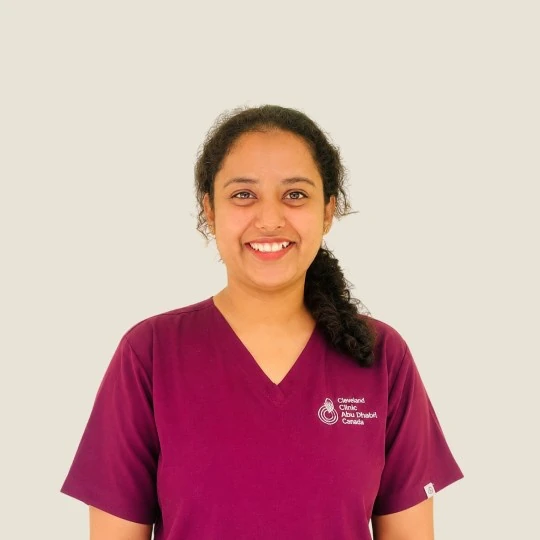
Meet our speech therapists who specialise in this area.
Understanding Speech Therapy for Kids
Speech therapy is a specialised treatment designed to address children's verbal communication problems. It includes assessment and intervention for speech and language problems, such as problems with articulation, fluency, and voice. Through personalised physical games and activities, speech therapists help children improve their verbal and non-verbal communication skills and promote clearer speech, higher expertise, and strong interaction in everyday settings. When combined with complementary approaches like music therapy to support communication, outcomes can be even more robust.
Signs Your Child Might Need Speech Therapy
Early identification of speech and language difficulties can significantly benefit a child’s communication skills. If you notice your child struggling with articulation, understanding directions, or forming sentences, online speech therapy for kids can provide the necessary support. Seeking children's speech therapy near me at the right time ensures they develop strong verbal and social interaction skills.
Delayed Speech Milestones
If your child is not meeting speech milestones such as babbling, saying first phrases, or putting words together in sentences on time, they can indicate that the child needs speech therapy for proper improvement.
Difficulty Pronouncing Sounds
Children often mispronounce sounds or words when they're learning to speak. However, if this difficulty persists beyond the age where they should be able to produce certain sounds correctly (for example, not being able to pronounce "r" or "l" sounds by age 7), it could indicate a need for speech therapy.
Limited Vocabulary
If your child's vocabulary is significantly smaller than that of their peers, or if they show little interest in adding new words, this could be a sign of a language delay.
Difficulty Following Directions
Difficulty understanding or following easy guidelines may signify issues with receptive language skills, which can be treated with offline or online speech therapy.
Frustration with Communication
If your child gets easily frustrated when trying to communicate, it might be because they're struggling to express themselves. This can lead to behavioural issues and should be taken as a sign that they might need help.
Social Interaction Challenges
Difficulty interacting with peers, not engaging in play that involves talking, or not showing interest in communication can indicate speech and language issues, and speech therapy for autism may be beneficial.
Selecting the Right Speech Therapist for Your Child
Choosing a speech therapist involves evaluating their qualifications, experience, and techniques to ensure they meet your child’s desires and foster powerful conversation capabilities.
1. Identify Your Child’s Needs
Determine your child's specific speech and language challenges, such as articulation, fluency, or social communication issues. This helps in finding a therapist specialising in those areas.
2. Research Therapists' Qualifications
Investigate the credentials and certifications of potential therapists. Ensure they have the necessary education, licensing, and professional qualifications to provide high-quality speech therapy for kids.
3. Consider Experience and Specialisation
Look for therapists with experience treating children with speech difficulties and who have specific expertise in your child’s particular speech or language disorder. This can significantly impact therapy's success.
4. Evaluate Their Approach and Techniques
Examine the methods and techniques the therapist uses. Play-based, child-centred approaches tend to produce the best outcomes for young children, keeping them engaged and motivated throughout sessions.
Frequently Asked Questions
At what age should a child start speech therapy?
Children can begin speech therapy as early as 12 to 18 months if red flags are present, and the American Speech-Language-Hearing Association recommends evaluation as soon as concerns arise. Early intervention before age 5 consistently produces stronger outcomes because the brain's language networks are most plastic during this window. At Cadabam's CDC, our speech-language pathologists assess children from 18 months onward and tailor play-based sessions to each developmental stage.
How long does speech therapy take to show results?
Most children show measurable improvement within 3 to 6 months of consistent weekly sessions, though the timeline depends on the type and severity of the speech disorder. Articulation errors like substituting "w" for "r" often resolve faster than complex language delays or childhood apraxia of speech, which may require 12 months or more of therapy. Regular home practice of therapist-assigned activities can accelerate progress by 30 to 50 percent.
What is the difference between a speech delay and a speech disorder?
A speech delay means a child is following the typical developmental sequence but at a slower pace, while a speech disorder involves atypical patterns of sound production, fluency, or voice quality that will not resolve without intervention. For example, a 3-year-old who uses only 50 words instead of the expected 200 has a delay, whereas a child who consistently drops final consonants past age 4 may have a phonological disorder. A certified speech-language pathologist can distinguish between the two through standardised assessment.
Can speech therapy be done online for kids?
Online speech therapy, also called telepractice, is effective for many childhood speech and language conditions including articulation disorders, fluency issues, and expressive language delays. Research shows that telepractice outcomes are comparable to in-person therapy for children aged 4 and above who can attend to a screen with a caregiver present. Cadabam's CDC offers both in-person sessions at our Bangalore centers and online sessions for families who need flexible scheduling.
How can parents support speech therapy at home?
Parents play a critical role by practicing therapist-recommended activities for 10 to 15 minutes daily, such as targeted sound drills, vocabulary games, or reading aloud with emphasis on specific phonemes. Modeling correct pronunciation without directly correcting the child, expanding on their sentences, and creating opportunities for conversation during everyday routines like meals and bath time all reinforce therapy gains. Studies show that children whose parents actively participate in home practice achieve lasting results significantly faster.
Medically reviewed by Blessy Yohannan, Speech-Language Therapist, Cadabam's CDC. Last reviewed March 2026.