ADHD Treatment in Bangalore for Children and Teens
ADHD treatment in Bangalore for children usually combines a careful assessment, parent training, behaviour therapy, occupational therapy where it is needed and support for school. At Cadabam's Child Development Centre, our psychologists, behaviour therapists and occupational therapists plan this together for each child. We have centres in JP Nagar, Kalyan Nagar and Kanakapura Road, and our team will tell you which therapists are available at each.
If you are not sure yet whether your child's attention or restlessness needs a closer look, you can start with our online ADHD self-assessment test. It takes a few minutes and helps you decide whether to book.
Book an ADHD assessment | Meet our behavioural therapists
Key Takeaways
- ADHD care for a child starts with a proper assessment, not an online checklist alone.
- Parent training and behaviour therapy are the core of non-medical ADHD care for children.
- Occupational therapy, speech-language support and school coordination are added only when the assessment shows a need.
- A paediatrician, developmental paediatrician or child psychiatrist decides whether a medical review is needed.
- Progress is tracked against goals you set together with the therapist, and the plan is reviewed at fixed points.
What ADHD Treatment for Children Involves in Bangalore
ADHD (attention-deficit/hyperactivity disorder) affects how a child pays attention, controls impulses and manages activity levels. There is no single treatment that suits every child. Good ADHD care is a plan built around your child's age, strengths, the situations that are hardest for them, and what your family and school can realistically do.
For most children, a plan brings together a few of these parts:
- Assessment to understand what is going on and what else might explain it.
- Parent training so that home routines, instructions and responses to behaviour work in your child's favour.
- Behaviour therapy with the child, focused on skills such as waiting, finishing tasks and handling frustration.
- Occupational therapy when there are difficulties with organisation, handwriting, motor coordination or sensory regulation.
- Speech-language support when listening, language or social communication also need work.
- School coordination so that teachers use the same strategies and reasonable classroom adjustments.
- Medical review by a doctor, when the clinical team or your paediatrician feels it is needed.
The American Academy of Pediatrics' 2019 clinical practice guideline on ADHD recommends parent training in behaviour management as the first-line approach for children aged 4 to 5, and recommends behavioural approaches, including classroom support, for older children alongside any medical treatment their doctor advises (AAP guideline, Pediatrics 2019). This page focuses on the non-medical parts of care.
This page is about getting help in Bangalore. If you want to read about signs first, see ADHD symptoms in children or our main ADHD guide.
Comparing the parts of an ADHD plan
| Type of support | What it works on | Who delivers it at Cadabam's CDC | When it is usually added |
|---|---|---|---|
| Assessment | Understanding attention, behaviour, learning and development | Psychologist or behaviour therapist | At the start, and at review points |
| Parent training | Routines, instructions, praise and consequences at home | Psychologist or behaviour therapist | Early in almost every plan |
| Behaviour therapy | Self-control, task completion, frustration and social skills | Behaviour therapist or psychologist | When the child is old enough to take part in sessions |
| Occupational therapy | Organisation, handwriting, motor skills, sensory regulation | Occupational therapist | When the assessment shows these needs |
| Speech-language therapy | Listening, language and social communication | Speech-language pathologist | When the assessment shows these needs |
| School support | Classroom strategies and adjustments | The therapy team with your child's teachers | Once goals for school are clear |
| Medical review | Whether medical treatment should be considered | Paediatrician, developmental paediatrician or child psychiatrist | When advised by the clinical team or your doctor |
Step 1: An Assessment Before ADHD Treatment Begins
Treatment should start with understanding your child, not with a label. Inattention and restlessness can have many causes, including sleep problems, learning difficulties, anxiety, hearing or vision concerns, or simply a stressful time at home or school. Some children also have more than one need, such as ADHD alongside autism traits; our page on autism vs ADHD explains how the two can look similar.
At Cadabam's CDC, an assessment for attention and behaviour concerns usually looks at:
- Your child's history. Pregnancy and birth, milestones, health, sleep, and when you first noticed the concerns.
- Observation. How your child plays, listens, waits and works on a task with the clinician.
- Parent input. What a typical morning, homework time and bedtime look like at home.
- Teacher input. How your child manages in the classroom, since ADHD-related difficulties usually show up in more than one setting.
- Standardised tools. Rating scales and tests chosen by the clinician to suit your child's age.
An online screening, including our ADHD self-assessment test, can help you decide whether to book. A screening result does not confirm ADHD; only a qualified clinician can do that after a full assessment.
At the end of the assessment, the clinician usually explains what they found in plain language, answers your questions and suggests which supports to start with.
Behaviour Therapy and Parent Training for ADHD
Parents are the most important part of ADHD treatment for younger children. In parent training sessions, a psychologist or behaviour therapist works with you on:
- giving short, clear instructions and checking your child has heard them;
- building predictable routines for mornings, homework and bedtime;
- noticing and praising the behaviour you want to see more of;
- using calm, consistent consequences instead of repeated warnings;
- breaking tasks into small steps with visual reminders;
- looking after your own stress, because ADHD can be tiring for the whole family.
In behaviour therapy sessions with the child, the therapist uses games, structured tasks and role play to practise skills such as waiting for a turn, starting and finishing work, and calming down after a setback. Older children and teens also work on planning, time management and talking through situations that went wrong.
Most families find reward charts and visual schedules useful at home. You can download printable versions from our ADHD tools and resources page and bring them to your sessions. Read more about our general approach on the behavioural therapy page.
Occupational Therapy, Speech and Executive-Function Support
Some children with attention difficulties also struggle with handwriting, coordination, organisation or sensory regulation. They may find it hard to sit through a class, keep track of their things, or cope with noise and crowds. If the assessment shows these needs, an occupational therapist joins the plan.
Occupational therapy for children with ADHD may include:
- activities that help the body settle before tasks that need focus;
- fine-motor and handwriting practice;
- planning and organisation routines, such as packing a school bag from a checklist;
- strategies for self-regulation the child can use in class.
You can read more on our occupational therapy for ADHD page.
When a child also has difficulty following spoken instructions, telling a story in order, or reading social cues, a speech-language pathologist may be part of the team. These services are added only when they match a need found in the assessment, not as a fixed package.
School Support and Classroom Coordination
Much of what makes ADHD hard for a child happens at school. Treatment works better when teachers use the same approach as home and therapy. With your permission, our team can share practical strategies with your child's school, such as:
- seating away from doors and windows, near the teacher;
- breaking classwork into shorter parts with check-ins;
- written or visual instructions alongside spoken ones;
- planned movement breaks;
- a simple daily report between school and home.
For ideas you can discuss with your child's teacher, see ADHD classroom accommodations and school support for a child with ADHD.
When a Medical Review Is Needed for ADHD
Some children benefit from medical treatment as part of ADHD care. Whether this is right for your child is a decision for a doctor, usually a paediatrician, developmental paediatrician or child psychiatrist, made with you after a proper evaluation. This page does not give advice on medicines.
Our psychologists may suggest a medical review when difficulties are severe, when behaviour therapy and school support alone are not enough, or when there are other health concerns. If your child already sees a doctor for ADHD, we are happy to work alongside them so that therapy and medical care support each other. Please do not start, stop or change any medicine without speaking to your child's doctor.
For a broader overview of ADHD, read our ADHD guide.
Who You Will Meet: Our ADHD Care Team
Children and teens with ADHD at Cadabam's CDC are seen by a team that can include psychologists, behaviour therapists, occupational therapists and speech-language pathologists. Each therapist's profile lists their qualifications, the conditions they work with and the languages they speak, and fees are confirmed at booking.
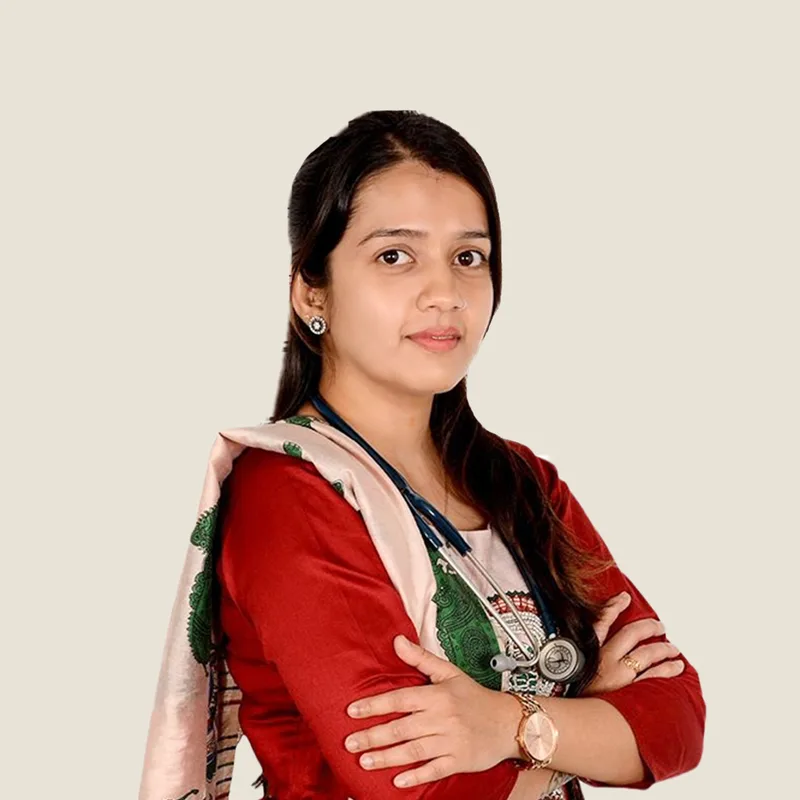
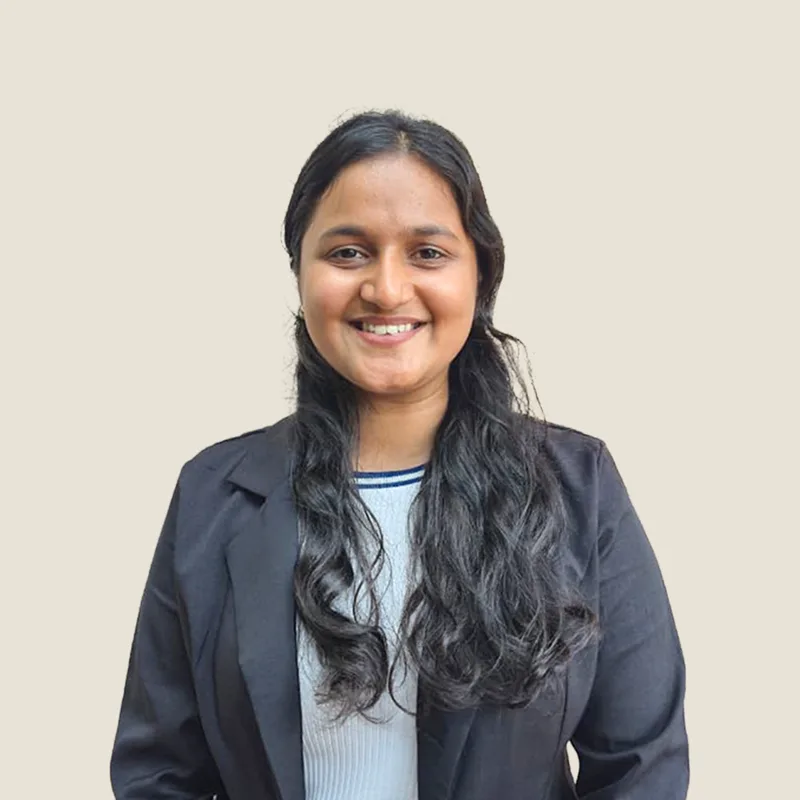
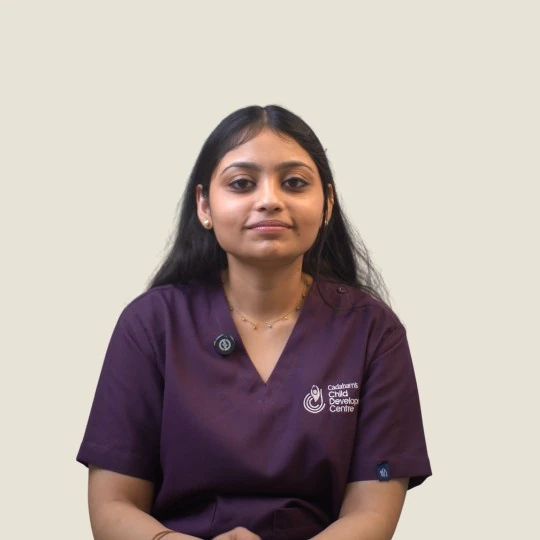
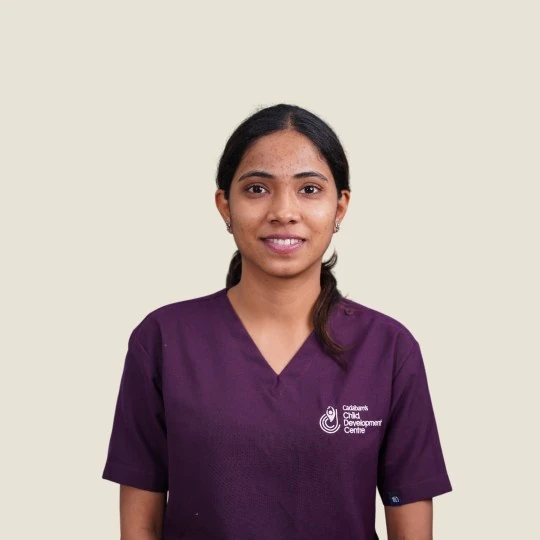
- Shalu Tiwari, Rehabilitation Psychologist, works with children and adolescents on ADHD, autism and behavioural concerns, and offers parent counselling. She reviewed this page; ask our front desk which centre she is available at.
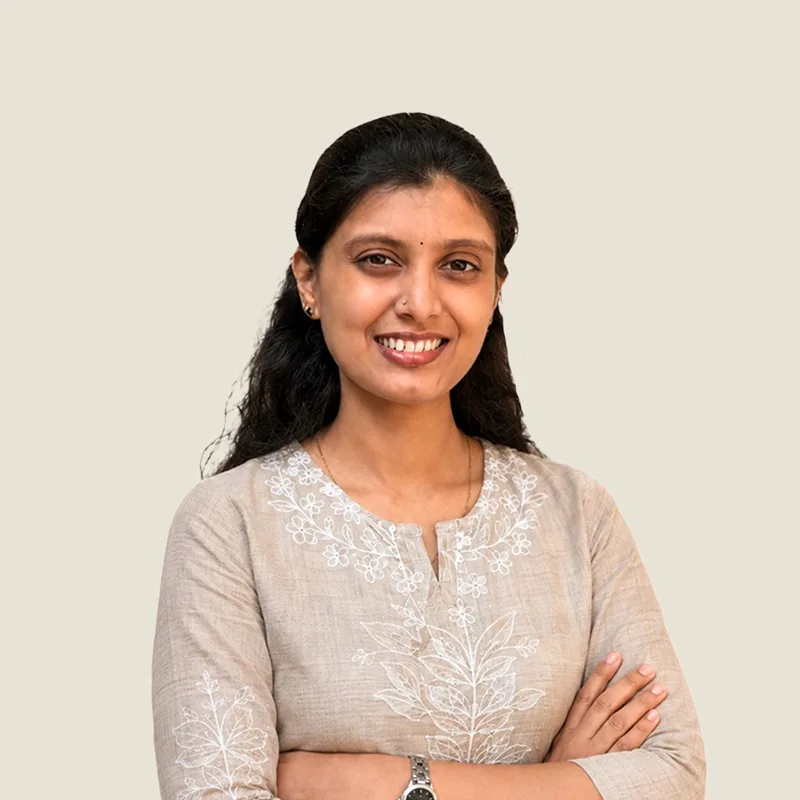
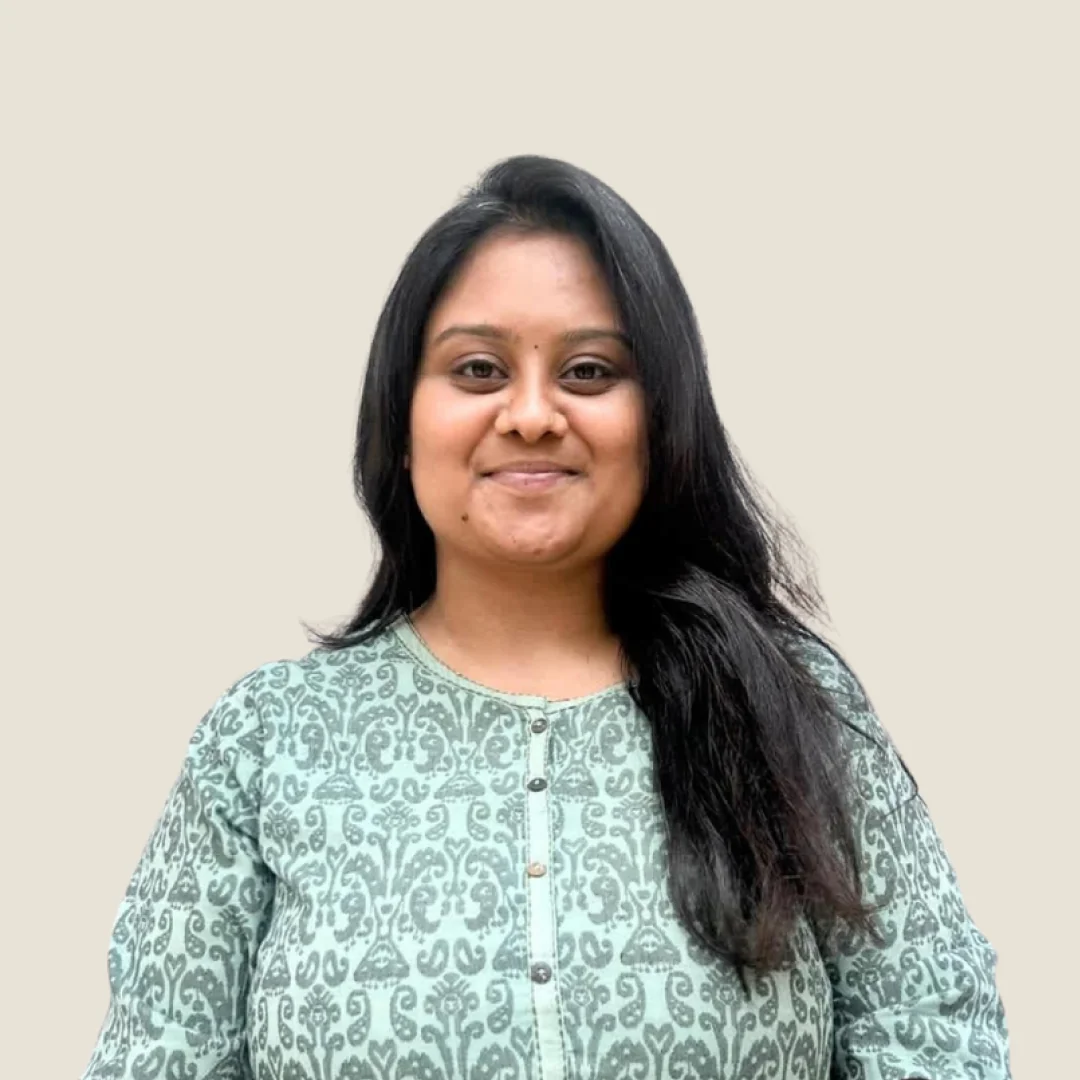
- Tahera Arsiwala, senior Occupational Therapist, works with children with ADHD, autism, learning disability and sensory processing difficulties.
You can see the full list of therapists in our behavioural therapists in Bangalore directory.
What ADHD Therapy Costs in Bangalore
At Cadabam's CDC, fees are set per therapist and confirmed when you book.
| Service | Therapist | Listed fee |
|---|---|---|
| Psychology and behaviour therapy, parent counselling | Shalu Tiwari, Rehabilitation Psychologist | ₹1,250 |
| Occupational therapy | Tahera Arsiwala, Occupational Therapist | ₹1,200 |
| Other therapists | See each profile in our team directory | As listed on the profile |
| Assessment | Confirmed at booking | Confirmed at booking |
Fees may change, so our front desk confirms the fee, session length and any assessment charge when you book.
The total cost of ADHD therapy depends on how many types of support your child needs, how often sessions are recommended, and how long the plan runs. We do not quote a fixed number of sessions before assessing your child. After the assessment, you will know the starting plan and the next review date, so you can plan your budget around it.
What the First Few Months Often Look Like
Every child is different, and this is a typical order of steps, not a promise.
- Assessment. History, observation, parent and teacher input, and standardised tools. You receive feedback in plain language.
- Goal-setting. Together with the therapist, you choose two or three goals that matter most at home and school, such as getting ready for school with fewer reminders or finishing homework in shorter blocks.
- Regular sessions. Parent training and child sessions begin, with OT or speech support if needed. You get home activities to practise between sessions.
- Review. After about three months, or as your therapist advises, the team reviews progress against your goals with you, adjusts the plan, and agrees on the next review point.
Where to Get ADHD Treatment in Bangalore: Our Centres
You can visit any of our three centres. Call +91 95355 85588 to book or to ask which therapists are available at each centre.
| Centre | Address |
|---|---|
| Cadabam's CDC JP Nagar | Door no 21, 16th Cross Rd, MG Layout, 6th Phase, J. P. Nagar, Bengaluru, Karnataka 560078 |
| Cadabam's CDC Kalyan Nagar | 820, 1st Cross Rd, HRBR Layout 1st Block, HRBR Layout, Kalyan Nagar, Bengaluru, Karnataka 560043 |
| Cadabam's CDC Kanakapura Road | 3rd Floor, Sadhvin Heights, 747/787, Kanakapura Main Rd, Doddakallasandra Village, Uttarahalli Hobli, Bengaluru, Karnataka 560062 |
What to Bring to Your Child's First Visit
A little preparation helps the first session give you clearer answers. If you can, bring:
- school report cards from the last one or two years;
- notes or messages from teachers about attention, behaviour or classwork;
- reports from any earlier assessments or therapy;
- your child's health records, including hearing and vision checks if done;
- a week of short observation notes: when the difficulties happen, what helped and what did not;
- a list of your questions.
Bring your child's favourite small toy or snack as well, so the new setting feels a little more familiar.
Frequently Asked Questions
What is the best treatment for ADHD in children?
There is no single best treatment for every child. Good ADHD care starts with an assessment and then builds an individual plan, usually with parent training and behaviour therapy at the core, plus occupational therapy, speech support or school coordination if needed. A doctor decides whether a medical review is also needed.
How is ADHD treated without medication?
Non-medical ADHD care for children includes parent training, behaviour therapy, occupational therapy, and classroom strategies agreed with your child's school. Whether medical treatment should also be considered is a decision for a paediatrician, developmental paediatrician or child psychiatrist.
Which doctor should I see for ADHD in Bangalore?
You can start with your paediatrician, a developmental paediatrician, a child psychiatrist or a child psychologist. At Cadabam's CDC, our psychologists carry out assessments for attention and behaviour concerns and provide therapy. If a medical review is needed, they will explain why and work alongside your child's doctor.
How much does ADHD therapy cost in Bangalore?
At Cadabam's CDC, fees are set per therapist. For example, Shalu Tiwari's (Rehabilitation Psychologist) listed fee is ₹1,250, and Tahera Arsiwala's (Occupational Therapist) listed fee is ₹1,200. Fees may change, so please confirm at booking.
How long does ADHD treatment take?
It varies from child to child. ADHD support is often ongoing, but the plan changes as your child grows and gains skills. At Cadabam's CDC, goals are reviewed at set points, so you always know what has changed and what comes next. No one can promise a fixed timeline.
Can a 4-year-old start ADHD therapy?
Yes, young children can start support early, and parent training is especially useful at this age. When to confirm ADHD formally is the clinician's decision, because many young children are naturally active. An assessment helps you understand what support will help now; ask at booking which therapist sees preschool children.
Book an ADHD Assessment at Cadabam's CDC
If your child's attention, impulsivity or restlessness is making school or home harder, an assessment is a calm, practical first step. Try our ADHD self-assessment test or explore our ADHD tools, then book an assessment or call +91 95355 85588.